Professional Learning Opportunity: Crisis Management for School-Based Incidents

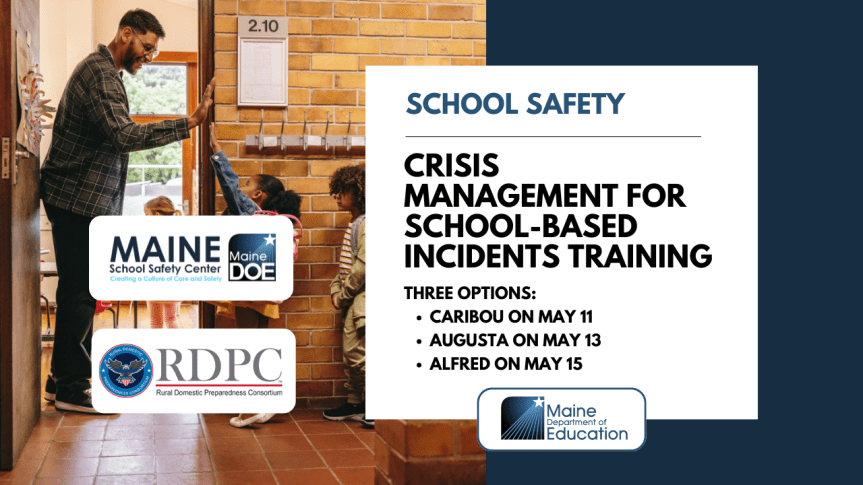
The Maine Department of Education (DOE) Maine School Safety Center (MSSC) is partnering with the Rural Domestic Preparedness Consortium (RDPC) to bring free incident response training to Maine schools.

“Crisis Management for School-Based Incidents: Partnering Rural Law Enforcement, First Responders, and Local School Systems” is an eight-hour Department of Homeland Security (DHS) and Federal Emergency Management Agency (FEMA) certified course that is designed to educate rural law enforcement personnel as well as school administrators and staff on the elements that would allow for an effective response to school-based emergencies. This course covers how affected parties collaborate on planning, preparing, communicating, responding, and recovering from a school-based incident.

The course will be offered three times in different locations across Maine. Registration is required through the RDPC website; links are provided below. Please register by midnight on the registration deadline listed for each course. Each in-person course runs from 8 a.m. to 5 p.m.

Please note: A FEMA student identification number is required for registration of these courses. You may register for your FEMA student identification number by visiting the FEMA website.

Course DateLocationRegistration DeadlineSponsoring Agency AddressRegister
May 11, 2026Caribou (PDF flyer)April 27, 2026Caribou High School
Performing Arts Center
308 Sweden Street, Caribou, ME 04736
Register.
May 13, 2026Augusta (PDF flyer)April 29, 2026University of Maine at Augusta
Classroom Capital Center 46 University Drive, Augusta, ME 04330
Register.
May 15, 2026Alfred (PDF flyer)May 1, 2026York County Regional Training Center Room 201 79 First County Way, Alfred, ME 04002Register.

For more information, please contact the Maine School Safety Center.

School Safety and Transportation Professionals Convene in Rockport for 2026 Maine School Safety and Transportation Conference

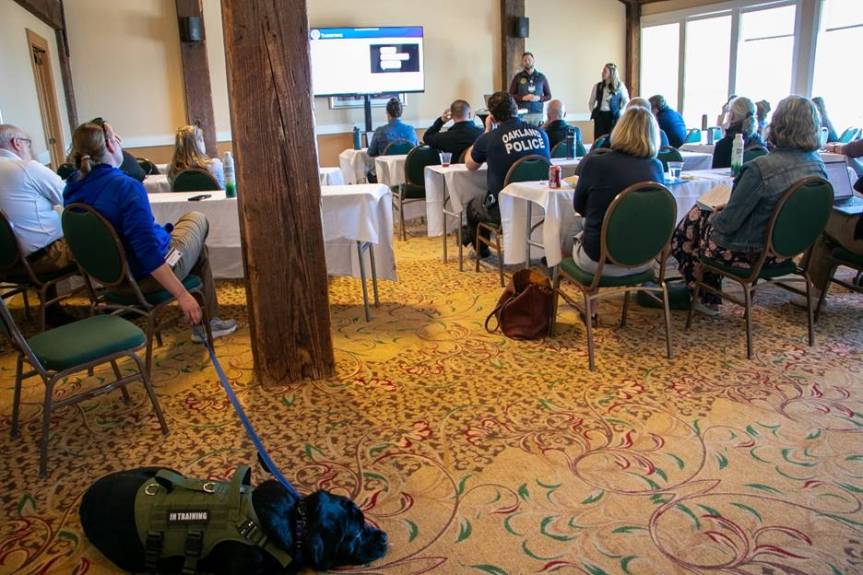
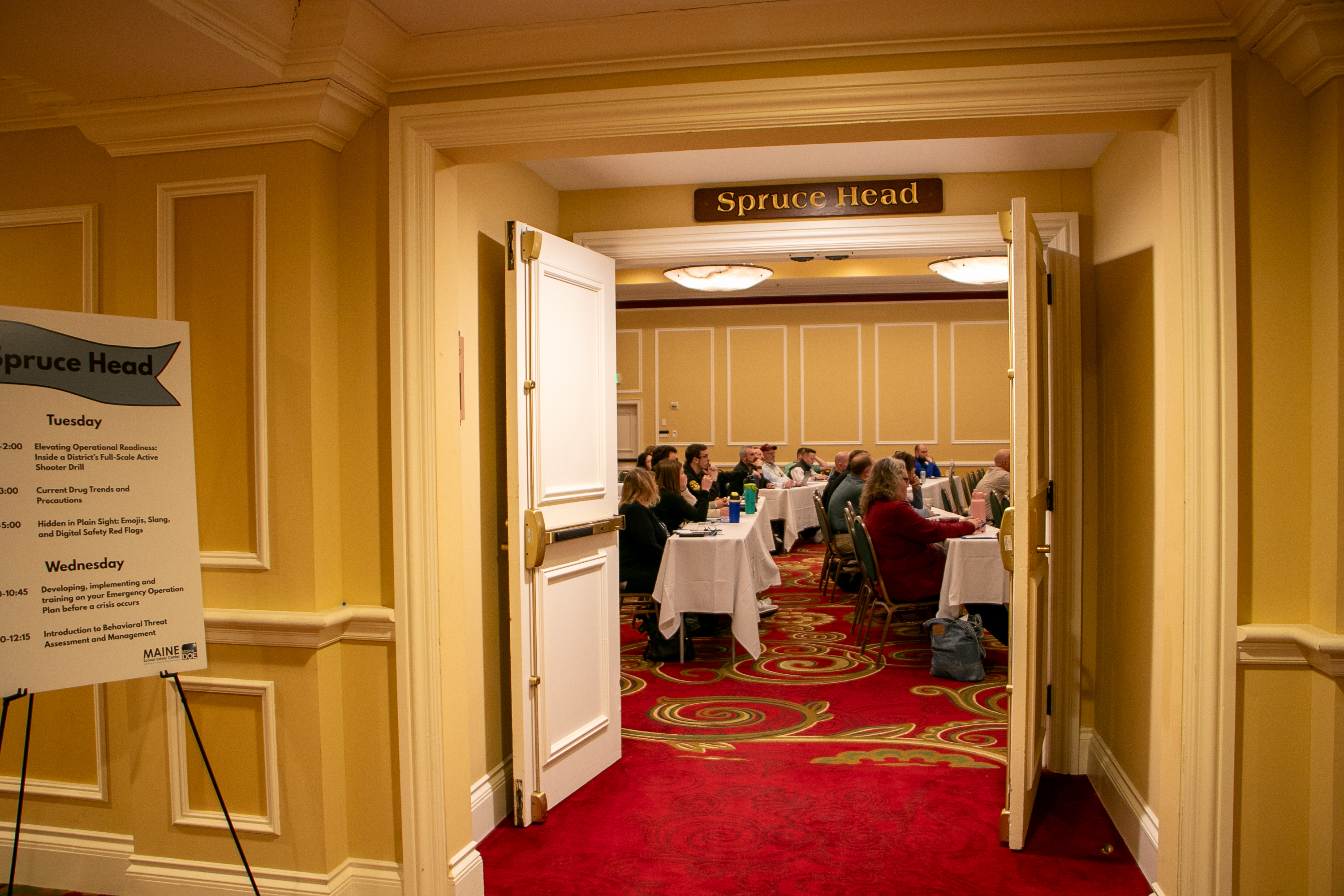
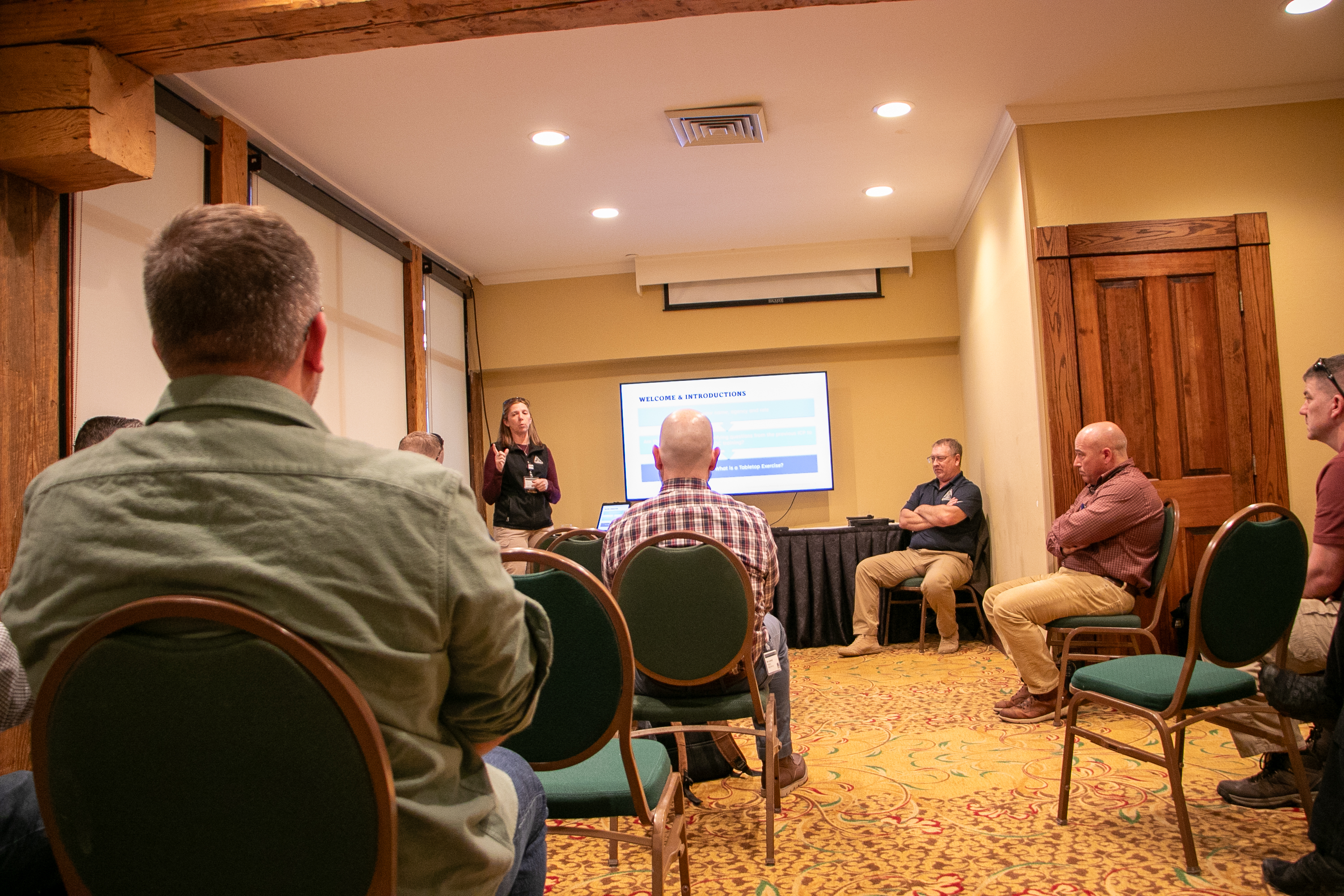
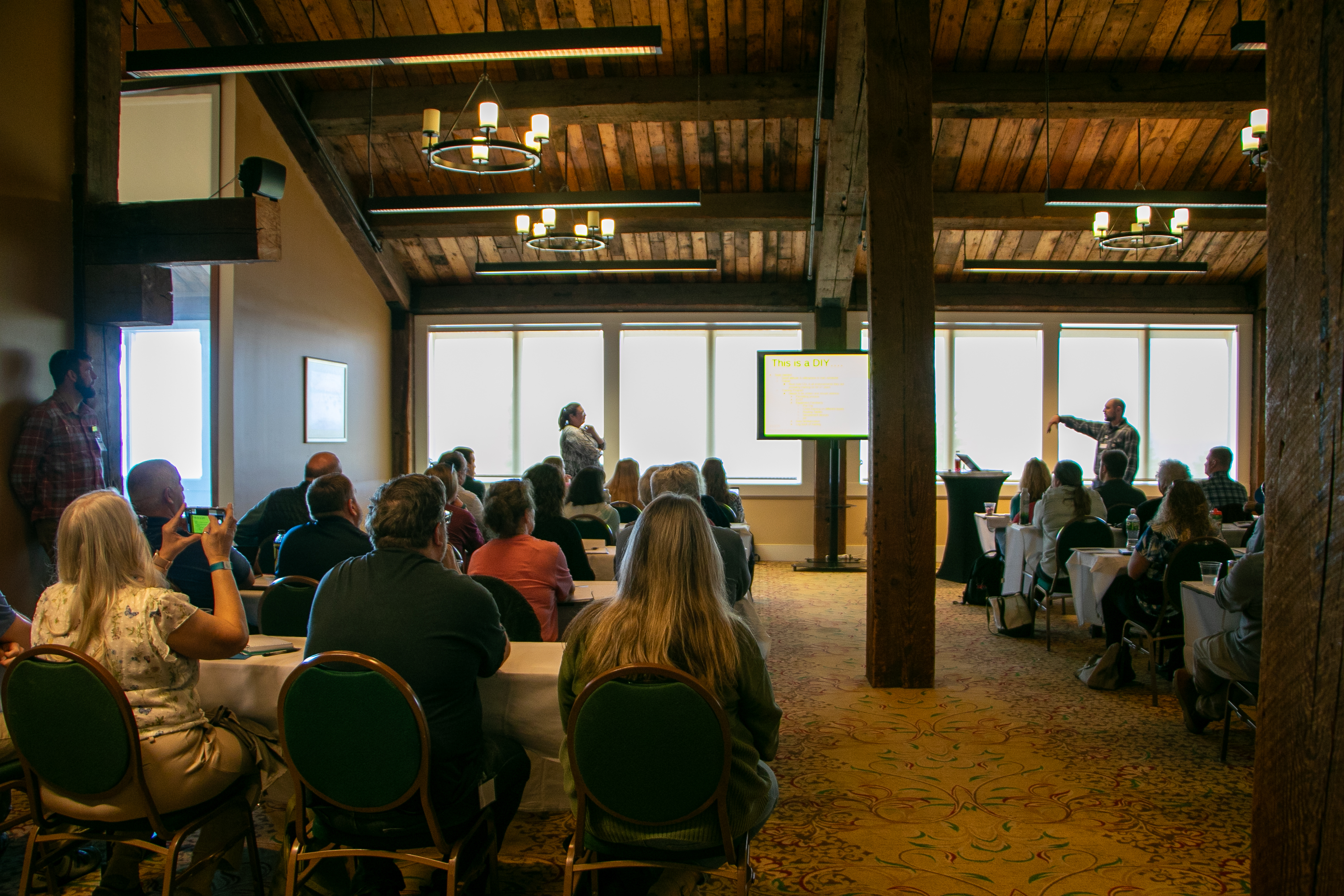
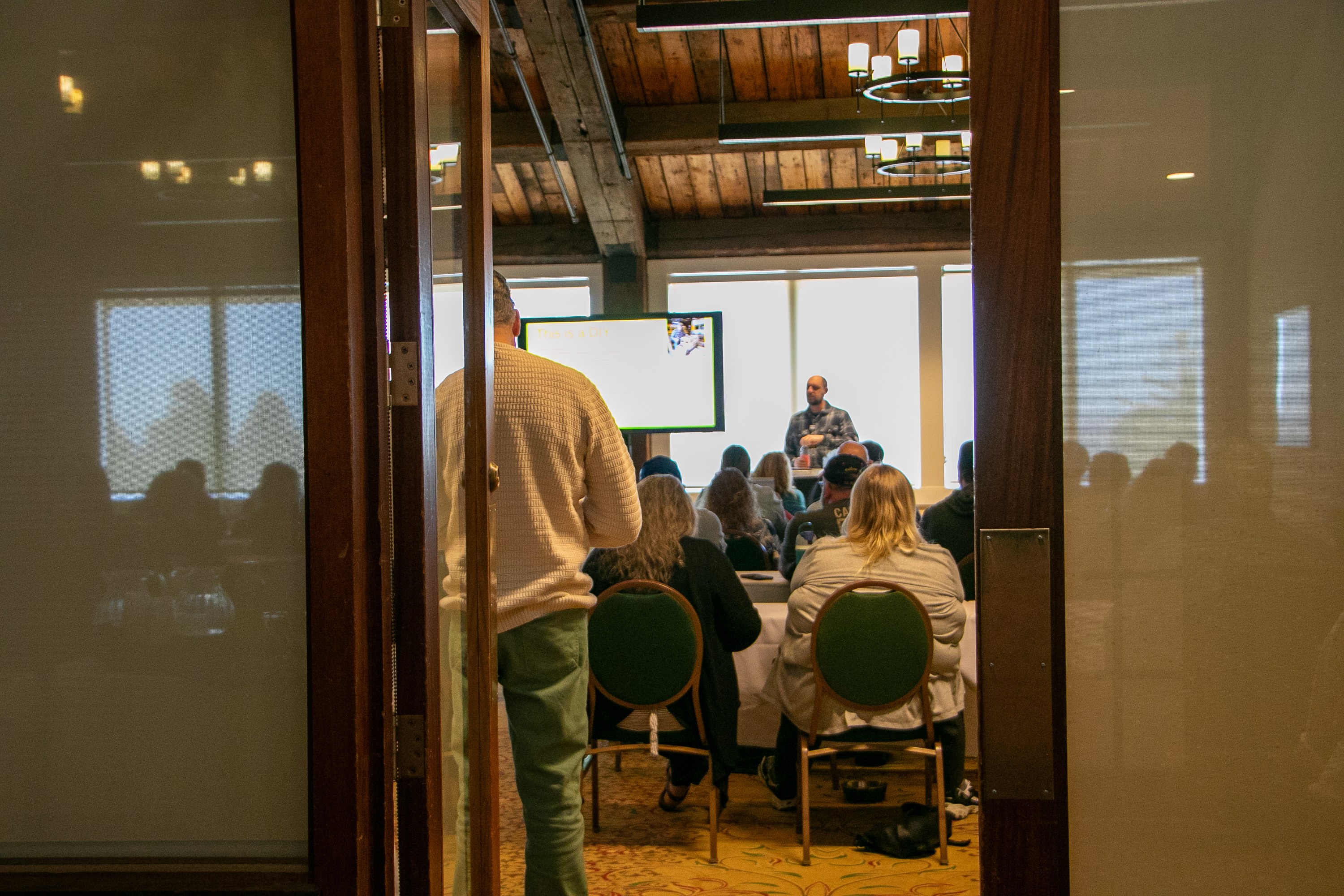
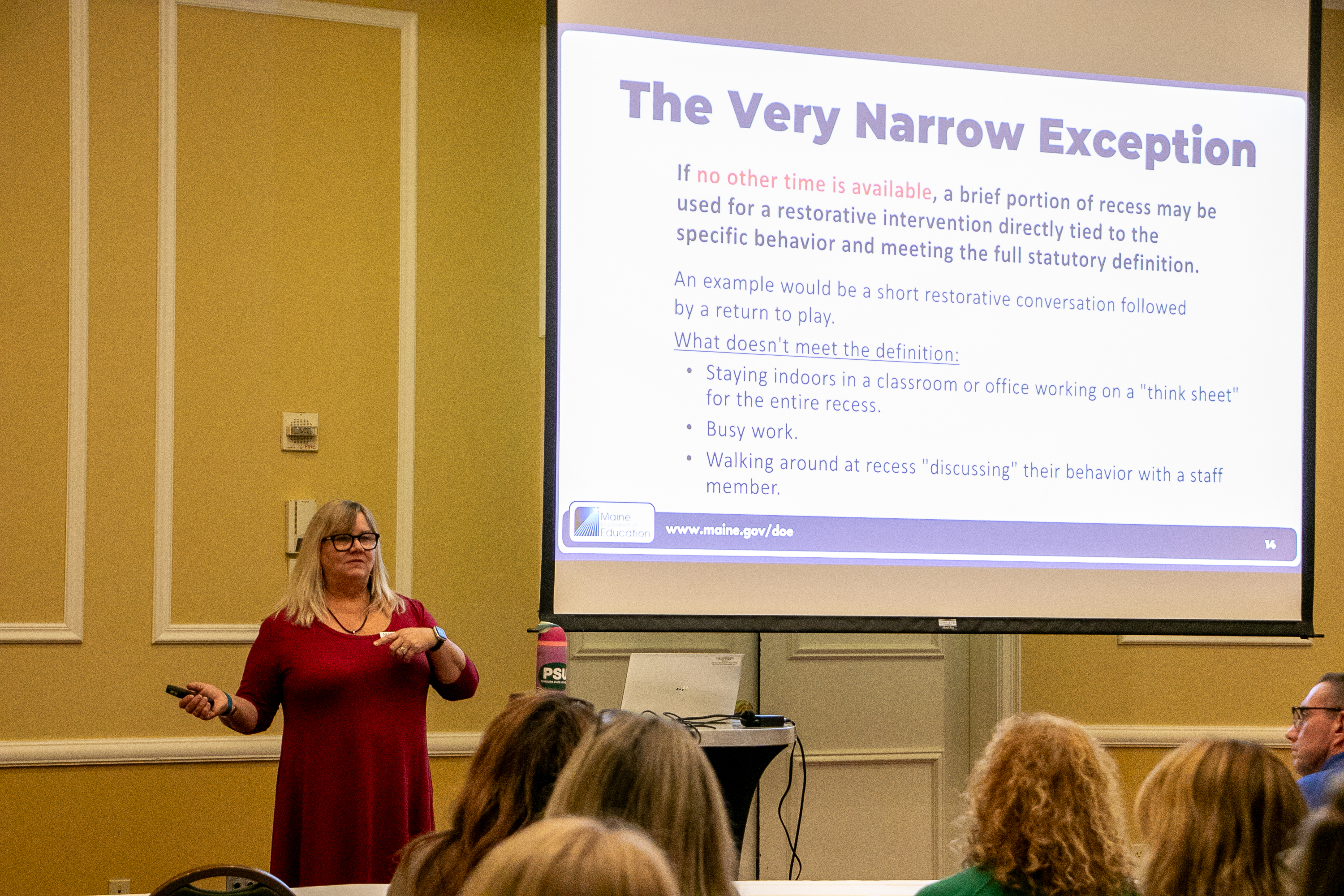
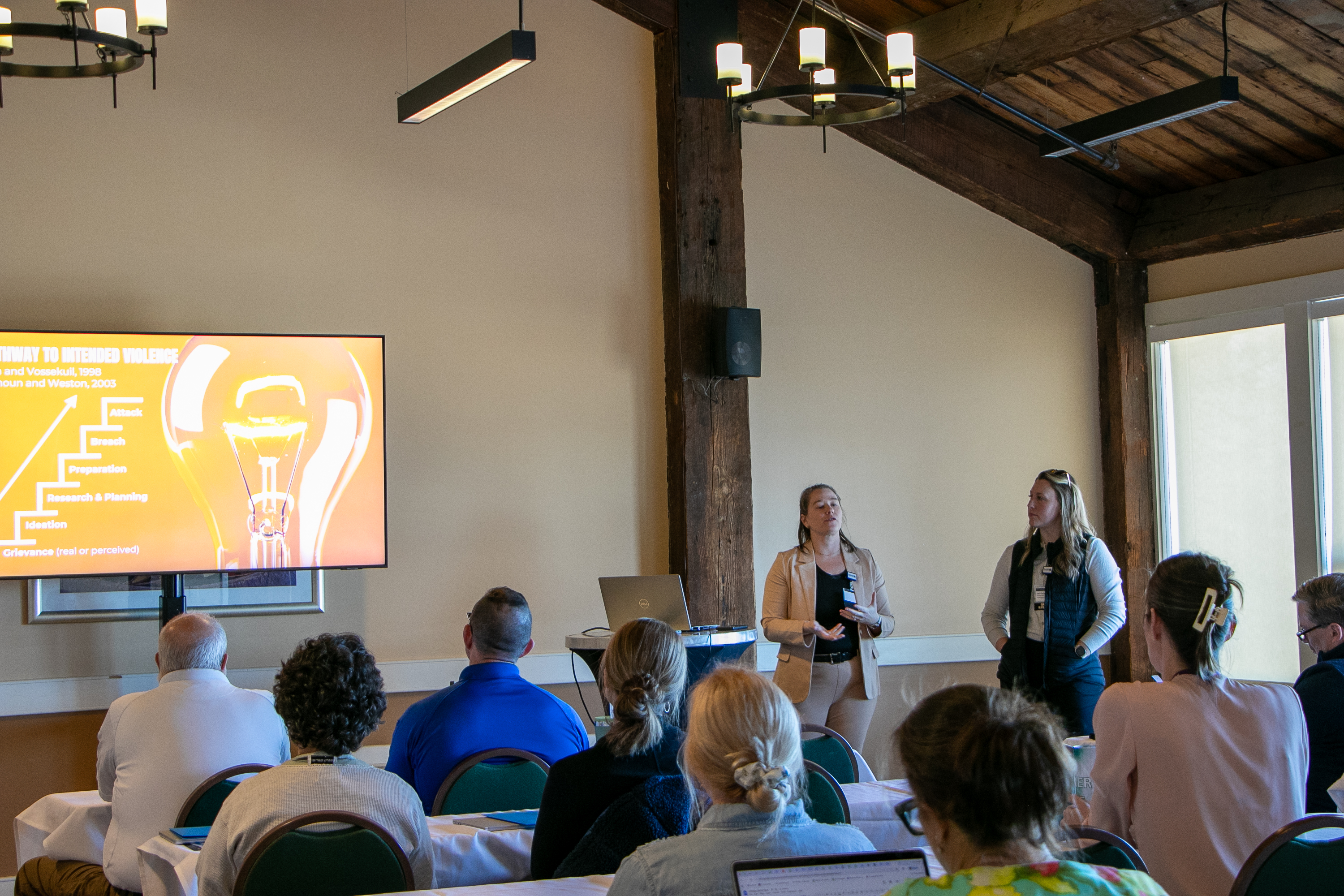
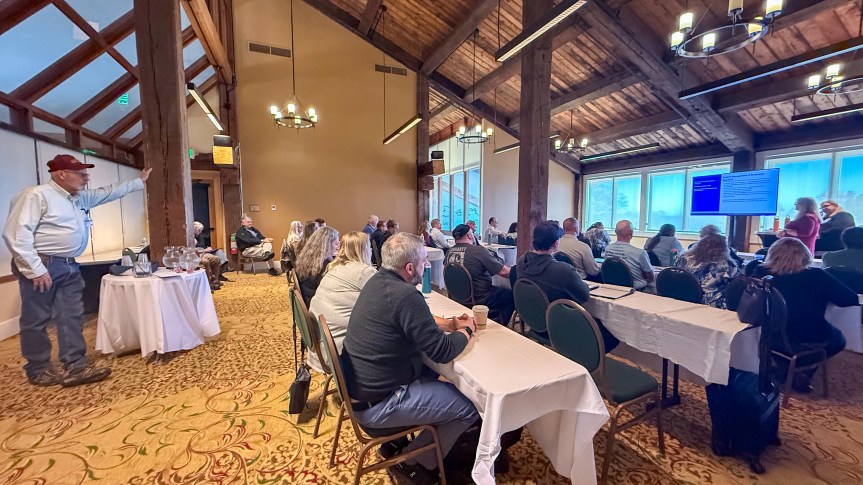
From March 9-11, 2026, school safety and transportation professionals from across Maine gathered at the Samoset Resort in Rockport for the annual Maine School Safety and Transportation Conference, hosted by the Maine Department of Education’s (DOE) Maine School Safety Center (MSSC).

The three-day event brought together school administrators, transportation directors, school resource officers, and law enforcement partners to strengthen coordination, improve emergency preparedness, and enhance school safety practices statewide.

The conference began on the evening of March 9 with a welcome reception and dinner, followed by two days of training sessions, keynote presentations, and collaborative discussions focused on keeping Maine’s students and school communities safe.

The first full day of the conference opened with keynote speaker John-Michael Keyes of the “I Love U Guys” Foundation. Keyes and his wife, Ellen, founded the organization in 2006 following a school shooting at Platte Canyon High School in Colorado that took the life of their daughter. The foundation is dedicated to advancing school safety, preparedness, and family reunification protocols, and its work is led and supported by survivors, family members, first responders, and community members.

During his opening keynote, Keyes shared a powerful presentation reflecting on the events at Platte Canyon High School. The session explored the interactions between hostage negotiator Stacy Avila and a 16-year-old student held hostage during the incident. Through the perspectives of both a negotiator and a victim’s father, the presentation offered an emotional and compelling look at the lasting impacts of crisis events and the importance of preparation, communication, and coordinated response.

On the second day of the conference, Keyes returned to present on the Standard Reunification Method (SRM), a widely used framework designed to help schools safely reunite students with their families following an emergency.

In addition to listening to keynote sessions, attendees participated in a wide variety of concurrent sessions designed to address emerging safety challenges and best practices in school and transportation safety.


Topics included:

  • Child harness systems and seatbelt recommendations for school buses.
  • Anti-pinch technology and other transportation safety innovations.
  • Managing incident response through Incident Command (IC) and Emergency Operations Center (EOC) coordination.
  • Responding to and investigating bomb threats and swatting hoaxes.
  • Current drug trends and safety precautions.
  • Online juvenile exploitation and digital safety risks.
  • Behavioral threat assessment and targeted violence prevention.
  • Psychological first aid and verbal de-escalation techniques.
  • Restorative practices and cross-departmental approaches to addressing student behavior.
  • National Weather Service resources for school safety.
  • School safety in the digital age.


Officer Katherine Dyment, school resource officer (SRO) at Hampden Academy, and Mrs. Brittany Russell, Director of Health, Wellness, and Safety at RSU 22 in Hampden, presented at a session, sharing insights from a full-scale active shooter drill in their district. They conducted one of the largest pre-K–12 full-scale active shooter and reunification exercises in the state’s history, involving local, county, and federal partners, as well as more than 40 educators. Their session highlighted lessons learned and strategies to improve operational readiness.

Transportation directors had additional opportunities to collaborate through roundtable discussions and training sessions held during the conference. These sessions focused on training needs, operational challenges, and strategies to strengthen bus safety across Maine.

Maine School Safety Center team members Dr. Stacey Gulley-Vernon, Restorative Practices Coordinator, and Cheryl Brackett, Transportation Coordinator, led a session titled “Safety, Driving, and Student Management – Which Comes First?” for a room packed with transportation directors.

School transportation professionals also explored enhanced safety practices and tools to protect students on and around school buses, as well as regulatory guidance from the Maine DOE and the Bureau of Motor Vehicles (BMV) focused on paperwork, records, and compliance.

Throughout the conference, participants emphasized the importance of collaboration between schools, transportation departments, emergency responders, and community partners. The event provided a space for professionals from across the state to share experiences, learn from one another, and build stronger networks dedicated to protecting students and school staff.

By combining practical training, expert guidance, and opportunities for collaboration, the 2026 Maine School Safety and Transportation Conference reinforced the Maine School Safety Center’s ongoing commitment to proactive planning, coordinated response, and safe learning environments for all students.

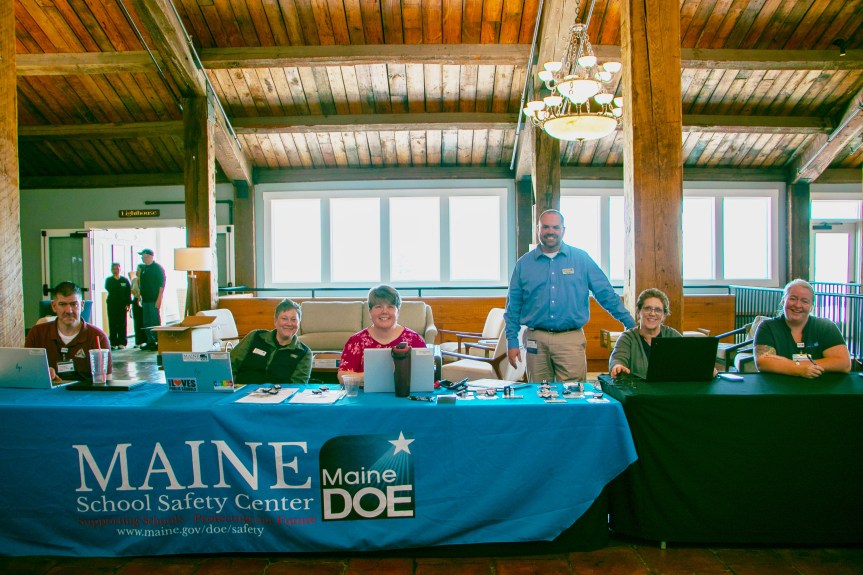
Members of the Maine School Safety Center Team

For more information and additional resources on school safety and transportation, please visit the Maine School Safety Center webpage or contact the Maine School Safety Center.

Registration Open for Maine Association for Pupil Transportation Regional Conferences

The Maine Association for Pupil Transportation (MAPT), a statewide professional organization dedicated to supporting student transportation across Maine, is hosting its 2026 regional conferences in April and June.

These events provide high-quality professional development, hands-on training, networking opportunities, and skills competitions for transportation professionals from across Maine. Each MAPT regional conference features a full day of targeted training sessions and skills events, designed to promote safety, leadership, and operational excellence in student transportation. These events bring together transportation staff from various school administrative units (SAUs) statewide to strengthen best practices, enhance collaboration, and recognize professional achievement.

Event Dates/Regions:

  • April 21, 2026 – RSU 57 (Massabesic High School, 88 West Road, Waterboro, ME 04087)
  • April 22, 2026 – RSU 3 (Mount View Middle and High School, 577 Mount View Road, Thorndike, ME 04986)
  • April 23, 2026 – Mt. Blue Regional School District (Mt. Blue High School, 129 Seamon Road, Farmington, ME 04938)
  • June 23, 2026 – MSAD 27 (Fort Kent Community High School, 84 Pleasant Street, Fort Kent, ME 04743)
  • June 25, 2026 – AOS 96 (Machias Memorial High School, 1 Bulldog Lane, Machias, ME 04654)

For each MAPT regional conference, the agenda will include a 7:30-8 a.m. check-in, with coffee, breakfast, and lunch provided throughout the day. Each conference will end with an awards ceremony at 2 p.m.

The following sessions will be available for participants at each conference:

  • Drivers’ Skills Competition: This is a high-energy, hands-on competition where drivers demonstrate precision, safety, and professionalism behind the wheel. Participants navigate real-world scenarios that sharpen skills, build confidence, and celebrate excellence in student transportation.
  • Secure It All – Hands-On Securement Training: This interactive training is focused on proper use and installation of school bus securement systems. Participants will practice correct techniques to ensure students and equipment are safely secured every time—because details matter.
  • From Mirrors to Mindset: Safety starts with awareness. This session goes beyond mirror adjustment to focus on defensive driving, situational awareness, and the professional mindset required to transport students safely and confidently each day.

  • Operational Readiness and School Bus Egress (Simulated Smoke): This powerful, real-world simulation prepares transportation professionals for emergency situations. Participants will experience bus evacuation procedures under simulated smoke conditions to strengthen response time, teamwork, and crisis readiness.

  • Round Table for Directors: This collaborative leadership session is designed specifically for transportation directors. Engage in strategic discussion, share challenges and solutions, and explore innovative practices shaping the future of school transportation.
  • Open Forum – Moderated Discussion for Drivers, Bus Monitors, and Mechanics: A guided conversation provides frontline professionals the opportunity to share concerns, challenges, and ideas. This open dialogue encourages problem-solving, strengthens communication, and ensures every voice in transportation is heard.

MAPT remains committed to partnering with the Maine Department of Education (DOE), SAUs, and school leaders to ensure Maine’s student transportation teams are always driven by safety. These regional conferences are free to all Maine school bus drivers and transportation directors, reinforcing MAPT’s mission to make professional growth accessible statewide.

To register to attend any of the MAPT regional conferences, please visit MAPT | Conferences. Those with questions may contact Mitzii Smith at 207-222-4927.

Crime Prevention Through Environmental Design (CPTED) Assessments Now Available Through Maine School Safety Center

The Maine Department of Education (DOE) is pleased to announce a safety resource now available to schools through the Maine School Safety Center (MSSC). Chief Jack D. Peck, Jr. (Retired), MSSC School Emergency Management Coordinator, has earned professional certification in Crime Prevention Through Environmental Design (CPTED) and is offering free, on-site CPTED assessments to Maine schools.

CPTED is a proactive approach to school safety that focuses on how thoughtful design and effective use of indoor and outdoor spaces can help reduce risk, support positive behavior, and create safer and more welcoming learning environments. By evaluating building layout, visibility, lighting, access points, and the overall flow of spaces, CPTED assessments help identify practical strategies schools can use to strengthen safety and security.

This resource provides school administrators, educators, and facilities teams with actionable recommendations tailored to each school’s unique environment. The goal is to support safer schools through practical, cost-effective improvements that can be implemented over time.

School administrators and district leaders interested in scheduling a free on-site CPTED assessment or learning more about this resource are encouraged to contact Jack Peck at Jack.Peck@maine.gov or 207-458-5438.

Maine to Host CyberStorm ’26, Third Annual Tabletop Exercise to Strengthen School Cyber Preparedness

Maine education, technology, and cybersecurity partners will bring together school leaders on February 12, 2026, for CyberStorm ’26, the state’s third annual statewide school cybersecurity tabletop exercise, focused on strengthening readiness, coordination, and response across Maine’s school systems. This statewide cyber “fire drill” for elementary and secondary schools still has registration spots available to school administrative units (SAUs) that would like to participate.

Hosted via a partnership with the Maine Department of Education (DOE) Learning Through Technology (LTT) Team, Maine Office of Information Technology (MaineIT), Maine Educational Technology Directors Association (METDA), Center for Internet Security (CIS), CISA, and Network Maine (NWM), this virtual exercise will run from 9 to 11:30 a.m. and is open to school IT leaders, network administrators, and school and school administrative unit (SAU) leaders. Enrollment has already reached 100 participants, with a max of 150 participants (at which point, enrollment will close).

CyberStorm ’26, themed “Zero-Day Melee,” reflects the evolving cyber-threat landscape facing Maine schools, where limited local resources, geographically distributed SAUs, and shared statewide services heighten the need for coordinated planning. CyberStorm ’26 poses a scenario that challenges participants to respond to a rapidly unfolding zero-day vulnerability affecting instructional operations, student data, and core technology services.

This year’s facilitator is CIS, which is home to the Multi-State Information Sharing and Analysis Center (MS-ISAC), the trusted resource for cyber-threat prevention, protection, response, and recovery for U.S. state, local, tribal, and territorial government entities.

This exercise builds upon Maine’s broader, multi-year focus on preK-grade 12 cybersecurity resilience. In recent years, the state has emphasized shared services, collaborative training, and cross-agency communication to help SAUs improve incident response readiness and align with national best practices. MaineIT facilitated last year’s event, which aligned with the efforts of Maine’s State and Local Cybersecurity Grant Program. CyberStorm has become a key venue for schools to test decision-making, clarify roles between educational and technical leadership, and strengthen relationships with state and federal partners before a real incident occurs.

Rather than focusing solely on technical response, CyberStorm ’26 highlights the full scope of a school cyber incident, including leadership decisions, communications, continuity of learning, and recovery considerations—all within a Maine-specific context. CyberStorm continues to evolve alongside emerging threats and lessons learned, reinforcing Maine’s commitment to supporting safe, secure, and resilient learning environments for students and staff across the state.

To register for this event, please submit a request for the registration link to DOE-LTT@maine.gov.

Maine Expanding K–12 Cybersecurity Grant in the 2025-2026 School Year; SAUs Must Opt in by June 20

The Maine Department of Education (DOE) is pleased to announce that the state will continue its participation in the State and Local Cybersecurity Grant Program (SLCGP) for a second year. Building on the success of Year One, this initiative will further strengthen cybersecurity infrastructure across Maine’s public K-12 schools. The multi-year SLCGP provides dedicated resources to help school administrative units (SAU) enhance their cybersecurity infrastructure and preparedness.

Action Required by June 20, 2025

To participate in Year Two, all Maine public K-12 SAUs must complete the Year Two Local Consent Form and Opt-In Survey by June 20, 2025. Opting into the grant does not bind a school to participate but is required for participation.

Eligible SAUs received a notification email on April 30, 2025, with a direct link to the form and survey.  The survey can also be accessed here.

Benefits of Participation

Participating SAUs will receive access to no-cost cybersecurity services designed to protect students, staff, and institutional data. These services may include:

  • Migration support for .gov domains
  • Cyber incident response planning
  • Endpoint detection and response (EDR)
  • Multi-factor authentication (MFA)
  • Security awareness training for staff


Year Two Highlights

  • Funding Available: $4.35 million in state-allocated funds will support local cybersecurity efforts, with a strong focus on K-12 readiness.
  • No Cost to SAUs: Services are provided at no cost to participants..

Year One Accomplishments

With broad participation in Year One, Maine achieved several key milestones:

  • Distributed more than 22,000 cybersecurity training licenses to 122 local entities.
  • Deployed more than 11,000 MFA keys to strengthen security.
  • Established statewide governance and planning committees.
  • Completed comprehensive cybersecurity capability assessments.

These accomplishments have laid the foundation for continued progress in Year Two of the grant program.

Questions?

If you have any questions or need assistance, please contact slcybersecurity.grant@maine.gov.

Year One Participating SAUs:

Acton Public Schools
Auburn Public Schools
Bangor Public Schools
Biddeford Public Schools
Boothbay-Boothbay Harbor CSD
Brunswick Public Schools
Calais Public Schools
Cape Elizabeth Public Schools
Community Regional Charter School
Ellsworth Public Schools
Eustis Public Schools
Glenburn Public Schools
Gorham Public Schools
Great Salt Bay CSD
Hancock Public Schools
Jonesport Public Schools
Kittery Public Schools
Lamoine Public Schools
Limestone Public Schools
Lisbon Public Schools
MSAD 27
Madawaska Public Schools
RSU 01 – LKRSU
RSU 02
RSU 03/MSAD 03
RSU 04
RSU 05
RSU 06/MSAD 06
RSU 09
RSU 10
RSU 11/MSAD 11
RSU 14
RSU 16
RSU 17/MSAD 17
RSU 18
RSU 19
RSU 20
RSU 22
RSU 24
RSU 25
RSU 28/MSAD 28
RSU 29/MSAD 29
RSU 33/MSAD 33
RSU 38
RSU 39
RSU 40/MSAD 40
RSU 44/MSAD 44
RSU 45/MSAD 45
RSU 52/MSAD 52
RSU 53/MSAD 53
RSU 55/MSAD 55
RSU 56
RSU 60/MSAD 60
RSU 61/MSAD 61
RSU 68/MSAD 68
RSU 70/MSAD 70
RSU 73
RSU 74/MSAD 74
RSU 78
RSU 83/MSAD 13
Saco Public Schools
South Portland Public Schools
St. George Public Schools
Veazie Public Schools
Wells-Ogunquit CSD
Winthrop Public Schools
Yarmouth Schools
York Public Schools

Maine DOE Hosts Inaugural School Safety & Transportation Conference

From March 10-12, 2025, the Maine Department of Education (DOE) Maine School Safety Center (MSSC) hosted the first annual Maine School Safety & Transportation Conference at the Samoset Resort in Rockport. This three-day event brought together transportation administrators, district and building administrators, law enforcement, school health teams, and safety experts to explore effective strategies for maintaining safe and supportive learning environments.

The conference began with an evening networking event, fostering connections among participants from across the state. The following morning, a general session led by the MSSC team set the stage for an in-depth exploration of school safety and transportation topics.

MSSC Assistant Director Jeffery Upton welcomed attendees, emphasizing the significance of hosting a conference tailored to Maine’s unique demographics and geography. Upton highlighted the need for comprehensive, localized strategies that address the state’s distinct challenges.

Following Upton, Bridgette Gilbert, the Maine DOE School Emergency Management Coordinator, stressed the value of tabletop exercises—discussion-based activities that simulate emergency scenarios in a low-stress environment. She provided participants with materials and scenarios to bring back to their schools, helping to refine emergency response plans and identify areas for improvement.

Michelle Legare, Maine DOE School Safety and Security Coordinator, highlighted the importance of law enforcement involvement and discussed considerations before, during, and after an incident.

Maine DOE Transportation Training Coordinator Cheryl Brackett then addressed the critical role of transportation safety, noting the impact of natural and human-made disasters on school transportation systems. She underscored the importance of equipping all school staff with emergency preparedness training.

Maine DOE Restorative Practices Coordinator Stacey Barlow also provided a brief presentation to discuss the importance of using restorative practices following emergencies, focusing on building and maintaining relationships among students and staff.

Audience members contributed valuable insights during the general session, such as the benefit of conducting unscheduled fire or lockdown drills to ensure genuine preparedness. Additionally, the complexities of student cell phone use during emergencies and the need for accurate, timely communication with parents were discussed.

Throughout the remainder of the conference, participants engaged in breakout sessions hosted by partners across Maine and the nation on topics like Behavioral Threat Assessment Management (BTAM), exploitation prevention for students, restorative practices, bomb threat assessment, drug identification and trends, FERPA compliance, bus evacuation procedures, dangerous student behavior prevention and intervention law, Security At First Entry (SAFE) Assessment, emotional intelligence, specialized sessions for school nurses, Transportation Director 101, CDL information session, vaping awareness, and wheelchair securement.

Participants also had the opportunity to attend a Drug and Alcohol Supervisor Certification course held by the Maine Motor Transport Association, enabling them to leave the conference certified to identify the physical, behavioral, speech, and performance indicators of probable alcohol misuse and use of controlled substances.

One standout session highlighted a year-long initiative by the transportation team at MSAD 6, Bonny Eagle. That team has partnered with Maine DOE Social Emotional Intelligence Consultant Kellie D. Bailey to train staff and bus drivers in emotional intelligence, mindfulness practices, and understanding brain science to better address challenging youth behavior.

The initiative aims to cultivate self-awareness and self-regulation and to develop an understanding of these concepts to help with student relationships and student behavior.

“Safety on the bus begins with the person behind the wheel. Having drivers who are best equipped to manage their own responses to the multiple environmental, behavioral, and emotional factors that they encounter daily is essential, as we strive to continue to elevate our [team] and our industry as a whole,” said MSAD 6 Assistant Director Mitzii Smith. “We are excited to be blazing a new trail with this work, as we are the only Transportation Department in the State of Maine to have initiated this collaboration.” 

Right to left: Sherri Zulick, MSAD 6 Transportation Trainer; Kellie D. Bailey Maine DOE Consultant; Mitzii Smith, MSAD 6 Transportation Assistant Director; Sarah Marean, MSAD 6 Transportation Director

Check out a video clip of MSAD 6 bus drivers talking about the project.

Attendees left the conference equipped with new tools, strategies, and connections to strengthen school safety and transportation practices statewide. The Maine School Safety & Transportation Conference reaffirmed the collective commitment to creating secure and supportive environments for Maine’s students.

Here is a video of transportation directors and bus drivers being interviewed by Nokomis High School students during the conference, using the Maine DOE Mobile Learning Van.

MSSC plans to host a School Safety & Transportation Conference annually in the late winter/spring.

Anyone working with school safety is encouraged to check out MSSC’s eight-week School Safety Specialist Program. Provided at no cost to Maine schools, the courses are available asynchronously through Eastern Maine Community College and the Federal Emergency Management Agency.

To learn more about the MSSC and its services, please visit the MSSC website or reach out directly.  

The Maine School Safety Center would like to thank its many partners who had a hand in helping to host the Maine Safety & Transportation Conference:

  • Maine Emergency Management Agency
  • U.S. Secret Service National Threat Assessment Center
  • Cybersecurity and Infrastructure Security Agency
  • Maine State Police
  • Department of Homeland Security – Homeland Security Investigations
  • FBI Joint Terrorism Task Forces
  • Husson University
  • Norway Police Department
  • Maine Center for Disease Control and Prevention
  • MaineGeneral Health
  • Maine Education Association
  • Maine School Superintendents Association
  • Maine Information and Analysis Center
  • Maine Bureau of Motor Vehicles
  • Maine Motor Transport Association
  • Drummond Woodsum
  • OUT Maine
  • Strategies for Youth
  • Maine DOE Office of Special Services and Inclusive Education
  • Maine DOE Office of School and Student Supports
  • Maine DOE Coordinated School Health

Save-the-Date for Maine School Safety & Transportation Conference

Please join the Maine Department of Education (DOE) Maine School Safety Center for the first School Safety & Transportation Conference from March 10-12, 2025 at the Samoset Resort in Rockport, Maine.

This event will bring together educators, transportation professionals, safety experts, and policymakers to discuss and explore innovative strategies, best practices, and emerging technologies to improve school safety and transportation systems.

Why Attend?

  • Learn from leaders: Gain insights from keynote speakers, panel discussions, and breakout sessions led by experts in school safety and transportation.
  • Network with peers: Connect with professionals and stakeholders from across Maine to share challenges, solutions, and success stories.

Who Should Attend?

This conference is designed for:

  • School and district administrators
  • School board members
  • Facility directors
  • Transportation directors and staff
  • School support staff (e.g., counselors, social workers, nurses, office staff, etc.)
  • Staff and team leadership
  • Safety and security personnel, including school safety specialists
  • Law enforcement and administrators
  • School resource officers
  • Juvenile community corrections officers
  • First responders and local/county EMAs

Please be on the lookout for upcoming communication regarding registration, which opens in mid-January. The first 150 attendees to register will receive a scholarship for registration, meals, and lodging. More information, including a full agenda, speaker lineup, and travel information, is also coming soon.

Let’s work together to create a culture of care and safety in our schools, as well as more efficient transportation systems for our students. We look forward to seeing you in March of 2025!

Maine Celebrates Fourth Anniversary of Revolutionary School Resource Officer Training Program

This summer, the Maine Department of Education (DOE) Maine School Safety Center hosted its annual School Resource Officer (SRO) Certification program for a fourth year. This training is a first-of-its-kind program that the State of Maine, along with its many partners and stakeholders, has been building from the ground up since 2021.

SRO training allows SROs to earn a certification or re-certification, based on common standards specific to police officers who work in schools. Maine’s SRO training is special because of its unique curriculum, which centers around the whole child. It is taught by current SROs and educators across Maine, and that provides instant access to mentors and collaborators for those entering the field.

“One of the highlights of having a Maine SRO co-teach each of our classes is that when they are finished, they will know around a dozen SROs in their area who can help them from the start,” Robert Susi, Maine School Safety Center Director, and a former Maine SRO of 30 years, said.

In 2020, the Maine Criminal Justice Academy contacted the Maine DOE to assist with the creation of a Maine SRO program as an alternative to the more-expensive National Association of School Resource Officers (NASRO) training. At the time, NASRO was the only option for police officers working in Maine schools.

The Maine School Safety Center and the Maine Criminal Justice Academy partnered to offer a training specific to Maine that would be more affordable for districts and local police departments. The goal was to provide programming responsive to the unique needs of Maine schools and students and to help improve the relationship between law enforcement, students, and their families.

“The curriculum had to be developed and then approved by the Board at the Maine Criminal Justice Academy,” said Susi, who has been at the helm of this initiative since the beginning. “The first class of Maine’s SRO training was in the summer of 2021.”

The training itself happens over a two-week period in the summer when participants visit the Maine Criminal Justice Academy in Vassalboro to engage in learning with instructors and presenters who specialize in areas like brain science and development, learning and emotional intelligence, trauma-informed practices, restorative practices, behavioral threat assessment, food insecurity, homelessness and McKinney-Vento policy, foster care, substance abuse, bullying (including cyberbullying), and teen suicide.

“SROs need to learn that they operate in the school as a resource, first and foremost,” Susi said. “This program is unique in that it is taught by a collaboration of Maine resources, with a decided focus on Maine issues and schools.”

“Integrating brain science and emotional intelligence into SRO training is critical for assisting officers with the knowledge and information needed to build trust, connection, and ‘felt safety’ with youth of all ages,” Maine DOE Social Emotional Learning Specialist Kellie Doyle Bailey said. “When officers understand the brain’s stress response and dysregulated nervous system states, they are better equipped to offer co-regulatory, trauma-informed de-escalation strategies.”

Participants also take classes on policymaking, building trust, mentoring, classroom management, responding to school threats, juvenile criminal law, and school emergency management. As SROs complete the training, they engage in group discussions with other SROs and content specialists about complex issues they encounter in their roles.

Maine DOE Behavioral Threat Assessment/Mental Health Coordinator Karen Barnes is a regular presenter at the training. She discusses instances when student distress may manifest in behaviors that indicate movement toward acts of violence.

“SROs learn how to recognize signs at the earliest point possible that a student may be on the pathway to violence and connect them with supports and services to remove them from that pathway,” Barnes said.

“Not only are we introducing police officers, who are new to the SRO role, to terms and principles like ‘social emotional learning’ and ‘brain science’;  we’re also sharing information on special education laws and topics like threat assessments,” Renee Bernard, an instructor of the program, as well as a long-time SRO and a police detective, said. “These are all relevant topics in our current school climates.”

The Maine DOE Maine School Safety Center and the Maine Criminal Justice Academy do the bulk of the coordinating for this training, but a number of other partners help to make it possible: the Maine DOE Offices of School and Student Supports and Special Services and Inclusive Education, the Department of Health and Human Services, the York District Attorney, the Maine Department of Corrections, the Maine Department of Public Safety, Cumberland County Child Advocacy Center, the Maine Information and Analysis Center, and York Hospital. Local school administrators and current SROs also support the training every year by presenting and being available to trainees.

“This program, to me, represents what I think the foundation of police reform should rest on,” Deputy Justin Onofrio, the SRO for RSU 56, said.

A graduate of the program, Onofrio says this training helped him understand how mental health and childhood trauma directly impact behavior and the relevance of that dynamic to SROs and police officers.

“Having this insight into who and what motivates an individual to act in such an unregulated way provides so much in terms of de-escalation,” Onofrio said.

The Maine School Safety Center has incorporated feedback from current SROs and training participants over the years to expand and develop the program to meet Maine’s unique needs. One way they have changed the program is by bringing in current SROs from all backgrounds and regions of the state to help participants feel supported.

Participants who complete this course, as well as a six-month peer mentoring training program, are eligible for the Maine Criminal Justice Academy Certification as an SRO.

Since its inception, this program has trained, certified, and re-certified 68 SROs serving in Maine schools. It has also started to change the landscape of traditional relationships between Maine schools, students, and law enforcement by equipping SROs with the resources, knowledge, and support needed to help prevent school violence and to connect students and families with the support they need to thrive in Maine classrooms.

“If we are all working together toward the same goal, we have a much greater chance of supporting SROs in their roles,” said Barnes.

For more information about the School Resource Officer Certification program, contact Maine DOE Assistant Director of the Maine School Safety Center Jeff Upton at jeffrey.upton@maine.gov.

The Promoting Stronger Connections ECHO© Series Starts This Week: An Opportunity Open to All Maine Educators

The Maine Department of Education invites Maine educators to attend the Promoting Stronger Connections ECHO© series with once-monthly sessions starting on October 9. Made possible by the Bi-Partisan Safer Communities Act Stronger Connections grant and a statewide Title II funding opportunity, there is no cost to participate in this program, and it is open to all school-based personnel throughout Maine.

Through MCD Global’s partnership as a formal ECHO© hub with the University of New Mexico, participants will experience high-quality ECHO© services that strictly adhere to the evidence-based model, ensuring fidelity and excellence. The ECHO© series provides for problem-solving in real-time, thanks to Maine educators sharing case studies. After each case study, subject-matter experts and participants provide relevant recommendations and immediate answers to pressing issues. The series also features didactic learning opportunities, which are short, focused segments on the most urgent topics affecting Maine’s educators. Participants will leave the individual sessions with implementation tools and strategies to promote mental health and wellness or “Stronger Connections”.

Register here: https://app.smartsheet.com/b/form/e778af70c5234feca95df61019eb799a

Scheduled sessions take place on five selected Wednesdays, starting at 3:30 p.m.

DATE Topic Presenter
Oct. 9 Regulation and Classroom Management Emily Daniels, founder and author of The Regulated Classroom®
Nov. 13 Resilient Systems Courtney Angelosante, Maine PBIS Coach
Dec. 11 Restorative Practices Stacey Barlow, Maine DOE Restorative Practices Specialist
Jan. 8 Radical Self-Care and Wellness Kellie Bailey, Maine DOE Social Emotional Learning Specialist
Feb, 12 Establishing Bi-Directional Empathy Heather Rockwell, RSU 67 Director of Curriculum and Academic Achievement


The Promoting Stronger Connections ECHO© series creates a virtual learning environment that empowers educators in Maine by providing them with the knowledge, skills, and support necessary to foster resilient learning environments. The program focuses on enhancing educator preparedness and response by equipping them with practical strategies and best practices for managing classroom behaviors, addressing trauma, and responding to crises. The series of sessions will promote emotional and mental well-being by establishing a collaborative network of educators and mental health professionals and offering a forum for presenting de-identified cases for review and recommendations by colleagues and subject matter experts, including Greg Marley, Emily Daniels, Courtney Angelosante, several local superintendents and principals, and Maine DOE specialists.

What our Maine school-based participants are saying about ECHO:   

“I am better able to understand the trauma responses that children exhibit at school. I understand that children are often not in control of their own behavior, and they need adults to help them learn the lagging skills.”

“I gained a toolkit of strategies to use with challenging behaviors. We are implementing PBIS in our district, and I feel the ECHO sessions will help me implement that more effectively with students who present challenging behaviors.”

“It helped me remember to connect and consult with others—even across the state. There are people who will help.”

“I became more aware of resources available in the community and gained greater confidence in my abilities to navigate complex situations. Collaborating with a team of experienced colleagues boosted my confidence in my practice.”

This series is made possible thanks to the Bi-Partisan Safer Communities Act Stronger Connections grant and a statewide Title II funding opportunity. For questions related to the project, contact Julie Smyth, Director of the Office of School and Student Supports, at julie.a.smyth@maine.gov.  For questions regarding the ECHO© series, contact Lori Fecteau at lfecteau@mcd.org .