
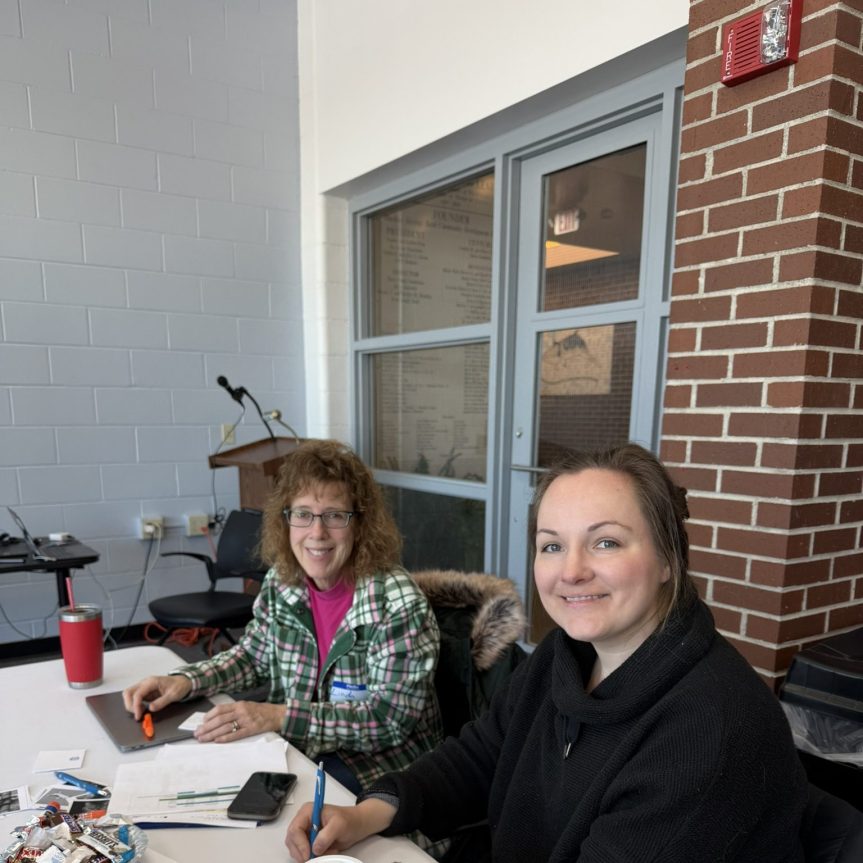
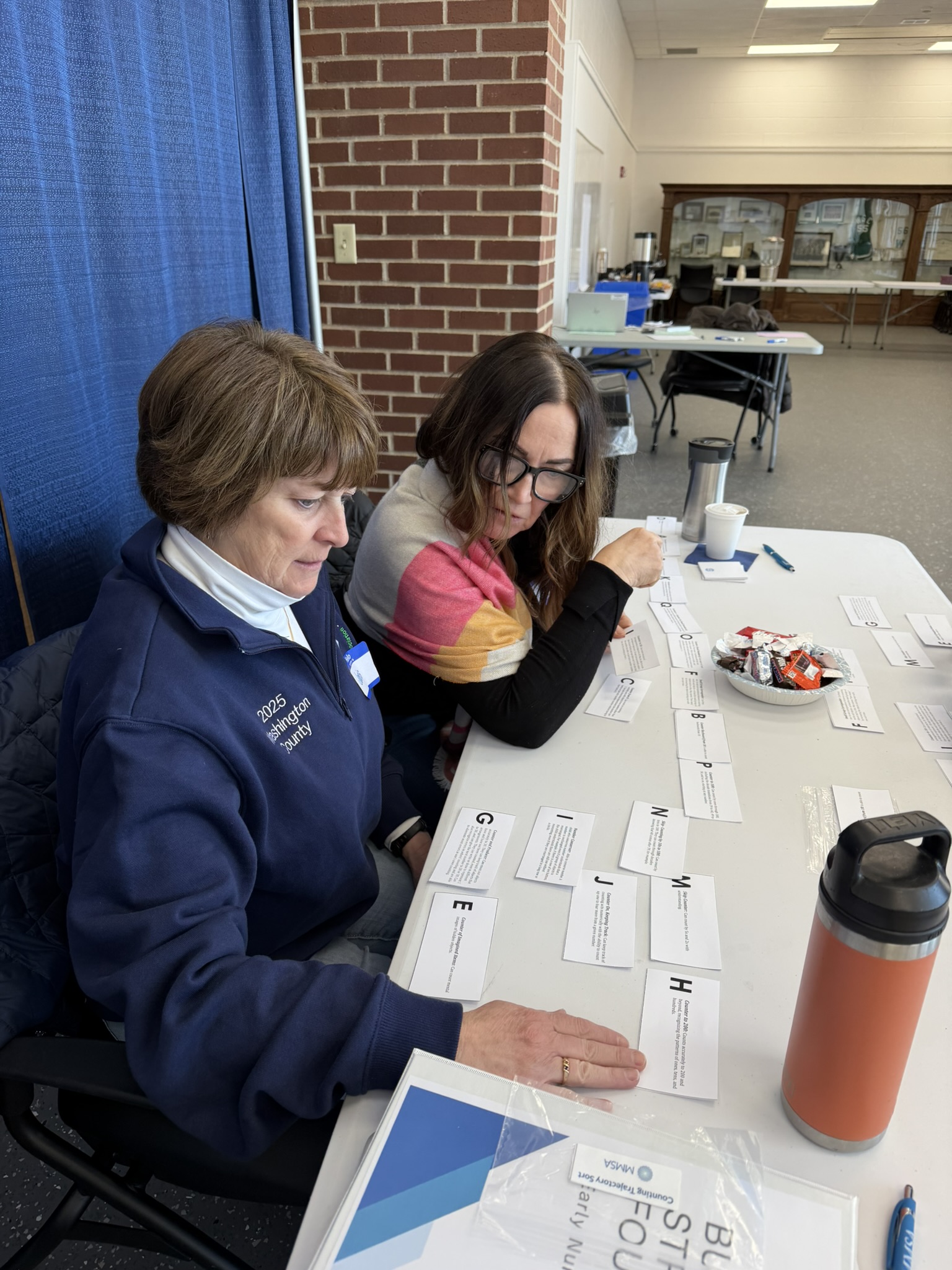
On February 27, 2026, approximately 20 educators gathered at the University of Maine at Machias for part of a new professional learning series, “Building Strong Foundations: Early Numeracy.” This initiative, presented by the Maine Department of Education (DOE) Office of Teaching and Learning, in partnership with the Maine Mathematics and Science Alliance (MMSA), is designed for pre-K–grade 2 educators to transform how early mathematics is taught and experienced. It aligns with Maine’s statewide Action Plan to strengthen early and foundational numeracy learning.
This series focuses on three interconnected goals: building educators’ early numeracy content knowledge, developing a practical toolkit of instructional routines and engaging math games, and designing extended numeracy opportunities that connect classrooms with families and the broader community.
At the February 27 launch of this initiative, facilitators Cheryl Tobey and Kate Greeley led with a guiding question: What if the path to long-term academic success begins not with worksheets but with the joy of discovering math in puddles, pinecones, patterns, and play? They emphasized moving beyond research into practice, centering the initiative on strengthening educators’ instructional confidence and day-to-day approaches to early math.
“Math is already everywhere in children’s lives,” Tobey and Greeley said. “The opportunity is to make it visible, joyful, and connected to their lived experiences.”
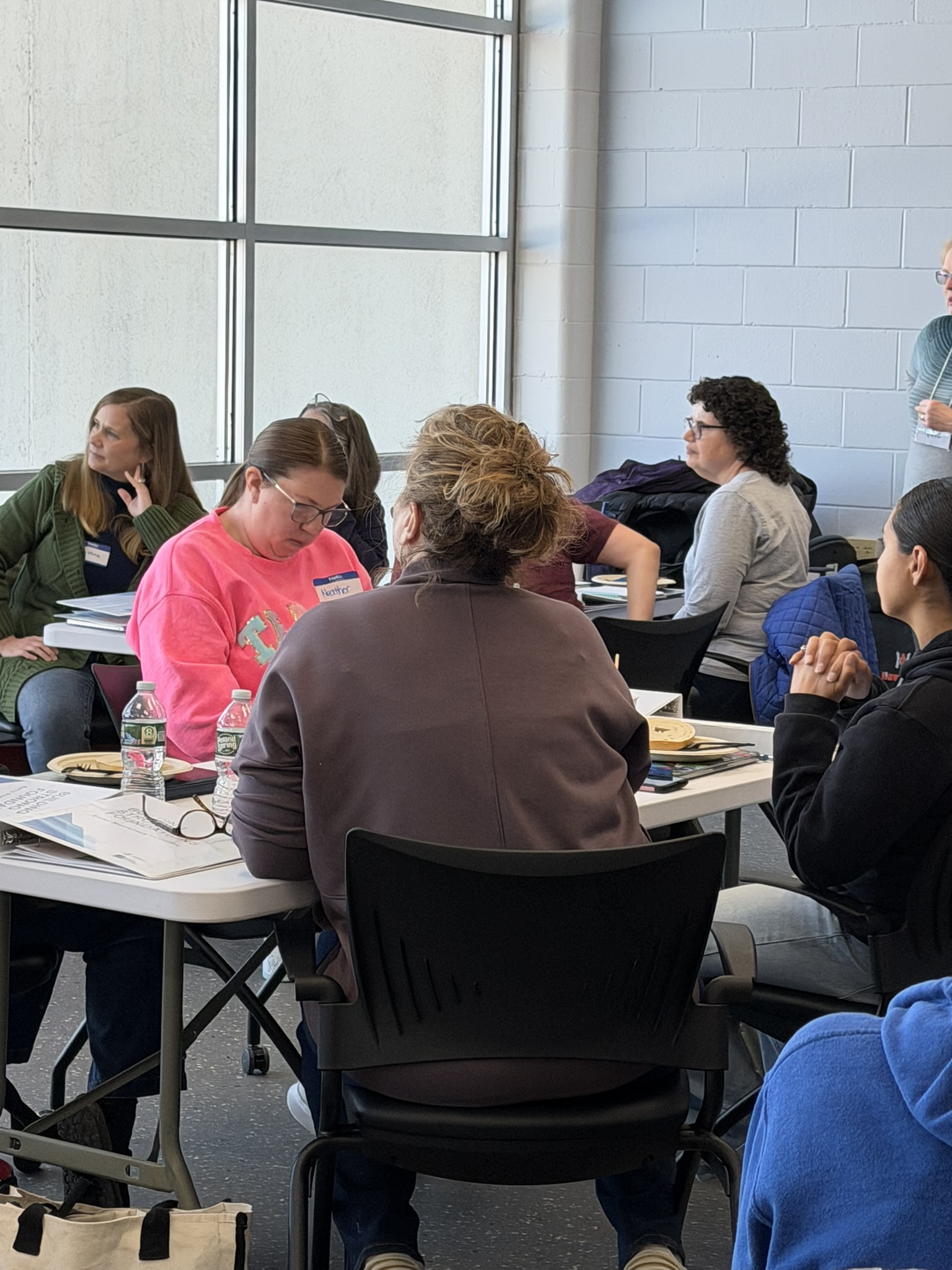
Throughout the year, educators participating in this series will focus on deepening progressions in early mathematics, strengthening effective “math talk” strategies, and exploring culturally responsive approaches to family engagement. Rather than treating math as a scripted subject, this initiative centers on helping teachers recognize and nurture the mathematical thinking already present in children’s play and daily routines.
For many participants, the purpose behind this series is deeply personal.
“My ‘why’ of being here is wanting to discover successful ways to teach math and make it more fun,” Teeya Harmon, a second-grade teacher at Jonesport Elementary School, said, echoing the initiative’s commitment to joyful, meaningful math experiences.
“Early numeracy is such a critical area in math education,” Diana Mahar, math intervention specialist at Sipayik Elementary School, said. “I am here learning ways to make it accessible to the teachers in my school.”
By strengthening educators’ content knowledge and equipping them with practical strategies, this series aims to ensure that high-quality numeracy instruction is not isolated but sustained across classrooms. Instructional coaching will support teachers in embedding mathematical inquiry into classroom routines, outdoor exploration, and seasonal investigations. Children might notice patterns in nature, measure real-world objects, compare quantities during snack time, or explore geometry through movement and play.
Linda Dunn, math specialist in Trenton, underscored the collaborative spirit of the initiative: “I am here for the team building and new strategies for math instruction.” The professional learning series encourages educators to model, test, and refine facilitation strategies together, building both confidence and collective capacity.
As part of their training throughout this series, educators will use hands-on Early Numeracy Toolkits that include laminated activity cards with step-by-step guidance for numeracy experiences, along with simple materials such as string, duct tape, and chalk to support measuring, geometry exploration, and outdoor math games. Family engagement is central to the initiative’s vision, too. “Math in Nature” family events will invite caregivers to participate in hands-on numeracy activities alongside their children, reinforcing the understanding that math learning extends beyond the classroom. Community members will also be invited to share how math plays a role in their everyday lives, helping children see numeracy as relevant and real.
“I love math!” Christie Cook, a second-grade teacher at Woodland Elementary School, said. “I want my students to love math and see themselves as math people; no more, ‘I’m not a math person,’ from my students.”
For Marni Crowley, a pre-K teacher at Jonesport Elementary School, the series represents an investment in long-term success. By strengthening early numeracy through practical instructional routines, deeper content knowledge, and meaningful community connections, the initiative aims to support improved outcomes in later years.
“Our school has struggled with math scores, and my hope is this will help lay a good foundation for our older grades,” Crowley said.
As the February 27 launch concluded, participating educators left with a shared commitment: to reimagine early math not as isolated lessons but as something woven into children’s curiosity, creativity, and connection to the natural world. In this vision, numeracy is not simply foundational; it is joyful, visible, and alive in the everyday experiences of Maine’s youngest learners.
For more information, please contact Maine DOE Interdisciplinary Instruction Coordinator Kathy Bertini at Kathy.Bertini@maine.gov.
Title IIA funds received from the U.S. Department of Education (ED) support the implementation of this project. The project has an award totaling $119,422.62 of which 100% is federally funded and directly attributed to project implementation. The contents are those of the author(s) and do not necessarily represent the official views of, nor an endorsement by, ED or the U.S. government.
 Maine DOE Newsroom