Recognizing the Importance of Financial Literacy and Personal Finance Education

This article was written by Maine Department of Education (DOE) Financial Literacy Teacher Leader Fellow Mark Ashe, who currently teaches at Cape Elizabeth High School.

If you weren’t aware, April was National Financial Literacy Month. The seeds of this concept began with the National Endowment for Financial Education and the Jump$tart Coalition in the early 2000s, with the emphasis being on the education of young people. The United States Senate later formalized April as National Financial Literacy Month.

National Financial Literacy Month underscores the importance of basic financial knowledge, such as understanding the math behind APRs and compound interest or the factors that affect credit scores. There is a growing body of research that suggests that behavioral change is also critical to improving financial wellness. A study from the Journal of Family and Economic Issues found that increasing individuals’ “perceived financial knowledge” is positively associated with “positive financial behaviors.”  This means that financial confidence itself may be a significant driver of financial well-being. 

For instance, the stock market can seem incredibly complicated and intimidating to students as they begin to think about investing. Teaching students that they don’t need to know much about the economy to save successfully for the future can be empowering. Using a tool like Portfolio Visualizer can be useful to help young people see the historical importance of staying invested, even when bad things are happening in the world. Encouraging students to engage with a stock market simulation can help them learn how volatile individual stocks are and how chasing the latest “winners” can lead to poor investment results. Helping students understand behavioral strategies like “mental budgeting” (i.e., keeping multiple savings accounts for different financial goals) or writing down everything spent in one week or month can be just as important to financial wellness as understanding the power of compound interest and APRs. 

Financial Literacy Resources from the Maine DOE

The Maine DOE provides educators and schools with curated resources to support financial literacy education. A growing, and frequently revised, list of relevant materials can be found on the Numeracy Hub in the “Numeracy in Action” section. Resources highlighted currently include those from Intuit for Education, EconEd, and Next Gen Personal Finance. These educator-tested materials are accessible and easy to use, whether you are an experienced financial literacy educator or new to the field. Teachers can also log in to bi-weekly Maine DOE Humanities and Civics Virtual Support sessions for help planning and using Financial Literacy resources.

Financial Literacy Resources from the Finance Authority of Maine (FAME)

FAME supports financial literacy for both students and educators across the state. On May 8, 2026, FAME is hosting the 17th annual Fostering Financial Education in Maine Schools Conference, a free, statewide professional development opportunity for K-12 educators, school counselors, and others who support student financial wellness. This year’s theme, “Teach, Share, Empower: Educators Empowering Educators,” highlights the innovation and expertise found within Maine classrooms.

At the conference, attendees will have the opportunity to:

  • Participate in educator-led, classroom-ready sessions.
  • Connect and collaborate with peers from across the state.
  • Explore financial wellness resources from a variety of exhibitors.
  • Gain practical tools to support students’ financial well-being.

The conference also offers valuable support for educators, including substitute-teacher reimbursement and networking opportunities that extend beyond the event. Learn more and register here.

Maine Educators Invited to Join Literacy and Numeracy Playbooks Launch Event

A new chapter in Maine’s literacy and numeracy journey is set to begin with action, collaboration, and celebration.

Maine administrators, educators, coaches, and community partners are invited to mark a major milestone in advancing teaching and learning statewide: the launch of the Literacy and Numeracy Playbooks, an initiative designed to turn vision into action for schools across Maine. The event will take place on May 19, 2026, from 10 a.m. to 2 p.m. at the Wells Conference Center at the University of Maine at Orono. The Maine Department of Education (DOE) Office of Teaching and Learning is hosting this event in collaboration with the University of Maine.

As Maine continues to implement its statewide Literacy and Numeracy Action Plans, the need for practical, accessible tools has been clear. The newly developed Playbooks serve as companion resources that translate strategy into practice, offering actionable tools, real-world examples, and tiered guidance to support educators, school administrative unit (SAU) teams, and school leaders.

Developed through a collaborative process with input from practitioners across the state, the Playbooks reflect a shared commitment to evidence-based practice and continuous improvement. Designed for flexibility, they support SAU planning, intend to strengthen classroom instruction, and align local efforts with statewide priorities.

Participants at the launch will engage in an interactive day designed to bring the Literacy and Numeracy Playbooks to life. The event will include:

  • Opportunities to explore the Playbooks in depth.
  • Interactive engagement with the Genially tool aligned to roles and supports within the Playbooks.
  • Time to collaborate with educators and partners from across Maine.
  • Time to identify actionable next steps for the upcoming school year.

Space is limited to 50 literacy and 50 numeracy participants. Lunch will be provided. Those interested are encouraged to register as soon as possible using this link.

By creating space for connection, exploration, and planning, this event reflects Maine’s ongoing commitment to ensuring all educators have the tools and support needed to advance literacy and numeracy for every student.

With questions, please contact Kathy Bertini, Maine DOE Interdisciplinary Instruction Team Coordinator, at kathy.bertini@maine.gov.

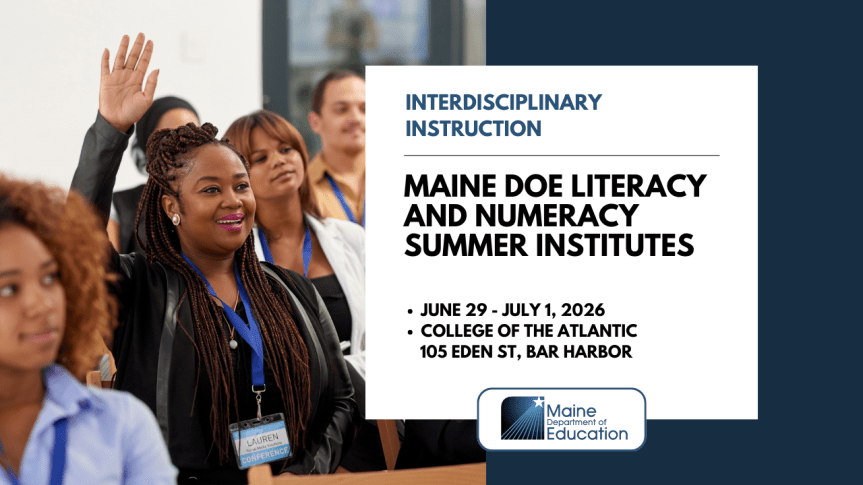
Applications Open for 2026 Maine DOE Literacy and Numeracy Summer Institute

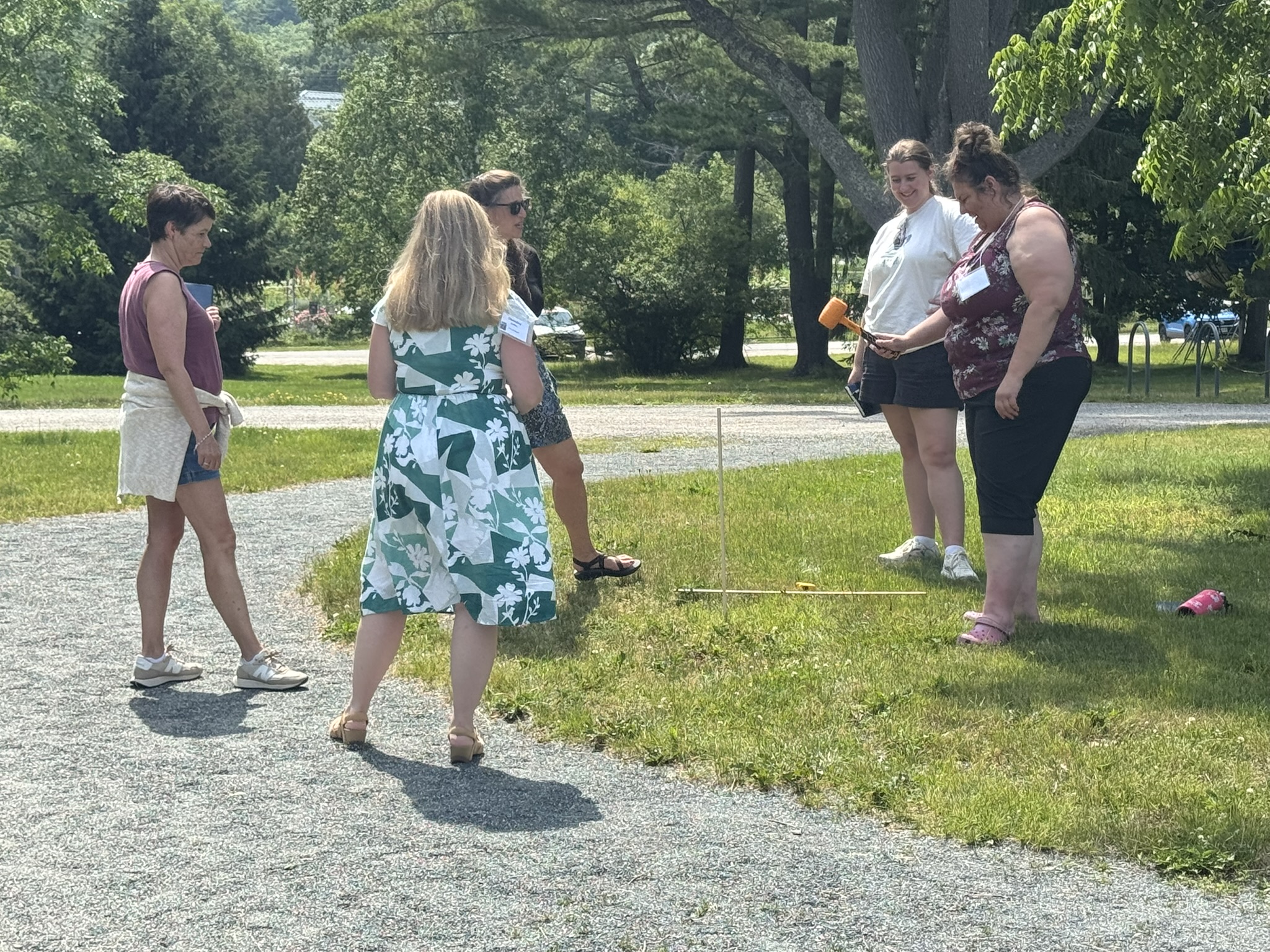
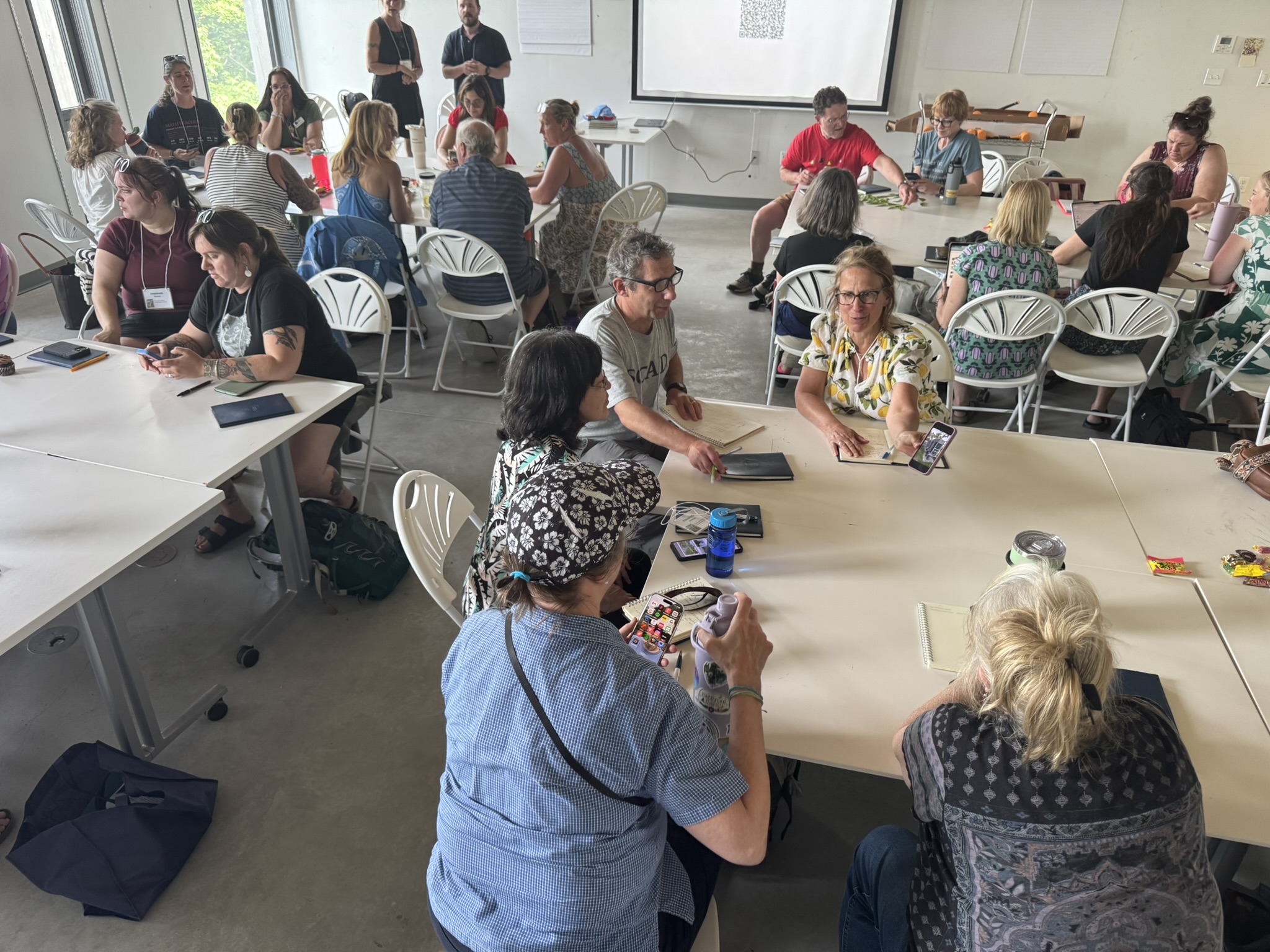
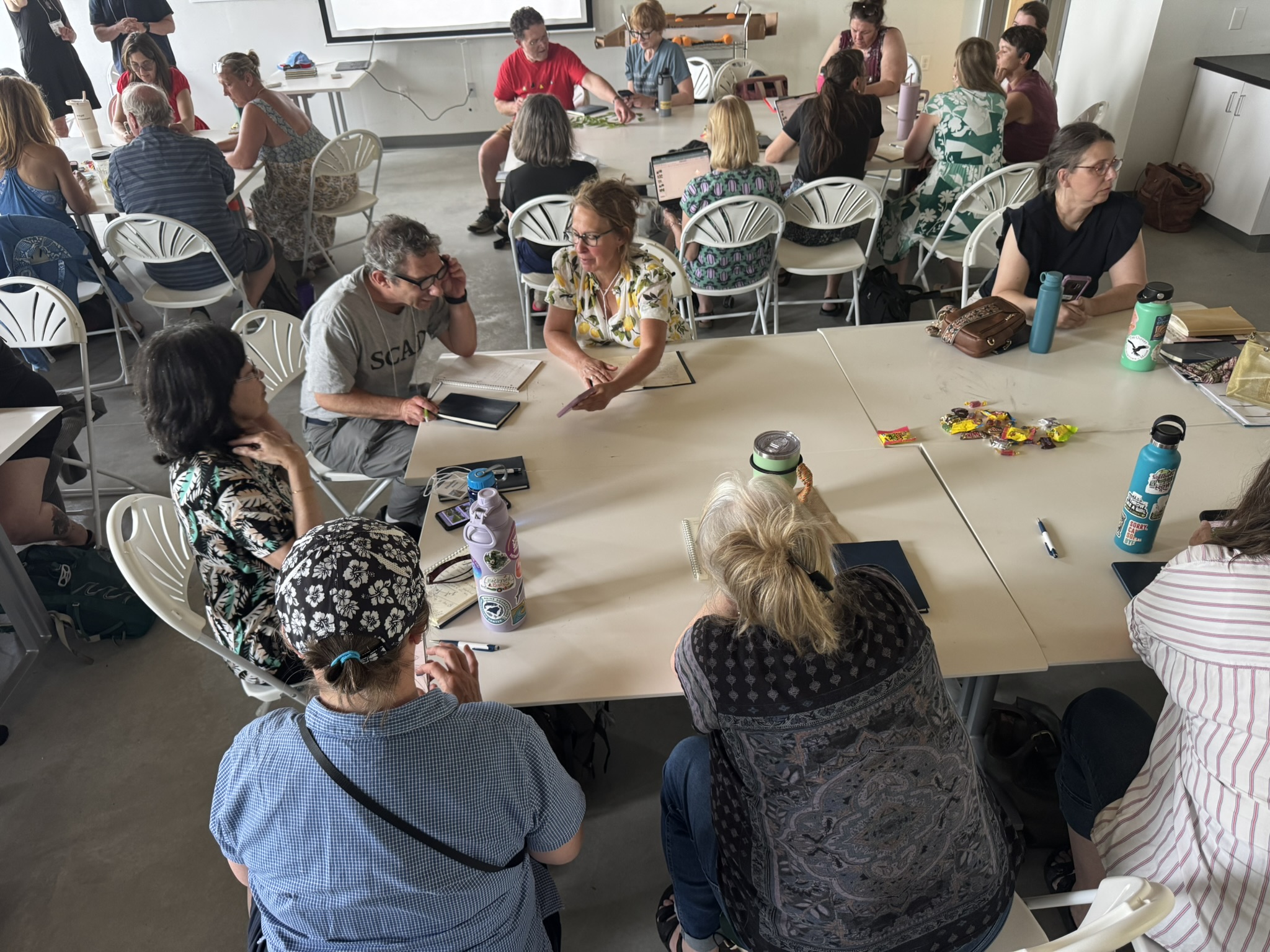
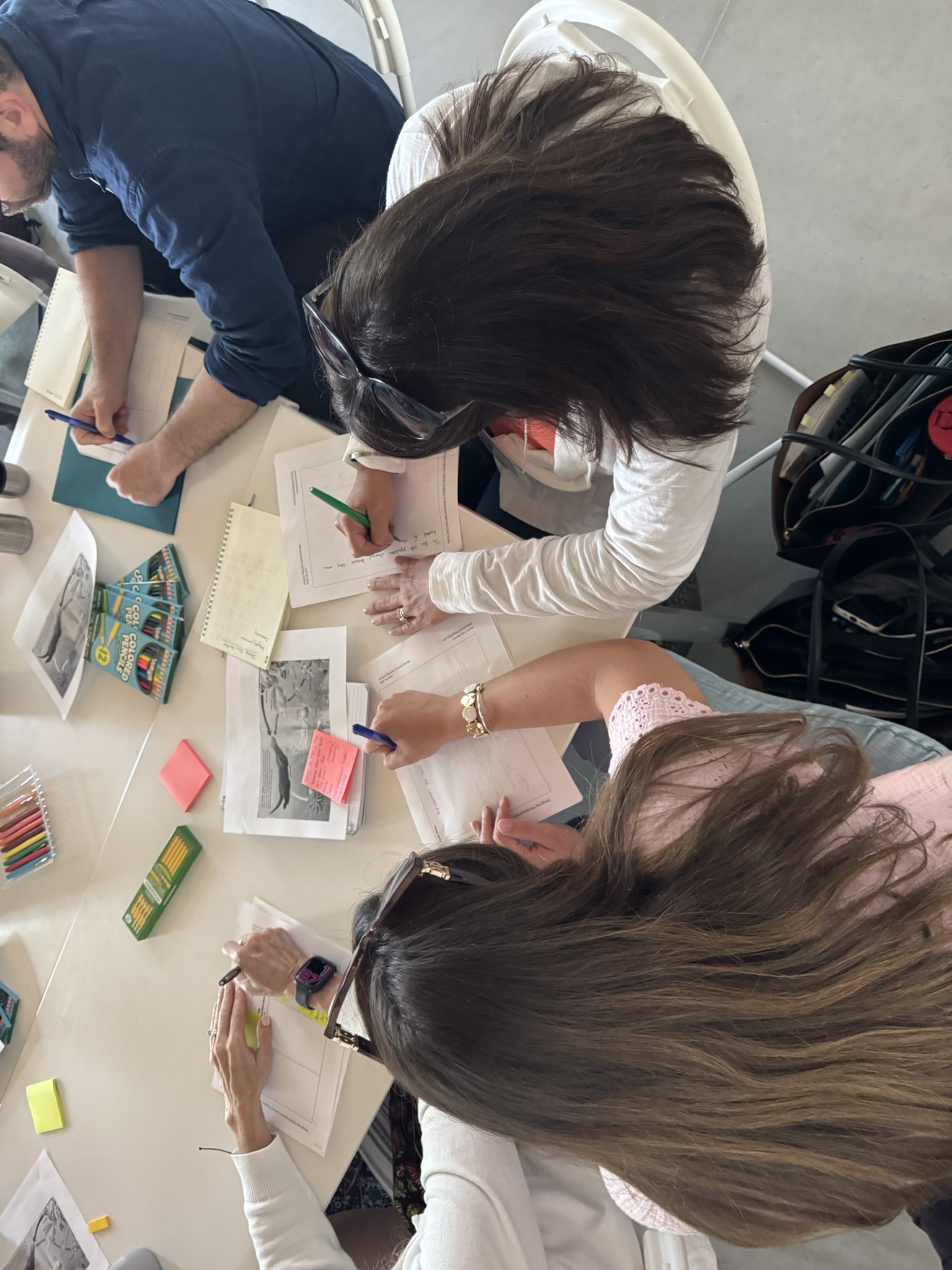
The Maine Department of Education (DOE) Office of Teaching and Learning invites educators from across the state to apply for the 2026 Literacy and Numeracy Summer Institute, entitled “The Science of Learning: Building Literate & Numerate Minds.” This three-day, in-person professional learning experience will take place June 29–July 1 at the College of the Atlantic (COA) in Bar Harbor. Applications close May 6.

Designed for public school teachers, instructional coaches, administrators, and specialists across all grade levels and content areas, this immersive institute brings together educators committed to strengthening interdisciplinary approaches to literacy and numeracy. Participants will engage in deep content learning, collaborative inquiry, and the design of practical, classroom-ready instructional experiences.

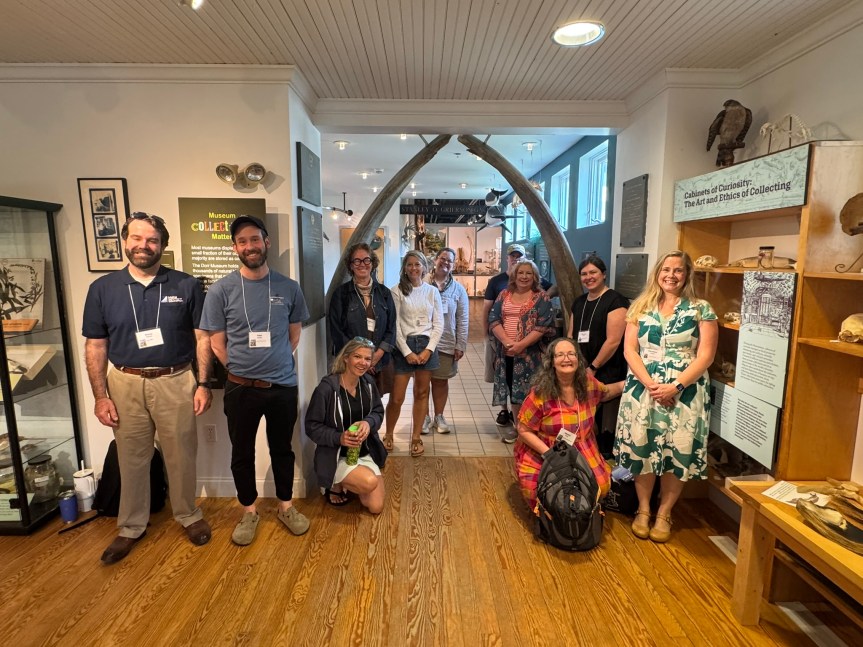
Participants will learn within and from local environments, including community gardens, the iconic Beatrix Farrand Gardens, the Dorr Museum of Natural History, Allied Whale, COA’s greenhouses and learning labs, the intertidal zone, and the broader Bar Harbor community. Through these experiences, educators will explore high-impact instructional practices, examine ways to connect content to students’ lives and communities, and contribute to a statewide effort to advance meaningful, integrated learning across Maine classrooms.

Expectations of Participants

Educators selected for the institute will:

  • Attend the full three-day, in-person experience
  • Engage in keynote sessions and interactive workshops led by experts in literacy and numeracy education
  • Collaborate with peers to deepen their understanding of evidence-informed, interdisciplinary literacy and numeracy practices

Apply Now

Applications are open until May 6 at 5:00 p.m. All applicants will be notified by Thursday, May 14. Space is limited, and the Maine DOE will prioritize a cohort representing a diverse range of grade levels, geographic regions, and content areas across the state.

Please use this link to apply.

For more information or questions, please contact Interdisciplinary Instruction Specialist Heather Martin at heather.martin@maine.gov.

Title II funds received from the U.S. Department of Education (ED) support the implementation of this project. The project has an award totaling 156,494.00, of which 52% is federally funded and directly attributed to project implementation. The contents are those of the author(s) and do not necessarily represent the official views of, nor an endorsement by, ED or the U.S. government.

Unlocking Numeracy Series Launches with a Successful Kickoff

The Maine Department of Education (DOE) Office of Teaching and Learning is pleased to celebrate the successful launch of Unlocking Numeracy, a new, five-part virtual professional learning series designed to strengthen numeracy instruction across classrooms and communities statewide.

The opening session, “Foundations of Numeracy,” a virtual workshop held on February  3, 2026, marked a strong collaboration between the Maine DOE Interdisciplinary Instruction Team and nationally recognized math educator Dan Finkel, founder of Math for Love. Approximately 40 educators participated in the kickoff, joining as numeracy teams and “partner pairs” to engage in a shared exploration of what numeracy truly means and how it comes to life in classrooms.

The workshop opened the series with a foundational conversation about numeracy, led by Finkel. He focused on designing learning experiences that transform people’s relationships with mathematics by fostering curiosity, confidence, and joy. Throughout the session, participants reflected on the hallmarks of a numerically literate student and envisioned what classrooms that genuinely teach numeracy look and feel like.

Educators engaged in hands-on activities that modeled how intentional experiences can deepen mathematical thinking. Participants explored tasks such as, “Don’t Break the Bank,” “Broken Calculator,” and “Close Calls and Bullseyes”–each designed to promote reasoning, sense-making, and rich student discourse. Teachers left the session with ready-to-use materials to begin building a numeracy toolkit, while administrators gained strategies to support and sustain a culture of numeracy within their schools.

A key theme throughout the session was mindset. Finkel emphasized that numeracy is not about perfection but about growth.

“The goal is not to instantly do everything perfectly,” Finkel shared. He said instead, numeracy opens pathways to deeper mathematical thinking, agency, and enjoyment for all learners.

Finkel also outlined essential elements of classrooms that unlock numeracy: spaces where curiosity and wondering are valued, where students care about one another’s understanding, where meaningful practice leads to visible growth and confidence, and where learners experience ownership of their work. In these environments, student thinking is diverse, choice is encouraged, and learning feels authentic.

Immediate feedback highlighted the impact of the session. One educator shared: “I really enjoyed last night’s session. Thank you very much! I went home and, over dinner, shared your activities with my 7th grader, who loves math. He said, ‘Your students will love these!’ I appreciate you teaching me new things and also reminding me of some I haven’t done in a while.”

The Unlocking Numeracy series will continue on March 5, 2026, with the next session, “Classroom Openers for Numeracy.” The Maine DOE looks forward to building on this strong start as educators across the state continue to deepen their practice and strengthen numeracy learning for all students. For more information about the Unlocking Numeracy series, click here.

Title IIA funds received from the U.S. Department of Education (ED) support the implementation of this project. The project has an award totaling $19,500.00 of which 100% is federally funded and directly attributed to project implementation. The contents are those of the author(s) and do not necessarily represent the official views of, nor an endorsement by, ED or the U.S. government.
Maine DOE Offers Variety of Numeracy Learning Opportunities Aligned to Maine’s Statewide Action Plans

The Maine Department of Education (DOE) Office of Teaching and Learning invites educators from across the state to engage in numeracy learning opportunities that are thoughtfully aligned to Maine’s statewide Action Plans.

The quieter winter season often offers a natural moment for reflection and growth. These numeracy professional learning opportunities are designed to be supportive, practical, and inspiring—an invitation for educators to use the winter months to strengthen their practice, build shared understanding, and invest in the essential work of numeracy.

Together, the below offerings form a menu of numeracy learning opportunities available throughout the winter and spring of 2026. Educators are encouraged to engage in the experiences that best meet their interests, roles, and local contexts, whether that means joining a professional learning community, participating in a book-based conversation series, applying as a school or school administrative unit (SAU) team, or engaging in interdisciplinary and STEAM (Science, Technology, Engineering, Arts, and Mathematics)-focused learning.

Winter/Spring 2026 Numeracy Professional Learning Opportunities:

Maine’s Statewide Mathematics Specialist Professional Learning Community

The Numeracy and Leadership Initiative, hosted by the Association of Teachers of Mathematics in Maine (ATOMIM), in collaboration with the Maine DOE, University of Southern Maine, and University of Maine at Farmington, offers multiple opportunities for educators to build capacity in both numeracy and leadership. One of these is Maine’s Statewide Mathematics Specialist Professional Learning Community (PLC).

  • Audience: Math coaches, lead teachers, interventionists, and department chairs
  • Dates: Participants may choose to attend all sessions or select those that best meet their needs. The Mathematics Specialist PLC will meet on the following dates:
    • January 28, 2026, from 3:30-4:45 p.m. (virtually via Zoom)
    • February 25, 2026, from 6:30-7:30 p.m. (virtually via Zoom)
    • March 23, 2026, from 1-5 p.m. (in-person at the University of Maine at Augusta—limited to 50 participants)
    • April 30, 2026, from 2-5 p.m. (in-person at the University of Southern Maine in Lewiston/Auburn)
    • May 21, 2026, from 6:30-7:30 p.m. (virtually via Zoom)

Please use this link to register.

Math Trauma to Math Triumph: Math Therapy Conversations and Supports

Educators are invited to participate in informal, supportive conversations centered on Math Therapy by Vanessa Vakharia. Participants will discuss the book and explore the implementation of the 5 “Ms” (Mythbust, Moderate, Motivate, Makeover, and Measure) in their classrooms. This series continues learning from the December 5, 2025, in-person event with Vakharia.

  • Audience: pre-K-12 educators
  • Dates: Participants may choose to attend one or multiple sessions. One-hour virtual meetings will take place on the following Wednesdays:
    • January 14, 21, and 28, 2026
    • February 4, 11, and 25, 2026
  • Time: 6:30-7:30 p.m.

To participate fully in this opportunity, educators should have attended the in-person workshop and have read—or be in the process of reading— Math Therapy. Please use this link to register.

2026 ATOMIM Spring Conference – Developing Mathematical Reasoning for ALL: Ensuring Everyone Is Counted In!

Join math educators for a full day of learning at the Association of Teachers of Mathematics in Maine (ATOMIM) Spring Conference. The conference will feature keynote speaker Vanessa Vakharia, “The Math Guru,” and a range of engaging sessions aligned to the strands of mathematical reasoning, math leadership, and differentiation, equity, and inclusion.

  • Audience: pre-K-12 educators
  • Date: March 24, 2026
  • Location: Augusta Civic Center (in-person)

Contact hours will be made available to attendees. Please use this link to register.

Unlocking Numeracy

School and SAU teams serving grades 3-5 are invited to apply for a series of five virtual workshops hosted by Dan Finkel, founder of Math for Love, in collaboration with the Maine DOE. This opportunity supports schoolwide efforts to unlock students’ numeracy potential.

  • Audience: Partner pairs or numeracy teams consisting of the principal, two math teachers, and one or two community numeracy/math liaisons.  A community liaison is someone from the school community—such as a teacher, staff member, or PTA/PTO member—who helps connect numeracy learning at school with numeracy in the home and the wider community.
  • Dates:
    • February 3, 2026, from 3:30 to 5:30 p.m. – Foundation of Numeracy
    • March 3, 2026, from 3:30 to 5:30 p.m. – Classroom Openers for Numeracy
    • April 7, 2026, from 3:30 to 5:30 p.m. – Building Numeracy with Games
    • May 5, 2026, from 3:30 to 5:30 p.m. – Communicating Numeracy to Families and Teachers
    • May 26, 2026, from 3:30 to 5:30 p.m. – Rich Tasks and Purposeful Fluency

Each team will receive a numeracy toolkit, exemplar lessons, and supplies to support a family math night. Participants may earn up to 15 contact hours.

Please use this link to register. Applications are due January 30, 2026.

Deepening Early Numeracy Through Rich Math Talk, Purposeful Games, and Outdoor Place-Based Learning

Teams of pre-K-2 educators will participate in a comprehensive early numeracy initiative hosted by the Maine Math and Science Alliance (MMSA) in collaboration with the Maine DOE. This initiative integrates research-based professional learning, instructional coaching, play- and nature-based approaches, and family engagement to support joyful, meaningful, and developmentally responsive mathematics learning.

  • Audience: pre-K-2 educators
  • Dates: In-person workshops will be taking place on the following dates. (Cohorts are determined by closest location.)
    • Cohort 1 – Portland area: February 9, March 9, and April 6, 2026
    • Cohort 2 – Bangor area: February 6, March 2, and April 3, 2026
    • Cohort 3 – Machias area: February 27, March 27, and April 13, 2026

Virtual coaching sessions will be available to support implementation. Participants may earn 20 contact hours, as well as a $250 honorarium.

Pairs of educators from the same school must apply together through a single joint application, which is due January 16, 2026. Please use this link to register.

STEAM PowerED Maine Professional Learning Cohort

Maine educators are invited to join a four-month STEAM professional learning cohort designed to support interdisciplinary teaching and learning across content areas. In partnership with Creative Generation and the Maine DOE, this cohort will focus on creativity, numeracy, instructional design, technology, and student-centered learning.

  • Audience: pre-K-12 educators
  • Format:
    • In-person kickoff on February 2, 2026, in Augusta
    • Virtual workshops to follow (in February, March, April, and May) 
    • Asynchronous learning in EnGiNE, the Maine DOE’s learning management system

Participants may earn 26 contact hours or a $500 stipend. Mileage reimbursement is available to all participants, and lodging is available upon request for anyone traveling more than 50 miles from Augusta. 

Please use this link to register. Registration closes on January 26, 2026.

For more information about any of these professional learning opportunities, please contact Maine DOE Interdisciplinary Instruction Team Coordinator Kathy Bertini at Kathy.Bertini@maine.gov.

Titles II-A and IV-A funds received from the U.S. Department of Education (ED) support the implementation of these projects. These projects have an award totaling $213,8333.62 of which 77% is federally funded and directly attributed to project implementation. The contents are those of the author(s) and do not necessarily represent the official views of, nor an endorsement by, ED or the U.S. government.
Maine DOE Recruiting Educators for High-Quality Instructional Material Capacity-Building Cohort

The Maine Department of Education (DOE) is recruiting 30 certified educators to participate in a statewide capacity-building cohort, a key component of Maine’s coordinated Literacy and Numeracy Action Plans. These plans outline a comprehensive system of supports designed to develop lifelong learners who can engage confidently and competently with the world through strong reading and math skills.

This cohort is intended to build educator capacity to evaluate, select, and implement high-quality instructional materials (HQIM), helping to ensure that all students in Maine have access to rigorous, standards-aligned, and culturally responsive instruction. Educators from all nine superintendent regions of Maine will deepen their own expertise, while also preparing to serve as regional leaders and facilitators of HQIM-focused professional learning.

Participants will engage in a sequenced professional learning experience that includes:

  • A virtual orientation and kickoff meeting (one hour).
  • Two days of in-person training focused on understanding nationally recognized HQIM evaluation criteria and rubrics, applying these tools to analyze instructional material with an emphasis on equity and standards alignment.
  • Three virtual sessions (two hours each) to develop guidance documents, resources, and professional learning to support school administrative unit (SAU)-level HQIM adoption.
  • Individualized coaching and peer collaboration.
  • A virtual reflection session (one hour).

Participants will be expected to complete the following deliverables:

  • Pre- and post-cohort surveys.
  • One or more resources or tools to support educators in evaluating, selecting, and implementing HQIM.
  • A professional learning session delivered within their region to build capacity for HQIM evaluation, selection, and implementation.
  • Documentation of the regional session, including materials used and a brief reflection.

Application Process and Timeline

Educators may apply for this opportunity here. Applications havebeen extended to January 23. The Maine DOE will review applications with the goal of ensuring representation across grade levels, regions, professional roles, and school contexts.

Cohort Schedule:

  • Thursday, February 5, 2026, 3:30-4:30 p.m. – Virtual orientation and kickoff
  • Friday, February 27, 2026, 8 a.m.-4 p.m. – In-person, full-day training in the Bangor area
  • Monday, March 16, 2026, 8 a.m.-4 p.m. – In-person, full-day training in the Bangor area
  • Thursday, April 2, 2026, 3:30-5:30 p.m. – Virtual training
  • Thursday, April 16, 2026, 3:30-5:30 p.m. – Virtual training
  • Thursday, May 7, 2026, 3:30-5:30 p.m. – Virtual training
  • Thursday, June 4, 2026, 3:30-4:30 p.m. – Virtual reflection session
  • Monday, August 31, 2026 – Final day to deliver training and provide documentation

Participating educators will be eligible for a $400 stipend upon submission of the completed deliverable package. Trainings attendance will be eligible for contact hours.

For more information, please contact Jennifer Page, Maine DOE MOOSE Project Supervisor, at jennifer.page@maine.gov.

This project is supported by funds received from the U.S. Department of Education through the Governor’s Initiative: Integrating Literacy & Numeracy for Statewide Impact, Activity #4: Building Capacity to Identify and Select High-Quality Instructional Materials. The total award is $41,788.40, of which 40.3% is federally funded and directly attributed to project implementation. The contents of this program do not necessarily represent the official views of, nor an endorsement by, the U.S. Department of Education or the U.S. government.

Maine DOE Recruiting Educators for Statewide Professional Learning Series to Support Multilingual Learners

The Maine Department of Education (DOE) is recruiting 120 certified educators to participate in a statewide professional learning series aimed at supporting multilingual learners (MLs) across the state. Ultimately, this cohort is designed to build educator capacity in evidence-based, language-integrated instruction across all grade levels. This project represents a key component of Maine’s coordinated Literacy and Numeracy Action Plans, which emphasize evidence-based instruction, multitiered systems of support (MTSS), aligned supports, and equitable access for all learners.

This professional learning series is being offered in partnership with SupportEd, a nationally recognized leader in ML instructional design and educator development. Through this project, SupportEd experts will help to deepen the integration of the WIDA English Language Development Standards Framework, strengthen scaffolding practices, and refine classroom tasks and assessments.

Professional Learning Series Details

This opportunity is open to a wide range of educators across Maine. Classroom and content-area teachers, ML specialists, and 660-certified educators are strongly encouraged to participate, as are school administrative unit (SAU) and school leaders, such as directors or coordinators of ML programs. The series also welcomes any certified educator who is committed to providing equitable, language-integrated instruction and is eager to strengthen their practice in the services provided to MLs.

Participants will engage in high-quality professional learning led by national experts in ML instruction. Throughout the series, educators will receive practical, classroom-ready tools and templates designed to support immediate application in their own settings. They will also benefit from statewide networking and collaboration, build strategies aligned to Maine’s Literacy and Numeracy Action Plans, and contribute to the co-development of new Maine-specific instructional resources that will support ML success across the state.

All professional learning sessions run from 3 to 5 p.m. The commitment is six sessions, with two hours per session.

Elementary Cohort (pre-K-Grade 5)  Secondary Cohort (Grades 6-12)  
Session 1: January 20, 2026 Session 2: February 24, 2026 Session 3: March 18, 2026 Session 4: April 7, 2026 Session 5: May 4, 2026 Session 6: June 3, 2026  Session 1: January 22, 2026 Session 2: February 26, 2026 Session 3: March 20, 2026 Session 4: April 9, 2026 Session 5: May 6, 2026 Session 6: June 3, 2026  

Application Process and Timeline

Educators may apply for this opportunity here: Building Capacity for Multilingual Learners in Schools. Applications are due on December 12, 2025, with notification of selection planned for December 19. Selection will prioritize a broad geographic representation, grade-level balance, and diversity of educator roles across Maine’s SAUs.

For more information, please contact Melanie Junkins, Maine DOE Multilingual and Bilingual Education Specialist, at melanie.junkins@maine.gov.

The Statewide Professional Learning to Strengthen Instruction for Multilingual Learners is funded through Title II/Title IV state reservation funds.