Mount Abram Alternative Education Program Reengages Students Through Hands-On Learning

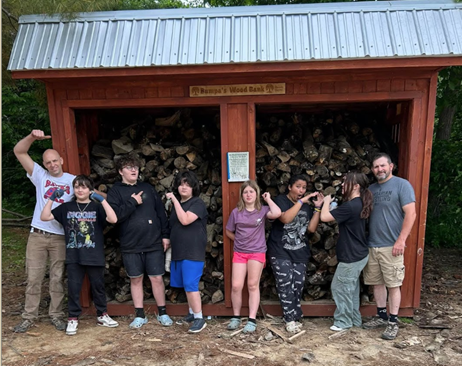
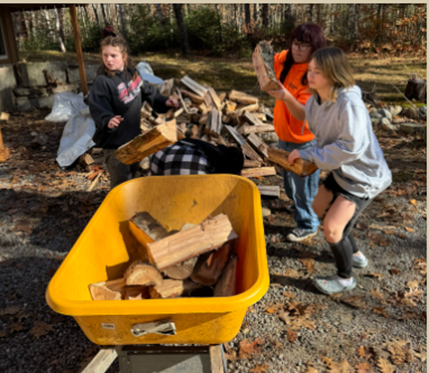
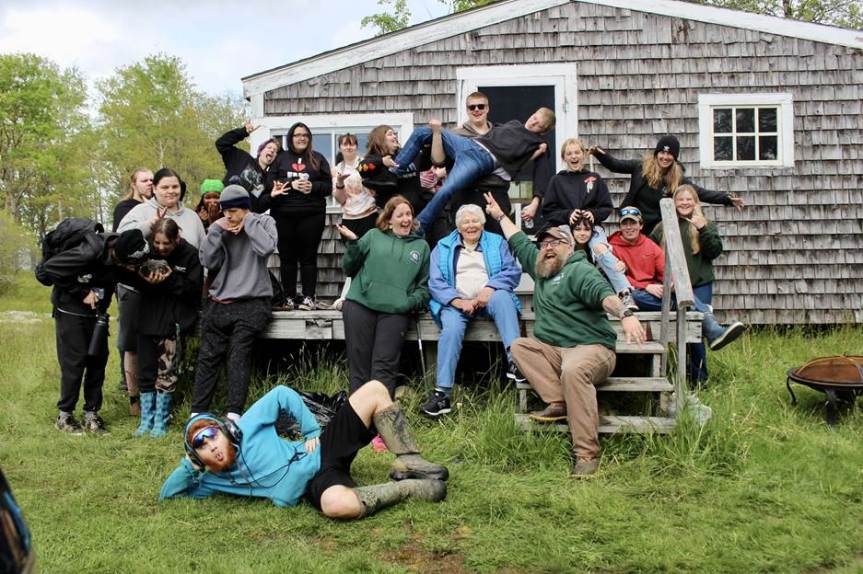
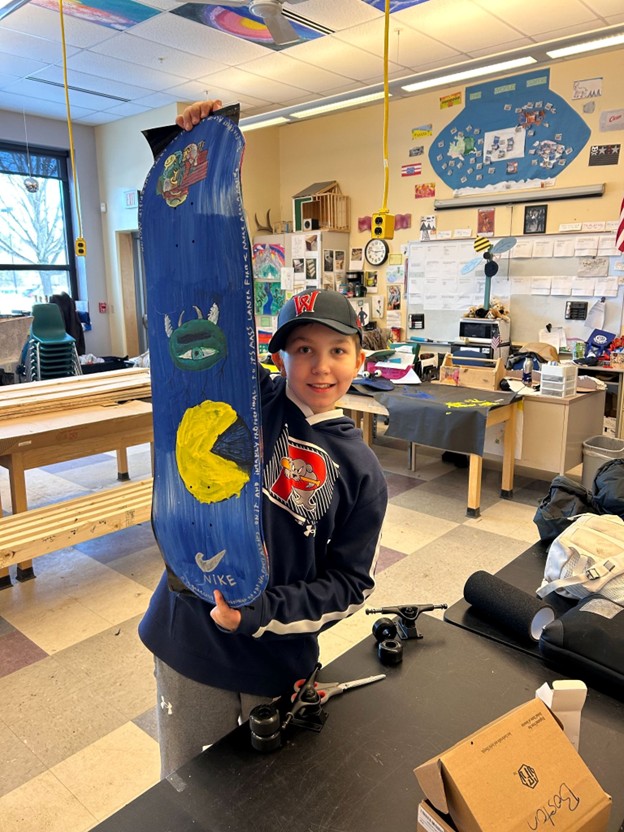
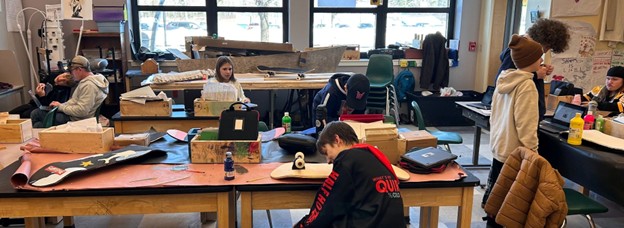
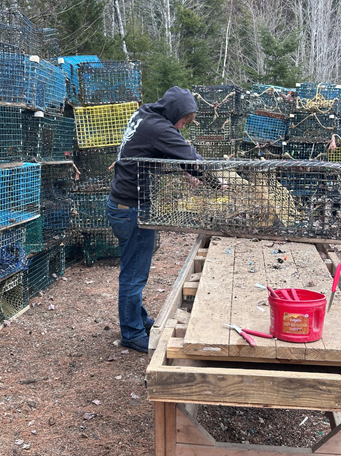
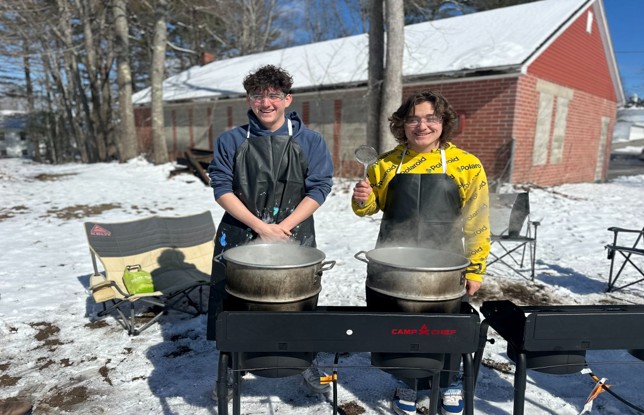
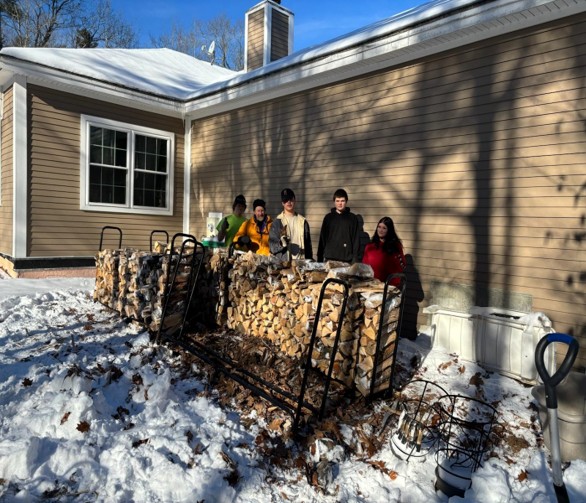
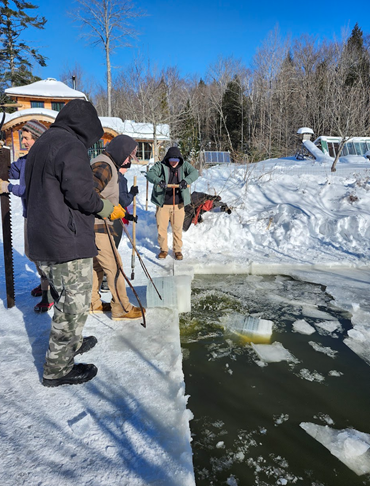
Students and teachers from the Mount Abram Alternative Education Program stacked emergency wood this past winter for the United Methodist Economic Ministry to support the community.

At Mount Abram High School (MSAD 58), a new approach to learning is helping students reconnect with school through experiential, student-centered practices.

Funding from the Carrabassett Valley Innovative Education Grant Program served as the catalyst for the Mount Abram Alternative Education Program’s launch, supporting the construction of a greenhouse and advancing a clear vision centered on project-based, hands-on learning for students who have become disengaged in traditional classroom settings. In its first year, the program was developed through a collaborative effort involving a former principal, school staff, and special educator Christie Naas, who identified a growing need for a more personalized and supportive learning environment.

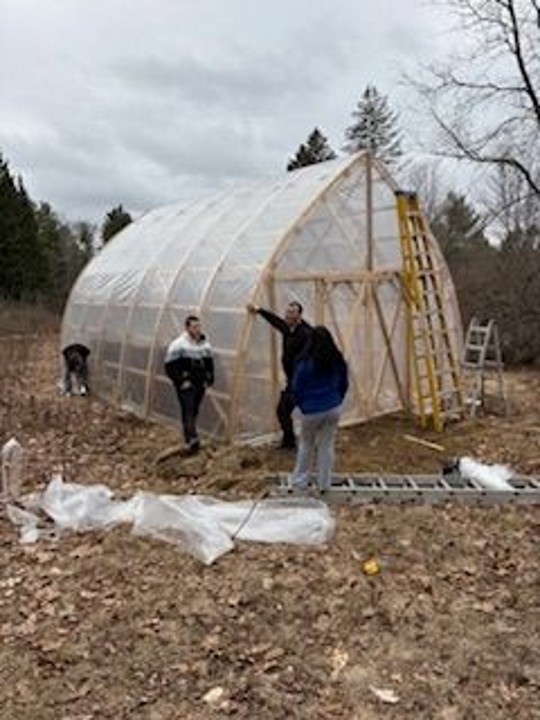
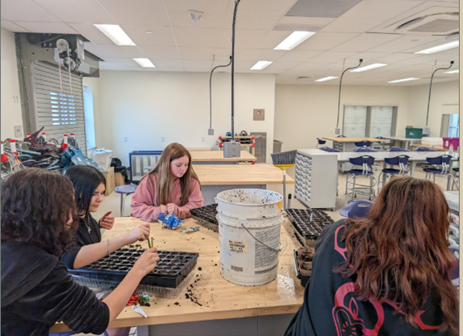
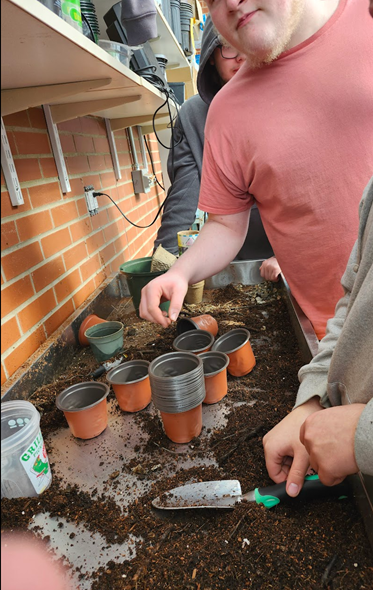
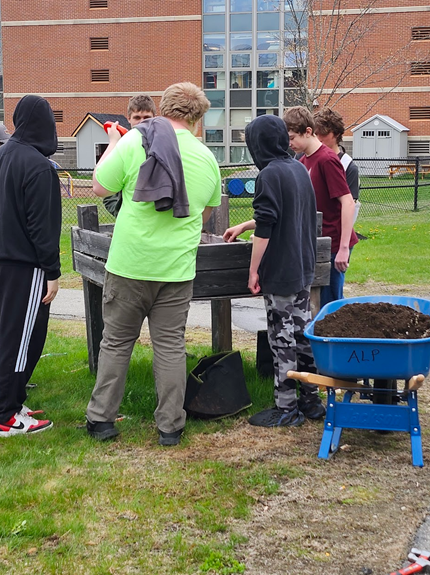
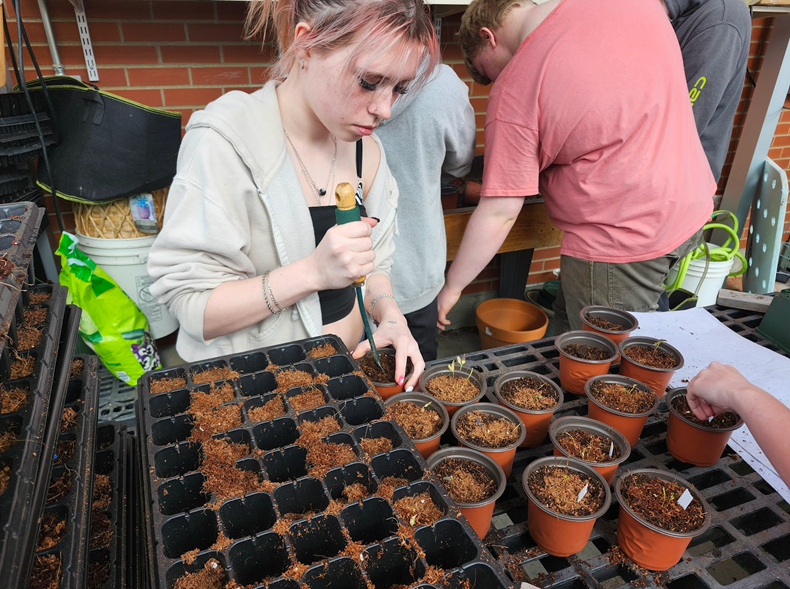
Mount Abram Alternative Education Program students worked together to get their greenhouse ready for use. They designed growing systems, including benches, raised beds, and vertical planting structures. They plan to continue to improve the space throughout the year and for years to come.

A Small Program with Big Impact

The Mount Abram Alternative Education Program currently serves students in grades 11 and 12. The program meets every other day and is staffed by one teacher and one educational technician. In less than a year, students have demonstrated significant academic progress, with several moving from failing grades to honor roll status.

“I didn’t really like school before this,” one student shared. “Here, I actually want to show up. I feel like what we’re doing matters.”

Participating students can earn up to four credits per year toward the 24 credits required for graduation while benefiting from a flexible model that emphasizes relationship-building and individualized support.

Learning by Doing

Grounded in project-based and experiential learning, the Mount Abram Alternative Education Program allows students to apply academic concepts through hands-on work.

In the greenhouse, students have taken ownership of designing and maintaining growing systems, including benches, raised beds, and vertical planting structures. Through a partnership with the Maine Mathematics and Science Alliance (MMSA), students are also engaging with “smart greenhouse” technology, using coding and data collection to monitor plant growth under varying environmental conditions.

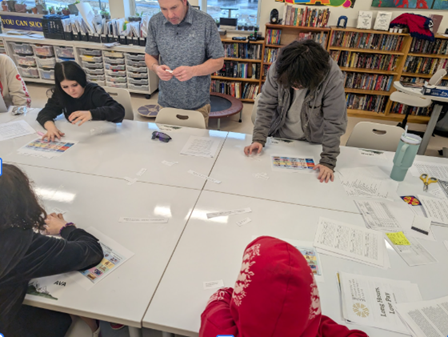
A highlight of the year has been the development of student-designed hydroponic systems. Working within a $15 budget, students plan, build, and test controlled growing environments, integrating science, engineering, and problem-solving skills.

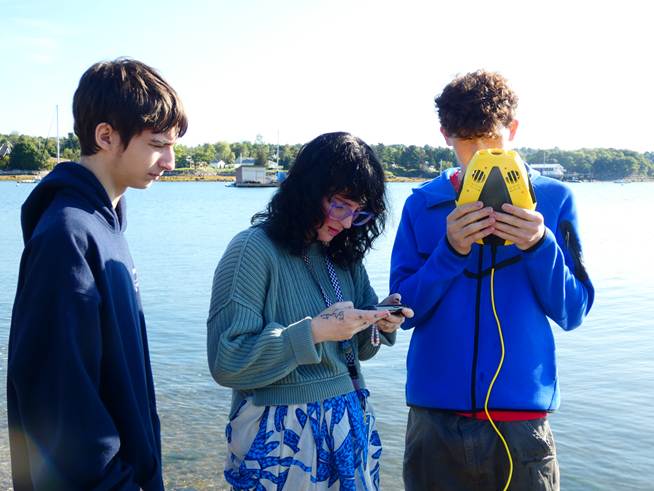
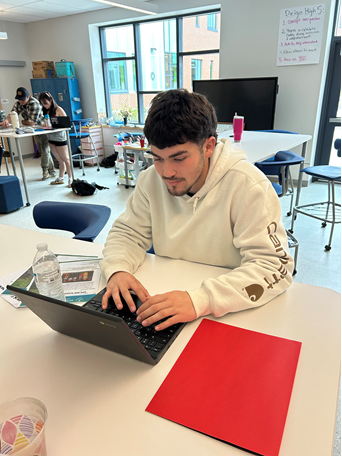
A Mount Abram Alternative Education Program student put together a hydroponic system that he self designed.

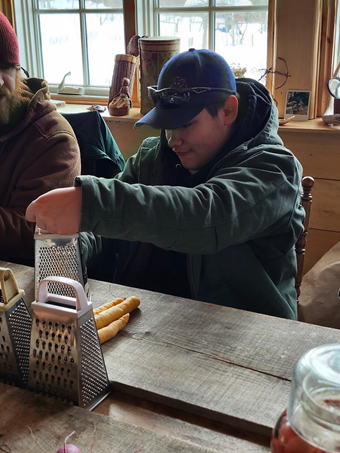
Beyond agriculture, students participated in a maple syrup unit that included tapping trees, building stoves, and studying forest ecology. These experiences connect classroom learning to Maine’s natural environment and local traditions.

“The hands-on work changes everything,” Naas said. “Students aren’t just learning concepts; they are applying them right away, which builds confidence and deeper understanding.”

Building Skills for Life

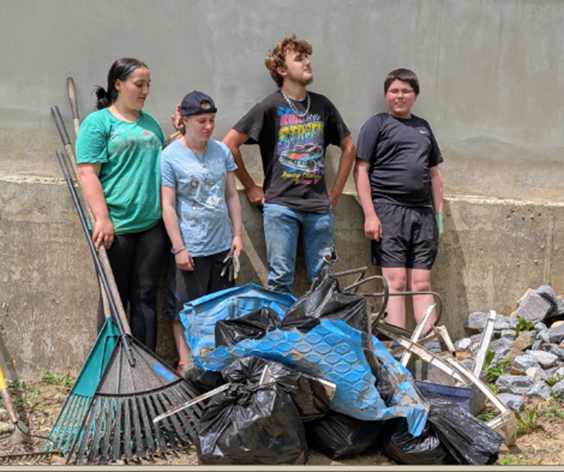
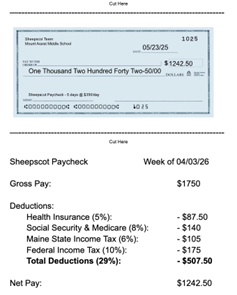
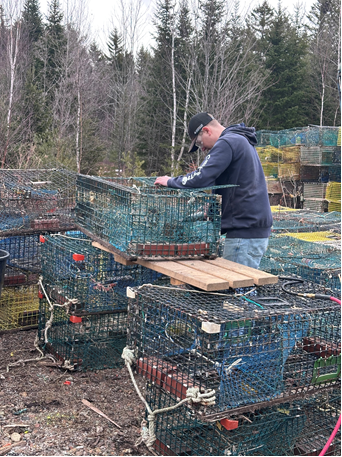
The Mount Abram Alternative Education Program also emphasizes real-world skill development. Students explore topics such as budgeting, taxes, and financial literacy, while gaining hands-on experience through internships and community service. Projects have included cutting firewood and supporting local food pantries, helping students build responsibility and a sense of purpose.

Looking ahead, the program aims to expand its food production efforts, with goals of growing vegetables for community distribution and, eventually, introducing livestock.

A Supportive, Student-Centered Environment

Creating a safe, respectful, and inclusive learning environment is central to the Mount Abram Alternative Education Program’s success. Staff utilize a trauma-informed approach to ensure students feel valued and supported. The small group setting fosters strong relationships, with many students describing the program as “like a family.”

“It feels different here,” a student expressed. “People listen to you. The small class size makes it feel less overwhelming than traditional classes.”

Learning is tailored to students’ interests and needs, encouraging independence, creativity, and critical thinking. By integrating academics with real-world applications, the program helps students see the relevance of their education.

Early Success and Future Growth

In its first year, the Mount Abram Alternative Education Program has already demonstrated meaningful impact. Students are attending more consistently, engaging more deeply in their learning, and achieving academic success. They are also gaining confidence, practical skills, and a renewed sense of connection to their school and community.

Mount Abram High School’s work highlights how experiential, student-centered approaches can transform student outcomes by providing not only a pathway to graduation but a strong foundation for lifelong success. As the program continues to evolve, school leaders are working to formalize a referral process and establish clear participation criteria to ensure that more students can benefit from this innovative model.

For more information on alternative education, please visit the Maine DOE Alternative Education webpage or contact Aubrie Howard, Maine DOE Student Success and Wellbeing Specialist, at aubrie.howard@maine.gov.

This story was written in collaboration with the Mount Abram Alternative Education Program, MSAD 58, as part of an ongoing series to highlight alternative education programs across Maine. To submit a good news story to the Maine DOE, please fill out the good news submission form.
Building Confidence and Community: Oceanside Middle School’s Alternative Education Program

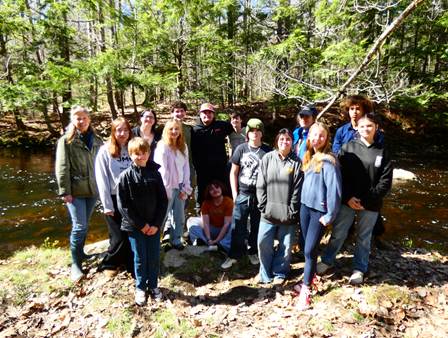
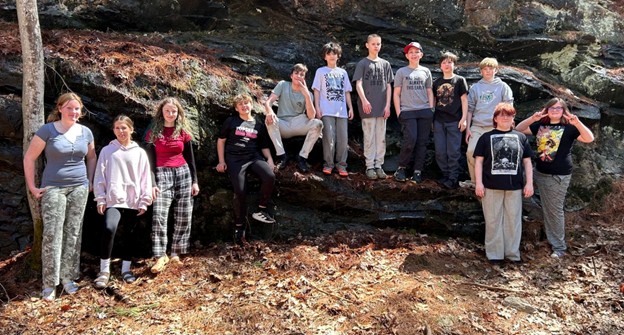
(Pictured: Oceanside Middle School students explore the river during their visit to Camden to observe a dam removal project.)

At Oceanside Middle School in RSU 13, a small alternative education program is helping students rediscover their potential by reconnecting them to learning and their community. Serving the communities of Owls Head, Cushing, Rockland, Thomaston, and South Thomaston, this program gives students in grades 6-8 the tools and confidence to thrive both inside and outside of the classroom through hands-on projects, supportive relationships, and real-world experiences.

For the past two years, Ryan Verill has led the program, guiding students through a model focused on relationships, hands-on learning, and meaningful connections to the local community. While the program has existed in various forms for many years, Verill has worked to shift it away from a behavior-focused model toward a learning environment where students build relationships with peers and teachers, develop agency in their education, and grow in confidence as learners.

“Many students come into the program feeling like school isn’t for them,” Verill explained. “We work to help them see that they are capable, that they are smart, and that learning can be meaningful.”

Hands-On Learning

At the heart of the Oceanside Middle School alternative education program is a commitment to relationship building. Small class sizes and flexible schedules allow Verill and Lucas Brower, an educational technician working with students in this program, to meet students where they are, respond to their needs in real time, and design learning experiences around students’ interests.


Verill is intentional about bringing students’ interests and learning experiences to life while aligning his curriculum with academic standards and the same grade promotion expectations as Oceanside Middle School. One way he does this is by ensuring students have access to a variety of hands-on tools that support engagement and creativity.

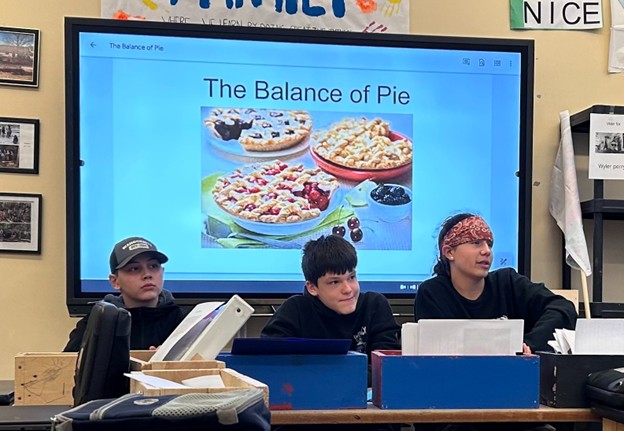
Technology is woven throughout the classroom, including coding kits, robotics sets, and 3D printers. These tools help students learn not only how to use digital resources but also how to use them responsibly.

“We talk a lot about AI and technology as tools,” Verill said. “We want to make sure students know how to use these resources thoughtfully and appropriately.”

Interdisciplinary projects are another key part of the program. Verill often connects literacy, history, and social issues to deepen student engagement. For example, students read books such as When Stars Are Scattered and Hidden Figures, exploring themes of resilience, identity, and leadership. They demonstrate their understanding through creative projects such as visual displays, posters, and timelines that connect the stories to their own experiences while also exploring perspectives beyond their small, rural coastal community.

Because the program serves a small group of students, Verill can incorporate field-based learning that brings academic concepts to life. Students have participated in Wabanaki Water Studies through the Maine Department of Education’s (DOE) MOOSE (Maine Online Open-Source Education) platform and visited Camden to observe a dam removal project. Students explored how restoring river systems impacts ecosystems and fish populations. Those who were once disengaged and not attending school are now showing up and ready to learn because of the experiential, interdisciplinary methods woven into this program.

Community Building

Community engagement is another defining feature of the Oceanside Middle School alternative education program. Students regularly walk into town to visit local businesses, purchase ingredients for cooking projects, and interact with community members. These experiences help students build positive relationships and reshape how they see themselves within their community—and how the community sees them.

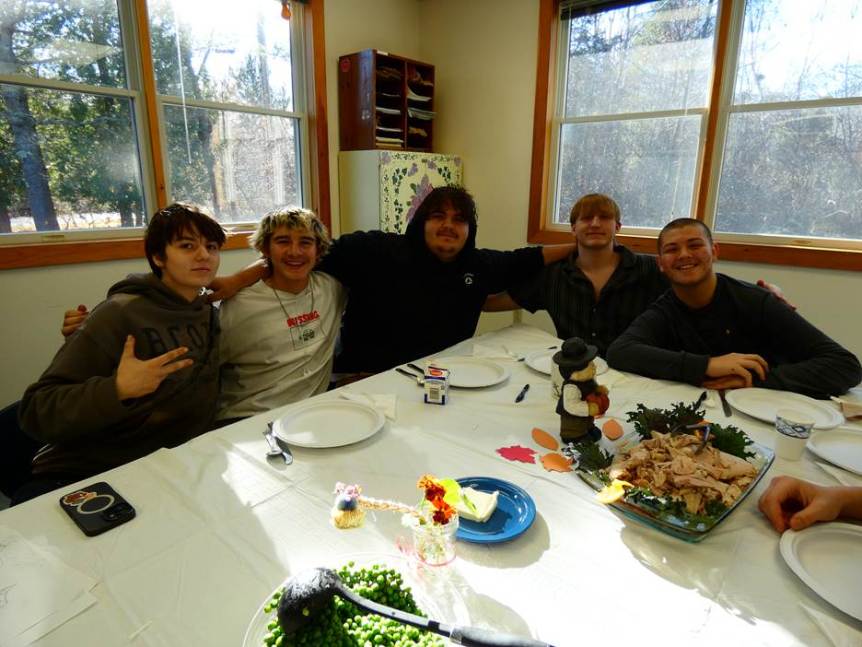
Student participate in relationship building activities during their field trip to their local community.
Students participate in relationship-building activities during their field trip to their local community.

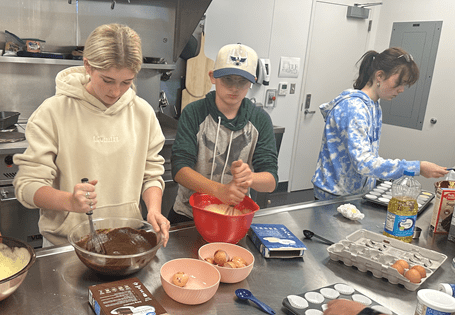
One of the program’s most meaningful traditions is preparing and serving meals for seniors at the town hall each month. Students cook the food themselves and stay to share the meal and play games with community members.

Students also help in the school cafeteria by packing lunches and supporting food preparation during early-release days, allowing them to stay connected to their school environment. 

“These experiences help students feel valued and connected,” Verill said. “Many of them haven’t always felt successful in school spaces. When they see that people in the community recognize their effort and appreciate their work, it makes a difference.”

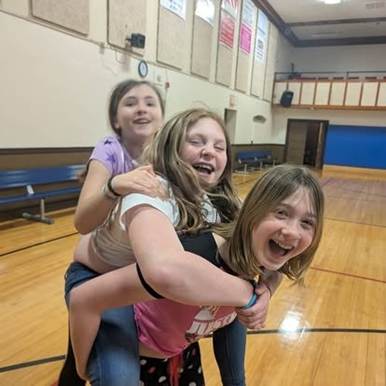
Lucas Brower, an educational technician, and student have some fun after a field trip into the community.
Lucas Brower, an educational technician, and a student have some fun after a field trip into the community.

Preparing Students for the Future

With consistent support, humor, and trauma-informed practices, students in the Oceanside Middle School alternative education program are gradually rebuilding trust in their school and developing stronger self-awareness. Staff often see growth when students begin reflecting on their own behavior and taking responsibility for their choices.

“Sometimes students come to us with multiple school suspensions or a history of struggling in traditional classrooms,” Verill said. “When they start recognizing their own progress and advocating for themselves, that’s when we know the work is paying off.”

As students prepare for the transition to high school, this program helps them explore future pathways, rebuild their confidence, strengthen their connection to the community, and regain their ability to access learning. For many students, the alternative education program provides something they may not have experienced before: a sense of belonging. Students are rediscovering their potential and showing them that school can be a place where they thrive.

This story was written in collaboration with Oceanside Middle School, RSU 13, as part of an ongoing series to highlight alternative education programs across Maine. To submit a good news story to the Maine DOE, please fill out the good news submission form.
Redesigning the Path, Not the Standards: Innovation in Kennebunk High School’s Alternative Education Program

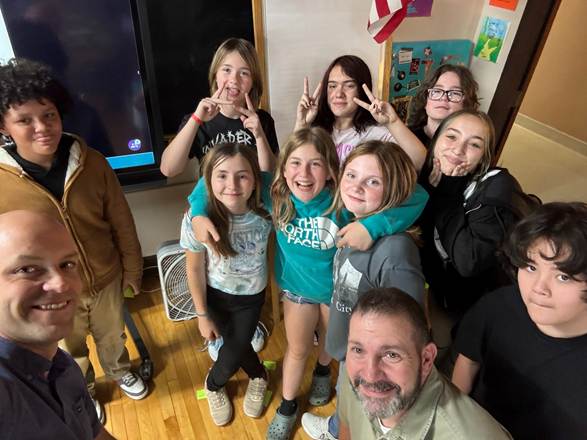
KHS Alternative Education Program students gather with their teachers, Jacqui Holmes (far left) and Edward Sharood (far right), for a group picture.

At first glance, the Alternative Education Program at Kennebunk High School (KHS) might look different from the traditional high school classroom. Students may be weatherizing a historic barn, building the foundation for their future business, or collaborating with local organizations—but they are still meeting the academic standards required to receive the same high school diploma as their peers. The difference is how they get there. 

Program Creation

The KHS Alternative Education Program began as a small initiative and has evolved over time. Today, its curriculum is fully aligned with Maine’s Learning Results and KHS’ academic standards, ensuring students meet all required graduation benchmarks and complete a 24-credit diploma. 

For more than 20 years, KHS alternative educator Edward Sharood, alongside his colleague, Jacqui Holmes—who has been with the KHS Alternative Education Program for a decade—has emphasized an approach to education centered on belonging, community connection, and project-based learning. 

“We’re not lowering standards,” Sharood said. “We’re redesigning the path.” 

Many students arrive at the KHS Alternative Education Program having struggled in the traditional school setting and in need of an opportunity to redefine their educational experience. The program is capped at 14 students and serves grades 10-12. That relatively small size fosters a relationship-centered culture in which students help create and set expectations, develop a shared code of conduct, and actively shape the program’s culture. Those who have participated in the program say they feel more comfortable, confident, and connected to their learning because they are part of a close-knit community.

Learning Structure  

Mornings at the KHS Alternative Education Program focus on independent or collaborative academic projects targeting specific standards. Afternoons often shift to large-scale community projects. Seven interdisciplinary projects are woven throughout the school year to ensure core content areas (e.g., English, social studies, science, math, and financial literacy) are addressed in meaningful ways that honor the individualized needs and interests of members of the group. 

Community partnerships are a central pillar of the program. Participating students are fully embedded in their local communities, gaining exposure to potential careers, apprenticeships, and workforce pathways they may not have known existed or that they were capable of achieving. These partnerships are intentionally symbiotic; students gain exposure and purpose, while partners—such as local businesses and organizations—gain energy and ideas and complete projects that benefit the broader community.

KHS Alternative Education Program students work to weatherize a three-story barn that will serve as a heated meeting space for students to learn about, and complete community projects on behalf of, the Kennebunkport Conservation Trust.

One of the most impactful partnerships is with the Kennebunkport Conservation Trust. Students spend time at the Trust learning and developing their skills in a variety of areas. They have renovated a house, restored a barn, contributed to trail-improvement projects, and supported field trips for younger students visiting the Trust. They have also partnered with the Kennebunk Land Trust. One student mapped the accessibility of trails, presented those findings, and saw that work adopted and shared more broadly. It was a tangible reminder for these students that their learning has real-world value and impact. 

KHS Alternative Education Program students read to local elementary students.

Participating students say they like the community partnerships model because it allows them to learn through a hands-on approach. It also teaches them to communicate, create and manage projects, build relationships, and develop countless professional skills, ultimately preparing them for the workforce. 

The KHS Alternative Education Program emphasizes wellness and social-emotional learning, too. Every Wednesday is “Wellness Wednesday.” Plus, initiatives like S.E.E.D (Students Empowered to End Dependency) support and empower students to make healthy decisions. This additional layer is woven into the program’s framework, helping to shape traditions while upholding expectations and creating a culture built on accountability, respect, and shared responsibility.

The path out of the KHS Alternative Education Program is not the same for everyone. Some students transition back to mainstream high school as they meet their goals, creating openings for new students. That allows the program—which has a growing waitlist—to operate with rotating enrollment. Other students complete high school through the program and enroll in community college or a four-year college.
Others move directly into their careers, equipped with clarity and confidence. Former KHS Alterative Education Program students have gone on to earn worker licenses, secure employment, and even return to mentor others navigating a similar path. 

The KHS Alternative Education Program has shifted the culture of school for many students from survival to belonging. Students who once hid in the bathroom are leading projects. Students who felt disconnected are present at community events.

KHS Alternative Education Program class of 2025 (from left to right): Wyatt Boulette, Eric Schoener, and Eliza Herring

Changing the Narrative on Alternative Education

Sharood and Holmes say there is often a misunderstanding about alternative education. To them, this program is a different model of learning for students whose potential is not realized in the traditional school setting. Within their school community, Sharood and Holmes note that they have observed generally three populations: students with a clear plan, students who “just do school,” and students who carry enormous, untapped potential. The KHS Alternative Education Program exists for that third group: students capable of far more than their academic journey might suggest.

The KHS Alternative Education Program dispels myths daily. Students earn the same diploma. They meet the same standards. They just demonstrate their learning through a different educational pathway. That work is visible across the community—in restored buildings, improved trails, strengthened partnerships, and meaningful contributions to local organizations. Most importantly, their growth is also visible within themselves.

To learn more about the KHS Alternative Education Program, click here.  

Registration Open for the 2026 Spring Alternative Education Association Conference

The Alternative Education Association (AEA) of Maine has announced that its spring conference will be held on Friday, March 27, 2026, at Colby College in Waterville from 8 a.m. to 3 p.m., with the theme “Building Resilience for All.”

This event represents an opportunity to learn, share, and connect with fellow educators committed to student success through alternative pathways. The 2026 Spring AEA Conference will have presentations including, but not limited to:

  • Artificial Intelligence (AI) and Alternative Education
  • Resonance Language (Empathy for Everyone)
  • Restorative Practices
  • From Awareness to Action: Strengthening Trauma-Informed Practice in Your Classroom
  • Substance Abuse (Peer Support) from SEED (Students Empowered to End Dependence)
  • Sustaining the Helpers: Practical Tools for Burnout and Compassion Fatigue
  • Beyond the High School Model: Redefining Middle School Alternative Education

In anticipation of this event, the AEA Conference committee shared: “We are beyond excited to host our Spring AEA conference! This is a special time for alternative educators and school staff to come together, build meaningful connections, and learn from one another’s experiences. Our goal is for you to leave feeling rejuvenated, inspired, and equipped to finish the school year strong. We have incredible presenters and a dedicated focus on supporting your wellness. We can’t wait to learn, grow, and recharge together!”

2026 Spring AEA Conference Information

Cost: $75 per person (which includes a provided lunch). Please note: If more than two members from your school administrative unit (SAU) attend the conference, the cost is reduced to $50 per person. Additionally, if you attended the 2025 Fall AEA Conference and submitted payment for both the Fall 2025 and Spring 2026 conferences, please contact an AEA Conference committee member (listed below) to verify your payment.

Date/Time: Friday, March 27, 2026, from 8 a.m. to 3 p.m.

Location: Colby College Diamond Building (4000 Mayflower Hill Drive, Waterville, ME, 04901). Parking is in the Lunder House parking lot. This is a campus map.

Continuing Education Units (CEUs): AEA will provide CEUs for those attending with full-day participation.

Please click here to register: Registration must be completed by March 16, 2026.

With questions, please contact Tristen Hinkle, AEA President, at thinkle@msad54.org or Tracey Menard, AEA Vice President, at menart@portlandschools.org.

Register Now for the 2025 Fall Alternative Education Association Conference

The Alternative Education Association (AEA) of Maine has announced that its fall conference will be held on Friday, November 14, 2025, at the Marti Stevens Learning Center in Skowhegan from 9 a.m. to 2 p.m., with the theme “Connection!”

The 2025 Fall AEA Conference will showcase inspiring alternative education success stories from around the state. It will also feature engaging breakout learning groups and regional connection meetings. Don’t miss this opportunity to learn, share, and connect with fellow educators committed to student success through alternative pathways.

  • Cost: The 2025 Fall AEA Conference is $75 per person. (Lunch will be provided and is included in the cost.)
  • Date and Time:Friday, November 14, 2025, from 9 a.m. to 2 p.m.
  • Location:Marti Stevens Learning Center (140 Academy Circle, Skowhegan, ME 04976)

Please click here to register.  Registration must be completed by November 6, 2025.

With questions, please contact Tristen Hinkle, AEA President, at thinkle@msad54.org or Tracey Menard, AEA Vice President, at menart@portlandschools.org.

Registration Open for the Alternative Education Association of Maine’s Spring Conference

Registration is now open for the Alternative Education Association (AEA) of Maine’s Spring Conference, scheduled for Friday, March 14 from 8:30 a.m. to 2:30 p.m. at Thomas College in Waterville. This year’s theme is “Meeting Them Where They Are.”

The keynote speaker will be Kellie Bailey, a trauma-informed speech-language pathologist, mindfulness educator, and emotional intelligence coach. She will deliver a hands-on presentation titled, “It Takes a Calm Brain to Calm a Brain,” which will focus on understanding the mind, brain, and relational science of co-regulation.

The conference will also feature a “Match Game,” in which participants are matched up in small groups of individuals who have common interests to personalize the conference experience.

Additional information about the conference is available on the invoice registration form (linked below).

Call for Presenters

AEA of Maine is asking Association members to please volunteer to present a session of their choice during the conference. Presentation proposals will be accepted through March 5, and preference will be given to presentations that align with the theme of helping other educators understand how to meet Alternative Education students where they are, as opposed to where others may want them to be.

Registration fees for presenters will be waived upon request. Please submit presentation proposals directly to Lenny Holmes at lholmes@bonnyeagle.org.

Registration and Invoice Process

The cost to attend the conference is $125 per person. After two registrations per school, additional registrations are $75 per person.

Please register using the AEA of Maine Spring Conference registration form. Individuals must register separately, even if they are from the same school. (Please note that some people may have registered and paid for the AEA of Maine Spring Conference when registering for the 2024 AEA of Maine Fall Conference; if so, you do not owe any money; however, please still use the registration link above to confirm your registration for the Spring Conference.)
If you need to submit payment for the conference, please complete the invoice registration form and submit it, along with your payment, to the address listed on the form. You may contact Dawn Matthews, if you need to check on your payment.
For further questions, please contact Lenny Holmes at lholmes@bonnyeagle.org.

Three Maine Educators Honored as Alternative Education Teachers of the Year

The Maine Department of Education (DOE) joins the Alternative Education Association of Maine in congratulating the 2024 Alternative Educators of the Year. The Alternative Education Association of Maine selects the recipients of the Maine Alternative Education Teachers of the Year for their hard work and determination as alternative education teachers in the State of Maine.

Please join us in celebrating the following individuals for their outstanding work with some of Maine’s most at-risk students! Their positive influence on student success is changing lives daily.

John Hawley
John Hawley

John Hawley
Teacher, Mt. Ararat High School

John Hawley has been working in alternative education for 6 years. He is described by his colleagues as someone who always advocates for students. Moving them beyond the “at-risk” label, he provides students with opportunities to actively engage in their learning, helping them feel connected to school and each other.

Each day is an opportunity and John Hawley fights for the Alternative Education program at every level, both community and state. All of this excites his students and makes every day another opportunity to learn, all while having the very best of times doing it. Hawley serves as a pillar of the Mt. Ararat Middle School Community, always bringing people together to better serve students both inside and outside his classroom. His goal is to always build the best possible Alternative Education Program for his students.

“My approach is to develop a collaborative team of students working on their grade level project-based curriculum,” said Hawley.

Christine "Cappy" Caprio
Christine “Cappy” Caprio

Christine “Cappy” Caprio
Teacher and Program Coordinator, York High School

Christine Caprio wrote the grant that provided the funding for an alternative education. program at York High School 19 years ago and has led the program to where they serve more than 30 students each year. Through her commitment to the program, she graduates close to 100% of her students within four years. She has implemented a project-based curriculum for York students that emphasizes student ownership and relevance to the curriculum.

She exemplifies a lifelong learner having attained multiple degrees in education. It is very rare to find someone who creates an alternative education and continues teaching in the program for over 15 years. During the covid outbreak in 2020, Ms. Caprio delivered food to her students weekly and forged a connection with them to check on their academic and mental health. She individually taught her students in their driveways to help them pass courses and graduate.

“In my thirty years in education I know of no other educator who has given so much and done so much for her students than Christine Caprio,” said a close colleague of Caprio.

“My work with students is rooted in community and connection; I seek to foster students’ natural curiosity and to challenge and engage them with meaningful, relevant project-based learning curriculum,” said Caprio.

Jacqui Holmes
Jacqui Holmes

Jacqui Holmes and Ed Sharood
Teachers, Kennebunk High School

Jacqui Holmes and Ed Sharood have shaped and built a vision for expanding the scope and reach of alternative education in Kennebunk. Their innovative programming takes students off of the school campus and into the community where students work in and for local partners. Students who have not found purpose or connection in traditional education are welcomed and challenged in tasks which have tangible real-world impact.

Ed Sharood
Ed Sharood

Holmes and Sharood, with 8 and 18 years in alternative education, respectively, traveled to the National Alternative Education Association Conference as ambassadors of Maine Alternative Education and advocates of purpose-driven, innovative curricular design. They became the first presenters from Maine in recent memory and drew both accolades and attention for their work.

“These two are simply inspiring,” described one of their colleagues. “They have given so much of themselves to create an environment where each student experiences purpose, challenge, and respect. After talking with Jackie and Ed, I feel like I want to do my own job better.”

“Through a project and community-based curriculum, we strive to create a space where students feel a sense of belonging and are empowered to take ownership of their own education,” said the dynamic duo in a collective statement.

To learn more about the Alternative Education Teach of the Year awards, visit the Alternative Education Association of Maine website or reach out directly to them.

Eight Maine Students Awarded Martin Mackey Memorial Scholarship 

The Alternative Education Association of Maine has selected eight students to receive this year’s Martin Mackey Memorial Scholarship.

The Martin Mackey Memorial Scholarship was established by the Alternative Education Association (AEA) of Maine in 2022 after the passing of Martin Mackey, beloved education colleague and champion. The scholarship recognizes Mackey’s dedication to education as a career and his passion for working with students on Alternative Education pathways. Each year, AEA aims to award as many funds as possible to support students.

Each student will be awarded $500 when they graduate. Each graduate’s inspirational story and passion for their education makes them more than deserving of this award.

Aidan ConleyAidan Conley
Endeavor Program, Freeport High School

Aidan moved into the Endeavor Program at Freeport High School in the middle of 10th grade, after he was struggling with traditional high school classes. Endeavor gave him the confidence he needed to pursue further education. He has demonstrated immense growth over the course of the rest of his high school career. Aidan is currently a volunteer firefighter in Pownal and will be attending Southern Maine Community College to pursue Fire Science. The alternative education pathway changed his high school experience completely; he and his family are both very grateful. Congratulations to Aidan!

AlexisAlexis Foss
Machias Memorial High School Alternative Education Program

Alexis struggled with the traditional high school setting, but Machias Memorial High School offered her the chance to move to an alternative education program, where she made slow and steady improvements in attendance and academics. With these changes she consistently demonstrated a strong interest in art and in the field of Health/human services. She has recently been accepted to Southern Maine Community College to pursue a degree in liberal studies with a concentration in art. Alexis has worked through significant challenges to achieve her high school diploma. She is a kind, warm and thoughtful young woman who truly wants to succeed in her academics and make the world a better place.

Gavin HowieGavin Howie
Windham High School Katahdin Program

Gavin Howie is an alternative learner who, in just one year at the Windham High School’s Katahdin Program, has blossomed into a motivated leader with future aspirations. He has grown tremendously and developed his voice as a learner.  Gavin also shares Martin’s Mackey’s love of “human-powered transportation,” and can often be found on a bike, skateboard, pair of skis, or with a backpack on climbing up a mountain. He intends on enrolling at Kennebec Valley Community College to pursue licensure as an Electrical Line worker. Congratulations to Gavin!

Riley TibbettsRiley Tibbetts
Marti Stevens Learning Center, MSAD 54

Riley Tibbetts joined the alternative education program, Marti Stevens Learning Center in MSAD 54 halfway through her freshman year and has since grown into an amazing beekeeper and an extraordinary student. She has even earned a principal award through her former high school due to her welcoming nature, acceptance, and civic work.  She is not only the first in her family to graduate from high school, but she is also graduating with honors and has already completed three college courses.  Aside from challenging coursework, she works 25 hours a week at Dunkin. This fall, Riley will be living on campus at Southern Maine Community College and is working toward a career as a special education teacher. Congratulations to Riley!

Kai VoyeKai Voye, Brewer
Nu Program, Brewer School Department

Kai Voye is a part of the Nu program at Brewer. Kai is a driven student who has succeeded in 6 advanced placement courses, taken online. This year, Kai’s shined best as classroom volunteer, playing a vital role in building a middle school alternative education program. Kai is consistent, kind, knowledgeable, and students adore him. When the program grew from 9 to 24 students, Kai’s presence was a huge reason that the students continued to thrive and came to school excited to learn. Kai hopes to take college classes in the fall and pursue a career in a science field. Congratulations to Kai!

Ann PrickettAnn Prickett
Waterville Alternative High School Program

Ann Prickett is a part of and a strong advocate for the Waterville Alternative High School Program. She is a passionate art student and has used her work to connect with the community and draw awareness to important issues. Ann has used the healing power of art to help her process trauma from her past. She has engaged in many extracurricular art programs and is respected by many outside her peer group in the local Central Maine Art Community. Ann’s dedication to her community is evident in her advocacy and volunteer work, as she would sell her art to raise funds for local families in need. She also was invited to speak at public events to support the Waterville Alternative High School Program. Ann has been accepted to the Maine College of Art B.A. program, where she will continue to share her talent with her community and advocate for alternative education. Congratulations to Ann!

Ayla GaytonAyla Gayton
Gray-New Gloucester High School’s ExCEL Alternative Education Program

Ayla Gayton pursued an alternative education at Gray-New Gloucester High School’s ExCEL alternative education program during her sophomore year. She came into the program very low on credits, self-esteem, and was at a high risk of dropping out of high school. In this program, she quickly bonded with her peers, which allowed her to show her knowledge and feel successful. Ayla has an incredible work ethic and has had a job since she was able to get a job permit. She has worked very hard to balance home life and work life with her coursework and was able to earn 7.5 credits. This progress helped her get accepted into the Early Childcare program at Portland Arts & Technology High School (PATHS) for her junior & senior years. She has earned several accolades from PATHS: student of the month, admission to a summer program at the University of New England, and the completion of certifications and courses for a Behavior Health Professional (BHP). Ayla will be attending Central Maine Community College as part of the Liberal Studies program and hopes to become an early child educator. Congratulations to Ayla!

Kamdynn HardgroveKamdynn Hardgrove
Pathways Alternative Education Program, Presque Isle

Kamdynn Hardgrove has faced extreme adversity while trying to navigate his education. Despite these burdens, Kam has always had a passion for helping others especially since becoming part of the Pathways Alternative Education program in Presque Isle. He helps the community with many events, such as the Balloon Festival, food deliveries for those in need, and the Chamber of Commerce for the Holiday Light Parade. In 9th grade, he walked three miles to help build the Santa float in five-degree weather. Kam has also been an active member of Presque Isle High Band for four years. He will be attending Northern Maine Community College for Welding in the fall. Congratulations to Kamdynn!

To learn more about the Alternative Education Association of Maine visit their website or reach out to Alternative Education Association of Maine President Lenny Holmes at lholmes@bonnyeagle.org.


Belfast Alternative Ed Program Partners with Local Paper for Student Mentorship Experience

(Pictured: Emma Witham, a student at BCOPE, RSU 71’s alternative high school program)

Belfast Community Outreach Program in Education is RSU 71’s alternative high school program, which was funded by a grant from the Office of Substance in 1990.

The program began in a small rental space down the street from Belfast Area High School. In 2002, the district built the program their own building, which was designed by students. The campus includes a 4000 square foot building equipped with four classrooms, a full kitchen, a band room, an organic garden and a greenhouse. The program currently serves 33 students 16 of which have a parent or sibling who has attended there.

“Over the years, we have worked with many community partners,” said Helen M. Scipione, BCOPE Teaching Principal. “One of our most recent partnerships is with Village Soup, The Republican Journal, which is our local weekly newspaper. The editor, Jim Leonard, did an article on BCOPE last year and he was so impressed with what he experienced, he offered to mentor a student reporter. We quickly took him up on his offer.”

Emma Witham, one of BCOPE’s current students is a gifted writer and she accepted the challenge. Emma’s mother, Krystal, and her sister, Abby both graduated from BCOPE. Her twin sister, Ava, also attends BCOPE now.

Emma recently had her first article published and it is not only the history of BCOPE, it is her experiences with alternative learning.

“We are extremely proud of Emma and BCOPE and we’d like to share it with you,” said Scipione.

In Emma’s words, “I have been honored for who I am at BCOPE and it’s an experience I’ve never had before. I am extremely grateful for BCOPE.”

Read the full article here in the Village Soup.

“I can honestly say that we are eternally grateful for our community of learners that spans 34 years,” added Scipione.

This article was submitted by BCOPE. To submit a good news story to the Maine DOE, use our Good News Submission Form.


Register Now for Alternative Education Association of Maine Spring Conference

Information about the Alternative Education Association of Maine’s Spring Conference is now available. The theme of this year’s conference is Better Understanding the Alternative Education Learner.

Highlights and details for the conference include:

  • Conference Details– March 8th, 8:30-2:30, Thomas College, Waterville
  • Registration Process– Please note some of you registered and paid in the Fall for both dates, so you do not owe any money but PLEASE STILL use the Registration Link here for online registration. AEA of Maine Online Registration Form– ALL INDIVIDUALS need to register separately, even if you are from the same school. (Contact Dawn Matthews if you need to check on your payment)
  • Invoice and Conference Information– If you still need to submit a payment for the conference then please fill out the Invoice Registration Form here and submit it to the address on the form with your payment. The cost of the conference information is on this form.
  • Call for Presenters– We are asking Association members to volunteer to present a session of their choice. We will be accepting presentation proposals through February 29th, preference will be given to presentations that align with our theme of better understanding and working with the students in Alternative Ed. programs. However, please do not hesitate to submit any proposal, as we want to have some diverse opportunities for all members. Finally, if selected for a presentation, registration fees will be waived upon request (can be used in 2024/25 as well). You can submit proposals on the Conference Online Registration Form here.
  • Keynote Speaker – This year’s conference will include a Keynote Address by Debrajean Scheibel. Details are below but the crux of Debrajean’s address will be on alternate approaches to understanding how under-resourced learners learn and reach skill acquisition.

Please do not hesitate to reach out to Lenny Holmes at lholmes@bonnyeagle.org with any questions you might have. If you click on the Invoice and Conference Information Form and scroll down one page you will find a Complete Overview of the Conference. We are so excited to be able to offer this opportunity to all of you again this year.