Educators Invited to Attend Fall Launch Events for Maine’s Literacy and Numeracy Playbooks

A new chapter in Maine’s literacy and numeracy journey begins with action, collaboration, and celebration.

Maine administrators, educators, coaches, and community partners are invited to celebrate a major milestone in advancing teaching and learning statewide at the Maine Department of Education (DOE) fall launch events for the Literacy and Numeracy Playbooks, an initiative focused on turning vision into action for schools across the state. These interactive events will focus on turning Maine’s statewide vision into action in schools and communities.

Maine’s Literacy and Numeracy Fall Launch events will take place at the following locations:

  • University of Maine in Orono on September 15 from 10 a.m. to 2:30 p.m.
  • University of Southern Maine on September 21 from 10 a.m. to 2 p.m.
  • Rose M. Gaffney Elementary School in Machias on September 25 from 12:30 p.m. to 3:30 p.m.
  • University of Maine Farmington on September 28 from 10 a.m. to 2:30 p.m.

As Maine continues to implement its statewide Literacy and Numeracy Action Plans, educators have identified a need for practical, accessible tools to support that work. The newly developed playbooks serve as companion resources that translate strategy into practice by offering actionable tools, real-world examples, and tiered guidance to support educators, school administrative unit (SAU) teams, and school leaders as they move from planning to implementation.

Developed through a collaborative and inclusive process with input from educators across the state, the playbooks reflect a shared commitment to practices grounded in evidence and continuous improvement. Designed for flexible use, they can support SAU planning, strengthen classroom instruction, and help align local systems with statewide action plans.

Participants will take part in a highly interactive and collaborative experience designed to bring the playbooks to life. Each launch event will include:

  • Opportunities to explore the Literacy and Numeracy Playbooks in depth
  • Interactive exploration of the Genially resource, with content aligned to participants’ roles and supports featured in the playbooks
  • Time to collaborate with educators and partners from across Maine
  • Dedicated planning time to identify actionable next steps for the school year
  • A preview of resources and ongoing available after the launch.

Please review the registration information carefully before selecting a location.  Space is limited and participants will not be able to change locations after registering.   

  • University of Maine in Orono on September 15 from 10 a.m. to 2:30 p.m. Lunch will be provided for all participants. Space is limited to 50 literacy and 50 numeracy participants. Early registration is encouraged. Register here.
  • University of Southern Maine in Portland on September 21 from 10 a.m. to 2 p.m. Lunch will be provided for all participants. Space is limited to 50 literacy and 50 numeracy participants. Parking costs $9.00. Early registration is encouraged. Register here.
  • Rose M. Gaffney Elementary School in Machias on September 25 from 12:30 p.m. to 3:30 p.m. Space is limited to 20 literacy and 20 numeracy participants. Early registration is encouraged. Register here.
  • University of Maine Farmington on September 28 from 10 a.m. to 2:30 p.m.  Lunch will be provided for all participants. Space is limited to 40 literacy and 40 numeracy participants. Early registration is encouraged. Register here.

By creating space for connection, exploration, and planning, the fall launches underscore Maine’s commitment to ensuring that all educators have the tools and support they need to advance literacy and numeracy for every student.

If you have any questions, please contact Kathy Bertini, Interdisciplinary Instruction Team Coordinator, at Kathy.bertini@maine.gov

Maine Educators Explore Literacy and Numeracy at the Maine DOE Summer Learning Institute

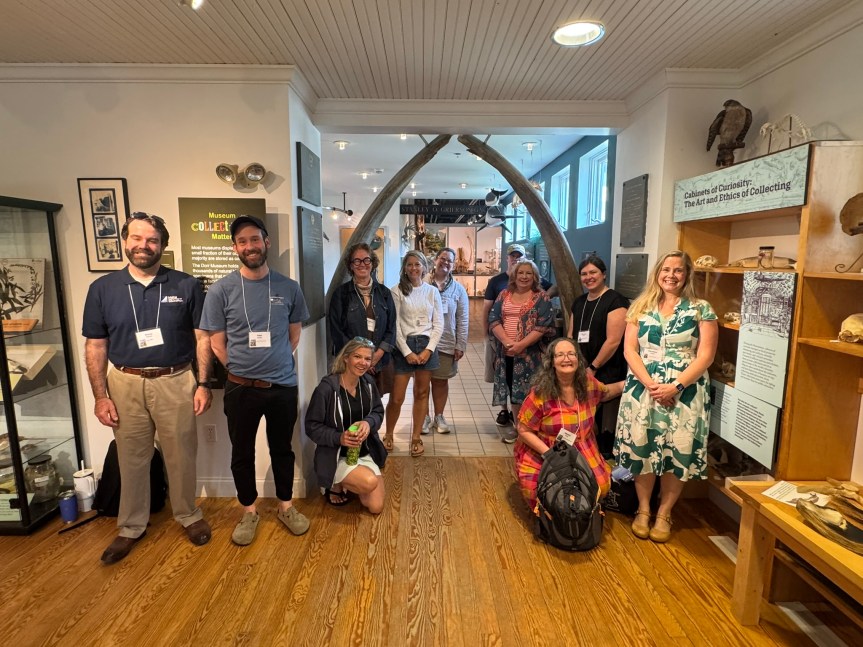
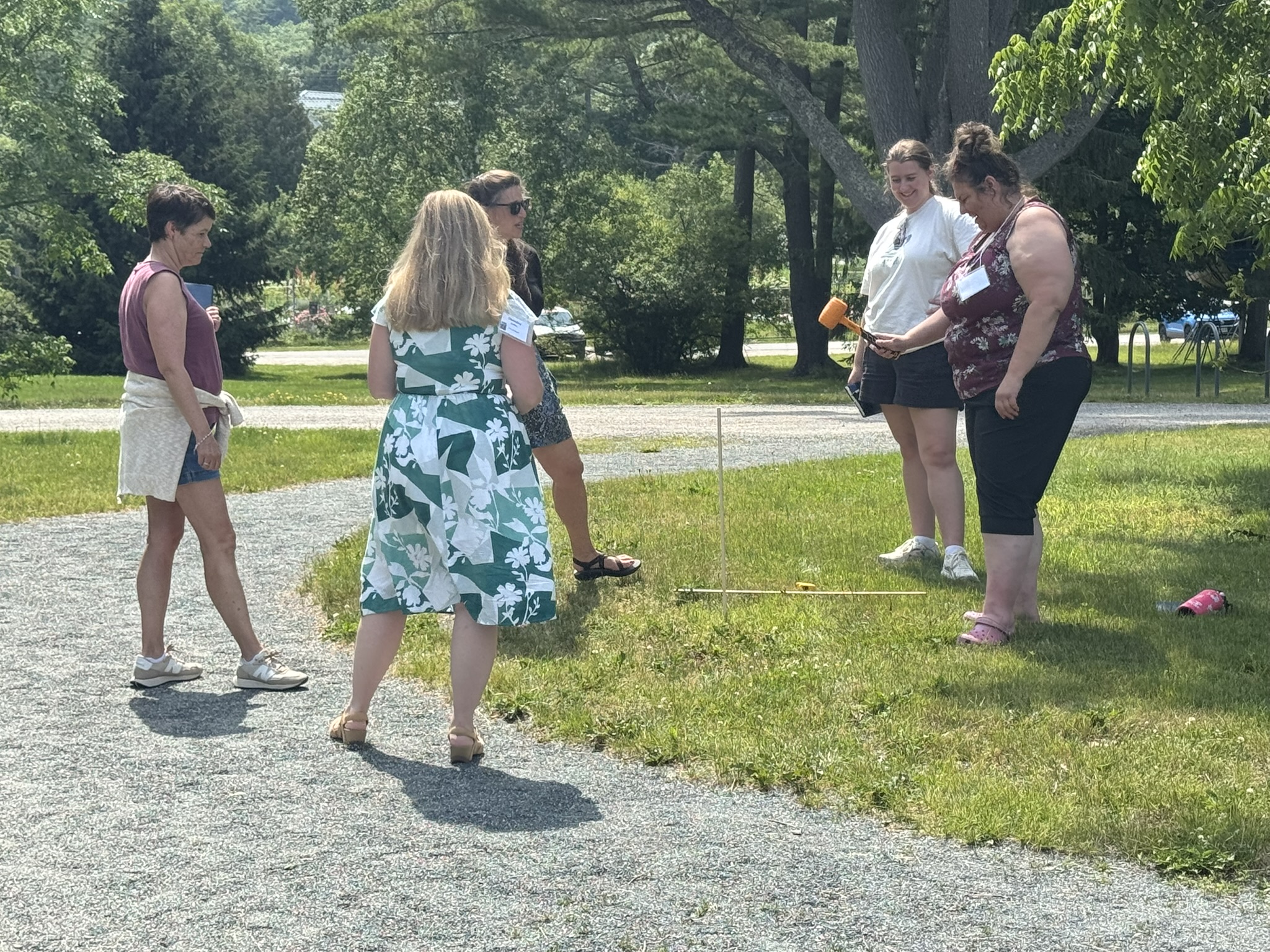
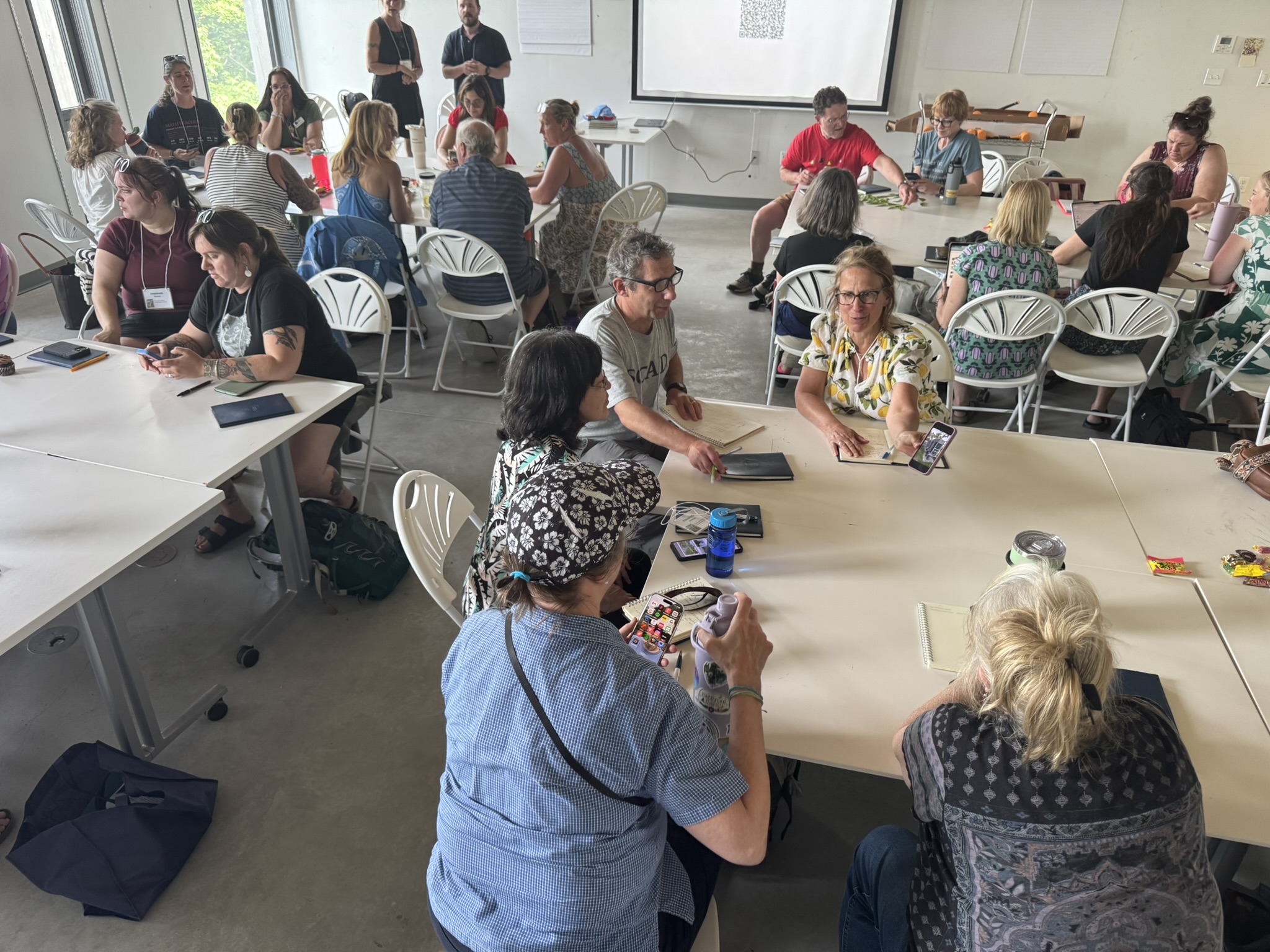
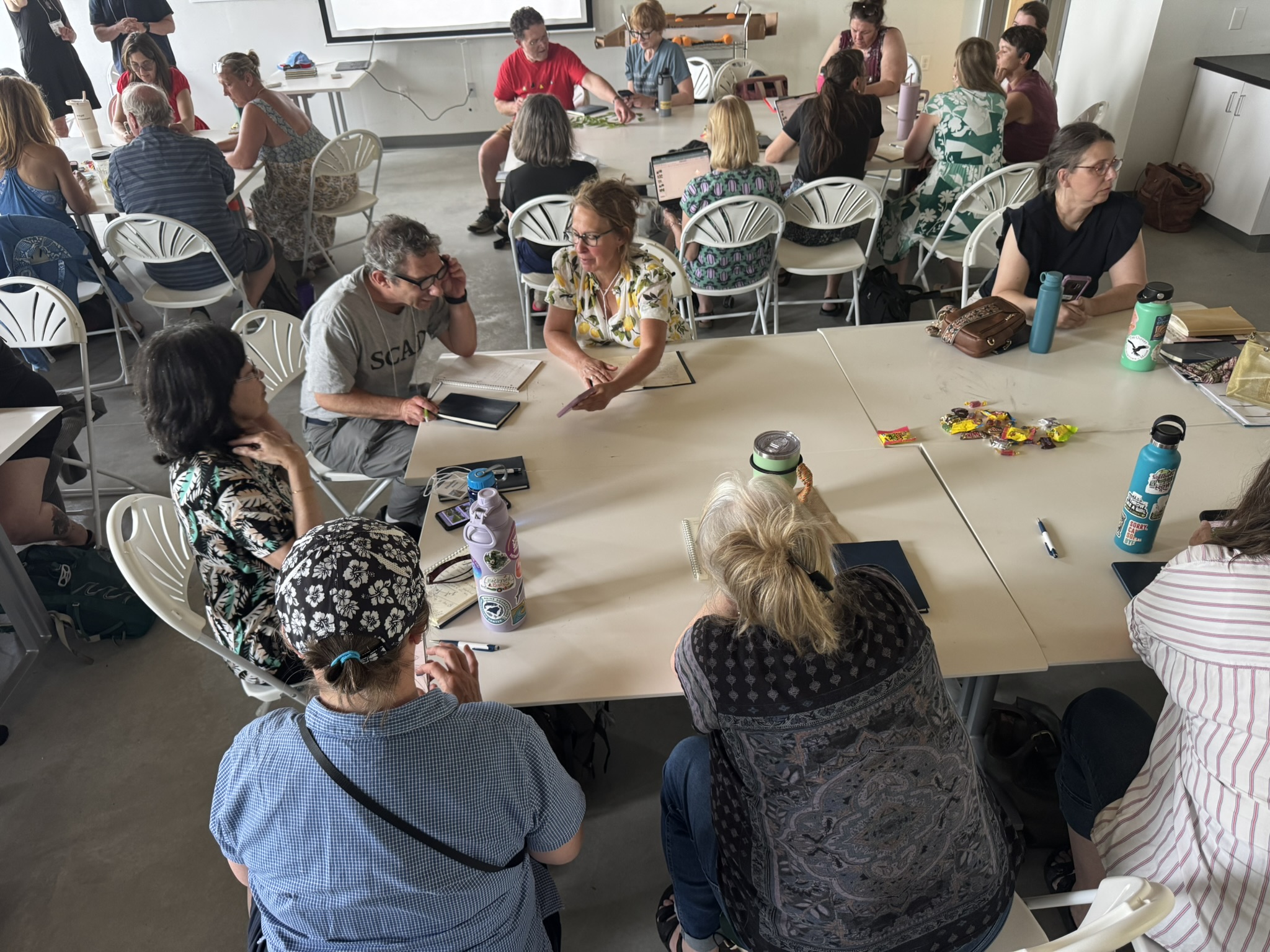
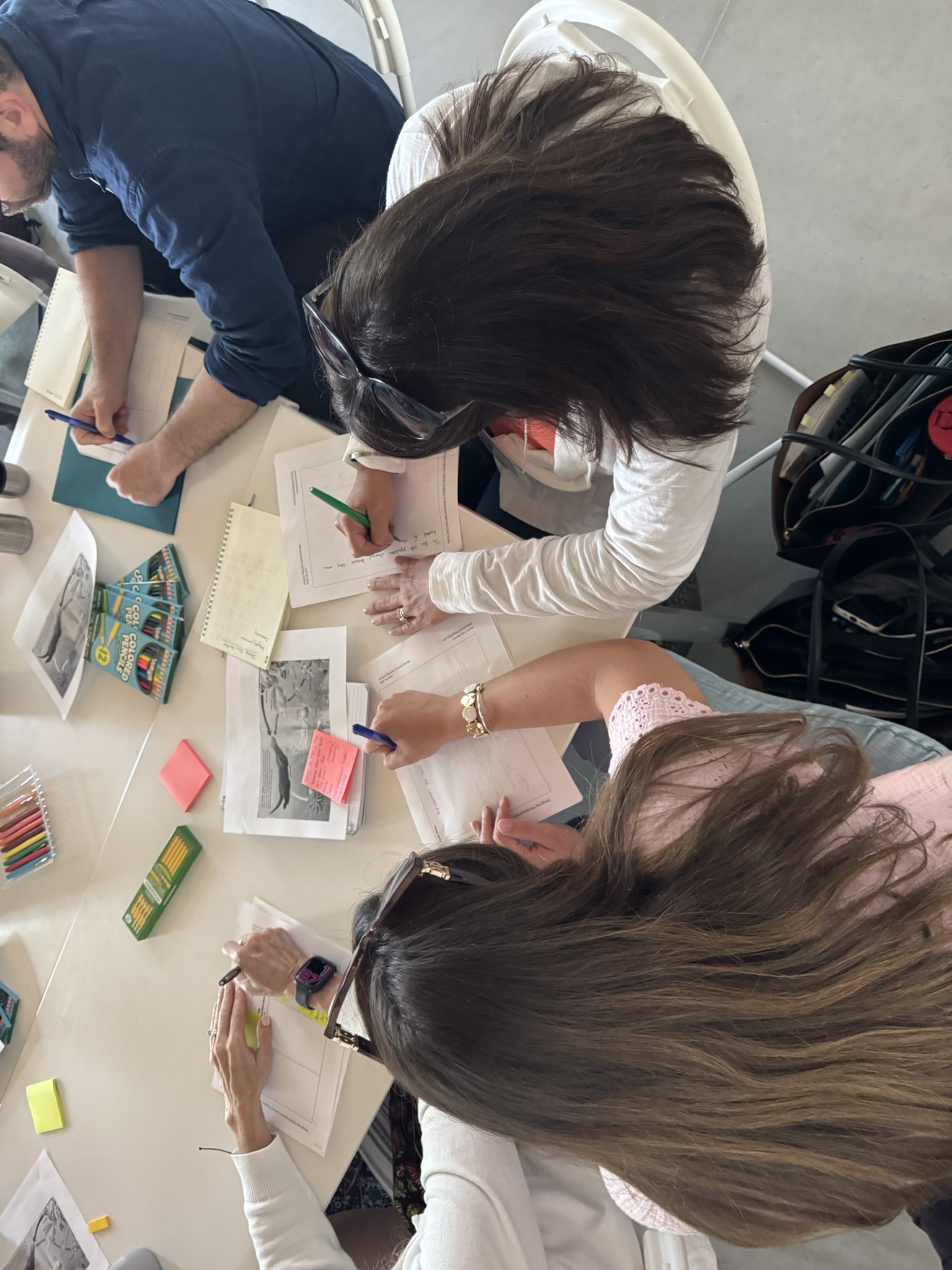
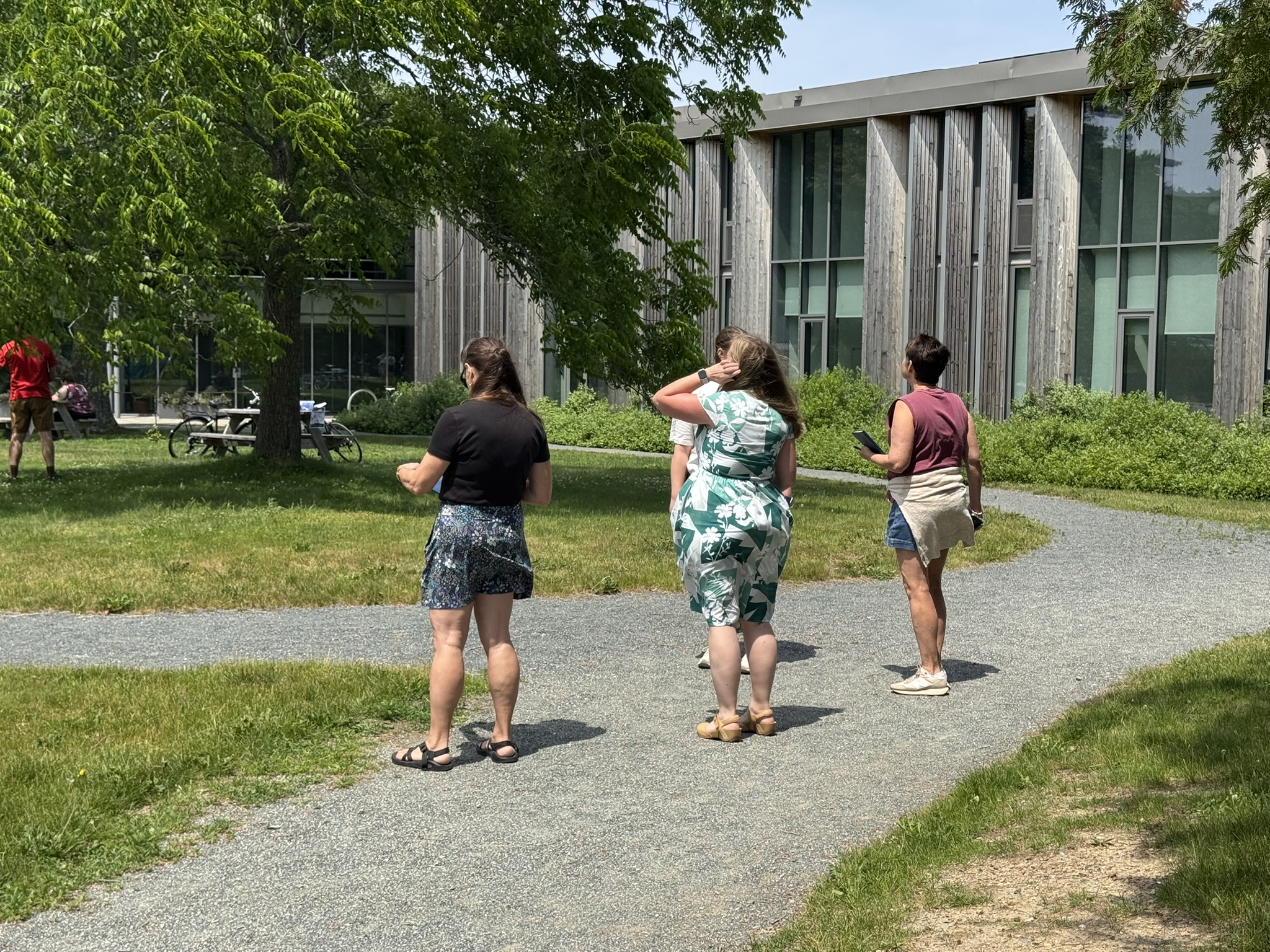
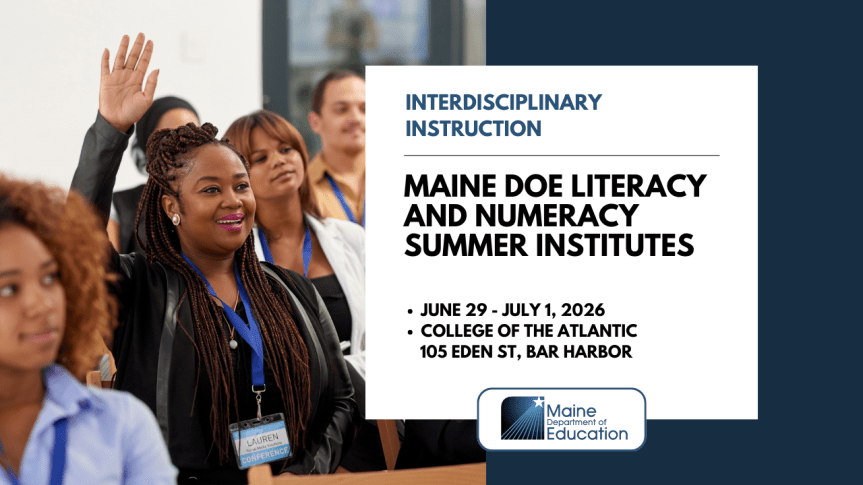
Maine educators from schools serving students pK-12 and higher education institutions gathered at the College of the Atlantic in Bar Harbor from June 29 through July 1 for the 2026 Maine Department of Education (DOE) Summer Learning Institute, The Science of Learning: Developing Literate and Numerate Minds. The three-day institute connected research with practical strategies that educators can use to strengthen learning across grade levels and disciplines.

Keynote presentations by national and internationally acclaimed educational experts Vanessa Vakharia, Jessica Fries-Gaither, and Molly Ness highlighted connections among literacy, numeracy, and interdisciplinary learning through a shared focus on confidence, engagement, and authentic application.

Literacy workshops provided educators with research-informed strategies for strengthening literacy instruction and student learning. Sessions explored purposeful play, foundational reading instruction, tiered supports, dyslexia, strategies for supporting striving and reluctant readers, multilingual learners, vocabulary development, comprehension, literacy dispositions, civic literacy, and student engagement. Together, the workshops emphasized building confident readers and using relevant, interdisciplinary experiences to deepen understanding.

Numeracy workshops focused on moving mathematics beyond isolated procedures and helping students develop confidence, curiosity, and positive mathematical identities. Through hands-on activities, games, inquiry, career connections, data visualization through art, and outdoor learning, educators explored strategies to build fluency and help students use mathematics to solve authentic problems and make sense of real-world experiences.

The institute concluded with Brian Lescord, Maine DOE Multi-Tiered System of Supports (MTSS) specialist, sharing strategies for measuring implementation fidelity. Throughout the institute, networking and coaching sessions gave participants time to consult with presenters, collaborate with colleagues, reflect on their learning, and begin planning how to apply their learning in classroom and schools.


The feedback from educators who attended was overwhelmingly positive. Participants reported substantial growth in their understanding of core concepts, and 86% said the institute markedly increased their confidence in both understanding and applying what they learned. In addition, 89% said the material presented was “directly relevant” to their teaching practice, and 100% reported being satisfaction with the institute overall.

Lisa Skiff, a third-grade teacher said, “I came home with a plethora of resources that won’t just sit on the shelf – they’ll be put into practice every day in my classroom.

For more information about the Literacy and Numeracy Summer Institute, contact any of the following members of the Maine DOE Interdisciplinary Instruction Team: Heather Martin at heather.martin@maine.gov, Michele Mailhot at michele.r.mailhot@maine.gov, or Kathy Bertini at kathy.bertini@maine.gov.

Title II funds provided by the U.S. Department of Education support the implementation of this project. The project has a total award of $156,494, 52% of which is federally funded and directly supports project implementation. The contents are those of the authors and do not necessarily represent the official views of, or an endorsement by, the U.S. Department of Education or the U.S. government.

Maine DOE Invites Applications for Screener Review and Recommendation Project

The Maine Department of Education (DOE) is seeking applicants for the Screener Review and Recommendation Project, a statewide professional learning initiative focused on strengthening regional expertise in early literacy assessment and supporting consistent, evidence-based screening practices across Maine schools.

The project supports implementation of Maine’s Dyslexia screening statute (Title 20-A, §4710-B), which requires all students in kindergarten through grade 2 to be screened in key early literacy skill areas.

Through this initiative, the Maine DOE will convene up to 25 educators and stakeholders representing Maine’s nine superintendent regions to deepen knowledge of literacy screening components, evaluate screening tools using research-based criteria, and help develop statewide guidance and professional learning resources. Participants may include teachers, literacy specialists, administrators, and caregiver representatives from public, charter, and approved private schools.

In-person sessions will be held on Tuesday, July 14, and Wednesday, July 15, 2026, in Augusta from 8:30 a.m. to 3 p.m.

Project participants will:

  • Examine literacy screening tools and implementation practices;
  • Co-develop evaluation rubrics and guidance resources aligned with Maine’s Dyslexia screening statute;
  • Facilitate at least one regional professional learning session; and
  • Contribute to statewide screener guidance materials to be published on the Maine DOE Literacy Hub.

Participants who complete all project deliverables will receive a $400 honorarium.

The Maine DOE will review applications to ensure representation across Maine’s nine superintendent regions and a balance of rural and urban perspectives.

This initiative supports the Maine DOE’s priority of strengthening curriculum, instruction, and assessment systems while advancing equitable early literacy outcomes for all students.

To apply for the Screener Review and Recommendation Project, please complete the application here by June 19, 2026.

For more information, contact Danielle Saucier, Maine DOE Inclusive Education Literacy Specialist and Dyslexia Coordinator, at danielle.m.saucier@maine.gov.
Title II-A funds received from the U.S. Department of Education (ED) support the implementation of this project. The project has an award totaling $15,090.00, of which 100% is federally funded and directly attributed to project implementation. The contents are those of the author(s) and do not necessarily represent the official views of, nor an endorsement by, ED or the U.S. Government.

Maine DOE Launches Interactive Literacy and Numeracy Playbooks to Support Educators Across Maine

The Maine Department of Education (DOE), in partnership with the University of Maine, officially launched Maine’s new interactive Literacy and Numeracy Playbooks during a statewide event held at the University of Maine’s Wells Conference Center in Orono on May 19, 2026. The Playbooks were developed as companion resources to the Maine State Literacy Action Plan and Maine State Numeracy Action Plan, announced last fall. They are designed to support schools and educators in translating a statewide vision for literacy and numeracy into meaningful classroom practice at the local level.

The launch event brought together educators, school and school administrative unit (SAU) leaders, higher education partners, and statewide collaborators to celebrate the culmination of collaborative planning, professional learning, and implementation work focused on strengthening literacy and numeracy learning across Maine. Justin Dimmel, Associate Dean for Academics and Student Engagement in the University of Maine College of Education and Human Development, provided welcome remarks, and closing remarks were delivered by University of Maine President Joan Ferrini-Mundy.

The day included interactive and hands-on Playbooks exploration sessions, a digital scavenger hunt, collaborative reflection and planning opportunities, and whole-group discussions focused on supporting meaningful literacy and numeracy implementation in Maine schools. Attendees had opportunities to engage with the interactive Playbooks, explore embedded resources, and connect with colleagues and partners from across the state. They were also introduced to “PIP,” the Playbook Integration Partner, a puffin-themed navigation and support feature embedded throughout the interactive platform to help users locate resources and move through the playbooks with ease.

“We have been hatching new possibilities for what literacy and numeracy can look like in Maine,” Beth Lambert, Maine DOE Chief Teaching and Learning Officer, said during opening remarks at the event. “This work has never been about creating documents to sit on a shelf. It has been about building coherent systems of support that help educators create meaningful, engaging learning experiences for all students.”

The Playbooks provide educators and school systems with practical implementation tools, research-based instructional strategies, professional learning resources, interdisciplinary connections, and navigation supports designed to make the resources accessible and usable. They were developed through extensive collaboration and feedback from educators and partners across Maine, including the Literacy and Numeracy Advisory Councils, the Maine Math Collaborative, representatives from higher education, and cross-office Maine DOE teams. A significant portion of the Playbook design, revision, and interactive platform development was led by the Maine DOE’s Interdisciplinary Instruction and Learning Through Technology teams, including Kathy Bertini, Emma Banks, Erik Wade, Heather Martin, and Michele Mailhot.

The launch event highlighted the Maine DOE’s broader statewide efforts to align funding, initiatives, and professional learning opportunities to the goals outlined in the Action Plans. Over the past year, the Maine DOE has expanded statewide professional learning aligned to the Action Plans through interdisciplinary literacy workshops, a numeracy learning series, statewide mathematics communities of practice, STEAM (Science, Technology, Engineering, Arts, Mathematics) integration cohorts, literacy modules, and place-based learning opportunities designed to support meaningful, research-based instruction across grade spans and content areas.

The Maine DOE partnered closely with the University of Maine throughout the development and launch process of the Playbooks. Special thanks go to Justin Dimmel, Mia Morrison, and the broader University of Maine team for their collaboration and support in hosting the statewide launch event.

The Literacy and Numeracy Playbooks reflect the Maine DOE’s ongoing commitment to interdisciplinary learning, supporting educators, and ensuring all learners have access to high-quality literacy and numeracy experiences that are meaningful, relevant, and connected to the world around them.

To learn more about Maine’s statewide literacy and numeracy initiatives, visit the Maine DOE’s Office of Teaching and Learning website.

Maine Educators Invited to Join Literacy and Numeracy Playbooks Launch Event

A new chapter in Maine’s literacy and numeracy journey is set to begin with action, collaboration, and celebration.

Maine administrators, educators, coaches, and community partners are invited to mark a major milestone in advancing teaching and learning statewide: the launch of the Literacy and Numeracy Playbooks, an initiative designed to turn vision into action for schools across Maine. The event will take place on May 19, 2026, from 10 a.m. to 2 p.m. at the Wells Conference Center at the University of Maine at Orono. The Maine Department of Education (DOE) Office of Teaching and Learning is hosting this event in collaboration with the University of Maine.

As Maine continues to implement its statewide Literacy and Numeracy Action Plans, the need for practical, accessible tools has been clear. The newly developed Playbooks serve as companion resources that translate strategy into practice, offering actionable tools, real-world examples, and tiered guidance to support educators, school administrative unit (SAU) teams, and school leaders.

Developed through a collaborative process with input from practitioners across the state, the Playbooks reflect a shared commitment to evidence-based practice and continuous improvement. Designed for flexibility, they support SAU planning, intend to strengthen classroom instruction, and align local efforts with statewide priorities.

Participants at the launch will engage in an interactive day designed to bring the Literacy and Numeracy Playbooks to life. The event will include:

  • Opportunities to explore the Playbooks in depth.
  • Interactive engagement with the Genially tool aligned to roles and supports within the Playbooks.
  • Time to collaborate with educators and partners from across Maine.
  • Time to identify actionable next steps for the upcoming school year.

Space is limited to 50 literacy and 50 numeracy participants. Lunch will be provided. Those interested are encouraged to register as soon as possible using this link.

By creating space for connection, exploration, and planning, this event reflects Maine’s ongoing commitment to ensuring all educators have the tools and support needed to advance literacy and numeracy for every student.

With questions, please contact Kathy Bertini, Maine DOE Interdisciplinary Instruction Team Coordinator, at kathy.bertini@maine.gov.

Applications Open for 2026 Maine DOE Literacy and Numeracy Summer Institute

The Maine Department of Education (DOE) Office of Teaching and Learning invites educators from across the state to apply for the 2026 Literacy and Numeracy Summer Institute, entitled “The Science of Learning: Building Literate & Numerate Minds.” This three-day, in-person professional learning experience will take place June 29–July 1 at the College of the Atlantic (COA) in Bar Harbor. Applications close May 6.

Designed for public school teachers, instructional coaches, administrators, and specialists across all grade levels and content areas, this immersive institute brings together educators committed to strengthening interdisciplinary approaches to literacy and numeracy. Participants will engage in deep content learning, collaborative inquiry, and the design of practical, classroom-ready instructional experiences.

Participants will learn within and from local environments, including community gardens, the iconic Beatrix Farrand Gardens, the Dorr Museum of Natural History, Allied Whale, COA’s greenhouses and learning labs, the intertidal zone, and the broader Bar Harbor community. Through these experiences, educators will explore high-impact instructional practices, examine ways to connect content to students’ lives and communities, and contribute to a statewide effort to advance meaningful, integrated learning across Maine classrooms.

Expectations of Participants

Educators selected for the institute will:

  • Attend the full three-day, in-person experience
  • Engage in keynote sessions and interactive workshops led by experts in literacy and numeracy education
  • Collaborate with peers to deepen their understanding of evidence-informed, interdisciplinary literacy and numeracy practices

Apply Now

Applications are open until May 6 at 5:00 p.m. All applicants will be notified by Thursday, May 14. Space is limited, and the Maine DOE will prioritize a cohort representing a diverse range of grade levels, geographic regions, and content areas across the state.

Please use this link to apply.

For more information or questions, please contact Interdisciplinary Instruction Specialist Heather Martin at heather.martin@maine.gov.

Title II funds received from the U.S. Department of Education (ED) support the implementation of this project. The project has an award totaling 156,494.00, of which 52% is federally funded and directly attributed to project implementation. The contents are those of the author(s) and do not necessarily represent the official views of, nor an endorsement by, ED or the U.S. government.

Bonny Eagle Builds Community Through Shared Reading Experience

This February, schools across MSAD 6 (Bonny Eagle School District) took a creative, community-centered approach to the Maine Department of Education’s (DOE) Read to ME Challenge through a districtwide initiative called “BE Reads Together.”

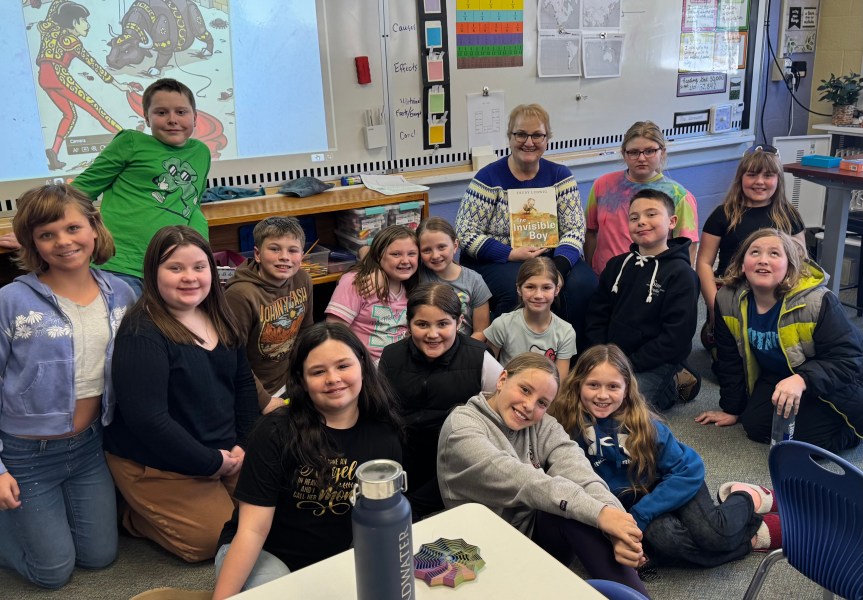
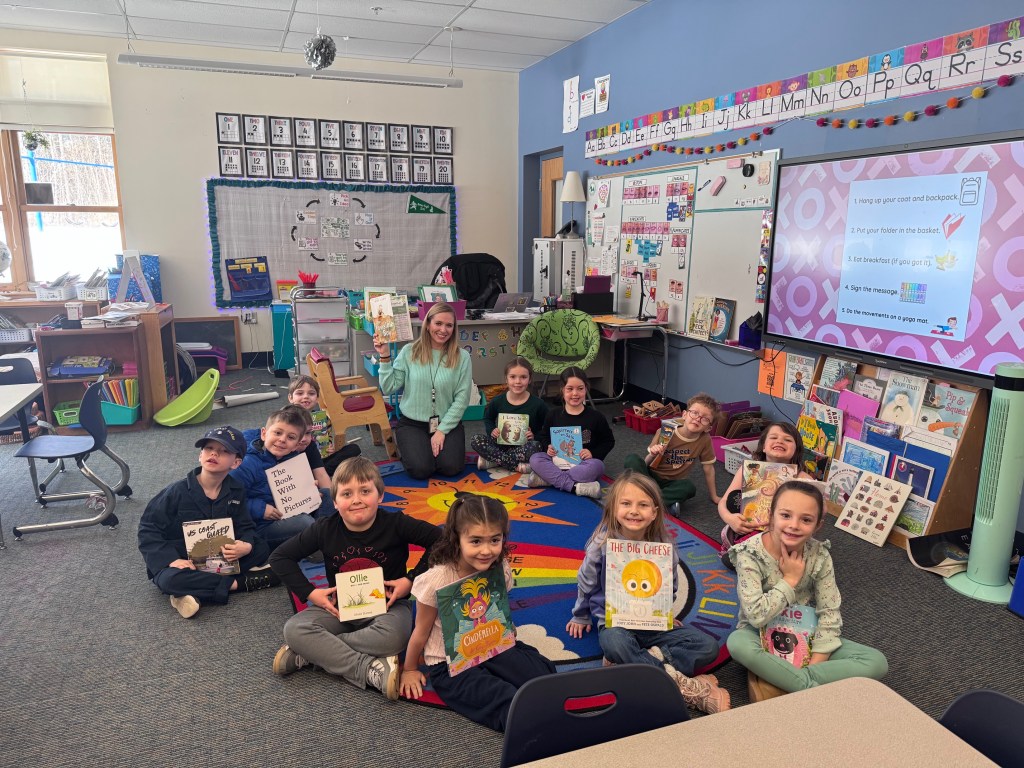
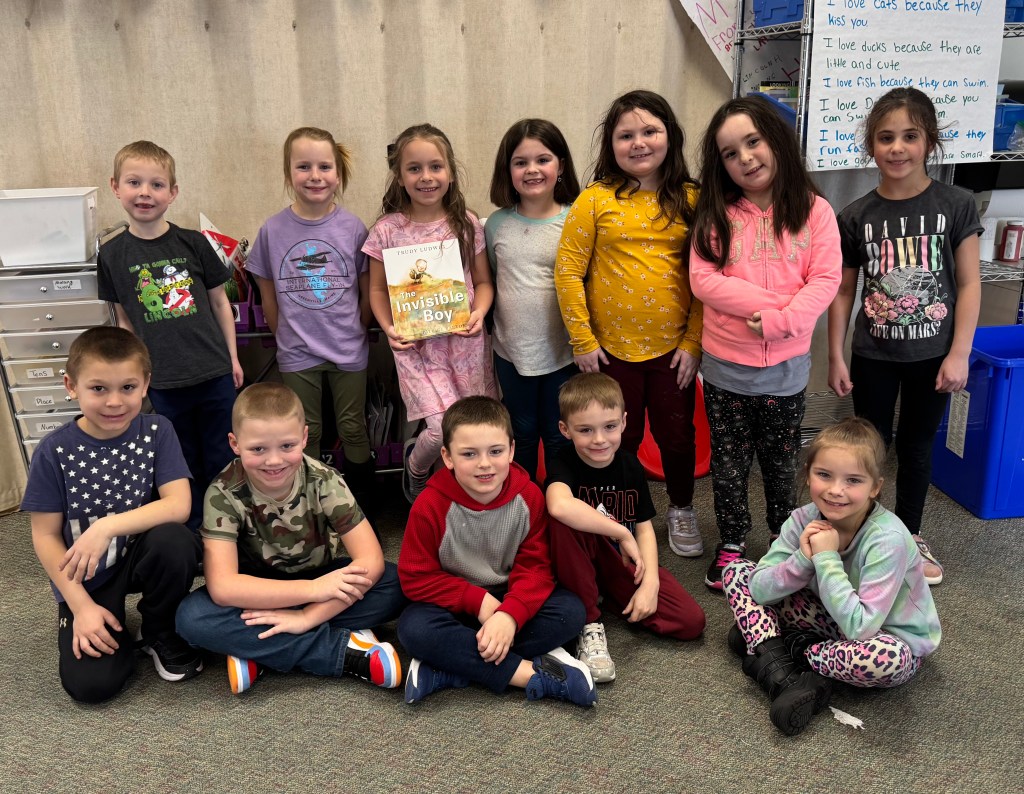
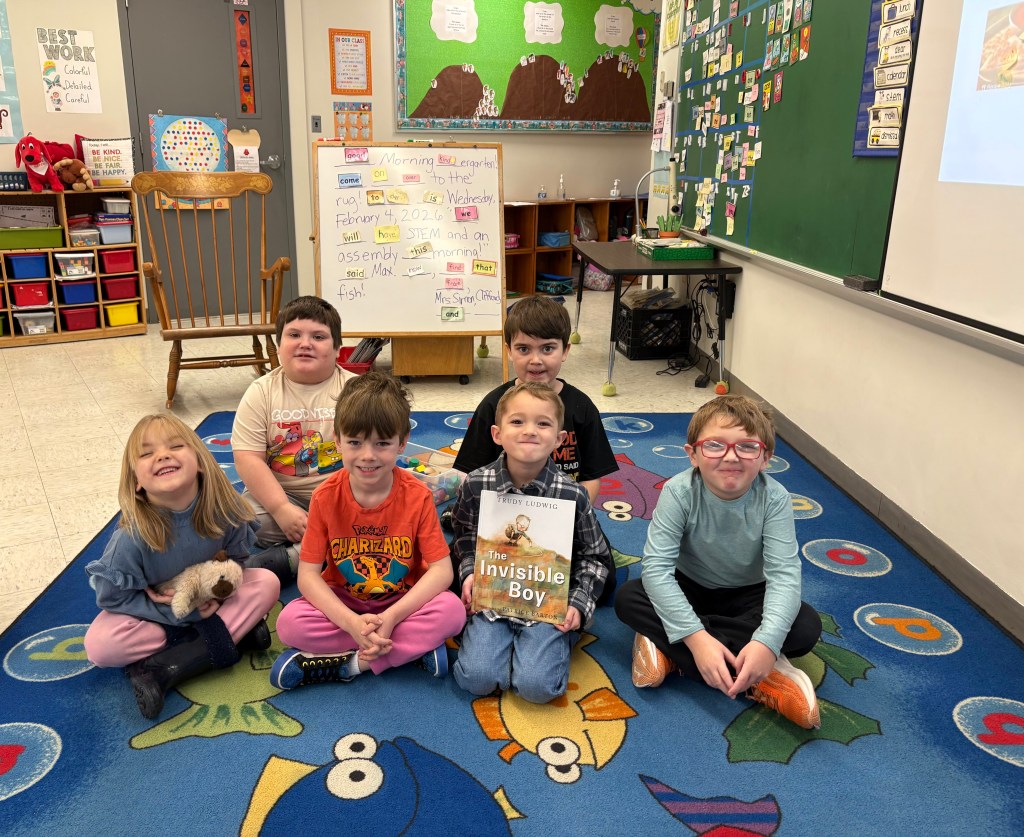
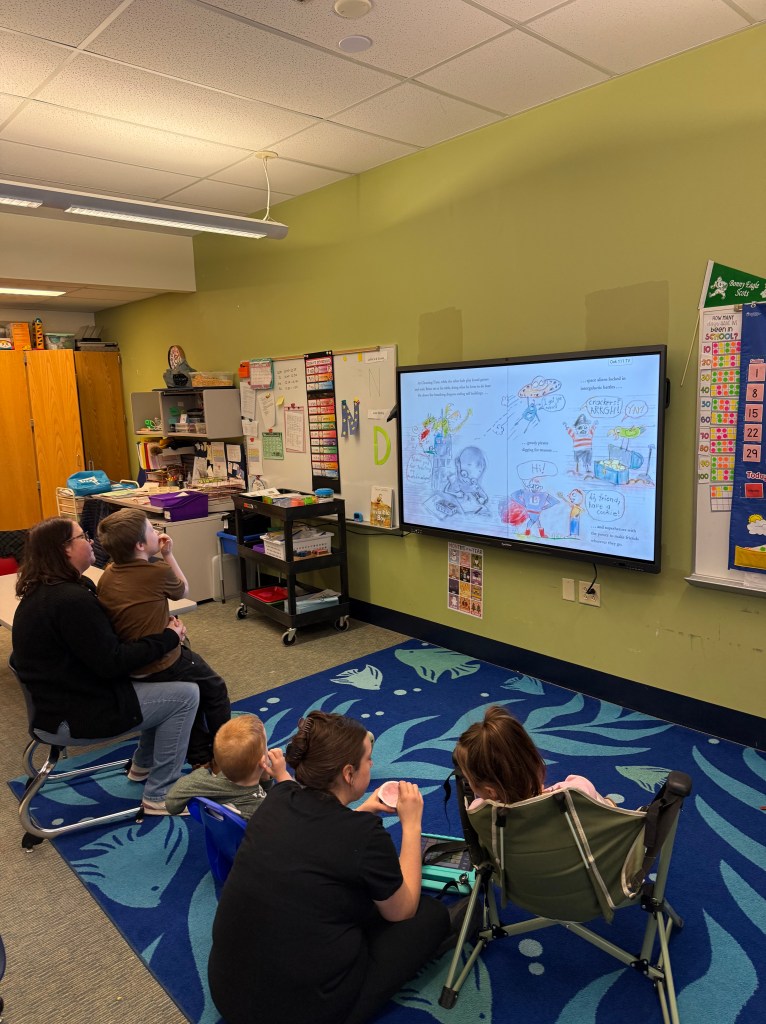
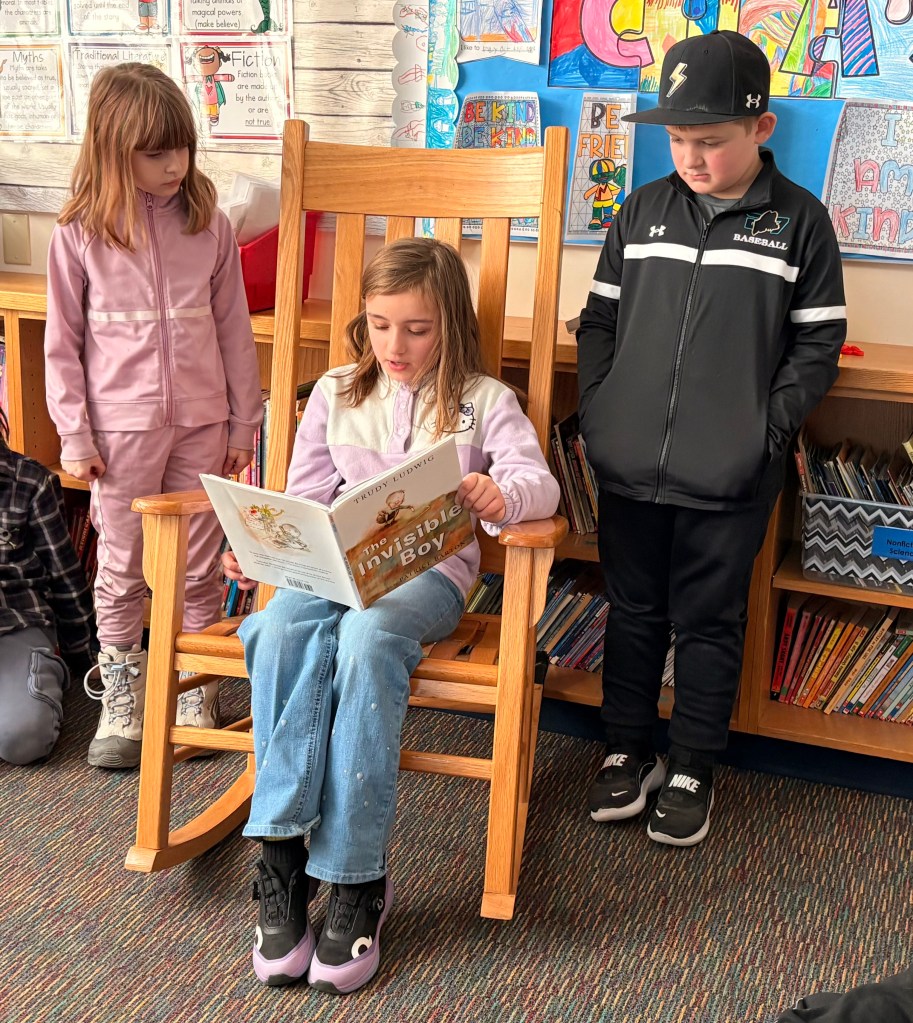
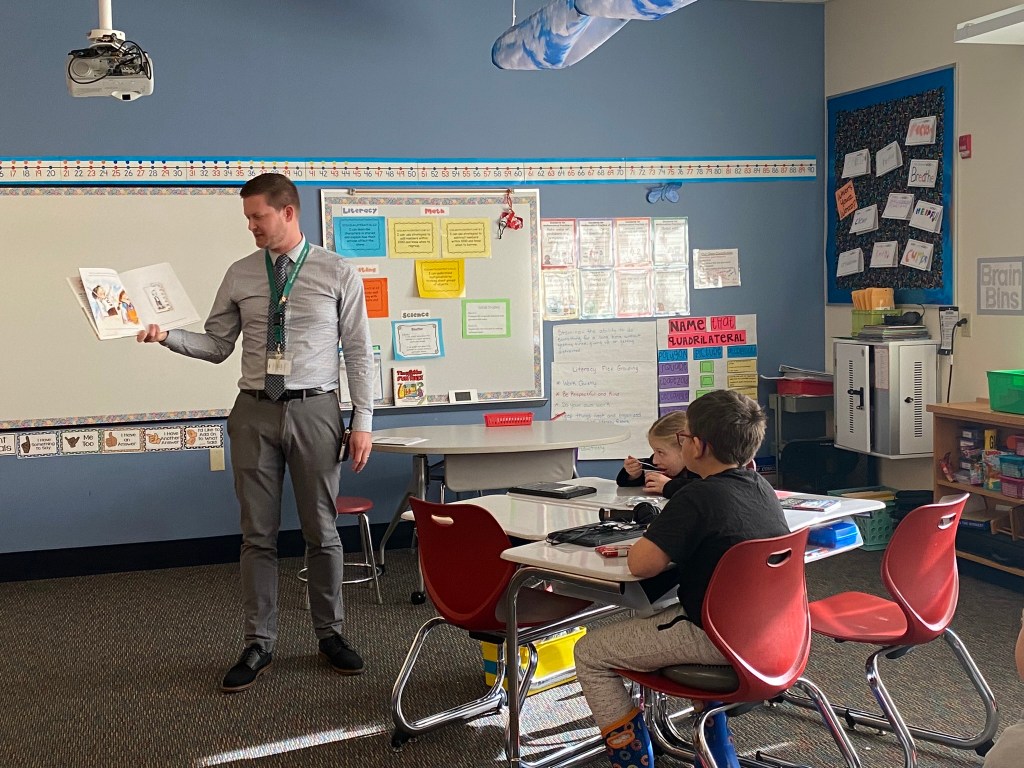
Designed as a shared reading celebration, BE Reads Together connected students and staff across all schools and departments through one common story: The Invisible Boy by Trudy Ludwig. Each school and department received a copy of the book and found unique ways to experience it—whether through classroom read-alouds, small-group discussions, buddy reading, or other creative formats tailored to their communities.

“We had an amazing month of a shared read to create a sense of community and connection grounded in a common book,” Randee Cassidy, an instructional coach at Buxton Center Elementary School and a member of the Maine DOE State Literacy Team, said.  Principal Craig Pendleton added, “It was inspiring to see so many people genuinely connect with the book. It’s a powerful reminder that no matter your age or grade level, a picture book with a meaningful message has a way of speaking to everyone.”

As the book traveled from building to building, students and staff tracked its journey by signing their names with dates, capturing pictures along the way, and sharing their reading moments. Pictures taken were displayed on TV boards across the district, creating a visible and collective celebration of reading that connected the entire school community. The structure of the challenge encouraged participation at every level.

“It was great to see students and staff alike get excited and share in a common experience centered around a book that shows the importance of connection, belonging, and empathy,” Cassidy said.

Grounded in those themes of The Invisible Boy, this initiative reinforced the idea that reading is not only an academic skill but also a joyful, shared experience that brings people together.

Through BE Reads Together, Bonny Eagle demonstrated how a simple concept—one book, many readers—can create a powerful sense of unity across an entire school community.

This story was written in collaboration with MSAD 6. To submit a good news story to the Maine DOE, please fill out the good news submission form.

MEDIA RELEASE: Maine DOE Encourages Mainers to Participate in 2026 Read to ME Challenge

Reading to a child for 15 minutes per day for five years results in 27,375 minutes of language exposure, which can lead to high literacy development.

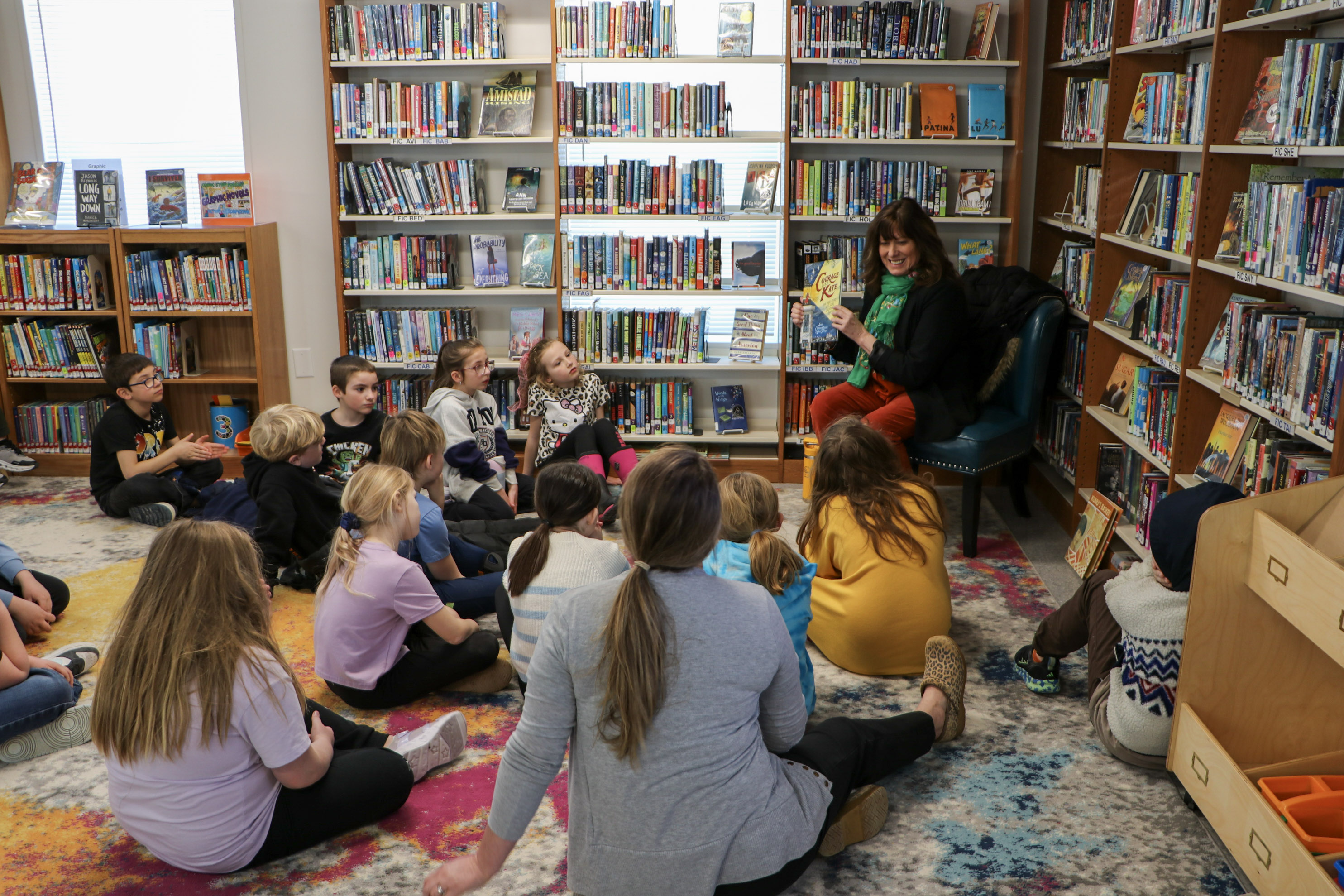
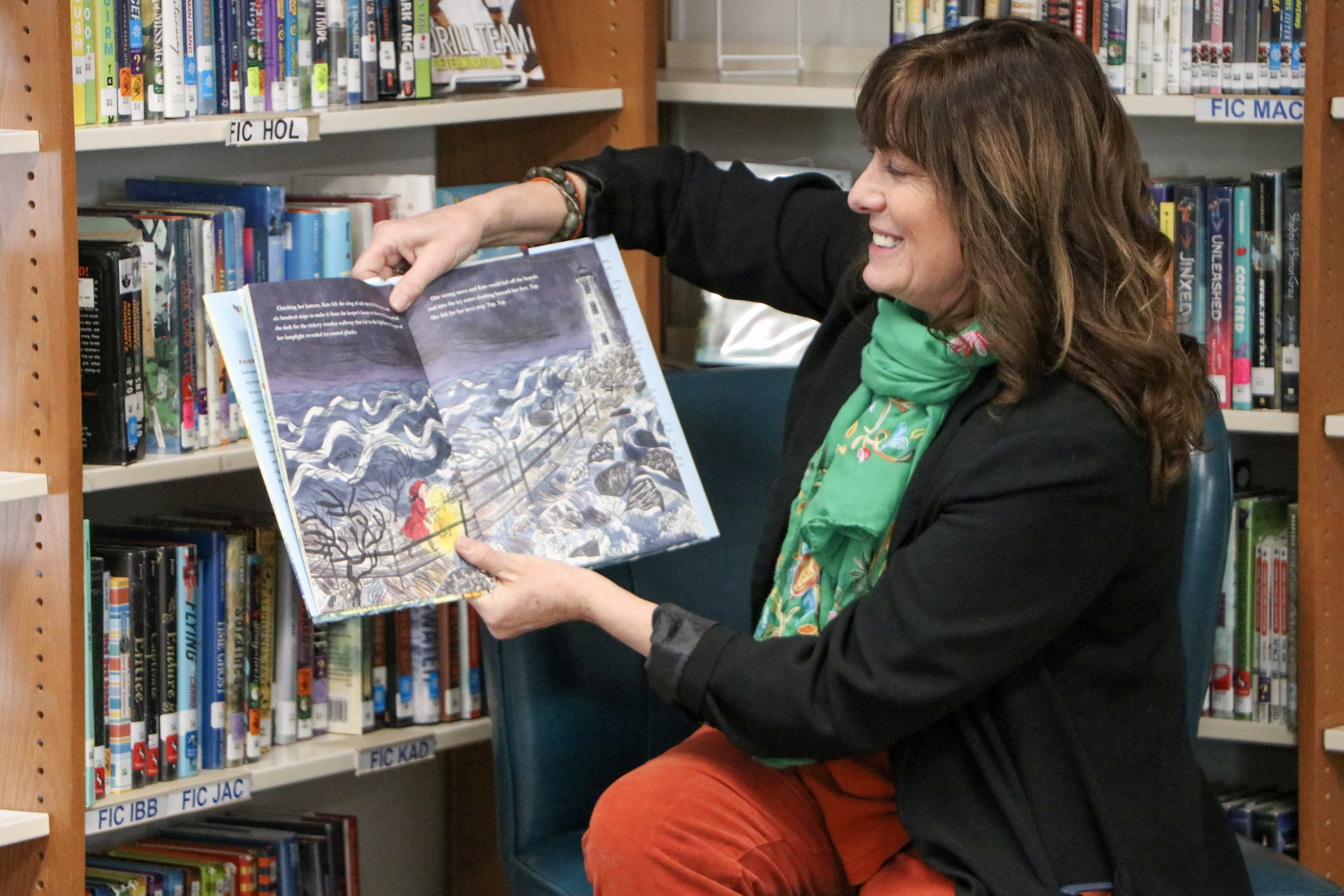
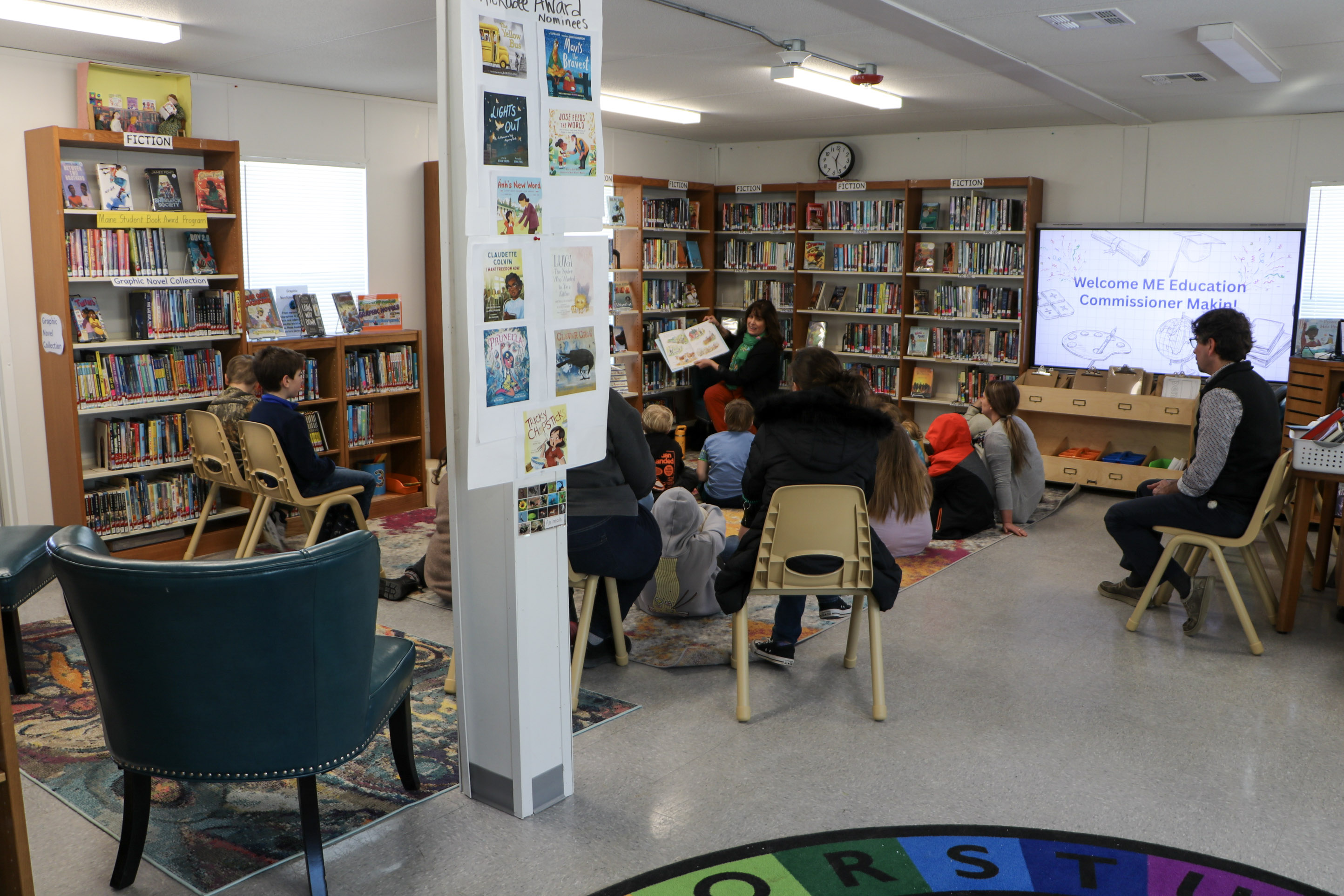
The 2026 Read to ME Challenge, a month-long public awareness campaign designed to support literacy development among Maine children, is officially underway. Maine Department of Education (DOE) Commissioner Pender Makin launched the challenge on Monday, February 2, 2026, with a read-aloud to second- and third-grade students at the Tremont Consolidated School library in Bass Harbor.

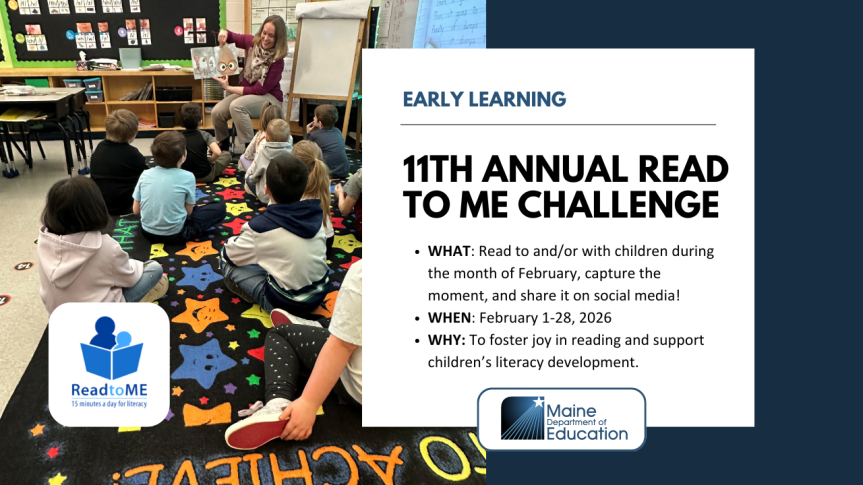
2026 marks the 11th annual Read to ME Challenge. Throughout the month of February, Mainers are encouraged to read to and/or with children for at least 15 minutes. Adults may capture these moments with photos/short videos and share them on social media using the hashtag #ReadtoME in an effort to encourage others to do the same. The Maine DOE would like to challenge all Mainers—regardless of age, location, or language—to consider participating in this year’s challenge.

“The Read to ME Challenge has been a favorite initiative of the Maine Department of Education for more than a decade,” Maine DOE Commissioner Pender Makin said. “We invite all Mainers, from youth to adults, to join us in the challenge this month, as we continue to promote the joy of reading among our youngest generation.”

Reading to a child for 15 minutes per day for five years results in 27,375 minutes of language exposure, which can lead to high literacy development. Research indicates that the simple act of reading aloud helps children to build language, acquire vocabulary, develop knowledge about the world, and create bonds with trusted adults.

For the Read to ME Challenge launch, Commissioner Makin read Courage Like Kate: The True Story of a Girl Lighthouse Keeper by Maine-based author Anna Crowley-Redding. Students in attendance remarked on their own experiences with lighthouses living in a coastal community.

“We were honored to host the kick-off for the Read to ME Challenge this year,” Tremont Consolidated School Principal Jandrea True said. “Any opportunity to promote literacy is worth all of the energy we can collectively muster in our communities, as proficiency in literacy is essential to a successful future. Challenge accepted at Tremont Consolidated School!”

In support of the Maine State Reading Action Plan, the Maine DOE also strongly encourages community organizations to collaborate with schools and families during the Read to ME Challenge. A list of suggested ideas for community involvement is included here.

The 2026 Read to ME Challenge will end following Read Across America Day on March 2, 2026.

Get Ready for the 11th Annual Read to ME Challenge in February!

For the 11th consecutive year, the Maine Department of Education (DOE) is partnering with schools and community organizations across the state to promote the Read to ME Challenge, a month-long public awareness campaign held in February.

The Read to ME Challenge is designed to foster joy in reading and support children’s literacy development by challenging adults to read to and/or with children during the month of February. Participants are invited to capture these moments through photos or short videos and share them on social media using the hashtag #ReadtoME. Readers are also encouraged to challenge their social media connections to participate, helping the impact of this initiative to ripple across Maine.

The 2026 Read to ME Challenge will kick off the first week of February 2026 and will continue through Read Across America Day on March 2, 2026. While anyone may participate, the Challenge offers a particularly meaningful opportunity for schools, childcare programs, libraries, and community organizations to plan engaging activities that highlight a shared commitment to reading with children.

In support of the Maine State Literacy Action Plan, the Maine DOE is strongly encouraging community organizations to collaborate with schools and families during the 2026 Read to Me Challenge. In past years, a wide range of partners have hosted impactful reading events, including college and high school athletic teams, civic organizations, libraries, recreation departments, and education-focused organizations. A list of suggested ideas to spark planning is included at the end of this article.

Learn more about the Read to ME Challenge on the Maine DOE website. Additional details about the kickoff session will be shared soon.

To share photos of your Read to ME Challenge participation with the Maine DOE, please contact Rachel Paling, Maine DOE Communications Outreach Manager, at Rachel.Paling@maine.gov. You may also use the following social media handles to connect with the Maine DOE, and we will share your #ReadtoME social media posts online:

  • Facebook: @MaineDepartmentofEducation1!
  • Instagram: @mainedepted

Read to ME Challenge Ideas for Community Involvement

  • Invite community members into schools as guest or “mystery” readers and consider asking them to share about their professions.
  • Partner with local fire departments, police departments, hospitals, health care providers, and businesses.
  • Collaborate with public libraries to host special events during the Challenge.
  • Engage civic organizations such as Rotary Clubs, Lions Clubs, Elks Clubs, and Freemasons as guest readers or event sponsors.
  • Include afterschool and youth programs such as Boys & Girls Clubs, YMCAs, 21st Century Learning Programs, and teen centers.
  • Work with community partners to host family literacy or reading nights.
  • Encourage participation from local school board members.
  • Create opportunities for middle and high school students to read to younger learners.
  • Foster friendly competitions among middle and high school teams or clubs to read to children.
  • Use Pine Project books to promote culturally sustaining reading experiences.
  • Explore options to expand access for multilingual families, such as QR codes to texts written in a variety of languages.
  • Incorporate the Challenge into pre-service teacher preparation courses, such as children’s literature or reading methods.
  • Partner with Foster Grandparent Programs and Aging in Place committees.
  • Seek support from literacy volunteer organizations and dyslexia centers.
  • Plan a Community Reads event in which one book is selected for shared reading and discussion across the community.

For further information and questions about the Read to ME Challenge, please contact Lee Anne Larsen, Maine DOE Director of Early Learning, at Leeann.Larsen@maine.gov.

Maine DOE Offers Variety of Literacy Learning Opportunities Aligned to Maine’s Statewide Action Plans

The Maine Department of Education (DOE) Office of Teaching and Learning invites educators from across the state to engage in literacy learning opportunities that are thoughtfully aligned to Maine’s statewide Action Plans.

The quieter winter season often offers a natural moment for reflection and growth. These literacy professional learning opportunities are designed to be supportive, practical, and inspiring—an invitation for educators to use the winter months to strengthen their practice, build shared understanding, and invest in the essential work of literacy.

Together, the below offerings form a menu of literacy learning opportunities available throughout the winter and spring of 2026. Educators are encouraged to engage in the experiences that best meet their interests, roles, and local contexts, whether that means participating in a cohort, attending a single workshop, joining virtual support hours, exploring modular professional learning, or taking part in statewide literacy initiatives.

Winter/Spring 2026 Literacy Professional Learning Opportunities:

Maine Solutionaries Project Literacy Cohort

This professional learning opportunity equips middle and high school teachers with training in four high-impact, interdisciplinary literacy practices that foster lifelong literacy and support successful Solutionary Inquiry-to-Action projects. Through engagement with complex texts, text-based discussion and writing, word study, and collaborative performance tasks, this cohort strengthens students’ reading, writing, speaking, listening, and language skills across content areas.

  • Audience: Grades 4-12 educators
  • Format:
    • In-person kickoff session on January 27, 2026, from 8:30-3:30 p.m. at Maple Hill Farm in Hallowell
    • Weekly virtual learning sessions on Tuesdays from 4-5:30 p.m. from February 3 through March 31 (four weeks focused on Solutionary Learning and four weeks focused on literacy integration)

Participants may earn up to 45 contact hours. Educators are encouraged to attend these sessions in pairs. Please use this link to register.

Spring Integrated Literacy Workshops

Please use this link to register for any of the following integrated literacy workshops:

Integrating Literacy with Mapmaking: Renee Keul will explore the connection between literacy and mapmaking by engaging educators in analyzing and creating maps. This workshop models how spatial reasoning, data visualization, and critical thinking support reading, writing, and communication across content areas, reinforcing literacy as a shared responsibility. This workshop strengthens foundational literacy skills such as decoding symbols, building vocabulary, sequencing ideas, and making meaning across texts through hands-on, interdisciplinary learning.

  • Audience: Pk-12 Educators
  • Date: March 6, 2026, from 9 a.m.-4 p.m.
  • Location: Osher Map Library in Portland (or virtually via Zoom)
  • Contact Hours: seven hours available

Integrating Literacy with Objects and Writing: Deb Johnson and Ronni Blaisdell will share strategies for using real-world artifacts and natural materials to support foundational reading and writing skills. By modeling object-based learning grounded in authentic texts and materials, this workshop demonstrates how interdisciplinary, hands-on instruction strengthens literacy development across grade levels and content areas. This workshop builds vocabulary, comprehension, and writing stamina through close observation and inquiry.

  • Audience: pre-K-12 educators
  • Date: April 10, 2026, from 9 a.m.-4 p.m.
  • Location: Maine Mineral and Gem Museum in Bethel (or virtually via Zoom)
  • Contact Hours: seven hours available    

Reaching Reluctant Readers: Cris Tovani will explore why students disengage from reading and how educators can remove barriers to learning. Grounded in research-based strategies for knowledge building and comprehension, the session equips educators with practical tools to support confident, independent readers across content areas. This workshop addresses engagement, motivation, and access as essential components of effective literacy instruction, particularly for students who are reluctant or struggling readers.

  • Audience: pre-K-12 educators
  • Date: May 15, 2026, from 9 a.m.-4 p.m.
  • Location: Camp Chamberlain in Augusta (or virtually via Zoom)
  • Contact Hours: seven hours available          

Virtual Support Hours: Virtual support will be available on Thursdays following each workshop. These sessions are open to all educators, regardless of whether they attended the corresponding workshops, and are designed to support the application of learning through collaboration, reflection, and shared problem-solving.

  • Graphic Novels for Literacy (workshop already occurred)
    January 8 through February 19, 2026, from 3:30-4:30 p.m. – Zoom registration link

    This is an open, collaborative space to explore how graphic novels support comprehension, vocabulary development, and visual literacy across grade levels and content areas. Participants are encouraged to bring questions, classroom experiences, and ideas aligned with the statewide Action Plans’ interdisciplinary vision.   
  • Integrating Literacy with Mapmaking
    February 26 through April 9, 2026, from 3:30-4:30 p.m. – Zoom registration link
    This is an informal space to explore how map analysis and creation can strengthen vocabulary, comprehension, and meaning making across content areas, reinforcing literacy as a shared responsibility. 
  • Integrating Literacy with Objects and Writing
    April 16 through May 7, 2026, from 3:30-4:30 p.m. –Zoom registration link
    This is a supportive forum to reflect on and apply hands-on strategies that build engagement, motivation, and access to literacy through object-based learning and writing.
  • Reaching Reluctant Readers
    May 14 through June 4, 2026, from 3:30-4:30 p.m. – Zoom registration link
    This is an open forum to extend learning from Cris Tovani’s strategies for engagement and comprehension. Educators can share challenges and explore ways to remove barriers to reading and support confident, independent literacy development.

Additional Literacy Learning Opportunities

  • Literacy Modules for Professional Learning: School administrative units (SAUs) may purchase licenses for AIM Steps to Literacy modules or Keys to Literacy modules at reduced costs and then seek reimbursement once educators have successfully completed the modules. Find additional details here.
  • For ME Instructional Programs: An informational session will be held on January 26, 2026, from 3:30-4:30 p.m. for schools interested in adopting the For ME Instructional Programs (Pre-K for ME, K for ME, 1st Grade for ME, and/or 2nd Grade for ME). These programs are grounded in evidence-based literacy practices, are interdisciplinary and play-based, and are aligned with Maine’s learning standards. Additional details and the Zoom link will be shared in January 2026.
  • Read to ME Challenge 2026: Get ready for this year’s Read to ME Challenge, running throughout the month of February! Details will be shared in January 2026. 

For more information about these professional learning opportunities, please contact Maine DOE Interdisciplinary Instruction Team Coordinator Kathy Bertini at Kathy.Bertini@maine.gov.

Titles II-A and IV-A funds received from the U.S. Department of Education (ED) support the implementation of these projects. These projects have an award totaling $99,569.00 of which 38% is federally funded and directly attributed to project implementation. The contents are those of the author(s) and do not necessarily represent the official views of, nor an endorsement by, ED or the U.S. government.