Reflections from a Successful Third Annual Maine DOE ‘I Belong’ Youth Summit

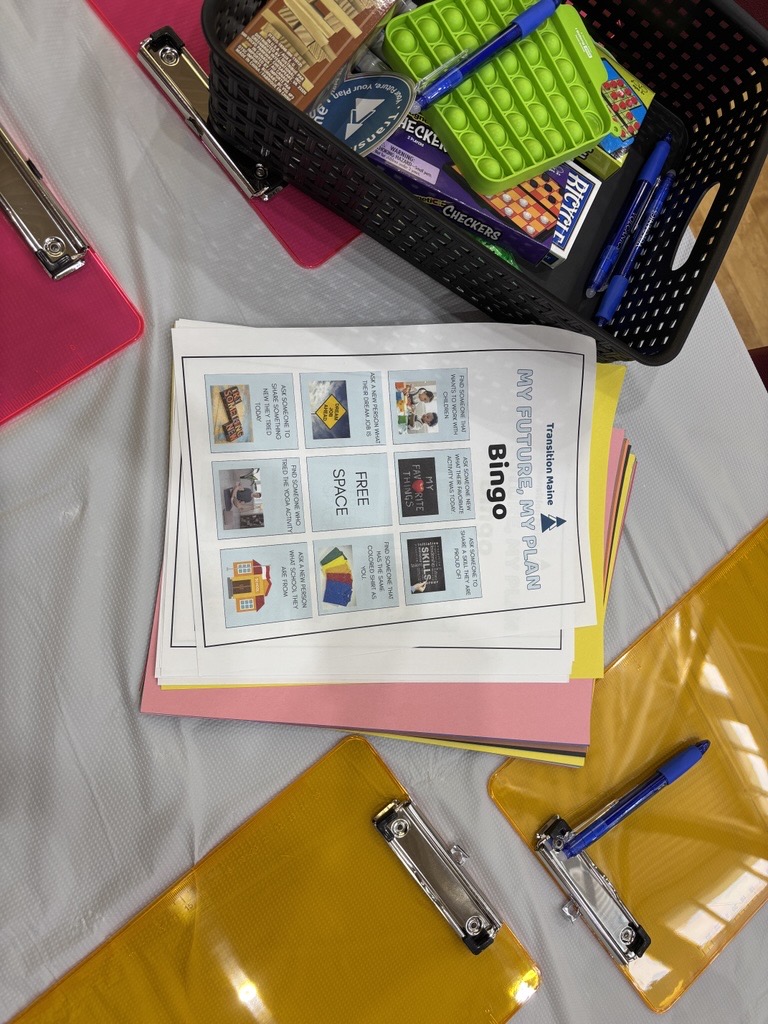
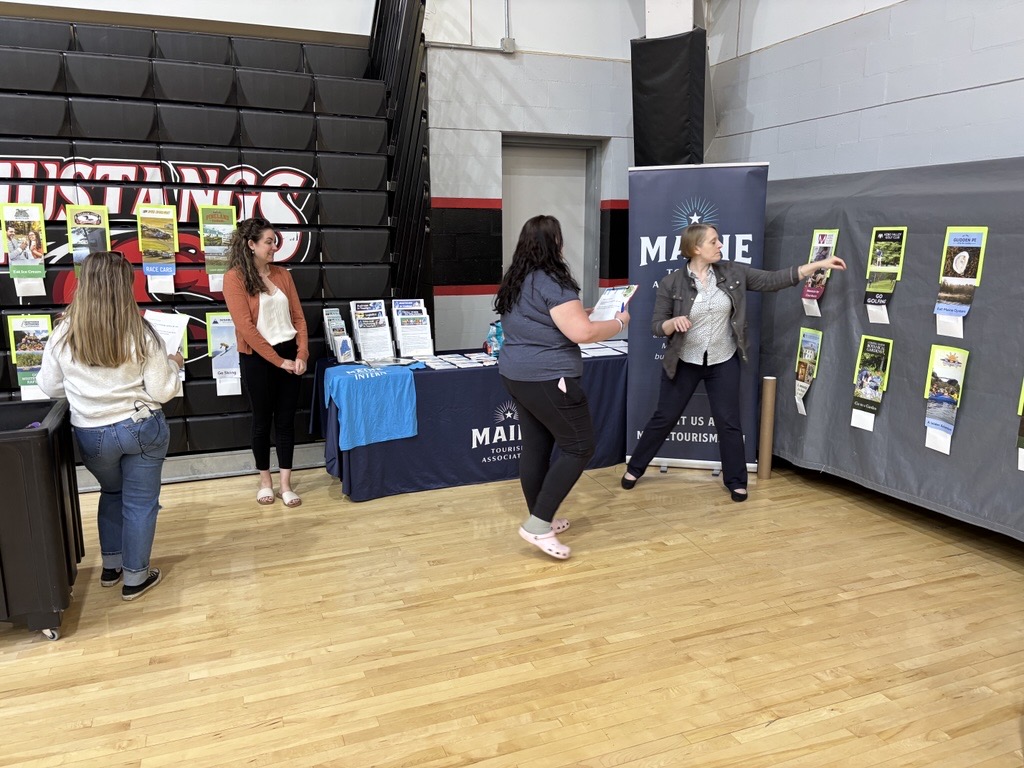
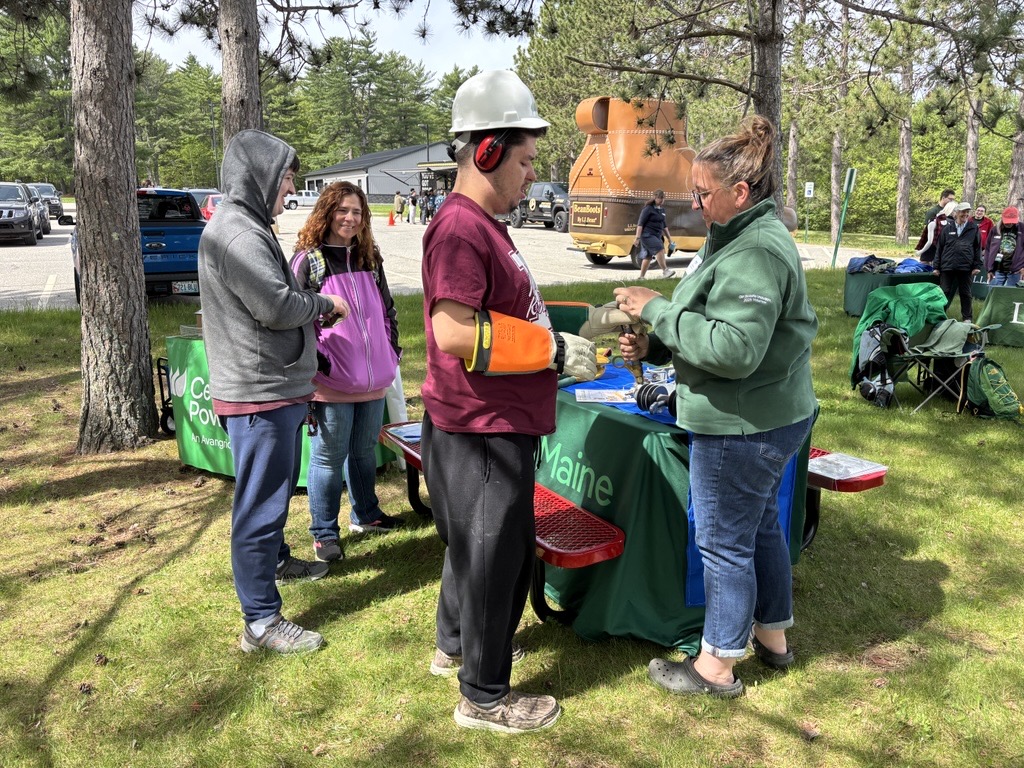
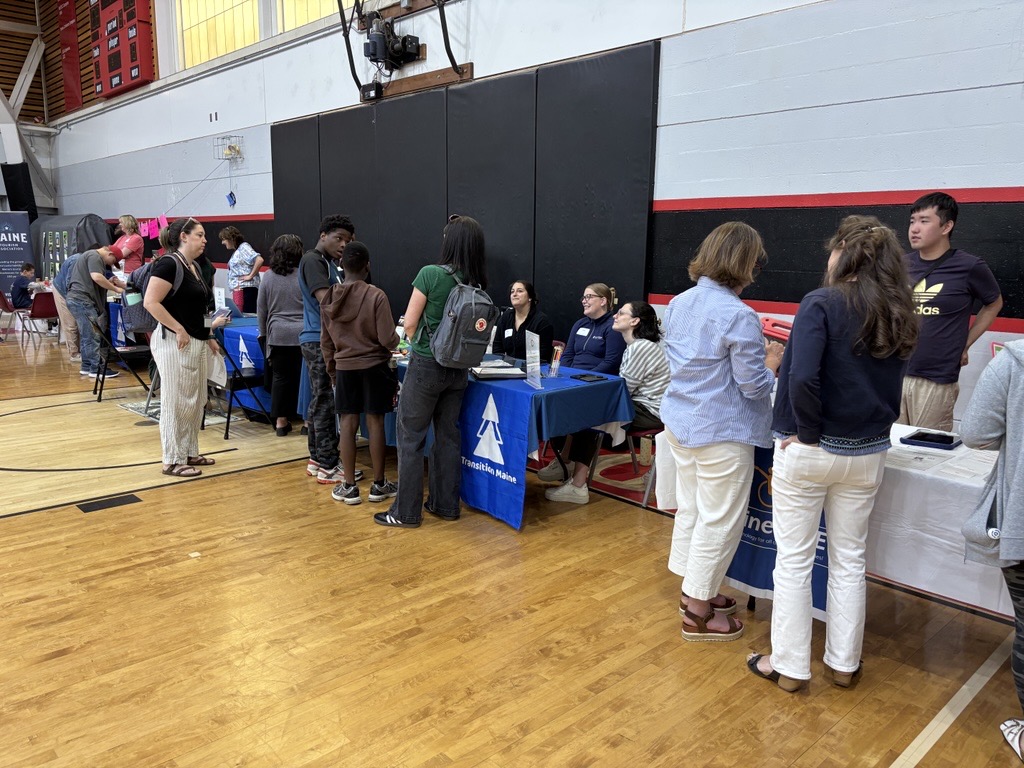
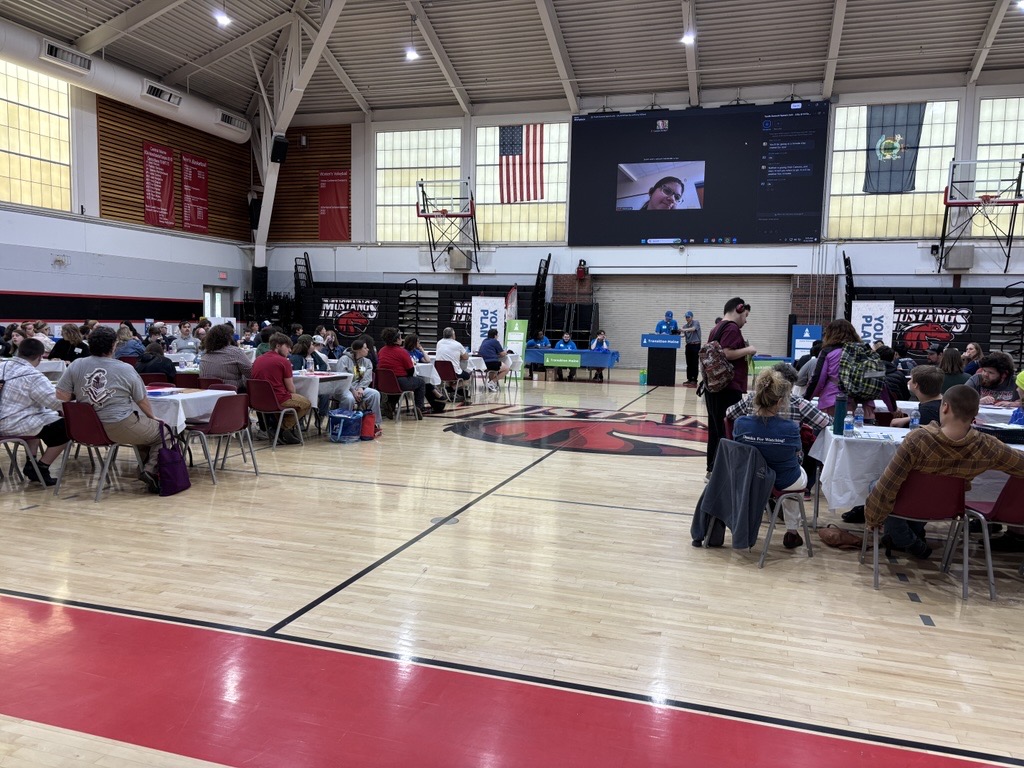
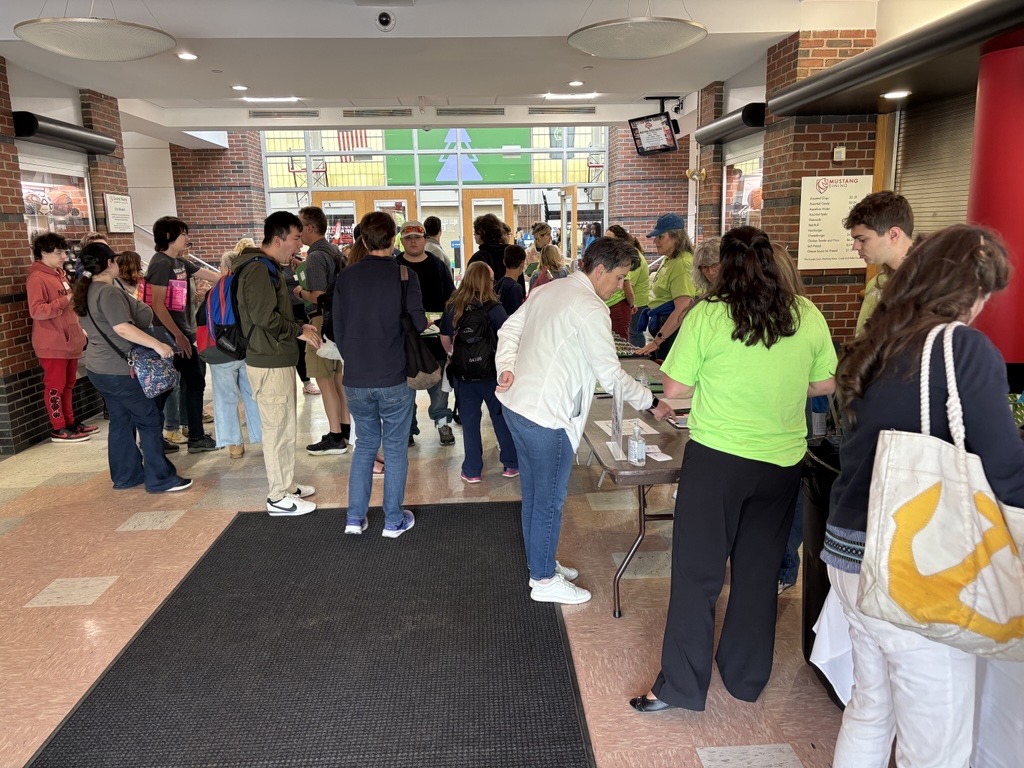
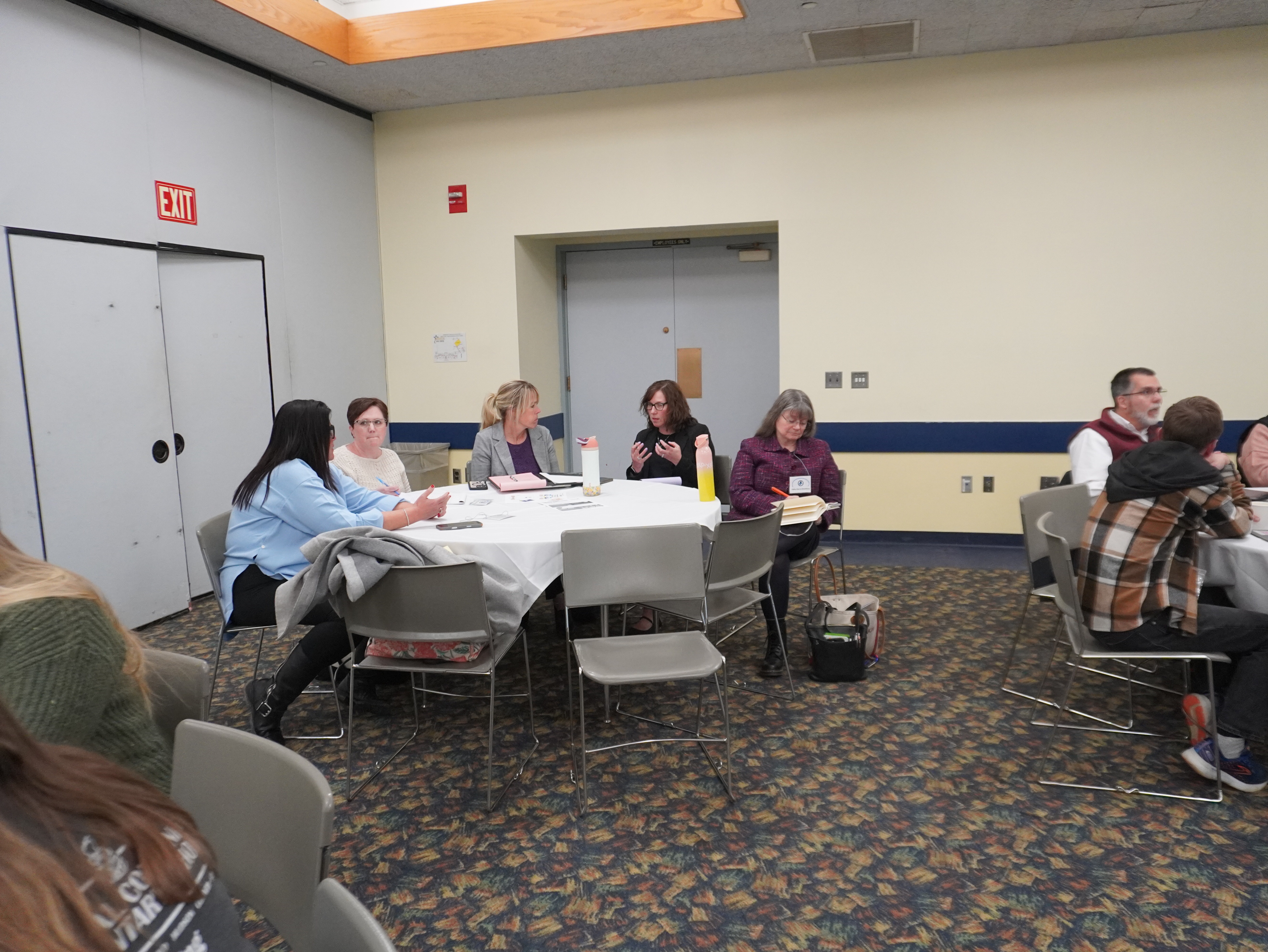
On Thursday, May 21, 2026, the Maine Department of Education (DOE) Office of Special Services and Inclusive Education hosted its third annual “I Belong” Youth Summit at Central Maine Community College in Auburn. Every spring, this event provides an opportunity for students with disabilities from across Maine to explore post-secondary pathways as they approach “transition” age—the time for planning for adult life after high school.

More than 150 students and educators representing 15 schools attended the summit, which is organized in a job fair format. Throughout the morning and afternoon, students peruse hands-on, interactive booths by nearly 30 local businesses, allowing for meaningful career exploration. The theme of the summit is in the name: “I Belong.”

The summit is made possible through planning support from the Regional Transition Collaborative (RTC) Fellows and the Executive Student Transition (EST) Committee of the Transition Maine program, established by the Maine DOE in 2022 in an effort to provide equitable and inclusive post-secondary transition services for students with disabilities.

The RTC Fellows are Maine educators who work in their individual regions to establish collaboratives of educators, vocational rehabilitation counselors, families, self-advocates, businesses, and community organizations to support students with disabilities in their transition to adult living. The EST Committee is comprised of students with a diverse range of abilities who work to champion the cause behind the “I Belong” summit, along with other inclusion work.

“This event fosters a sense of belonging, independence, and community involvement that extends far beyond a single day,” Jessica Rubera, an RTC Fellow and transition specialist at Noble High School, said of the summit, adding that it allows students the chance to “explore careers, develop self-confidence, and connect with professionals.”


Melissa Burgess, an RTC fellow and special education teacher at South Portland High School, said she believes the group met their goal this year of creating “opportunities that empower young people to discover their potential, build meaningful connections, and prepare for successful futures.”

Teg Coiley, a member of the EST Committee since spring of 2025, said he feels the summit is an important opportunity for students to see themselves represented.

“It’s good to show that there are positions and opportunities that are open to people who need support, versus them thinking, ‘I can’t do it,’” Coiley said.

Joshua Ellis, a member of the EST Committee since February 2024, said his work with Transition Maine has led to his own self-discovery of wanting to be an automotive car mechanic in adulthood. He echoed Coiley’s sentiment through his message for other students.

“You can do more than what your disability says,” Ellis expressed. “This summit is going to help you do that.”

One of the students in attendance at this year’s summit was Olivia M. from Falmouth High School. Olivia has Down syndrome and is preparing to graduate in just a few weeks. She said she is excited to attend a two-year college program and then enter the medical field.

“I love saving people’s lives and teaching people first aid,” Olivia shared, later adding, “I love to help people with disabilities.”

That positive sentiment applies to the businesses that attended the summit, too. KC Fairfield, Manager of Clinical Nursing Education for MaineHealth’s Academic Affairs and Workforce Development, said her team wanted a booth to demonstrate that the health care industry is replete with a variety of job opportunities.

“From entry-level to experienced nurses, we really believe that there is a place for everybody in health care,” Fairfield said. “It was really important for us when we heard about this event to be a part of this exciting opportunity to show everybody across Maine—all of our youth—that there could be opportunity for them to join health care, as well.”

Fairfield added that diversity in the health care workforce is extremely important.

“We care for diverse folks,” Fairfield said. “In order to have proper representation, we really feel it is important to have caregivers who may truly understand what the patients are going through.”

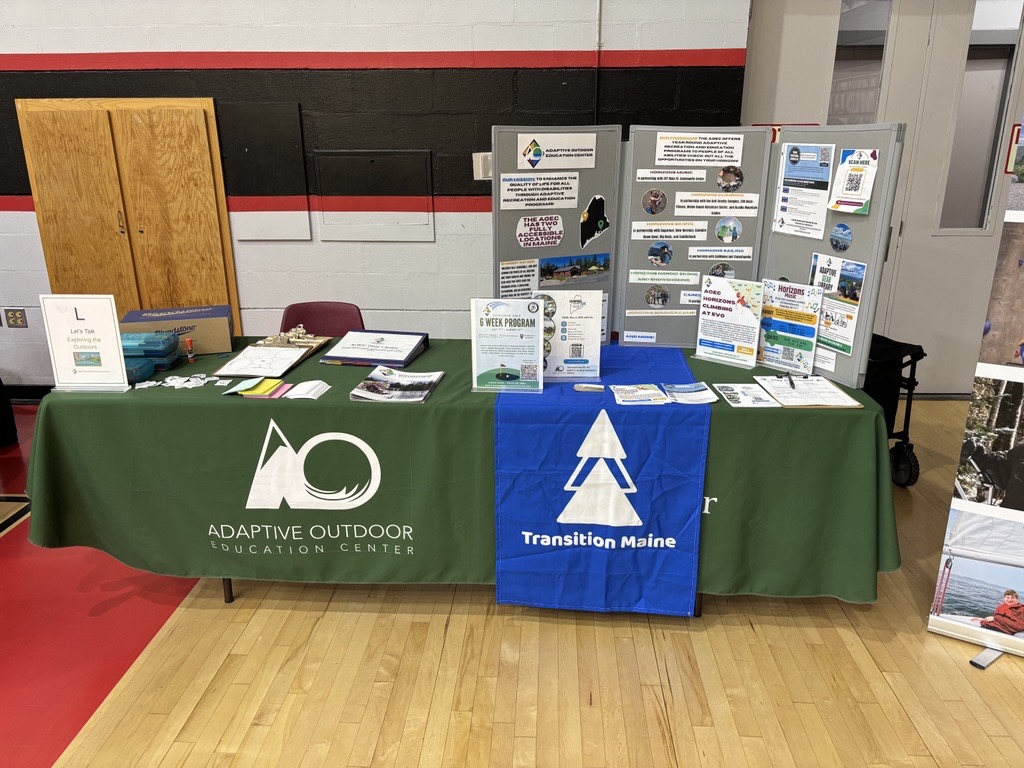
Rachel Morris of the Adaptive Outdoor Education Center also stressed the importance of representation at her booth.

“I think that everyone deserves to feel special, included, and worthy of a social community and people who love them,” Morris said. “That’s really the heart of the work for me is making sure that everyone knows how amazing and loved they are and how independent they can be.”

For educators like Sarah Wilbur, a special education teacher and case manager at Falmouth High School, the summit was a positive, uplifting experience for her and her students.

“Everyone has been spectacular. They stepped right up to each student and met them where they’re at and what they need,” Wilbur acknowledged.

For these students, part of that process involves embracing the unknowns and making space for the many possibilities before them after high school graduation.

“It’s nice to be with people who think and feel in a similar way and have similar uneasiness about what they’re going to do with graduating and work,” Wilbur shared. “That levels the playing field.”

The third annual “I Belong” Youth Summit created a space “to inspire, collaborate, and connect through practical hands-on learning and career development opportunities, while celebrating a robust community of Mainers,” Liam Danaher, RTC Fellow and ELO coordinator at Noble High School, shared. Celebrating the diverse work opportunities in Maine and all the ways in which students with exceptionalities can become involved in the workforce after high school is work the Maine DOE plans to continue doing and hopes to share in more regions across the state.

If your region is interested in hosting a local Youth Summit, or if you would like to learn more about the EST Committee, please contact Maine DOE Special Projects Coordinator Tracy Whitlock at tracy.w.whitlock@maine.gov.

Maine DOE Invites Applications for Screener Review and Recommendation Project

The Maine Department of Education (DOE) is seeking applicants for the Screener Review and Recommendation Project, a statewide professional learning initiative focused on strengthening regional expertise in early literacy assessment and supporting consistent, evidence-based screening practices across Maine schools.

The project supports implementation of Maine’s Dyslexia screening statute (Title 20-A, §4710-B), which requires all students in kindergarten through grade 2 to be screened in key early literacy skill areas.

Through this initiative, the Maine DOE will convene up to 25 educators and stakeholders representing Maine’s nine superintendent regions to deepen knowledge of literacy screening components, evaluate screening tools using research-based criteria, and help develop statewide guidance and professional learning resources. Participants may include teachers, literacy specialists, administrators, and caregiver representatives from public, charter, and approved private schools.

In-person sessions will be held on Tuesday, July 14, and Wednesday, July 15, 2026, in Augusta from 8:30 a.m. to 3 p.m.

Project participants will:

  • Examine literacy screening tools and implementation practices;
  • Co-develop evaluation rubrics and guidance resources aligned with Maine’s Dyslexia screening statute;
  • Facilitate at least one regional professional learning session; and
  • Contribute to statewide screener guidance materials to be published on the Maine DOE Literacy Hub.

Participants who complete all project deliverables will receive a $400 honorarium.

The Maine DOE will review applications to ensure representation across Maine’s nine superintendent regions and a balance of rural and urban perspectives.

This initiative supports the Maine DOE’s priority of strengthening curriculum, instruction, and assessment systems while advancing equitable early literacy outcomes for all students.

To apply for the Screener Review and Recommendation Project, please complete the application here by June 19, 2026.

For more information, contact Danielle Saucier, Maine DOE Inclusive Education Literacy Specialist and Dyslexia Coordinator, at danielle.m.saucier@maine.gov.

Title II-A funds received from the U.S. Department of Education (ED) support the implementation of this project. The project has an award totaling $15,090.00, of which 100% is federally funded and directly attributed to project implementation. The contents are those of the author(s) and do not necessarily represent the official views of, nor an endorsement by, ED or the U.S. Government.

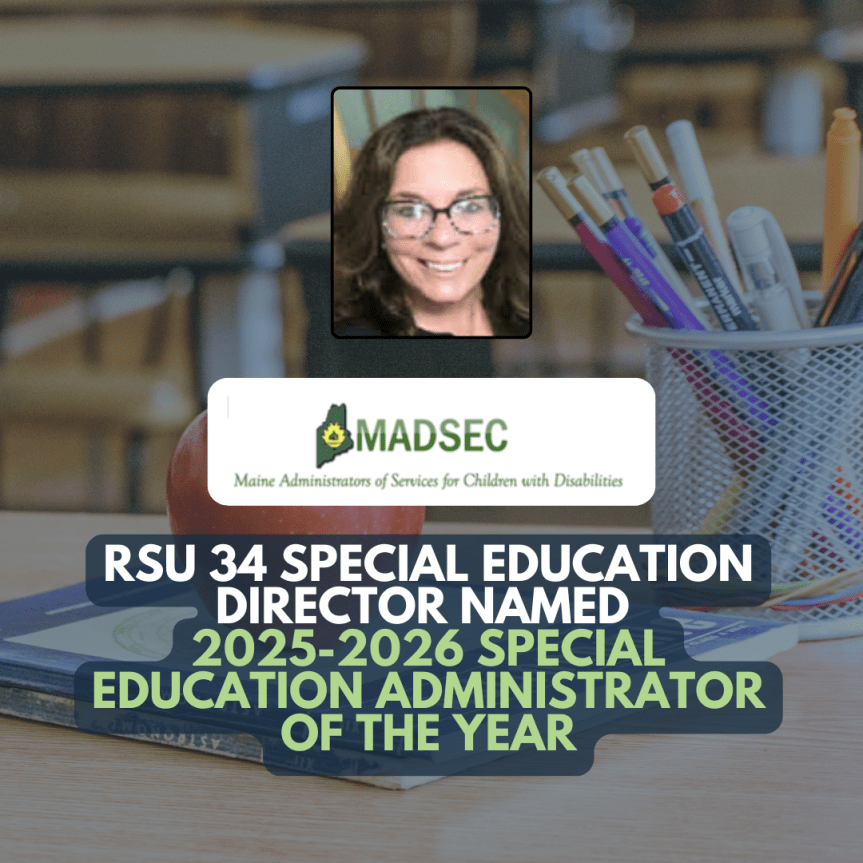
RSU 34 Special Education Director Named 2025-2026 Special Education Administrator of the Year

The Maine Department of Education (DOE) would like to join the Maine Administrators of Services for Children with Disabilities (MADSEC) in congratulating Kimm Kenniston, Director of Special Education for RSU 34, for being named the 2025-2026 MADSEC Special Education Administrator of the Year.

Kenniston is widely recognized as an exceptional leader in special education. Her compassion, expertise, and unwavering commitment to students have made a lasting impact across her district, region, and the state of Maine. Colleagues describe Kenniston as a visionary, student-centered administrator who consistently leads with integrity, professionalism, and heart.

With more than 30 years in the field of special education, Kenniston has become a trusted mentor, advisor, and collaborator, generously sharing her extensive knowledge of special education law, best practices, and student programming with colleagues at all levels of experience.

Throughout her career, Kenniston has built strong relationships grounded in trust, respect, and advocacy for students and families. She is known for creating safe, collaborative environments where families feel heard, staff feel supported, and students’ individual needs remain at the center of every decision. Her thoughtful leadership, approachable nature, and commitment to continuous learning have strengthened not only her own district but also the broader special education community through her leadership roles within regional organizations and MADSEC.

Those who have worked alongside Kenniston consistently describe her as the person others turn to for guidance, reassurance, and practical solutions. Her mentorship has helped shape and inspire countless administrators, while her dedication to collaboration and professional growth has fostered a strong network of support among special education leaders.

Above all, Kenniston’s work reflects a profound belief in doing what is right for children, making her deeply deserving of recognition as the 2025-2026 MADSEC Special Education Administrator of the Year.

MADSEC is proud to honor Kenniston for her unwavering service to the field of special education and her longstanding support and dedication to the organization. A member of MADSEC since 1997, Kenniston served on the MADSEC board for 18 years, held office from 2016-2020, and served as MADSEC President during the 2018-2019 term.

Congratulations to Kimm Kenniston on this well-deserved honor! Please join us in celebrating her outstanding contributions to students, families, educators, and the field of special education in Maine.

Nearly 500 Individuals Gather for Maine’s Second Annual Inclusive Education Conference

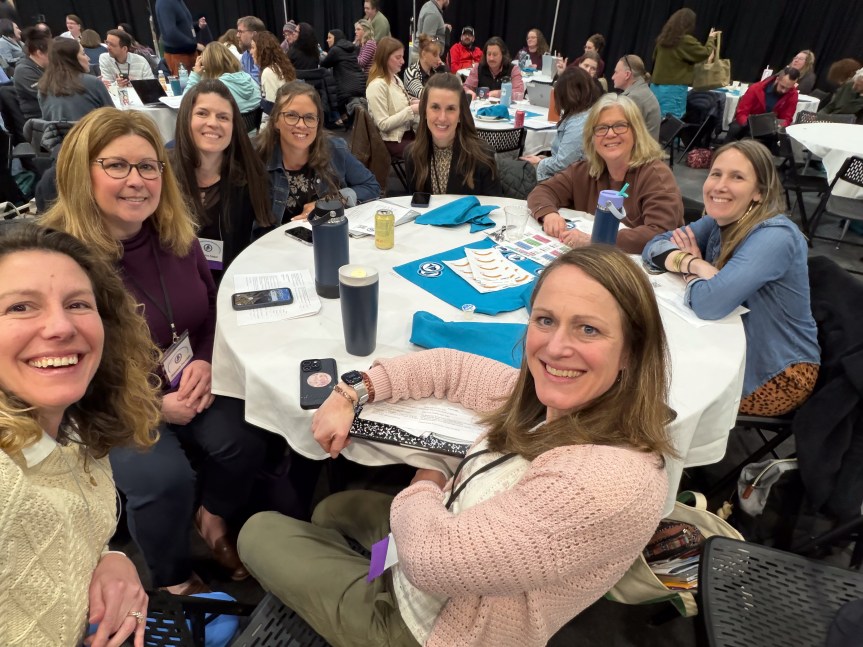
Pictured from left to right: Kate MacLeod, University of Maine at Farmington (UMF); Rebekah Drysdale, MSAD 52 Director of Special Services; Jessica Apgar, UMF; Amy Mousseau, Turner Elementary Educator; Mallory Murphy, Turner Elementary Educator; Sue Poto, Turner Elementary Educator; Sam Albert, Turner Elementary Educator; Kristen Conway, Turner Elementary Principal 

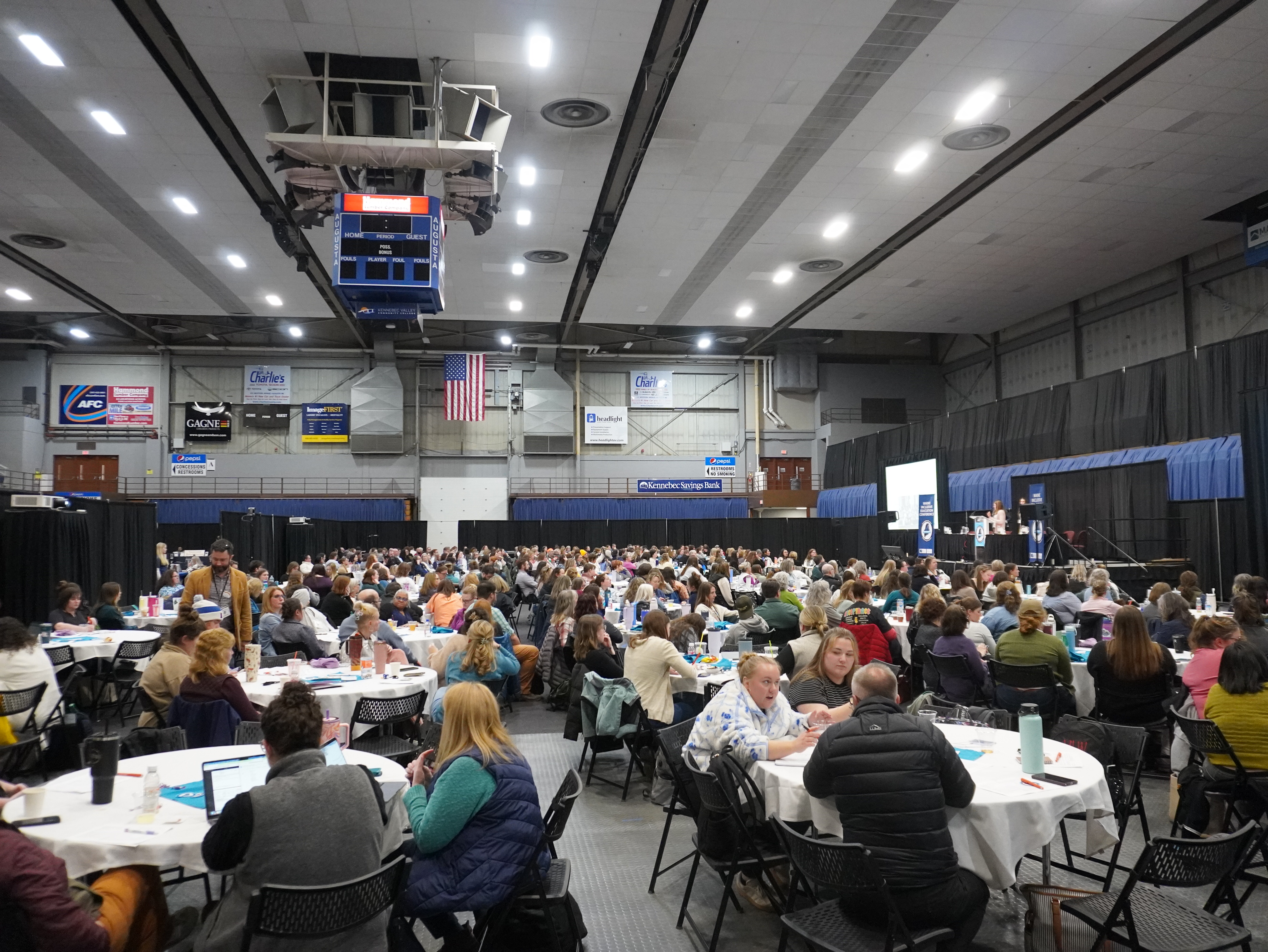
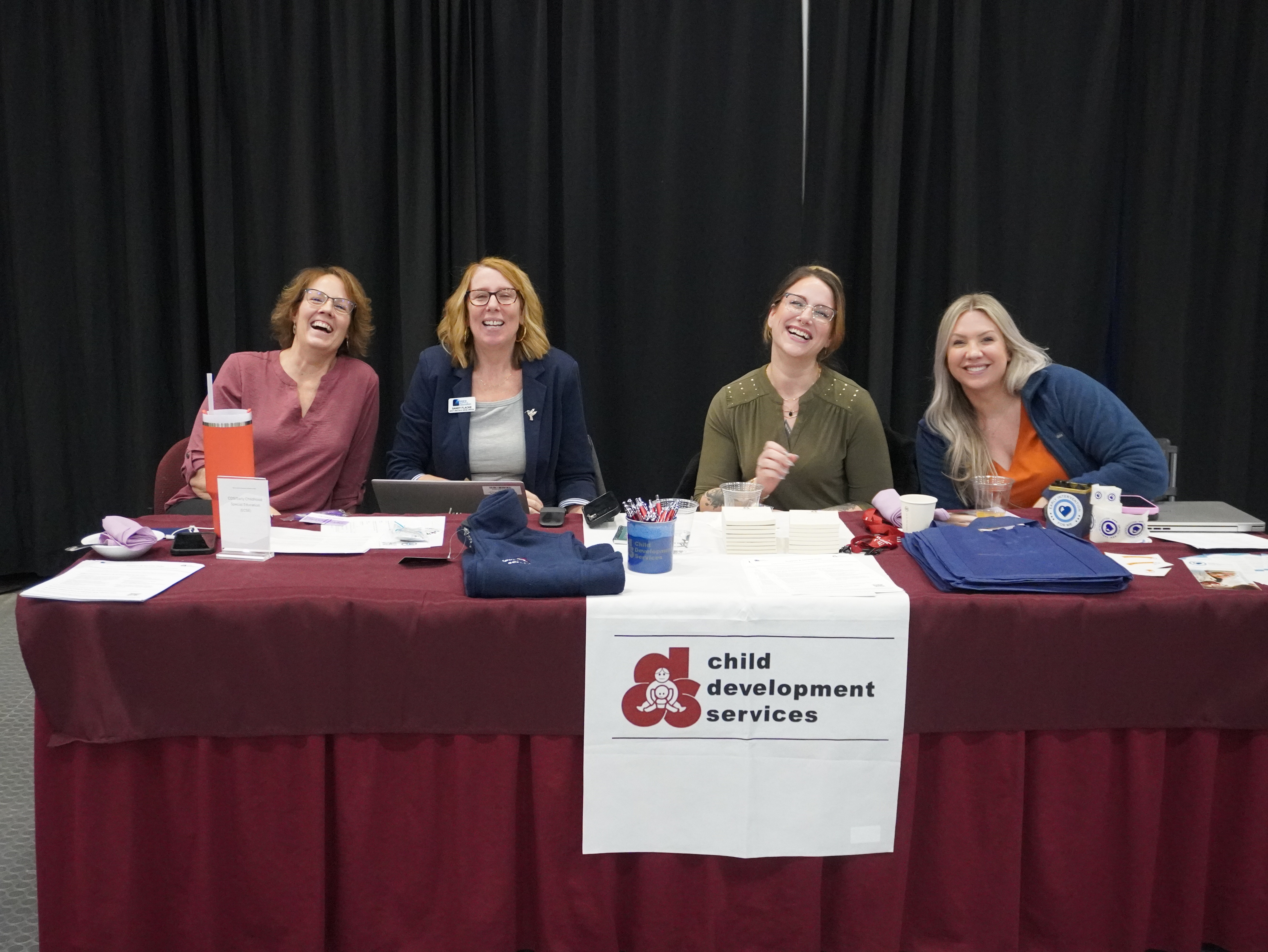
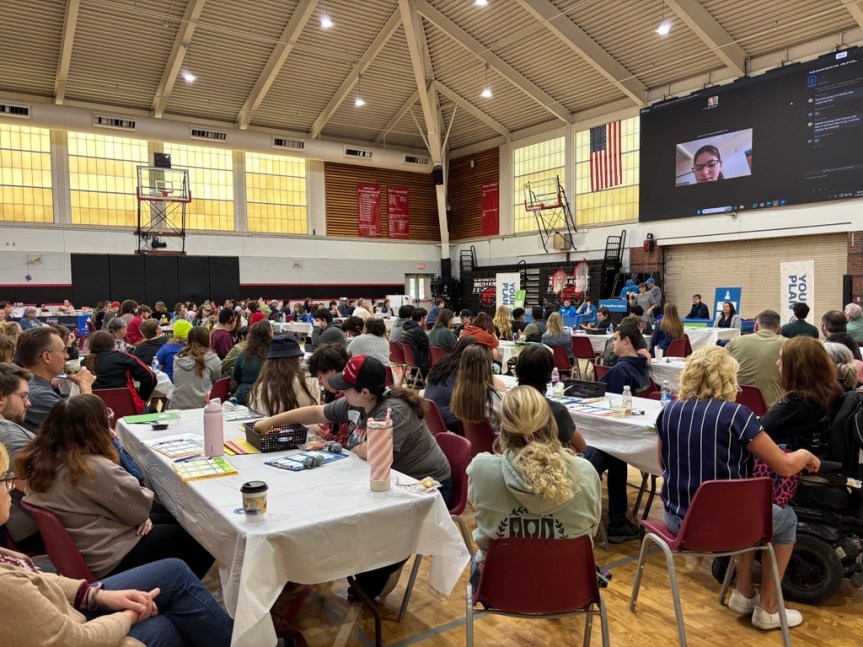
The Maine Department of Education (DOE) Office of Special Services and Inclusive Education, in partnership with the University of Maine at Farmington (UMF), proudly hosted the second annual Maine Inclusive Education Conference on April 8, 2026, at the Augusta Civic Center, welcoming nearly 500 educators, administrators, families, and community partners from across the state.

Centered on the theme “Reimagining Education: We Are Better Together,” the conference celebrated Maine’s ongoing commitment to ensuring that all students—particularly those with disabilities—can learn and thrive in inclusive classroom environments.

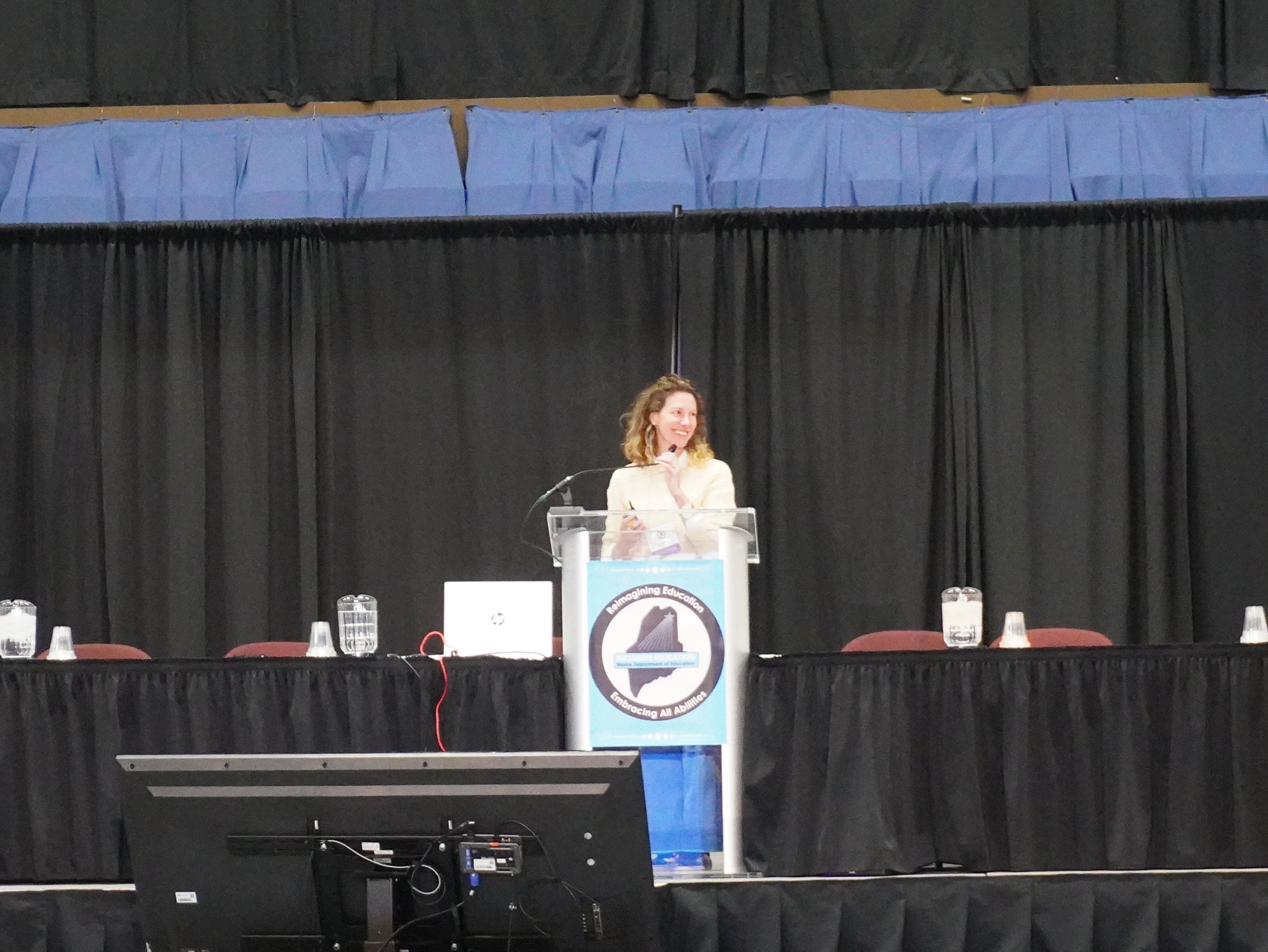
The event featured a keynote address from internationally recognized inclusion expert Paula Kluth, founder of Inclusion Rules. Kluth inspired attendees to rethink traditional approaches to education and to embrace inclusive practices that honor the strengths and potential of every learner.

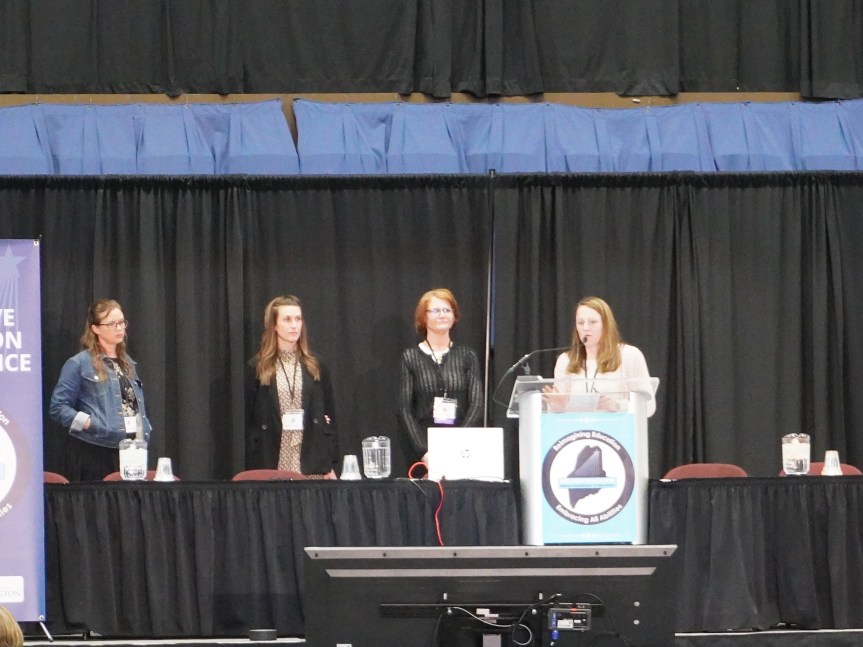
Throughout the day, participants engaged in a wide range of sessions highlighting innovative practices in inclusive education. Three of Maine’s inclusive education model schools offered powerful insights into their journeys toward more inclusive systems. Members of these schools shared candid reflections on the barriers they have encountered, such as shifting mindsets, redesigning service delivery, and building staff capacity, alongside strategies that have supported their progress. Importantly, they also presented data demonstrating measurable successes, including increased time in general education settings, improved student outcomes, and stronger engagement among students and staff.


Additional sessions explored Universal Design for Learning (UDL), inclusive Extended Learning Opportunities (ELOs), and strategies to support students from pre-K through the transition to adulthood. A powerful student roundtable highlighted lived experiences that brought authentic insight into what inclusion truly looks and feels like in Maine schools. The day also featured a family and parent panel, emphasizing the critical role of strong school-family partnerships in fostering belonging, access, and meaningful participation for all students.

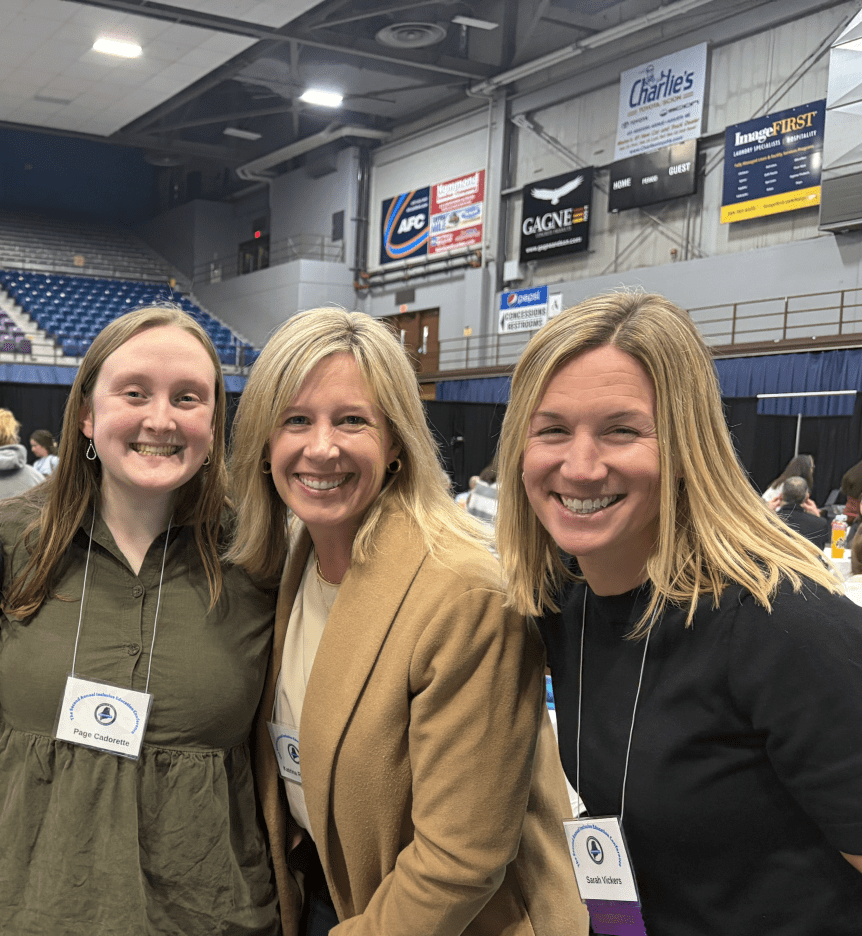
From left to right: Page Cadorette, Downeast School Educator; Katrina Rutherford, Downeast School Educator; and Sarah Vickers, Downeast School Principal

“This conference reflects the energy, dedication, and shared vision of educators and families across Maine,” said Maine DOE Special Projects & Educator Supports Coordinator Tracy Whitlock. “When we come together to learn from one another, we strengthen our ability to create schools where every student belongs and succeeds.”

From left to right: Amy Mousseau, Turner Elementary Educator; Mallory Murphy, Turner Elementary Educator; Kyla Greenwood, Turner Elementary Educator; Kristen Conway, Turner Elementary Principal.

This conference is part of a broader, ongoing partnership between the Maine DOE and the UMF to expand inclusive education across the state. This work includes:

  • The Maine Inclusive Education Framework.
  • A statewide inclusive education leadership network supporting school and district leaders.
  • An annual inclusive education leadership symposium in the fall.
  • The upcoming Inclusive Education Instructional Practices Webinar Series, launching in the fall of 2026.
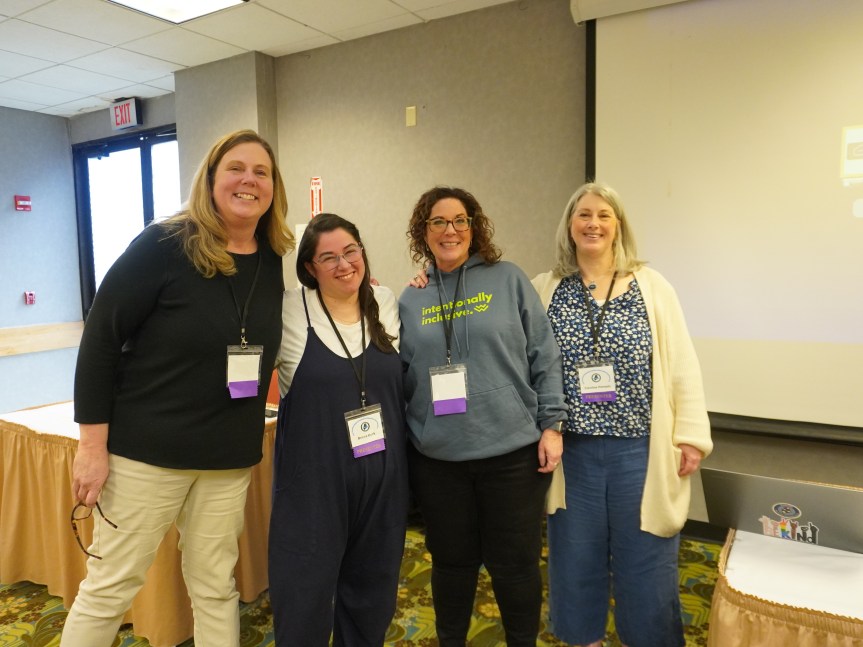
From left to right: Shannon Bartash, Leeds Central Principal; Becca Burke, Leeds Central Educator; Christine Brown, Leeds Central Educator;  and Caroline Peinado, Leeds Central Educator
From left to right: Shannon Bartash, Leeds Central Principal; Becca Burke, Leeds Central Educator; Christine Brown, Leeds Central Educator; and Caroline Peinado, Leeds Central Educator

Together, these initiatives aim to build educator capacity, strengthen leadership, and ensure sustainable, high-quality inclusive practices in schools statewide.

Building on the success of this year’s event, the Maine DOE is pleased to announce that the next Maine Inclusive Education Conference is planned for April 2027.

For more information about inclusive education initiatives in Maine, please visit the Maine DOE website.

Grant Opportunity Announcement: Inclusive Higher Education Grant Program

The Maine Department of Education (DOE) is pleased to announce the Inclusive Higher Education Grant Program, a competitive funding opportunity designed to expand and strengthen postsecondary education options for students with intellectual disabilities, developmental disabilities, and autism spectrum disorder.

Through this program, grants totaling up to $50,000 will be awarded to institutions of higher education across the state to develop and implement high-quality, inclusive program plans. These programs are intended to ensure that students with disabilities have equitable access to academic coursework, campus life, and meaningful credential pathways, while building the skills needed for competitive, integrated employment and independent living.

Application Information

In the Inclusive Higher Education Grant Program application, applicants must outline how their institution plans to:

  • Provide inclusive access to academic courses, campus activities, and institutional resources alongside peers without disabilities.
  • Offer individualized supports that promote full participation, self-determination, and successful outcomes.
  • Include peer mentoring opportunities.
  • Support pathways to competitive employment.
  • Develop meaningful, recognized credentials for program completion.
  • Align, where appropriate, with federal Comprehensive Transition and Postsecondary (CTP) program requirements.
  • Design admissions processes that remove traditional barriers, including requirements for a high school diploma or standardized college entrance exams, to allow for Maine public school students to participate in dual enrollment.
  • Dedicate at least 25% of grant funds to scholarships for participating students.
  • Demonstrate meaningful engagement with interested parties, including students, families, educators, and community partners, in the development of the proposed program.

Interested institutions of higher education in Maine may apply here.

Awards will be made based on alignment with program priorities. Applications are due on May 13, 2026, and decision notifications will be sent on May 19, 2026. Funded institutions will be required to submit semiannual reports outlining program sustainability, support needs, and evaluation findings, including best practices.

This opportunity is a result of LD 46, An Act to Establish a Grant Program to Increase Postsecondary Educational Opportunities for Students with Intellectual or Developmental Disabilities or Autism Spectrum Disorder.

For additional information or questions, please contact Maine DOE Special Projects for Inclusion Coordinator Tracy Whitlock at tracy.w.whitlock@maine.gov.
PRIORITY NOTICE: Opportunities for Public Comment on Maine’s IDEA Part B and Part C Applications

The Maine Department of Education (DOE) is seeking public comment on its annual applications for federal funding under the Individuals with Disabilities Education Act (IDEA), including both Part B and Part C. These applications support services for children and youth with disabilities across Maine, from infancy through age 22.

Public Notice – IDEA Part B

IDEA Part B covers services for children and youth with disabilities ages 3 through 22. The Federal fiscal year 2026 Part B application, effective July 1, 2026, will be posted from March 20, 2026, through May 20, 2026. (Please refer to the Federal fiscal year 2025 award amount spreadsheet for additional reference.) Written comments will be accepted from Wednesday, April 1, 2026, through 4 p.m. on Thursday, April 30, 2026. Comments on Part B should be sent to Erin Frazier at erin.frazier@maine.gov or 23 State House Station, Augusta, ME 04333. 

Public Notice – IDEA Part C

IDEA Part C covers early intervention services for infants and toddlers with developmental delays and/or suspected disabilities from birth to age 3. The Federal fiscal year 2026 Part C application, effective July 1, 2026, will be posted from March 20, 2026, through May 20, 2026. Written comments will be accepted from Wednesday, April 1, 2026, through 4 p.m. on Thursday, April 30, 2026. Comments on Part C should be sent to Ariana Whiting at ariana.whiting@maine.gov or 23 State House Station, Augusta, ME 04333.

Public comment is also being sought on the following updated policies:

A public hearing will be held on April 7, 2026, at 4 p.m. to provide an overview of these policies. Please use this Zoom link to join that meeting. Comments on these policies should be sent by April 30, 2026, to Ariana Whiting at ariana.whiting@maine.gov or 23 State House Station, Augusta, ME 04333.

Collaborative Learning Series – ‘Unlocking Multilingual Learners’ Potential: Strategies for Making Content Accessible’

Are you looking to deepen your understanding of evidence-based instructional practices for multilingual learners? Would dedicated time to collaborate with colleagues, reflect on practice, and translate research into actionable strategies for your classroom, school, or school administrative unit (SAU) be valuable?

If so, consider joining a five-part professional learning series designed for Maine educators and centered on the book, Unlocking Multilingual Learners’ Potential: Strategies for Making Content Accessible. The series is developed and facilitated by Maine Department of Education (DOE) Teacher Leader Fellow Rebecca Carey, with book author and national expert Diane Staehr Fenner joining select sessions.

Each participant will receive a copy of the book and explore high-impact instructional practices that support multilingual learners’ academic success, engagement, and sense of belonging. Sessions emphasize asset-based approaches, language development, and equitable access to rigorous content across subject areas. They will include structured learning, grounded in the text and current research; facilitated discussions and collaborative activities; time for instructional planning and integration; and opportunities for application, feedback, and resource sharing.

Intended Audience

  • ESOL (English for Speakers of Other Languages) teachers and specialists
  • General education teachers across grade levels and content areas
  • Instructional coaches
  • School and SAU administrators
  • Any educators supporting multilingual learners

Schedule 

Sessions will be held virtually via Zoom from 3:30-5 p.m. on:

  • March 16, 2026 (featuring author Diane Staehr Fenner)
  • April 2, 2026   
  • April 30, 2026
  • May 14, 2026 (featuring author Diane Staehr Fenner)
  • June 2, 2026

Complimentary books will be provided to the first 45 registrants who commit to attending all five sessions, as full participation is required to receive a copy. Additional participants are welcome to join and may purchase the book independently.  Participants may earn 10 total contact hours, including 7.5 hours of live participation and 2.5 hours of supplemental work. 

Registration is required. Please register here.

The Teacher Leader Fellows program is a part of the Maine Department of Education (DOE) Office of Teaching and Learning. For more information about this opportunity, please contact Jane Armstrong, Maine DOE State ESOL Specialist, at jane.armstrong@maine.gov.

Professional Learning Series – ‘Beyond Compliance: Integrated Supports for Multilingual Learners with Disabilities’

The Maine Department of Education (DOE) is offering a new, six-part professional learning series titled, “Beyond Compliance: Integrated Supports for Multilingual Learners with Disabilities,” to be facilitated by Maine DOE Teacher Leader Fellow Melissa Frans.

When students are both multilingual learners and students with disabilities, the supports they receive sometimes operate in parallel rather than in partnership. In Maine during the 2024-2025 school year, 17 percent of identified multilingual learners were also identified as requiring special education services. This data underscores the importance of coordinated, interdisciplinary approaches that address language development and disability-related needs together rather than separately.

This new professional learning series will promote a collaborative, integrated approach and support educators in designing cohesive systems that build on student strengths while aligning ,supports across language development and disability services. Participants will move beyond compliance-driven practices toward meaningful, coordinated action that addresses the full range of student strengths and needs.

Through active, collaborative learning, teams will:

  • Build unified support systems.
  • Integrate asset-based instructional models.
  • Co-create and apply practical resources.
  • Exchange feedback and strategies.
  • Engage in professional dialogue grounded in real-world practice.

Audience 
Interdisciplinary teams are strongly encouraged to attend together. This opportunity is relevant for: 

  • Classroom teachers. 
  • Special educators. 
  • ESOL (English for Speakers of Other Languages) specialists. 
  • Instructional coaches. 
  • Interventionists. 
  • Special education and multilingual directors/coordinators. 
  • School and school administrative unit (SAU) administrators. 

Schedule
Virtual sessions (via Zoom) will be held on the following Wednesdays from 3:30 to 5 p.m.: 

  • March 4 and 18, 2026
  • April 1 and 15, 2026
  • May 6 and 20, 2026

Participants may earn 12 total contact hours, including nine hours of live participation and three hours of supplemental work. Registration is required; please register here

This series reflects the Maine DOE’s ongoing commitment to helping schools implement cohesive, student-centered systems that integrate language development and disability-related supports. Offered through the Teacher Leader Fellows program within the Office of Teaching and Learning, it is part of the Maine DOE’s broader effort to strengthen instructional leadership statewide.

The Maine DOE Multilingual Learner Dashboard offers educators and leaders an interactive view of key data to inform decisions and strengthen support for multilingual learners statewide.

For more information or with questions, please contact Jane Armstrong, Maine DOE ESOL State Specialist, at Jane.Armstrong@maine.gov.

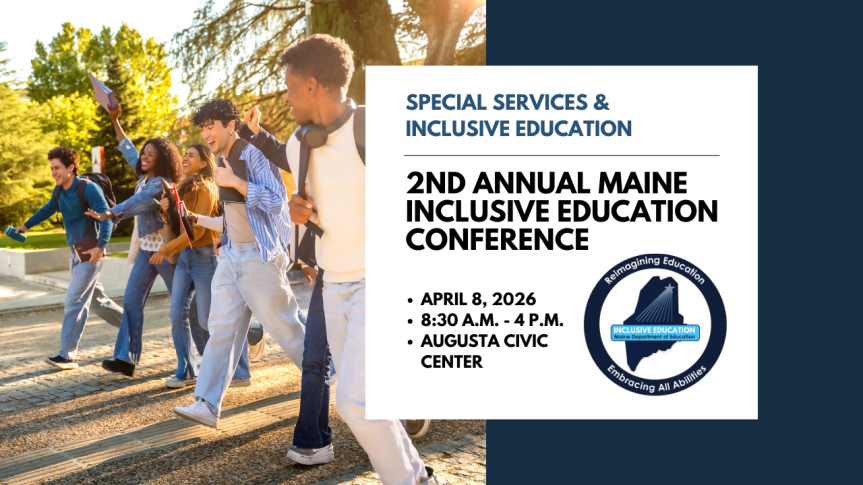
Register for the Second Annual Maine Inclusive Education Conference on April 8

Registration is now open for the second annual Maine Inclusive Education Conference, scheduled for Wednesday, April 8, 2026, at the Augusta Civic Center.

This year’s conference theme is, “Reimagining Education: We Are Better Together!” The event will provide school communities (i.e., educators, administrators, families, and students) with the tools necessary to collaborate to support every student—particularly those with disabilities—to ensure that all students have the support they need to build inclusive, meaningful futures.

Hosted by the Maine Department of Education (DOE) Office of Special Services and Inclusive Education, in collaboration with the University of Maine at Farmington, the conference will feature keynote speaker Paula Kluth. Kluth is a consultant, author, advocate, and scholar who works with teachers and families to provide inclusive opportunities for students with disabilities and to create more responsive and engaging schooling experiences for all learners. She is the author of more than 15 titles, including Universal Design Daily, 30 Days to the Co-Taught Classroom, Don’t We Already Do Inclusion?, and You’re Going to Love This Kid!: Teaching Autistic Students in the Inclusive Classroom.

Please gather a team of your school colleagues and join the Maine DOE in Augusta this spring! The cost of the day-long conference (8:30 a.m. to 4 p.m.) is $185 for early-bird registration and $210 after March 11, 2026. Lunch will be included.

You may register for the second annual Maine Inclusive Education Conference here.  

Are you engaged in inclusive work in your school or community? If so, the Maine DOE welcomes you to share your experiences at the conference! Please contact Tracy Whitlock, Maine DOE Special Projects for Inclusion Coordinator, at tracy.w.whitlock@maine.gov to learn more.

Two-Part Professional Learning Series: Designing High-Quality ILAP Language Goals for Multilingual Learners

Are you looking for a clearer, more confident approach to creating effective language goals for multilingual learners? If so, consider participating in a two-part virtual series, led by Maine Department of Education (DOE) Teacher Leader Fellow Rebecca Carey. Participants will learn how to strengthen their practice surrounding Individual Language Acquisition Plans (ILAPs) by engaging in a clear and collaborative process for creating meaningful, measurable language goals that support and monitor student growth, connecting directly to classroom learning

Every multilingual learner must have an ILAP—a required, school-based plan designed to reflect and support their language development needs. High-quality ILAPs include well-crafted language goals that are measurable, instructionally relevant, and aligned to students’ learning contexts.In these sessions, participants will:

  • Learn effective approaches to developing high-quality language goals.
  • Engage with a variety of WIDA resources to support language goal development.
  • Explore collaborative pathways and approaches for ILAP development.
  • Draft, refine, and receive feedback on language goals with guided support.

These sessions are intended for English for Speakers of Other Languages (ESOL) teachers, directors/coordinators of multilingual programs, and general education teachers who support multilingual learners. Each session includes one hour of structured learning, followed by 30 minutes of guided workshopping, discussion, and sharing. Participants who attend both sessions will receive three contact hours.

This two-part virtual series will be held from 3:30-5 p.m. on:

  • Monday, January 12, 2026
  • Tuesday, January 13, 2026

Registration is required. Please register here.

The Teacher Leader Fellows program is a part of the Maine DOE Office of Teaching and Learning. For more information, please contact Jane Armstrong, Maine DOE ESOL State Specialist, at jane.armstrong@maine.gov.