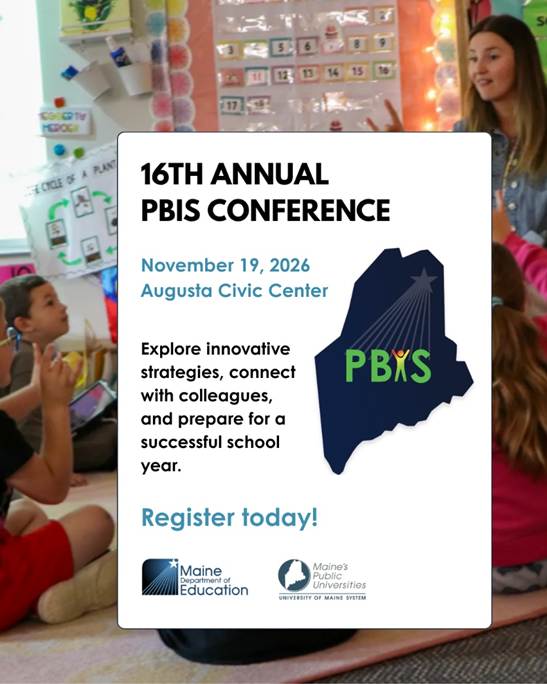
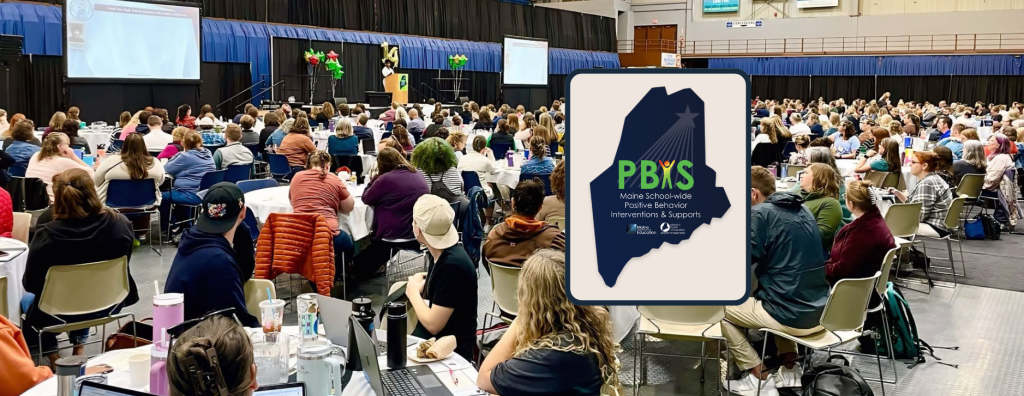
Maine’s Positive Behavioral Interventions and Supports (Maine PBIS) program, a collaboration between the Maine Department of Education (DOE) and the University of Maine System (UMS), will host its annual conference on November 19, 2026, from 8:30 a.m. to 4 p.m. at the Augusta Civic Center.
In its 16th year, the conference theme will be, “The Fabric of Maine Schools: Braiding Academics, Behavior and Belonging.” The conference will feature a captivating keynote presented by Kathleen Lynne Lane, Ph.D., BCAB-D, CF-L2 from the University of Kansas, “Creating Positive, Productive School Environments: Data-informed Instruction in Integrated Tiered Systems to Meet Students’ Multiple Needs.”
Following the keynote will be a choice of over 30 breakout sessions that will allow participants to walk away with new ideas and a renewed sense of connection with students and their teaching methods. Breakout sessions include integrating academics and behavior within the Multi-tiered Systems of Support (MTSS) model, behavior supports and strategies for preschool, elementary, middle, and high school, implementing and sustaining PBIS, and family engagement.
Conference pricing:
Early Birduntil October 15: $185.00
After October 15: $210.00
Complimentary registration will be provided (up to 3 educators per school) for educators that work in schools identified as part of Maine’s Model of School Support.
School culture does not transform by accident, it happens when we connect, collaborate, and celebrate together. That is exactly what is happening at this year’s Maine PBIS Conference. Join us for a day to rejuvenate your teaching practices, braiding instructional applications, positive student interactions, and educator well-being into a strong educational experience for all!
For more information, please contact Maine DOE Special Projects & Educator Supports Program staff, Anne-Marie Adamson at anne-marie.adamson@maine.gov.
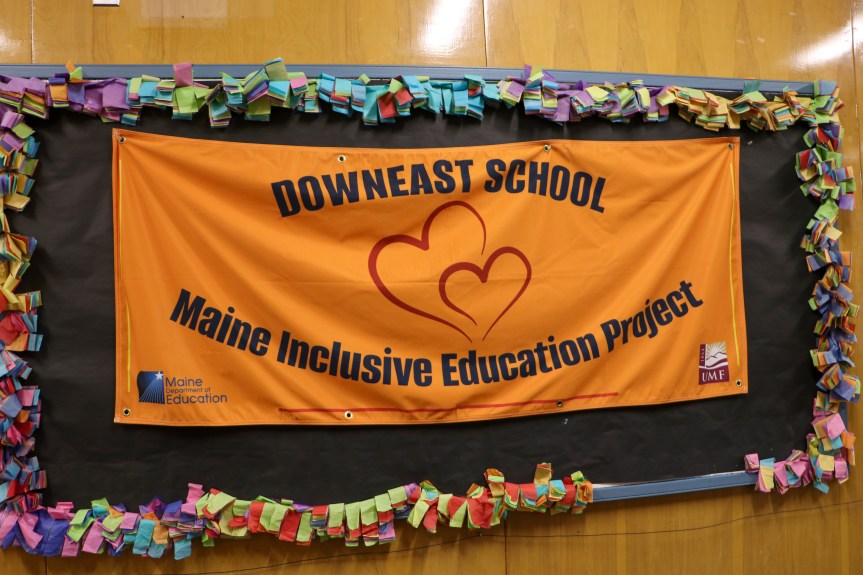
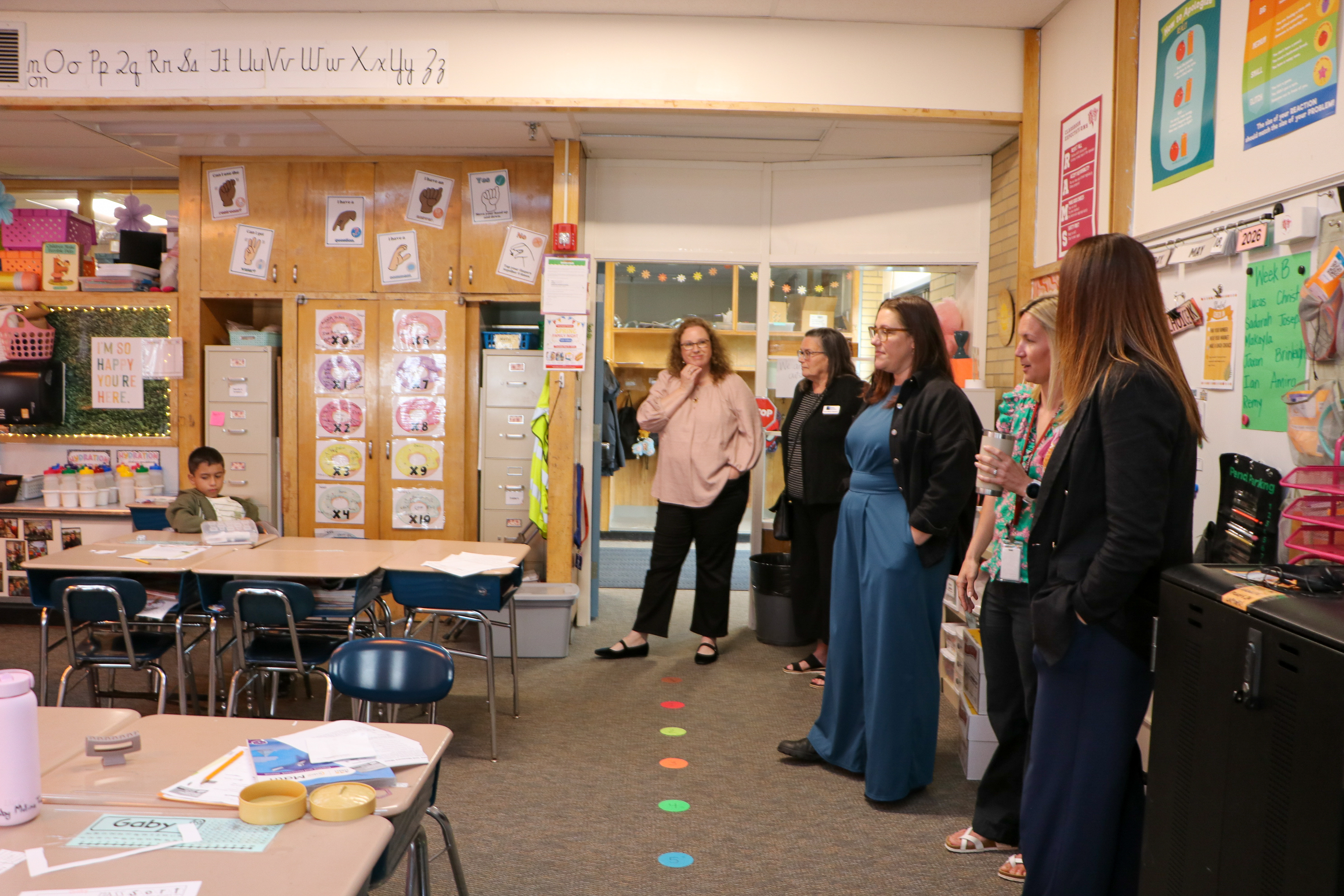
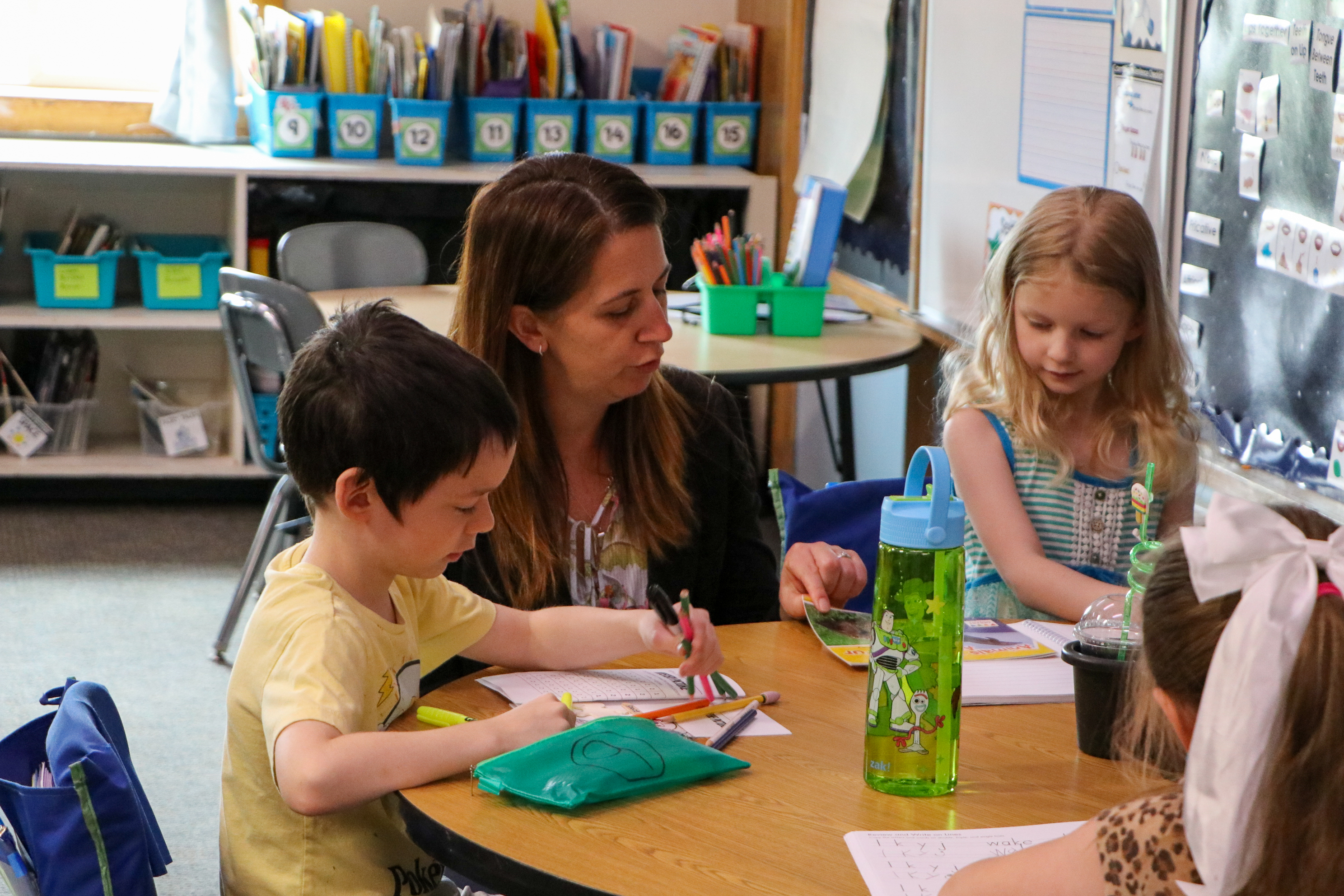
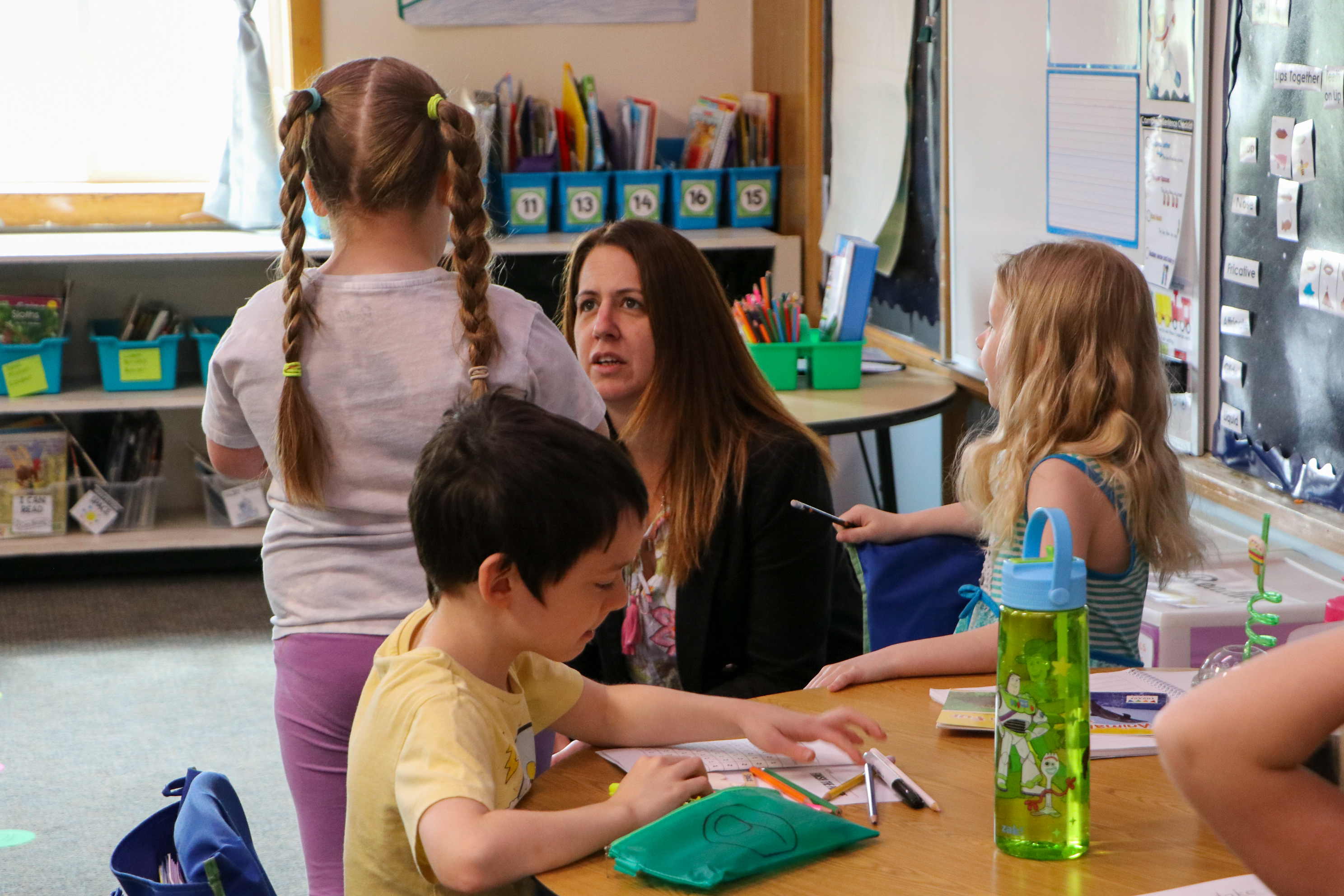
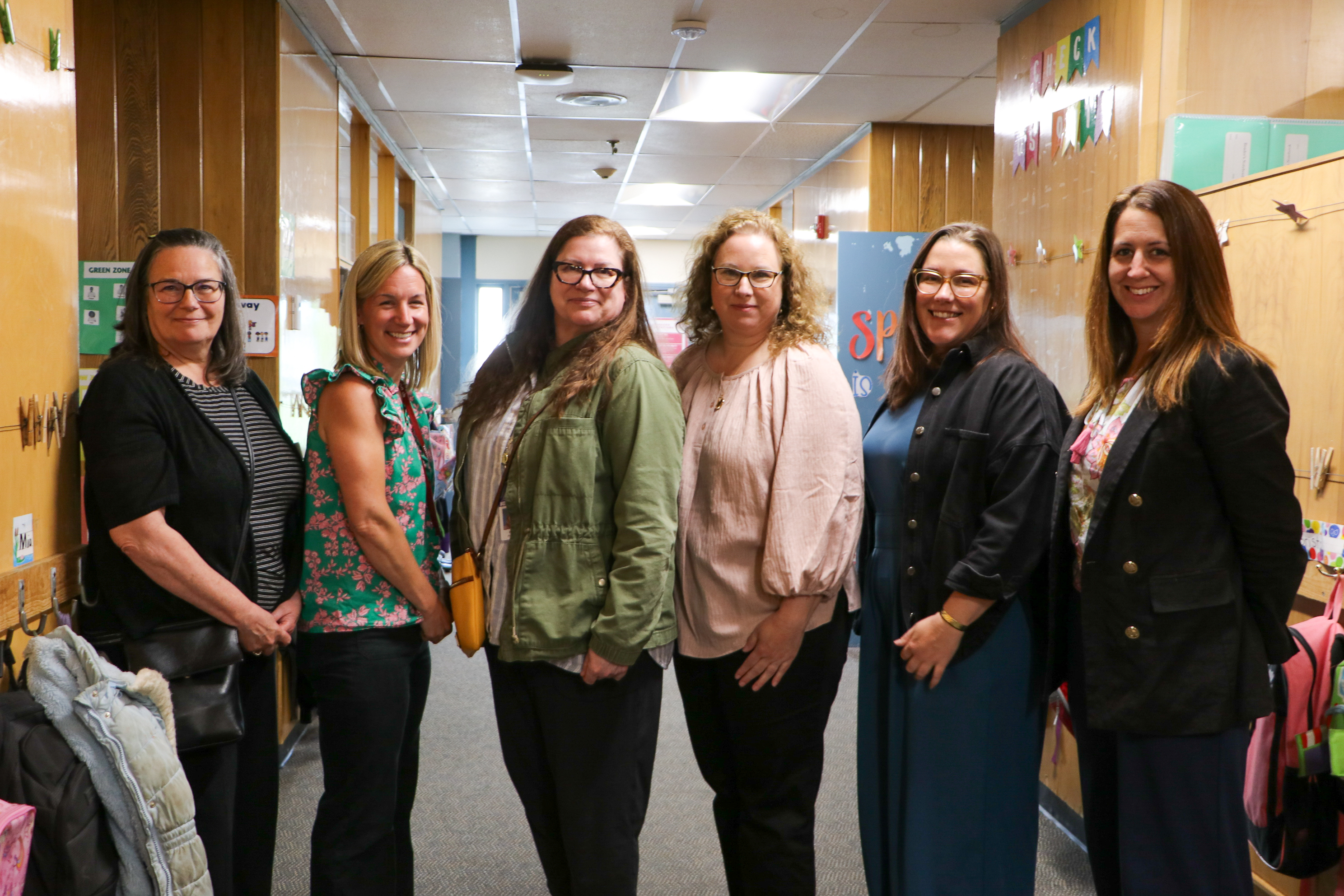
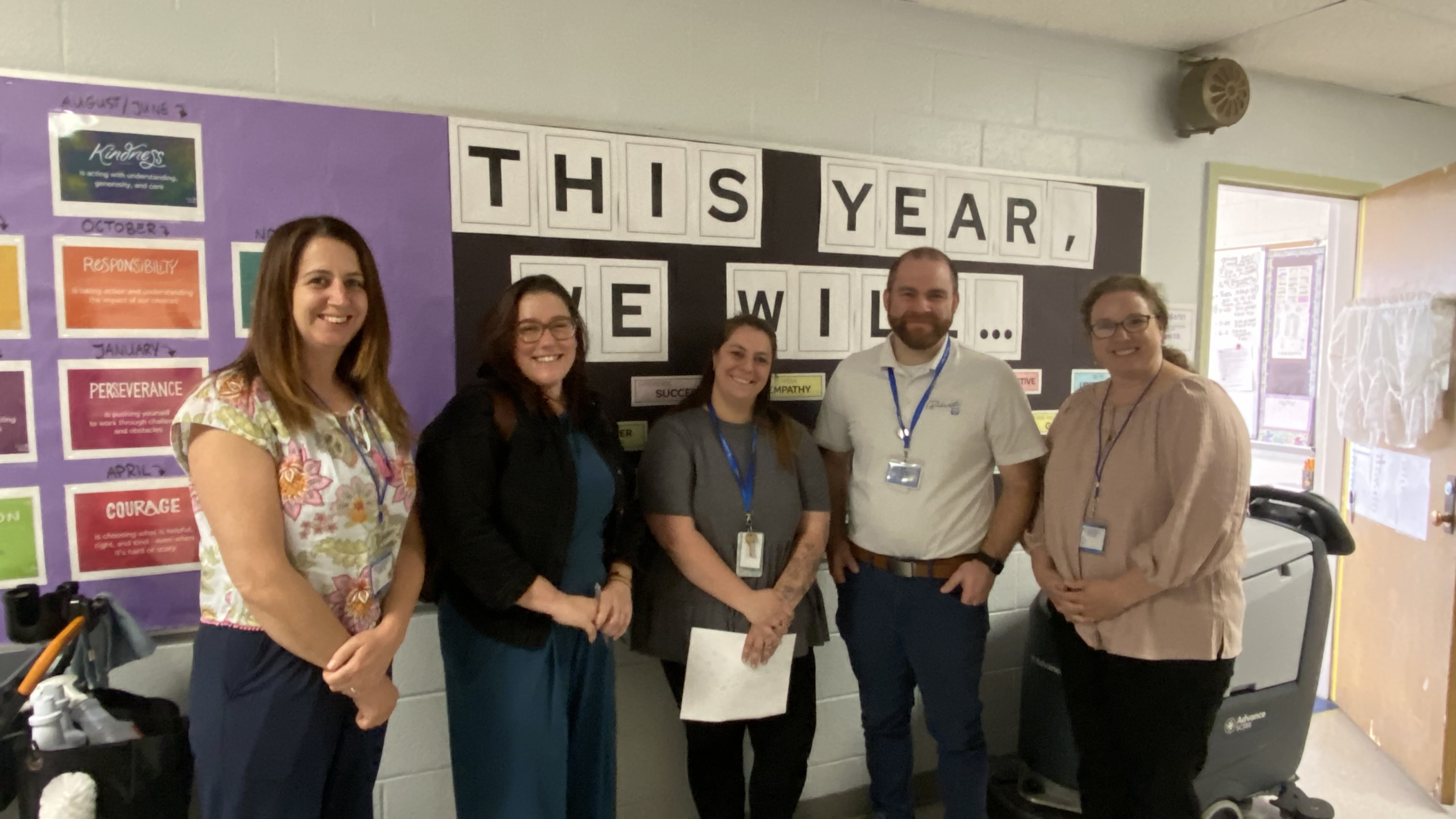
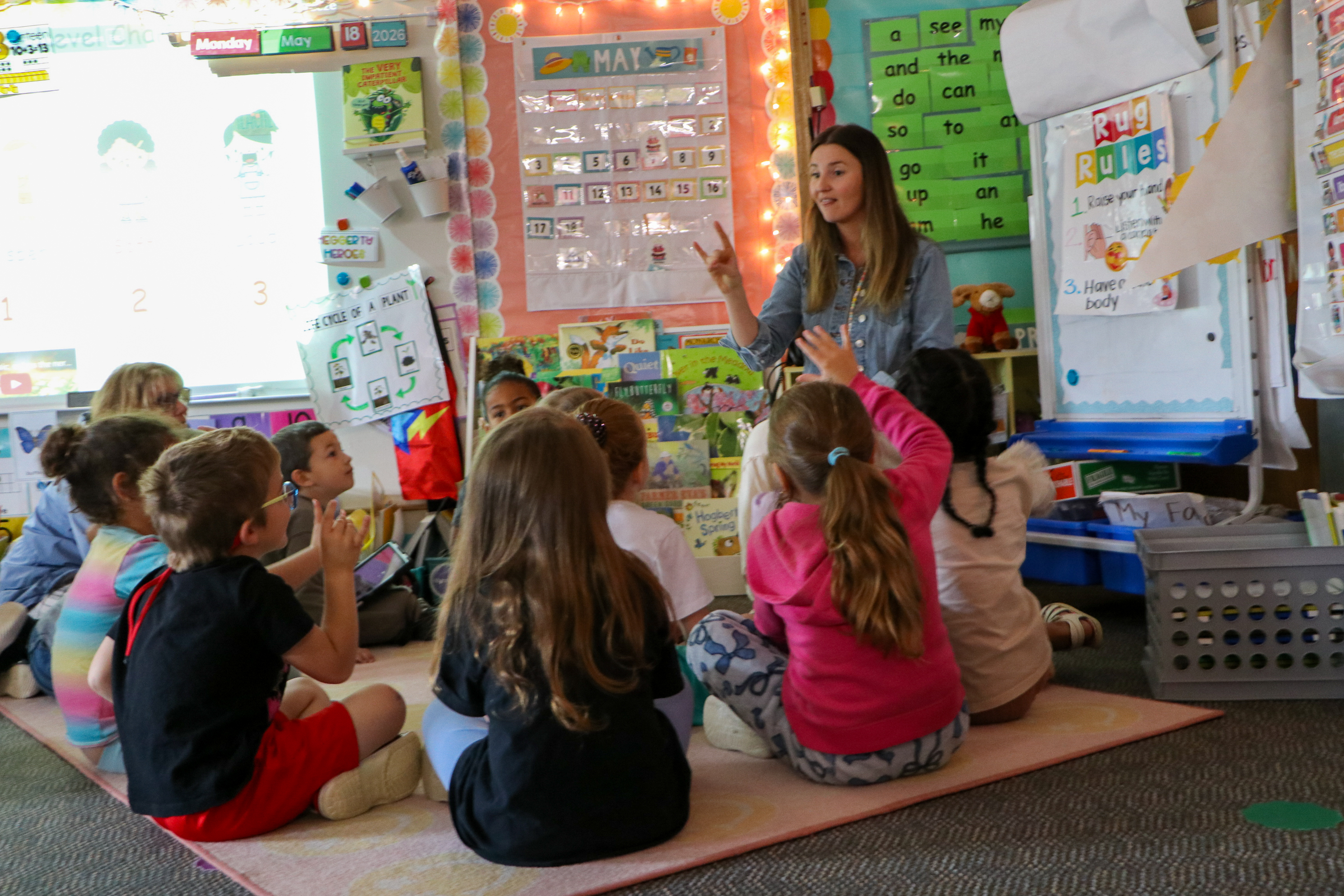
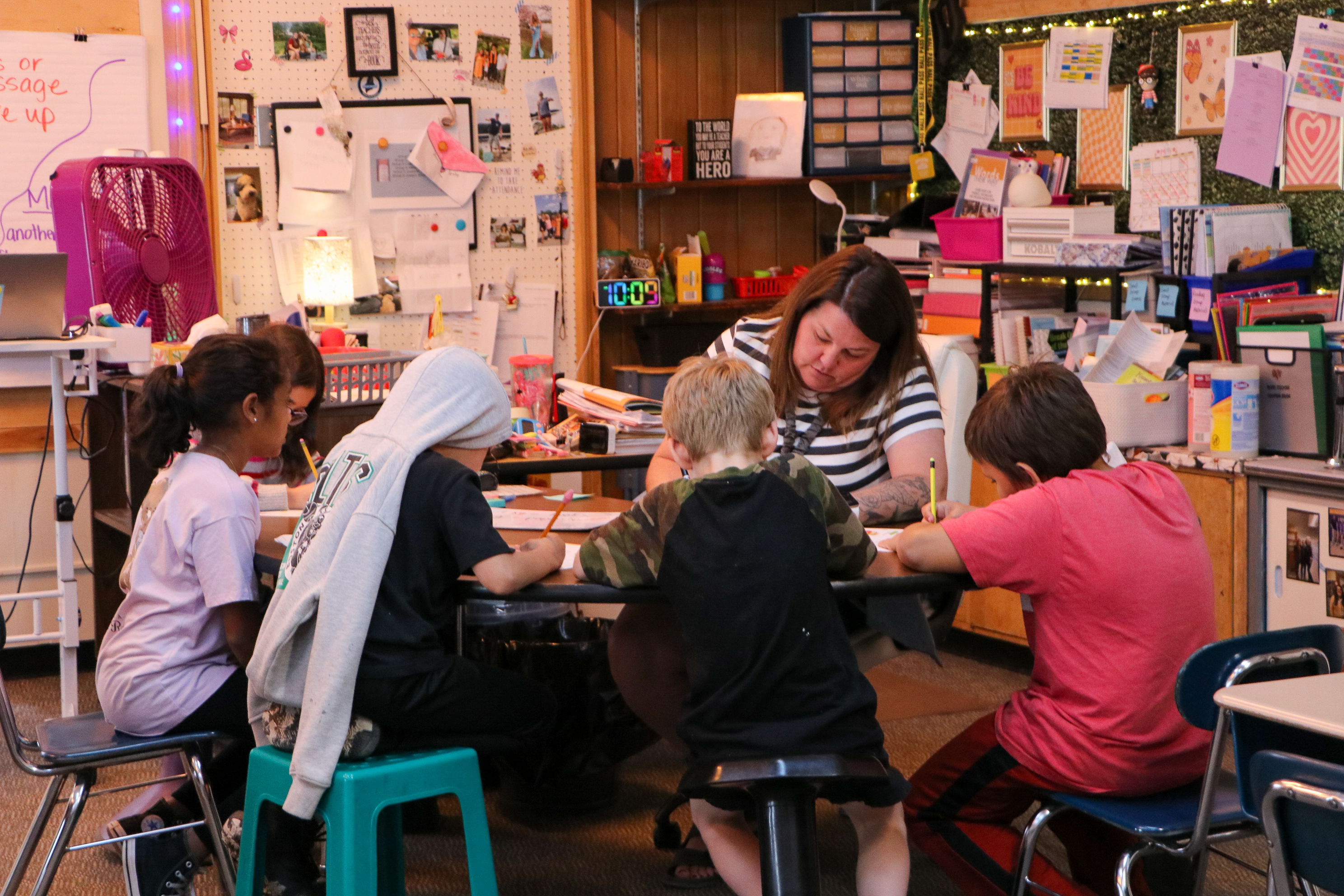
This spring, two educators from Tasmania, Australia, traveled across the globe to Maine through the Hardie Fellowship Program, an experience that allows Tasmanian educators to study educational systems and evidence-based practices in the United States. One of their stops was the Bangor School Department’s Downeast School, which has become a powerful example of how Positive Behavioral Interventions and Supports (PBIS) and inclusive education practices can work together to improve outcomes for students.
Melissa Didham, an Instructional Specialist from Tasmania focused on early literacy instruction, and Sarah Smith, an Advanced Skills Teacher leading Multi-Tiered Systems of Support (MTSS) alignment work in Tasmania, are studying how schools can systematically integrate academic, behavioral, and engagement supports for students requiring additional intervention.
They visited Downeast School, as well as other schools in Regional School Unit 22, Portland Public Schools, and the South Portland School Department, as part of this work.
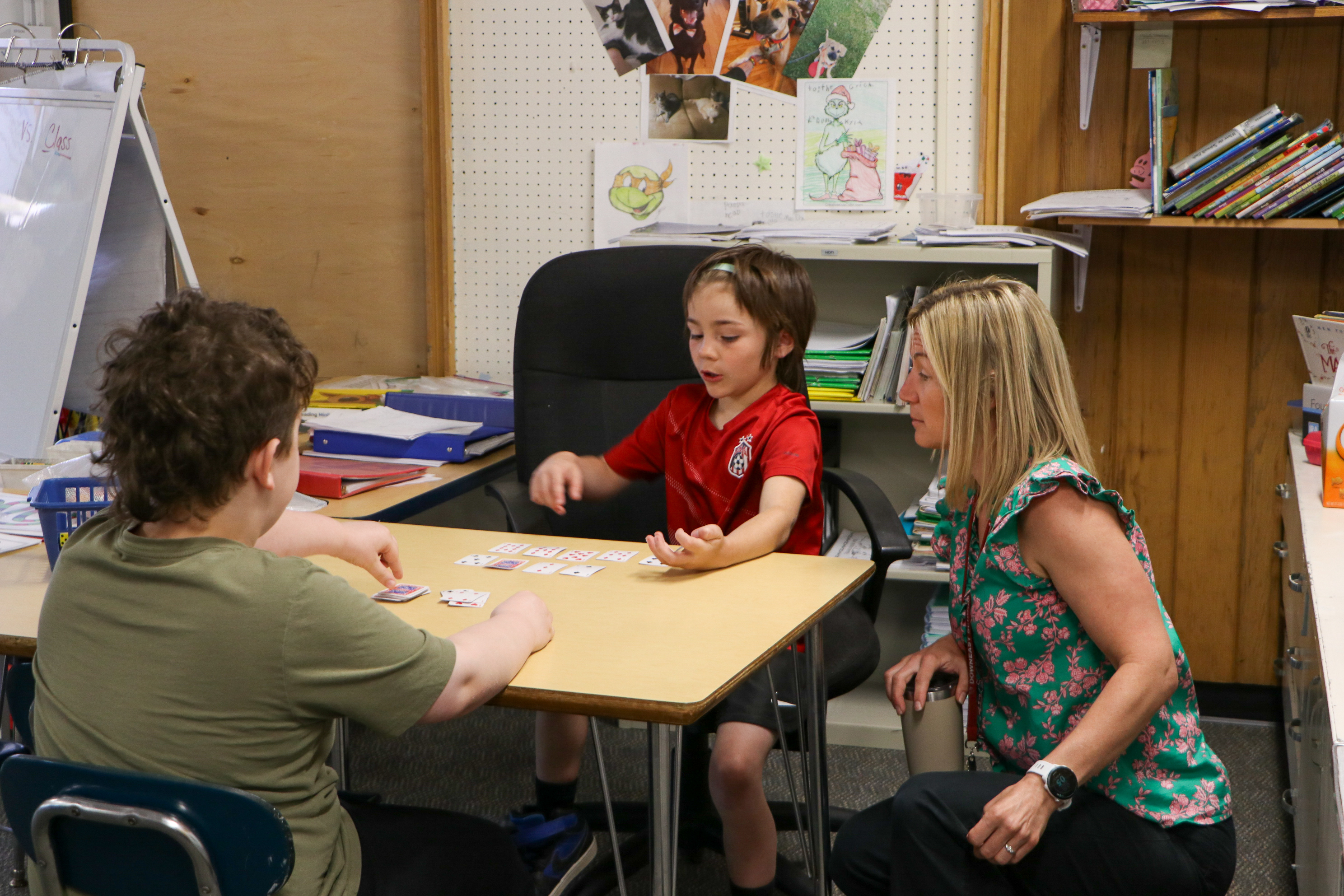
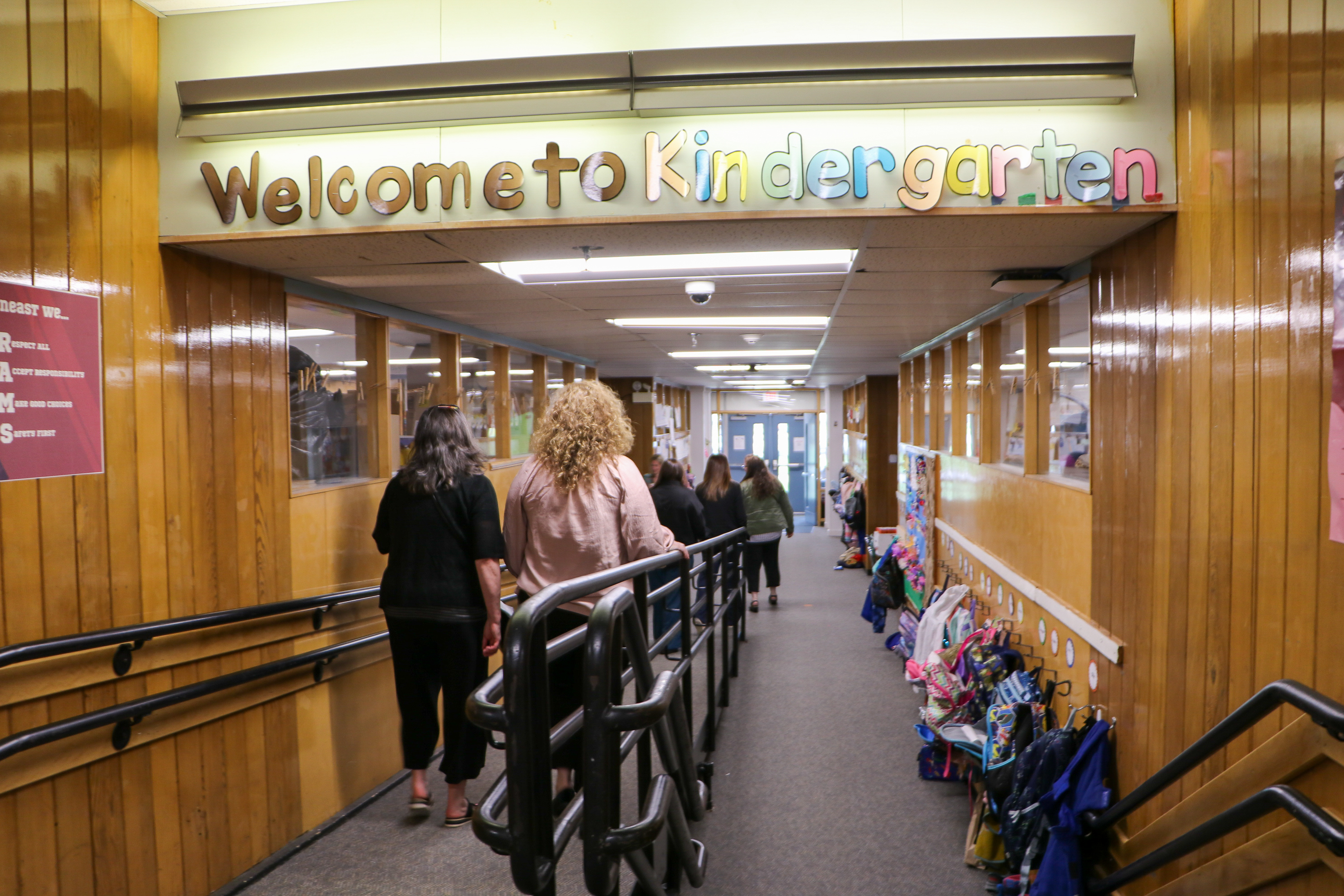
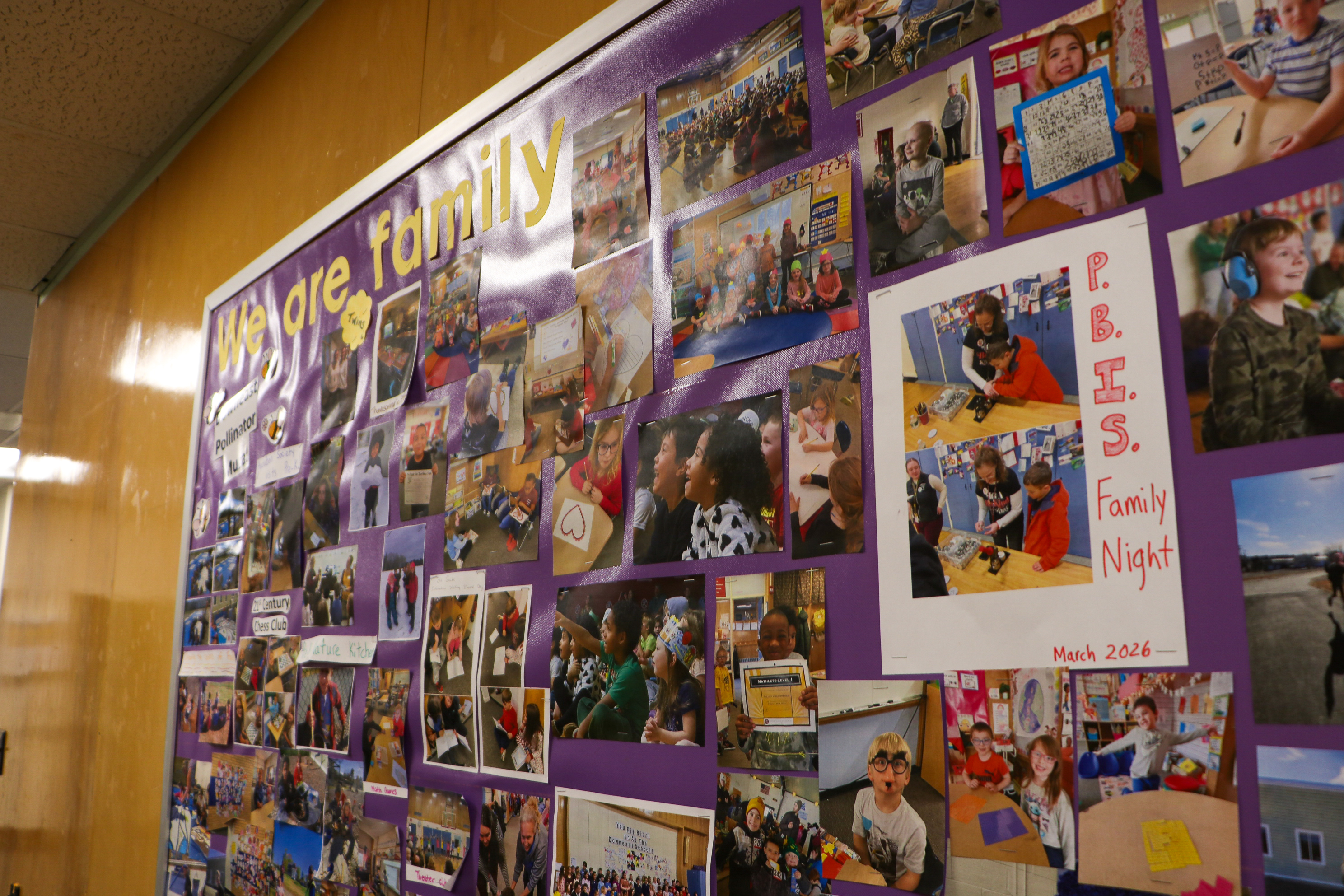
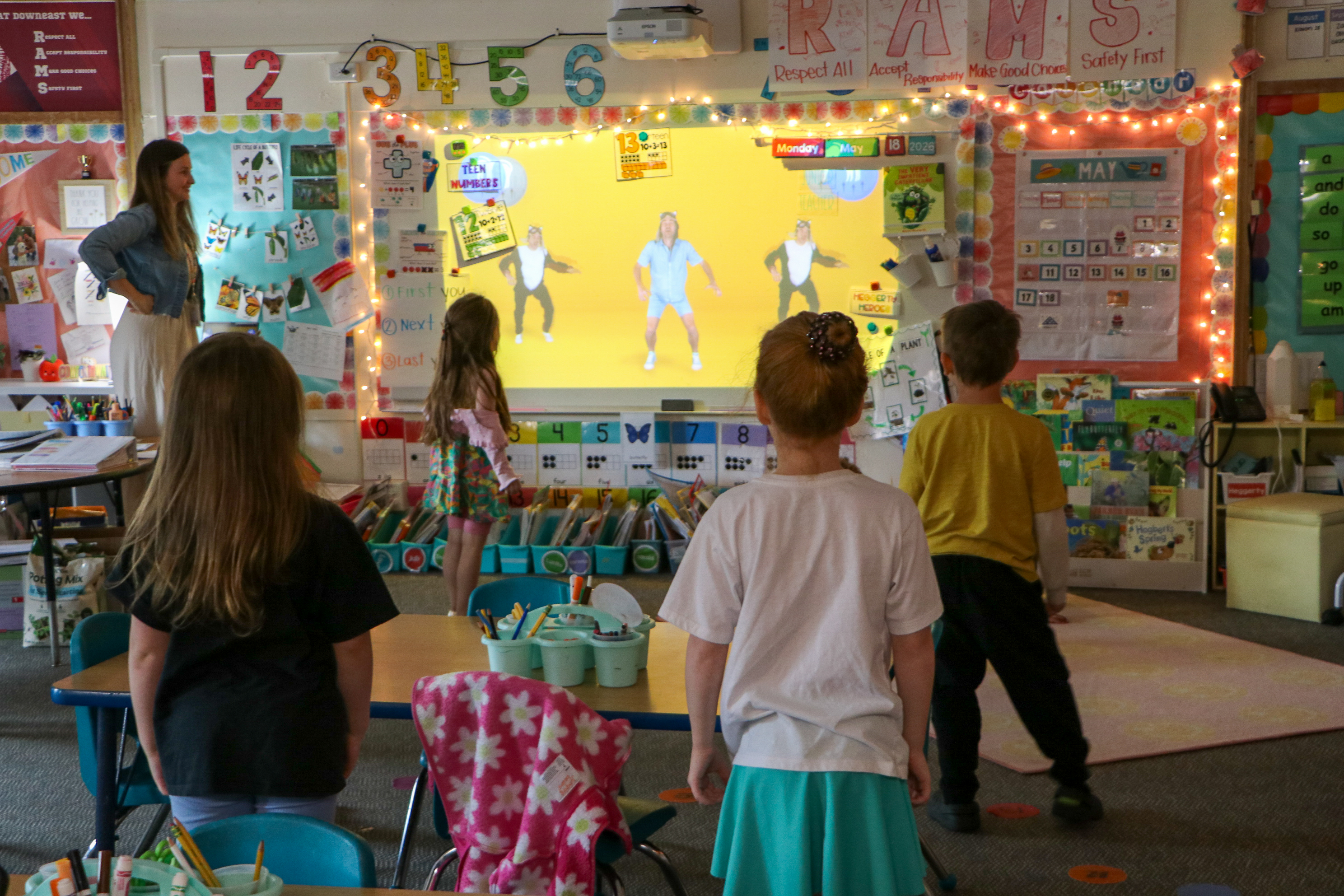
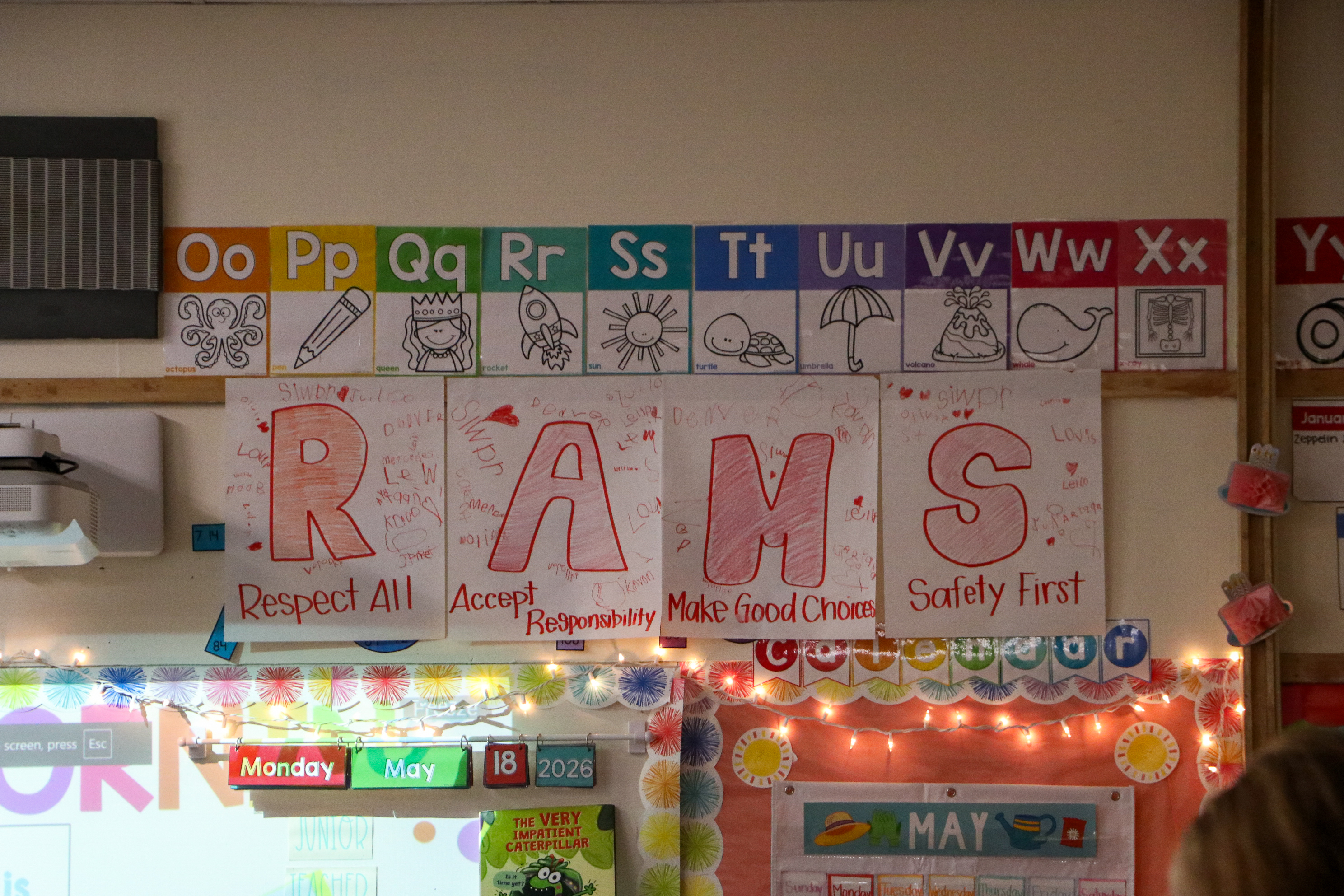
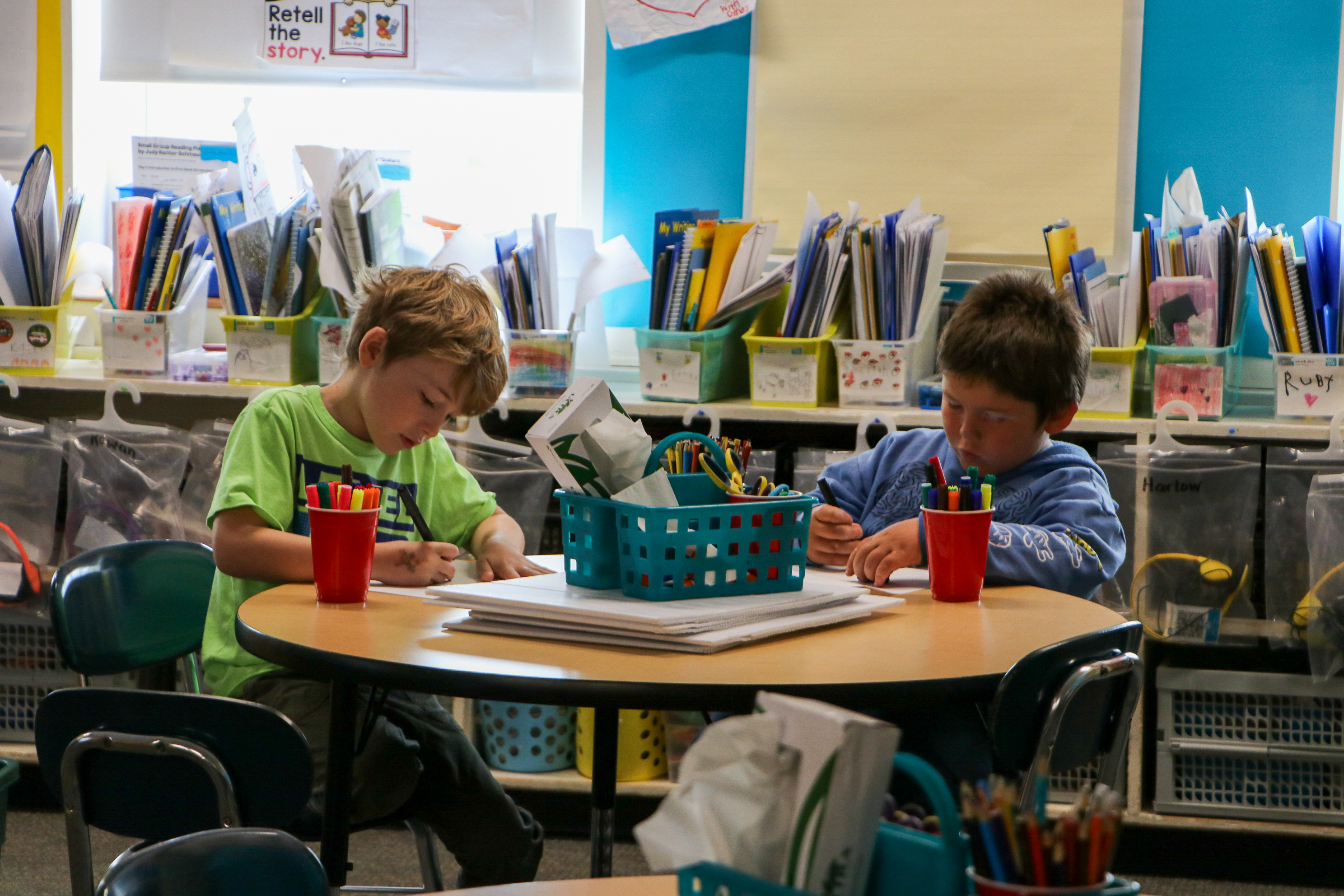
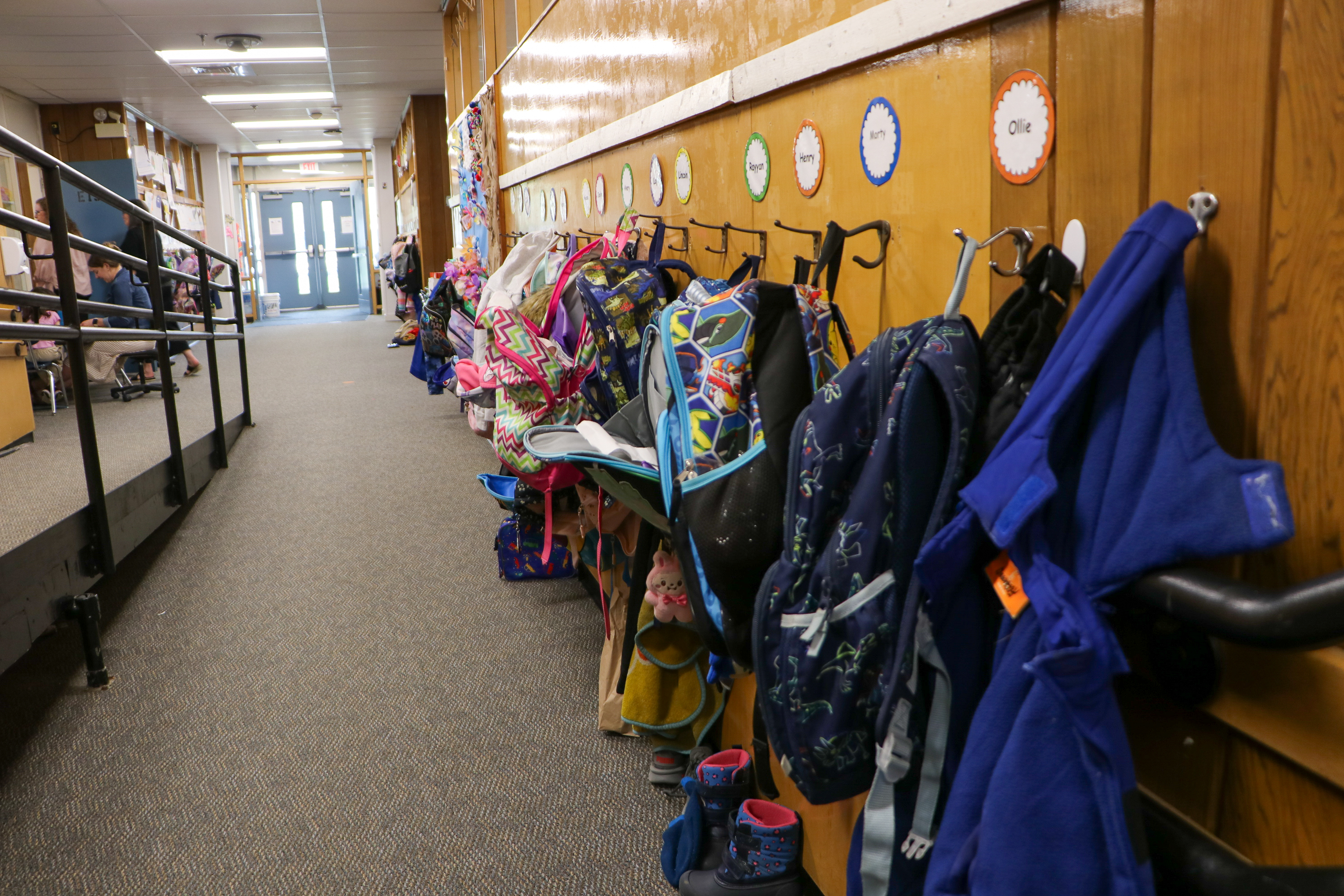
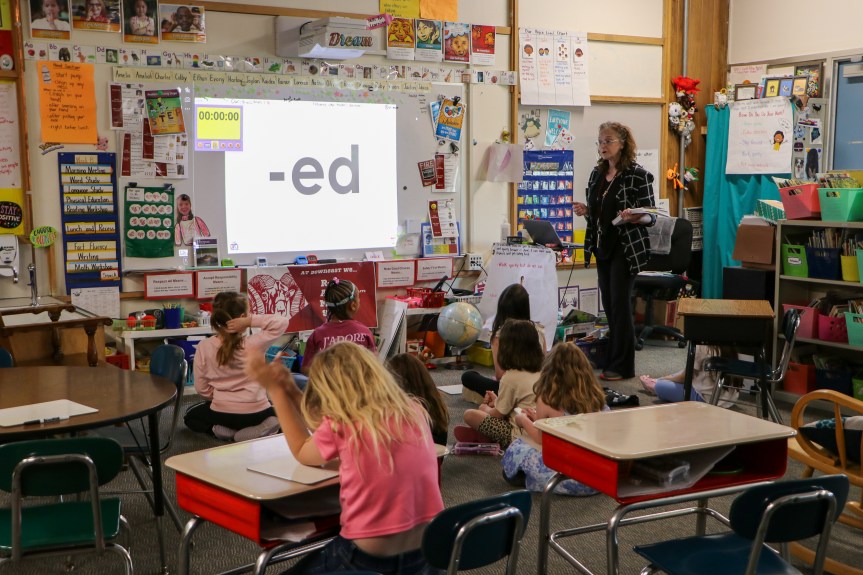
Serving approximately 300 students in prekindergarten through grade 3, Downeast School is a Title I school, as many of its students and families face socioeconomic challenges. Four years into implementing PBIS, a nationally recognized, evidence-based framework for improving school climate, the school has seen measurable improvements in student achievement, attendance, and behavior. The work has also resulted in a stronger, more collaborative learning environment for both students and staff. For Downeast School Principal Sarah Vickers, PBIS has provided a framework for building systems that meet the unique needs of the school community, while empowering educators to continuously improve their practice. Vickers explained that the Bangor School Department provided opportunities for schools to engage in PBIS work, and each school administrator has had the flexibility to implement the framework in ways that best fit their building. This strong district support and staff collaboration has been critical to the success of PBIS at Downeast School.
“I knew what the building needed,” Vickers recalled of Downeast School’s early PBIS work. “This is how we can continue to do what’s best for students.”
That mindset has also helped position Downeast School to become one of the Maine Department of Education’s (DOE) Inclusive Education Model Pilot Schools, an initiative designed to make learning more accessible for all students, including those with Individualized Education Programs (IEPs). Experts involved in the pilot say PBIS creates a strong foundation for schools seeking to build more inclusive learning environments. Now at Downeast School, inclusive practices are intentionally embedded into instructional scheduling and classroom routines. Rather than removing students from classrooms during core instruction, educators work to ensure all students learn together alongside their peers. Additional support is provided during independent work time and outside of direct instructional periods.
The combination of PBIS and inclusive education practices has led to measurable improvements across the school. During the 2025-2026 school year, Downeast School increased its Tier 1 PBIS implementation score from 60% in the fall to 68% in the spring, as measured by the Tiered Fidelity Inventory (TFI). As implementation strengthened, office referrals decreased from 219 during the 2024-2025 school year to 84 during the 2025-2026 school year.
Attendance indicators have also improved. Downeast School’s average daily attendance is currently 91%. Over the past year, the school has seen a decrease in the percentage of students identified as chronically absent (down four percentage points), the percentage of students identified as truant (down eight percentage points); and the percentage of students approaching chronic absenteeism (down 15 percentage points).
Educators say Downeast School’s strong PBIS framework, coupled with inclusive practices, has been transformative. Students receiving special education services are demonstrating academic growth alongside increased success among the entire student body. Some students who previously needed additional one-on-one support are asking not to be pulled from class so they can continue learning alongside their peers.
Downeast School’s approach also emphasizes intentional goal setting for students, particularly those receiving special education services. Even when students are working below grade level, staff focus on identifying prerequisite skills and bridging gaps that help students move toward grade-level expectations.
First-grade teacher Barbra Clewley, who is also a Maine PBIS trainer and coach, said the work requires educators to rethink how they approach student support.
“Instead of saying, ‘What does that student need to do differently?,’ it’s, ‘What can I do differently to help that student?’” Clewley said.
Clewley explained that both PBIS and inclusive education practices encourage educators to reflect on and adapt their own practices rather than expecting students to change first.
“You’re not trying to change your students,” Clewley said. “You’re trying to change what you do as a teacher. That’s where they build really well together.”
Academic data further highlight the progress of Downeast School students. On the grade 3 Maine Through Year Assessment, the number of students performing at or above expectations in mathematics increased by 68.4% from the spring of 2025 to the spring of 2026. In reading, the number of students performing at or above expectations increased by 86.7%. Additionally, on average, students demonstrated strong, healthy progress (an RIT gain of 15 points) when comparing their progress between testing periods. From kindergarten through grade 3, 57% of students made a year’s worth of growth in reading in 2026, a five-percentage-point increase from spring of 2025. Among students receiving special education services, 36% made a year’s worth of reading growth this year.
Vickers said maintaining healthy relationships among staff, encouraging collaboration, and creating a culture where educators feel comfortable trying new strategies have all been critical to Downeast School’s continued growth. Vickers, who has a background in special education, has remained steadfast in her vision for fully implementing PBIS through intentional, student-centered practices, while fostering an environment where educators work together to meet student needs.
“Our teacher leaders are essential to our success,” Vickers said. “They help build staff capacity, foster collaboration, and ensure our improvement efforts remain focused on students.”
PBIS is a nationally recognized, evidence-based framework designed to create positive school climates by teaching and reinforcing clear behavioral expectations. It helps schools to improve student behavior, promote academic success, and build supportive environments where all students feel safe, respected, and empowered to thrive. To learn more about PBIS in Maine, visit theMaine DOE website.
This article was developed in collaboration with the School Department and theMaine PBIS program, a partnership between the Maine DOE Office of Special Services and Inclusive Education and the University of Maine System. This article is part of a series highlighting the successes of Maine schools that are in the process of implementing, or that have implemented, PBIS in their schools. To submit a good news story to the Maine DOE, please fill out thegood news submission form.
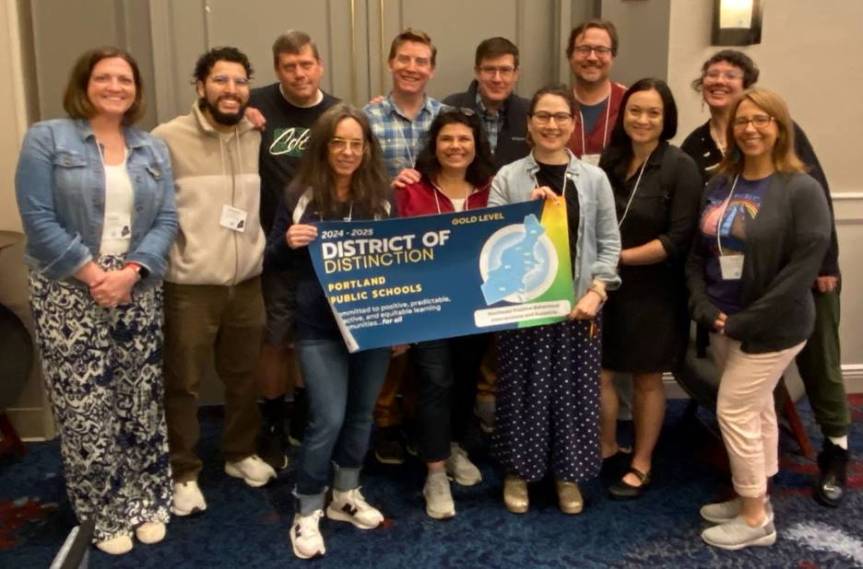
At Portland Public Schools, the journey to creating joyful, supportive, and safe learning environments took a major step forward when Positive Behavior Interventions and Supports (PBIS) moved from scattered, school-level efforts to a central part of the district’s Strategic Plan. Schools in Portland had been using elements of PBIS for some time, but two years ago, the district officially named PBIS under its “Whole Student, Connected Community” goal, providing clarity, purpose, and district-wide momentum.
The impact of this development within the district is already visible. Schools with strong PBIS systems are seeing reductions in office discipline referrals and increases in positive climate indicators. One middle school has experienced a significant decline in behavioral incidents following the shift to focus on culture building. In several other schools, targeted supports are reaching more students, thanks to stronger systems and use of data.
At the elementary level, one school’s focused work in the cafeteria—teaching and reinforcing routines, adding student voice, and carving out time for quiet reading—has transformed the space, while also increasing students’ time with books.
“At our school, PBIS has helped us strengthen student leadership and build connections across grade levels. Recently, some of our fifth graders—being the senior students in our building who have spent years practicing our schoolwide PBIS expectations—began reteaching those expectations to the younger grades,” Jeremy Lynch, Culture and Climate Coordinator of Amanda C. Rowe Elementary School, said. “I expected some groans when I told them they’d have the opportunity to do this after every single school break. Instead, I was met with a room full of exuberant cheers! They love taking on this leadership role, and the younger students clearly look up to them. The power of PBIS to transform a school community truly is incredible.”
PBIS has also strengthened collaboration. Staff from a range of roles are leading building-based teams, creating shared ownership, and ensuring that their work reflects the whole school community. This includes efforts to translate visuals and materials and ensure that expectations are culturally relevant.
“PBIS has helped us build a cohesive, schoolwide framework that allows us to intentionally weave together the practices most essential to supporting the students and families we serve, while keeping equity at the center. Within this structure, we are able to align restorative practices, culturally responsive teaching, trauma-informed approaches, and more,” Bobbie Thibodeau, Culture and Climate Coordinator of Lincoln Middle School, said. “The PBIS framework has supported more consistent implementation across classrooms and strengthened collaboration among teachers, families, and students. This shared approach has improved communication, created more predictable and supportive learning environments, and—most significantly from my perspective—allowed us to develop authentic, positive relationships throughout our learning community.”
This year, Portland Public Schools has adopted into use the new Tiered Fidelity Inventory (TFI 3.0) with most schools meeting the measure of fidelity to a PBIS framework. The district also has seven schools participating in the Maine Department of Education’s (DOE) Advanced Tiers Cohorts, an opportunity for networking, skill building, and technical assistance for schools who meet fidelity in Tier 1.
For those districts just getting started, Portland Public Schools offers this advice: Don’t stop at the surface. PBIS isn’t just about rewards; it’s about building systems that help every student to thrive.
PBIS is a nationally recognized, evidence-based framework designed to create positive school climates by teaching and reinforcing clear behavioral expectations. It helps schools to improve student behavior, promote academic success, and build supportive environments where all students feel safe, respected, and empowered to thrive. To learn more about PBIS in Maine, visit the Maine DOE website.
This article was developed in collaboration with Portland Public Schools and the Maine PBIS program, a partnership between the Maine DOE Office of Special Services and Inclusive Education and the University of Maine System. This article is part of a series highlighting the successes of Maine schools that are in the process of implementing, or that have implemented, PBIS in their schools. To submit a good news story to the Maine DOE, please fill out thegood news submission form.
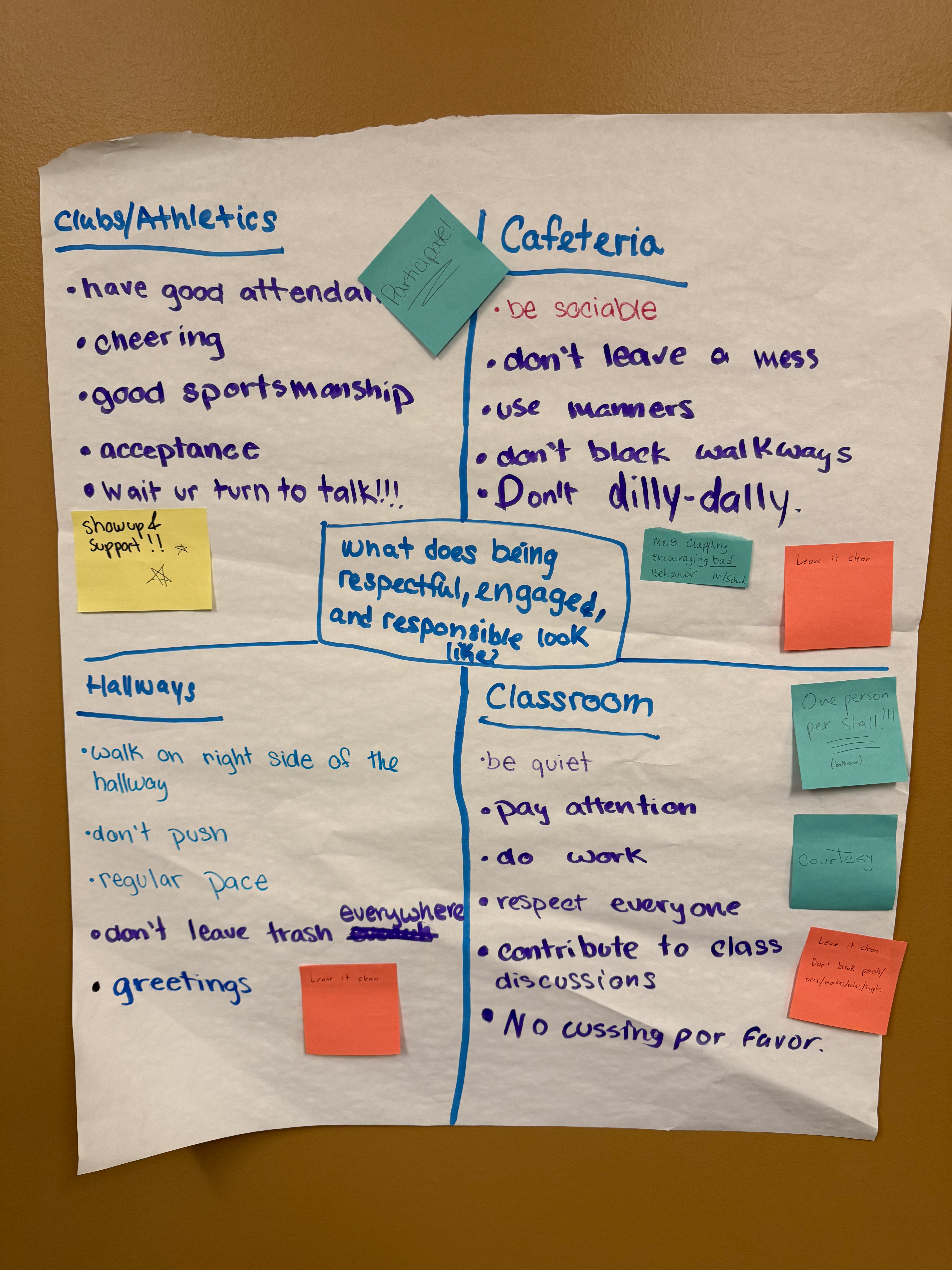
Sumner Memorial High School in Sullivan is undergoing a cultural transformation, thanks to the implementation of Positive Behavioral Interventions and Supports (PBIS), a training and coaching framework that has not only improved behavior but also fostered deeper connections between students and staff. By integrating PBIS into everyday school life, the school has strengthened its sense of community and pride, and students are leading the way.
At Sumner, PBIS became the foundation for rebuilding school culture following the disruptions of the COVID-19 pandemic and a period of significant staff turnover. Rather than roll out a top-down initiative, Sumner made PBIS personal by putting students in the driver’s seat.
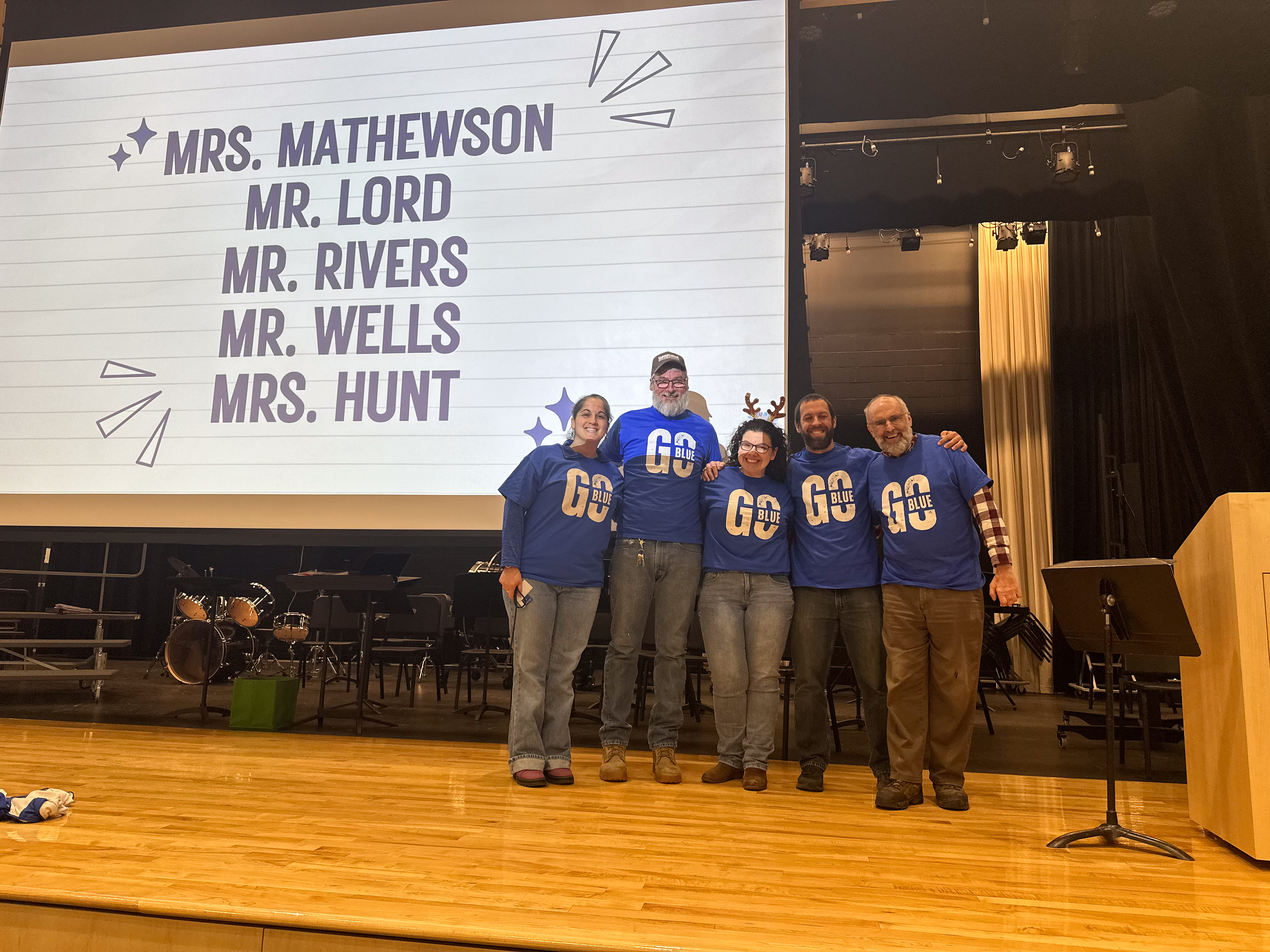
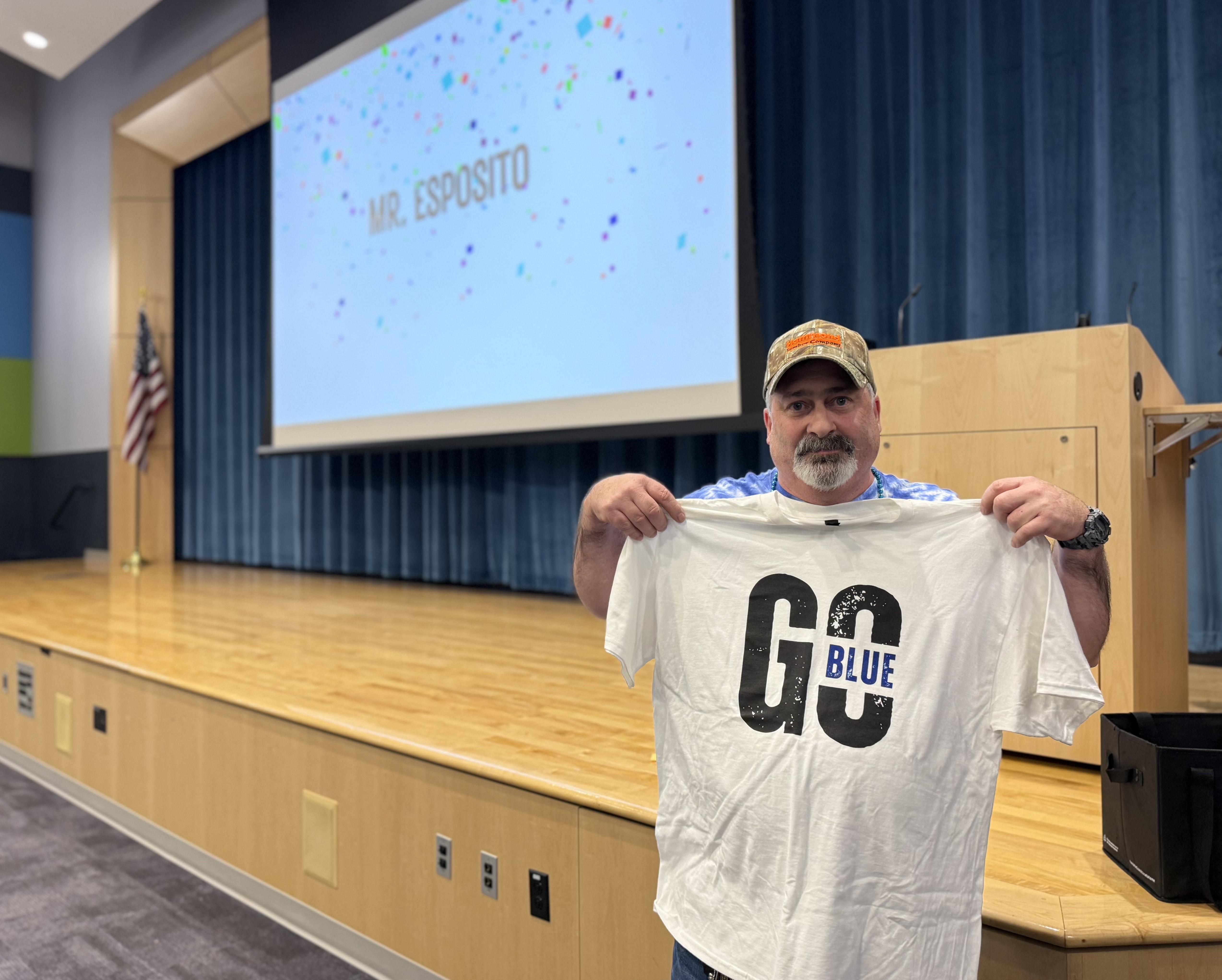
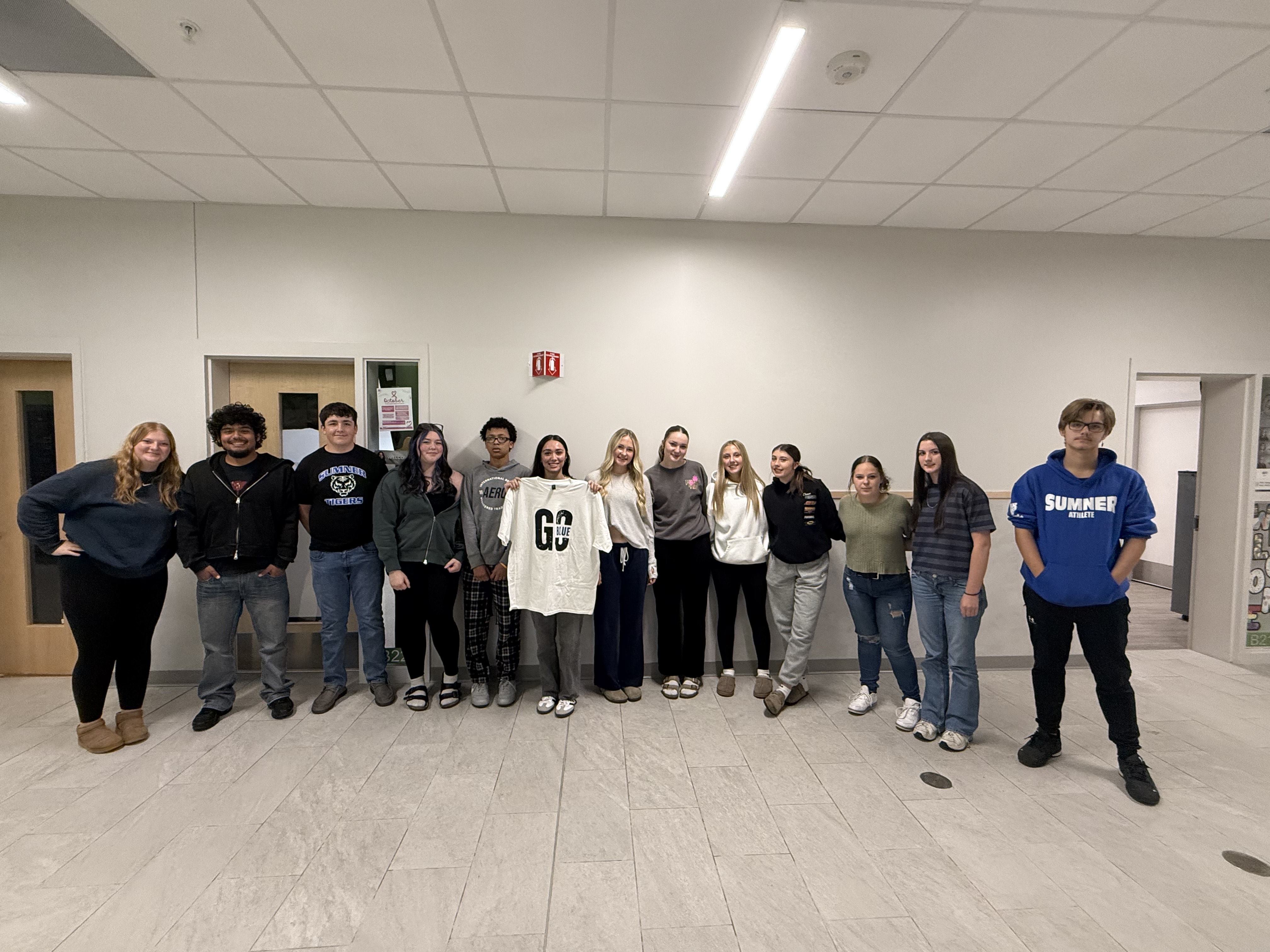
That student-driven spirit gave rise to the “GO BLUE” initiative—a movement that defines and celebrates the school’s core values. The acronym “BLUE”—Be Safe, Lead, Unite, Excel—was developed by students and staff and outlines key behavioral expectations, while promoting pride and belonging. It quickly evolved into a rallying point for both students and staff.
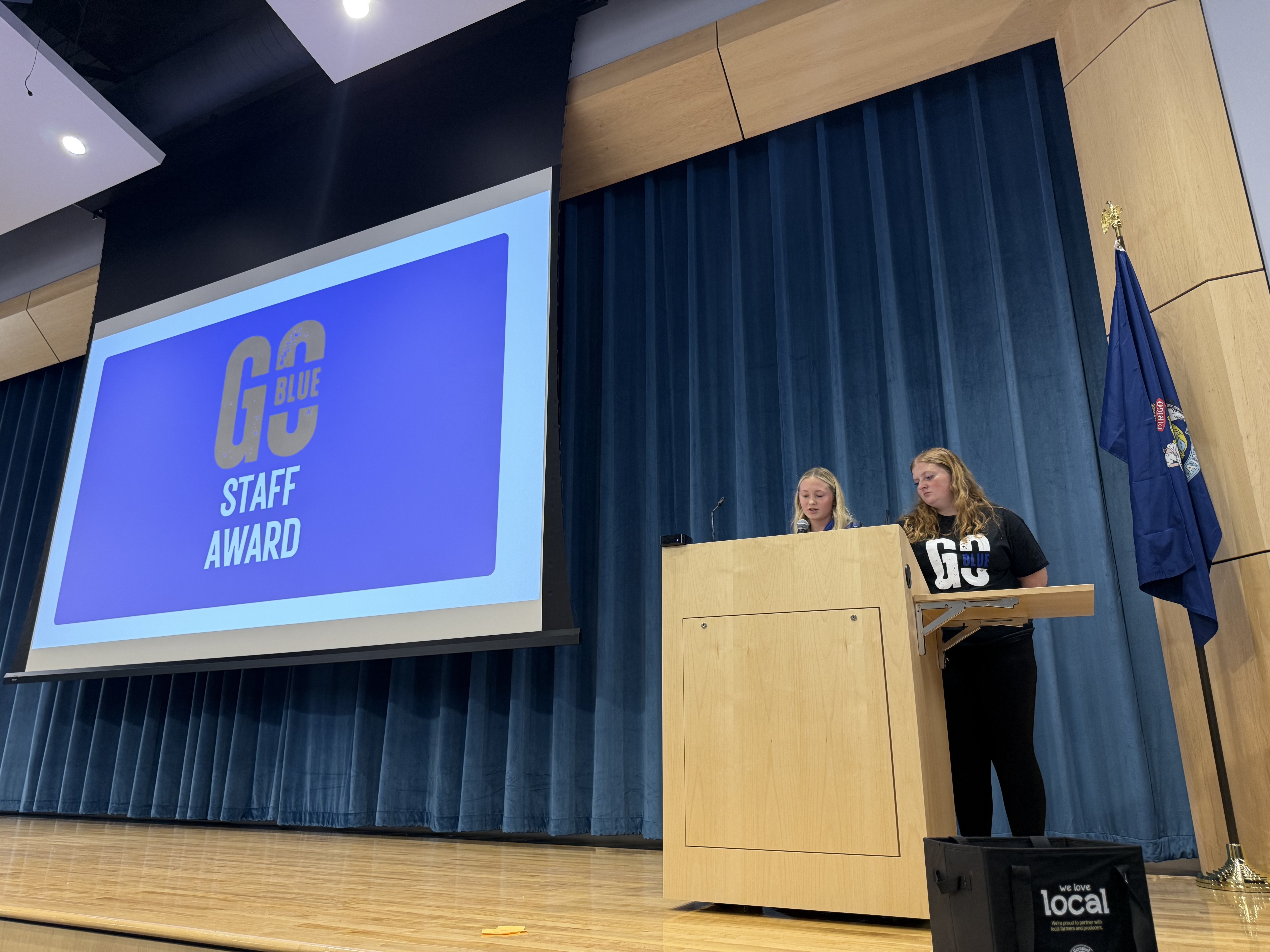
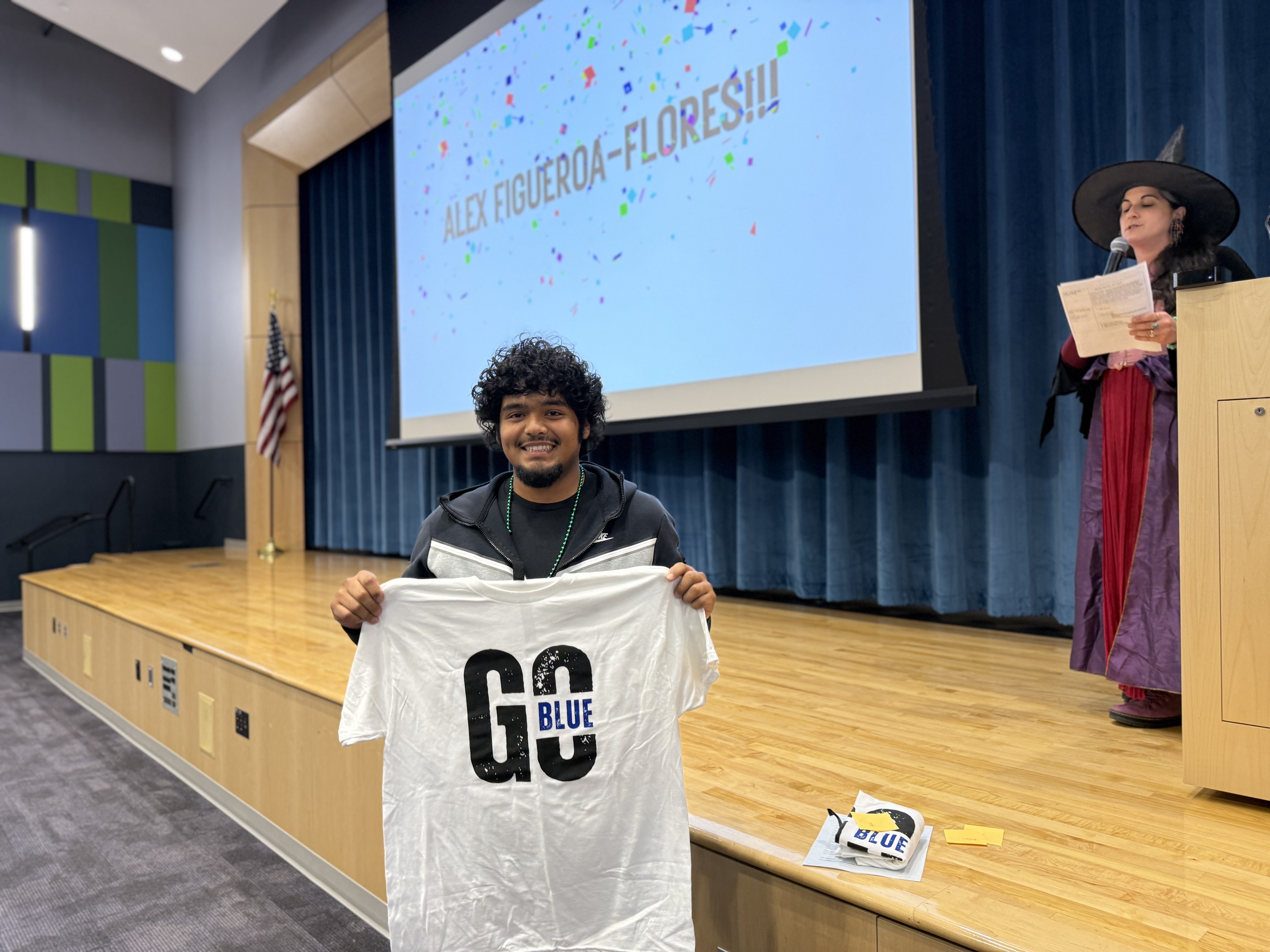
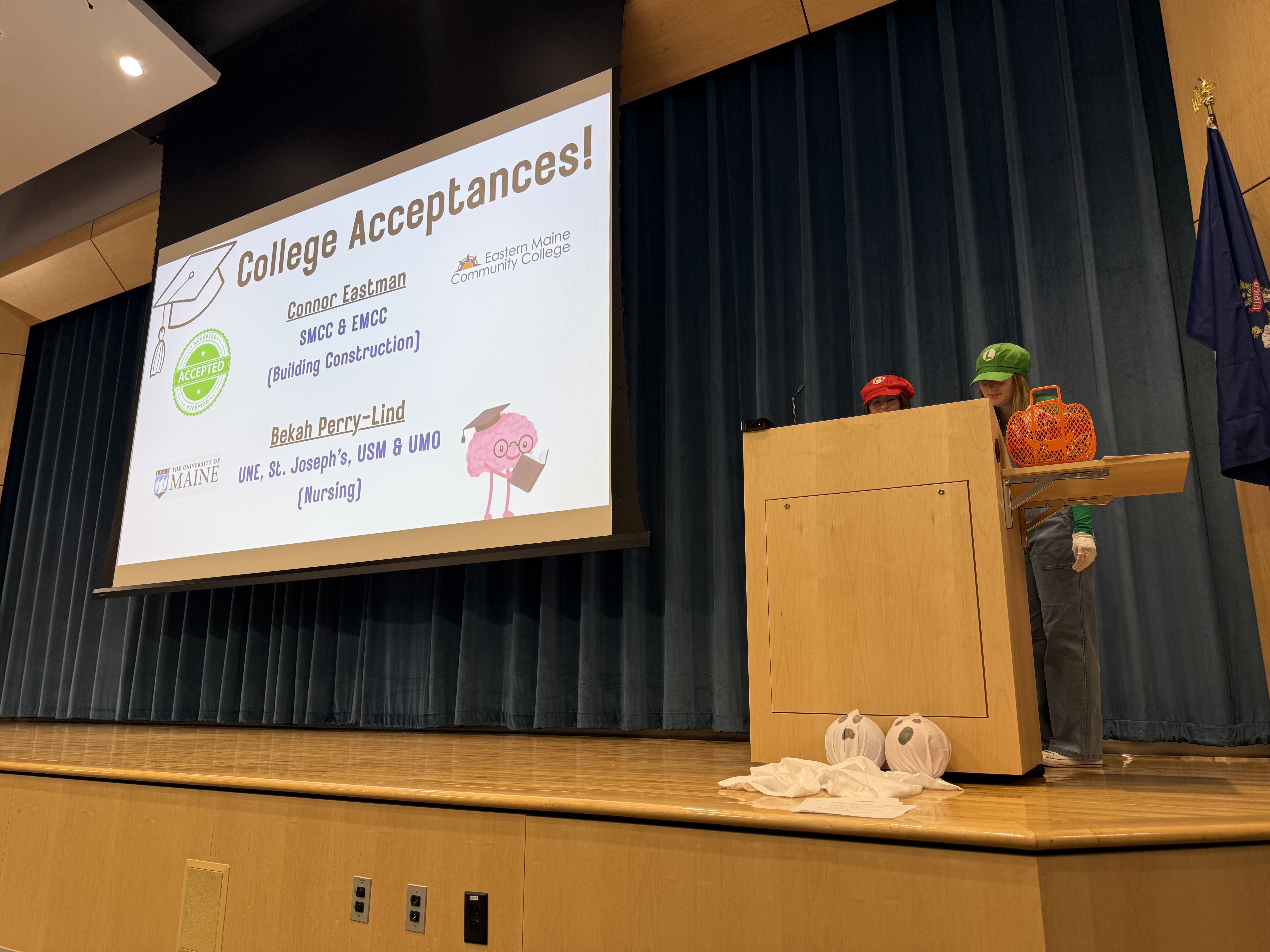
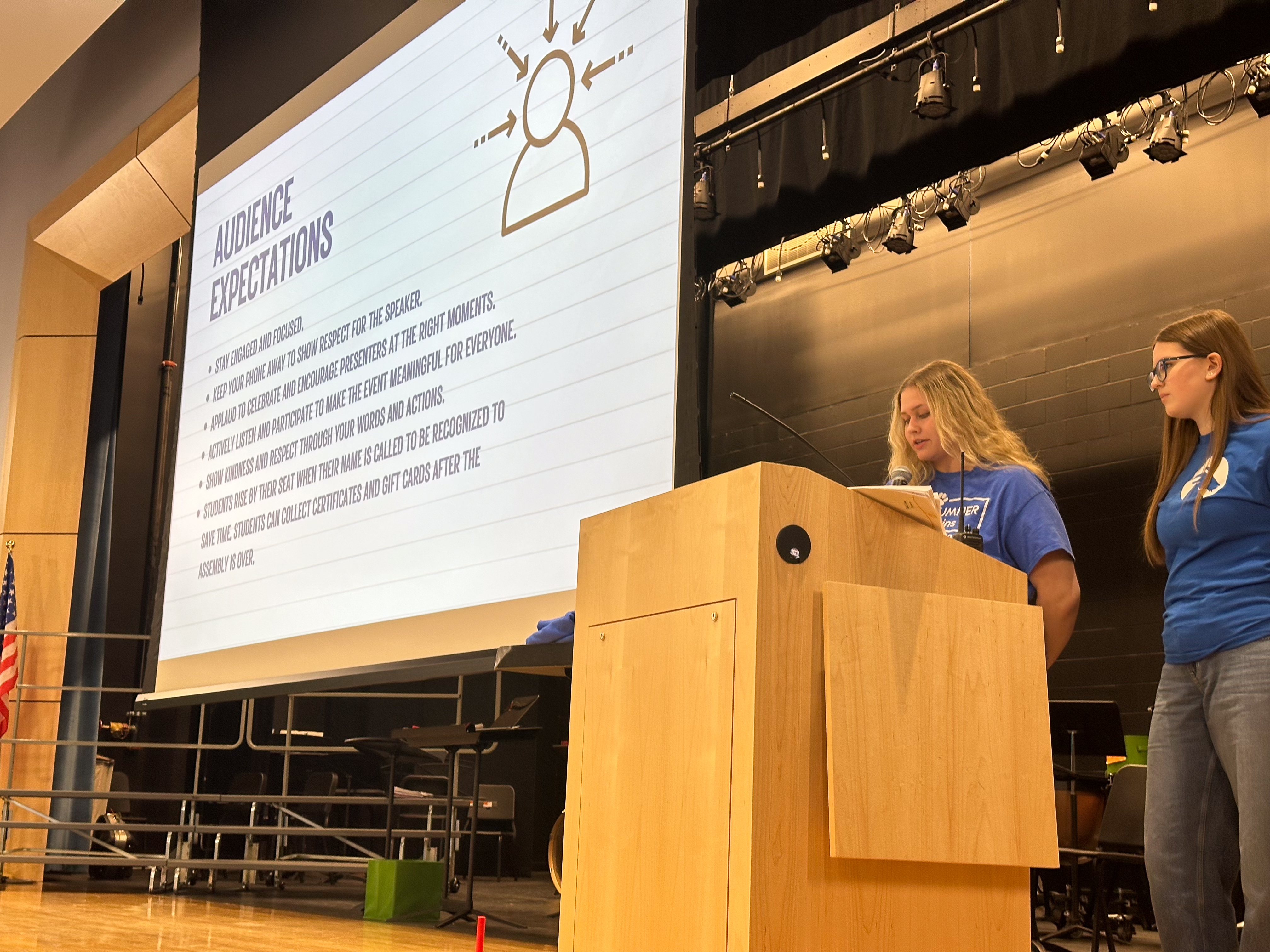
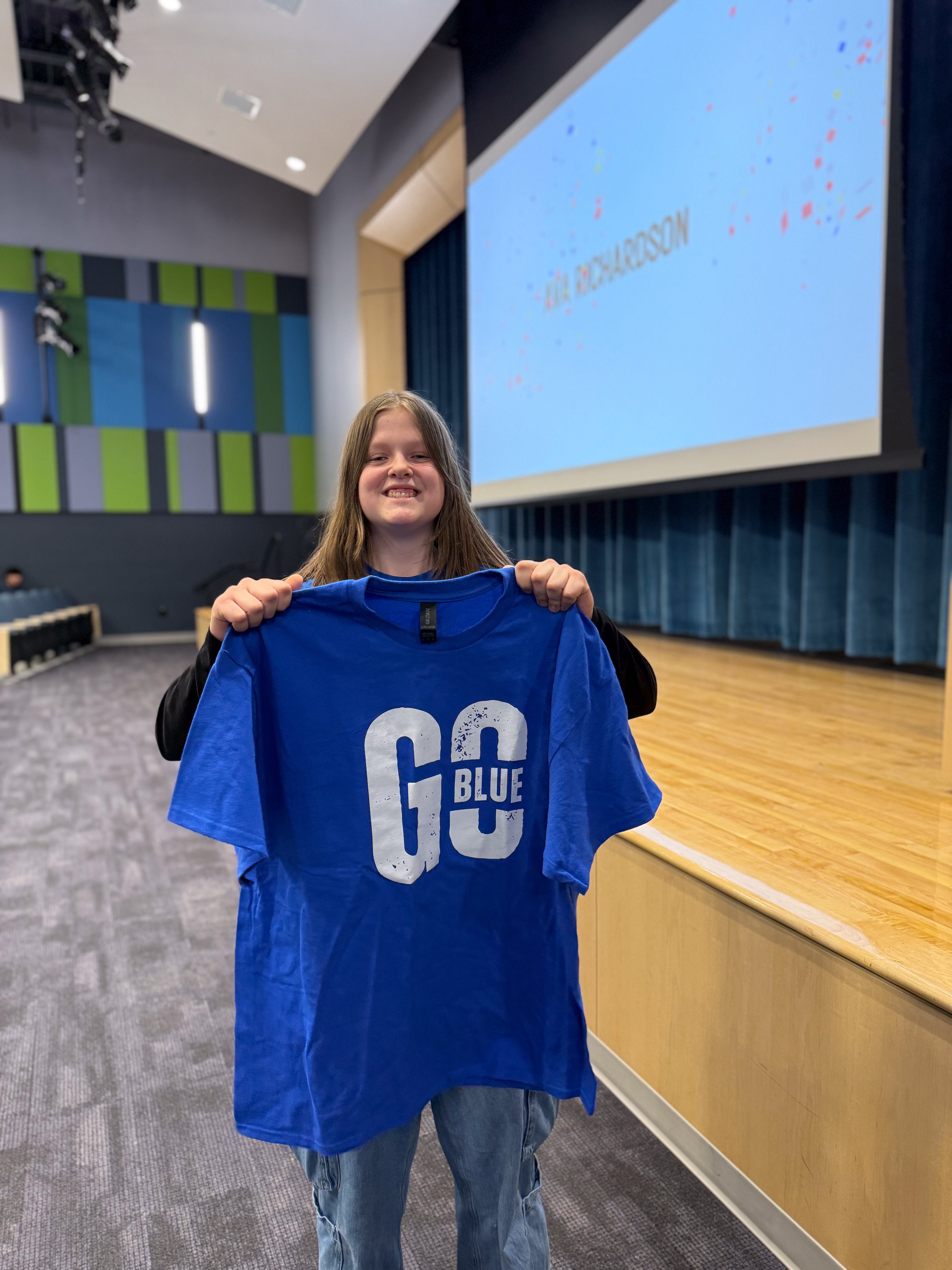
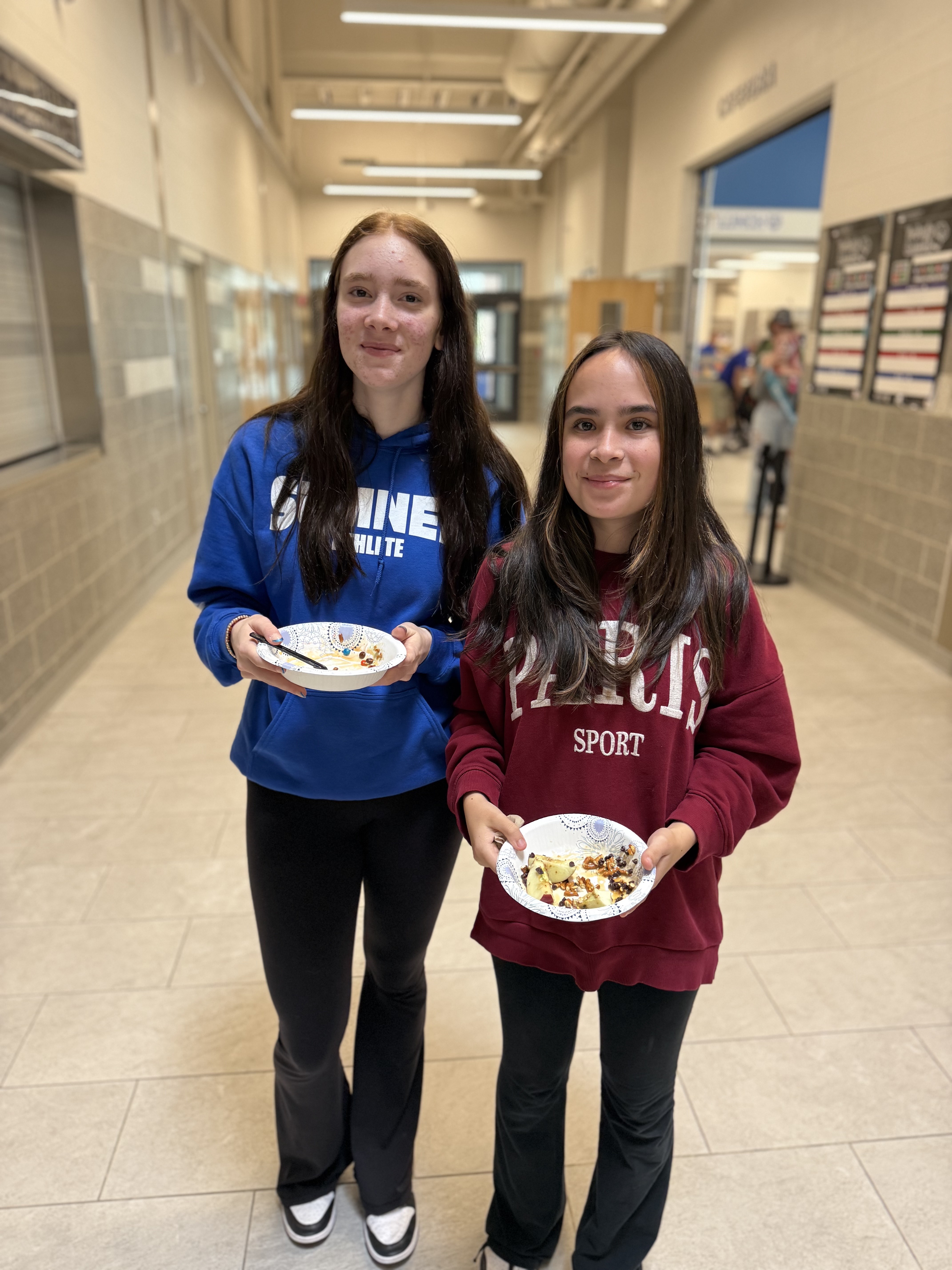
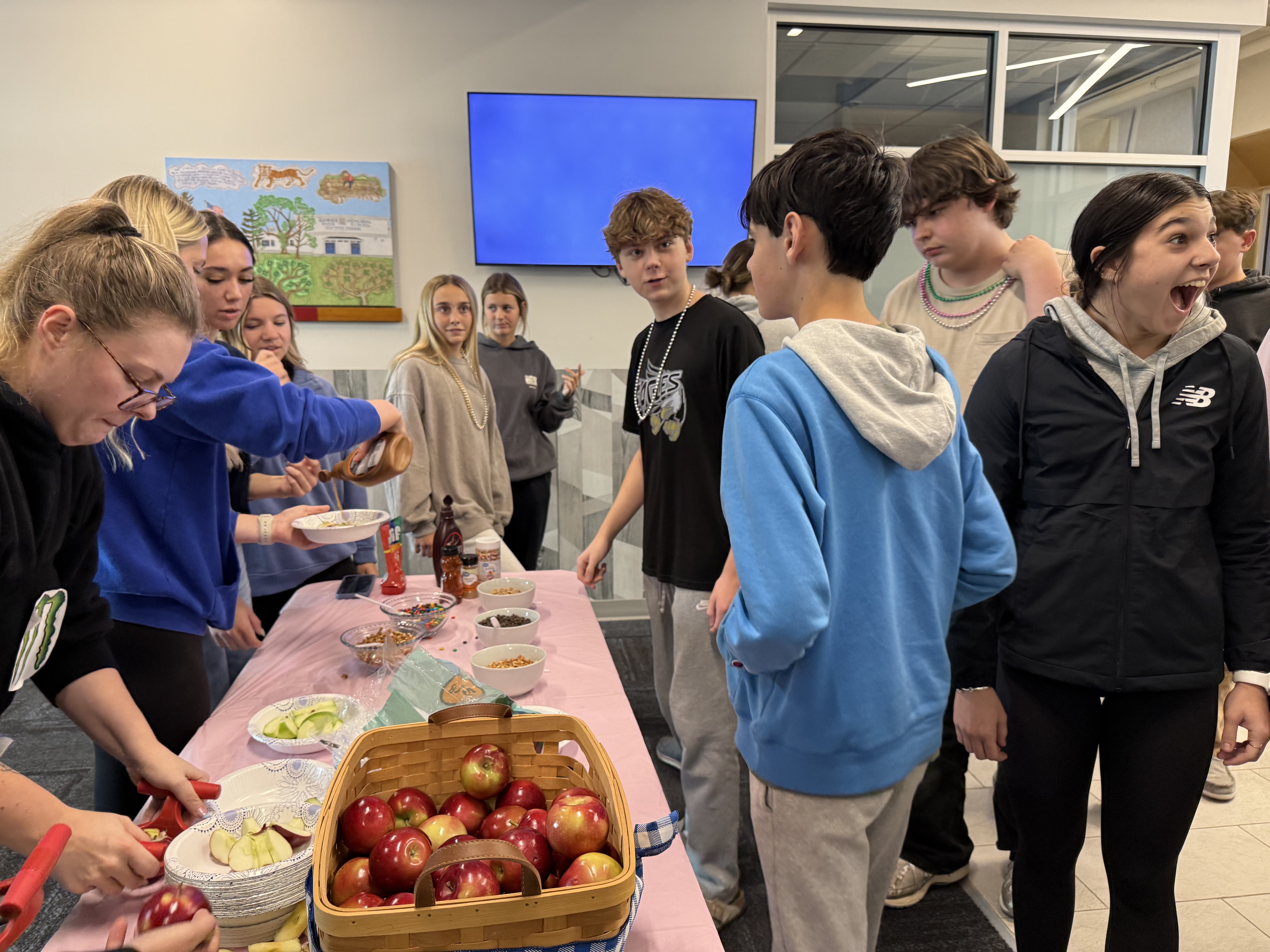
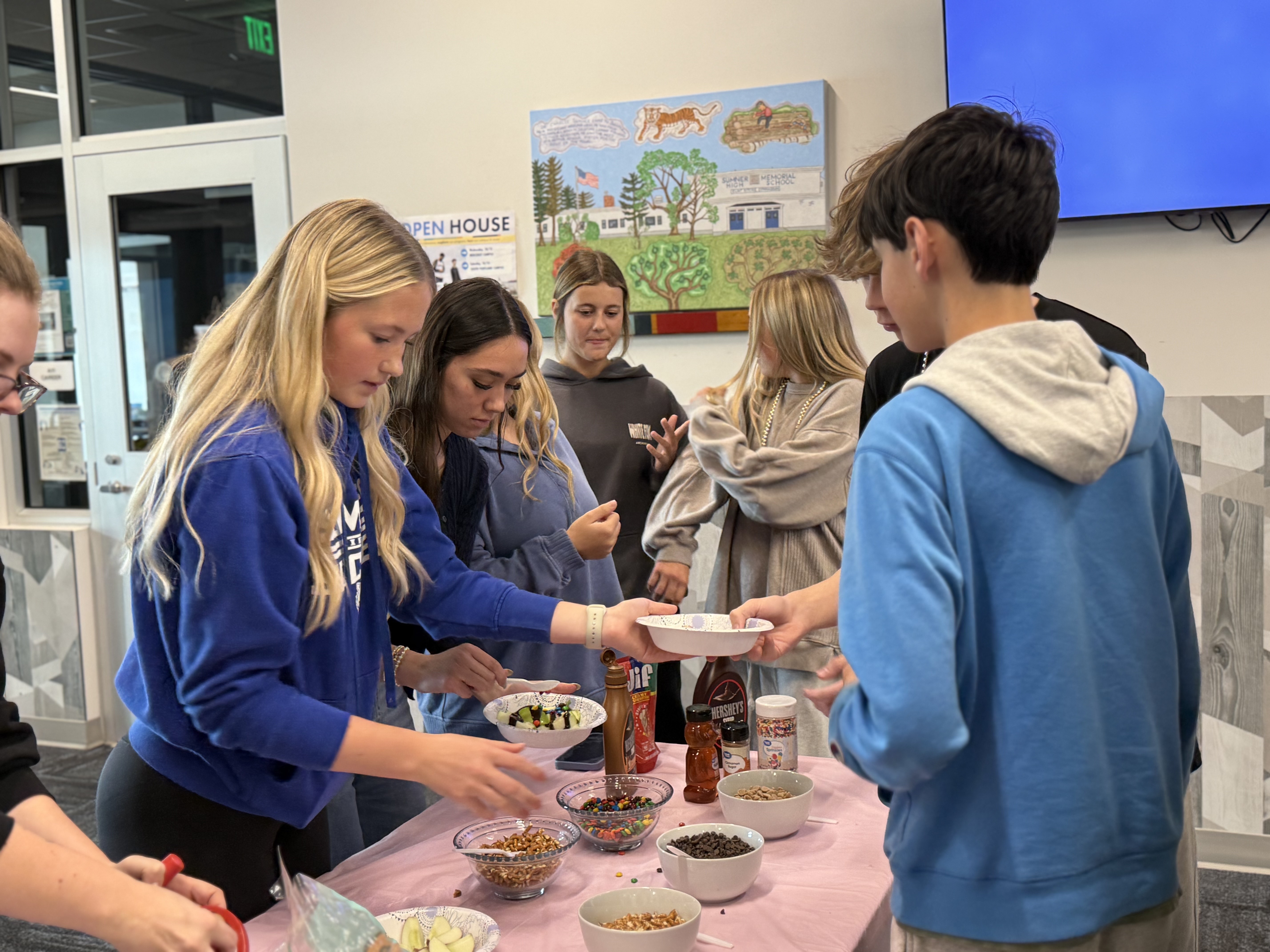
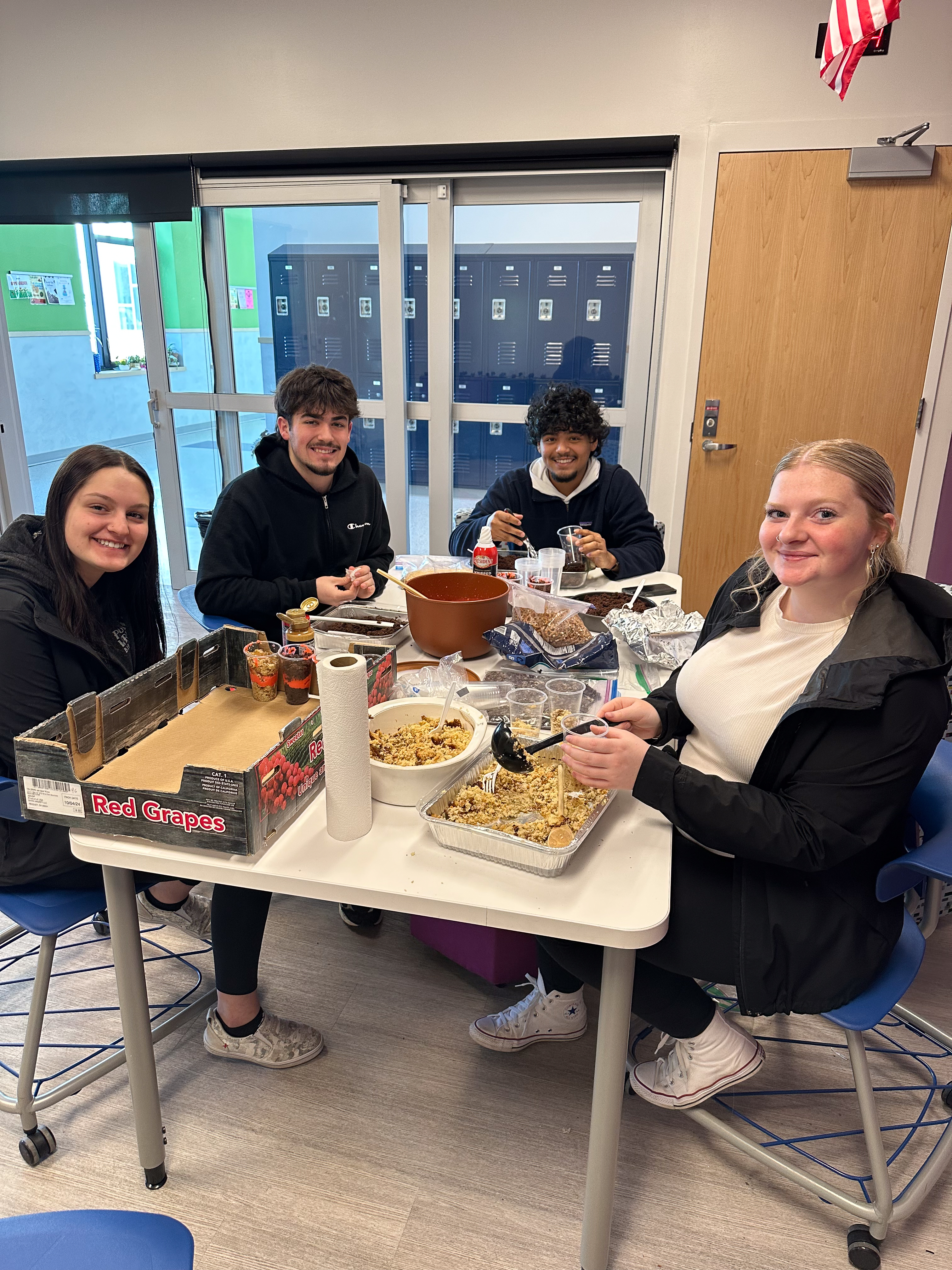
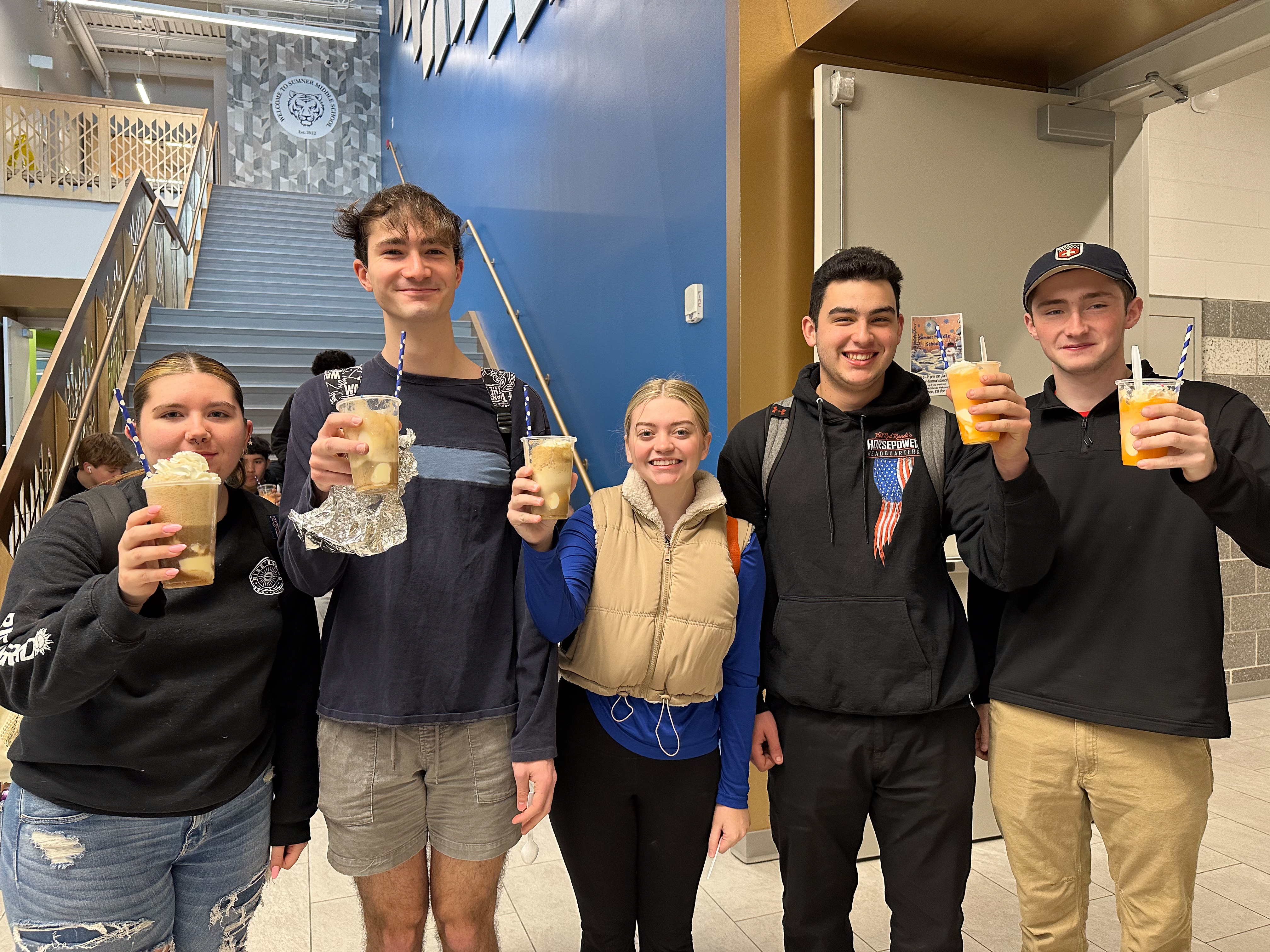
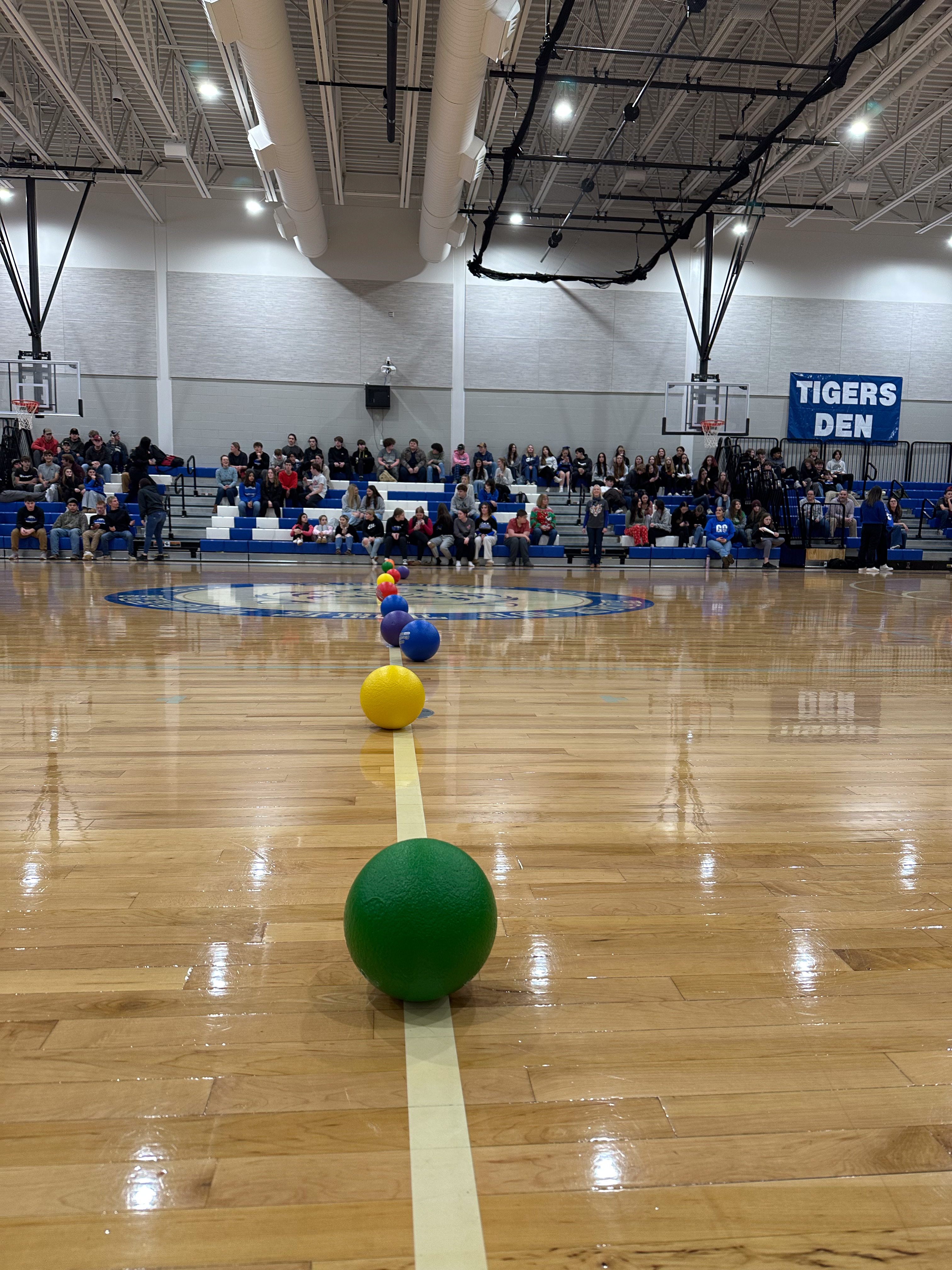
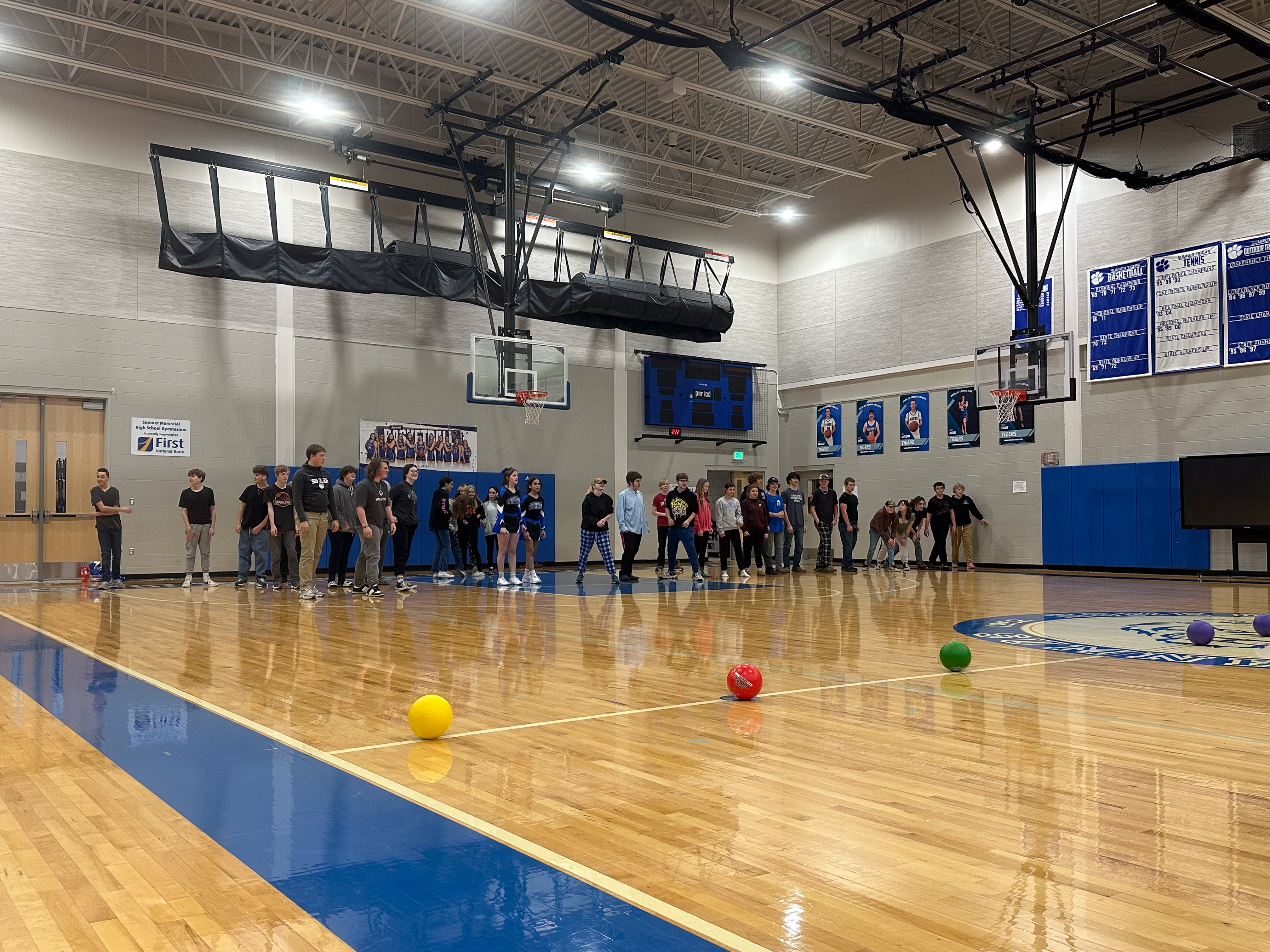
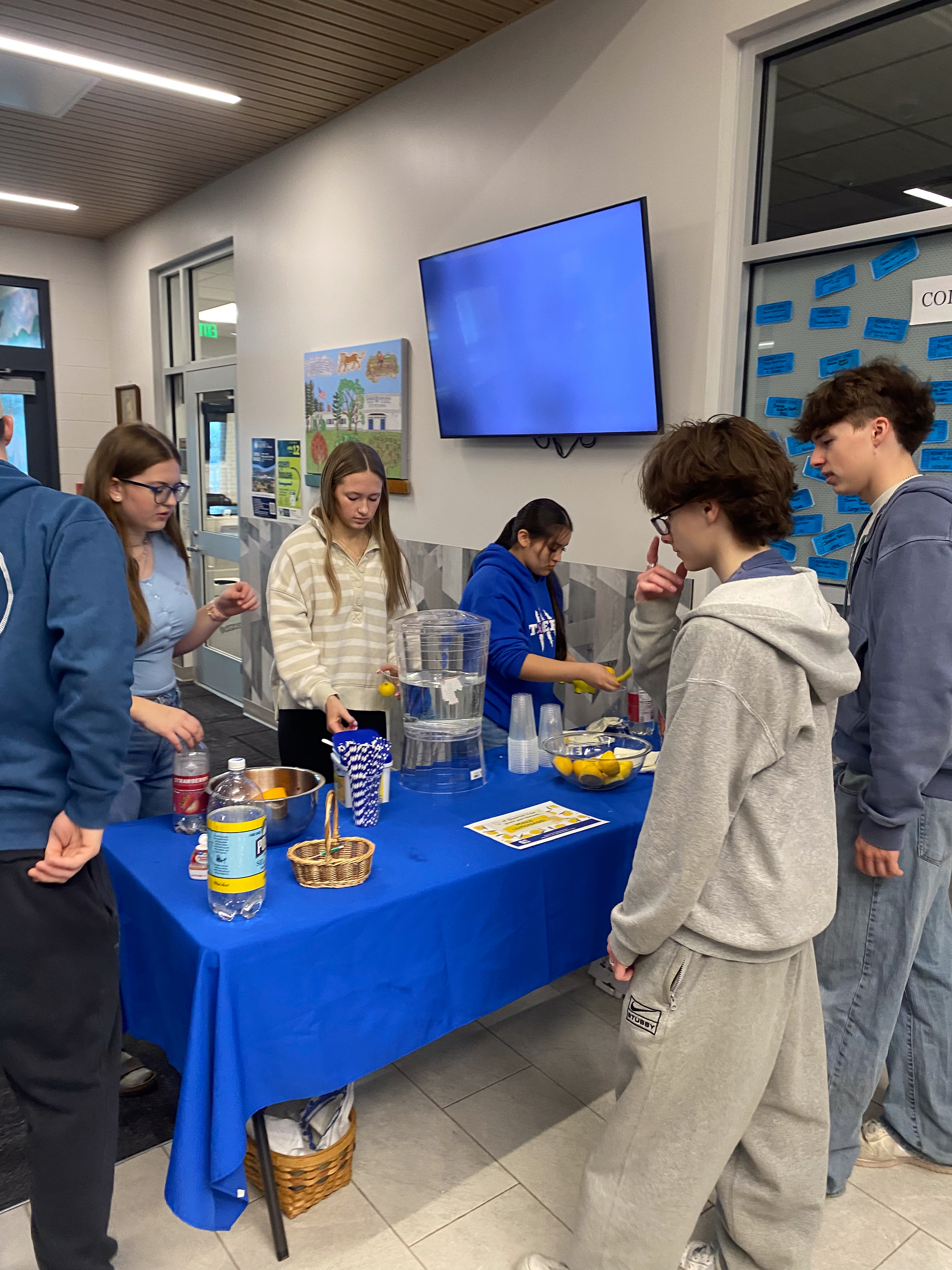
GO BLUE Fridays have become a favorite tradition at Sumner, as students wear school colors and participate in community-building activities. Each month, students also help organize and lead GO BLUE assemblies to recognize peers and staff who exemplify the school’s values. These celebrations have transformed the tone of daily life at Sumner, boosting morale and creating a stronger sense of community.
Teachers say that they have noticed this shift.
“The students have taken huge ownership in our school culture and the direction in which we are headed,” English teacher and PBIS team member Rachel Ptashinsky said. “In my 11 years of experience in education, this is by far the best school culture and morale I have ever felt.”
That ownership is evident in how students lift up one another and their teachers. During each GO BLUE assembly, students take the time to honor staff who have had a meaningful impact.
“The best part is giving students opportunities to celebrate the adults in our building. Watching them cheer for the adults they chose to recognize—and articulate why—is powerful. You can’t help but love the kids even more,” math teacher Marielle Edgecomb shared.
The recognition is deeply meaningful to students, too.
“It shows that you care about your school, and you want to try your best, excel, and be safe,” ninth-grade student Ava said. “I feel proud of winning. Now, I feel like I’m an even bigger part of the Sumner family community.”
“The GO BLUE assemblies definitely bring our school closer,” 10th-grade student Daniela added. “When students are involved, it gives us our own voice. It brings us together and makes us more comfortable with the school.”
Support has even extended beyond the school walls. Local businesses quickly stepped up to sponsor GO BLUE T-shirts. Every shirt was funded within 12 minutes of the request being shared. The school has also strengthened its outreach through newsletters and social media, helping families to stay connected to the growing culture of positivity.
The results speak for themselves. Data shows that student engagement at Sumner has increased, and staff morale has reached new heights.
“When I walk in, I can feel the shift,” RSU 24 Director of Curriculum Shelly Schildroth said. “The most important part of the work that the Sumner PBIS team has put into place is authentically incorporating student voices.”
With momentum on their side, the PBIS team plans to expand staff training, deepen family engagement, and ensure that all students—including new students—feel included from day one. Career education teacher and PBIS coach Whytne Crabtree encourages other high schools to take note: “Don’t write it off as something that only works for younger students,” Crabtree said of PBIS. “PBIS works in high school when it’s intentional, student-led, and part of the culture—not just a box to check.”
At Sumner, PBIS has become more than a strategy; it’s a movement powered by students, embraced by staff, and supported by the community. Together, they’re building a strong and lasting school culture.
PBIS is a nationally recognized, evidence-based framework designed to create positive school climates by teaching and reinforcing clear behavioral expectations. It helps schools to improve student behavior, promote academic success, and build supportive environments where all students feel safe, respected, and empowered to thrive. To learn more about PBIS in Maine, visit the Maine DOE website.
This article was developed in collaboration with Sumner Memorial High School and the Maine PBIS program, a partnership between the Maine DOE Office of Special Services and Inclusive Education and the University of Maine System. This article is part of a series highlighting the successes of Maine schools that are in the process of implementing, or that have implemented, PBIS in their schools. To submit a good news story to the Maine DOE, please fill out the good news submission form.
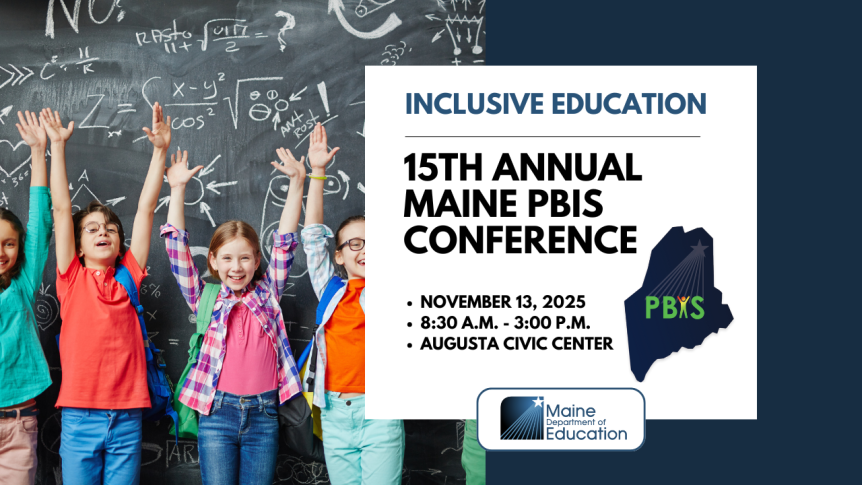
The Maine Department of Education (DOE) Office of Special Services and Inclusive Education, in collaboration with the University of Maine System, is hosting the 15th Annual Positive Behavioral Interventions and Supports (PBIS) Conference on Thursday, November 13, 2025, at the Augusta Civic Center.
This year’s keynote speaker will be Dr. Steve Goodman, PhD, a research specialist at the University of Connecticut. He is a partner with the Center on PBIS and is a co-investigator with the Integrated Multi-Tiered Systems of Support (MTSS) Research Network.
Goodman’s presentation, “Better Together: Integrating Academics and Behavior Support in MTSS,” will focus on an integrated approach to MTSS, which can improve efficiency and effectiveness when implemented with fidelity. This presentation will highlight critical features of an integrated model along with implementation examples.
Join us at the 15th Annual Maine PBIS Conference to gain tools to create a more positive climate in your school, increase student engagement and achievement, support staff involvement and teacher retention, and strengthen connections to families and community resources.
Please be on the lookout for further information about this conference in the Maine DOE Newsroom (subscribe here). For questions, please contact Tracy Whitlock, Maine DOE Special Projects and Educator Supports Coordinator, at Tracy.W.Whitlock@maine.gov.
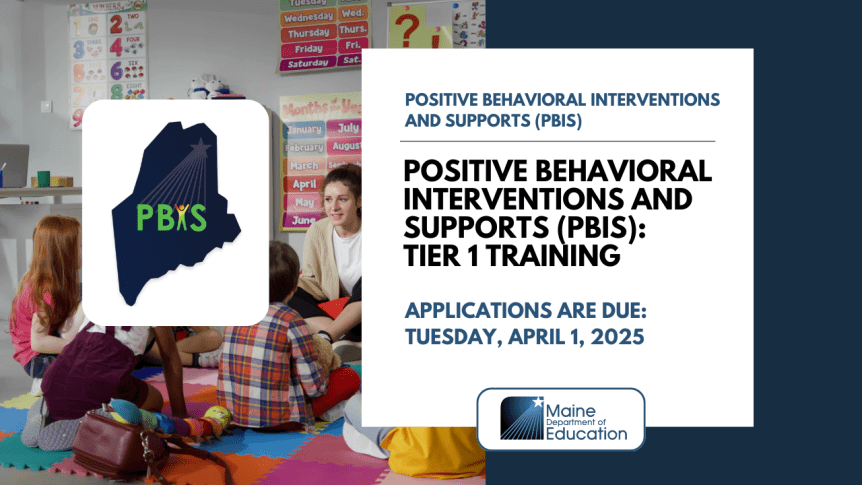
Maine Positive Behavioral Interventions and Supports (PBIS) is a partnership between the Maine Department of Education (DOE) and the University of Maine System. Maine PBIS offers a three-year intensive training and coaching model to support districts and schools in implementing Tier 1 PBIS with fidelity. Maine PBIS is accepting applications for a new PBIS Cohort Training. Applications are due by Tuesday, April 1, 2025.
PBIS is “an evidence-based, tiered framework for supporting students’ behavioral, academic, social, emotional, and mental health that creates safe, positive, equitable schools, where every student can feel valued, connected to the school community, and supported by caring adults.” (Center on PBIS, 2025).
What is PBIS Cohort Training?
Cohort Training: Involves a group of schools or districts working together through a structured training and coaching process.
Focus: To implement PBIS effectively and sustainably, highlighting:
Data-driven decision-making, using data to monitor implementation and guide interventions.
Systems and practices, establishing clear expectations, consistent procedures, and effective interventions.
Training and coaching, providing ongoing support and professional development to school staff.
Fidelity, ensuring that PBIS is implemented as intended.
Benefits:
Key Features of PBIS Cohort Training
Multi-year approach: Often spans several years to allow for sustained implementation and support.
Team-based: School teams participate in the training and coaching process.
Tiered approach: PBIS is a tiered framework, with Tier 1 being universal supports for all students; Tier 2 being for students at risk; and Tier 3 being for students with intensive needs.
Data-driven: PBIS relies on data to monitor implementation and make decisions.
Focus on prevention: PBIS emphasizes preventing problems before they occur.
Emphasis on positive behaviors: PBIS focuses on teaching and reinforcing positive behaviors.
Collaboration: PBIS training often involves collaboration among schools, districts, and regional or state-level organizations.
You can learn more about Maine PBIS and the training model by exploring the following resources:
Join the Maine Department of Education (DOE) for the state’s first Inclusive Education Conference on Thursday, April 10, 2025, at the Augusta Civic Center. The conference theme is “Reimagining Education: Empowering All Learners, Embracing All Abilities.” It will provide school communities (educators, administrators, families, and students) with the tools necessary to empower every student, particularly those with disabilities, by embracing diverse abilities and ensuring that all students have the support they need to build inclusive, meaningful futures.
The Maine DOE Office of Special Services and Inclusive Education and the University of Maine at Farmington are hosting this conference. The keynote speaker will be Katie Novak, an internationally renowned education consultant, author, graduate instructor at the University of Pennsylvania, and a former Assistant Superintendent of Schools in Massachusetts. Dr. Novak’s keynote address will focus on an introduction to inclusive education practices and structures in schools. She will also hold three sessions on Universal Design for Learning (UDL).
The conference will feature students, families, educators, administrators, university faculty, and Maine DOE staff from across the state, as well, who will share their expertise and experiences with inclusion in schools and communities.
Please gather a team of your school colleagues and meet us in Augusta this spring! The cost of the daylong conference (8:30 a.m.-4 p.m.) is $175 and includes lunch, as well as a wealth of information and resources.
Register here. (Please note that technical issues with the event registration website have been resolved.)
Is your school administrative unit (SAU) and/or school interested in implementing Positive Behavior Interventions and Supports (PBIS)? If so, consider joining a Tier 1 PBIS Listen and Learn information session on Tuesday, January 28 at 1 p.m. via Zoom.
PBIS is “an evidence-based, tiered framework for supporting students’ behavioral, academic, social, emotional, and mental health that creates safe, positive, equitable schools, where every student can feel valued, connected to the school community, and supported by caring adults.” (Center on PBIS, 2022).
Maine PBIS offers a three-year intensive training and coaching model to support SAUs and schools in implementing Tier 1 PBIS with fidelity. Currently, more than 70 schools are in Maine PBIS cohorts.
Join the Maine Department of Education (DOE) Office of Special Services and Inclusive Education for the 14th Annual Maine PBIS Conference!
Thursday, November 7, 2024
8:30 AM – 4:00 PM
Augusta Civic Center
The conference is a chance for Maine Positive Behavior Interventions and Supports (PBIS) leaders and implementers across Maine and beyond to come together to celebrate, learn, and network.
Dr. Ruthie Payno-Simmons
This year’s keynote speaker is Dr. Ruthie Payno-Simmons, the founder of RPS Educational Impact and serves as the Associate Director at the Midwest and Plains Equity Assistance Center (MAP Center). She leads the coordination, design, and delivery of universal, targeted, and systemic equity-focused professional learning experiences and technical assistance to state and local agencies throughout the MAP Center’s 13-state region. Her keynote address is on, “Enhancing Positive and Supportive School Climate Through Storytelling and Rightful Presence.”
Conference Fees:
General (individual)- $195
Group (groups of 3 or more attendees)- $165
Student (full-time undergraduate or graduate student enrolled in 6 credits per semester for at minimum two semesters per year)- $85
Lead Presenter (those accepted to present; only lead presenters are at no charge; co-presenters will be charged the individual rate)- $0
Visit the PBIS Conference website for more information about the conference, to submit a proposal, sign up for a school showcase, and/or register to attend.
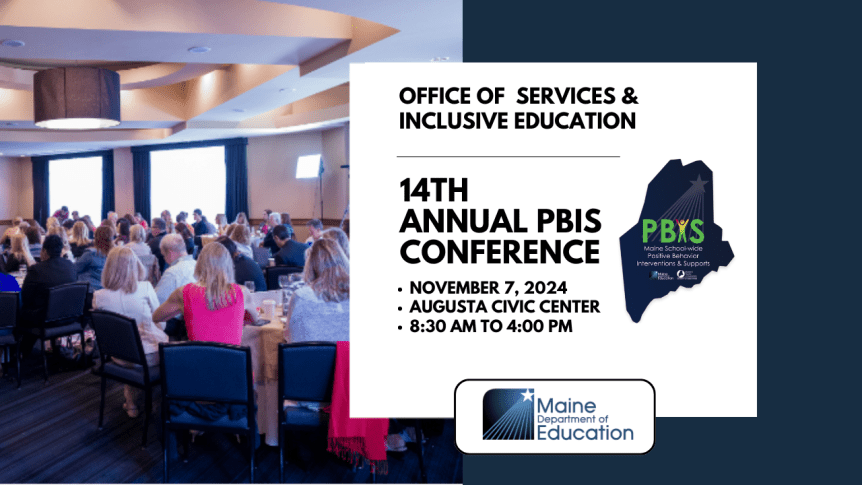
Join the Maine Department of Education (DOE) Office of Special Services and Inclusive Education for the 14th Annual Maine PBIS Conference at the Augusta Civic Center on Thursday, November 7, 2024 from 8:30 AM – 4:00 PM. The conference is a chance for Maine Positive Behavior Interventions and Supports (PBIS) leaders and implementers from across Maine and beyond to come together to celebrate, learn, and network together.
This year’s keynote speaker is Dr. Ruthie Payno-Simmons, the founder of RPS Educational Impact and serves as the Associate Director at the Midwest and Plains Equity Assistance Center (MAP Center). She leads the coordination, design, and delivery of universal, targeted, and systemic equity-focused professional learning experiences and technical assistance to state and local agencies throughout the MAP Center’s 13-state region. Her keynote address is on, “Enhancing Positive and Supportive School Climate Through Storytelling and Rightful Presence.”
Conference Fees:
General (individual)- $195
Group (groups of 3 or more attendees)- $165
Student (full-time undergraduate or graduate student enrolled in 6 credits per semester for at minimum two semesters per year)- $85
Lead Presenter (those accepted to present; only lead presenters are at no charge; co-presenters will be charged the individual rate)- $0
For more information about the conference, to submit a proposal, sign up for a school showcase, and/or to register to attend the conference, visit the PBIS Conference Website.