
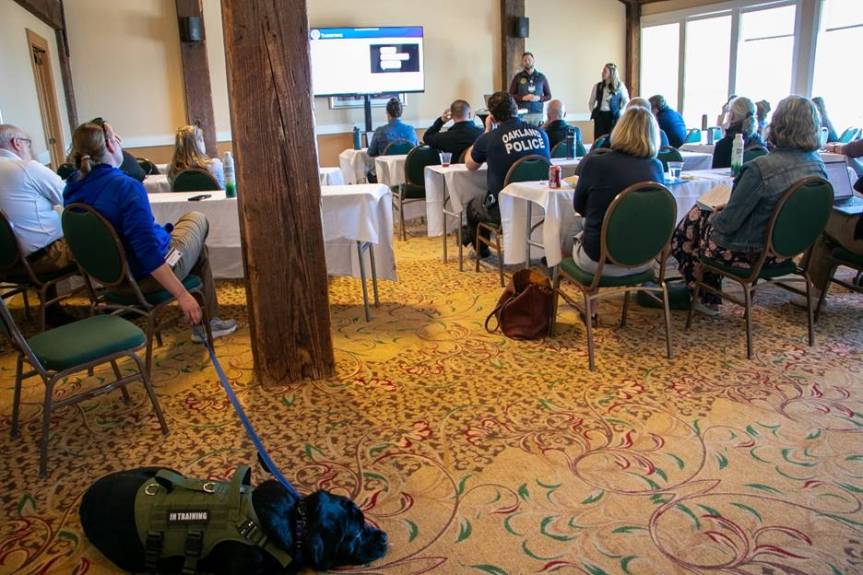
From March 9-11, 2026, school safety and transportation professionals from across Maine gathered at the Samoset Resort in Rockport for the annual Maine School Safety and Transportation Conference, hosted by the Maine Department of Education’s (DOE) Maine School Safety Center (MSSC).
The three-day event brought together school administrators, transportation directors, school resource officers, and law enforcement partners to strengthen coordination, improve emergency preparedness, and enhance school safety practices statewide.
The conference began on the evening of March 9 with a welcome reception and dinner, followed by two days of training sessions, keynote presentations, and collaborative discussions focused on keeping Maine’s students and school communities safe.
The first full day of the conference opened with keynote speaker John-Michael Keyes of the “I Love U Guys” Foundation. Keyes and his wife, Ellen, founded the organization in 2006 following a school shooting at Platte Canyon High School in Colorado that took the life of their daughter. The foundation is dedicated to advancing school safety, preparedness, and family reunification protocols, and its work is led and supported by survivors, family members, first responders, and community members.
During his opening keynote, Keyes shared a powerful presentation reflecting on the events at Platte Canyon High School. The session explored the interactions between hostage negotiator Stacy Avila and a 16-year-old student held hostage during the incident. Through the perspectives of both a negotiator and a victim’s father, the presentation offered an emotional and compelling look at the lasting impacts of crisis events and the importance of preparation, communication, and coordinated response.
On the second day of the conference, Keyes returned to present on the Standard Reunification Method (SRM), a widely used framework designed to help schools safely reunite students with their families following an emergency.
In addition to listening to keynote sessions, attendees participated in a wide variety of concurrent sessions designed to address emerging safety challenges and best practices in school and transportation safety.
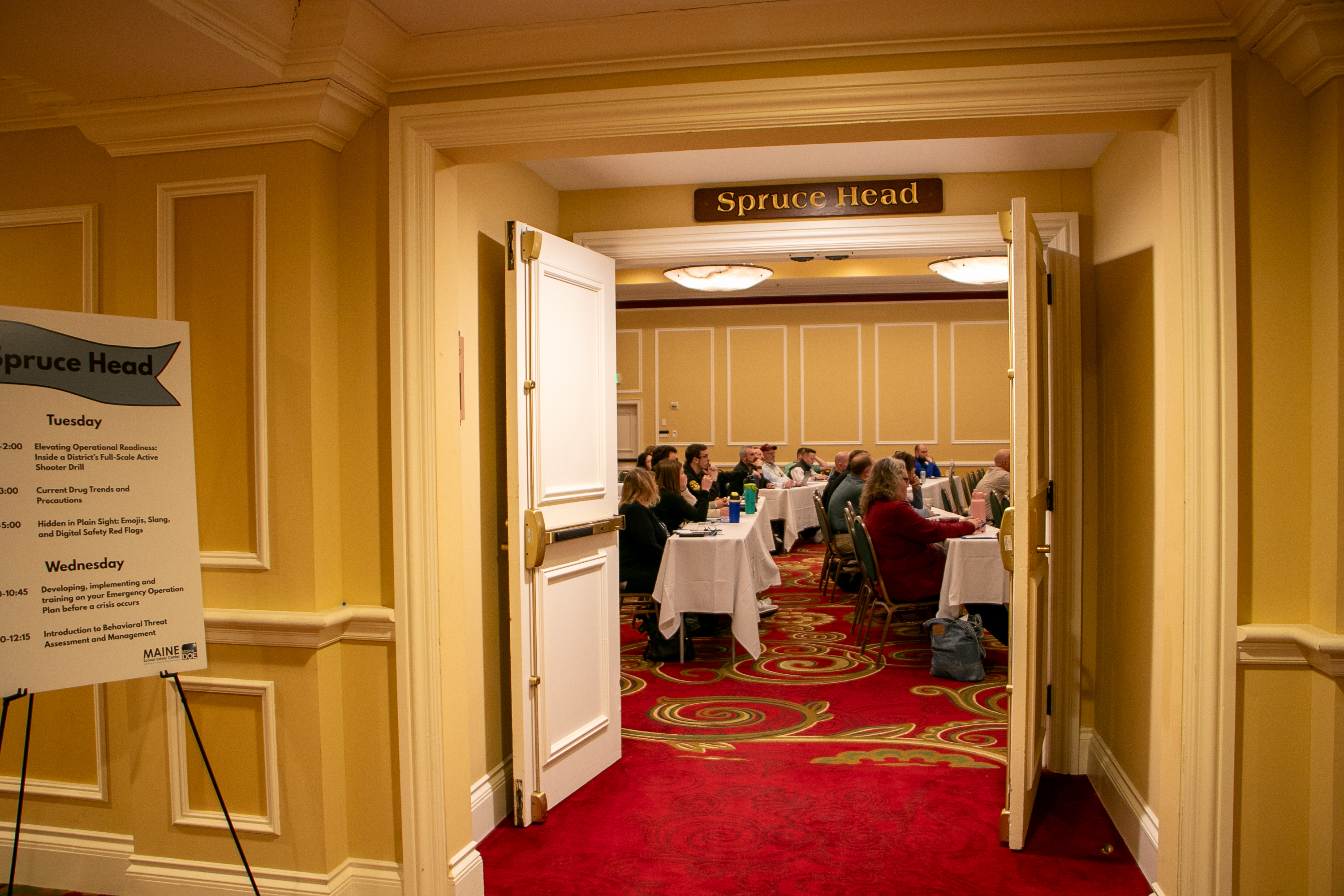
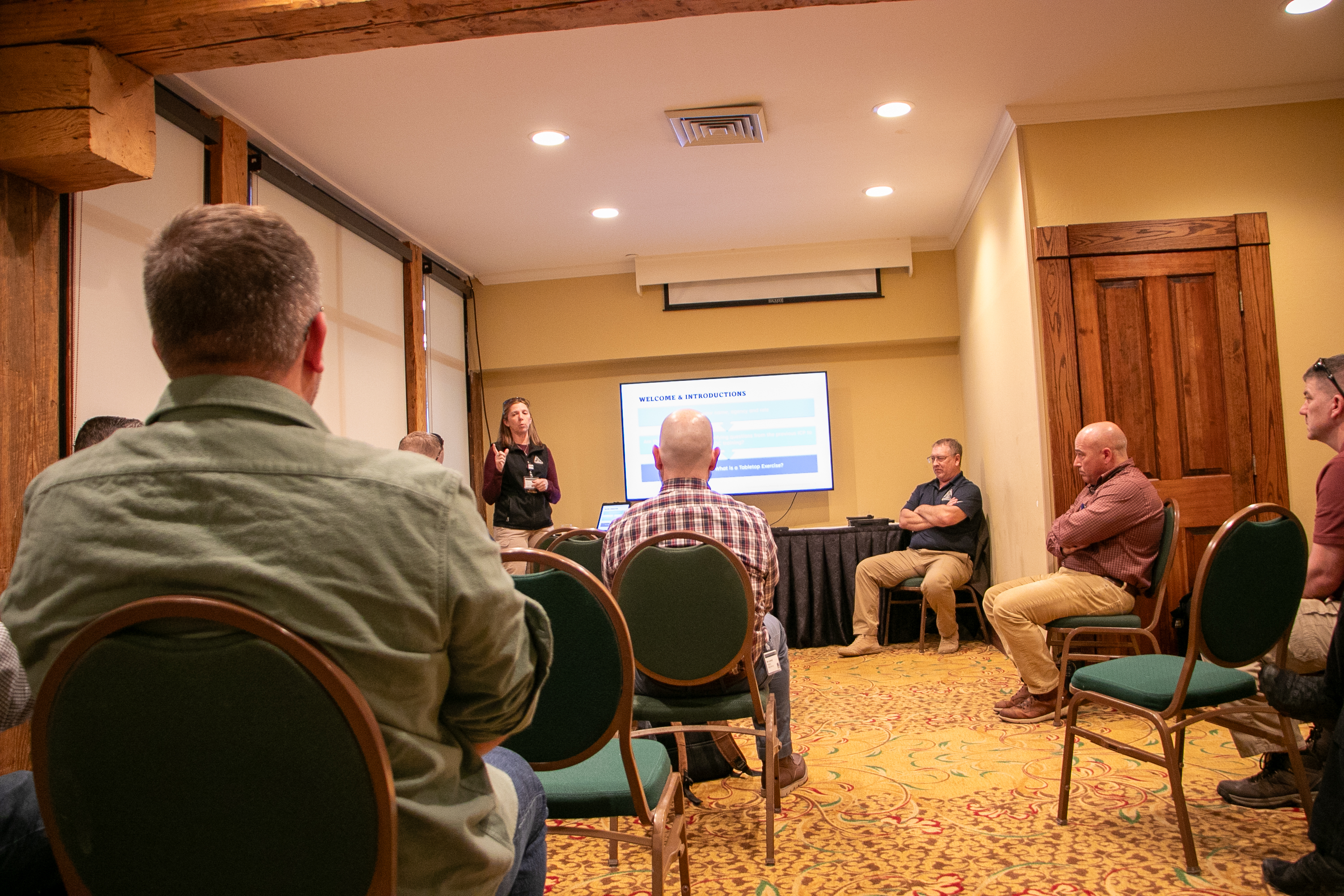
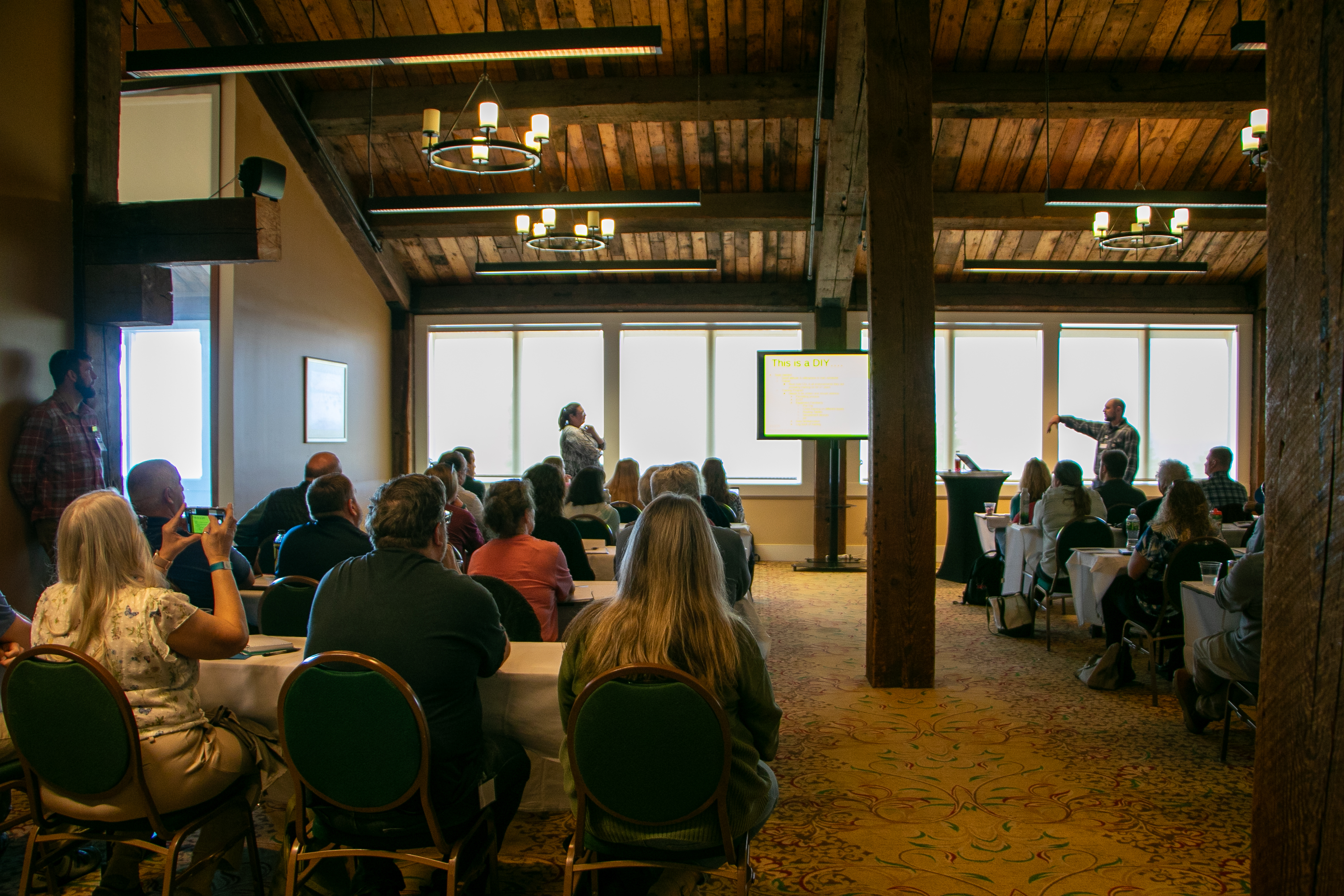
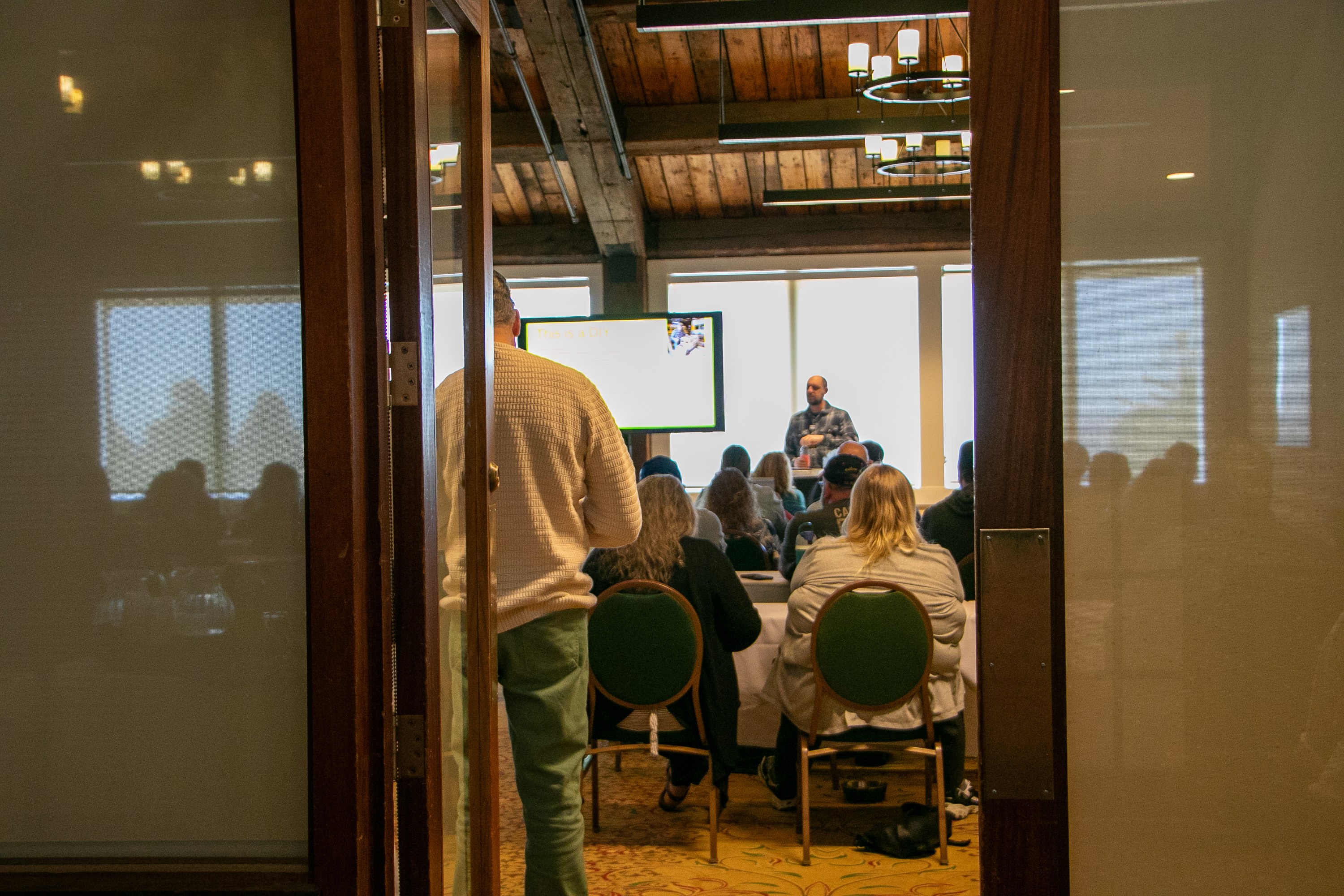
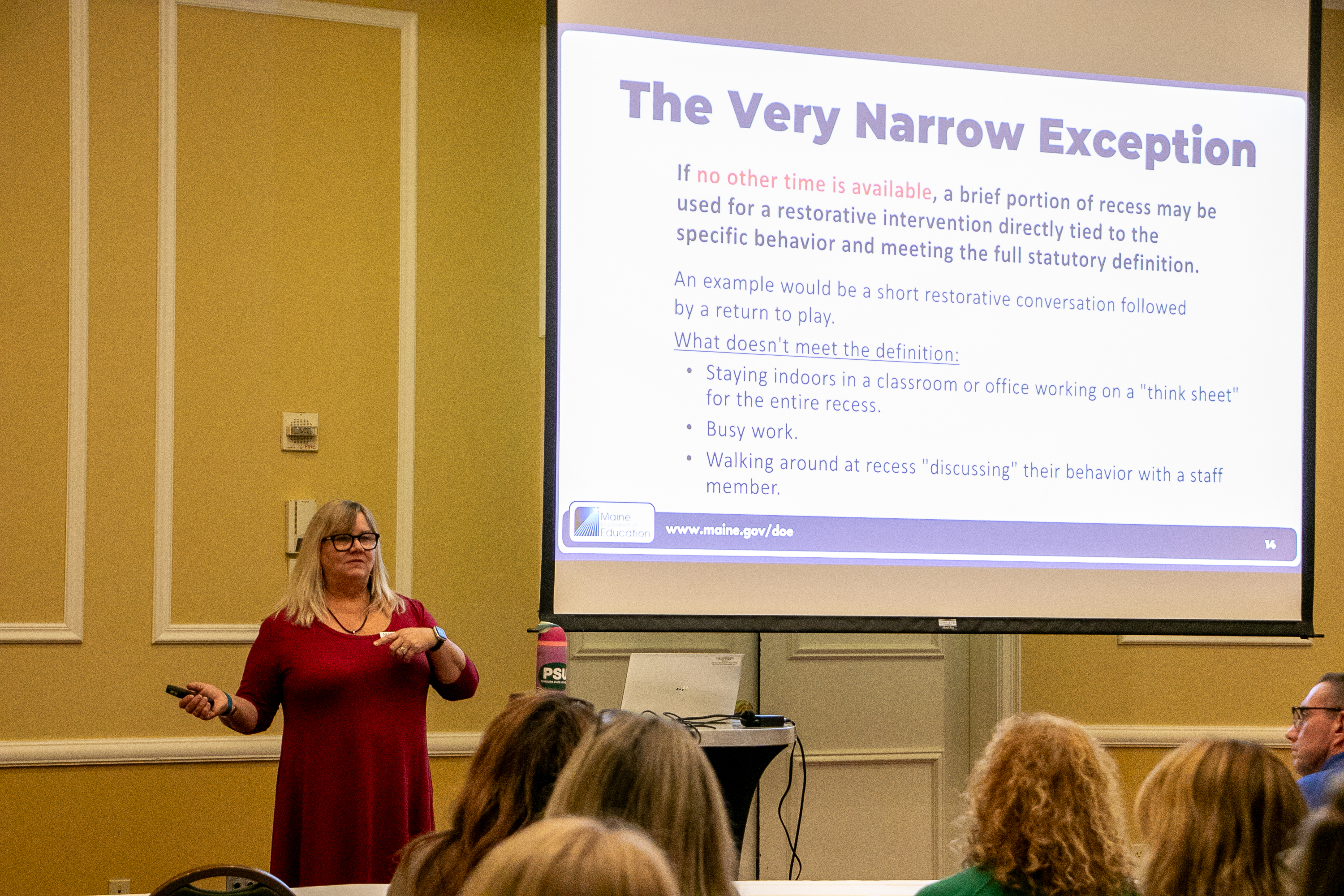

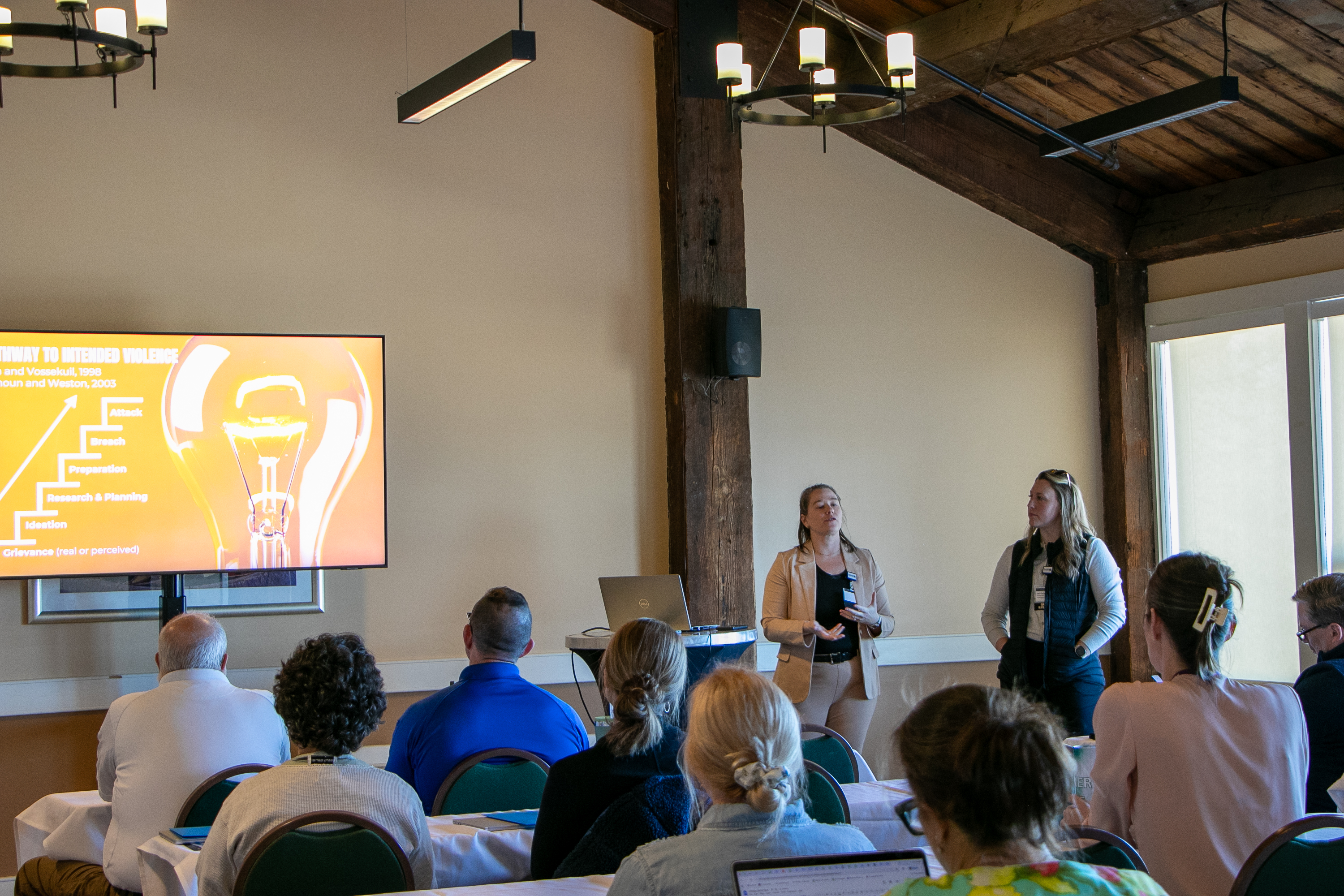
Topics included:
- Child harness systems and seatbelt recommendations for school buses.
- Anti-pinch technology and other transportation safety innovations.
- Managing incident response through Incident Command (IC) and Emergency Operations Center (EOC) coordination.
- Responding to and investigating bomb threats and swatting hoaxes.
- Current drug trends and safety precautions.
- Online juvenile exploitation and digital safety risks.
- Behavioral threat assessment and targeted violence prevention.
- Psychological first aid and verbal de-escalation techniques.
- Restorative practices and cross-departmental approaches to addressing student behavior.
- National Weather Service resources for school safety.
- School safety in the digital age.
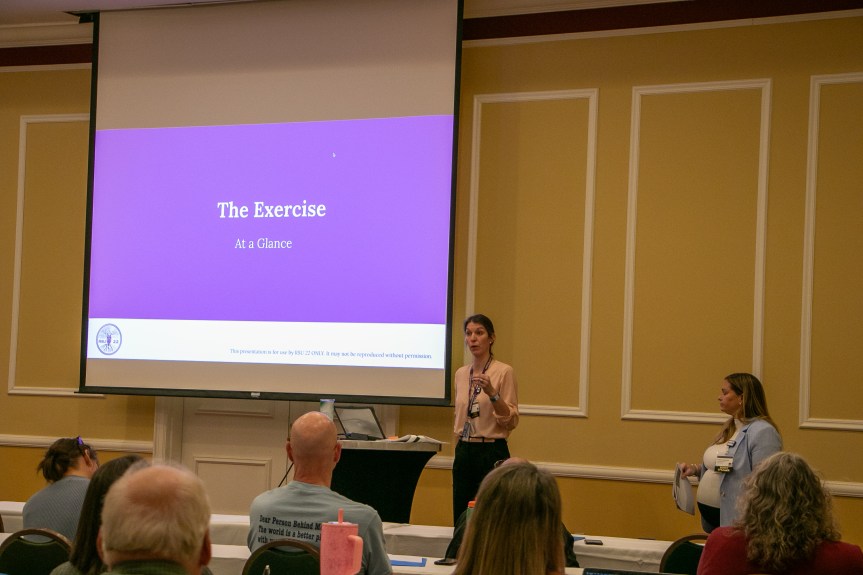
Officer Katherine Dyment, school resource officer (SRO) at Hampden Academy, and Mrs. Brittany Russell, Director of Health, Wellness, and Safety at RSU 22 in Hampden, presented at a session, sharing insights from a full-scale active shooter drill in their district. They conducted one of the largest pre-K–12 full-scale active shooter and reunification exercises in the state’s history, involving local, county, and federal partners, as well as more than 40 educators. Their session highlighted lessons learned and strategies to improve operational readiness.
Transportation directors had additional opportunities to collaborate through roundtable discussions and training sessions held during the conference. These sessions focused on training needs, operational challenges, and strategies to strengthen bus safety across Maine.
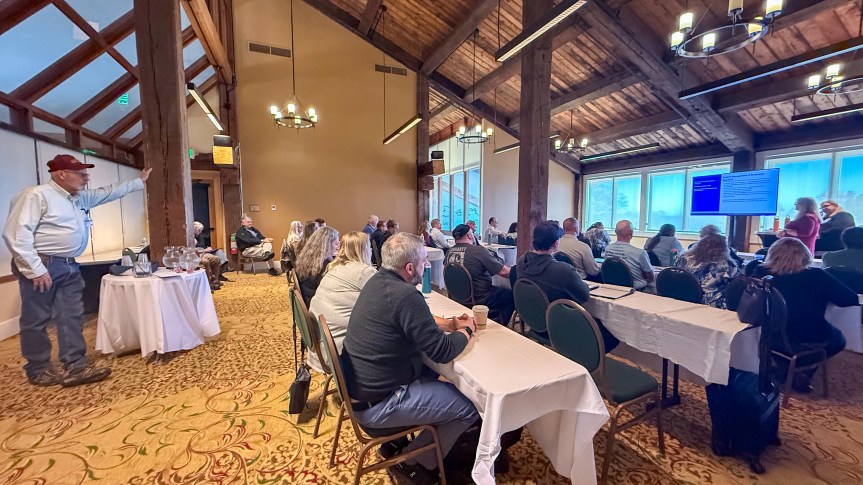
Maine School Safety Center team members Dr. Stacey Gulley-Vernon, Restorative Practices Coordinator, and Cheryl Brackett, Transportation Coordinator, led a session titled “Safety, Driving, and Student Management – Which Comes First?” for a room packed with transportation directors.
School transportation professionals also explored enhanced safety practices and tools to protect students on and around school buses, as well as regulatory guidance from the Maine DOE and the Bureau of Motor Vehicles (BMV) focused on paperwork, records, and compliance.
Throughout the conference, participants emphasized the importance of collaboration between schools, transportation departments, emergency responders, and community partners. The event provided a space for professionals from across the state to share experiences, learn from one another, and build stronger networks dedicated to protecting students and school staff.
By combining practical training, expert guidance, and opportunities for collaboration, the 2026 Maine School Safety and Transportation Conference reinforced the Maine School Safety Center’s ongoing commitment to proactive planning, coordinated response, and safe learning environments for all students.
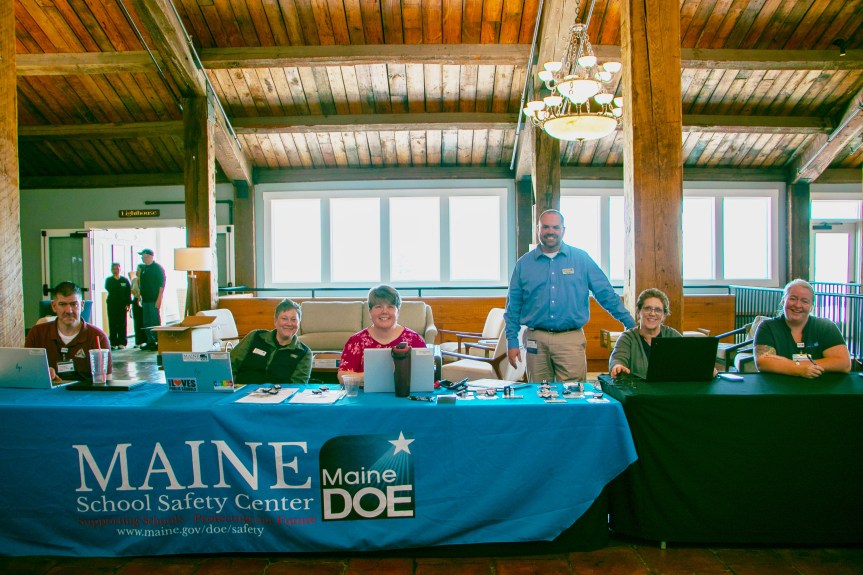
For more information and additional resources on school safety and transportation, please visit the Maine School Safety Center webpage or contact the Maine School Safety Center.
 Maine DOE Newsroom