
At T.W. Kelly Dirigo Middle School in Dixfield, relationships have always been a strength. As part of a small, rural school serving about 170 students in grades 6-8 from Canton, Carthage, Dixfield, and Peru, staff have long prided themselves on knowing their students well. As student needs have become increasingly complex in recent years, however, school leaders have recognized the need for a more intentional and structured approach to ensure that every student feels supported and that no one falls through the cracks.
The effort to address that challenge led Dirigo Middle School to Building Assets, Reducing Risks (BARR), a research-backed approach focused on strengthening relationships, improving academic outcomes, and reducing high-risk student behaviors. The Maine Department of Education (DOE) began funding BARR implementation for all interested public schools in 2023, investing $18 million in federal funds to support schools recovering from the pandemic’s impacts on academics, student well-being, student engagement, and school climate. During the 2023-2024 school year, 71 schools across Maine launched their first year of BARR implementation (which follows a three-year schedule), with an additional 30 schools signing up in 2024 and an additional seven schools signing up in 2025.
Dirigo Middle School opted to receive BARR services in May 2024 during the Maine DOE’s second round of funding for BARR and began training staff that summer in advance of the 2024-2025 school year. The school is currently in its second year of BARR implementation, and staff say the results have been transformative—particularly for school culture.
“BARR provided a formal structure to ensure that the conversations we’ve always valued are happening consistently and intentionally,” Jason Long, principal of Dirigo Middle School and Curriculum Coordinator for RSU 56, said. “In a small, rural school, we sometimes assume that because we know everyone, we’re meeting every need. BARR helps us make sure that’s actually true.”
BARR is built around four core components: cohort-based scheduling, regular structured team meetings, data-informed conversations, and coordinated interventions. Together, these elements create a system where educators share responsibility for all students and respond early when challenges arise.
For Dirigo Middle School, BARR has reinforced the school’s inclusive values.
“Inclusion only works when everybody is concerned with every student,” Long explained. “BARR breaks down silos. There’s no, ‘This is a special education issue,’ or ‘This is someone else’s problem.’ All 173 of our students belong to all of us.”
Regular “Block” meetings through BARR bring together teachers, special educators, ed techs, administrators, and support staff to review students’ attendance, grades, engagement, strengths, and challenges. At Dirigo Middle School, every adult who has contact with students attends the “Small Block” and “Big Block” meetings, which happen weekly before students arrive during the school’s Wednesday late-arrival schedule. These meetings are intentionally structured, time-limited, and strengths-based, allowing teams to collaborate efficiently and focus on solutions.
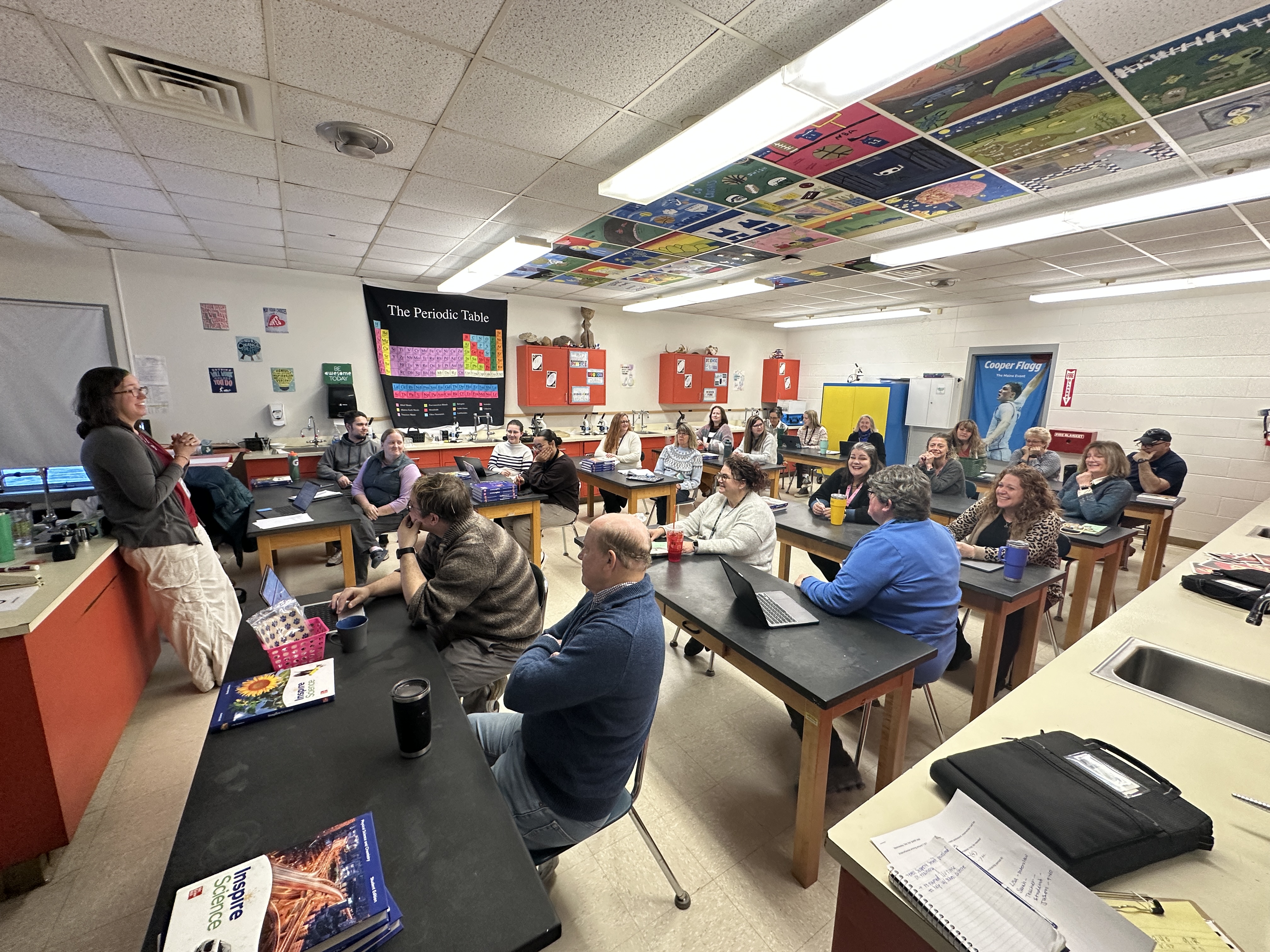
Sarah Bragdon, Dirigo Middle School’s BARR coordinator, facilitates a room full of staff members during a Block meeting at Dirigo Middle School.
Dirigo Middle School’s Block meetings are well-organized and fast-paced, with specific roles assigned to ensure productivity and time well spent. A facilitator leads the conversation by coming prepared with student data and goals for the meeting. A timekeeper keeps track of the clock as each student is discussed. A task-tracker sends an email reminder to each person who has committed to taking on a specific task raised during the meeting.
Typically, Big Block meetings serve as a follow-up to Small Block meetings and include building administrators and counseling staff for students who require additional support. For the most complex issues, staff bring in specialists, community partners, and family members from outside of the school for “Community Connect” meetings.
Sarah Bragdon, Dirigo Middle School’s BARR coordinator and a science teacher, facilitates the Block meetings and much of the school’s BARR implementation. She said she sees the impact daily.
“Our Block meetings have changed how we work,” Bragdon said. “They initiate collaboration and help us brainstorm strategies we wouldn’t come up with on our own. What doesn’t work for me might work for another teacher—and suddenly, we have a new way to support a student.”
Beyond structured meetings, BARR has reshaped how Dirigo Middle School builds community on a daily basis. Schoolwide incentives, intentional check-ins, and regular community-building activities help students feel connected, supported, and motivated. Importantly, these supports are universally designed for all students—not just those who are struggling.
In classrooms, students participate weekly in Community Builders (also known as “I-Time”), a dedicated period for intentional relationship-building and connection among students and teachers. These activities are one of the most visible ways that BARR comes to life in students’ everyday experiences. Led by classroom teachers and adapted for different age groups, Community Builders sessions vary in format and focus.
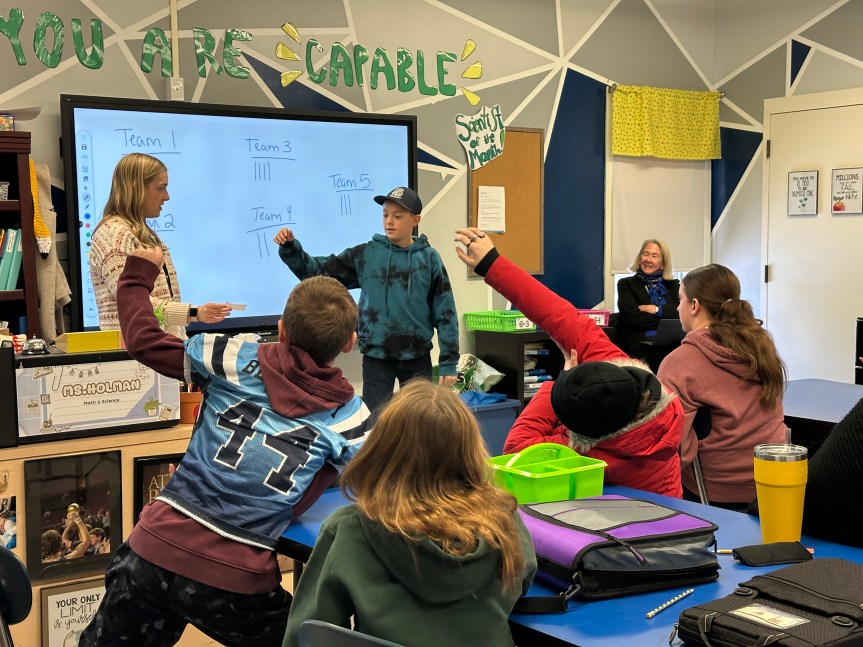
For example, 7th- and 8th-grade students might explore how relationships are shaped through technology compared to in-person interactions, while 6th graders might build empathy and social awareness through a playful game of charades that challenges them to interpret expressions and real-life scenarios. Designed by BARR experts, these activities create an environment where students learn about themselves and one another, strengthening their social and communications skills and empathy and challenging them to think critically about real-world situations.
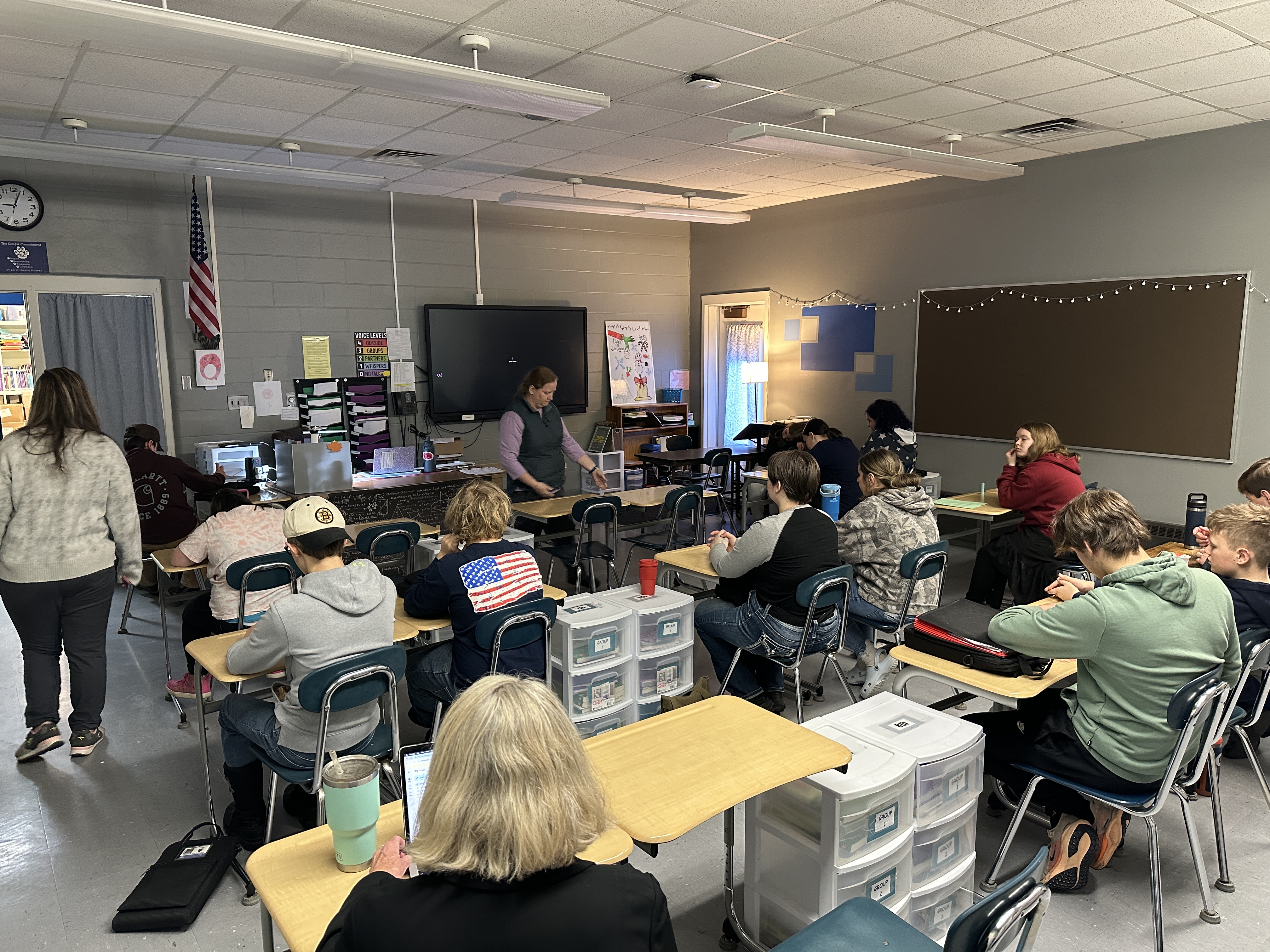
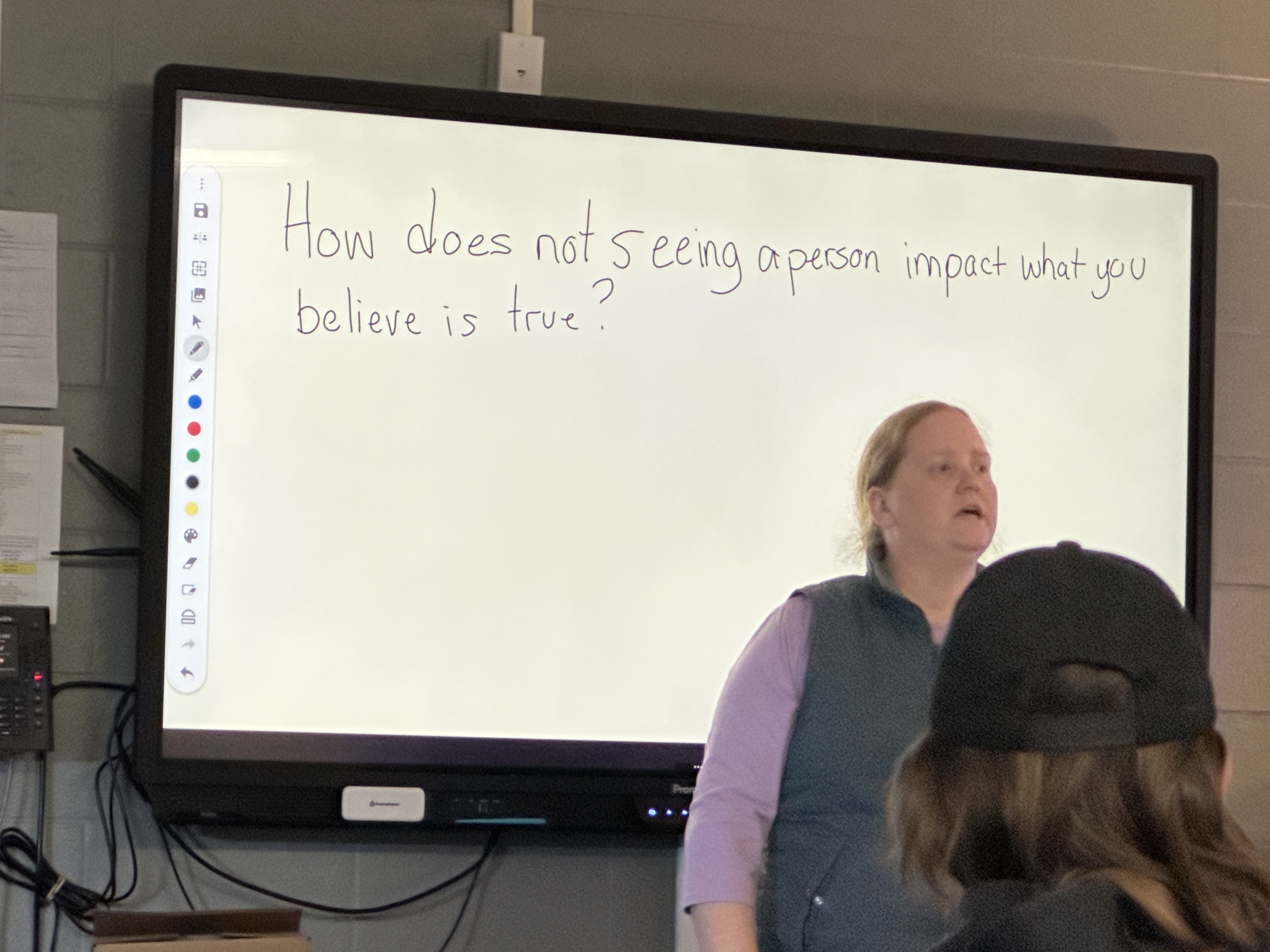
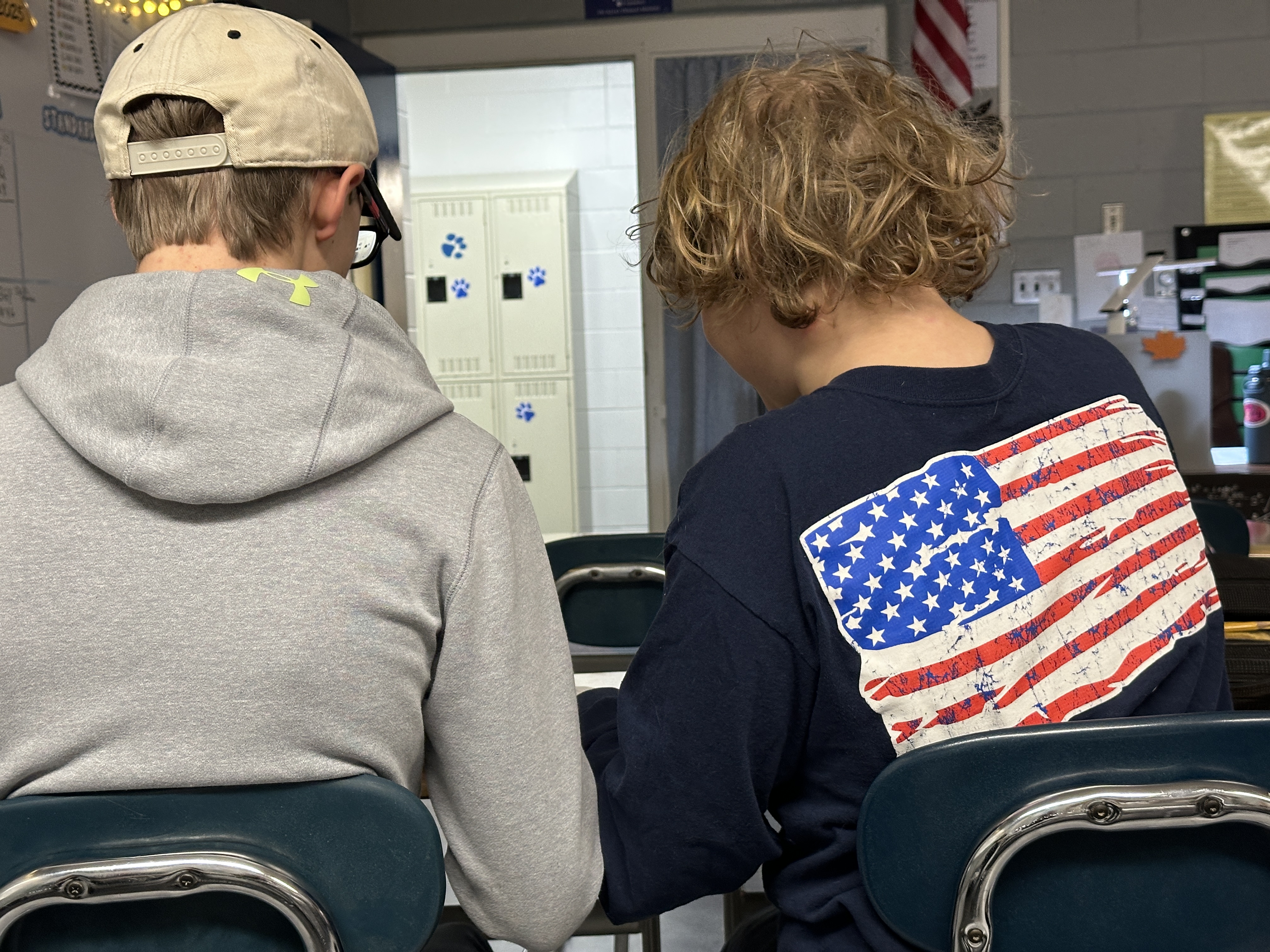
7th- and 8th-grade students participate in an activity to explore how relationships are shaped through technology during a Community Builder.
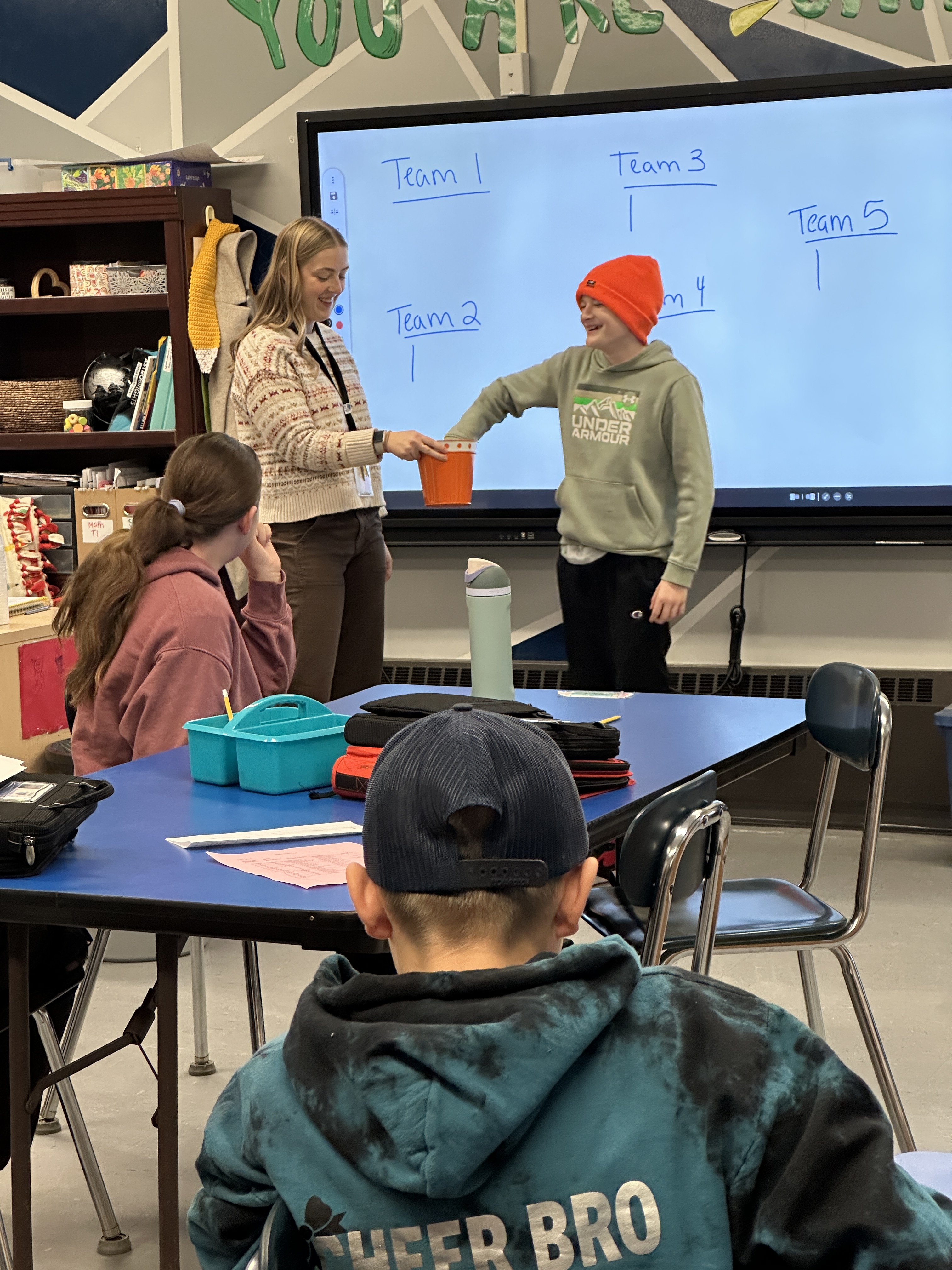
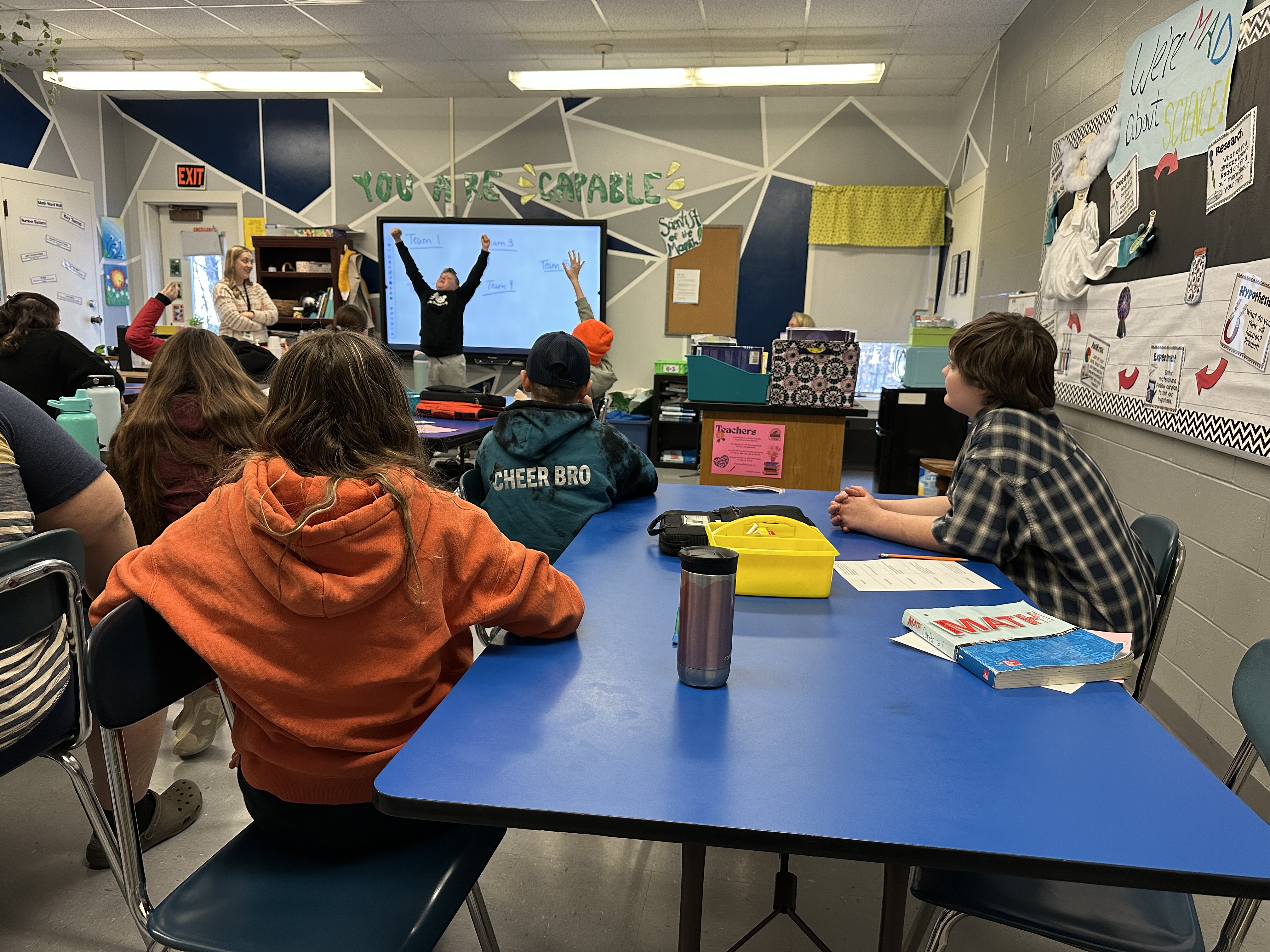
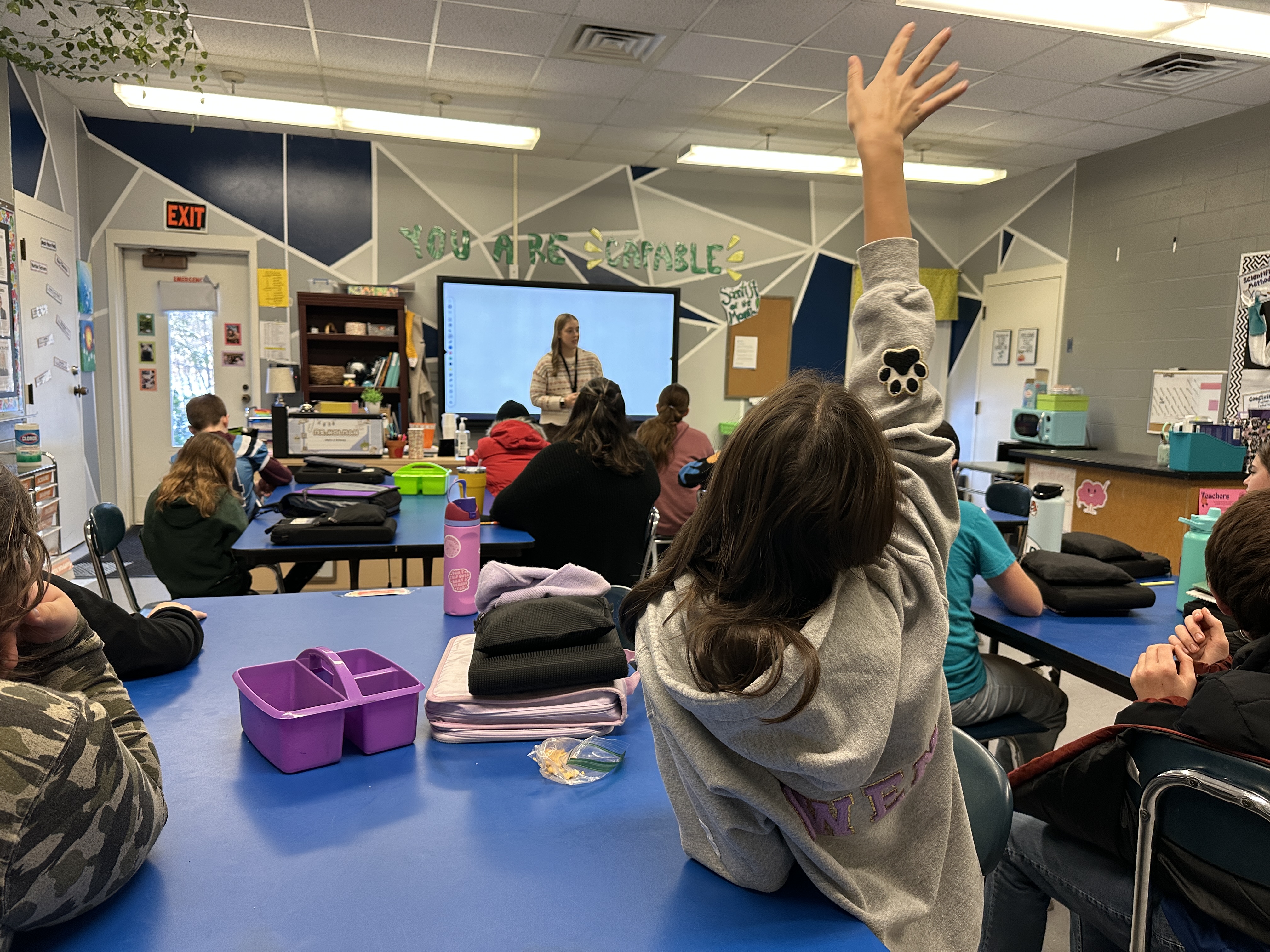
6th-grade students participate in a game of charades during a Community Builder.
“BARR makes sure every student is accounted for,” Long said. “It pushed us to rethink how we approach PBIS [Positive Behavioral Interventions and Supports] and recognition. Now our incentives and celebrations truly apply to everyone.”
Since implementing BARR, Dirigo Middle School has seen clear improvements. Attendance has increased, particularly among students who were previously chronically absent, with the school’s chronic absenteeism rate dropping below the state average. The number of students requiring summer school has also declined, despite the school’s increased academic expectations.
In addition to these academic successes, Long says behavioral outcomes have also improved. Prior to implementing BARR, the school experienced more than 1,400 office referrals during the school year due to classroom behavioral issues.
“All of my time was spent being reactive,” Long shared. “It was not efficient.”
After completing the first year of BARR, Long said Dirigo Middle School recorded fewer than 300 referrals for the entire year. He explained that the resulting culture shift—along with increased communication and more efficient systems designed to account for all students—has enabled the entire team to work together more effectively.
“We are a unified staff,” Bragdon added. “The students see it. The intentionality with every student—and with each other—has changed the energy in the building.”
That sense of unity is felt beyond classrooms. Staff community-building activities mirror those used with students, reinforcing the idea that everyone in the building is part of the same learning community.
For Lisa Sanborn, Dirigo Middle School’s administrative assistant of 21 years, BARR has strengthened communication and shared understanding across the school.
“It has given us a framework to really know our students better,” Sanborn said. “We’re a small school, but now everyone knows what’s going on with our kids. That’s a huge asset.”
For Long, BARR has also been a powerful leadership tool—particularly in a small, rural district where coaching opportunities are often limited.
“BARR gave us a tangible system,” Long said. “It helped me learn how to organize people and empower staff to work together more effectively. That kind of structure wasn’t something I learned in graduate school, but it has made all the difference.”
At Dirigo, BARR has not replaced the school’s close-knit culture; it has strengthened it. By providing structure, shared language, and intentional collaboration, BARR has helped the school build on its strengths while responding to growing student needs.
“We’ve always worked hard for kids,” Sanborn said. “BARR just adds to the greatness of what we already do.”
This story is part of a series highlighting positive outcomes from Maine schools implementing the Building Assets, Reducing Risks (BARR) model—a research-backed school improvement framework that strengthens relationships, uses real-time student data, and builds intentional systems to support academic achievement, engagement, and student well-being for all learners. BARR aligns with the Maine Department of Education’s (DOE) whole-student approach, which emphasizes that all students should be healthy, safe, engaged, supported, challenged, and prepared.
Through $18 million in federal emergency relief funds, 120 schools across 50 school districts in Mainehave implemented—or are in the process of implementing—BARR strategies. These efforts have strengthened educator collaboration, reduced student behavioral issues, and improved student attendance and academic outcomes.
To submit a good news story to the Maine DOE, please fill out the good news submission form.
 Maine DOE Newsroom