Stepping Forward: How Problem Solving Has Allowed RSU 29 to Succeed in the Transition of Early Childhood Special Education Services

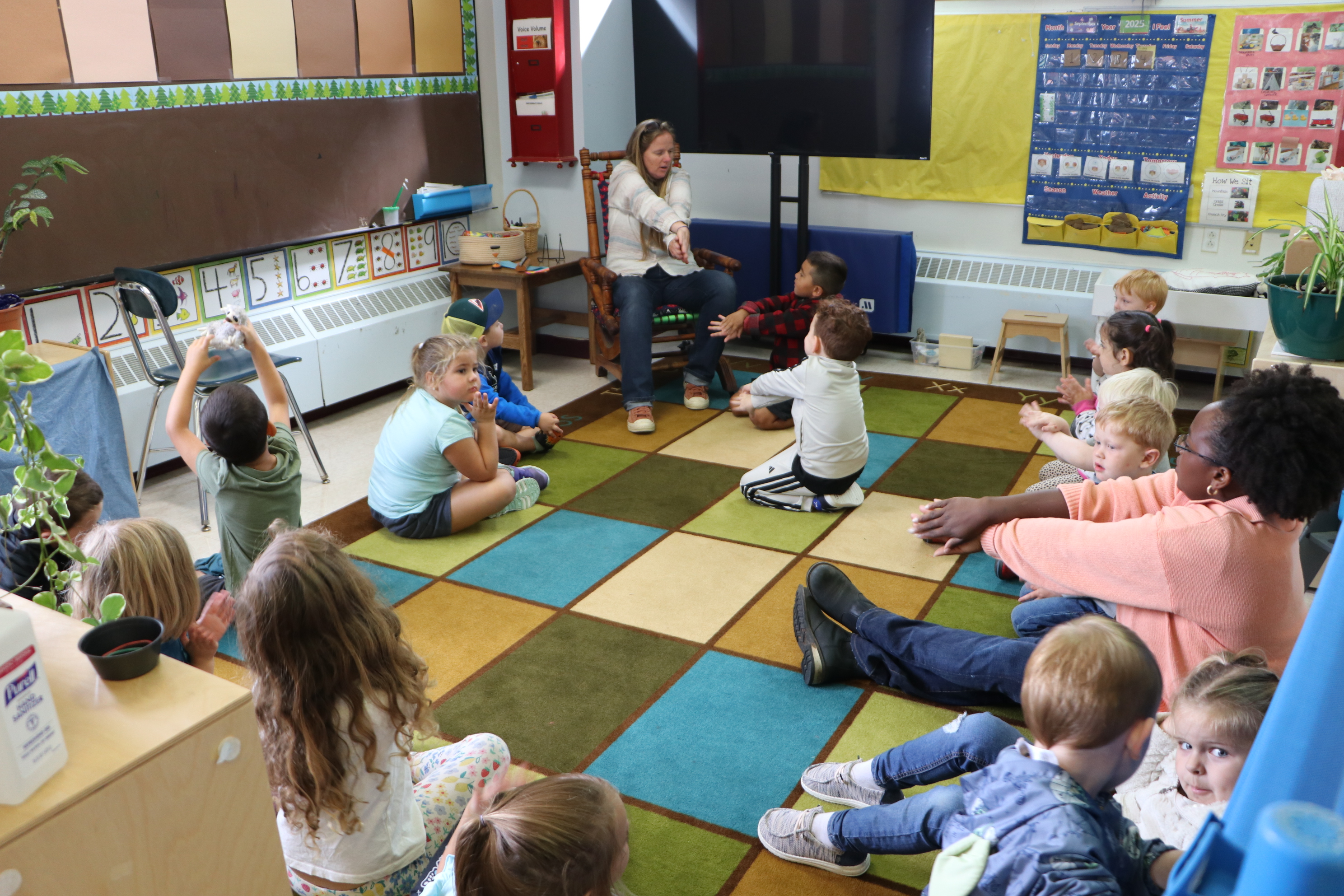
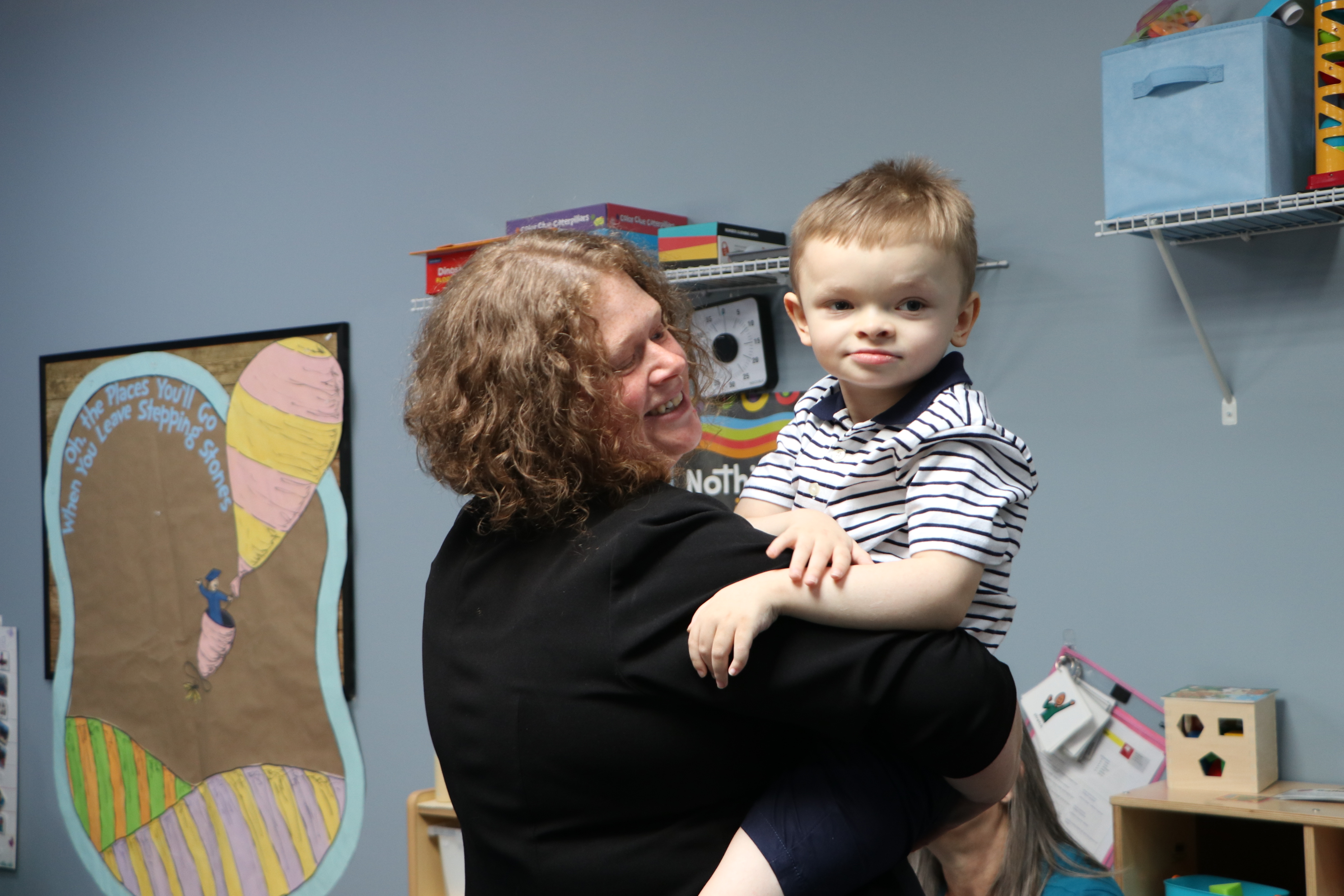
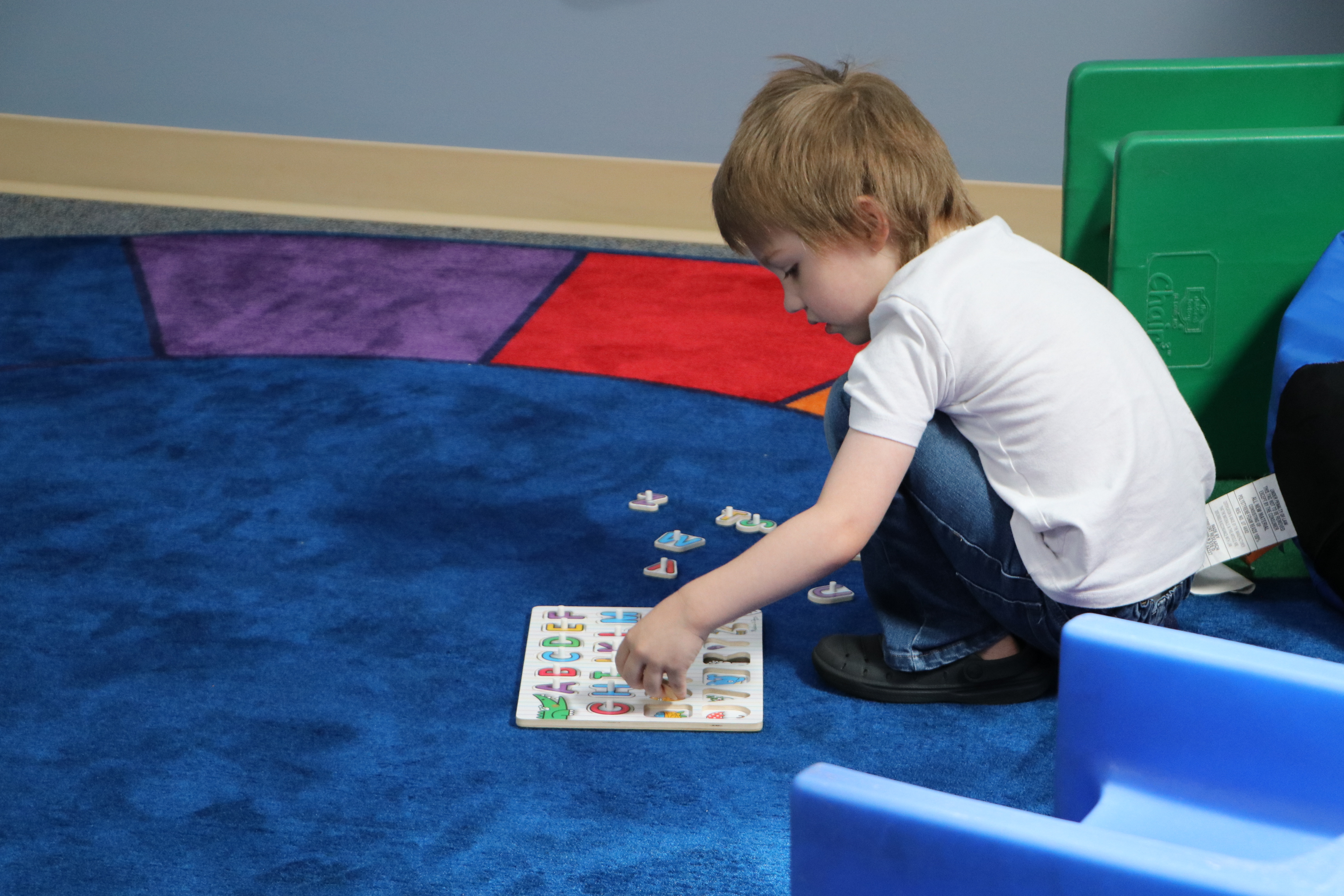
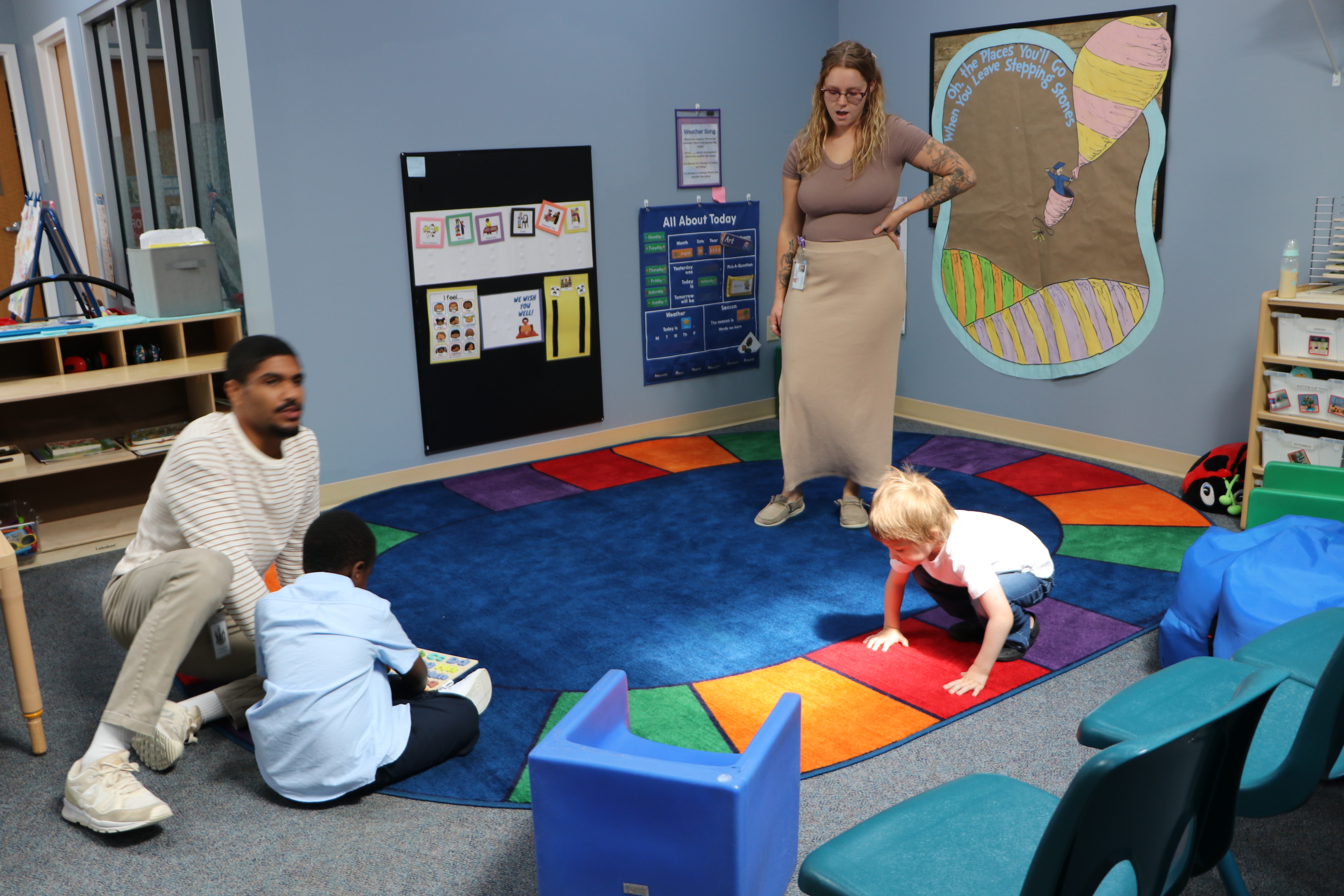
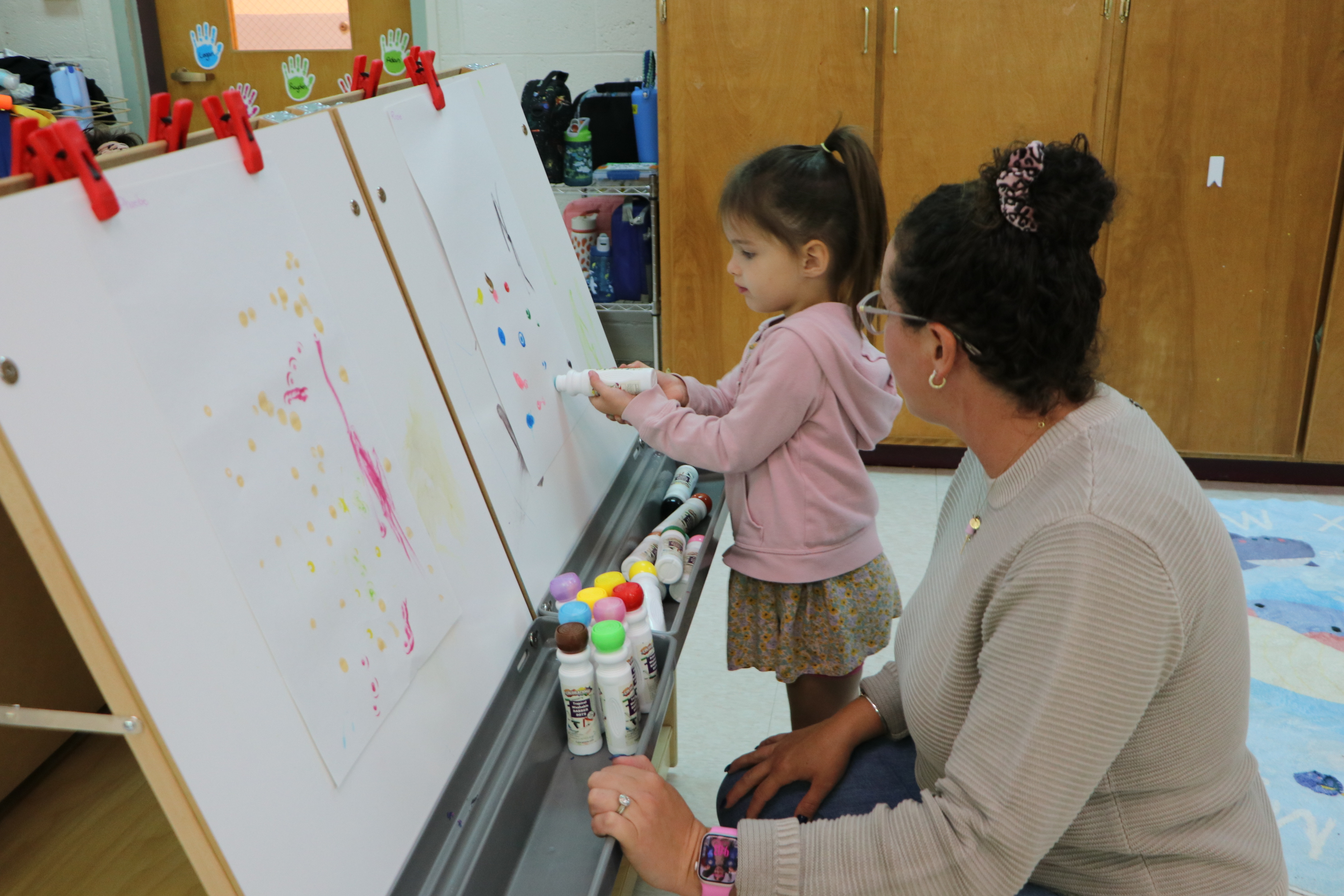
Students in the pre-K program at RSU 29 (courtesy: RSU 29)

Innovation in education comes in many forms, whether from a teaching or an administrative angle. During the 2023-2024 school year, staff at RSU 29 in Houlton learned about an upcoming major opportunity for innovative leadership: joining Cohort 1 of the transition of early childhood special education services from Child Development Services (CDS) to school administrative units (SAUs).

The affirmative decision to hop on board came following a conversation between RSU 29 Superintendent Joe Fagnant and Director of Special Services Renae Foley.

“We thought that we could take this on, that it was important for the district to look at early childhood, to look at special education to try to get these children in as early as possible to receive services,” Fagnant said.

RSU 29 has had a pre-K program in place since 1998. Even before this transition, the district had been looking at opportunities to work with organizations like Head Start to add to that program and deliver services in a more flexible way. Fagnant explained that as soon as word got out that this transition was underway, parents began contacting RSU 29 to ask how they could access services for their children.

“There were a lot more parents out there that had that need than we realized,” Fagnant said.

In order to begin providing early childhood special education services in the 2024-2025 school year, RSU 29 had to make a few significant shifts in terms of staffing and responsibilities. After all, some three-year-olds would now be coming to the district with various needs that, in many cases, had not previously been met. Fagnant credits the relative success of the transition to teamwork.

“Kudos to the staff for taking that on because it was a huge change,” Fagnant said.

“We’re problem solvers,” Foley said. “Anything that would come up, we would put our heads together to say, ‘Okay, so how are we going to do this?’ If we had to think outside of the box to meet a child’s needs, our team was definitely willing to do that.”

Foley said flexibility, a strong sense of support from the Maine Department of Education (DOE) through meetings and informational documents, and close work with community partners and transportation staff have also been integral to a smooth transition.

“We’re closing the gap,” Foley mentioned. She remarked how essential early intervention (from birth-age 2 through CDS) is for children—and now, RSU 29 has picked up the responsibility of the next stage, ensuring that the needs of children ages 3-5 are also met.

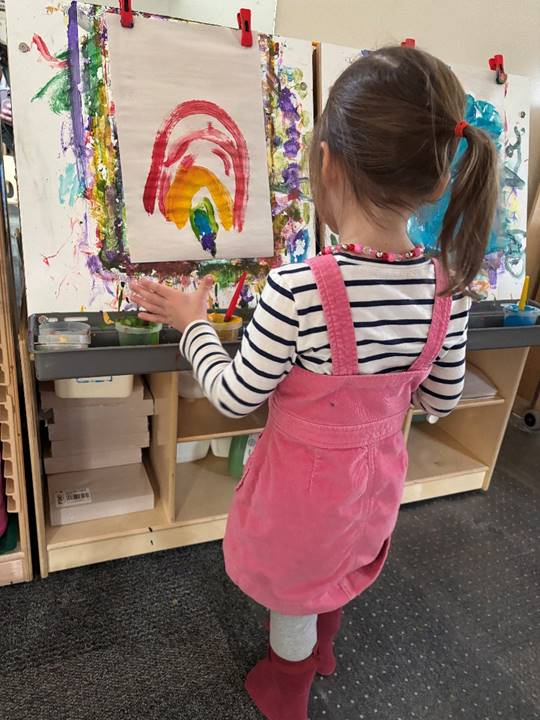
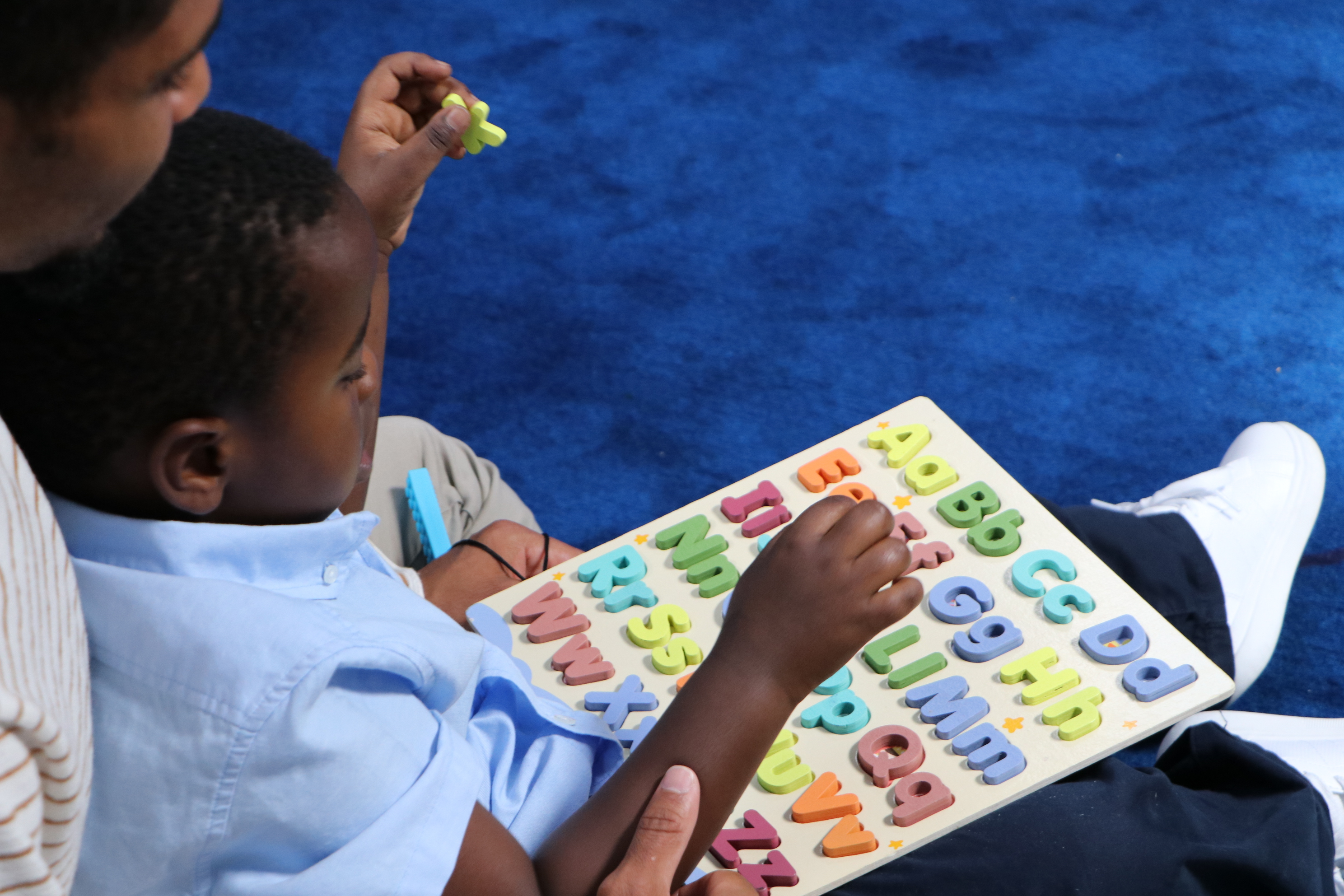
Student in the pre-K program at RSU 29 (courtesy: RSU 29)

“I have seen phenomenal growth from all of the kids who have entered the program,” Makala Swallow, an early childhood special education teacher in RSU 29, said.

Swallow credits that growth in large part to the relationships that she has been working hard to build with families and community partners.

“I’m just really, really excited to see it continue, to see these kids come and grow and just continue to flourish, as they continue on through their years,” Swallow expressed.

One of the students who has already experienced that growth is RSU 29 parent Heather Jones’ son. He is speech-delayed, but Jones said that within two weeks of his joining the pre-K program with early childhood special education supports at the district, her family noticed improvements.

“You just saw a change. He loved going to school. I think the Houlton Elementary School altogether is one of the most supportive schools around,” Jones said, later adding, “We just want him to have the best foot forward.”

Jones said that the frequent evaluations and meetings that are offered for this program through RSU 29 provide an essential opportunity for parents to speak with providers about goals and items to work on with their children.

“ [My son] knows the teacher. He knows the routine,” Jones said. “We have seen measurable goals met with him, and we’ve been needing that for four years.”

Amanda Howe, a pre-K teacher and team leader at Houlton Elementary School, said she is also looking forward to seeing how the early childhood special education supports that Jones’ son received at RSU 29 as a three-year-old help to shape his pre-K experience as a four-year-old.

“I’m really excited to see that next continuing growth,” Howe said. “I’m intrigued to see that amazing carryover.”

Howe has worked at the district since 1999 and said the issue of children not receiving referrals for services because of long waitlists and a lack of providers had become significant. For that reason, there was a push to ensure that Cohort 1 would be successful.

“We wanted to be the best of the best from day one,” Howe said.

Ideally, the hope is that early intervention can lead to long-term benefits, too.

“Your goal is to meet these needs earlier so that long-range, they’re being transitioned away from special education services,” Fagnant said, noting the positive effect that this work can have on financial and staffing factors.

As this transition is ironed out over the years, Fagnant said he plans to continue fostering partnerships with groups like daycares in an effort to amplify the thriving mixed-format system. He said that in the long-term, he would love to have a school in RSU 29 like the new Margaret Chase Smith Community School in Skowhegan that serves as a hub with help from partners, housing all services in one facility.

One element that is clear in RSU 29’s achievement thus far: “It’s the people,” Fagnant said.

RSU 29 and the Maine DOE Office of Special Services and Inclusive Education contributed to this article, written as part of a series highlighting the ongoing efforts of CDS and public schools in providing comprehensive educational services to Maine’s children with special needs. To submit a good news story to the Maine DOE, please fill out the good news submission form.
Stepping Forward: How St. George School Transformed Its CDS Transition into a Whole-Community Win

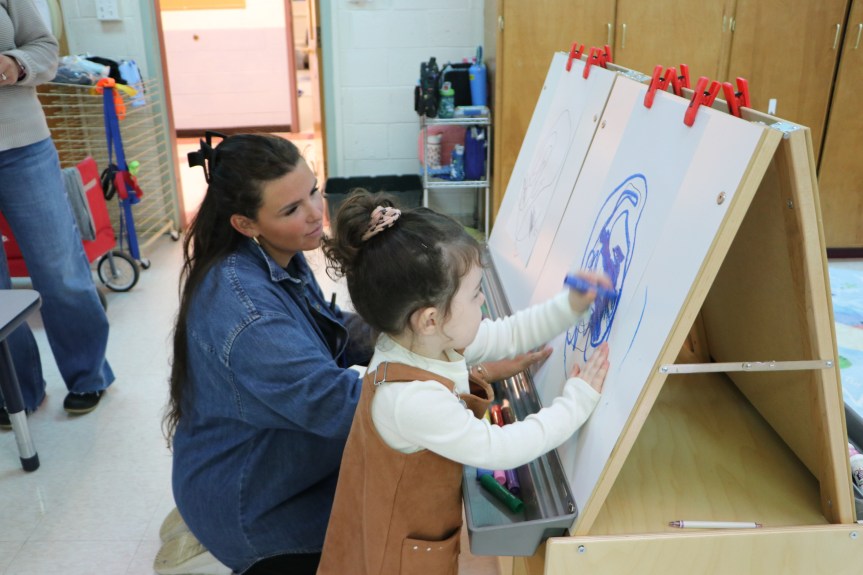
(Pictured: St. George Early Childhood Special Education teacher Alexis Tozier with a student in the 3-K classroom.)

When St. George School signed on to be part of Cohort 1 of the transition of Early Childhood Special Education services for children ages three through five from Child Development Services (CDS) to school administrative units (SAUs), staff did so with the belief that early support creates lifelong success. What they didn’t expect was just how quickly and powerfully this transition would transform not only the lives of children but the entire school community.

Originally planning to launch a program for four-year-olds during the 2024-2025 school year, St. George’s staff realized mid-year that there was a significant need for more localized Early Childhood Special Education services for three-year-olds, as well—including occupational therapy, speech, and individualized instruction. So, the team at St. George acted quickly.

“We had the space,” Dr. Jessica Berry, the school’s Special Education Director, said. “In January, we figured out how to build a three-year-old classroom.” 

The school provided transportation for families and integrated the children into the school community. It was, as Early Childhood Special Education teacher Alexis Tozier, who helped to set up the 3-K program, called it: “fun chaos.”

“It was so incredible to see those kiddos come back this fall,” Tozier said. “They knew the school; they knew the routines. [I’m] not saying they were flawless, but they were ready to go.”


In addition to St. George’s 3-K classroom, Dr. Berry also helped to pilot a new “Zero to School” program, a separate community-wide effort available through support from the John T. Gorman Foundation. The Zero to School program integrated well with St. George’s ongoing special education transition and helped to expand community “Child Find” efforts to identify and support students even before they turn three. 

The two new programs, Zero to School and the 3-K classroom, helped St. George to work with the surrounding community to build relationships with families early—sometimes, before their children are even enrolled in school.

“We started by asking, ‘How do we get to know these little kiddos in our community who aren’t in school yet?’” Mallory Tripp, a parent, school board member, and strong advocate for early childhood programming, said. “We showed up at [the] St. George Days [town event] with bounce houses and popsicles to meet families and let them know the school is here for them.”

Those outreach efforts became the foundation for a more connected, supported community. Throughout the year, St. George hosted family events nearly every month—including a back-to-school bash and parent nights where caregivers could ask questions, make connections, and even talk to a pediatrician in a no-pressure setting.

“It was just a learning space,” parent Laura Vanevery said. “No judgment—you didn’t feel like you were bothering anyone. It was exactly what I needed as a new mom.”

Many families shared that the CDS-to-school transition gave their children—and themselves—what they had been missing: community, routine, and support.

“My son was getting kicked out of daycares because he couldn’t express himself,” Vanevery said. “He came home frustrated; I was frustrated. But, once he started at St. George, he had structure, routine, peers. He came home tired—in a good way. He was calmer. And, he loves going to school. He feels safe here.”


Another parent, Kaylie Lee, described how her son, Riker, began receiving in-home services through CDS and continued to really blossom when he joined St. George’s 3-K classroom this year.

“Bethany [Yovino] from CDS said, ‘He’s doing well, but he needs peers his age.’ The amount of development we’ve seen since starting school—he has come very, very far,” Lee said.

Even families that didn’t go through the full CDS transition were impacted by the more recent expanded community offerings. Selina Staples’ son graduated from CDS services just before turning three but still participated in Zero to School’s weekly summer programming and St. George School’s week of summer camp, which was made possible through a Maine Department of Education (DOE) Kindergarten Transition grant.

“That summer program helped him transition, and now he’s more than ready,” Staples said.

Staples described how she was able to attend the program with her son until he felt comfortable enough to go off on his own with friends, leading up to pre-K this year, where he was more than confident in a space he now considers his own.

From the principal to the classroom teachers, St. George’s staff proved that compassion, flexibility, and teamwork are the backbone of success.

“You have to be flexible,” Tozier said. “Needs vary, and working as a team is the only way to make sure every child gets what they need.”

And while Tozier described the mid-year shift to running a three-year-old classroom as unexpected, Dr. Berry had no doubt that Tozier could handle it.

“She won’t say it for herself, but she will do whatever it takes to make sure a child feels safe and loved—and not just the child, the whole family,” Dr. Berry said. “That’s what Alexis does every single day. This program works because of people like her.”

Principal Jess McGreevy agreed.

“We were lucky to have the space and the people. It let us move quickly, and that made a huge difference,” McGreevy said.

For Tripp, one of the most compelling reasons to join the CDS transition was the long-term academic benefit for students.

“When kids get support early, they’re not just more confident; they’re more ready to learn. Our kindergarteners now show up ready to go. And, by the time they’re in third or fourth grade, they need less intensive services because we started early,” Tripp said.

At its heart, St. George’s approach to early childhood education is about community, connection, and equity. By bringing early intervention services directly into the school, hosting events that welcome families of all backgrounds, and maintaining close partnerships with local CDS providers like Yovino, St. George ensures that every child starts school included, supported, known, and ready. In doing so, the school has become a model for what’s possible across Maine.

“It’s the staff here that is key,” Vanevery said. “They’ve made my child feel safe, and that’s what every child deserves.”

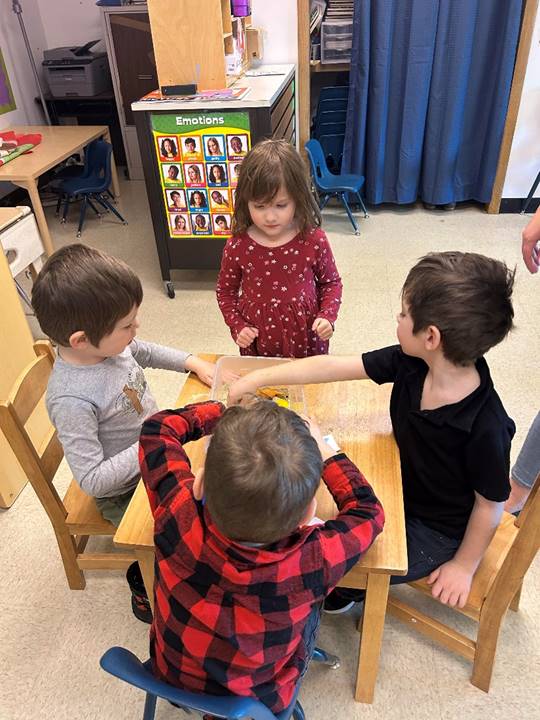
PreK Classroom

St. George School and the Maine DOE Office of Special Services and Inclusive Education contributed to this article, written as part of a series highlighting the ongoing efforts of CDS and public schools in providing comprehensive educational services to Maine’s children with special needs. To submit a good news story to the Maine DOE, please fill out the good news submission form.
Stepping Forward: How Veazie’s Transition of CDS Services Is Fueling a Strong Sense of Community

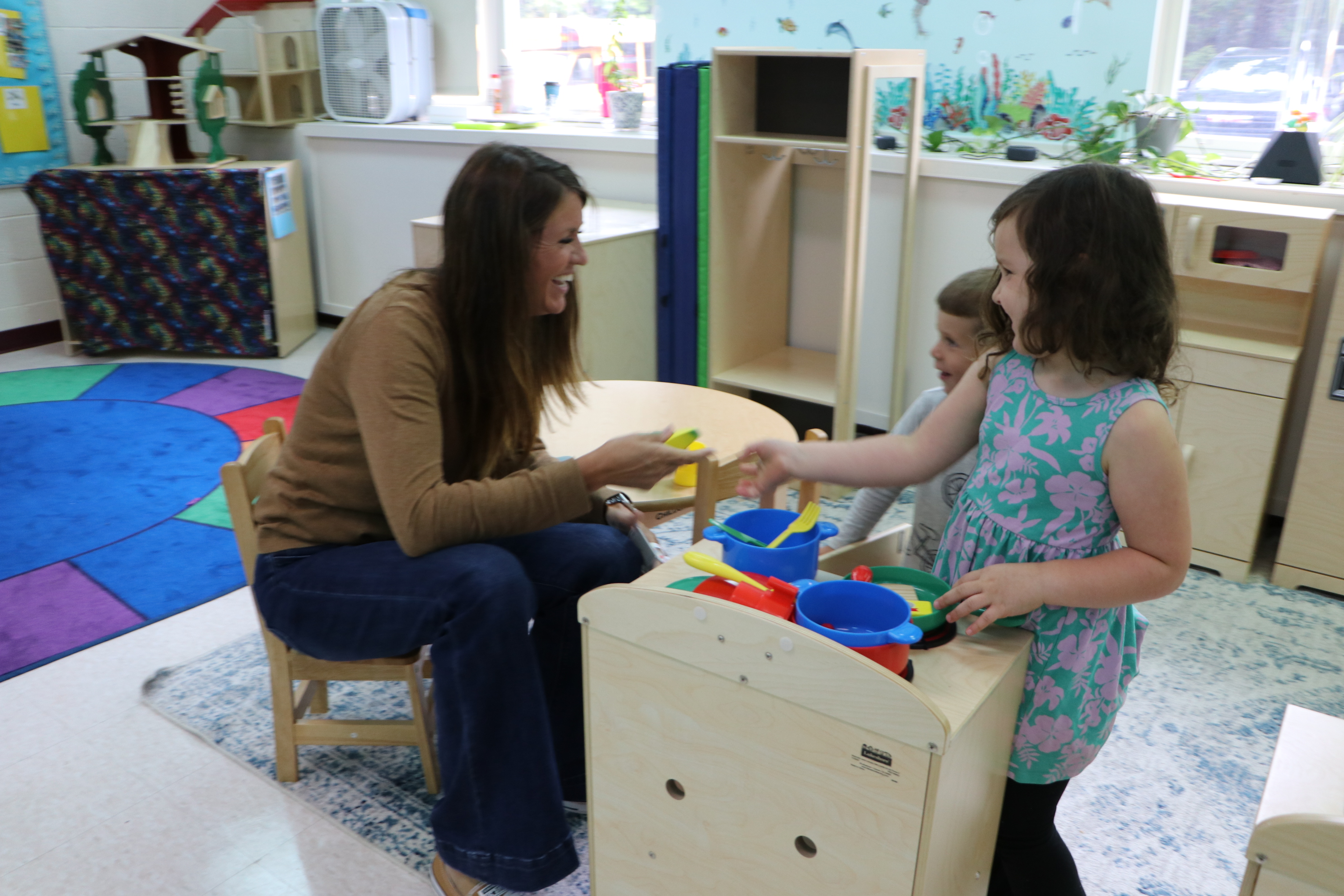
Veazie Community School pre-K student (photo credit: Veazie Community School)

Loyann Worster is one of those lucky people who found her calling in life. She is entering her 11th year as a pre-K teacher at Veazie Community School; it was her first teaching job after graduating from college, and she never left.

“I never saw myself doing this, but once I started, it was obvious that this has got to be what I do,” Worster said. “I really, really enjoy teaching this age group.”

Last year, Veazie Community School was one of a handful of school districts to participate in Cohort 1 of the transition of Early Childhood Special Education services from Child Development Services (CDS) to school administrative units (SAUs). Worster worked for CDS in a special purpose preschool about 15 years ago and heard inklings about the concept of a transition for a while.

“I was really excited, just to see what that was going to bring and how that might change things at our school, but I was also really nervous because we were the first cohort,” Worster said. “Nobody really knew what that was going to look like or how that was going to work.”

Fortunately, Worster said that thanks to exceptional teamwork among staff members and funding to provide necessary materials, the transition went well. In fact, she called the overall effects of the transition “amazing.” Now, specialists are in her school building as a part of the early childhood program, providing students with special needs the services that they require that she isn’t able to provide. Worster said that children can start coming to school through the early childhood program when they’re three years old, which means they can receive their services much more quickly and simultaneously get to know the occupational therapists, speech therapists, etc., who they might end up working with once they’re in preschool.

“By the time they come to pre-K on day one, they are ready to go!” Worster said.

That provision of services within a typical school district model has been significant even beyond just a logistical standpoint. Worster said now, some of her pre-K classes have a mix of children with disabilities and children without disabilities, which has been beneficial to all.

“Inclusion is the way to be. Having these children in our classrooms is the way to be,” Worster said. “They’re all really learning how to come together and be a community of people with differences.”

Veazie Community School pre-K students (photo credit: Veazie Community School)

Tim Tweedie, Superintendent of Veazie Community School, credits the “can-do” attitude of his staff for the success his district has seen throughout the past year as a part of Cohort 1.

“The one question we had to ask was, ‘Is this something we feel that we can do?’ After a brief discussion, we said, ‘Yeah—and whatever we don’t know, we’ll figure out,’” Tweedie said.

The benefit of this transition has extended to local families, too.

“For parents, this is like a one-stop shop,” Tweedie explained. “If they have multiple services, they can get those all under one roof, and it is convenient for the parents.”

“Parents love the fact that they are at our school. They get to see their teacher, their speech person, their occupational therapist, their physical therapist,” Debrajean Scheibel, Director of Special Services at Veazie Community School, added.

For Schiebel, that opportunity to interact directly with families through the early childhood program has been invaluable. She said some families are already remarking to her that they are noticing growth in their child as a result of the transition of these services.

“You can’t even begin to put a price-tag on any of that,” Schiebel said.

Veazie Community School and the Maine DOE Office of Special Services and Inclusive Education contributed to this article, written as part of a series highlighting the ongoing efforts of CDS and public schools in providing comprehensive educational services to Maine’s children with special needs. To submit a good news story to the Maine DOE, please fill out the good news submission form.
Stepping Forward: How the Transition of CDS Services to School Districts is Changing Families’ Lives

RSU 35 students (photo credit: RSU 35)

Ask South Berwick parent Mary Hayes about this past year, and she would tell you that it has been “life-changing”—particularly for her adopted four-year-old, Matthew. Hayes took Matthew in through foster care when he was two years old and says he experienced some trauma early in life. When Matthew started attending daycare last year, he struggled behaviorally and did not do as well as her older son.

“My biggest concern was that he was becoming the ‘bad’ kid,” Hayes said. “[Matthew] was the only one getting kicked out of class. … I was like, ‘Oh no; great start to life.’”

Matthew was placed on a waiting list with Child Development Services (CDS) to receive one-on-one support, and Hayes admits that the wait her family experienced was frustrating. She said it was unclear how long it would be until Matthew got the services, which were essential before starting kindergarten. Hayes had to cut back on hours at her job to dedicate more time to caring for Matthew, taking a toll on her family financially and mentally. 

The “life-changing” moment that Hayes described came with a call one day from Scott Reuning, Director of Special Services at RSU 35. The school district had implemented universal pre-K for 50 years and made the decision to opt into Cohort 1 of the transition of Early Childhood Special Education services for children ages three through five from CDS to school administrative units (SAUs). As a result of this participation, Matthew could enroll in RSU 35.

“I’m not exaggerating when I say it was like a miracle,” Hayes said. “I cried. It was amazing.”

“I wasn’t aware of the pay-off I was going to get until it came,” Reuning said of the CDS transition.

Reuning explained that RSU 35 joined Cohort 1 just three weeks before the start of the 2024-2025 school year. While that tight turnaround was initially somewhat daunting, he said the district was able to get itself in place to begin welcoming children by the time school started. Reuning credited school leadership for being “all in” as a reason for that success.

Throughout the past year, RSU 35 has even been able to accept some children from neighboring districts, as well. Reuning said the feedback from parents about the services that their kids are receiving has been positive.

“Parents are extremely happy,” Reuning said.

RSU 35 students (photo credit: RSU 35)

The long-term benefits of providing these services to children at an early age was another reason that RSU 35 made the choice to join Cohort 1. RSU 35 IEP Coordinator Andrea Biniszkiewicz said that she has seen amazing progress in students so far and believes that will translate to when they are school-aged.

“As they get older, I think we’re going to see students have more skills because in the past, they weren’t always getting the services that they needed,” Biniszkiewicz said. 

RSU 35 teacher Laurie DuBois said she is grateful for the obvious benefits of the CDS transition in the moment, too—like having an opportunity to connect more closely with families.

“Enrichment, inclusivity, relationship, familiarity, consistency, community, and comfort are among many words that I describe as positive impacts,” DuBois said, later adding, “I am incredibly proud that RSU 35 became a Cohort 1 district to meet the critical needs for families within our community.”

Going into this coming school year, Matthew will be in the pre-K class at RSU 35. Hayes said that she is no longer worried about how he might do—and neither are his teachers.

“He feels good about himself. He thinks he’s smart; he wants to go to school. That’s a different kid,” Hayes said.

Hayes said ultimately, she is grateful for the immense support she has received from RSU 35 and hopes that her parent friends in other districts can receive similar help.

“Having all of these professionals who I felt like were on my team was a total game-changer,” Hayes said. “I felt like we were all a team looking out for Matty.”

RSU 35 and the Maine DOE Office of Special Services and Inclusive Education contributed to this article, written as part of a series highlighting the ongoing efforts of CDS and public schools in providing comprehensive educational services to Maine’s children with special needs. To submit a good news story to the Maine DOE, please fill out the good news submission form.
Stepping Forward: The Importance of Partnerships in RSU 13’s Transition of Early Childhood Special Education Services

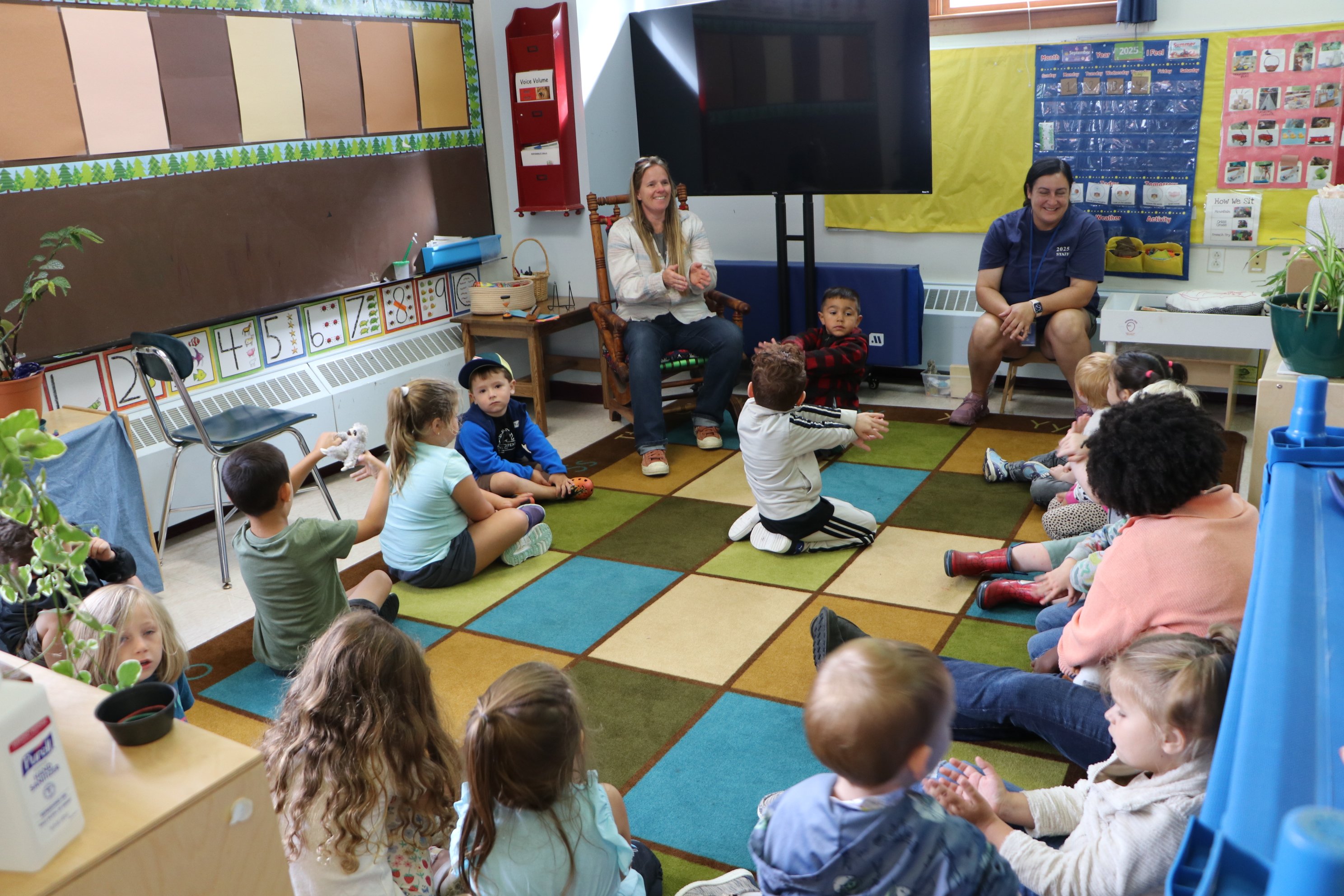
Pre-K students at RSU 13’s Thomaston Grammar School (photo credit: RSU 13)

When John McDonald took on his role as superintendent of RSU 13 more than a decade ago, a goal of his was to establish a pre-K program to serve young children in the community. A grant of about a million dollars and a partnership with Penquis kickstarted that work, but the process was not seamless. McDonald noted that over the years, classroom numbers fluctuated, and budget woes resulted in some cutting back of services. There was, however, a very positive outcome of this effort.

“Ultimately, I ended up with a school board who really understood the benefit of having universal pre-K,” McDonald said.

That mindset presented an ample opportunity for RSU 13 when McDonald learned of the planned transition in Maine of Early Childhood Special Education services for children ages three through five from Child Development Services (CDS) to school administrative units (SAUs) by July 1, 2028. He said he “jumped” at the chance to become a part of Cohort 1 in the 2024-2025 school year, recognizing that this effort would ultimately help his overall student population and special education referrals.

“I just felt like it was a good fit for us and fit right in with our philosophy and our goals,” McDonald said.

A supportive school board invested money in RSU 13’s local budget to support the CDS transition. Now, McDonald is proud to say that RSU 13 offers universal pre-K, with a pre-K classroom available to every school in the district. He said he recognizes that this progress would not have been possible without the strong partnerships that RSU 13 had already established with CDS, Penquis, and the local YMCA.

“On our own, we all have limited resources, and—let’s face it—budgets are tight,” McDonald said. “But we want to provide the best possible educational community that we can for these kids. These partnerships are really all-important, in terms of being able to share resources, share information, share expertise.”

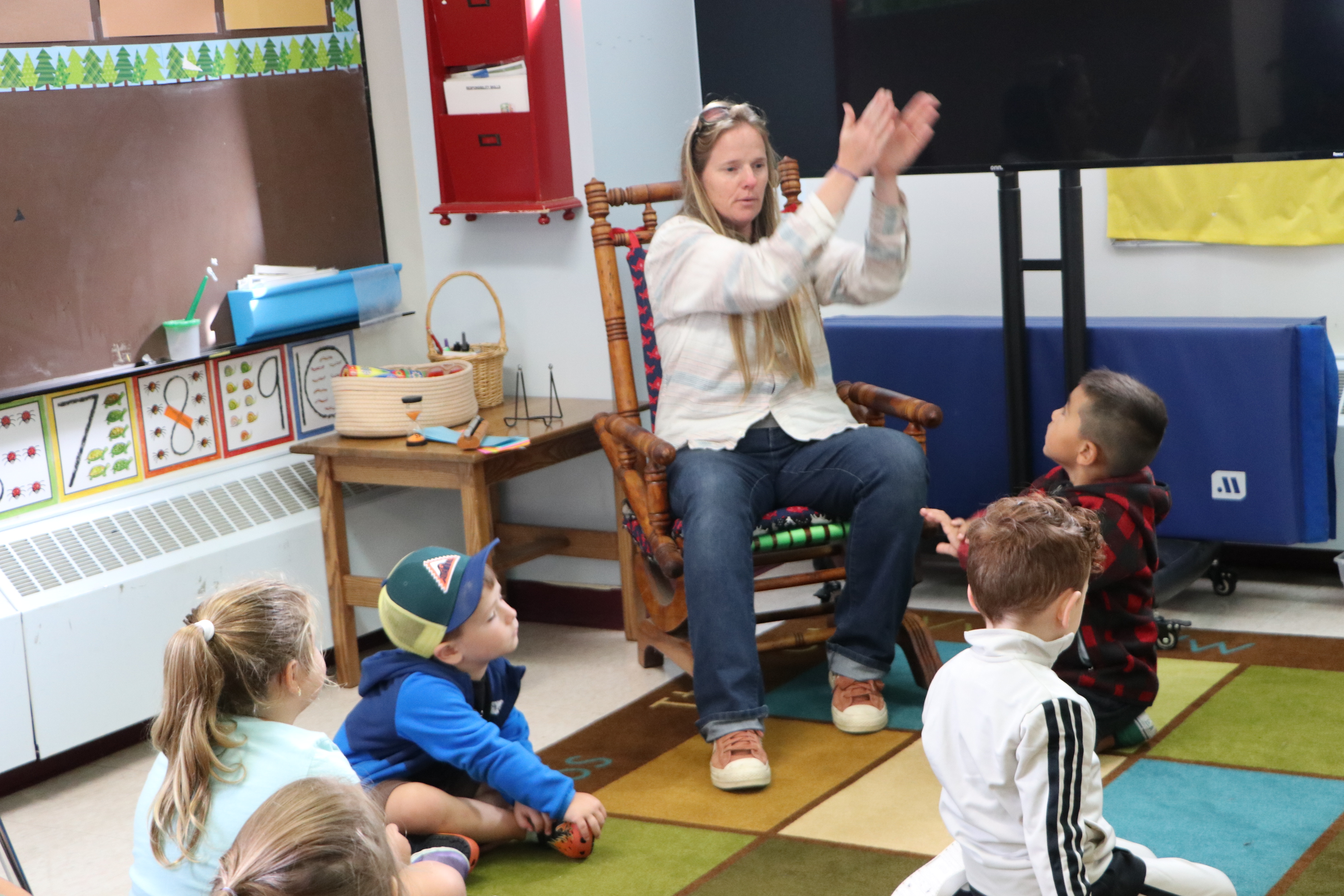
Pre-K students at RSU 13’s South School (photo credit: RSU 13)

“We all went into this with our eyes open, recognizing what the needs are,” Gail Page, Site Director of CDS Midcoast, said. “We knew what we needed to do in order to meet the needs of children. We were all very clear about what our mission was.”

Page said that prior to this transition, there was not enough programming available to meet the needs of local children. Over the past year, however, Page said huge steps of progress have occurred. For example, local children who were receiving tele-speech services are now receiving in-person speech services. Page works closely with Janet Corcoran, RSU 13 Special Education Director, and they do their best to address the needs of every child.

“Our work has really proved that this can be done, and it can be done well,” Page said.

“We’re trying to build something new, and whenever you’re trying to build something new, there are always going to be hitches and things that didn’t go the way you planned—but I think it has gone really well,” Corcoran said.

Corcoran noted that in her close work with Page, she is able to provide honest feedback—and the two work together to determine the questions that they want to ask leaders at the state level, as they continue to improve operations. Despite any hurdles, Corcoran said the universal pre-K model is essential, as it allows students who are receiving Early Childhood Special Education services to interact with and learn from their general education peers.

Corcoran said ultimately, the goal is to graduate students out of special education services, leading to better educational outcomes overall.

“Early intervention is the key,” Corcoran said. “The earlier you can get to students and provide those services, the less likely they’re going to need them long term.”

Pre-K students at RSU 13’s Ash Point Community School (photo credit: RSU 13)

Corcoran also highlighted that what public school offers—social workers, school psychologists, speech and occupational therapists, etc. on-site—is hard to meet elsewhere. Perhaps one of the best outcomes of the transition in RSU 13 thus far has been the reaction from local families.

“I get feedback all the time from families about how appreciative they are that we offer classes and services for these really little kids,” McDonald said. “There are lots of working families where both [parents] work. Child care is very expensive, if it’s even available in this area. They are just so, so appreciative of this.”

RSU 13, CDS Midcoast, and the Maine DOE Office of Special Services and Inclusive Education contributed to this article, written as part of a series highlighting the ongoing efforts of CDS and public schools in providing comprehensive educational services to Maine’s children with special needs. To submit a good news story to the Maine DOE, please fill out the good news submission form.
Stepping Forward: Two Rivers CDS Preschoolers Graduate with Joy and Confidence, as Maine Expands Early Education Access

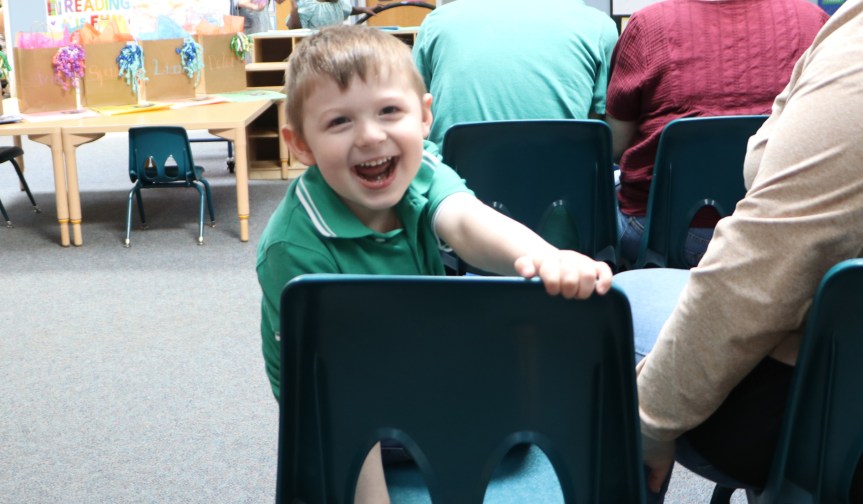
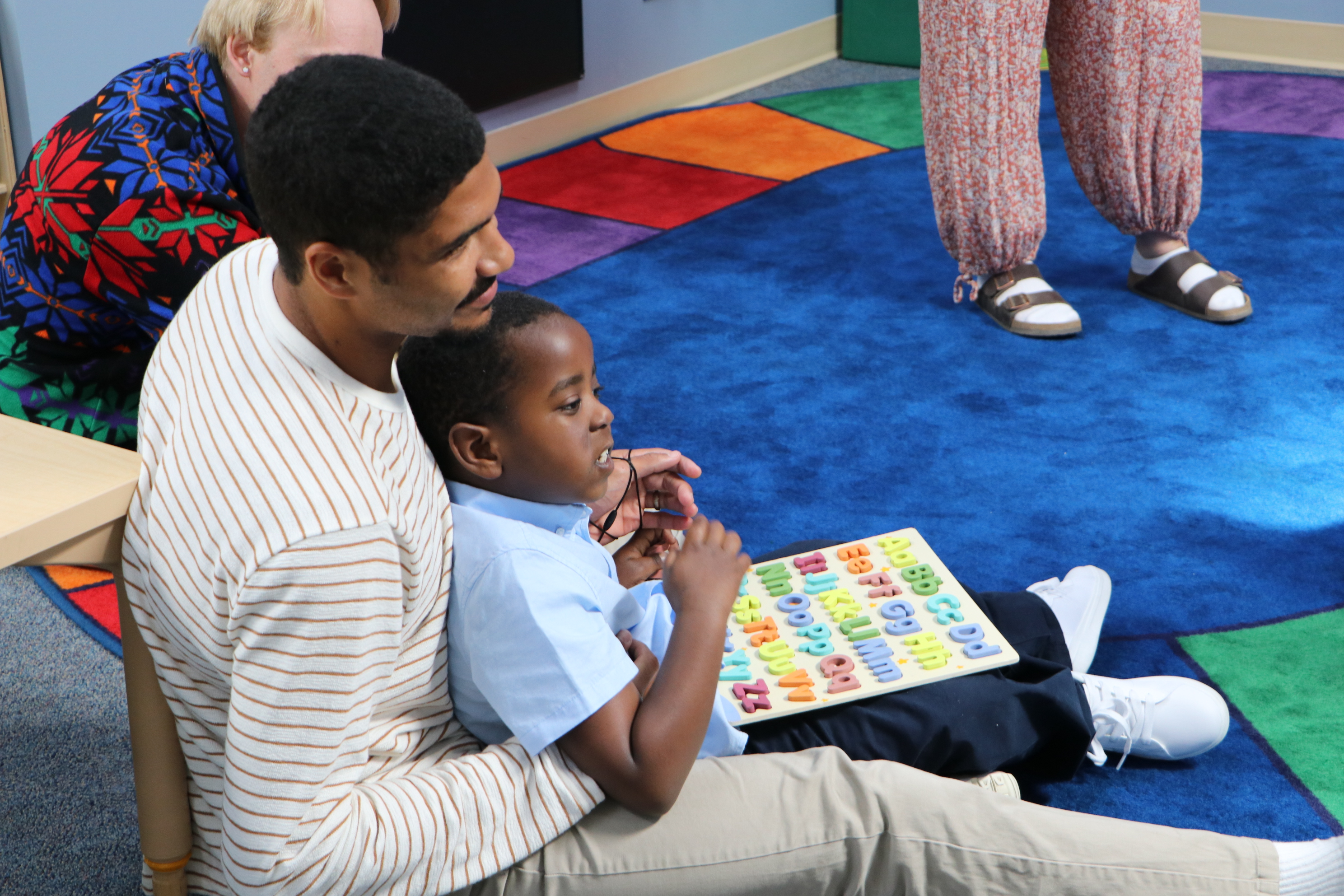
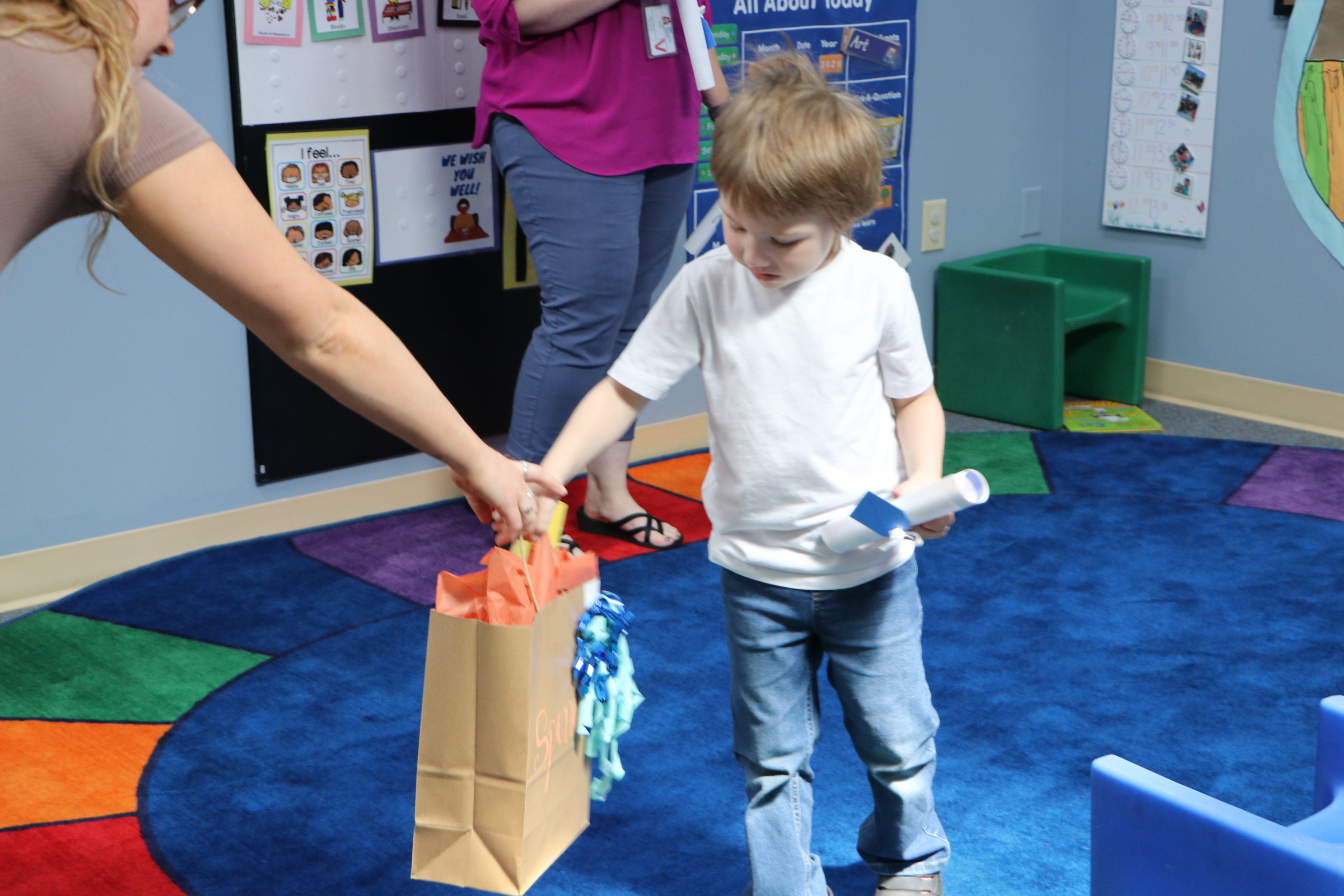
Pictured: Zachary, a former student of Two Rivers CDS, waits with excitement before the event begins.

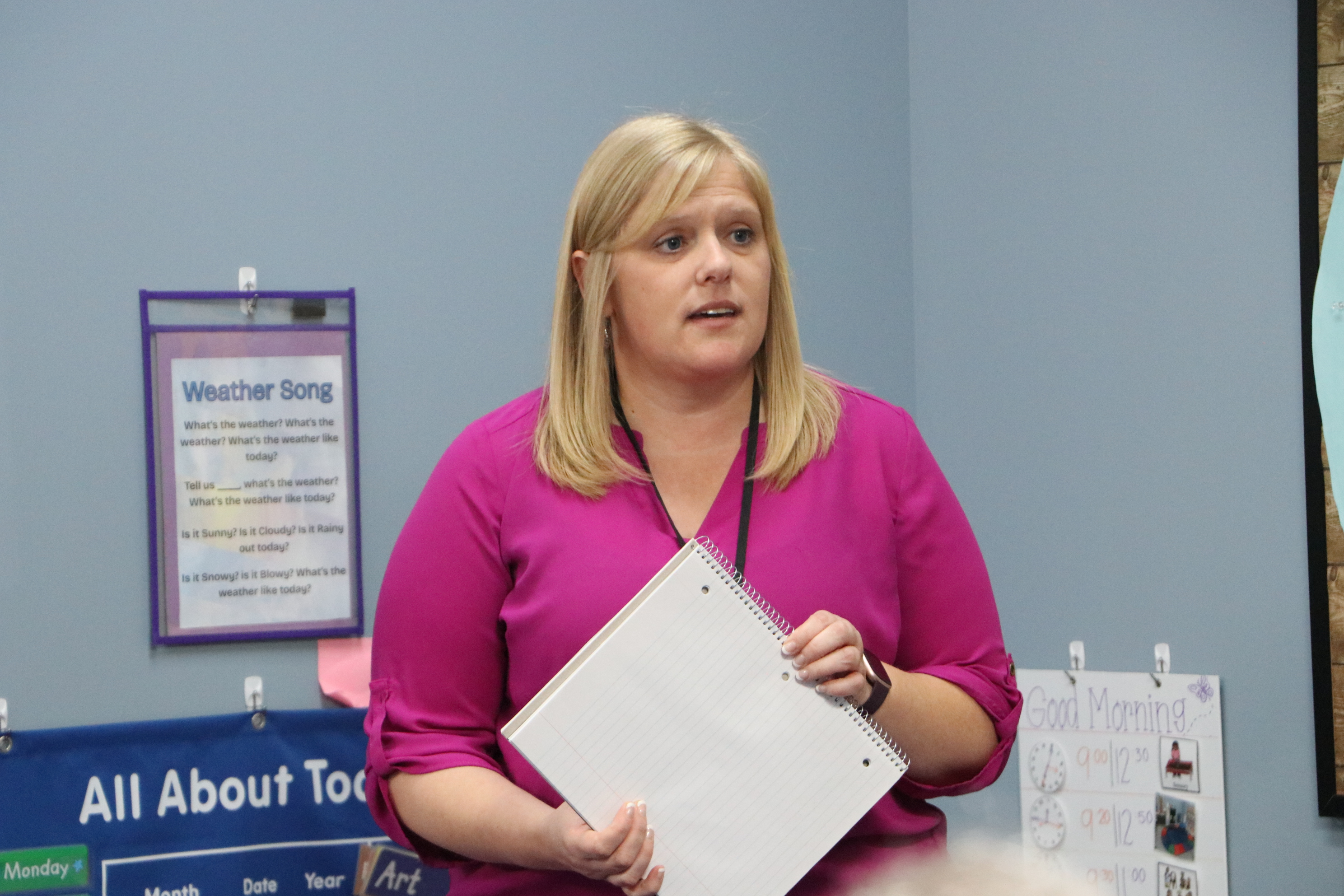
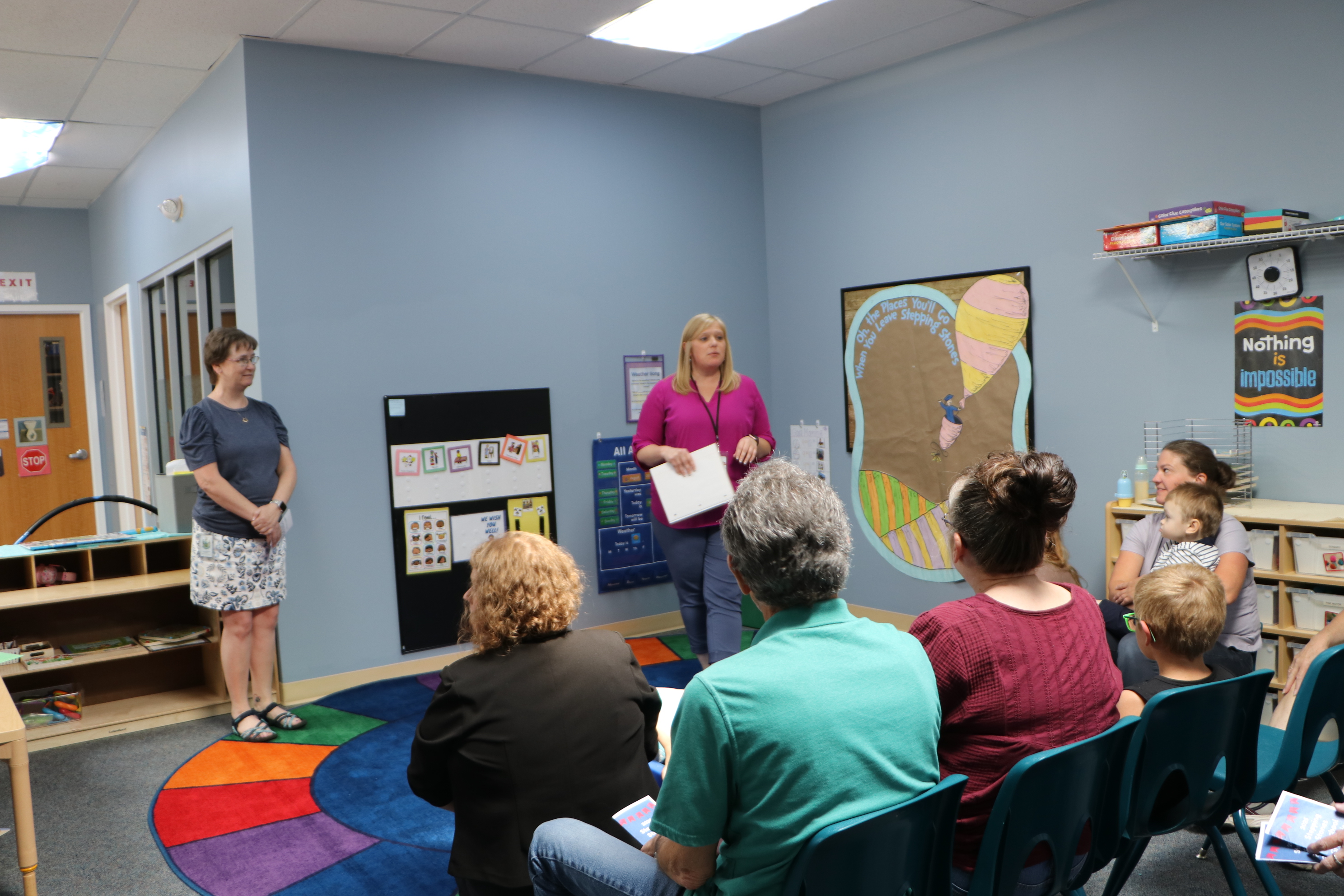
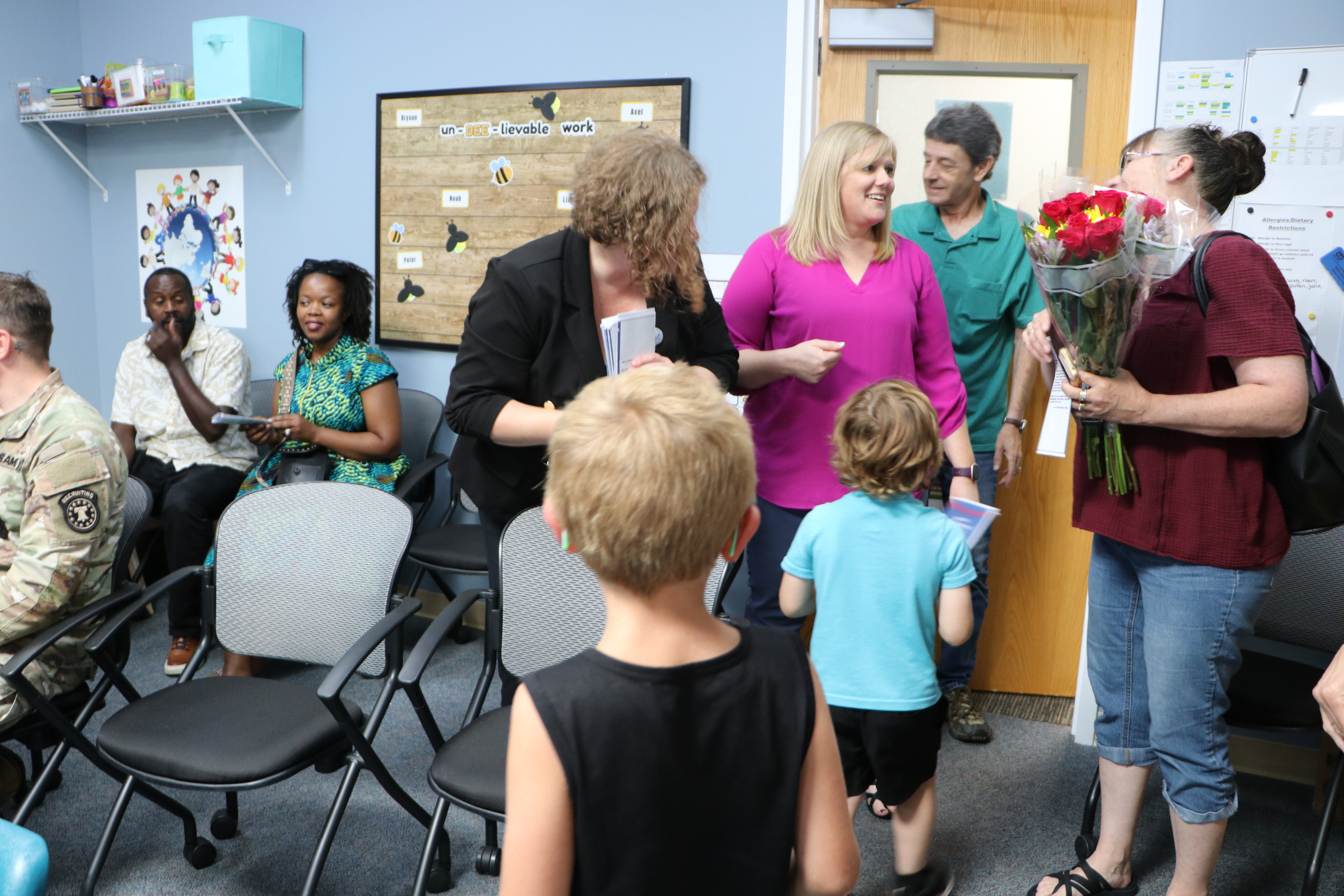
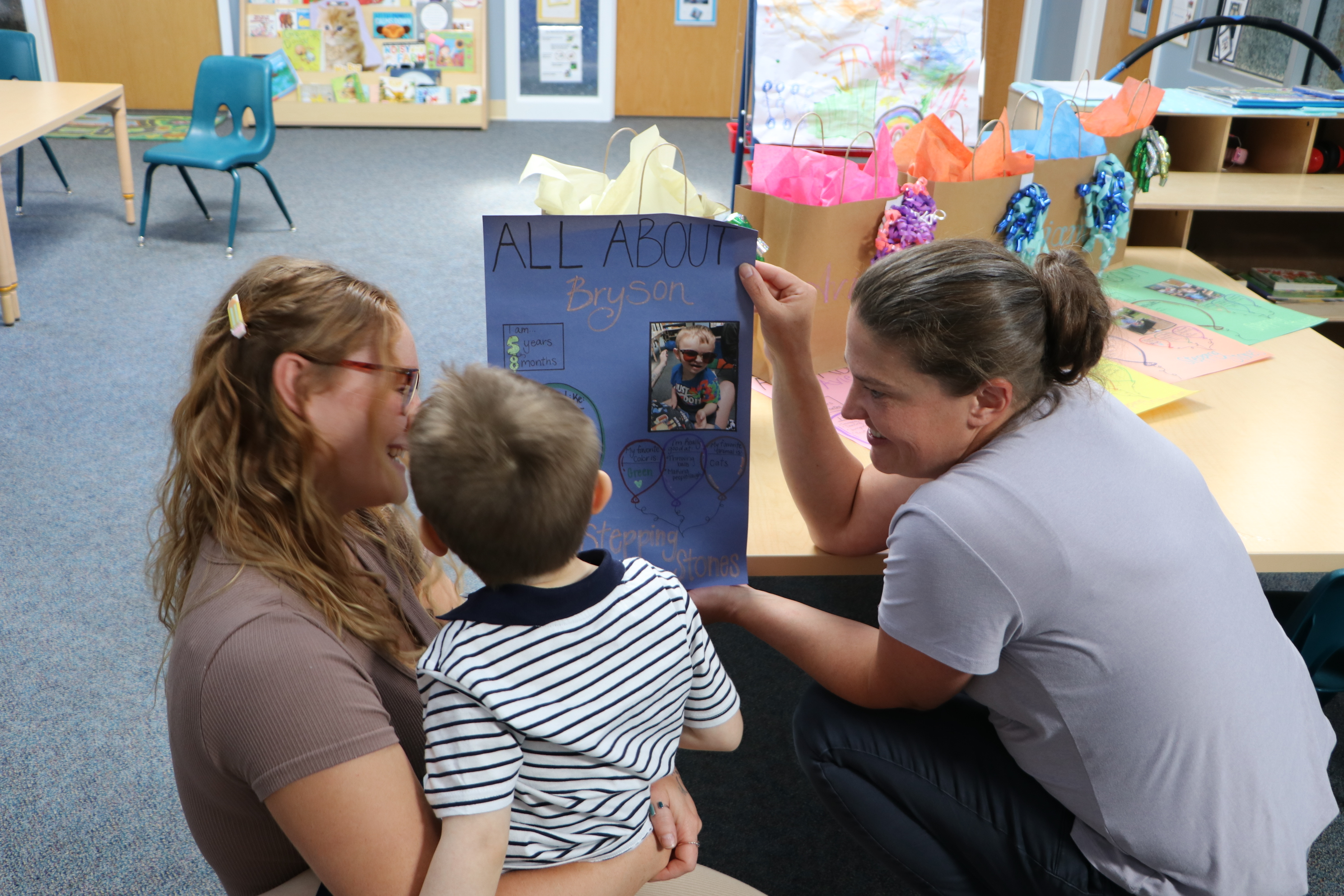
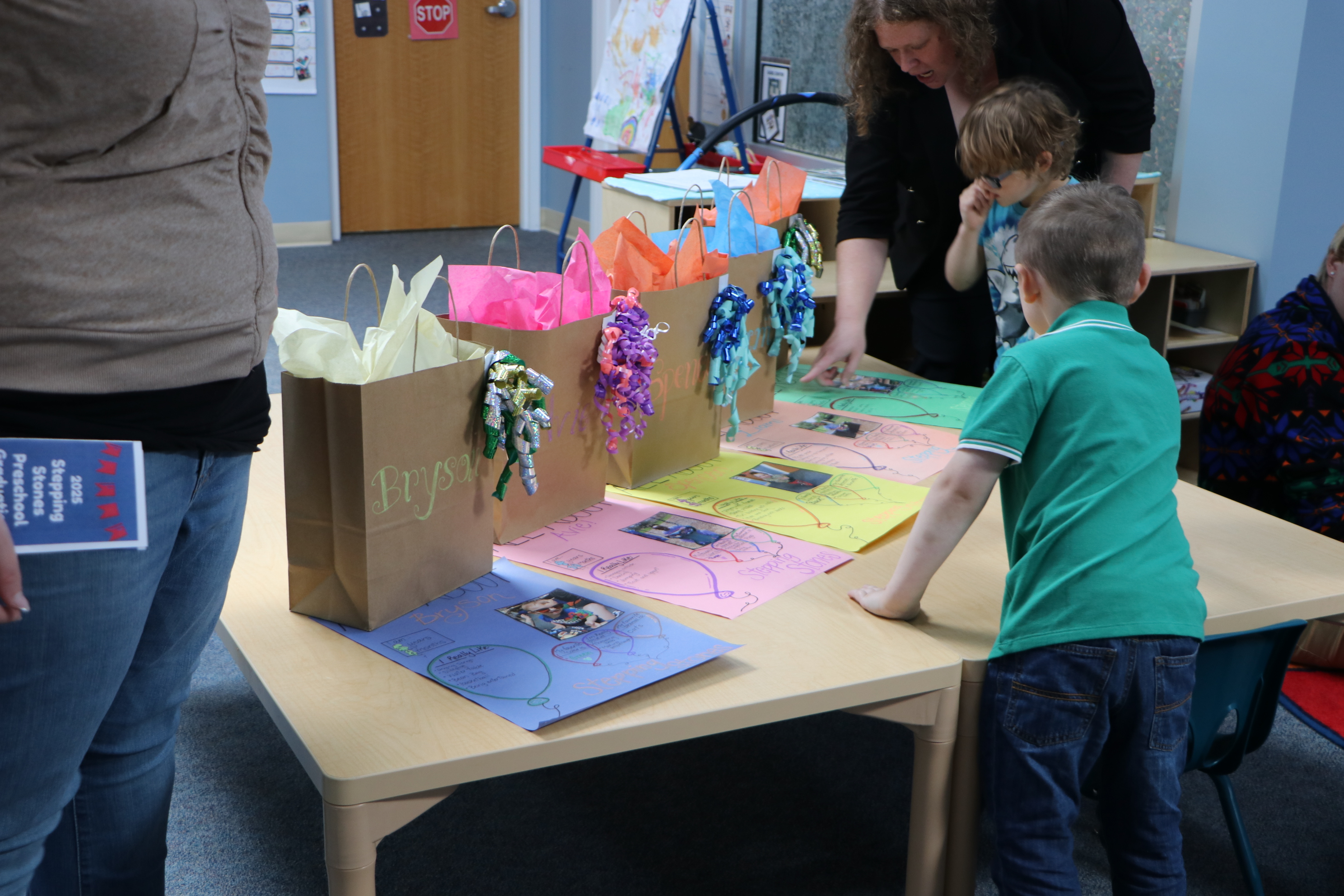
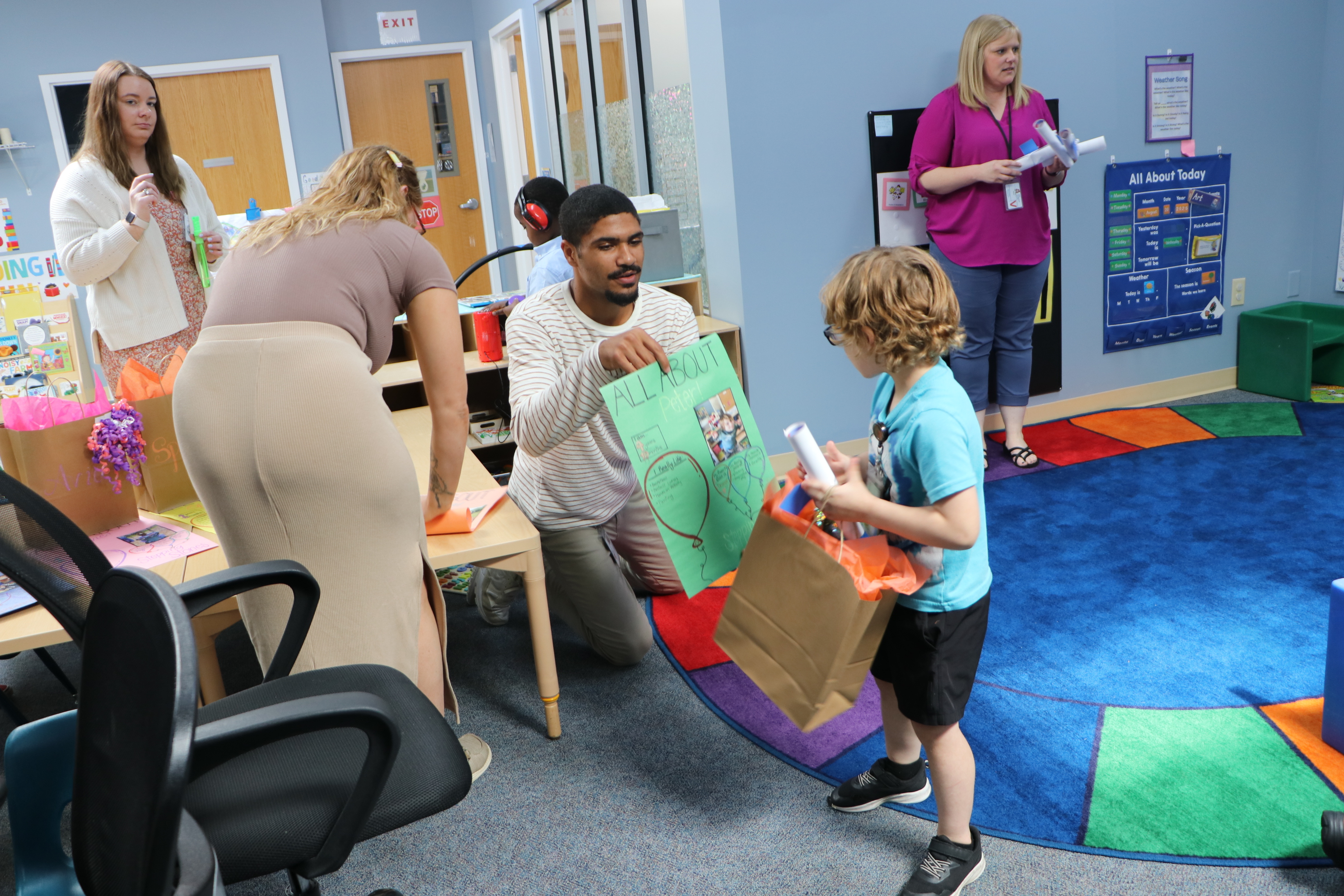
Laughter, applause, and proud smiles filled the room at the Two Rivers Child Development Services (CDS) site in Brewer on Thursday, August 21, as families, educators, and local officials gathered to celebrate the Stepping Stones Preschool Graduation. This event marked an important milestone for the class of 2025—a group of preschool-aged children transitioning from CDS services into their local public schools, including many who will begin kindergarten in the Brewer School Department this fall.

More than just a graduation, this ceremony celebrated the hard work of students, families, and educators, as these children move confidently into the next chapter of their educational journeys. It also reflected Maine’s broader transition effort, led by the Maine Department of Education (DOE) and CDS, to move Early Childhood Special Education services for children ages three to five from CDS programs into public school systems statewide—a process that aims to be fully implemented by 2028.

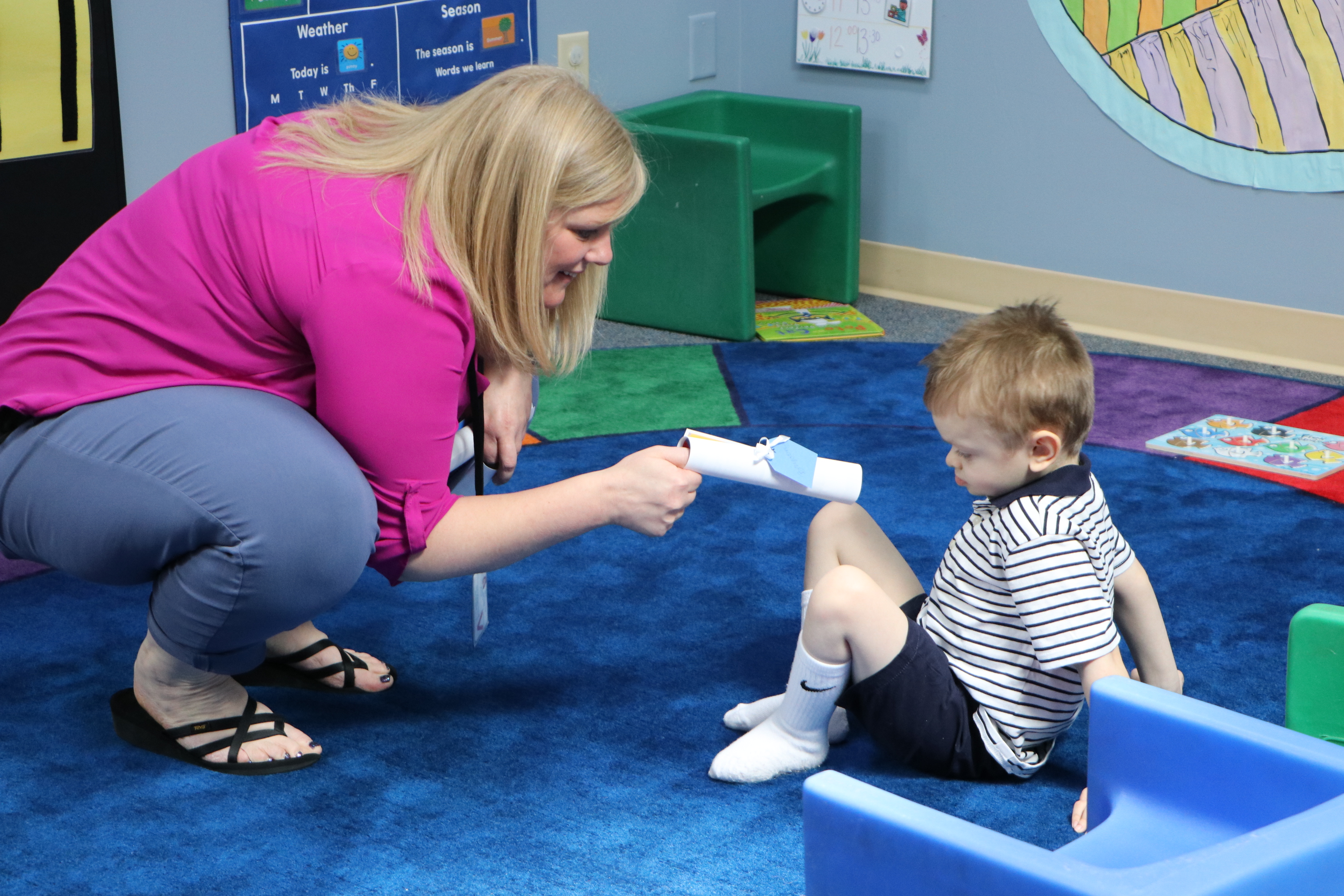
The Stepping Stones Preschool Graduation, organized by CDS staff, including Site Director Amy Bragg and Assistant Preschool Manager Sarah Taylor, was full of energy and emotion, as families watched their children sing, laugh, and accept certificates, gifts, and sorbet to celebrate their progress.


“I’m most excited for them and their families,” Taylor said. “We are so lucky to have had these kids. Just being able to celebrate them and all the progress they’ve made is the most exciting part.”

For Marie Brown, the day was especially meaningful, as she watched her grandson, Bryson, graduate.

“This is his second year here, and he was actually the first child enrolled in the program in Brewer,” Brown said. “I’ve seen leaps and bounds in his work. The people here—I can’t say enough; they’re wonderful.”

Brown shared that she is hopeful, as Bryson prepares to enter kindergarten in the public school system: “I’m nervous because this has been our comfort zone, but I’m excited to see the next chapter in his growth.”


This joyful moment was made possible by the collaborative work between CDS and local public schools, including those in the Brewer School Department, which is part of the second cohort of school administrative units (SAUs) participating in the transition. Starting this fall, Brewer and 33 other SAUs will take on the responsibility of providing Free Appropriate Public Education (FAPE) and Child Find services under the Individuals with Disabilities Education Act (IDEA), following a strong foundation laid by Cohort 1 in the 2024-2025 school year. Every child with a disability in the initial SAUs was fully supported within their local school communities—demonstrating the power of collaboration between CDS and SAUs.

According to Angela Moore, Director of Special Education for Brewer Schools, the transition has been a positive and collaborative process, as schools prepare to welcome children and provide seamless supports from day one.

“CDS has been so incredibly helpful,” Moore said. “Bragg and her team have been exceptional in making us aware of the students coming in, what their needs look like, and how we can plan for them.”

Moore highlighted how valuable it was to sit down with CDS staff in the spring and review the needs of each child in detail.

“That hour and a half saved me a lot of reading time; it was like a passing of the torch,” she explained. “They helped us to build trust and truly understand each student before they even step into our classrooms.”

While the shift from CDS to public schools is a significant structural change, families are already seeing the benefits: access to services within their communities, fewer transitions, and coordinated support from both agencies.

Heather Imferrera, whose son, Zachary, is moving from Two Rivers CDS to pre-K in Orrington (AOS 47), shared her enthusiasm about the services Zachary has received so far at Two Rivers and what he’ll receive in Orrington.

Zachary and his mom, Heather Imferrera.


“It has been amazing,” Imferrera said of her family’s experience.

Imferrera said she is excited that in his new setting this fall, Zachary will be able to receive speech and occupational therapy services, as well as specially designed instruction, while going to school with other kids in his community.

Taylor emphasized the importance of communication in helping families to feel confident: “We’re working to show that pre-K is going to be treated just like kindergarten or first grade. It’s their public school; it helps people to understand and feel more at ease.”

Both CDS and SAUs are learning from the first cohort of schools that began this transition in 2024, and those lessons are making a difference.


“We definitely learned from the first year,” Bragg said. “Now that we’re going into the second year, everybody’s on a better timeline and has more information.”

Bragg also mentioned that a few larger SAUs that CDS has been working with have given them “rave reviews” in the process of this transition.

Bragg described the Stepping Stones Preschool Graduation as a confirmation of what CDS and its partners have been able to achieve: “It’s a huge milestone—for the kiddos and their families. It’s good to know we were able to meet their needs.”

The Maine DOE, through the Office of Special Services and Inclusive Education (OSSIE) and its CDS teams, continues to support this statewide effort with policies, resources, and guidance. Local SAUs, in turn, are building the capacity to serve children close to home, creating a more inclusive and supportive early education system.

Moore summed it up: “We’ve been ‘linking arms’ with CDS to make sure no child goes unserved or unidentified. That partnership has helped us to prepare classrooms, train staff, and really know the students before the first day. This transition is about doing what’s right for kids—and that’s what we’re focused on.”

As the ceremony concluded with high-fives, hugs, and photos, the mood was hopeful and celebratory. These young graduates may be small in size, but they’re stepping into big new opportunities—well-prepared, well-supported, and ready to thrive.

Looking ahead, Cohorts 3 and 4 of the CDS transition will follow over the next two years, guided by the lessons learned and best practices developed through this collaborative approach. This phased, deliberate transition reflects Maine’s commitment to providing high-quality, inclusive services for children and families—meeting them where they are.

Two Rivers CDS, the Brewer School Department, and the Maine DOE Office of Special Services and Inclusive Education contributed to this article, written as part of a series highlighting the ongoing efforts of CDS and public schools in providing comprehensive educational services to Maine’s children with special needs. To submit a good news story to the Maine DOE, please fill out the good news submission form.