The Maine Department of Education (DOE) is excited to announce the MaineSeal of Climate Literacy! This high school diploma endorsement prepares and empowers students with environmental literacy, traditional ecological knowledge, and green workforce skills to rise to the challenge of climate change for the future of Maine’s communities, workforce, and natural environment.
The Maine Seal of Climate Literacy is achieved by meeting specific criteria (listed below), as determined by each school administrative unit (SAU). It was designed based on an existing model in Colorado. Maine will be the second state in the nation to offer a Seal of Climate Literacy.
The Maine Seal of Climate Literacy pilot phase will launch in March 2026. Participating schools and students will test the design as it is currently written and provide feedback. The program will officially launch statewide in September for the 2026-2027 school year. To get involved now or next year and stay up to date with program developments, please complete this survey.
Criteria to earn the Maine Seal of Climate Literacy are as follows:
Students must participate in any two high school courses with a focus on climate and environmental literacy concepts and standards.
This may include, but is not limited to, earth science, Wabanaki studies, environmental-focused humanities, biology, or environmental studies. At least one course must include strong elements of traditional ecological knowledge. SAUs should work with students to determine what will qualify.
Students must complete an experiential project that demonstrates and publicly communicates their understanding of environmental literacy, green career exploration, and/or place-based climate action.
This project can range from a school compost campaign to engagement with local public policy, to data collection with community organizations, to green job exploration—and anything in between. SAUs should work with students to determine what will qualify.
SAUs are responsible for conferring the Maine Seal of Climate Literacy and should determine what courses, standards, and experiential projects will meet the criteria. The Maine DOE is available to support SAUs with resources, communications, and celebration of student achievement. SAUs and their students are encouraged to partner with community-based nonprofit organizations, local businesses, and higher education institutions.
With questions about the Maine Seal of Climate Literacy, please contact Maine DOE Climate Education Specialist Teddy Lyman at theodore.lyman@maine.gov.
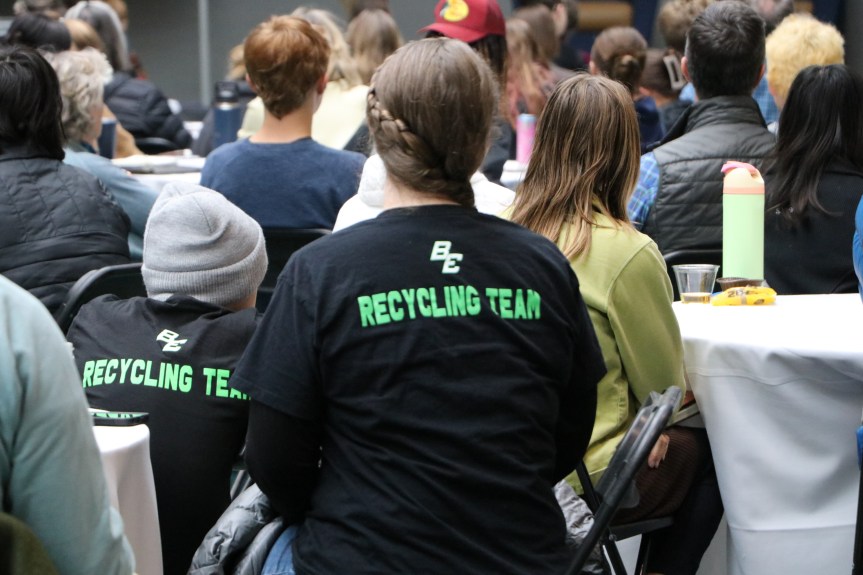
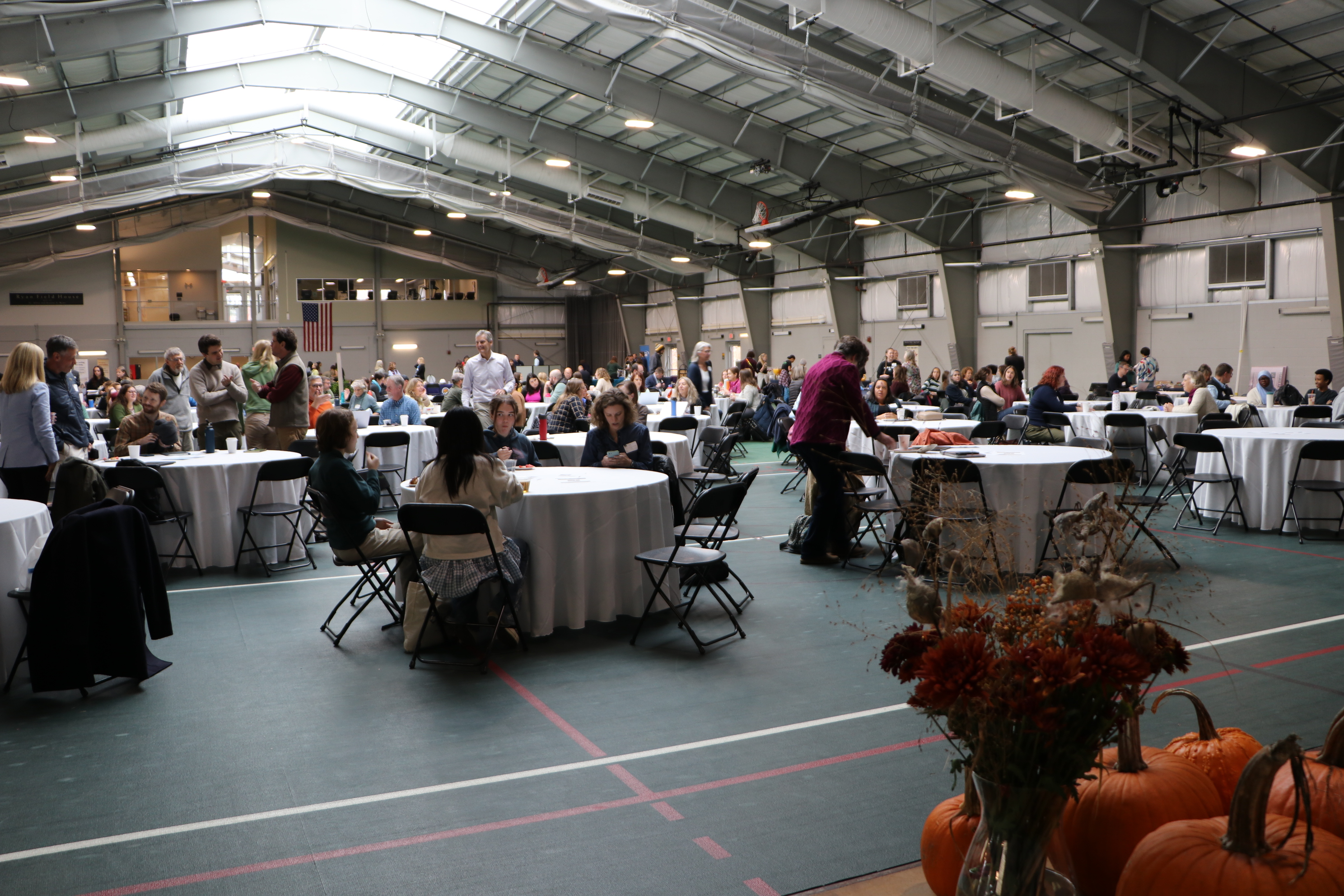
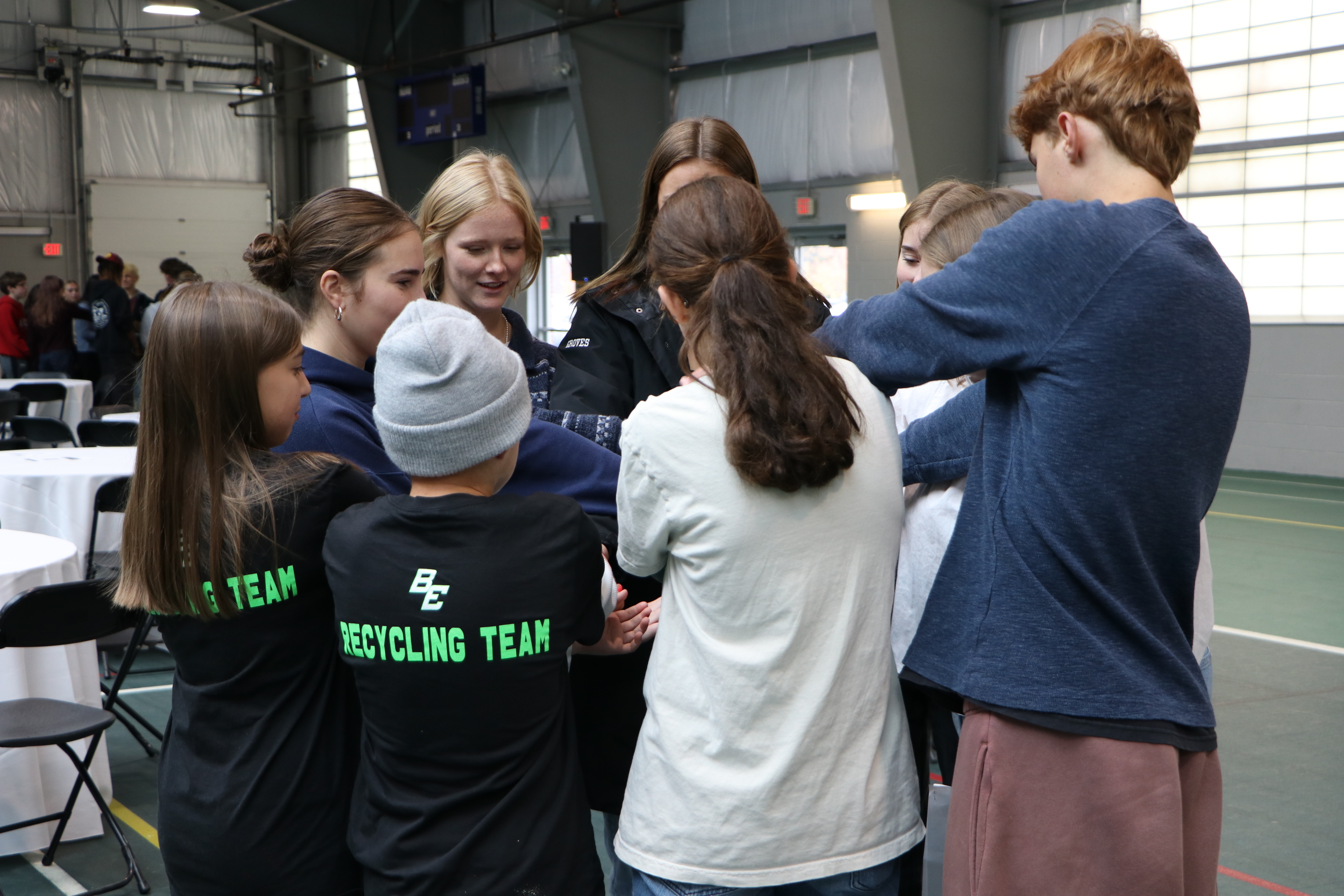
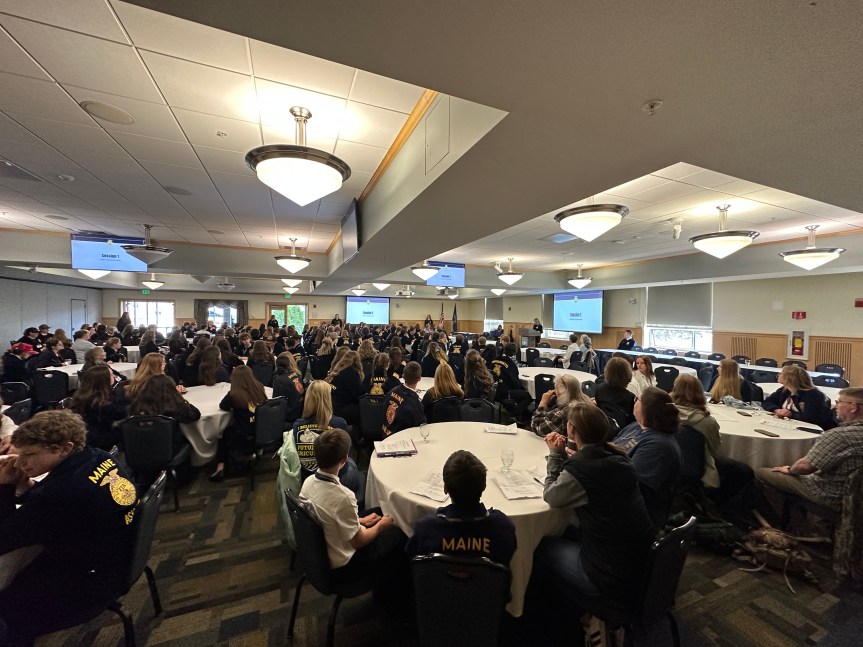
On Friday, November 7, 2025, hundreds of Mainers representing schools, nonprofit organizations, and local businesses attended the first annual Green Schools Symposium, held at Thomas College in Waterville. This event, designed to celebrate environmental education and climate action in Maine schools, is part of the Maine Green Schools Program—a partnership between the Maine Department of Education (DOE) and Governor’s Office of Policy Innovation and the Future (GOPIF) that supports schools across the state in advancing sustainability in four key areas: leadership, facilities, curriculum, and career pathways.
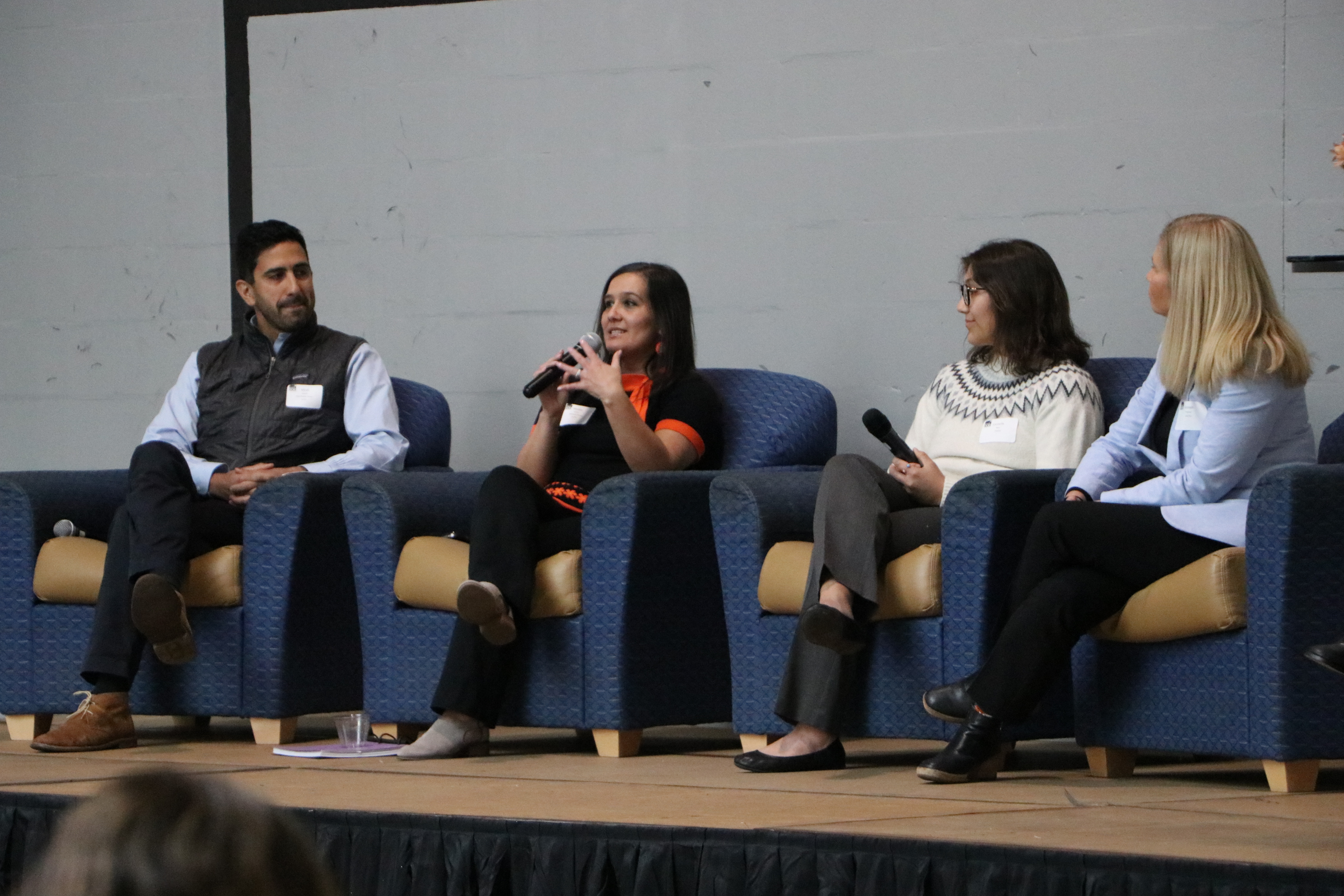
Students representing regions from coastal to western Maine attended Friday’s Symposium. Attendees heard opening remarks from speakers including Glenn Cummings, Maine DOE Director of Green Schools, and Maulian Bryant, Executive Director of the Wabanaki Alliance. They also listened to a “My Why” Panel, as speakers including former Director of GOPIF Hannah Pingree, Bryant and her daughter, and 2025 Milken Educator Award recipient Micah Depper shared details about their efforts to “green” schools.
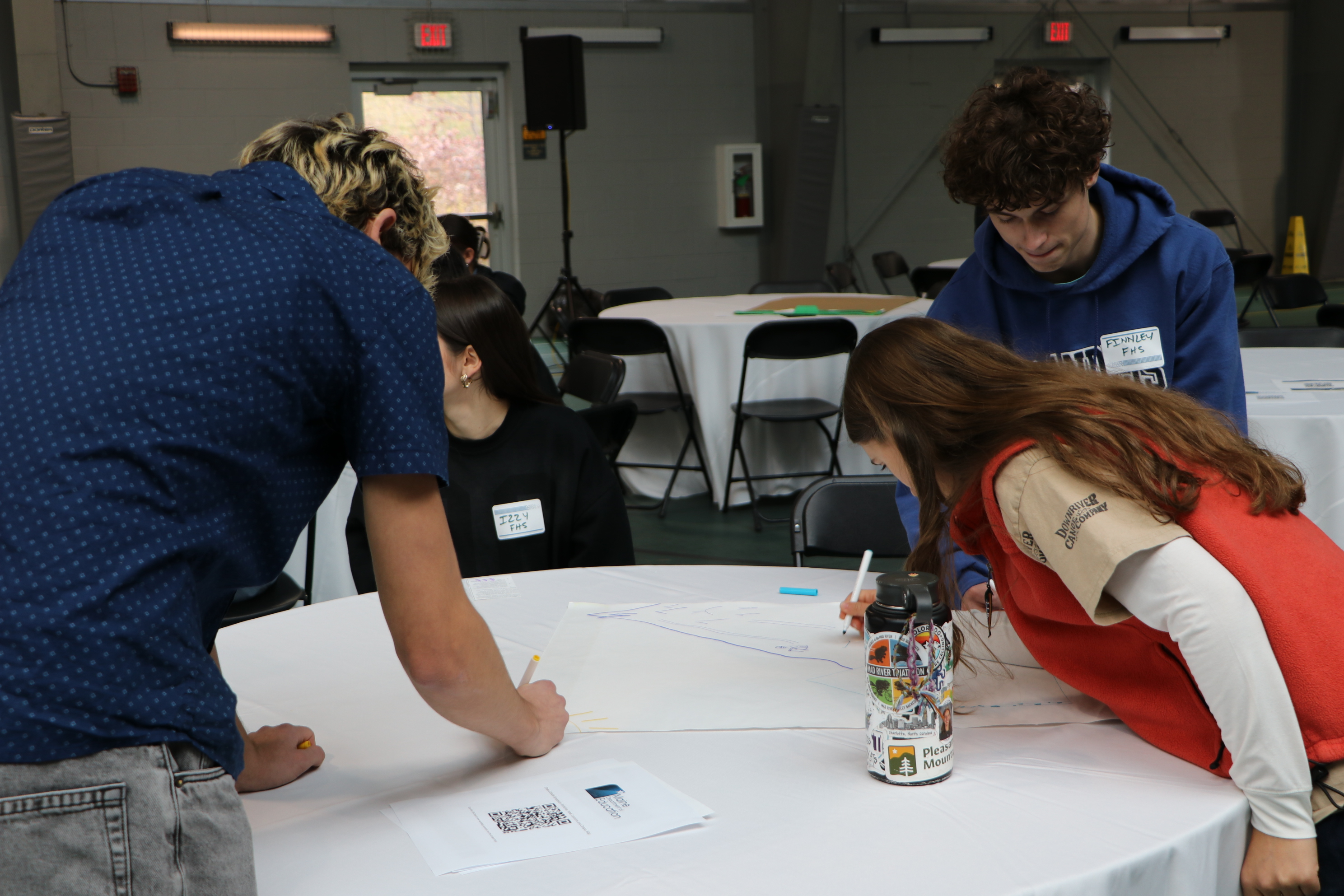
Throughout the day, attendees engaged in interactive workshops and attended sessions ranging from interdisciplinary approaches to climate education, to efforts to increase local foods in school meals and reduce food waste, to the exponential growth of green careers in Maine.
“This event represents what the future of Maine looks like, as we work together to ensure that our schools are healthy, cost-efficient, and teaching our next generations how to protect our outdoors,” said Glenn Cummings, Maine DOE Director of Green Schools. “Reducing pollution in our schools is not a niche extra; it is an essential step in school improvement. It improves health. It improves outcomes. It improves cost efficiency. And, most importantly, it improves hope.”
Glenn Cummings, Maine DOE Director of Green Schools
In a letter addressing Symposium attendees, Governor Janet Mills wrote, in part: “I am proud that Maine leads the nation in developing practical, community-based climate solutions that are built by Maine people, for Maine people. Our schools are one of the most important places in which this work can happen. When we improve our school buildings, our curriculum, and the pathways available to young people, we strengthen the foundation of our economy and our future.”
The Symposium marked a launching point for three primary initiatives of the Maine Green Schools Program, including: building environmental literacy and climate-ready learning in pre-K through higher education; cutting carbon and other school pollutants, while cutting waste and cost in school facilities; and creating pathways to real, Maine-based, well-paying clean energy careers. The Maine Green Schools Program has been steadily gaining momentum; earlier this year, the Maine DOE and GOPIF received the 2025 Difference Makers Award from Project Green Schools for their work in designing one of the first statewide climate-ready education systems in the nation.
One student in attendance at the Symposium, Cedar Worster, a senior at Oxford Hills Comprehensive High School and co-chair of the Maine DOE Student Cabinet, said she often hears from her peers that they are passionate about climate justice.
“They care because they’re concerned about where our future is headed, and they want to make it the best possible future that we can,” Worster said. “We’re going to be the ones making all of the decisions and doing the work impacting our climate and our environment. I think students just want to be informed and knowledgeable about the decisions they make and how those will impact our environment.”
Worster said part of what she enjoyed about the Symposium was the opportunity to connect with fellow students from different parts of the state.
“It has definitely been eye-opening to talk to students from different areas just because it’s so different from where I am from,” Worster said. “Just seeing their perspective on things and how different things impact them differently than they would impact me based on their environment is really cool to see.”
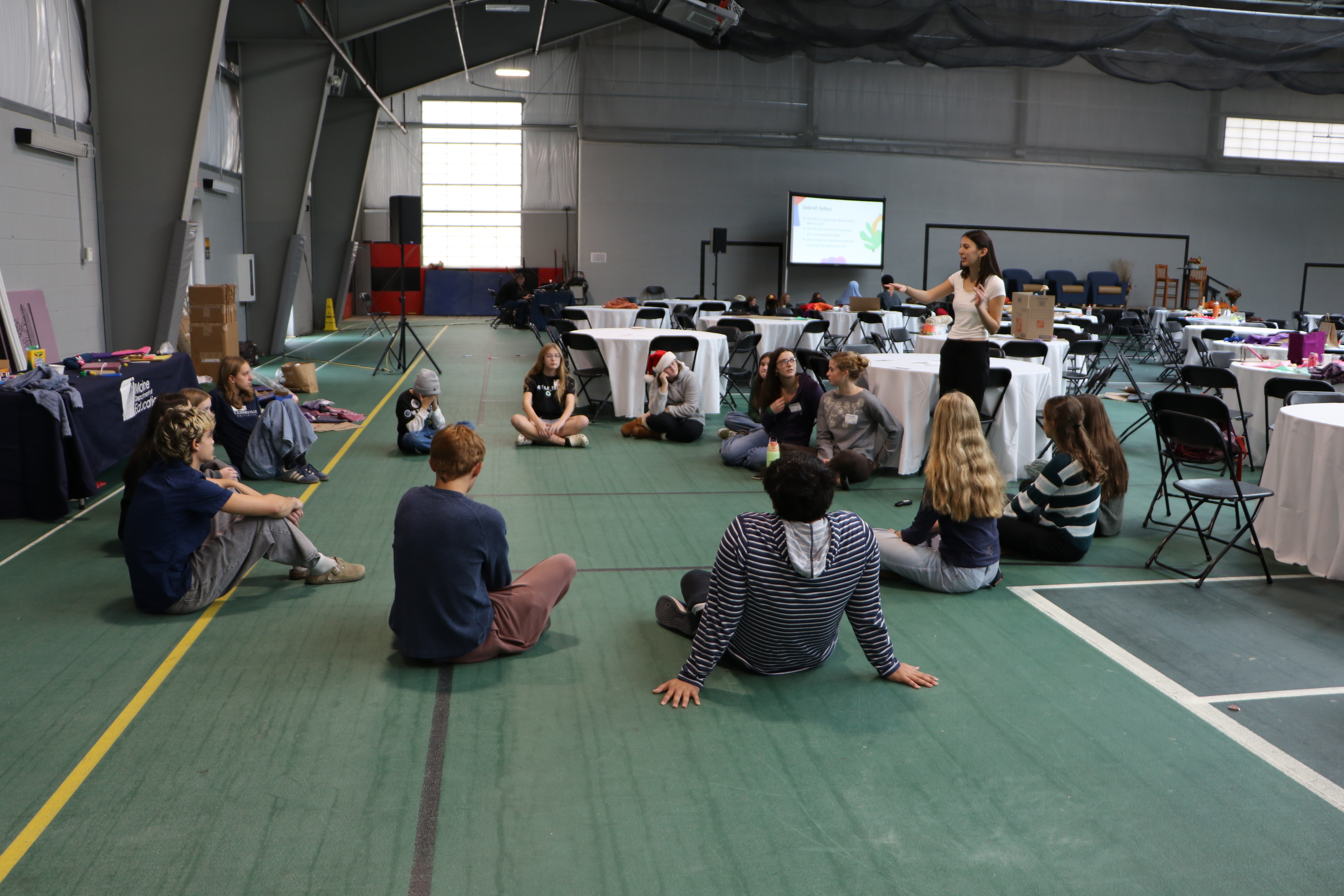
To end the Symposium, attendees engaged in a discussion about the vision of a Green Schools Network, a concept recently established through state legislation to support environmental education and initiatives within public schools and school administrative units. Youth in attendance at the Symposium organized and ran a “Vision Lab” to brainstorm a wide range of concepts for the Green Schools Network, which will be designed using the input received. In 2026, the Green Schools Network will issue a report to the Maine Legislature, including any recommendations for new legislation to help support the goals of the network.
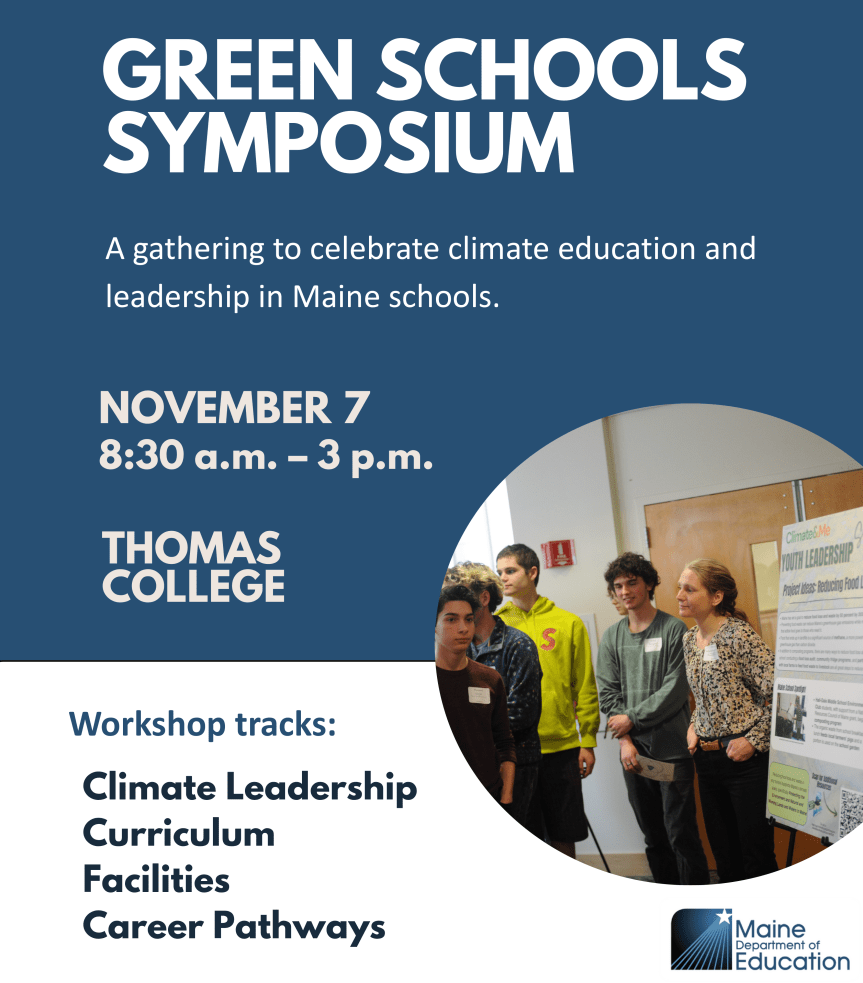
The Maine Department of Education (DOE) is thrilled to announce Maine’s first-ever Green Schools Symposium—a groundbreaking event celebrating climate education and sustainability leadership across Maine’s schools. It will take place on Friday, November 7 from 8:30 a.m. to 3 p.m. at Thomas College in Waterville.
This unique, statewide gathering will bring together school leaders, educators, youth, environmentally-focused nonprofit organizations, and private entities for a full day of networking, resource sharing, and cross-sector collaboration. Please register here and attend to hear inspiring stories of school-led sustainability efforts and explore practical tools for improving energy efficiency, cutting facilities costs, and creating healthier learning environments.
The Symposium will offer four workshop tracks:
Leadership Engage with students, principals, and superintendents, as they share innovative case studies of sustainability efforts across the state. Breakout sessions will explore tangible strategies to drive change at both the school- and school administrative unit-levels.
Facilities Receive hands-on guidance from facilities managers to explore cost-effective, sustainable infrastructure solutions—from clean energy systems to waste reduction to green campus design.
Learning Resources Discover age-appropriate, interdisciplinary approaches to climate education and pathways to integrate classroom learning with school facilities and operations. Breakout sessions will offer practical strategies to build and expand outdoor learning programs.
Career Pathways Meet industry professionals to learn about green trades and professional development opportunities in Maine. Breakout groups will help attendees to identify their skills and discover how to align them with Maine’s green career opportunities.
Limited funds are available to subsidize the cost of substitute teachers and transportation for schools to reduce financial barriers to attending the Symposium. Please contact Lucy Van Hook at Lucy.Van-Hook@maine.gov, if financial assistance is needed to attend the Symposium. Contact hours for Maine educators will be available.
We look forward to celebrating and advancing climate education and resiliency in Maine schools with you on November 7 in Waterville.
The Maine Department of Education (DOE) is excited to announce Maine’s first-ever Green Schools Symposium on November 7, 2025—a statewide event to celebrate environmental education leadership in Maine schools.
The gathering will showcase powerful stories of school-led climate action, foster collaboration across sectors, and provide opportunities to share practical solutions regarding reducing facilities costs and promoting healthy learning environments. Interactive workshop sessions will offer hands-on guidance on facilities management, curriculum development, green career pathways, and leadership strategies.
Register now and join students, school leaders, and sustainability professionals this November to support a robust Green School Network in Maine!
The Symposium comes after the passage of LD 1543, “An Act to Establish a Statewide Green School Network for Maine.” This initiative aims to build capacity for outdoor education and green infrastructure in Maine schools by expanding resources for clean energy adoption, curriculum development, and student-engaged sustainability planning.
The Maine DOE continues to collaborate with the Governor’s Office of Policy Innovation and the Future, the Maine Environmental Education Association, other State of Maine offices and departments, and community-based organizations throughout the state, which have been instrumental in advancing climate, green, outdoor, and environmental education and work.
Symposium Details
Where: Thomas College, 180 West River Road, Waterville, ME 04901
When: Friday, November 7, 2025. The Symposium starts at 8:30 a.m. and ends at 3 p.m. Check-in and breakfast begin at 7:30 a.m.
Who: Teachers, students, principals, superintendents, facilities managers, businesses managers, curriculum coordinators, representatives of non-profit and community-based organizations, and other allies. Due to limited space, priority attendance will be for public schools, students, staff, and administrators.
What to Expect: The Symposium will offer interactive workshops along four tracks:
Leadership–Engage with students, principals, and superintendents to learn about innovative case studies of sustainability projects across the state. Breakout sessions will explore tangible strategies to drive change at both the school- and school administrative unit–level.
Facilities–Receive hands-on guidance from facilities managers to explore cost-effective, sustainable infrastructure solutions, from clean energy systems to waste reduction to green campus design.
Curriculum–Explore age-appropriate, interdisciplinary approaches to climate education and pathways to connect classroom learning with school facilities and operations. Breakout sessions will offer practical strategies to build and expand outdoor learning programs.
Career Pathways–Meet industry professionals to learn about green trades and professional development opportunities in Maine. Breakout groups will help attendees to identify their skills and discover how they align with Maine’s green career opportunities.
The gathering will also include student-facilitated discussions, designed to explore how Maine’s Green School Network can best meet the real needs of school leaders.
Please register here by October 31, 2025. Registration is free. Space is limited, so priority attendance will be for public schools, students, educators, staff, and administrators.
For any questions, please contact Lucy Van-Hook, Green Schools Symposium Event Coordinator, at Lucy.Van-Hook@maine.gov. For more information about the Green Schools Initiative, click here.
In the fall of 2024, students at Tremont Consolidated School (TCS) embarked on an exciting, real-world science project just steps from their classroom—a Salt Marsh Restoration Project, focused on restoring and protecting the fragile coastal ecosystem that borders their school on Mount Desert Island, Maine.
This year, seventh and eighth grade students are exploring how sea level rise is affecting coastal communities, tying this real-world challenge into their Maine Forest Collaborative project. They are investigating how salt marsh restoration efforts can help to mitigate the effects of rising seas, reduce damage to coastal infrastructure, and how to take meaningful, local action to support climate resilience.
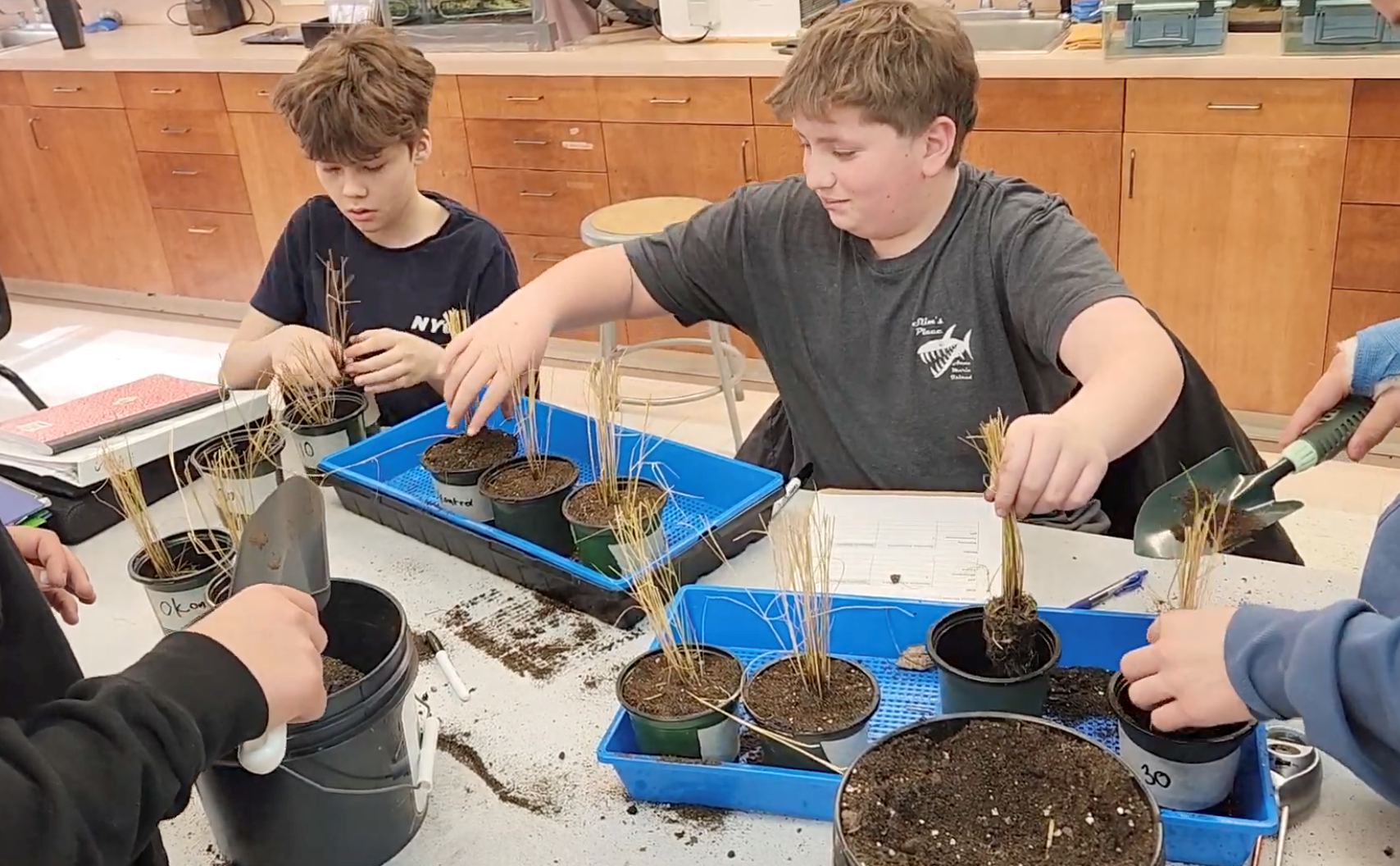
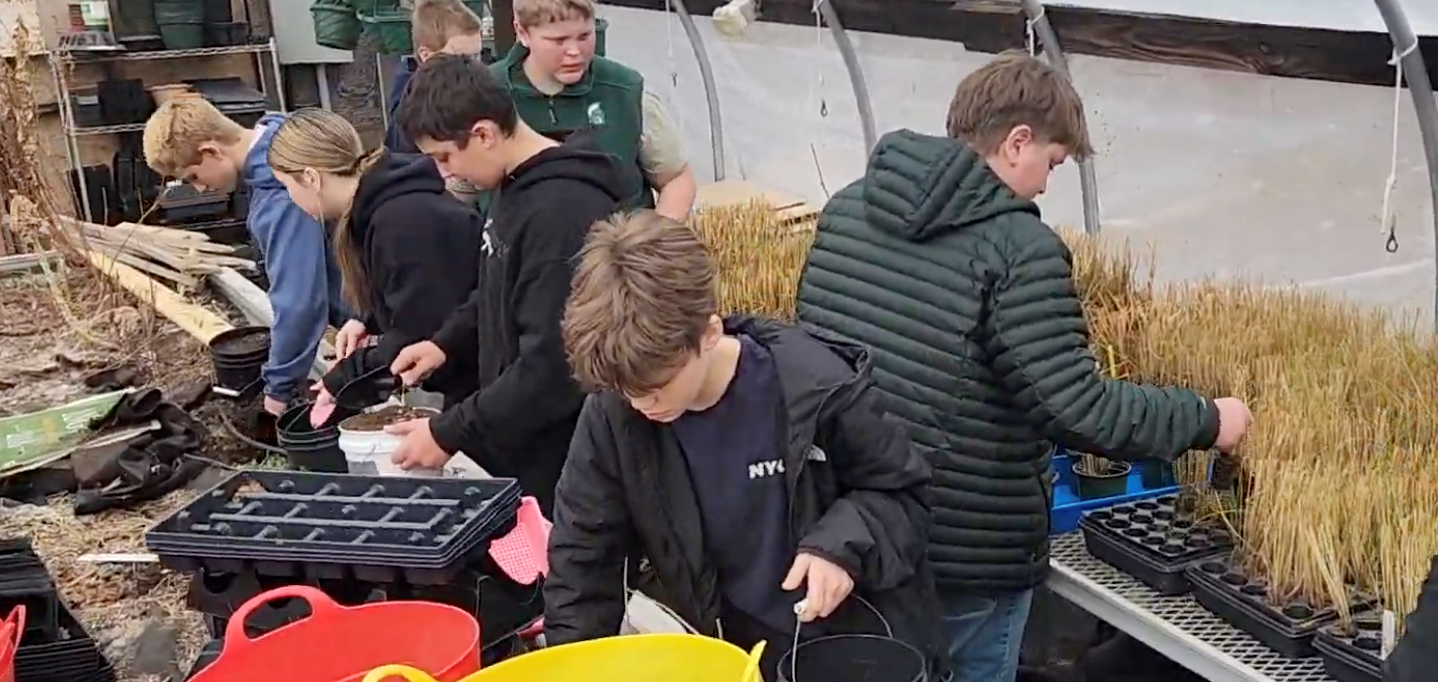
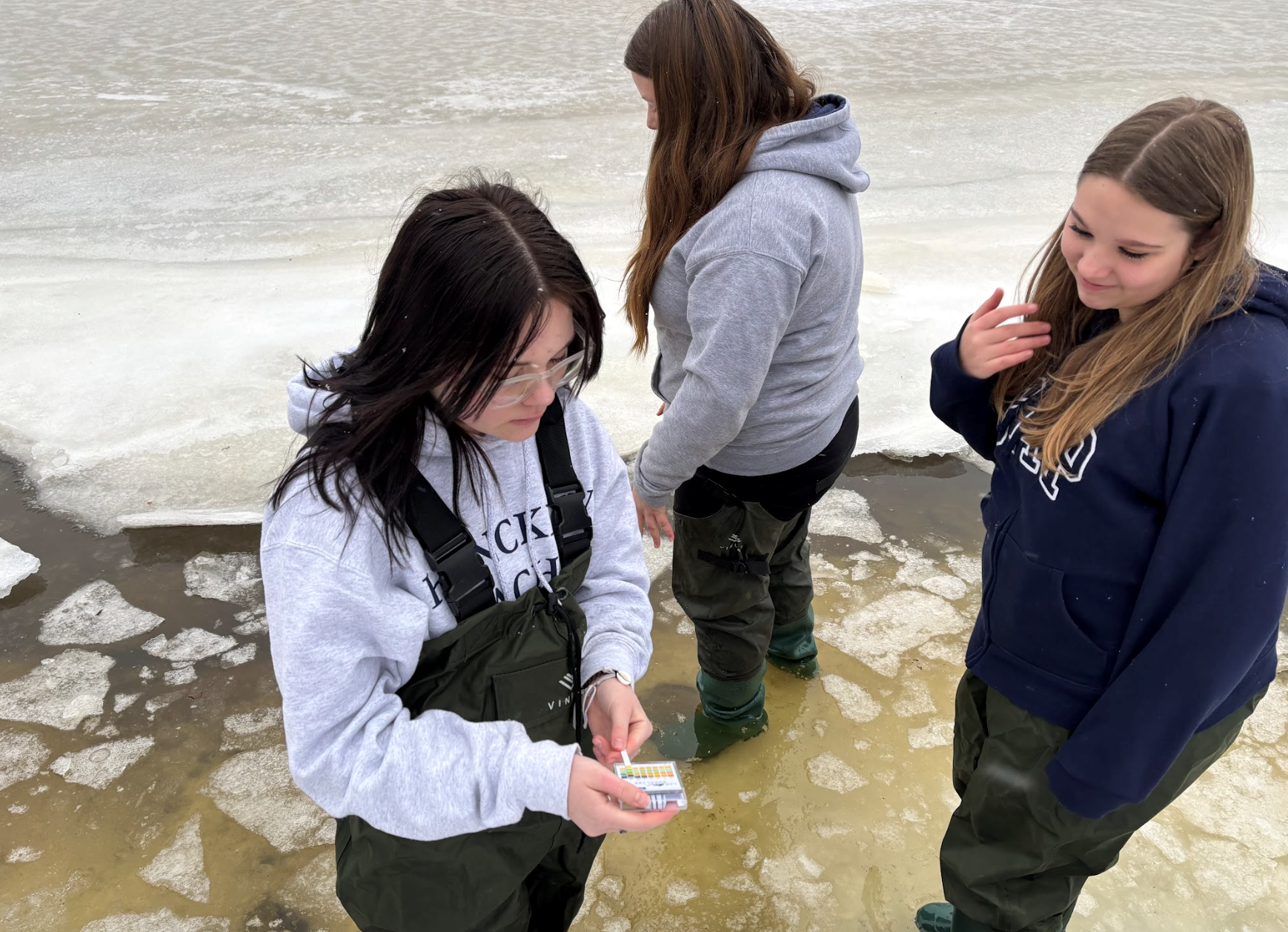
As part of this initiative, TCS educator Mrs. Prentice has been having her middle school science students unbox 1,000 native salt marsh grass plugs this spring. While most will be replanted in a degraded section of the marsh, a portion is being used in student-designed experiments to determine optimal growing conditions.
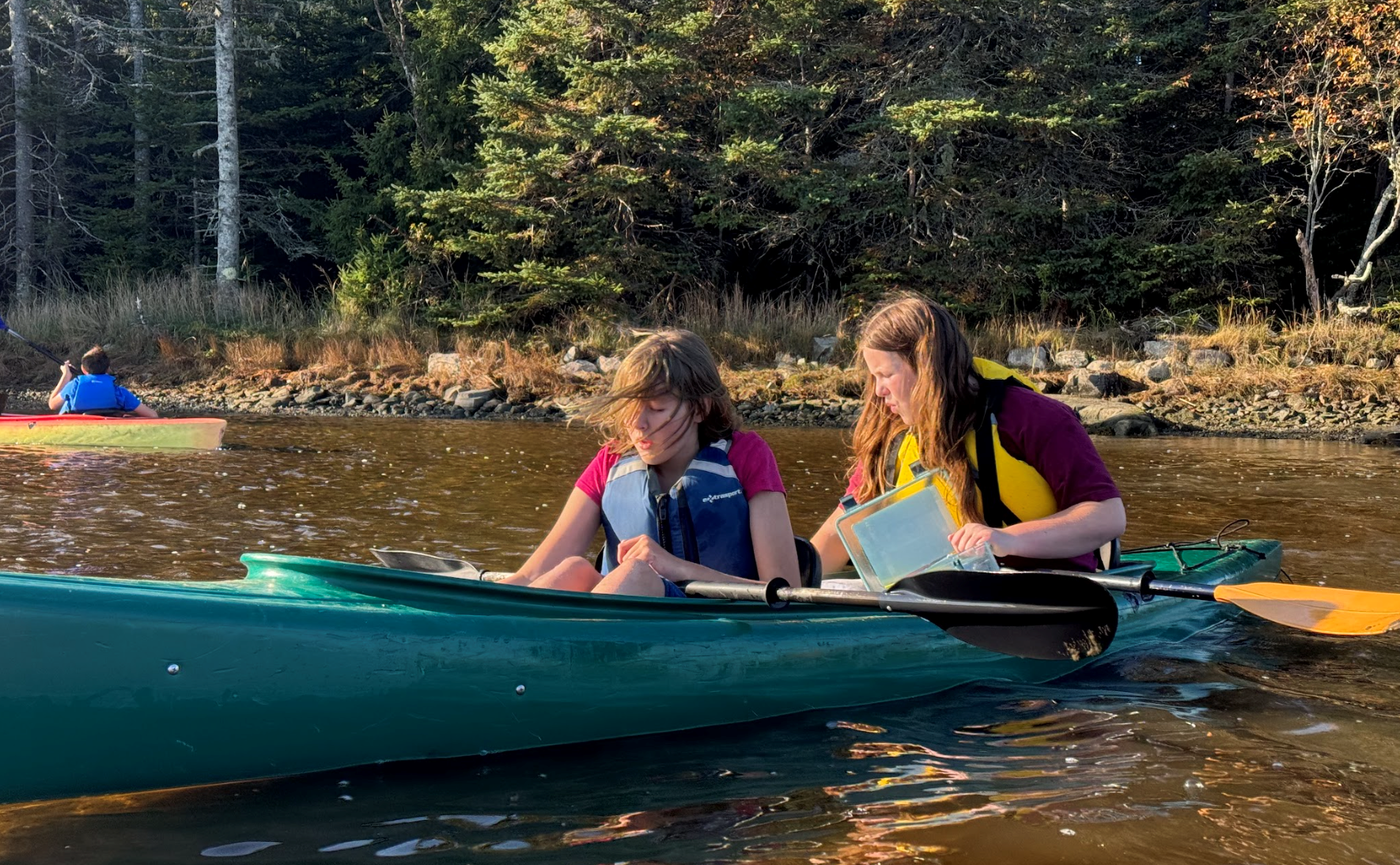
The students are diving into authentic scientific research—collecting and analyzing water quality data, mapping plant biodiversity, and tracking seasonal changes to better understand the ecological impact of their efforts over time.
This project, which launched in September 2024, will continue throughout the school year, integrating seasonal monitoring, scientific reflection, and presentation of findings. It ties directly into the students’ classroom studies in Life and Earth Systems, as they learn about topics such as ecology, biodiversity, climate change, and the human impact on ecosystems.
The salt marsh—just across the street from TCS and bordering Bass Harbor near Acadia National Park—serves as a natural outdoor classroom and living laboratory.
This inspiring initiative is made possible thanks to powerful community collaboration. TCS students and teachers are working alongside the Maine Forest Collaborative, through the Rural Aspirations Project; Maine Coast Heritage Trust; Acadia National Park; the Gulf of Maine Research Institute; and A Climate to Thrive.
These partners have provided resources, expertise, and support to ensure students are not just studying science but living it. Salt marshes are vital ecosystems that offer flood protection, water filtration, wildlife habitat, and carbon sequestration. With the impacts of climate change and rising seas, these areas are increasingly at risk. By restoring a section of the local marsh, students are actively contributing to solutions and becoming solutionary thinkers—young leaders who understand complex problems and take informed, compassionate action in response.
This project is about more than science—it’s about empowering students to realize they can make a real difference in their community.
“Our students aren’t just learning from books,” Prentice said. “They’re working alongside experts, getting their hands dirty, and developing the skills and confidence to be future leaders in sustainability. They’re learning that their voices and actions matter when it comes to protecting the places they love.”
This story was submitted by Tremont Consolidated School.To submit a good news story to the Maine DOE, please fill out the good news submission form.
The two-day event, themed, “Plowing New Paths, Harvesting Dreams,” celebrated youth leadership in agriculture and natural resources.
The Maine FFA Association proudly concluded its 95th annual State Convention on May 9, 2025, following two vibrant days of student-led events, competitions, and career development activities held in the Greater Bangor/Orono region. Hosted primarily at the University of Maine campus in Orono, the convention welcomed more than 300 FFA members, advisors, guests, and supporters from across the state.
This year’s convention theme, “Plowing New Paths, Harvesting Dreams,” guided a full schedule of programming that highlighted youth leadership, innovation in agriculture, and meaningful community engagement. The event featured career and leadership development opportunities in 19 unique areas, including, but not limited to, environmental science, veterinary science, public speaking, floriculture, and tractor driving. Students also participated in community service projects with Maine Harvest for Hunger, the Bangor Humane Society, and Good Shepherd Food Bank.
“This year’s convention theme couldn’t be more fitting, as these words capture both the hard work that defines agricultural life but also the hopeful vision that drives us forward,” Megan Welter, Maine DOE Associate Commissioner of Public Education, said to students during the convention’s opening ceremony. “Since last May, Maine proudly welcomed three new FFA chapters: Poland, Dexter, and Sanford. That expansion brings the State of Maine to 14 chapters, which is a 15% growth in one year. That’s not just a number; that is a testament to the enduring relevance and growing importance of agriculture education in our state.”
Also in attendance during the convention’s opening and closing ceremonies were Deputy Commissioner Nancy McBrady of the Maine Department of Agriculture, Conservation, and Forestry; Dean Diane Rowland of the University of Maine College of Earth, Life, and Health Sciences; and National FFA Secretary Luke Jennings, along with State Officers from FFA chapters across Maine. The convention celebrated the achievements of these FFA chapters and installed the 2025-2026 State Officer Team.
“FFA has been the best thing that has happened to me individually, but I also get to watch a lot of other students grow, as well,” Maine FFA State Vice President Haley Mayne said. “I am so proud of everyone, and I think that being in FFA will not only prepare you for things in agriculture but also for real-world experience. It’s such an awesome organization to be a part of.”
Additional highlights from the two-day event included livestock evaluation, an ag mechanics competition, the National FFA Officer workshop, and hands-on activities in aquaculture, horse evaluation, and floriculture.
The new Maine Climate Literacy Plan provides additional guidance and support for school districts participating in the Maine DOE Climate Education Program.
AUGUSTA, Maine—The Maine Department of Education (DOE) continues to promote climate education opportunities for school districts statewide with the recent publication of the Maine Climate Literacy Plan.
In the spring of 2024, the Maine DOE convened a taskforce to develop this statewide climate education plan, designed to support the Maine DOE Climate Education Program, which launched in 2023. This program takes a place-based, interdisciplinary approach to helping students learn more about our planet’s climate system and how it works.
So far in its three-year pilot, the Maine DOE Climate Education Program has supported nearly 30 locally-designed climate education professional learning opportunities throughout the state—including 10 underway this school year. Some examples include:
MSAD 17 Elementary, middle, and high school students in MSAD 17 are engaging in a wide range of experiential, environmental education programs through a partnership with Roberts Farms Preserve and the Center for an Ecology-Based Economy. Advisory groups made of teachers throughout the district help to guide and lead curriculum efforts. MSAD 17 recently expanded its capacity for this climate education work by unveiling a new experiential learning building at Roberts Farm Preserve.
For more information, contact Jill Bartash, MSAD 17 Curriculum Director, at j.bartash@msad17.org.
MSAD 17 students enjoy time at Roberts Farm Preserve as part of the Maine DOE Climate Education Program.
Westbrook Middle School Westbrook Middle School has a robust farming and environmental education program right in its own backyard. This year as part of the Maine DOE Climate Education Program, the middle school has hosted an educator from the Wild Seed Project three days a week to help teachers explore and learn more about the natural environment. Teachers work with the Wild Seed Project educator to integrate interdisciplinary lessons for students throughout the school day. This programming is set to continue throughout the spring.
RSU 34 RSU 34 in Old Town is wrapping up a busy year of programming through the Maine DOE Climate Education Program in partnership with the RiSE Center at the University of Maine. This initiative has focused on braiding together Indigenous knowledge and Western science to develop climate education curricula and support teacher professional learning. Celebratory events for this program will be hosted on Thursday, May 29, and Friday, May 30, at the UMaine Orono campus.
For more information, contact Jon Doty, RSU 34 Assistant Superintendent, at jon.doty@rsu34.org.
RSU 34 teachers participate in professional learning at the Hirundo Wildlife Preserve as part of the Maine DOE Climate Education Program.
Since the summer of 2024, Healthy Acadia, JustME for JustUS, and Deer Isle – Stonington High School have partnered to develop and implement a year-long project called “Designing the Future.” The school-wide program has engaged the entire high school community in a series of events, activities, and guest speakers and has also brought together teams of students to develop proposals for specific challenges facing the island community.
The devastating storms in January of 2024 heightened the awareness of the island community of the dangers represented by climate change. Students, families, and school staff alike experienced the impact of the storms, whether due to personal loss, the impact felt by neighbors, or just by witnessing the causeways under four feet of water. The storms highlighted the vulnerability of the island community, while presenting an opportunity for students to think about how they could have a positive impact on climate resilience.
Designing the Future kicked off with a full day of activities on November 14 and culminated in March with STEM Week, when students collaborated to create a vision for one place on Deer Isle that represents the future that they want to live in. This project is inspired by Arts Week, in which each student group collaborates with a visiting professional to imagine, draft, and present a project that responds to a local need and answers the question: “What could we build here?” The faculty, staff, and student body are divided into five groups based on interest, each working collaboratively on a different project across the island.
The kick-off event in November included a visit to each site and feedback from a community member living or working at the site. The five areas explored were: Sunshine Causeway, Lily Pond, Stonington Main Street, Greenhead Lobster, and Billings Diesel and Marine.
In November, students heard from Gayle Bowness of the Gulf of Maine Research Institute, James Rutter of the Haystack Fab Lab, and Genevieve McDonald, a Stonington resident and the local school board chair.
In December, students heard from Will Steinharter of Osprey’s Echo about the effects of storms on the island ecosystem and ecotourism economy.
In February, students heard from Linda Nelson, the town of Stonington’s Director of Economic and Community Development, about the impact of climate change on Stonington. Also in February, the entire school visited the University of Maine Process Development Center and the Advanced Structures and Composites Center to learn more about emerging technologies and their role in climate resilience.
In addition, the five faculty, staff, and student body groups have met several times throughout the year to collect information, consider their sites, and, most importantly, think creatively and critically about possible solutions to the challenges they face.
The final project in March included a tabling event and presentation to the school and community members, as students shared their vision for the future of their chosen site on the island.
Deer Isle – Stonington High School, Healthy Acadia, and JustME for JustUS are grateful to the following partners for their support throughout this project with expertise, facilities, and funding: Healthy Acadia; Andrew Simon, JustME for JustUS; Isidora Muñoz Segovia, Gulf of Maine Research Institute (GMRI); Meggie Harvey, Haystack School of Crafts; James Rutter, Island Heritage Trust; Martha Bell and Alex Drenga, University of Maine; Renee Kelly, Maine App Challenge; Matt Jones, Maine Math and Science Alliance; Alexandria Brasili, Kleinschmidt Associates; Nicholas Ciomei (Deer Isle-Stonington High School ‘05); Katy Rinehart and Herb Carter, Opera House Arts; Allison Melvin, Greenhead Lobster; Genevieve McDonald, Billings Diesel and Marine.
This story was submitted by Deer Isle – Stonington High School, Healthy Acadia, and JustME for JustUS.To submit a good news story to the Maine DOE, please fill out the good news submission form.
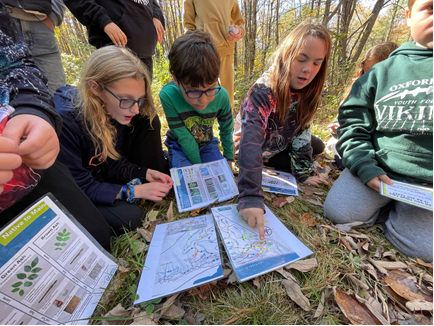
Pictured: Fifth-grade students from MSAD 17 observed ash trees as part of their STEM lessons at Roberts Farm Experiential Learning.
The Maine Department of Education (DOE), in partnership with the Maine Environmental Education Association, has published the state’s first Maine Climate Literacy Plan (MCLP) with support from the Governor’s Office of Policy Innovation and the Future.
This plan will serve as an addendum to the Maine Environmental Literacy Plan (MELP), which was first created in 2010 and revised in 2022. The MCLP provides seven recommendations for parties throughout the state, including the Maine DOE, community partner organizations, school administrative units (SAUs), and other leaders, to help support climate literacy in Maine schools and among Maine youth.
The Maine DOE established a taskforce to develop the MCLP in the Spring of 2024. This taskforce consisted of 30 key partners from a wide range of roles and locations throughout the state, including interdisciplinary educators, school administrators, community organization leaders, and youth. The taskforce held six meetings total to construct the recommendations provided in the MCLP.
The MCLP is one of the first of its kind in the nation. It is designed to chart a supportive plan for climate literacy throughout Maine schools. As the State of Maine continues to see climate change that affects the state’s workforce, infrastructure, natural environment, and future generations, it is imperative that schools feel they have the tools to support students’ understanding of these challenges, develop an appreciation for the environment, and provide the skills necessary to meet the future head-on.
The MCLP is the result of the 2020 Maine Won’t Wait recommendation by the Maine Climate Council. As an addendum to the MELP, the MCLP builds on the long-term vision, and success thus far, of prioritizing environmental education throughout the state, while setting more specific and shorter-term goals for climate education as a subset of environmental education.
The MCLP is structured into two strategic goals; 1. Increase Capacity Building for Advancing Climate Literacy in Maine Schools, 2. Develop a Holistic Maine Green Schools Program. Each strategy has a subset of recommendations and corresponding action steps needed to accomplish them listed. These recommendations are non-binding suggestions for carrying out this work throughout the state. The MCLP serves as a four-year framework that will be revised and updated, as needed, and then fully updated with a taskforce after four years. The Maine DOE plans to issue semiannual updates on the progress of recommendations.
Updates on Climate Education throughout Maine
For the 2024-2025 school year, 10 climate education programs are underway in dozens of schools throughout the state. The Maine Climate Literacy Plan aims to support programs such as these in years to come. Here is a highlight from two of them.
MSAD 17 (Oxford Hills)
In the Fall of 2024, eleven fifth-grade classes from MSAD 17 learned about the ecology and cultural significance of ash trees during their STEM lessons at Roberts Farm Experiential Learning.
Students contributed 22 observations to Gulf of Maine Research Institute’s community science project, Protecting Ash for the Future. The ash trees that students observed at Roberts Farm showed a few signs of stress, but students did not find any clear evidence of the emerald ash borer.
MSAD 17 plans to continue to monitor these trees with fifth-grade classes in the future!
RSU 34 (Old Town)
The Maine Center for Research in STEM Education (RiSE Center) at the University of Maine, along with RSU 34, is working with more than 85 teachers from around the state to develop lessons on climate science through a grant from the Maine DOE. This unique approach asks teachers to use Western science findings to inform their lesson plans and incorporate Indigenous philosophies and knowledge.
These teachers are learning from university faculty about the different ways in which climate is impacting our state, while also working with Wabanaki Youth in Science (WaYS), Wabanaki REACH, and/or completing the University of Maine Dawnland micro-credential to gain valuable insight into the culture of the Wabanaki and the knowledge that they have held for more than 10,000 years.
This multi-faceted approach brings teachers together to participate in professional learning online, curriculum development, in-person events, field trips, and book studies featuring books by Indigenous authors. Participants will come together this spring to present their work and share what they have learned and how they use it in their classrooms.
Eighty-five teachers from across the state are taking part in a program to develop climate science lessons using Western science findings and Indigenous knowledge.
For questions about the Maine Climate Literacy Plan or climate education in Maine, please reach out to Teddy Lyman, Maine DOE Climate Education Specialist, at Theodore.Lyman@maine.gov.
For more information about Maine DOE climate education work, and for additional resources, please use this link.
The Maine Department of Education (DOE) is excited to be partnering with the Governor’s Office of Policy Innovation and the Future, the Maine Environmental Education Association, Maine Youth for Climate Justice, the Maine Mathematics and Science Alliance, and JustME for JustUS to host the Climate&Me Youth Leadership Summit in April.
This all-day event is designed to empower high school students in climate action. It will include student-led workshop sessions, time to meet and connect with other students, opportunities to build skills, and a library of climate action resources. Students will have the chance to hear from other young climate leaders and experts about how to drive action and change in their own schools and communities. Featured speakers and agenda updates will be announced soon!
Summit details:
Where: Wells Conference Center on the University of Maine Orono campus (131 Munson Road, University of Maine, Orono, ME 04473)
When: Friday, April 4, 2025. Check-in and breakfast begin at 8 a.m. The Summit starts at 9 a.m. and ends at 5 p.m.
What to expect: The full-day Summit will offer Maine high school students and adult leaders the opportunity to connect with fellow emerging climate leaders, attend student-run breakout sessions, and build a toolkit of climate action project planning skills and resources. Educators and administrators who accompany students to the Summit will join a separate “adult track” to exchange knowledge and build connections.
How to register: First, form a cohort with one to two adult leaders (for example, a teacher, administrator, or school staff member) and two to ten students from your high school. Cohorts may be based on classes, pre-existing eco-clubs, or newly-formed groups. No prior experience running a climate project at your school is necessary!
Then, register here by March 3, 2025. Space is limited, so please consider applying early.










 Maine DOE Newsroom