Passing the Torch: Windham Fire Department Empowers the Next Generation at Foster Career and Technical Education Center

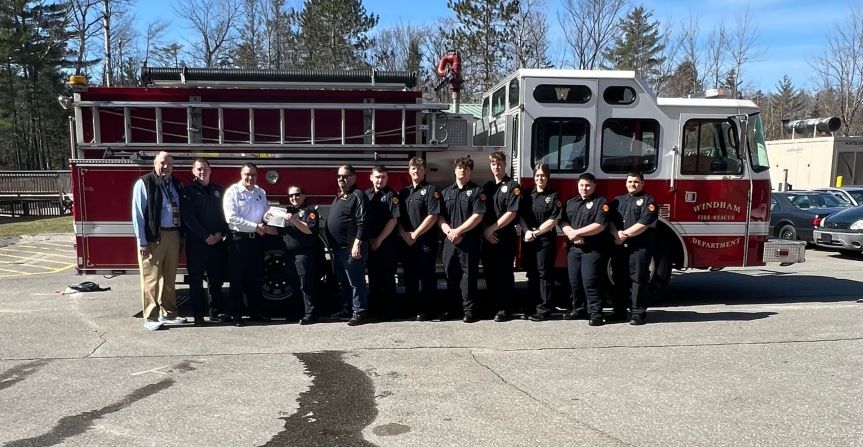
On Friday, April 18, 2025, excitement filled the air at the Foster Career and Technical Education (CTE) Center in Farmington, as a bright red fire truck pulled into the parking lot—not in response to an emergency but as a heartfelt gift. The Windham Fire Department donated this 2004 E-ONE fire truck just as it was being retired from active service, giving it a meaningful new role in training future firefighters.

When Windham Fire Department Chief Brent Libby learned that the Foster CTE Center needed a newer vehicle for hands-on training, he didn’t hesitate to help. Once the necessary approvals were in place, the donation was finalized, and the truck made its way to its new home. Chief Libby and Windham Fire Department firefighter Steve Bishop presented the truck to the school.

The students, led by firefighting instructor Ellie Adams, were ready and waiting. They had cleared and cleaned the vehicle bay, proudly wore their uniforms, and even prepared a celebratory cake to welcome the newest and biggest addition to their training space.

The joyful occasion brought together students, school leaders, and members of the firefighting community. Among the attendees were RSU 9 Superintendent Christian Elkington, School Board Member Deb Smith, Interim Foster CTE Director Galen Dalrymple, Mt. Blue High School Principal Joel Smith, and representatives from the Farmington Fire Department, including Chief T.D. Hardy, Deputy Chief Tim Hardy, and firefighters Job Alexander, Stanley Wilcox, and Jackson Hardy.

With this generous donation, students can now train with real-world equipment that reflects the tools and technology used in the field today. The Foster CTE Center’s firefighting program prepares students for meaningful careers in public safety—whether they become firefighters, EMTs, or continue their education in fire science or emergency services.

Thanks to the thoughtfulness, kindness, and community spirit of the Windham Fire Department and the Town of Windham, this fire truck will continue its service in a new and powerful way, helping future first responders to gear up for success with confidence, pride, and purpose.

This story was submitted by Mt. Blue Regional School District. To submit a good news story to the Maine DOE, please fill out the good news submission form.

Empowering Students: Workforce Development and the Dignity of Risk

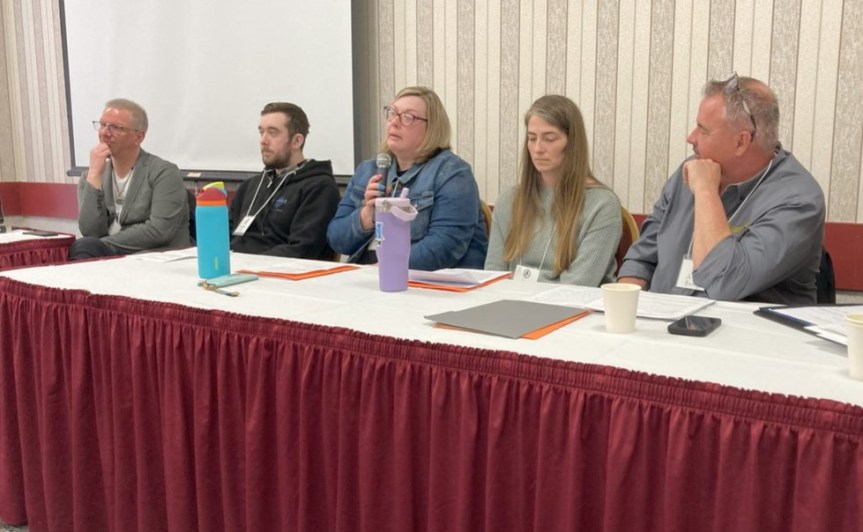
Pictured (left to right): John Post, Kameron King, Danica Wooster, Kay Fearon, and Arnold Bulley. 

At the core of teaching is a central question: How can we ensure that every student gets the best education possible? This was the theme of the Maine Department of Education’s Inclusive Education Conference, focused on supporting students with disabilities throughout their pre-K-12 schooling and into meaningful adult lives. 

Held at the Augusta Civic Center, the conference provided an opportunity for attendees to sit in on a variety of panels and workshops, centered around some key questions: How can we rethink classroom spaces to make them more accessible to students who are receiving special education services? How can we rework individualized education plans (IEPs) to ensure inclusion across all settings? How can we ensure that students with disabilities have the same opportunities in school as other students?  

One such panel was on the topic of “Dignity of Risk for Students with Disabilities.” The panelists included a variety of people from different backgrounds, including educators, employers, employment specialists, and a young employee with lived experience, each offering valuable perspectives on how risk impacts the development and success of students with disabilities.

Liam Danaher, ELO Coordinator at Noble High School discusses the dignity of risk and supporting students in their journey with career exploration
Liam Danaher, ELO Coordinator at Noble High School, discusses the dignity of risk and supporting students in their journey with career exploration.

Janet May, Coordinator of Transition and Adults at the University of Maine Center for Community Inclusion and Disability Studies, opened the discussion asking panelists, “What is dignity of risk?” Each panelist responded with varying perspectives on the discussion; however, a common thread emerged: Students should be allowed to take risks, make mistakes, and fail, because it is often in that moment of failure that people truly grow. Panelist John Post, a vocational rehabilitation counselor said, “It is okay to have a negative impact from a risk. What’s important is to learn how to come back from it.”

Each panelist shared their own experiences, encouraging students to embrace manageable risks. Kamron King, who works in an apprenticeship program for high-skilled labor jobs, shared that starting out in the program was tough, but being allowed to fail helped him to grow. Danica Wooster, a Student Support Specialist at the Mid-Coast School of Technology, is a woman working in a male-dominated field. She emphasized the importance of pushing yourself and learning from personal challenges; Arnold Bulley, a Human Resources and Safety Manager at Shiretown Solutions in Houlton, noted that he always sets goals for students to help them grow, letting them take risks. Liam Danaher, Extended Learning Opportunities Coordinator at Noble High School, recalled his six-year-old son learning how to mountain bike with the mantra, “No risk, no reward.”

The panel went on to address many other questions about the balance between growth and support. In the end, it was a productive conversation about how to tackle these delicate and necessary challenges. 

Another panel question involved striking the right balance between providing necessary support, while still allowing for the dignity of risk and personal growth. As discussed by Wooster and Danaher, this balance is rooted in the belief that meaningful learning and growth happen through experience, especially through mistakes. The support should be individualized and dynamic, adapting to each student’s needs. King’s experience further emphasized this. He talked about how his vocational rehabilitation counselor supported him in his journey to becoming a welder at a shipyard, which, with many ups and downs, demonstrates how support helps individuals to flourish. 

Bulley added, “To me, a balanced support means pulling back on those parents and job coaches and employment specialists in order to let a person learn and grow.”

Ultimately, balancing support with risk is about building a toolkit that, as Kay Fearon, Diversified Occupations Instructor at Portland Arts and Technology High School described, helps students to adapt and find their own ways of achieving success, even in the face of limitations and challenges. 

Conference panelists emphasized that it’s not a one-size-fits-all approach; it’s about guiding students to recognize their strengths, confront their fears, and know that setbacks are part of the path to confidence, independence, and personal fulfillment.

For both employers and individuals alike, inclusive workplaces are essential. When people with disabilities and other diverse backgrounds are fully included, organizations across industries unlock greater potential—for their teams, individual employees, and the broader workforce.

This article was written by Vagni Das, a rising senior at Yarmouth High School. As part of her extended learning experience, she is working as an intern at the Maine DOE.

MEDIA RELEASE: Hundreds of Students, Guests Attend 95th Annual Maine FFA State Convention

The two-day event, themed, “Plowing New Paths, Harvesting Dreams,” celebrated youth leadership in agriculture and natural resources.

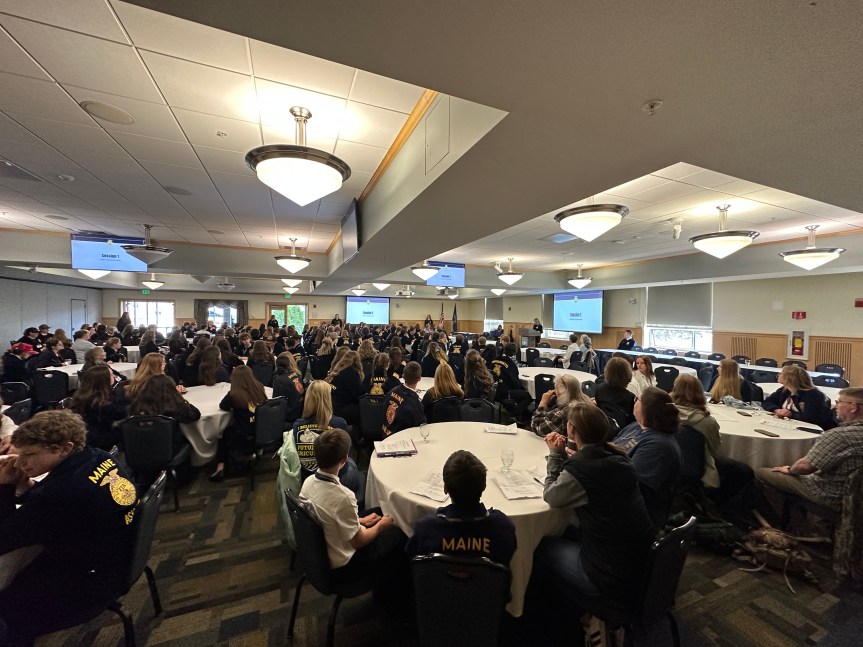
The Maine FFA Association proudly concluded its 95th annual State Convention on May 9, 2025, following two vibrant days of student-led events, competitions, and career development activities held in the Greater Bangor/Orono region. Hosted primarily at the University of Maine campus in Orono, the convention welcomed more than 300 FFA members, advisors, guests, and supporters from across the state.

This year’s convention theme, “Plowing New Paths, Harvesting Dreams,” guided a full schedule of programming that highlighted youth leadership, innovation in agriculture, and meaningful community engagement. The event featured career and leadership development opportunities in 19 unique areas, including, but not limited to, environmental science, veterinary science, public speaking, floriculture, and tractor driving. Students also participated in community service projects with Maine Harvest for Hunger, the Bangor Humane Society, and Good Shepherd Food Bank.

“This year’s convention theme couldn’t be more fitting, as these words capture both the hard work that defines agricultural life but also the hopeful vision that drives us forward,” Megan Welter, Maine DOE Associate Commissioner of Public Education, said to students during the convention’s opening ceremony. “Since last May, Maine proudly welcomed three new FFA chapters: Poland, Dexter, and Sanford. That expansion brings the State of Maine to 14 chapters, which is a 15% growth in one year. That’s not just a number; that is a testament to the enduring relevance and growing importance of agriculture education in our state.”

Also in attendance during the convention’s opening and closing ceremonies were Deputy Commissioner Nancy McBrady of the Maine Department of Agriculture, Conservation, and Forestry; Dean Diane Rowland of the University of Maine College of Earth, Life, and Health Sciences; and National FFA Secretary Luke Jennings, along with State Officers from FFA chapters across Maine. The convention celebrated the achievements of these FFA chapters and installed the 2025-2026 State Officer Team.

“FFA has been the best thing that has happened to me individually, but I also get to watch a lot of other students grow, as well,” Maine FFA State Vice President Haley Mayne said. “I am so proud of everyone, and I think that being in FFA will not only prepare you for things in agriculture but also for real-world experience. It’s such an awesome organization to be a part of.”

Additional highlights from the two-day event included livestock evaluation, an ag mechanics competition, the National FFA Officer workshop, and hands-on activities in aquaculture, horse evaluation, and floriculture.

For more information about FFA, visit the Maine DOE Website.

Maine DOE Seeking Public Comment on CTE Performance Levels for Maine’s Revised 2024 Perkins State Plan (2025 Submission)

To enhance Maine’s high-quality Career and Technical Education (CTE) programs, the Maine Department of Education (DOE) is seeking public comment on performance levels for Maine’s Revised 2024 Perkins State Plan. Comments will be accepted through Friday, June 6, 2025.

The 2025 submission of Maine’s Revised 2024 Perkins State Plan will include adjusted values of Maine’s state-determined performance levels (SDPLs) for the 2024-2025 school year through the 2027-2028 school year. These proposed adjusted values will more accurately represent available student data and reflect more achievable thresholds at the state level.

Please note that the Perkins indicators (1S1, 2S1, etc.) may not be changed; Maine is federally required to report on these performance indicators.

Maine’s proposed SDPLs for the upcoming four years are available for public comment for 60 days, with public comment closing on Monday June 9, 2025. Feedback should be provided through the available survey, which can be found here.  Comments will be reviewed and included in the final version of Maine’s Revised 2025 Perkins State Plan.

Please visit the Maine DOE CTE Accountability webpage for more information on Maine’s Perkins State Plan and Maine’s existing secondary and postsecondary SDPLs.

For additional information, please contact Dwight A. Littlefield, Maine DOE CTE Director, at dwight.a.littlefield@maine.gov.

Maine Celebrates Career and Technical Education Month in February

(Pictured: Students and instructors from the Outdoor Skills and Leadership program at Region 9 School of Applied Technology in Mexico, Maine.)

Over the last six years, Career and Technical Education (CTE) enrollment in Maine has increased by more than 20%. Currently, there are more than 10,500 enrollments in Maine CTE programs – the highest number to date. Maine’s CTE schools provide students with access to more than 90 unique programs that prepare them for a variety of post-secondary pathways.

Career and Technical Education has become a sought-after education pathway for Maine students. Maine’s CTE programs provide students with learning opportunities that set them up for post-secondary success. Students often graduate with licensure, real-world experience, college credits, and workforce connections.

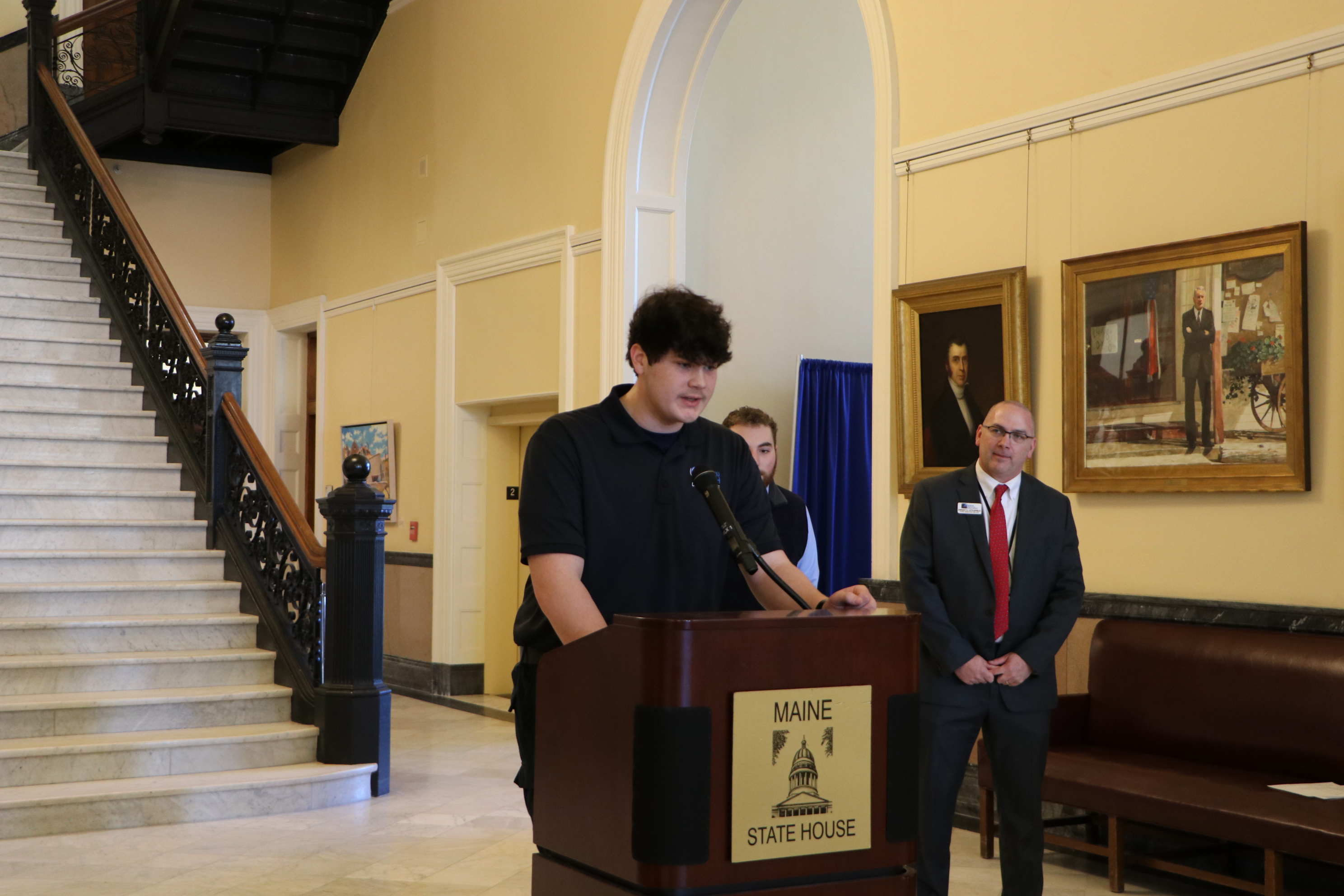
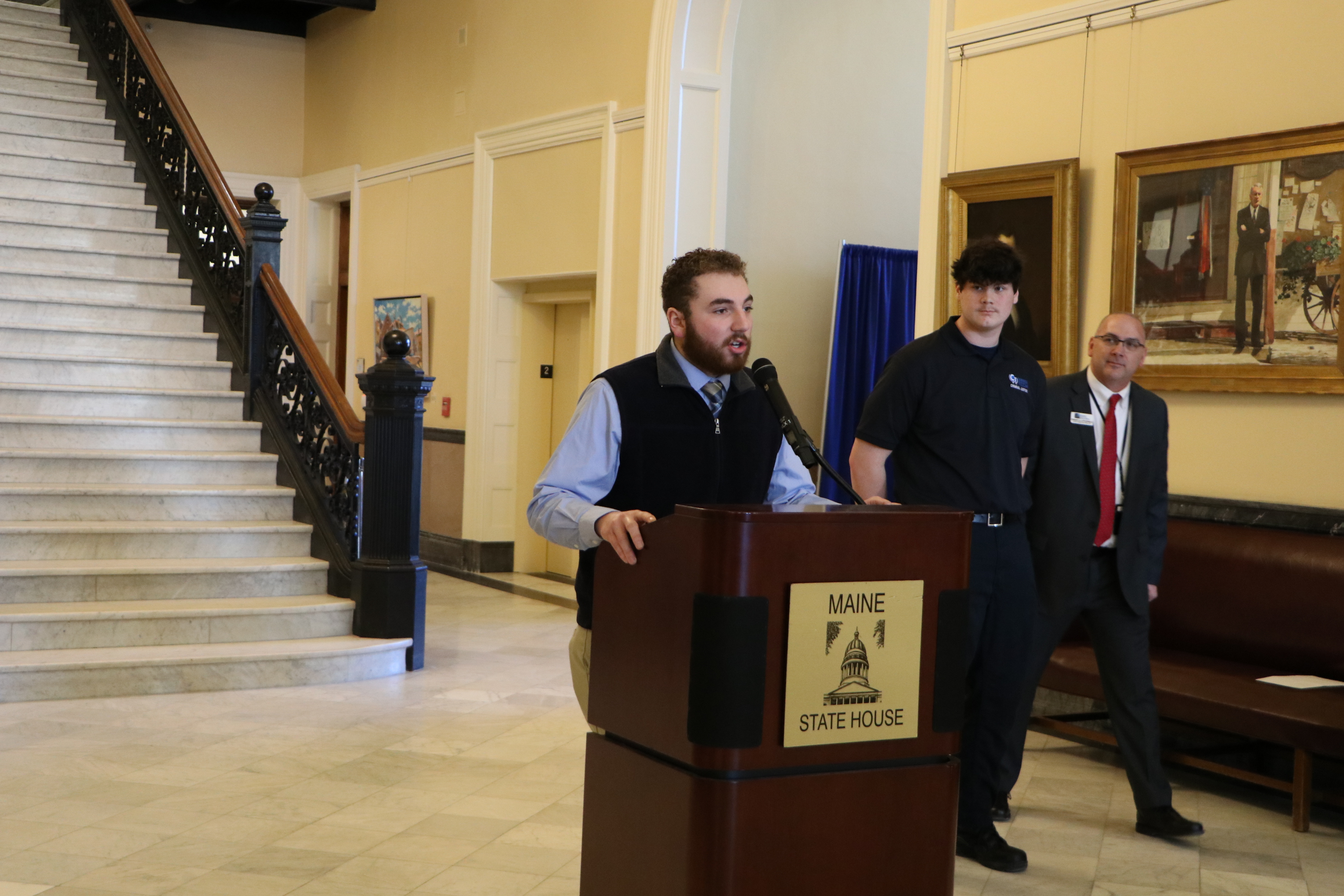
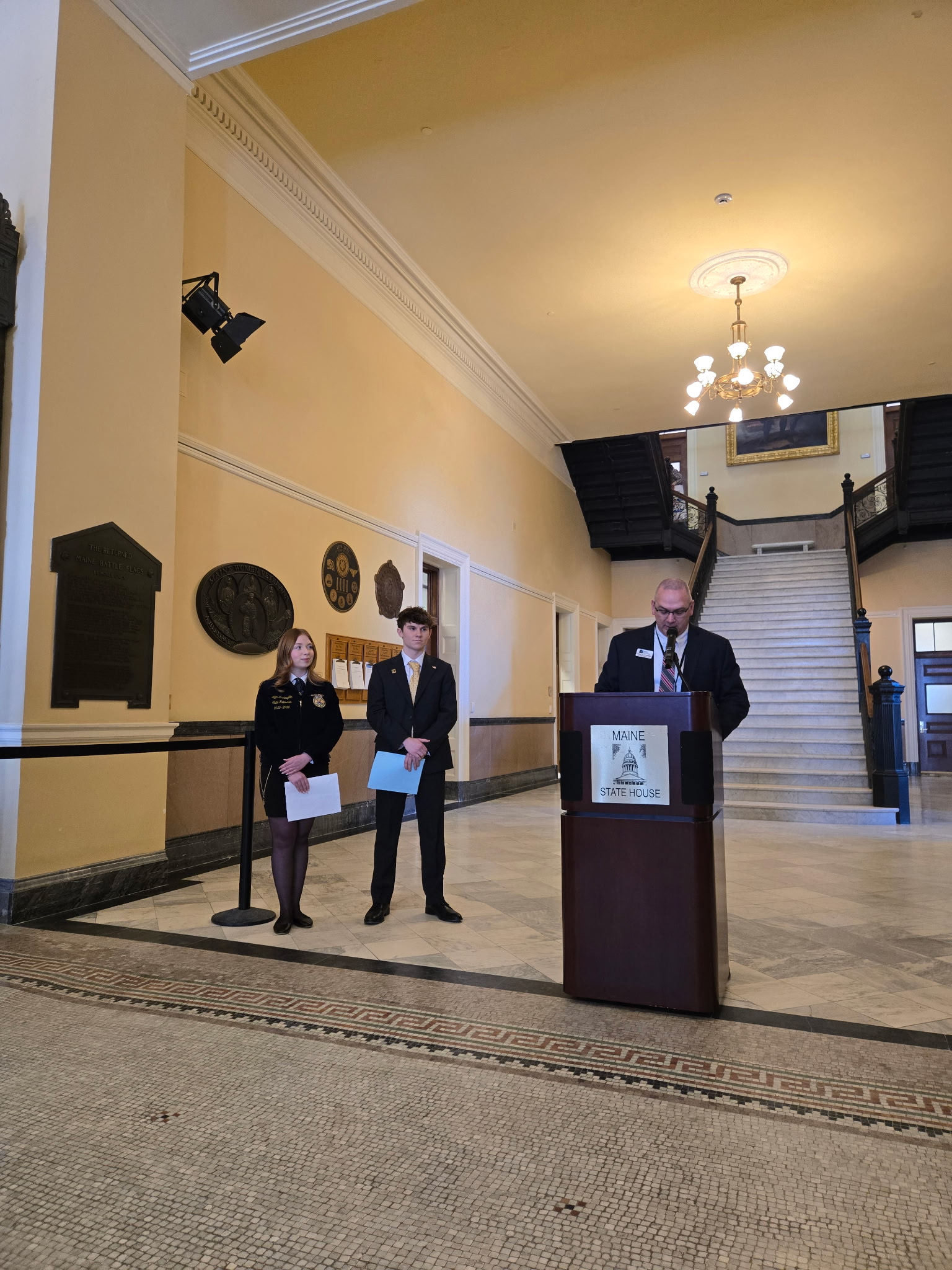
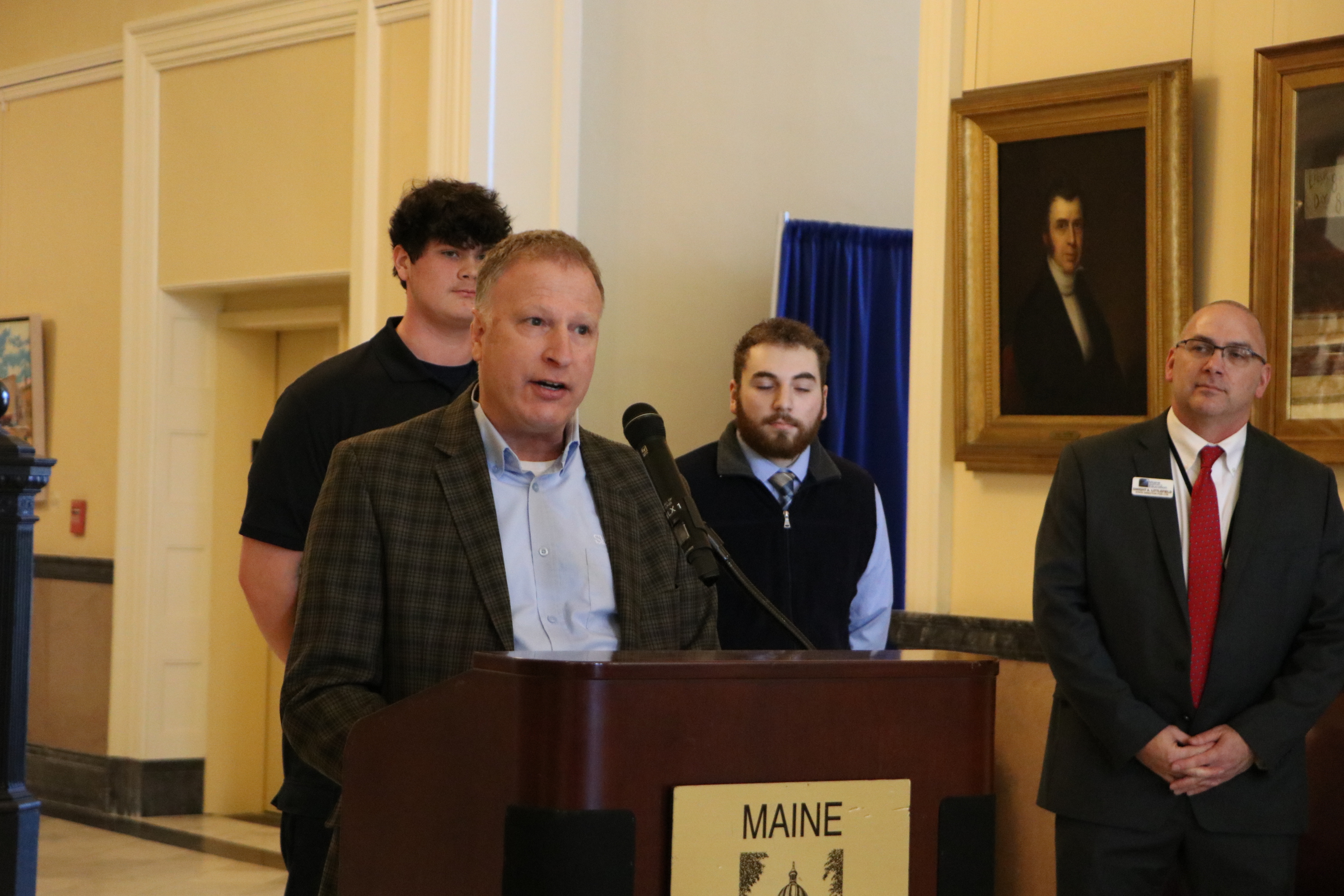
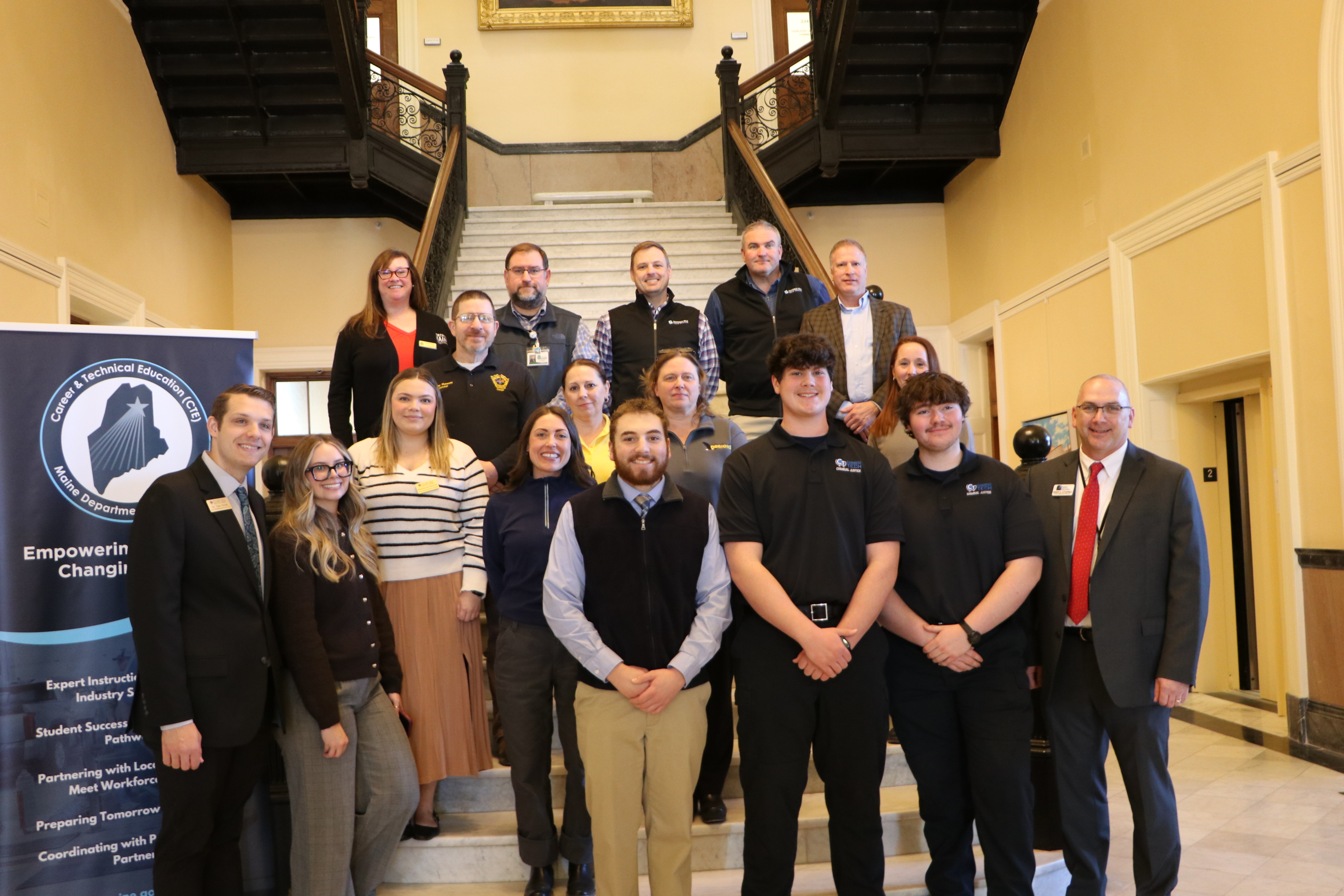
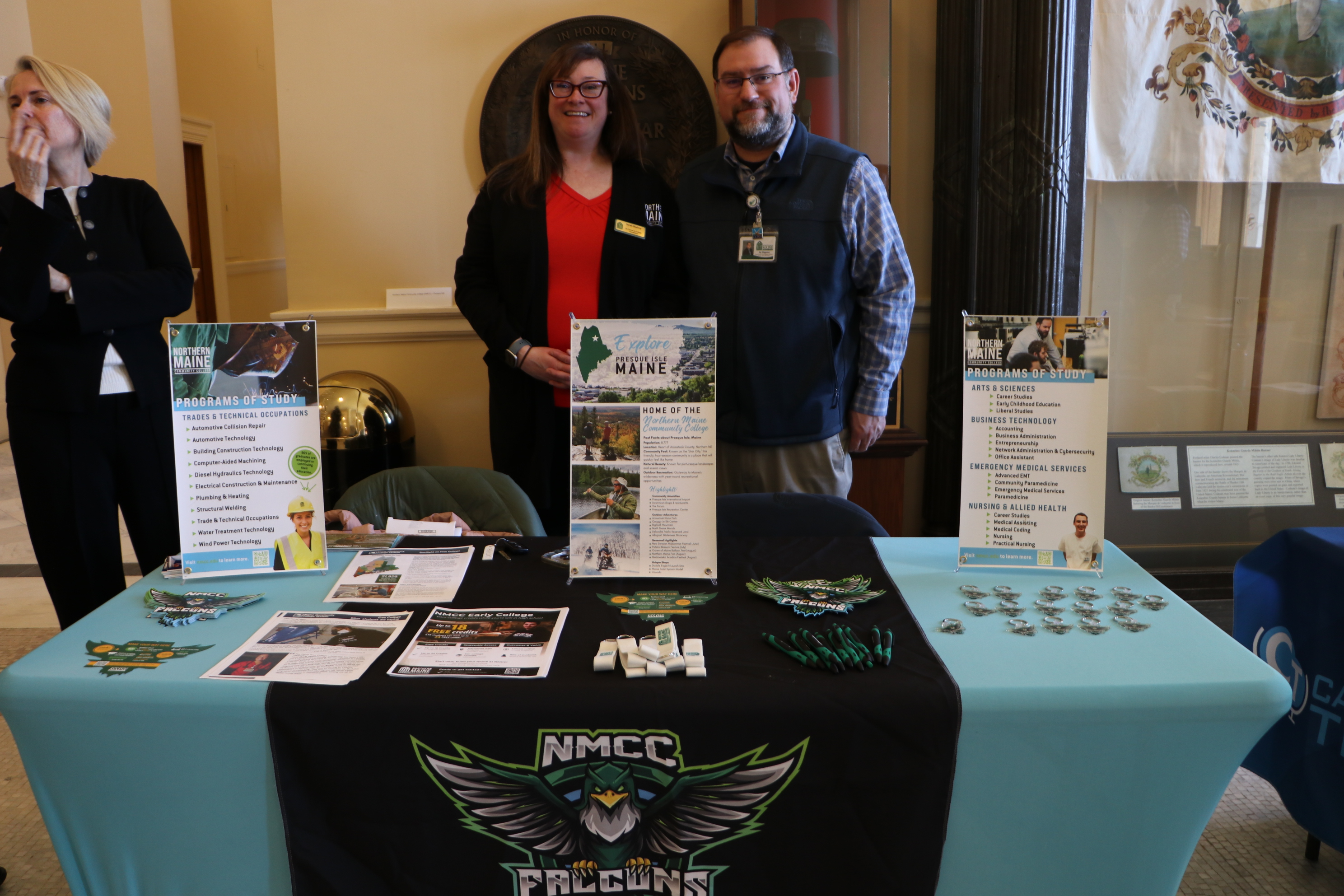
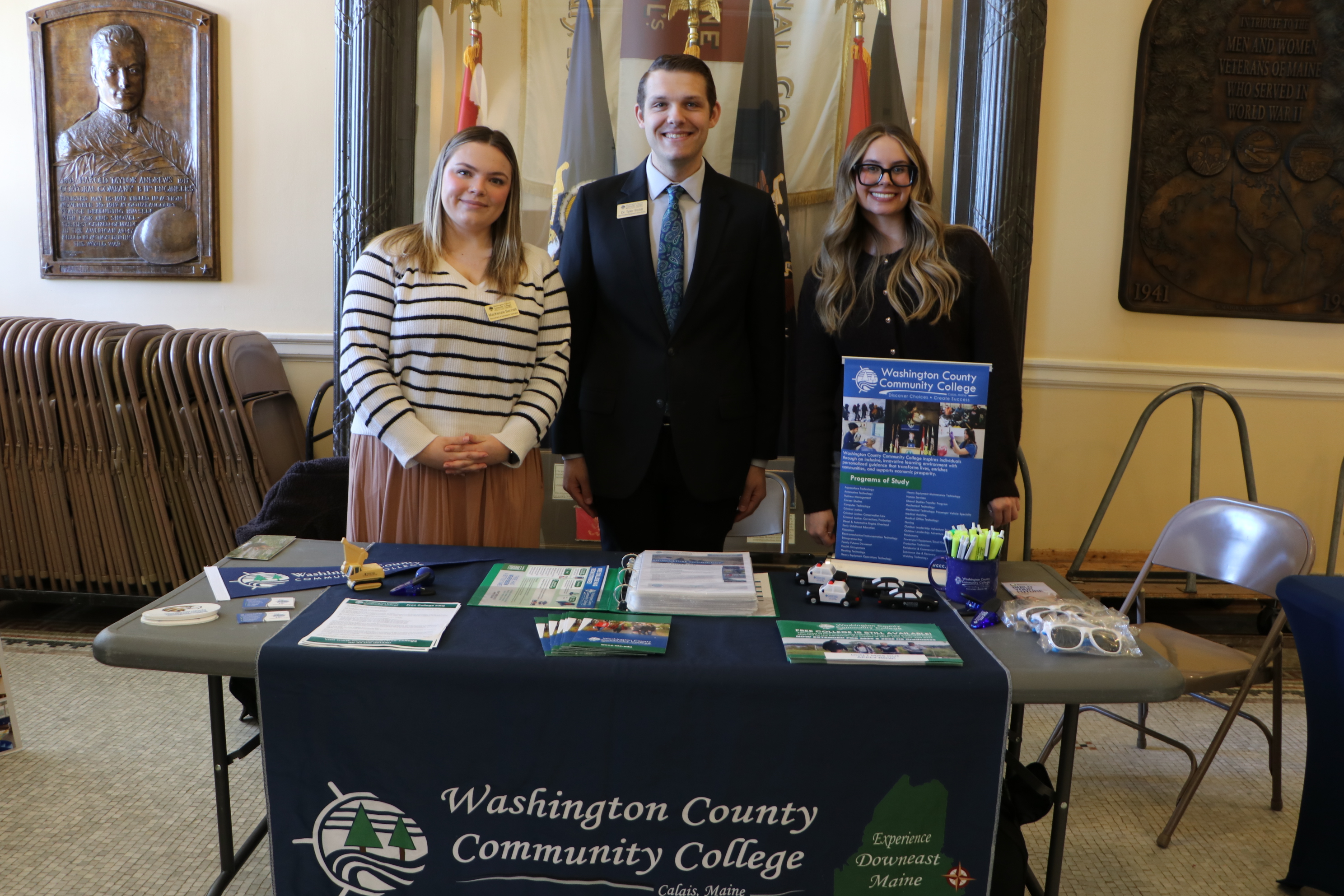
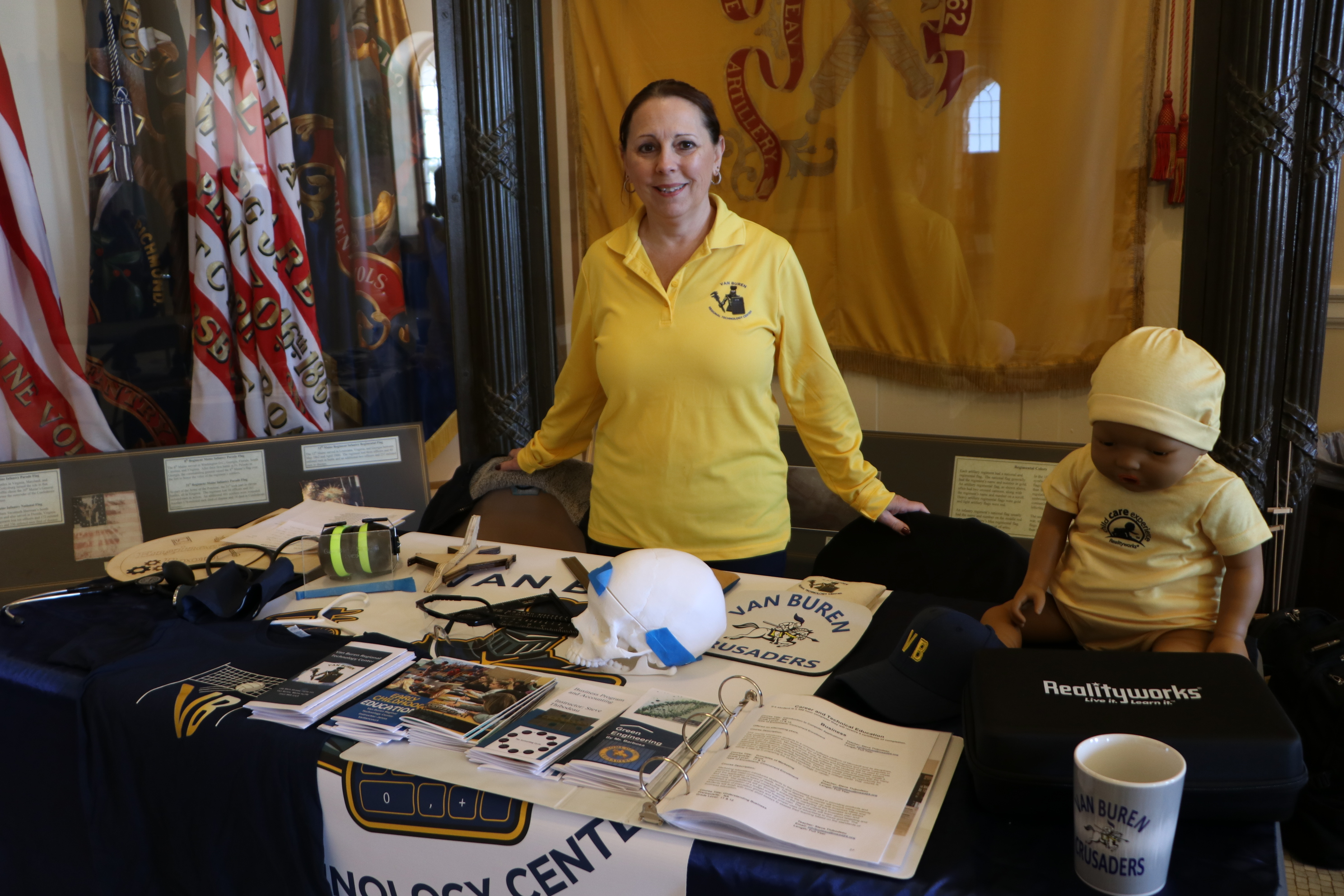
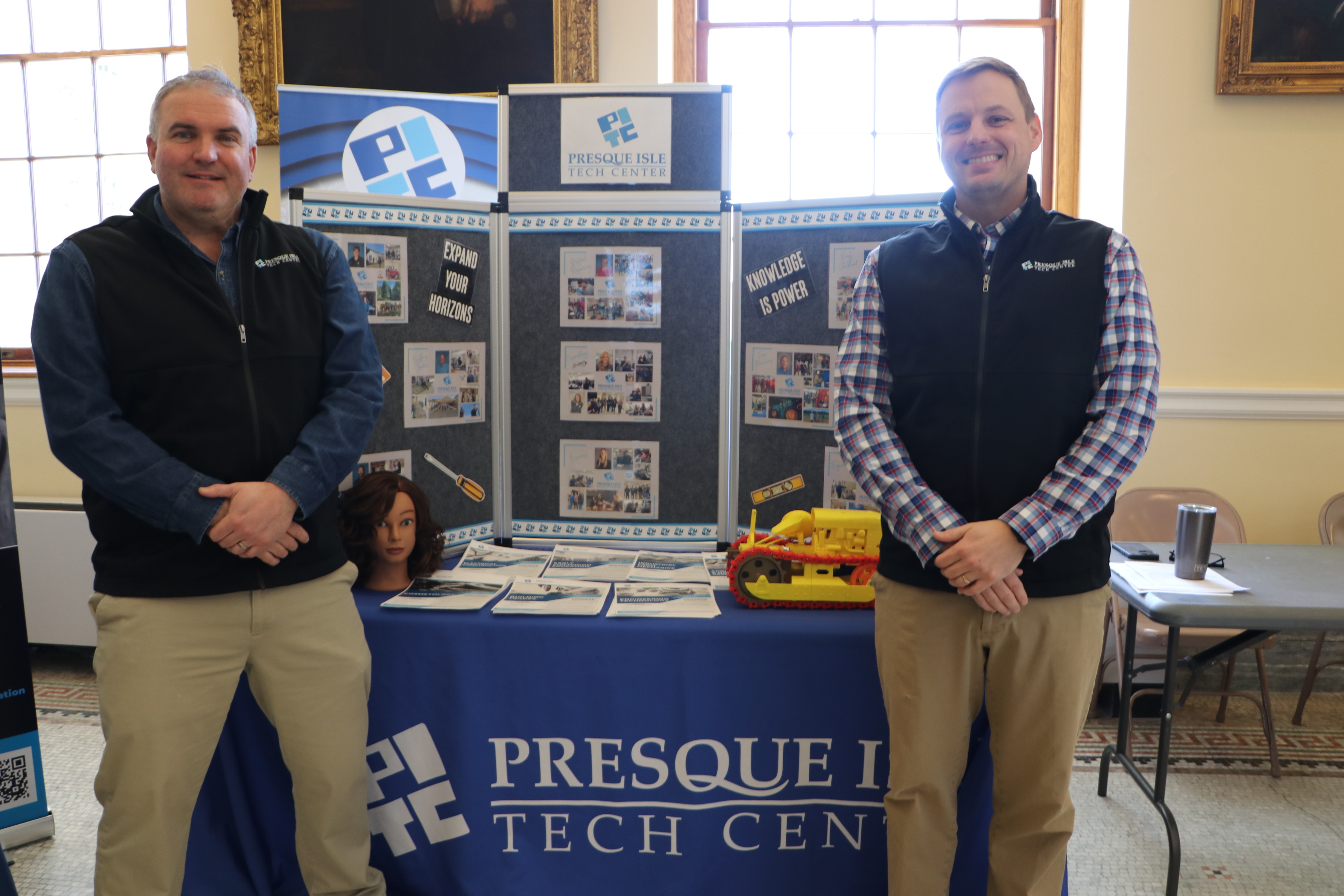
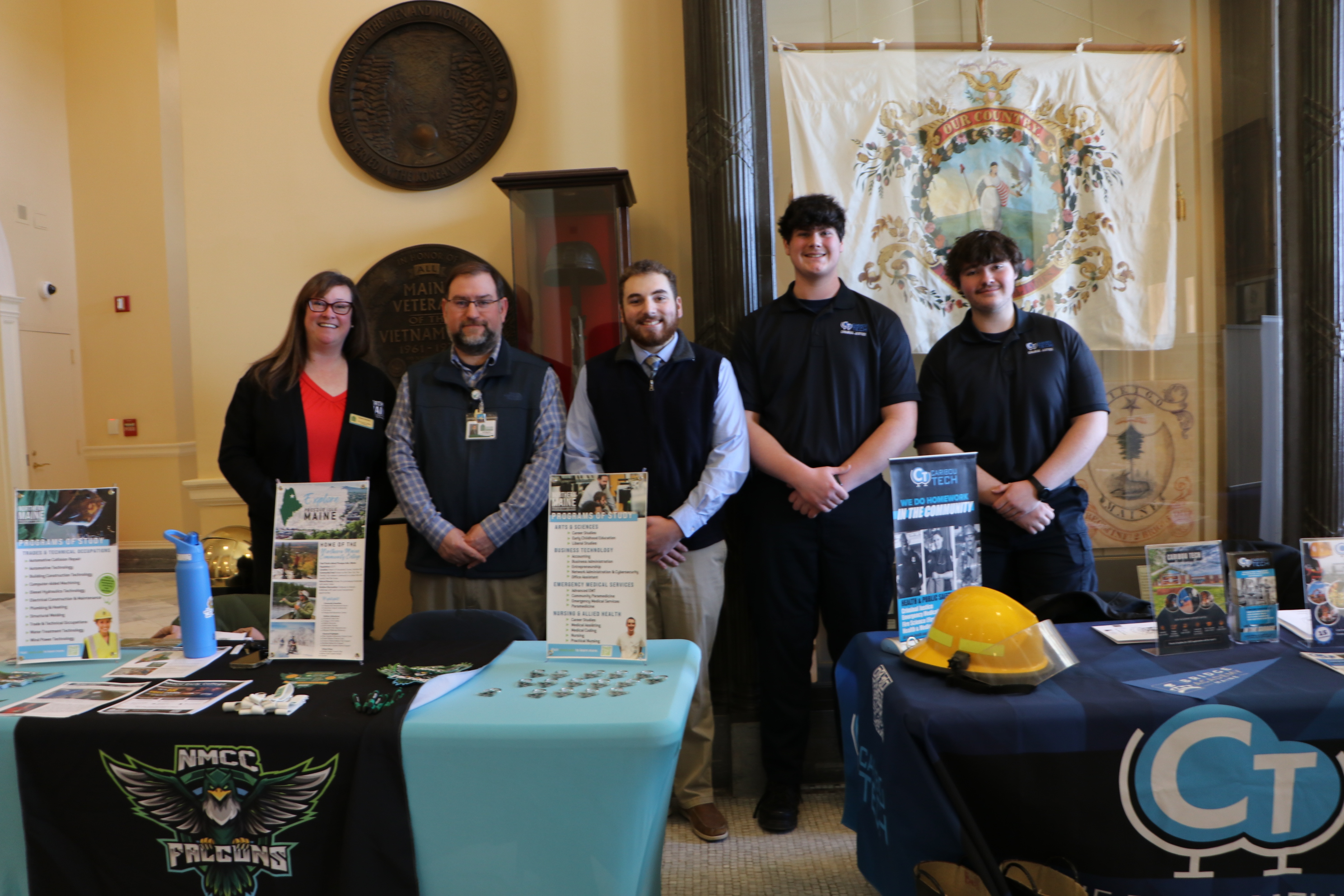
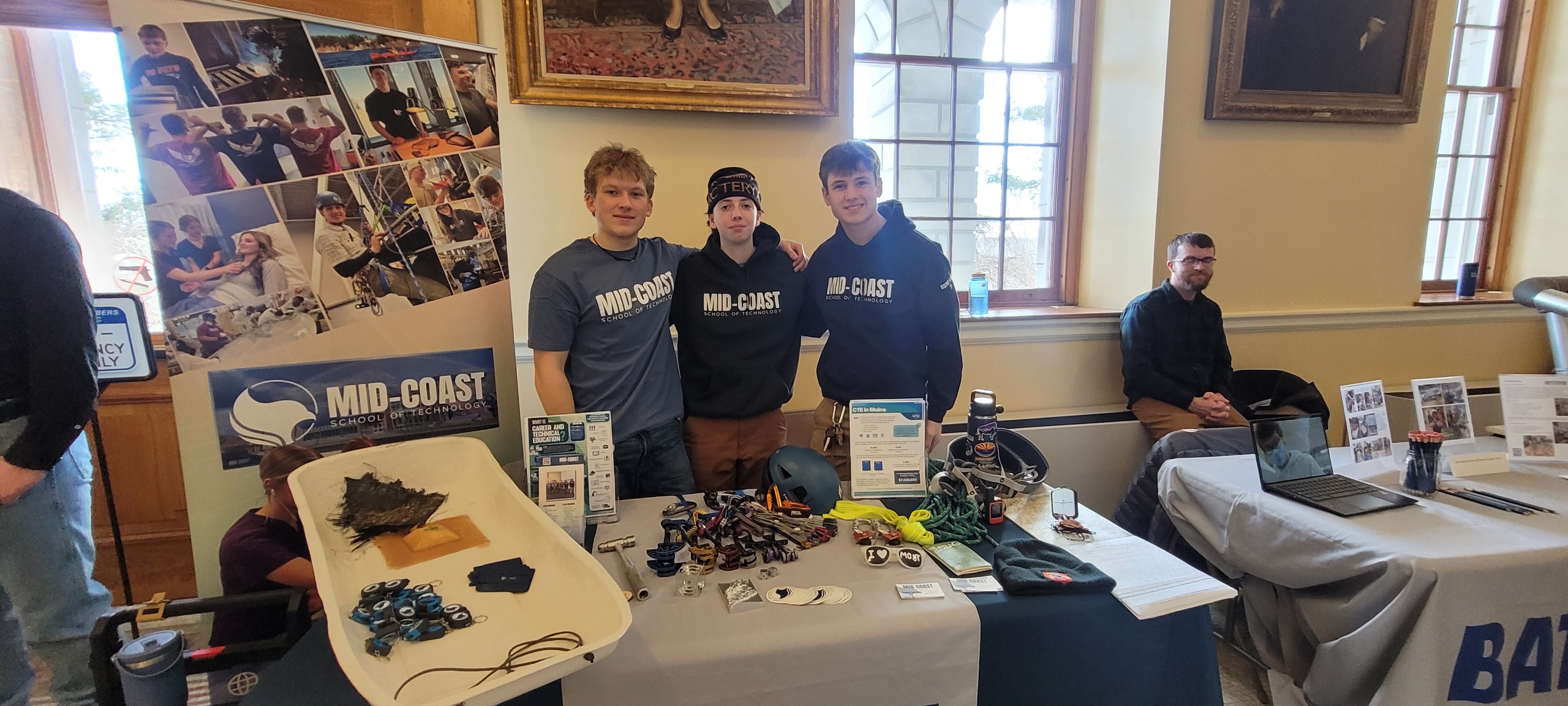
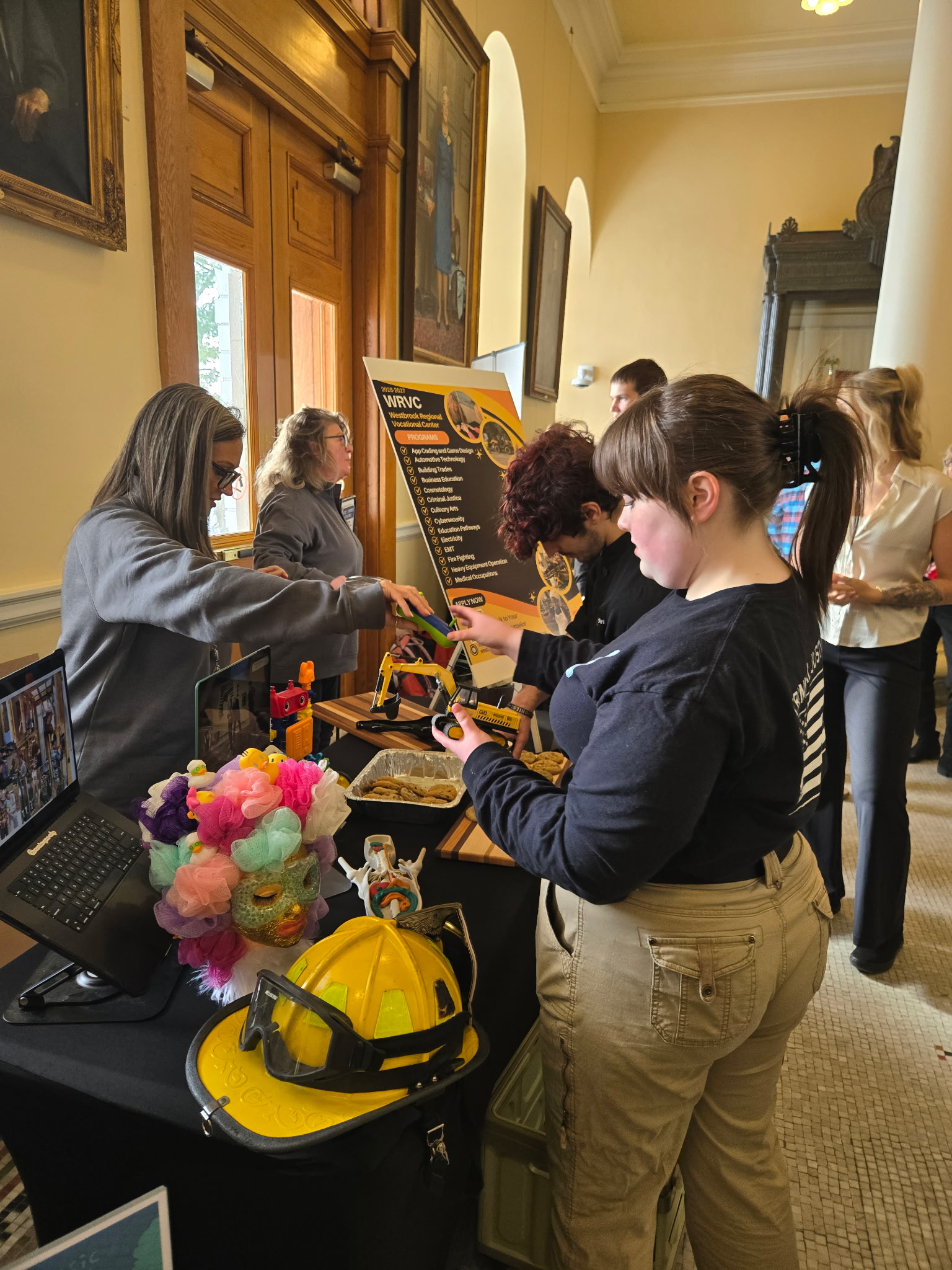
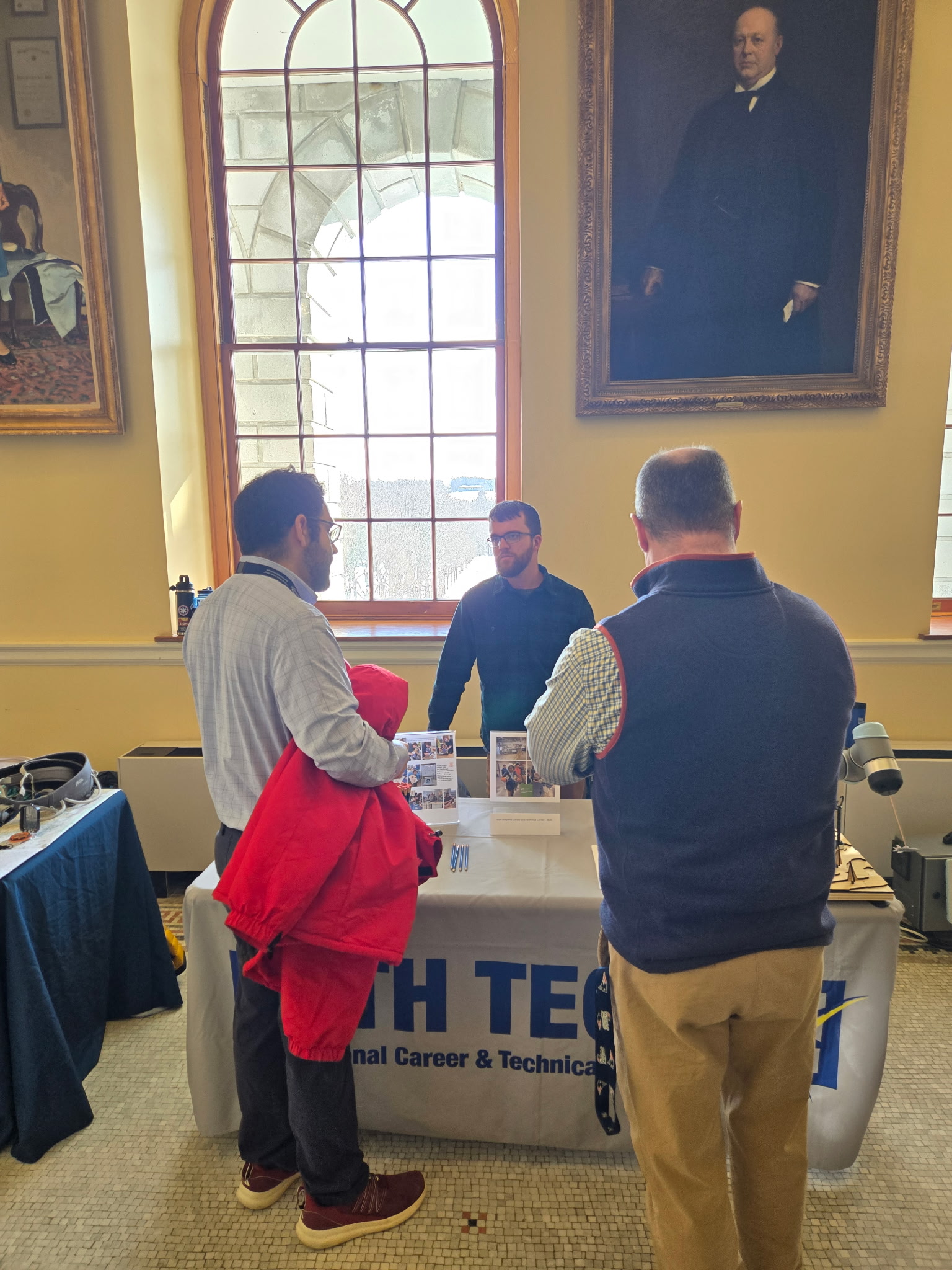
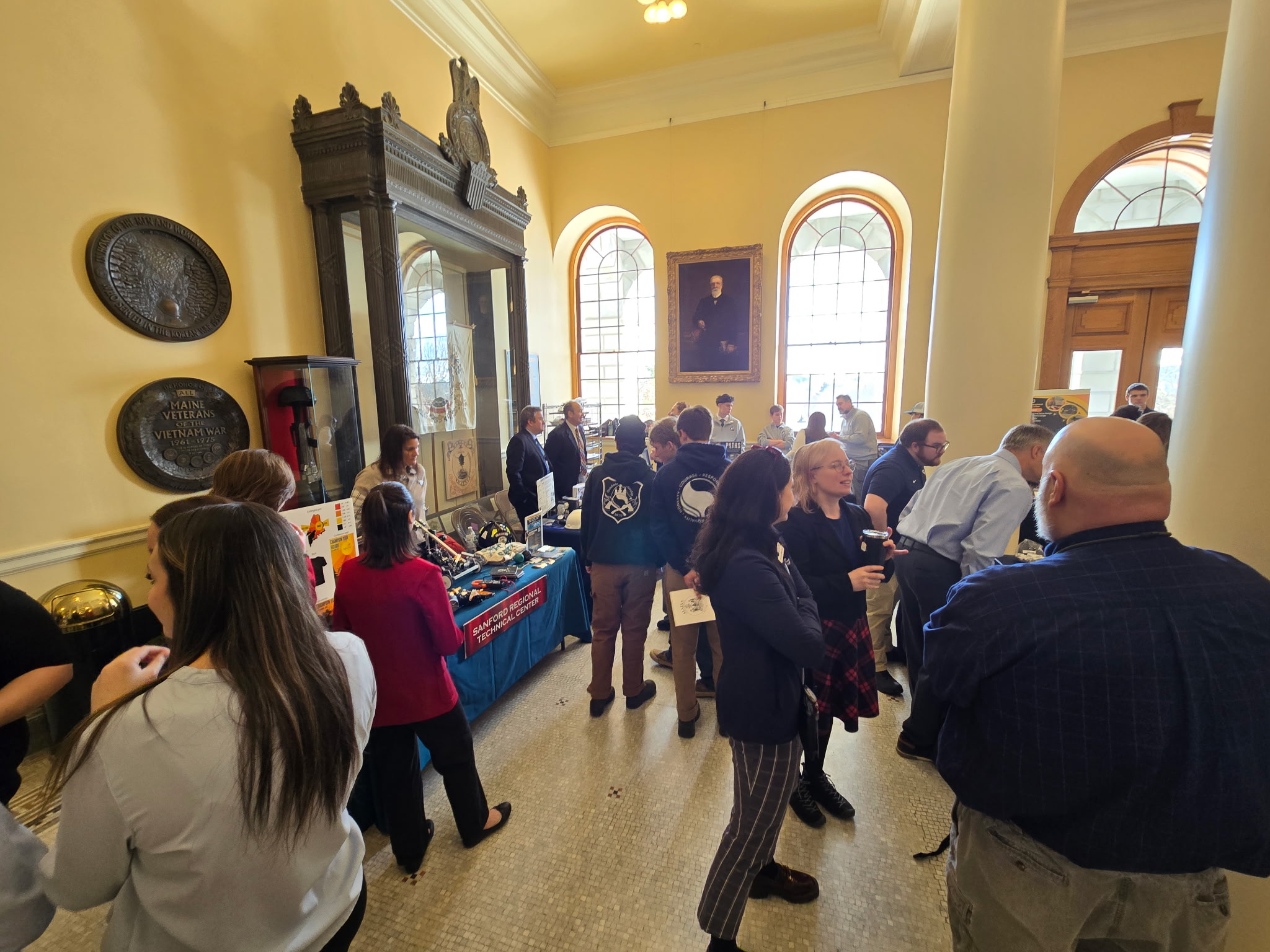
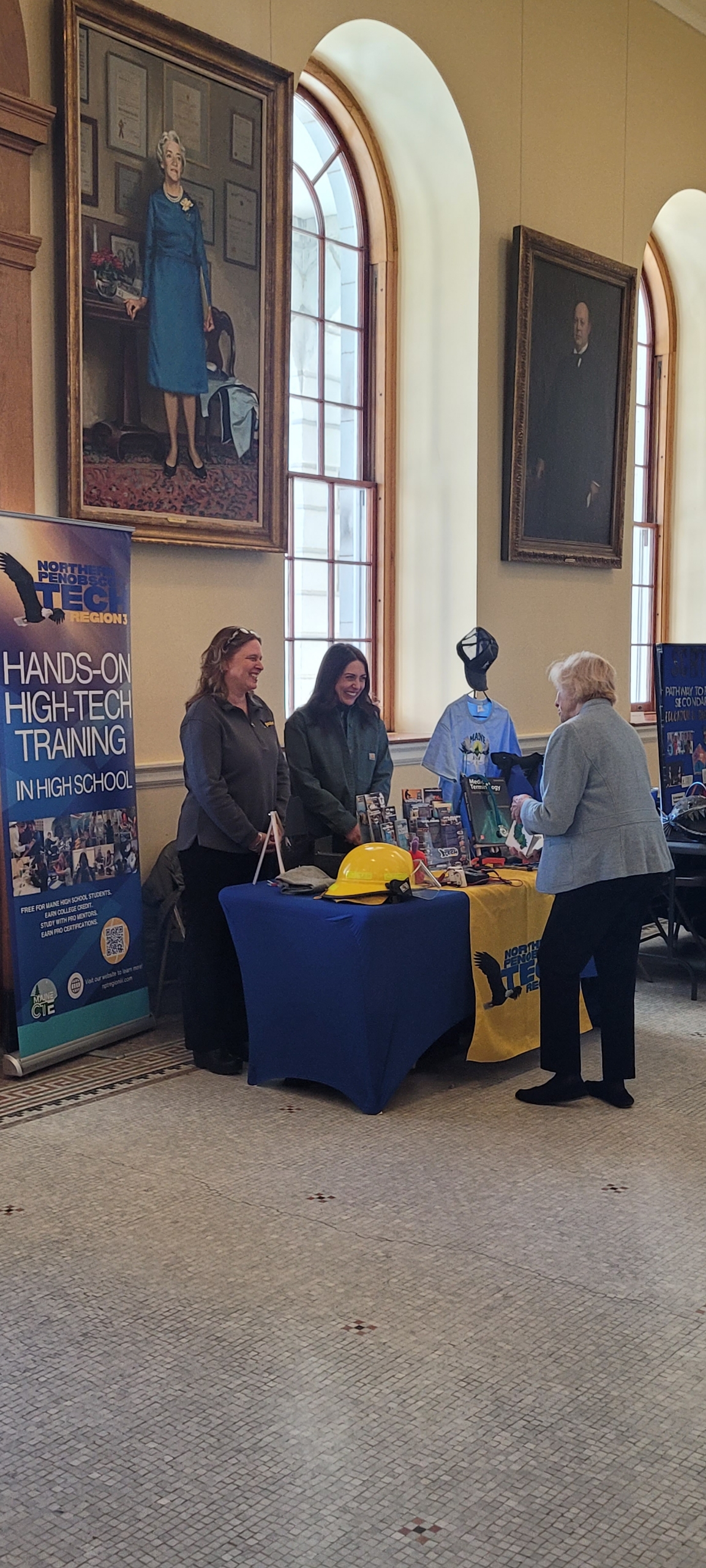
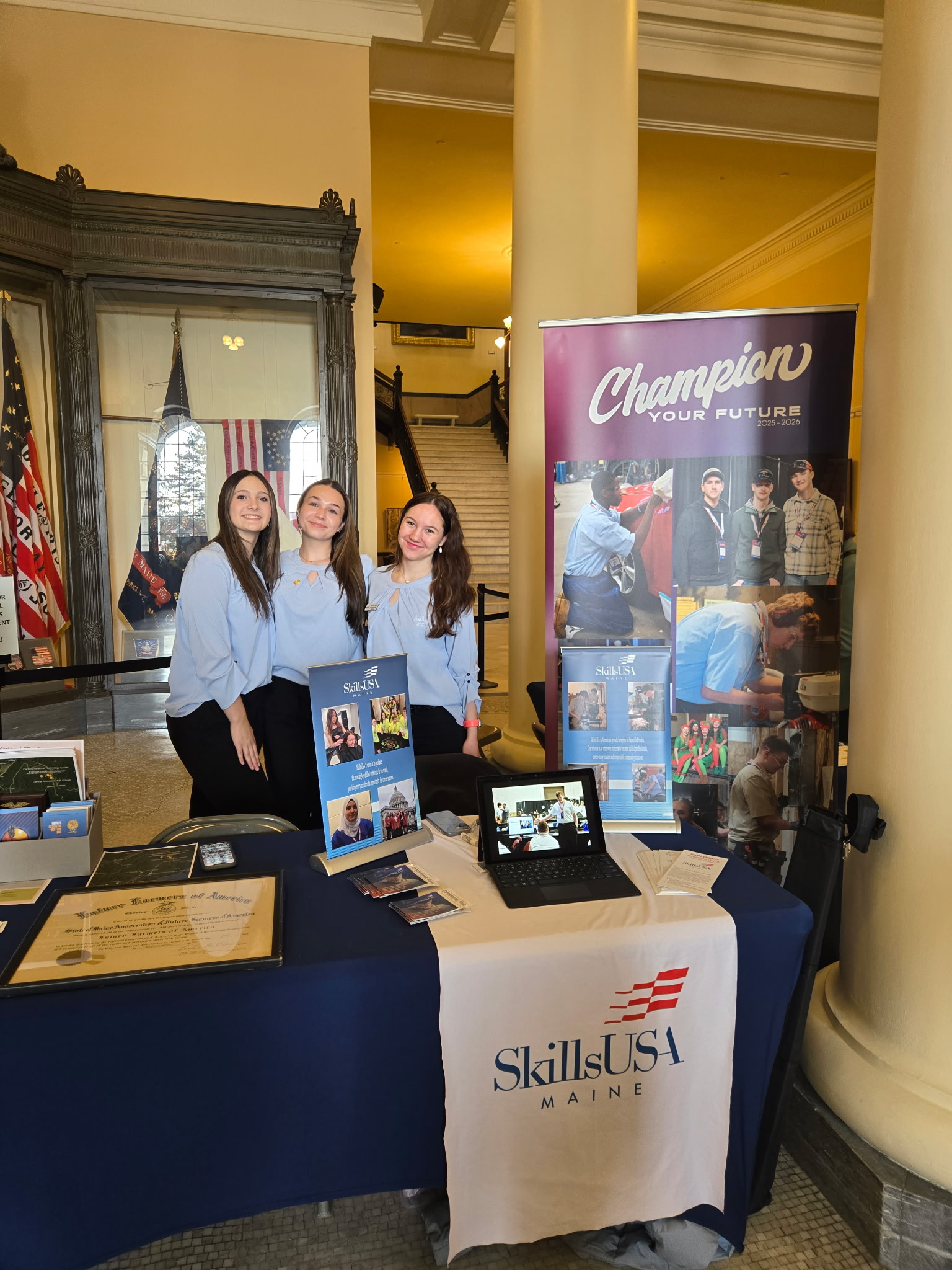
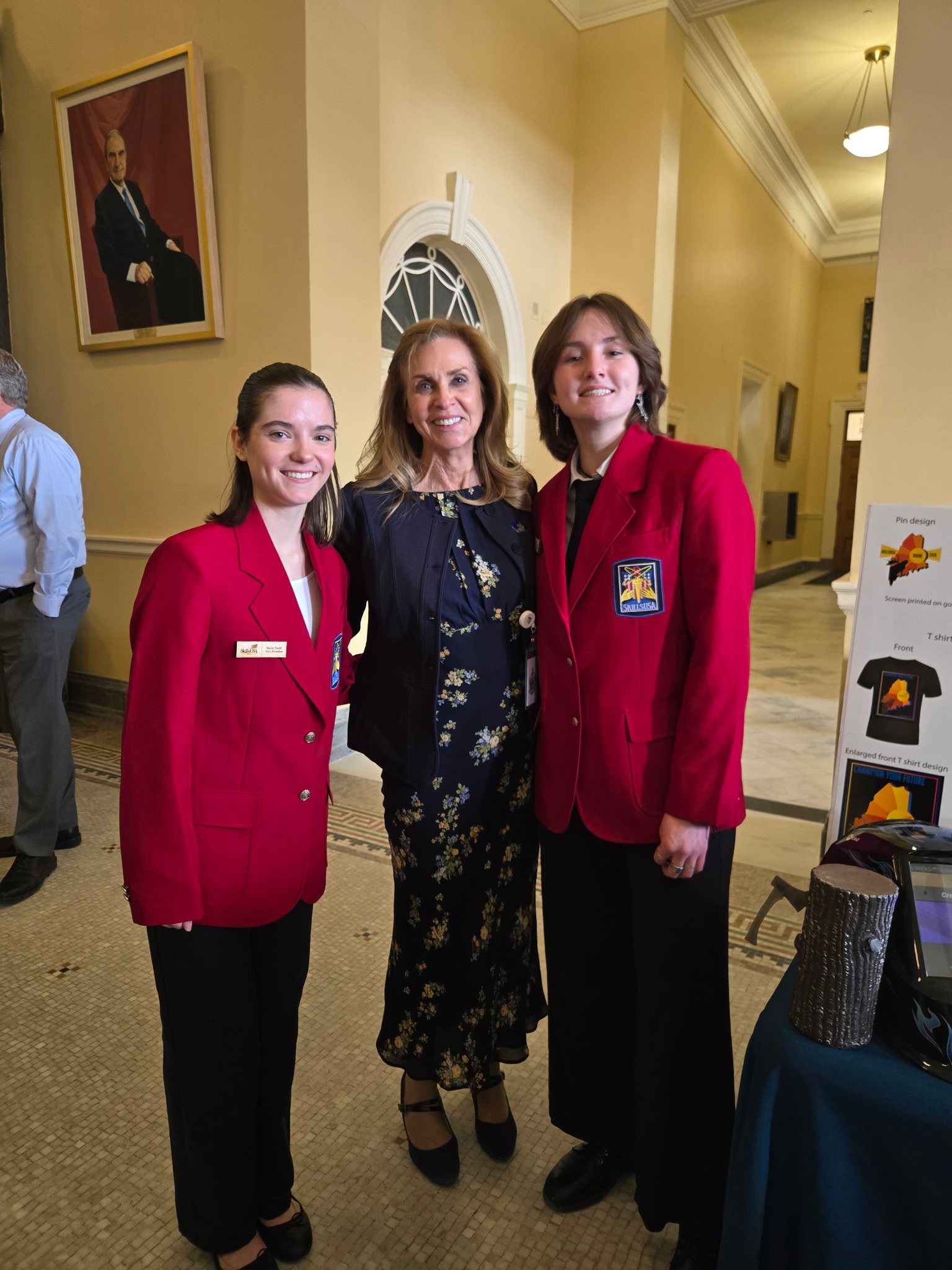
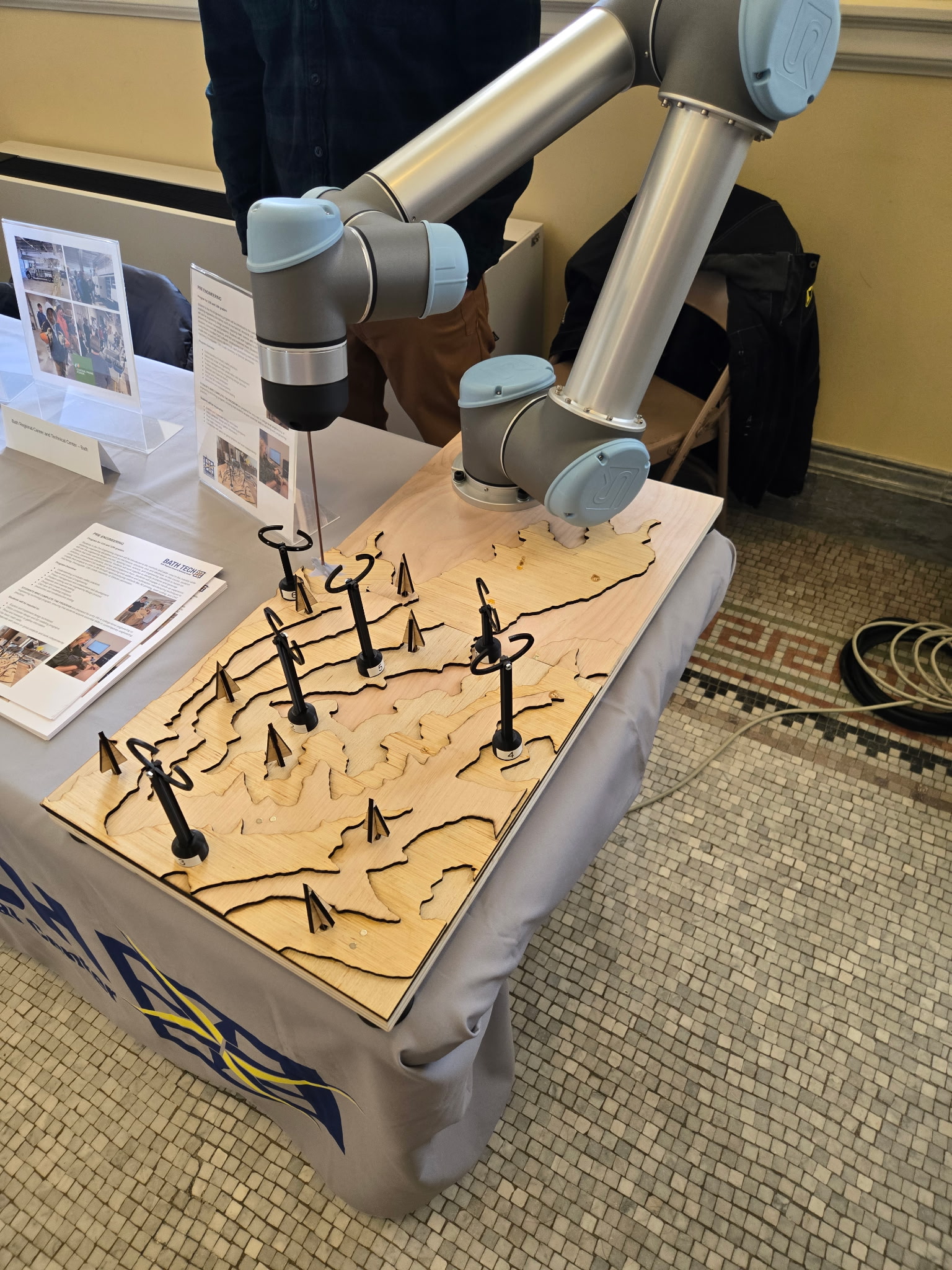
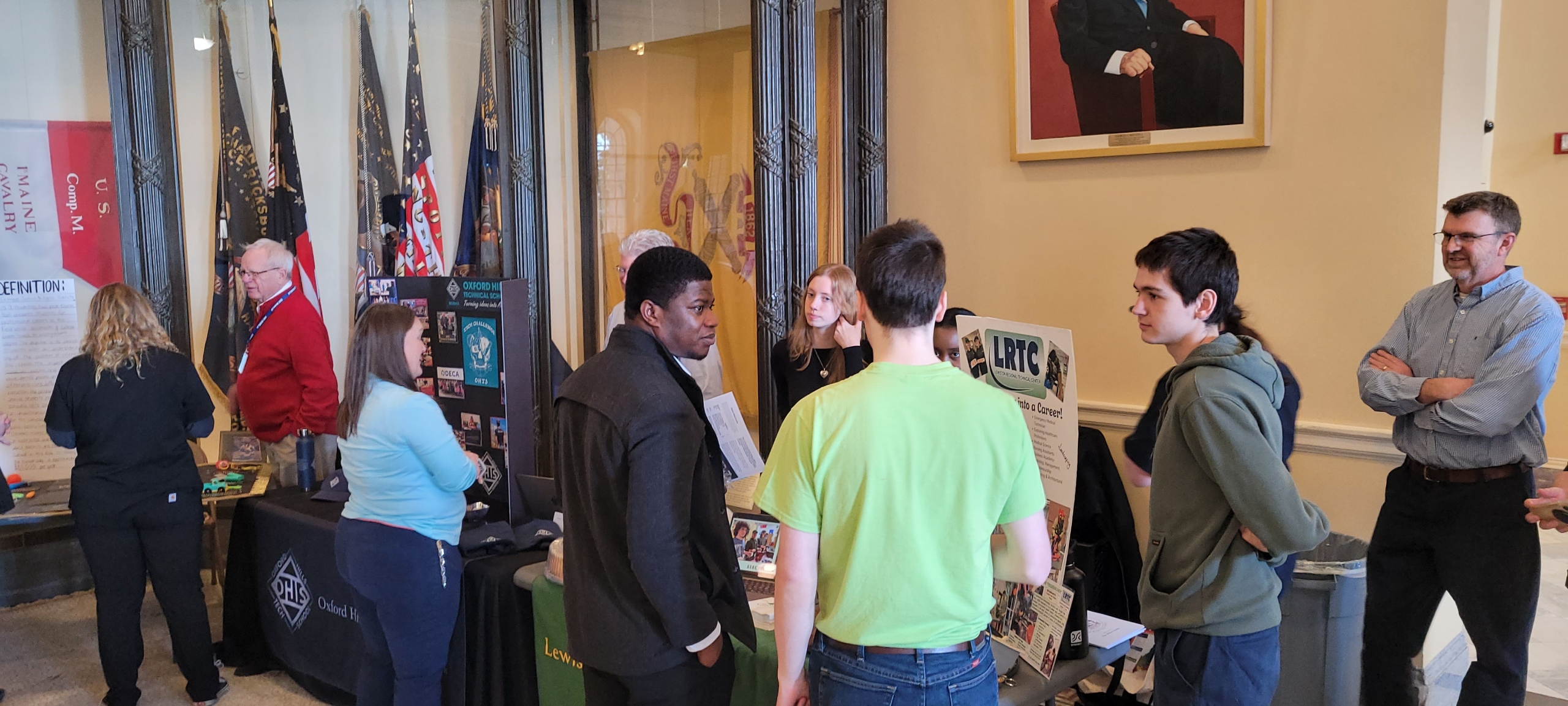
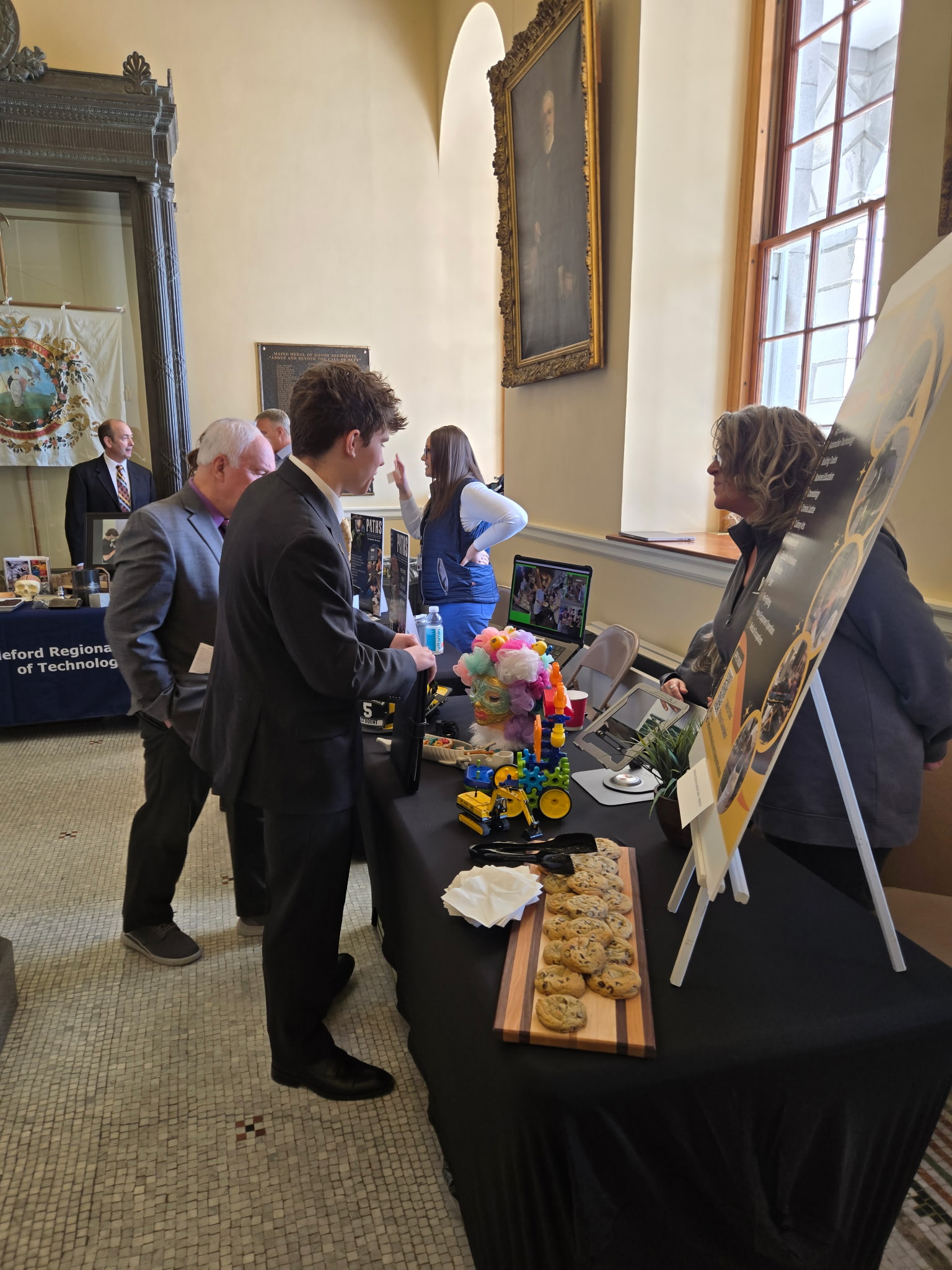
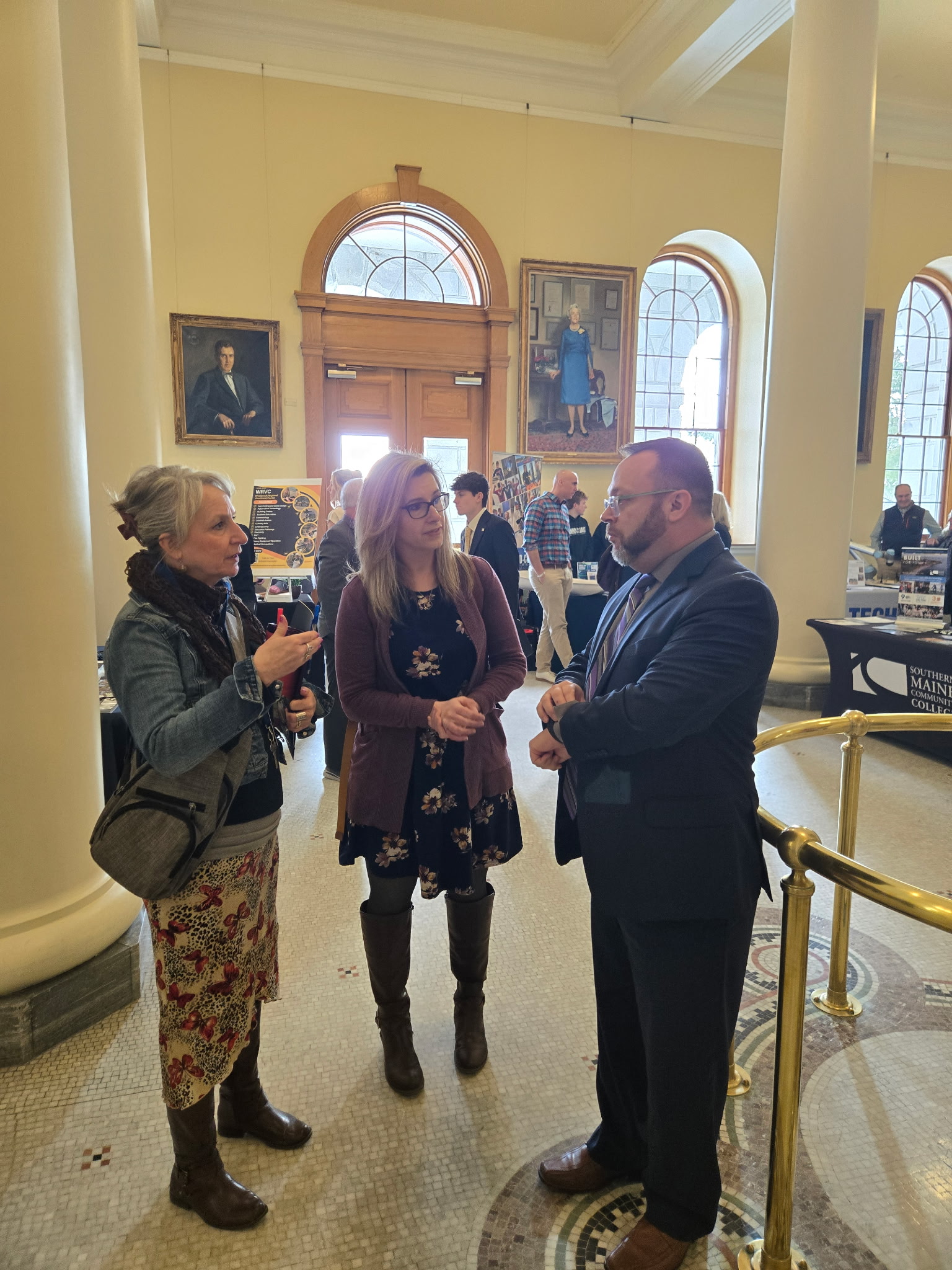
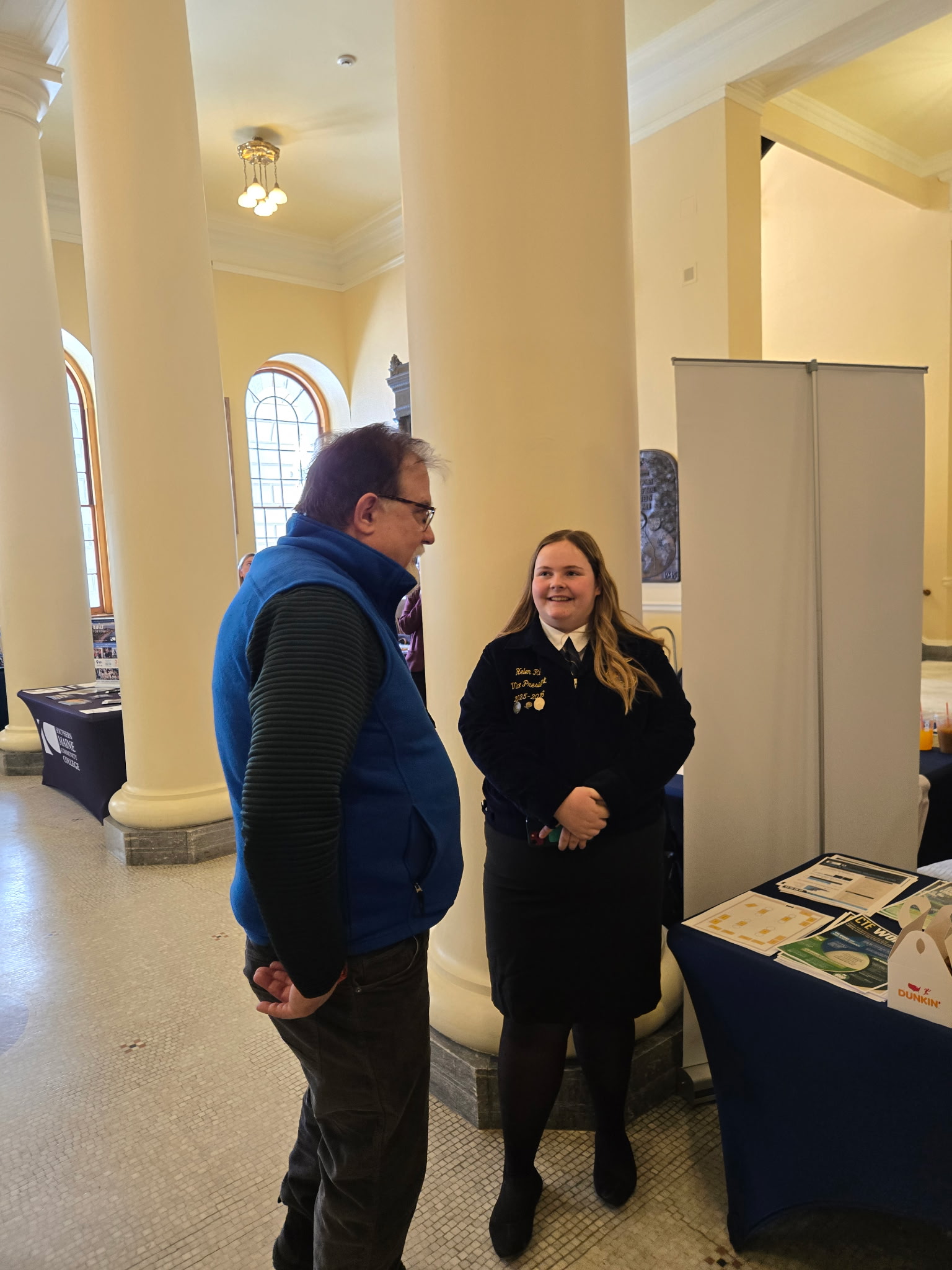
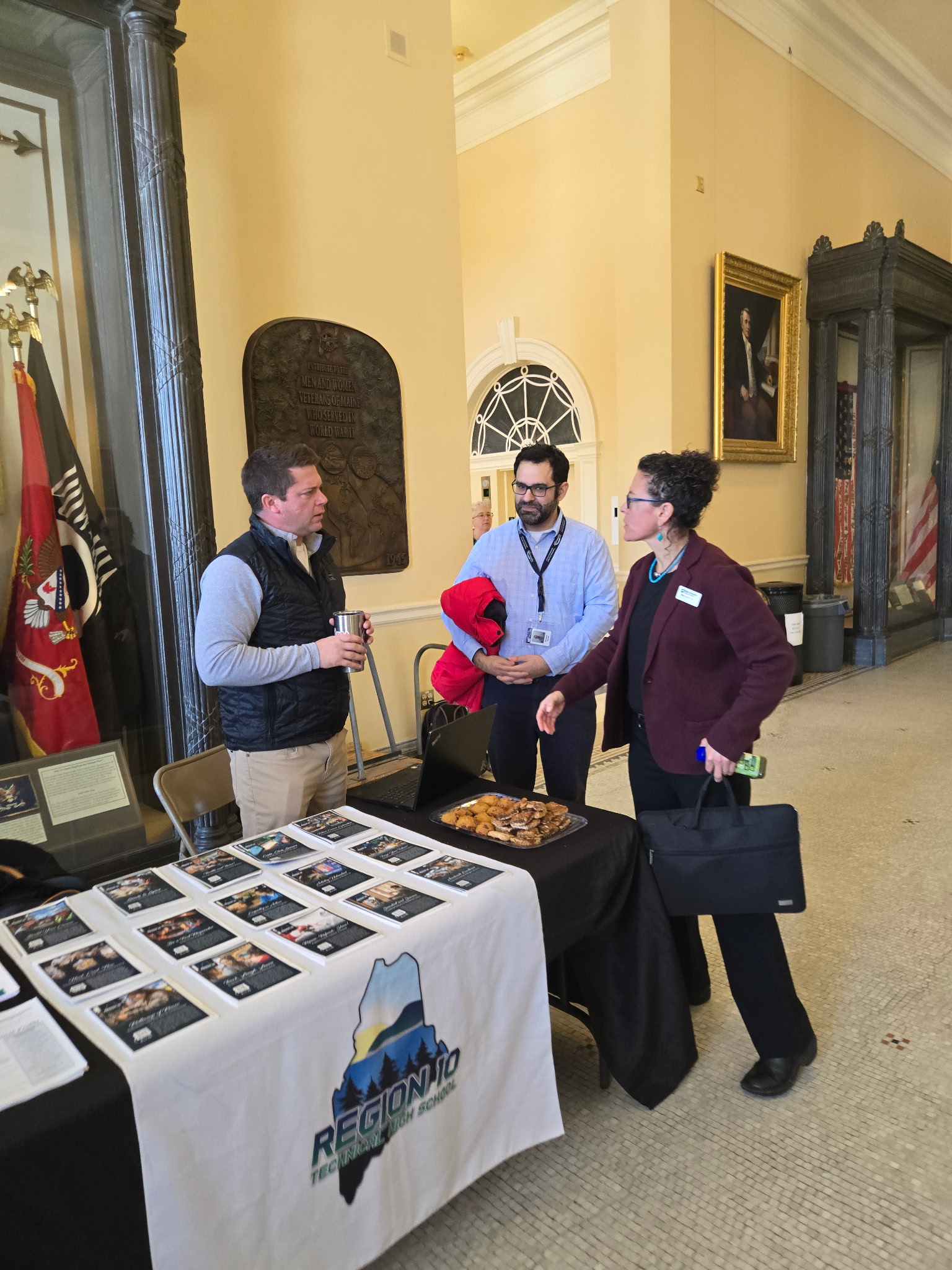
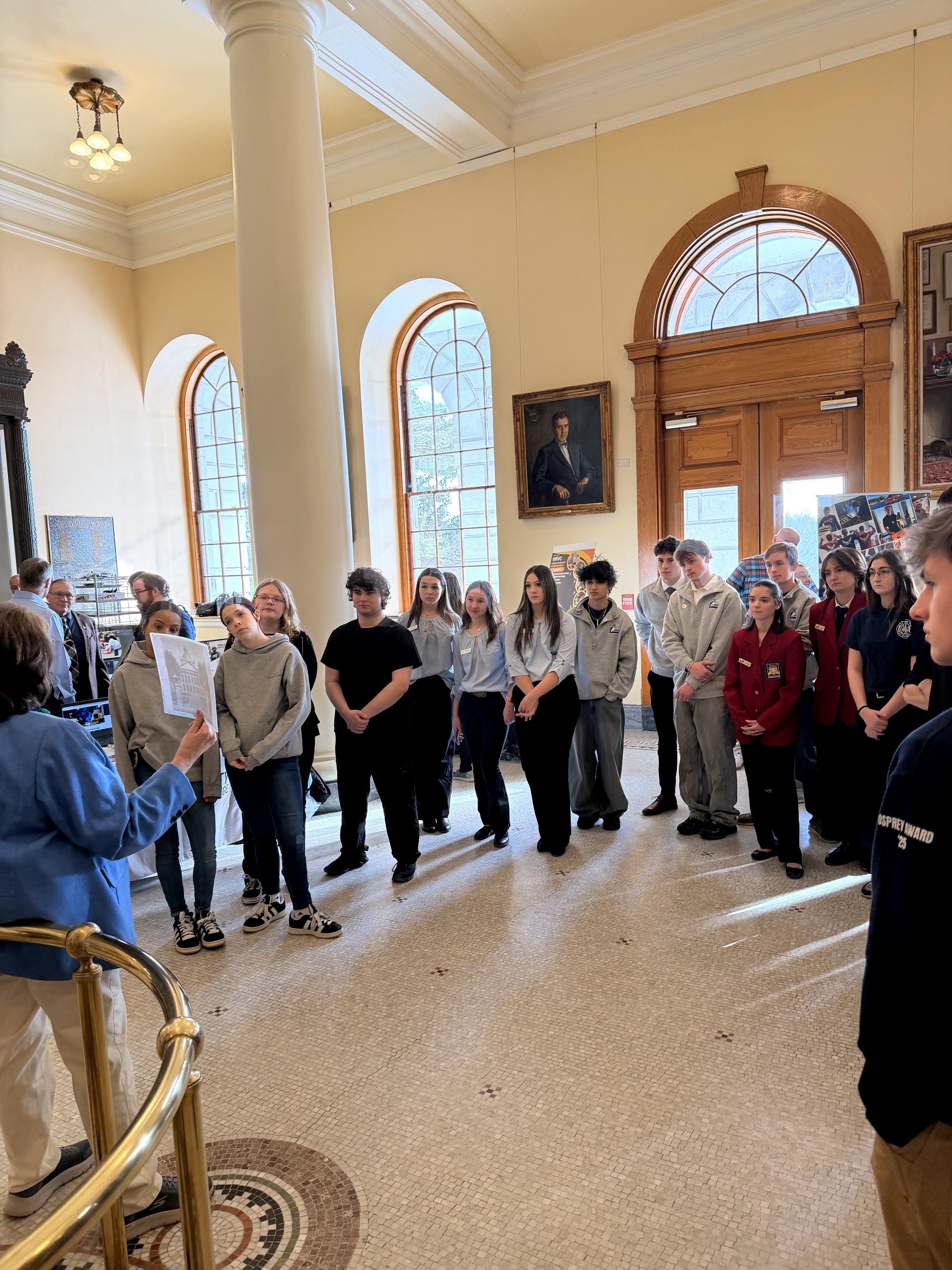
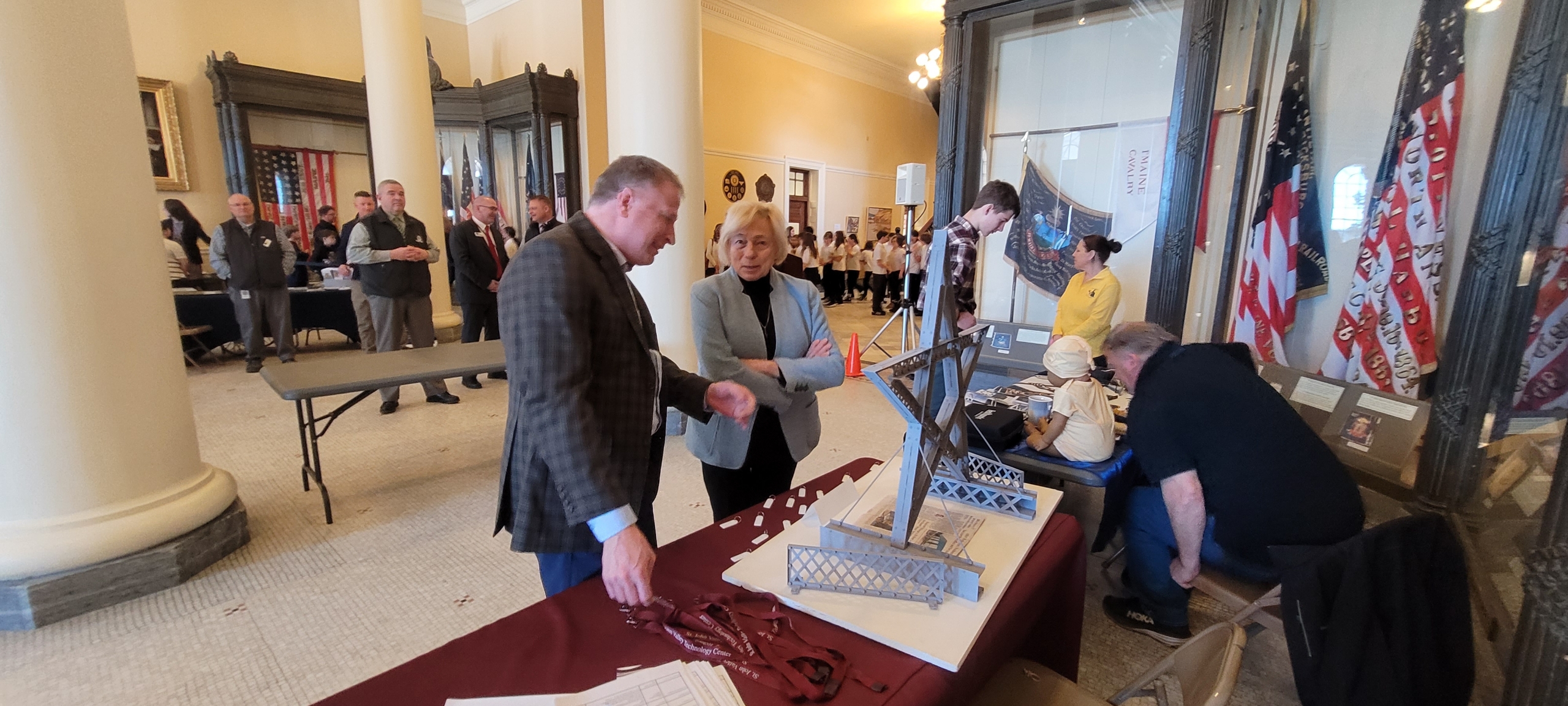
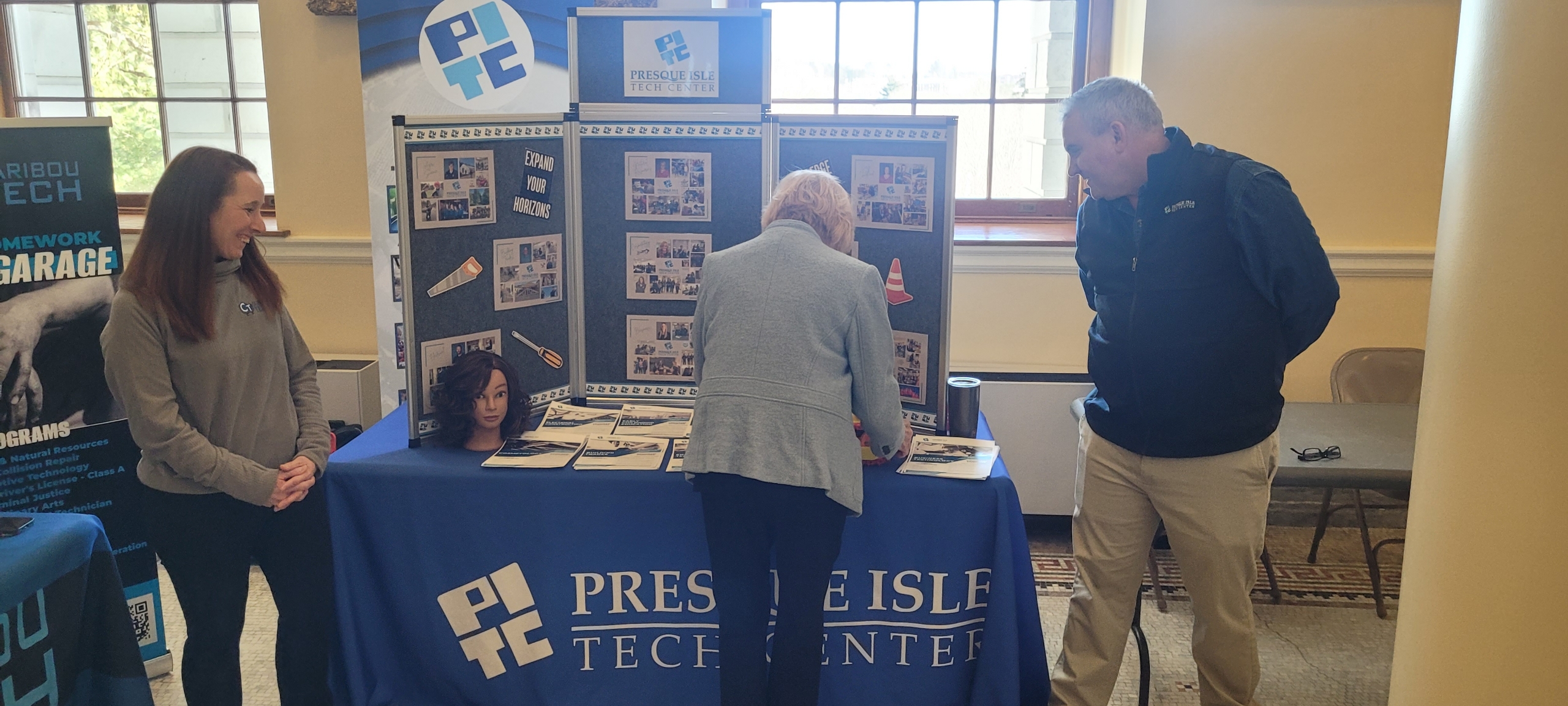
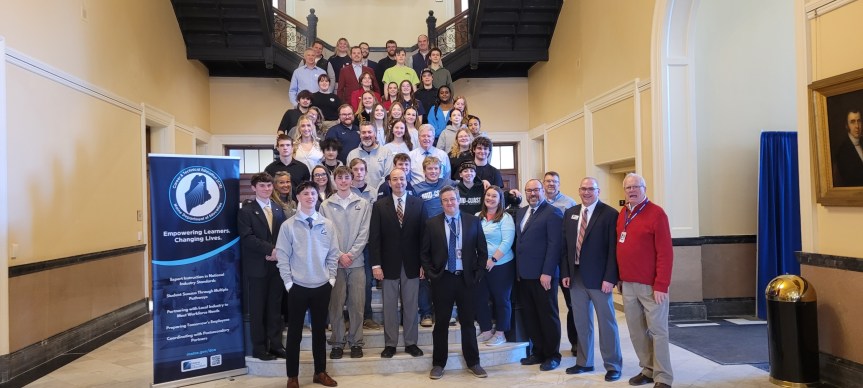
On February 5 and 12, the Maine Department of Education (DOE) hosted students, instructors, and CTE administrators from about two dozen CTE schools across Maine in the Hall of Flags at the Maine State House. These events offered a chance for CTE schools to set up displays and showcase their programs and student success.

February 5 event:

During the February 12 celebration, Curt Ring, the CTE director at Northern Penobscot Technical Center Region III in Lincoln, spoke to the audience about the success of the school’s welding program. Last year, the school graduated 25 students, 15 of whom went straight to work and had a combined salary of more than $1 million.

Other speakers that day included Lewiston Regional Technical Center (LRTC) student Leah Walton and Region 9 School of Applied Technology student Gage Lee.

A SkillsUSA State Officer, Walton shared how her CTE journey took her out of her comfort zone, encouraging her to try new things and to work through hard things, finding strength through solid teamwork. Walton is a senior in LRTC’s cosmetology program and plans to pursue the pre-law and legal studies program at Husson University next year.

Meanwhile, further west in Mexico, Maine, Lee attends the Outdoor Skills and Leadership program at Region 9. He shared how much he is learning in his program at Region 9, and how important conservation has become to him. His journey has given him the tools to not only share Maine’s natural beauty with others but also to help them be stewards of the environment.

February 12 event:

Lee’s instructor, Jeffrey Rainey, runs the Outdoor Skills and Leadership program at Region 9. Enthusiastic students from this program accompanied Rainey and shared some of the things they like best about the program, which include having class outdoors and going fishing. Rainey shared that while students are having fun along the way, the two-year program also prepares them for Maine’s guide license exam, which is one of the most rigorous guide license exams in the nation.

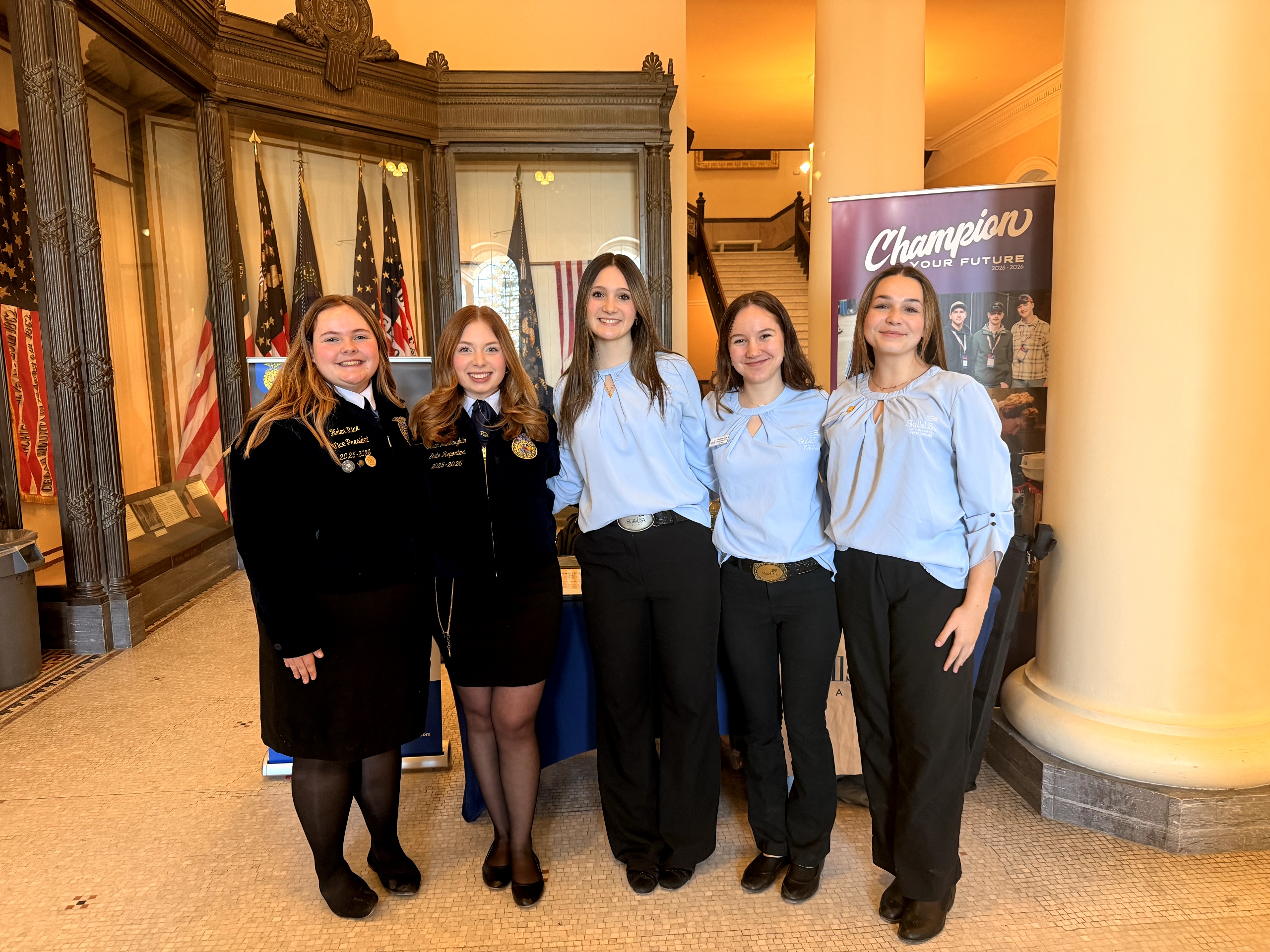
These two Hall of Flags events drew in representatives from almost all of Maine’s 27 CTE schools as well as Maine FFA, DECA, SkillsUSA, Bridge Academy, and MACTE. Maine DOE staff, legislators, partners, and supporters from across the state attended to celebrate the continued expansion of CTE in Maine. During the February 5 event, Governor Janet Mills stopped by to welcome everyone to the Hall of Flags and make her rounds to hear from CTE students directly.

All of Maine’s secondary students can access one of Maine’s 27 CTE schools. Maine CTE programs prepare students to be ready for career and post-secondary opportunities by delivering expert instruction in national industry-related standards and technical skills; providing an opportunity for student academic success through multiple pathways; partnering with area employers and local industry to ensure that students are ready and prepared to meet the needs of the workforce; introducing and reinforcing general employability skills that are common to all work environments; coordinating with postsecondary partners to facilitate a seamless transition into continued learning opportunities; and providing middle school students with the resources and education to explore their career pathway choices.

Region Two School of Applied Technology Modernizes Forestry Training with New Equipment

On Monday, December 2, the Houlton community celebrated Region Two School of Applied Technology’s acquisition of a new $480,000 John Deere forwarder, purchased through a Maine Department of Education (DOE) grant, made possible by Governor Janet Mills’ Maine Jobs and Recovery Plan.

“Governor Mills’ commitment to equipping our technical schools with industry-standard tools gives students hands-on experience that launches careers and builds Maine’s future workforce,” Maine DOE Commissioner Pender Makin said. “Our forestry sector remains a cornerstone of Maine’s economy, and these investments ensure our students are ready to lead this critical industry forward.”

The school’s new John Deere forwarder is a logging industry standard that future foresters must learn to master. This purchase replaces equipment at the school that was 25 years old. The new forwarder uses a rotating cabin and grapple arm to collect and transport logs from cutting sites to roadside landing areas.

Additionally, Region Two School of Applied Technology also received two forestry simulators alongside this forwarder, providing students with comprehensive training opportunities. It allows them to develop expertise with essential equipment in a controlled learning environment before operating the actual machinery.

This upgrade comes as part of a larger by the Maine DOE, designated specifically for upgrading infrastructure and equipment across Maine’s 27 Career and Technical Education schools. The goal is to modernize technical education facilities statewide.

“It was a great day for Career and Technical Education in the state, as it celebrated the commitment that Governor Mills has continuously shown toward growing these opportunities for the students of Maine,” Maine DOE Career and Technical Education Director Dwight Littlefield said. “Many logging companies have the exact same piece of equipment, which will definitely give the students of Region Two a leg up, if they choose to continue down this path.”

The impact of this investment is already evident in Region Two School of Applied Technology’s enrollment numbers, with the forestry program seeing student participation double from 14 students in 2020 to 28 students in the current academic year. This growth contributes to record-breaking statewide CTE enrollment this school year, with 10,405 students total.

This CTE expansion grant was a part of Maine’s Whole Student Pandemic Response. You can learn more about the Maine DOE’s efforts to bolster the state’s workforce and how the department allocated pandemic-era federal funding to do so here.


$7 Million Expansion of Biddeford CTE Center Boosts Career Pathways for Students

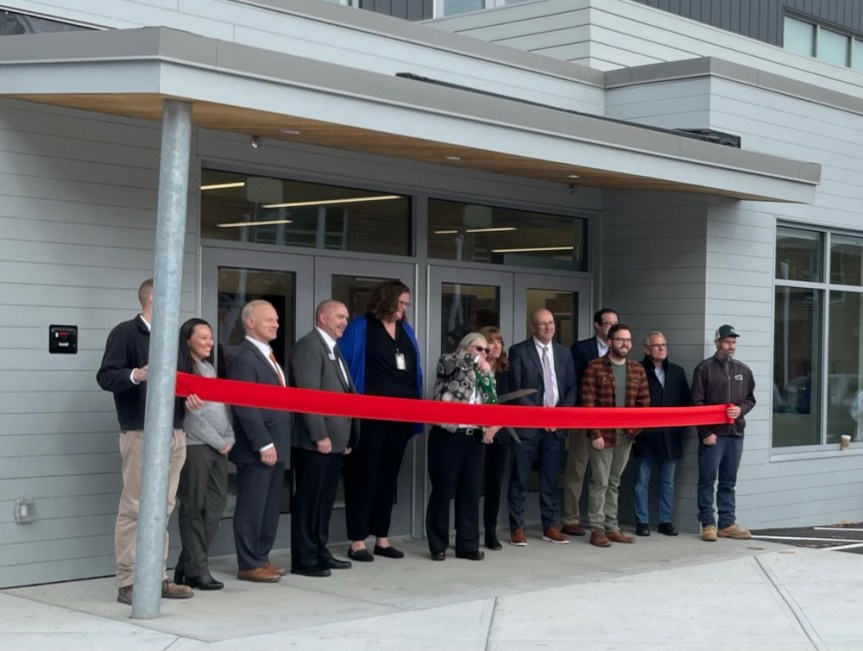
Students from Biddeford and surrounding communities are gaining new opportunities to build in-demand career skills, thanks to a $7 million expansion of the Biddeford Regional Center of Technology (BRCOT).

This expansion was part of Governor Janet Mills’ Maine Jobs and Recovery Plan, which designated $20 million of Covid-era funding to the Maine Department of Education (DOE) to support the 27 Career and Technical Education (CTE) schools in the state—specifically by upgrading infrastructure and equipment.

This project added 17,500 square feet of new space to the high school-adjacent facility. Great Falls Construction completed the work at BRCOT using a mobile studio design.

“This expansion is a major win for Biddeford and surrounding communities,” Ryan Fecteau, former and newly re-elected Speaker of the Maine House of Representatives, said when speaking to

“It isn’t just about bricks and mortar. It’s about creating new pathways to success for students,” Biddeford Schools Superintendent Jeremy Ray told

The new BRCOT wing houses three brand-new CTE programs: culinary arts, hospitality/travel/tourism, and athletic training/sports medicine — the latter being the first of its kind in Maine. This expansion has also allowed the center to grow its existing programs, too, like emergency medical technician training, plumbing, and heating.

“This new wing isn’t just about creating space; it’s about creating opportunity,” Biddeford Regional Center of Technology Director Paulette Bonneau said. “It’s about giving students the tools, resources, and experiences they need to build their futures.”

BRCOT now offers 20 CTE programs and serves around 500 students in grades 9-12 from eight communities. These additional programs will provide students with industry-recognized certifications, college credits, and hands-on training to prepare them for careers and/or further education.

The culinary arts program, for example, allows students to earn their ServSafe certification; the athletic training program offers training in CPR and first aid; and the hospitality/travel/tourism program provides a pathway to Maine’s vital tourism industry.

“We’re not just preparing kids for jobs; we’re preparing kids for careers,” Ray said.

“It’s more than just a building for Biddeford,” Biddeford Mayor Marty Grohman said.

During the center’s grand opening ceremony, guests were treated to an impressive brunch spread prepared by culinary arts students under the guidance of Chef Steve Ogden. Senior Emma Alward, a hospitality student, served appetizers.

“I think it’s fun,” Alward said of the program when speaking with Saco Bay News.

Eleventh-grader Sophia Auger, who is enrolled in the culinary arts program, said she never expected to have this opportunity.

“It’s an honor to be able to be a part of the first group to get to do this,” Auger said.

Auger’s classmate, Maya Cochrane agreed, noting that the program is a great fit for students interested in cooking and working in a kitchen.

“When students have interest, we don’t want them to wait,” Ray said. “We want to make sure that they’re ready to capitalize on that, so they can dig right in.”

Bonneau noted that the programs at BRCOT also offer dual enrollment, allowing students to earn college credits while still in high school.

“This grand opening is a monumental milestone for our school and our community,” Bonneau said. “The programs housed here will spark innovation, drive economic growth, and give our students a pathway to success.”

This project was a part of Maine’s Whole Student Pandemic Response, made possible through the American Rescue Plan. To learn more about Maine’s CTE schools or how the Maine Department of Education used federal emergency funding to support Maine schools, please visit the Maine DOE website.



Partnership Between United Technologies Center and Central High School Brings Shop Classes Back to Younger High Schoolers

Hands-on learning is making a comeback in the form of a dynamic exploratory program for students in grades 9 and 10 at Central High School in Corinth. This initiative, made possible through significant renovations at the school, brings back the shop class experience to help younger high schoolers explore this kind of learning.

United Technologies Center (UTC), a Career and Technical Education (CTE) school in the Bangor region, has funded a complete renovation of the Central High School’s shop space, featuring refinished floors, new lighting, and fresh paint. The updated facility is now fully equipped with modern tools and resources, including small engines, horticultural equipment, cabinetry, 3D printers, Glowforge 3D laser printers, and more.

“These upgrades aim to give students a taste of what their future experiences at UTC could entail, as they continue their educational journeys into their junior and senior years,” UTC Director Amanda Peterson said.

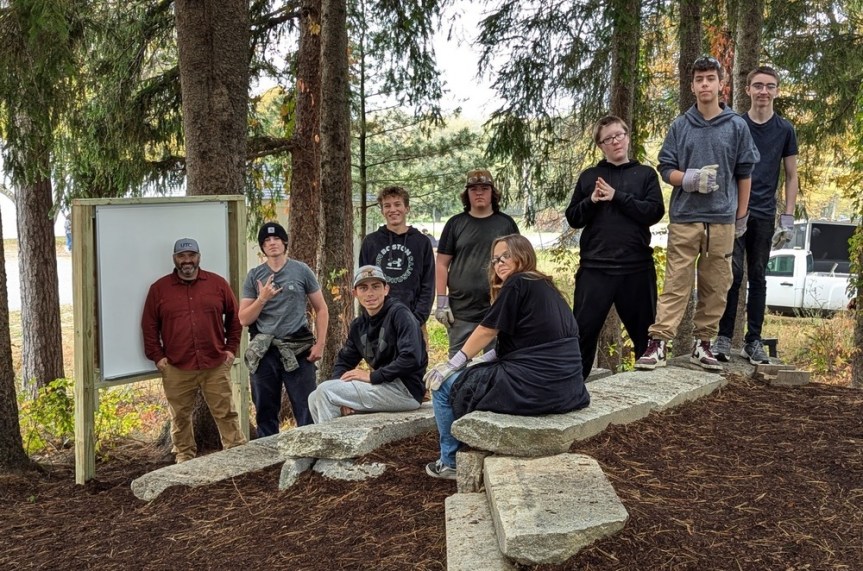
A new instructor, Mr. Doug Depew, is leading the program at Central High School. Under Depew’s guidance, students have already achieved impressive results, like transforming a nearby forest area into a new outdoor learning space with granite blocks that were left unused for years. Their efforts have resulted in a unique area for classes and hands-on activities.

The Central High School program has also provided opportunities for students to be involved in practical projects, like installing French drains to redirect rainwater away from the shop entrances. Students have also helped with trench excavation, installing grates and pipes to ensure proper drainage.

“It’s going incredibly well, and the work these students have completed thus far is exciting,” Peterson said.

This partnership has also rejuvenated the shop program at UTC, creating a wealth of new opportunities for students at both schools.

As the colder months approach, Mr. Depew has many more plans in store, with much of the activity shifting indoors.

“Congratulations to Mr. Depew and his hardworking students!” Peterson said. “Together, we look forward to seeing what comes next.”

Information for this story was provided by the United Technologies Center (UTC). To share good news from your school, please fill out the Maine DOE good news submission form.


Career and Technical Education Educators Honored for Excellence

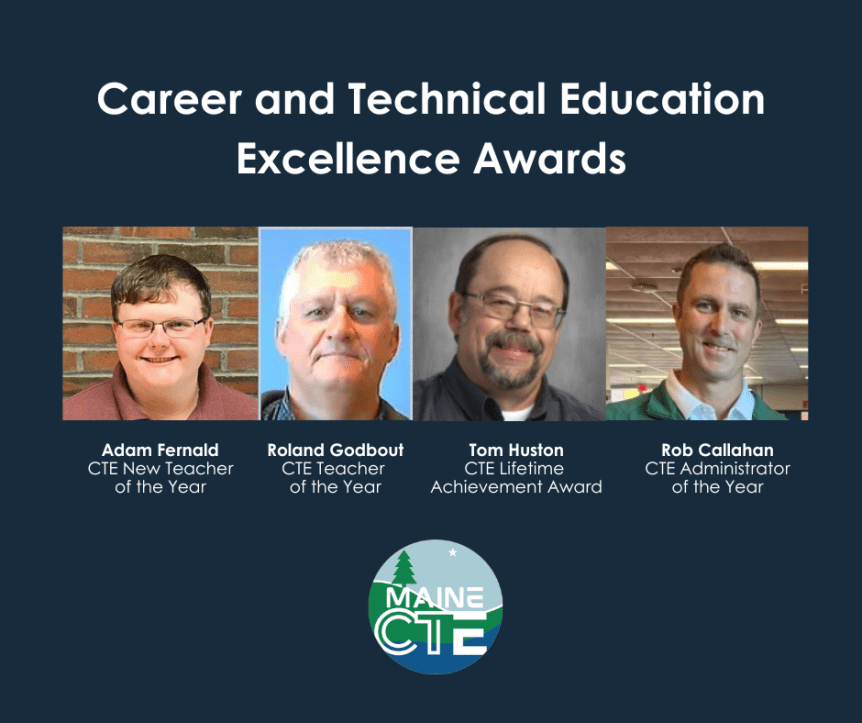
Recently, Maine Administrators of Career and Technical Education (MACTE) and Maine Association for Career and Technical Education (ACTE-ME) announced the recipients of their 2024 Career and Technical Education (CTE) Excellence Awards at the annual CTE conference held in Lewiston.

The CTE Excellence Awards recognize outstanding work and dedication in career and technical education in Maine. Awardees are selected for their exceptional contributions to the success of CTE through high-quality work, dedication to their students and their craft, and involvement within the CTE community.

CTE New Teacher of the Year

Adam FernaldAdam Fernald
Waldo County Technical Center
Employability Skills Program and STRIVE Program Instructor

Adam Fernald’s commitment to fostering a dynamic and engaging learning environment has not gone unnoticed. Since joining Waldo County Technical Center, Fernald has demonstrated an unwavering passion for the program and a genuine care for student success. His ability to integrate real-world applications with academic concepts has enhanced students’ educational experiences and inspired them to pursue their goals confidently and enthusiastically.

The impact Fernald has made in such a short period of time is truly remarkable. His colleagues speak highly of his collaborative spirit, willingness to share best practices, and proactive professional development approach. Fernald’s impressive ability to adapt and thrive, continuously seeking new ways to improve and innovate, is a testament to his dedication and growth mindset.

“He was one of the best teachers I have ever had,” said one of Fernald’s students. “He is kind and respectful and would help anyone if needed. I will carry what I learned in this class for the rest of my schooling and adulthood. I feel he will help this class and many others.”

CTE Teacher of the Year

Roland GodboutRoland Godbout
Oxford Hills Technical School (Region 11)
Law Enforcement Instructor

Roland Godbout joined Oxford Hills Technical School (OHTS) in November of 2021 to become a Law Enforcement instructor. As a retiree of the Lewiston Police Department, with nearly 30 years of service, Godbout stepped into a struggling program at OHTS, which had two instructors in fewer than two years. Further complicating Roland’s transition into teaching was the hybrid instruction model used at OHTS during the COVID-19 pandemic. Nevertheless, Godbout set to work, taking classes to earn his teaching certification. Before long, he had utilized the experienced staff at OHTS and his wealth of contacts in law enforcement to rebuild the program. During the 2022-2023 school year, students returned to full in-person instruction, and there was an uptick in student enrollment in the OHTS Law Enforcement program.

Moving into the next school year, student enrollment continued to expand, as students heard about the engaging activities available in the OHTS Law Enforcement classes. Students in the program were exposed to a multitude of experiences beyond the classroom, such as drills and practice scenarios with local police officers, visits to federal border patrol offices in Rangeley, opportunities to attend the Maine Police Academy graduation ceremonies, and interactive sessions with the law enforcement students and instructors at Central Maine Community College. Godbout also facilitated countless community service projects, ranging from traffic control to youth outreach.

CTE Lifetime Achievement Award

Thomas HustonTom Huston
Caribou Technology Center
Commercial Driver’s License (CDL) Instructor

As a state finalist for a past Career and Technical Education Teacher of the Year award, Tom Huston is among the best when it comes to excellence in CTE instruction. The Maine Department of Motor Vehicles has also commended his program for its exemplary standards, highlighting Huston’s effectiveness and dedication.

Few educators have made as profound an impact as Huston has over his 25 years in career and technical education. His career, marked by unparalleled dedication, innovation, and compassion, is a testament to the transformative power of teaching.

Tom’s CDL class has been a haven for students written off by traditional educational systems.

“Many of these students, facing expulsion or legal troubles, have found in [Tom Huston] a mentor who not only educates but also inspires,” said a spokesperson from Caribou Technology Center. “Through his guidance, students develop a thirst for knowledge and a renewed sense of purpose. Tom’s teaching goes beyond merely imparting technical skills; he equips his students with the confidence and motivation to succeed in life. His record speaks for itself—every student who has taken his course has successfully passed the State commercial driving test, a testament to his exceptional teaching abilities.”

CTE Administrator of the Year

Rob CallahanRob Callahan
Lewiston Regional Technology Center
CTE Director

Rob Callahan’s staff at Lewiston Regional Technical Center nominated him for the CTE Administrator of the Year Award—and did so with much excitement. They believe Rob is deserving of this recognition and were eager to help provide information and personal stories for the nomination. Thatquick response is a testament to Callahan’s leadership abilities and, more importantly, his leadership style, which is a direct result of the quality person that he is.

According to a former assistant director of the school, Callahan has a style of “servant leadership”, which means that as a leader, he always pitches in when something needs to be done; no job or person is beneath him; and he leads with compassion, character, and competence.

Callahan’s dedication to excellence, his ability to inspire and motivate students and staff, and his relentless pursuit of innovation have set a high standard for CTE leadership. His contributions have elevated his institution and had a profound impact on the broader educational community in Maine.

Rob Callahan has served as CTE Director at Lewiston Regional Technical Center for 17 years, during which he has significantly transformed the school’s CTE programs. His forward-thinking approach and dedication to student success have resulted in remarkable achievements.

Callahan is a passionate advocate for CTE at both the state and national levels. He has actively participated in policy discussions, contributed to educational forums, and shared best practices with fellow educators. His leadership has influenced positive changes in CTE policies and funding, benefiting students and educators across the state.

The CTE Excellence Awards are administered through Maine Administrators of Career and Technical Education (MACTE) and the Maine Association for Career and Technical Education (ACTE-ME). Each recipient will advance to the regional level for a chance to progress to the national level through the National Association of Career and Technical Education (ACTE). You can find descriptions of these awards on ACTE’s website.

Caribou Technology Center Criminal Justice Students Host 9/11 Memorial Stair Climb

On Wednesday, Sept. 11, 2024, students in the Caribou Technology Center’s Criminal Justice program collaborated with the Caribou Fire Department to hold a 9/11 Memorial Stair Climb at the Caribou Community School.

The event began with an opening ceremony held outside by a tapestry of ladder trucks, American flags, and antique fire trucks. Among the crowd of community members and school district staff were first responders in full dress uniform, federal agents wearing ballistic vests, and students dressed in turnout gear. Special guests included Caribou Community School teacher Rodney Deschaine, who conducted the opening blessing; Civil Air Patrol for the Presentation of Colors, AJ Mierzwa, who sang the national anthem; Chief Brian Lajoie of the Caribou Fire Department, who made opening remarks; Boy Scout Troop 184, who did the flag-folding presentation; and community member Tammy Soucy, who played taps.

After the ceremony, the crowd moved inside the school, where the sound of recorded air traffic control transmissions played in the hallways, decorated with pictures from that horrifying day. The main staircase, covered in glowing lights, represented the climb that 9/11 first responders had to make to get to the top of the World Trade Center towers. On Wednesday, each Caribou participant clung to tags with the names of fallen heroes, as they began their trek up and down the staircase for the equivalent of 110 flights.

“Emotions were bittersweet, as we witnessed children, first responders, students, teachers, parents, and community members pay their tribute by climbing this staircase,” said Caribou Technology Center’s Criminal Justice program instructor Amanda Baker.

Criminal Justice students knew climbers would need help counting, so they created a system. At the base of the stairs was a table with a pool of rocks. Every time a climber completed five flights of stairs, they would take a rock. Once they earned 11 rocks, they knew their climb was complete.

Those who attended the ceremony recognized this event would not have been possible without the many hours of work the Caribou Technology Center’s Criminal Justice students dedicated to this class project.

“As their teacher, I’m so incredibly proud of their focus on details and the pride they demonstrated in the end product,” said Baker.  “They were professional as individuals and worked together as a team to make sure everything went as planned. I look forward to watching them thrive this school year.”

Caribou Technology Center provided information for this story. Complete the Maine DOE Good News submission form to submit good news from your school.