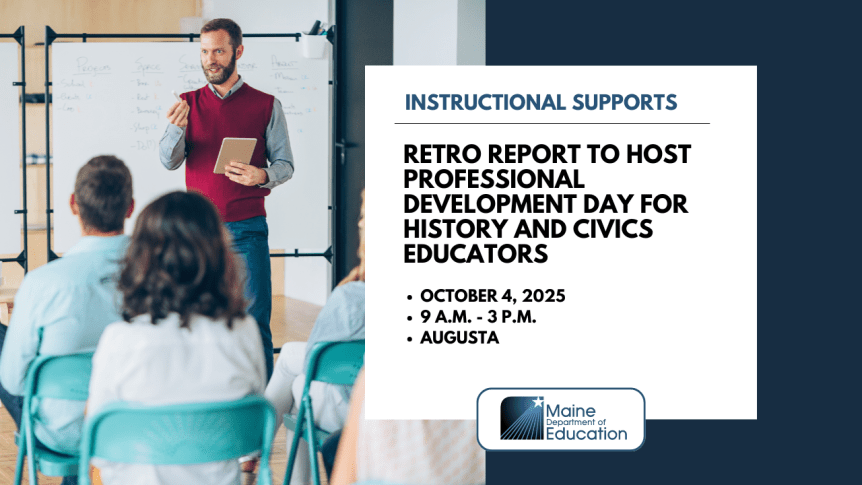
Maine DOE to Host Retro Report Professional Development Day for History and Civics Educators

The Maine Department of Education (DOE) is partnering with Retro Report to host a unique day of professional development for educators on Saturday, October 4, 2025, from 9 a.m. to 3 p.m. in Augusta.

This event will showcase a new resource collection funded in part by a Teaching with Primary Sources grant from the Library of Congress. This collection features 25 short films spanning post-Reconstruction U.S. history, each paired with a curated primary source pack and scaffolded writing outlines to support diverse learners.

Designed especially for middle and high school teachers of U.S. history and civics/government, as well as educators supporting special education students in these courses, the training promises practical classroom resources and collaborative learning opportunities.

Participants will receive a $150 stipend (upon completion of the post-professional development survey), as well as coffee and a catered lunch. Attendees are encouraged to bring a charged laptop and an eagerness to engage with high-quality instructional materials.

Registration is limited to the first 25 educators who sign up. Please register here.

For further information or questions, please contact Beth Lambert, Maine DOE Chief Teaching and Learning Officer, at beth.lambert@maine.gov.

Reflecting on the 2025 Maine DOE Annual Summit: A Resounding Success

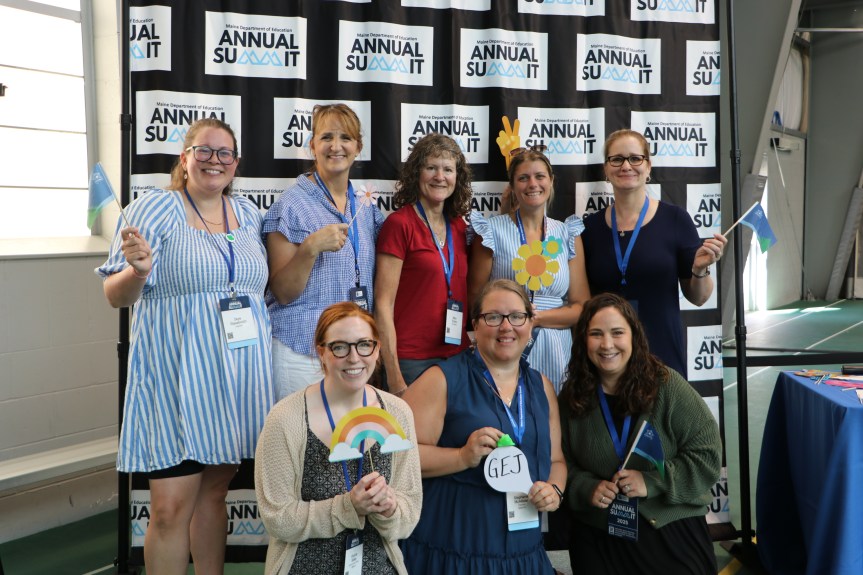
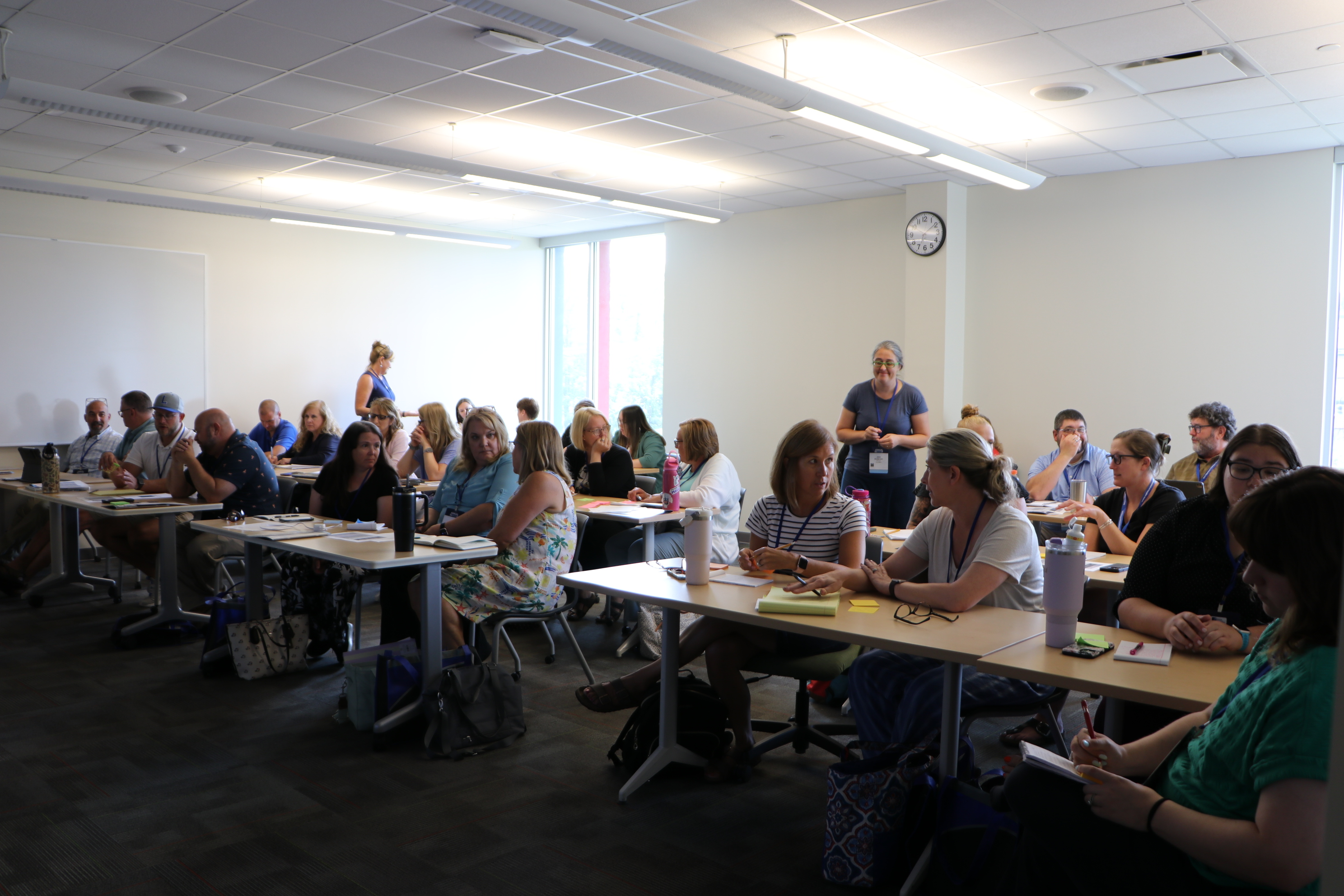
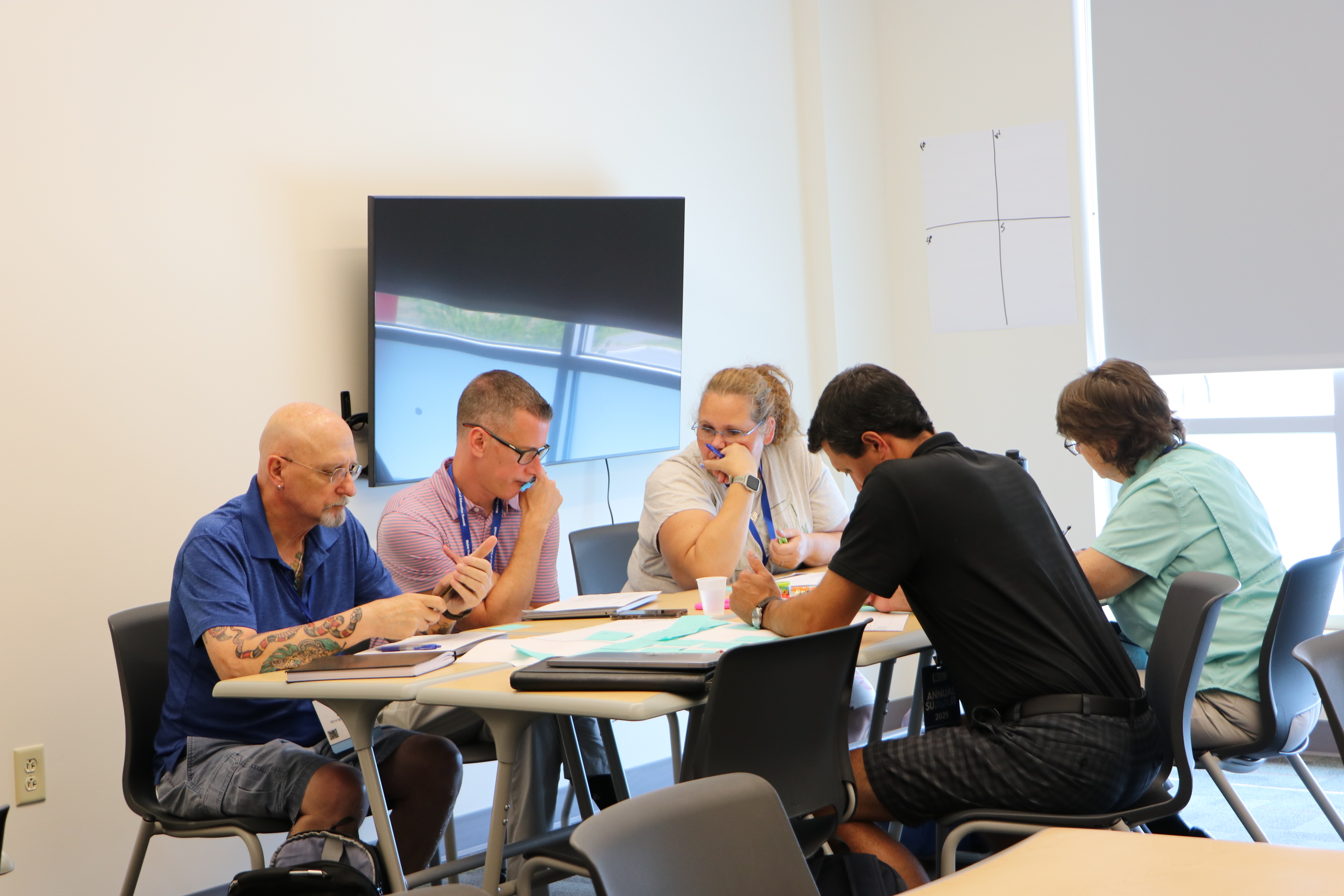
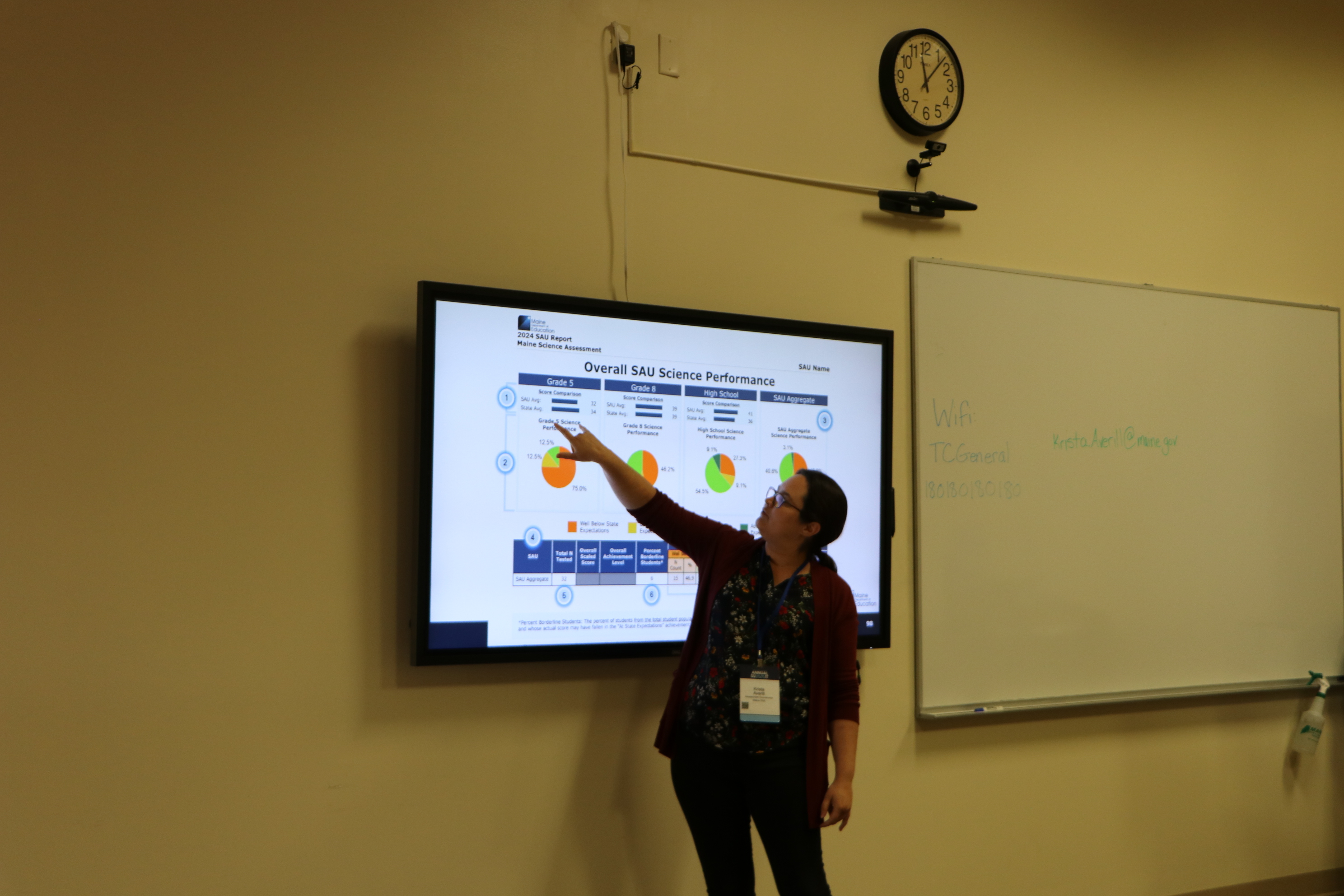
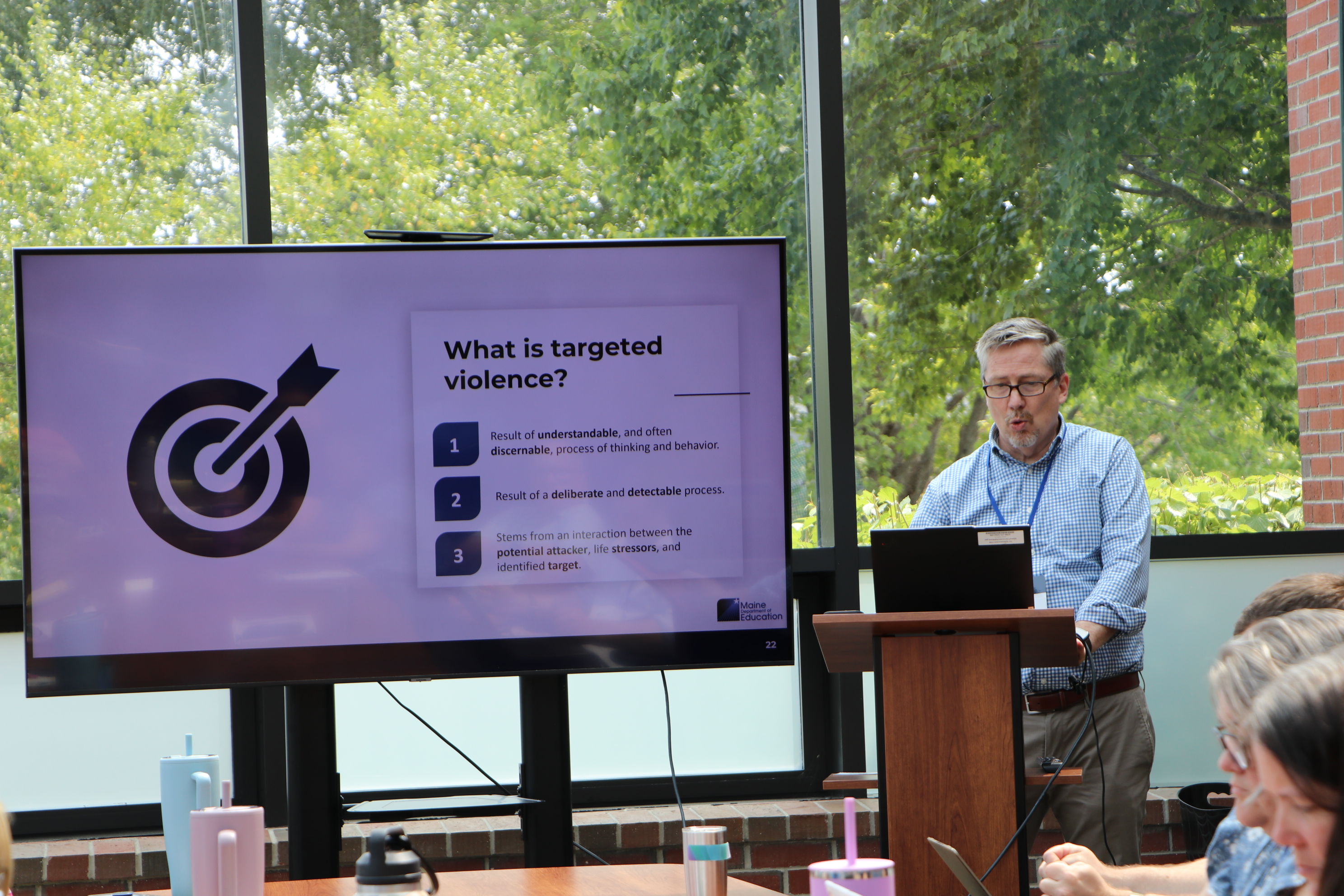
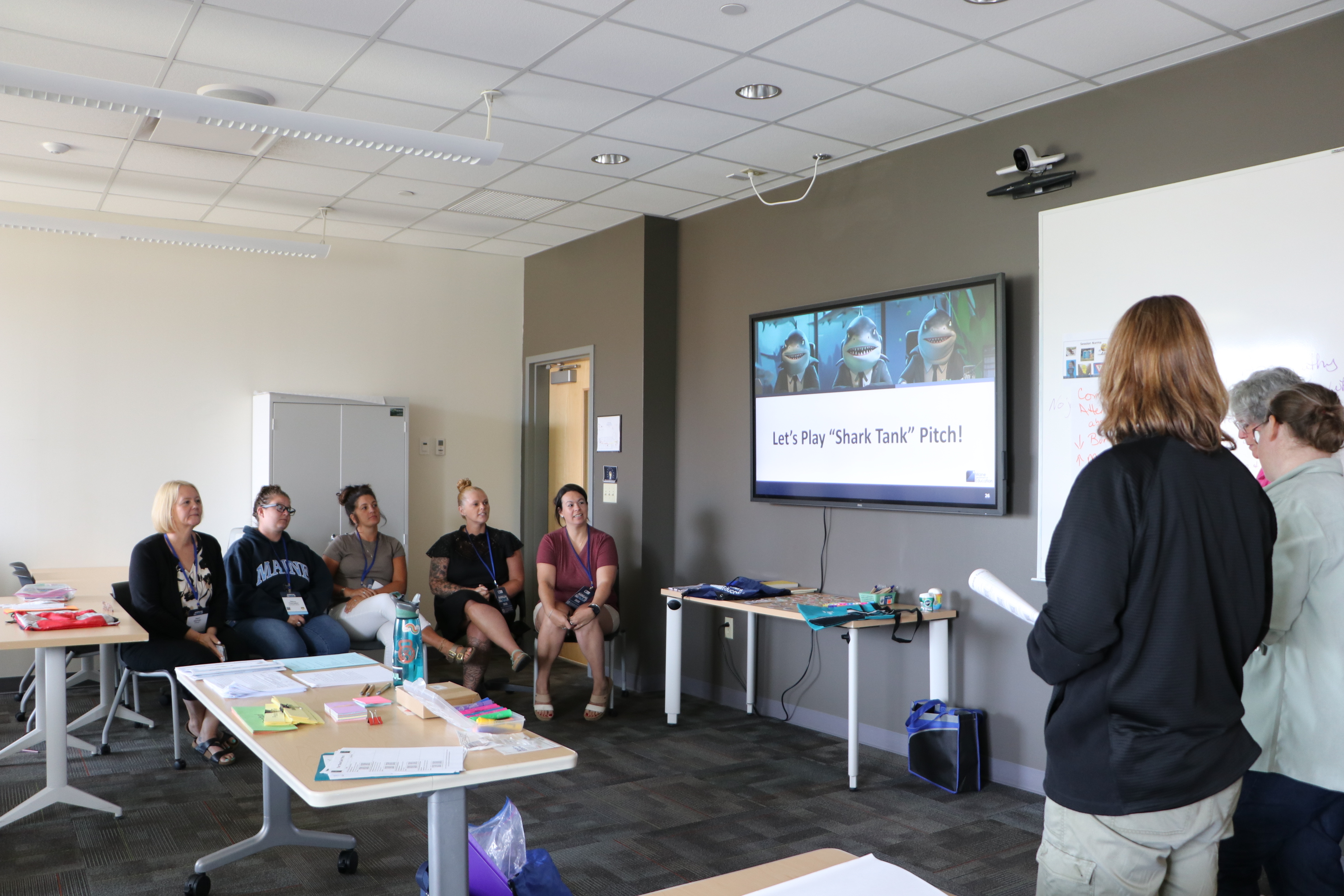
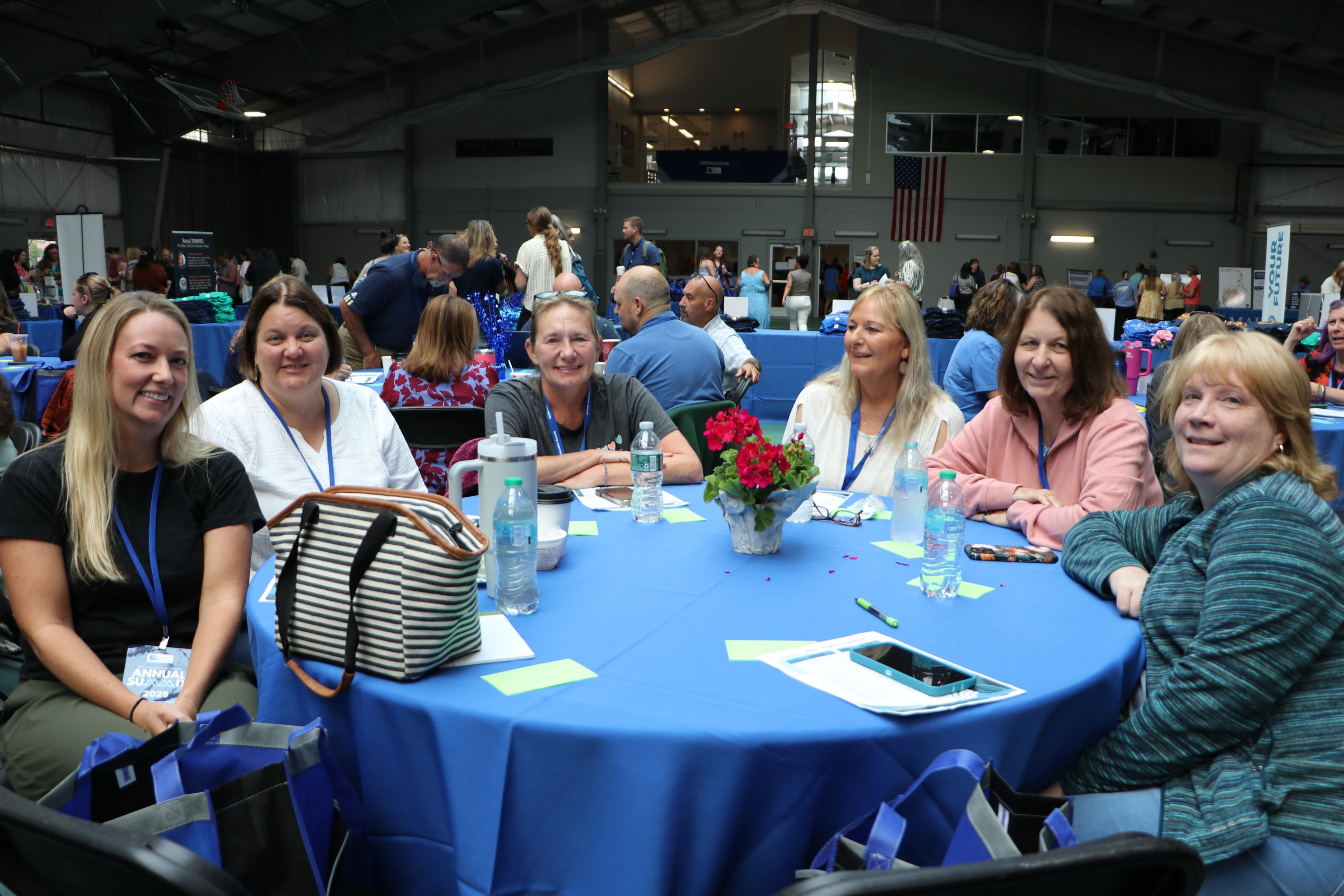
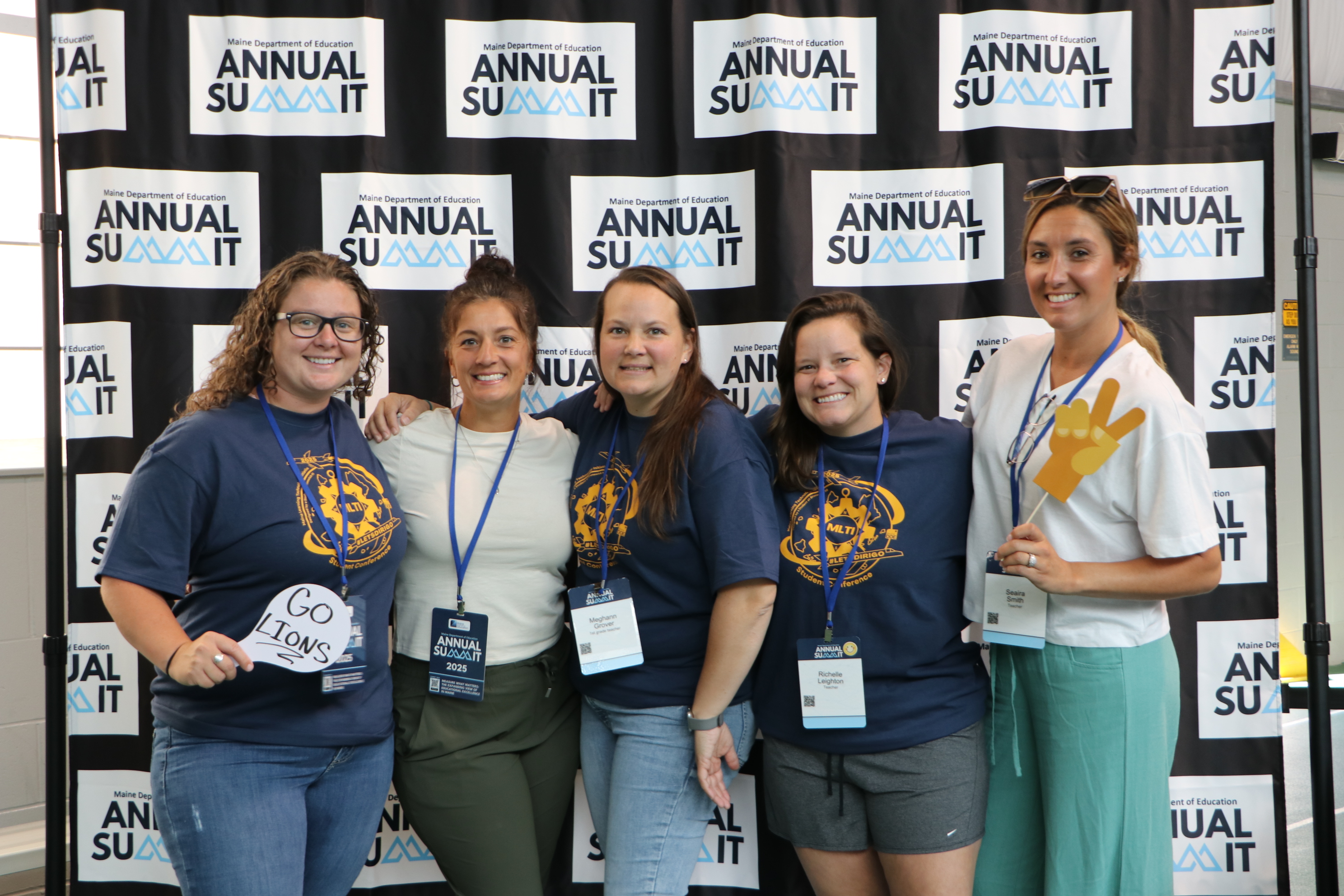
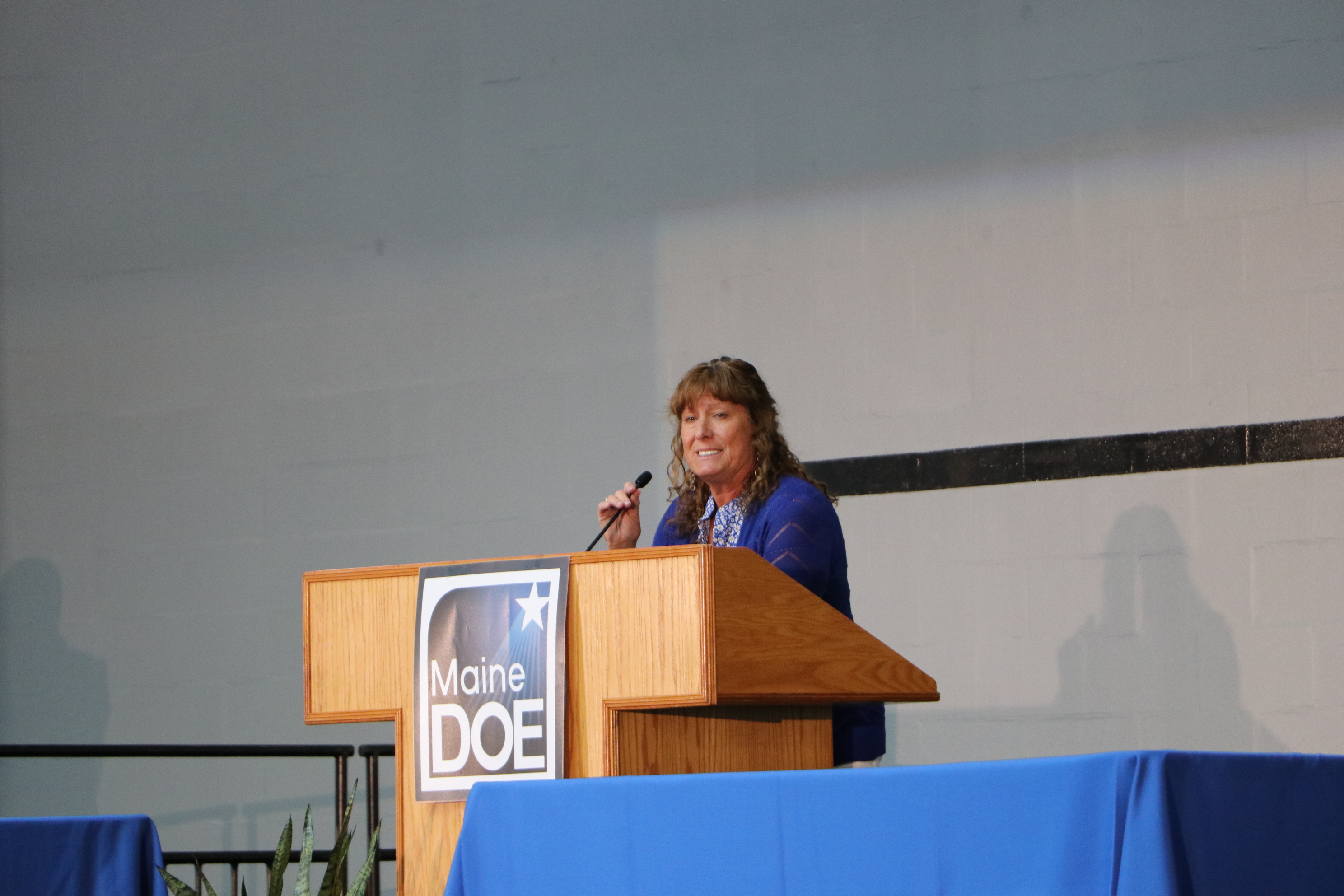
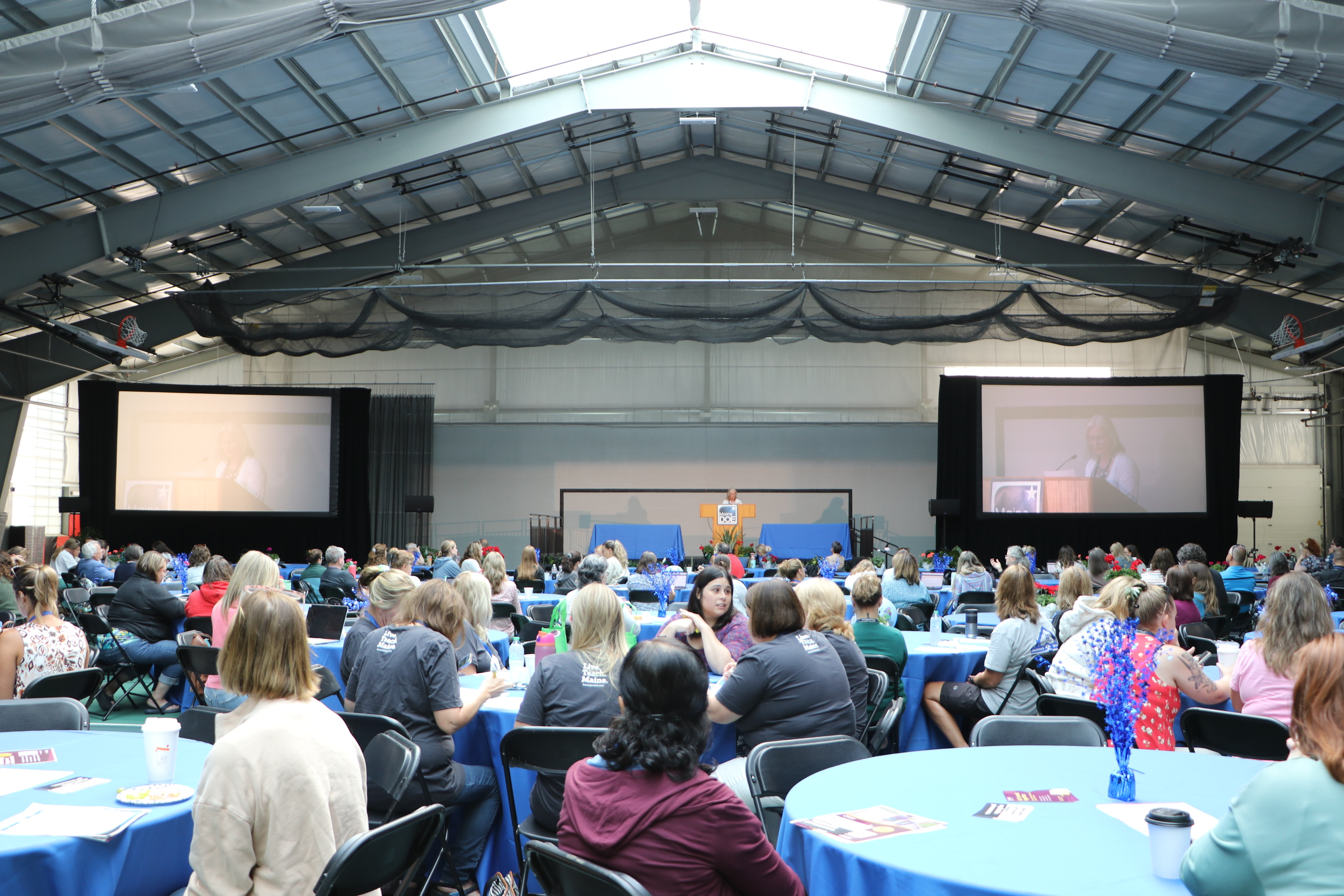
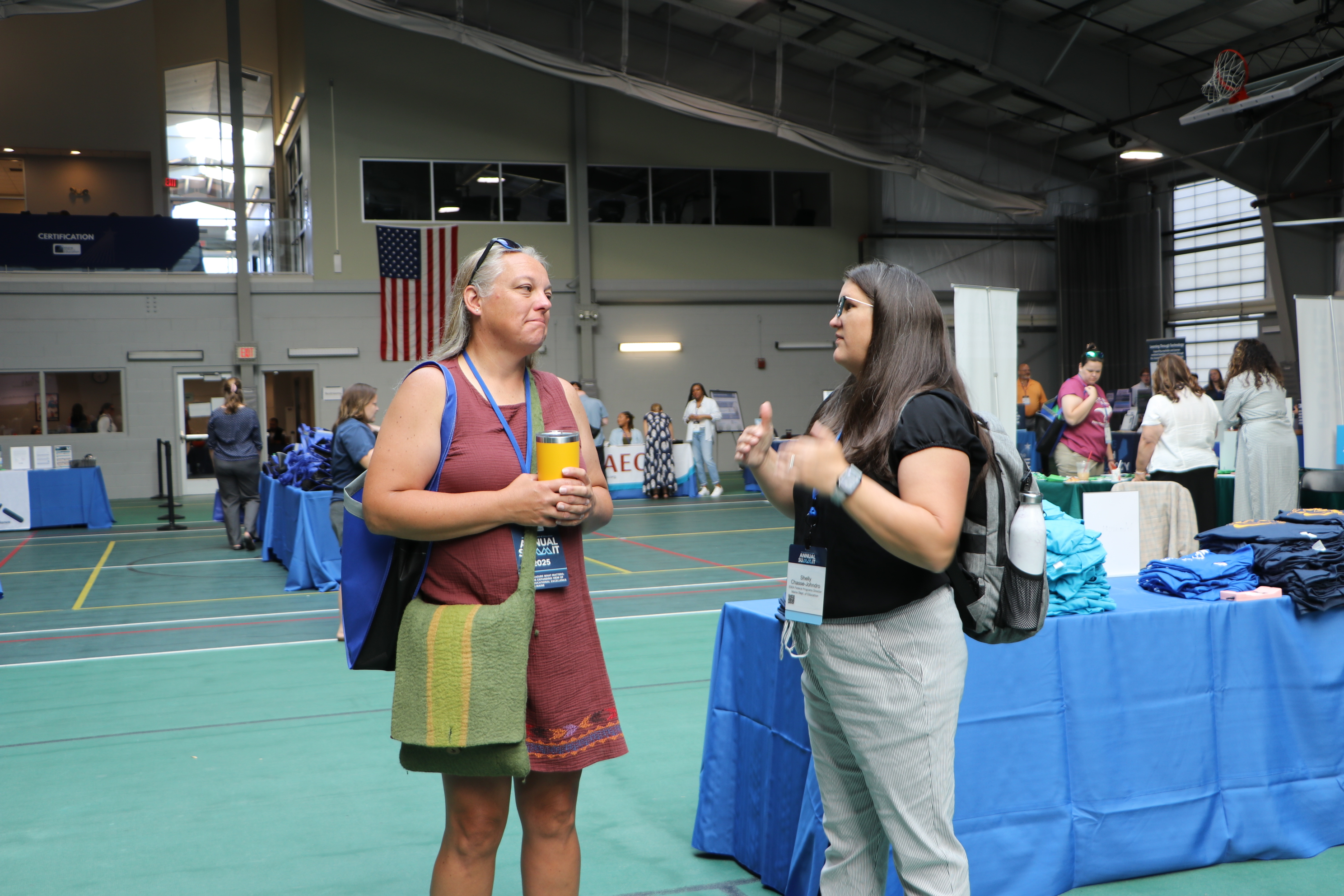
The 2025 Maine Department of Education Annual Summit—themed “Measure What Matters: The Expanding View of Educational Excellence in Maine”—wrapped up with tremendous energy and inspiration on August 6 at Thomas College in Waterville.

Nearly 100 dynamic sessions were offered over two full days of programming (August 5 and 6), spanning areas such as early childhood education, social-emotional learning, interdisciplinary instruction, youth engagement, inclusivity, the BARR (Building Assets, Reducing Risks) model, extended learning opportunities, outdoor learning and climate education, school safety, mental health and wellness, literacy, emotional intelligence, physical and health education, literacy, math, and classroom technology.


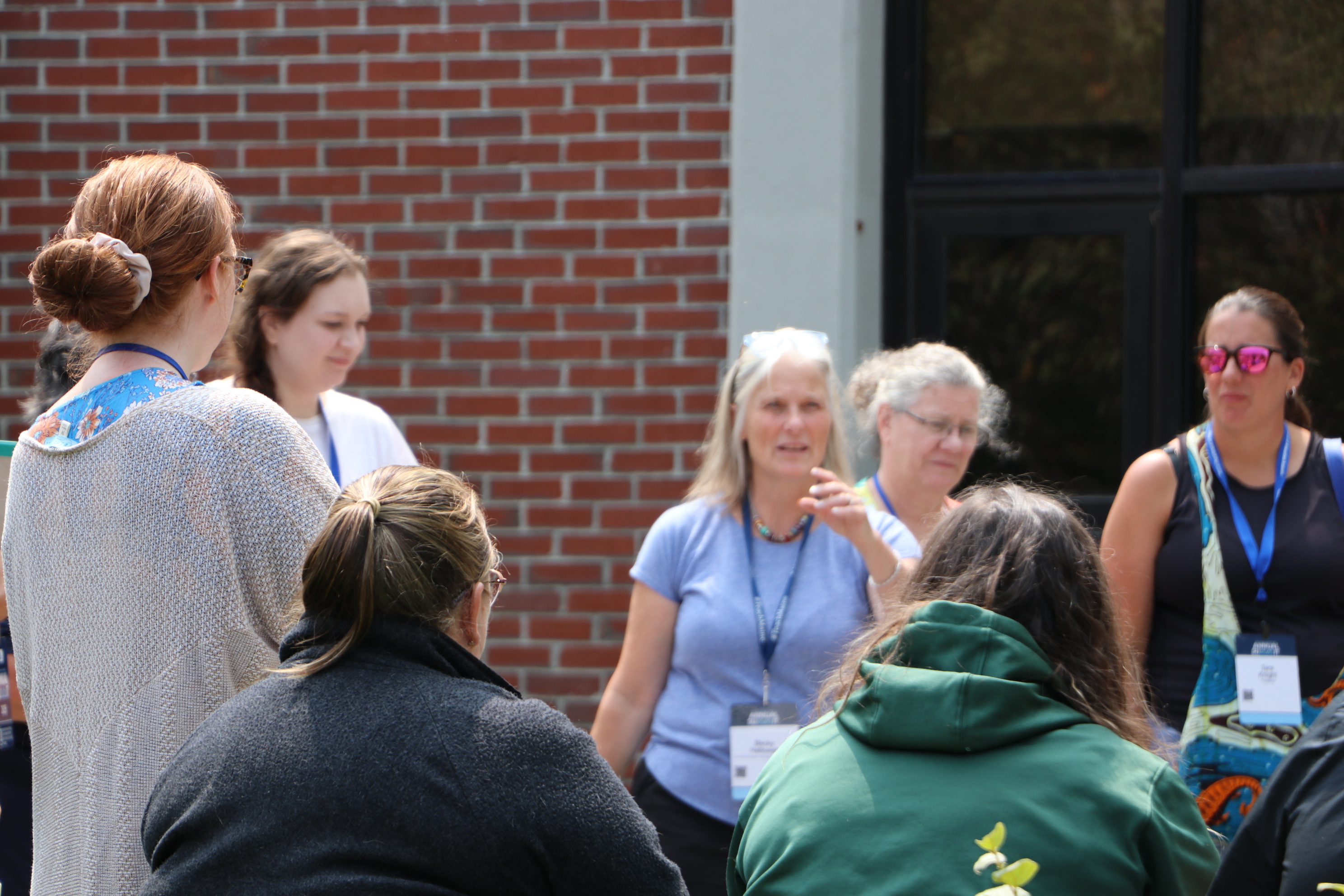
Attendance at the summit was broad and impactful. Educators from across the state gathered to share insights, exchange strategies, and recharge before the 2025-2026 school year. Many earned up to 10 contact hours toward their credential renewal, and a special Educational Trip Leader Permit Course—essential for supervising student outings near water—was also offered.

Comments from conference participants included:

“Thank you all for a wonderful conference.”

“A fantastic conference! Thank you.”

“Learned so much and came back home inspired!!!”

WABI TV5 featured the summit in their evening news broadcast on August 5, with interviews from Maine DOE Chief of the Office of Federal Programs Janette Kirk, who helped to plan the event; keynote speaker Becky Hallowell, 2025 Maine Teacher of the Year; and conference-goer Besty Trenckmann, a 2025 Presidential Awards for Excellence in Mathematics and Science Teaching finalist, who was honored during the event.


This year’s summit expanded accessibility by waiving registration fees for identified schools under Maine’s Model of School Supports (TSI, ATSI, and CSI), covering up to 10 staff members per school—a support valued at $2,500 per institution.

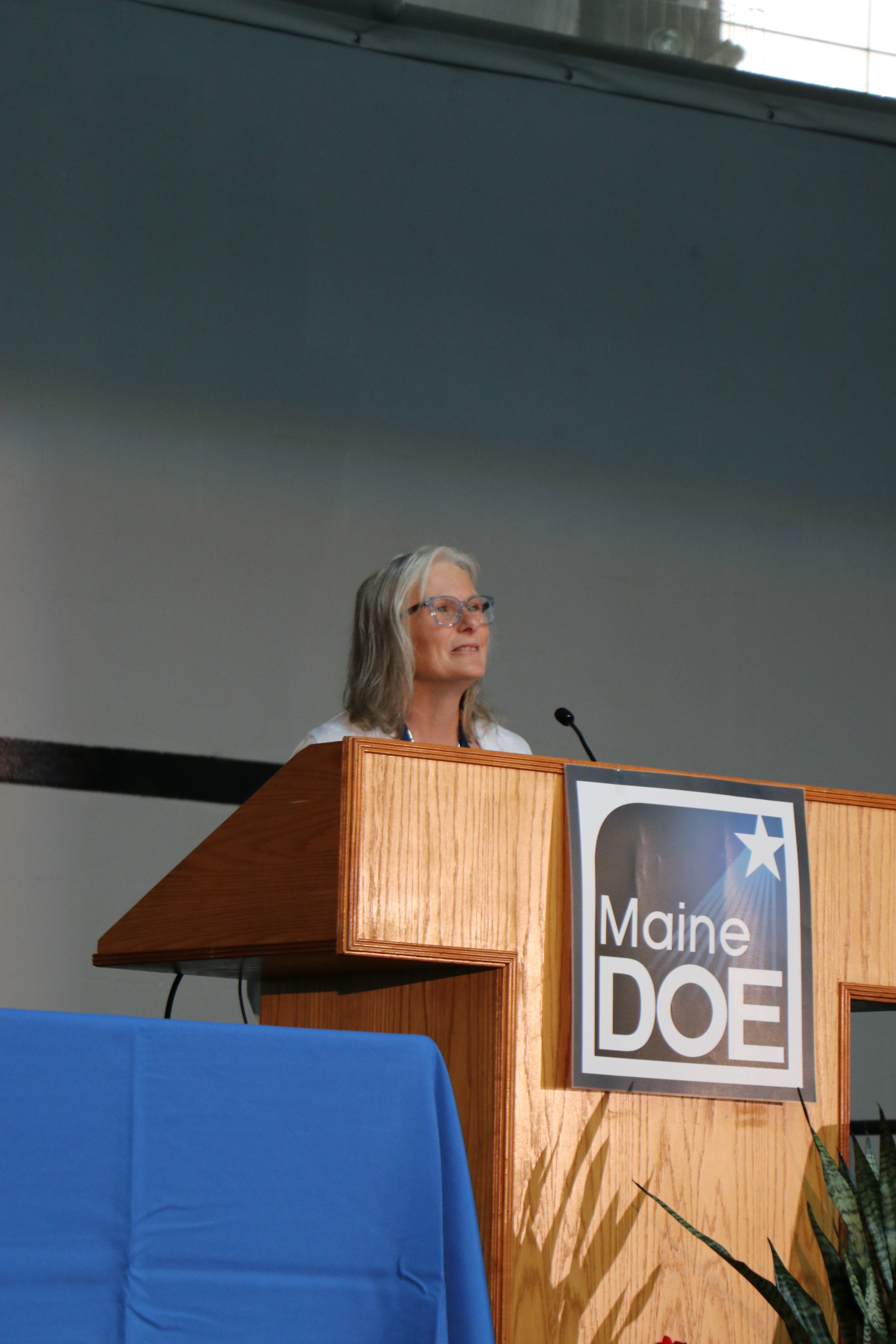
Keynote presentations from Maine Education Commissioner Pender Makin and Hallowell added a personal and motivational touch. Their leadership and dedication to measuring schools’ success beyond test scores and place-based, outdoor learning deeply resonated with attendees.

“You all are helping to shape our future every single day that you step into your classroom–when you see the whole student, build relationships that communicate high expectations, and pivot as the learning environment changes,” Hallowell offered to fellow educators at the end of her keynote. “Thank you for creating a strong learning ecosystem.”


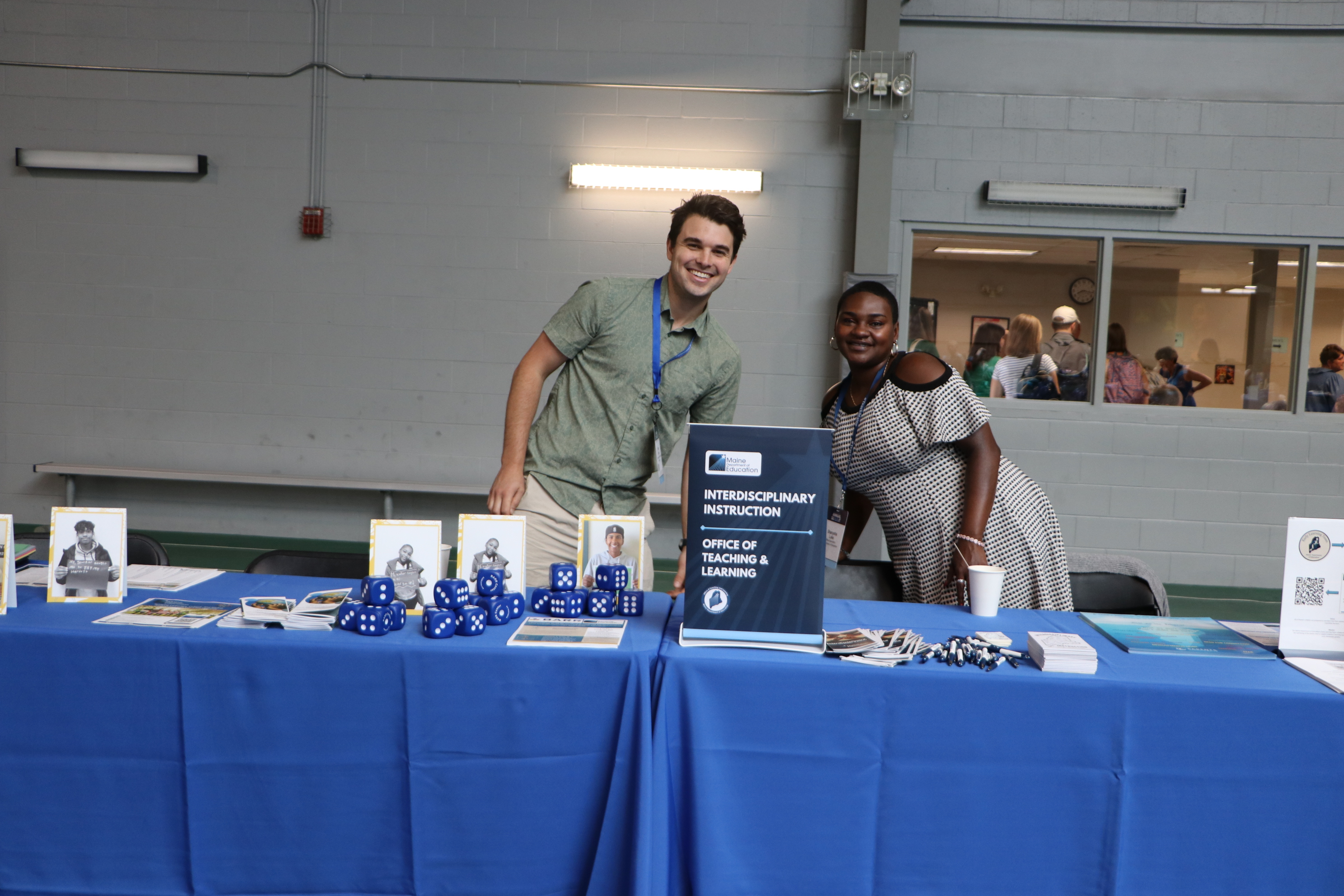
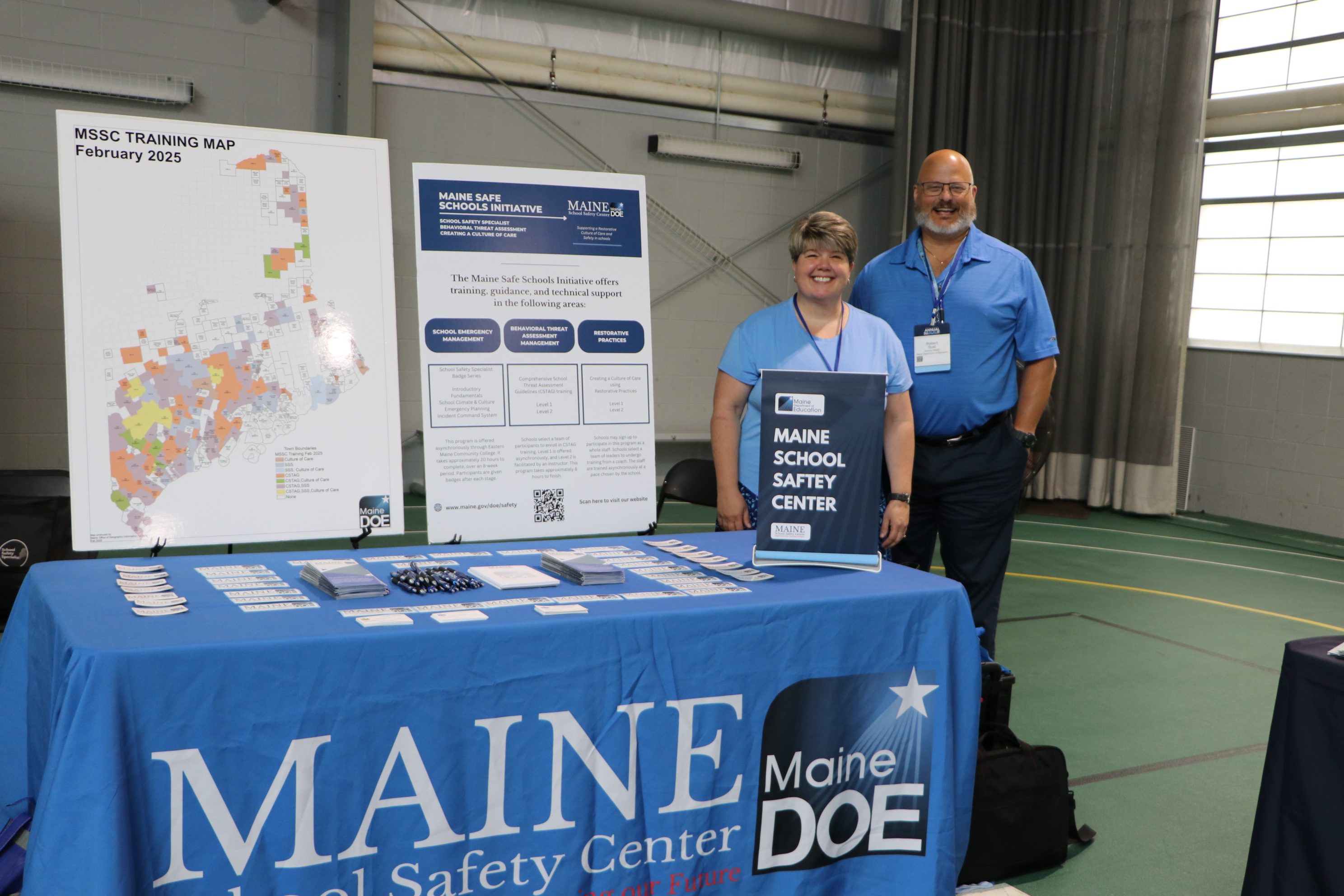
The summit also featured a bustling exhibit area, where participants could visit informational booths, including a special section for educator credentialing, where members of the Maine DOE Certification Team were available both days to offer support and guidance.


Educators left the event buzzing with new ideas and resources—refreshed, connected, and ready to bring transformative learning experiences to their students and communities statewide.

For ME Trainings Support Early Educators Across Maine

(Pictured: Teachers work together during the “Building Beautiful Things” activity, bringing in classroom items to build, collaborate, and reflect on the importance of play-based learning.)

Across the State of Maine, educators are coming together this summer to strengthen the foundations of early learning through the Maine Department of Education’s (DOE) “For ME” instructional programs. These programs, which support pre-K through grade 2 classrooms, are part of a growing initiative to provide developmentally appropriate, play-based, and standards-aligned instruction for Maine’s youngest learners.

The Maine DOE recently hosted two of its signature summer trainings in Augusta: K for ME and 1st and 2nd Grade for ME. Over four days (two days for each grade level), nearly 140 educators participated in sessions designed to build confidence, encourage collaboration, and support high-quality instruction using the Maine DOE’s open-source curriculum. These training sessions weren’t just about introducing materials; they were about empowering educators to bring those lessons to life in their classrooms. Pre-K for ME trainings were held during the same week in Hampden and Falmouth.

The For ME instructional programs have been steadily expanding since their initial launch in 2018. What began with a focus on pre-K has now grown into a full suite of resources for the early elementary years. This summer is especially exciting, as it marks the official introduction of 2nd Grade for ME, completing the pre-K to grade 2 continuum.

Each summer, the Maine DOE invites educators from across the state to join these trainings and become a part of a professional learning community that extends into the school year. This year’s sessions are supporting more than 240 professionals across the pre-K to grade 2 span, including classroom teachers, ed techs, instructional coaches, special educators, and administrators from about 30 school districts and 10 private childcare programs.

What makes these trainings particularly powerful is the leadership behind them. Many sessions are led by experienced teacher leaders—practicing educators from RSU 22, as well as school systems in Falmouth, Sanford, Brunswick, and other communities. These educators bring firsthand experience from their classrooms and help to mentor peers through model lessons, classroom visits, and professional guidance.

Later this summer, the Maine DOE will also offer a special “deeper dive” session for pre-K educators who have been using the program for more than three years. This one-day training was created using direct feedback from participants and is tailored to help veteran educators to explore the curriculum in new and meaningful ways.

With each training session, the Maine DOE continues to demonstrate its commitment to nurturing not just student learning but also the professional growth of those guiding them. The energy, collaboration, and innovation on display this summer highlight a shared goal across Maine’s education community: ensuring that every child has a strong, joyful start to their educational journey.

An Invitation to School Principals to Join Maine’s 2025-2026 Transformational Leaders’ Network

The Maine Department of Education (DOE) would like to invite school principals to register for a year-long professional learning experience called the Transformational Leaders’ Network (TLN). The TLN offers principals an opportunity to deepen their leadership skills and network with fellow principals across the state. This dynamic, learner-centered program, facilitated by experienced educational leaders, has a rich history of success and is open to all Maine principals.

The most important aspects of the TLN are summed up in these words: connection and community, learning and reflection, and safety and support. Unlike a typical professional development program, the TLN is a professional lifeline, providing a trusted community where school leaders find belonging, clarity, and collective wisdom. The TLN’s structure of reflective practice, peer validation, and collaborative problem-solving transforms how changes are implemented and sustained. Leaders move from isolation to connection, from reactive decisions to strategic action, and from centralized control to shared leadership.

Each session involves sharing challenging issues, experiencing tools for leading at your school, and exploring relevant leadership literature in a community of like-minded learners. As turbulent times in public education continue, filled with challenging situations, this year’s TLN will focus on the theme: Emotional Intelligence, Resilience, and Positive Change.

What the Research Says
In February of 2021, a research report commissioned by the Wallace Foundation was released. This report suggests that the way in which principals approach school leadership directly affects schools’ outcomes. These outcomes are defined as “drivers of principals’ impact.” They include:

  • Forms of engagement with teachers that center on instructional practice
  • Practices that encourage a school environment marked by trust, efficacy, teamwork, engagement with data, organizational learning, and continuous improvement
  • Facilitating productive collaboration and professional learning communities
  • Managing personnel and resources strategically

This research supports the importance of leadership in maintaining the climate and culture of a school. As Jason A. Grissom, co-author of the Wallace Foundation report, noted this year in a webinar: “The best evidence we have is that the best way to support principal growth is to lean on what we already know is important from studies of adult learning: Professionals learn complex roles when they get development opportunities that are ongoing, collaborative with their peers, and closely connected to their needs in their day-to-day work.”

Evidence from a 2025 case study of the TLN showed that over the years, as principals remained in the TLN program, they could see a pattern of increased retention of staff members. Focusing on culture and respectful leadership helped to attract and retain quality staff. “It’s how people are treated that draws them in,” one TLN participant stated. “[The TLN] helped me learn to connect with a person, so they’re more than just an employee.”

Pre-K—grade 12 principals are encouraged to apply for the TLN. Those who participate must commit to six in-person, full-day sessions (at places to be determined, based on the locations of participants). There will also be four sessions with the option of attending virtually or in-person. The 2025-2026 TLN program schedule is as follows: 

Full-day sessions (in-person from 8:30 a.m.-2:30 p.m.) are on:

  • September 19, 2025
  • October 24, 2025
  • December 5, 2025
  • January 30, 2026
  • March 27, 2026
  • May 8, 2026

Remote and/or regional meetings will take place the weeks of:

  • November 17, 2025
  • February 23, 2026
  • April 13, 2026
  • June 15, 2026

Successful completion of the TLN may result in contact hours for re-certification purposes. Additional highlights include:

  • Continuous, job-embedded professional development for a shifting role
  • A collaborative learning community with practice/support for conflict management
  • Emotional intelligence learning and reflection, helping to shift leadership mindsets
  • Enhancement of school climate and culture with strategies to build trust, communicate openly, and support and engage staff more effectively
  • Implementation of systems and structural change by using concrete tools and supports for sustainable procedural changes
  • School leadership teams that prioritize the distribution of leadership, helping others to feel valued and empowered, building capacity, and nurturing future leaders
  • Intentional, equity-focused analysis and techniques

Registrations for the TLN will be accepted on a rolling basis. Please apply for the 2025-2026 TLN here. To receive materials by the first session, participants are encouraged to register by September 10, 2025.

The TLN registration fee is $295 per participant for the full year of professional learning, including all TLN content, activities, and materials. If you are the leader of an identified school under Maine’s Model of School Supports (TSI-Targeted School Improvement, ATSI-Additional Targeted School Improvement, CSI-Comprehensive School Improvement), please contact Christina O’Neal, Maine DOE Educator Excellence Coordinator, at christina.l.oneal@maine.gov for a discount code to cover your registration fee. Participants will be responsible for travel expenses.

With general questions, please contact christina.l.oneal@maine.gov. For specific program details, please contact Fran Farr, Lead TLN Facilitator, at franfarr522@gmail.com.
For more information, and to read comments from past TLN participants, please click here.

Inside the Early Childhood Summit: Big Ideas for Maine’s Youngest Learners

Family Partnership Panel (pictured left to right): Jeannette Umugwaneza, April Tardiff, Cori Cantrell, and David Motel share lived experiences and insights to strengthen early childhood systems across Maine.

In July, early childhood educators, family advocates, childcare providers, and community leaders from across Maine gathered in Brewer and in Portland for the 2025 Early Childhood Summer Summits—two days full of connection, collaboration, and forward-thinking solutions.

The events focused on strengthening early childhood systems through innovation, partnership, and family engagement, with a special emphasis on meeting the needs of Maine’s rural communities. Similar agendas were followed in both locations, with Maine educators from across the state sharing powerful examples. The summits were funded through Maine’s Preschool Development Grant (PDG), which supports coordinated efforts across Maine’s Early Care and Education Systems.

The day in Brewer began with a warm welcome from leadership at Maine School Administrative District 54 and the Kennebec Valley Community Action Program, setting the tone for an engaging and impactful agenda. One of the highlights early on was the Fireside Chat, where representatives from Regional School Unit 14 and two community-based child care programs, Tu Casa and A Child’s World, shared success stories and real-life challenges from their work in early care and education. Their insights showcased how community-rooted approaches and cross-sector teamwork can lead to stronger outcomes for children and families alike.

During the breakout sessions, attendees had the chance to explore targeted topics in smaller settings. In the session “Planning, Partnerships and Progress: Meeting the Rural Early Care and Education Challenges,” leaders from the Aroostook County Action Program shared how partnerships with local schools and providers, such as their collaboration with Easton Community School, are expanding access and offering comprehensive services in rural areas.

“It was amazing to see how engaged everyone was, especially during the breakout sessions where people were truly excited to share ideas and learn from one another. It showed just how invested these communities are in supporting young children and their families,” Brooklynne Blockler, Communications Intern for the Maine Department of Education, said. She was onsite capturing pictures and videos throughout the event.

A second breakout session, “Preschool Special Education Services Partnerships,” offered insight into Regional School Unit 29’s work with Laugh & Learn Academy, highlighting the value of inclusive preschool models that serve children with Individual Education Plans (IEPs) in integrated settings.

After lunch, keynote speaker Elaine Zimmerman, former Regional Administrator for the Administration for Children and Families, brought a powerful perspective to the room. Her remarks encouraged attendees to think beyond programs and toward long-term systems change, emphasizing the role of public policy, family voice, and sustainable funding in driving progress.

The afternoon Family Partnership Panel was a standout session. Parents shared personal stories about their experiences navigating Maine’s early education landscape. Their honesty and passion underscored just how vital strong family-program relationships are—and how impactful those partnerships can be for both child development and family wellbeing.

Likewise, the Portland Summit featured wonderful examples of school system and community coordination in support of children and families, followed by Elaine Zimmerman and the panel of parents. School/community partner presentations in Portland featured:

  • Brunswick Public Schools, Family Focus, and the Midcoast Maine Community Action Program—focused on public pre-K partnerships
  • The First 10 Community School initiative in Sanford
  • Wiscasset Elementary School and Midcoast Maine Community Action Program

Throughout both days, table discussions and group report-outs created space for idea-sharing, networking, and regional collaboration. The event celebrated what’s working in early childhood care and also inspired new momentum for what’s next. The 2025 Early Childhood Summits proved that when communities come together with shared goals, open dialogue, and a focus on family, meaningful change is not only possible but already happening across Maine.

For more information and resources about early childhood, please visit this webpage. You may also contact Maine DOE Director of Early Learning Lee Anne Larsen at Leeann.Larsen@maine.gov.

Maine DOE Hosts Summer Institutes on Integrating Literacy and Numeracy Across the Curriculum

From July 14-16, 2025, educators from across Maine gathered on the coast for an immersive professional learning experience, designed to reimagine how literacy and numeracy are taught—not as isolated subjects but as essential, interconnected tools for deep learning across the curriculum.

Hosted at the College of the Atlantic by the Maine Department of Education (DOE) Office of Teaching and Learning, the Integrating Literacy and Numeracy Across the Curriculum Summer Institutes brought together educators to explore authentic, interdisciplinary approaches to instruction. Over the course of three days, participants engaged in hands-on learning, heard from nationally recognized education experts, and collaborated to design lessons that they will bring back to their classrooms this fall.

Importantly, the work that began during these institutes won’t end there. The lessons created by participants are set to grow into new, high-quality MOOSE (Maine Online Open-Source Education) modules—ensuring that educators across the state will have access to innovative, standards-aligned resources that reflect Maine’s commitment to equity, relevance, and inclusive design.

“These institutes reflect the future that we’re building together—a future where all students engage in real-world, integrated learning experiences that build their confidence and competence,” Beth Lambert, Chief Teaching and Learning Officer at the Maine DOE, said. “We’re not just learning about interdisciplinary teaching; we’re doing it, modeling it, and scaling it.”

These institutes were a collaborative effort among several offices and initiatives within the Maine DOE, showcasing a whole-agency approach to supporting educators. Teams from Multilingual Learning, Multitiered Systems of Support (MTSS), Interdisciplinary Instruction, MOOSE, and the Office of Special Services and Inclusive Education co-developed and facilitated learning experiences that supported educators in designing instruction that is inclusive, culturally responsive, and accessible to all learners.

National thought leaders enriched the experience with big-picture framing and practical strategies. Mara Krechevsky, senior researcher at Harvard Project Zero, led sessions on making student thinking visible and cultivating rich documentation of learning. Tom Murray, Director of Innovation for Future Ready Schools, offered insight into creating learner-centered environments that prioritize relevance and connection. Educators also heard from Dr. Julie Meltzer, a national expert on the Solutionary framework, who helped participants consider how to design lessons where students investigate real-world problems and take action through informed, ethical, and systems-aware projects.

Educators who participated in the institutes left energized and equipped with ideas and tangible resources to bring back to their schools.

“By integrating literacy and numeracy into everything we teach, we’re creating the conditions for deeper learning and stronger transfer,” Lambert added. “This isn’t just about content; it’s about designing learning experiences that are meaningful, coherent, and reflective of the real world.”

That vision resonated with educators across the state, who left the institutes inspired, energized, and ready to bring what they learned back to their students.

“I absolutely loved everything! It was so engaging, and I felt that the work was purposeful and intentional. Everything went together,” Amber Wileschamberlain, a third-grade teacher at Sebasticook Valley Elementary School, said. “I also love that I will leave this conference with something to use in my classroom that implements the ideas and knowledge.”

 “You all have done a great job putting together a program that is both helpful and thought-provoking. It helps juice me up as an educator,” Colin Hickey, an English teacher at Messalonskee High School, shared with the Maine DOE.

“The presenters are amazing, and the Maine DOE reps are so knowledgeable, available, and easy to talk to,” MaryAnn Wheeler, a Reading and Math Interventionist at Mountain View School, added.

These institutes are part of a broader movement in Maine to rethink how core skills like literacy and numeracy are taught across grade spans and subject areas. The Maine DOE’s forthcoming Literacy and Numeracy Action Plans will further support this vision by providing a strategic, statewide approach to building foundational skills in ways that are developmentally appropriate, inclusive, and connected.

“This was one of the most powerful learning experiences I’ve had as an educator,” one participant shared. “I’m leaving with not only new ideas but with something I can use—a lesson I created that I believe in.”

The 2025 Literacy and Numeracy Summer Institutes are funded through Title II/Title IV state reservation funds. For more information or with questions, please contact Maine DOE Chief of Teaching and Learning Officer Beth Lambert at beth.lambert@maine.gov.

Free Professional Learning Opportunity: Build a More Compassionate Classroom with Narrative 4

Educators across Maine are invited to join Narrative 4’s National Schools Network (N4NSN), a transformative professional learning opportunity designed to foster empathy, connection, and student engagement through the power of storytelling.

This free program empowers K–12 educators with the training, tools, and resources needed to create compassionate classroom communities where every student feels seen, heard, and understood.

By joining N4NSN, educators will:

  • Become Narrative 4 Certified Story Exchange Facilitators.
  • Gain access to easy-to-use curricular resources.
  • Receive professional development and individualized support.
  • Join a nationwide community of practice and peer collaboration.
  • Access ongoing networking opportunities.

Program Overview

  • Who should apply: individual educators or small teams (up to 10 people) from any U.S. K–12 school, district, or homeschooling coalition
  • Time commitment: 12–16 hours spread over six months
  • Application deadline: August 8, 2025

Why It Matters

“The N4NS had a profound impact on my students, and the experience expanded my teaching style through the use of their curricular resources,” Leslie S. Leff, School Adjustment Counselor at New Hingham Regional Elementary School in Massachusetts, said.

The Narrative 4 model helps educators to unlock student engagement and create more inclusive learning environments by cultivating a culture of connection and mutual respect.

Don’t miss this opportunity to deepen your practice and build a stronger school community. Visit this link to learn more and apply.

About Narrative 4

Narrative 4 is a global nonprofit dedicated to equipping young people to harness the power of storytelling to drive positive change. Through its programs, students and educators alike develop skills in empathy, deep listening, imagination, and social impact.

For more information about Narrative 4 or this opportunity, please contact Narrative 4 directly.

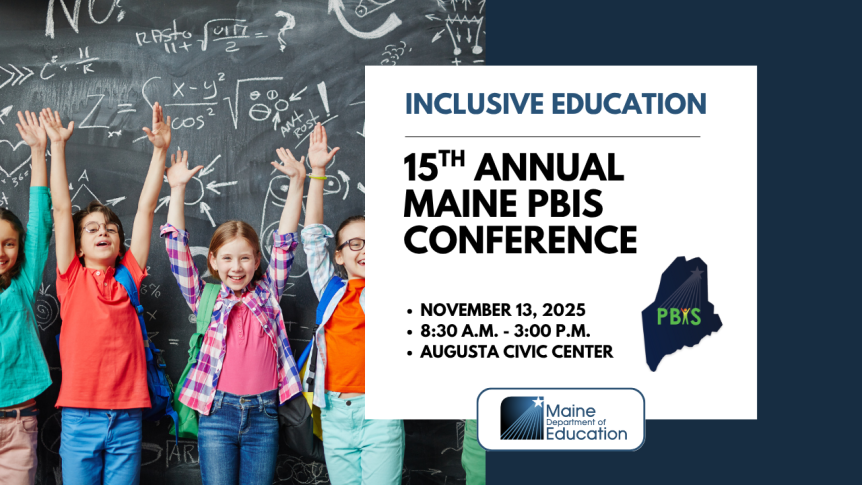
Save the Date! 15th Annual Maine Positive Behavioral Interventions and Supports Conference on November 13

The Maine Department of Education (DOE) Office of Special Services and Inclusive Education, in collaboration with the University of Maine System, is hosting the 15th Annual Positive Behavioral Interventions and Supports (PBIS) Conference on Thursday, November 13, 2025, at the Augusta Civic Center.

This year’s keynote speaker will be Dr. Steve Goodman, PhD, a research specialist at the University of Connecticut. He is a partner with the Center on PBIS and is a co-investigator with the Integrated Multi-Tiered Systems of Support (MTSS) Research Network.

Goodman’s presentation, “Better Together: Integrating Academics and Behavior Support in MTSS,” will focus on an integrated approach to MTSS, which can improve efficiency and effectiveness when implemented with fidelity. This presentation will highlight critical features of an integrated model along with implementation examples.

Join us at the 15th Annual Maine PBIS Conference to gain tools to create a more positive climate in your school, increase student engagement and achievement, support staff involvement and teacher retention, and strengthen connections to families and community resources.

Please be on the lookout for further information about this conference in the Maine DOE Newsroom (subscribe here). For questions, please contact Tracy Whitlock, Maine DOE Special Projects and Educator Supports Coordinator, at Tracy.W.Whitlock@maine.gov.

Summer Reading Challenge/Professional Learning Day to Empower Educators, Center Stories, and Cultivate Belonging

The Maine County and State Teachers of the Year Association (MCSTOYA) is proud to host the third annual MCSTOYA Connects, a summer reading challenge and professional learning day that provides a unique opportunity for Maine educators to come together around books and conversation. 

MCSTOYA is honored to partner with I’m Your Neighbor Books on the development of this year’s book list and event to support the theme “Migration Reads,” which focuses on stories of people who move—by choice, by force, or by necessity. From immigrants and new generations to refugees (those displaced by conflict or disaster), these stories help educators to explore the many reasons people may leave one place and make a home in another. 

This program invites educators to choose and read one or more books from a curated reading list of 15 titles—including children’s books, novels, graphic novels, and books in verse–spanning three levels: elementary, middle, and young adult. It’s an “a la carte book club.” This experience culminates in a one-day, in-person professional learning event where participants deepen their understanding of migration narratives and explore how to integrate these stories meaningfully into their classrooms.

Last year’s event welcomed more than 100 educators from across Maine, and organizers anticipate similar participation this year. This event supports teachers in building stronger connections with students and communities through powerful stories, practical teaching ideas, and partnerships with local organizations.

MCSTOYA Connects: Migration Reads aligns with statewide goals and builds capacity among Maine educators to use literature as a vehicle for understanding, connection, and empathy, while amplifying the voices of those whose experiences reflect the global reality of movement, resilience, and belonging. This is a chance for educators to listen, learn, and grow as a community, united by a belief in the power of story to build understanding. Together, we can cultivate classrooms where all students see themselves, and each other, in the stories we share.

With grant support, MCSTOYA is able to provide free books, honoraria for speakers, high-quality professional development, and ongoing educator support. Please register here.

For further information or questions, please contact the Maine County and State Teachers of the Year Association (MCSTOYA) at mainestoya@gmail.com. You may also download this flyer.

Registration Open for Third Annual Social Services and Education Professionals Symposium

The University of New England (UNE) College of Professional Studies and its partner Educate Maine are pleased to be hosting the Third Annual Education and Social Services Professionals Symposium, made possible through the generous support of its sponsor, Unum.

The event will be held on Tuesday, August 19, 2025, from 8 a.m. to 3:30 p.m. at UNE’s Innovation Hall, located at 772 Stevens Avenue in Portland.

This is a professional development conference for educators, social workers, and counselors who work to improve the social and emotional health of Maine youth. Admission is $35 per person, and participants will earn seven contact hours.

The event has a great lineup of all-new workshops and a wonderful lunchtime speaker: Julia Sleeper, Executive Director of Tree Street Youth Center.

Participants will be provided with breakfast and lunch. Two attendees will win gift certificates for the Samoset Resort and Cliff House Maine.

For more information and details about registration, please visit the event registration website or contact Tierney Matz at tmatz@une.edu.