Maine DOE Seeking Educators to Develop the Next Round of MOOSE Modules

The Maine Department of Education (DOE) is currently seeking educators to develop interdisciplinary MOOSE Modules that will align with and provide real-world context for Maine Learning Results standards and existing Maine DOE resources.

Maine’s Online Open-Source Education (MOOSE) platform provides free, interdisciplinary, project-based learning materials created by Maine teachers for Maine pre-K through grade 12 students. The Maine DOE is constantly expanding MOOSE content to meet educator needs and provide resources that highlight ongoing and emerging initiatives of the Maine DOE.

The Maine DOE is seeking a variety of Maine educators (e.g., teachers, curriculum leaders, museum educators, librarians, etc.) to develop educational material for the MOOSE platform. Applicants must be available for weekly meetings and able to dedicate 3-6 hours outside of those meetings to creating materials. Interdisciplinary cohorts will be formed for educators around topics that span across the preK-12 spectrum. Within cohorts, smaller teams will create modules between September 15 and January 23 under the guidance of the MOOSE Specialists.

If you are interested in applying but still have questions, please contact Maine DOE MOOSE Project Supervisor Jennifer Page (jennifer.page@maine.gov). The MOOSE Team will hold a recorded information session on Monday, August 25, at 4 p.m. The recording will be directly mailed to all registrants and will be posted on the Maine DOE website. Registration can be found here.

Applications can be found here and are due by Monday, September 1. Applicants will be notified of their acceptance for the program by Wednesday, September 3, and will attend their first meeting on Monday, September 15. Compensation for a fully developed, approved, and published module by January 23, 2026, is $3,000, with no partial or late payments available.

For further questions and information, please contact Maine DOE MOOSE Project Supervisor Jennifer Page at jennifer.page@maine.gov.

Seeking Educators to Pilot MOOSE Modules and Wabanaki Studies Educator Guides

The Maine Department of Education (DOE) is currently seeking educators to pilot MOOSE Modules and Wabanaki Studies Educator Guides with their classrooms this fall.

Maine’s Online Open-Source Education (MOOSE) platform provides free, interdisciplinary, project-based learning materials, created by Maine teachers, for Maine preK-12 students. Feedback on the modules themselves and their usability is vitally important, as we are constantly improving existing modules and applying lessons learned to new creations. In addition to the modules themselves, extensive Wabanaki Studies Educator Guides have been developed and are ready to be piloted for feedback. Educators may apply to pilot any combination of modules and/or educator guides in their classroom.

The Maine DOE is now seeking educators interested in using these materials in their classroom with five (5) or more students and providing feedback about the experience. Educators must choose their own module(s)/guide(s) to pilot and justify their decision in their application. Stipends will be provided for feedback on up to two modules and/or guides ($500 per module/guide) that have been piloted, with additional funds provided for deidentified student work and/or reflections ($50 each per module/guide). All required elements must be completed by January 23, 2026.

If you are interested in applying but still have questions, please contact MOOSE Project Manager Jennifer Page (jennifer.page@maine.gov) and/or Wabanaki Studies Specialist Brianne Lolar (brianne.lolar@maine.gov). The MOOSE Team will hold a recorded information session on Tuesday, August 26th, at 4 p.m. The recording will be directly mailed to all registrants and posted on the Maine DOE website. Registration can be found here.

If you are ready to apply, you can find applications here. Applications for the Fall 2025 session are due by Monday, September 1, 2025. Applicants will be notified of their acceptance for the program by Friday, September 5, 2025, and modules/guides may be piloted any time after Monday, September 15, 2025.

For further information or questions, please contact Maine DOE MOOSE Project Manager Jennifer Page at jennifer.page@maine.gov and/or Maine DOE Wabanaki Studies Specialist Brianne Lolar at brianne.lolar@maine.gov.

Recognize Your Outstanding School Staff: RISE Award Now Accepting Nominations

The Maine Department of Education (DOE) invites students, friends, families, community members, educational organizations or associations, co-workers, and supervisors to nominate school employees for the Recognizing Inspirational School Employees (RISE) Award. Anyone can nominate. The deadline to submit a nomination is October 15, 2025. 

In collaboration with Maine Governor Janet T. Mills and the U.S. Department of Education, Maine DOE is now accepting nominations for the prestigious RISE Award. This federal award, passed by Congress and overseen by the U.S. Department of Education, is intended to honor and promote classified school employees who provide exemplary service.

Through the RISE Award, we honor the often-unsung heroes whose work behind the scenes is essential to ensuring safe, supportive, and effective learning environments. Publicly recognizing their service strengthens morale, boosts motivation, and reaffirms our commitment to valuing all roles within the education workforce.

Who Is a Classified School Employee?

A classified school employee is a staff member employed by a state, local education agency, or nonprofit entity who supports students in grades pre-K through grade 12 in any of the following occupational specialties:

  • Paraprofessionals / Educational Technicians
  • Clerical and Administrative Services
  • Transportation Services
  • Food and Nutrition Services
  • Custodial and Maintenance Services
  • Security Services
  • Health and Student Services
  • Technical Services
  • Skilled Trades

Examples include bus drivers, secretaries, cafeteria workers, school safety staff, health aides, technology staff, mechanics, crossing guards, and more.

Nominee Selection Criteria

Nominees must demonstrate excellence in the following five areas:

(A) Work performance: Reflects the nominee’s ability to fulfill their role with exceptional skill, dedication, and reliability

(B) School and community involvement: How nominees contribute to the broader school community, including volunteer efforts, participation in school activities, or engagement with families and local groups.

(C) Leadership and commitment: Emphasizes the nominee’s ability to inspire others, take initiative, and demonstrate a strong dedication to their role and school mission.

(D) Enhancement of classified school employees’ image in the community and schools: Highlights efforts to positively influence public perception and understanding of classified employees’ vital roles.

The Maine Department of Education will submit up to two finalists to the U.S. Department of Education. The U.S. Department of Education will select one finalist from across the United States to inspire excellence among classified school employees around the nation.

How Do I Submit a Nomination?

The deadline to submit a nomination is October 15, 2025. 

Nominate today by clicking here.

For further information or questions, please reach out to Maine DOE Educator Excellence, Recruitment and Retention Coordinator Christina O’Neal at christina.l.oneal@maine.gov.

Register Now for Maine’s First Green Schools Symposium

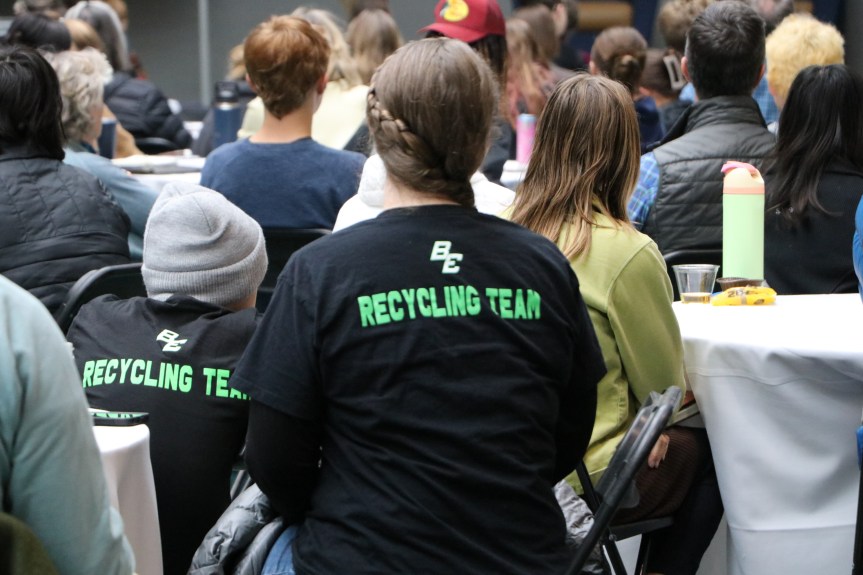
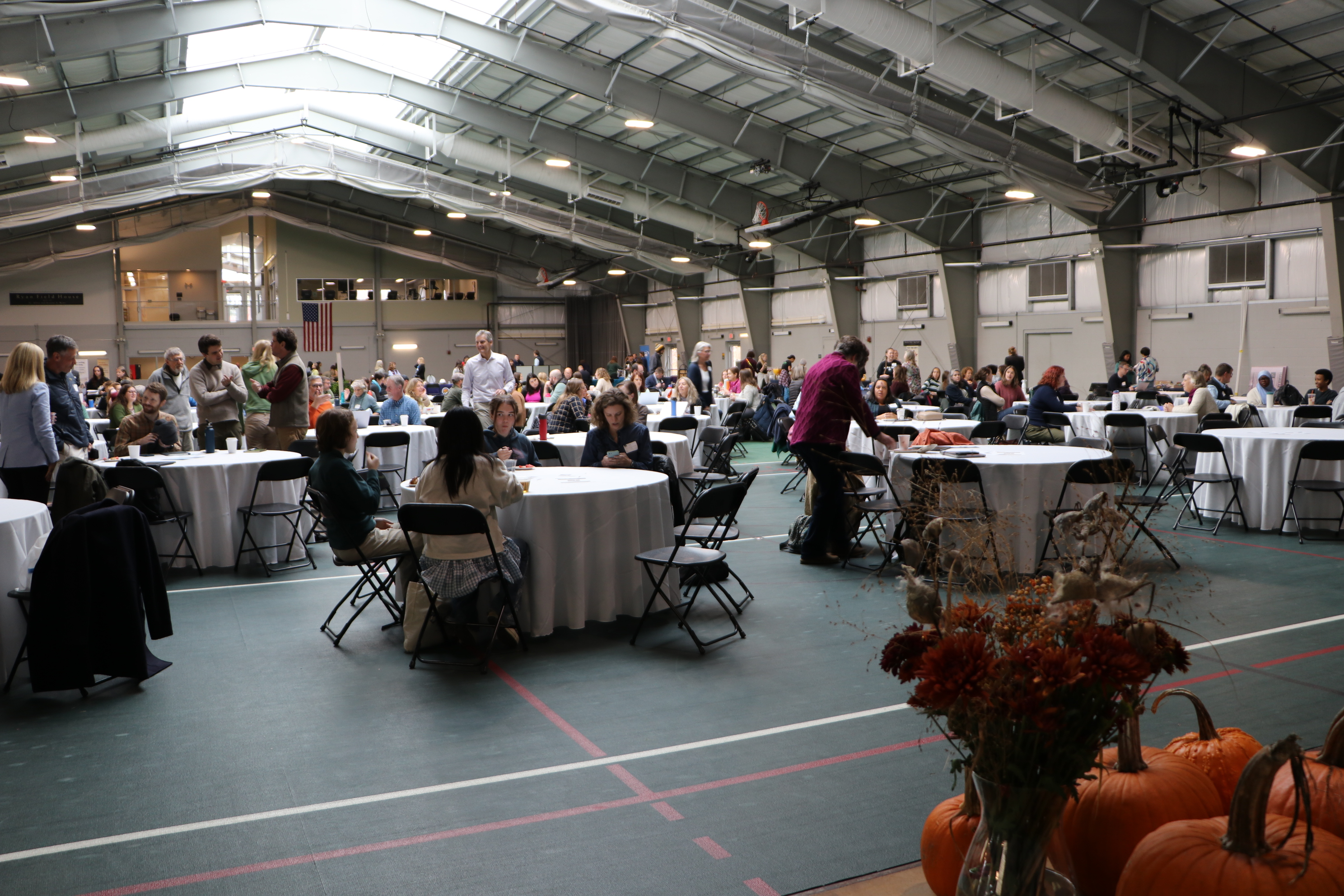
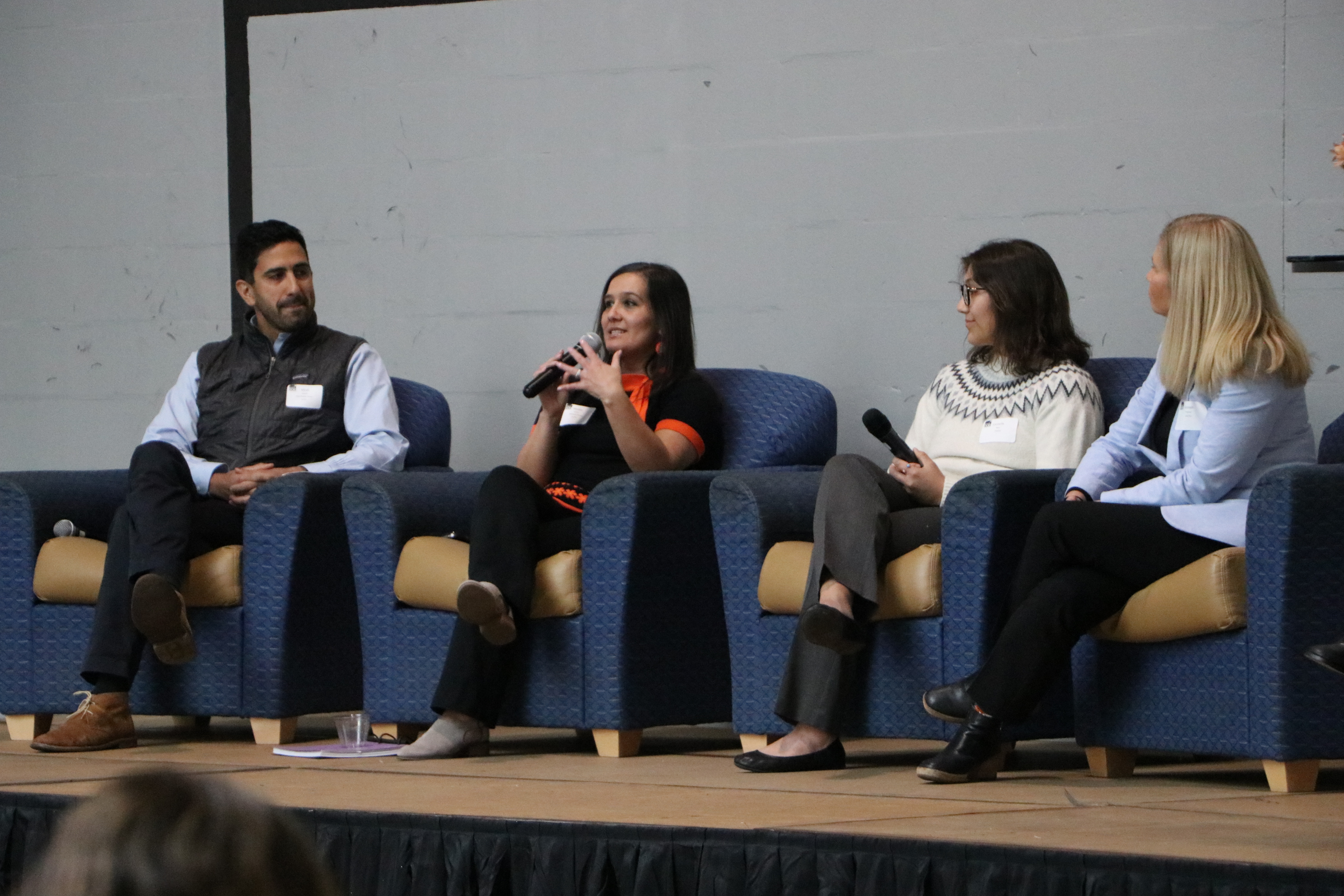
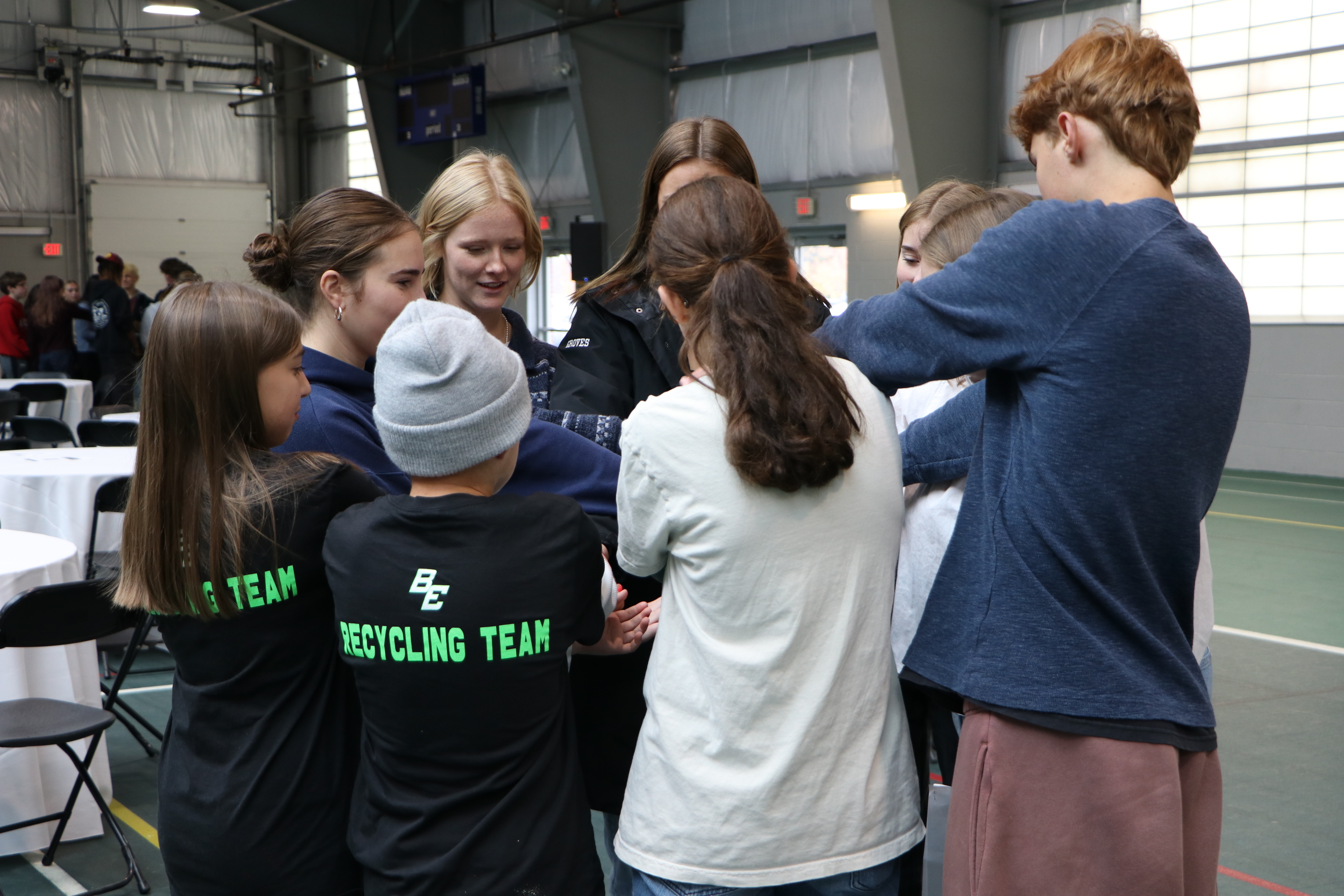
The Maine Department of Education (DOE) is excited to announce Maine’s first-ever Green Schools Symposium on November 7, 2025—a statewide event to celebrate environmental education leadership in Maine schools.

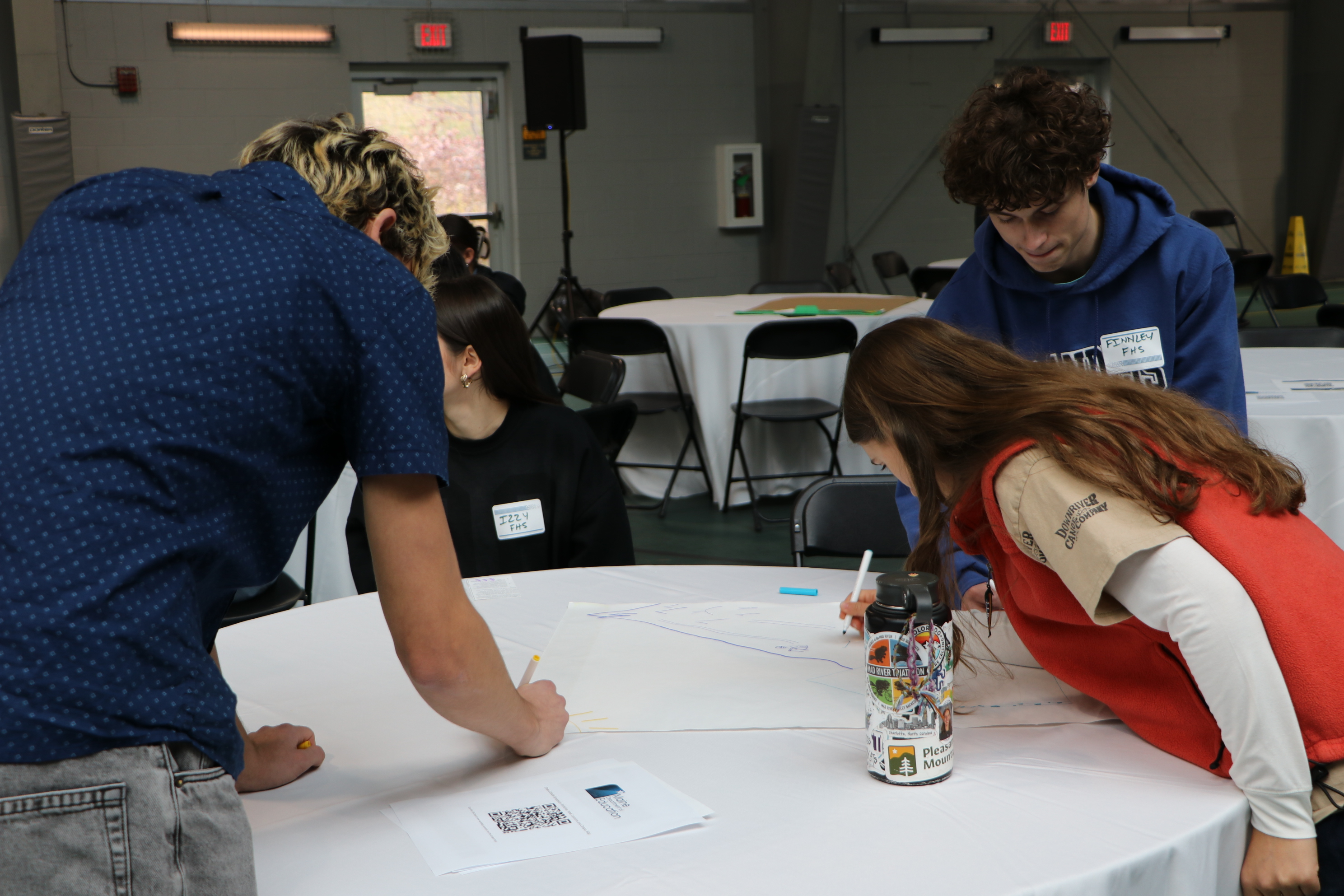
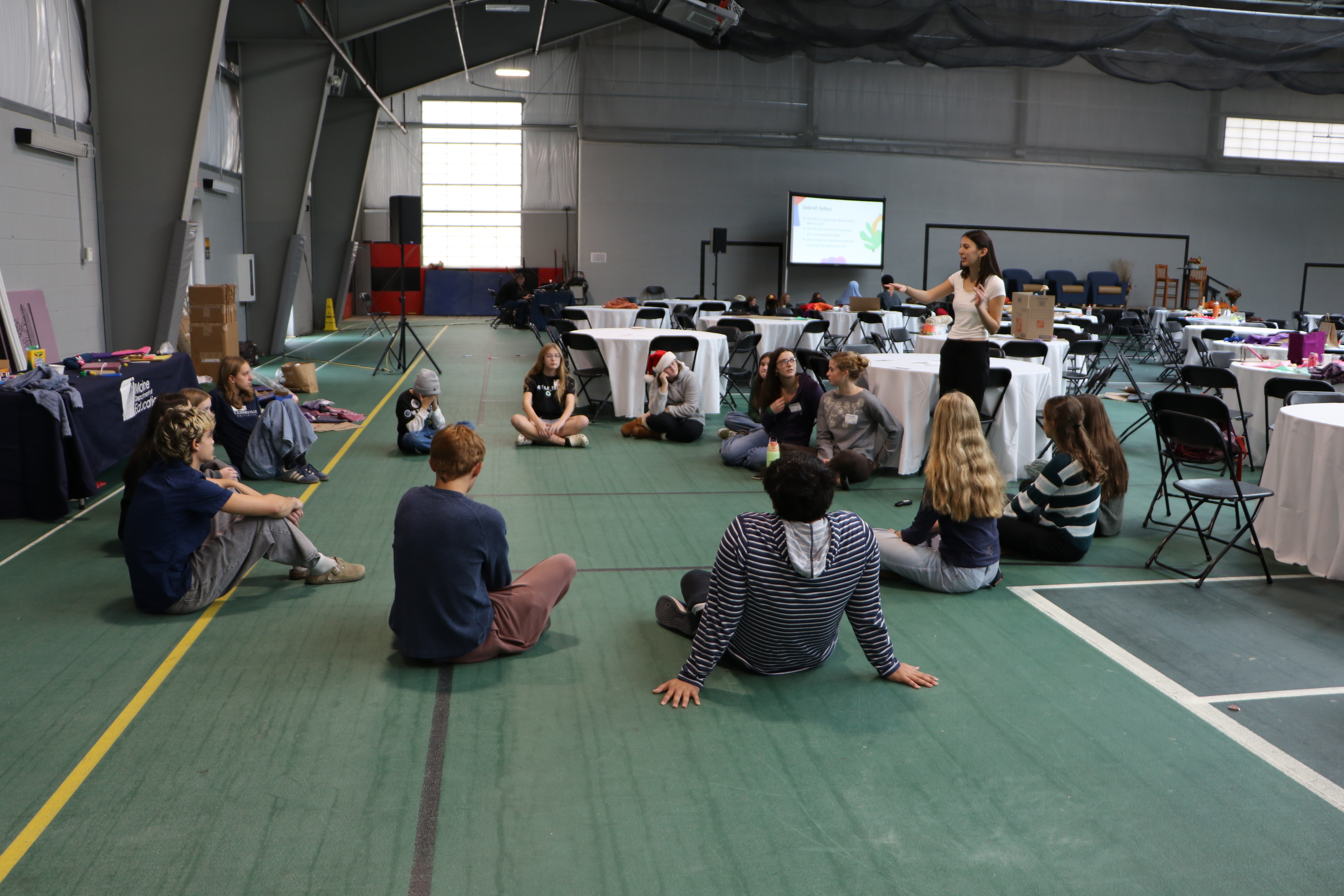
The gathering will showcase powerful stories of school-led climate action, foster collaboration across sectors, and provide opportunities to share practical solutions regarding reducing facilities costs and promoting healthy learning environments. Interactive workshop sessions will offer hands-on guidance on facilities management, curriculum development, green career pathways, and leadership strategies.

Register now and join students, school leaders, and sustainability professionals this November to support a robust Green School Network in Maine!

The Symposium comes after the passage of LD 1543, “An Act to Establish a Statewide Green School Network for Maine.” This initiative aims to build capacity for outdoor education and green infrastructure in Maine schools by expanding resources for clean energy adoption, curriculum development, and student-engaged sustainability planning.

The Maine DOE continues to collaborate with the Governor’s Office of Policy Innovation and the Future, the Maine Environmental Education Association, other State of Maine offices and departments, and community-based organizations throughout the state, which have been instrumental in advancing climate, green, outdoor, and environmental education and work.

Symposium Details

Where: Thomas College, 180 West River Road, Waterville, ME 04901

When: Friday, November 7, 2025. The Symposium starts at 8:30 a.m. and ends at 3 p.m. Check-in and breakfast begin at 7:30 a.m.

Who: Teachers, students, principals, superintendents, facilities managers, businesses managers, curriculum coordinators, representatives of non-profit and community-based organizations, and other allies. Due to limited space, priority attendance will be for public schools, students, staff, and administrators.

What to Expect: The Symposium will offer interactive workshops along four tracks:

  • Leadership–Engage with students, principals, and superintendents to learn about innovative case studies of sustainability projects across the state. Breakout sessions will explore tangible strategies to drive change at both the school- and school administrative unitlevel.
  • Facilities–Receive hands-on guidance from facilities managers to explore cost-effective, sustainable infrastructure solutions, from clean energy systems to waste reduction to green campus design.
  • Curriculum–Explore age-appropriate, interdisciplinary approaches to climate education and pathways to connect classroom learning with school facilities and operations. Breakout sessions will offer practical strategies to build and expand outdoor learning programs. 
  • Career Pathways–Meet industry professionals to learn about green trades and professional development opportunities in Maine. Breakout groups will help attendees to identify their skills and discover how they align with Maine’s green career opportunities. 

The gathering will also include student-facilitated discussions, designed to explore how Maine’s Green School Network can best meet the real needs of school leaders.

Please register here by October 31, 2025. Registration is free. Space is limited, so priority attendance will be for public schools, students, educators, staff, and administrators.

For any questions, please contact Lucy Van-Hook, Green Schools Symposium Event Coordinator, at Lucy.Van-Hook@maine.gov. For more information about the Green Schools Initiative, click here.

Visit the website for a downloadable flyer.

Graduation Report Due August 30; Please Review Synergy Records before August 15

Graduation reporting is due on August 30, 2025. The Maine Department of Education’s data system, Synergy, will be open in the 2024-2025 school year until August 15 for student records to be updated with accurate exit codes and dates.

After August 15, Maine Education Data Management Systems (MEDMS) Support staff will need to update student exit codes and dates.

Please review records in Synergy and update as necessary before August 15.

Resources:

For further questions, please reach out to MEDMS support staff at MEDMS.Support@maine.gov or 207-624-6896.

From Dinners to Showcases: South Portland Middle School Redefines Family Involvement

Throughout the 2024-2025 school year, South Portland Middle School transformed how it connects with families, moving beyond the traditional open house model and limited parent-teacher conferences. By hosting a series of nine monthly events, the school created engaging opportunities for families to connect with staff members, celebrate student success, and build a stronger sense of community.

This new approach was shaped by a community needs and assets assessment that, in part, highlighted local families’ desire for more meaningful involvement. The assessment also contained three other key findings: Families are often busy; celebrating students motivates participation; and building connections is essential.

Using these insights, events were thoughtfully scheduled and designed to welcome all families. Supported by district and union leadership, the school partnered with organizations such as the Locker Project, Wayside Food Programs, and Greater Portland Health to provide meals, fresh food, and resources at events, making them accessible and welcoming.

One standout event of the series was the second annual Family Dinner in January, which drew nearly 300 attendees. Families enjoyed diverse foods from local vendors, while students took part in crafts, dancing, and open gym activities. Teachers enthusiastically staffed the event, contributing to its warm and inviting atmosphere.

“There wasn’t a single one of the staff who was acting like they ‘had’ to be there,” one parent reflected. “They were engaged, and the kids loved seeing them…What has been built here is special.”

This year-long effort culminated with the Student Showcase and Dinner, which 620 people attended. Students proudly shared their work, as families toured classrooms and hallways, celebrated achievements, and enjoyed a shared meal.

Other highlights included a staff talent show fundraiser that brought the school community together with joy and support. Attendance at all events ranged from around 100 to 775 participants, reflecting growing family engagement.

Moving forward, South Portland Middle School plans to maintain this successful programming with some adjustments and aims to involve more students and parents in planning. Special focus will be placed on increasing engagement among 7th and 8th graders, informed by recent student and upcoming parent focus groups.

By prioritizing joy, relationships, and student celebration, South Portland Middle School has built more than just a series of enjoyable events; it has established a true community, ready to grow in the years to come.

This story was submitted by South Portland Middle School. To submit a good news story to the Maine DOE, please fill out the good news submission form.

Upper Kennebec Valley Students Cultivate Life Skills in the Greenhouse

At Upper Kennebec Valley Junior/Senior High School, learning doesn’t stop at the classroom door; it grows, quite literally, from the ground up. What began as a student-built project in 2021 blossomed into a fully functioning greenhouse by the spring of 2022. Now, it serves as a living classroom rooted in responsibility, sustainability, and community engagement.

The Upper Kennebec Valley’s agriculture elective, led by nature-based educator Isaac Davis, immerses students in real-world learning experiences. Since launching his program in 2021, Davis has guided students through every stage of greenhouse and garden care—from soil testing and transplanting to pest control and harvesting. With class sizes averaging ten to twelve students, the program fosters a strong sense of teamwork and independence, all while exploring the science and systems behind sustainable agriculture.

Inside the greenhouse, students grow a wide variety of plants from seeds and cuttings. Colorful flowers like geraniums, marigolds, and snapdragons fill the space, alongside hearty vegetables, including tomatoes, brassicas, tubers, and even corn. The lessons, however, go far beyond plant care. Students learn how to identify and treat nutrient deficiencies and plant diseases, manage inventory, and apply best practices for integrated pest management. It is a full-circle approach that connects students to both science and the purpose behind what they grow.

In 2025, the program reached an exciting milestone: its first soft opening to the public. Students took the reins with everything—from pricing and marketing to customer service and sales—putting their learning into action and gaining invaluable entrepreneurial experience. While formal leadership roles exist, the course places greater emphasis on developing self-reliance. Students are expected to manage time-sensitive tasks and to see them through with care, pride, and ownership—skills that often carry over into their personal lives, with some students returning each fall to share how they’ve started their garden at home.

The greenhouse now operates year-round, with sections dedicated to both potted plant sales and in-ground cultivation. Support from the local community has been strong and steady. A recently introduced honor-system donation box at the entrance gives visitors a chance to contribute on their own time. All donations go toward essential operating costs, such as heating, helping the program to become increasingly self-sustaining.

That goal—true sustainability—is central to the greenhouse’s future. Davis is currently researching funding opportunities to support the addition of solar or wind power and a rainwater collection system. These upgrades are part of a larger five-year vision to make the greenhouse energy- and water-independent. In the short term, the program aims to broaden its plant selection and form partnerships with local growers, particularly for species that are difficult to start from seed.

One of the most heartening developments has come directly from the community. After several residents began donating extra plants and greenery, Davis was inspired to create a dedicated space within the greenhouse called, “The Good Will Greenhouse.” This is a place where generosity meets growth, and students take charge of managing a diverse and ever-changing inventory.

While still early in its public operations, the greenhouse is steadily gaining momentum. Social media has been the primary tool for spreading the word, and Davis anticipates more open houses and community events in the coming years. Each new class brings fresh ideas and energy to the table.

“My goal with this course is to teach patience, determination, and faith in the eventual payoff of one’s hard work,” Davis said. “It was Audrey Hepburn who once said, ‘To be a gardener is to hope in tomorrow,’ and I want my students to walk away understanding the importance of planning and investing in the future.”

At Upper Kennebec Valley, that future is already taking root—and it’s growing stronger every season.

This story was written in collaboration with Upper Kennebec Valley Junior/Senior High School. To submit a good news story to the Maine DOE, please fill out the good news submission form.

For ME Trainings Support Early Educators Across Maine

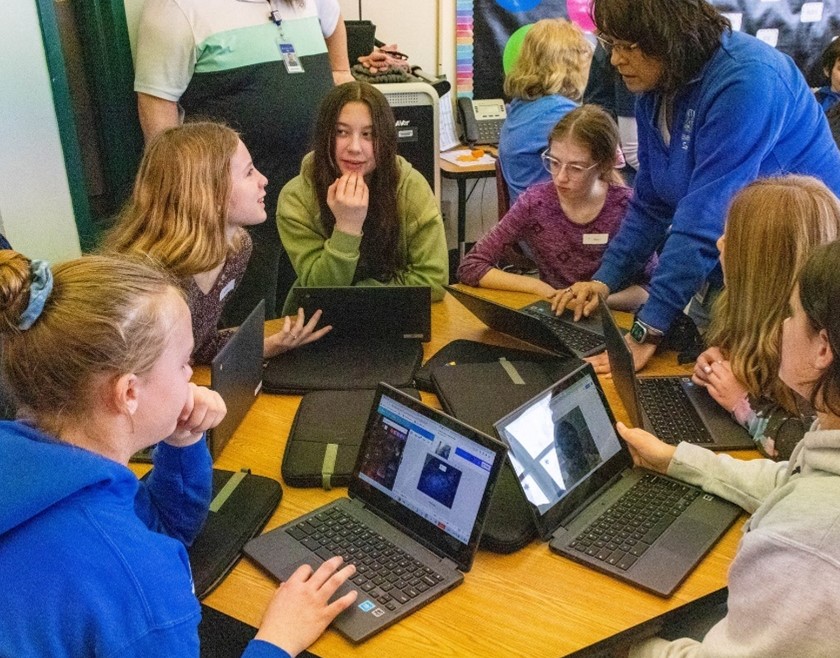
(Pictured: Teachers work together during the “Building Beautiful Things” activity, bringing in classroom items to build, collaborate, and reflect on the importance of play-based learning.)

Across the State of Maine, educators are coming together this summer to strengthen the foundations of early learning through the Maine Department of Education’s (DOE) “For ME” instructional programs. These programs, which support pre-K through grade 2 classrooms, are part of a growing initiative to provide developmentally appropriate, play-based, and standards-aligned instruction for Maine’s youngest learners.

The Maine DOE recently hosted two of its signature summer trainings in Augusta: K for ME and 1st and 2nd Grade for ME. Over four days (two days for each grade level), nearly 140 educators participated in sessions designed to build confidence, encourage collaboration, and support high-quality instruction using the Maine DOE’s open-source curriculum. These training sessions weren’t just about introducing materials; they were about empowering educators to bring those lessons to life in their classrooms. Pre-K for ME trainings were held during the same week in Hampden and Falmouth.

The For ME instructional programs have been steadily expanding since their initial launch in 2018. What began with a focus on pre-K has now grown into a full suite of resources for the early elementary years. This summer is especially exciting, as it marks the official introduction of 2nd Grade for ME, completing the pre-K to grade 2 continuum.

Each summer, the Maine DOE invites educators from across the state to join these trainings and become a part of a professional learning community that extends into the school year. This year’s sessions are supporting more than 240 professionals across the pre-K to grade 2 span, including classroom teachers, ed techs, instructional coaches, special educators, and administrators from about 30 school districts and 10 private childcare programs.

What makes these trainings particularly powerful is the leadership behind them. Many sessions are led by experienced teacher leaders—practicing educators from RSU 22, as well as school systems in Falmouth, Sanford, Brunswick, and other communities. These educators bring firsthand experience from their classrooms and help to mentor peers through model lessons, classroom visits, and professional guidance.

Later this summer, the Maine DOE will also offer a special “deeper dive” session for pre-K educators who have been using the program for more than three years. This one-day training was created using direct feedback from participants and is tailored to help veteran educators to explore the curriculum in new and meaningful ways.

With each training session, the Maine DOE continues to demonstrate its commitment to nurturing not just student learning but also the professional growth of those guiding them. The energy, collaboration, and innovation on display this summer highlight a shared goal across Maine’s education community: ensuring that every child has a strong, joyful start to their educational journey.

Ocean Avenue’s LearningWorks AfterSchool Students Celebrate a Year of Growth – In and Out of the Garden

At Ocean Avenue Elementary School in Portland, the final days of the 2024-2025 school year didn’t just mark the start of summer; they marked the culmination of something far more meaningful. On May 28, 2025, students, families, and staff gathered for a joyful celebration that bloomed with laughter, learning, and the unmistakable smell of fresh basil.

Throughout the year, the LearningWorks AfterSchool program at Ocean Avenue was a place for students to grow—in every sense of the word. One of the most popular features of the program this spring was the health and wellness cooking club, where students rolled up their sleeves and discovered just how empowering (and tasty) healthy eating can be. Whether whipping up simple seasonal dishes or learning how to navigate a kitchen with confidence, they found pride in preparing food they could enjoy and share.

The lessons didn’t end at the table! Earlier this spring, families joined students for a creative project that planted the seeds for something special—literally. Caregivers and kids sat side by side, painting flowerpots in bright colors and bold designs, knowing that they would soon be home to basil plants that they would nurture together.

Two months later, those same pots were filled with life. At the program’s year-end gathering, students tucked basil seedlings into the soil with careful hands and eager hearts. With a quick crash course in how to tend to their new leafy friends, they headed home with plants, pride, and a few new favorite recipes.

“We’ve seen incredible growth this year,” Site Coordinator Stephanie Bethel said. “Not just in what students can do but in how they see themselves. From painting pots to planting basil, everything we’ve done has helped students—and families—to feel more connected, more confident, and more capable.”

As part of the 21st Century Community Learning Centers initiative, LearningWorks AfterSchool continues to foster safe, inspiring spaces that stretch beyond academics. At Ocean Avenue, those spaces came alive this year with the smell of pesto, the sound of laughter, and the roots of something that will keep growing long after summer begins.

This story was submitted by the LearningWorks Afterschool Program. To submit a good news story to the Maine DOE, please fill out the good news submission form.

Orono High School Student’s Artwork to Be Featured During Wild Blueberry Weekend

The artistic talents of an Orono High School student will take center stage the weekend of August 2 and 3, 2025, as the State of Maine celebrates its fifth annual Wild Blueberry Weekend.

On July 17, 2025, at Brodis Farm in Hope, Governor Janet Mills made the official proclamation of Wild Blueberry Weekend, a tradition since 2021 to celebrate the state’s berry and the growers and processers who harvest it. This statewide event features farm tours and other activities at more than a dozen wild blueberry farms across ten counties, as well as wild blueberry-themed offerings at restaurants, ice cream shops, and breweries.

This year, the Wild Blueberry Commission of Maine announced a T-shirt design for the fifth annual Wild Blueberry Weekend. During her Brodis Farm visit, Governor Mills celebrated Orono High School student Elena Weaver, whose winning design will be featured on T-shirts to be sold at participating farms during Wild Blueberry Weekend.

“We launched the T-shirt design contest this year in celebration of Governor Mills’ proclamation of 2025 as the ‘Year of Youth in Agriculture’ in Maine,” Jennifer Maskala, Director of Programs for the Wild Blueberry Commission of Maine, said. “We reached out to more than 100 Maine schools to encourage student participation and were proud to receive submissions from across the country.”

Maskala said that a selection committee reviewed all entries using a judging rubric and evaluated them based solely on the artwork itself.

“We were honored to recognize a youth winner from Maine and an adult winner from Washington state at the Governor’s Wild Blueberry Weekend proclamation event—a meaningful way to celebrate creativity, agriculture, and the next generation of leaders in our industry,” Maskala said.

Thirty-one people total submitted designs for the Wild Blueberry Weekend T-Shirt Design Contest. Maskala said the Commission selected Weaver’s design based on its strong visual impact, creativity, and clear appeal to young audiences. Maskala said that Weaver’s design stood out for its originality and the way it captures the spirit of Wild Blueberry Weekend in a fun and engaging way.  

“I love doing art, and it is special to have my work seen by so many people. There are a lot of subtle colors to wild blueberries as they ripen, and this influenced my design,” Weaver said. “My favorite thing about blueberries, though, is eating them!”

In 2024, more than 10,000 people attended Wild Blueberry Weekend events in Maine. If turnout is similar this year, that will make for quite the platform for Weaver’s artwork.

You can learn more about Wild Blueberry Weekend, and find a map of participating locations, here.