Stepping Forward: Two Rivers CDS Preschoolers Graduate with Joy and Confidence, as Maine Expands Early Education Access

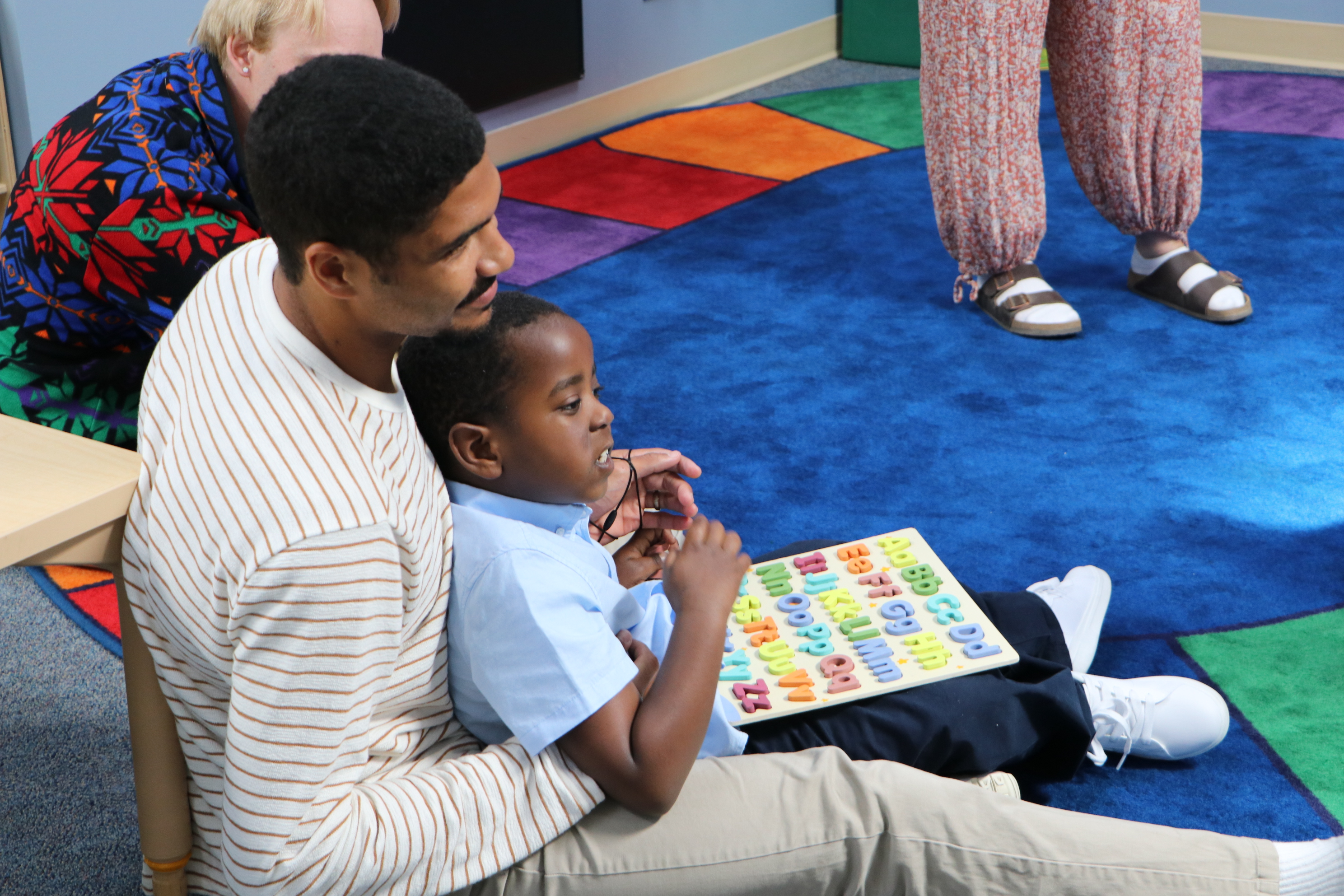
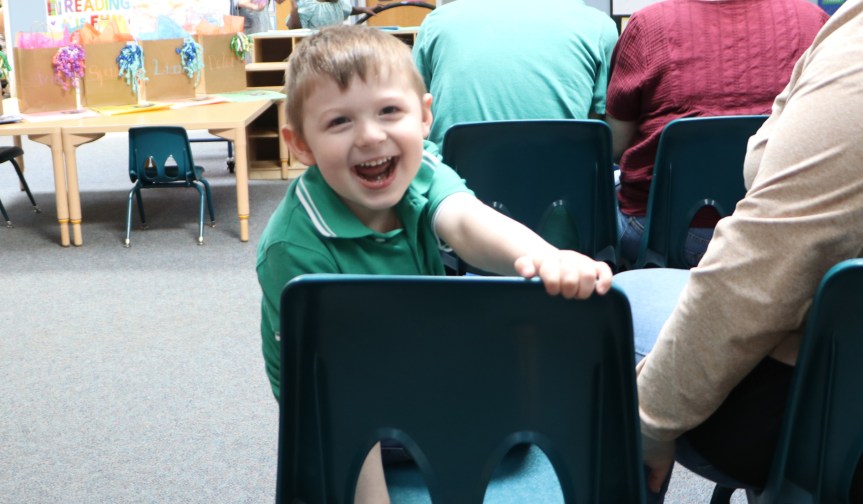
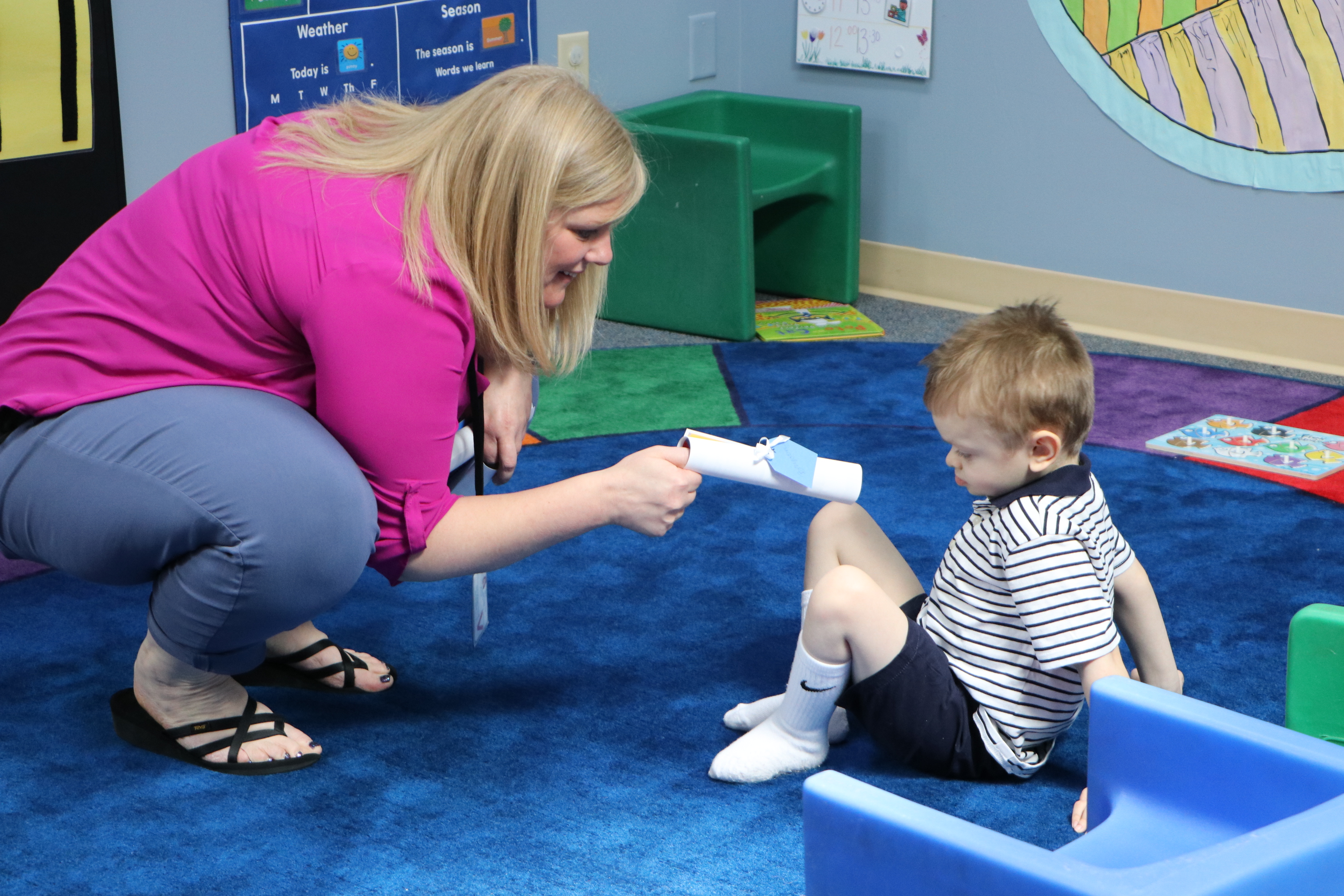
Pictured: Zachary, a former student of Two Rivers CDS, waits with excitement before the event begins.

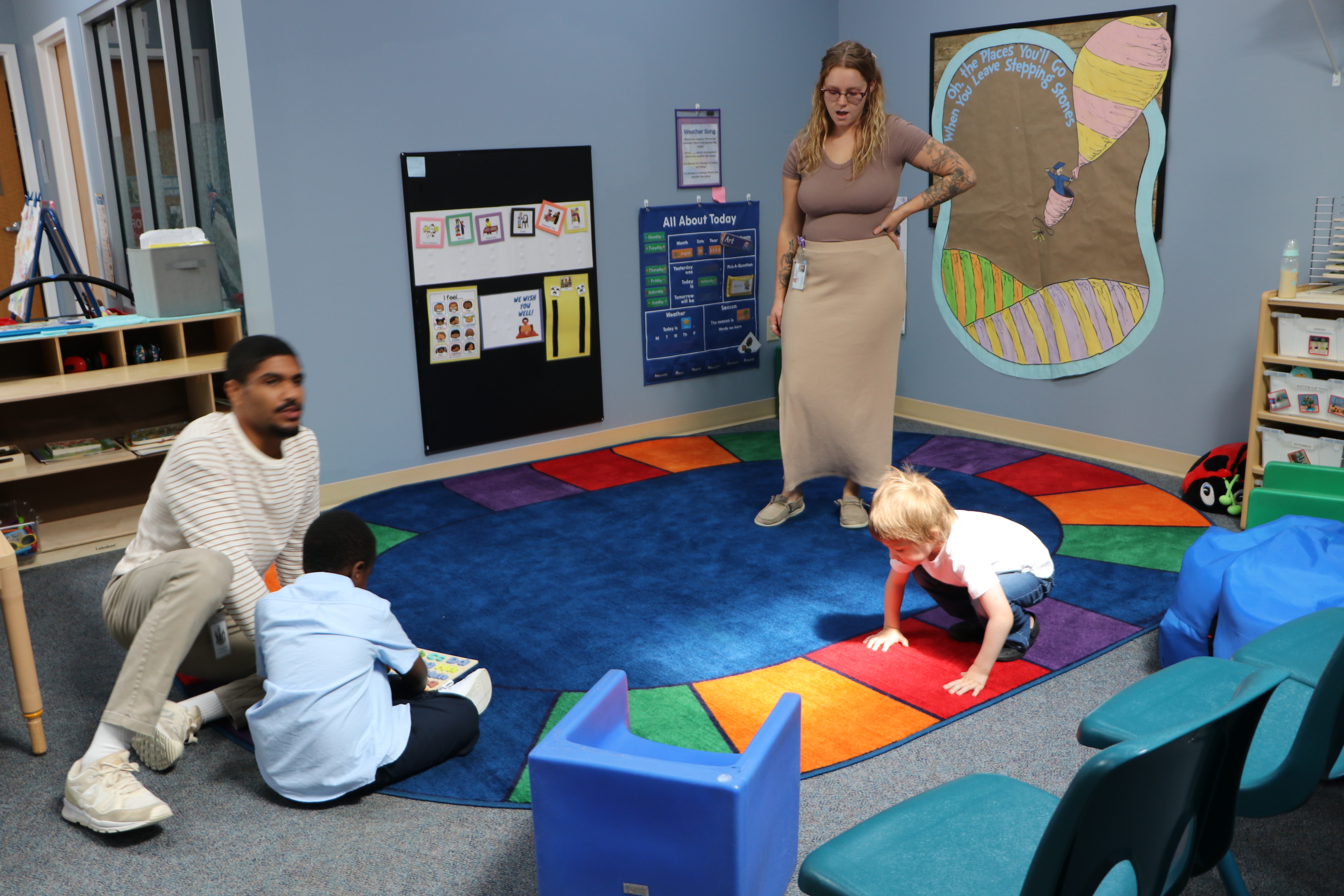
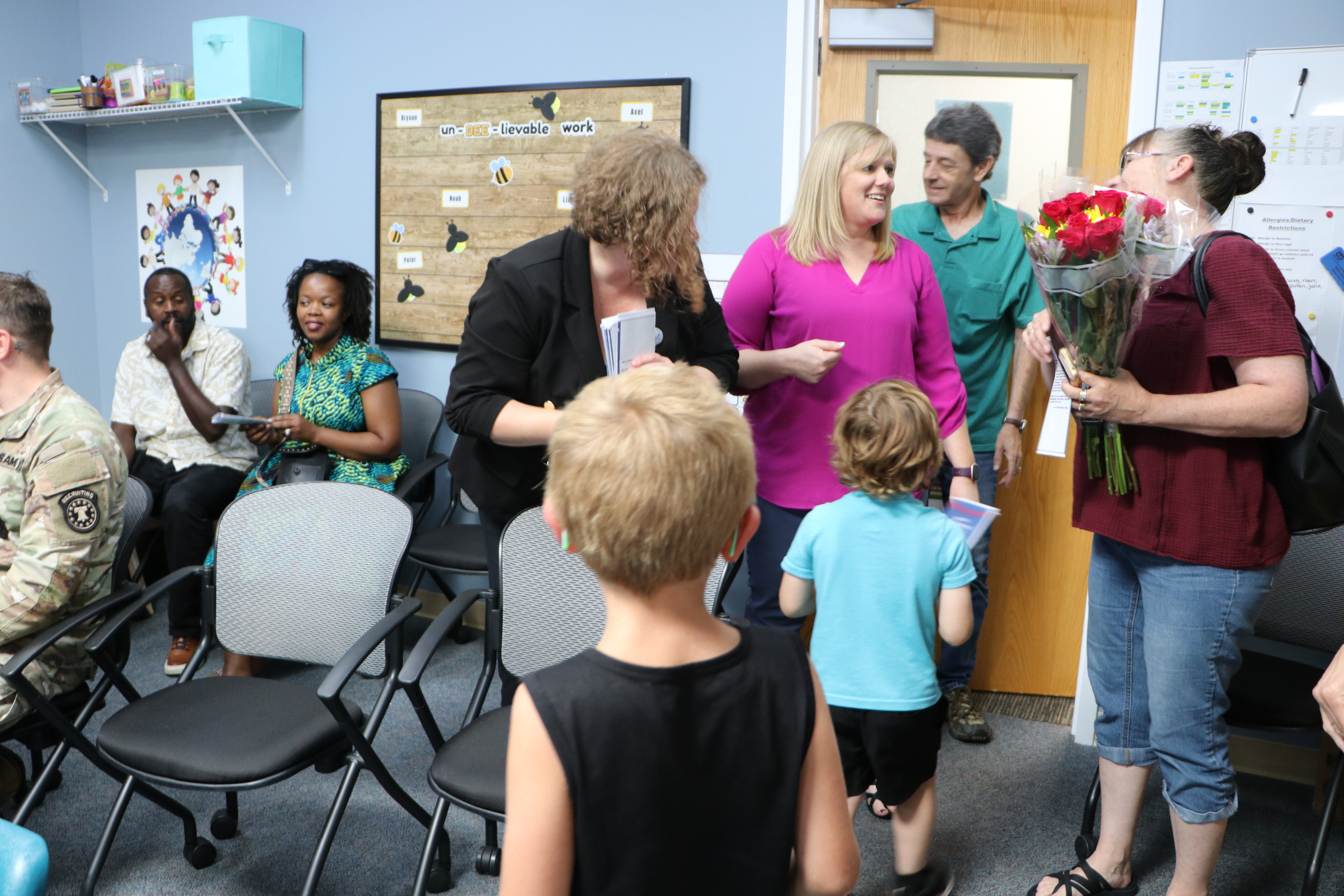
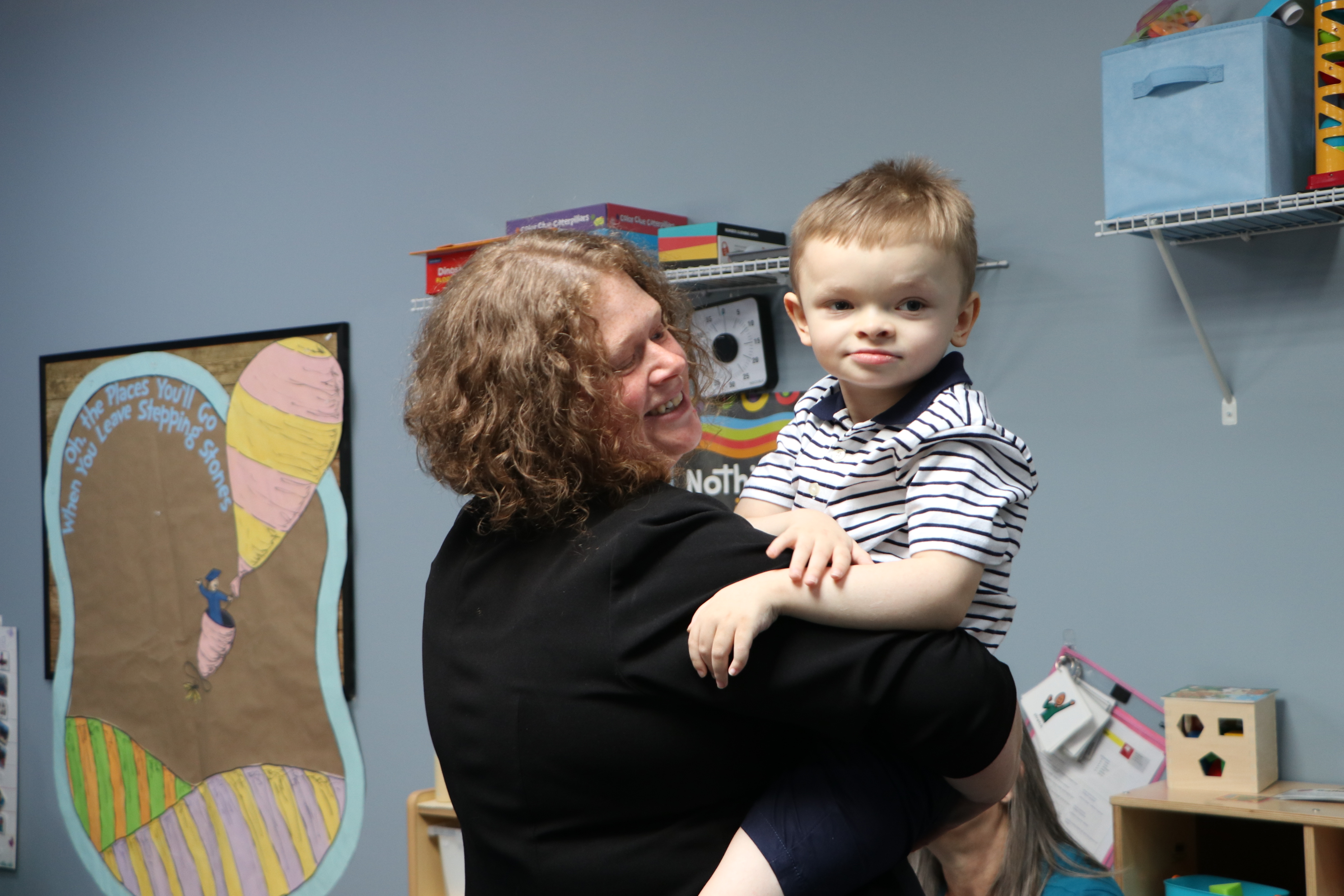
Laughter, applause, and proud smiles filled the room at the Two Rivers Child Development Services (CDS) site in Brewer on Thursday, August 21, as families, educators, and local officials gathered to celebrate the Stepping Stones Preschool Graduation. This event marked an important milestone for the class of 2025—a group of preschool-aged children transitioning from CDS services into their local public schools, including many who will begin kindergarten in the Brewer School Department this fall.

More than just a graduation, this ceremony celebrated the hard work of students, families, and educators, as these children move confidently into the next chapter of their educational journeys. It also reflected Maine’s broader transition effort, led by the Maine Department of Education (DOE) and CDS, to move Early Childhood Special Education services for children ages three to five from CDS programs into public school systems statewide—a process that aims to be fully implemented by 2028.

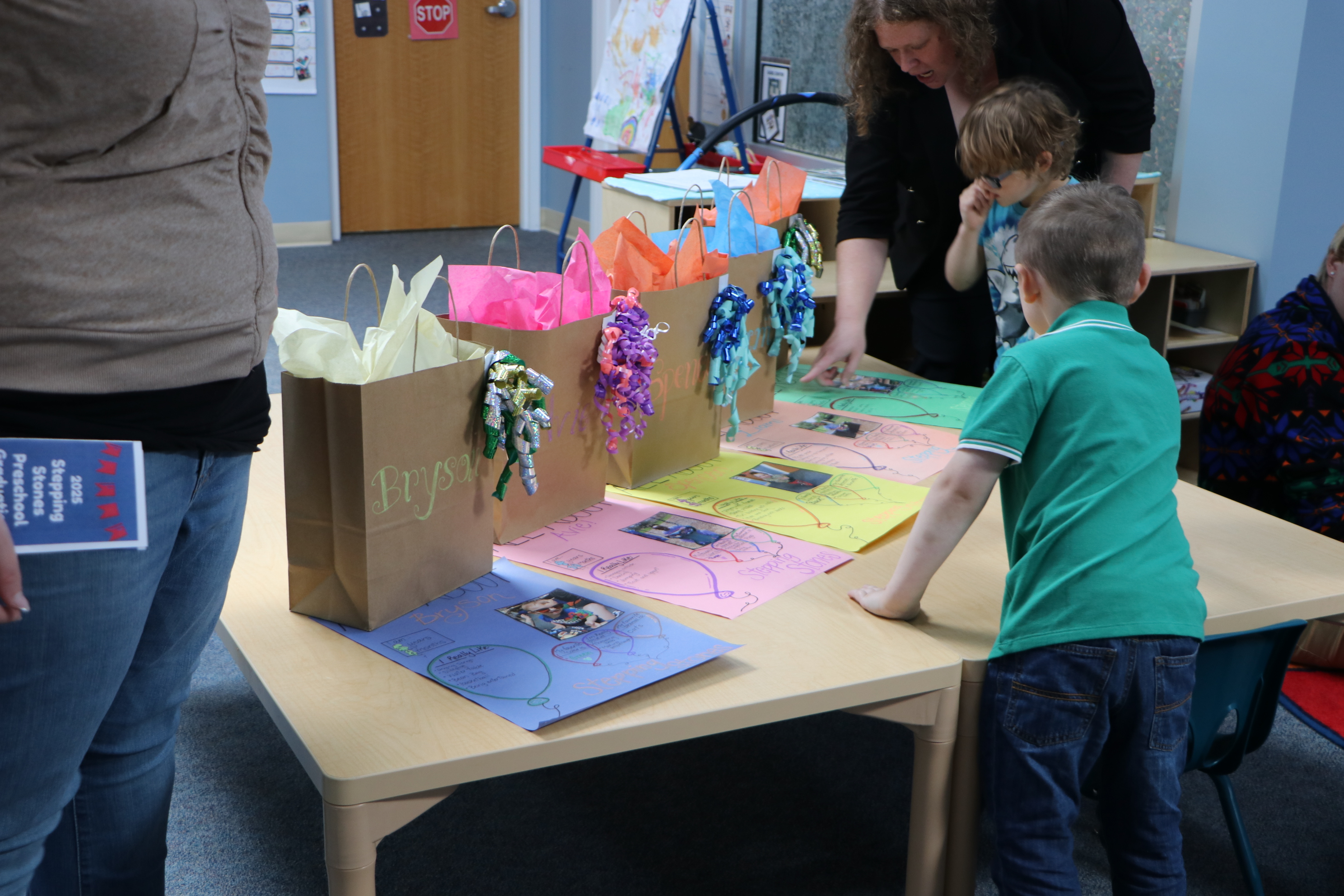
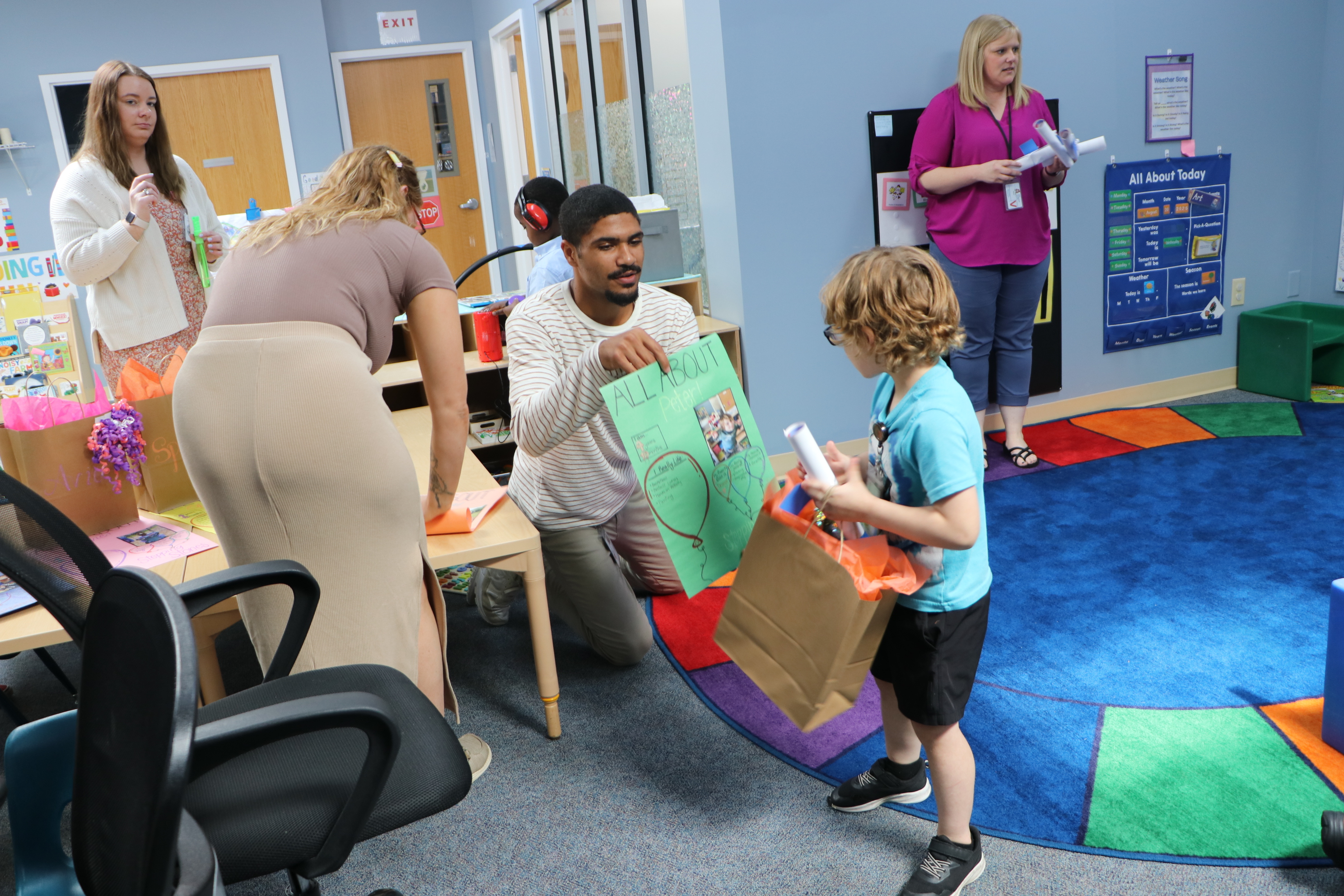
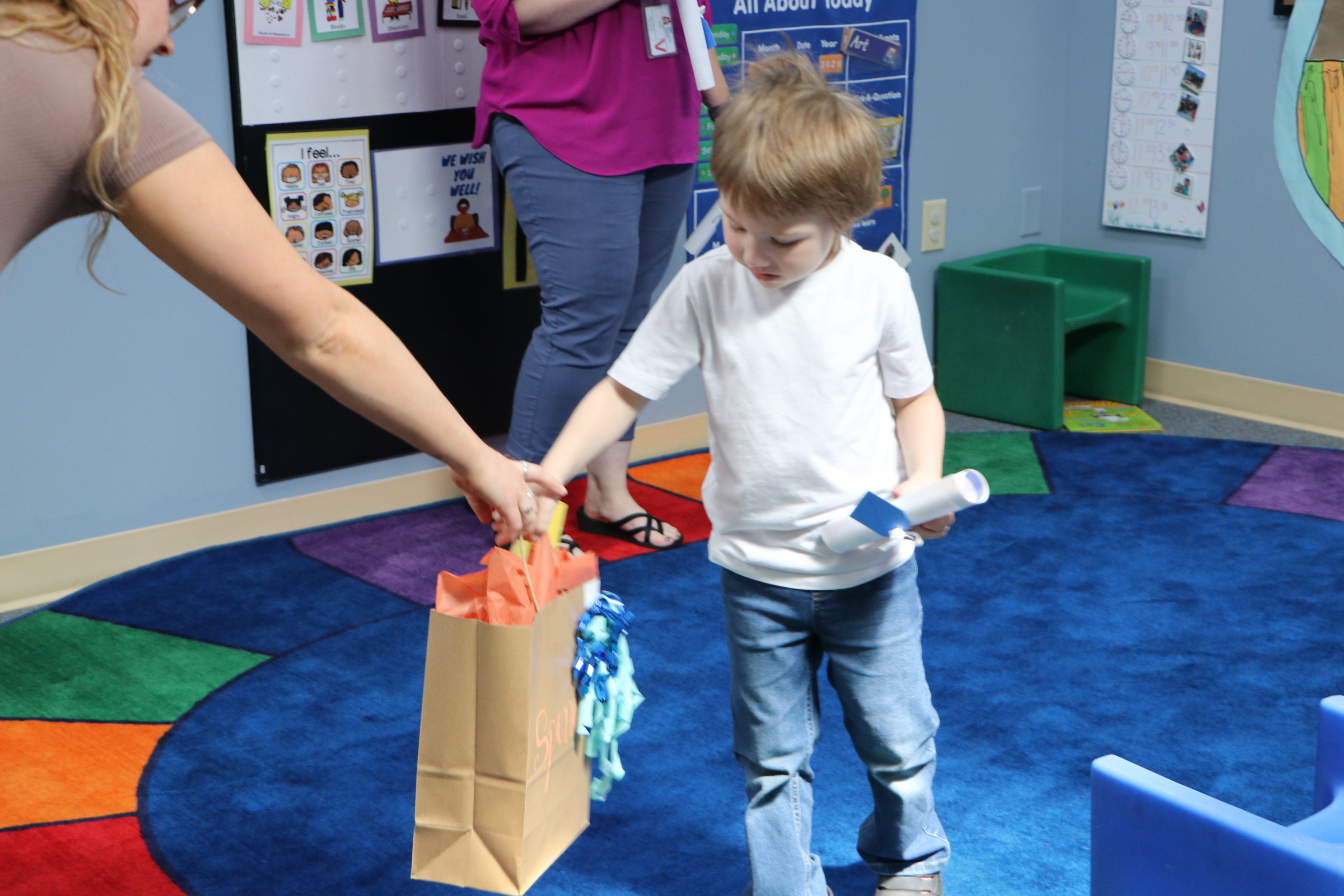
The Stepping Stones Preschool Graduation, organized by CDS staff, including Site Director Amy Bragg and Assistant Preschool Manager Sarah Taylor, was full of energy and emotion, as families watched their children sing, laugh, and accept certificates, gifts, and sorbet to celebrate their progress.
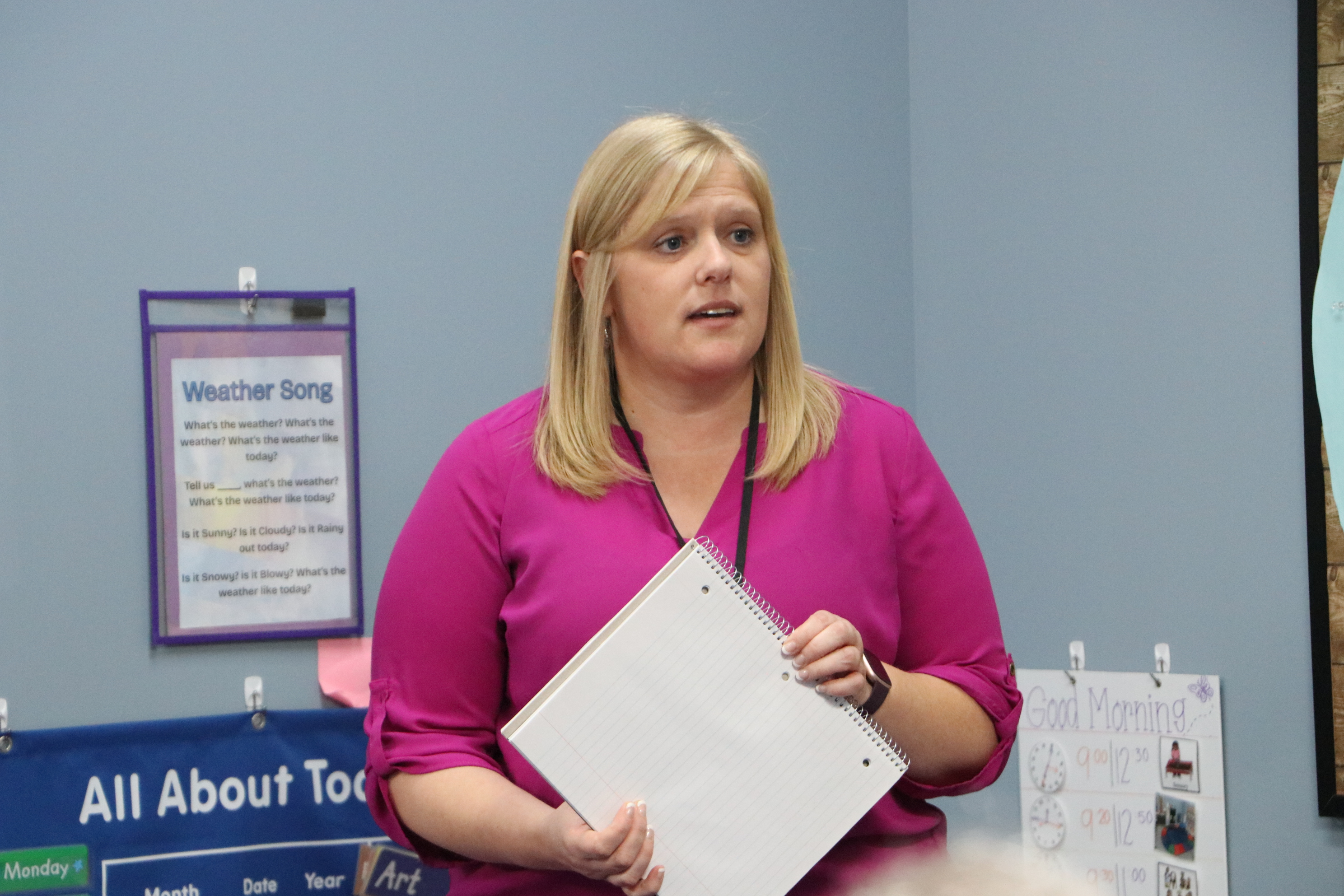
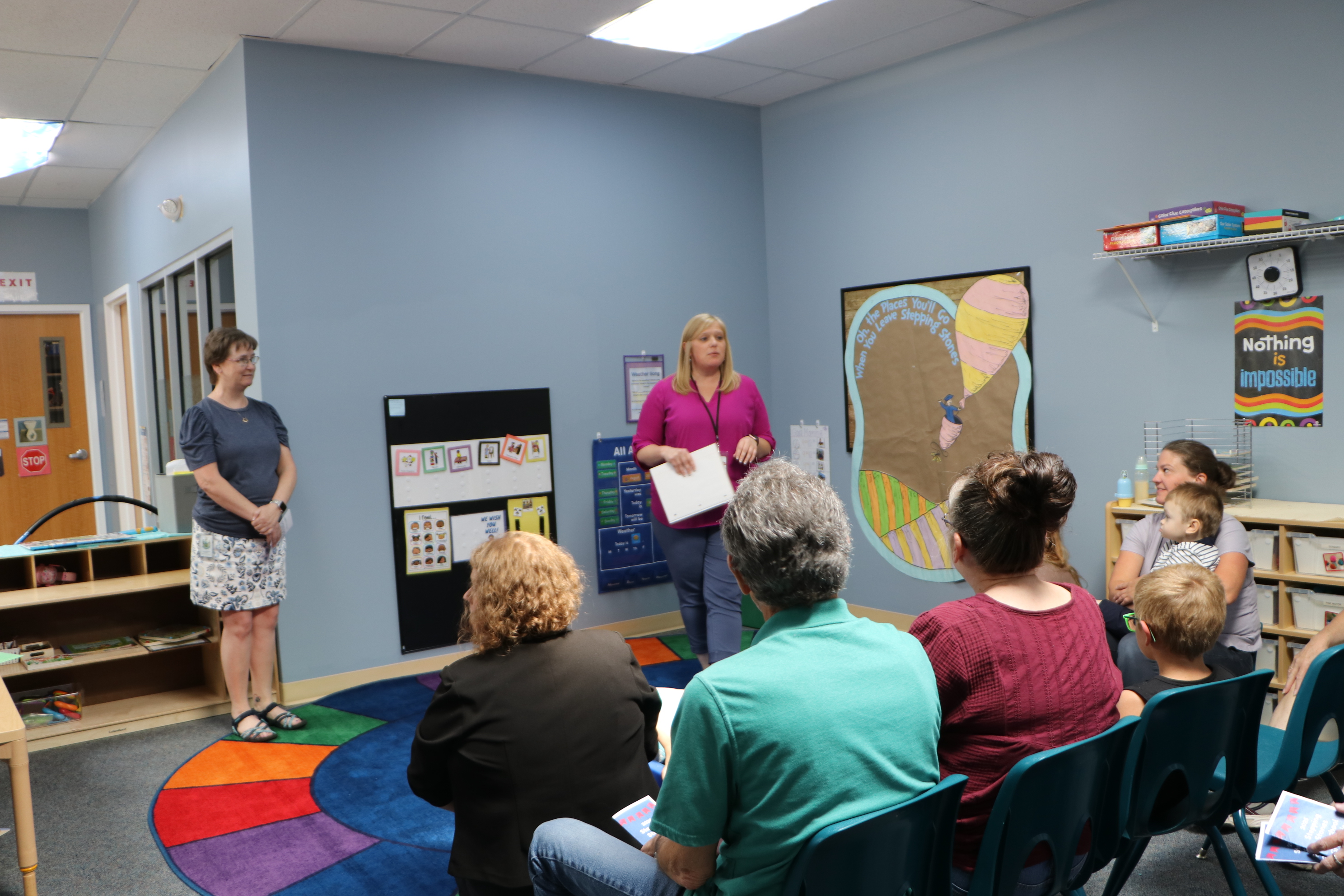
“I’m most excited for them and their families,” Taylor said. “We are so lucky to have had these kids. Just being able to celebrate them and all the progress they’ve made is the most exciting part.”

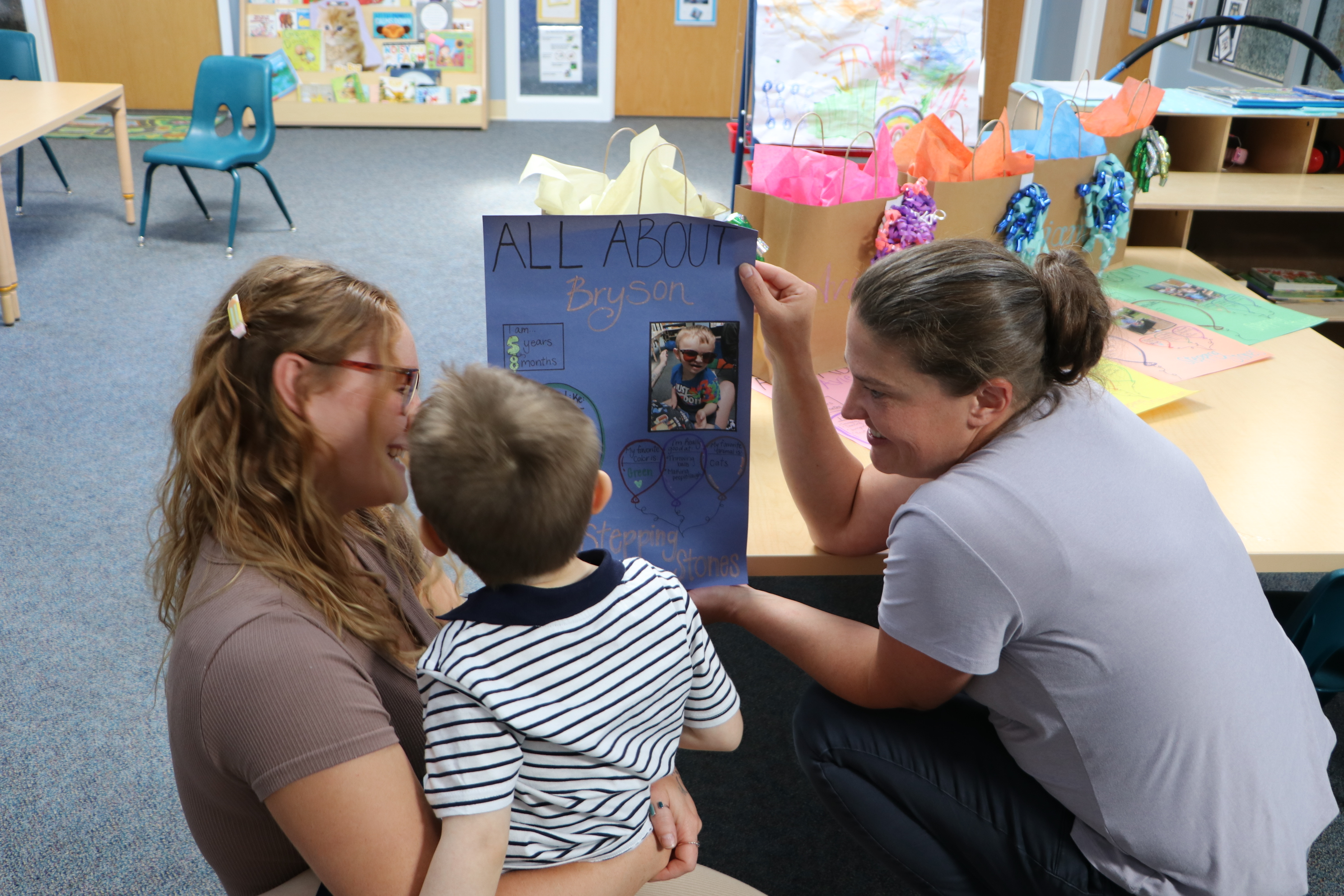
For Marie Brown, the day was especially meaningful, as she watched her grandson, Bryson, graduate.

“This is his second year here, and he was actually the first child enrolled in the program in Brewer,” Brown said. “I’ve seen leaps and bounds in his work. The people here—I can’t say enough; they’re wonderful.”

Brown shared that she is hopeful, as Bryson prepares to enter kindergarten in the public school system: “I’m nervous because this has been our comfort zone, but I’m excited to see the next chapter in his growth.”
This joyful moment was made possible by the collaborative work between CDS and local public schools, including those in the Brewer School Department, which is part of the second cohort of school administrative units (SAUs) participating in the transition. Starting this fall, Brewer and 33 other SAUs will take on the responsibility of providing Free Appropriate Public Education (FAPE) and Child Find services under the Individuals with Disabilities Education Act (IDEA), following a strong foundation laid by Cohort 1 in the 2024-2025 school year. Every child with a disability in the initial SAUs was fully supported within their local school communities—demonstrating the power of collaboration between CDS and SAUs.

According to Angela Moore, Director of Special Education for Brewer Schools, the transition has been a positive and collaborative process, as schools prepare to welcome children and provide seamless supports from day one.

“CDS has been so incredibly helpful,” Moore said. “Bragg and her team have been exceptional in making us aware of the students coming in, what their needs look like, and how we can plan for them.”

Moore highlighted how valuable it was to sit down with CDS staff in the spring and review the needs of each child in detail.

“That hour and a half saved me a lot of reading time; it was like a passing of the torch,” she explained. “They helped us to build trust and truly understand each student before they even step into our classrooms.”

While the shift from CDS to public schools is a significant structural change, families are already seeing the benefits: access to services within their communities, fewer transitions, and coordinated support from both agencies.

Heather Imferrera, whose son, Zachary, is moving from Two Rivers CDS to pre-K in Orrington (AOS 47), shared her enthusiasm about the services Zachary has received so far at Two Rivers and what he’ll receive in Orrington.

Zachary and his mom, Heather Imferrera.


“It has been amazing,” Imferrera said of her family’s experience.

Imferrera said she is excited that in his new setting this fall, Zachary will be able to receive speech and occupational therapy services, as well as specially designed instruction, while going to school with other kids in his community.

Taylor emphasized the importance of communication in helping families to feel confident: “We’re working to show that pre-K is going to be treated just like kindergarten or first grade. It’s their public school; it helps people to understand and feel more at ease.”

Both CDS and SAUs are learning from the first cohort of schools that began this transition in 2024, and those lessons are making a difference.

“We definitely learned from the first year,” Bragg said. “Now that we’re going into the second year, everybody’s on a better timeline and has more information.”

Bragg also mentioned that a few larger SAUs that CDS has been working with have given them “rave reviews” in the process of this transition.

Bragg described the Stepping Stones Preschool Graduation as a confirmation of what CDS and its partners have been able to achieve: “It’s a huge milestone—for the kiddos and their families. It’s good to know we were able to meet their needs.”

The Maine DOE, through the Office of Special Services and Inclusive Education (OSSIE) and its CDS teams, continues to support this statewide effort with policies, resources, and guidance. Local SAUs, in turn, are building the capacity to serve children close to home, creating a more inclusive and supportive early education system.

Moore summed it up: “We’ve been ‘linking arms’ with CDS to make sure no child goes unserved or unidentified. That partnership has helped us to prepare classrooms, train staff, and really know the students before the first day. This transition is about doing what’s right for kids—and that’s what we’re focused on.”

As the ceremony concluded with high-fives, hugs, and photos, the mood was hopeful and celebratory. These young graduates may be small in size, but they’re stepping into big new opportunities—well-prepared, well-supported, and ready to thrive.

Looking ahead, Cohorts 3 and 4 of the CDS transition will follow over the next two years, guided by the lessons learned and best practices developed through this collaborative approach. This phased, deliberate transition reflects Maine’s commitment to providing high-quality, inclusive services for children and families—meeting them where they are.

Two Rivers CDS, the Brewer School Department, and the Maine DOE Office of Special Services and Inclusive Education contributed to this article, written as part of a series highlighting the ongoing efforts of CDS and public schools in providing comprehensive educational services to Maine’s children with special needs. To submit a good news story to the Maine DOE, please fill out the good news submission form.

Maine DOE to Host Retro Report Professional Development Day for History and Civics Educators

The Maine Department of Education (DOE) is partnering with Retro Report to host a unique day of professional development for educators on Saturday, October 4, 2025, from 9 a.m. to 3 p.m. in Augusta.

This event will showcase a new resource collection funded in part by a Teaching with Primary Sources grant from the Library of Congress. This collection features 25 short films spanning post-Reconstruction U.S. history, each paired with a curated primary source pack and scaffolded writing outlines to support diverse learners.

Designed especially for middle and high school teachers of U.S. history and civics/government, as well as educators supporting special education students in these courses, the training promises practical classroom resources and collaborative learning opportunities.

Participants will receive a $150 stipend (upon completion of the post-professional development survey), as well as coffee and a catered lunch. Attendees are encouraged to bring a charged laptop and an eagerness to engage with high-quality instructional materials.

Registration is limited to the first 25 educators who sign up. Please register here.

For further information or questions, please contact Beth Lambert, Maine DOE Chief Teaching and Learning Officer, at beth.lambert@maine.gov.

Bring Space into the Classroom with the NASA TechRise Student Challenge

NASA is launching an exciting opportunity for middle and high school students across the country—and it’s free to participate! Applications are now open for the NASA TechRise Student Challenge, which invites students in grades 6-12 to submit ideas for science and technology experiments that could fly on a suborbital flight, such as a high-altitude balloon or rocket from the commercial space industry.

This is more than just a science project; it’s a chance for students to get hands-on experience designing experiments for real NASA-sponsored flights, working like NASA engineers and scientists and engaging deeply in STEM learning.

Winning teams receive:

  • $1,500 to build their experiment.
  • A spot on a NASA-sponsored flight.
  • Technical support from expert NASA TechRise advisors.

Additionally, every participating educator and student team will gain access to:

  • Free educational resources to support classroom instruction.
  • An exciting student virtual field trip in the fall.
  • Optional informational sessions for educators and organizations to learn more and get involved.

The NASA TechRise Student Challenge welcomes teams of all skill levels, whether your students are experienced in STEM or just getting started. Maine is already represented among the stars! Check out the winning experiment from Gorham High School, which flew during the 2024-2025 NASA TechRise Student Challenge.  

You may visit the NASA TechRise Student Challenge website to register for the challenge, find updates, and view the challenge flyer. Additionally, your school, district, or organization can request a NASA TechRise information session tailored to your needs. Complete this form to schedule a session and learn how to bring this opportunity to your community.

For further information and questions, please contact the NASA TechRise team at techrise@futureengineers.org.

Reflecting on the 2025 Maine DOE Annual Summit: A Resounding Success

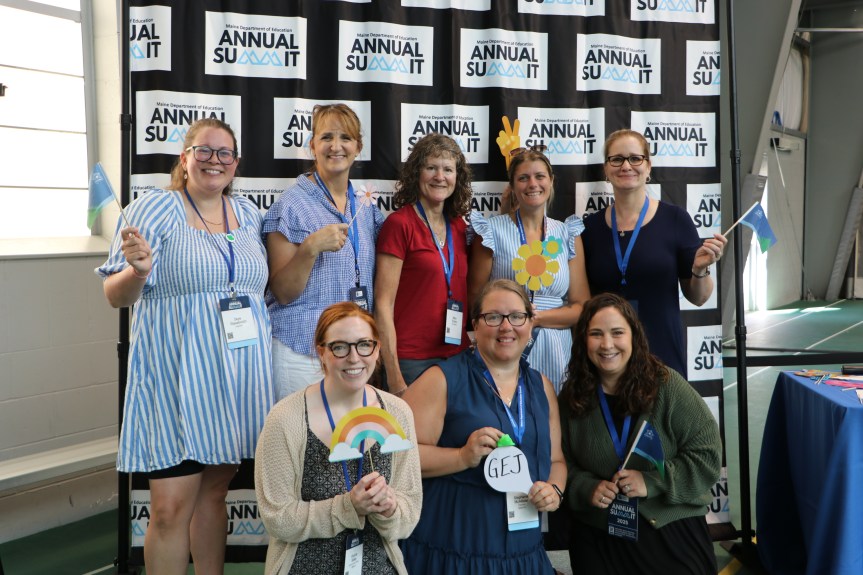
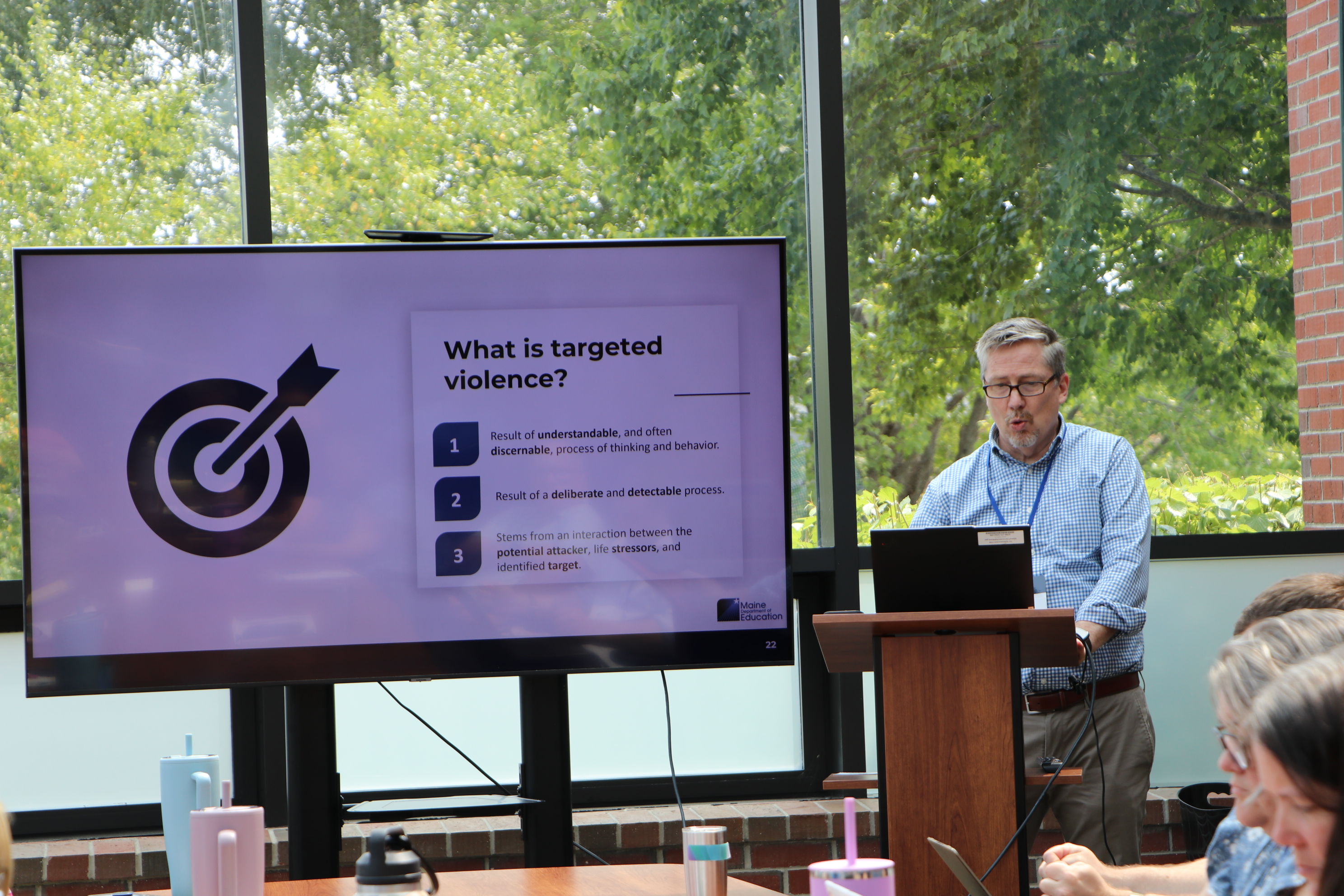
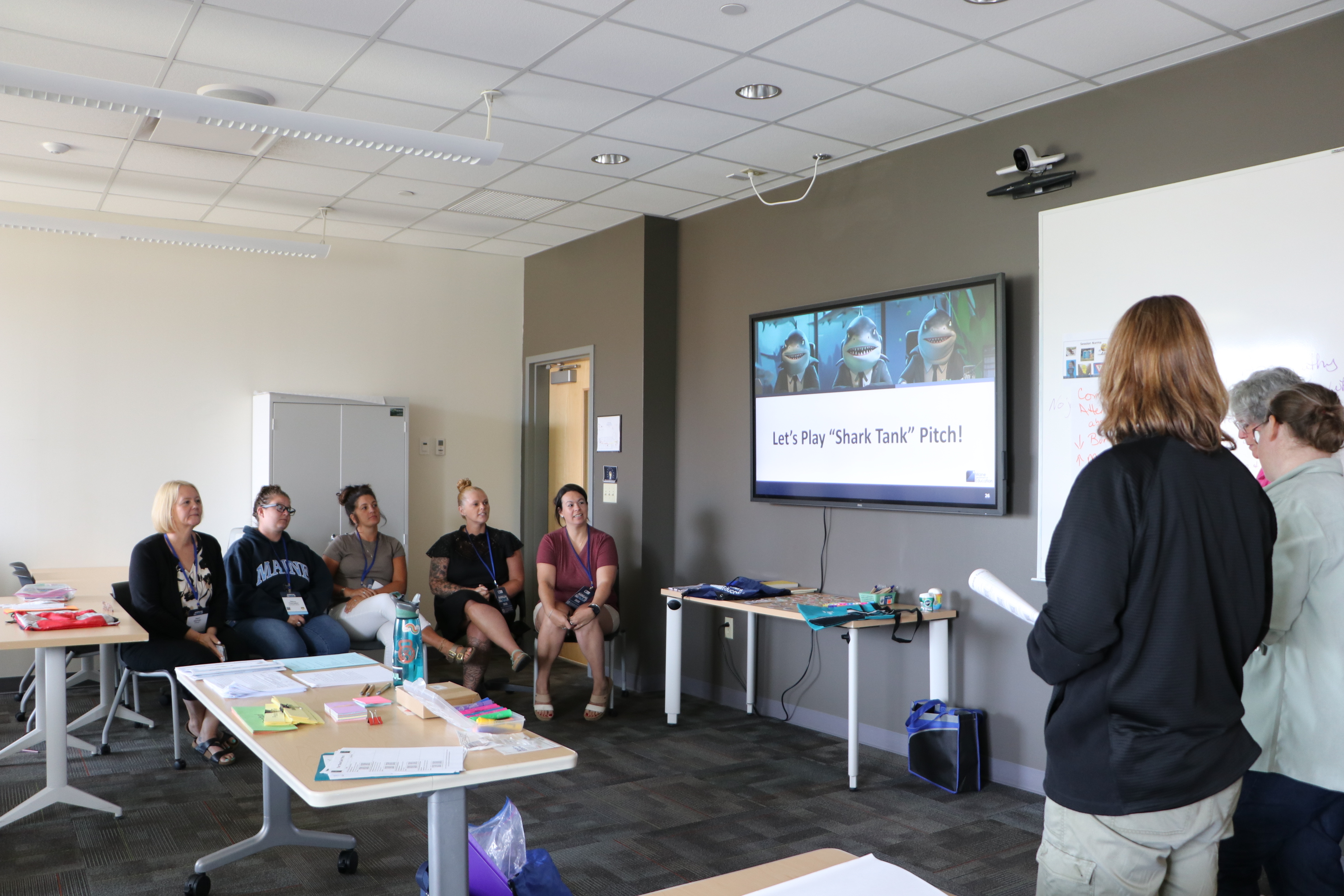
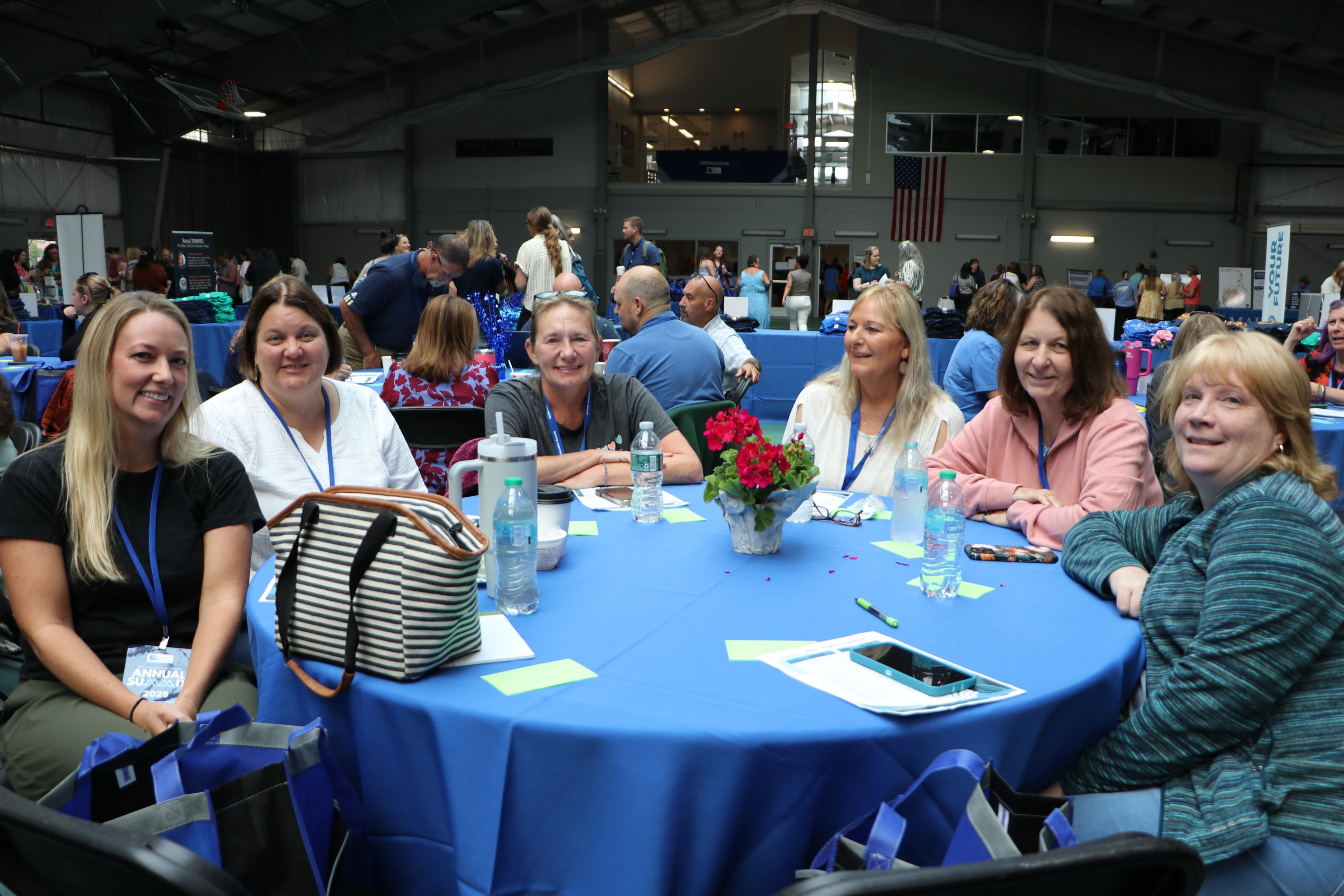
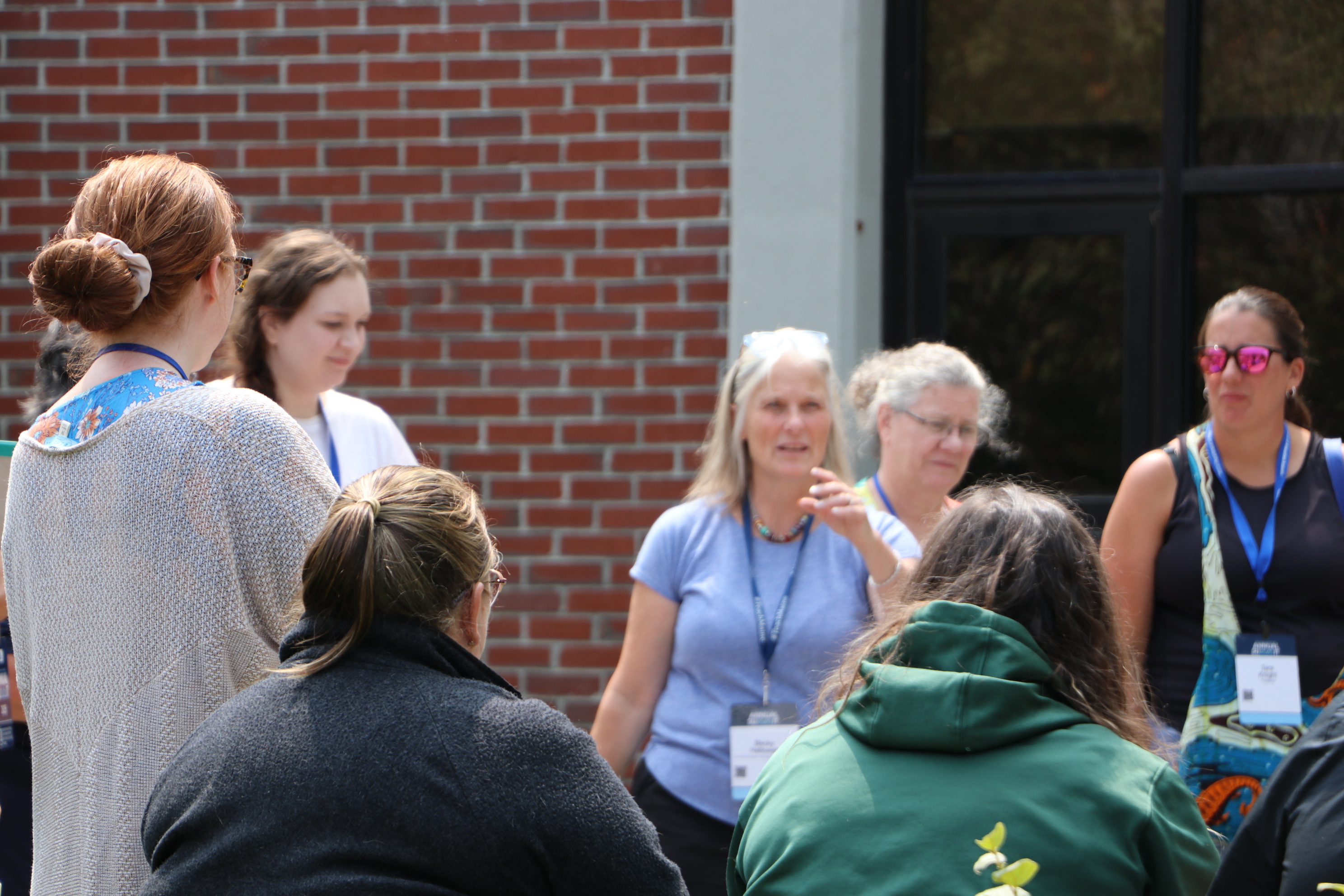
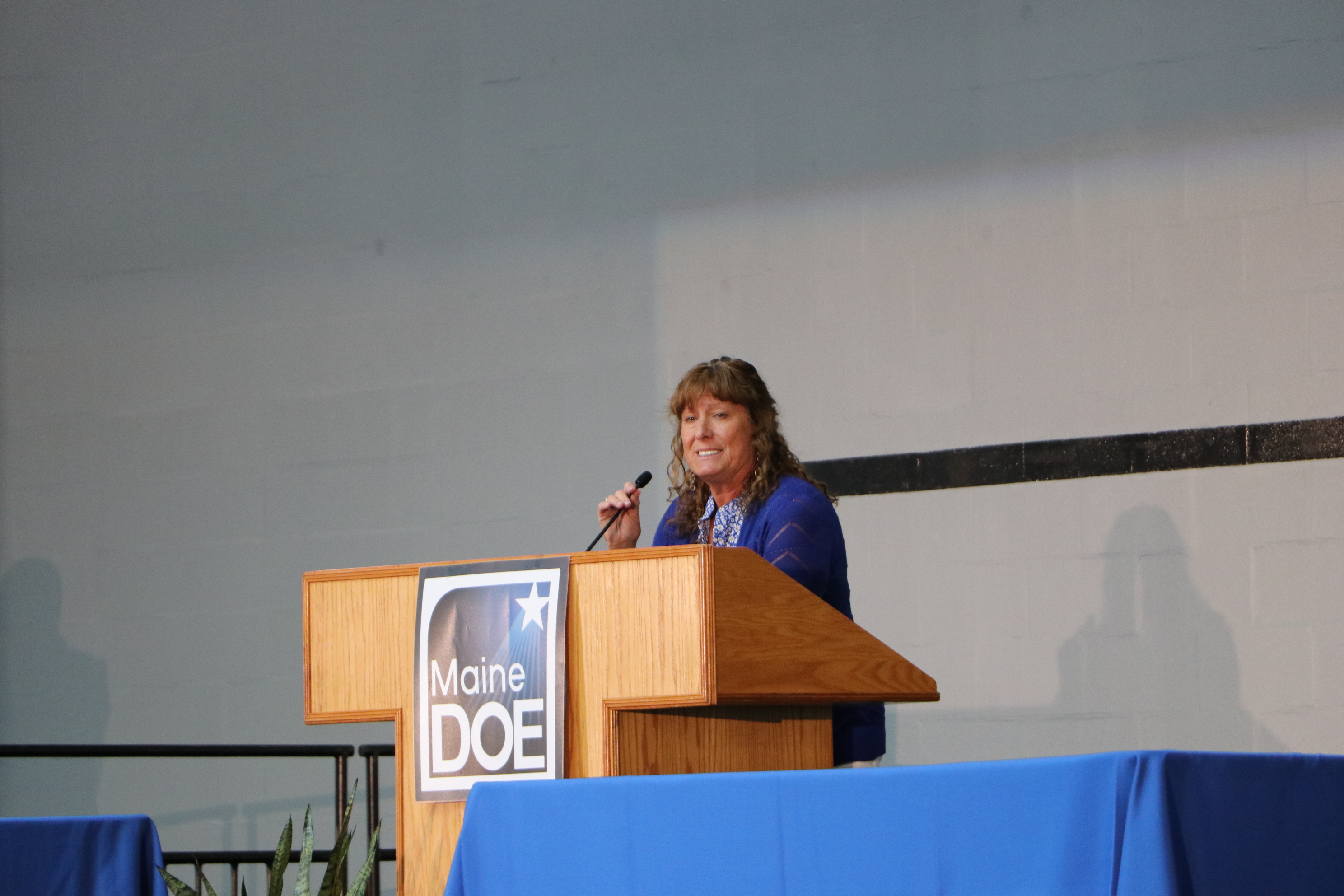
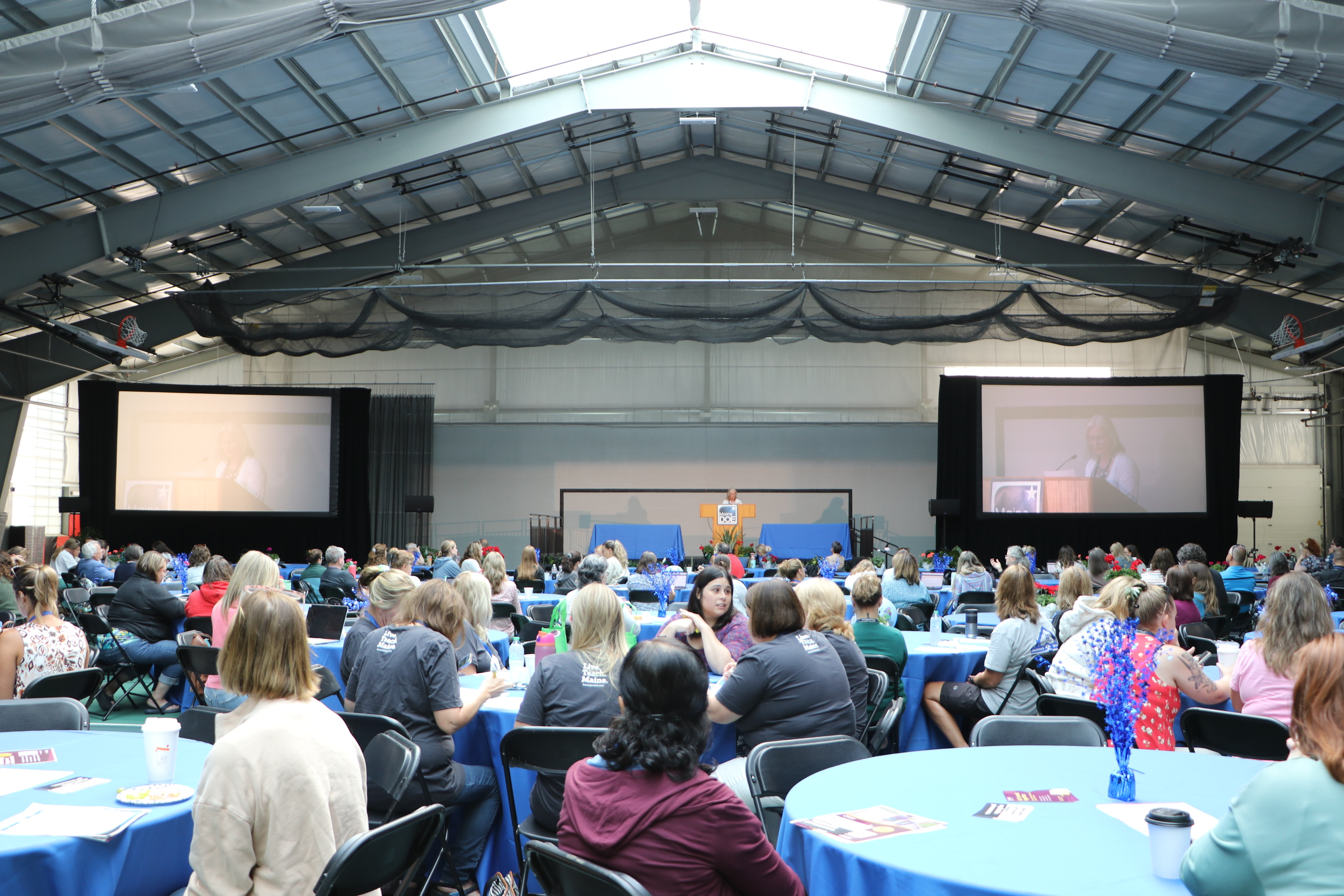
The 2025 Maine Department of Education Annual Summit—themed “Measure What Matters: The Expanding View of Educational Excellence in Maine”—wrapped up with tremendous energy and inspiration on August 6 at Thomas College in Waterville.

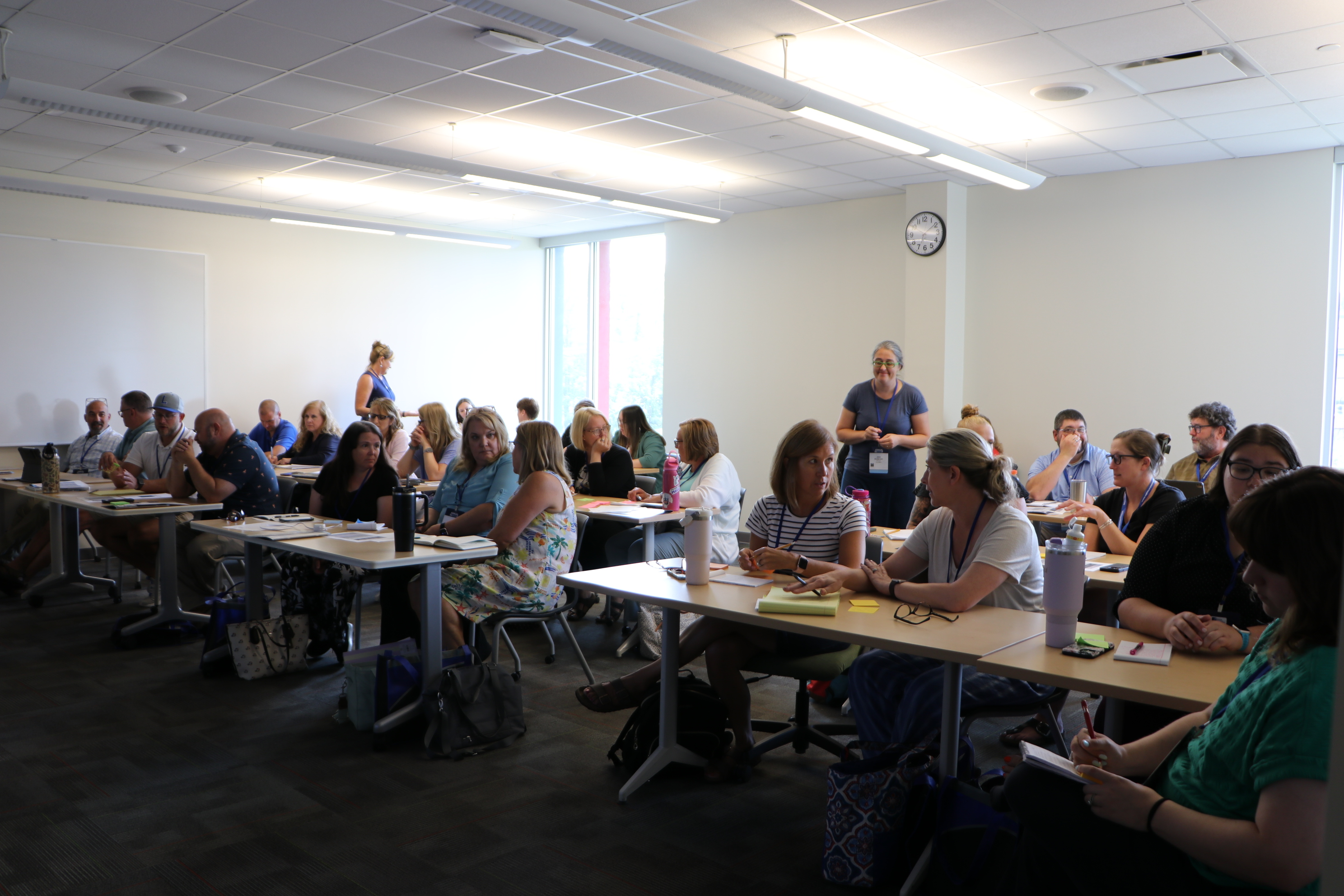
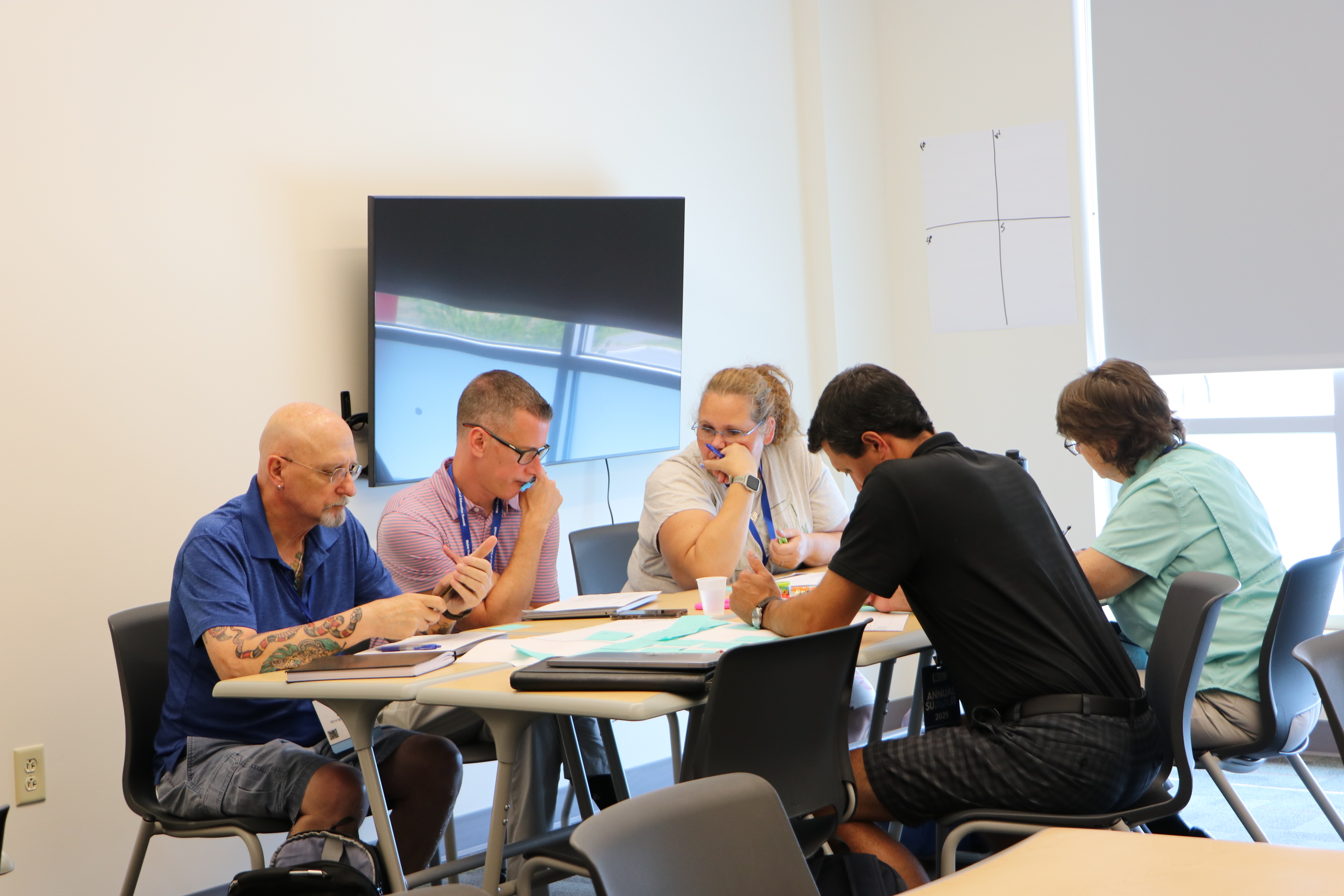
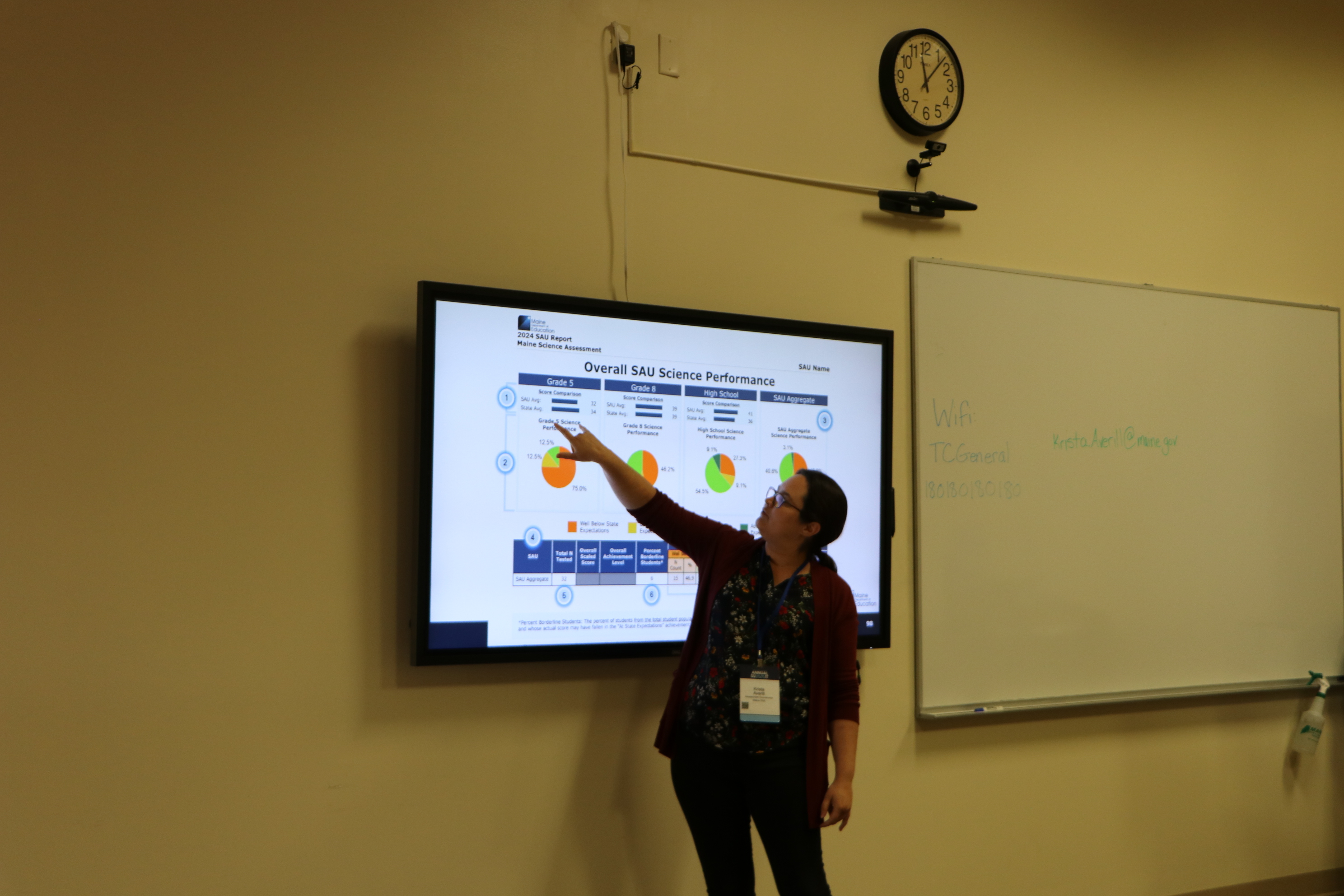
Nearly 100 dynamic sessions were offered over two full days of programming (August 5 and 6), spanning areas such as early childhood education, social-emotional learning, interdisciplinary instruction, youth engagement, inclusivity, the BARR (Building Assets, Reducing Risks) model, extended learning opportunities, outdoor learning and climate education, school safety, mental health and wellness, literacy, emotional intelligence, physical and health education, literacy, math, and classroom technology.


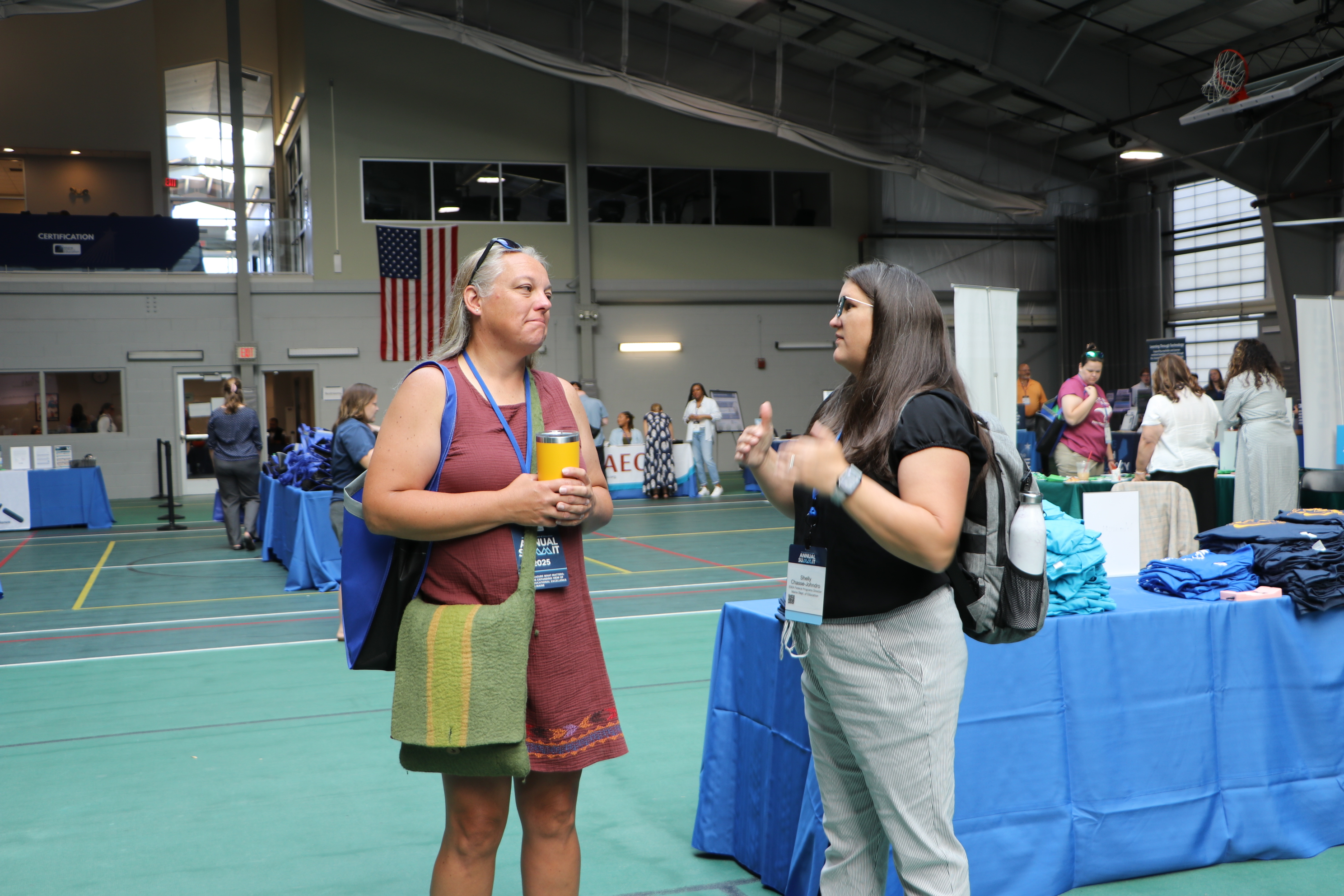
Attendance at the summit was broad and impactful. Educators from across the state gathered to share insights, exchange strategies, and recharge before the 2025-2026 school year. Many earned up to 10 contact hours toward their credential renewal, and a special Educational Trip Leader Permit Course—essential for supervising student outings near water—was also offered.

Comments from conference participants included:

“Thank you all for a wonderful conference.”

“A fantastic conference! Thank you.”

“Learned so much and came back home inspired!!!”

WABI TV5 featured the summit in their evening news broadcast on August 5, with interviews from Maine DOE Chief of the Office of Federal Programs Janette Kirk, who helped to plan the event; keynote speaker Becky Hallowell, 2025 Maine Teacher of the Year; and conference-goer Besty Trenckmann, a 2025 Presidential Awards for Excellence in Mathematics and Science Teaching finalist, who was honored during the event.


This year’s summit expanded accessibility by waiving registration fees for identified schools under Maine’s Model of School Supports (TSI, ATSI, and CSI), covering up to 10 staff members per school—a support valued at $2,500 per institution.

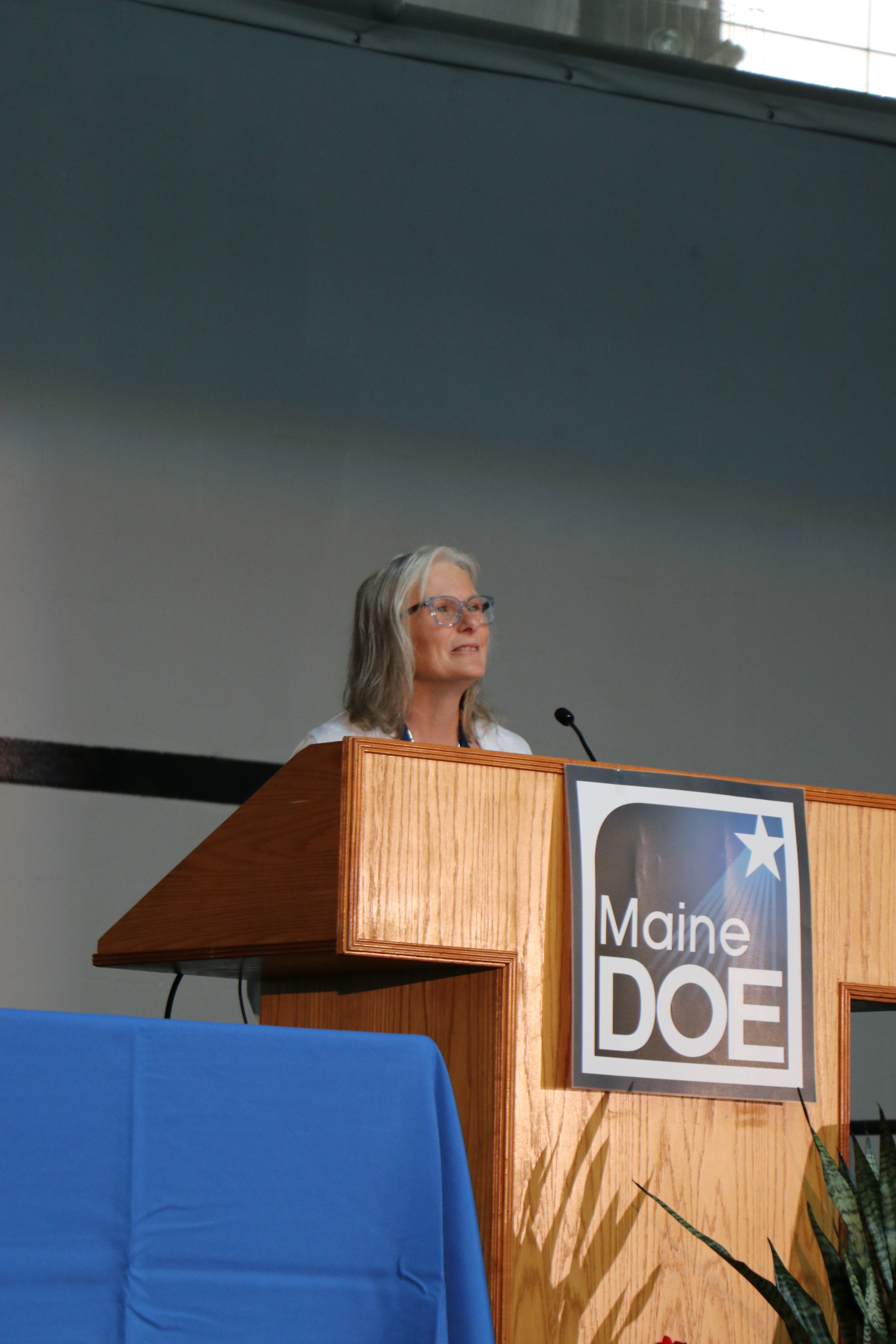
Keynote presentations from Maine Education Commissioner Pender Makin and Hallowell added a personal and motivational touch. Their leadership and dedication to measuring schools’ success beyond test scores and place-based, outdoor learning deeply resonated with attendees.

“You all are helping to shape our future every single day that you step into your classroom–when you see the whole student, build relationships that communicate high expectations, and pivot as the learning environment changes,” Hallowell offered to fellow educators at the end of her keynote. “Thank you for creating a strong learning ecosystem.”


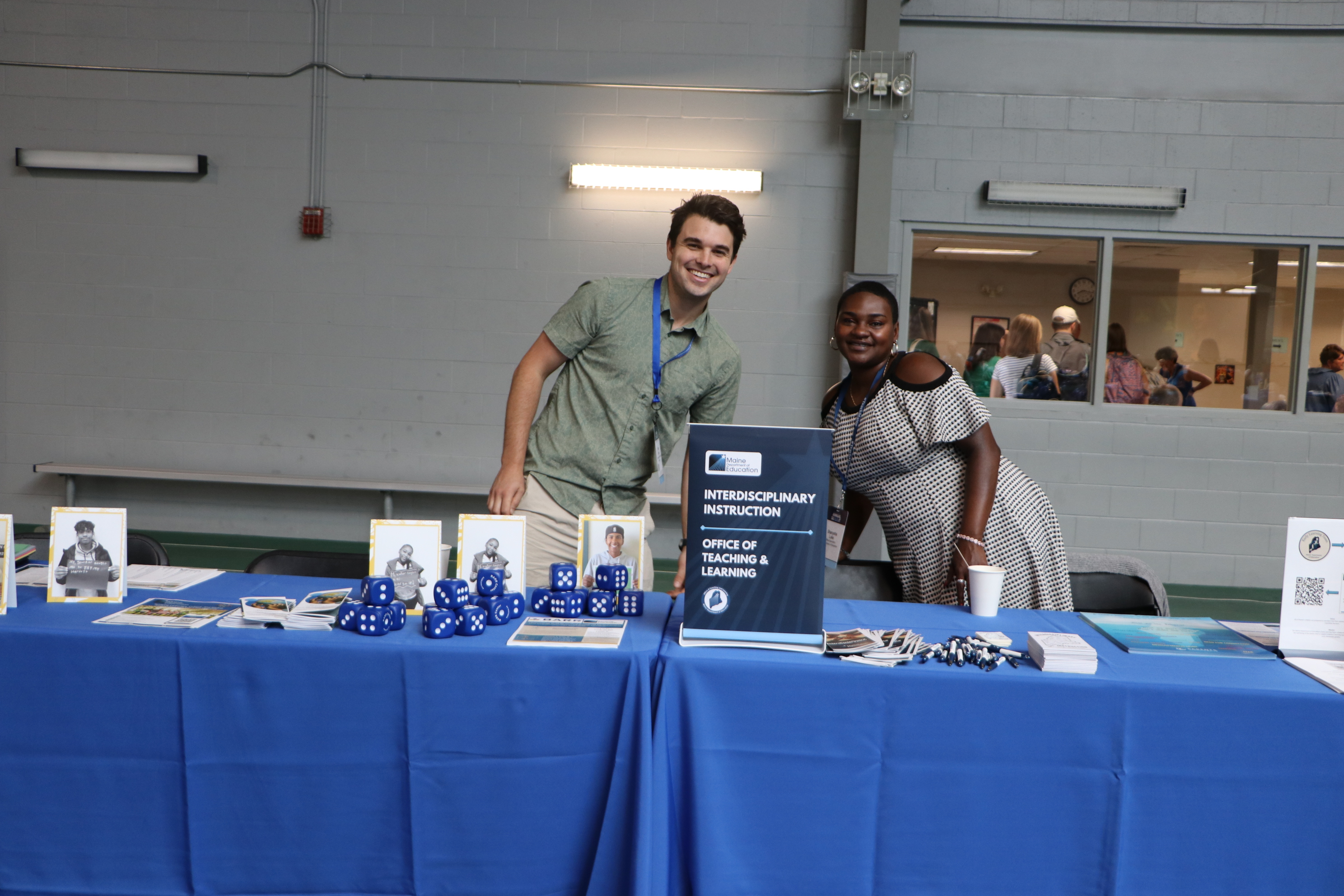
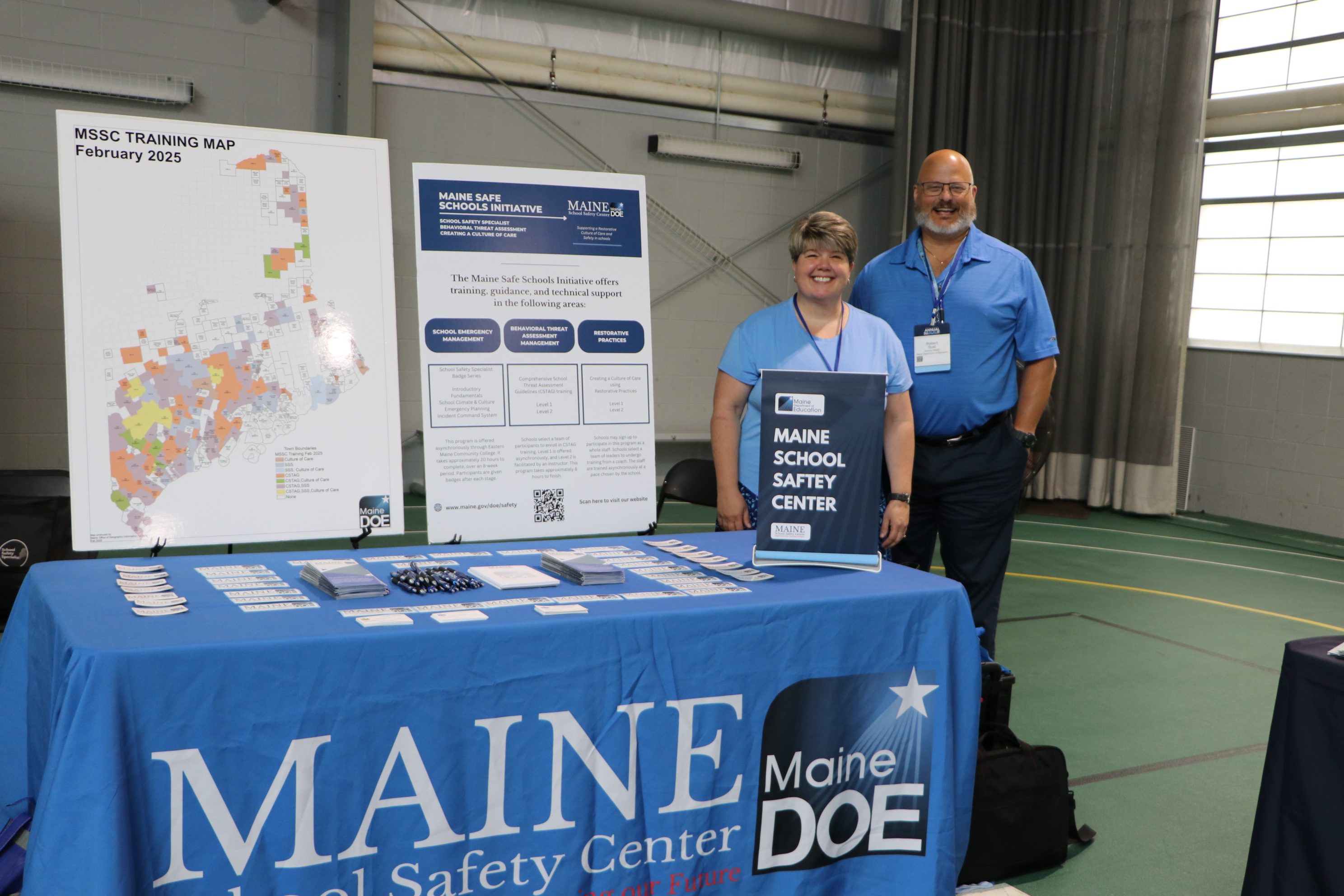
The summit also featured a bustling exhibit area, where participants could visit informational booths, including a special section for educator credentialing, where members of the Maine DOE Certification Team were available both days to offer support and guidance.


Educators left the event buzzing with new ideas and resources—refreshed, connected, and ready to bring transformative learning experiences to their students and communities statewide.

Maine DOE Update – August 15, 2025

From the Maine Department of Education


News & Updates

Maine DOE Seeking Educators to Develop the Next Round of MOOSE Modules

The Maine Department of Education (DOE) is currently seeking educators to develop interdisciplinary MOOSE Modules that will align with and provide real-world context for Maine Learning Results standards and existing Maine DOE resources. |  More

Seeking Educators to Pilot MOOSE Modules and Wabanaki Studies Educator Guides

The Maine Department of Education (DOE) is currently seeking educators to pilot MOOSE Modules and Wabanaki Studies Educator Guides with their classrooms this fall. |  More

Recognize Your Outstanding School Staff: RISE Award Now Accepting Nominations

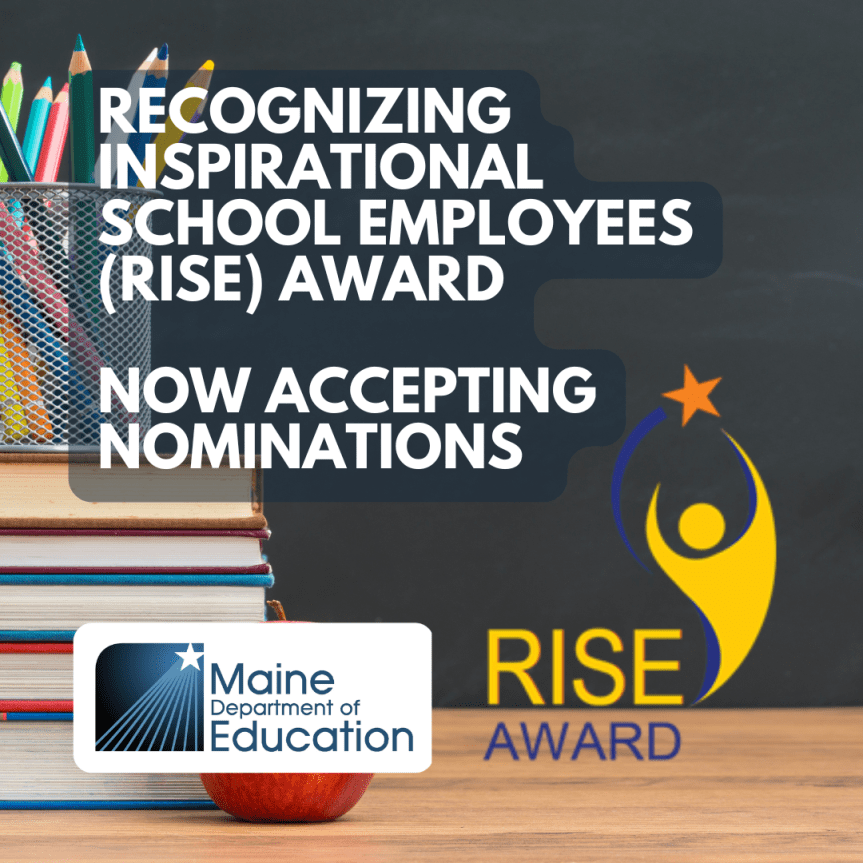
The Maine Department of Education (DOE) invites students, friends, families, community members, educational organizations or associations, co-workers, and supervisors to nominate school employees for the Recognizing Inspirational School Employees (RISE) Award. Anyone can nominate. The deadline to submit a nomination is October 15, 2025. |  More


Maine Schools Sharing Success Stories

Alfred Elementary Earns National RAMP Recognition for Exemplary Counseling Program

Alfred Elementary School is celebrating a major achievement after being recognized at the American School Counselor Association’s (ASCA) annual conference in July. The school has earned the RAMP (Recognized ASCA Model Program) designation—an honor awarded to schools with outstanding, comprehensive, and data-driven counseling programs. |  More

Submit good news to the Maine Department of Education here.


Professional Learning/Training Opportunities

View the Maine Department of Education’s Events Calendar here.


Latest DOE Career/Project Opportunities:

Find education-related jobs in Maine.

Alfred Elementary Earns National RAMP Recognition for Exemplary Counseling Program

(Pictured: Alfred Elementary School Counselor Jackie Chaplin)

Alfred Elementary School is celebrating a major achievement after being recognized at the American School Counselor Association’s (ASCA) annual conference in July. The school has earned the RAMP (Recognized ASCA Model Program) designation—an honor awarded to schools with outstanding, comprehensive, and data-driven counseling programs.

Through the leadership of school counselor Jackie Chaplin, Alfred Elementary has established a strong, supportive counseling framework that aligns both district goals and student needs. Jackie, who began at Alfred in 2005 and is now entering her 21st year, has played a critical role in shaping the school’s counseling efforts. Her leadership helped create a Multi-Tiered System of Support for Behavior (MTSS-B), integrating clear Tier I, II, and III behavioral supports that focus on promoting a kind, respectful, responsible, and safe school community.

This recognition, awarded to 1,300 schools nationwide and only five in Maine over the past 21 years, acknowledges Alfred Elementary’s success in delivering a school counseling program that uses data-based decision-making, provides both direct and indirect services to students, and leads to improved academic performance, attendance, and behavior.

Key components that contributed to the school’s RAMP designation include structured systems for analyzing behavioral data, like the Office Disciplinary Referral (ODR) and Request for Assistance (RFA) forms. These tools help staff track trends and make informed decisions about schoolwide and individual student needs. Positive Behavioral Supports at the Tier I level—such as Model Mustangs, Golden Tickets, Student of the Month recognitions, and a new incentive involving a book vending machine—are carefully tracked to celebrate student success and promote positive behavior. Universal screeners like the Student Risk Screening Scale (SRSS), completed by teachers three times a year, help identify students who may need additional support and lead to targeted Tier II or Tier III intervention plans based on measurable goals.

Students also benefit from weekly classroom lessons based on the 2nd Step Curriculum. These lessons are often adapted to reflect current schoolwide trends, such as addressing physical aggression if data shows an uptick in related referrals. Small group sessions, peer helper leadership opportunities for fifth graders, and consistent attendance tracking round out a comprehensive system that’s fully embedded into the school’s culture.

This was Alfred Elementary’s first time applying for RAMP recognition. The application followed Chaplin’s earlier achievement of being named Maine’s School Counselor of the Year, representing a meaningful professional goal that closely aligned with the school’s mission. With the designation now secured, Alfred Elementary will hold the RAMP title for the next five years before needing to reapply.

Other Maine schools recognized at this year’s ASCA conference included George B. Weatherbee School, which received the award for the second time, and Hall-Dale Elementary School, which earned the designation in 2023.

Alfred Elementary’s RAMP recognition stands as a powerful testament to the school’s commitment to fostering academic growth, social-emotional development, and a positive, inclusive school climate—one data point at a time.

This story was written in collaboration with Alfred Elementary School. To submit a good news story to the Maine DOE, please fill out the good news submission form.
Maine DOE Seeking Educators to Develop the Next Round of MOOSE Modules

The Maine Department of Education (DOE) is currently seeking educators to develop interdisciplinary MOOSE Modules that will align with and provide real-world context for Maine Learning Results standards and existing Maine DOE resources.

Maine’s Online Open-Source Education (MOOSE) platform provides free, interdisciplinary, project-based learning materials created by Maine teachers for Maine pre-K through grade 12 students. The Maine DOE is constantly expanding MOOSE content to meet educator needs and provide resources that highlight ongoing and emerging initiatives of the Maine DOE.

The Maine DOE is seeking a variety of Maine educators (e.g., teachers, curriculum leaders, museum educators, librarians, etc.) to develop educational material for the MOOSE platform. Applicants must be available for weekly meetings and able to dedicate 3-6 hours outside of those meetings to creating materials. Interdisciplinary cohorts will be formed for educators around topics that span across the preK-12 spectrum. Within cohorts, smaller teams will create modules between September 15 and January 23 under the guidance of the MOOSE Specialists.

If you are interested in applying but still have questions, please contact Maine DOE MOOSE Project Supervisor Jennifer Page (jennifer.page@maine.gov). The MOOSE Team will hold a recorded information session on Monday, August 25, at 4 p.m. The recording will be directly mailed to all registrants and will be posted on the Maine DOE website. Registration can be found here.

Applications can be found here and are due by Monday, September 1. Applicants will be notified of their acceptance for the program by Wednesday, September 3, and will attend their first meeting on Monday, September 15. Compensation for a fully developed, approved, and published module by January 23, 2026, is $3,000, with no partial or late payments available.

For further questions and information, please contact Maine DOE MOOSE Project Supervisor Jennifer Page at jennifer.page@maine.gov.

Seeking Educators to Pilot MOOSE Modules and Wabanaki Studies Educator Guides

The Maine Department of Education (DOE) is currently seeking educators to pilot MOOSE Modules and Wabanaki Studies Educator Guides with their classrooms this fall.

Maine’s Online Open-Source Education (MOOSE) platform provides free, interdisciplinary, project-based learning materials, created by Maine teachers, for Maine preK-12 students. Feedback on the modules themselves and their usability is vitally important, as we are constantly improving existing modules and applying lessons learned to new creations. In addition to the modules themselves, extensive Wabanaki Studies Educator Guides have been developed and are ready to be piloted for feedback. Educators may apply to pilot any combination of modules and/or educator guides in their classroom.

The Maine DOE is now seeking educators interested in using these materials in their classroom with five (5) or more students and providing feedback about the experience. Educators must choose their own module(s)/guide(s) to pilot and justify their decision in their application. Stipends will be provided for feedback on up to two modules and/or guides ($500 per module/guide) that have been piloted, with additional funds provided for deidentified student work and/or reflections ($50 each per module/guide). All required elements must be completed by January 23, 2026.

If you are interested in applying but still have questions, please contact MOOSE Project Manager Jennifer Page (jennifer.page@maine.gov) and/or Wabanaki Studies Specialist Brianne Lolar (brianne.lolar@maine.gov). The MOOSE Team will hold a recorded information session on Tuesday, August 26th, at 4 p.m. The recording will be directly mailed to all registrants and posted on the Maine DOE website. Registration can be found here.

If you are ready to apply, you can find applications here. Applications for the Fall 2025 session are due by Monday, September 1, 2025. Applicants will be notified of their acceptance for the program by Friday, September 5, 2025, and modules/guides may be piloted any time after Monday, September 15, 2025.

For further information or questions, please contact Maine DOE MOOSE Project Manager Jennifer Page at jennifer.page@maine.gov and/or Maine DOE Wabanaki Studies Specialist Brianne Lolar at brianne.lolar@maine.gov.

Recognize Your Outstanding School Staff: RISE Award Now Accepting Nominations

The Maine Department of Education (DOE) invites students, friends, families, community members, educational organizations or associations, co-workers, and supervisors to nominate school employees for the Recognizing Inspirational School Employees (RISE) Award. Anyone can nominate. The deadline to submit a nomination is October 15, 2025. 

In collaboration with Maine Governor Janet T. Mills and the U.S. Department of Education, Maine DOE is now accepting nominations for the prestigious RISE Award. This federal award, passed by Congress and overseen by the U.S. Department of Education, is intended to honor and promote classified school employees who provide exemplary service.

Through the RISE Award, we honor the often-unsung heroes whose work behind the scenes is essential to ensuring safe, supportive, and effective learning environments. Publicly recognizing their service strengthens morale, boosts motivation, and reaffirms our commitment to valuing all roles within the education workforce.

Who Is a Classified School Employee?

A classified school employee is a staff member employed by a state, local education agency, or nonprofit entity who supports students in grades pre-K through grade 12 in any of the following occupational specialties:

  • Paraprofessionals / Educational Technicians
  • Clerical and Administrative Services
  • Transportation Services
  • Food and Nutrition Services
  • Custodial and Maintenance Services
  • Security Services
  • Health and Student Services
  • Technical Services
  • Skilled Trades

Examples include bus drivers, secretaries, cafeteria workers, school safety staff, health aides, technology staff, mechanics, crossing guards, and more.

Nominee Selection Criteria

Nominees must demonstrate excellence in the following five areas:

(A) Work performance: Reflects the nominee’s ability to fulfill their role with exceptional skill, dedication, and reliability

(B) School and community involvement: How nominees contribute to the broader school community, including volunteer efforts, participation in school activities, or engagement with families and local groups.

(C) Leadership and commitment: Emphasizes the nominee’s ability to inspire others, take initiative, and demonstrate a strong dedication to their role and school mission.

(D) Enhancement of classified school employees’ image in the community and schools: Highlights efforts to positively influence public perception and understanding of classified employees’ vital roles.

The Maine Department of Education will submit up to two finalists to the U.S. Department of Education. The U.S. Department of Education will select one finalist from across the United States to inspire excellence among classified school employees around the nation.

How Do I Submit a Nomination?

The deadline to submit a nomination is October 15, 2025. 

Nominate today by clicking here.

For further information or questions, please reach out to Maine DOE Educator Excellence, Recruitment and Retention Coordinator Christina O’Neal at christina.l.oneal@maine.gov.

Maine DOE Update – August 8, 2025

From the Maine Department of Education


Reporting Items

Graduation Report Due August 30; Please Review Synergy Records before August 15

Graduation reporting is due on August 30, 2025. The Maine Department of Education’s data system, Synergy, will be open in the 2024-2025 school year until August 15 for student records to be updated with accurate exit codes and dates. |  More


News & Updates

Register Now for Maine’s First Green Schools Symposium

The Maine Department of Education (DOE) is excited to announce Maine’s first-ever Green Schools Symposium on November 7, 2025—a statewide event to celebrate environmental education leadership in Maine schools. |  More

ADMINISTRATIVE LETTER: Details Surrounding Participation in the National School Lunch Program

The National School Lunch Program (NSLP) is a federally assisted meal program operating in public and nonprofit private schools and residential childcare institutions (RCCIs). It provides nutritionally balanced, low-cost, or free lunches to children each school day. In Maine, with legislative support, Healthy School Meals for All have been available since 2021. State funding covers the portion of the meal cost that is not covered by federal funds for students attending a public school or certain private schools participating in the NSLP and School Breakfast Program (SBP). |  More


Maine Schools Sharing Success Stories

Upper Kennebec Valley Students Cultivate Life Skills in the Greenhouse

At Upper Kennebec Valley Junior/Senior High School, learning doesn’t stop at the classroom door; it grows, quite literally, from the ground up. What began as a student-built project in 2021 blossomed into a fully functioning greenhouse by the spring of 2022. Now, it serves as a living classroom rooted in responsibility, sustainability, and community engagement.. |  More

From Dinners to Showcases: South Portland Middle School Redefines Family Involvement

Throughout the 2024-2025 school year, South Portland Middle School transformed how it connects with families, moving beyond the traditional open house model and limited parent-teacher conferences. By hosting a series of nine monthly events, the school created engaging opportunities for families to connect with staff members, celebrate student success, and build a stronger sense of community. |  More

Submit good news to the Maine Department of Education here.


Professional Learning/Training Opportunities

View the Maine Department of Education’s Events Calendar here.


Latest DOE Career/Project Opportunities:

Find education-related jobs in Maine.