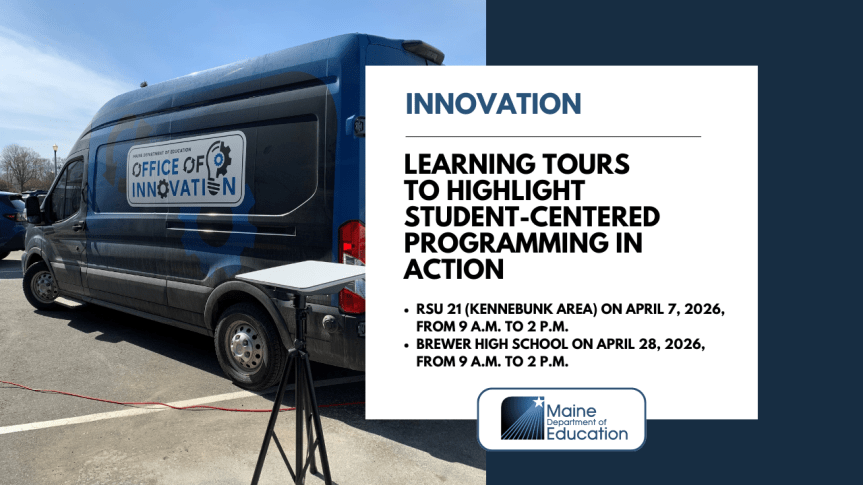
The Maine Department of Education (DOE) will facilitate two Innovative Research and Design (IR&D) Learning Tours this spring—one at RSU 21 (Kennebunk, Kennebunkport, and Arundel) on April 7, 2026, from 9 a.m. to 2 p.m., and one at Brewer High School on April 28, 2026, from 9 a.m. to 2 p.m. Educators interested in participating in either tour are encouraged to register to attend (details below).
Both of the programs to be featured on these Learning Tours were developed through the Maine DOE Rethinking Responsive Education Ventures (RREV) initiative, the result of a $16.9 million grant from the U.S. Department of Education in 2020. This initiative challenged schools to think outside the box to offer programs that provide real-world connections, as well as student choice, voice, and autonomy; engaging, interactive instruction; supportive relationships and belonging; and clear expectations, along with meaningful feedback.
These student-centered RREV pilot programs have successfully implemented innovative practices through different approaches. RSU 21 created an alternative, experiential, community-based learning environment that offers project-based and integrated learning, both at school and in the community. Brewer High School created an online environment that offers agency and autonomy, while also integrating it into real-world experiences through Extended Learning Opportunities (ELOs).
These Learning Tours are a great opportunity for educators to generate ideas for changes in their own settings to better meet students’ needs! Middle or high school teachers interested in learning more about the design, impacts, and possibilities of either program, may register here for the tours. Space is limited to 10 participants at each site.
With questions, please contact Maine DOE Innovative Research and Design Director Elaine Bartley at Elaine.Bartley@Maine.gov.
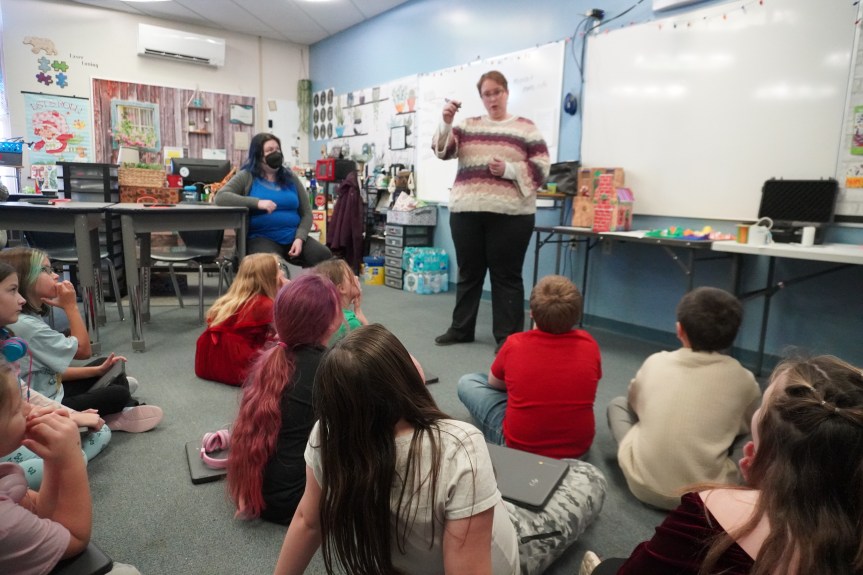
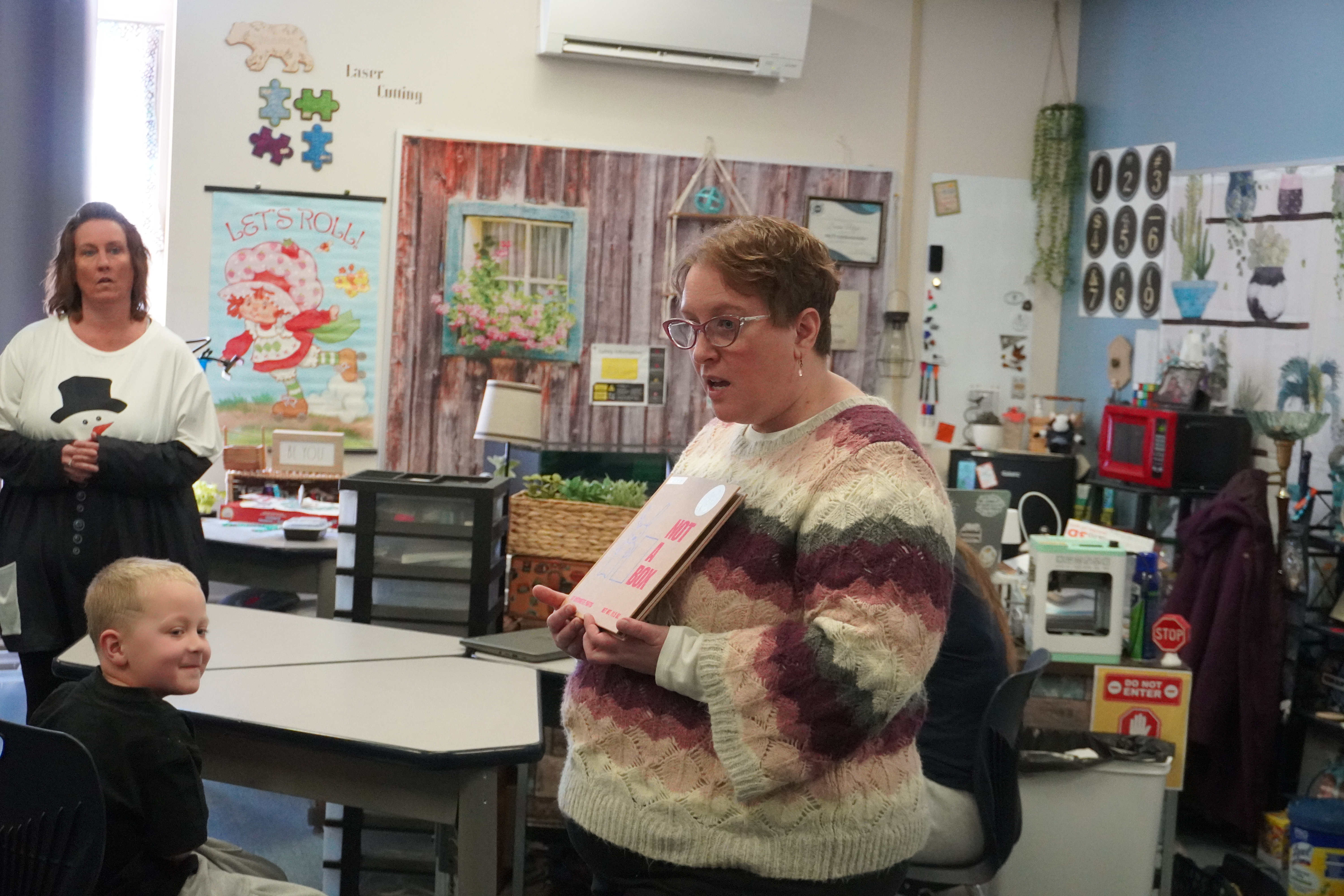
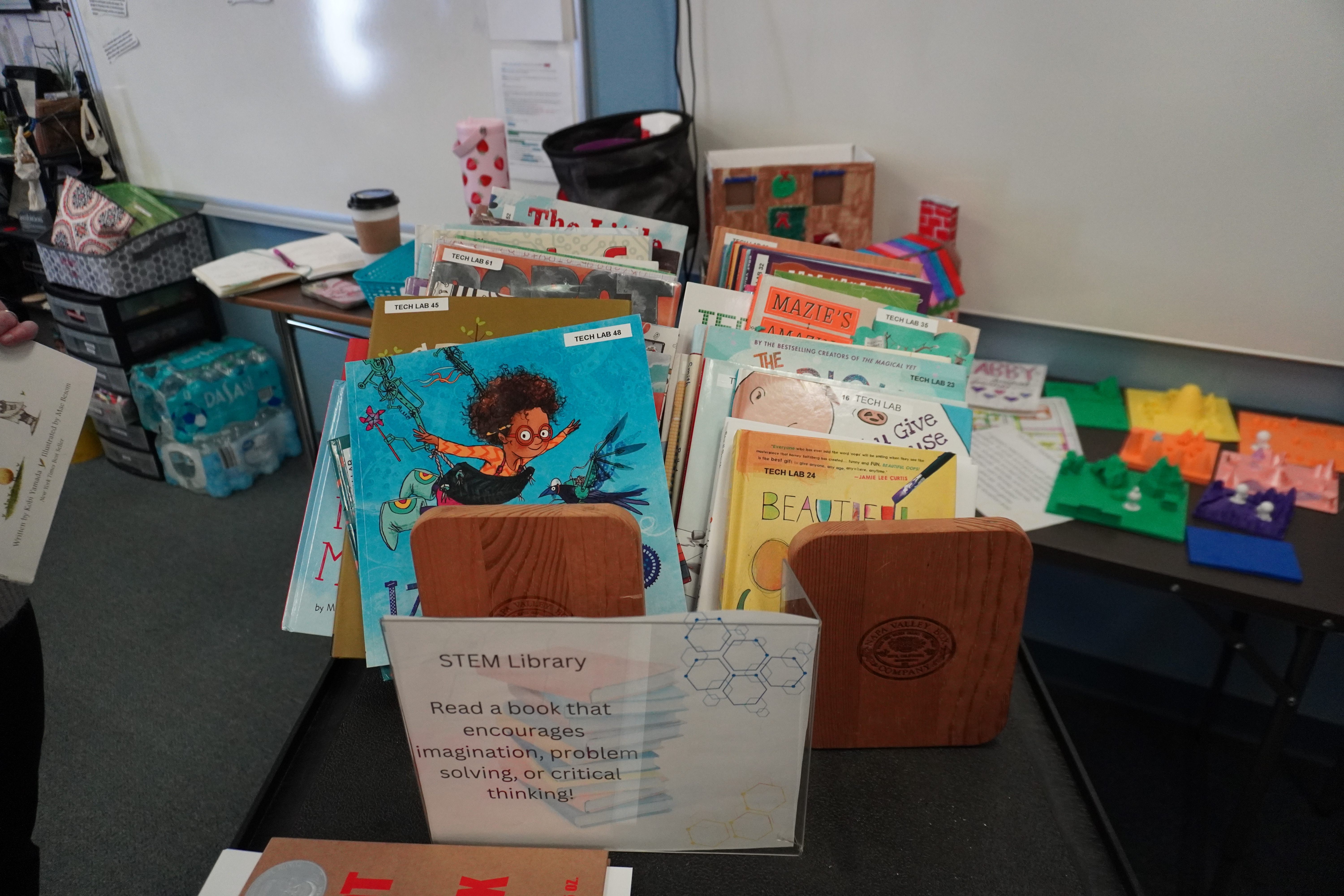
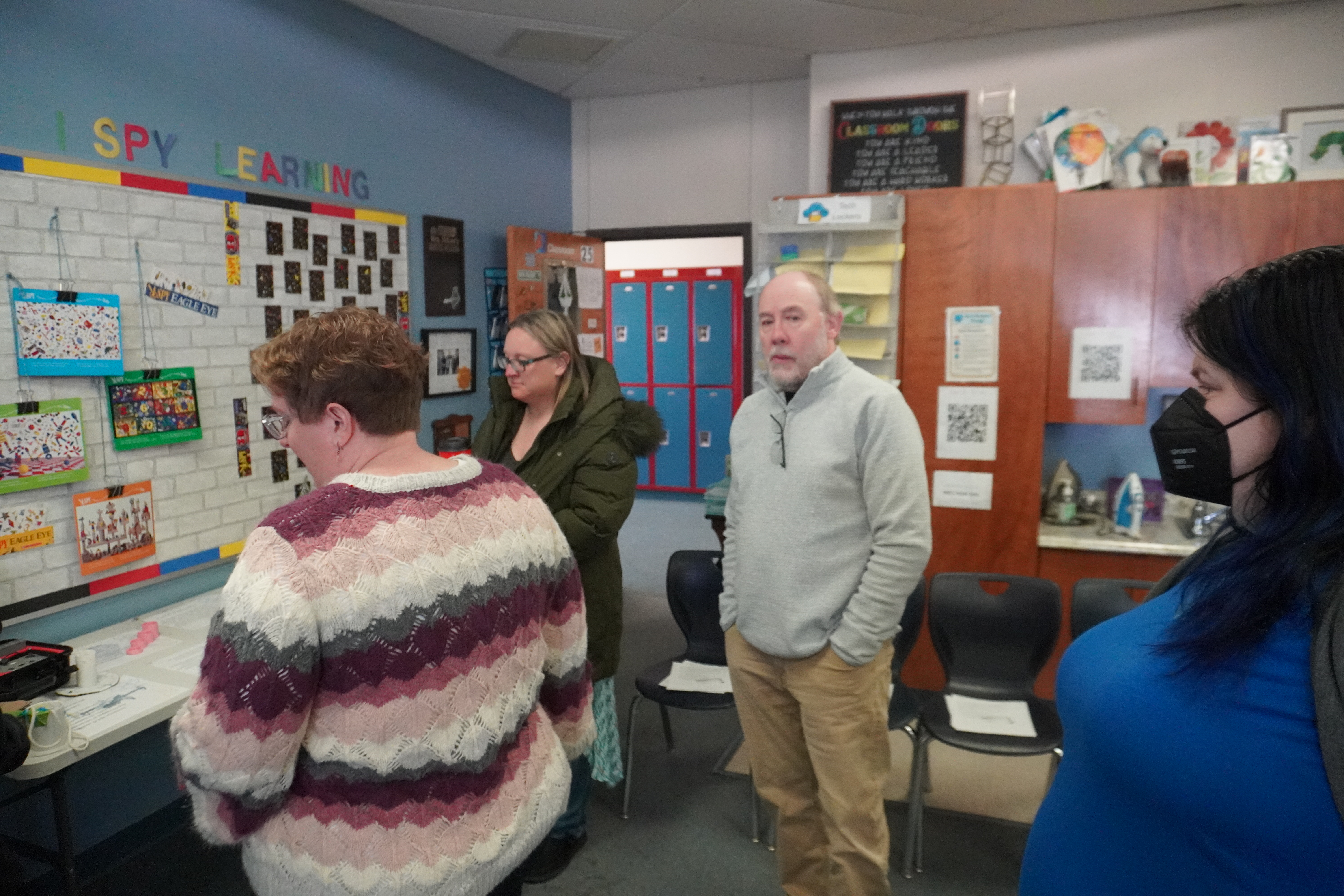
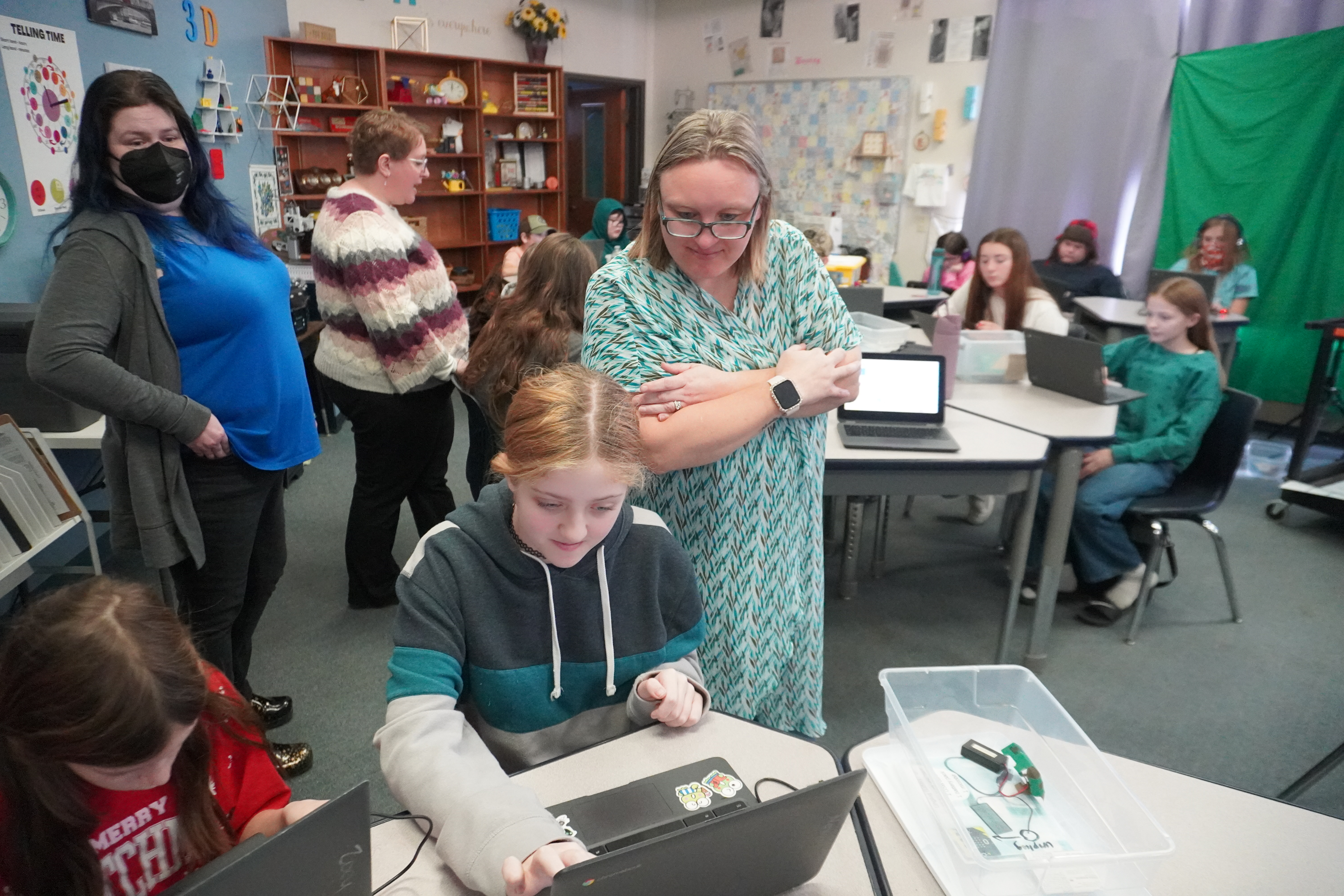
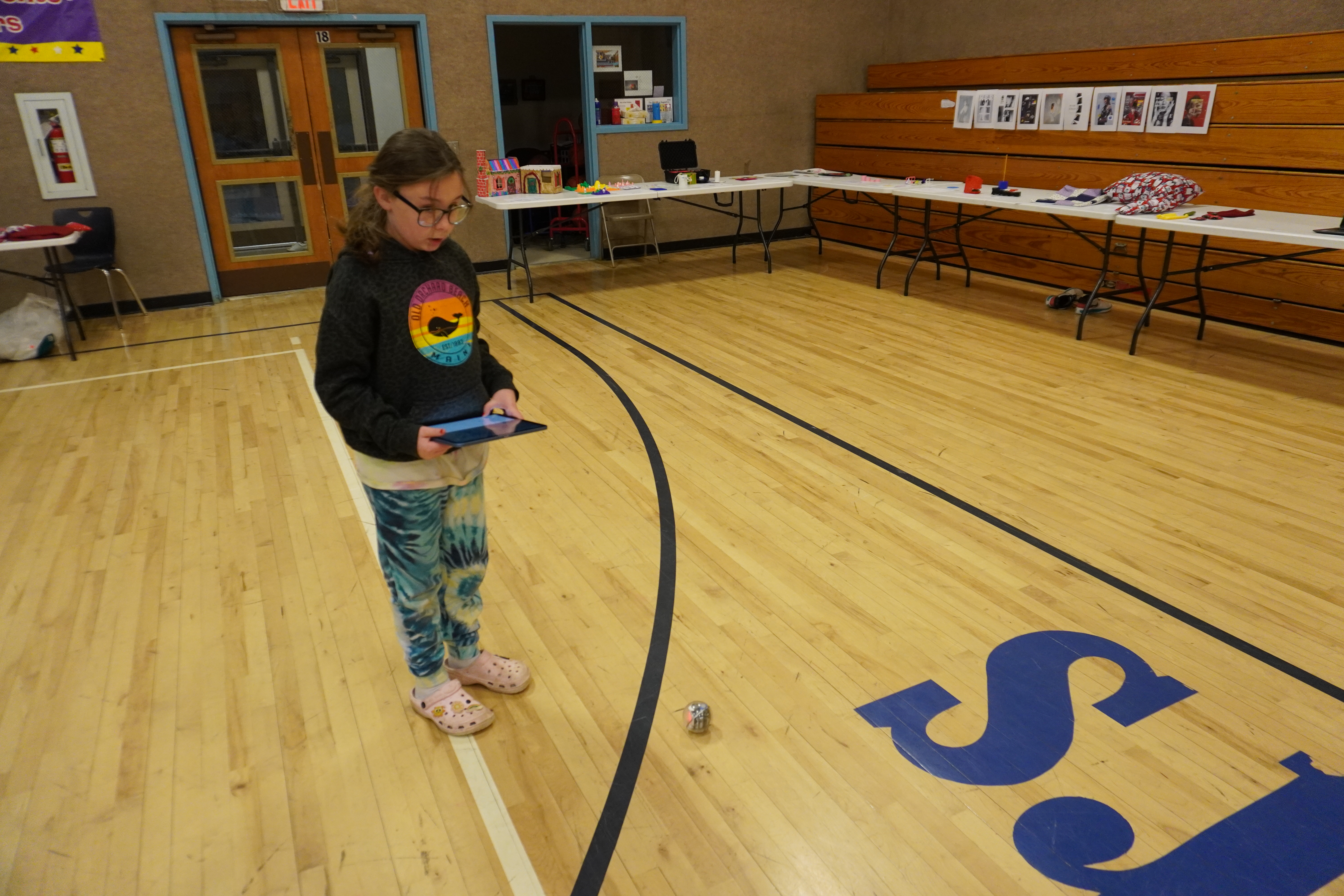
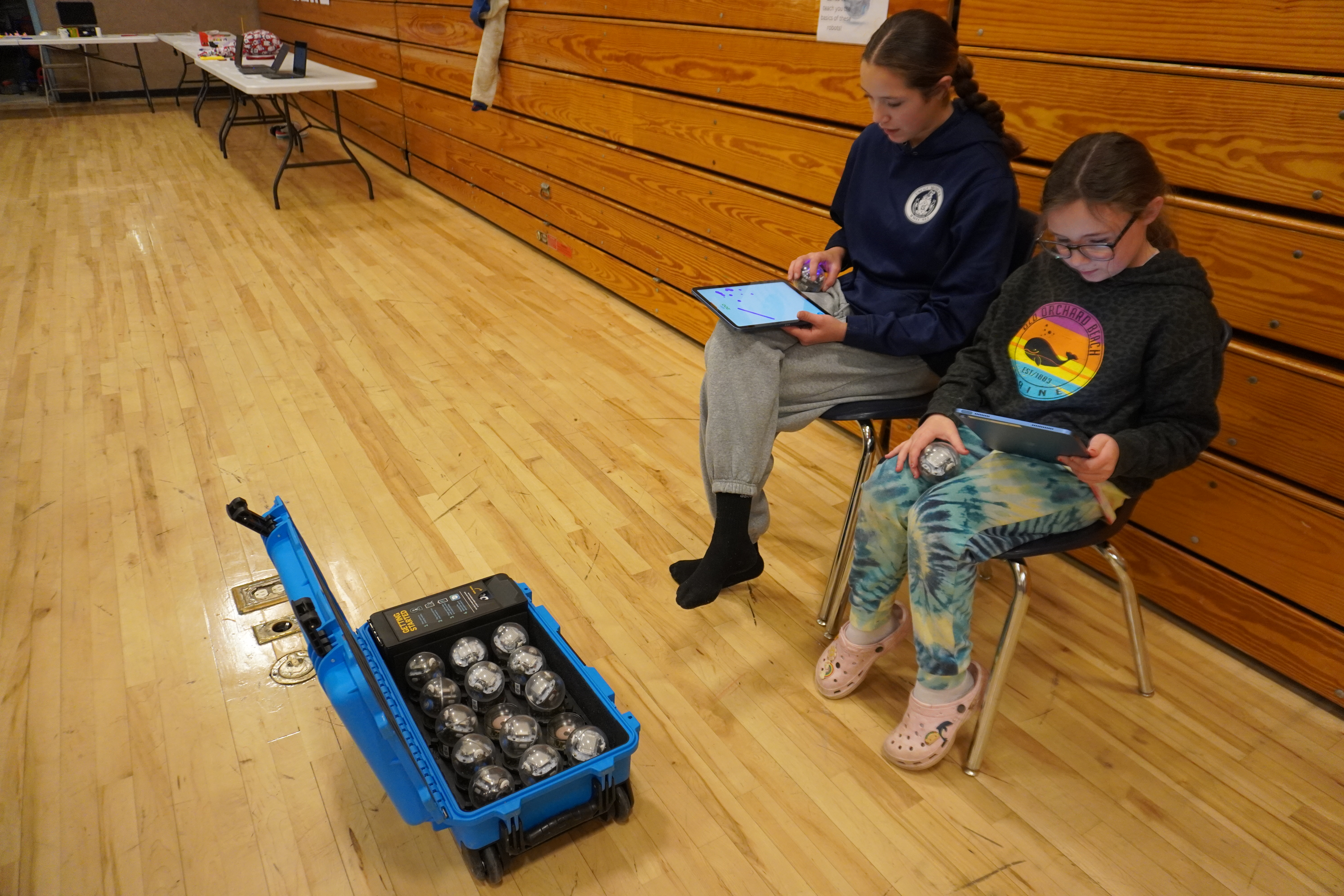
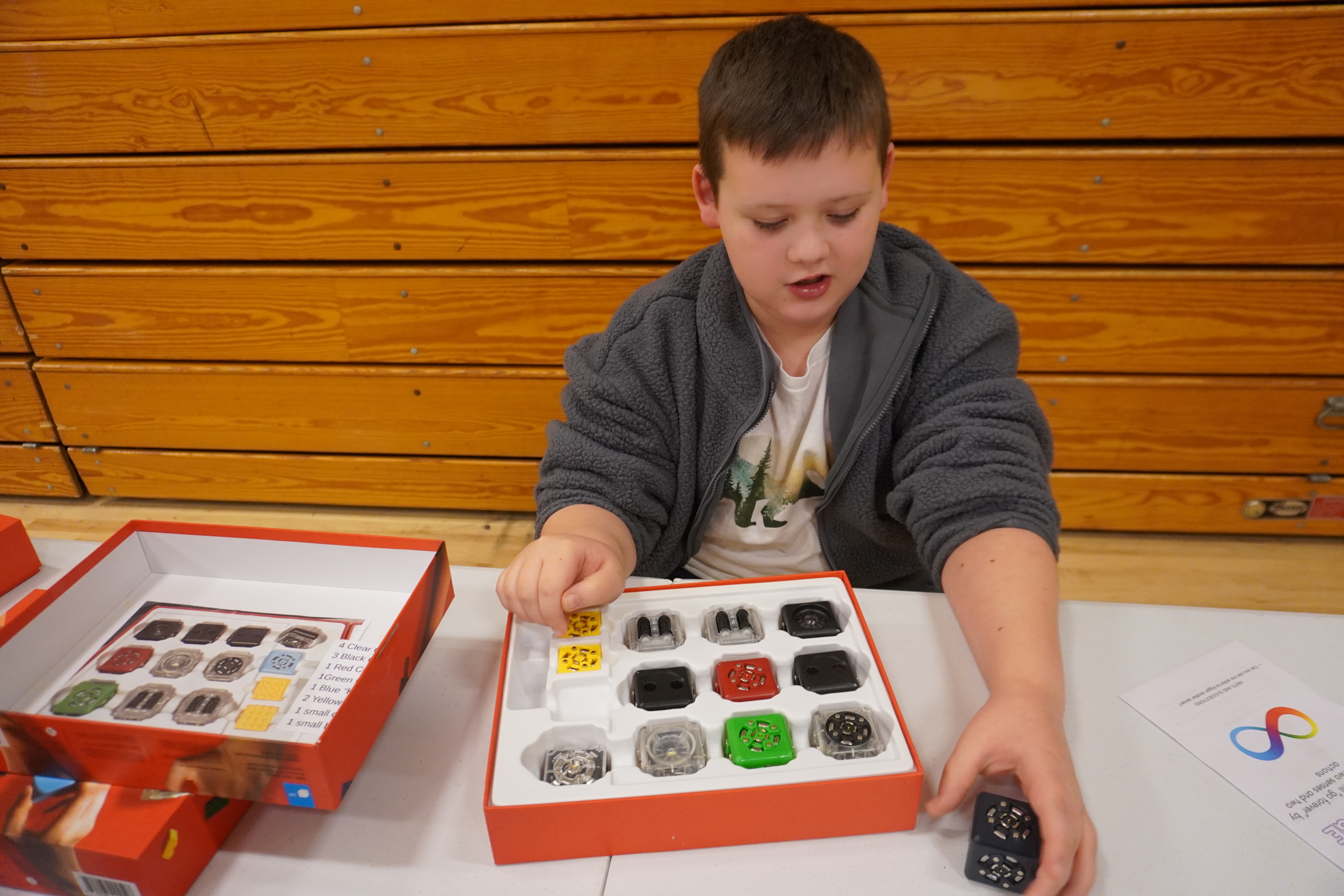
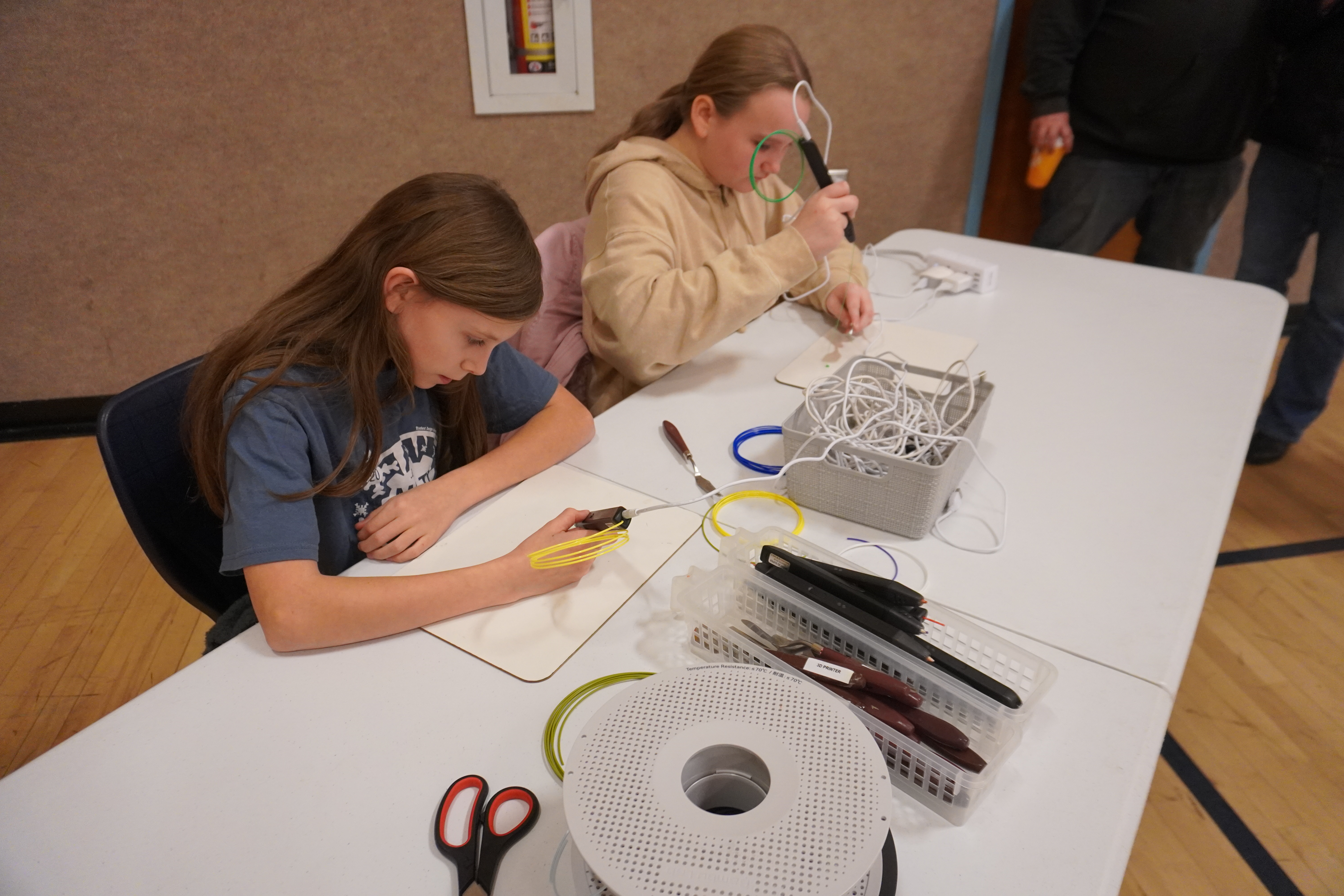
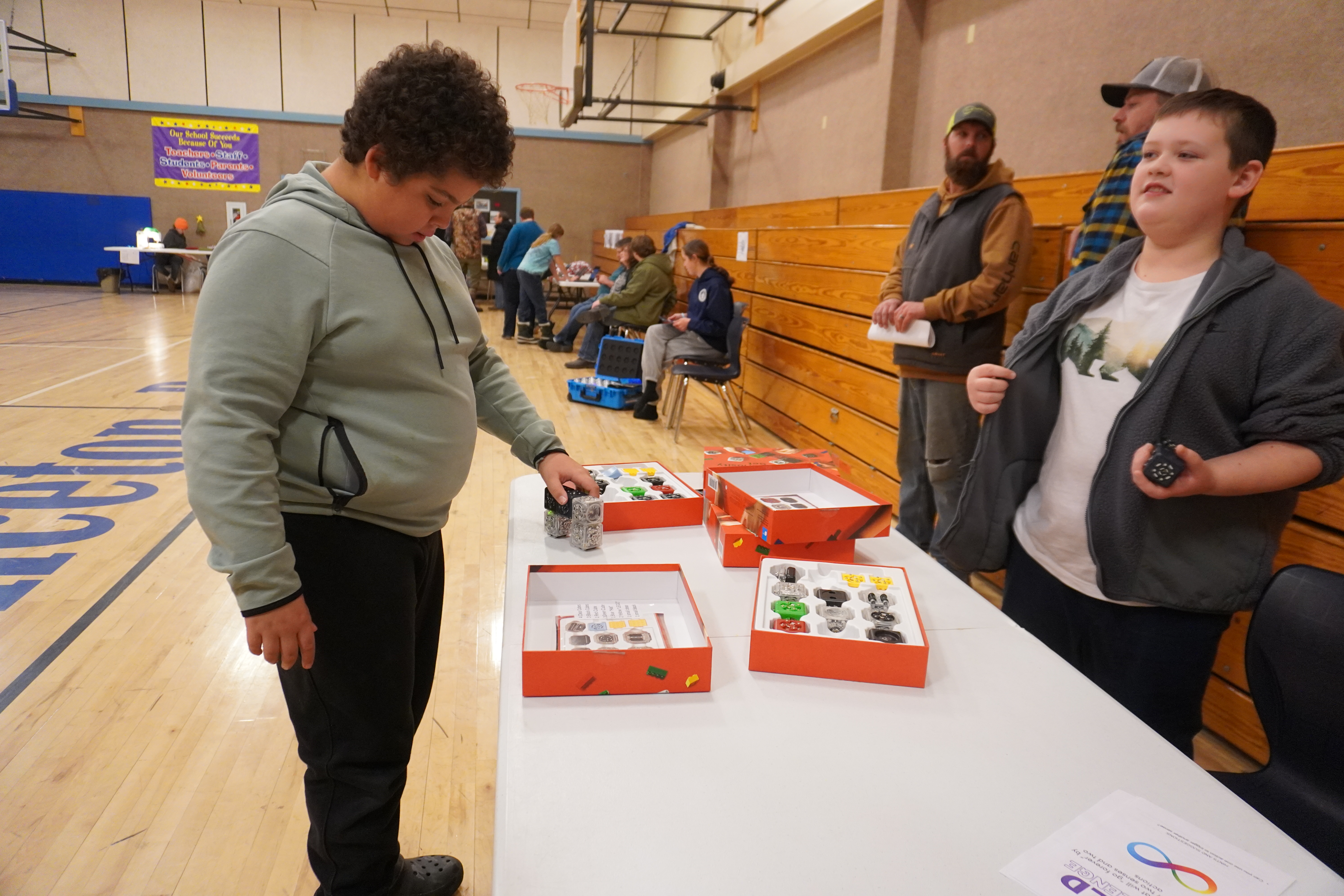
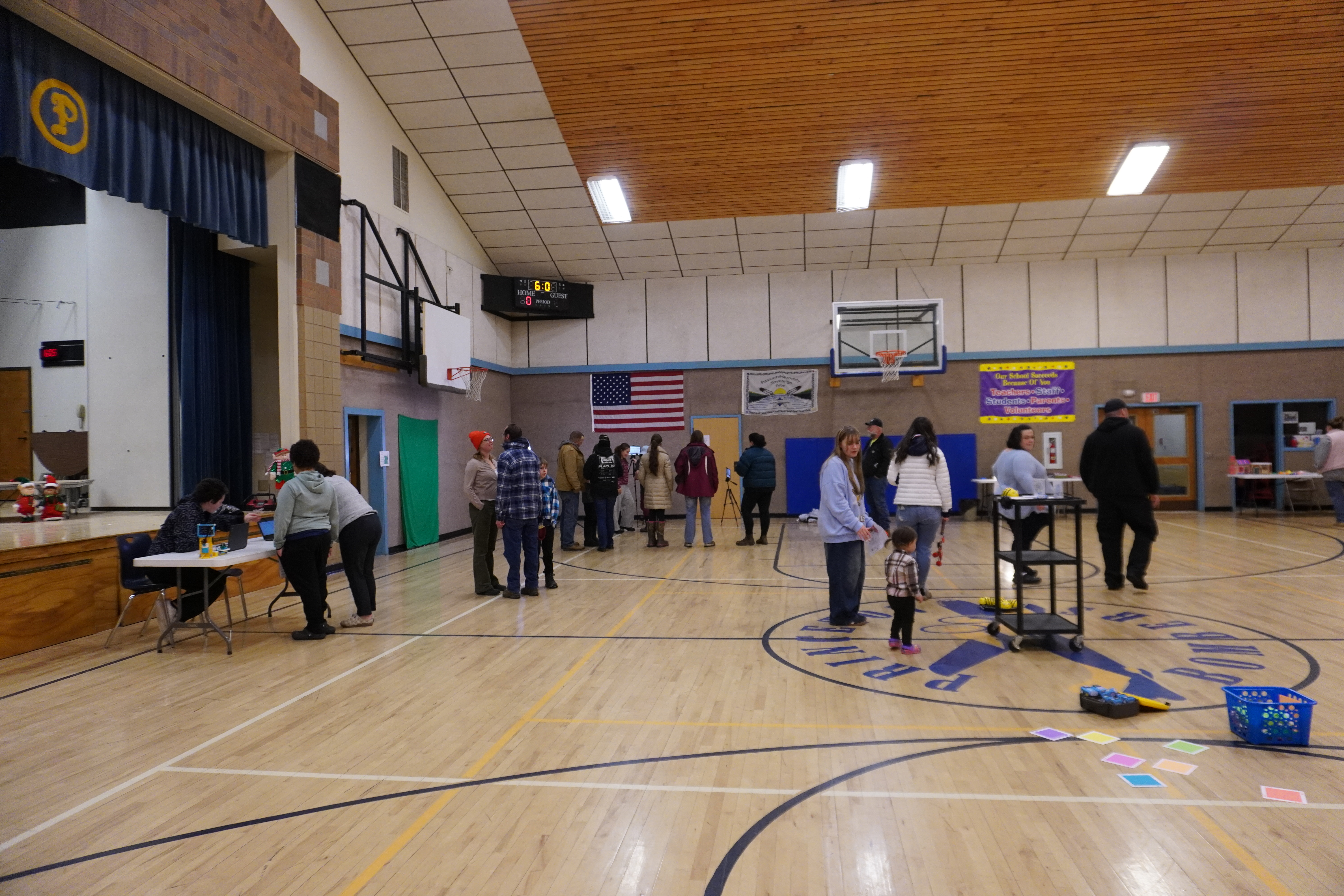
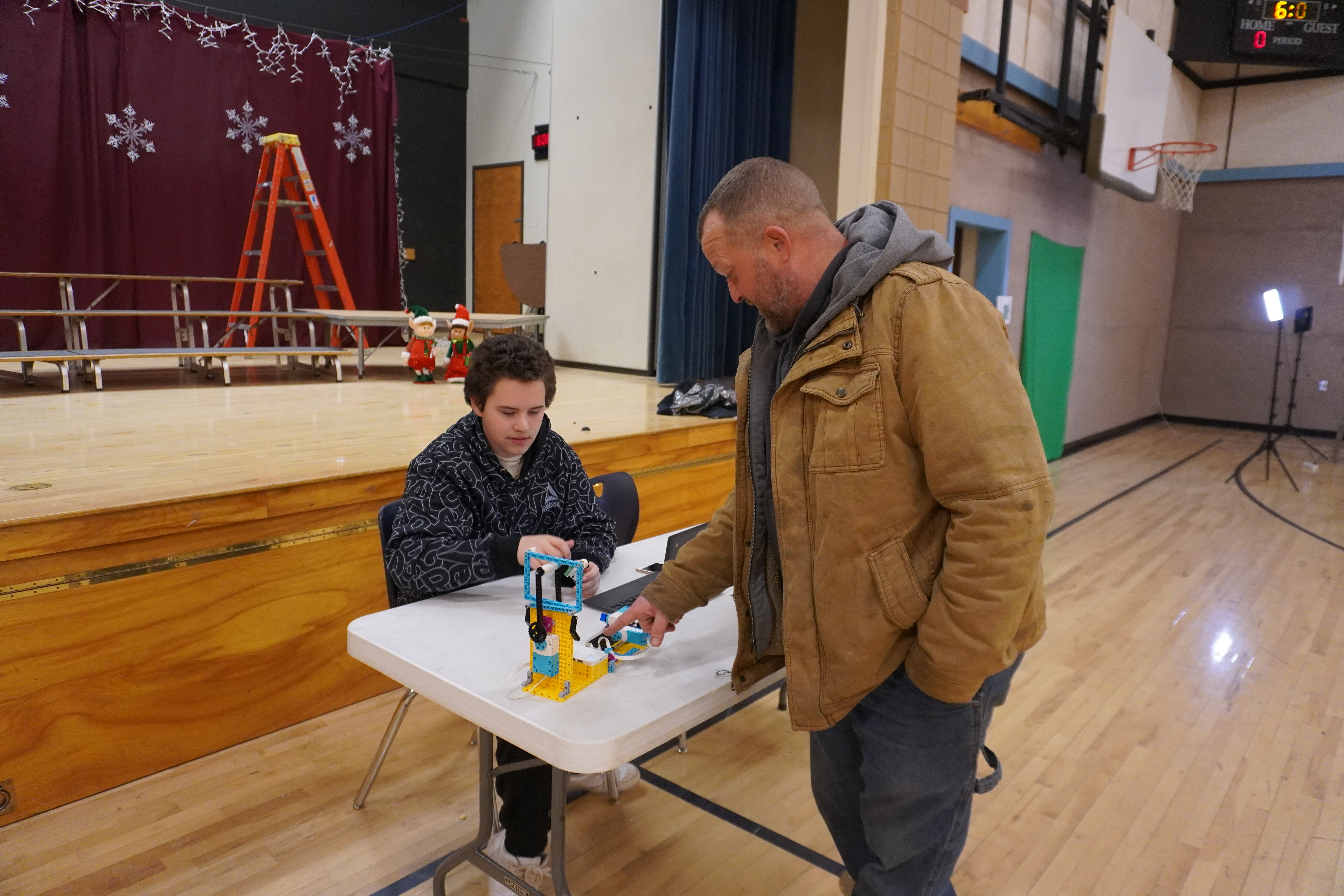
On December 9, 2025, Princeton Elementary School teacher Donna Netzer opened her classroom to educators from across Maine, as she demonstrated ways to incorporate numerous Science, Technology, Engineering, the Arts, and Mathematics (STEAM) technologies into the typical educational environment. This presentation was part of the Maine Department of Education (DOE) Office of Innovation’s latest Learning Tour, an opportunity for educators to participate in peer-to-peer learning.
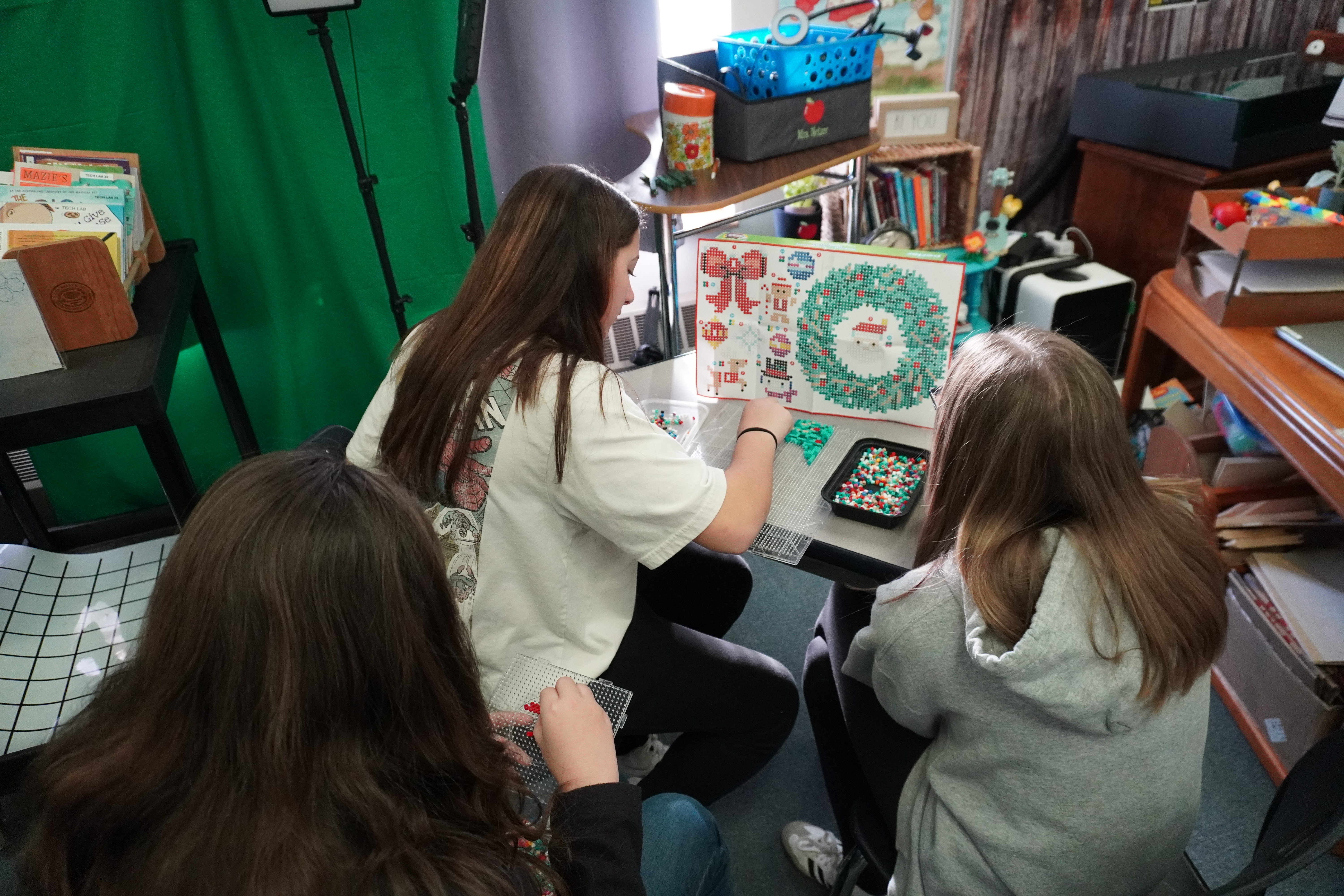
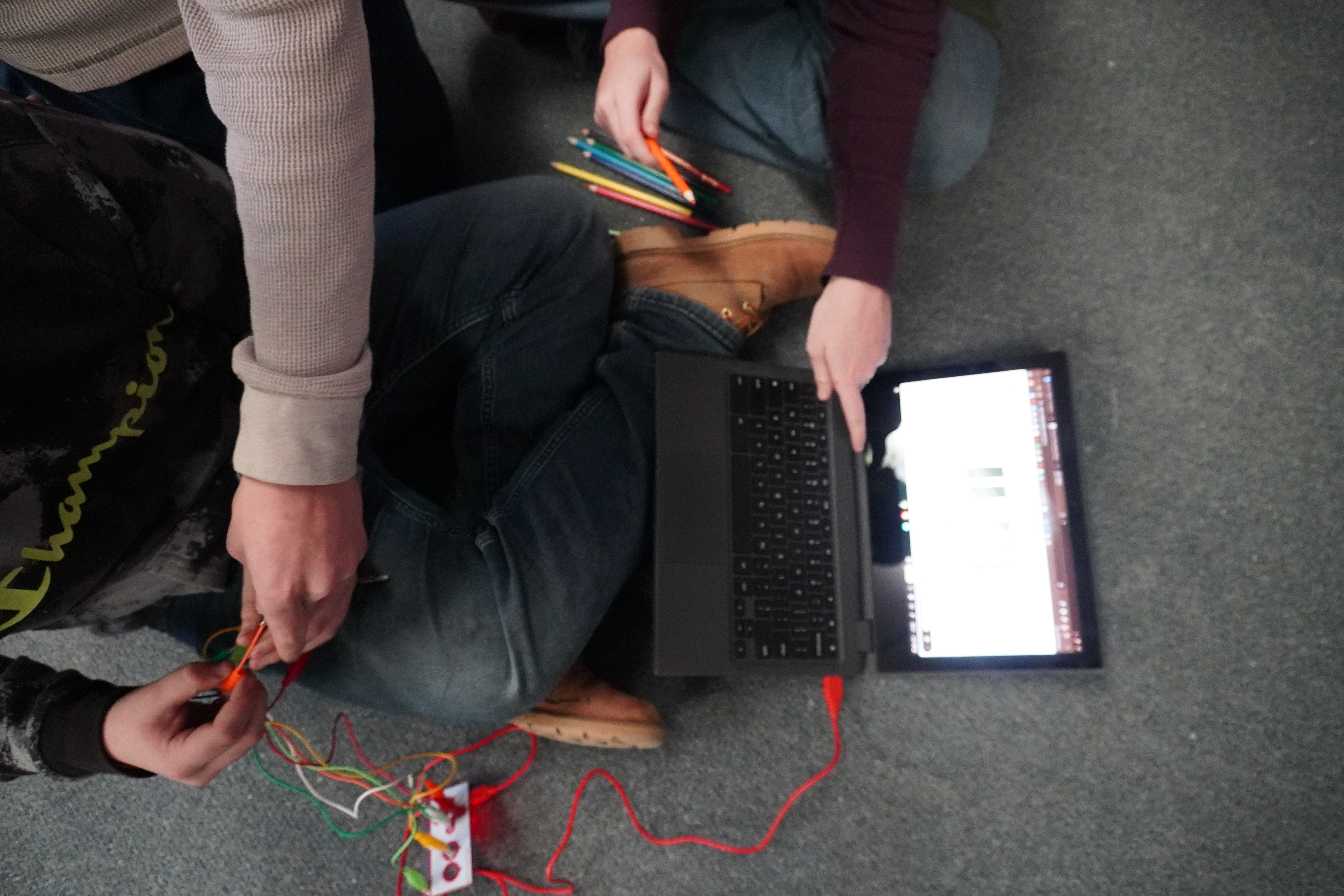
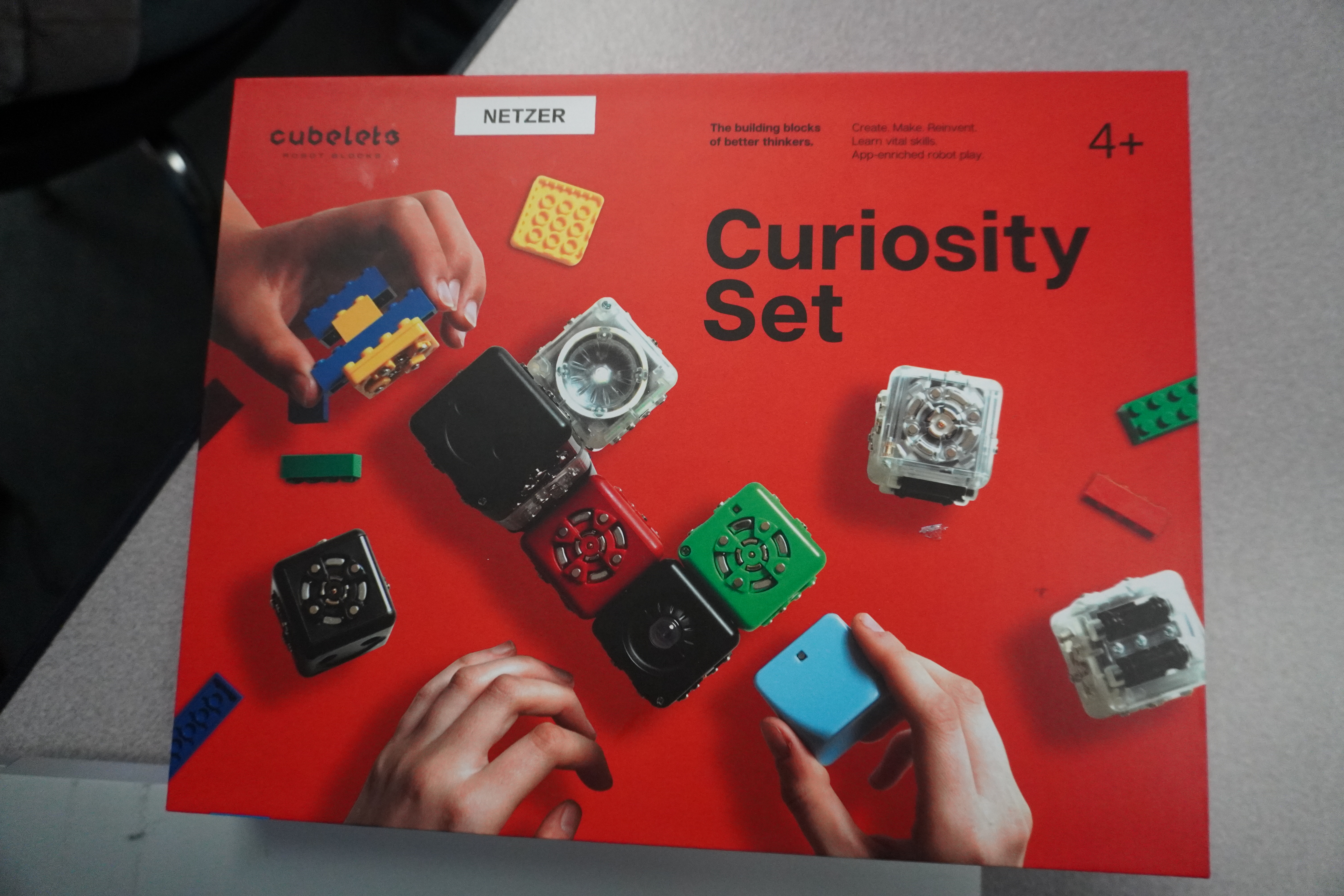
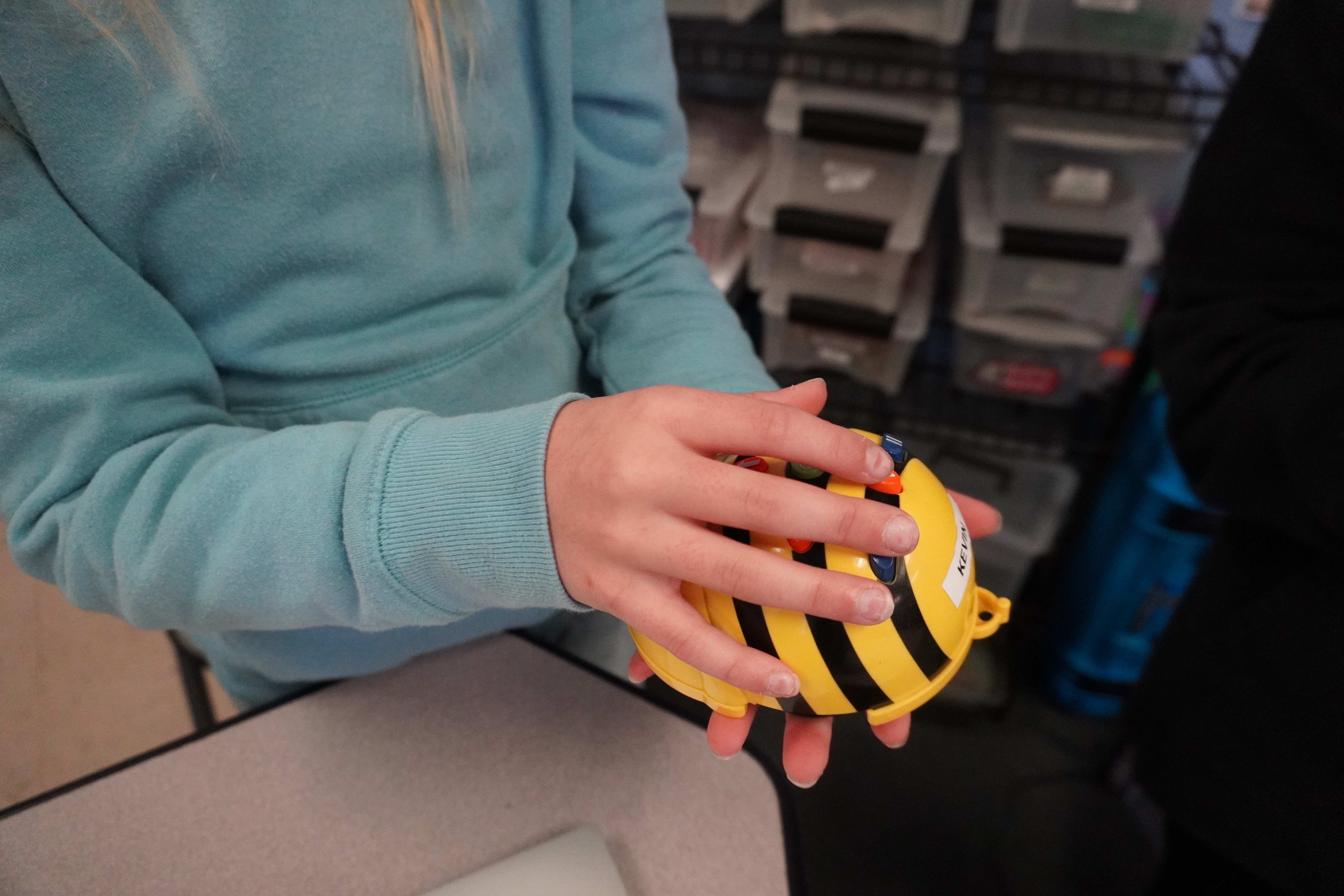
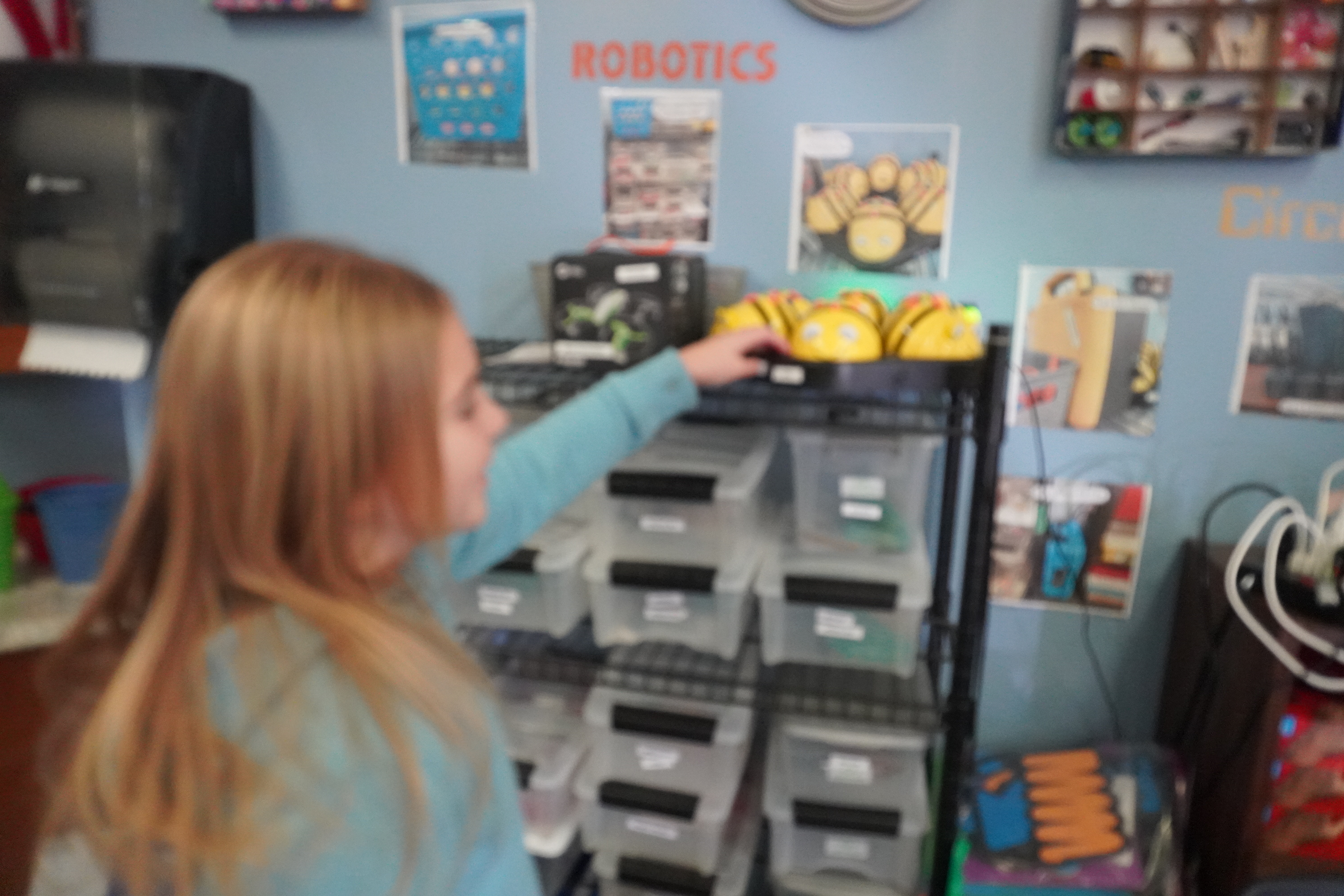
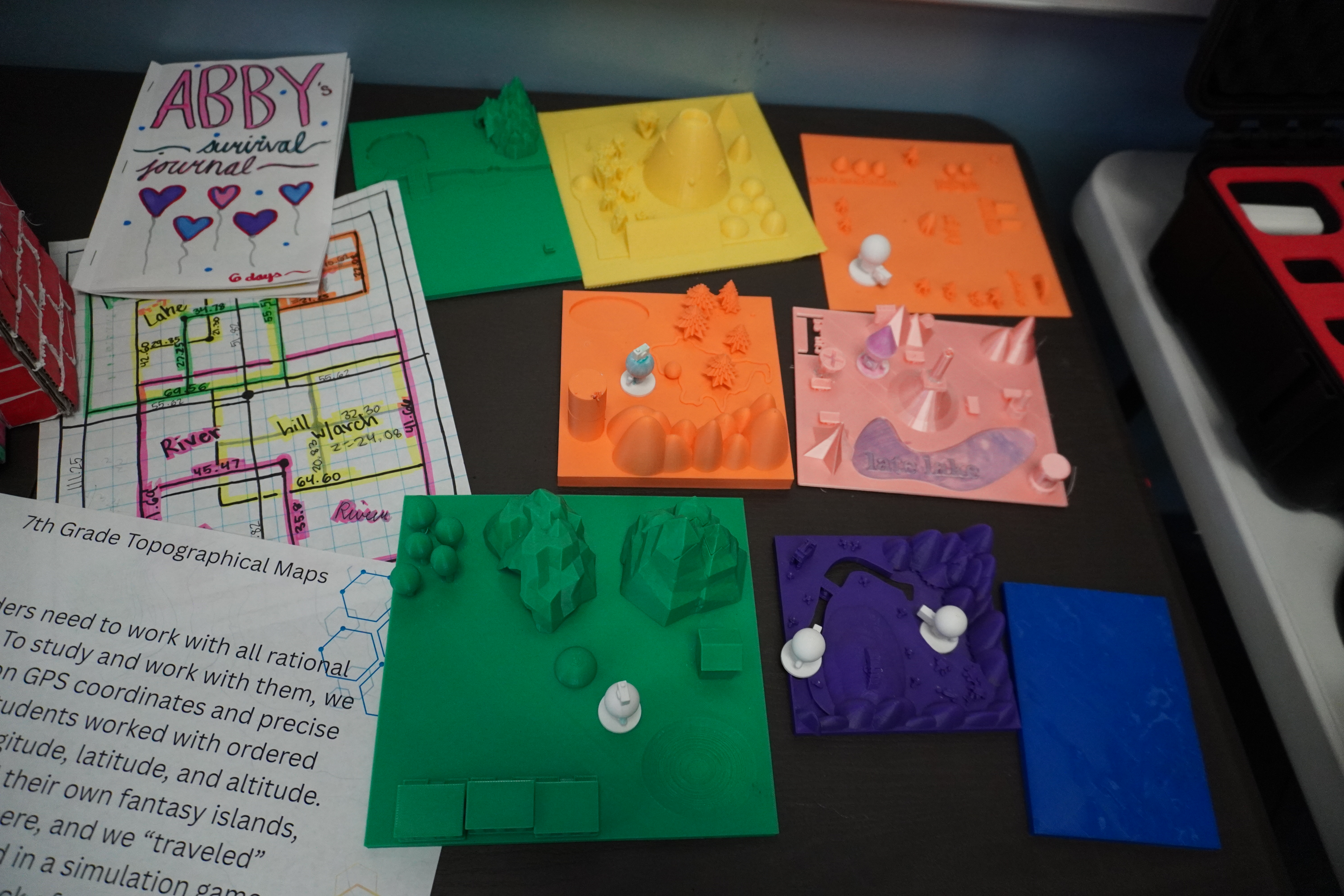
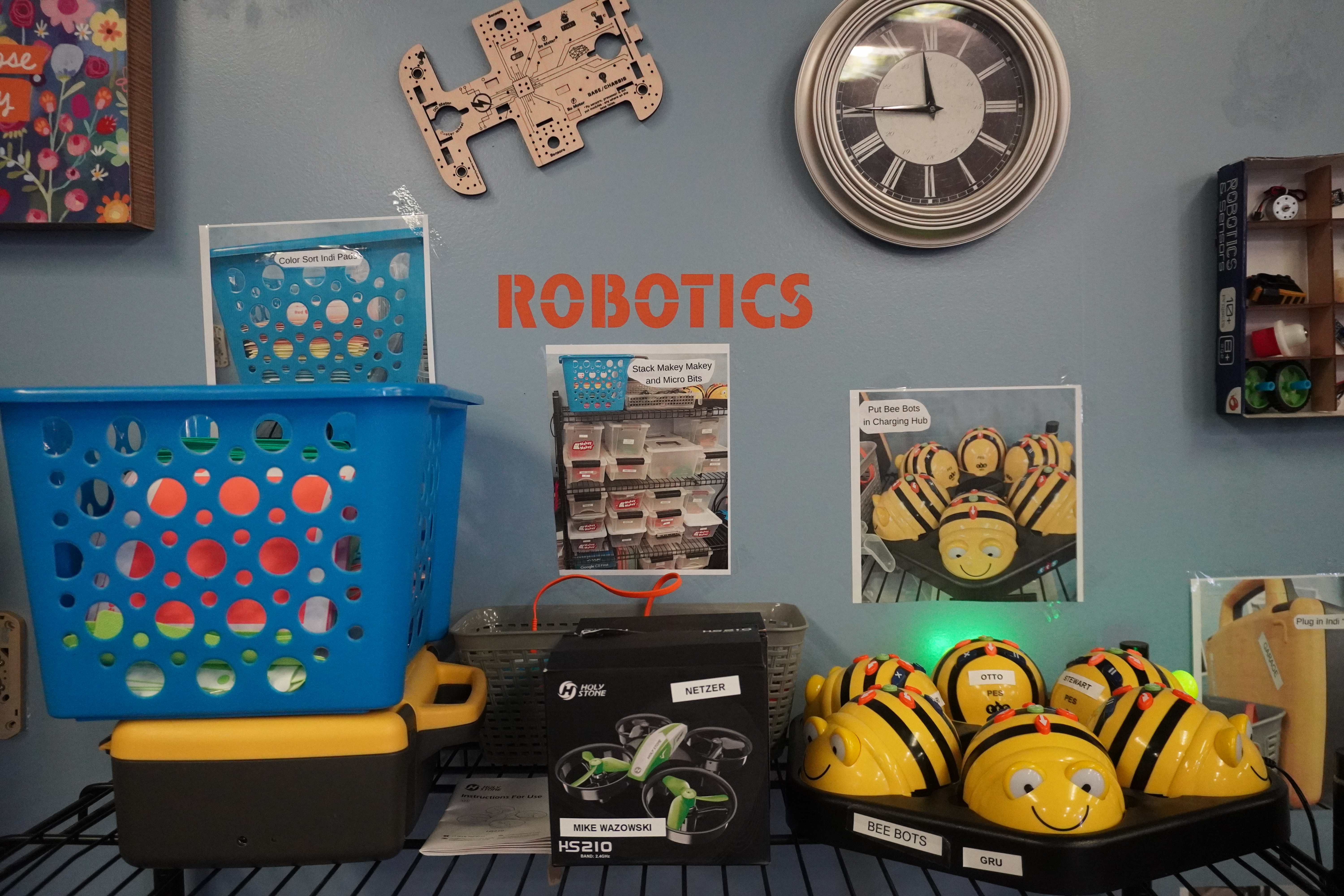
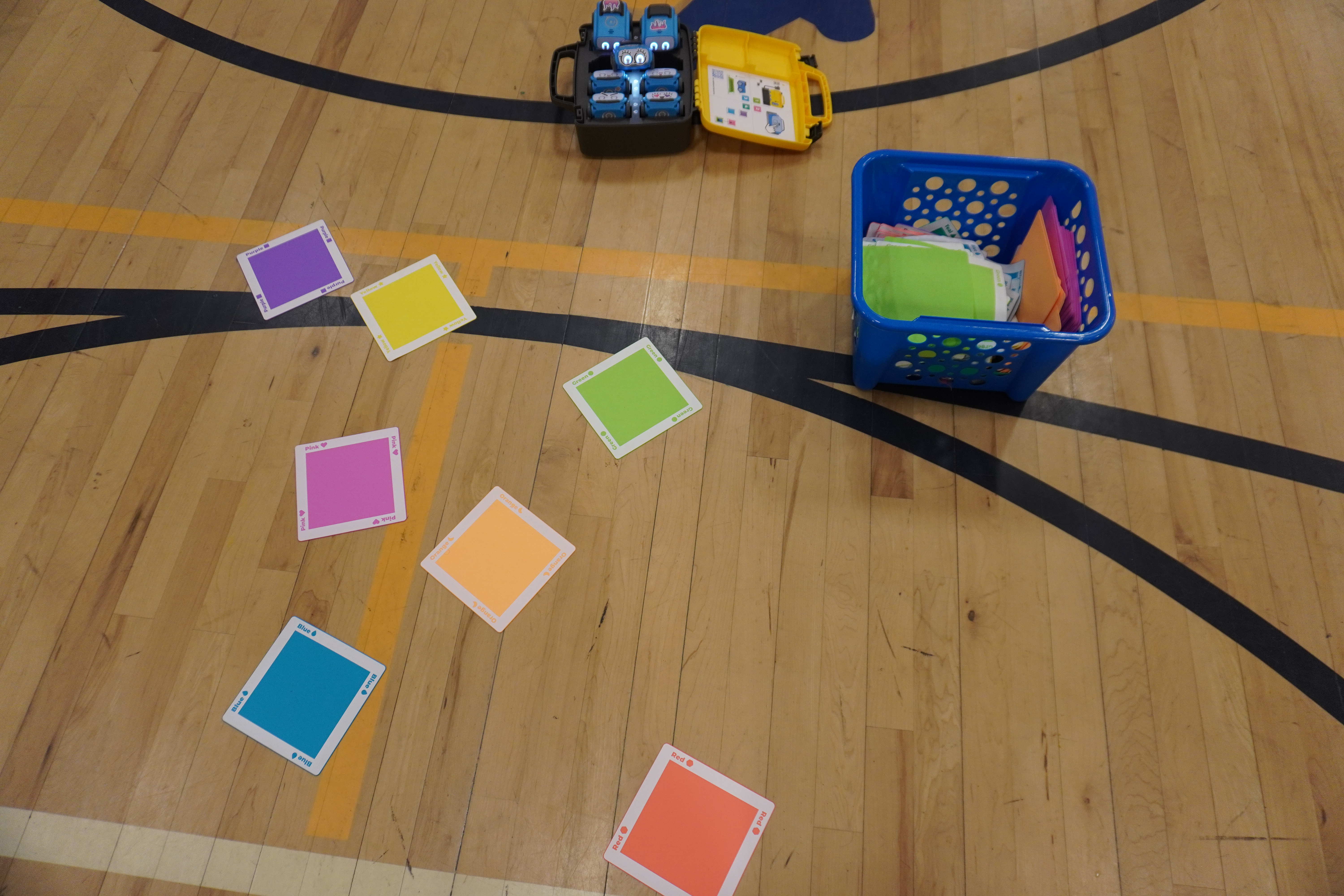
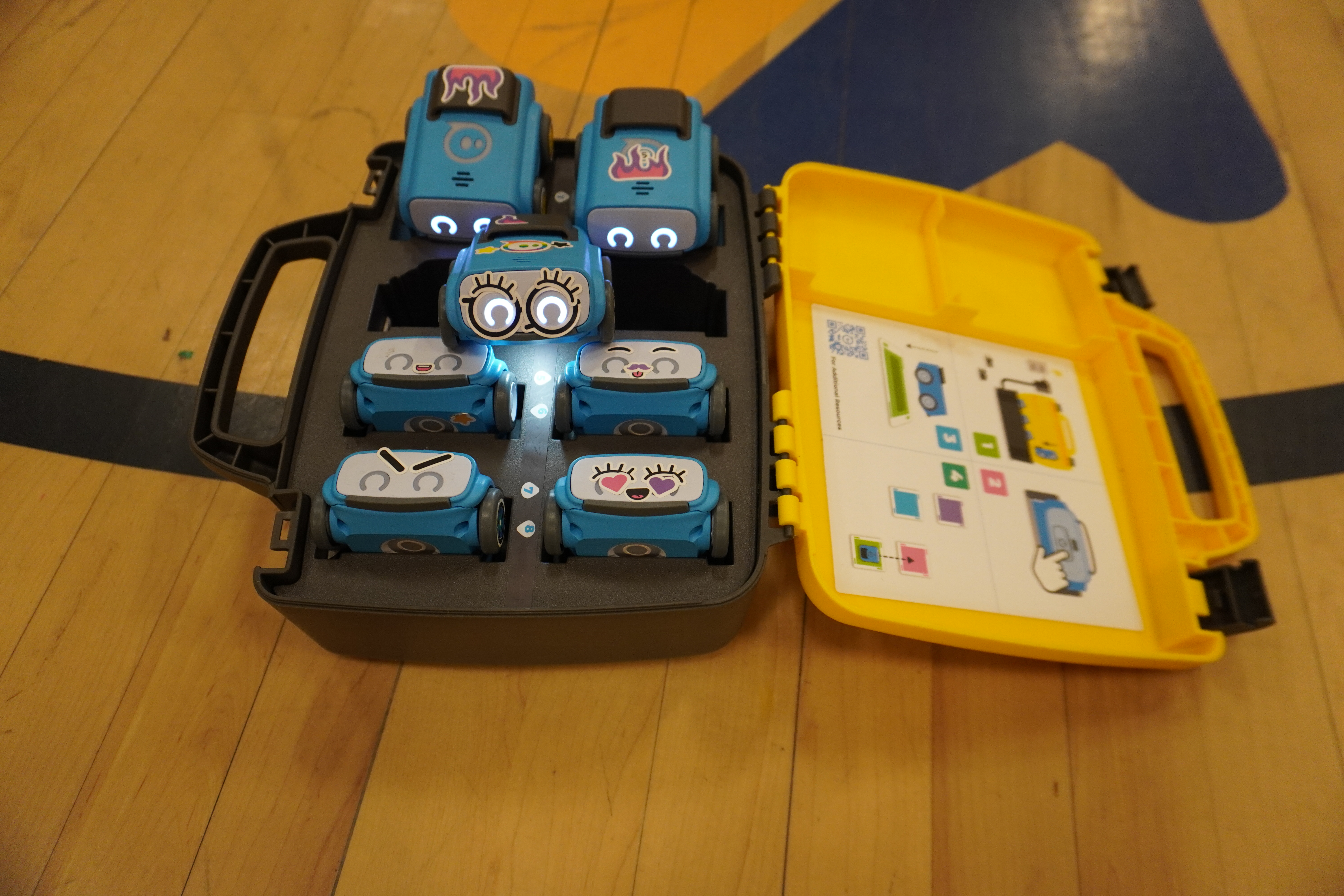
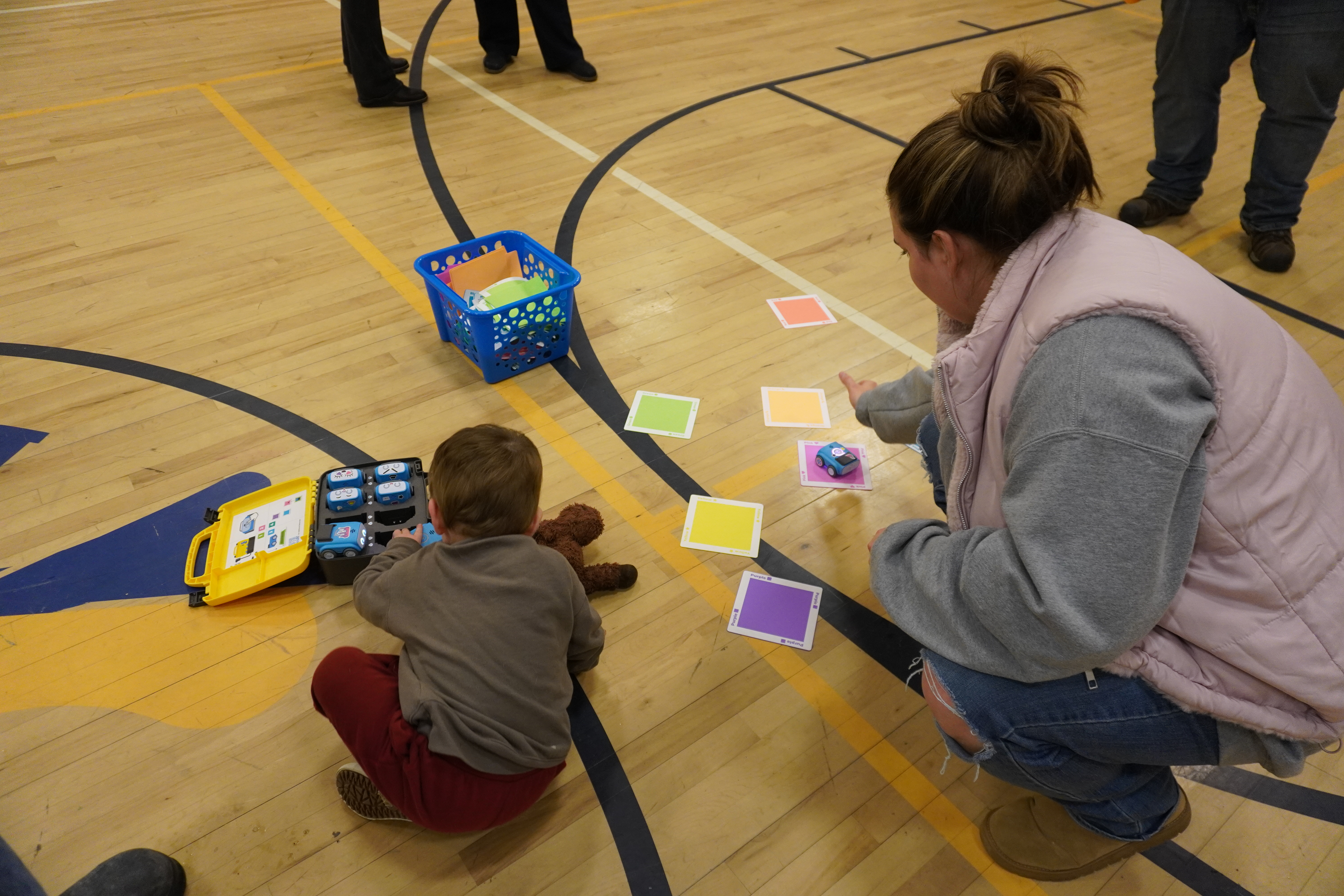
During the Learning Tour, Netzer and her tech-savvy students demonstrated how each STEAM technology in her classroom (e.g., indi robots, Bee-Bots, Cubelets, 3D pens, etc.) is easily connected to the required grade-level Maine Learning Results. Netzer prepared demonstrations with students from pre-K through grade 8, illustrating how her students are “tech-sperts” for their peers and teachers at their small, rural school.
Experiential learning opportunities can be extremely powerful for many students, as they bring contextual meaning to the concepts being taught in the classroom, turning cerebral ideas into authentic life experiences. For some students, experiences in an outdoor environment may resonate, while for others, STEAM experiences may help to establish those learning connections.
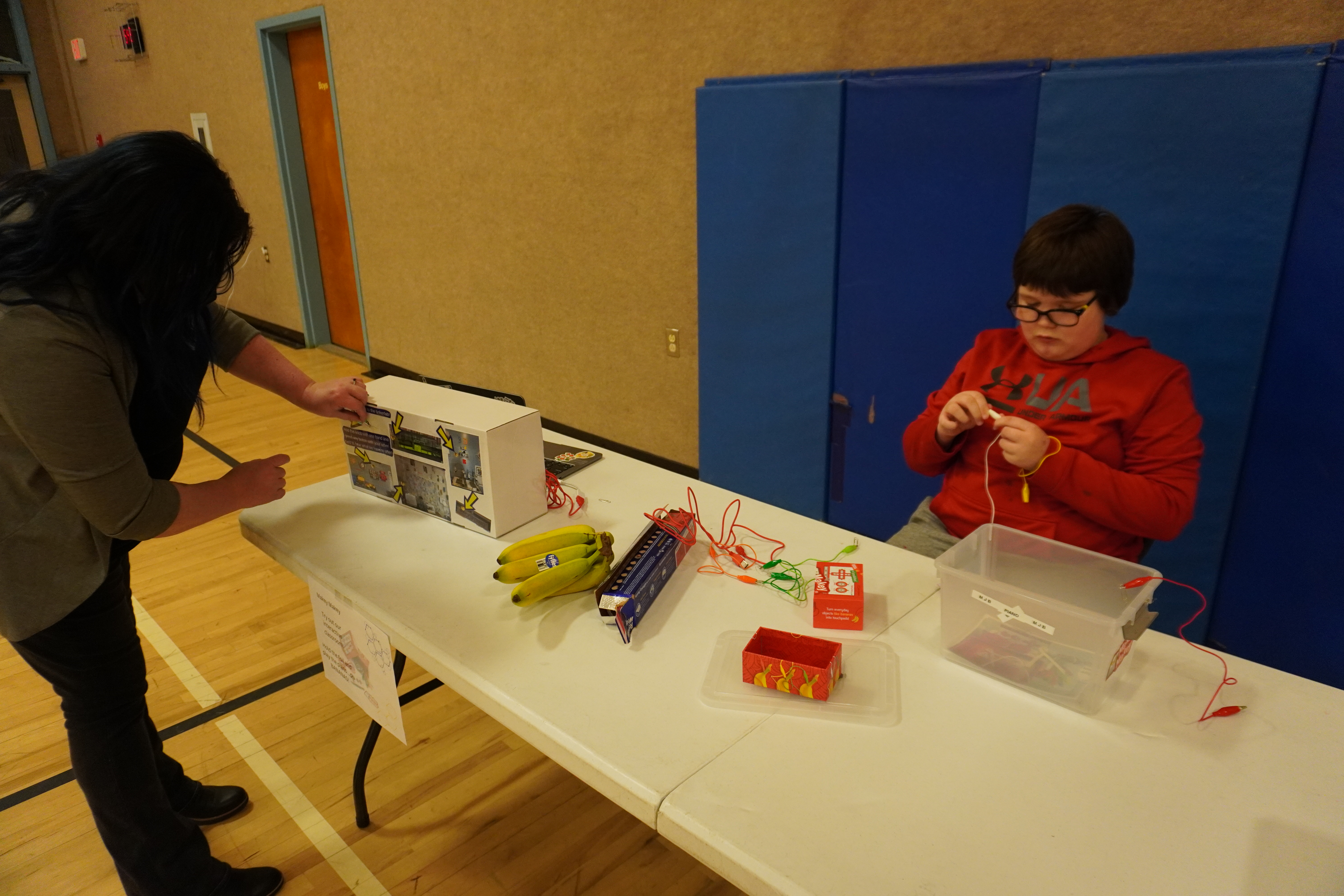
The evening before Princeton’s Learning Tour, Netzer also arranged a STEAM night, where students, families, and community members could visit the school and explore some of these STEAM technologies for themselves.
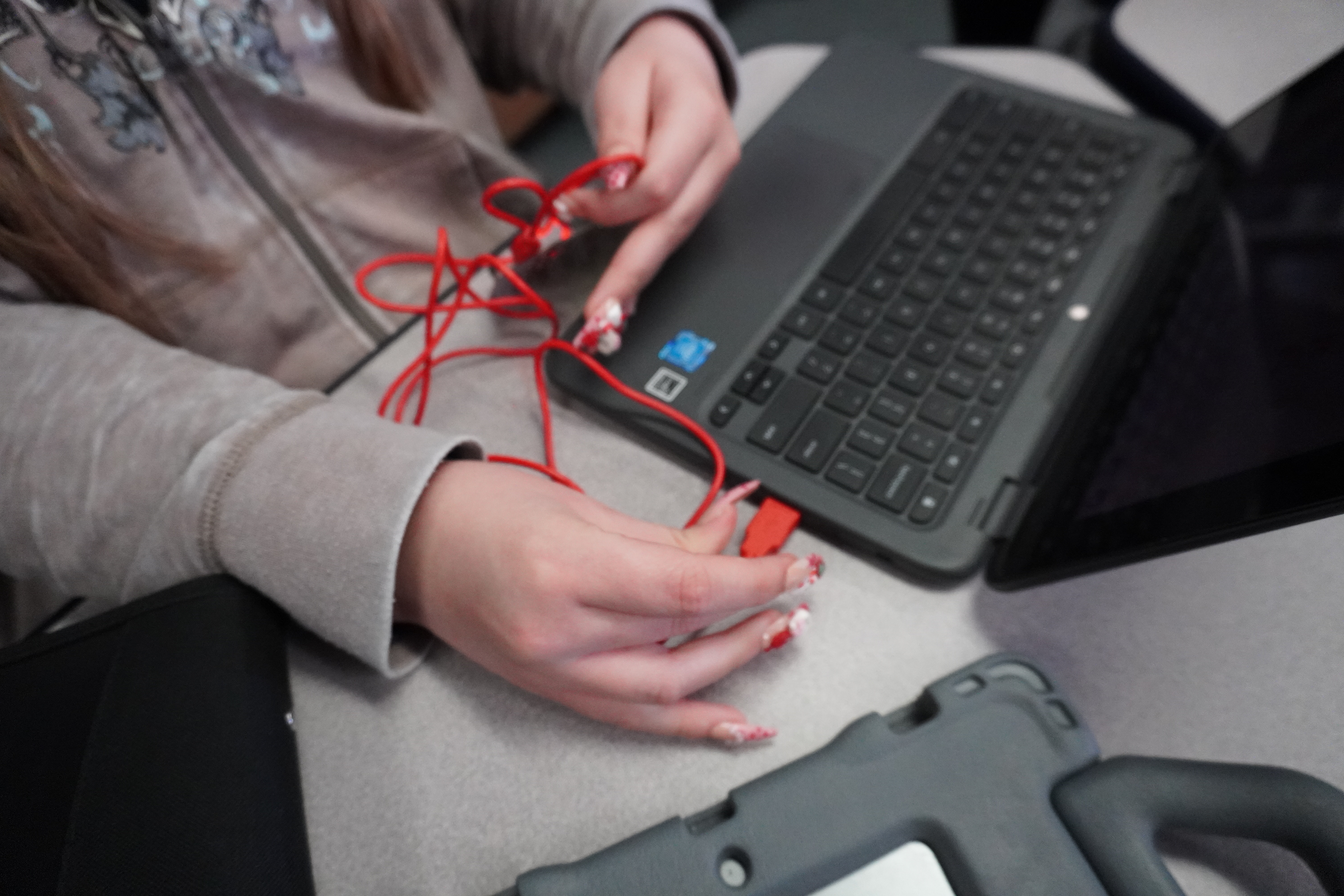
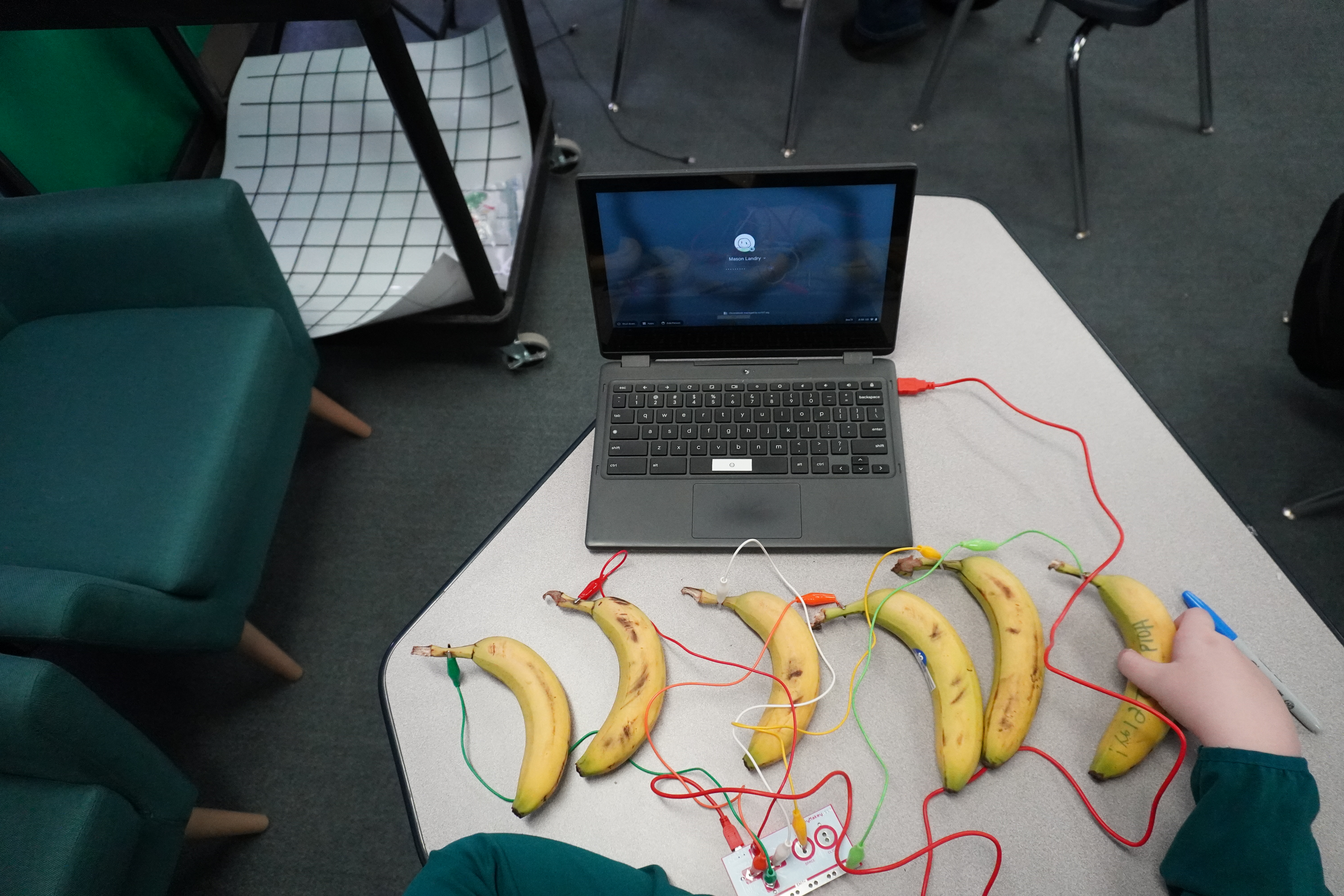
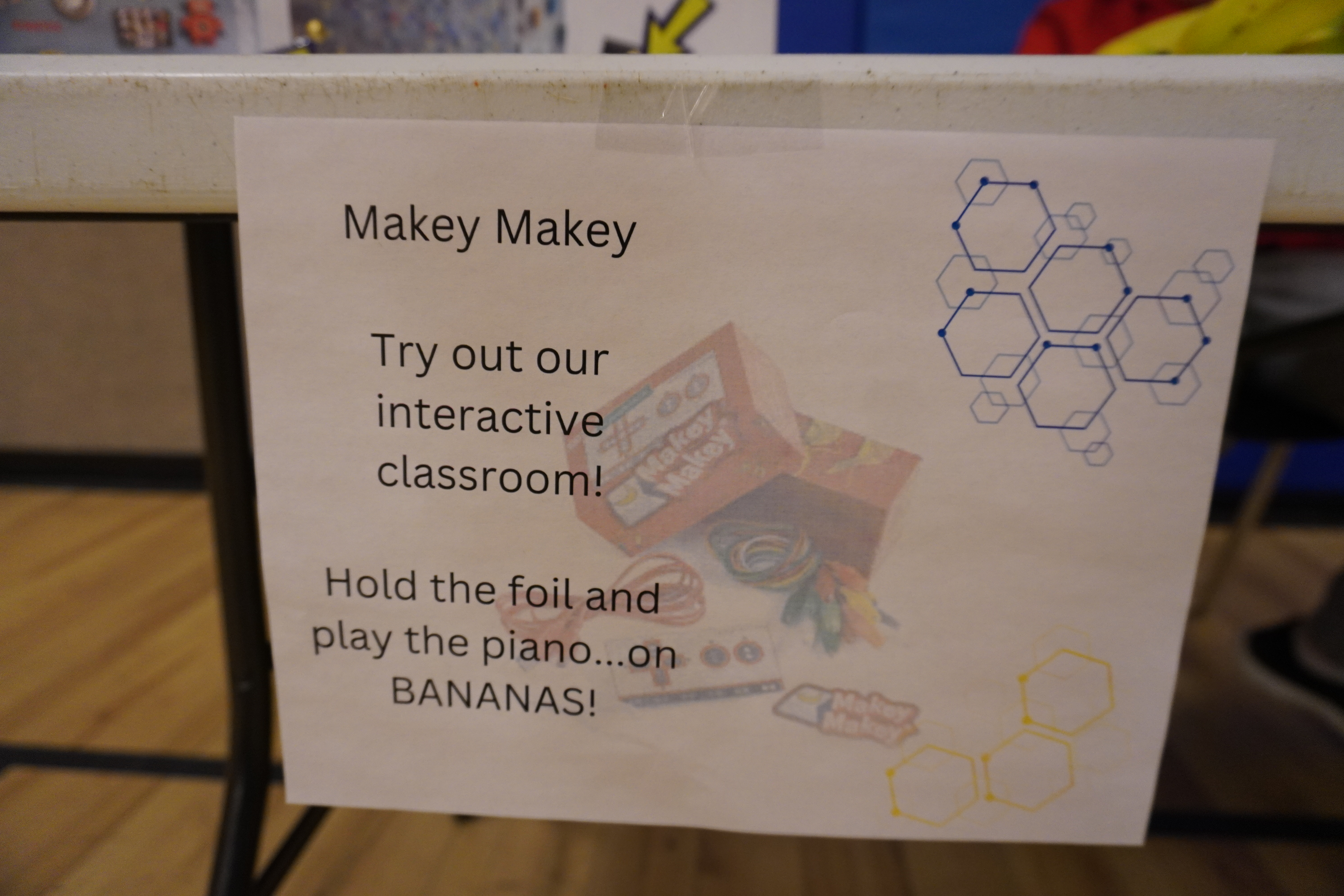
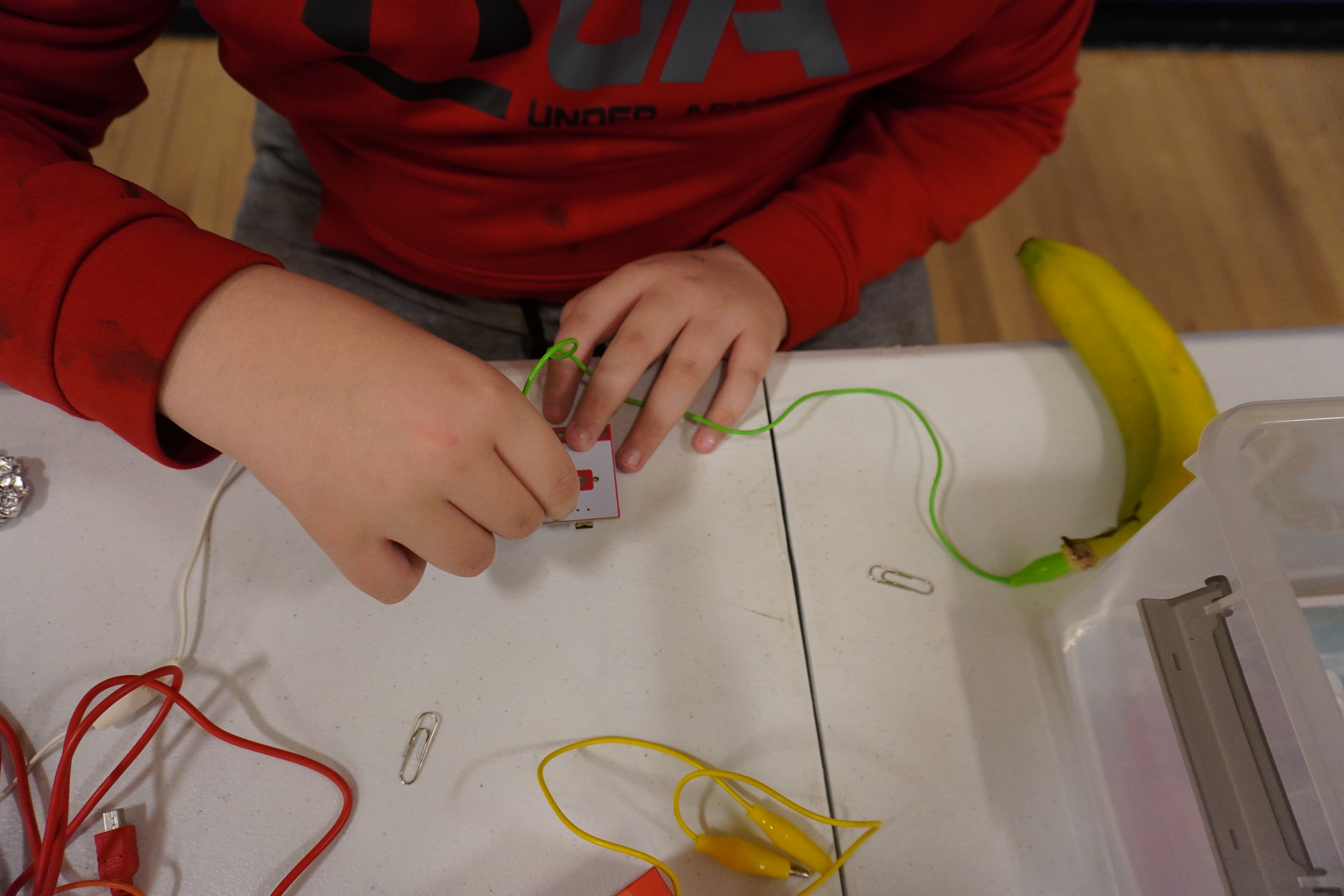
It was a well-attended event, and many community members expressed excitement about trying things out for themselves. One of the unique applications was a Makey-Makey project that showcased conduction principles and programmable circuit boards in the form of a banana piano!
Check out this video highlighting the Princeton Elementary School Learning Tour:
The Maine DOE Office of Innovation is committed to providing Learning Tours that showcase these innovative learning experiences across the state. If you are interested in learning more, please contact Elaine Bartley, Maine DOE Rethinking Responsive Education Ventures (RREV) Research and Design Director, at elaine.bartley@maine.gov.
The Maine Department of Education (DOE) Office of Innovation is pleased to announce that this fall, there will be several opportunities for educators to engage in peer-to-peer learning that highlights innovative educational programming!
Are you an educator interested in exploring immersive learning experiences for your school and students? The Office of Innovation’s Mobile Learning Van is conducting various Learning Tours throughout the school year, and we’d love for you to join us! On each tour, we visit a school that is engaging in innovative learning programs for its students, and we invite educators across the state to see the programs in action and collaborate on all aspects of implementation.
This work stems from $16.9 million in Rethink K-12 Education Models Funding from the U.S. Department of Education. Maine was one of 11 states to receive that funding in August of 2020 and used it to launch the Rethinking Responsive Education Ventures (RREV) project, a multi-pronged solution with a primary goal of generating innovative remote learning models to provide equitable access to high-quality remote (out-of-the-classroom) learning opportunities for all students. The Office of Innovation is continuing the momentum of this work by offering Learning Tours and fostering peer-to-peer professional learning.
The Learning Tour space is limited to 10 additional Maine educators at each location. If you are interested in joining us on any Learning Tour, please register here or contact Elaine Bartley, Maine DOE Innovative Research and Design Director, at elaine.bartley@maine.gov. You may also contact Elaine with any questions. Additionally, keep an eye on our website for future Learning Tour opportunities!
The current list of tours and events scheduled for the fall of 2025 includes:
St. George Municipal School October 28, 2025 9 a.m.-2 p.m.
St. George Municipal School was a RREV awardee. Through its innovative pilot, it has created the first pre-K-grade 8 Career and Technical Education (CTE) curriculum in the nation. It also used part of its funding to help build the Grace Innovation Center—the first pre-K-adult CTE center! On October 28, we will get the opportunity to see its new Makerspace building, see the learning in action, and talk to teachers and students.
Kennebunk High School (Alternative Education) December 2, 2025 9 a.m.-2 p.m.
Kennebunk High School (KHS) was a RREV awardee through its Alternative Education program. During this Learning Tour, we will discuss conducting independent projects with students; tour the Kennebunkport Conservation Trust, where KHS students have helped to create an immersive learning space; and observe an alternative education program in action.
Princeton Elementary School (Technology Education) December 9, 2025 8:30 a.m.-1:30 p.m.
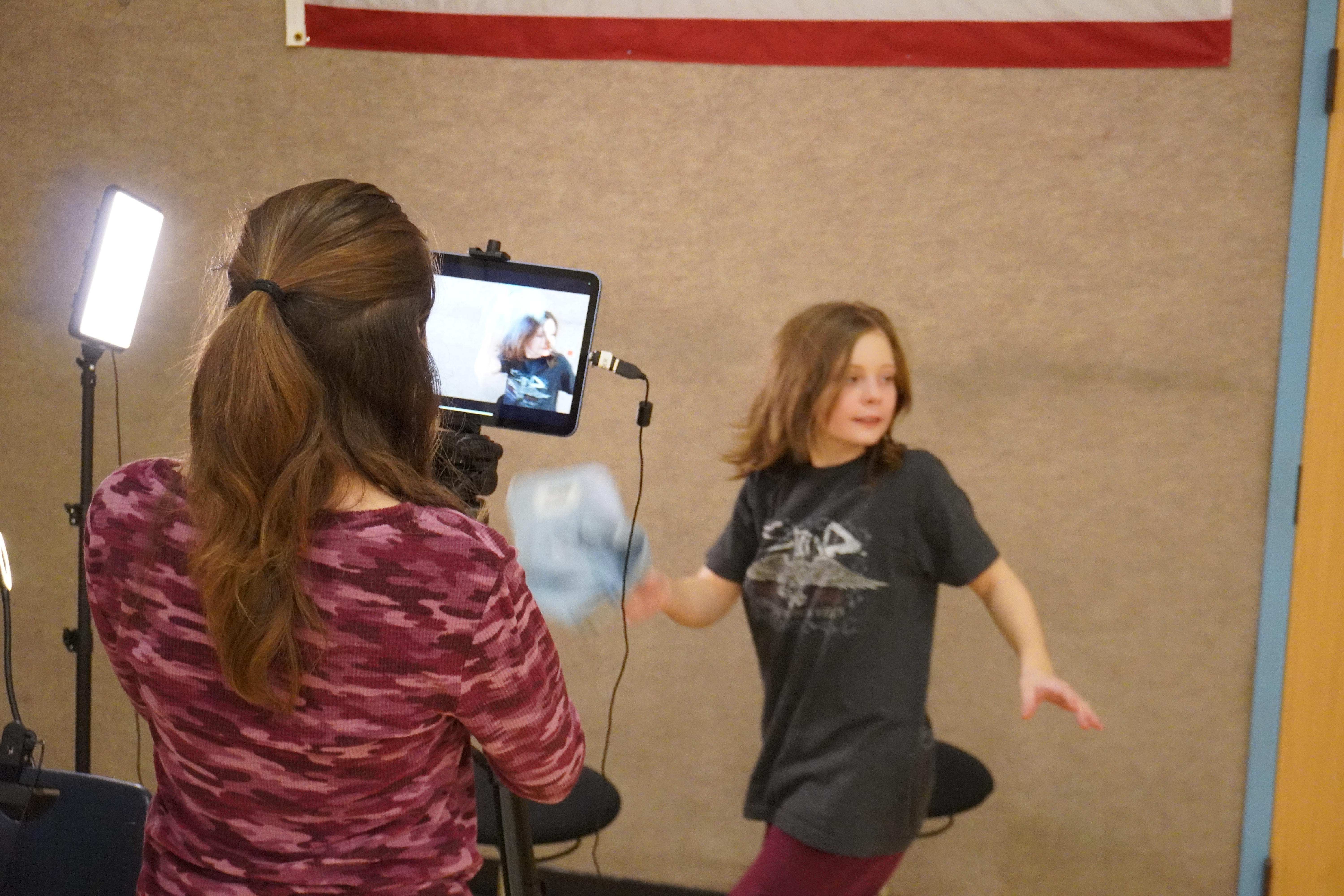
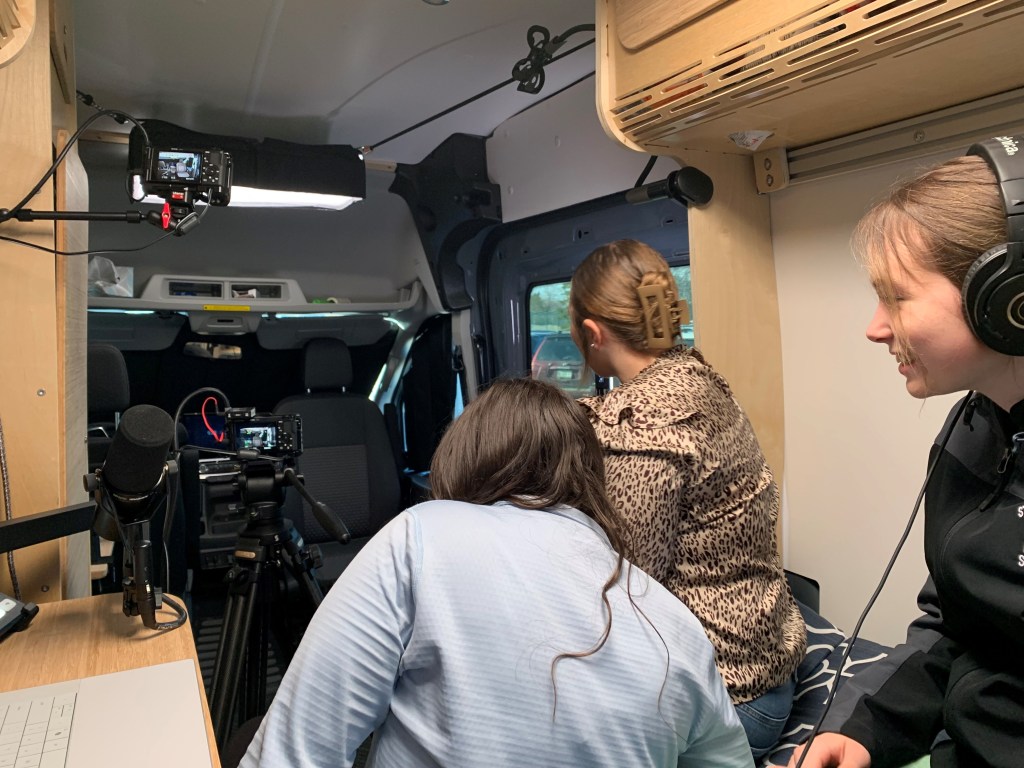
Princeton Elementary School technology educator Donna Netzer was a recent Maine DOE Maine Learning Technology Initiative (MLTI) ambassador. During this tour, we will observe and discuss technology integration in the math classroom. We will explore showcase products, experience recommended technology tools, and share numerous resources. There will also be an opportunity to stay longer and participate in an after-school tech group that will be working with the technology available in the Maine DOE Mobile Learning Van. Students will explore interviewing and broadcasting skills!
Special Outdoor Learning Day Event at MeANS October 27, 2025
In addition to our Learning Tours, the Office of Innovation will be co-hosting the upcoming Outdoor Learning Day in collaboration with the Maine Environmental Education Association (MEEA) on October 27, 2025. This event is happening at the Maine Academy of Natural Sciences (MeANS), which was also a RREV awardee. Experienced educators will model lessons for a wide variety of grade levels and subject areas, with time for debrief and discussion after each lesson. Attendees will be able to view outdoor learning infrastructure at MeANS and participate in conversations about funding outdoor learning, safety planning, and behavior management. Use this link to register for the event. We hope to see you there!
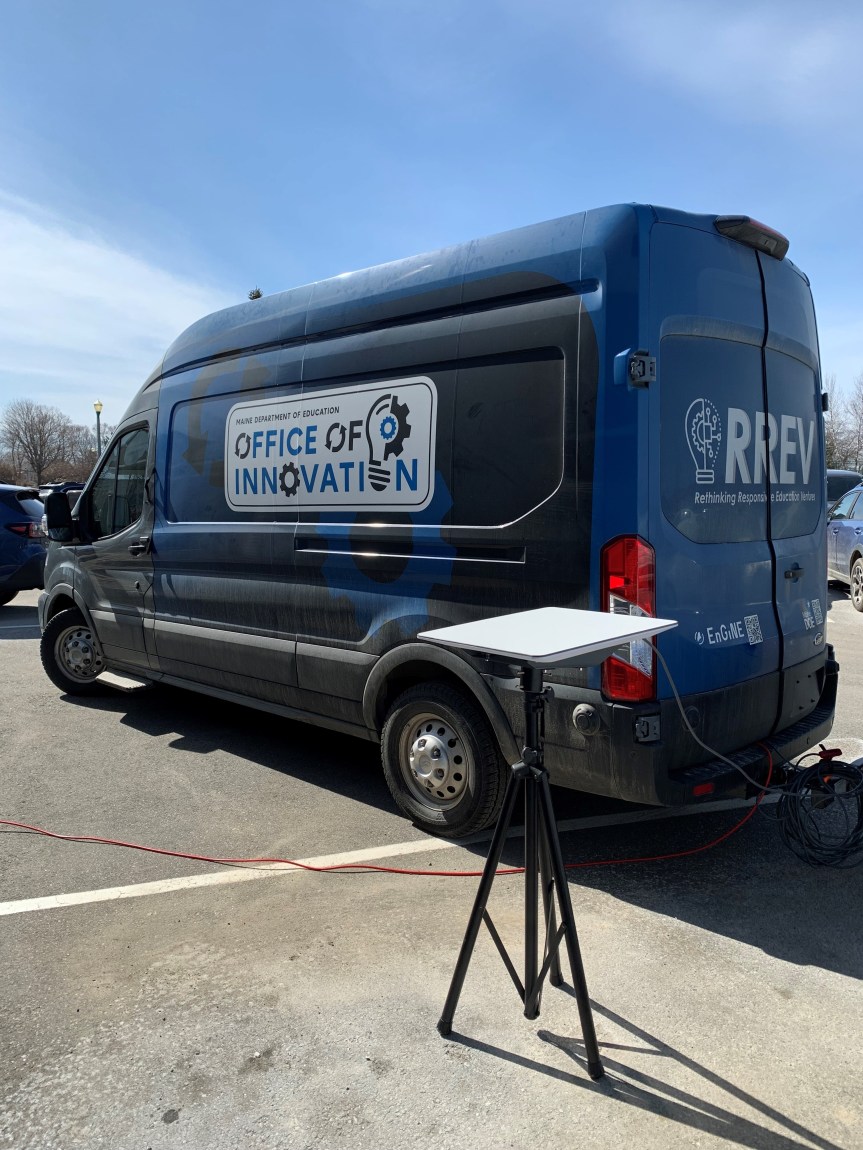
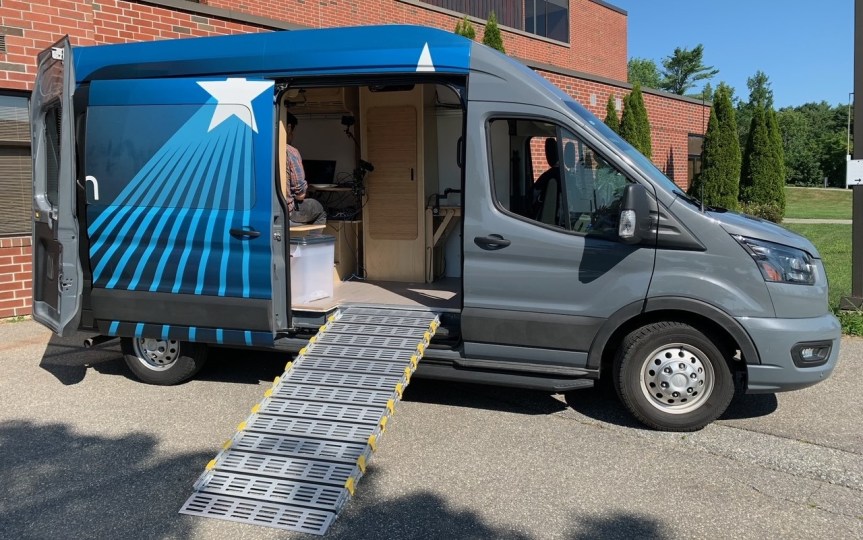
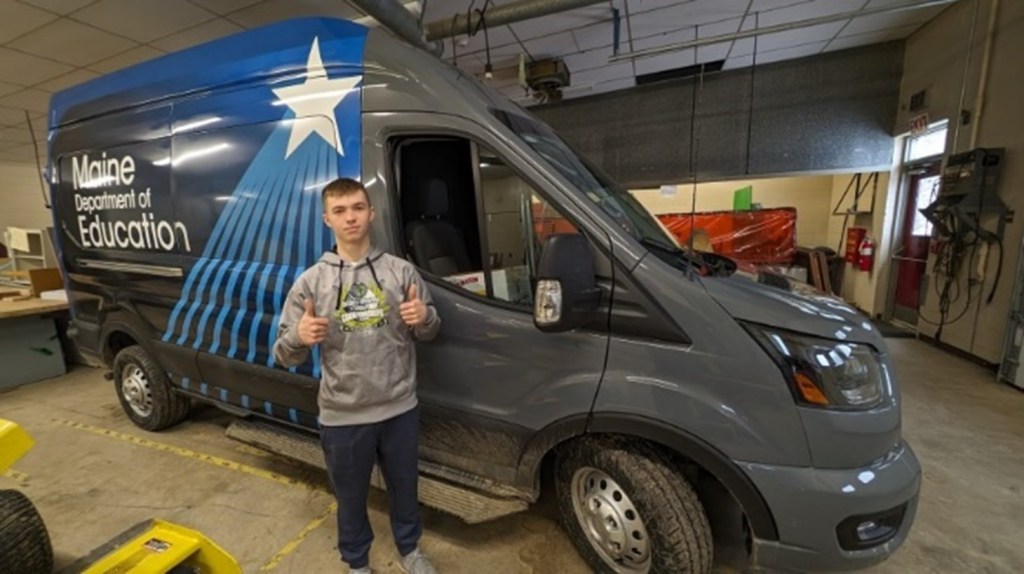
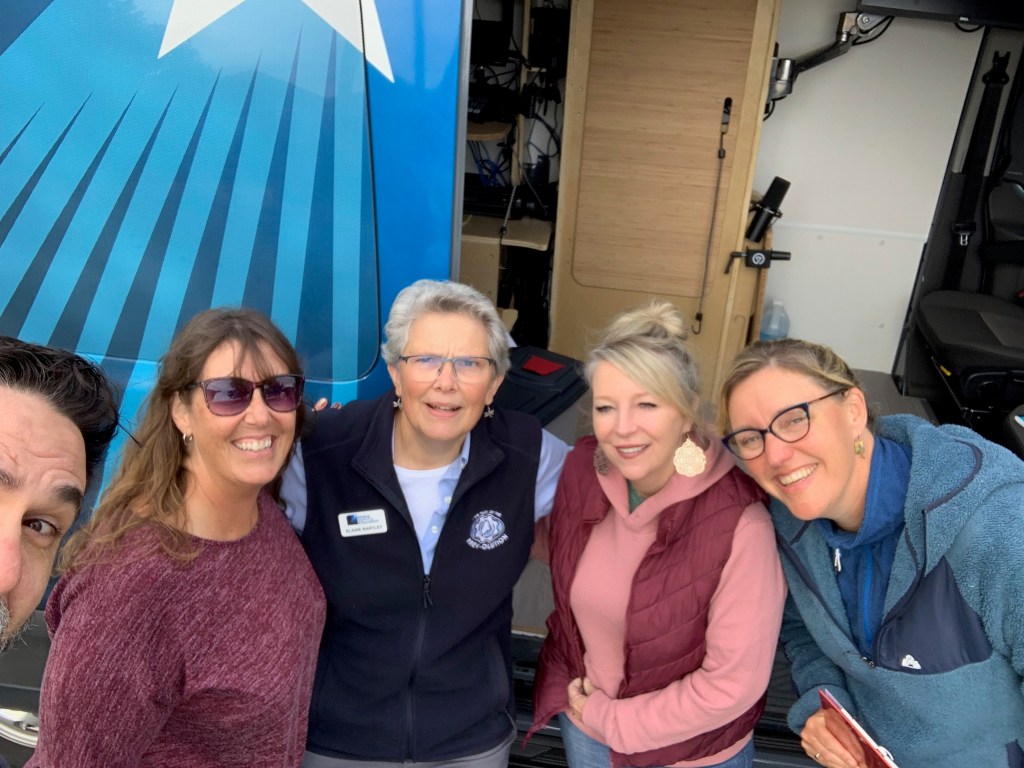
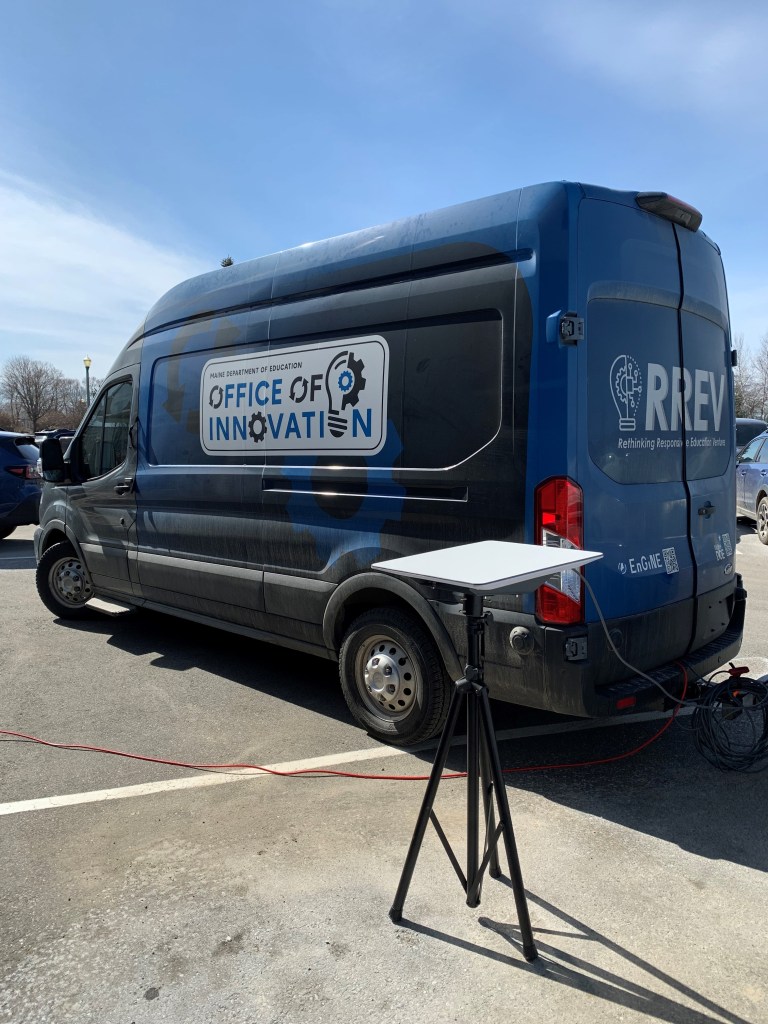
With the help of federal grant funds and some crafty educators and students in RSU 19, the Maine Department of Education (DOE) is proud to present the Maine DOE Mobile Learning Van, designed to bring new and innovative peer-to-peer learning opportunities to schools and their communities across the state.
The vision for this van came out of the Rethinking Responsive Education Ventures (RREV) initiative, funded by the Education Stabilization Fund through the U.S. Department of Education’s Rethink K-12 Education Models grant. The grant’s purpose was to bolster Maine educators’ innovative efforts to support their students with agile, effective, and resilient learning experiences that improve learning outcomes for all students.
With large-scale, ongoing professional learning an important component of the RREV grant, the Maine DOE introduced the idea of using a mobile unit, rather than hosting conferences and events. This unit would travel throughout the state, supporting schools and educators—especially those that experience travel and financial barriers, which can prevent access to high-quality professional learning. Additionally, this field-based, peer-to-peer learning would create opportunities for educators statewide to connect with one another.
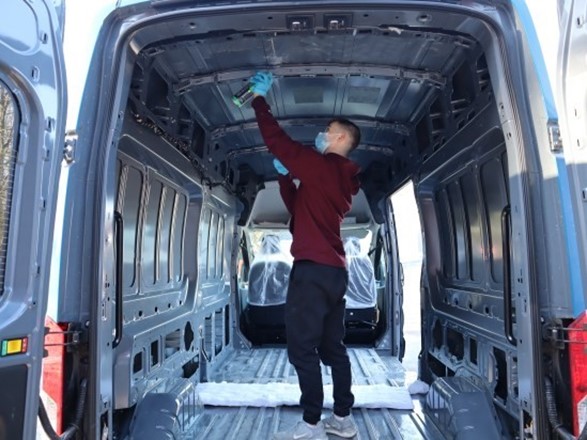
Initially, that mobile unit—a van—arrived as an empty Ford Transit van that didn’t look much like a mobile learning office. In the true spirit of innovation—and a strong belief in public education—the Maine DOE partnered with RSU 19 to tackle the challenge of turning this vision into a reality.
RSU 19’s Director of Technology Integration Kern Kelley headed that project alongside the Maine DOE’s Office of Innovation. Kelley is an award-winning educator, passionate about authentic learning and student-led projects. He has a reputation for preparing his students for a strong post-graduation future by providing them with opportunities in school to learn about 3-D design, computer programming, robotics, and other advanced technological skills.
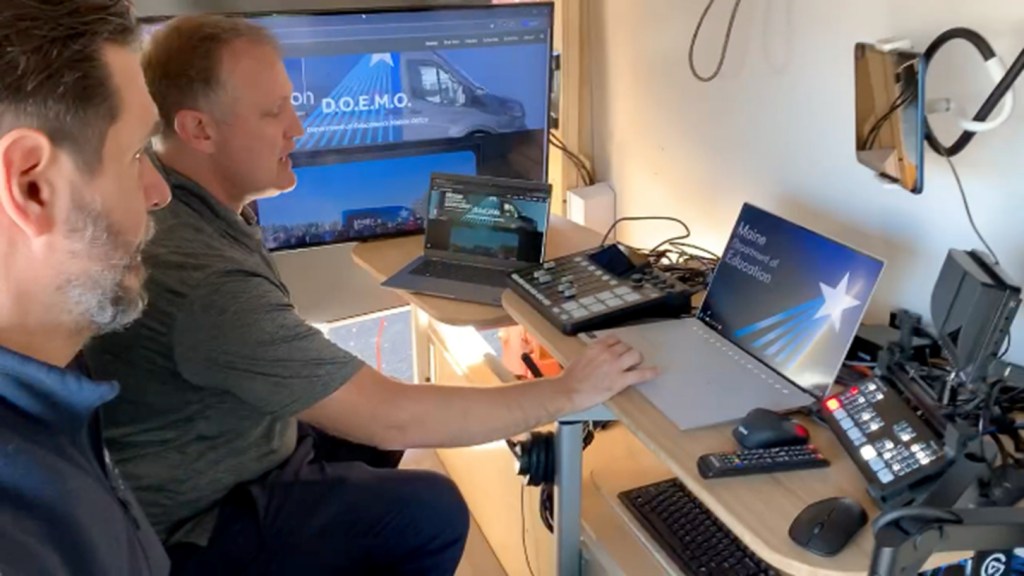
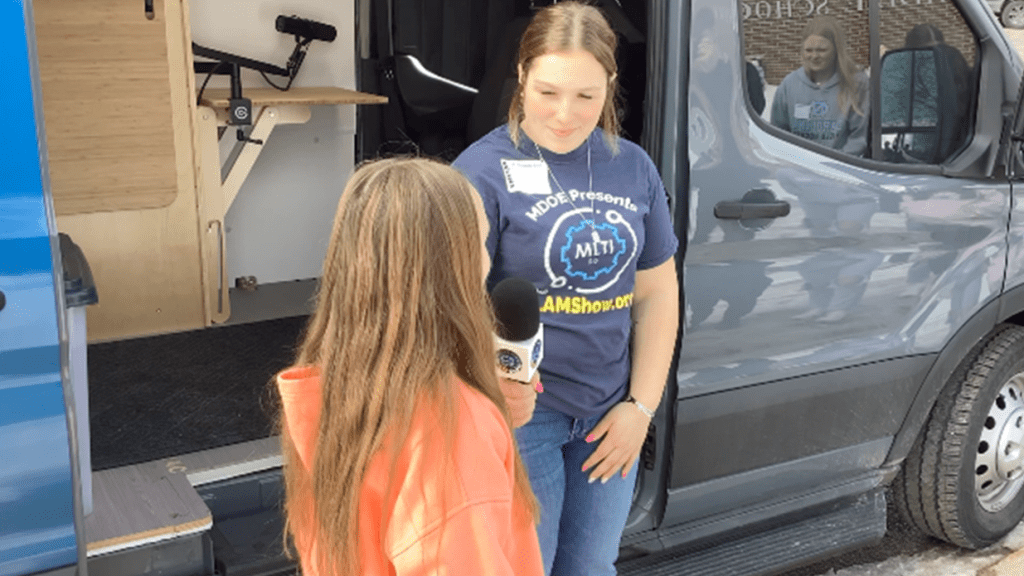
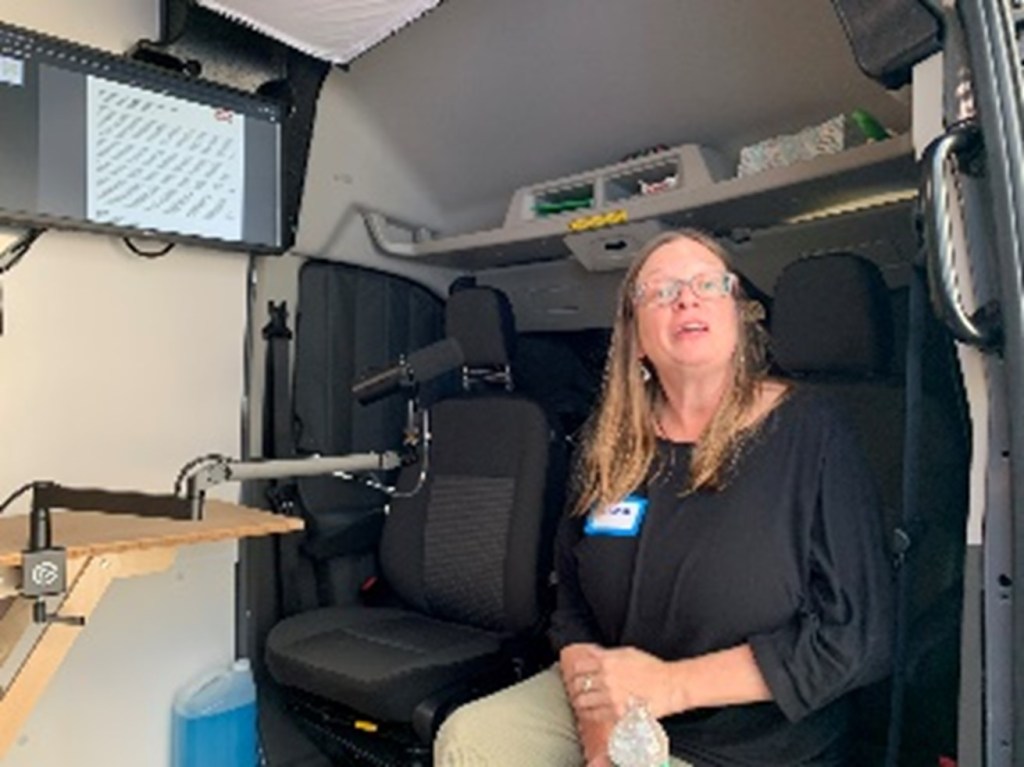
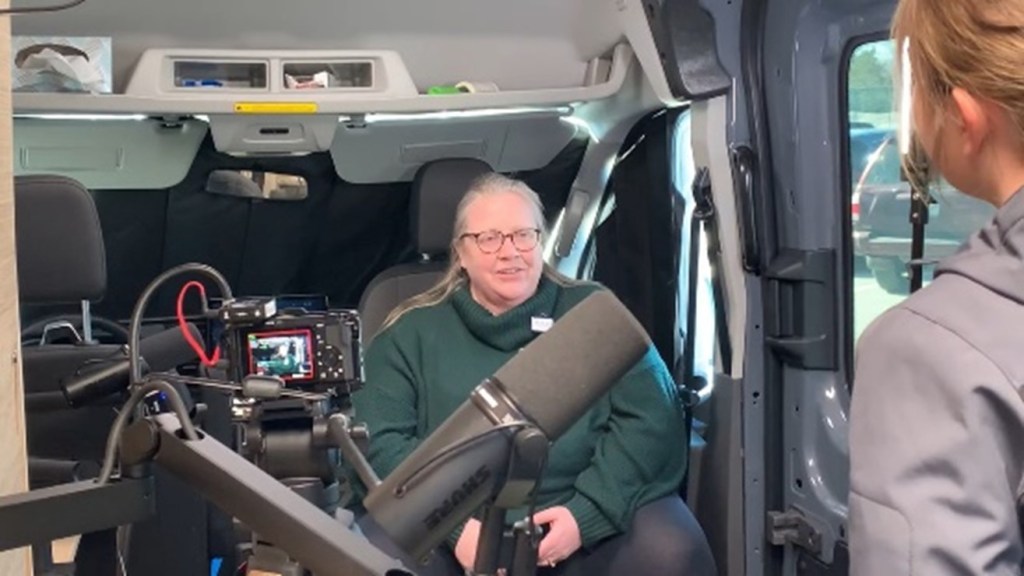
Kelley got to work on this van with his Nokomis High School students, who were divided into two teams. One group of student builders worked on the van’s interior build-out, installing equipment like laptops, iPads, and Chromebooks (in line with the Maine Learning Technology Initiative), as well as cameras, microphones, an audio/video mixing device, a drone, a satellite link, two monitors for presentation in or behind the van, an internal interviewing station, a ramp for accessibility, and a tent and bag chairs for small outdoor presentation possibilities.
A second group of students—a documentary team—captured the van’s transformation through a website, YouTube videos, and interviews.
Using their creativity, inventive thinking, and construction skills, these students created the final product—the Maine DOE Mobile Learning Van, affectionately known as the “Marty Mobile”, named after the original RREV Director who died suddenly in April of 2022.
Once the van was nearly complete in the spring of 2024, the Maine DOE’s RREV team traveled to 25 of the participating RREV schools to celebrate the learning that had been made possible because of RREV award funding and the educators committed to making those innovative opportunities a reality. Video footage and audio interviews from those trips are posted on the RREV webpage.
After the spring RREV tours, the RREV team returned the van to RSU 19 for a final transformation over the summer. By the start of the 2024-2025 school year, most of the finishing touches—including equipment and technology—were in place.
Since then, the Maine DOE has conducted some test outings with the van during a few RREV Learning Tours (in MSAD 28, St. George Municipal School Unit, Wayfinder Schools, MSAD 59, and the Maine Academy of Natural Sciences), as well as a SLAM (Student Leadership Ambassadors of Maine) showcase in MSAD 60.
On March 12, 2025, the van visited the Maine School Safety and Transportation Conference at the Samoset Resort in Rockport. At the event, Kelley and his students accompanied members of the Maine DOE’s Office of Innovation to showcase how the van could be used to conduct interviews and capture footage from the field.
Keep an eye out for upcoming Maine DOE Mobile Learning Van stops, scheduled at locations across the state! Up next: In Aroostook County, the van will stop at Limestone Community School for a Learning Tour. Then, it will be at Fort Kent Middle School for the SLAM Showcase.
You can stay up to date on future professional learning and collaboration opportunities by checking out the Maine DOE Newsroom and Event Calendar.
Pictured left to right – RREV Panelists Katie West (Portland), Robin Chernow (MSAD 28), Margaret Sobol (Falmouth), Maggie Corlett (RSU 10), Justin Deri (Falmouth) and Sarah Timm (MSAD 17)
On Monday, January 27, five educators from schools that received funding from the Maine Department of Education’s (DOE) Rethinking Responsive Education Ventures (RREV) project participated in two panel presentations at RSU 16 in Poland. The panels, led by representatives from the Maine DOE’s RREV Research and Design (R&D) team, consisted of educators from schools in MSAD 28 (Camden), MSAD 17 (Oxford Hills), RSU 10 (Rumford), Falmouth, and Portland who shared their RREV pilot projects and ongoing efforts in experiential outdoor learning.
In August of 2020, the Maine DOE was awarded $16.9 million from the U.S. Department of Education’s Rethink K-12 Education Models funding. Maine was one of 11 states to receive funding, which was used to launch the RREV project, a multi-pronged solution with a primary goal of generating innovative remote learning models to provide equitable access to high-quality remote learning opportunities for all students.
The federal RREV funding ended in July of 2024, but the Maine DOE RREV R&D team is continuing the momentum of this work by promoting collaboration and sharing events that bring RREV awardees together with other educators who are interested in developing innovative and responsive learning opportunities for their students.
These panel presentations at RSU 16 are one example of that continued effort. In December, the Maine DOE published a Newsroom story that showcased RSU 16’s inaugural Outdoor Learning Day event. Afterwards, Jill Mathieu, RSU 16’s Director of Curriculum, Instruction, and Assessment, reached out to the Maine DOE to seek a way to provide additional support for RSU 16 educators interested in developing ongoing outdoor learning opportunities for their students. The Maine DOE’s RREV R&D team subsequently contacted all of its outdoor learning RREV awardees and set up these panels.
These discussions provided an enriching peer-to-peer learning opportunity for both RREV panelists and educators from RSU 16, with many ideas, suggestions, and lessons shared. The group will continue to stay connected through EnGiNE, an online collaborative portal created by the Maine DOE for Maine educators.
RREV awardees are always interested in sharing their learning through online and in-person panel presentations. There will also be additional RREV Learning Tours scheduled throughout this school year. Learning Tours are typically conducted on-site at a RREV school, and educators from across Maine are invited to see the RREV pilot project’s programming in-action with students and educators. A list of upcoming tours is available on the Maine DOE website.
For further information, or to schedule a panel opportunity, please contact Elaine Bartley, Maine DOE RREV R&D Project Director, at elaine.bartley@maine.gov.
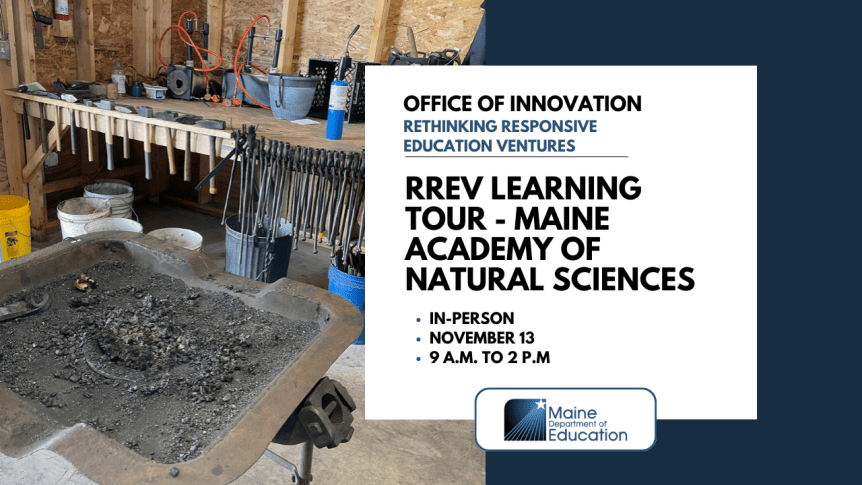
Are you a middle or high school educator interested in providing more outdoor and experiential learning opportunities to your students? If so, consider attending a Learning Tour at the Maine Academy of Natural Sciences in Hinckley on Wednesday, Nov. 13 from 9 a.m. to 2 p.m. It will highlight the school’s new Maker Space barn and blacksmithing shop, among other features.
In August of 2020, the Maine Department of Education (DOE) received $16.9 million from the U.S. Department of Education’s Rethink K-12 Education Models Grants. Maine was one of 11 states to receive funding and used it to launch the Rethinking Responsive Education Ventures (RREV) project, a multi-pronged solution with a primary goal of generating innovative remote learning models to provide equitable access to high-quality remote learning opportunities for all students. The RREV Research & Design (R&D) team is continuing the momentum of this work by offering learning tours and fostering peer-to-peer professional learning.
Over a span of four years, 42 school districts in Maine were awarded RREV pilot funding. The Maine Academy of Natural Sciences used its innovative pilot to expand outdoor and experiential learning opportunities with the creation of a barn and a blacksmithing shop. At the Nov. 13 Learning Tour, educators will have an opportunity to see this new Maker Space barn, observe the variety of outdoor and experiential learning opportunities available, watch blacksmithing in action, and talk to teachers and students about their process and experience implementing this innovative pilot.
This Learning Tour is limited to 10 additional Maine educators. If you are interested in joining this tour, please reach out to Elaine Bartley, the RREV R&D Director, at elaine.bartley@maine.gov.
Click here to learn more about other innovative RREV pilots and find a list of upcoming learning tours, available throughout the school year.
The Maine Department of Education (DOE) recently launched a new project, designed to continue the work of the Rethinking Responsive Education Ventures (RREV) initiative. The ongoing goal is to promote systemic change in Maine schools through innovative solutions to various educational challenges.
This new project, RREV Research & Design (R&D), will expand the impact of the original RREV project, which began when the Maine DOE was awarded $16.9 million from the U.S. Department of Education’s Rethink K-12 Education Models Grant. Maine was one of 11 states to receive funding and used it to provide equitable access to high-quality remote learning opportunities for all Maine students through innovative learning models.
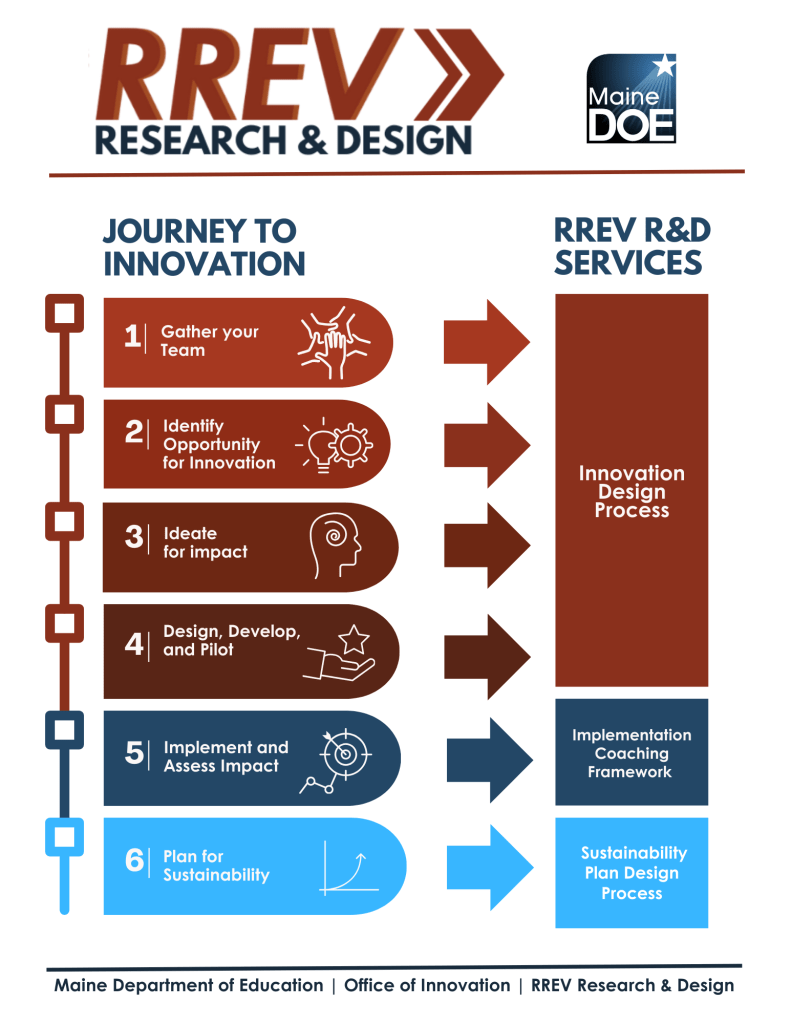
RREV R&D will provide the resources, tools, and processes developed during the original grant period to help schools identify challenges and design meaningful and unique solutions at the local level. This might include anything from creating an outdoor learning environment on school grounds to offering new subjects to students to helping students explore future work opportunities and connect more deeply with the greater community.
State Statute allows schools to design and implement innovative systems, and the Maine DOE’s RREV R&D team is available to support schools throughout that process. The RREV R&D team can help current RREV awardees who are still championing the innovative work at their schools, as well as schools that are new to the process and looking to explore it for the first time.
The Maine Department of Education (DOE) Rethinking Responsive Education Ventures (RREV ) initiative is a U.S. DOE grant that provides federal funds to Maine’s educators, allowing for innovative, integrative learning opportunities to be incorporated into curriculums. Supported by the Office of Innovation at the Maine DOE, the RREV grant has been implemented for the past two years. At each RREV awardee school, the pilot implementation process is overseen by a RREV coach, who offers guidance and support to the pilot teams. This summer, these coaches met for a two-day Coaches Summit, and this is what they learned.
One year ago, the RREV coaches met for the first annual coaches summit, establishing it as a place to introduce the coaching framework – provided by thought partners at the Comprehensive Center. The coaches summit acted as a place for coaches to connect, and to introduce new coaches to the coaching process. In the latest meeting, these coaches had lived the framework for a year, and came together to share their experiences and learn from both the RREV team and each other. The goal of the first coaches summit was to understand the coaching framework, but this year the RREV team aimed to deepen their understanding of the art of coaching for the coming year.
In the past year, the focus for coaches was centered around building the habit of meeting with their teams. Within this regular connection, coaches utilized the structure of the pre-established coaching framework – consisting of 6 steps to incorporate into their pilot interactions. The first step of the coaching framework is centered around understanding the pilot, the second applies a logic model, and the third analyzes the data. The final steps are focused on sustainability, as the fourth strengthens the innovation, the fifth facilitates stakeholder engagement, and the sixth supports planning for growth and sustainability. These steps offer guidance to coaches, and ensure that pilot schools are meeting all of the components for a successful implementation process.
At the coaches summit, the first day was structured around a reflection on the ‘what’ of coaching, with the second day focused on the ‘how’, or ‘art’ of coaching. The purpose of this summit was to serve as professional development, as well as a time for coaches to engage in collaborative brainstorming. On day one, coaches were able to reflect on their experience through a journey map, which outlined the steps of the coaching framework, and allowed coaches to rate their level of comfort with each step. They also learned about a variety of tools to support innovation teams such as logic models, retrospectives, and more. On the second day, coaches engaged in scenarios that might arise during the implementation process. They brainstormed and discussed how they could support their pilot teams through these scenarios, and received guidance from the RREV team surrounding this process.
In the coming year, the coaches will use their knowledge from the coaches summit, as well as their coaching experience thus far, to aid RREV awardee schools as they continue to implement their pilot and focus on the sustainability of the pilot’s impact. As the coaches look forward to this next year, they are well equipped to evolve and refine the coaching process, with a shifted focus towards the ‘art’ of coaching, rather than the ‘what’ of coaching. In the years following, the coaching process utilized with the RREV initiative will be further explored, to aid in ongoing and future initiatives.
Gardiner Area High School is one of 45 Maine schools that have received an award through RREV, or Rethinking Responsive Education Ventures. Supported by the Office of Innovation at the Maine Department of Education, the RREV initiative is a U.S. DOE grant that provides Maine educators funds to implement innovative, cross-disciplinary learning opportunities to be incorporated into curricula. This grant has allowed schools like Gardiner Area High School to redesign instruction that leads to improved learning experiences for students.
Gardiner Area High School directed their RREV funds to their freshman Earth Science class. Prior to the start of the pilot, teachers reported that students were demonstrating increased incidences of social and emotional issues, declining grades, and significant disengagement. Spearheaded by 2023 Kennebec County Teacher of the Year, Sharon Gallant, the goal of this pilot was to reverse the disengagement by having students in the Earth Science class spend 75% of their class time outdoors. When asked about the idea behind the pilot Gallant said, “I have always known what outdoor learning can do.” Adding that as incoming freshmen, students end up spending a lot more time in the classroom than they had previously. Sharon felt that increasing the time students spent outside engaged in hands-on learning would remedy these issues. After beginning implementation, the feedback from students was resoundingly positive, with subsequent improvements in learning. Sharon described her experience with the implementation of the pilot as “amazing” adding that “it has totally changed my teaching style, and what I know to be great teaching.”
The freshman Earth Science class has navigated many challenges in implementing this pilot, from unexpected weather patterns to tracking mud through the halls after class, but with these challenges came widespread support and improved engagement from students and teachers alike.
Gallant remarked that since implementing this class structure she has been able to teach practical applications of Earth Science, incorporating knowledge that was once “taught at home,” such as what poison ivy looks like, and how to start a fire. Additionally, this class has provided students with a connection to the natural world that was not previously there for many of them, as well as offer indispensable hands-on learning and problem-solving opportunities. From rushing rivers to 10-degree snowy fields, to rock-covered hills, this freshman Earth Science class has had some unique classrooms, to say the least.
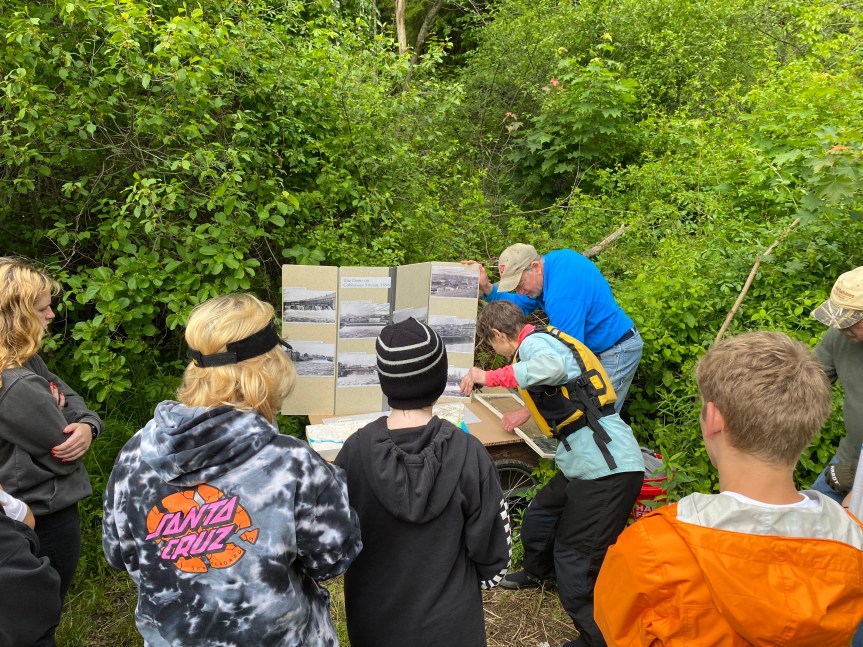
After one year of pilot implementation, the RREV team attended one of the outdoor science classes to see the implementation process in action. On this day, the science class was taking place on the Cobbosseecontee Stream and students were to catch, record, and release migrating alewives. An instructor helping to lead the alewife capture noted that their migration was slowing down as spring was progressing, and the science class had been conducting their observations for several days at this stream. The slowing migration was borne out in students’ study on the day of the RREV team’s visit, as the students only caught and recorded one alewife and one elver that day. “That’s real science” remarked Gallant, “Some days you get hundreds of alewives, some days you get one.”
Sharon Gallant speaking with students
When the class came to an end, the RREV team accompanied them back to the road where their transportation was. Elaine Bartley – the RREV Project Director – recounted her conversation with a student on the walk back. Elaine asked the student whether they liked outside classes or not, to which the student responded something to the effect of “I’m more of an inside person.” Elaine followed up, “So you would rather be inside learning from a book?”
“Well, if I really want to learn it then I have to be doing it,” replied the student. This interaction between Elaine and the student emphasizes the ways that Gardiner Area High School’s outdoor education integration pilot has reimagined the ways that students can learn, and redefined what can constitute a classroom.
It is with the help of the RREV grant that awardee schools like Gardiner are able to provide enhanced learning opportunities and experiences for students, and has allowed educators at Gardiner to address the ubiquitous student need for learning through doing in a unique and meaningful way.
RREV is an initiative of the Maine Department of Education, funded by the Education Stabilization Funds through the US Department of Education’s Rethink K-12 Education Models, that bolsters Maine educators’ innovative efforts to support their students with agile, effective, and resilient learning experiences that improve learning outcomes for all students.
The Maine DOE encourages all schools and districts across the State of Maine to learn more about these innovative educators and their RREV pilots through the RREV website and the online RREV collaborative platform known as EnGiNE. It is through EnGiNE that we hope to continue the momentum to change students’ lives through innovative and responsive educational programs.








 Maine DOE Newsroom