The Maine Department of Education (DOE) Early Learning Team is excited to offer a new professional learning opportunity for early childhood educators called the Mainely Play LAB. This dynamic, hands-on event will be held at Jeff’s Catering and Event Center in Brewer on October 27 and 28. It is designed for administrators, teachers, instructional coaches, and support staff working in pre-K through grade 2 in Maine. The deadline to apply is Friday, October 6, 2025.
The Mainely Play LAB offers participants the opportunity to:
Explore developmentally appropriate, play-based strategies that spark curiosity and deepen learning.
Align classroom practices with Maine’s standards, curriculum frameworks, and assessment goals.
Build joyful, engaging learning environments that balance creativity, play, and academic rigor.
Over two in-person days, participants will engage in practical learning, collaborative problem-solving, and leave with actionable tools to strengthen their classrooms and programs.
Schools must apply in teams of three to eight members spanning pre-K through grade 2. Each team must include:
At least one administrator (e.g., principal, assistant principal, curriculum leader, etc.)
At least two classroom teachers (from the same grade or across different grade levels)
Schools are encouraged to include additional educators such as allied arts teachers, instructional coaches, school counselors, special educators, English Speakers of Other Languages (ESOL) teachers, and educational technicians.
Participatingschools will be eligible for a financial incentive to support, including:
Travel costs (including mileage and lodging for individuals traveling 75 or more miles one way)
Substitute coverage
Implementation of new strategies and materials
The incentive will range from $5,000 for teams of three to five members to $7,000 for teams of six to eight members. Please note: To receive this incentive, the team administrator must attend both days.
Apply here now! The application closes after Friday, October 6. Each team should designate a team lead to serve as the primary contact. The Maine DOE anticipates accepting between 20 and 30 teams with complete applications on a first-come, first-served basis, depending on team size.
If your school currently uses the For ME instructional programs in one or more grades, please reach out before applying. For further information or questions, please contact the following Maine DOE staff members:
Ask South Berwick parent Mary Hayes about this past year, and she would tell you that it has been “life-changing”—particularly for her adopted four-year-old, Matthew. Hayes took Matthew in through foster care when he was two years old and says he experienced some trauma early in life. When Matthew started attending daycare last year, he struggled behaviorally and did not do as well as her older son.
“My biggest concern was that he was becoming the ‘bad’ kid,” Hayes said. “[Matthew] was the only one getting kicked out of class. … I was like, ‘Oh no; great start to life.’”
Matthew was placed on a waiting list with Child Development Services (CDS) to receive one-on-one support, and Hayes admits that the wait her family experienced was frustrating. She said it was unclear how long it would be until Matthew got the services, which were essential before starting kindergarten. Hayes had to cut back on hours at her job to dedicate more time to caring for Matthew, taking a toll on her family financially and mentally.
The “life-changing” moment that Hayes described came with a call one day from Scott Reuning, Director of Special Services at RSU 35. The school district had implemented universal pre-K for 50 years and made the decision to opt into Cohort 1 of the transition of Early Childhood Special Education services for children ages three through five from CDS to school administrative units (SAUs). As a result of this participation, Matthew could enroll in RSU 35.
“I’m not exaggerating when I say it was like a miracle,” Hayes said. “I cried. It was amazing.”
“I wasn’t aware of the pay-off I was going to get until it came,” Reuning said of the CDS transition.
Reuning explained that RSU 35 joined Cohort 1 just three weeks before the start of the 2024-2025 school year. While that tight turnaround was initially somewhat daunting, he said the district was able to get itself in place to begin welcoming children by the time school started. Reuning credited school leadership for being “all in” as a reason for that success.
Throughout the past year, RSU 35 has even been able to accept some children from neighboring districts, as well. Reuning said the feedback from parents about the services that their kids are receiving has been positive.
“Parents are extremely happy,” Reuning said.
RSU 35 students (photo credit: RSU 35)
The long-term benefits of providing these services to children at an early age was another reason that RSU 35 made the choice to join Cohort 1. RSU 35 IEP Coordinator Andrea Biniszkiewicz said that she has seen amazing progress in students so far and believes that will translate to when they are school-aged.
“As they get older, I think we’re going to see students have more skills because in the past, they weren’t always getting the services that they needed,” Biniszkiewicz said.
RSU 35 teacher Laurie DuBois said she is grateful for the obvious benefits of the CDS transition in the moment, too—like having an opportunity to connect more closely with families.
“Enrichment, inclusivity, relationship, familiarity, consistency, community, and comfort are among many words that I describe as positive impacts,” DuBois said, later adding, “I am incredibly proud that RSU 35 became a Cohort 1 district to meet the critical needs for families within our community.”
Going into this coming school year, Matthew will be in the pre-K class at RSU 35. Hayes said that she is no longer worried about how he might do—and neither are his teachers.
“He feels good about himself. He thinks he’s smart; he wants to go to school. That’s a different kid,” Hayes said.
Hayes said ultimately, she is grateful for the immense support she has received from RSU 35 and hopes that her parent friends in other districts can receive similar help.
“Having all of these professionals who I felt like were on my team was a total game-changer,” Hayes said. “I felt like we were all a team looking out for Matty.”
RSU 35 and the Maine DOE Office of Special Services and Inclusive Education contributed to this article, written as part of a series highlighting the ongoing efforts of CDS and public schools in providing comprehensive educational services to Maine’s children with special needs. To submit a good news story to the Maine DOE, please fill out the good news submission form.
In 2020, a small but determined team of educators at St. George Municipal School Unit embarked on a bold innovation journey—one that culminated in a major milestone over the summer. Guided by district leadership and a committee of teachers, families, school board members, and business owners, the team grounded its vision of a new, innovative facility in the community’s past, present, and future.
St. George Municipal School Unit was one of the first recipients of the Maine Department of Education’s (DOE) Rethinking Responsive Education Ventures (RREV) grant, a $16.9 million federal grant awarded to Maine in 2020. The state was one of only 11 to receive the funding, with more than $10 million eventually distributed to 42 school districts. St. George received $350,000 to kick-start its building design process, curriculum development, and capital campaign.
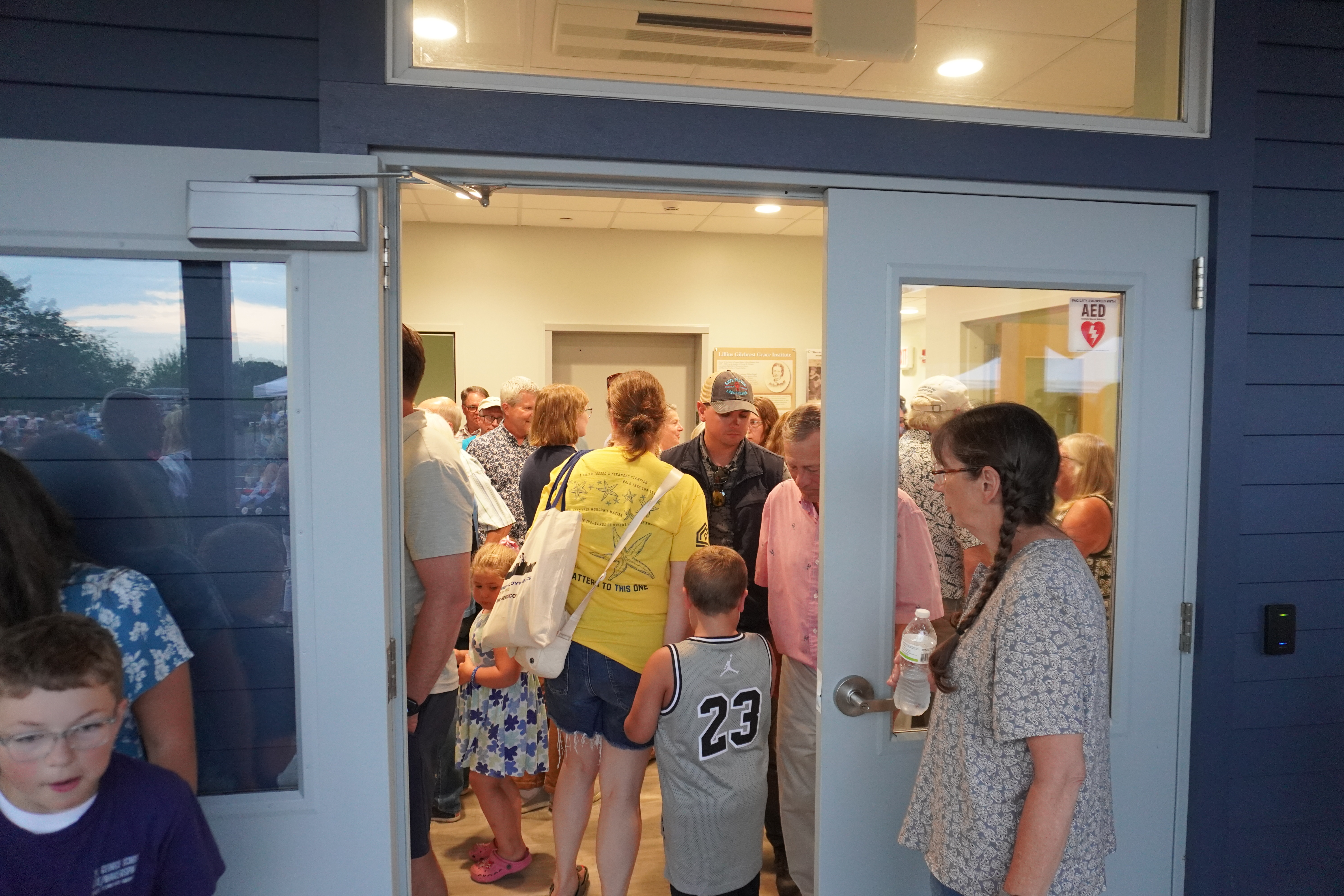
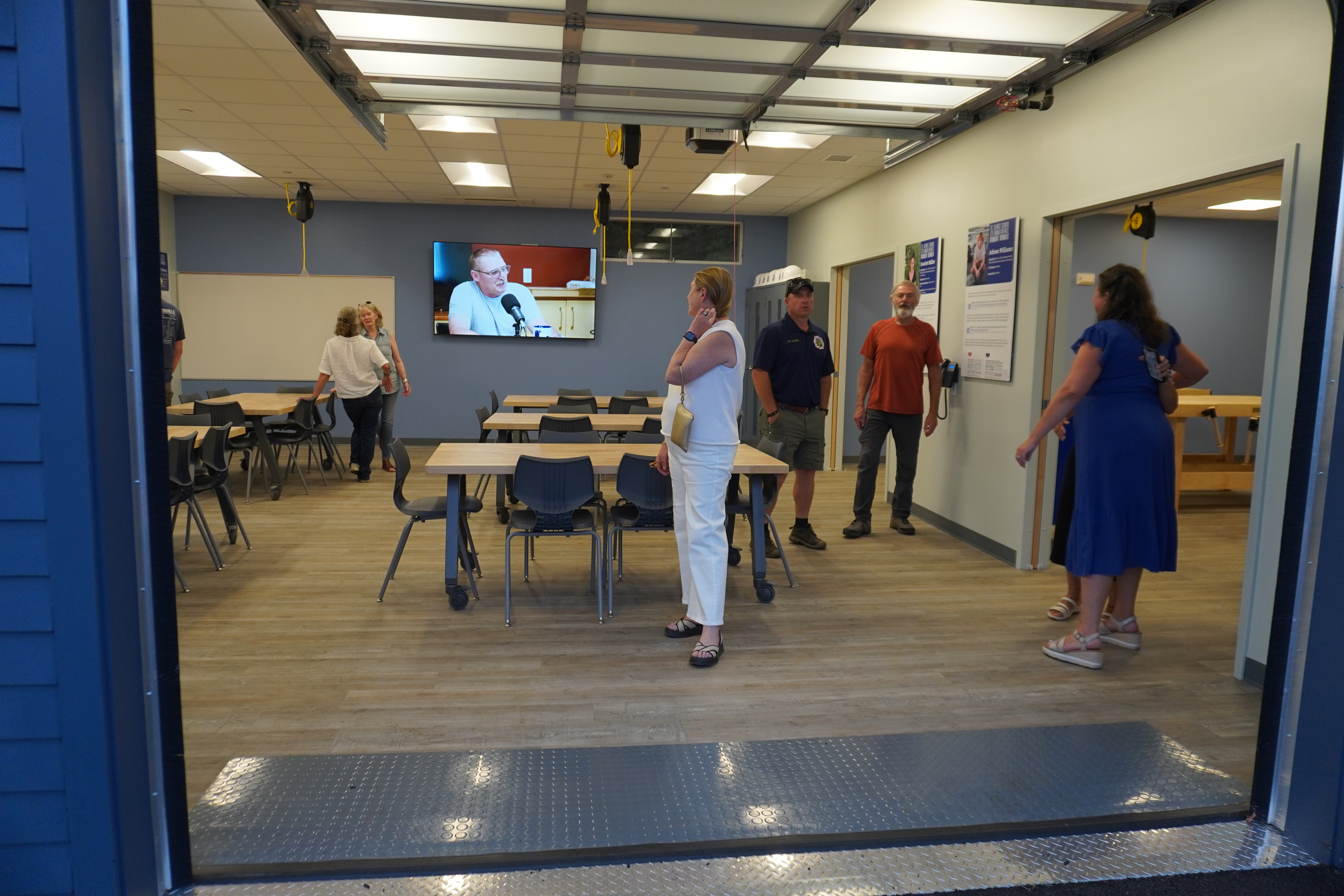
St. George Municipal School Unit’s ambitious goal was to use the RREV grant to help create the nation’s first pre-K—8 Career and Technical Education (CTE)/Makerspace building. This innovative space—the GRACE Innovation Center—would honor the rich heritage of the St. George community, while preparing students for the challenges of today and tomorrow. A key inspiration for the project was the Lillius Gilchrest Grace Institute, a nonprofit founded in 1936 by the Grace family in memory of Lillius Grace, a St. George native. The Grace Institute offered classes to St. George students in home economics and manual arts for more than 70 years, laying the groundwork for the modern CTE/Makerspace vision.
“Many have been with us since we began this journey more than three years ago,” Mike Felton, former St. George Municipal School Unit superintendent and new GRACE Innovation Center executive director, said of the team members who helped to guide this project. “[They had] a vision for re-engaging students in learning and reimagining public education by returning to our roots—hands-on, minds-on learning connected to career and community.”
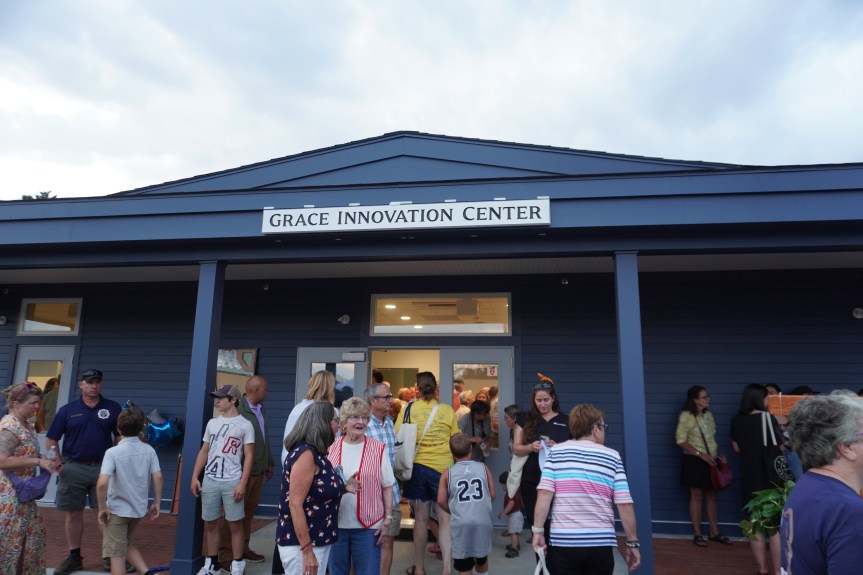
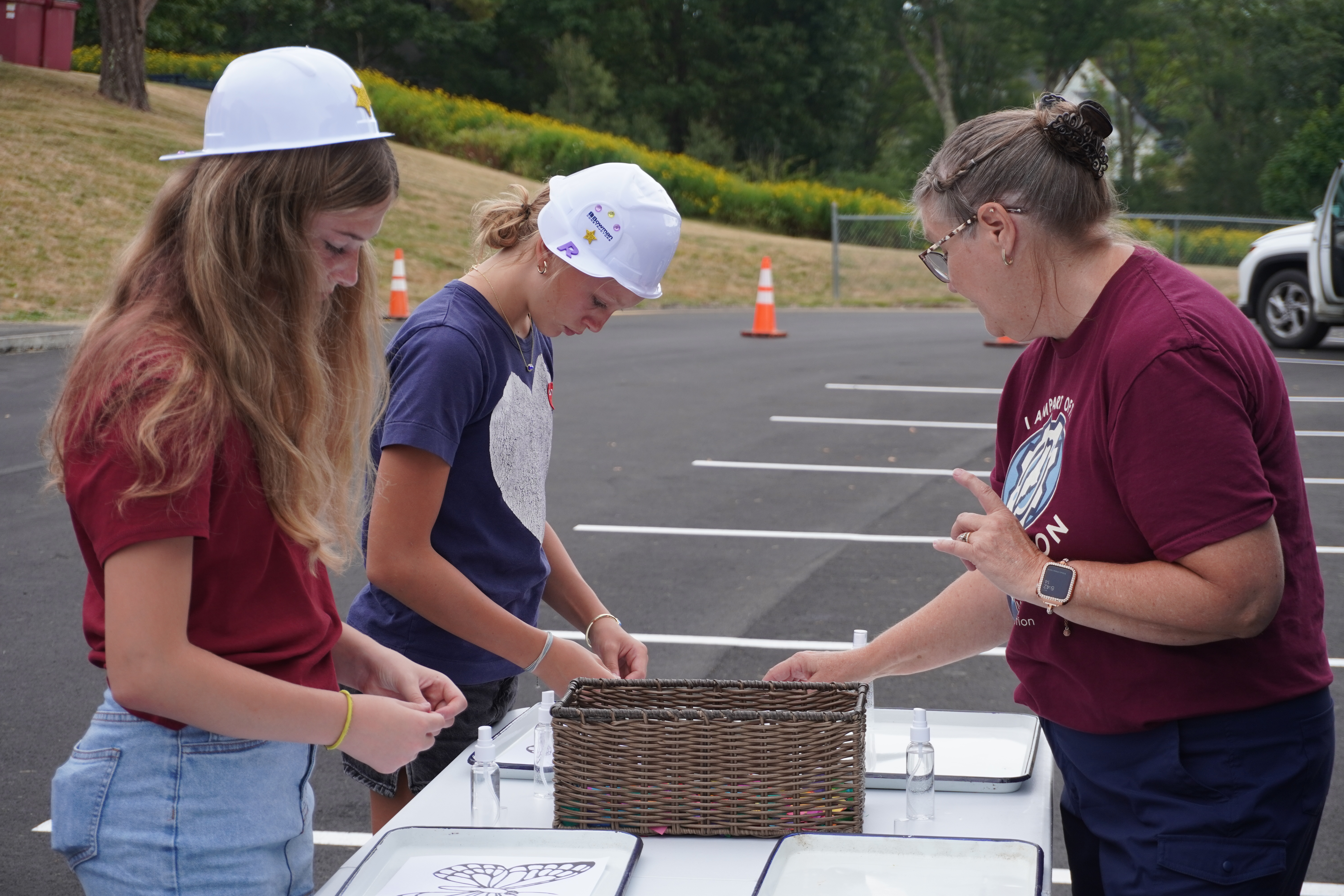
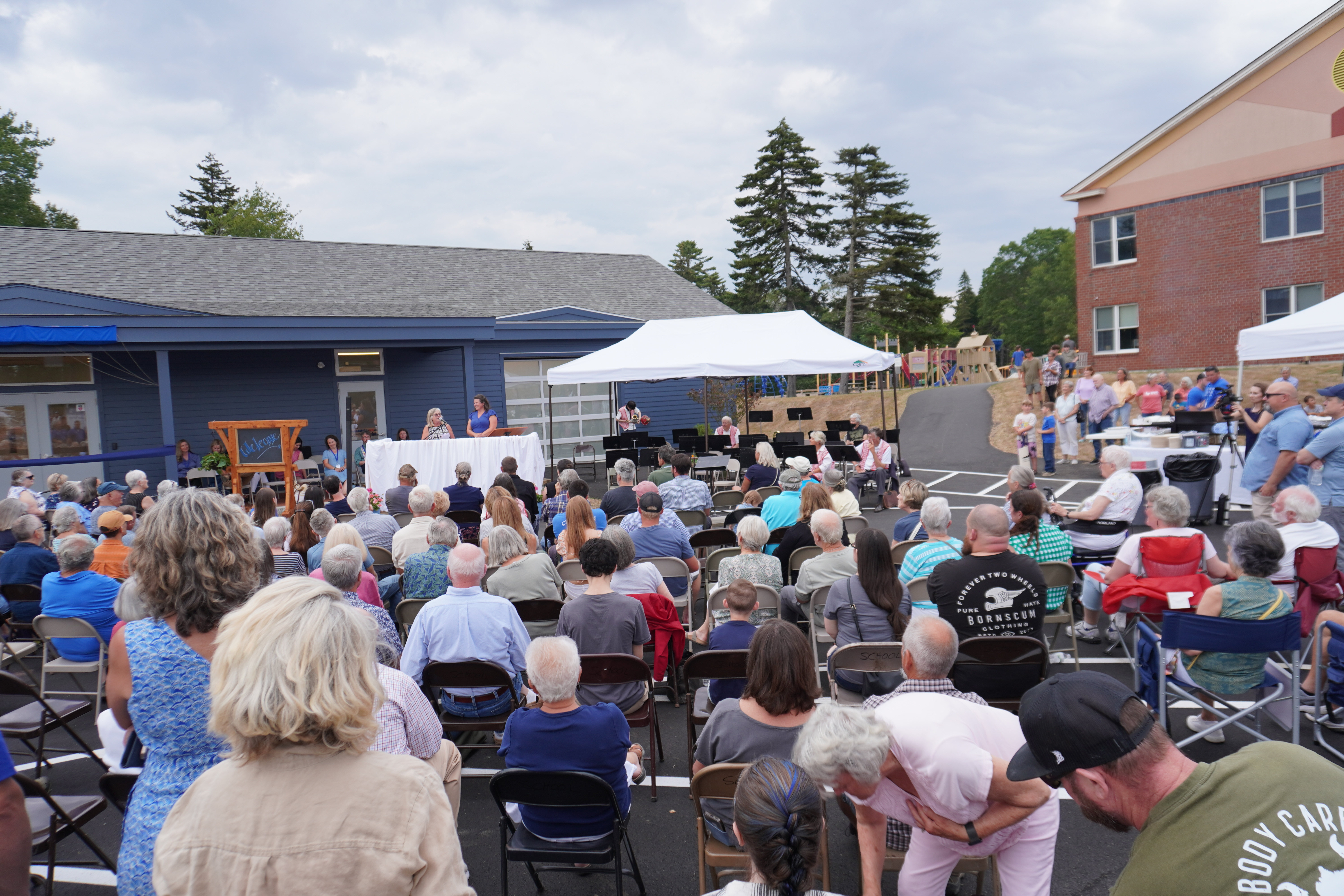
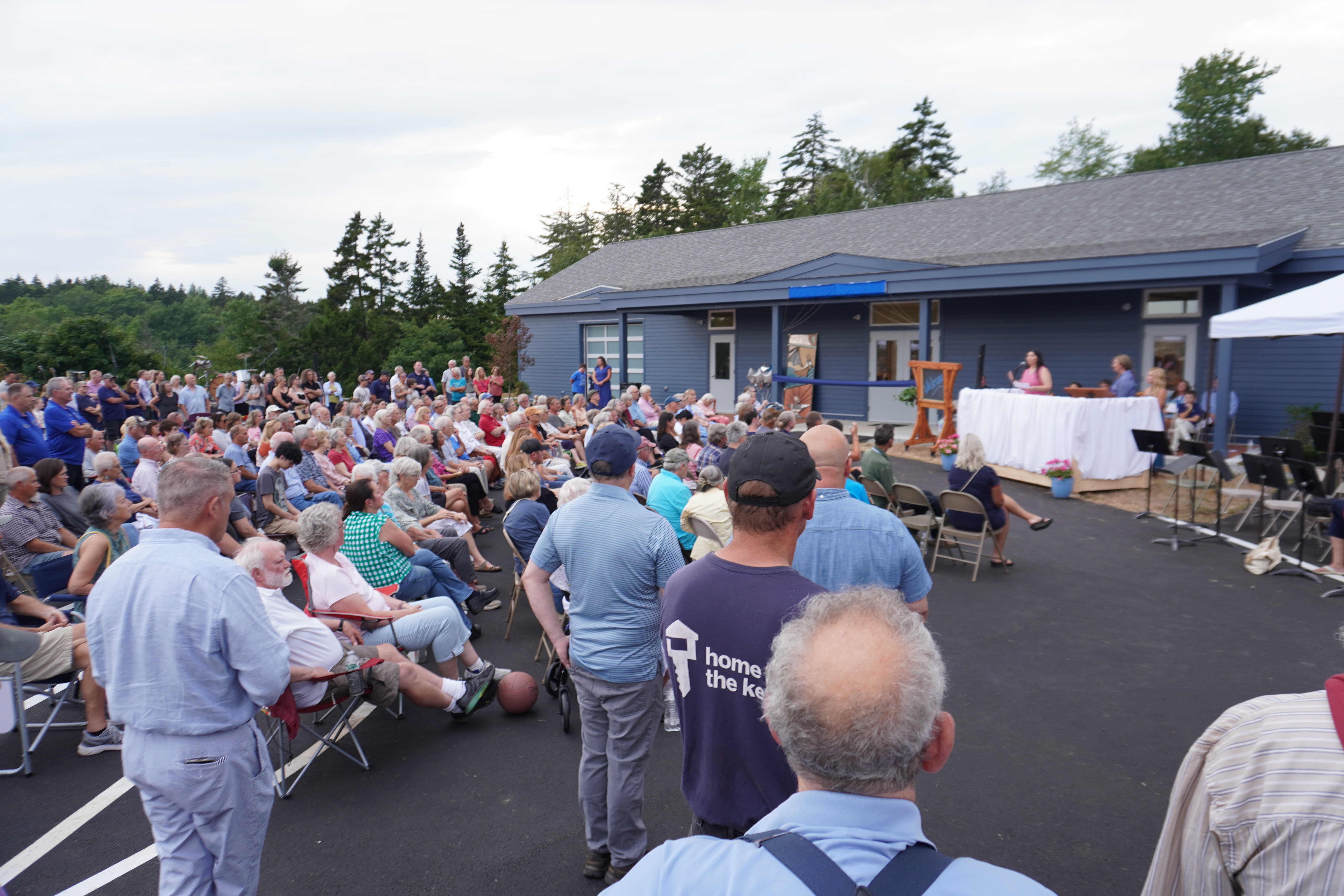
On August 14, this dream became a reality with the grand opening of the GRACE Innovation Center in St. George. The celebration drew in hundreds of community members and special guests, including U.S. Representative Chellie Pingree, St. George school board members, St. George students, and Steel-Pro CEO and president Steve Ladd. Maine DOE Office of Innovation staff who partnered with St. George Municipal School Unit and supported this project were honored to also attend and celebrate the hard work of so many passionate educators and community members.
“Congratulations to the entire St. George team for your vision, dedication, and relentless pursuit of innovation in utilizing this RREV grant to create meaningful opportunities for your students,” Maine Education Commissioner Pender Makin said. “Your work is a shining example of all that is possible when community, history, and forward-thinking education collide.” “This building, this project, this school, this community—it’s about building and creating our future together. Our imaginations will not be limited by what others say is possible. When someone says, ‘Isn’t that a big vision for a small community?’—we know the answer,” Felton said during the event. “We can give our kids a better today and tomorrow. We can lead the nation in returning to hands-on, minds-on learning and valuing the trades. We can do all that as a small fishing community on a peninsula in Maine. We can do this because we’re a small fishing community on a peninsula in Maine that never forgot our roots and created a new building with an old soul.”
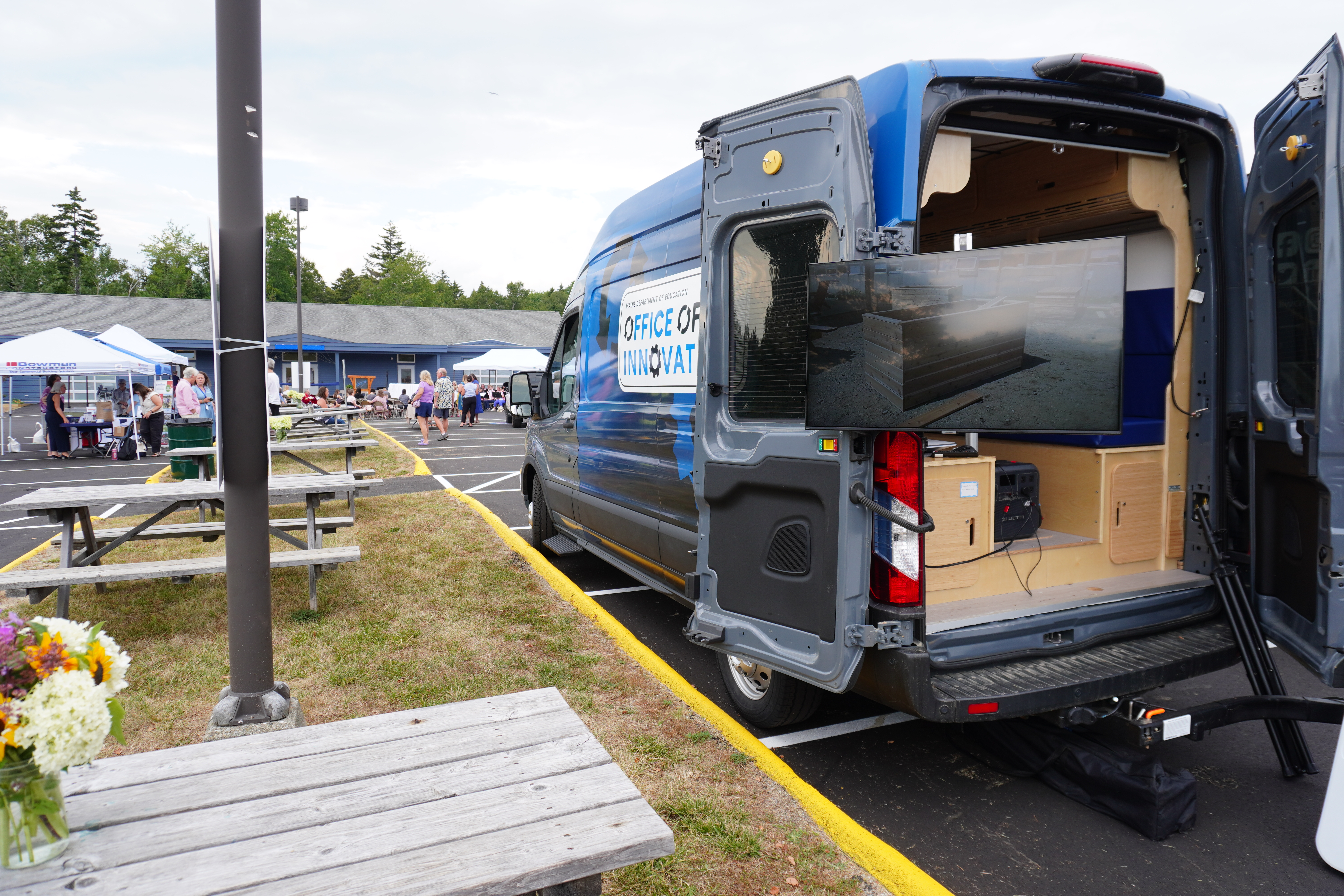
While many additional fundraising efforts helped St. George Municipal School Unit to reach its $4.5 million goal, the RREV grant played a crucial role. It funded educator stipends for work to develop a pre-K—8 CTE curriculum and helped to support architectural designs, site planning efforts, and construction. At the August 14 event, the RREV Mobile Learning Van was present to showcase all of the innovative pilots that RREV supported.
“I’m pretty sure this is the best million dollars that Washington has ever spent,” U.S. Representative Chellie Pingree remarked during the event. “You are truly creating a role model for communities all over the country.”
This story was written in collaboration with St. George Municipal School Unit.To submit a good news story to the Maine DOE, please fill out the good news submission form.
This summer, 20 ambitious students from Portland, Deering, and Westbrook High Schools did something extraordinary: They started training to become Certified Nursing Assistants (CNAs) before even entering their junior or senior years.
As part of a new summer program hosted at Portland High School, through the Extended Learning Opportunities program run by Andrea Levinsky, students dove headfirst into the world of healthcare, balancing rigorous academics with hands-on clinical experience to earn their CNA certification. This program, which came out of a pilot last year with Fallbrook Commons (formerly Saint Joseph’s Rehabilitation and Residence), offers students a head start on a meaningful, high-demand career path while they’re still in high school—and it’s already changing lives.
This unique initiative opens real-world opportunities to students, simultaneously fostering a deep sense of purpose and professional direction. Twenty students took part in this cohort, but not all of them will go on to become CNAs immediately. Eleven are participating in the clinical state exam on September 3 to become certified. Others want to take the class again to gain a greater understanding before doing the clinical. This program allows for that flexibility.
None of this would be possible without an incredible network of community supporters:
Portland Adult Education generously provided access to their medical lab, giving students a real-world training environment, and also provided guidance about how to set up a CNA program.
Maine Veterans’ Homes served as the clinical site, offering students invaluable hands-on experience with patients.
MEMIC, Maine C3, Martin’s Point, and the Maine Community Foundation helped to fund this program, ensuring accessibility for all participants.
MaineHealth Maine Medical Center donated essential equipment—including stethoscopes and blood pressure cuffs—to outfit the next generation of healthcare professionals.
The “Make It Happen” staff at Deering and Portland High Schools helped to identify students who would be a good fit for the program.
At a time when healthcare systems are facing critical workforce shortages, programs like this not only empower students; they strengthen entire communities. By jump-starting healthcare careers early, students gain confidence, skills, and a head start toward roles in nursing, medicine, and beyond.
With its first summer class a resounding success, this pioneering CNA program is expected to grow. Community members and educators alike have already set up funding for next year to continue to provide early access to healthcare careers, diverse representation in medicine, and tangible pathways to success for Maine students.
To the new CNAs from Portland, Deering, and Westbrook: Your journey has just begun—and Maine’s future is brighter because of you.
This story was written in collaboration with Portland Public Schools.To submit a good news story to the Maine DOE, please fill out the good news submission form.
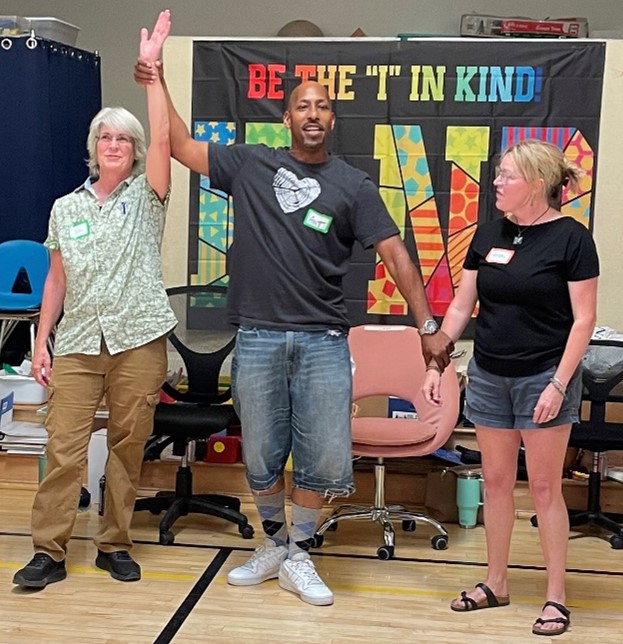
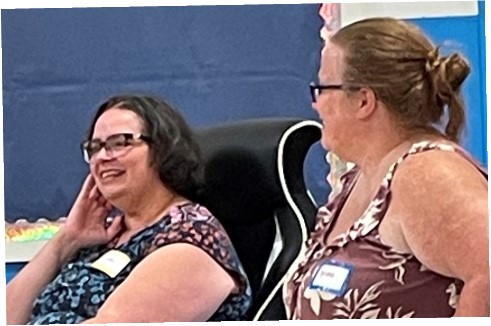
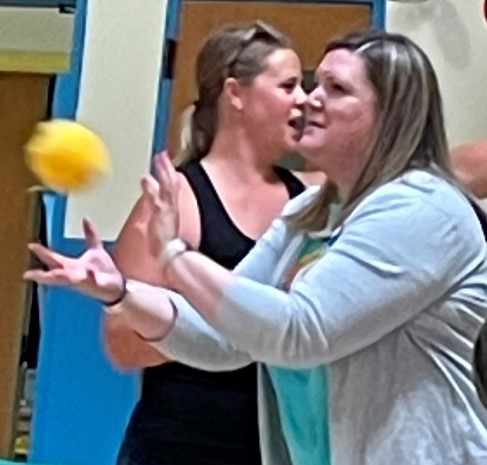
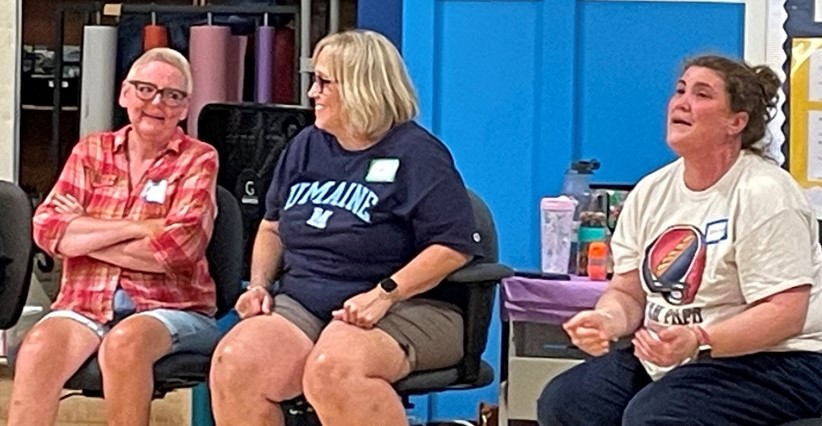
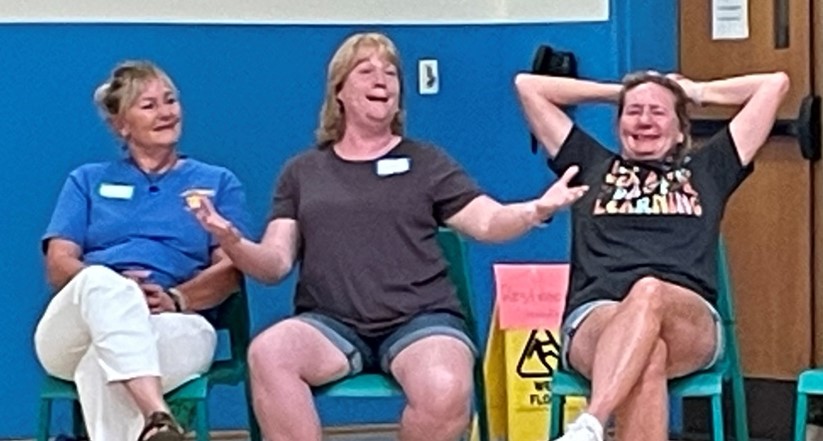
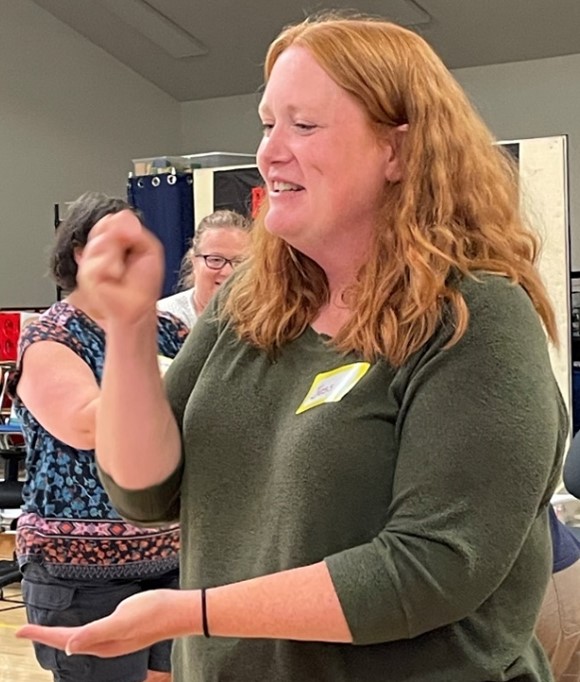
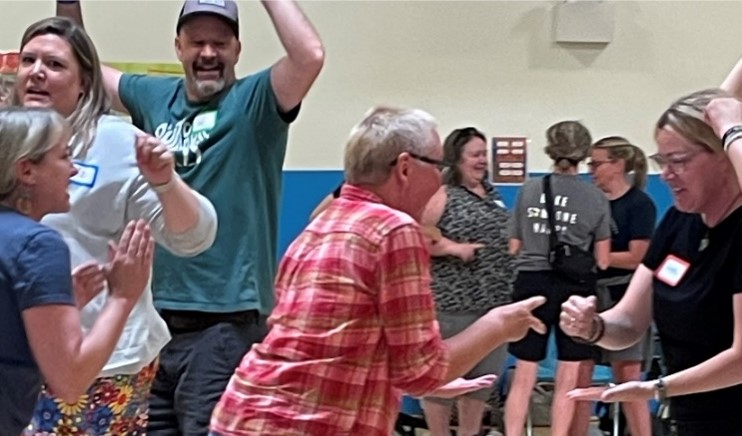
Laughter and music rang out in the gymnasium at East Belfast Elementary School on August 7 and 8, 2025, as early childhood educators from RSU 71 and Waldo County Community Action Partners Head Start participated in Playmaker University, designed to help early childhood professionals strengthen their relationships with children.
RSU 71 is one of six school administrative units (SAUs) across Maine that have been awarded grants through the First 10 Community School pilot, a project funded by Maine’s Preschool Development Grant. The First 10 model is a specialized community school approach that unites elementary schools, early childhood programs, businesses, community organizations, and social service agencies to support the wellbeing and academic success of children from birth through age 10.
This two-day event in early August was hosted by the RSU 71 First 10 Team as part of their work as a First 10 Community School. Educators who participated learned about the Life Is Good Playmaker Project, which teaches early childhood professionals how to help children who have experienced trauma to heal through play.
Through Playmaker University, facilitators provide a trauma-informed framework that can be used with children anywhere at any time. This training supports the social-emotional wellbeing of children and adults by improving relationships. The approach provides hopeful and uplifting strategies that can help to prevent burnout. Educators who participated said they found the opportunity to be informative, inspirational, and fun.
“It isn’t just children who experience trauma,” one educator said. “We needed this to heal ourselves after all of the challenges we have been through”.
“The best part was doing this with the people we work with: sharing the joy and building the relationships,” another educator said.
After the event, many words of thanks were shared with the facilitators and the RSU 71 First 10 Team for their work sponsoring this opportunity. Additional thanks went to local Principal Liz Ridgeway for championing this project and First 10 co-coordinators Kristie Hamlin and Crystal Box for their support. One participant shared: “We are so lucky for this positive start to the school year”.
The two days of in-person learning will continue with ten online modules, which participants will complete asynchronously to become certified Life Is Good Playmakers. A graduation celebration is slated for December, and the RSU 71 First 10 Team is already considering ways to share their learning with local families.
To learn more about the Life Is Good Playmaker Project, click here. For more information about the First 10 Community School pilot that provided this event as joint professional learning for early childhood educators in the RSU 71 community, visit the First 10 Community School webpage of the Maine DOE website or contact Sue Gallant, Maine DOE First 10 Community School Specialist, at Sue.Gallant@maine.gov.
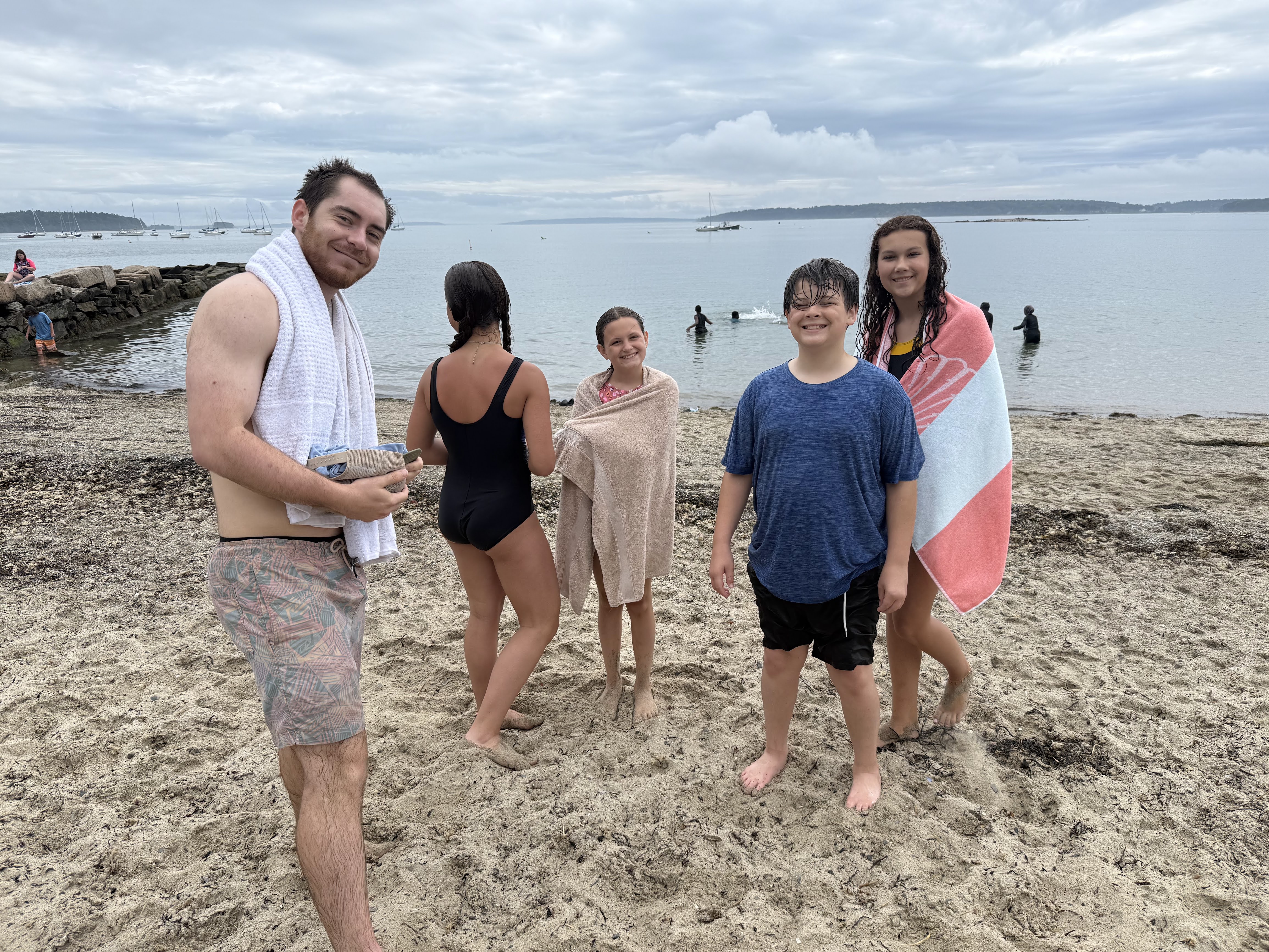
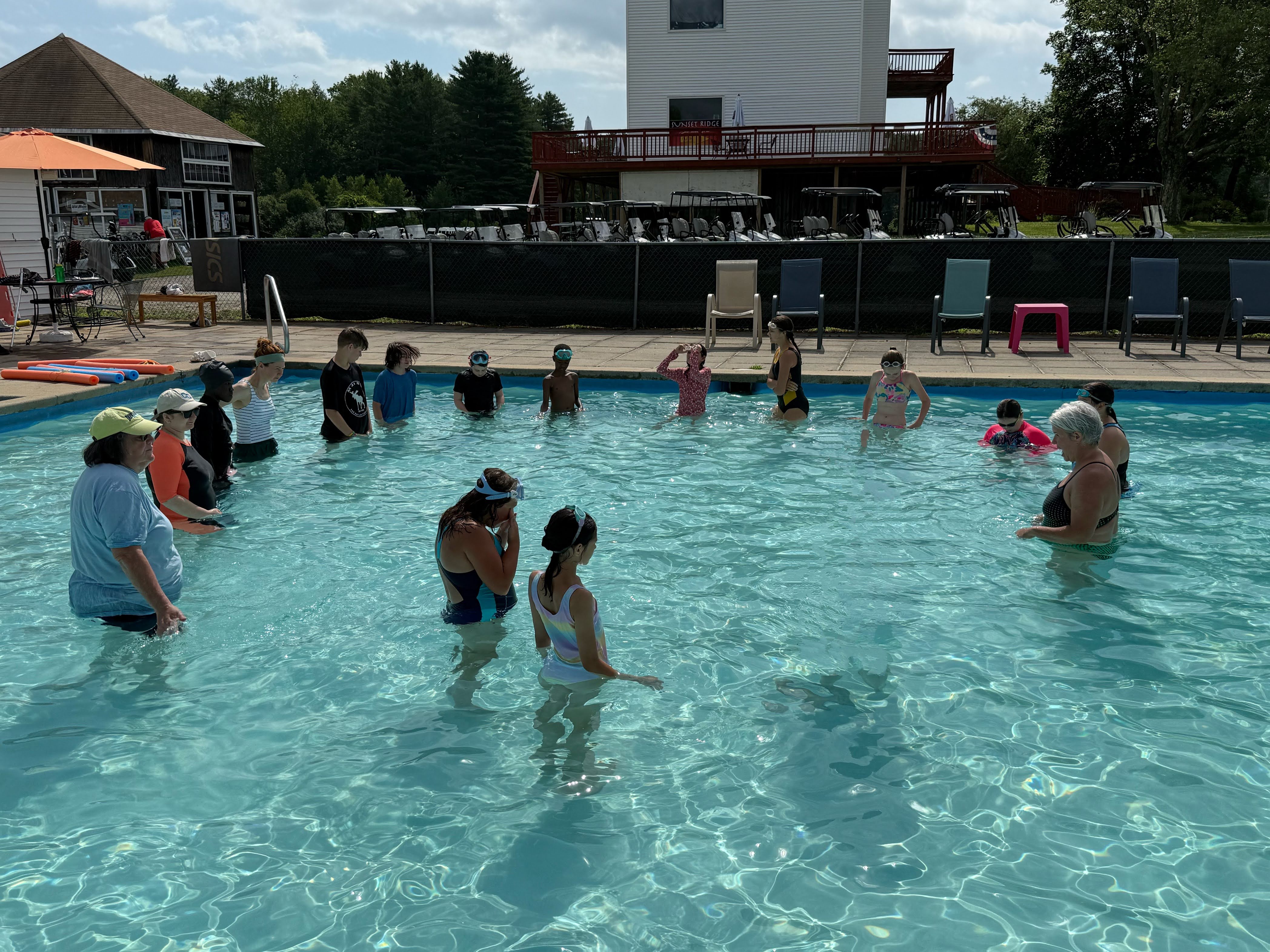
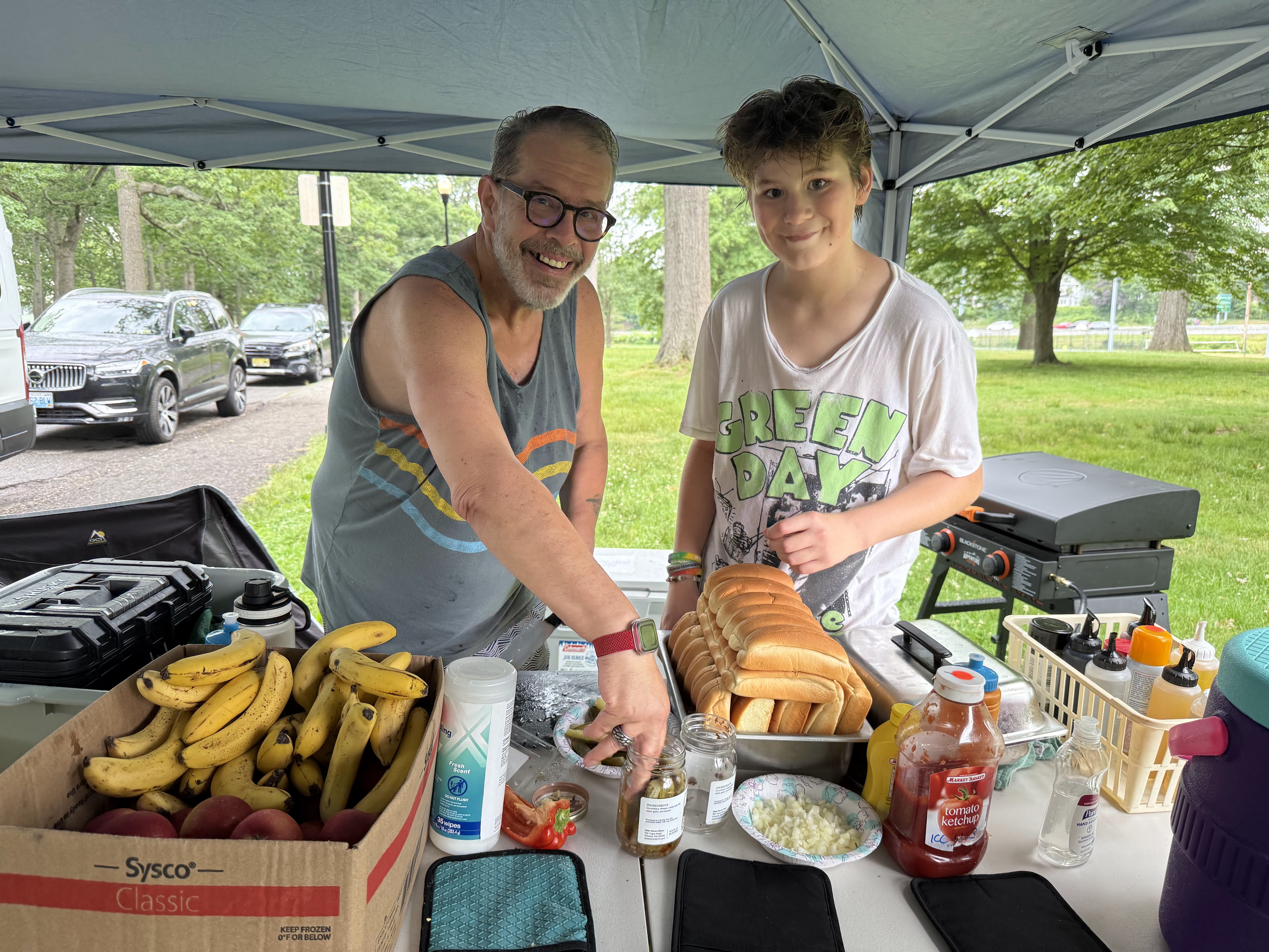
This summer, the Intercultural Community Center (ICC) of Westbrook—proud recipient of a 21st Century Community Learning Centers (21st CCLC) grant—hosted an extraordinarily impactful seven‑week “Wonders of Water” program, welcoming 60 middle schoolers from the Westbrook School Department to a free and transformative aquatic adventure.
Thanks to crucial support from the 21st CCLC grant and generous partners, including the Casco Bay Estuary Partnership, Goldfish Swim School, cPort Credit Union, and Maine Community Swimming, each of these students received brand-new bathing suits, swim caps, goggles, and water bottles, empowering them to jump into learning with confidence and flair.
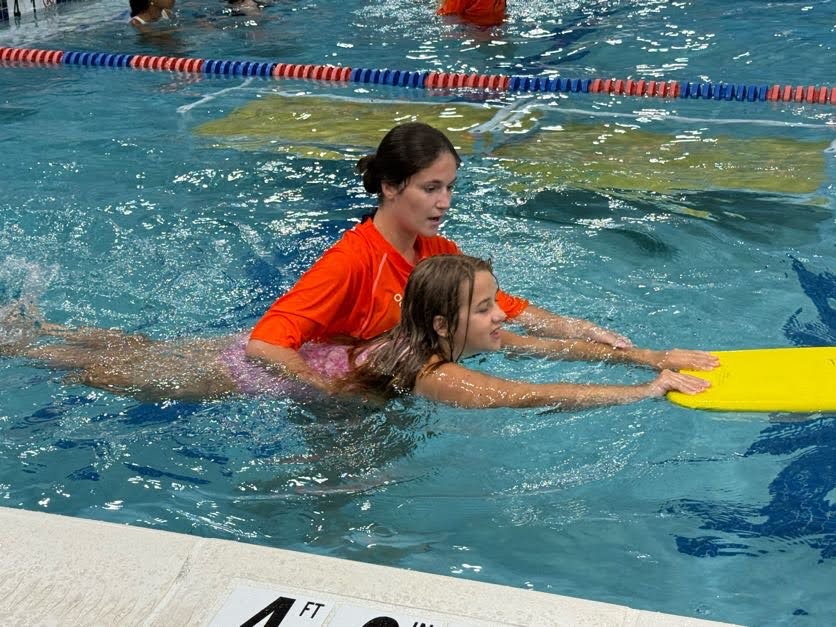
This program wasn’t just about fun; its core mission was instilling lifesaving water safety and swimming skills. Under the “Wonders of Water” theme, participants learned how to swim, to stay safe in and around the water, and to value aquatic environments. Every single student mastered swimming by the end of the program.
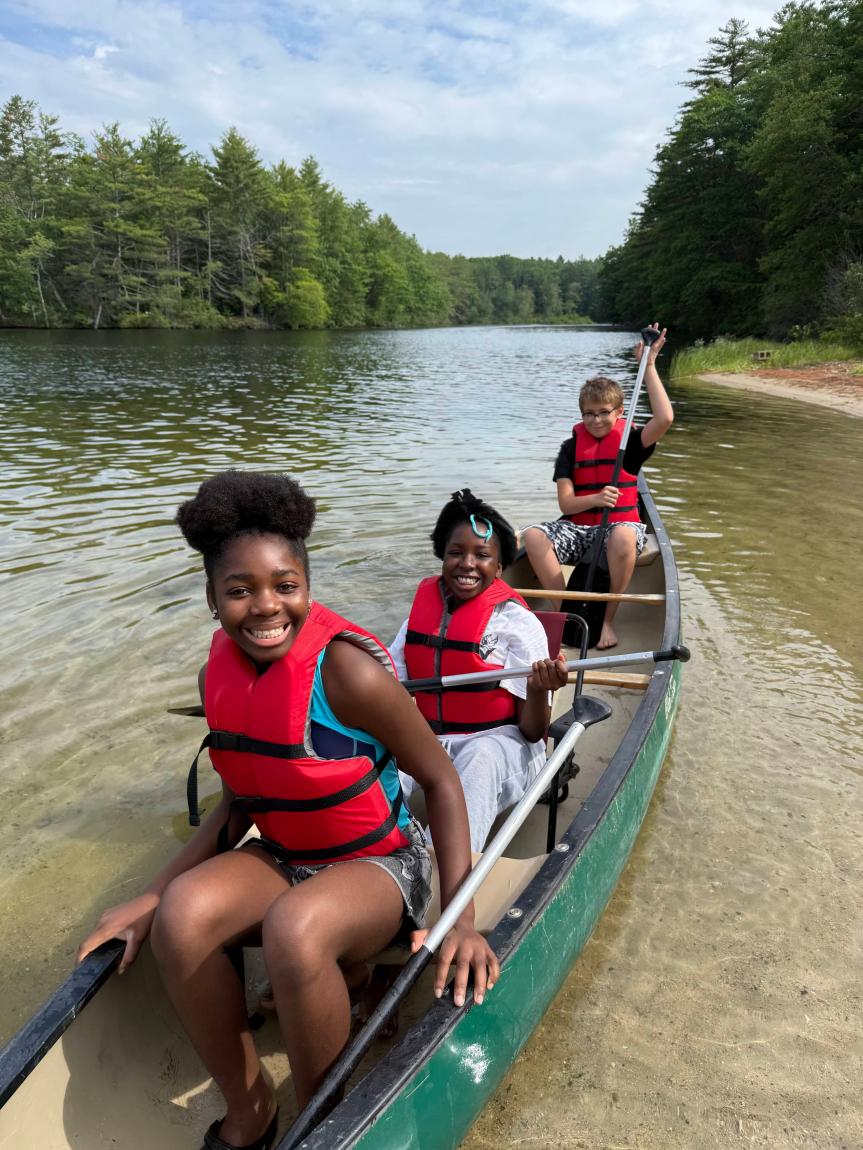
Over the course of 35 days of programming, students and staff embarked on 23 field trips, exploring 11 different bodies of water across the scenic Casco Bay watershed. From beaches and estuaries to ponds and coastal inlets, students gained both confidence in the water and a deepened appreciation for their local marine ecosystems.
ICC’s powerful summer achievement is based on the 21st CCLC grant, which ensures that academic enrichment, language support, and aquatic education remain free to learners regardless of their background.
Thanks to this funding, ICC has grown stronger through expanded staffing and enhanced coordination with the local school department. Meaningful outreach efforts have also made ICC a vital, dependable presence in the community.
This season’s aquatic triumph underscores ICC’s evolving impact: Beyond academic support, ICC is now fostering lasting lifesaving skills, environmental awareness, and inclusive summer fun. As ICC continues to weave together enrichment, safety, and community partnerships, it is clear that the ripple effects of this summer will persist far beyond the final swim cap being dried.
To the ICC team, students, families, and all community allies: Your dedication is making waves in the best possible way.
This story was written in collaboration with the Westbrook School Department’s Intercultural Community Center (ICC). To submit a good news story to the Maine DOE, please fill out the good news submission form.
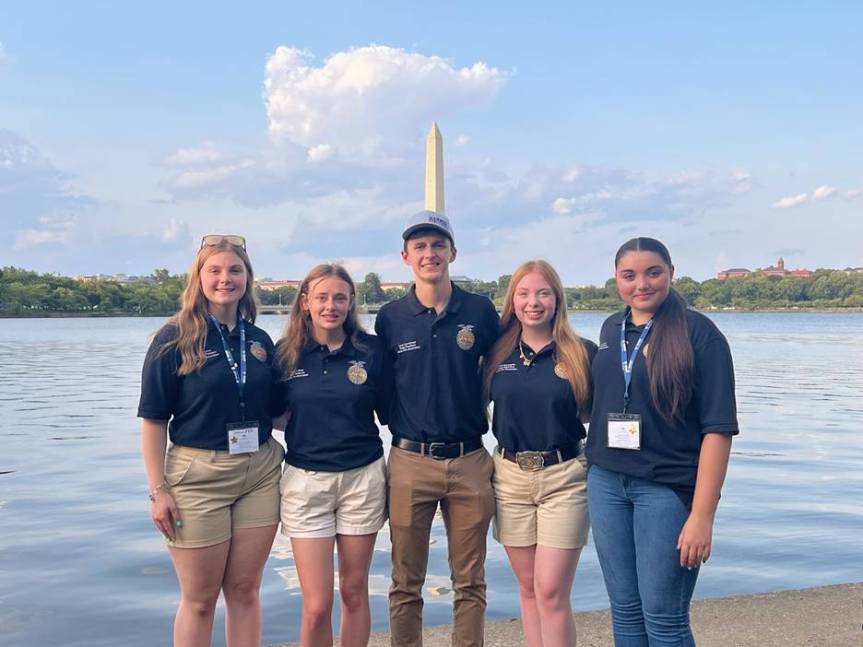
Pictured from left to right: Maine FFA State Officers Callie Cullins, Hannah Shaw, Lane Carmichael, Jillian McLaughlin, and Mia Arcott
The National FFA Organization is recognized for inspiring members to take action and advocate—not only for their own beliefs but for the future of agriculture. Recently, Maine FFA State Officers took the next step in their advocacy journeys by attending the 2025 National FFA State Officer Summit, located in the heart of Washington, D.C.
The National FFA State Officer Summit is a five-day conference open only to state officers. During the conference, Maine FFA state officers had the opportunity to grow their advocacy skills by attending workshops with National FFA staff, listening to guest speakers such as U.S. Secretary of Agriculture Brooke Rollins. They networked with other state officers from all regions of the country and its surrounding territories and also had a once-in-a-lifetime experience connecting with their respective congressional delegation.
Throughout the week, Maine FFA state officers worked together to discuss their advocacy plans. Team members worked carefully to create plans of action for their legislative meetings, focusing primarily on delivering the “legislative ask.” The legislative ask, brought forward by Maine FFA, sought to increase membership in the National FFA Caucus, bipartisan group of senators and representatives that focuses on the prosperity and protection of the National FFA Organization.
Members of the caucus give FFA members a direct voice within our nation’s government, allowing them to freely express ideas, comments, and concerns regarding the organization. Additionally, the caucus provides a level of protection to the organization by fighting for secure funding to enhance agricultural education initiatives. This funding allows the organization to continue to support members in a variety of ways, including by providing monetary scholarships to support students pursuing secondary education, establishing grants for chapters to grow and establish strong agriculture education programs, and allowing for the continuation and improvement of all national leadership workshops.
With such a large ask at hand, the state officers did not take their job lightly. Team members worked countless hours, both leading up to and during the conference to ensure smooth delivery of the legislative ask. They met with Senator Angus King, Congresswoman Chellie Pingree, and Senator Susan Collins, establishing connections with Maine’s congressional delegation by sharing personal stories, hopes, and aspirations for Maine’s agricultural future.
“My highlight of the State Officer Summit was definitely getting the opportunity to speak with Maine’s legislators at the Capitol,” Hannah Shaw, 2025-2026 FFA Maine State Treasurer, shared. “Getting to advocate for our FFA members while touring the Capitol is something I will never forget.”
Though the team travelled to the Capitol for work, team members scheduled time to bond with one another, as they explored the various sites throughout Washington, D.C. During this time, the officers traveled to Arlington National Cemetery to pay tribute to the thousands of men and women who have served in the armed forces. Jillian McLaughlin, Maine FFA State Reporter noted, “It is because of these brave people that we have the opportunity to freely participate in our organization.”
Additionally, the team attended a guided night tour of the monuments throughout Washington, D.C., allowing them to get up close to monuments, such as the Thomas Jefferson Memorial, the Martin Luther King Jr. Memorial, and the Washington Monument.
Though their week in Washington, D.C. may have come to an end upon their departure on July 18, 2025, the Maine FFA state officer team continues to advocate for Maine agriculture and FFA members.
“One of my highlights from the summit was getting to use my voice to advocate for agriculture, while building meaningful, life-long connections with others who share the same passion,” Callie Cullins, Maine FFA State Vice President, said.
As the team’s year of service progresses, team members will continue to work to ensure that the voices of all Maine FFA members and agriculturalists are valued and heard.
This story was written by student Jillian McLaughlin, the Maine FFA State Reporter. To submit a good news story to the Maine DOE, please fill out the good news submission form.
(MSAD 54 educator Dorothy Small shares her passion for tagging Monarch butterflies, teaching students how to find Monarch eggs, raise them, tag the insects, and release them.)
At Mill Stream Elementary School, pre-K through second grade classrooms are embracing the “For ME” curriculum, an innovative, whole child-focused instructional approach, adapted from Boston Public Schools and available through the Maine Department of Education. Designed to integrate research-based practices aligned with Maine’s Learning Results, this program encourages children to grow as learners and also as active, responsible citizens.
Second grade teacher Tiffany Frost has seen firsthand how the “For ME” curriculum inspires her students. Having taught both the kindergarten and second grade modules, Frost is a strong advocate for giving students ownership of their learning.
“The curriculum is so well designed that everything we are doing connects,” Frost said. “My students aren’t just reading about their world; they’re inspired to become problem-solvers and collaborate with their peers to find solutions.”
When fellow teachers Tracy LaPlante and Ciera Lambert explored the upcoming second grade “For ME” module, they approached it with genuine curiosity. Working alongside academic coach Barbara Welch and supported by ASPIRE, a local partnership dedicated to student career aspirations, the team developed a community-based focus for the unit, which included presentations by community members, as well as other educators like Dorothy Small, who taught students about Monarch butterflies. Special Education teacher Patty Moody also joined the effort, helping to expand learning opportunities through reading and writing in all settings.Special Education teacher Patty Moody also joined the effort, helping to expand learning opportunities through reading and writing in all settings.
Throughout this unit, students became researchers, creating informational brochures about flowers to be shared with local businesses. They also took on the role of Pollinator Ambassadors, designing tri-fold displays to explain the vital relationship between pollinators and flowers. To deepen students’ understanding, community partners visited the classroom to share their expertise and skills, offering students hands-on opportunities to explore pollination.
This project culminated in the Pollinator Exhibit, where second graders proudly shared their work with parents, fellow students, and staff. Visitors toured the displays and participated in interactive activities led by students from Somerset Career and Technical Center’s Early Education program.
Through the “For ME” curriculum, Mill Stream Elementary’s second graders didn’t just study pollinators; they became advocates for them, proving that even the youngest learners can make a big impact in their community.
This story was written in collaboration with Mill Stream Elementary Schooland the Maine DOE Early Learning Team.To submit a good news story to the Maine DOE, please fill out the good news submission form.
Pictured: Zachary, a former student of Two Rivers CDS, waits with excitement before the event begins.
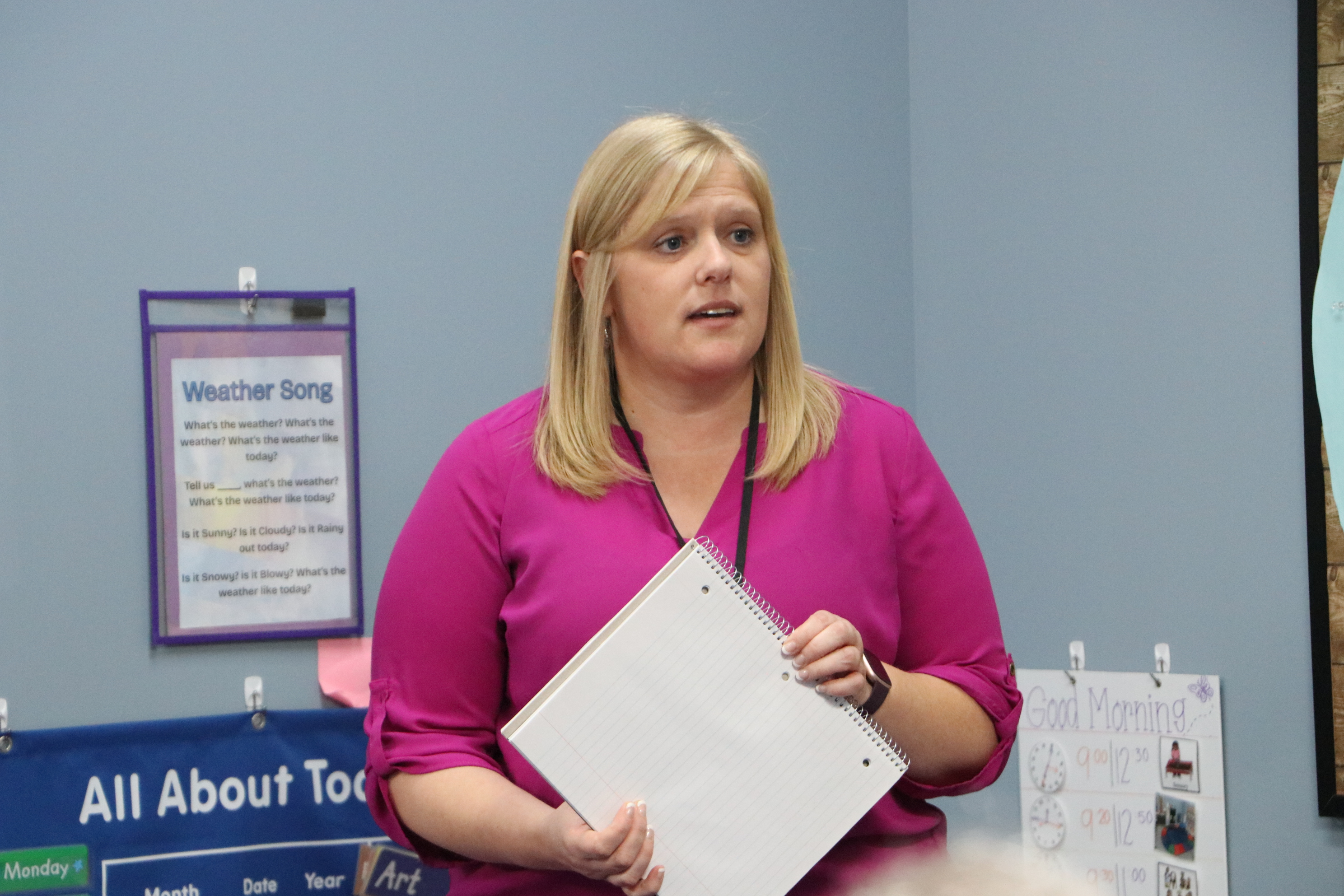
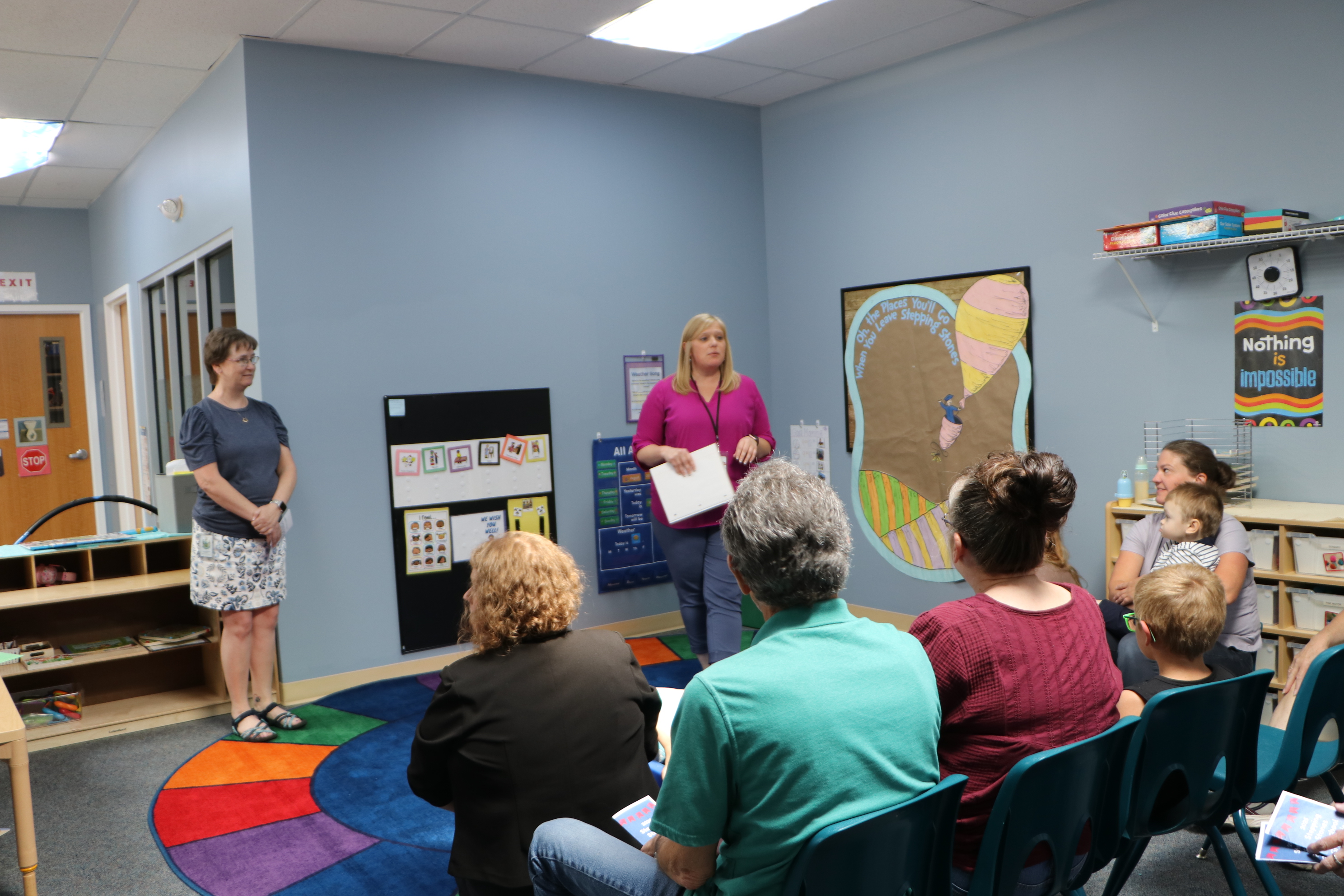
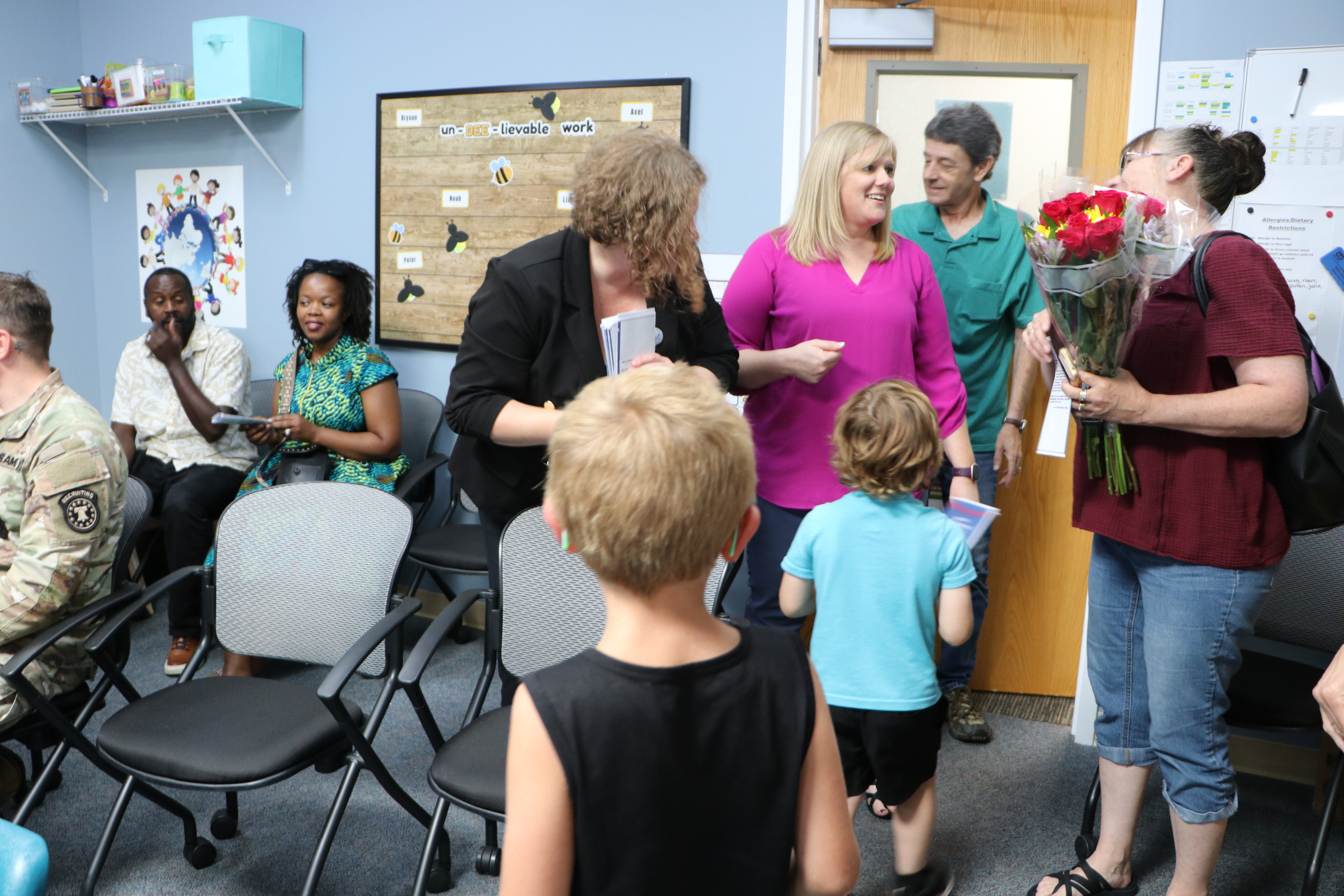
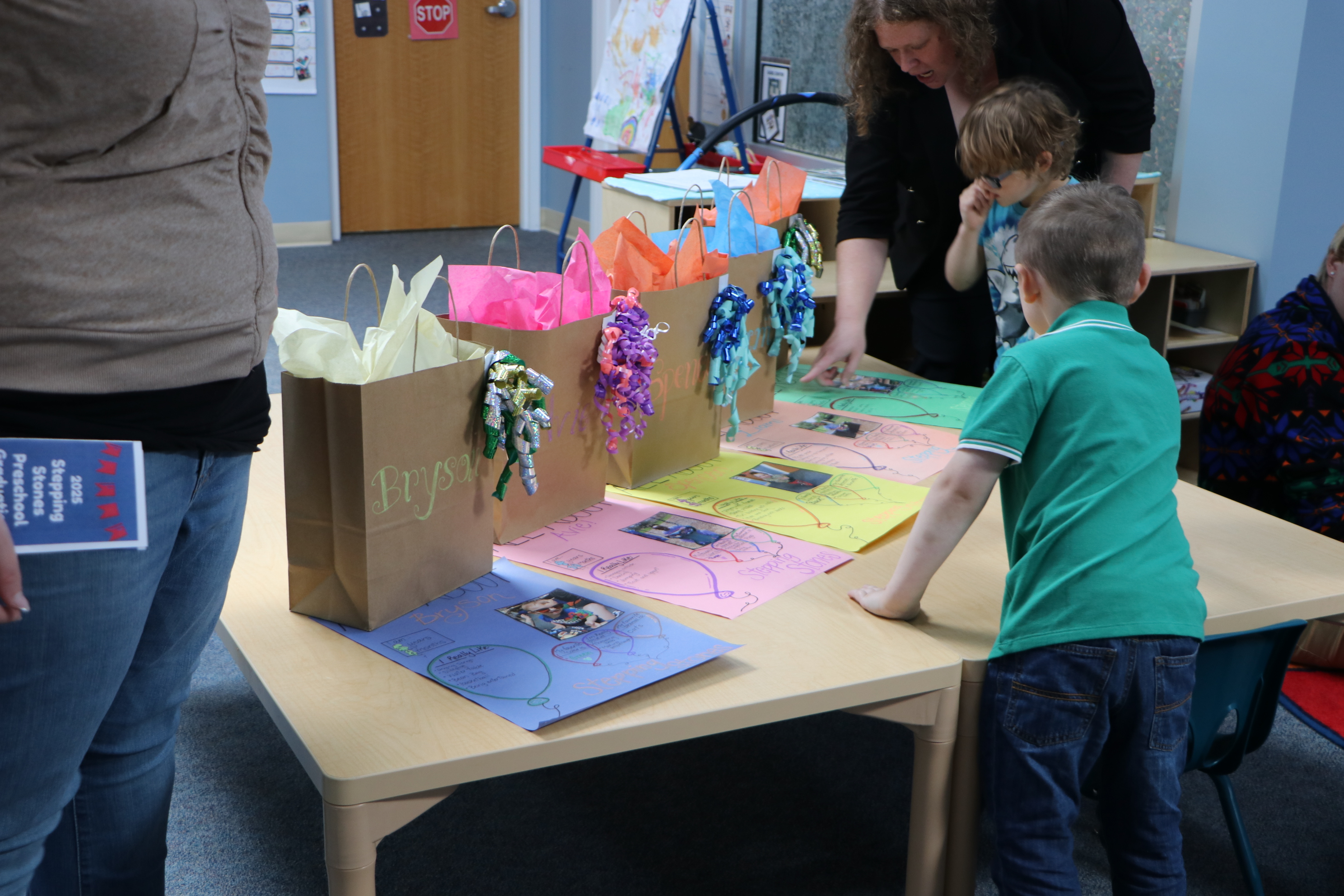
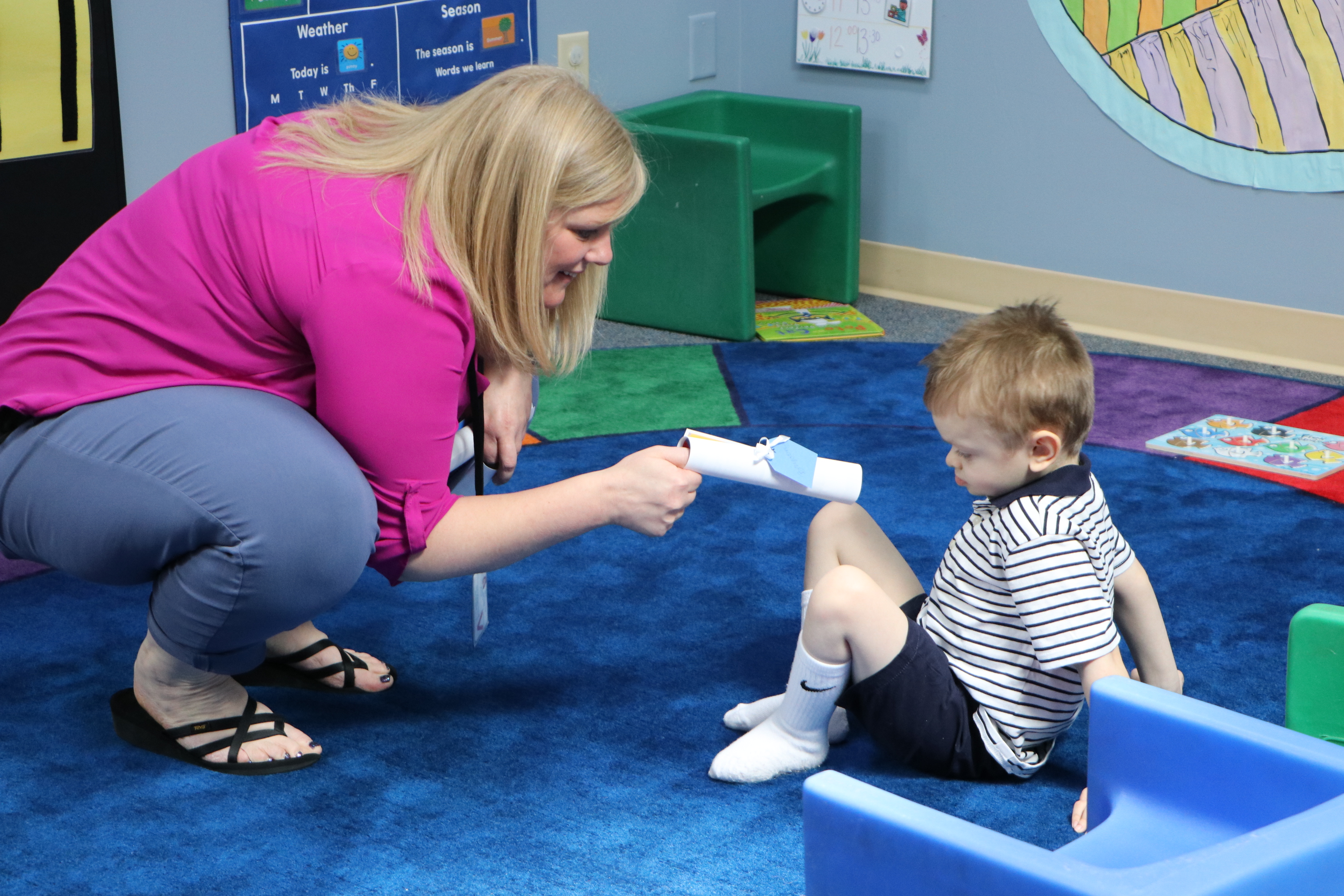
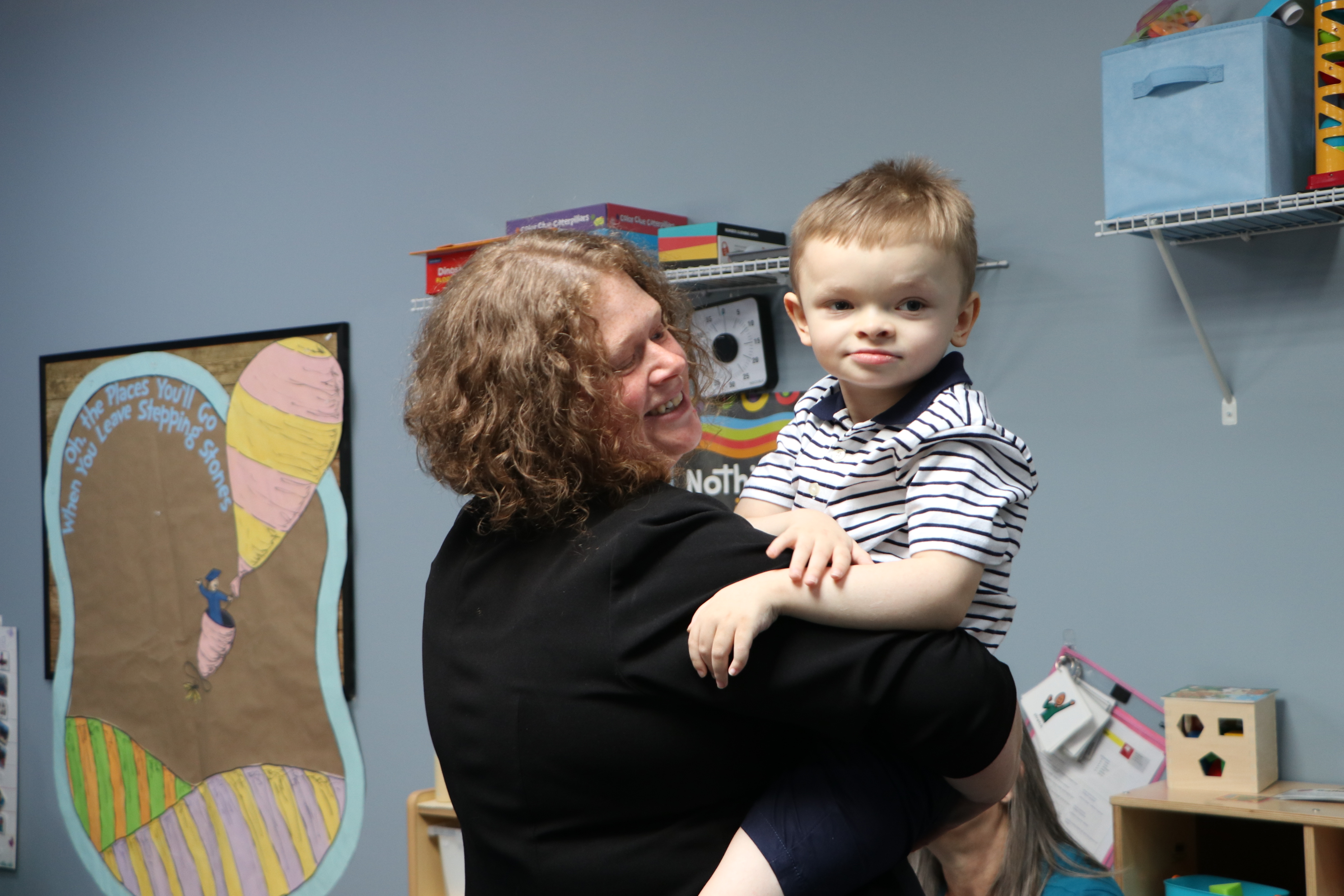
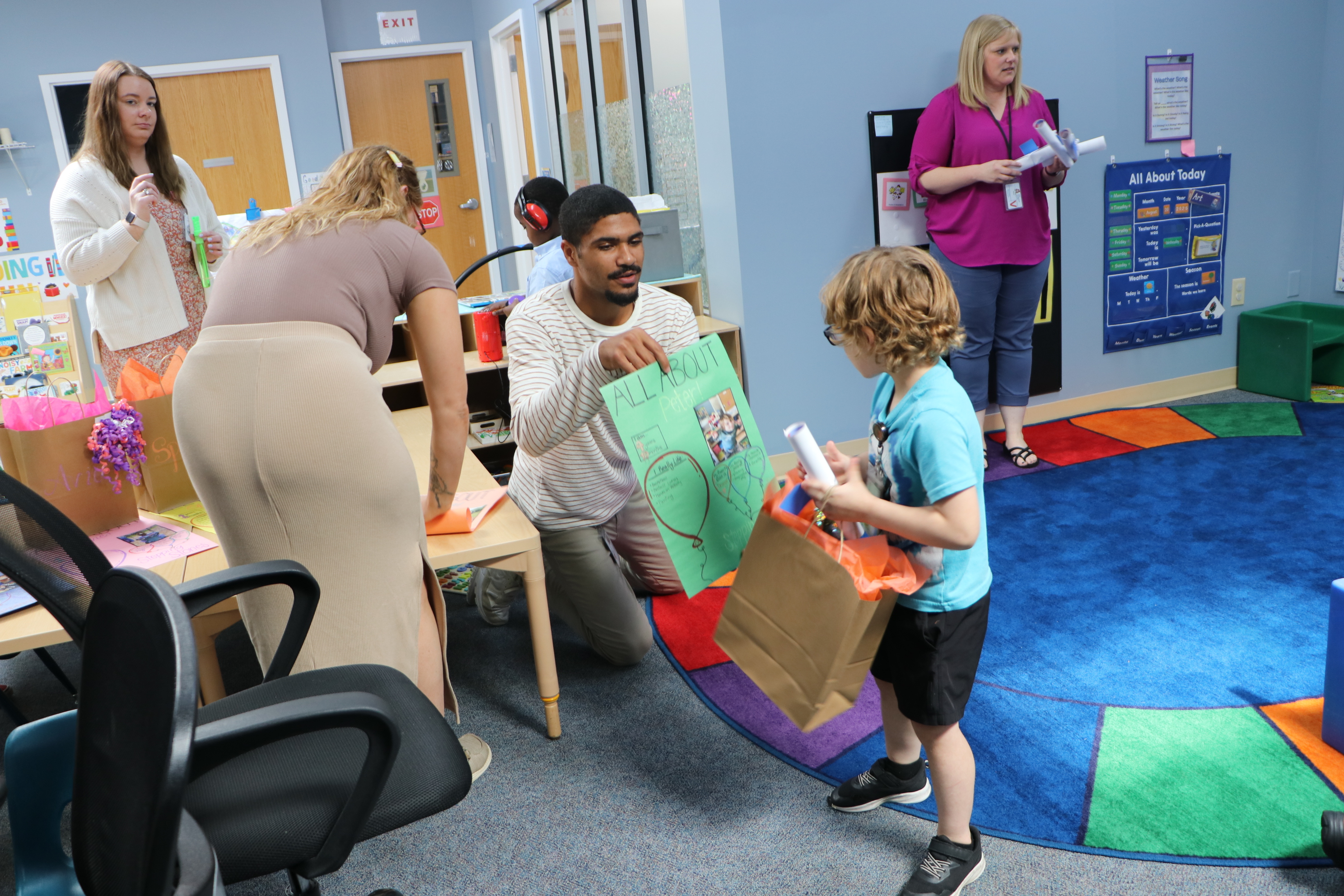
Laughter, applause, and proud smiles filled the room at the Two Rivers Child Development Services (CDS) site in Brewer on Thursday, August 21, as families, educators, and local officials gathered to celebrate the Stepping Stones Preschool Graduation. This event marked an important milestone for the class of 2025—a group of preschool-aged children transitioning from CDS services into their local public schools, including many who will begin kindergarten in the Brewer School Department this fall.
More than just a graduation, this ceremony celebrated the hard work of students, families, and educators, as these children move confidently into the next chapter of their educational journeys. It also reflected Maine’s broader transition effort, led by the Maine Department of Education (DOE) and CDS, to move Early Childhood Special Education services for children ages three to five from CDS programs into public school systems statewide—a process that aims to be fully implemented by 2028.
The Stepping Stones Preschool Graduation, organized by CDS staff, including Site Director Amy Bragg and Assistant Preschool Manager Sarah Taylor, was full of energy and emotion, as families watched their children sing, laugh, and accept certificates, gifts, and sorbet to celebrate their progress.
“I’m most excited for them and their families,” Taylor said. “We are so lucky to have had these kids. Just being able to celebrate them and all the progress they’ve made is the most exciting part.”
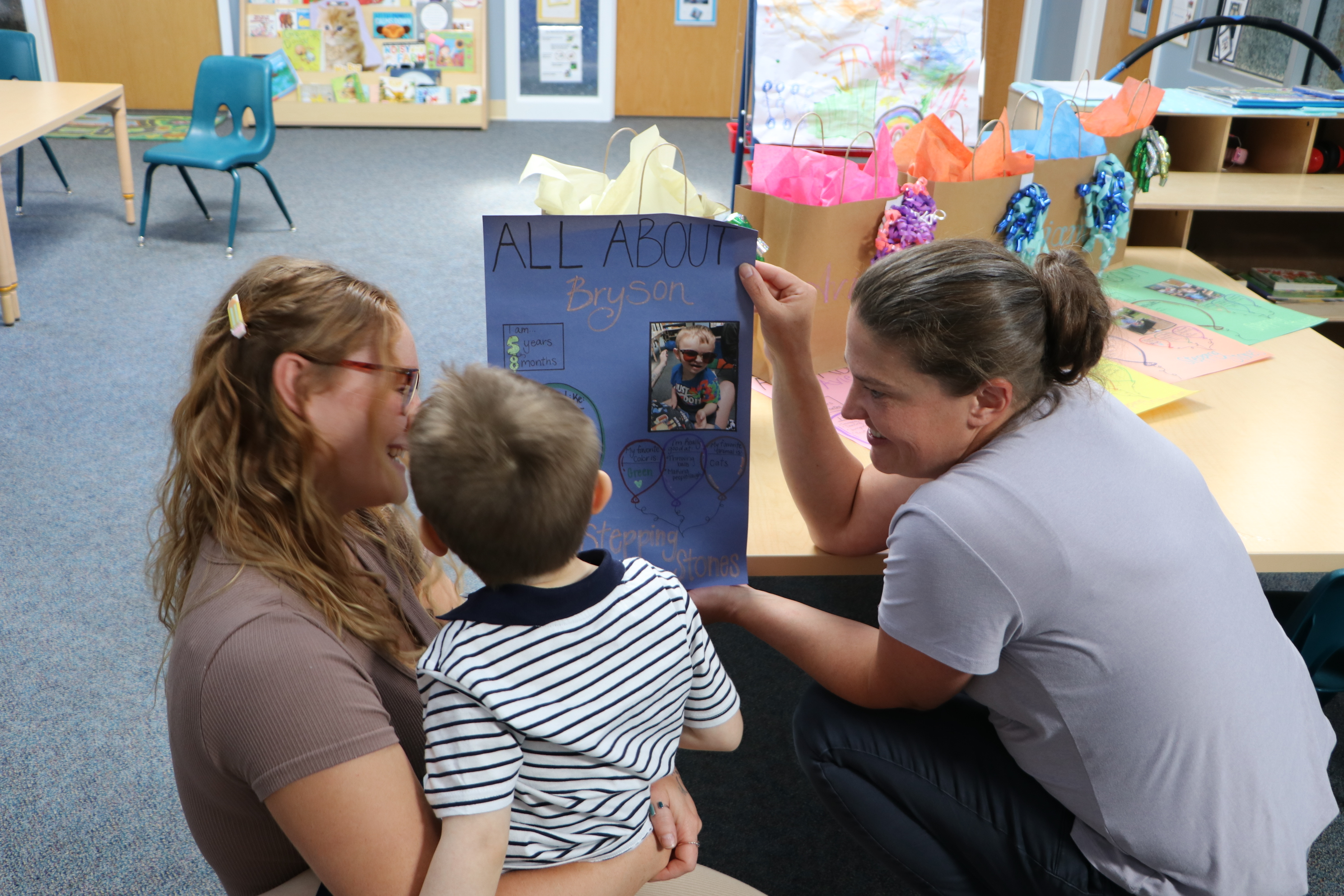
For Marie Brown, the day was especially meaningful, as she watched her grandson, Bryson, graduate.
“This is his second year here, and he was actually the first child enrolled in the program in Brewer,” Brown said. “I’ve seen leaps and bounds in his work. The people here—I can’t say enough; they’re wonderful.”
Brown shared that she is hopeful, as Bryson prepares to enter kindergarten in the public school system: “I’m nervous because this has been our comfort zone, but I’m excited to see the next chapter in his growth.”
This joyful moment was made possible by the collaborative work between CDS and local public schools, including those in the Brewer School Department, which is part of the second cohort of school administrative units (SAUs) participating in the transition. Starting this fall, Brewer and 33 other SAUs will take on the responsibility of providing Free Appropriate Public Education (FAPE) and Child Find services under the Individuals with Disabilities Education Act (IDEA), following a strong foundation laid by Cohort 1 in the 2024-2025 school year. Every child with a disability in the initial SAUs was fully supported within their local school communities—demonstrating the power of collaboration between CDS and SAUs.
According to Angela Moore, Director of Special Education for Brewer Schools, the transition has been a positive and collaborative process, as schools prepare to welcome children and provide seamless supports from day one.
“CDS has been so incredibly helpful,” Moore said. “Bragg and her team have been exceptional in making us aware of the students coming in, what their needs look like, and how we can plan for them.”
Moore highlighted how valuable it was to sit down with CDS staff in the spring and review the needs of each child in detail.
“That hour and a half saved me a lot of reading time; it was like a passing of the torch,” she explained. “They helped us to build trust and truly understand each student before they even step into our classrooms.”
While the shift from CDS to public schools is a significant structural change, families are already seeing the benefits: access to services within their communities, fewer transitions, and coordinated support from both agencies.
Heather Imferrera, whose son, Zachary, is moving from Two Rivers CDS to pre-K in Orrington (AOS 47), shared her enthusiasm about the services Zachary has received so far at Two Rivers and what he’ll receive in Orrington.
Zachary and his mom, Heather Imferrera.
“It has been amazing,” Imferrera said of her family’s experience.
Imferrera said she is excited that in his new setting this fall, Zachary will be able to receive speech and occupational therapy services, as well as specially designed instruction, while going to school with other kids in his community.
Taylor emphasized the importance of communication in helping families to feel confident: “We’re working to show that pre-K is going to be treated just like kindergarten or first grade. It’s their public school; it helps people to understand and feel more at ease.”
Both CDS and SAUs are learning from the first cohort of schools that began this transition in 2024, and those lessons are making a difference.
“We definitely learned from the first year,” Bragg said. “Now that we’re going into the second year, everybody’s on a better timeline and has more information.”
Bragg also mentioned that a few larger SAUs that CDS has been working with have given them “rave reviews” in the process of this transition.
Bragg described the Stepping Stones Preschool Graduation as a confirmation of what CDS and its partners have been able to achieve: “It’s a huge milestone—for the kiddos and their families. It’s good to know we were able to meet their needs.”
The Maine DOE, through the Office of Special Services and Inclusive Education (OSSIE) and its CDS teams, continues to support this statewide effort with policies, resources, and guidance. Local SAUs, in turn, are building the capacity to serve children close to home, creating a more inclusive and supportive early education system.
Moore summed it up: “We’ve been ‘linking arms’ with CDS to make sure no child goes unserved or unidentified. That partnership has helped us to prepare classrooms, train staff, and really know the students before the first day. This transition is about doing what’s right for kids—and that’s what we’re focused on.”
As the ceremony concluded with high-fives, hugs, and photos, the mood was hopeful and celebratory. These young graduates may be small in size, but they’re stepping into big new opportunities—well-prepared, well-supported, and ready to thrive.
Looking ahead, Cohorts 3 and 4 of the CDS transition will follow over the next two years, guided by the lessons learned and best practices developed through this collaborative approach. This phased, deliberate transition reflects Maine’s commitment to providing high-quality, inclusive services for children and families—meeting them where they are.
Two Rivers CDS, the Brewer School Department, and the Maine DOE Office of Special Services and Inclusive Education contributed to this article, written as part of a series highlighting the ongoing efforts of CDS and public schools in providing comprehensive educational services to Maine’s children with special needs. To submit a good news story to the Maine DOE, please fill out the good news submission form.
(Pictured: Alfred Elementary School Counselor Jackie Chaplin)
Alfred Elementary School is celebrating a major achievement after being recognized at the American School Counselor Association’s (ASCA) annual conference in July. The school has earned the RAMP (Recognized ASCA Model Program) designation—an honor awarded to schools with outstanding, comprehensive, and data-driven counseling programs.
Through the leadership of school counselor Jackie Chaplin, Alfred Elementary has established a strong, supportive counseling framework that aligns both district goals and student needs. Jackie, who began at Alfred in 2005 and is now entering her 21st year, has played a critical role in shaping the school’s counseling efforts. Her leadership helped create a Multi-Tiered System of Support for Behavior (MTSS-B), integrating clear Tier I, II, and III behavioral supports that focus on promoting a kind, respectful, responsible, and safe school community.
This recognition, awarded to 1,300 schools nationwide and only five in Maine over the past 21 years, acknowledges Alfred Elementary’s success in delivering a school counseling program that uses data-based decision-making, provides both direct and indirect services to students, and leads to improved academic performance, attendance, and behavior.
Key components that contributed to the school’s RAMP designation include structured systems for analyzing behavioral data, like the Office Disciplinary Referral (ODR) and Request for Assistance (RFA) forms. These tools help staff track trends and make informed decisions about schoolwide and individual student needs. Positive Behavioral Supports at the Tier I level—such as Model Mustangs, Golden Tickets, Student of the Month recognitions, and a new incentive involving a book vending machine—are carefully tracked to celebrate student success and promote positive behavior. Universal screeners like the Student Risk Screening Scale (SRSS), completed by teachers three times a year, help identify students who may need additional support and lead to targeted Tier II or Tier III intervention plans based on measurable goals.
Students also benefit from weekly classroom lessons based on the 2nd Step Curriculum. These lessons are often adapted to reflect current schoolwide trends, such as addressing physical aggression if data shows an uptick in related referrals. Small group sessions, peer helper leadership opportunities for fifth graders, and consistent attendance tracking round out a comprehensive system that’s fully embedded into the school’s culture.
This was Alfred Elementary’s first time applying for RAMP recognition. The application followed Chaplin’s earlier achievement of being named Maine’s School Counselor of the Year, representing a meaningful professional goal that closely aligned with the school’s mission. With the designation now secured, Alfred Elementary will hold the RAMP title for the next five years before needing to reapply.
Other Maine schools recognized at this year’s ASCA conference included George B. Weatherbee School, which received the award for the second time, and Hall-Dale Elementary School, which earned the designation in 2023.
Alfred Elementary’s RAMP recognition stands as a powerful testament to the school’s commitment to fostering academic growth, social-emotional development, and a positive, inclusive school climate—one data point at a time.
This story was written in collaboration with Alfred Elementary School.To submit a good news story to the Maine DOE, please fill out the good news submission form.
















 Maine DOE Newsroom