FREE Anti-Bias Professional Learning Series for Educators

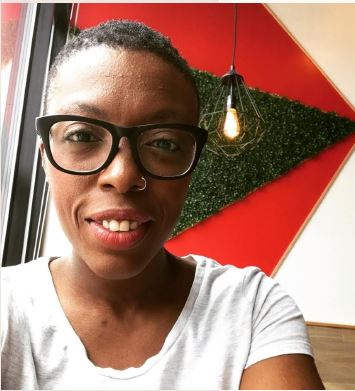
The Maine Department of Education is sponsoring a workshop by Amber Coleman-Mortley, Moving Beyond the Movement: Fostering Authentic Transformation for Sustainable Outcomes.  Amber Coleman-Mortley brings a diverse voice into civic education, manages a large network of education influencers, and has built a successful youth fellowship of students fighting for equity in civic education. Amber’s advocacy and expertise have been featured in the New York Times on several occasions.

Syllabus:

Module 1 – Now is the Time: Using the past to inform the present
How do we apply anti-racism, anti-bias, and equity to civics and history classrooms?

Module 2 – Be bold. Be brave. Be inclusive: Engaging your stakeholders
How do we facilitate community engagement around anti-bias work?

Module 3 – Culturally relevant pedagogy for all
How can we leverage culturally relevant pedagogy to support all learners in our school community?

Module 4 – Practical applications and continued strategies for continued allyship
What small, and large, changes are required to ensure that our practices and policies are investments, not investigations?

Every Wednesday in February

February 3, 2021; 7:00-9:00 PM
February 10, 2021; 7:00-8:30 PM
February 17, 2021; 7:00-9:00 PM
February 24,  2021; 7:00-8:30 PM

Register here: https://mainestate.zoom.us/meeting/register/tZUkdOihrzIoHtEhnto0lYp7KcxZ3tbYW9SQ 

Download the flyer.

Learn more about Amber

Amber Coleman-Mortley is a talented creator and builder of digital and grassroots networks where she focuses on cultivating an engaged community of active participants through multimedia video and virtual spaces. In her current role as Director of Social Engagement, she brings diverse voices into civic education, manages a large network of education influencers, and has built a successful youth fellowship of students fighting for equity in civic education.

Amber’s equity and civic work is centered around building strong teams for improved community outcomes, which is inspired by her years as a three-sport varsity athlete at Oberlin College where she earned North Coast Athletic Conference (NCAC) all-conference honors for 8 out of the 11 seasons she competed. She also has a Division 3 , NCAA appearance in the 4×100 m. She currently serves as an alumni advisor to Oberlin College’s, Black Student-Athlete Guild.

Amber taught for nine years as a P.E/Health teacher and head varsity volley ball and head varsity track coach. She has experience building curriculum and leadership programs for student-athletes and team captains. Amber presented on Anti-Racist Coaching and Sports and Social Justice at the U.S. Soccer

Foundation’s Virtual National Training. At the center of her work are equity, critical thinking, and civic problem-solving. She has experience collaborating virtually with parents and educators around equity, anti-racism, and culturally relevant pedagogy, which includes work with the DuPage (Illinois) Regional Office Of Education.

Amber is a highly regarded social media influencer whose work brought her to the White House to meet former first lady Michelle Obama to discuss influencer campaigns that focus on family health and wellness. She is a parenting expert and author of Mom Of All Capes where she covers parenting strategies in civic education, education technology, parent-teacher partnerships, and social-emotional development. The podcast she co-created with her children, Lets K12 Better, discusses how to improve K12 education and family life through partnerships and communication.

Amber’s advocacy and expertise have been featured in the New York Times on several occasions which includes viral videos, a full-page spread in print media, and several online articles. Her insights have been cited in publications from the LA Times to the Smithsonian Magazine, The Washington Post to LAist. Coleman-Mortley has shared insights for parents through her work for Edutopia, civic education and parenting for TODAY Parenting, and even shared tips for weary travelers through Southwest Airlines. Amber’s voice has been amplified on countless podcasts including Edit Your Life about how to talk to children about race, EduTable about education a inequity, NPR affiliate KPC Conprocessing the state of the world with children. She’s presented live with New York Times Parenting and Sree Sreenivansan’s daily global show on talking to kids about race.

Additional information:

This workshop series will require participants to maintain a reflection journal. Participants should come motivated to create change and should be prepared to participate in group discussions based on readings and resources shared prior to the session.

Engaging in this cohort provides an opportunity for participants to earn credit hours. To receive credit, participants must attend all four sessions.

For more information contact Danielle Despins; a volunteer member of Maine DOE’s internal Diversity, Equity and Inclusion (DEI) sub-committee at (207) 592-1448.
Media Release: Mills Administration Updates COVID-19 School Health Advisory System

Franklin joins Androscoggin, Oxford, and York counties designated yellow; Cumberland joins all other counties in green designation.

AUGUSTA — The Mills Administration today released an update to its color-coded Health Advisory System that classifies counties’ relative risk of COVID-19 transmission to assist schools as they continue with their plans to deliver instruction and support to students safely.

The Maine Department of Health and Human Services (DHHS) and Maine Center for Disease Control and Prevention (Maine CDC) continue to review evidence that indicates lower transmission of COVID-19 in schools compared to the general population. Over the last 30 days, the rate of new cases is 34 per 10,000 staff and students, compared to 116 per 10,000 people statewide. This rate of new cases in schools is less than 30% of the statewide rate for the general population.

DHHS and Maine CDC assessed COVID-19 data and trends for all counties and released the following designations:

  • REMAIN YELLOW: Androscoggin, Oxford, and York counties continue to exceed the statewide averages for both 14-day new case rates per 10,000 people and positivity rates.
  • NOW YELLOW: Franklin County has seen a significant increase in both the 14-day new case rate per 10,000 people and the positivity rate, which is now the highest of all counties in the state.
  • NOW GREEN: Cumberland County’s new case rate per 10,000 people has dropped by 25%, and the positivity rate is now below the statewide average.

All other counties remain in the green designation.

Under the “yellow” designation, which indicates an increased (moderate) level of community risk, schools may consider additional precautions, such as limiting numbers of people in school buildings at the same time, suspending extracurricular or co-curricular activities including competitions between schools, limiting interaction through cohorting, or other measures based on the unique needs of each school community.

These designations are made out of an abundance of caution and for the consideration of school administrative units in their decisions to deliver instruction.

It is essential that school districts across the State of Maine continue to implement plans that adhere to the six requirements for returning to in-person instruction, regardless of their county’s designation.

The Health Advisory System categorizations are defined as follows:

  • RED: Categorization as “red” suggests that the county has a high risk of COVID-19 spread and that in-person instruction is not advisable.
  • YELLOW: Categorization as “yellow” suggests that that the county has an elevated risk of COVID-19 spread and that schools may consider additional precautions and/or hybrid instructional models to reduce the number of people in schools and classrooms at any one time.
  • GREEN: Categorization as “green” suggests that the county has a relatively low risk of COVID-19 spread and that schools may consider in-person instruction, as long as they are able to implement the required health and safety measures.  Schools in a “green” county may need to use hybrid instruction models if there is insufficient capacity or other factors (facilities, staffing, geography/transportation, etc.) that may prevent full implementation of the health and safety requirements.

The county-level assessments are based on both quantitative and qualitative data, including but not limited to recent case rates, positivity rates, and syndromic data (e.g., symptoms of influenza or COVID-19). Those data are publicly posted every week on the Maine CDC website. DHHS and Maine CDC also consider qualitative factors, such as the presence of outbreaks that may potentially affect school-age children.

The Health Advisory System reflects ongoing analysis of evolving data, and serves as one piece of information that school and district leaders can use to make decisions about how to deliver education during the school year. The qualitative and quantitative considerations and data used by the CDC in determining community transmission risk levels for schools can be located here: How County Risk Levels for Maine Schools are Determined

The Health Advisory System can be found on the Maine DOE website in Part I of the Framework for Reopening Schools and Returning to In-Person Classroom Instructionhttps://www.maine.gov/doe/framework/part-I.

The next update will be provided on February 12, 2021. Updating this advisory on a two-week basis aligns with the incubation period for COVID-19 and allows for greater stability in the trend data for small counties.

###


Priority Notice: DOE Embarks on a Revolutionary Redesign of Assessment 

As the nation  explores the future of education and embraces opportunities for new and innovative approaches to student instruction and assessment, the Maine Department Of Education(DOE) is excited to develop a more meaningful approach to assessment.  

The federally-mandated State summative assessment is an essential component of an equitable instructional cycle. The assessment serves multiple purposes for educators, students, parents, policy makers, and community members, all with the shared goal of supporting student growth for lifelong learning.

The COVID-19 global pandemic has afforded educators the opportunity to meaningfully reflect on instructional practice, outcomes and student learning. As educators continue to explore opportunities for authentic learning, we are observing an increase in  interdisciplinary/integrated instruction and the ability of students to apply their learning in a real-world context. With this in mind, and to ensure we are assessing student learning in a similar and authentic manner, the redesign of state assessment is underway.  

The Maine DOE is seeking individuals interested in being involved in role specific assessment redesign focus groups. These focus groups will serve as collaborative thought partners as Maine’s approach to assessment and accountability is redefined, reframed and redesigned.

From these role alike focus groups, an ESSA Advisory/Maine TAC will be established. The ESSA Advisory/Maine TAC will represent the geographic and demographic diversity across the state and will be responsible for assisting the Department in synthesizing focus group feedback, suggestions, and best practice approaches to develop a cohesive assessment and accountability plan that addresses and supports the needs of Maine students while assisting Maine in meeting ESEA Federal assessment and accountability requirements 

In the coming months, role specific focus groups will meet for a half day on a bi-monthly basis. Additionally, those nominated from within focus groups to serve on the  ESSA Advisory/Maine TAC will meet for ninety (90) minutes once per month for an extended period of time.  If you are interested in being a part of this work, please complete the intent to participate form by February 26.  

MEDIA RELEASE: “Get Up To Speed” Maine Launches Statewide Internet Speed Test Mapping Initiative

The Maine Broadband Coalition has launched a statewide internet speed test mapping initiative. The goal of the Get Up To Speed initiative is to gather data from across the state to generate the most comprehensive map of both the presence and quality of internet in Maine to date.

Residents are being asked to help the initiative by taking this less-than-a-minute test to map their own speed through the Maine Broadband Coalition’s websiteWe strongly encourage you to share this link with your community, so that we can get the most accurate map possible.

The Maine Broadband Coalition will aggregate, document, and visualize the speed testing information to provide users and state officials with up-to-date service maps. Participants can view their results (while personal information remains confidential) and watch the public map of Maine grow in real time.

The new speed testing initiative is the crucial next step in ensuring the delivery of broadband throughout the state and will help local, regional, and state leaders develop projects and steer investments to the places that need it most. This map, along with other data collected, will help inform where the bond funding, approved by Maine voters in July, can have the most impact.

For more information, read the Maine Broadband Coalition Press Release.

Maine Educator Selected by U.S. Department of State for Prestigious English Language Specialist Project

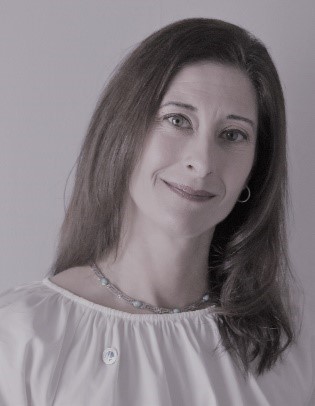
The U.S. Department of State announced the selection of Maine educator Karina Escajeda of Maine for a five-month English Language Specialist project focusing on K4/K5 curriculum design and materials development for a new English immersion initiative in Curacao. She is hosted by a partnership between the Regional English Language Office in Panama, the US Embassy in Curaçao, and the Curaçao Chamber of Commerce. This project will involve researching and drafting curriculum by incorporating local knowledge and curriculum understanding from other countries and best practices given the goals of Curaçao. Escajeda is part of a select group, as her project is one of 150 that the English Language Specialist Program supports each year.

Escajeda is a K-12 ESOL educational consultant with over 20 years of experience teaching, training, presenting, administrating, designing curriculum, and writing reports for K-12 public and private schools in domestic and international environments.  She earned a BA in formal linguistics and Spanish at the University of Southern Maine, TESOL at UCLA, K-12 teacher certification at CSU East Bay, and an MA and administrative credential in K-12 Educational Administration and Leadership at CSU Bakersfield.  She also holds certifications in K-12 ESOL, K-12 Literacy, and K-12 Spanish. She received a Fulbright Distinguished Award in Teaching fellowship to Greece in 2019-2020 to study community-based refugee integration initiatives. She is the program director for Capital Area New Mainers Project, a non-profit in central Maine that supports immigrants and provides educational resources to the broader community.

The English Language Specialist Program is the premier opportunity for leaders in the field of teaching English to speakers of other languages (TESOL) to enact meaningful and sustainable changes in the way that English is taught abroad. Through projects developed by U.S. Embassies in more than 80 countries, English Language Specialists work directly with local teacher trainers, educational leaders, and ministry of education officials to exchange knowledge, build capacity, and establish partnerships benefiting participants, institutions, and communities in the United States and overseas.

Since 1991, the English Language Specialist Program has supported in-country, virtual, and mixed projects in which hundreds of TESOL scholars and educators promote English language learning, enhance English teaching capacity, and foster mutual understanding between the U.S. and other countries through cultural exchange. During their projects, English Language Specialists may conduct intensive teacher training, advise ministries of education or participate in high-level educational consultations, and offer plenary presentations at regional, national or international TESOL conferences. These projects are challenging and those selected represent the best of the U.S. TESOL community. In return, the program provides professional development opportunities to help participants experience different cultures and build skills that can greatly enhance their TESOL careers at home.

English Language Specialists are counted among the more than 50,000 individuals participating in U.S. Department of State exchange programs each year. The Specialist Program is administered by the Center for Intercultural Education and Development at Georgetown University.

For further information about the English Language Specialist Program or the U.S. Department of State, please visit elprograms.org/specialist, contact us by telephone at 202-632-6452, or e-mail ECA-Press@state.gov.

Get to know the DOE Team: Meet Dwight Littlefield

Maine DOE Team member Dwight Littlefield is being highlighted this week in the Get to know the Maine DOE Team Campaign. Learn a little more about Dwight in the question and answer below.

What are your roles with DOE?

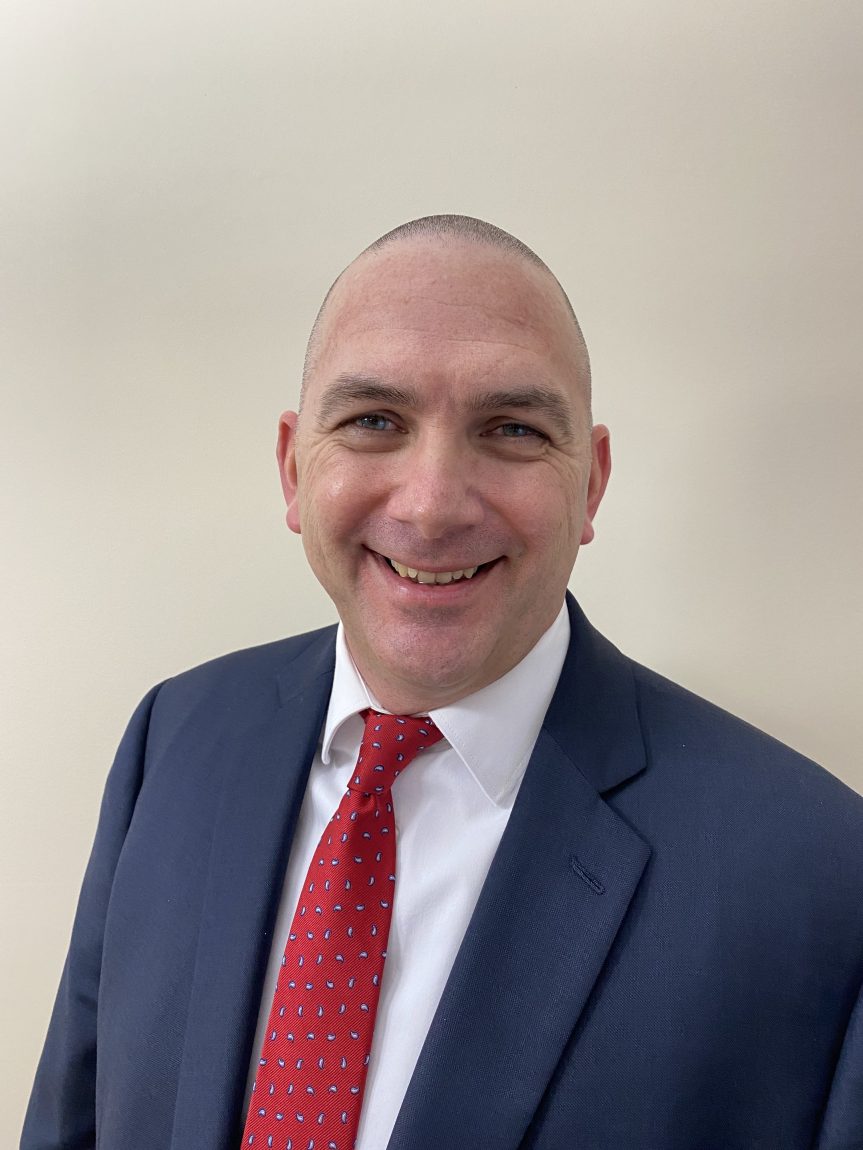
I am the State Director for Career and Technical Education (CTE).

What do you like best about your job?

It’s rewarding to know that we are providing students in CTE with skills that will help them for a lifetime. Many of the students will take those skills and go on to very successful careers where they will be contributing members of their communities. It’s nice to know that you are having an impact on the next generation.

How or why did you decide on this career?

It was a passing comment that my industrial arts teacher from high school, Bill Freudenberger, made to me at basketball camp the summer after I graduated from high school. I was off to UMFK to major in criminal justice with a goal of being a Maine State Trooper. He walked by me one day after running a drill together and he said, “Have you ever thought about being a teacher?” Of course, I immediately responded, “No, not interested.” However, as I went off to college and began to work with young people through coaching and volunteering, I really enjoyed the interactions I was having. It was always such a rewarding experience every time I spoke with students. I then began to think about all the incredible teachers that I had at Hartland Consolidated School, Hartland Jr. High and Nokomis Regional High and I realized that I, too, could have that same impact. Therefore, I transferred to UMPI and changed my major to Health Education. My journey in education started in 1990 and has taken me to some great places and it continues to do so today.

What do you like to do outside of work for fun?

Traveling and spending time with my family. My wife, Kristie, and I have had the privilege of following our daughters,  Autumn and Addison, as they pursue their passions — Autumn to Boston College where she plays field hockey and Addison to Lawrence University Conservatory of Music where she is an aspiring opera singer.

PRIORITY NOTICE: Seeking School Employees and Educators to Host WAVES Virtual Communities for Maine Teens 

The Maine Department of Education (DOE) is seeking school employees and educators to host Virtual Communities for Maine teens as an important part of a new Maine DOE initiative, WAVES. The Virtual Communities will help deliver on the vision “every week every Maine teen safely engages socially with a community of peers,” be housed on the WAVES website and will be open to all Maine teens. The purpose of a WAVES Virtual Community is to provide an opportunity for teens across Maine to connect safely and socially around a shared affinity.

Virtual Community host applicants are encouraged to be creative and consider their own interests, teens’ interests, and their own experiences around how teens connect with adults and to each other when creating a virtual community. Examples of Virtual Communities below are only provided to support creative thinking, and not to hinder or restrict other ideas:

  • Poetry Club
  • Citizen Science group
  • Knitting Circle (hosts may request materials to be sent to participants)
  • Use any of the Maine Department of Inland Fisheries and Wildlife resources to host a Scavenger Hunt or Sound Mapping community, for example.
  • Theater group
  • Environmental Activism community
  • Yoga and Mindfulness
  • Film Society

As a Virtual Community Host, you’ll be expected to host regular virtual meetings (at least monthly) outside of traditional school hours, support ongoing communication among the virtual community, and meet other expectations to protect the safety of all Virtual Community members. Please see the FAQ for prospective hosts for additional information.

We are committed to supporting our hosts and making sure our virtual communities are safe and inclusive. To this end, WAVES will provide a $150 stipend/month for Virtual Community hosts, provide access to a zoom account for virtual meetings, and be responsive to your Virtual Community’s needs and feedback.

If you’re interested in hosting a Virtual Community, please submit the Virtual Community Host application and you’ll hear back shortly so we may work collaboratively to start your virtual community and invite teens to join!

Please contact Project Director Sarah Woog (sarah.woog@maine.gov) with questions or feedback. Thank you for all you do for Maine youth!

How to use Sara Alert™ COVID-19 Monitoring System Safely and Effectively

The Maine Department of Education (DOE) contact tracing team uses Sara Alert (844) 957-2721 to monitor students and staff in PK-12 schools who have been in close contact to someone who has tested positive for COVID-19. Sara Alert is a public health system that supports the Maine Center for Disease Control and Prevention (CDC) to monitor for symptoms amongst the school population.

In an effort to ensure that Maine schools and their communities have all of the information they need to use Sara Alert™ safety and to ensure their personal information is safe while enrolled in Sara Alert™. Please disperse these helpful informational flyers to school communities statewide:

For more information email sarasupport@aimsplatform.com or visit www.saraalert.org.

Seeking Nominations for English for Speakers of Other Languages (ESOL) Teacher of the Year Award

The Maine Department of Education and the Foreign Language Association of Maine (FLAME) are now accepting nominations for the 2021 English for Speakers of Other Languages (ESOL) Teacher of the Year! Submit nominations by February 12th, 2021 through this online form.

This is the first time this award will be offered, co-sponsored by these two organizations. The award will be presented at the FLAME Conference, which is to be held virtually this year on March 12th and 13th.

The winner of the ESOL Teacher of the Year award will be recognized for excellence in leadership, advocacy, teaching methods, and family & community engagement.

If you have any questions, contact April Perkins, World Languages & ESOL Specialist at april.perkins@maine.gov.

Oak Hill High School Honors Student Nominated for The Congress of Future Medical Leaders

Kyleigh Hyde, a Junior at Oak Hill High School of Wales has been nominated to be a Delegate to the Congress of Future Medical Leaders. The Congress is an honors-only program for high school students who want to become physicians or go into medical research fields and aims to honor, inspire, motivate and direct the top students in the country interested in these careers, to stay true to their dream and, after the event, to provide a path, plan and resources to help them reach their goal.

Kyleigh’s nomination was signed by Dr. Mario Capecchi, winner of the Nobel Prize in Medicine and the Science Director of the National Academy of Future Physicians and Medical Scientists to represent Maine based on her academic achievement, leadership potential and determination to serve humanity in the field of medicine.

Kyleigh is slated to join students from across the country for a two day event in March to hear Nobel Laureates and National Medal of Science Winners talk about leading medical research; be given advice from Ivy League and top medical school deans on what to expect in medical school; witness stories told by patients who are living medical miracles; be inspired by fellow teen medical science prodigies; and learn about cutting-edge advances and the future in medicine and medical technology.

Some of the services and programs the Academy offers are online social networks through which future doctors and medical scientists can communicate; opportunities for students to be guided and mentored by physicians and medical students; and communications for parents and students on college acceptance and finances, skills acquisition, internships, career guidance and much more.

The National Academy of Future Physicians and Medical Scientists was founded to identify prospective medical talent at the earliest possible age and help them acquire the necessary experience and skills to take them to the doorstep of this vital career by offering free services and programs to students who want to become physicians or go into medical science.. For more information visit http://www.FutureDocs.com or call 617-307-7425.