
Maine is proud to be one of 20 other states in the nation to meet federal requirements for serving the needs of children with disabilities. This rigorous effort was led by the Maine Department of Education (DOE) Office of Special Services.
Under the Individuals with Disabilities Education Act (IDEA), states are required to report each year to the US Department of Education regarding their progress in meeting “measurable and rigorous targets” to serve students with disabilities. This determination is based on how well schools address the needs of children with disabilities. As part of the review process, Maine and other states were evaluated based on several factors, including student performance and fulfilling IDEA’s procedural requirements.
Members of the Special Services Team at the DOE have been hard at work to partner with and support schools to ensure the quality of education for disabled students in Maine continues to improve. Their strategy has been to identify areas where the state has struggled and use targeted professional development and collaboration with district administrators and teachers to improve those areas. Child Development Services has also been utilized to enhance support for children with disabilities from birth to the age of five. As part of a broader Department-wide effort, this strategy has helped to further emphasize student support and achievement.
One, among many other, contributing factors for the 2019 review, was the increased amount of Maine students with disabilities who participated in standardized testing compared to the previous year. The state receives full points from the federal government if at least 90% of students with disabilities participate in standardized testing.
“We’ve been working really hard to make sure the Department is providing the support needed to help schools improve their practices with children with disabilities,” said Jan Breton, Acting Director of the Office of Special Services. “It takes a strong team of people, both here at the Department and in the field, to make sure that our State is meeting these requirements,” she added.
The commitment and collaboration of students, families, educators, and the Maine DOE has enabled Maine to meet requirements by several percentage points. Additionally, the support and guidance that enables students with disabilities to make smooth transitions from secondary school to post-graduation living has also improved, and the dropout rate for students with disabilities has decreased. With more Maine students receiving their diplomas, these young people can expect improved employability and a wider spread of higher education options after high school.
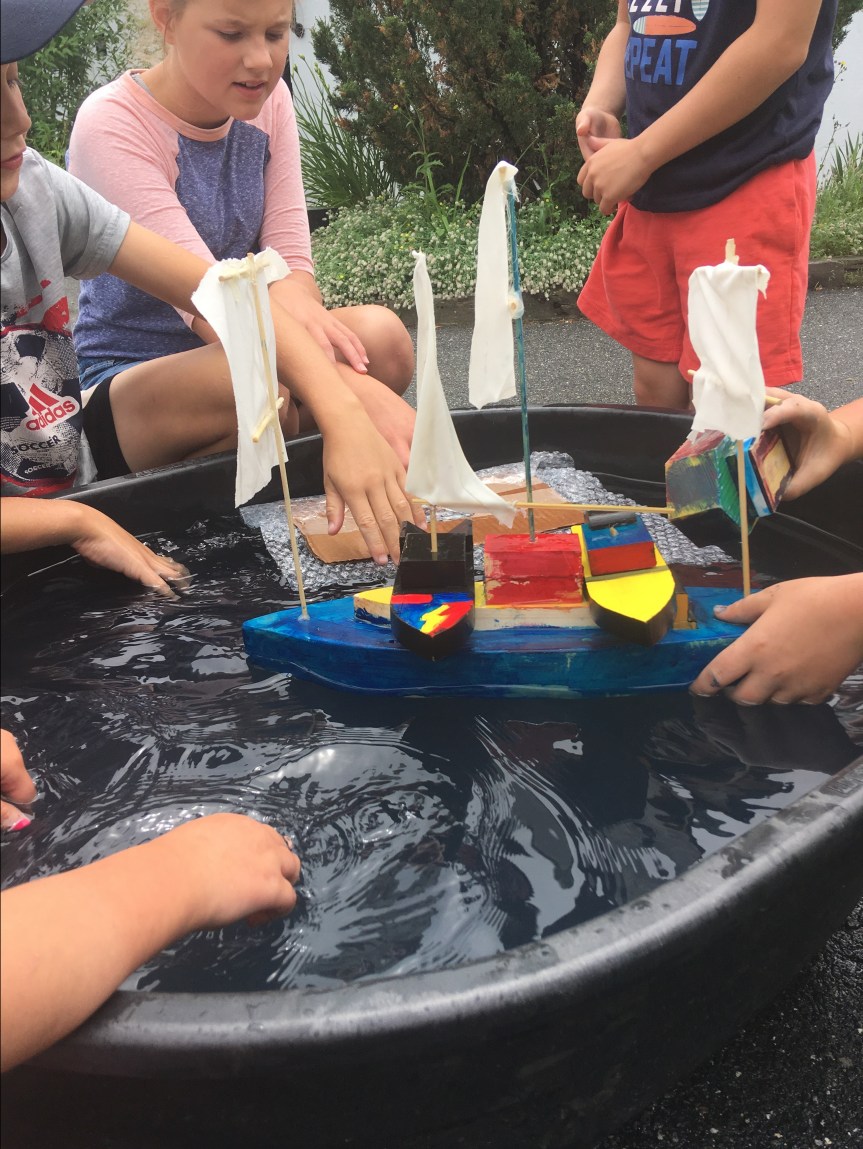
This milestone gives the Department the opportunity to refocus efforts on collaborative and student-focused growth, as well as areas in which Maine has not yet scored full points as part of the requirements. One example is around the team’s efforts to improve the state’s federal ratings for math scores through the Math4ME program. This program is grounded in hands-on activities and interactive professional learning experiences that allow participants to gain a deeper understanding of core concepts of mathematics and strategies. The program focuses on students with disabilities in grades 3-8.
Maine’s special education professionals are passionate and dedicated in their daily work to improve the lives and outcomes of children with disabilities. With our strong team of professionals here at the Maine DOE and our valuable partnerships with educators, administrators, families, and stakeholders statewide, we hope to continue our important work toward ongoing growth, improvement, and alignment in special education in our state.
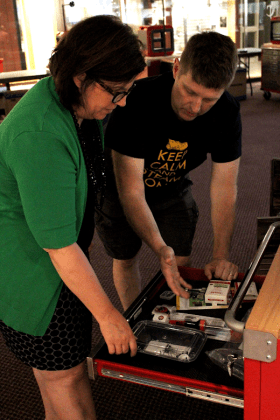
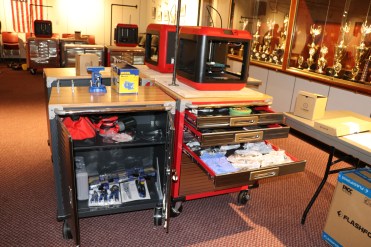
 Tonya Therrien, Benton Elementary 5th Grade teacher decided to take the course with the hopes of bringing back to her classroom, “a way to utilize technology more with the kiddos, beyond just using it for research.” She wants her students to know how to use technology as a tool. When asked what she thought of the training so far, she said, “this is probably the most worthwhile class I’ve ever taken, and I’ve taken a lot of classes.” She then added that she has two master’s degrees which both required a fair amount of coursework.
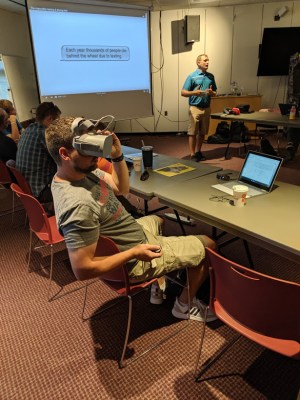 RSU 26 educator Karen Frye from Orono was excited to bring back what she has learned at the course to provide her gifted and talented students with the rare opportunity to do some hands-on problem solving, which will further enrich their learning experience and give them some problem-solving skills.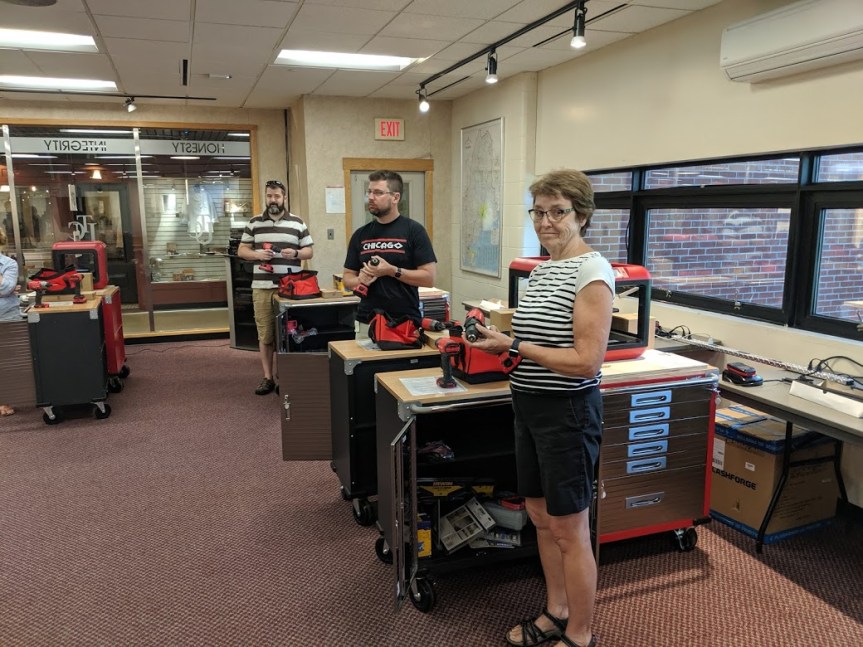



 Maine DOE Newsroom