FY27 Estimate Public Pre-K Student Count Data Form Submissions Extended to November 14

The Maine Department of Education (DOE) commends school administrative units (SAUs) for their ongoing efforts to expand access to public pre-K. If your SAU plans to open or expand a pre-K program in the 2026-2027 school year, you are eligible to receive funding on your Fiscal Year 2027 (FY27) ED279 for the children enrolled in these new or expanded programs. This means that your SAU will receive pre-K funding in the same year that the children are enrolled, without a year’s delay.

If your SAU plans to start and/or expand public pre-K in the 2026-2027 school year and wishes to receive an estimated FY27 pre-K allocation, please complete the FY27 Estimate Pre-K Student Count data form by November 14, 2025.

This form includes three questions:

  1. What is your SAU? (Choose your SAU from a drop-down list.)
  2. Do you have an existing pre-K program (FY26)? – Yes/No
  3. What is your SAU’s estimated increase in pre-K enrollment (i.e., the number of new slots that will be available in new or expanded programs)?

SAUs completing this form must also complete the Pre-K Program Application through the Maine DOE Early Learning Team by April 30, 2026, and obtain program approval.

The FY27 Estimate Pre-K Student Count data form is intended to capture the projected enrollment for new and expanding pre-K programs only. The estimated student count that you provide will be added to your SAU’s current FY26 enrollment to calculate FY27 pre-K funding on the ED279.

Your SAU’s October 1, 2026 verified total pre-K enrollment (reported on page two of the ED279) should reflect the combined total of your FY26 enrollment and FY27 estimated counts. Following October 1, 2026, an audit adjustment will be made to align the FY27 pre-K allocation with actual enrollment reported in NEO. Please note that this adjustment may result in an increase or decrease in funding.

For more information about establishing or expanding a pre-K program, please visit the Maine DOE | Establishing a Program or contact Nicole Madore, Maine DOE Early Childhood Specialist, at nicole.madore@maine.gov. For questions specific to FY27 ED279 estimates, please contact Donna Tiner, Maine DOE School Finance Coordinator, at donna.tiner@maine.gov.

The Pizza Men of Shooting Stars: How Two Scarborough Bus Drivers Deliver More Than Lunch

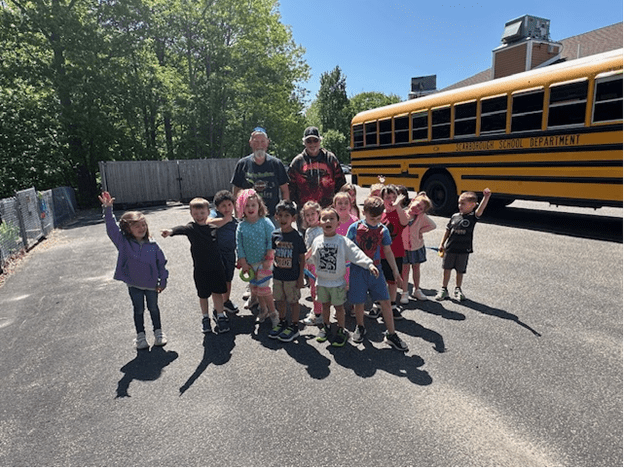
At the Shooting Stars Program for pre-K students in Scarborough, lunchtime is about a lot more than food—it is about smiles, laughter, and two beloved visitors who the children affectionately call, “The Pizza Men.”

Dave Gardner and Rick Harden, school bus drivers for Scarborough Public Schools, delivered meals every day last year to the public pre-K partnership classroom at the Shooting Stars Program. Over time, what began as a daily delivery turned into something far more meaningful: a joyful connection that bridged the classroom and the community.

“We might have a tough day, but the kids would never know it,” Gardner said. “We come in all smiles. It’s impossible not to when you see how happy [the children] are.”

The nickname “The Pizza Men” took shape after one Friday pizza delivery last year, and it stuck. Since then, the children have greeted the duo with excitement and giggles, hoping that the day’s lunch might include pizza.

Gardner, who has been driving a school bus for nine years, and Harden, who has been behind the wheel for seven, have made positivity their trademark.

“We go out of our way to greet every child,” Harden said. “We crack jokes. We make them laugh. It starts their day off right—and ours, too.”


That genuine connection has not gone unnoticed. The class regularly shows their appreciation by creating holiday ornaments, Valentine’s Day candy bags, and colorful thank-you cards for Gardner and Harden.

“It’s those little things that remind you why this job matters,” Gardner said.

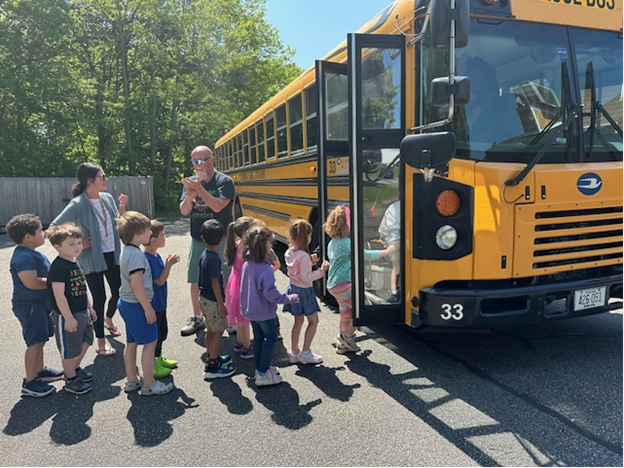
Last spring, the pair went above and beyond once again. They brought a full-size school bus to the Shooting Stars Program, so that the preschoolers could explore, learn about bus safety, and get comfortable with the sounds and excitement of the bus before starting kindergarten.

“The kids were thrilled,” a teacher shared. “It was even more exciting than when the fire department brought the fire truck!”

For Gardner and Harden, the visit wasn’t just for fun, either.

“We wanted to show them that the bus isn’t scary,” Gardner explained. “All of the children got to try things independently. That was a big moment for them and for us.”

 “To me, these kids are like my grandkids,” Harden added. “I want every interaction to be positive. If they trust us, they’ll speak up when something’s wrong—and that’s what keeps them safe.”

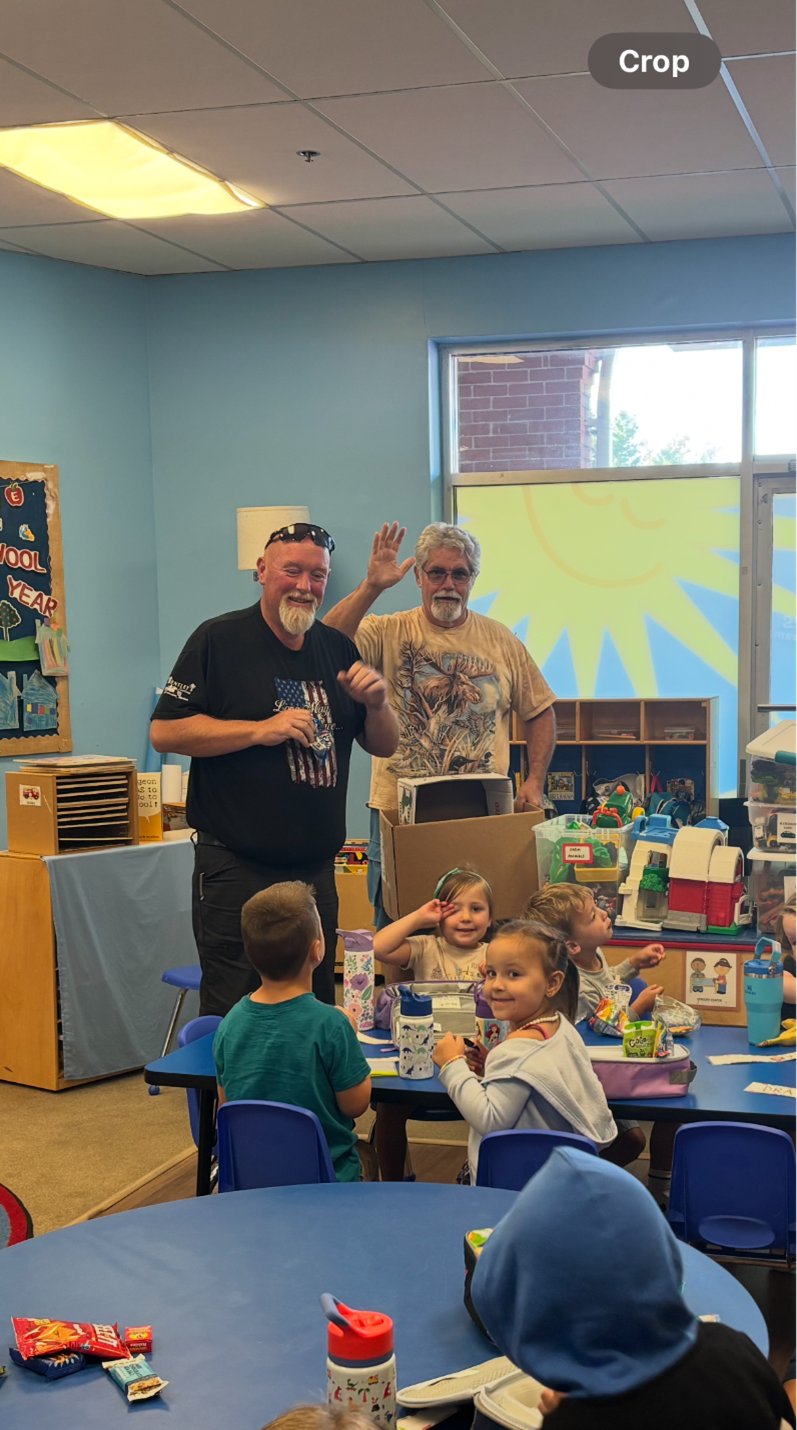
That sense of care shines through in every visit. One day during snack time, Gardner couldn’t resist joining the children at their tiny table.

“They were having snacks, so I sat down with them,” Gardner laughed. “The chairs were a little small for me, but the kids thought it was the funniest thing ever.”

Now, some of those same pre-K students ride Gardner and Harden’s buses as kindergarteners. They still wave, giggle, and shout, “Hey, Pizza Men!” when they see them.

As Maine celebrates National School Bus Safety Week, the staff at the Shooting Stars Program say it best: that Gardner and Harden aren’t just delivering meals—they’re delivering joy, confidence, and care to the next generation.

For more information, please contact Michelle Belanger, Maine DOE Pre-K Partnership Specialist, at Michelle.Belanger@maine.gov.

To submit a good news story to the Maine DOE, please fill out the good news submission form.

Mainely Play LAB Kicks Off in Brewer This Fall: Two Days of Play-Powered Learning for Early Educators

The Maine Department of Education (DOE) Early Learning Team is excited to offer a new professional learning opportunity for early childhood educators called the Mainely Play LAB. This dynamic, hands-on event will be held at Jeff’s Catering and Event Center in Brewer on October 27 and 28. It is designed for administrators, teachers, instructional coaches, and support staff working in pre-K through grade 2 in Maine. The deadline to apply is Friday, October 6, 2025.

The Mainely Play LAB offers participants the opportunity to:

  • Explore developmentally appropriate, play-based strategies that spark curiosity and deepen learning.
  • Align classroom practices with Maine’s standards, curriculum frameworks, and assessment goals.
  • Build joyful, engaging learning environments that balance creativity, play, and academic rigor.

Over two in-person days, participants will engage in practical learning, collaborative problem-solving, and leave with actionable tools to strengthen their classrooms and programs.

Schools must apply in teams of three to eight members spanning pre-K through grade 2. Each team must include:

  • At least one administrator (e.g., principal, assistant principal, curriculum leader, etc.)
  • At least two classroom teachers (from the same grade or across different grade levels)

Schools are encouraged to include additional educators such as allied arts teachers, instructional coaches, school counselors, special educators, English Speakers of Other Languages (ESOL) teachers, and educational technicians.

Participatingschools will be eligible for a financial incentive to support, including:

  • Travel costs (including mileage and lodging for individuals traveling 75 or more miles one way)
  • Substitute coverage
  • Implementation of new strategies and materials

The incentive will range from $5,000 for teams of three to five members to $7,000 for teams of six to eight members. Please note: To receive this incentive, the team administrator must attend both days.

Apply here now! The application closes after Friday, October 6. Each team should designate a team lead to serve as the primary contact. The Maine DOE anticipates accepting between 20 and 30 teams with complete applications on a first-come, first-served basis, depending on team size.

If your school currently uses the For ME instructional programs in one or more grades, please reach out before applying. For further information or questions, please contact the following Maine DOE staff members:

Maine DOE to Host ‘For ME’ (Pre-K through Grade 2) Professional Learning Communities During 2025-2026 School Year

The Maine Department of Education (DOE), in collaboration with teacher leaders from across the state, is once again offering professional learning communities (PLCs) for educators and caregivers implementing the For ME programs, which include Pre-K for ME, K for ME, 1st Grade for ME, and 2nd Grade for ME.

These monthly virtual PLCs are designed to deepen understanding of program design and implementation. Participants will explore units and components in greater depth through real-world examples, shared practices, open discussion, and student work. Whether you are new to a program or have been using it for several years, these PLCs offer valuable support for teachers, ed techs, instructional coaches, and other staff.

Pre-K for ME PLCs
Sessions will be held virtually from 3:30-4:30 p.m. on the first Monday of each month:

  • October 6, 2025
  • November 3, 2025
  • December 1, 2025
  • January 5, 2026
  • February 2, 2026
  • March 2, 2026
  • April 6, 2026

K for ME, 1st Grade for ME, and 2nd Grade for ME PLCs
Sessions will be held virtually from 3:30-4:30 p.m. on the second Tuesday of the month:

  • October 14, 2025
  • December 9, 2025
  • February 10, 2026
  • April 14, 2026

Registration

While regular attendance is encouraged, participants do not need to commit to every session. Access details will be provided upon completion of registration. 

Please register by Friday, September 26, 2025. You may do so using the following links:

Questions?

Mill Stream Elementary Second Graders Become ‘Pollinator Ambassadors’

(MSAD 54 educator Dorothy Small shares her passion for tagging Monarch butterflies, teaching students how to find Monarch eggs, raise them, tag the insects, and release them.)

At Mill Stream Elementary School, pre-K through second grade classrooms are embracing the “For ME” curriculum, an innovative, whole child-focused instructional approach, adapted from Boston Public Schools and available through the Maine Department of Education. Designed to integrate research-based practices aligned with Maine’s Learning Results, this program encourages children to grow as learners and also as active, responsible citizens.

Second grade teacher Tiffany Frost has seen firsthand how the “For ME” curriculum inspires her students. Having taught both the kindergarten and second grade modules, Frost is a strong advocate for giving students ownership of their learning.

“The curriculum is so well designed that everything we are doing connects,” Frost said. “My students aren’t just reading about their world; they’re inspired to become problem-solvers and collaborate with their peers to find solutions.”

When fellow teachers Tracy LaPlante and Ciera Lambert explored the upcoming second grade “For ME” module, they approached it with genuine curiosity. Working alongside academic coach Barbara Welch and supported by ASPIRE, a local partnership dedicated to student career aspirations, the team developed a community-based focus for the unit, which included presentations by community members, as well as other educators like Dorothy Small, who taught students about Monarch butterflies. Special Education teacher Patty Moody also joined the effort, helping to expand learning opportunities through reading and writing in all settings.Special Education teacher Patty Moody also joined the effort, helping to expand learning opportunities through reading and writing in all settings.

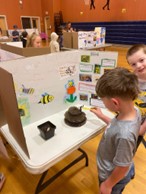
Throughout this unit, students became researchers, creating informational brochures about flowers to be shared with local businesses. They also took on the role of Pollinator Ambassadors, designing tri-fold displays to explain the vital relationship between pollinators and flowers. To deepen students’ understanding, community partners visited the classroom to share their expertise and skills, offering students hands-on opportunities to explore pollination.


This project culminated in the Pollinator Exhibit, where second graders proudly shared their work with parents, fellow students, and staff. Visitors toured the displays and participated in interactive activities led by students from Somerset Career and Technical Center’s Early Education program.

Through the “For ME” curriculum, Mill Stream Elementary’s second graders didn’t just study pollinators; they became advocates for them, proving that even the youngest learners can make a big impact in their community.

This story was written in collaboration with Mill Stream Elementary School and the Maine DOE Early Learning Team. To submit a good news story to the Maine DOE, please fill out the good news submission form.

Stepping Forward: Two Rivers CDS Preschoolers Graduate with Joy and Confidence, as Maine Expands Early Education Access

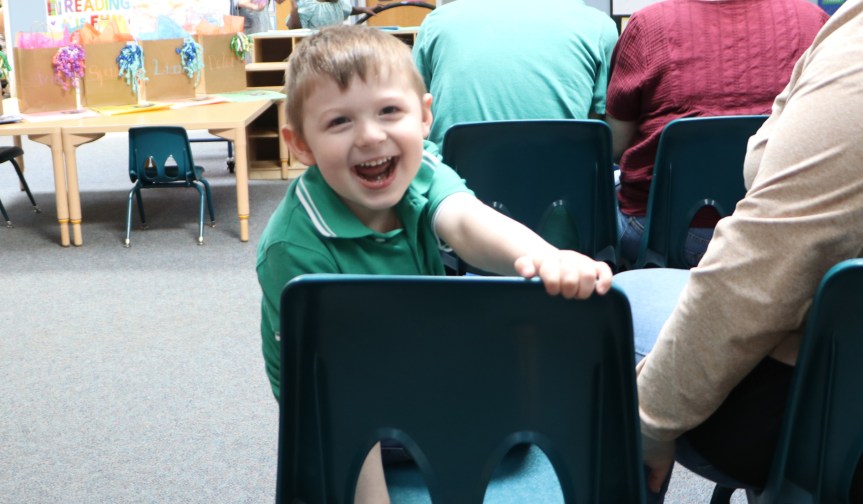
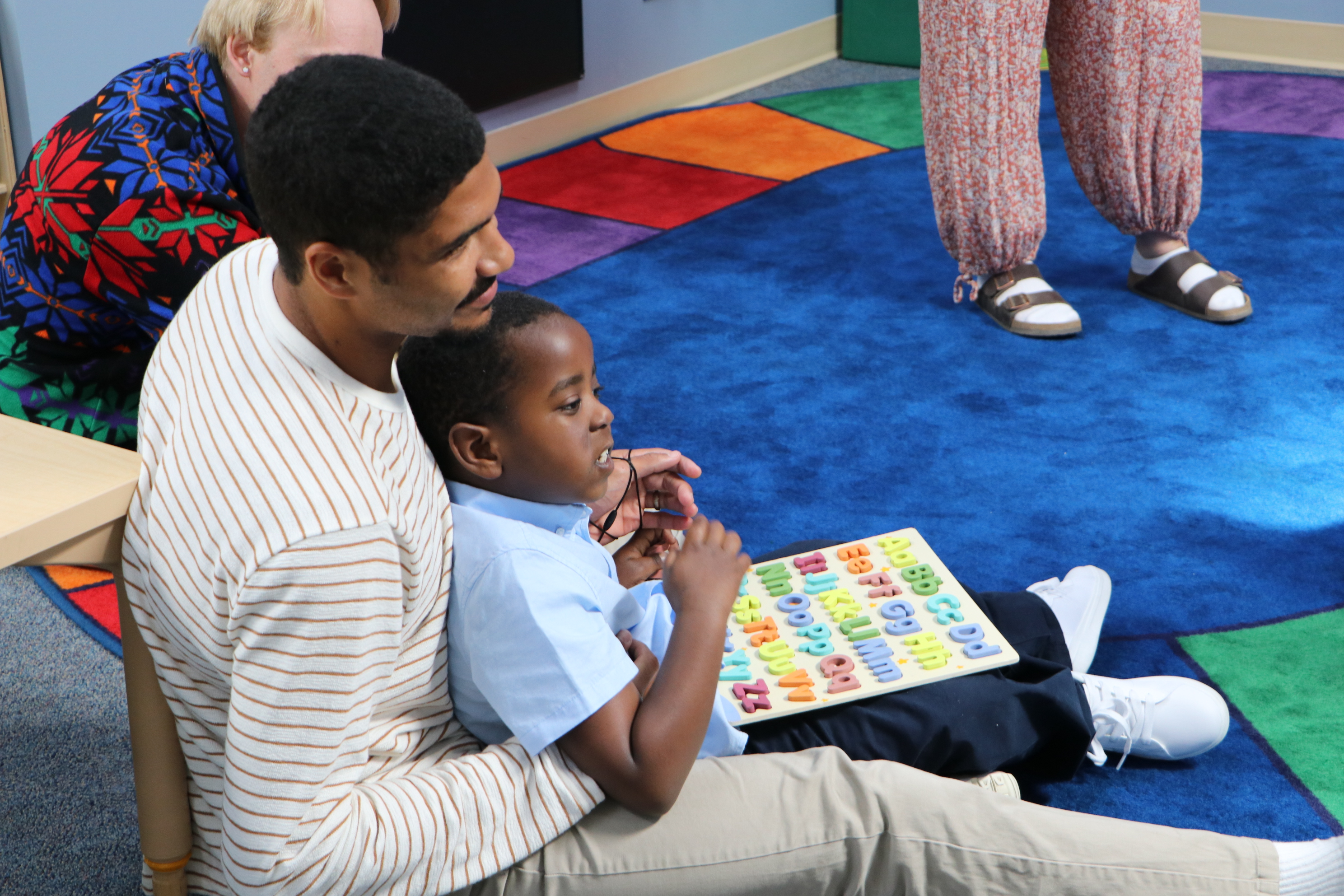
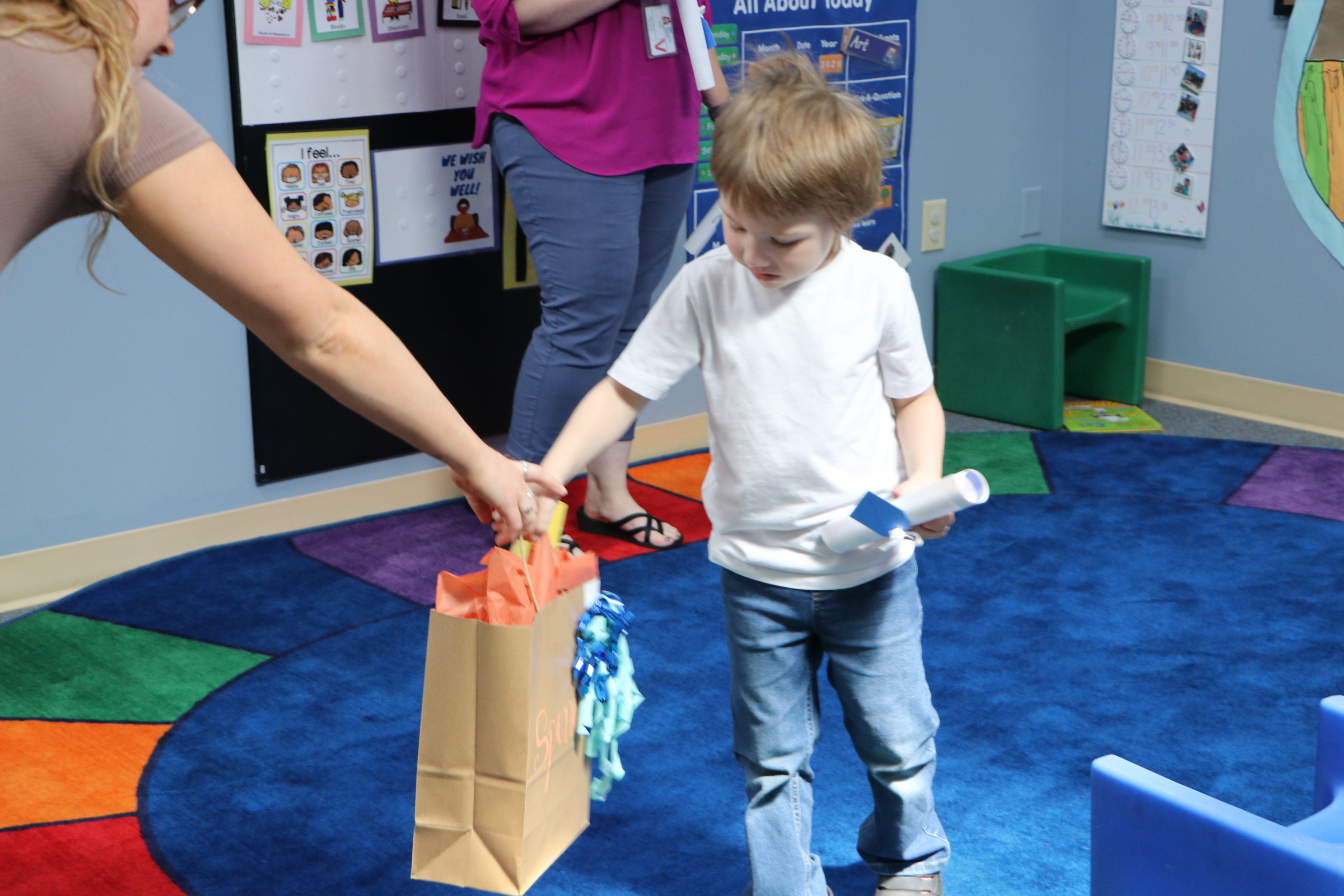
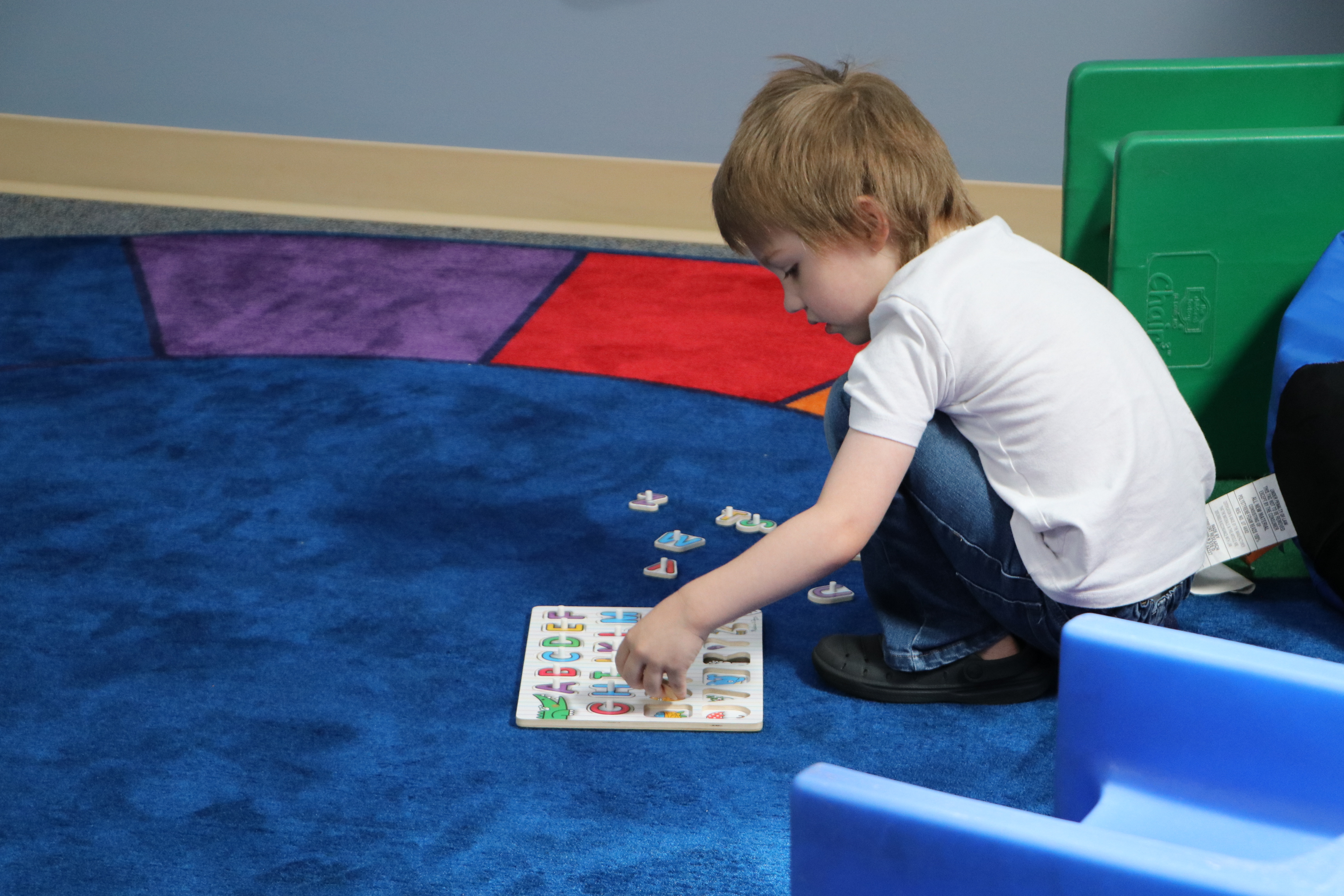
Pictured: Zachary, a former student of Two Rivers CDS, waits with excitement before the event begins.

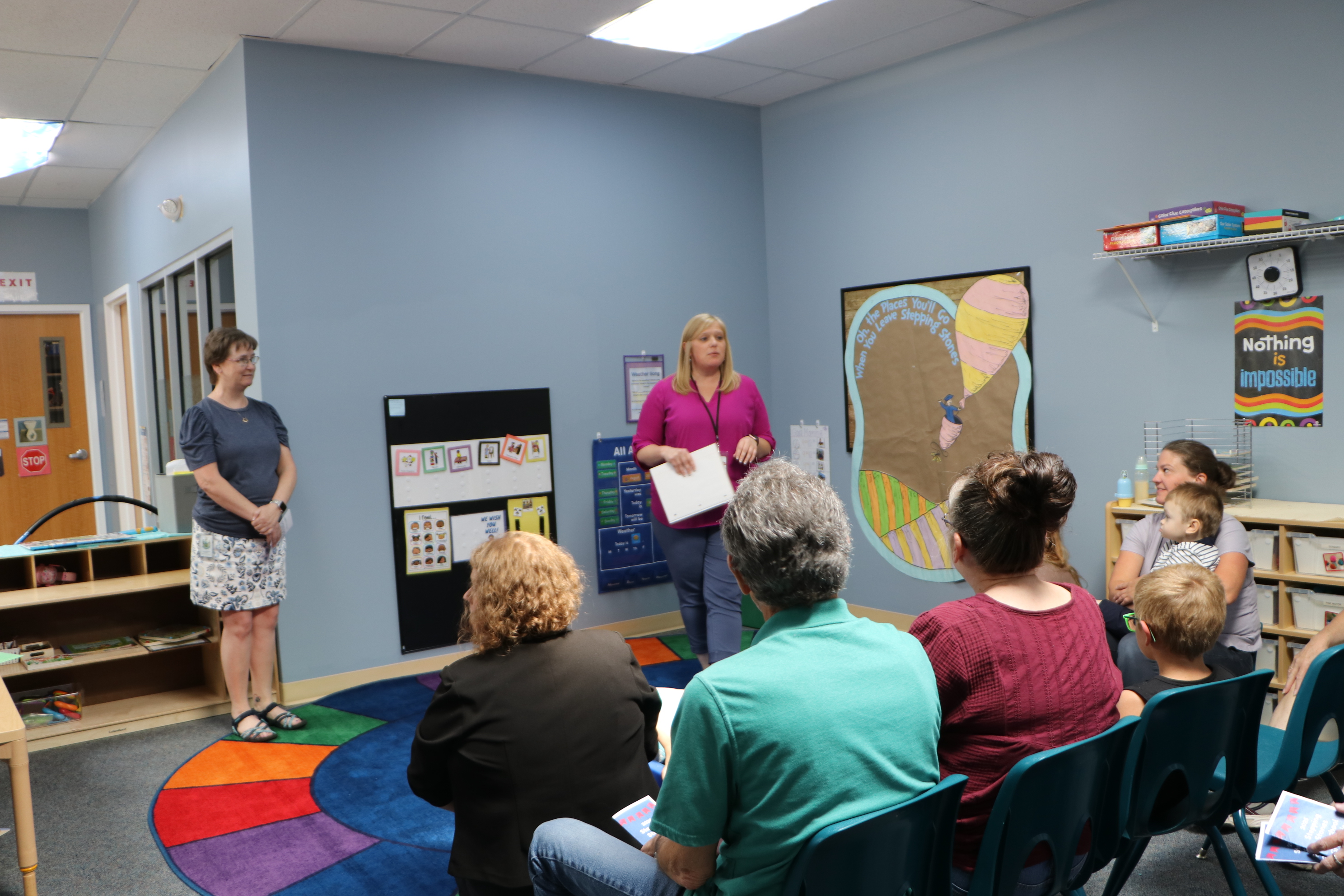
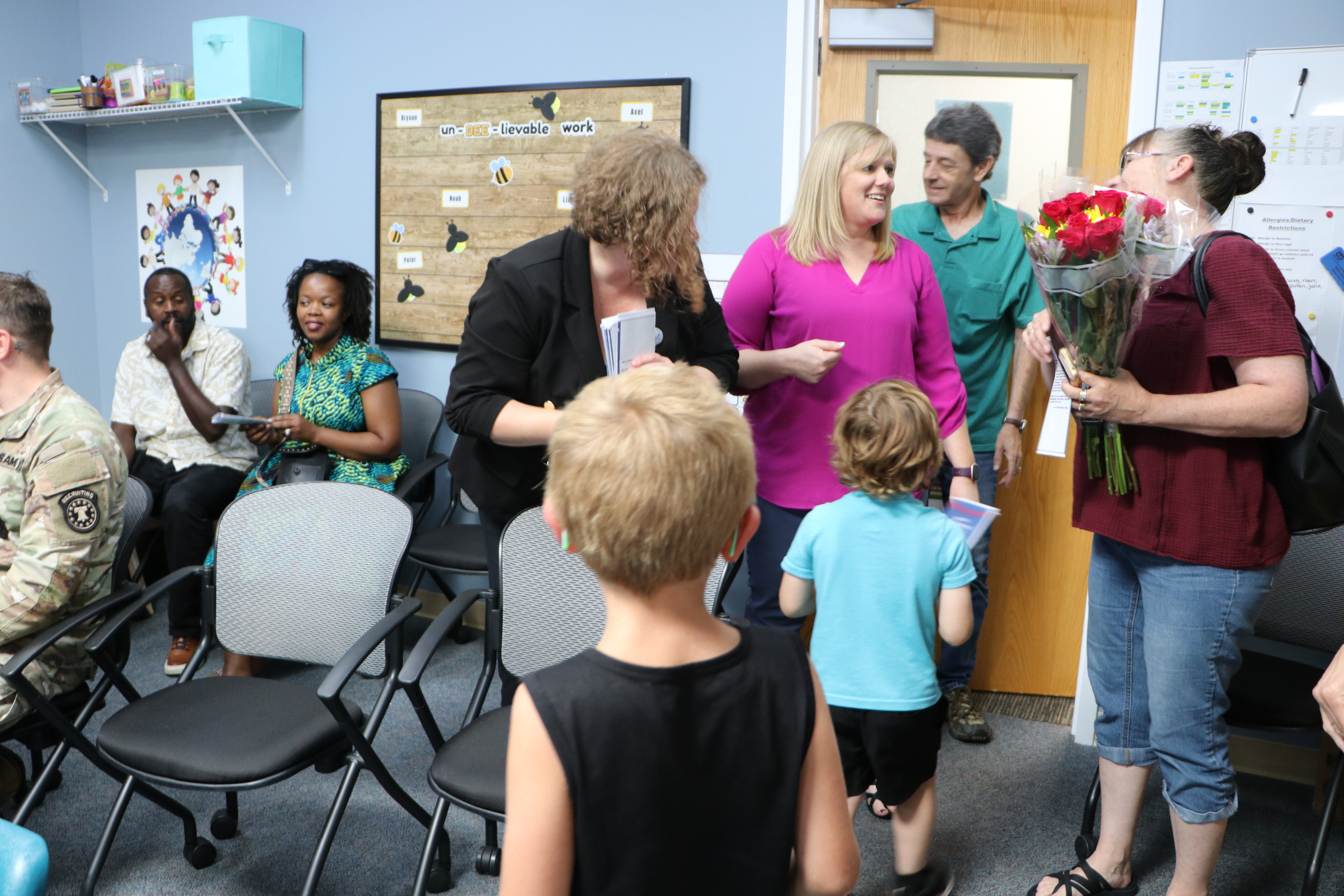
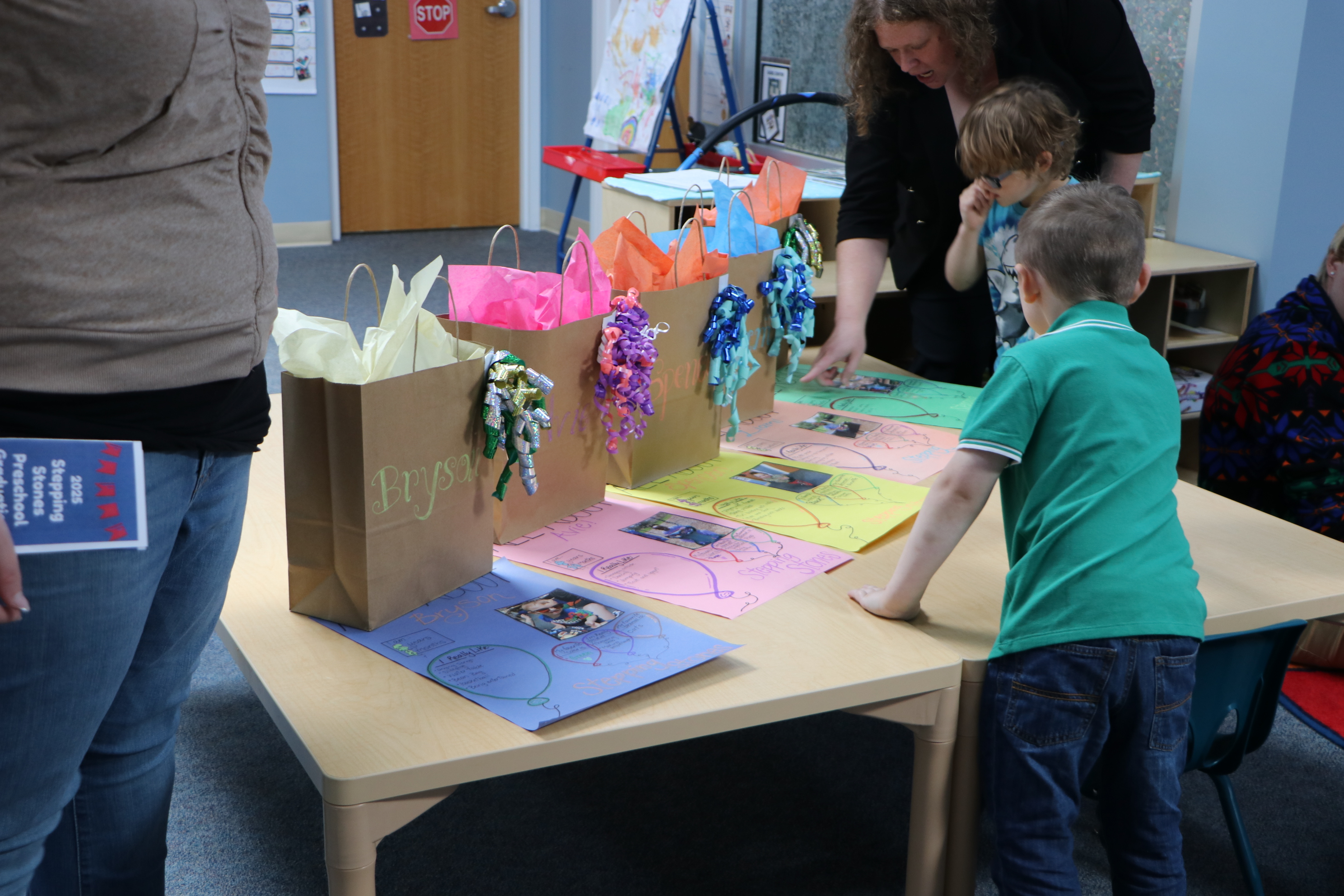
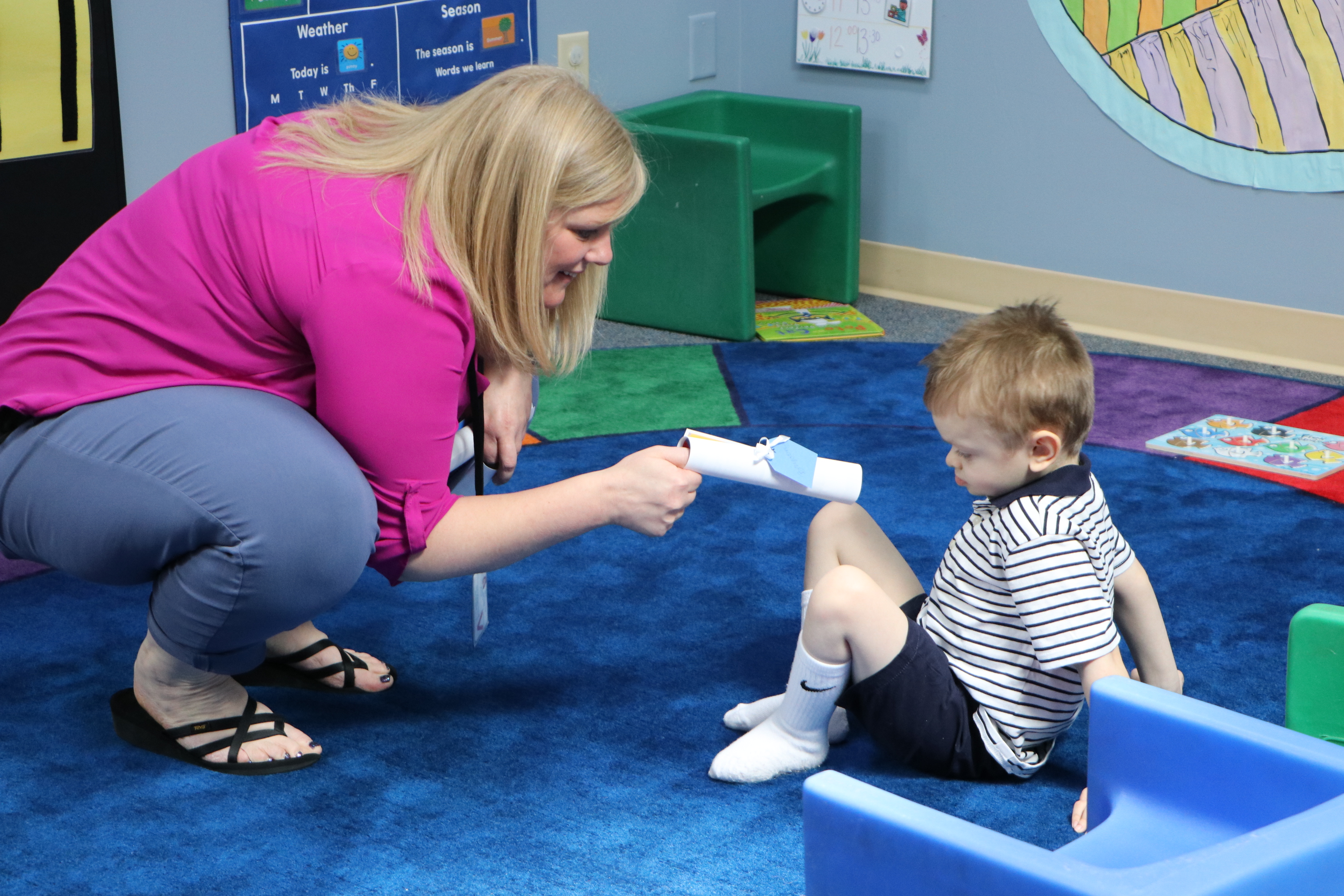
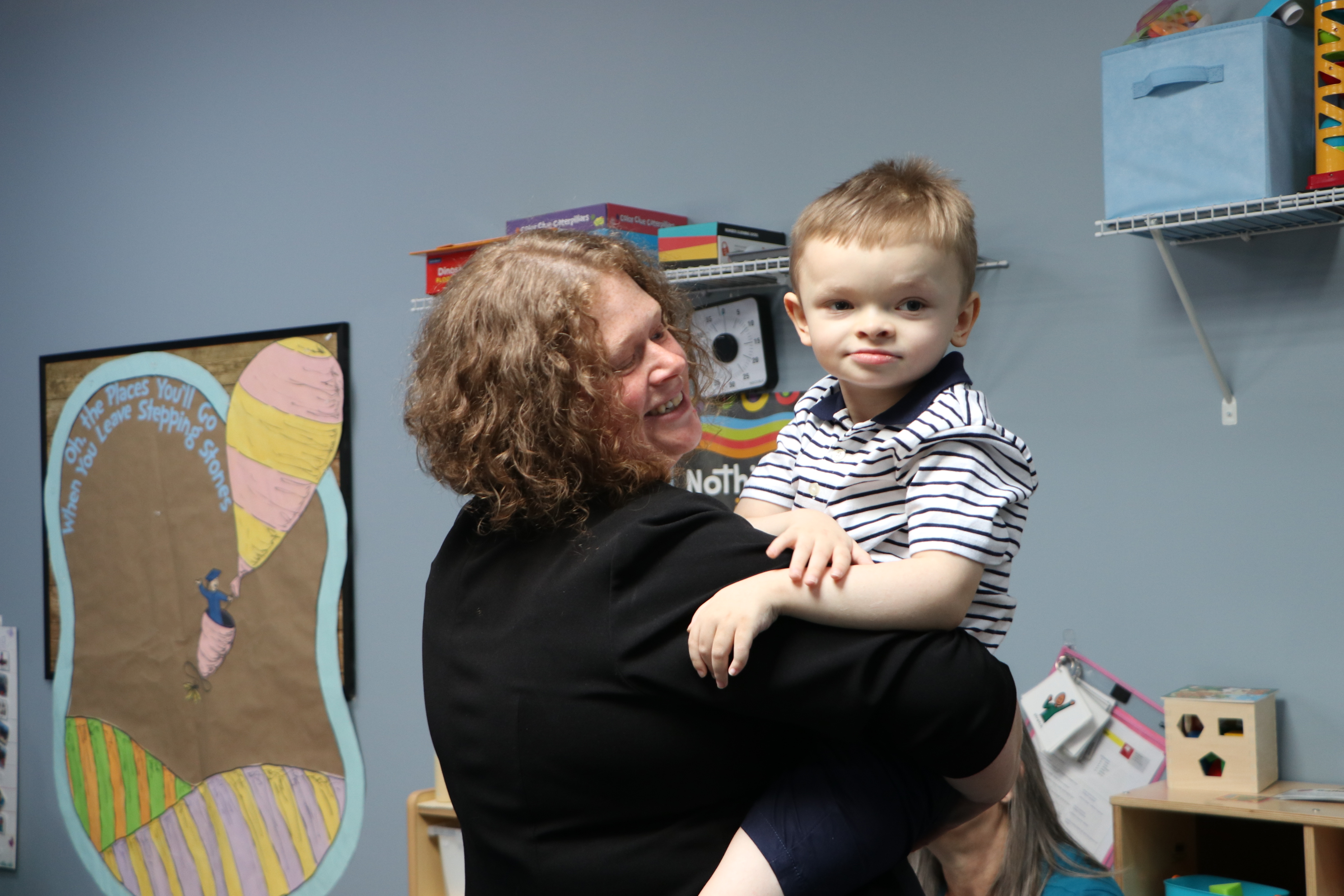
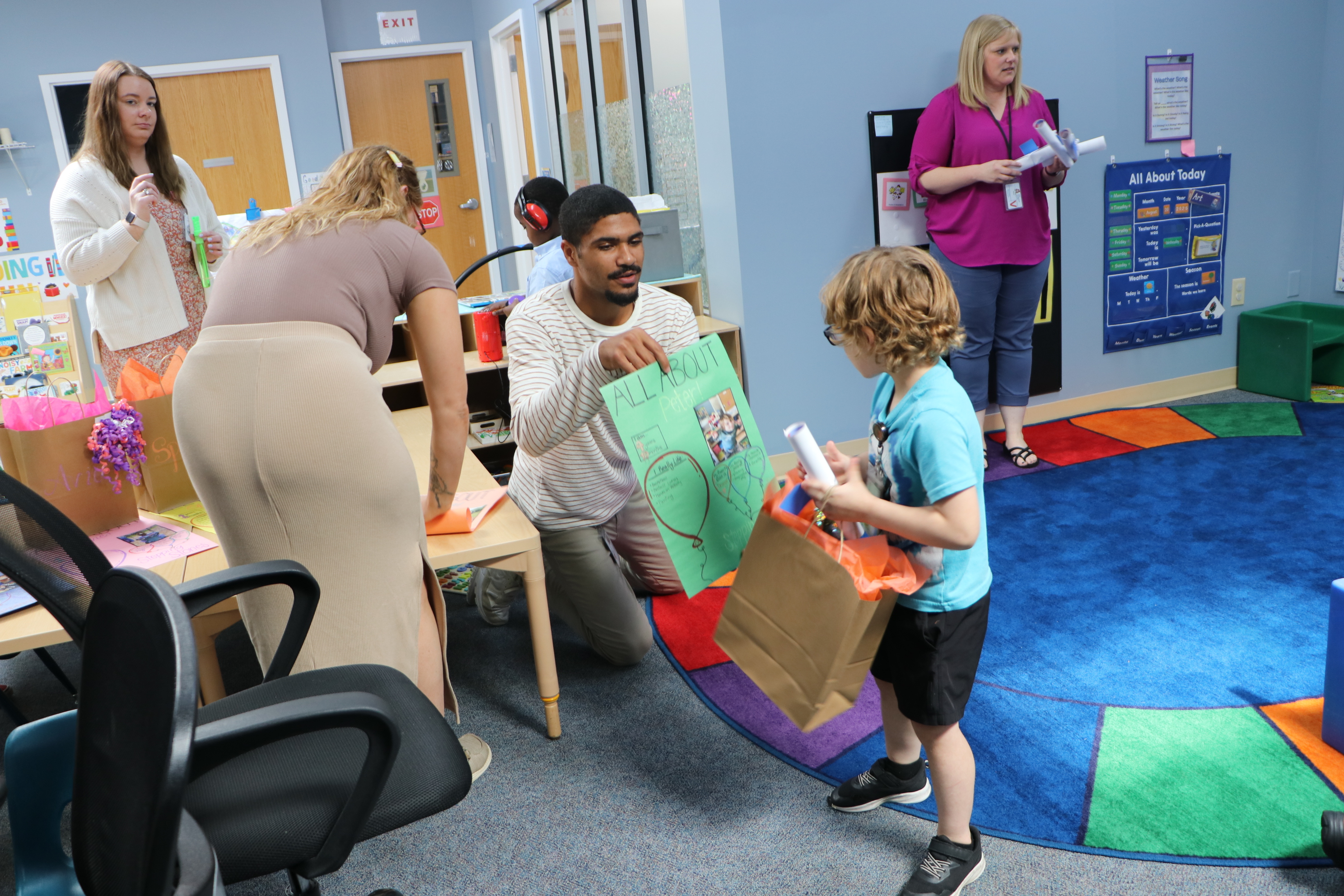
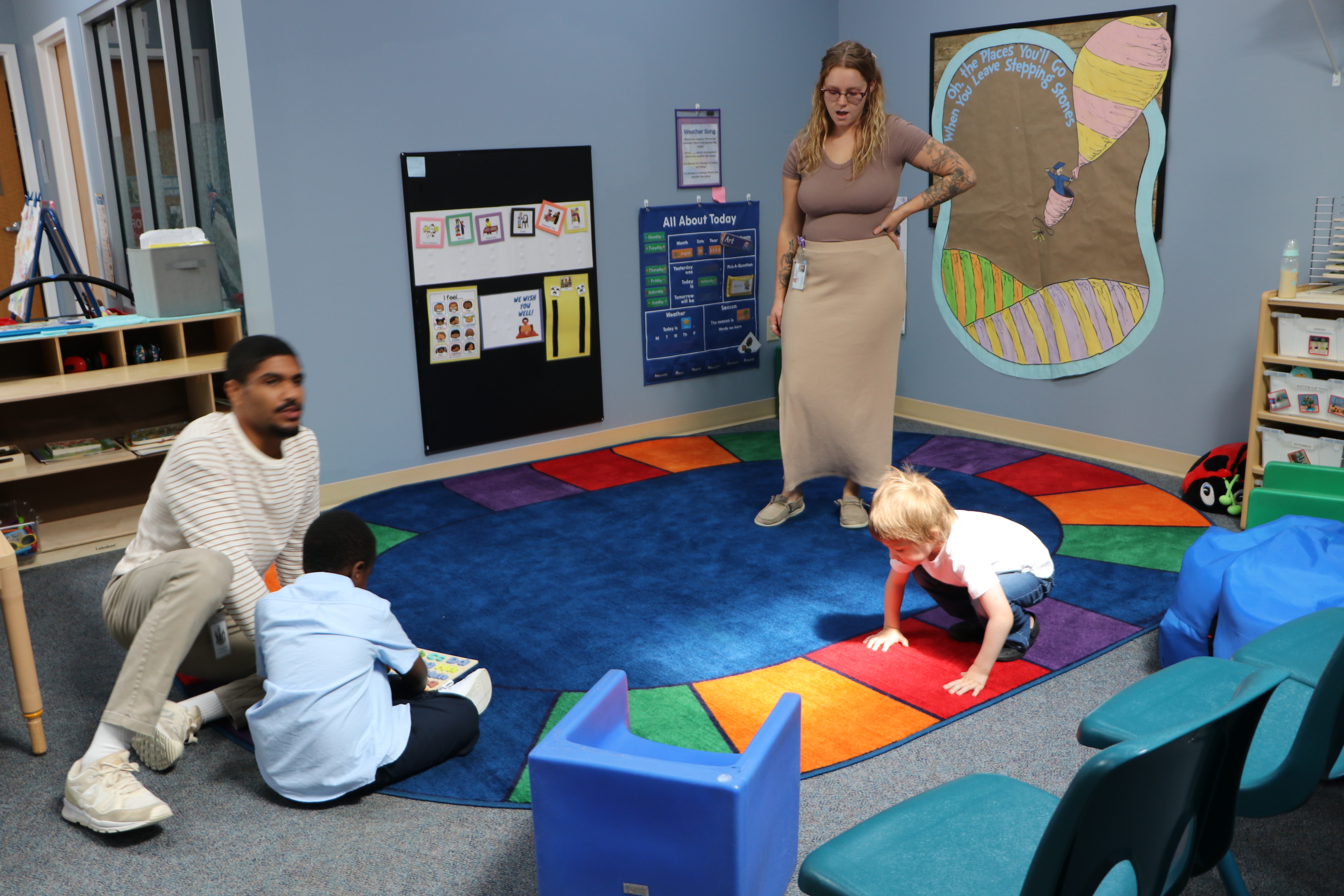
Laughter, applause, and proud smiles filled the room at the Two Rivers Child Development Services (CDS) site in Brewer on Thursday, August 21, as families, educators, and local officials gathered to celebrate the Stepping Stones Preschool Graduation. This event marked an important milestone for the class of 2025—a group of preschool-aged children transitioning from CDS services into their local public schools, including many who will begin kindergarten in the Brewer School Department this fall.

More than just a graduation, this ceremony celebrated the hard work of students, families, and educators, as these children move confidently into the next chapter of their educational journeys. It also reflected Maine’s broader transition effort, led by the Maine Department of Education (DOE) and CDS, to move Early Childhood Special Education services for children ages three to five from CDS programs into public school systems statewide—a process that aims to be fully implemented by 2028.

The Stepping Stones Preschool Graduation, organized by CDS staff, including Site Director Amy Bragg and Assistant Preschool Manager Sarah Taylor, was full of energy and emotion, as families watched their children sing, laugh, and accept certificates, gifts, and sorbet to celebrate their progress.


“I’m most excited for them and their families,” Taylor said. “We are so lucky to have had these kids. Just being able to celebrate them and all the progress they’ve made is the most exciting part.”

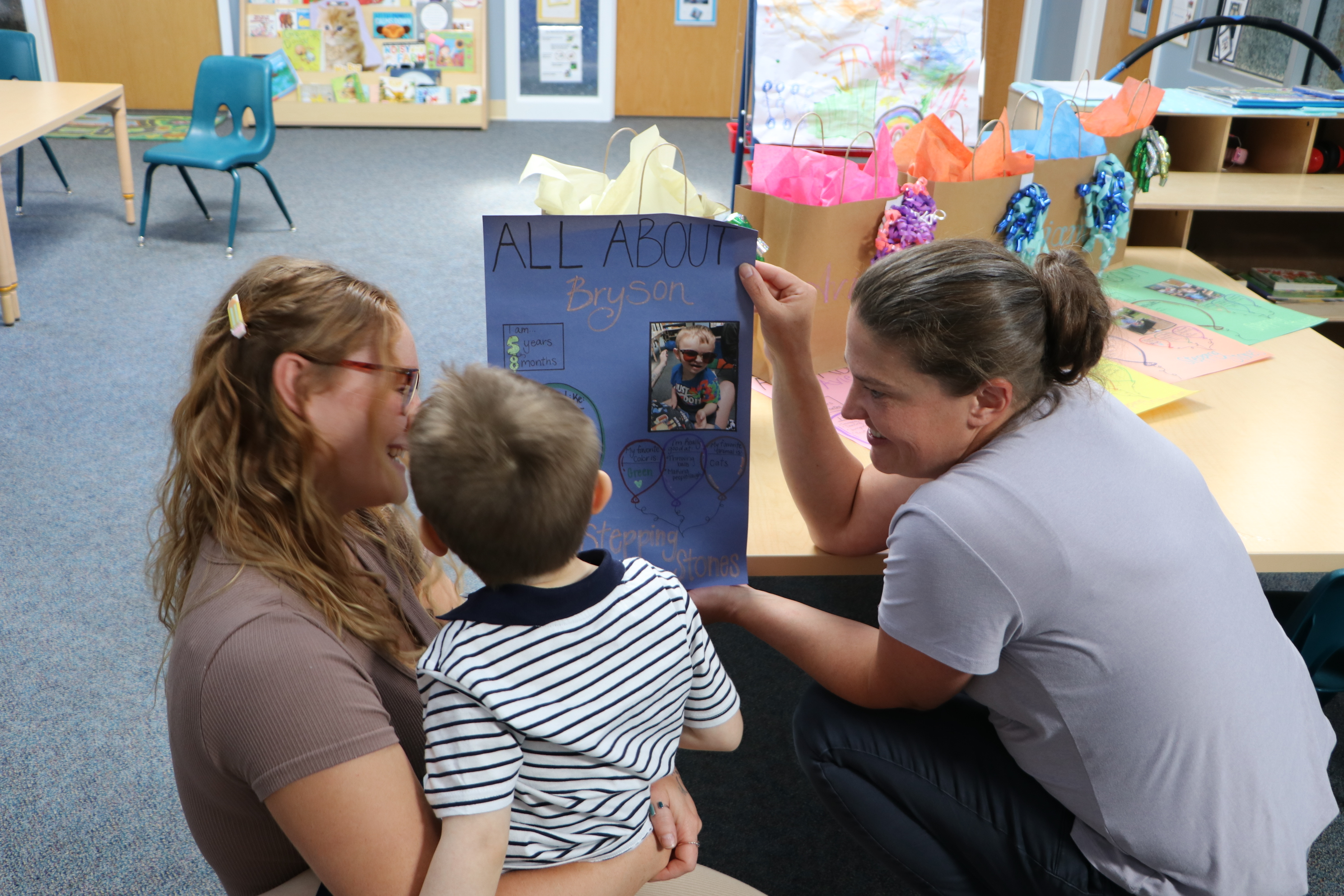
For Marie Brown, the day was especially meaningful, as she watched her grandson, Bryson, graduate.

“This is his second year here, and he was actually the first child enrolled in the program in Brewer,” Brown said. “I’ve seen leaps and bounds in his work. The people here—I can’t say enough; they’re wonderful.”

Brown shared that she is hopeful, as Bryson prepares to enter kindergarten in the public school system: “I’m nervous because this has been our comfort zone, but I’m excited to see the next chapter in his growth.”


This joyful moment was made possible by the collaborative work between CDS and local public schools, including those in the Brewer School Department, which is part of the second cohort of school administrative units (SAUs) participating in the transition. Starting this fall, Brewer and 33 other SAUs will take on the responsibility of providing Free Appropriate Public Education (FAPE) and Child Find services under the Individuals with Disabilities Education Act (IDEA), following a strong foundation laid by Cohort 1 in the 2024-2025 school year. Every child with a disability in the initial SAUs was fully supported within their local school communities—demonstrating the power of collaboration between CDS and SAUs.

According to Angela Moore, Director of Special Education for Brewer Schools, the transition has been a positive and collaborative process, as schools prepare to welcome children and provide seamless supports from day one.

“CDS has been so incredibly helpful,” Moore said. “Bragg and her team have been exceptional in making us aware of the students coming in, what their needs look like, and how we can plan for them.”

Moore highlighted how valuable it was to sit down with CDS staff in the spring and review the needs of each child in detail.

“That hour and a half saved me a lot of reading time; it was like a passing of the torch,” she explained. “They helped us to build trust and truly understand each student before they even step into our classrooms.”

While the shift from CDS to public schools is a significant structural change, families are already seeing the benefits: access to services within their communities, fewer transitions, and coordinated support from both agencies.

Heather Imferrera, whose son, Zachary, is moving from Two Rivers CDS to pre-K in Orrington (AOS 47), shared her enthusiasm about the services Zachary has received so far at Two Rivers and what he’ll receive in Orrington.

Zachary and his mom, Heather Imferrera.


“It has been amazing,” Imferrera said of her family’s experience.

Imferrera said she is excited that in his new setting this fall, Zachary will be able to receive speech and occupational therapy services, as well as specially designed instruction, while going to school with other kids in his community.

Taylor emphasized the importance of communication in helping families to feel confident: “We’re working to show that pre-K is going to be treated just like kindergarten or first grade. It’s their public school; it helps people to understand and feel more at ease.”

Both CDS and SAUs are learning from the first cohort of schools that began this transition in 2024, and those lessons are making a difference.


“We definitely learned from the first year,” Bragg said. “Now that we’re going into the second year, everybody’s on a better timeline and has more information.”

Bragg also mentioned that a few larger SAUs that CDS has been working with have given them “rave reviews” in the process of this transition.

Bragg described the Stepping Stones Preschool Graduation as a confirmation of what CDS and its partners have been able to achieve: “It’s a huge milestone—for the kiddos and their families. It’s good to know we were able to meet their needs.”

The Maine DOE, through the Office of Special Services and Inclusive Education (OSSIE) and its CDS teams, continues to support this statewide effort with policies, resources, and guidance. Local SAUs, in turn, are building the capacity to serve children close to home, creating a more inclusive and supportive early education system.

Moore summed it up: “We’ve been ‘linking arms’ with CDS to make sure no child goes unserved or unidentified. That partnership has helped us to prepare classrooms, train staff, and really know the students before the first day. This transition is about doing what’s right for kids—and that’s what we’re focused on.”

As the ceremony concluded with high-fives, hugs, and photos, the mood was hopeful and celebratory. These young graduates may be small in size, but they’re stepping into big new opportunities—well-prepared, well-supported, and ready to thrive.

Looking ahead, Cohorts 3 and 4 of the CDS transition will follow over the next two years, guided by the lessons learned and best practices developed through this collaborative approach. This phased, deliberate transition reflects Maine’s commitment to providing high-quality, inclusive services for children and families—meeting them where they are.

Two Rivers CDS, the Brewer School Department, and the Maine DOE Office of Special Services and Inclusive Education contributed to this article, written as part of a series highlighting the ongoing efforts of CDS and public schools in providing comprehensive educational services to Maine’s children with special needs. To submit a good news story to the Maine DOE, please fill out the good news submission form.

For ME Trainings Support Early Educators Across Maine

(Pictured: Teachers work together during the “Building Beautiful Things” activity, bringing in classroom items to build, collaborate, and reflect on the importance of play-based learning.)

Across the State of Maine, educators are coming together this summer to strengthen the foundations of early learning through the Maine Department of Education’s (DOE) “For ME” instructional programs. These programs, which support pre-K through grade 2 classrooms, are part of a growing initiative to provide developmentally appropriate, play-based, and standards-aligned instruction for Maine’s youngest learners.

The Maine DOE recently hosted two of its signature summer trainings in Augusta: K for ME and 1st and 2nd Grade for ME. Over four days (two days for each grade level), nearly 140 educators participated in sessions designed to build confidence, encourage collaboration, and support high-quality instruction using the Maine DOE’s open-source curriculum. These training sessions weren’t just about introducing materials; they were about empowering educators to bring those lessons to life in their classrooms. Pre-K for ME trainings were held during the same week in Hampden and Falmouth.

The For ME instructional programs have been steadily expanding since their initial launch in 2018. What began with a focus on pre-K has now grown into a full suite of resources for the early elementary years. This summer is especially exciting, as it marks the official introduction of 2nd Grade for ME, completing the pre-K to grade 2 continuum.

Each summer, the Maine DOE invites educators from across the state to join these trainings and become a part of a professional learning community that extends into the school year. This year’s sessions are supporting more than 240 professionals across the pre-K to grade 2 span, including classroom teachers, ed techs, instructional coaches, special educators, and administrators from about 30 school districts and 10 private childcare programs.

What makes these trainings particularly powerful is the leadership behind them. Many sessions are led by experienced teacher leaders—practicing educators from RSU 22, as well as school systems in Falmouth, Sanford, Brunswick, and other communities. These educators bring firsthand experience from their classrooms and help to mentor peers through model lessons, classroom visits, and professional guidance.

Later this summer, the Maine DOE will also offer a special “deeper dive” session for pre-K educators who have been using the program for more than three years. This one-day training was created using direct feedback from participants and is tailored to help veteran educators to explore the curriculum in new and meaningful ways.

With each training session, the Maine DOE continues to demonstrate its commitment to nurturing not just student learning but also the professional growth of those guiding them. The energy, collaboration, and innovation on display this summer highlight a shared goal across Maine’s education community: ensuring that every child has a strong, joyful start to their educational journey.

Inside the Early Childhood Summit: Big Ideas for Maine’s Youngest Learners

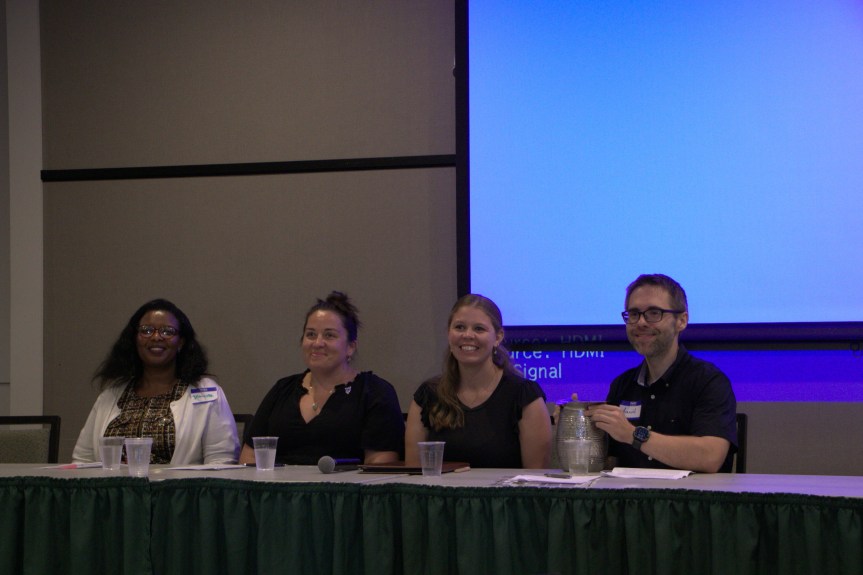
Family Partnership Panel (pictured left to right): Jeannette Umugwaneza, April Tardiff, Cori Cantrell, and David Motel share lived experiences and insights to strengthen early childhood systems across Maine.

In July, early childhood educators, family advocates, childcare providers, and community leaders from across Maine gathered in Brewer and in Portland for the 2025 Early Childhood Summer Summits—two days full of connection, collaboration, and forward-thinking solutions.

The events focused on strengthening early childhood systems through innovation, partnership, and family engagement, with a special emphasis on meeting the needs of Maine’s rural communities. Similar agendas were followed in both locations, with Maine educators from across the state sharing powerful examples. The summits were funded through Maine’s Preschool Development Grant (PDG), which supports coordinated efforts across Maine’s Early Care and Education Systems.

The day in Brewer began with a warm welcome from leadership at Maine School Administrative District 54 and the Kennebec Valley Community Action Program, setting the tone for an engaging and impactful agenda. One of the highlights early on was the Fireside Chat, where representatives from Regional School Unit 14 and two community-based child care programs, Tu Casa and A Child’s World, shared success stories and real-life challenges from their work in early care and education. Their insights showcased how community-rooted approaches and cross-sector teamwork can lead to stronger outcomes for children and families alike.

During the breakout sessions, attendees had the chance to explore targeted topics in smaller settings. In the session “Planning, Partnerships and Progress: Meeting the Rural Early Care and Education Challenges,” leaders from the Aroostook County Action Program shared how partnerships with local schools and providers, such as their collaboration with Easton Community School, are expanding access and offering comprehensive services in rural areas.

“It was amazing to see how engaged everyone was, especially during the breakout sessions where people were truly excited to share ideas and learn from one another. It showed just how invested these communities are in supporting young children and their families,” Brooklynne Blockler, Communications Intern for the Maine Department of Education, said. She was onsite capturing pictures and videos throughout the event.

A second breakout session, “Preschool Special Education Services Partnerships,” offered insight into Regional School Unit 29’s work with Laugh & Learn Academy, highlighting the value of inclusive preschool models that serve children with Individual Education Plans (IEPs) in integrated settings.

After lunch, keynote speaker Elaine Zimmerman, former Regional Administrator for the Administration for Children and Families, brought a powerful perspective to the room. Her remarks encouraged attendees to think beyond programs and toward long-term systems change, emphasizing the role of public policy, family voice, and sustainable funding in driving progress.

The afternoon Family Partnership Panel was a standout session. Parents shared personal stories about their experiences navigating Maine’s early education landscape. Their honesty and passion underscored just how vital strong family-program relationships are—and how impactful those partnerships can be for both child development and family wellbeing.

Likewise, the Portland Summit featured wonderful examples of school system and community coordination in support of children and families, followed by Elaine Zimmerman and the panel of parents. School/community partner presentations in Portland featured:

  • Brunswick Public Schools, Family Focus, and the Midcoast Maine Community Action Program—focused on public pre-K partnerships
  • The First 10 Community School initiative in Sanford
  • Wiscasset Elementary School and Midcoast Maine Community Action Program

Throughout both days, table discussions and group report-outs created space for idea-sharing, networking, and regional collaboration. The event celebrated what’s working in early childhood care and also inspired new momentum for what’s next. The 2025 Early Childhood Summits proved that when communities come together with shared goals, open dialogue, and a focus on family, meaningful change is not only possible but already happening across Maine.

For more information and resources about early childhood, please visit this webpage. You may also contact Maine DOE Director of Early Learning Lee Anne Larsen at Leeann.Larsen@maine.gov.

Applications Open for Leading Early Learning Fellowship: A Professional Learning Series for Elementary School Administrators

The Maine Department of Education (DOE) is pleased to announce that applications are now open for the fifth cohort of the Leading Early Learning Fellowship, which will launch during the 2025-2026 school year. Applications will be accepted through July 14, 2025.

As more Maine elementary schools expand their preschool offerings and implement whole student approaches across the pre-K through grade 3 span, elementary administrators have expressed a need for professional learning tailored to early learning leadership. In response, the Maine DOE, in collaboration with two statewide early childhood organizations—the Maine Roads to Quality Professional Development Network and the Maine Association for the Education of Young Children—created the Leading Early Learning Fellowship, a dynamic professional learning series designed to meet these needs and support leadership development. Since its launch in 2021, the Fellowship has served four cohorts of elementary school leaders.

“Participating in the series has helped me to look at the decisions we make about our instructional programming and school community through the lens of early learning and what is developmentally appropriate for our youngest learners,” a participant from Cohort One said.

The Fellowship offers rich opportunities for participants to deepen their understanding of early learning pedagogy and best practices for supporting students and educators across pre-K through grade 3. The experience includes a blend of asynchronous learning modules, facilitated online professional learning communities, and in-person gatherings.

“I really enjoyed the variety of materials and activities in which we were engaged—videos, utilizing the observation and reflection tools, and the readings. Also, it was a great group of people to interact with, both online and in-person,” a participant from Cohort Three said.

To learn more, please review the informational guide, which includes full program details and the application link.  The 2025-2026 cohort will include up to 30 participants. Applications will be accepted through July 14, 2025. Once capacity is reached, a waiting list will be created.  

For additional information, please contact Maine DOE Director of Early Learning Lee Anne Larsen at leeann.larsen@maine.gov.

New Early Learning and Development Standards Resources Now Available in Five Languages

The Maine Department of Education (DOE) and the Maine Department of Health and Human Services (DHHS) are pleased to announce the release of updated resources designed to support the effective use of the Infant/Toddler and Preschool Maine Early Learning and Development Standards (MELDS). These tools offer practical, accessible guidance for families, caregivers, and educators, helping to bring the MELDS into everyday early childhood settings.

Developed by experienced professionals currently working in the early childhood field, these tools reflect real-world practice and are thoughtfully designed to meet the diverse needs of those supporting young children’s growth and learning. This initiative was made possible through funding from the federal Preschool Development Grant, which supports Maine’s ongoing commitment to expanding access and quality in early childhood education.

Key resources include:

  • Clear, user-friendly guides to developmental milestones
  • Practical strategies for implementing learning standards
  • Straightforward explanations of age-appropriate expectations.

Together, these tools help to ensure that all children in Maine receive high-quality care and education aligned with the MELDS.

To support accessibility, all materials are now available in the five most commonly spoken languages in Maine—English, Arabic, French, Spanish, and Portuguese—ensuring families and early childhood professionals across the state can use these resources effectively, regardless of their primary language.

All translated resources are available to download for free on the Maine Department of Education Early Learning Standards website.

For more information, please contact: