In 2023, the Sunshine Mini Grant program was launched with funding from a private trust group, resulting in $88,000 in grants to 18 schools across Maine to expand career exploration for students—including through extended learning opportunities (ELOs). This initiative has positively impacted approximately 300 students from various Maine counties and school administrative units (SAUs), including in programs at Windham, South Portland, and Mountain Valley High Schools.
The Sunshine Mini Grant program is designed to support schools—particularly those with limited resources—in piloting innovative, career-connected learning experiences. In addition to funding, participating schools benefit from professional networking, mentoring, and shared best practices that promote collaboration and long-term sustainability. Collectively, the grants have supported partnerships across a wide range of industries while addressing barriers such as poverty, transportation challenges, language access, and limited exposure to professional role models.
These examples of Sunshine Mini Grant-supported initiatives highlight the power of innovation and collaboration in action:
Windham High School’s Student Exploratory Adventures (SEA) program was created to give students access to industries, workplaces, and sites they might not otherwise experience. Through hands-on learning and site visits, participating students explored careers in aquaculture, hospitality, law, agriculture, manufacturing, and forestry, while learning how these industries contribute to Maine’s economy and communities.
South Portland High School’s Youth Doula Initiative engaged 15 students in a three-day, hands-on training experience focused on maternal health, pediatrics, and public health. Through strong community partnerships, students gained early exposure to meaningful healthcare careers, while addressing real community needs.
Mountain Valley High School’s expanded ELO programming now includes semester-long internships in healthcare, education, construction, engineering, finance, counseling, and skilled trades; work studies focused on building essential workplace skills; job shadowing with organizations such as the National Weather Service and the Rumford Police Department; and extensive college and employer tours across Maine and New England.
A defining strength of the Sunshine Mini Grant program is its ability to help SAUs “start small,” collect meaningful data, and demonstrate the need for sustainable career exploration programming. This approach has allowed schools to innovate, adapt, and scale programs based on student interests and community needs, resulting in measurable gains in student engagement, career awareness, and equitable access to extended learning beyond the traditional classroom.
The management of the grant funds and oversight of project reporting is handled by the Maine Business Education Partnership, a 501(c)(3) nonprofit organization dedicated to promoting workforce initiatives that enhance Maine’s retail and broader business sectors. This vision focuses on building strategic alliances to develop a well-trained, dynamic workforce. Through its support for the Sunshine Mini Grant program, the Maine Business Education Partnership is helping equip schools and communities to foster lifelong learning and assist businesses in recruiting, developing, and retaining future talent.
Central to this work, the Sunshine Mini Grant program also advances the mission of the Maine Community Coordinators Collaborative (Maine C3) by helping schools expand ELO programming and strengthen partnerships between education, industry, and community organizations.
Together, these initiatives reflect the Maine Department of Education’s (DOE) commitment to supporting and elevating innovative, collaborative approaches to education that connect learning to life beyond school. Through continued recognition of programs like the Sunshine Mini Grant and strong partnerships with Maine C3 and the Maine Business Education Partnership, the Maine DOE remains focused on telling the story of high-quality ELOs that prepare students for success in college, careers, and their communities by linking them with real-world experiences, local employers, and emerging career pathways.
For further information about ELOs and Maine’s efforts to expand career exploration for Maine students, please visit the Maine DOE ELO webpage or contact Maine DOE Extended Learning Coordinator Lana Sawyer at Lana.Sawyer@maine.gov.
Pictured: Students practice landing a plane with an aviation simulator.
Community outreach and extended learning coordinators wear many hats inside a school. This role often sits at the intersection of academics, career readiness, partnerships, and student support, connecting what happens inside the building to real-world opportunities outside of it.
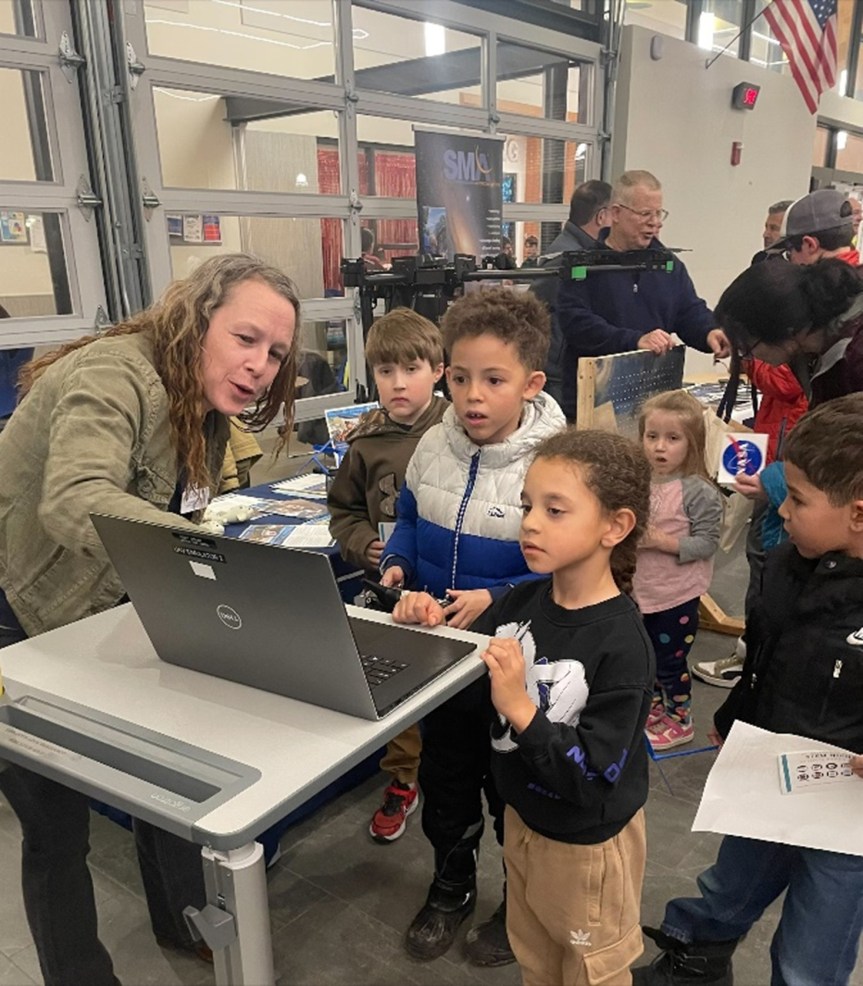
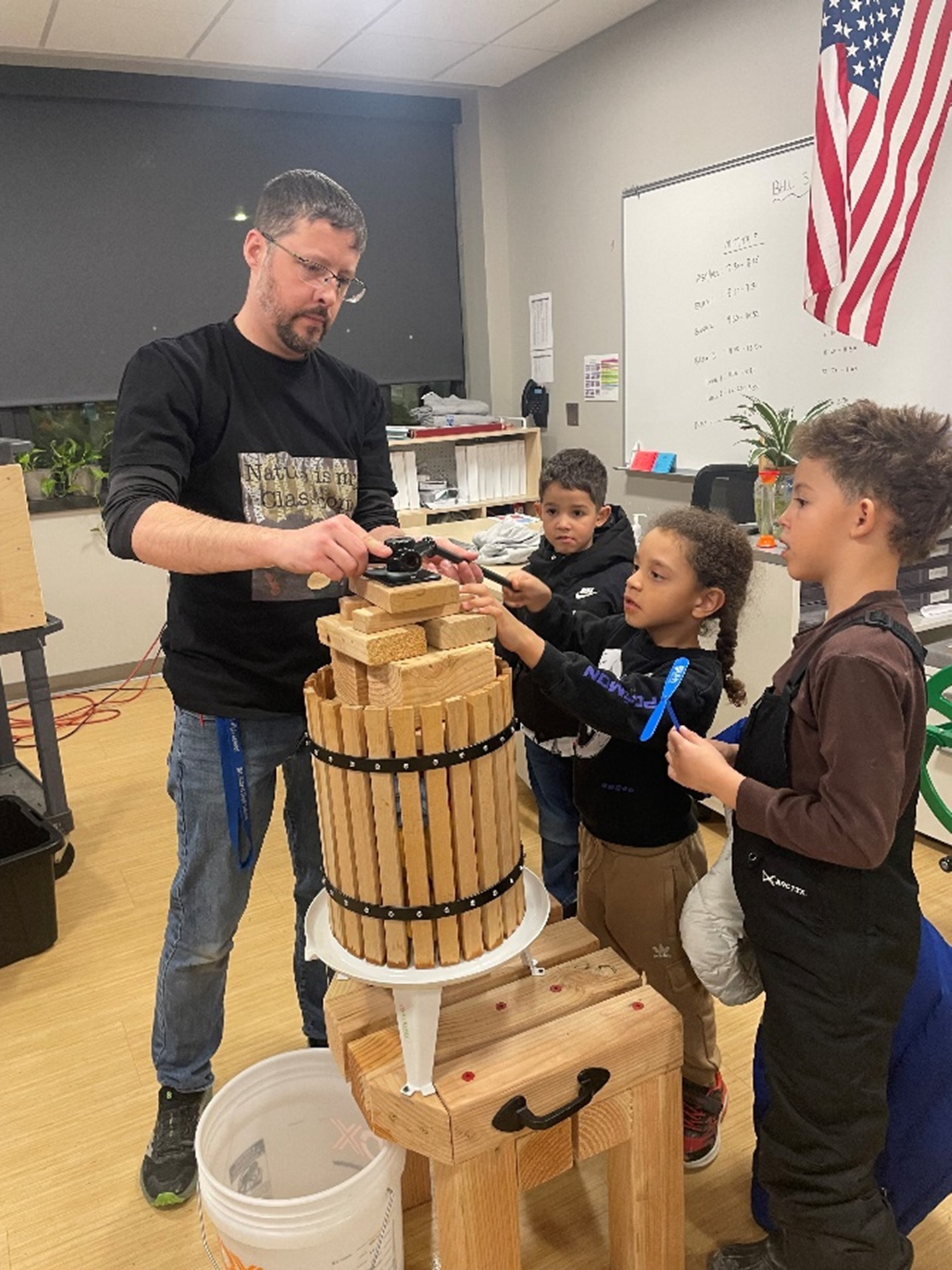
That work was on full display recently as Mt. Ararat High School in Topsham, under the co-leadership of Community Learning and Extended Learning Opportunities (ELO) Coordinator Doug Ware, hosted its second annual STEM (Science, Technology, Engineering, and Mathematics) Night on January 30, 2026. The event drew approximately 500 attendees and featured more than 40 vendors, transforming the school into a dynamic hub of innovation, collaboration, and hands-on discovery.
During this event, families and community members from MSAD 75 joined local businesses, industry leaders, and educators for a vibrant evening celebrating STEM. Participants of all ages engaged in activities ranging from virtual medical simulations and Lego robotics to tours of the Bath Iron Works virtual reality trailer and digital arts showcases.
For many attendees, the event highlighted the strength of Maine’s local STEM ecosystem. Paul McGuire, a local alum, entrepreneur, father, and veteran, attended with his family.
“Seeing employers represented from construction to aviation reminded me how strong our STEM community is,” McGuire said. “It’s great to know students can find those opportunities right in our backyard.”
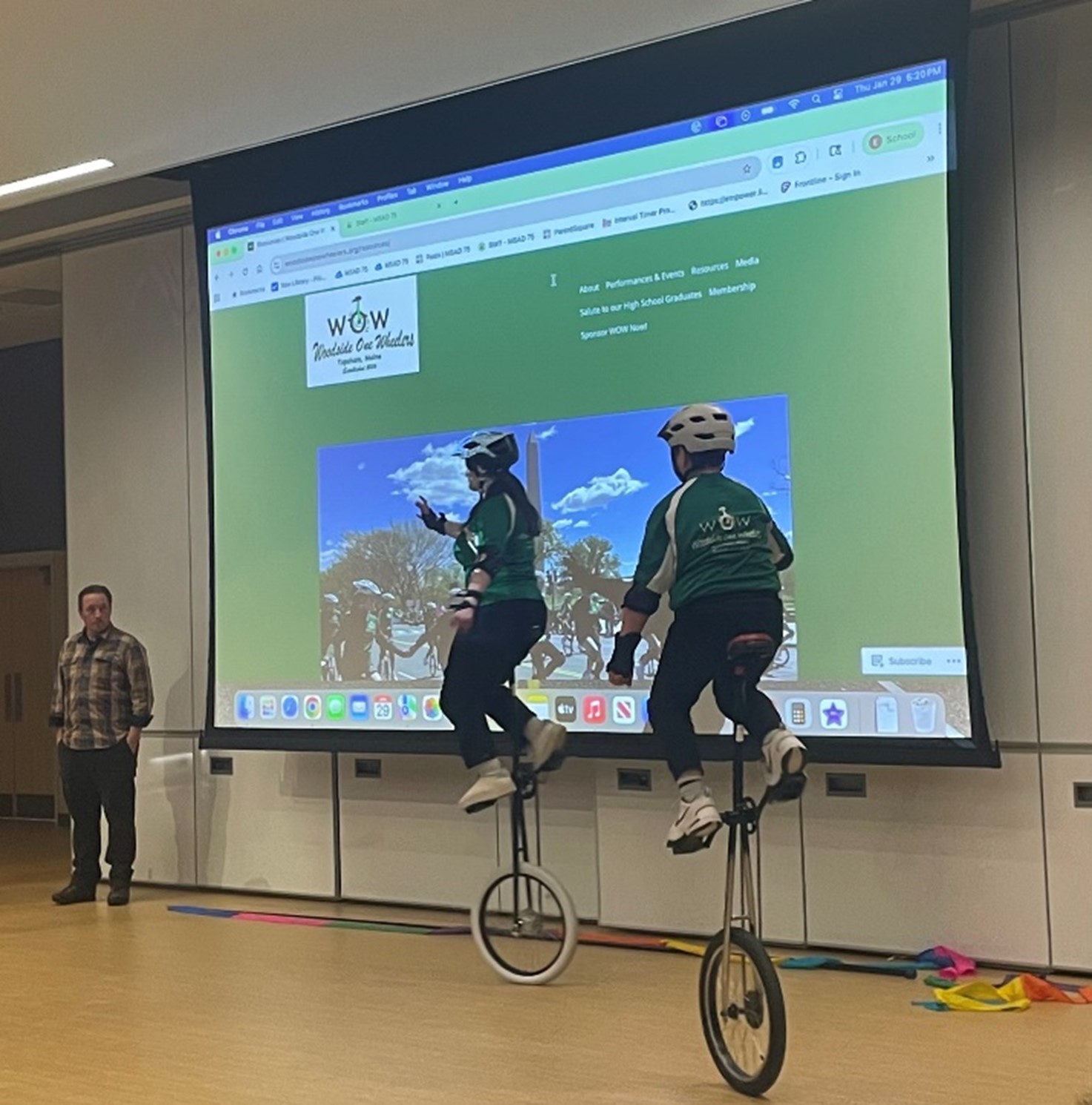
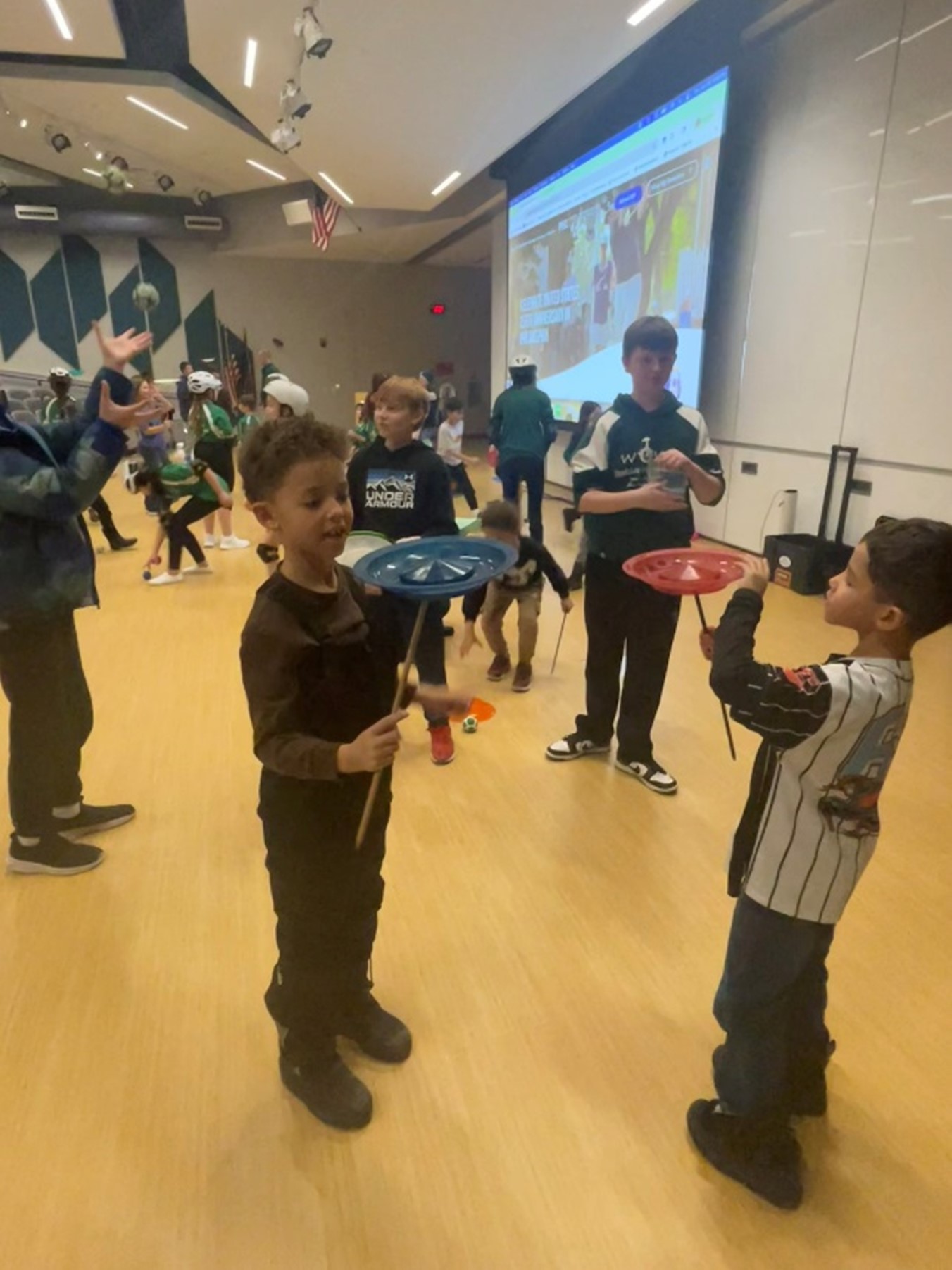
A highlight of the evening was a performance by the Woodside One Wheelers, a juggling and unicycling group from Woodside Elementary School. Students attached sensors to their unicycles to demonstrate how scientific data is gathered and how physics principles apply in motion, blending performance, engineering, and applied science in a way that captivated the audience. The group later performed at the halftime of a local girls’ basketball game, extending the celebration of learning beyond the STEM exhibits.
Events like STEM Night exemplify the multifaceted impact of community outreach and extended learning coordination. The role includes building community partnerships that bring businesses and civic organizations into the school experience; managing ELOs that allow students to earn credit through internships, job shadows, and real-world projects; supporting career and workforce development; encouraging student leadership and service; collaborating with faculty to connect curriculum with experiential learning; removing barriers to access; and telling the story of student success in ways that inspire continued investment and innovation.
Mt. Ararat High School has demonstrated exemplary leadership in advancing high-quality ELOs through its Maine DOE ELO Expansion grant. The school’s work demonstrates how innovative, community-connected learning deepens student engagement, supports informed postsecondary decisions, and helps students envision futures grounded in real experience, meaningful relationships, and opportunity.
STEM Night was an event that reflected what is possible when schools and communities work together. By bridging classroom learning with hands-on exploration and professional partnerships, Mt. Ararat High School continues to model how education can be both rigorous and relevant—preparing students not just for graduation but for life beyond it.
For further information about ELOs and Maine’s efforts to expand career exploration for Maine students, please visit the Maine DOE ELO webpage or contact Maine DOE Extended Learning Coordinator Lana Sawyer at Lana.Sawyer@maine.gov.
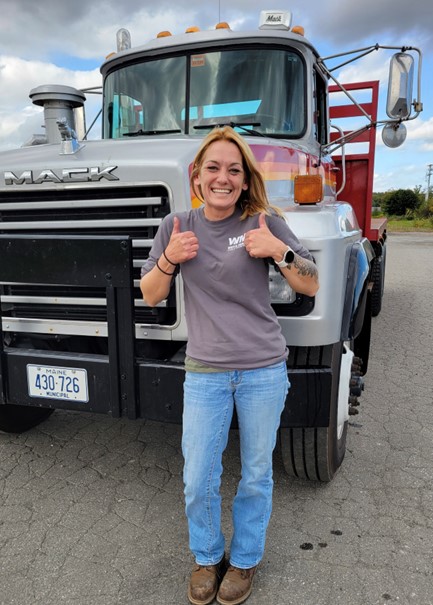
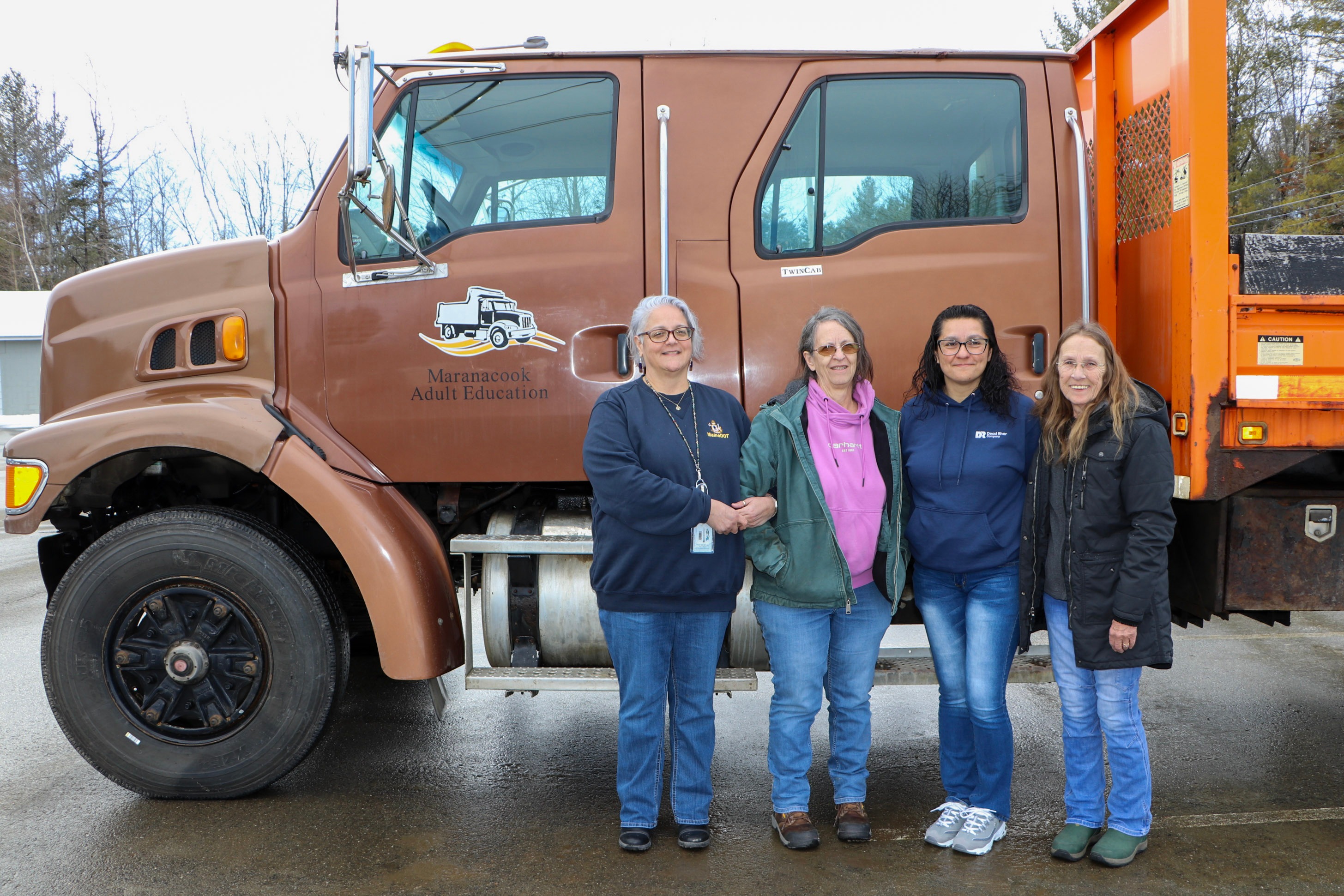
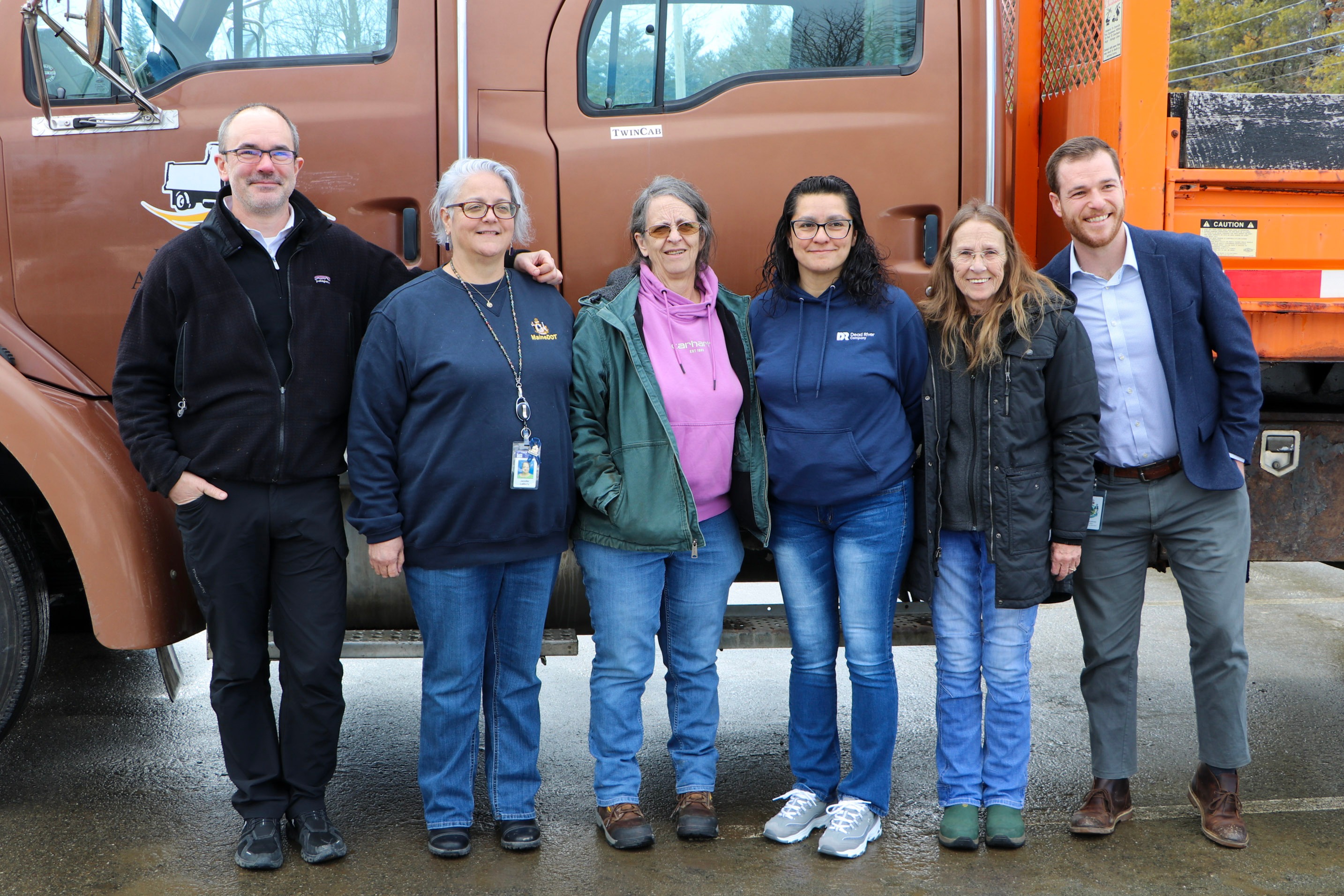
Pictured: Angela Mantha recently completed her CDL at Maranacook Adult Education.
In Maine, women from high school to adulthood are charting their paths into the state’s skilled trades workforce. By participating in hands-on experiences through career and technical education (CTE), Extended Learning Opportunities (ELO), and adult education, these students are mastering equipment, learning industry standards, and engaging in real-world problem-solving, gaining practical experience and marketable skills aligned with high-demand industries.
There is a greater trend at hand: More women are now entering career and technical programs with clear goals and a strong sense of direction, seeing the trades not as unconventional options but as viable, rewarding professions. The Maine Department of Education (DOE) is pleased to highlight some of stories from across the state for Women in the Trades Month in March.
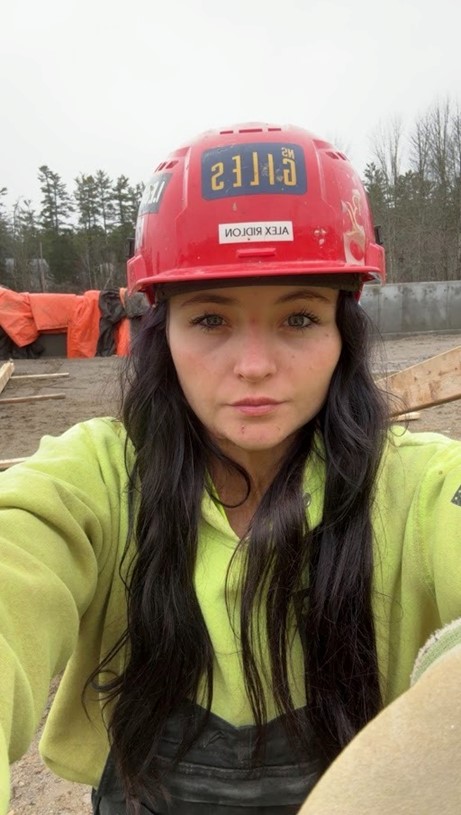
Alex Ridlon, Brewer High School
Back in 2020, when I was 12 years old, I was burned in a fire, and I lost my father; both are experiences that profoundly changed my perspective on life. Facing such a significant loss at a young age and the deforming of my skin forced me to mature quickly and shaped the direction I chose for my future.
From an early age, I enjoyed working outdoors and being active. As I entered Brewer High School, however, I often felt out of place.
My family was going through financial hardships, and I experienced bullying as a result. Rather than allow those challenges to define me, I made the decision to focus on building a future for myself. I chose to pursue a career in construction, both because I enjoy working outside and because it offered me a practical path toward independence and growth.
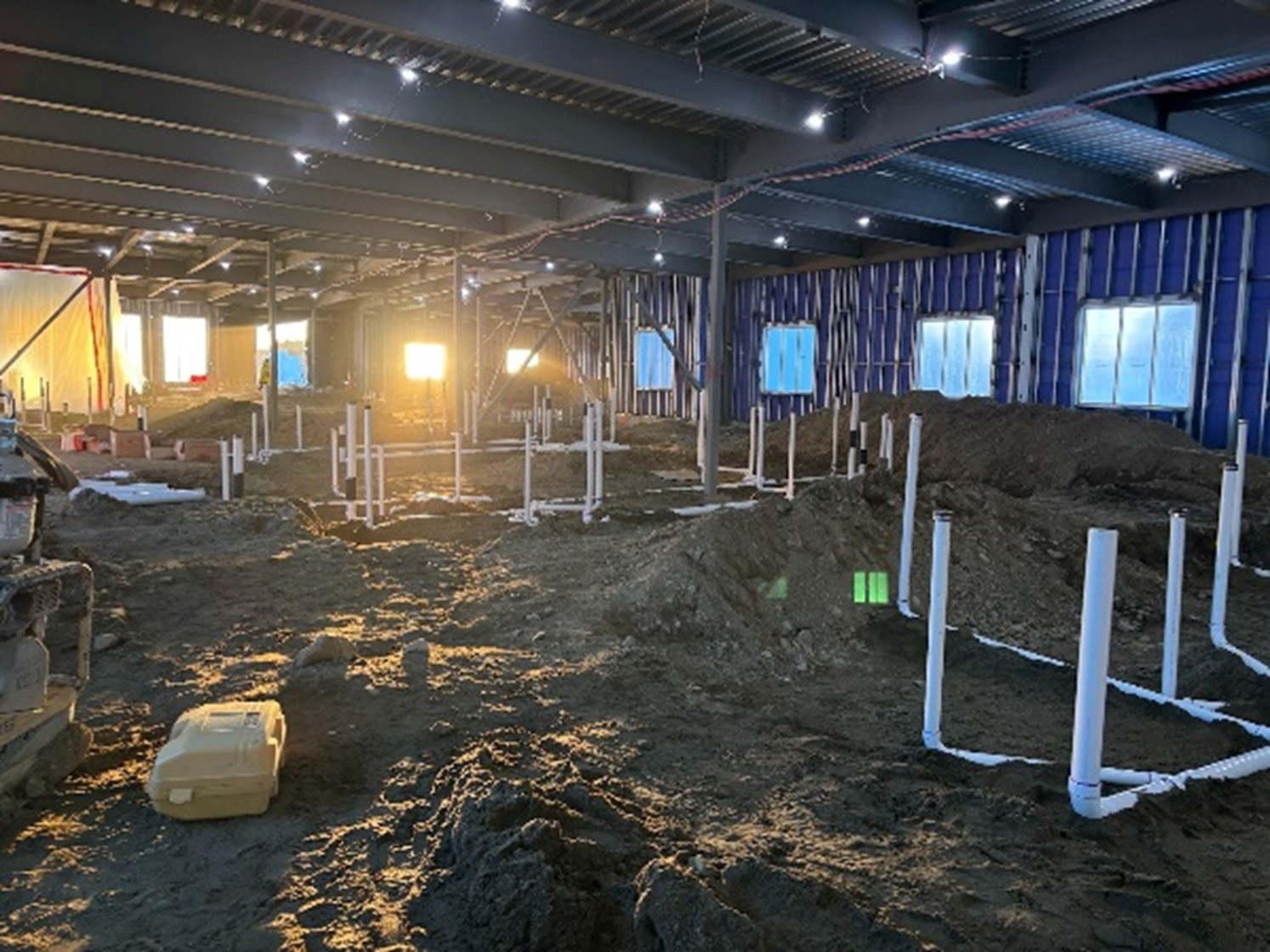
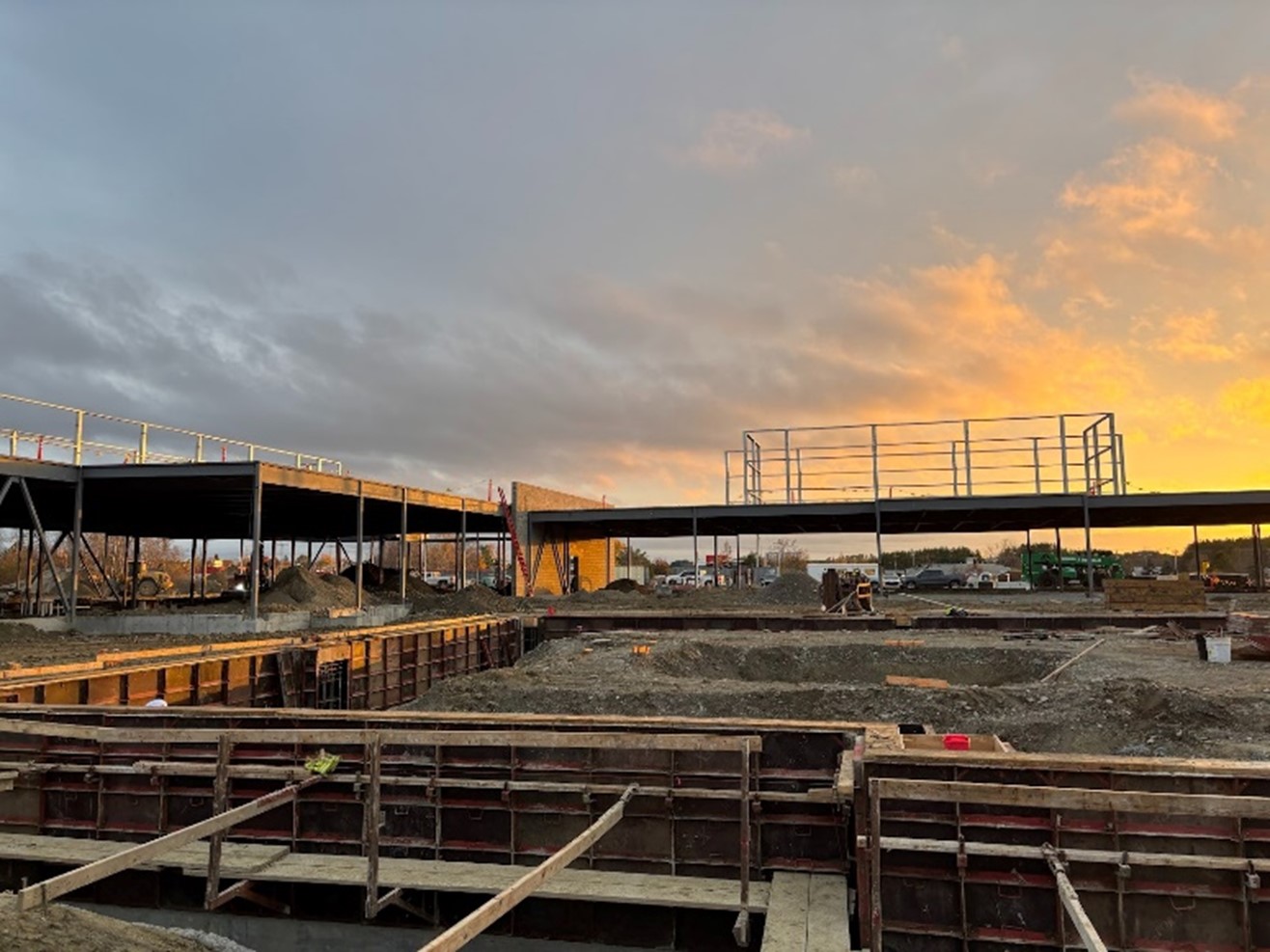
So far, I have primarily worked on medical facilities. It is especially meaningful to me to know that the buildings I help to construct will one day serve people in need. Contributing to projects that positively impact others gives my work a deeper purpose.
During that difficult time in high school, I sought guidance from one of the smartest, most helpful, easy-to-talk-to people, Mr. Kevin Napolillo, my ELO coordinator, who became an important source of support. He encouraged me to invest time in preparing for the real world. Over the course of four weeks during the summer, I dedicated myself to daily reading, learning, and hands-on preparation. That experience opened my eyes to what I was capable of achieving and helped me develop both confidence and direction.
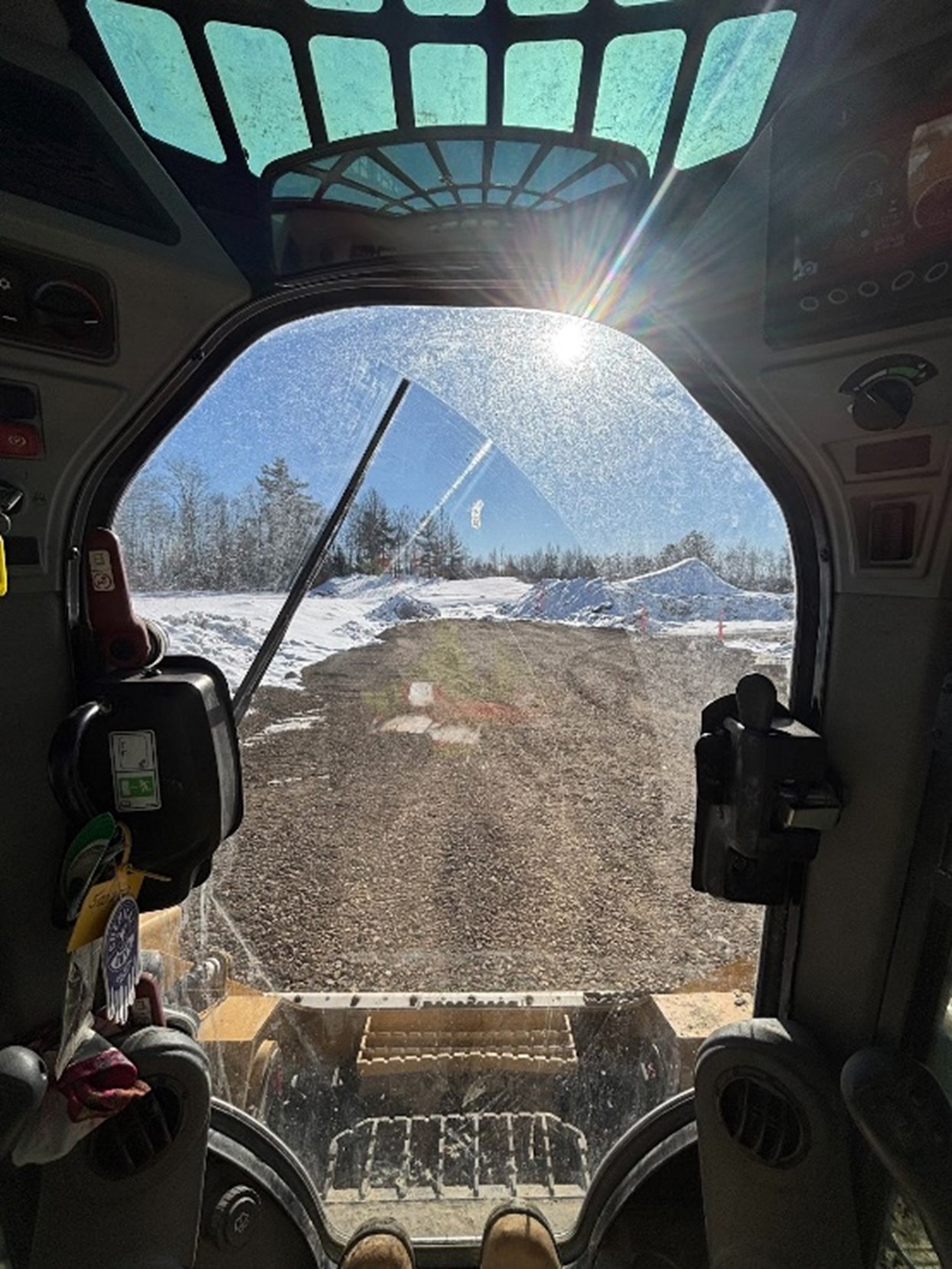
I decided to begin working with concrete as a way to enter the field and start building toward my long-term goal of becoming a heavy-equipment operator. Throughout my journey, I have learned the importance of resilience and focus. I have found that the more determined you are to succeed, the more important it becomes to stay committed to your goals and not be discouraged by negativity.
As a young woman entering the construction industry at 17 and now 18 years old, I have gained valuable experience and perspective. I graduated earlier than the rest of my class—an accomplishment that strengthened my confidence and reaffirmed my determination. Working alongside experienced professionals has shown me the clear difference between classroom learning and real-world application. In many ways, I have learned more through hands-on experience in construction than I did in a traditional classroom setting. My journey has been shaped by hardship, perseverance, and a strong desire to build not only structures but also a meaningful and independent life for myself.
Isabella (Izzy) Moore, Brewer High School/Maine Construction Academy
During my junior year of high school, I knew it was nearly time to choose my career path post-graduation. I didn’t know what path I wanted to take, but I did know that I needed some hands-on work. I heard about the Maine Construction Academy, so I decided to check it out. I signed up and got approved for it but was still unsure; as it turns out, it was the best decision I ever made for myself, and I have no regrets.
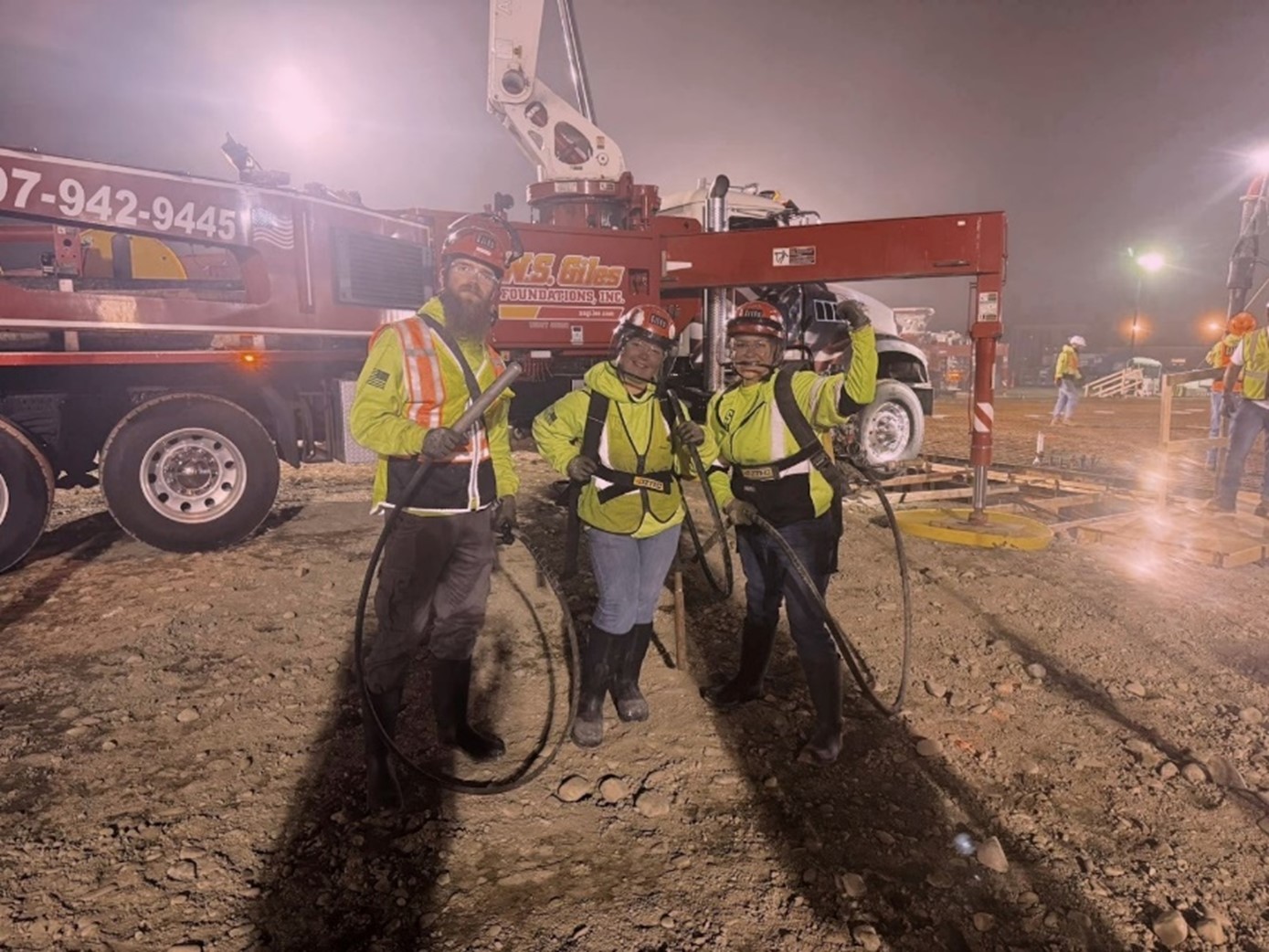
This program gave me the opportunity to do an apprenticeship during my senior year of high school through N.S. Giles Foundations, which transferred to Sargent, [my current place of employment], after graduation. It was here that I learned how to use heavy equipment. Both companies have welcomed me with open arms and given me amazing mentors and opportunities.
Without all of this, I would not be the woman I am today. I feel as though construction gave me more structure and discipline, along with a lot of confidence. I have been able to not only become more independent mentally but financially, as well. At just 19 years old, I have my own apartment, bought my first “big girl” car on my own, and have taken a few vacations. Now, that’s just the fun stuff—but you get what I’m saying. If it weren’t for this program, I wouldn’t be where I am today, nor would I have the life I have built for myself so far.
What started out as “I’m just going to test the waters and see what happens” turned into such a growing passion for this field. I can’t see myself doing anything else, and I look forward to doing this for the rest of my career. I am extremely grateful to all the people who have taken a chance on me during this path, along with all of the opportunities that have been given to me.
Lily Kick, Sacopee Valley High School
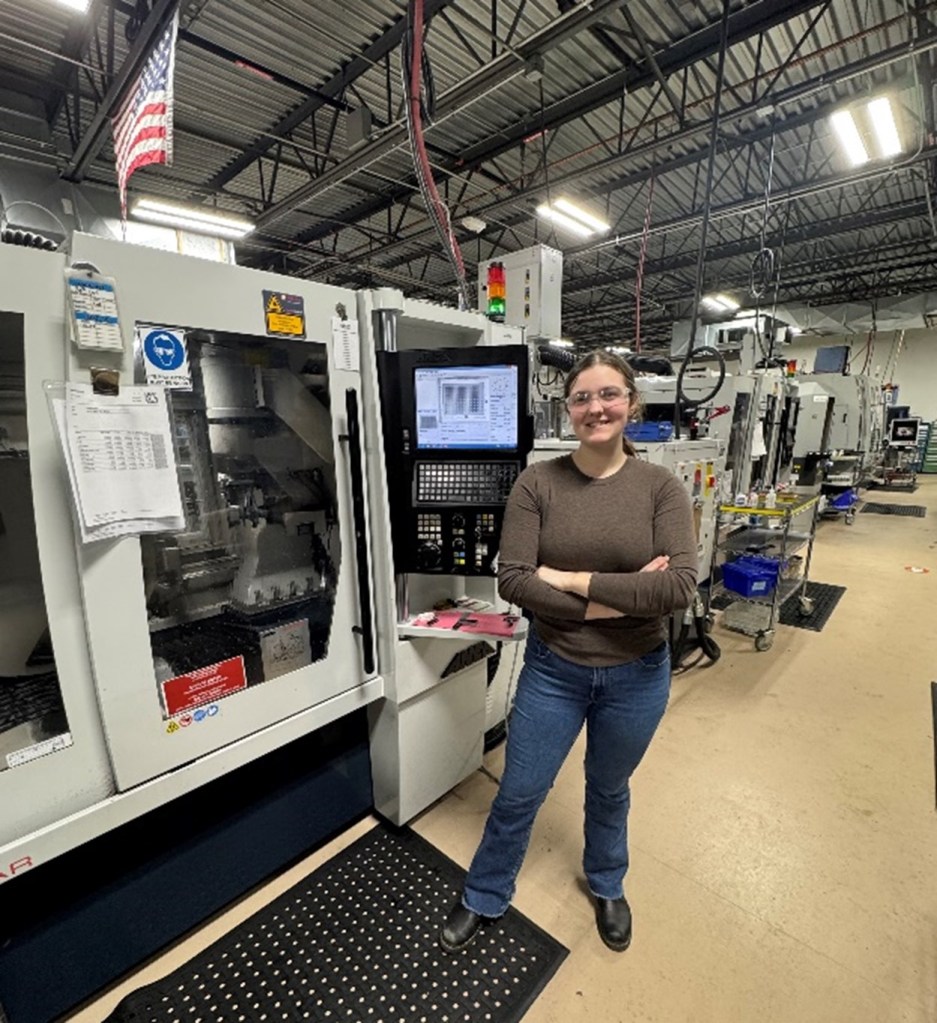
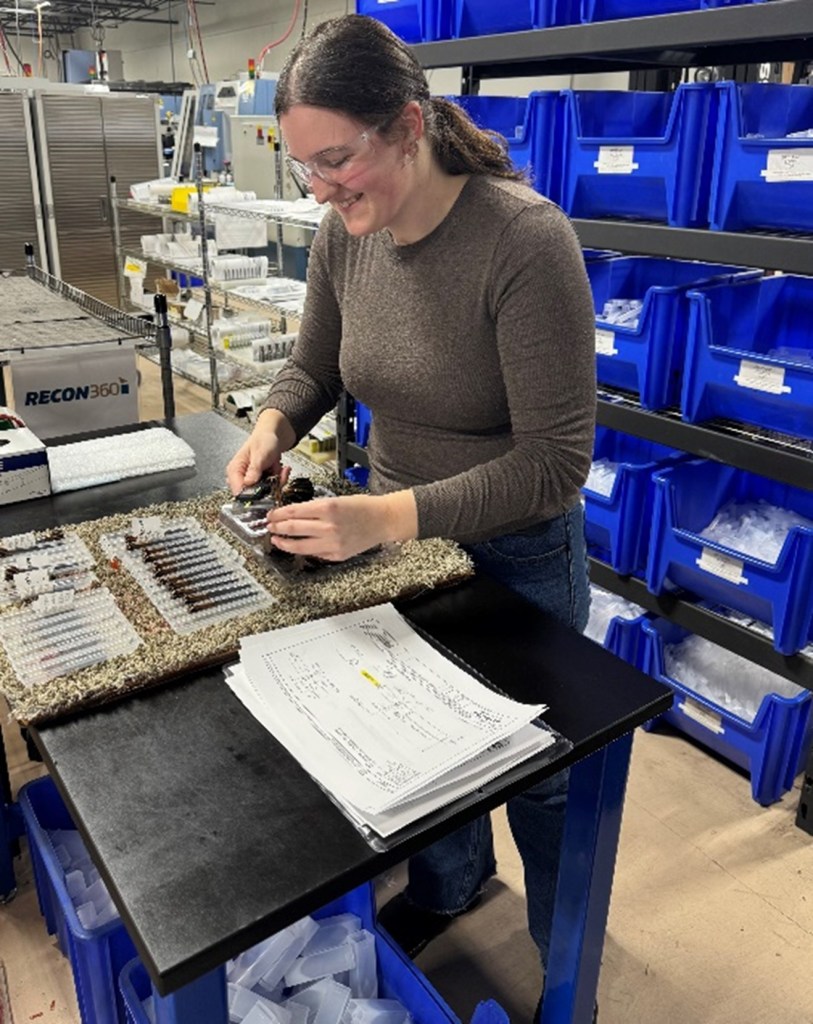
Lily Kick is a senior at Sacopee Valley High School who plans to pursue a career in the manufacturing industry.
“Manufacturing is a field full of innovation, and that is what I want to invest my future in,” Kick said. “Career surveys often pushed me toward architecture or actuary. Through some research and a few job shadows, I learned that these were not career pathways for me.”
As a junior, Kick interned at New England Castings in Standish, a local manufacturer of precision alloy castings using the lost-wax casting method. This year, she is participating in an internship at ARCH Cutting Tools in Cornish, a company that manufactures metal removal cutting tools for a variety of industries.
“My two internships have solidified my decision to obtain a mechanical engineering degree and hopefully contribute to the innovation in the manufacturing industry,” Kick said.
Kick explained that she does not think she would enjoy a predictable office job. Instead, she prefers the field’s constant new tasks and issues that require immediate attention, as well as its adaptability and unpredictability.
Kick credits the support of her ELO teacher, Dr. Elizabeth Sanborn, whom she says, “undoubtedly made the most impactful difference in my future pursuing engineering and manufacturing.”
Kick noted she also feels her ELO experiences have helped to strengthen her personally as a young woman.
“It is notorious that trades are a male-dominated field; however, my success has taught me there is always room for change,” Kick said.
Maranacook Adult Education
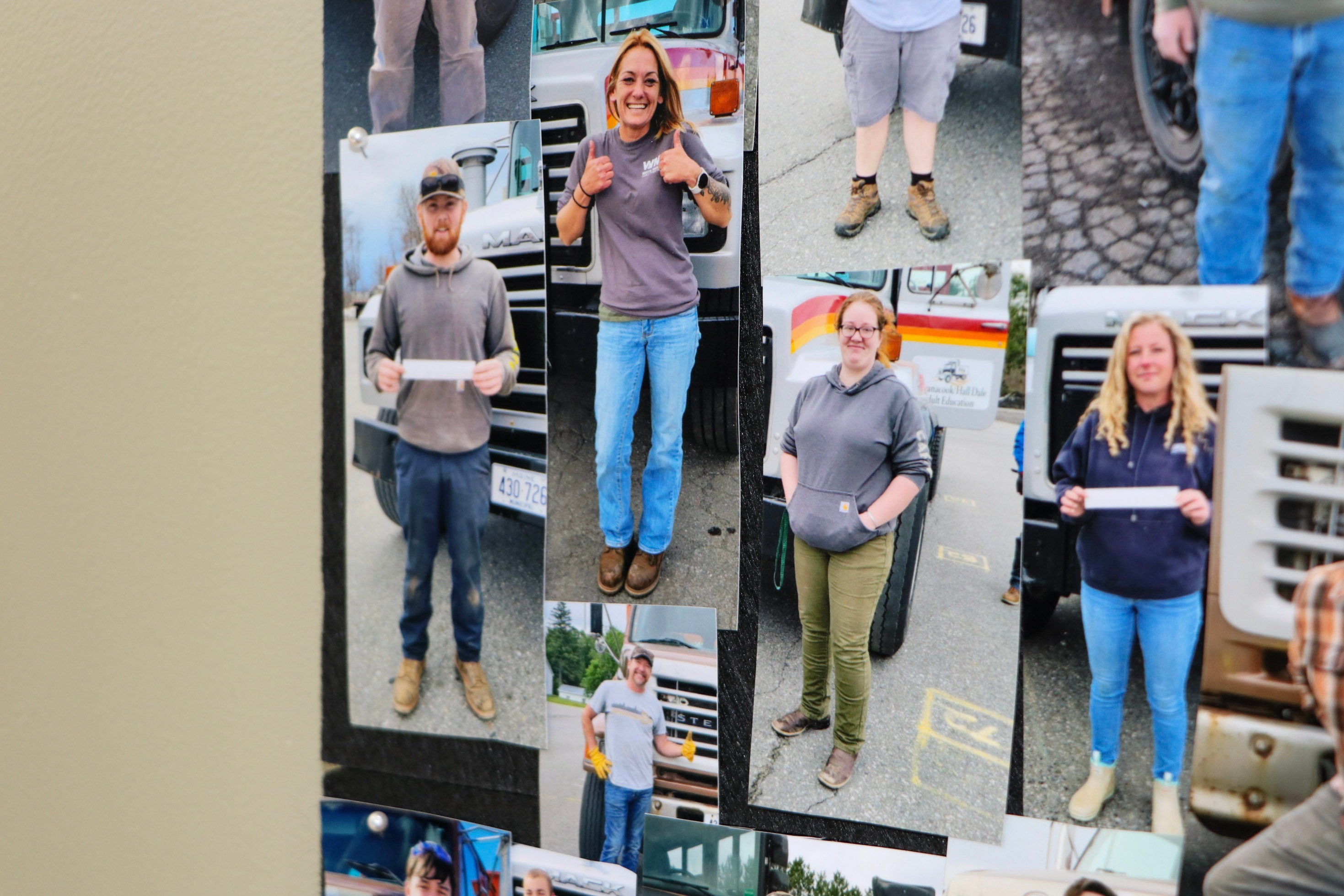
One of the programs offered at Maranacook Adult Education is aimed at addressing a critical need in the workforce: truck driving.
“Both nationally and here in Maine, we are facing a critical shortage of truck drivers. There simply are not enough qualified drivers to meet the needs of the industry,” Steve Vose, Director of Maranacook Adult Education, said.
Vose said part of the solution entails getting more women involved by demonstrating that truck driving is a safe, viable career path with good pay—typically above minimum wage. He said he was pleased when the Maine Department of Labor and Maine Department of Transportation announced a $96,000 Women in Trucking grant for Maranacook Adult Education to help more women afford to get their Commercial Driver’s License (CDL).
“I am extremely encouraged to see state governments, employers, and nonprofit organizations recognizing this challenge and beginning to provide truck-driving schools with the financial support and resources necessary to help address these staffing shortages,” Vose said. “For far too long, the trucking industry has overlooked a vital resource: women drivers. Women are the future of trucking and deserve to be recognized and valued as such.”
Vanessa Mercado recently received her CDL from Maranacook Adult Education and is now driving for Dead River Company—an experience that she has called “life changing.” Mercado said the Maranacook Adult Education program helped her to gain confidence in her skills, allowing her to now do this job that she finds meaningful.
“I know that I’m providing to the community as a delivery driver,” Mercado said. “I’m able to do something that gives back.”
Nancy Frost, one of two female truck-driving instructors at Maranacook Adult Education, said that she is pleased to see more female representation in the truck-driving industry.
“I think it’s a lot easier for women now,” Frost said. “I think that this grant is going to be wonderful.”
Vose shared that all Women in Truck Driving scholarships are spoken for in the July program, but Maranacook Adult Education is currently accepting scholarship applications for November. Those interested should please contact Vose at 207-242-8795.
Please visit the Maine DOE website to learn more about ELOs, adult education, and CTE across the state.
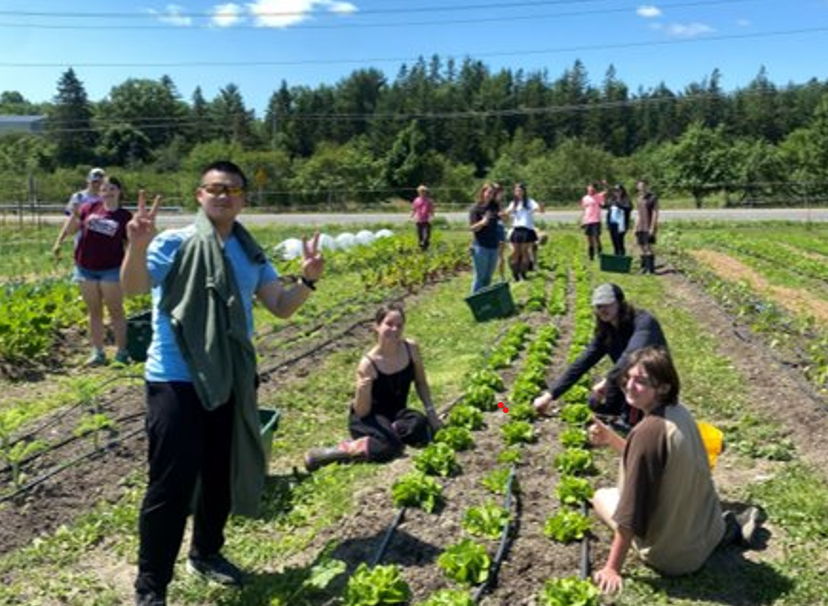
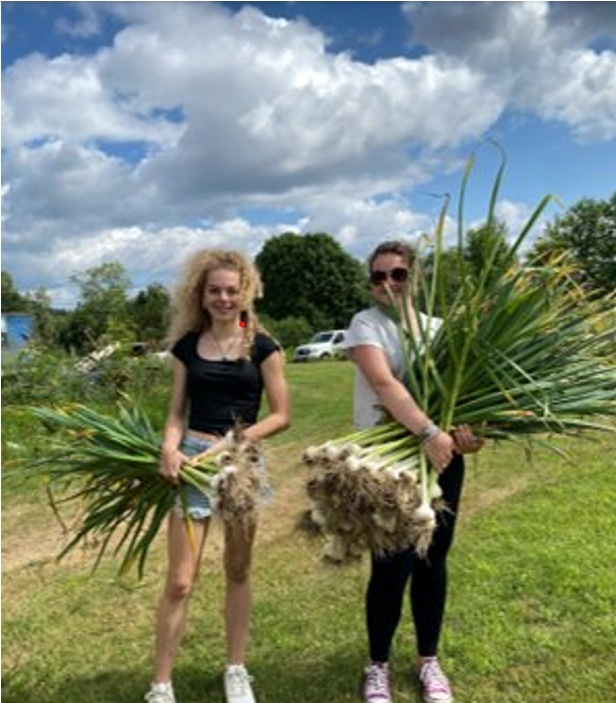
Pictured: Students in Washington County learn how to grow crops.
Since 2022, Maine has invested a historic $7.1 million to expand Extended Learning Opportunities (ELO) programming throughout the state. ELOs provide schools with opportunities to create meaningful connections with employers statewide. In turn, they help young people better understand career opportunities and acquire valuable foundational career skills, including initiative, adaptability, problem-solving, teamwork, and communication.
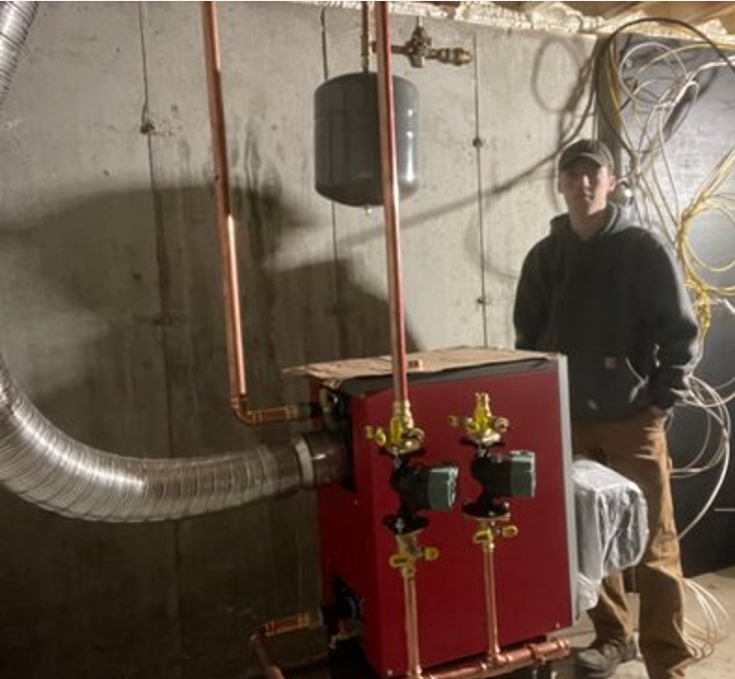
Through ELOs, Maine students are learning by doing. They are earning credentials, such as certified nursing assistant; installing boilers alongside skilled tradespeople; training to become future educators; participating in law-related ELOs; and engaging in countless other hands-on, career-connected experiences.
In 2024, the Maine State Legislature codified ELOs in statute as an approved education pathway. This statute, intentionally written with flexibility, empowers schools and communities to design ELO programs that meet local workforce needs, while honoring student interests and goals.
ELOs by the Number
There have been two rounds of Maine DOE ELO grants. The first round, $5.6 million of the Maine Jobs and Recovery Plan (MJRP), was awarded in 2022 to 26 schools and community-based organizations throughout the state, covering 13 counties. In 2025, the state invested a second round of $1.5 million to support ELO 2.0, which funded 12 ELO programs. These awardees included expansions of existing ELO programming and the launch of new programs.
Between the fall of 2022 and fall of 2025, the Maine DOE grant-funded ELO programs have seen:
3,000+ core and elective credits earned.
6,000+ student participants.
3,000+ new school-employer partnerships.
8,000+ community and business engagements.
These numbers represent more than participation; they reflect aspiration, engagement, and strengthened collaboration among educators and employers, as ELOs continue to become part of the fabric of Maine’s education landscape. (Please note that this data does not include the outcomes of other ELO programs in Maine, such as those that are supported locally or funded through other agencies.
Some examples of these recent investments include ELOs at:
Mountain Valley High School, focused on building local aspirations and local talent.
Brewer High School and Marshwood High School, embedding ELOs schoolwide.
A partnership between the Rural Aspirations Project and Healthy Acadia, expanding ELO access to all high school students in Washington County.
Together, these programs demonstrate that ELOs are not isolated efforts; they are becoming part of the fabric of Maine’s education landscape.
The ELO program at the Maine DOE also works closely with the Maine Career Exploration Program, housed within the Maine Department of Economic and Community Development. This program provides 75 hours of paid career exploration for youth ages 16-24, supporting job shadows, internships, mentorships, apprenticeships, digital learning, independent study, community service, and work-based learning experiences, including ELOs.
Regional Collaborations
Throughout Maine, the Community Coordinators Collaborative (C3) serves as an active educator-led network dedicated to building strong business partnerships that expand students’ access to meaningful career exploration experiences, including job shadows, career talks, workplace tours, and internships. By connecting students directly with employers, C3 helps Maine youth navigate future career pathways and strengthens efforts to retain talent and grow Maine’s workforce. Likewise, there are several regional collaborations, both newly formed and long established, such as the York County, Washington County, and Midcoast Collaboratives, all working to deepen partnerships and expand opportunities within their communities.
Current and Future ELO Opportunities
Career Exploration Survey: On February 6, 2026, a short survey was shared through the Maine DOE newsroom.This survey was designed to identify which school administrative units (SAUs) and Career and Technical Education (CTE) schools are currently engaged in career exploration activities—and to gather insights into what is working, what is needed, and where additional support could make the biggest impact. Responses will help inform statewide efforts related to resources, professional development, and technical assistance for pre-K–12 students and school staff.
Monthly, no-cost, virtual, synchronous professional development hosted by the Maine DOE ELO team: Professionals in the field will share their best practices and resources, and agency partners will present on their programs and how students and school ELO programs may access them. The Maine DOE ELO team will also host office hours for ELO grantees. Please see the Maine DOE ELO webpage for upcoming opportunities.
ELO celebration at the Hall of Flags: Join the Maine DOE ELO team and students/staff from ELO programs statewide on April 30, 2026, from 1-4 p.m. at the Hall of Flags in Augusta.This afternoon will be spent celebrating and raising awareness about ELOs in Maine by highlighting the impactful work of communities, students, staff, and partners. Students will display their ELO work through a student showcase of statewide ELO profiles.
Supporting younger learners in careerexploration: The Maine DOE ELO team will be launching a community of practice (COP) for educators who provide career exploration experiences for younger learners (preK-8). This COP builds on the successful summer pilot, Maine Out of School Time program. (MOST) which supported career exploration for students in grades 4–6. To learn more about MOST, please watch this short video and stay tuned for updates on how to join the community of practice. This expansion reflects the understanding that career exploration does not begin in high school; it begins with early exposure, curiosity, and possibilities!
For further information about ELOs and Maine’s efforts to expand career exploration for Maine students, please visit the Maine DOE ELO webpage or contact Maine DOE Extended Learning Coordinator Lana Sawyer at Lana.Sawyer@maine.gov.
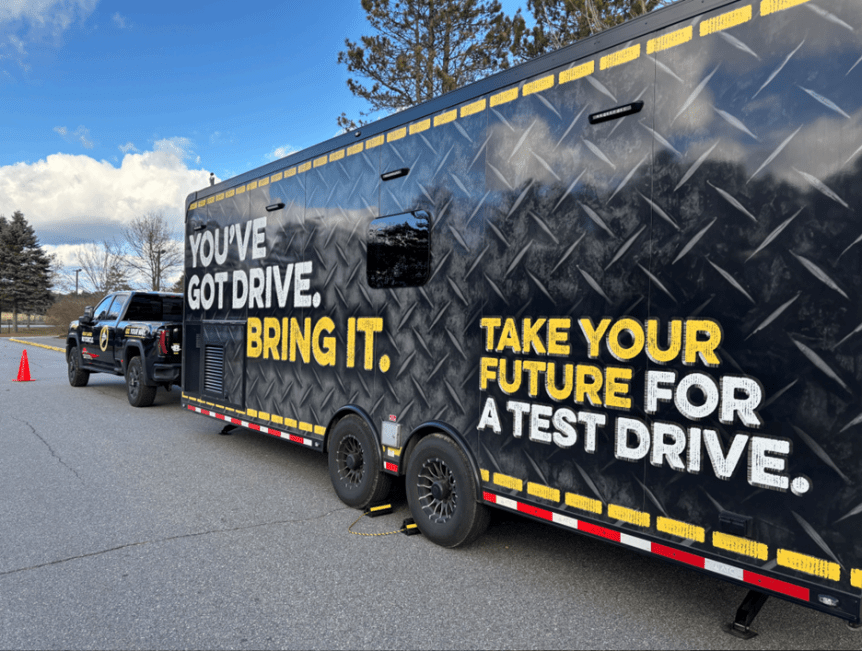
The Maine Department of Education (DOE) is committed to expanding career pathways that lead students toward meaningful, in-demand professions. In partnership with the Maine Motor Transport Association (MMTA), the Maine DOE is proud to highlight the “Go. Your Way. Maine” workforce development campaign and Career Exploration Unit, an experiential learning resource designed to introduce students to careers in Maine’s trucking industry.
Maine’s economy depends on the movement of goods and services, and the trucking industry offers a broad range of stable, high-growth career paths that extend far beyond the driver’s seat. This Career Exploration Unit—a mobile, interactive learning experience—allows students to explore career paths such as commercial truck driving, diesel and heavy equipment technology, supply chain and logistics, fleet and safety compliance, and dispatch and operations by bringing career discovery directly to school, community events, and workforce programs. Through this unit, students can:
Commercial truck driving
Diesel and heavy equipment technology
Supply chain and logistics
Fleet and safety compliance
Dispatch and operations
The Career Exploration Unit is a mobile, interactive learning experience that brings career discovery directly to schools, community events, and workforce programs. Inside the unit, students can:
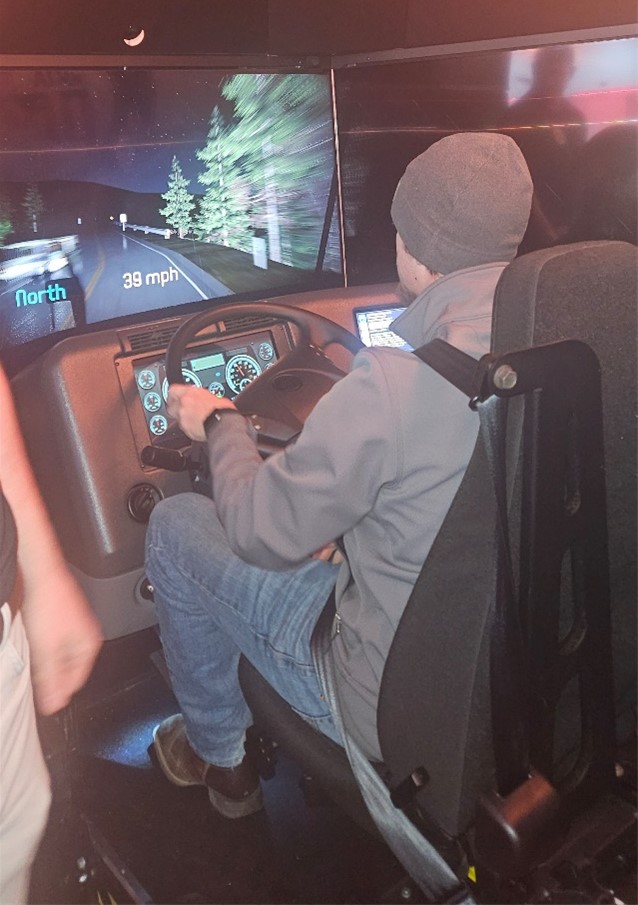
Utilize a simulator to experience commercial truck driving.
Test out a virtual reality forklift operation.
Use a video game to disassemble and repair components of a semi-truck.
Gain insight into training pathways and career progression.
Explore the essential careers that fuel local communities and the national economy.
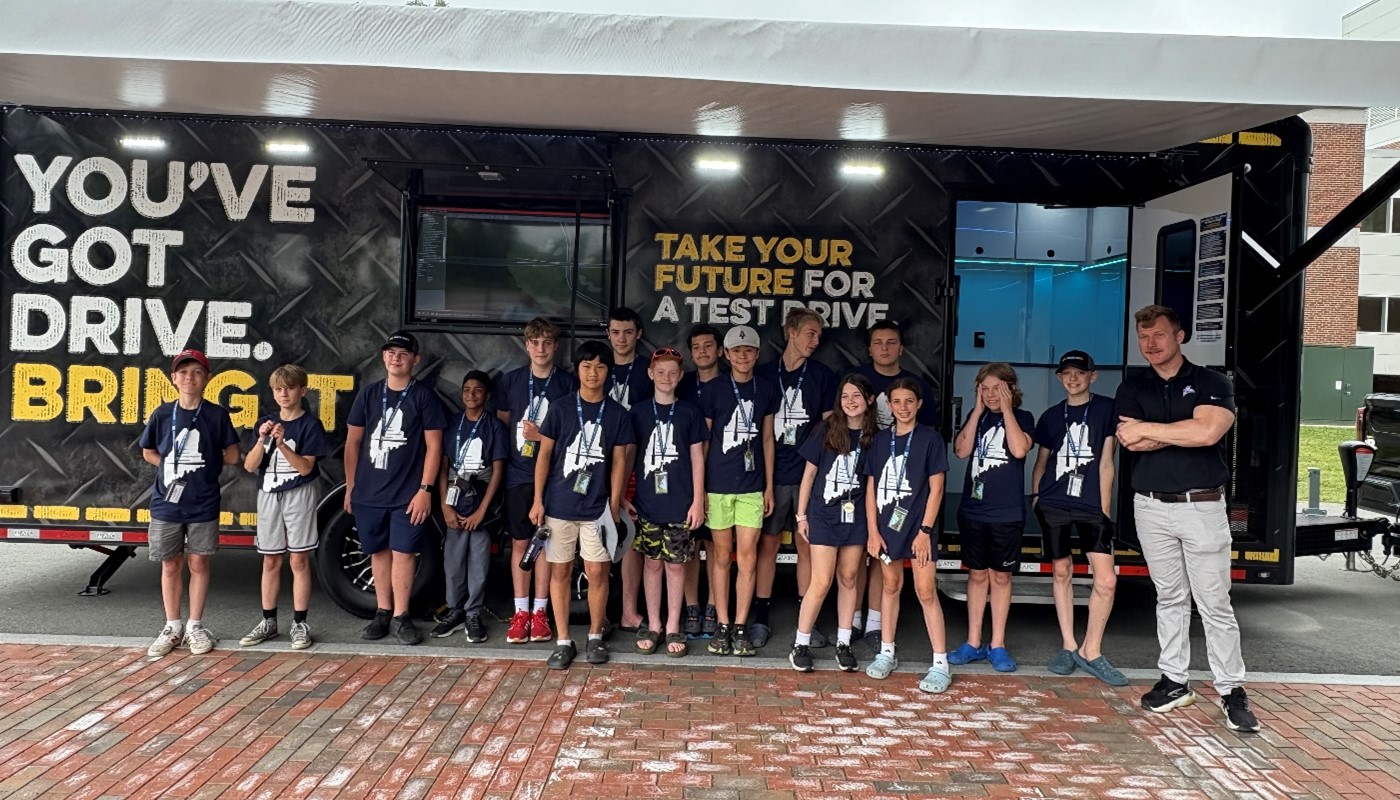
School administrative units (SAUs) that have partnered with MMTA on Career Exploration Unit events report high levels of student engagement, and learners benefit from the hands-on, real-world career exposure. This effort aligns closely with statewide goals for Extended Learning Opportunities (ELOs), workforce preparedness, Career and Technical Education (CTE), and post-secondary planning.
“The MMTA commercial trucking simulation gave our students a hands-on look at one of our state’s vital industries,” Michael Routhier, Brunswick High School Off-Campus Learning Center Teacher, said. “Theengagement and curiosity of students show how powerful real-world learning can be in preparing the next generation for high-demand careers.”
Students from the Brunswick School Department echoed Routhier’s enthusiasm, with many commenting on the realism and challenge of the simulator.
“I learned that it’s a lot harder than it looks to drive a truck,” Brook Hinkley noted.
“I learned that it’s very hard to break a semi and why,” Bella Duval added.
The experience was also personally significant for some students.
“It was meaningful because I got to see what it was like when my dad used to drive a truck,” Hinkley shared.
Other Brunswick students, like Quincy Garrett, said they appreciated the career insight that the experience offered, noting, “It was interesting to learn how much you can make in a year.”
The Maine DOE encourages SAUs to explore opportunities to request a visit from MMTA’s Career Exploration Unit. This unit may be requested for visits to schools serving grades 6-12. Other opportunities include:
Career days and job fairs.
ELO programs.
CTE programs.
Student leadership or workforce development events.
Experiential learning initiatives.
Alternative Education programs.
Adult Education programs.
Colleges and universities.
Early exposure to emerging career fields plays a powerful role in student decision-making, and programs like the “Go. Your Way. Maine” campaign expand student awareness of opportunities that offer financial stability, technical skill-building, and long-term growth.
The “Go. Your Way. Maine” website features information about trucking careers, where to attend trainings, and a grant opportunity for students entering the trucking industry. Through the John Austin Trucking Foundation, MMTA awards up to eight grants per month, each valued at up to $2,000, to support training in trucking careers.
To learn more or request a visit, schools may contact Derek Kennedy, MMTA Industry Image and Marketing Coordinator, at dkennedy@mmta.com or 207-623-4128. You can also visit the MMTA website for further details.
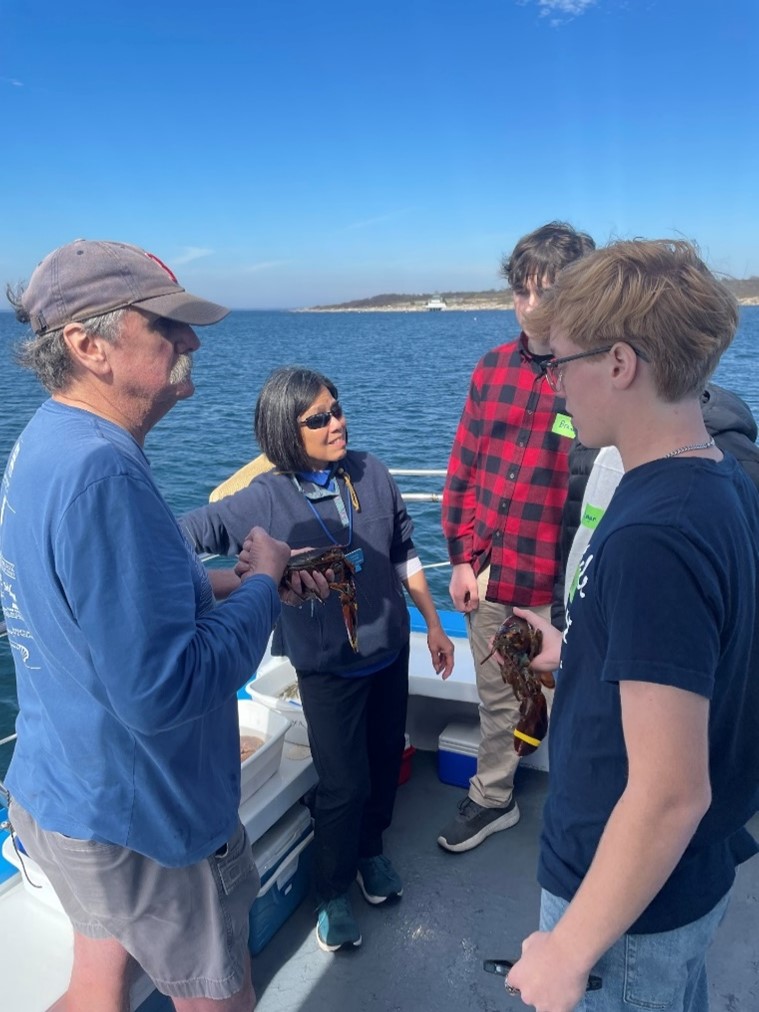
Students at Noble High School with an interest in marine biology are getting their feet wet—sometimes literally—through a brand-new Marine Science Extended Learning Opportunity (ELO).
This year-long program combines field experiences, expert guidance, and reflective learning to connect students with the vibrant coastal ecosystem that shapes the economy and environment of southern Maine. Through the Marine Science ELO, students participate in off-campus field trips, hear from guest speakers, and explore a range of career and educational pathways related to marine science. The ELO provides students with authentic, hands-on exposure to the field, while helping them make real-world connections to what they study in their science classes.
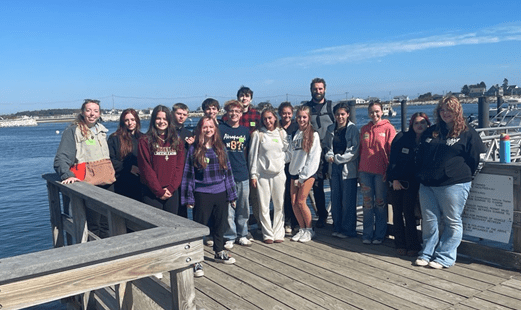
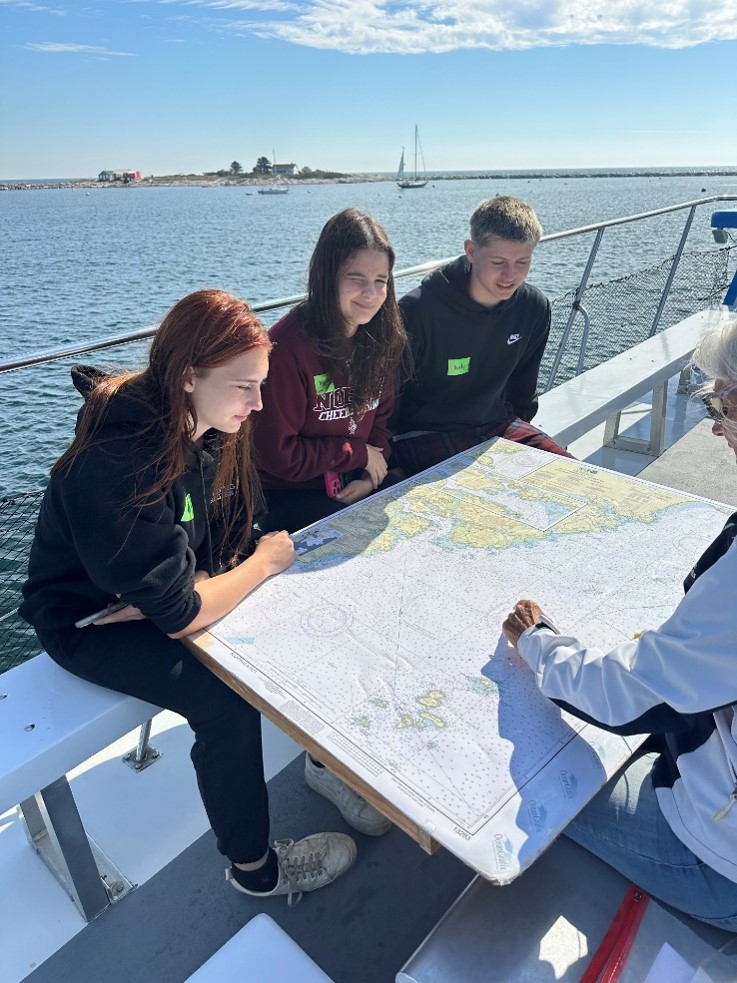
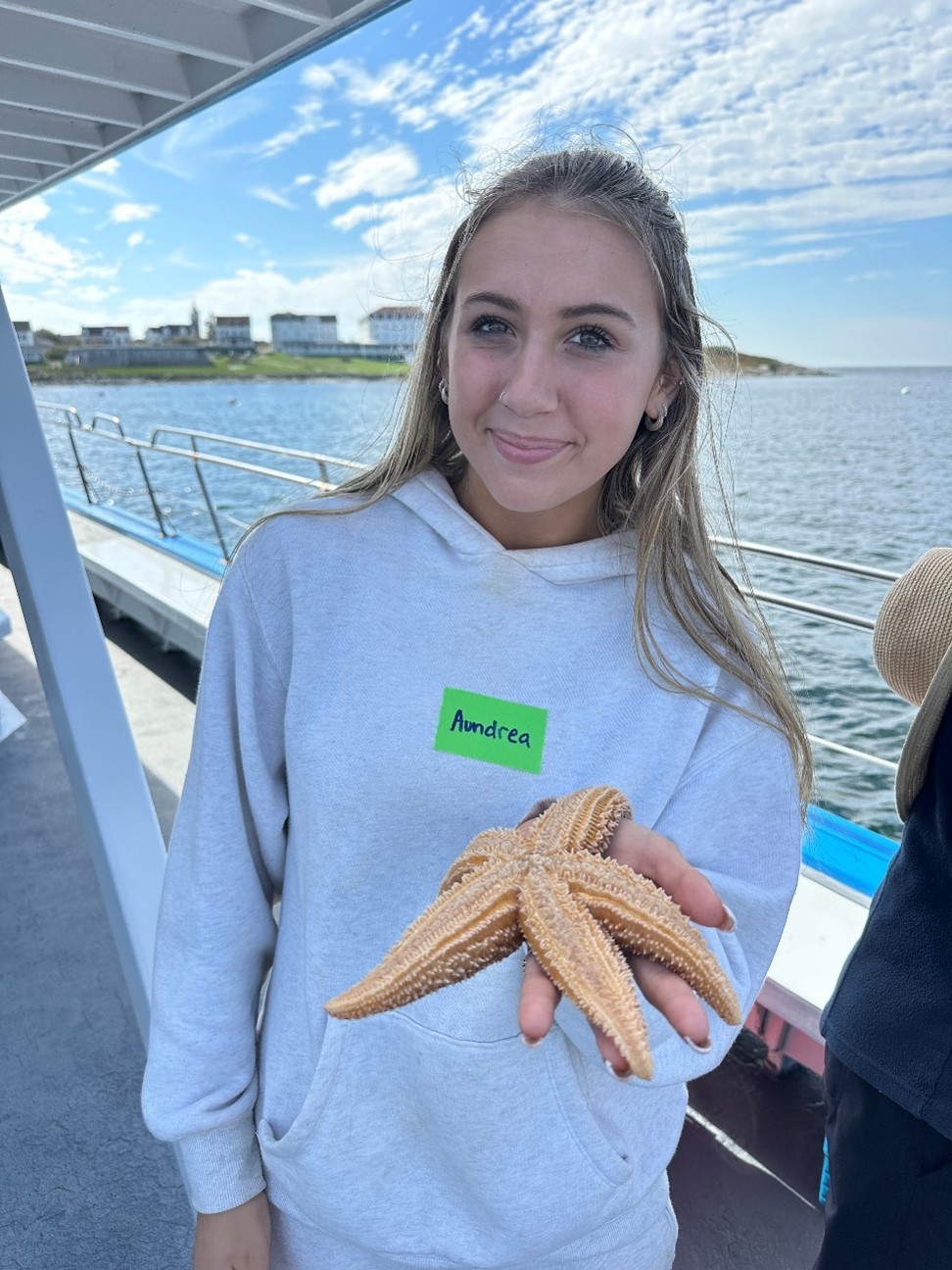
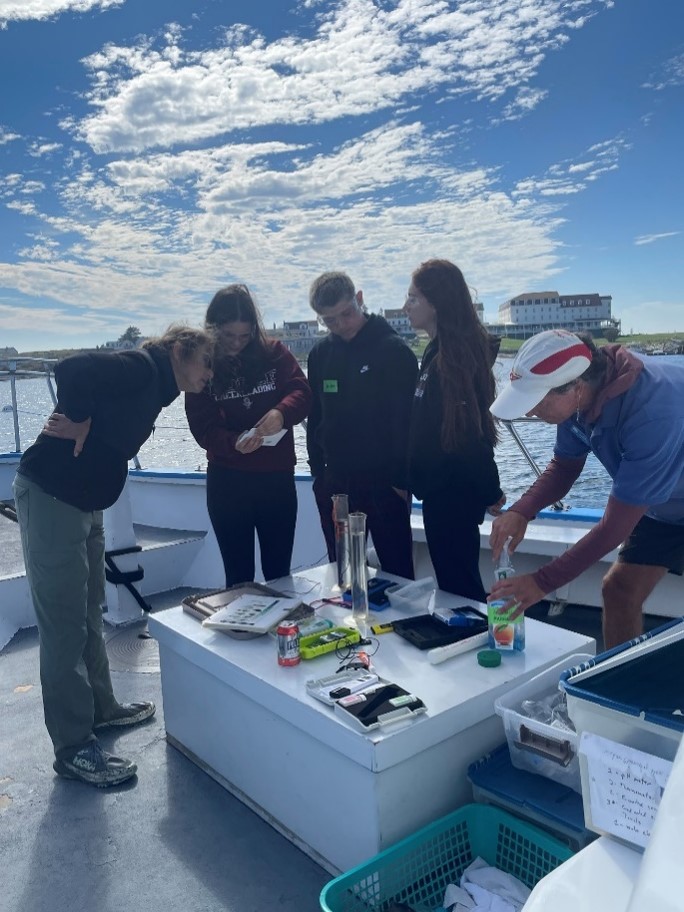
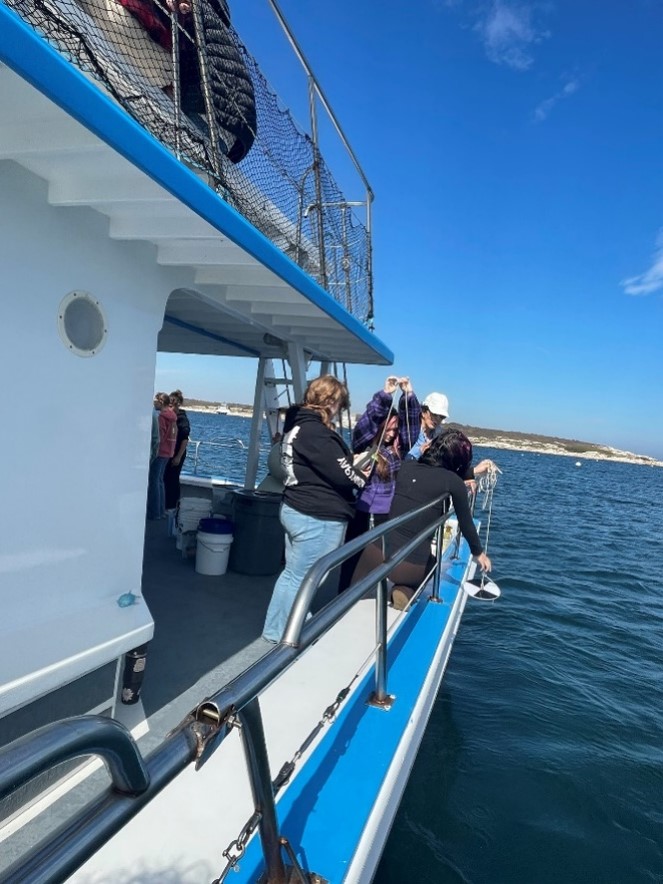
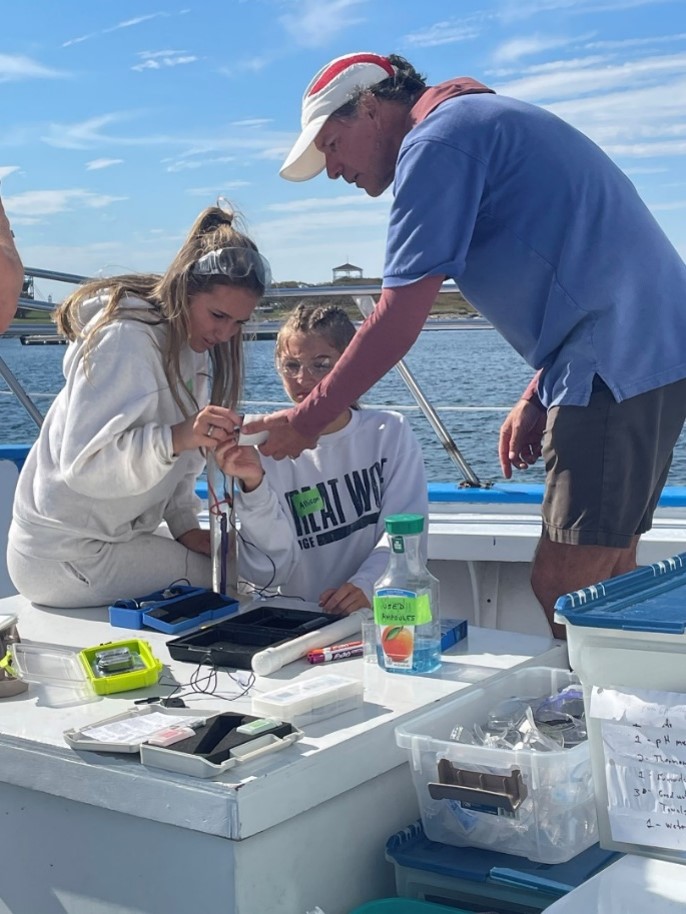
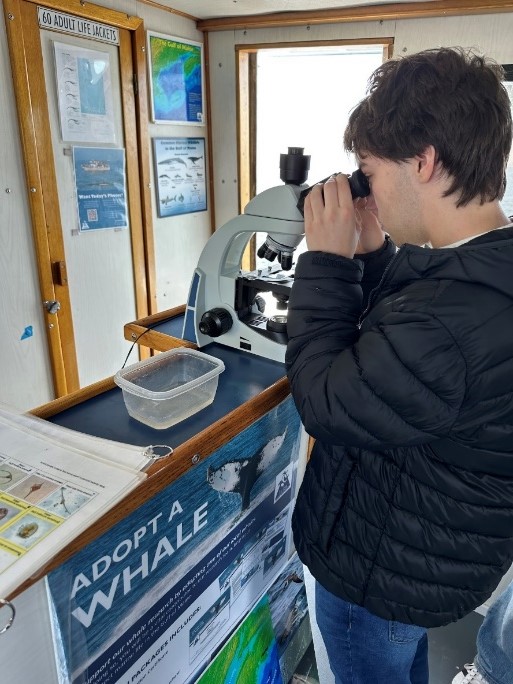
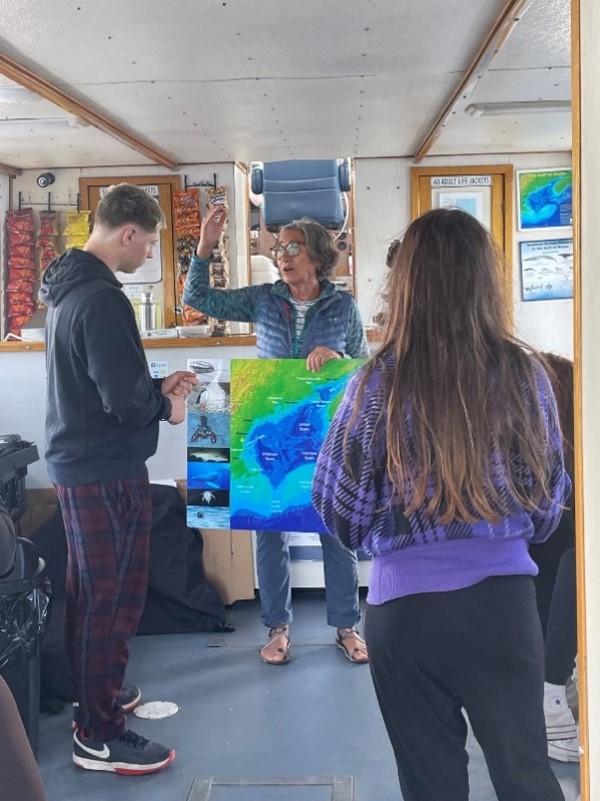
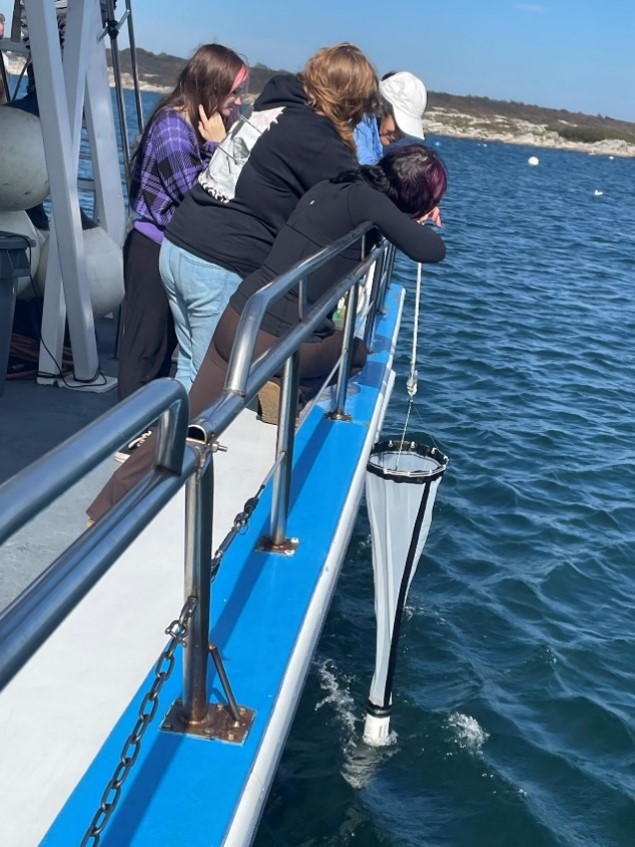
Last week, this group took their learning to the water during a visit to the University of New Hampshire’s (UNH) Coastal Floating Lab in the Gulf of Maine. Students traveled by boat to Gosport Harbor, near the Isles of Shoals, where UNH marine docents led them through a series of interactive learning stations focused on marine ecosystems and ocean science. Throughout the day, students collected and tested water samples, conducted plankton tows, examined dinoflagellates under microscopes, and learned about navigation and nautical charts. They also got up close with Gulf of Maine sea life—including lobsters, crabs, and sea stars.
One rewarding aspect of the experience was seeing students apply classroom learning to real-world science. Concepts like pH, buoyancy, and density—introduced in Noble’s core science classes—came to life as students tested water quality and discussed the physical properties of the marine environment. ELO Coordinators Liam Danaher and Maddie Smith, who co-lead this group, dependent on student interest, shared that, “[We are] truly looking forward to our next adventure and to witnessing what this group does with the knowledge and passion that they gain through this ELO program.”
Left to right: ELO Coordinators Maddie Smith, who is also a science teacher, and Liam Danaher.
“During my time on the UNH Coastal Floating Lab, I learned about the importance of the Gulf of Maine and its ecosystems,” Braiden Smith, a junior at Noble High School, said. “It was interesting to see how different organisms interact and depend on each other—and how we depend on them, as well.”
“The trip was very fun and engaging,” Conner Trieschmann, also a Noble High School junior, added. “Before we started the stations, we got to relax and explore the boat, which was great. My favorite part was definitely holding the different sea creatures—lobsters, starfish, and more. It made me appreciate how much life is out there beneath the surface.”
As the year continues, students will have additional opportunities to explore the coastal economy, marine research, and ocean stewardship through future trips and projects. The Marine Science ELO at Noble High School is not only building scientific knowledge; it’s inspiring curiosity, career exploration, and a lasting connection to Maine’s coastal environment.
Noble High School is a recipient of the Maine DOE ELO Expansion grant 2.0, which started in 2025 to expand ELOs in Maine. For more information about Extended Learning Opportunities, please visit the Maine DOE ELO webpage or contact Lana Sawyer, Maine DOE ELO Coordinator, at lana.sawyer@maine.gov.
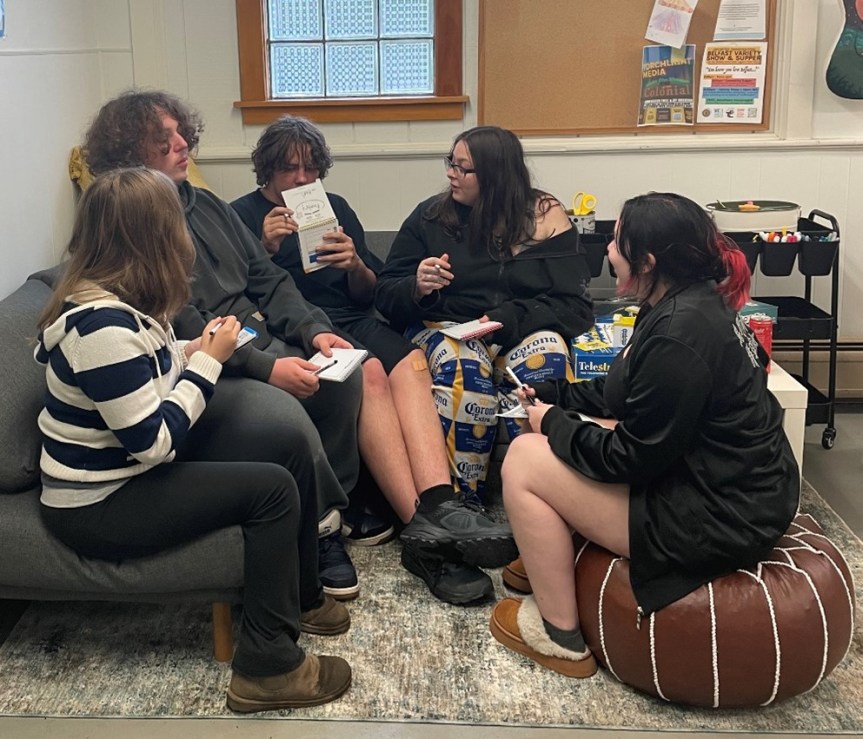
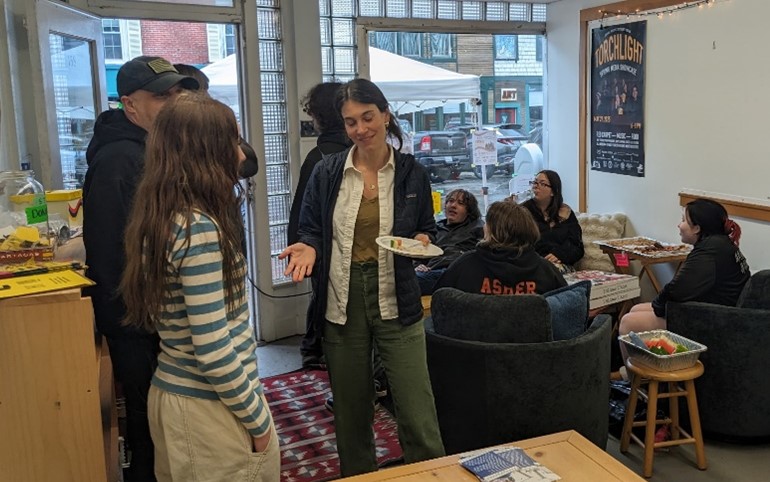
In the middle of downtown Belfast, a new space has opened its doors. It is made for teenagers, by teenagers and is aptly named the Belfast Teen Center. In a time when it has become increasingly difficult for young people to find a safe, welcoming place to hang out, this is a rare and vital resource: a community hub where teens can gather after school.
The idea grew from conversations at Belfast Area High School. Nadejda Stancioff, a school social worker, recalled how a handful of students experiencing homelessness described feeling isolated in their individual experiences. She asked if they would be interested in getting together as a group, and they agreed to that idea. That small gathering quickly helped the teenagers to feel less alone. This group went on to serve as an advisory board for But Still I Am One, a local nonprofit dedicated to empowering young adults who are experiencing homelessness in Waldo County.
The students had plenty of ideas for how to better support youth like themselves, but one issue stood out above the rest: the need for a space to gather. They pointed to a critical gap in their day—the hours between school dismissal and bedtime when many had nowhere to go. Their vision was simple but powerful; they wanted a space within walking distance from school where teenagers could hang out, do homework, charge their phones, and grab a snack or a hot meal. The space would not be limited to teens experiencing homelessness; it would be open to anyone who wanted a place to go.
One of the students in this group pitched the idea as an Extended Learning Opportunities (ELO) project—a center for teenagers that she called, “Freely You.” In this ELO, this student conducted community organizing, event planning, and marketing, culminating in a trial run consisting of a one-night event that she organized and hosted. Her vision quickly gained traction; what began as a student-led ELO grew into a full-fledged community project.
“I think it’s so important that this is a project that grew organically from student efforts. Kids had the ideas, and a few adults got interested and took the idea seriously,” Solomon Heifets, the Belfast ELO Coordinator, said. “Then, a few more adults and a few more students got involved, and it has very quickly snowballed into a true community collaboration.”
Stancioff said she imagines the Belfast Teen Center as a one-stop shop—always staffed by caring adults—where teenagers can find toiletries, food, warm clothes, and other essentials. For Stancioff, the project feels energizing and full of possibility. Her focus is on ensuring that it is sustainable.
Stancioff shared that a lot of the inspiration for the Belfast Teen Center came from The Landing Place in Rockland, a resource hub that also began in response to community need. The Landing Place provides transitional housing for youth from 18 to 25 years old and offers essentials like free clothing and food.
“I’m excited about having a similar space in Belfast; something that can be a true resource hub,” Stancioff said. “For example, when a student needed a backpack, I called the Belfast Teen Center, and they had one right there in their care closet.”
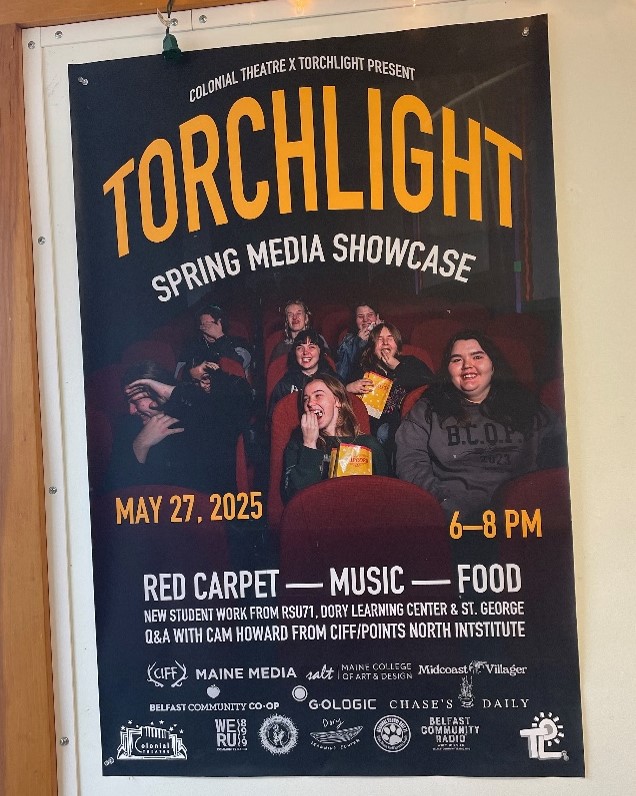
Much of the center’s momentum has come from community support. In the spring of 2025, a group of students, school staff, and local residents began meeting biweekly to form the Teen Center Board, which includes community members like Chris Battaglia, co-owner of Torchlight Media, who offered the use of his downtown studio as the center’s physical home, and Janet Proulx, a member of First Baptist Church in Belfast, who helped to coordinate volunteers from her congregation to provide regular hot meals for visiting teenagers. Other community members, namely Barbara Gage and Neva Allen, offered to operate under the umbrella of But Still I Am One, while working to incorporate the center as an independent 501(c)(3) nonprofit corporation. Sarah Carey, an interior designer, volunteered her time to work with several groups of students to design the center. Once she had gathered all of their input, she ordered and donated furniture based on their suggestions.
“There are nice people, and it’s safe,” Caleb Curtis-Dufresne, a junior at Belfast Area High School, said about the center.
In Belfast, teenagers have not had a dedicated space of their own since The Game Loft closed in February of 2025. While the Belfast Free Library and Waldo County YMCA remain welcoming, neither space was created specifically for teenagers. At the Belfast Teen Center, two adults are always present to ensure safety and support—but the center itself belongs to the teenagers. They decide how it functions, what activities take place, and how it grows.
The center provides consistent support—warm meals, basic resources, and caring adults who show up—creating a hub where youth feel comfortable and free to be themselves. Edward “Orange” Newcombe, a sophomore at Belfast Area High School, described it as “a place where you can be open, and you can be yourself.”
“It’s important because it’s a place where you can be free from responsibility, and it makes it easy to relax because it’s a dedicated space to just relax,” Ash Richards, a senior in the area, shared about the center.
The Belfast Teen Center’s open house, held on June 10, was well attended by families, students, and community members. Torchlight Media partnered with students to make a short promotional video for the open house. This fall, the center formally opened on Wednesdays from 2-6 p.m., with the goal to expand hours in future years.
Anna Walker, the center’s director, emphasized the importance of listening closely to teenagers’ ideas, as they plan themed nights like “Pizza and Puzzles” or watercolor painting sessions.
“The goal is to create a place that’s safe, welcoming, and truly designed for teens,” Walker explained. “It’s somewhere they can just show up as they are, have a meal, and know they’re supported.”
Looking ahead, Walker said she envisions a sustainable, youth-led community hub at the heart of Belfast, where every teenager feels resourced, supported, and inspired.
“We want it to be more than just a hangout,” Walker said about the center. “It should be a cozy, creative space where teenagers feel empowered to shape their own experiences, build confidence, and discover new possibilities.”
Over time, Walker and her colleagues hope that the Belfast Teen Center will grow into a permanent downtown home, consistent and innovative, woven into the fabric of the community, ensuring that teens remain a priority in Belfast for generations to come.
The community is invited to stop by the Belfast Teen Center on Wednesdays between 2 and 6 p.m. Anyone interested in connecting with or supporting the center can contact Anna Walker directly at thebelfastteencenter@gmail.com.
Belfast Area High School was an awardee of Maine Jobs and Recovery Plan grants, which started in 2022 and supported 26 programs across Maine, covering 13 counties, as well as the Maine DOE ELO Expansion grant 2.0, which started in 2025. For more information about ELOs, visit the Maine DOE website or contact Maine DOE ELO Coordinator Lana Sawyer at lana.sawyer@maine.gov.
Additionally, every Maine school administrative unit (SAU) has a McKinney-Vento liaison who supports students who are experiencing homelessness. For questions about McKinney-Vento rights and services, please contact Maine DOE McKinney-Vento Specialist Signe Lynch at signe.lynch@maine.gov or find your local liaison using the Maine McKinney-Vento Contact Lookup.
This summer, 20 ambitious students from Portland, Deering, and Westbrook High Schools did something extraordinary: They started training to become Certified Nursing Assistants (CNAs) before even entering their junior or senior years.
As part of a new summer program hosted at Portland High School, through the Extended Learning Opportunities program run by Andrea Levinsky, students dove headfirst into the world of healthcare, balancing rigorous academics with hands-on clinical experience to earn their CNA certification. This program, which came out of a pilot last year with Fallbrook Commons (formerly Saint Joseph’s Rehabilitation and Residence), offers students a head start on a meaningful, high-demand career path while they’re still in high school—and it’s already changing lives.
This unique initiative opens real-world opportunities to students, simultaneously fostering a deep sense of purpose and professional direction. Twenty students took part in this cohort, but not all of them will go on to become CNAs immediately. Eleven are participating in the clinical state exam on September 3 to become certified. Others want to take the class again to gain a greater understanding before doing the clinical. This program allows for that flexibility.
None of this would be possible without an incredible network of community supporters:
Portland Adult Education generously provided access to their medical lab, giving students a real-world training environment, and also provided guidance about how to set up a CNA program.
Maine Veterans’ Homes served as the clinical site, offering students invaluable hands-on experience with patients.
MEMIC, Maine C3, Martin’s Point, and the Maine Community Foundation helped to fund this program, ensuring accessibility for all participants.
MaineHealth Maine Medical Center donated essential equipment—including stethoscopes and blood pressure cuffs—to outfit the next generation of healthcare professionals.
The “Make It Happen” staff at Deering and Portland High Schools helped to identify students who would be a good fit for the program.
At a time when healthcare systems are facing critical workforce shortages, programs like this not only empower students; they strengthen entire communities. By jump-starting healthcare careers early, students gain confidence, skills, and a head start toward roles in nursing, medicine, and beyond.
With its first summer class a resounding success, this pioneering CNA program is expected to grow. Community members and educators alike have already set up funding for next year to continue to provide early access to healthcare careers, diverse representation in medicine, and tangible pathways to success for Maine students.
To the new CNAs from Portland, Deering, and Westbrook: Your journey has just begun—and Maine’s future is brighter because of you.
This story was written in collaboration with Portland Public Schools.To submit a good news story to the Maine DOE, please fill out the good news submission form.
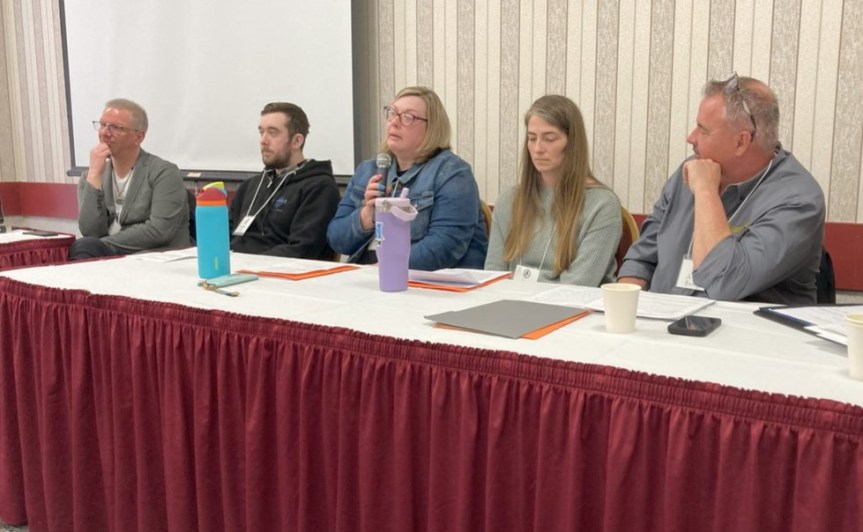
Pictured (left to right): John Post, Kameron King, Danica Wooster, Kay Fearon, and Arnold Bulley.
At the core of teaching is a central question: How can we ensure that every student gets the best education possible? This was the theme of the Maine Department of Education’s Inclusive Education Conference, focused on supporting students with disabilities throughout their pre-K-12 schooling and into meaningful adult lives.
Held at the Augusta Civic Center, the conference provided an opportunity for attendees to sit in on a variety of panels and workshops, centered around some key questions: How can we rethink classroom spaces to make them more accessible to students who are receiving special education services? How can we rework individualized education plans (IEPs) to ensure inclusion across all settings? How can we ensure that students with disabilities have the same opportunities in school as other students?
One such panel was on the topic of “Dignity of Risk for Students with Disabilities.” The panelists included a variety of people from different backgrounds, including educators, employers, employment specialists, and a young employee with lived experience, each offering valuable perspectives on how risk impacts the development and success of students with disabilities.
Liam Danaher, ELO Coordinator at Noble High School, discusses the dignity of risk and supporting students in their journey with career exploration.
Janet May, Coordinator of Transition and Adults at the University of Maine Center for Community Inclusion and Disability Studies, opened the discussion asking panelists, “What is dignity of risk?” Each panelist responded with varying perspectives on the discussion; however, a common thread emerged: Students should be allowed to take risks, make mistakes, and fail, because it is often in that moment of failure that people truly grow. Panelist John Post, a vocational rehabilitation counselor said, “It is okay to have a negative impact from a risk. What’s important is to learn how to come back from it.”
Each panelist shared their own experiences, encouraging students to embrace manageable risks. Kamron King, who works in an apprenticeship program for high-skilled labor jobs, shared that starting out in the program was tough, but being allowed to fail helped him to grow. Danica Wooster, a Student Support Specialist at the Mid-Coast School of Technology, is a woman working in a male-dominated field. She emphasized the importance of pushing yourself and learning from personal challenges; Arnold Bulley, a Human Resources and Safety Manager at Shiretown Solutions in Houlton, noted that he always sets goals for students to help them grow, letting them take risks. Liam Danaher, Extended Learning Opportunities Coordinator at Noble High School, recalled his six-year-old son learning how to mountain bike with the mantra, “No risk, no reward.”
The panel went on to address many other questions about the balance between growth and support. In the end, it was a productive conversation about how to tackle these delicate and necessary challenges.
Another panel question involved striking the right balance between providing necessary support, while still allowing for the dignity of risk and personal growth. As discussed by Wooster and Danaher, this balance is rooted in the belief that meaningful learning and growth happen through experience, especially through mistakes. The support should be individualized and dynamic, adapting to each student’s needs. King’s experience further emphasized this. He talked about how his vocational rehabilitation counselor supported him in his journey to becoming a welder at a shipyard, which, with many ups and downs, demonstrates how support helps individuals to flourish.
Bulley added, “To me, a balanced support means pulling back on those parents and job coaches and employment specialists in order to let a person learn and grow.”
Ultimately, balancing support with risk is about building a toolkit that, as Kay Fearon, Diversified Occupations Instructor at Portland Arts and Technology High School described, helps students to adapt and find their own ways of achieving success, even in the face of limitations and challenges.
Conference panelists emphasized that it’s not a one-size-fits-all approach; it’s about guiding students to recognize their strengths, confront their fears, and know that setbacks are part of the path to confidence, independence, and personal fulfillment.
For both employers and individuals alike, inclusive workplaces are essential. When people with disabilities and other diverse backgrounds are fully included, organizations across industries unlock greater potential—for their teams, individual employees, and the broader workforce.
This article was written by Vagni Das, a rising senior at Yarmouth High School. As part of her extended learning experience, she is working as an intern at the Maine DOE.
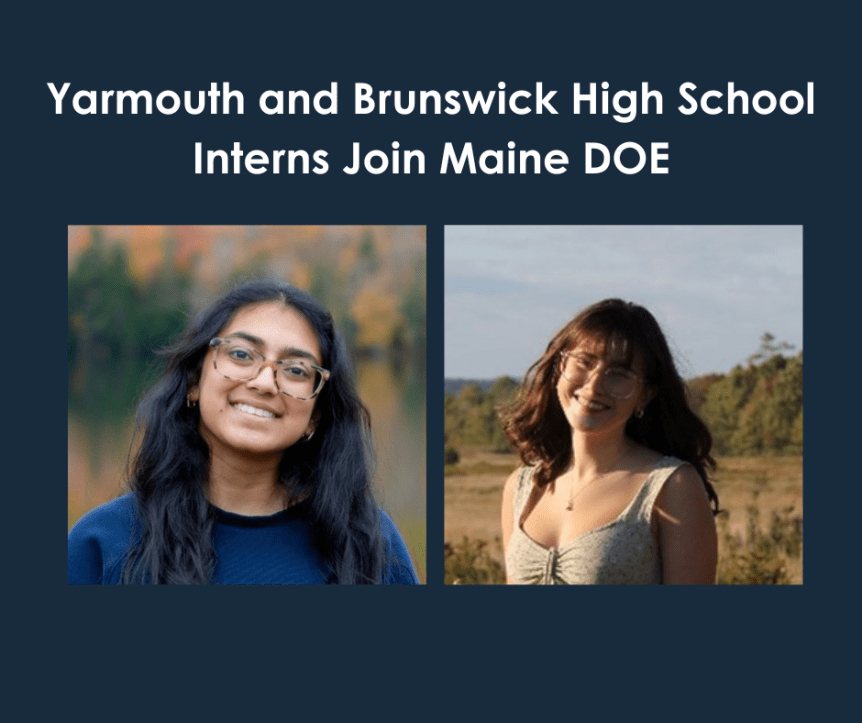
For the first time, the Maine Department of Education Extended Learning Opportunities team is hosting two students to participate in its own extended learning opportunity (ELO). These interns are funded through the Maine Career Exploration Program, and both are earning credit at their respective schools. They will be helping the Maine DOE to spread the good news of exciting developments in ELOs throughout the state, honing their communication and writing skills, and learning about their local state government.
Vagni Das is a junior at Yarmouth High School. She was born in India and has lived in Maine for seven years and in America for 15. In school, Vagni especially likes learning about history and science. Apart from her regular courses, she enjoys doing theater, Model UN, and debate. In her free time, she loves watching movies and singing. Vagni is so excited to be working at the Maine DOE as an intern/ELO student!
Olivia Haralson, a senior at Brunswick High School, will be attending New York University in the fall to major in Film and Television. She is excited to write articles through the Maine DOE about ELO programs at high schools statewide. In her free time, Olivia enjoys filmmaking, thrifting, and writing.
As part of their internship, Vagni and Olivia are starting a collaborative project: producing an ELO “storybook” that will feature student profiles and serve as a resource for those interested in seeing the diverse ELO opportunities that students have completed throughout the state. Vagni and Olivia are inviting any school, ELO Coordinator, and other ELO students to share their ELO experience via this short survey.
Vagni and Olivia are also working on independent projects. For example, Vagni and Olivia—both from Midcoast Maine—wrote articles about ELO programs in Washington County, shining a light on the powerful ELO work happening in rural regions. In late May, Olivia will practice her filming and interviewing skills at Vagni’s high school ELO showcase, featuring the work of Yarmouth High School’s ELO students. Last month, Vagni participated in the Maine DOE’s Inclusive Education Conference at the Augusta Civic Center
Vagni Das visits the Hall of Flags at the Statehouse
To learn more about ELOs, or for questions regarding the ELO storybook, please contact Lana Sawyer at lana.sawyer@maine.gov. To learn more about implementing a paid, meaningful work opportunity through the Maine Career Exploration Program, please contact Karen Morin at karen.morin@maine.gov.











 Maine DOE Newsroom