The Maine Department of Education (DOE) has released an updated set of Early Childhood Health and Safety Resources for preschool and early childhood programs. These resources outline approval standards and other official guidance and up-to-date information for school administrative units (SAUs) and early childhood programs across Maine.
These resources may be useful across a range of early childhood education settings. Topics include immunizations, infection control, toileting, nutrition, environmental health, screenings, mental and behavioral health, emergency preparedness, and injury prevention.
The resources, designed for easy digital access in a PDF document, are drawn from state and federal agencies and professional organizations to support safe, healthy, and developmentally appropriate learning environments.
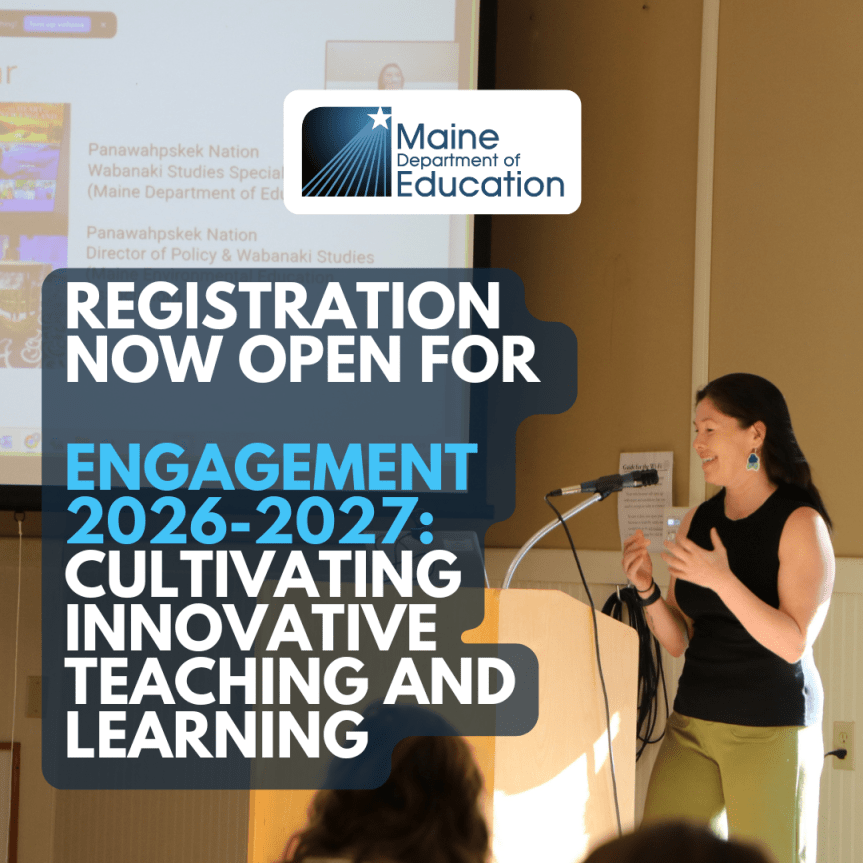
The Maine Department of Education (DOE) Offices of Teaching and Learning and Innovation are pleased to announce that registration is now open for EngageMEnt 2026-2027, a statewide professional learning opportunity designed to support educators in exploring innovative, engaging, and impactful practices for teaching and learning.
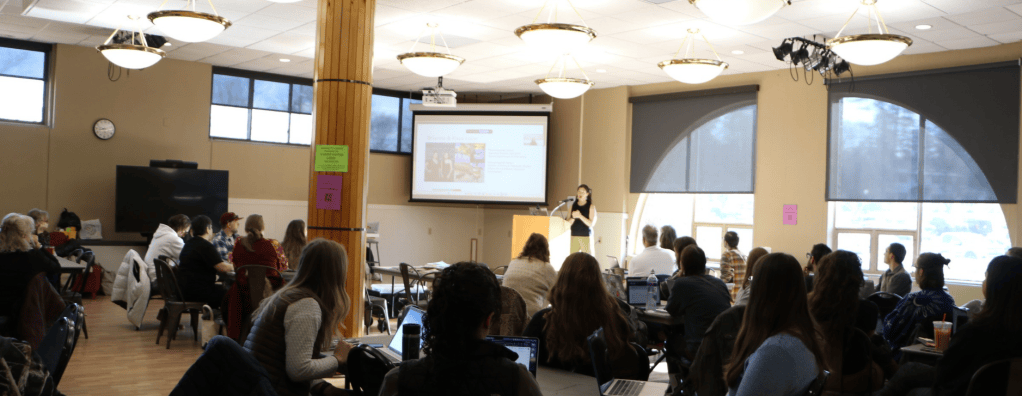
Offered in partnership with the University of Maine and University of Southern Maine, EngageMEnt creates opportunities for educators from across the state to learn, collaborate, reflect, and apply new ideas in their classrooms, schools, and communities. The initiative also provides opportunities for practicing educators and pre-service educators to learn alongside one another while exploring current educational priorities and practices.
Building on the success of last year’s implementation and participant feedback, EngageMEnt 2026-2027 has been designed as a year-long learning experience that supports both professional growth and implementation. Rather than attending a single workshop, participants will join a cohort of educators who will continue learning together throughout the school year. The Maine DOE is hopeful that this model will support meaningful changes in practice that ultimately benefit Maine students.
What’s New for 2026-2027?
This year’s model includes:
An in-person fall session on October 9, 2026
A virtual winter follow-up experience
An in-person spring session on March 19, 2027
On both the fall and spring dates:
Morning cohorts meet from 9-11:30 a.m.
Afternoon cohorts meet from 12:30-3 p.m.
This structure is designed to provide educators with opportunities to learn, implement new ideas in practice, reflect on their experiences, and reconnect with colleagues to deepen their learning.
Explore a Wide Range of Learning Opportunities
This year’s cohort offerings include topics such as:
Early literacy and numeracy
Literacy and numeracy across content areas
Outdoor and place-based learning
Climate education
Technology and learning
Multilingual learner supports
Community partnerships
Civic engagement and student advocacy
Arts integration and creative learning
Wabanaki Studies
Participants may register for one cohort or, if desired, one morning cohort and one afternoon cohort.
Cohorts will begin at either the the University of Maine at Orono or University of Southern Maine in October and continue at the partner campus in March, providing opportunities for educators to connect with colleagues from across the state while experiencing both university settings.
A complete guide to cohort offerings, facilitator information, and session descriptions is below.
Registration Information
Registration for EngageMEnt 2026-2027 is now open.
Participants registering for two cohorts should select one morning cohort and one afternoon cohort. Participants are encouraged to review the cohort descriptions carefully before registering.
Questions regarding EngageMEnt 2026-2027 may be directed to Beth Lambert, Maine DOE Chief Teaching and Learning Officer, at Beth.Lambert@maine.gov.
The following cohorts begin at the University of Southern Maine on October 9, 2026, and will continue at the University of Maine at Orono on March 19, 2027:
Morning Cohorts (9-11:30 a.m.):
Cohort
Facilitator(s)
Description
Playful Literacy Strategies for Early Learning, Preschool-Grade 2
Maine DOE Early Learning Team
Explore literacy-rich, play-based practices that support joyful and purposeful learning in early childhood settings.
Applied Learning Lab
Cee Belolan, Maine DOE Interdisciplinary Instruction Specialist
Experience practical approaches to designing engaging, student-centered learning through active application and reflection.
Numeracy Opportunities Within and Across Content Areas
Michele Mailhot, Maine DOE Interdisciplinary Instruction Specialist
Learn how to identify and intentionally incorporate numeracy opportunities across disciplines using Maine’s Numeracy Playbook resources.
Inquiry, Advocacy, Authentic Learning: Leading Students from Apathy to Activism
Geoff Wingard, Maine DOE Interdisciplinary Instruction Specialist
Support student voice, inquiry, and civic engagement through meaningful and authentic learning experiences.
Afternoon Cohorts (12:30-3 p.m.):
Cohort
Facilitator(s)
Description
The Importance of Numeracy Foundations, Preschool-Grade 2
Maine DOE Early Learning Team
Explore foundational numeracy development, learning trajectories, and play-based strategies that support mathematical thinking in young learners.
From Data to Art: Visualizing, Performing, and Creating with Information
Cee Belolan, Maine DOE Interdisciplinary Instruction Specialist
Learn creative ways to help students communicate information through the visual and performing arts.
Diving into Indigenous Literature with Book Kits
Brianne Lolar, Maine DOE Wabanaki Studies Specialist
Explore Indigenous literature resources and instructional strategies that deepen engagement and understanding.
Beyond the Classroom: Community Partnerships that Enrich Student Learning
Ayesha Hall, Maine DOE Director of Strategic Partnerships
Explore strategies to build community partnerships that enhance student learning and foster authentic connections.
The following cohorts begin at the University of Maine at Orono on October 9, 2026, and continue at the University of Southern Maine on March 19, 2027:
Morning Cohorts (9-11:30 a.m.):
Cohort
Facilitator(s)
Description
Digging Deep into Literacy
Erik Wade, Maine DOE Interdisciplinary Instruction Specialist
Explore how outdoor and authentic learning experiences can strengthen literacy development and interdisciplinary connections.
From Standards to Solutions: Engaging Students in Climate Action Through Maine’s Learning Results
Glenn Cummings, Maine DOE Director of Green Schools, and Teddy Lyman, Maine DOE Climate Education Specialist
Connect climate education, civic engagement, and standards-based learning through authentic student action.
Wonder Is a Literacy Practice
Heather Martin, Maine DOE Interdisciplinary Instruction Specialist, and Kathy Bertini, Coordinator of the Maine DOE Interdisciplinary Instruction Team
Discover literacy strategies that foster curiosity, inquiry, discussion, and meaningful student engagement.
Less Noise, More Learning: Reframing Technology Use in Schools
Maine DOE Learning Through Technology Team
Examine thoughtful approaches to technology use that support student learning, engagement, and well-being.
Afternoon Cohorts (12:30-3 p.m.):
Cohort
Facilitator(s)
Description
Digging Deep into Numeracy
Erik Wade, Maine DOE Interdisciplinary Instruction Specialist
Experience hands-on approaches to numeracy through outdoor learning, observation, measurement, and authentic problem-solving.
Trail Guides: Helping Create a Cultural Shift to Place-Based Learning
Sharon Gallant, Maine DOE RREV coach; Elaine Bartley, Maine DOE Innovative Research and Design Director; and Teddy Lyman, Maine DOE Climate Education Specialist
Explore strategies for integrating place-based and outdoor learning into everyday instructional practice.
Got Skills? Literacy in Every Direction
Heather Martin, Maine DOE Interdisciplinary Instruction Specialist, and Kathy Bertini, Coordinator of the Maine DOE Interdisciplinary Instruction Team
Explore practical literacy strategies that can be applied across content areas and learning environments.
Cultivating Brilliance: Maximizing Multilingual Assets and Accelerating Literacy Outcomes in an Integrated MTSS Framework
Jane Armstrong, ESOL State Specialist, and Bryan Lescord, MTSS State Specialist
Learn asset-based approaches that support multilingual learners within an integrated MTSS framework.
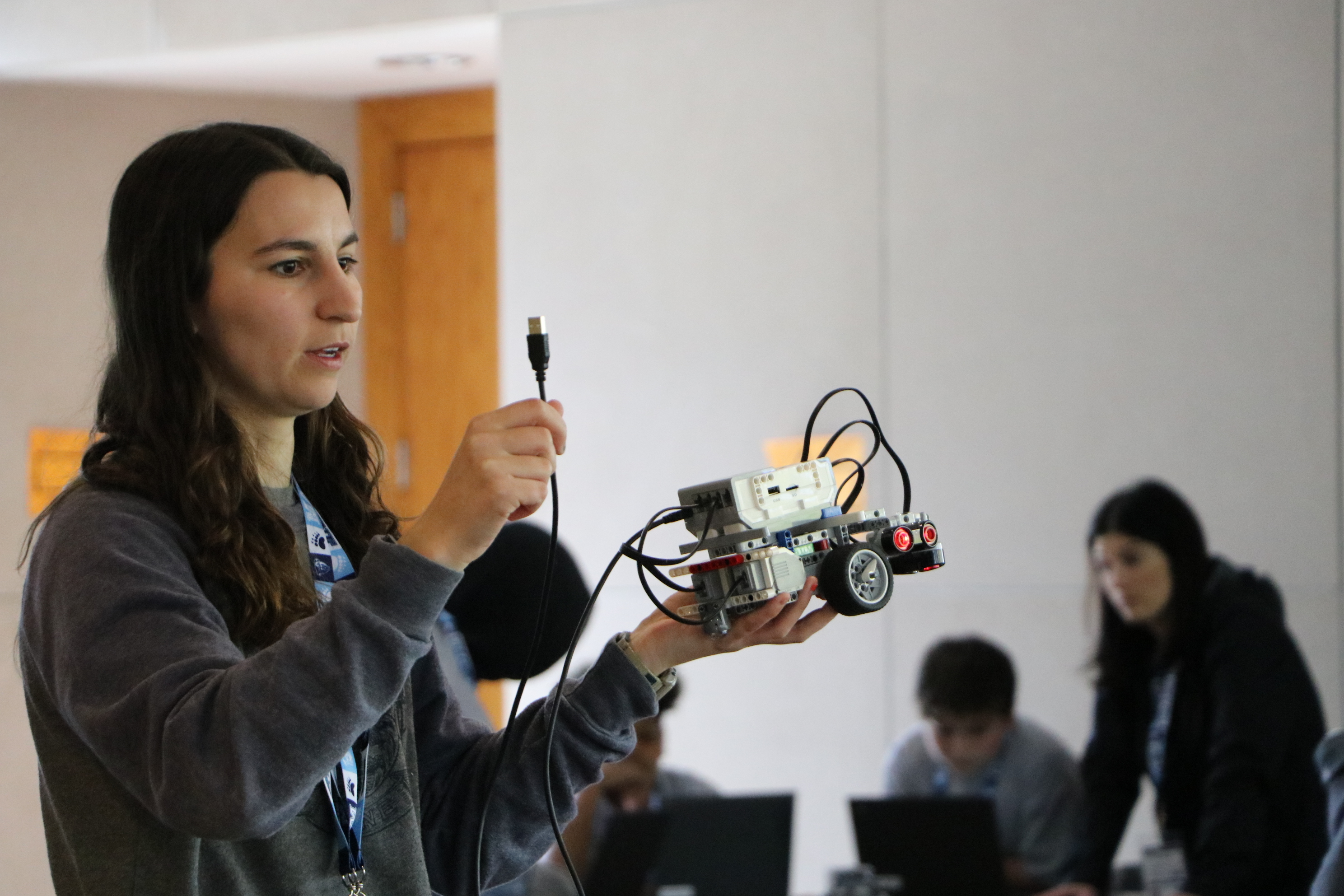
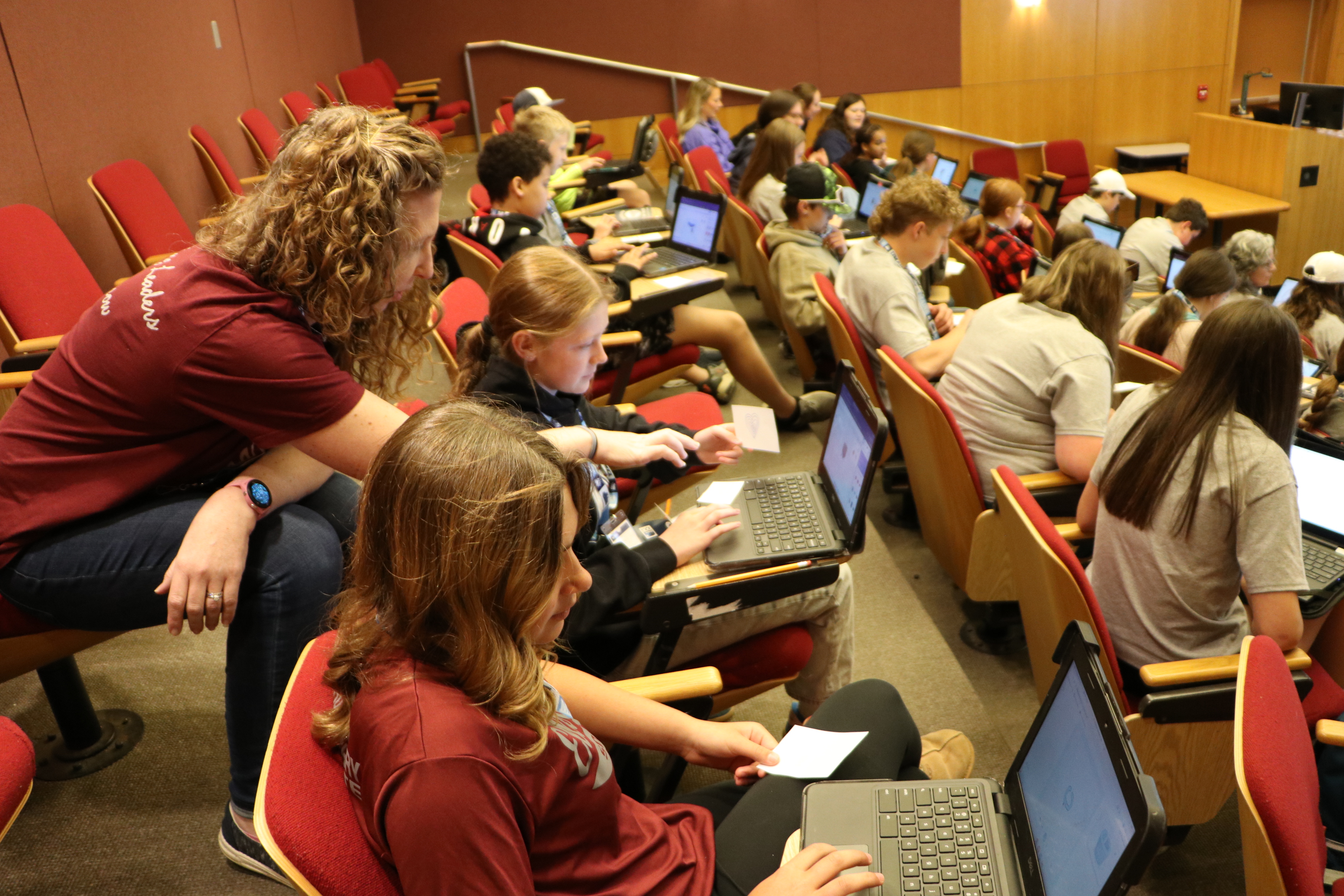
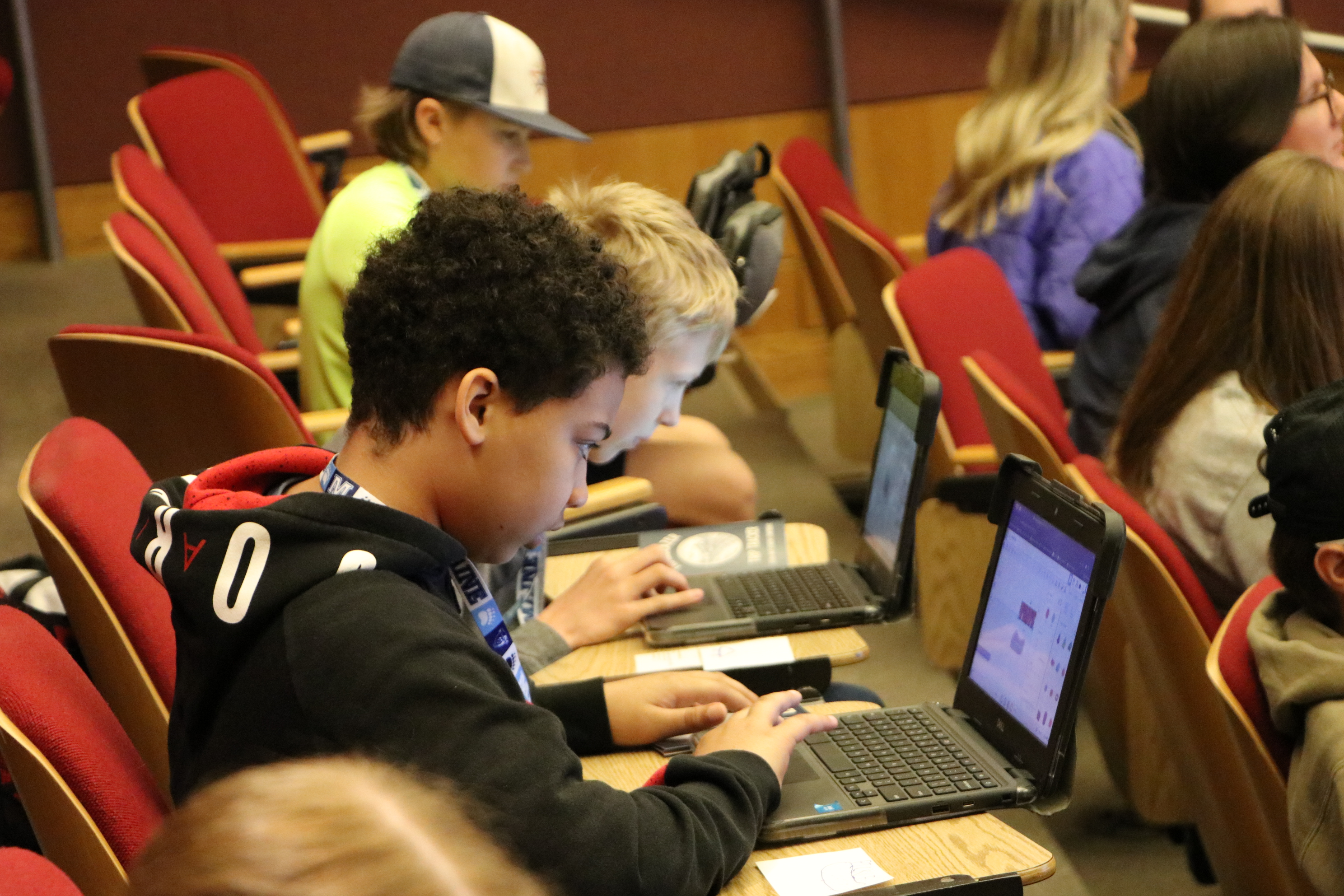
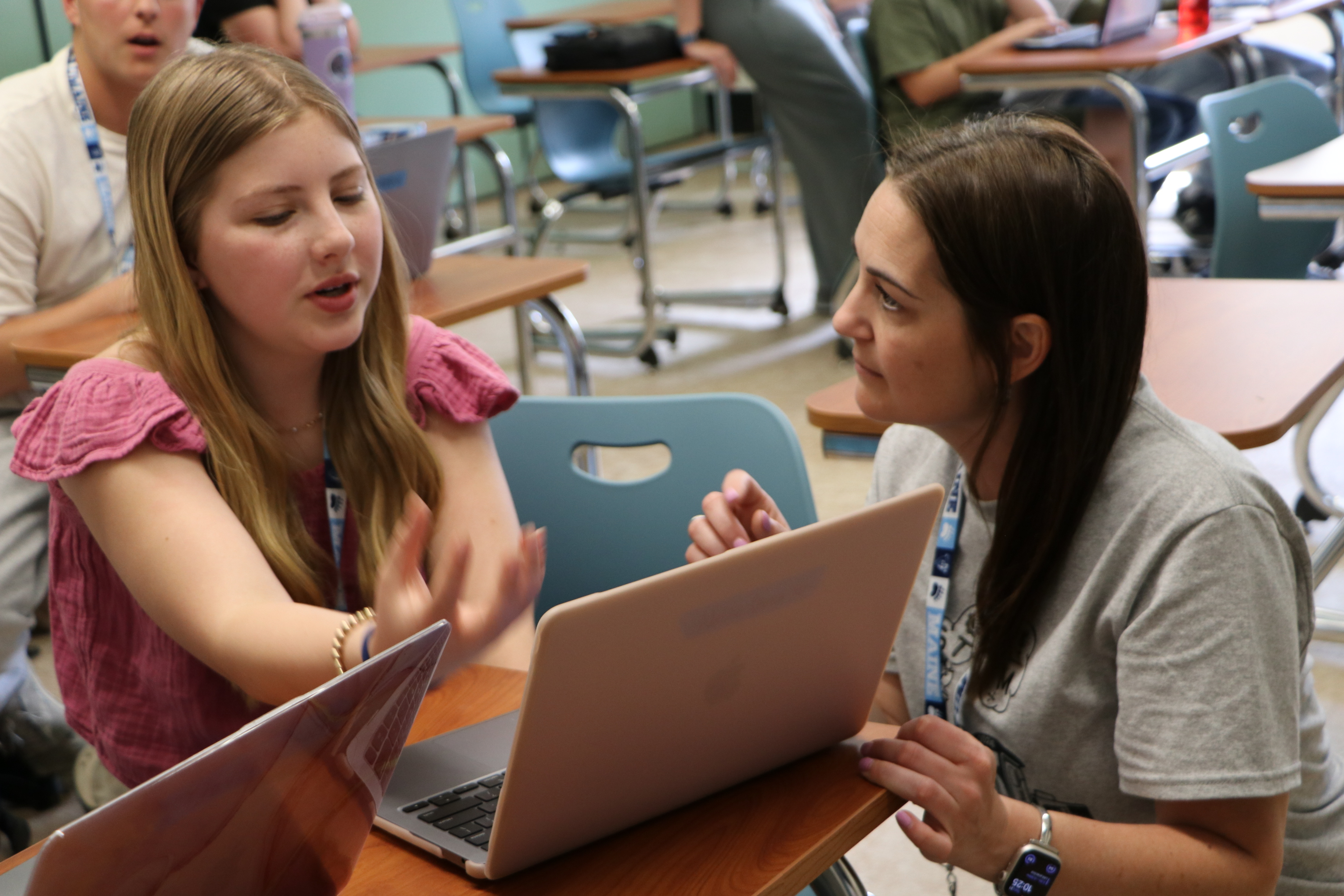
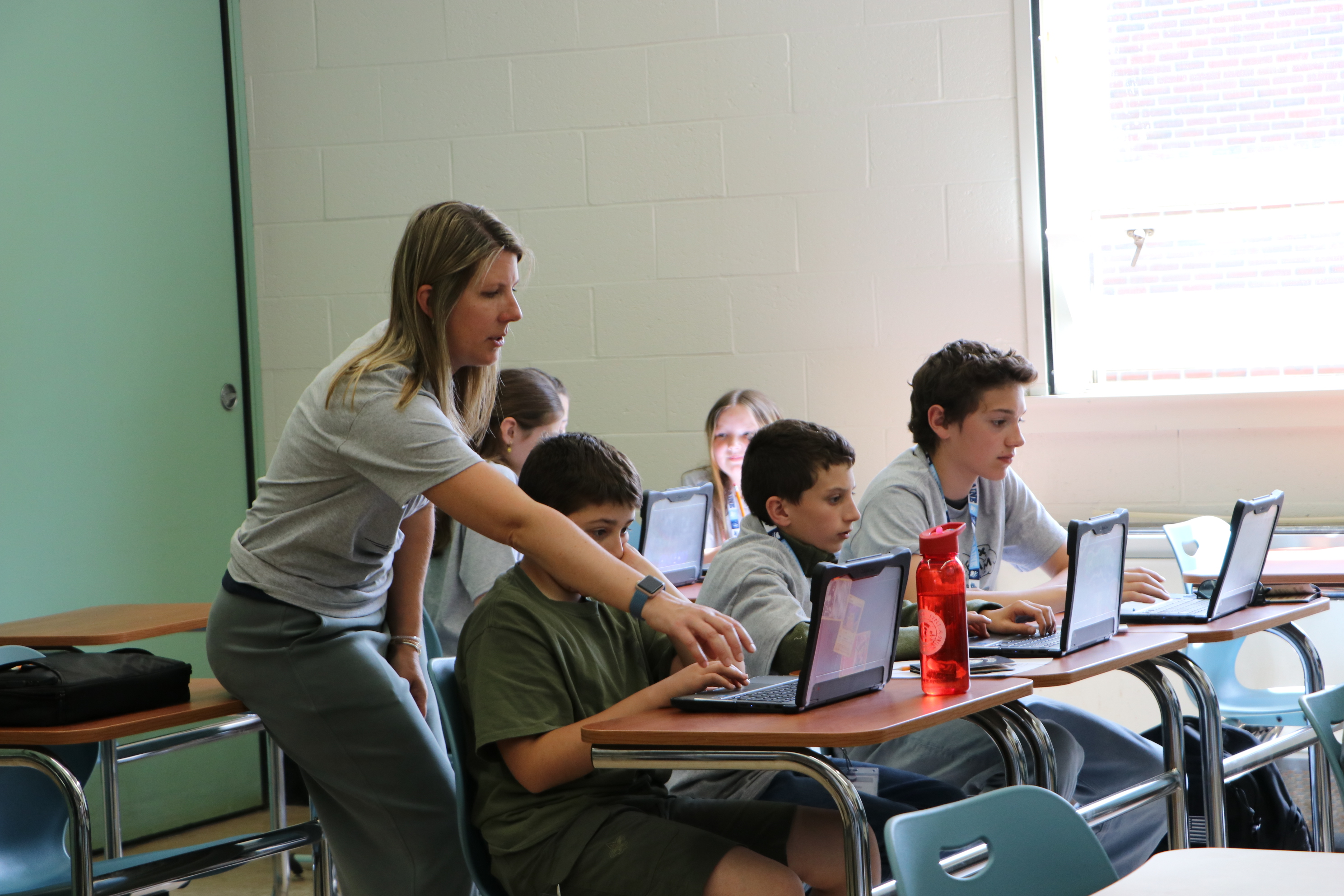
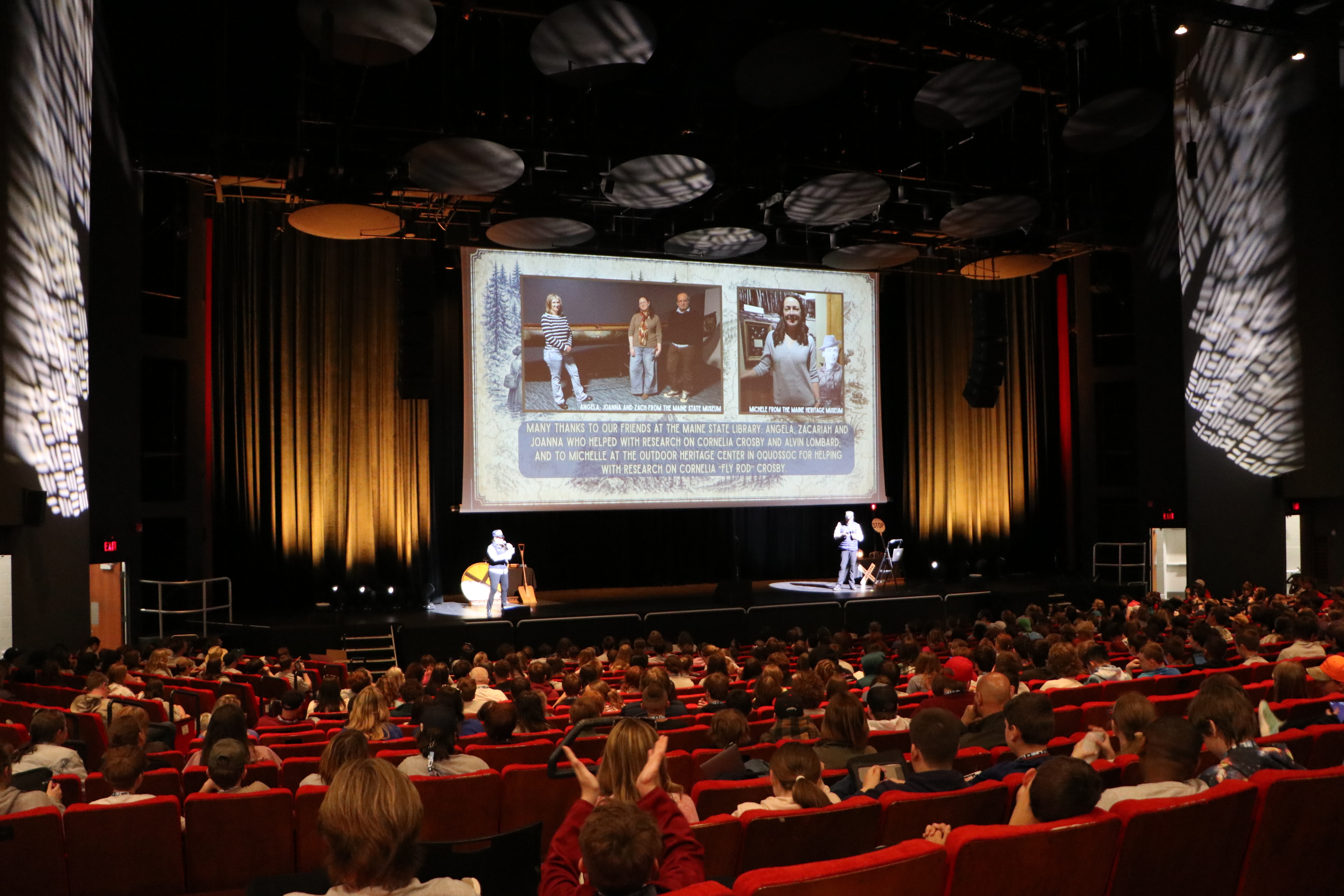
Nearly 1,000 students and educators from across Maine recently gathered at the University of Maine campus in Orono for the 2026 Maine Learning Through Technology Initiative (MLTI) Student Conference, an annual event hosted by the Maine Department of Education (DOE) Learning Through Technology Team.
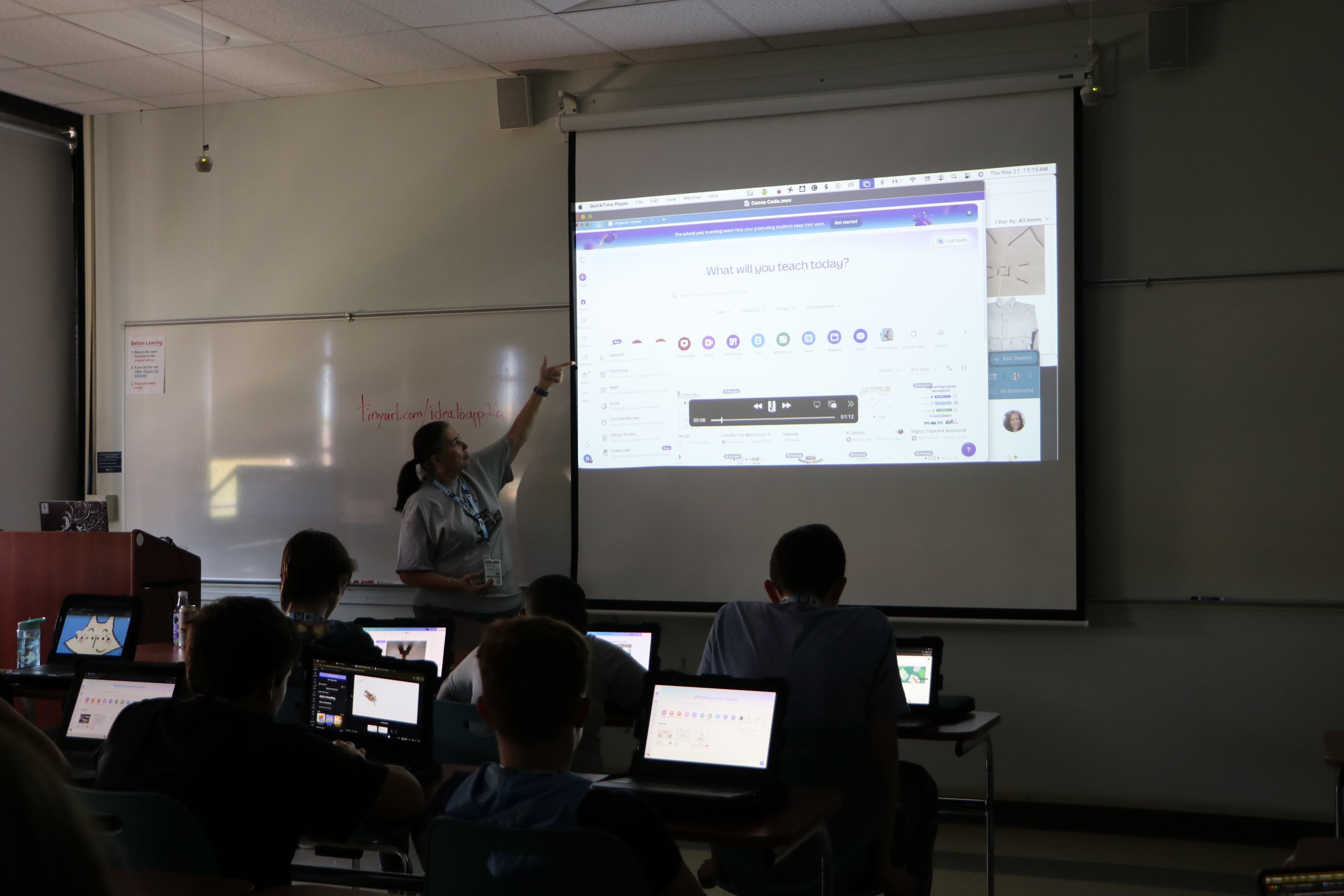
Held on May 21, 2026, this year’s conference welcomed students in grades 5-10 from MLTI school administrative units (SAUs) across the state for a full day of hands-on learning, creativity, collaboration, and exploration through technology and computer science.
Centered around the theme “Full STEAM Ahead,” the conference invited participants to engage in activities and sessions connected to science, technology, engineering, the arts, and mathematics (STEAM). Sessions focused on empowering young people to become creators, innovators, and problem-solvers through technology-rich learning experiences.
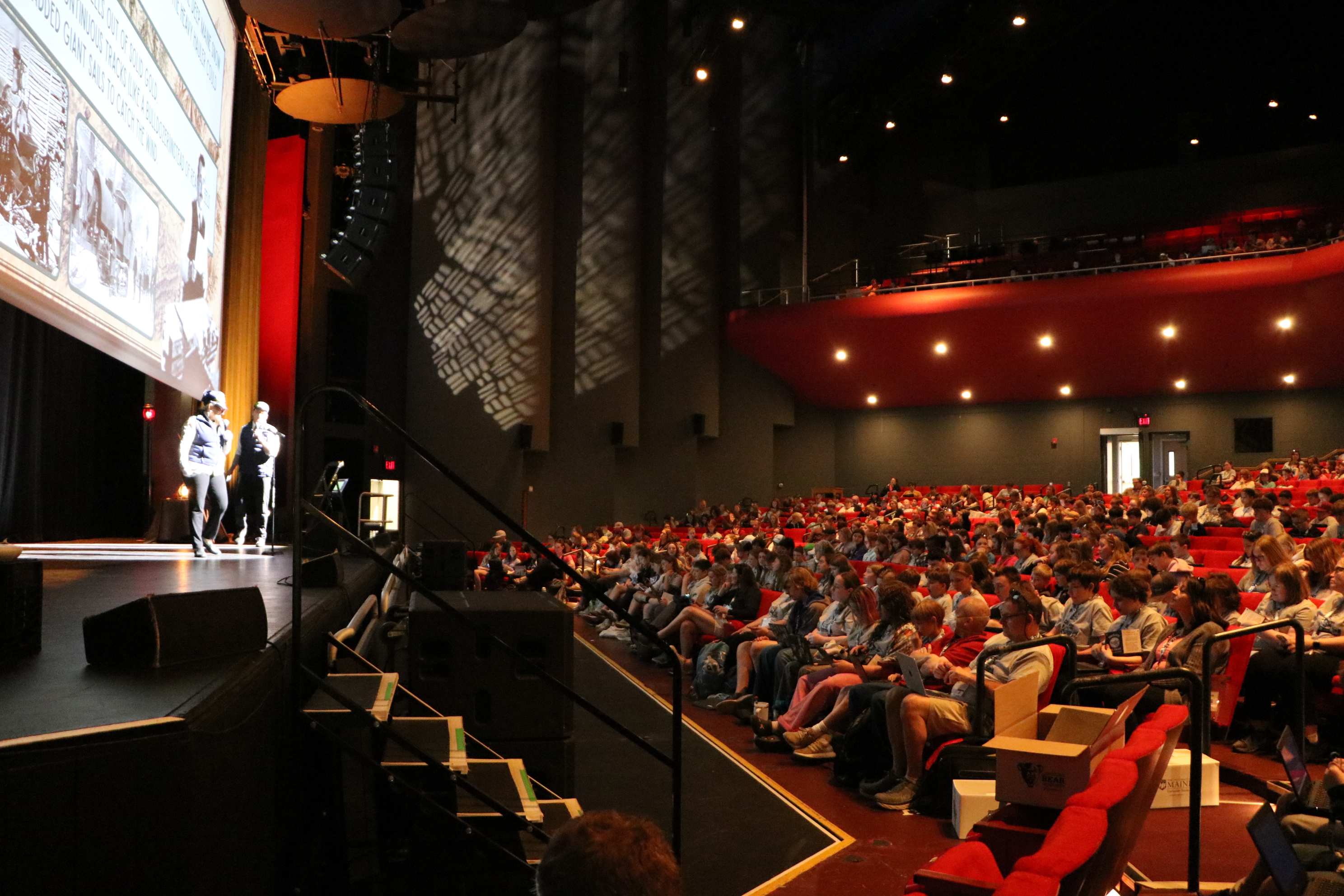
The conference opened with an introductory session that connected Maine’s long history of innovation and problem-solving to the opportunities available to students today. Participants learned about Maine inventors, entrepreneurs, and leaders whose creativity and determination helped shape industries and communities throughout the state.
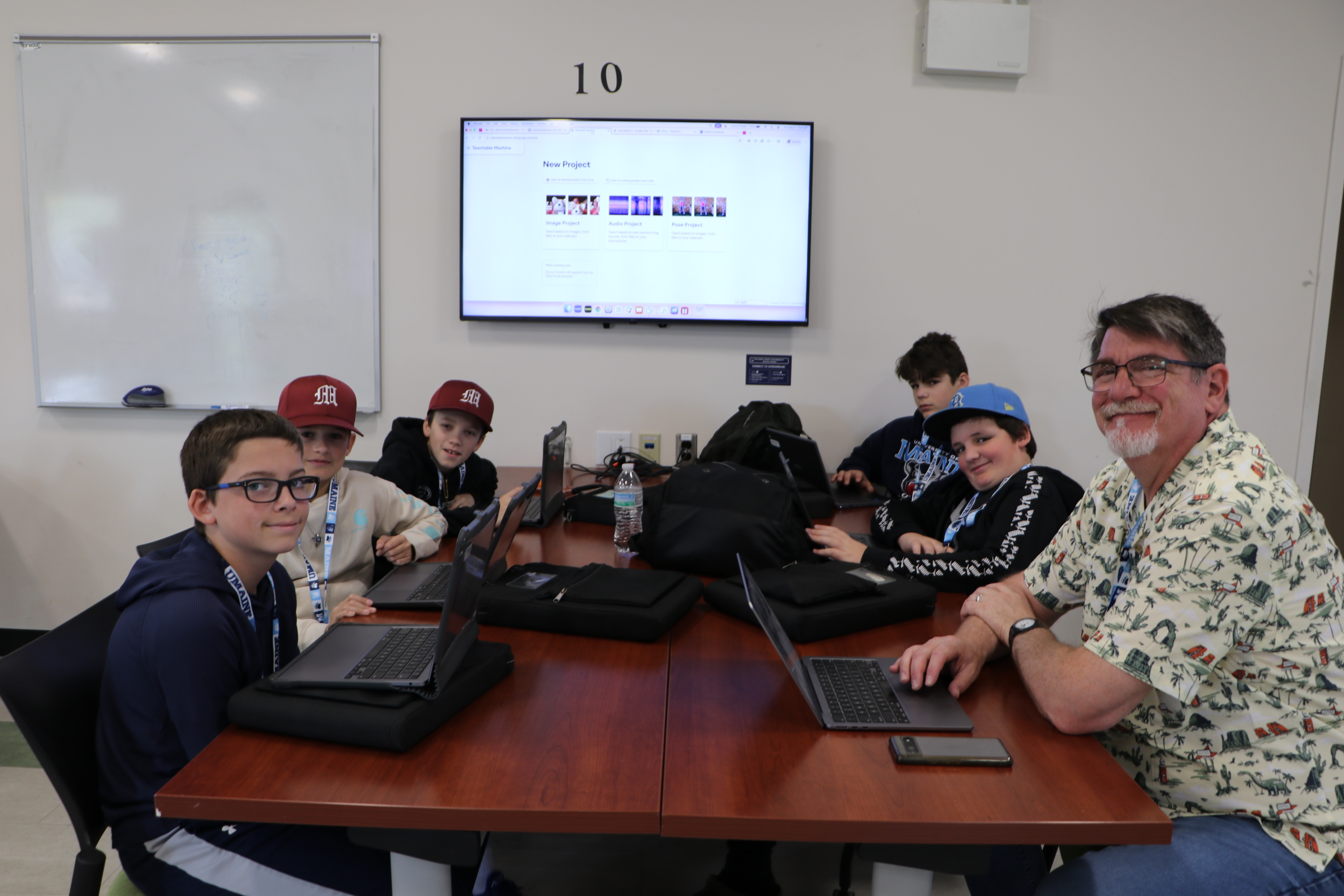
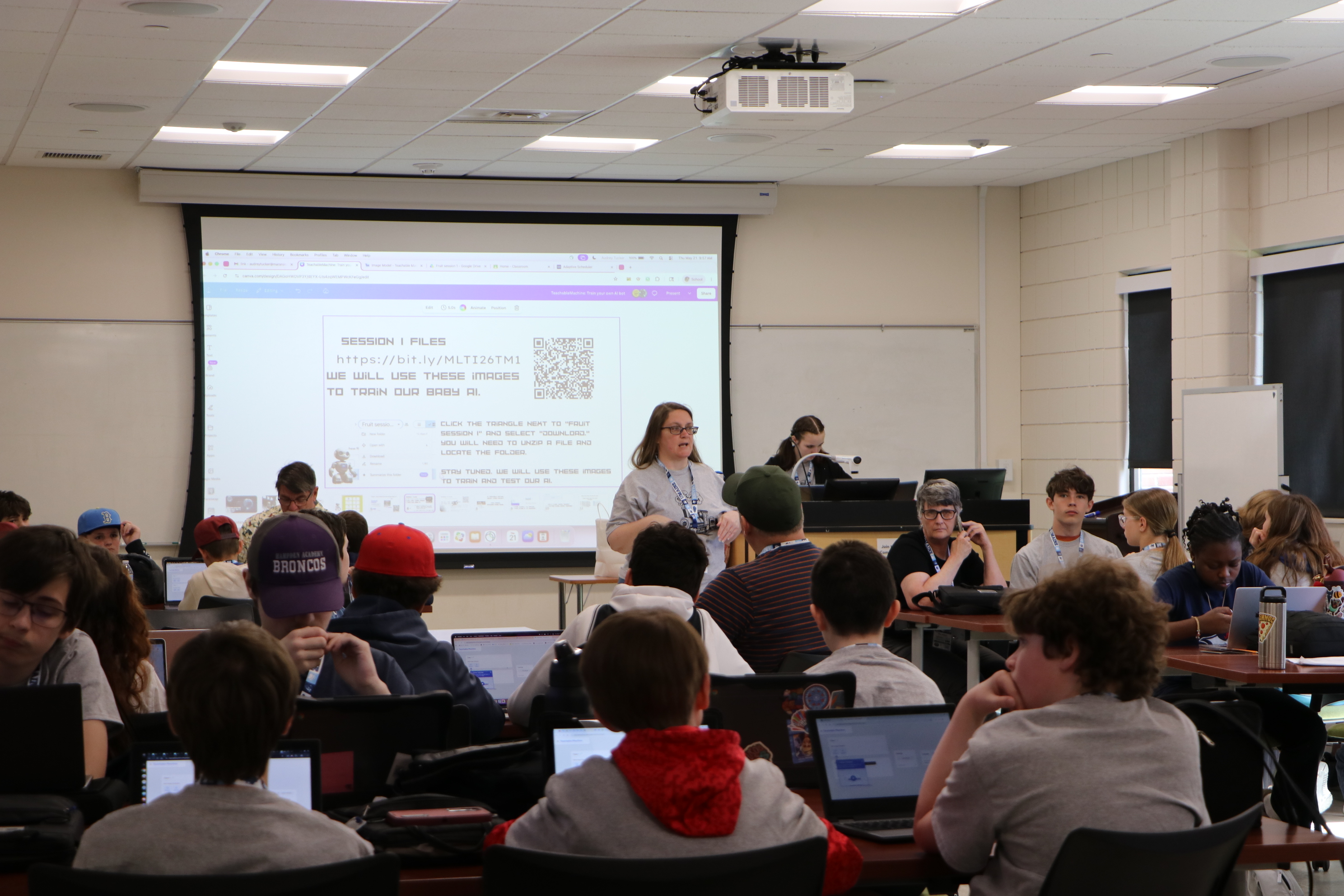
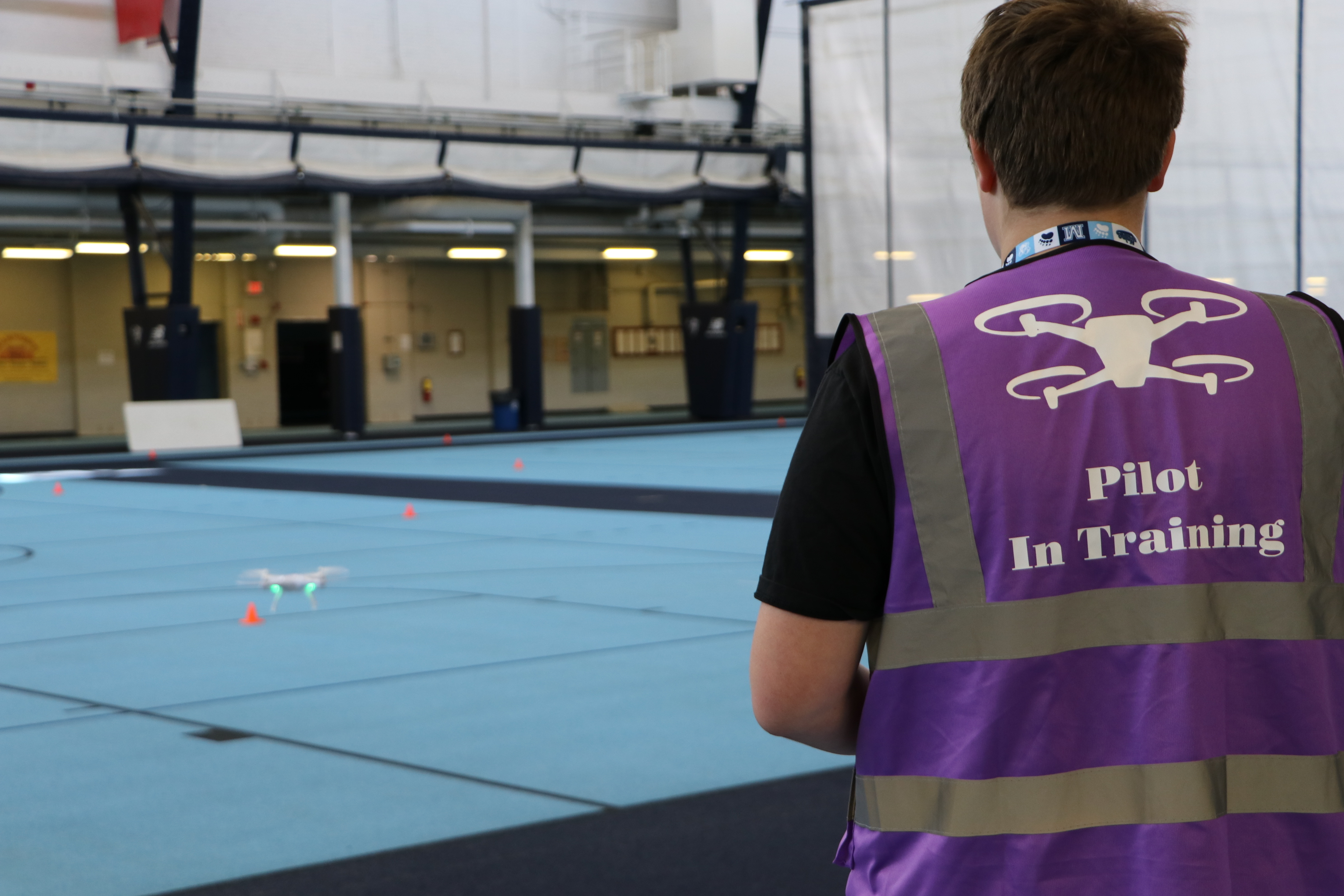
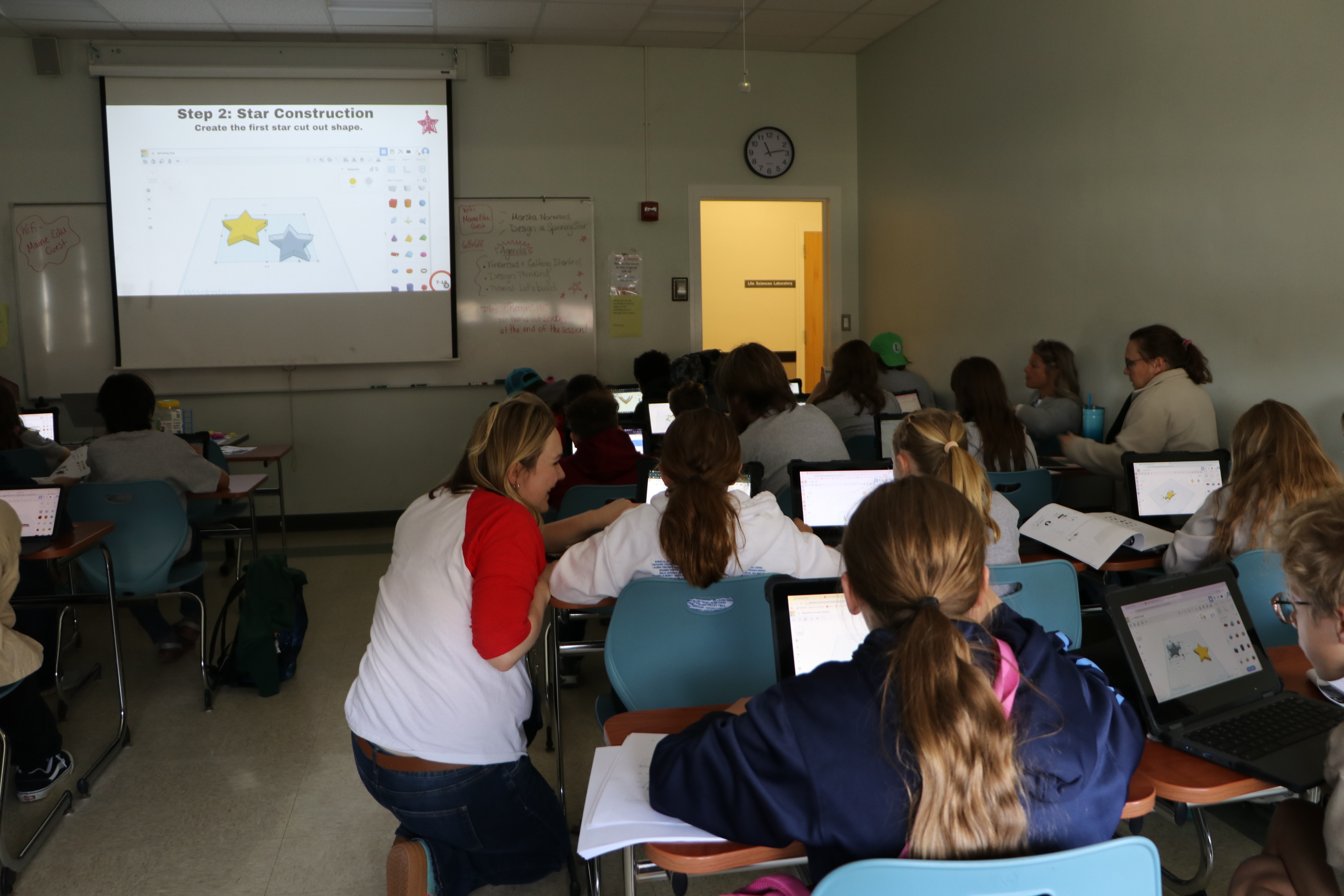
Throughout the day, attendees participated in interactive workshops and presentations covering a wide range of topics, including coding, robotics, artificial intelligence, 3D design, animation, podcasting, cybersecurity, game design, drones, and virtual reality. Sessions encouraged participants to actively explore, create, collaborate, and think critically while using technology in meaningful ways.
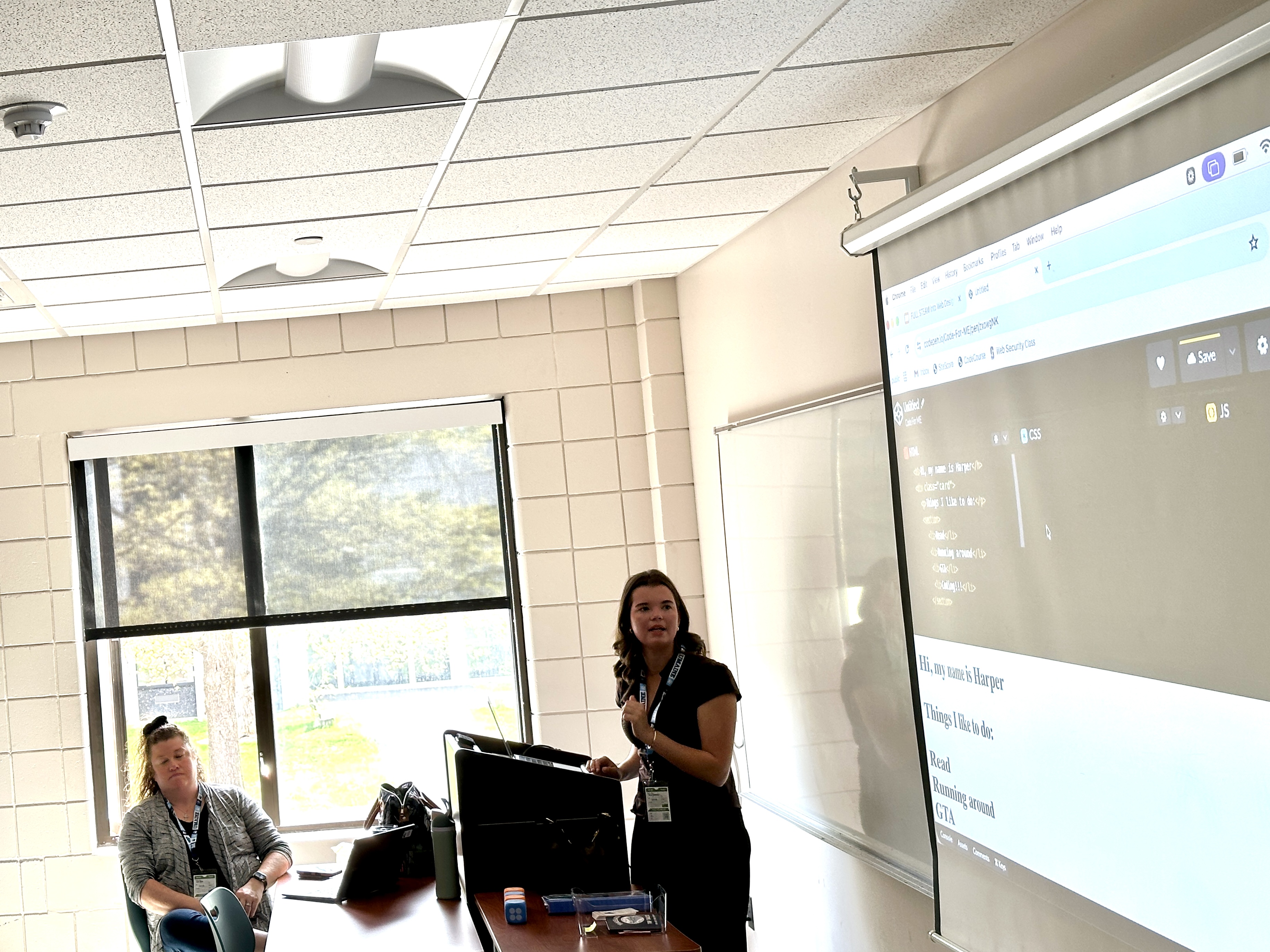
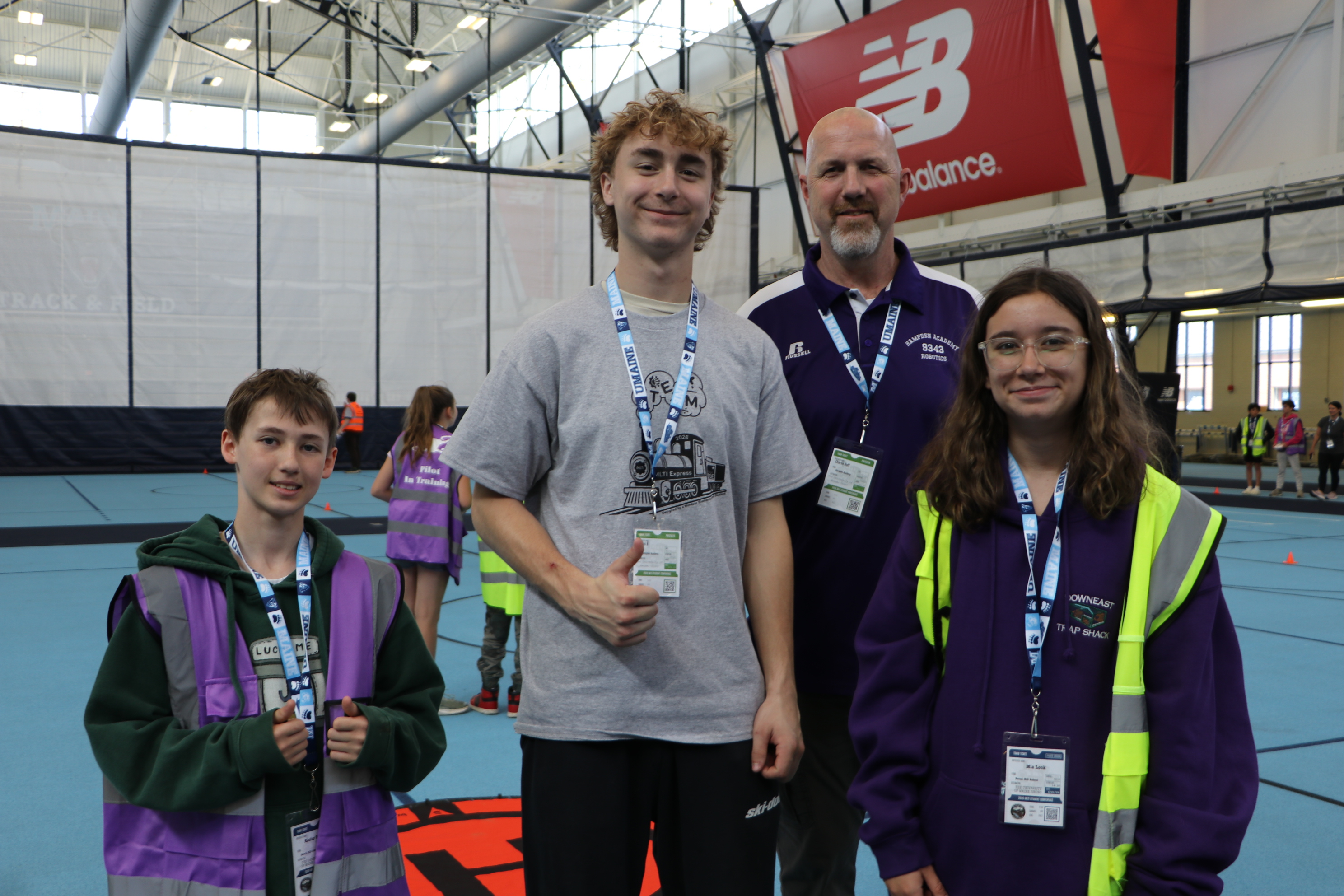
A hallmark of the conference was its emphasis on student leadership. More than 50 students joined Maine educators in leading conference sessions and sharing their expertise with peers. Morse High School sophomore Harper Steenstra, who presented a coding-focused session connected to her own “Code for ME” summer camp, was among the student presenters. Other schools, including Hampden Academy and Saco Middle School, sent teams of students to the conference who guided participants through hands-on drone activities and flight experiences.
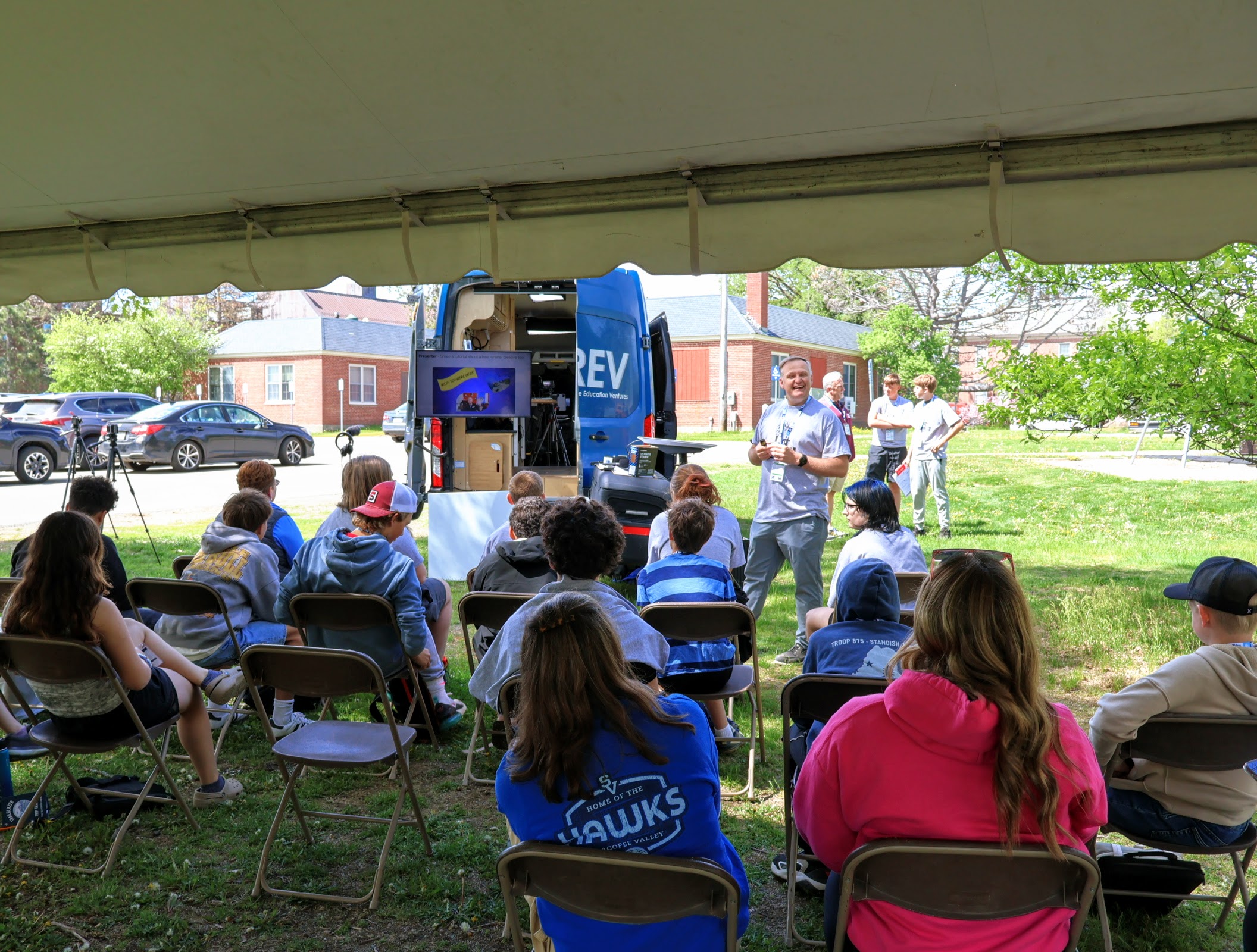
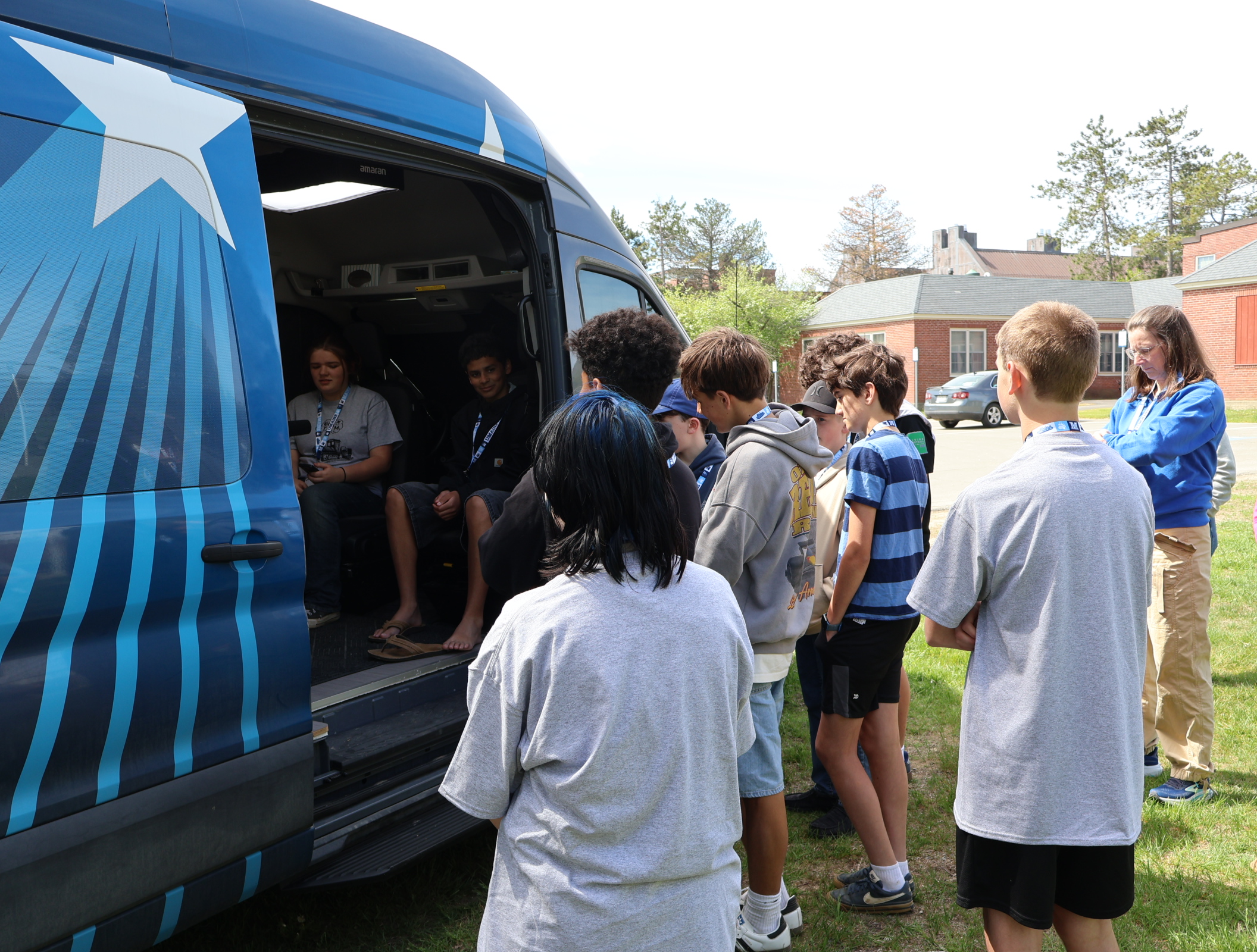
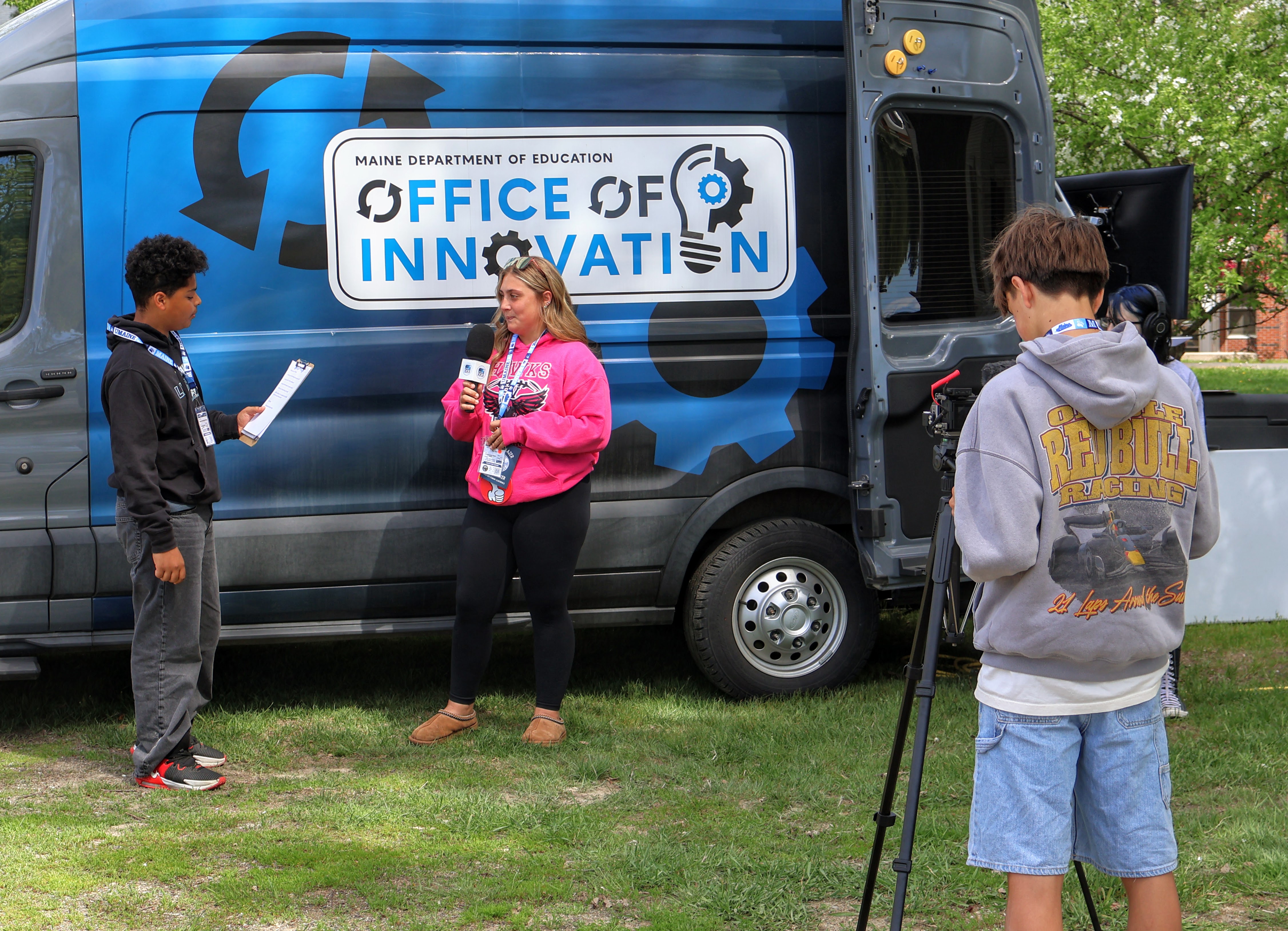
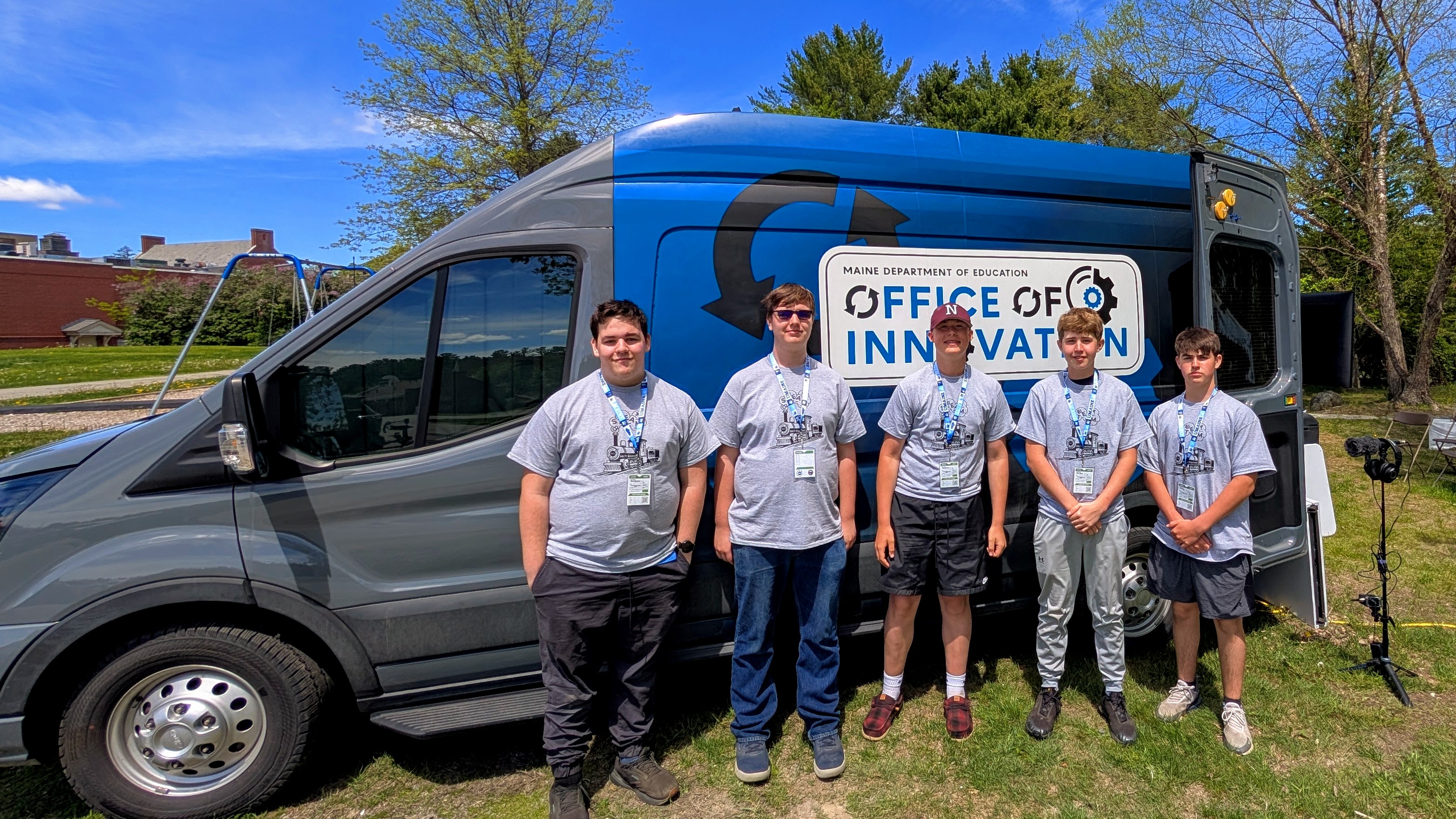
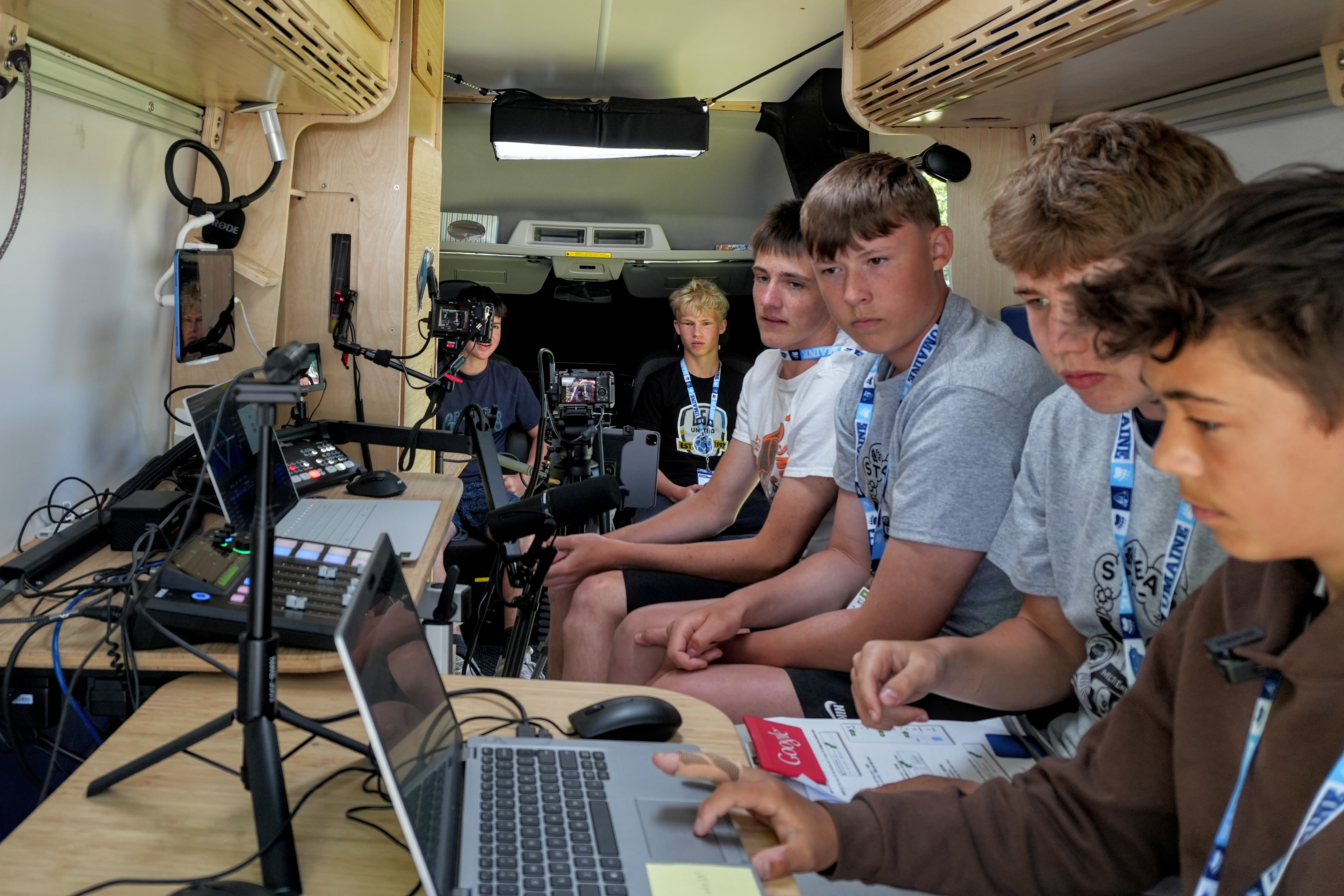
Another highlight was the Student Leadership Ambassadors of Maine (SLAM) Show, hosted by SLAM students alongside RSU 19 Technology Integrator Kern Kelley, who used the Maine DOE Mobile Learning Van as a mobile studio to film this month’s SLAM episode during the conference. The student-created show highlights technology tools and student voice in action.
See the episode filmed at the conference here:
Additional session topics at the conference included:
Build and Train a Baby AI Bot
Canva Quest: Create Your Own Adventure
Mission Robotics: Build, Code, and Complete the Challenge
Mic Drop! Turning Your Ideas Into Your Podcast
Game On: Level Up Your AI Skills
Virtual Robotics with VEXcode VR
Design for Real Life: 3D Solutions for Everyday Problems
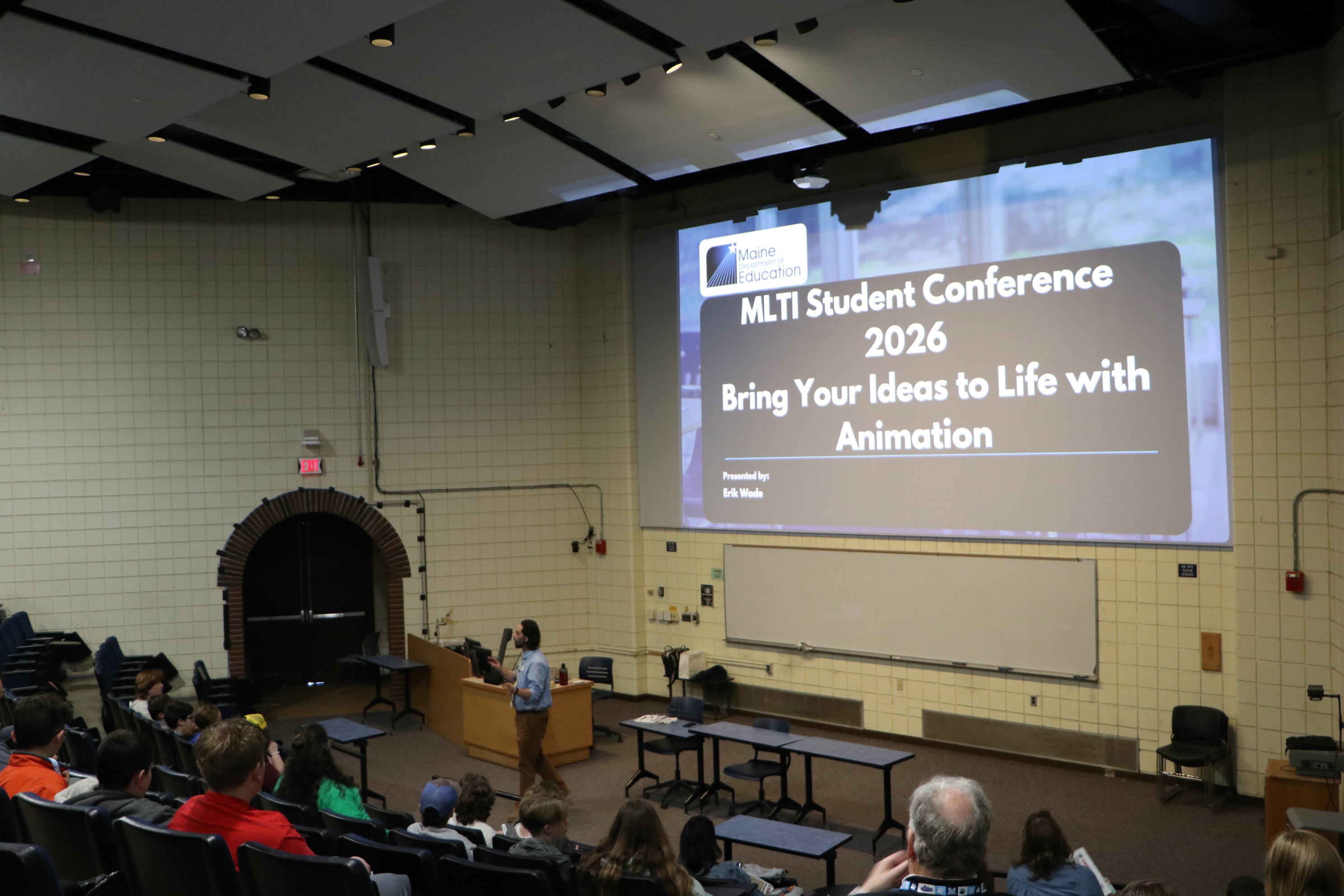
Bring Your Ideas to Life with Animation
From Player to Creator: Escape Room Designers Wanted
Higher Vision – Sparking Creativity and Careers Through Drones
NO CAP, JUST CODE: Bringing AI Creativity to Your School
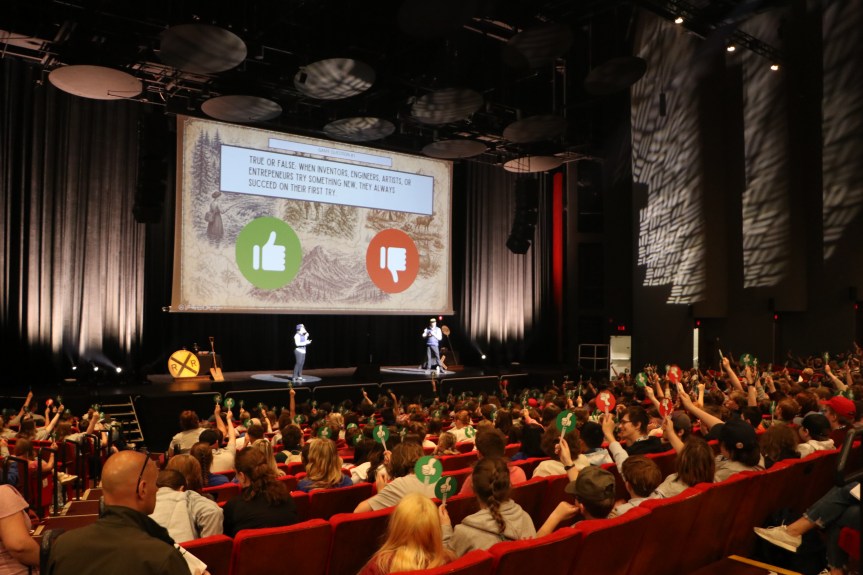
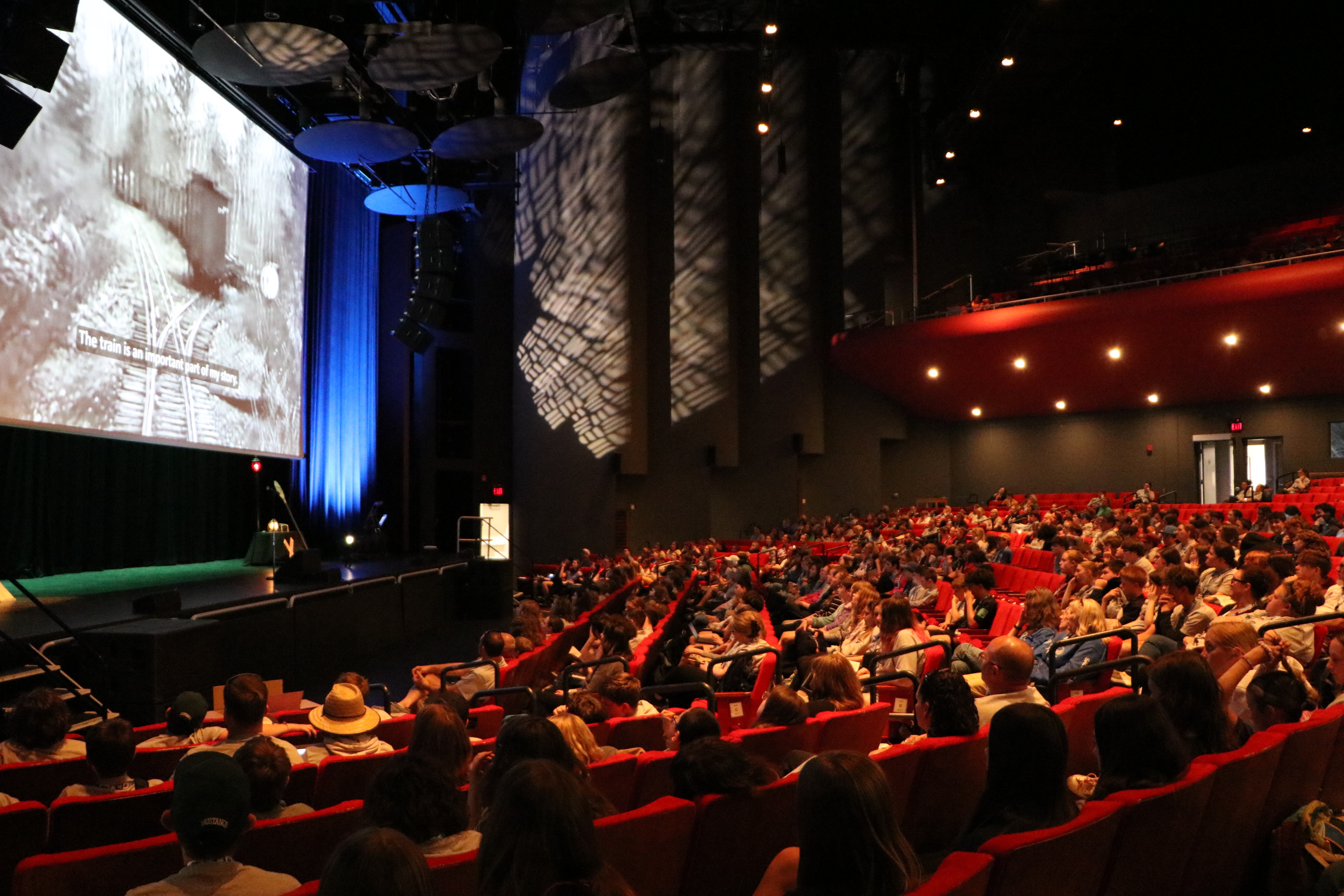
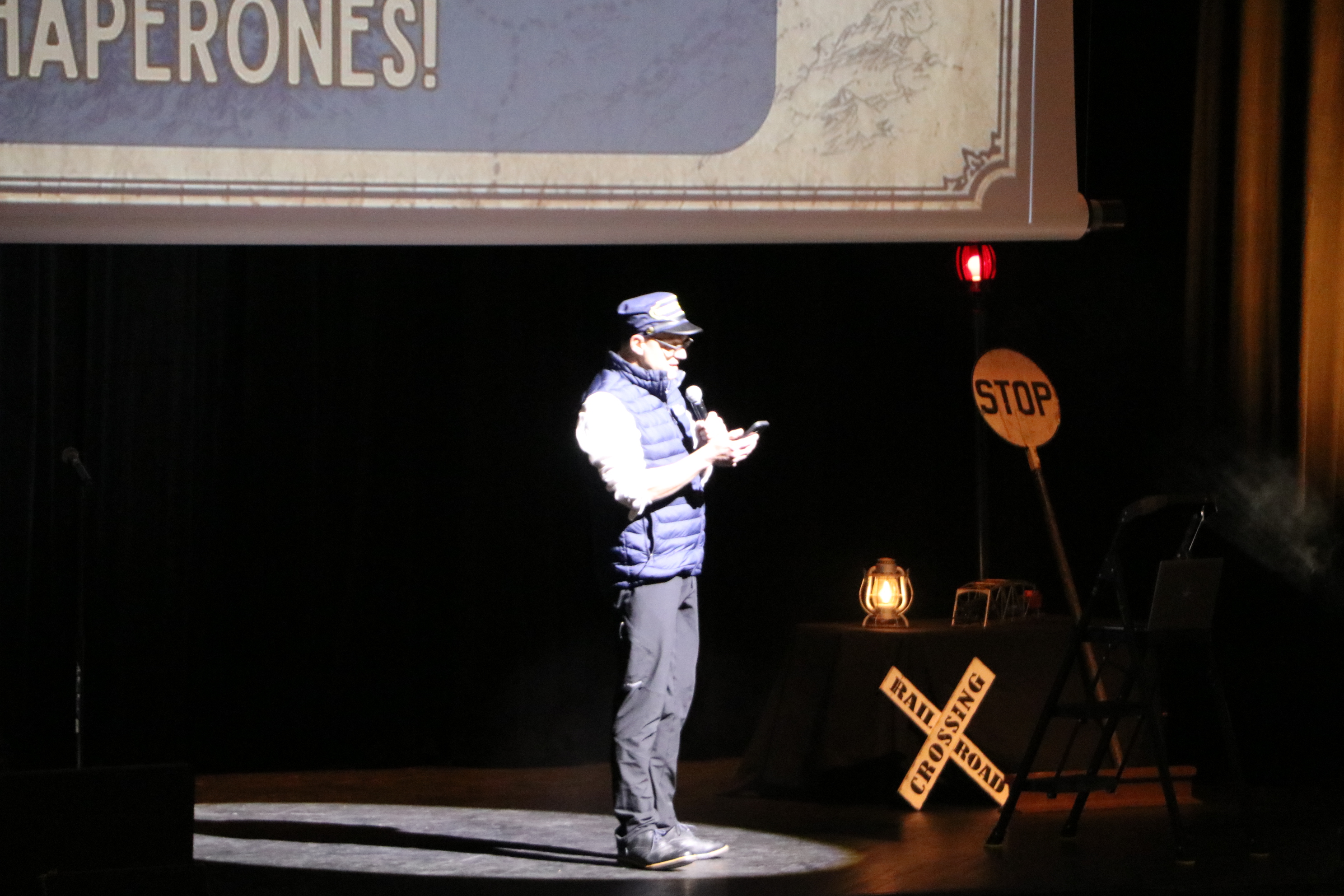
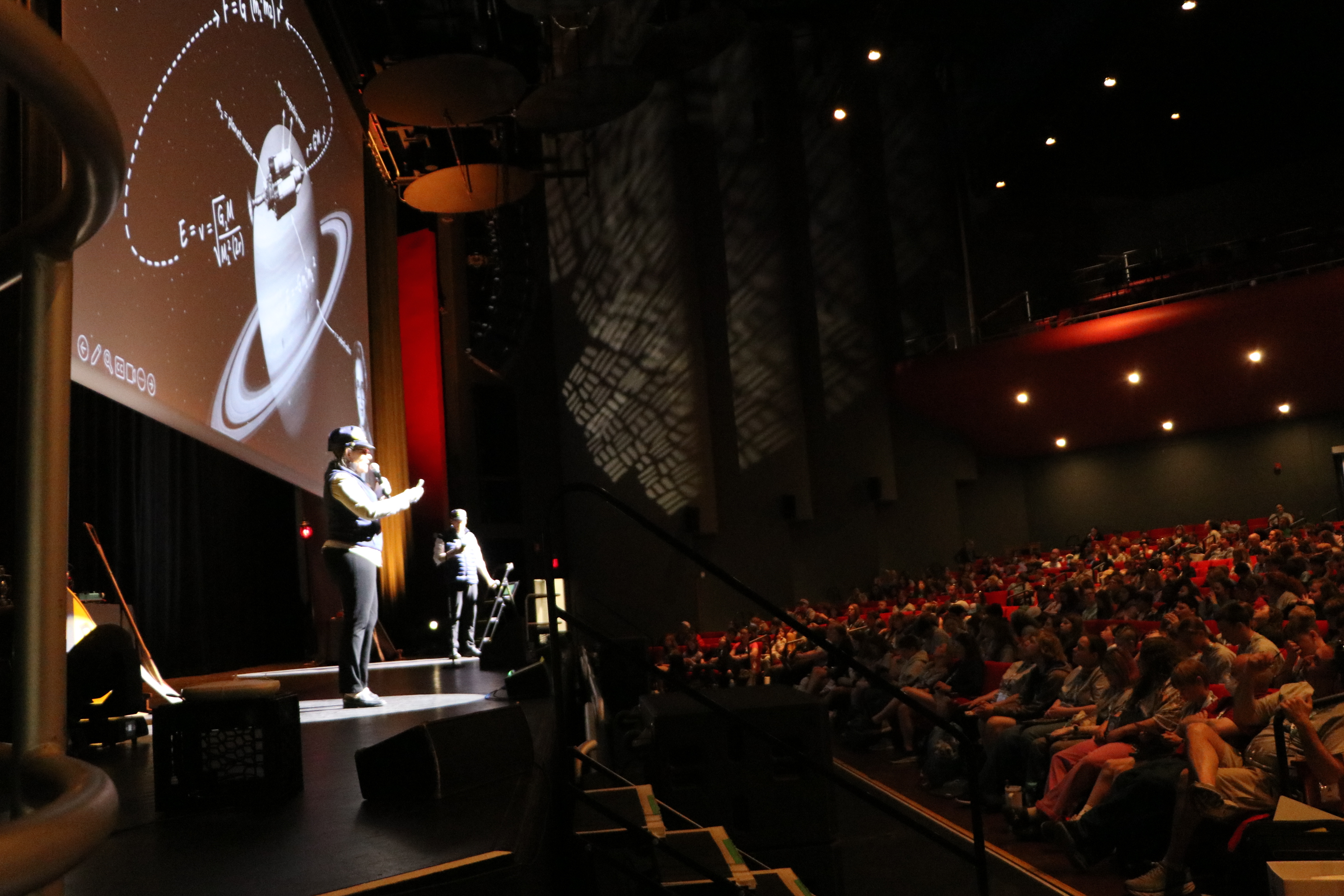
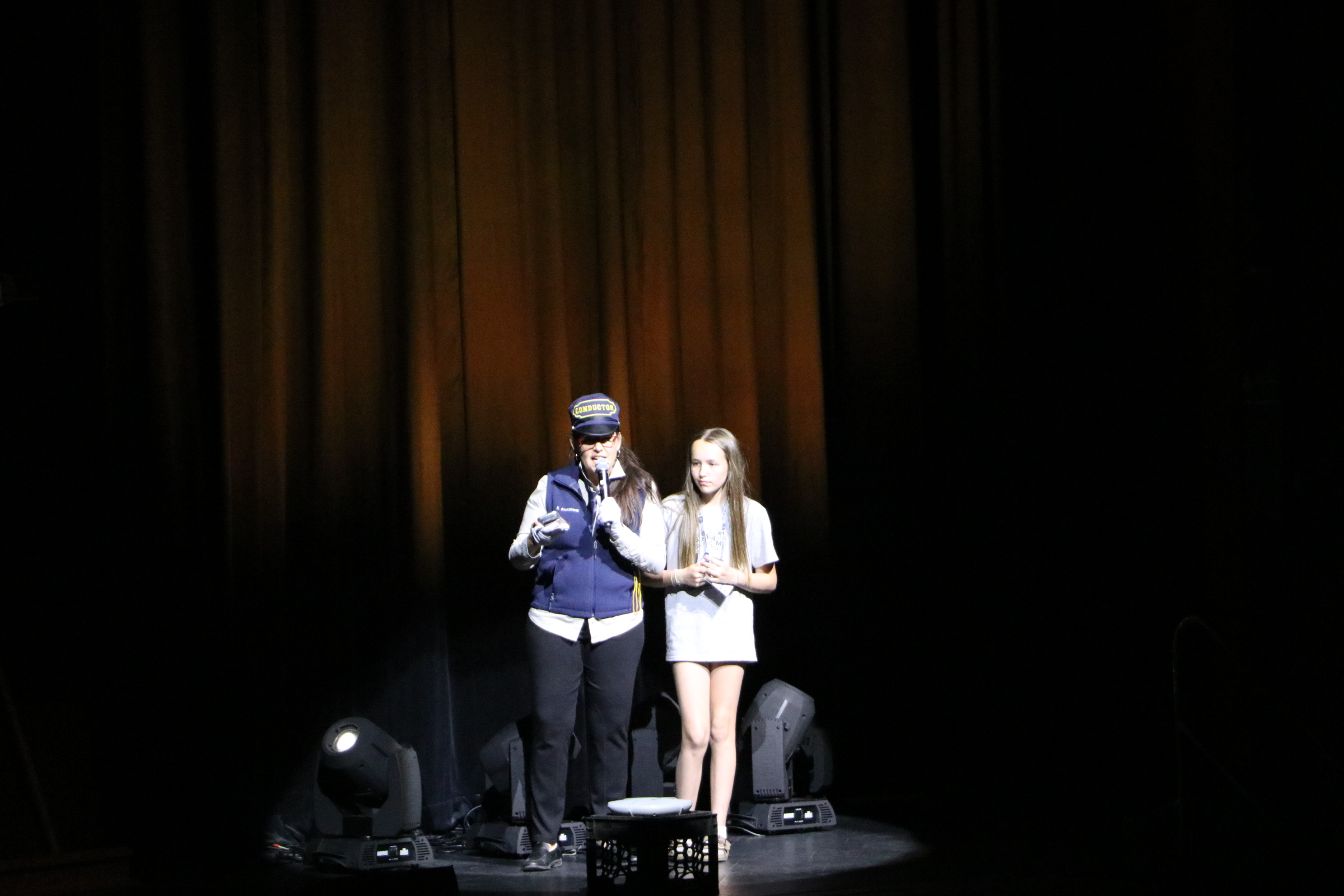
The conference concluded with a Global Session led by Maine DOE Learning Through Technology staff and MLTI Ambassadors at the Collins Center for the Arts. The interactive presentation brought together the conference’s “Full STEAM Ahead” theme by exploring the innovative thinking, creativity, and perseverance demonstrated by notable Mainers throughout history.
Students explored the stories of innovators such as Samuel Veazie, who expanding Maine’s railroads and transportation systems; Alvin Lombard, inventor of the Lombard steam log hauler and pioneer of tracked vehicle technology; Cornelia “Fly Rod” Crosby, who helped establish Maine as a premier outdoor recreation destination; and Ashley Bryan, the nationally celebrated author, illustrator, and storyteller whose work inspired generations of readers and artists.
The session encouraged students to see themselves as part of Maine’s continuing tradition of innovation and leadership while introducing them to tools and technologies that can help shape the future.
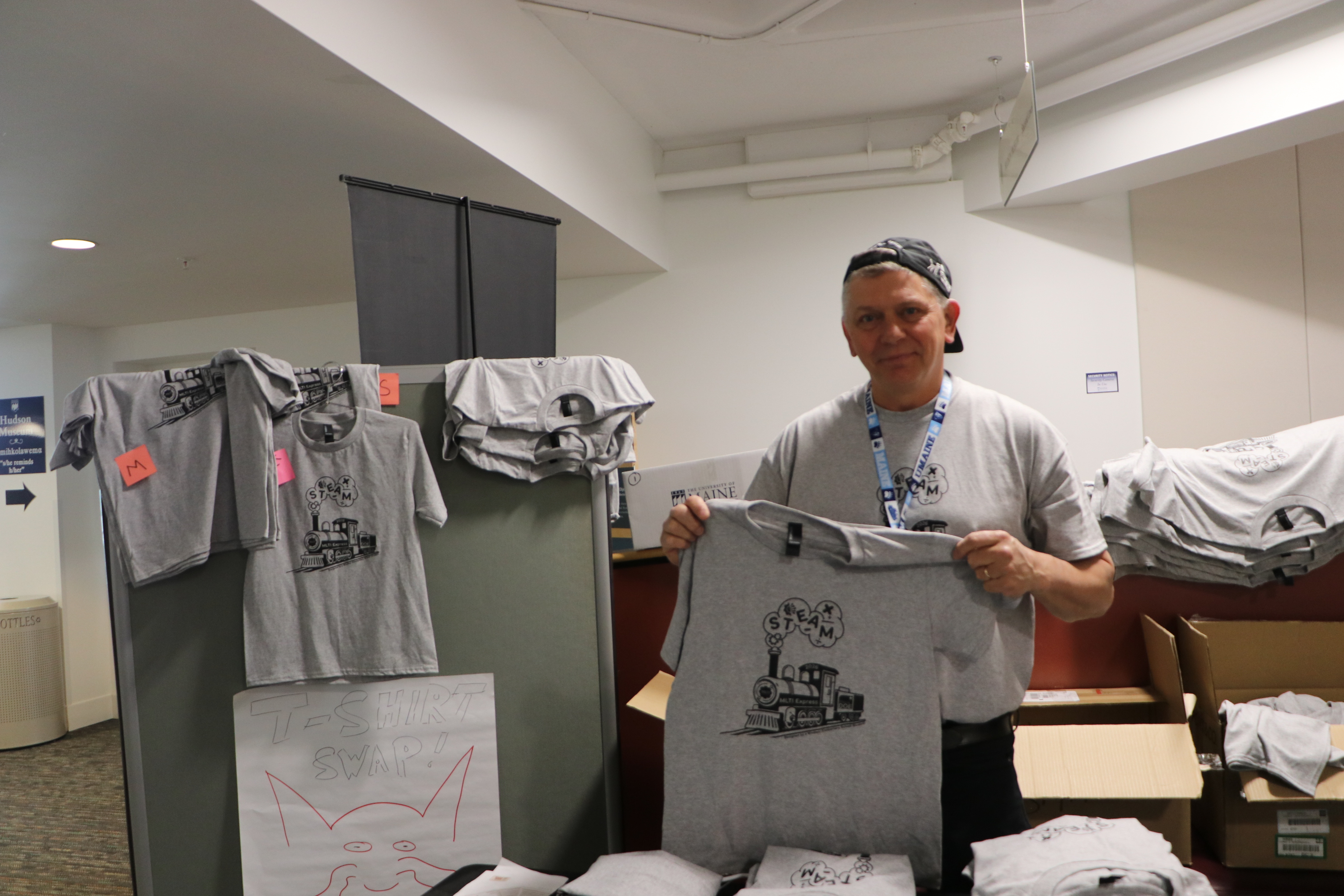
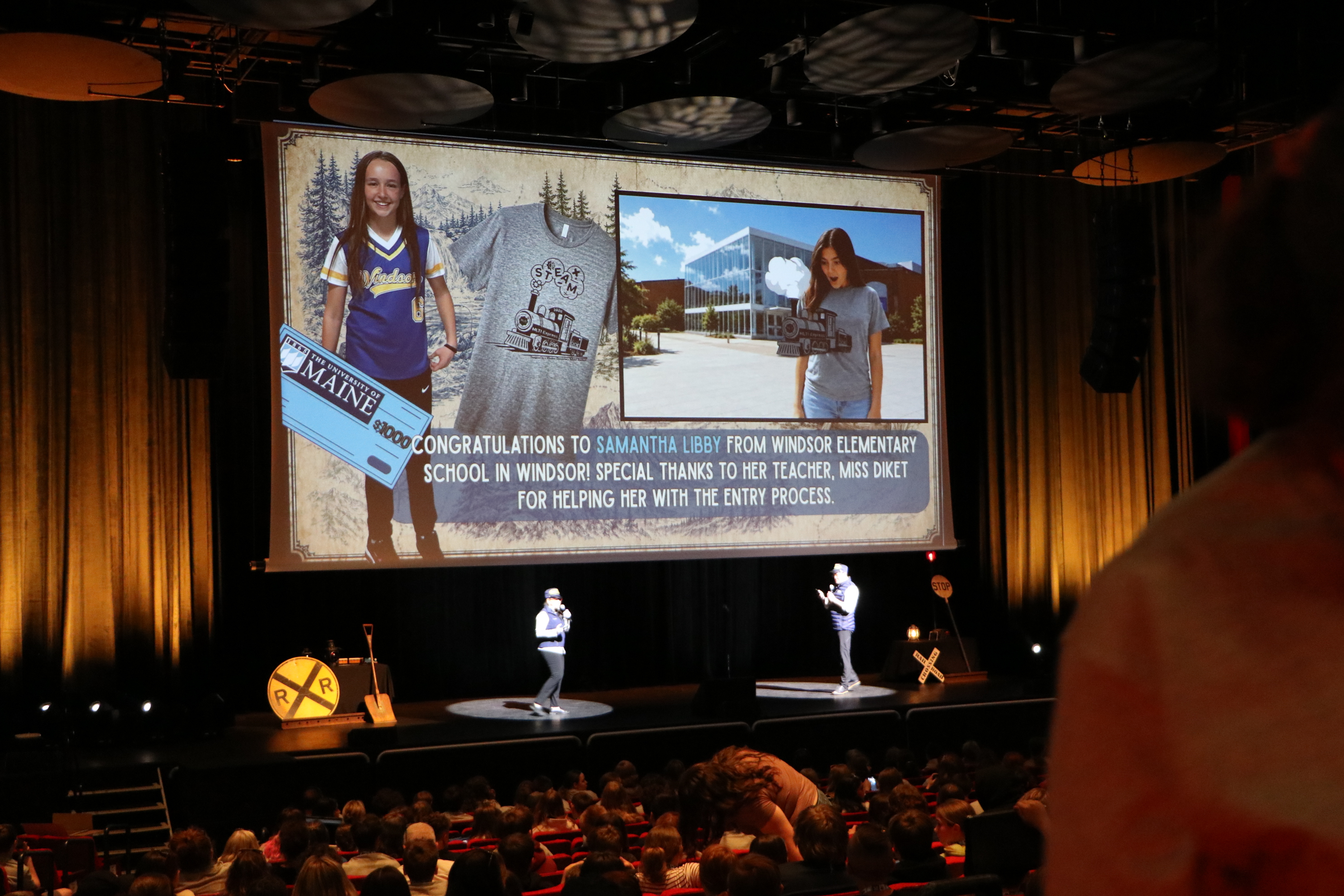
During the Global Session, the winning 2026 MLTI Student Conference T-shirt design was also recognized. The selected artwork was created by Samantha “Sam” Libby, a sixth-grade student from Windsor Elementary School.
The Maine DOE would like to extend special thanks to all presenters, educators, students, adult chaperones, bus drivers, and volunteers whose support and participation helped make the 2026 MLTI Student Conference a success.
The Maine Department of Education (DOE) is offering a free professional learning opportunity for educators interested in becoming trained facilitators of professional learning communities (PLCs) focused on emergent literacy for children aged 3 to 6.
The Professional Learning Community: Emergent Literacy from the Institute of Education Sciences supports preschool and kindergarten educators in implementing evidence-based language and literacy practices. Designed to foster collaboration, the four included modules engage participants in discussion, hands-on learning, and reflective practice with support from peers and trained facilitators.
The modules in this PLC are Print Knowledge, Phonological Awareness, Vocabulary, and Oral Language. Each module consists of three sessions (12 sessions total), with flexible scheduling options. Facilitators will receive a complete set of implementation materials, including participant guides, facilitator guides, PowerPoint presentations, and supporting videos. Facilitator training will familiarize participants with the design of the modules and effective strategies for facilitating adult learning.
Once trained, facilitators will be expected to facilitate at least one PLC module with a cohort of at least six Maine educators. They will be compensated $500 for each module they facilitate and complete by November 27, 2026. If facilitators wish to facilitate more than one module for compensation, they must seek prior approval.
The ideal facilitator is an educator with a strong understanding of emergent literacy, effective communication skills, and the ability to relate well to adult learners. Prior experience facilitating professional learning or leading groups of educators will be useful to the facilitator’s success.
To apply, please complete this applicationby July 17, 2026. Applications will be reviewed by a selection team, and applicants will be notified of their selection status by July 24, 2026.
For additional information, please contact Renee Reilly, Maine DOE PDG Manager, at Renee.A.Reilly@maine.gov.
This professional learning opportunity is sponsored by Maine’s Preschool Development Grant (PDG) Birth through Five (B-5) initiative, a collaboration between the Maine DOE and the Maine Department of Health and Human Services (DHHS).
Funding provided through the U.S. Department of Education (ED) supports implementation of this project. The project award totals $30,000, all of which is federally funded and directly attributed to project implementation. The contents of this announcement are those of the author(s) and do not necessarily represent the official views of, nor an endorsement by, ED or the U.S. government.
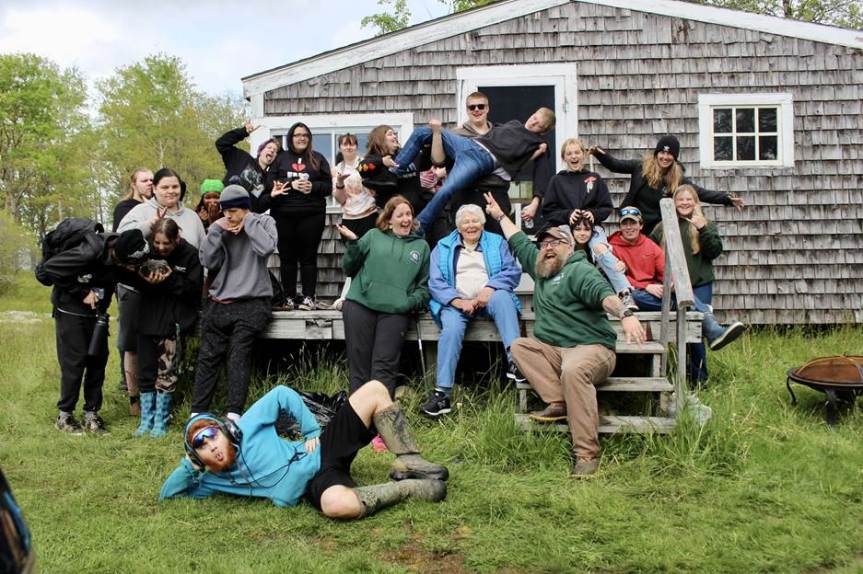
Members of the REACH School gather around founder the late Dot McMahan.
The Rural Educational Alternative Community Middle/High (REACH) School in Bucksport is a private, nonprofit alternative middle and high school program designed to meet students where they are academically, socially, and emotionally. Serving students from RSU 25—which includes Bucksport, Orland, Prospect, and Verona Island—as well as surrounding communities, the REACH School provides an alternative learning environment centered on engagement, relationships, and individualized support for students who have struggled to find success in traditional school settings.
Within a small, community-based environment, students at the REACH School reconnect with learning through hands-on instruction, consistent relationships, and real-world application. The REACH School emphasizes student responsibility for academic progress, personal growth, and goal setting, while fostering collaboration among students, families, staff, and the broader community.
Leadership and Student Connection
The REACH School director and teacher Seth Laplant joined the program in 2020 after nearly two decades working in education.
“Students can’t really learn until they feel comfortable and curious,” Laplant said.
In his dual role at the program, Laplant said he has noticed that many students arrive having experienced long-term academic and personal challenges that affected their confidence in school.
“What many of them share is that they’ve stopped believing they can be successful in school,” Laplant said.
Teacher Holly Cough began working at the school as a volunteer before transitioning into a full-time teaching role. She now works alongside Laplant, supporting students through academic instruction and social-emotional learning.
Cough said the focus of their work is on rebuilding confidence by creating an environment where students feel safe enough to take risks.
“When students stop being afraid to fail, they start taking chances again,” Cough said.
Program Background and Approach
The REACH School was founded in 1987 by a group of educators to provide both adult and alternative education. Later, the program narrowed its focus solely to alternative education. Over time, the school developed a model centered on individualized instruction, student responsibility, and community connection.
Many students who attend the program have experienced anxiety, interrupted educational pathways, or difficulty engaging in larger school environments.
“There’s really no typical alternative education student,” Laplant said. “What we see is a wide range of needs but a shared experience of being disconnected from school.”
Instruction, Learning Structure, and Applied Learning
The REACH School provides flexible instruction for students in grades 7-12, with learners often working across multiple academic levels within the same classroom. Core academic areas include English, mathematics, science, and social studies, with an emphasis on individualized pacing, credit attainment, and applied learning aligned with graduation requirements.
Rather than progressing through content in a single sequence, students work across different skill levels based on their needs and progress.
“We’re looking at how students are engaging in the learning, not just whether they complete something,” Laplant said. “It shifts the focus toward growth and participation.”
That approach shapes daily instruction. Teachers use a blend of direct instruction, small-group collaboration opportunities, discussion-based learning, and independent work, allowing students multiple ways to access content and demonstrate understanding. Mathematics instruction ranges from “Math for Life,” which emphasizes financial literacy and real-world application, to algebra, geometry, and advanced independent study. English instruction spans foundational literacy development through college and career writing preparation.
Project-based learning is also embedded throughout instruction and used to connect academic content to real-world applications. Through Project REACH, students take on large-scale, student-led initiatives that require planning, collaboration, budgeting, and execution.
“These projects give students ownership over something real,” Cough said. “They’re not just completing assignments. They’re building something together.”
Recent examples include a student-run haunted house, developed after “Fright at the Fort” at Fort Knox was discontinued, where students organized, designed, and operated a community event. Smaller classroom projects also extend learning opportunities, including a “Little Free Art Library,” designed, built, and painted by students for community art exchange.
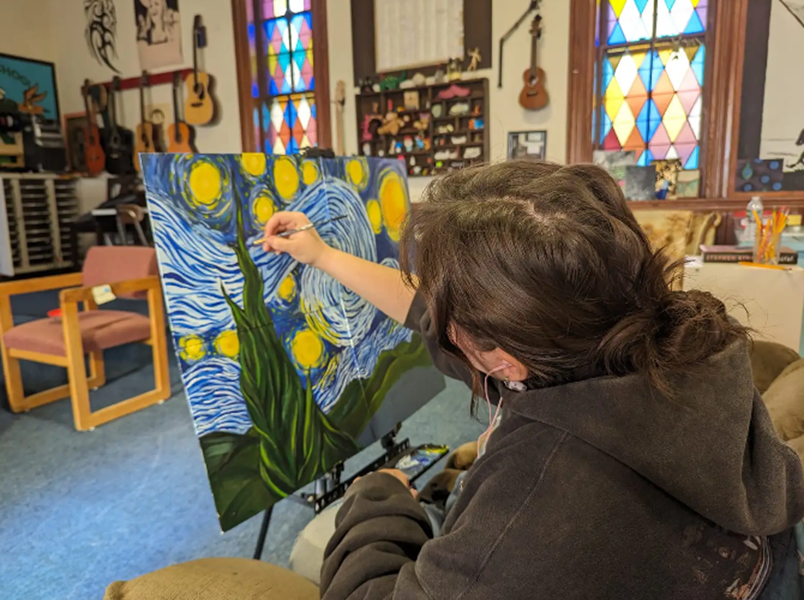
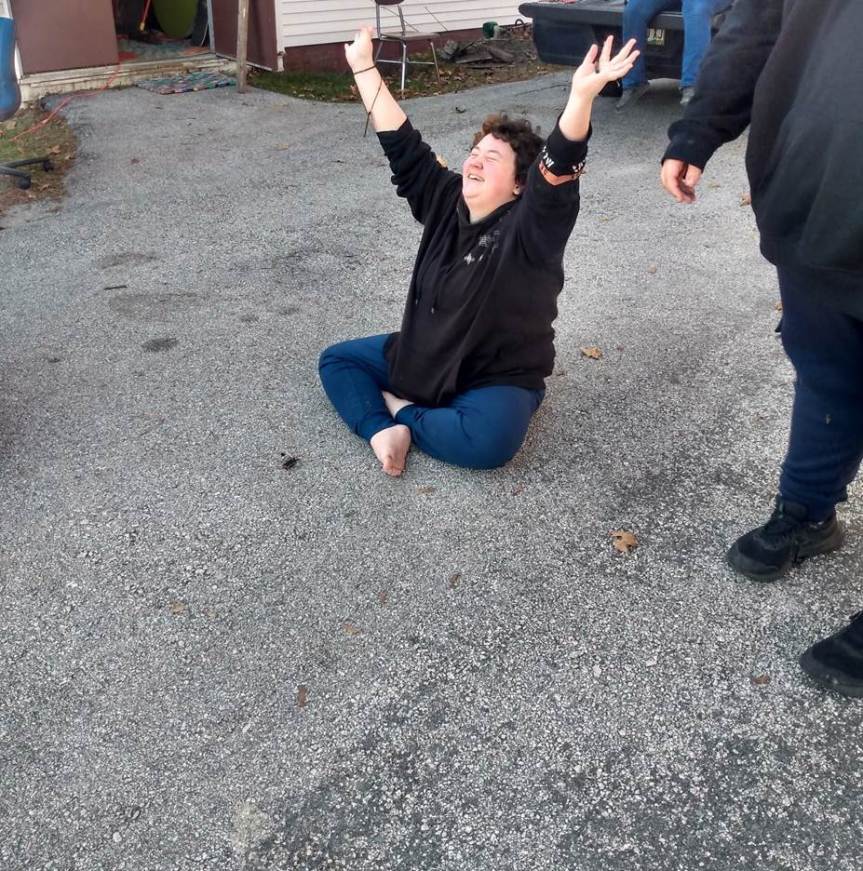
A REACH School student paints her version of The Starry Night.A REACH School student celebrates after learning how to start a primitive fire in ecology and igniting a spark for the first time.
Across classes, students regularly engage in group discussion, brainstorming, and collaborative problem-solving before transitioning into independent work.
“We hold students to high expectations,” Laplant said. “But we also meet them where they are.”
Life Skills, Responsibility, and Career Readiness
The REACH School integrates life skills instruction through “Adulting 101,” which includes budgeting, transportation, laundry, and independent living skills.
Students also participate in structured career exploration to support postsecondary planning and workplace readiness.
A defining feature of the program is shared responsibility for maintaining the school environment. With no custodial staff, students rotate duties such as cleaning, organizing, and maintaining shared spaces. This structure is intended to build accountability, independence, and real-world responsibility.
Student Support and Mentorship
The REACH School provides academic and social-emotional supports through school staff and community partnerships, reflecting broader statewide efforts to strengthen coordinated student support systems in alternative education settings.
The program partners with organizations such as Healthy Acadia and RSU 25 to provide access to recovery coaching, counseling supports, and social work services. These partnerships supplement available supports, particularly as demand for mental health and behavioral services continues to increase.
“It has helped us identify needs earlier and respond more quickly,” Cough said.
Within the school, additional support is provided through regular check-ins between staff and students focused on academic progress, well-being, and personal goals. Staff said these conversations are valuable for maintaining connection and early awareness of student needs, although capacity for formalized support remains limited.
As student needs continue to grow across alternative education programs statewide, educators say schools are increasingly relying on coordinated systems that combine school-based staff with regional providers to expand access without additional dedicated resources.
REACH School students enjoy the sun on a trip to Castine.
Due to the school’s small size, peer mentorship also plays a visible role in daily life. Students who have been in the program for a longer amount of time often support newer students as they adjust to academic expectations, routines, and the school environment.
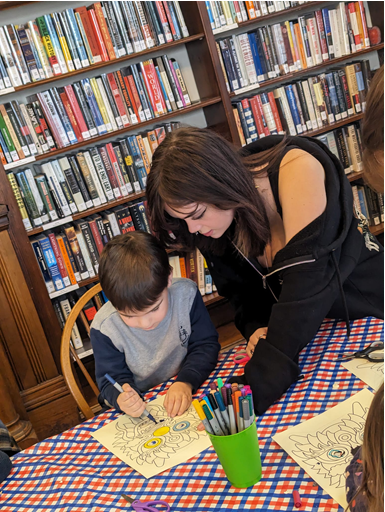
A REACH School student volunteers at the library as part of the program’s weekly community service opportunities.
“We see students supporting each other in meaningful ways,” Laplant said.
School Culture and Daily Structure
Community-building is embedded in daily routines at the REACH School.
Each morning begins with a schoolwide meeting where students and staff participate in a “Question of the Day,” share updates, and engage in discussion. Topics often include personal experiences, school events, and broader social-emotional themes.
“As teachers, we participate in those conversations, too,” Cough said. “It helps build trust and openness across the school.”
Students who arrive late receive a shortened version of the meeting to remain connected to daily dialogue.
The school maintains traditions and student-led activities throughout the year, supporting connection, belonging, and engagement.
Post-Graduation Pathways
Graduates of the REACH School pursue a wide range of pathways, including college, technical training, employment, travel, volunteer service, and creative careers. Many remain connected to the program after graduation through volunteering or continued involvement with school activities.
Teachers and families often report increased confidence and independence among students who have completed the program.
“We hear from families and former teachers that students are completely different when they leave here than when they arrived,” Cough said.
As alternative education continues to evolve across Maine, the REACH School highlights how engagement-based instruction, real-world learning, shared responsibility, and strong relationships can help students reconnect with education and move toward meaningful future pathways.
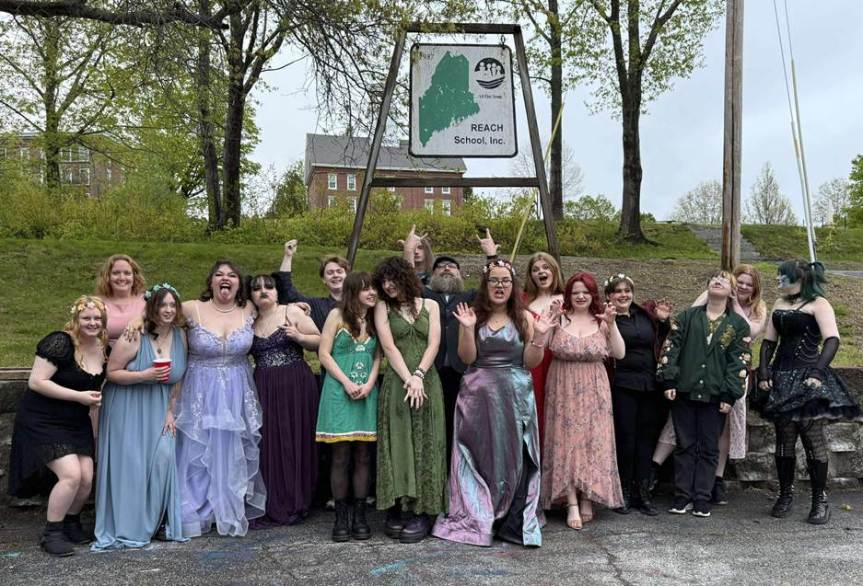
REACH Students at the first REACH Prom.
This story was written in collaboration with Rural Educational Alternative Community Middle/High (REACH) School as part of an ongoing series to highlight alternative education programs across Maine. For more information about alternative education, please visit the Maine DOE Alternative Education webpage. To submit a good news story to the Maine DOE, please fill out the good news submission form.
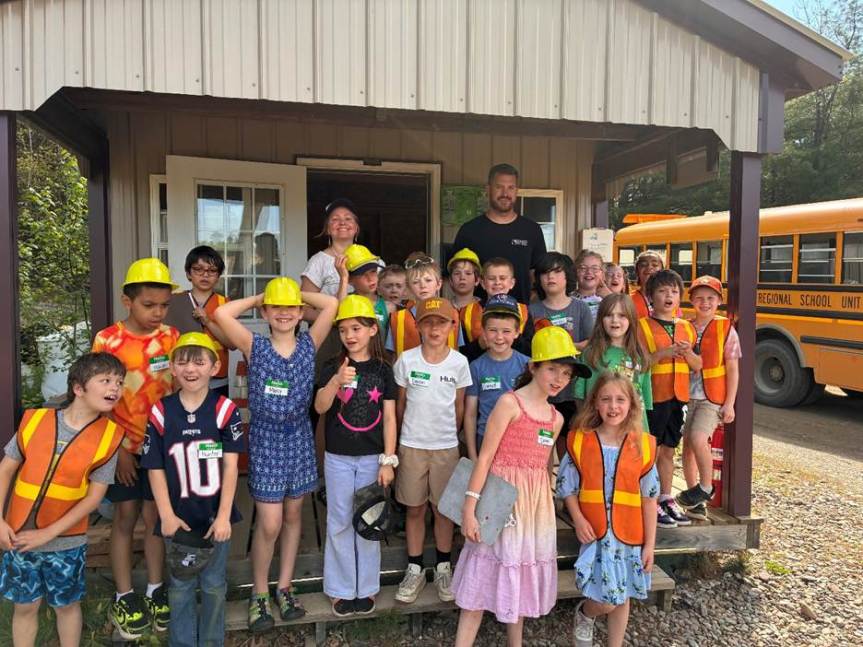
2026 Waldo County Teacher of the Year Rachel Norgang (standing in the back of the group) poses with her students.
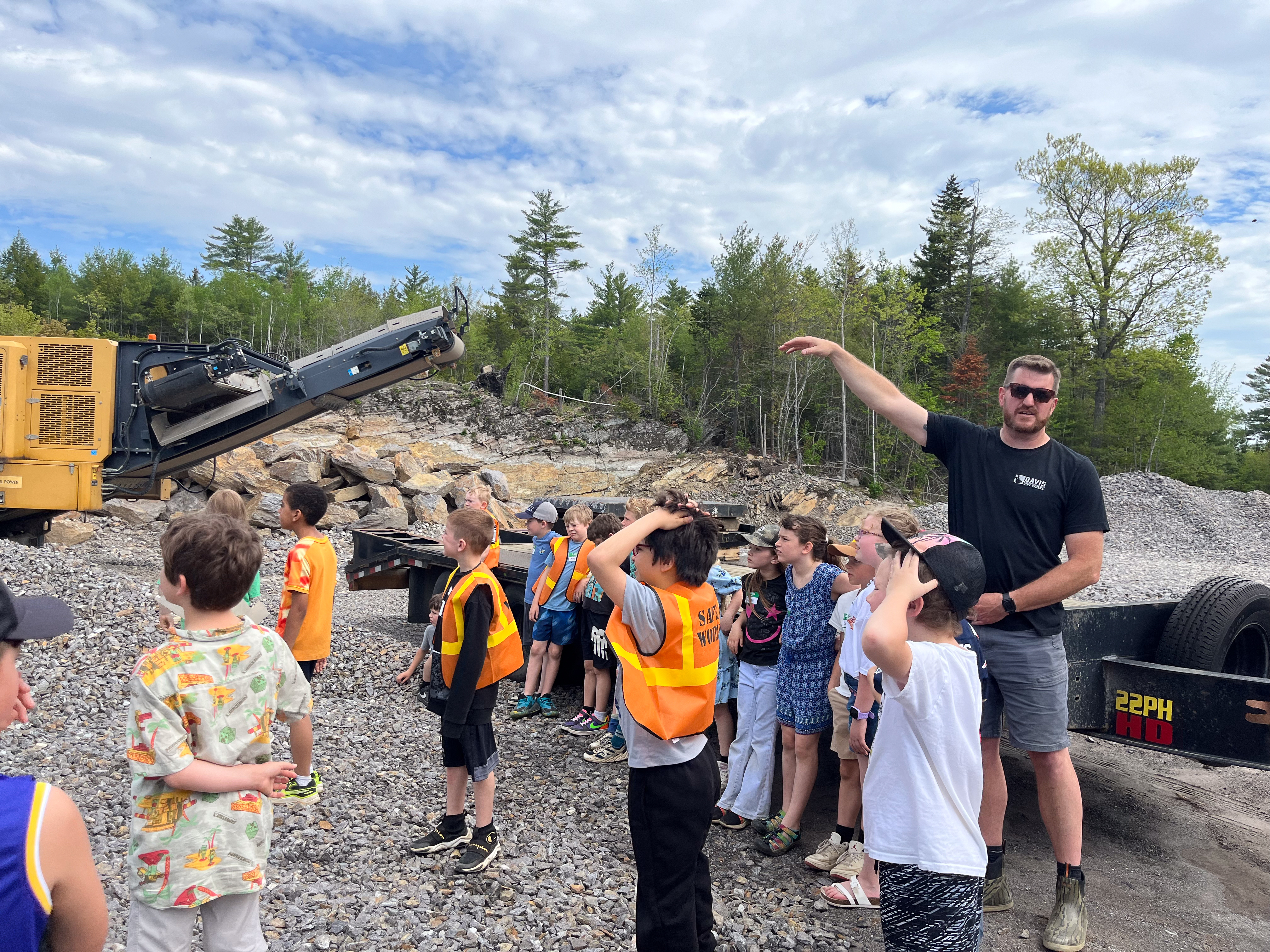
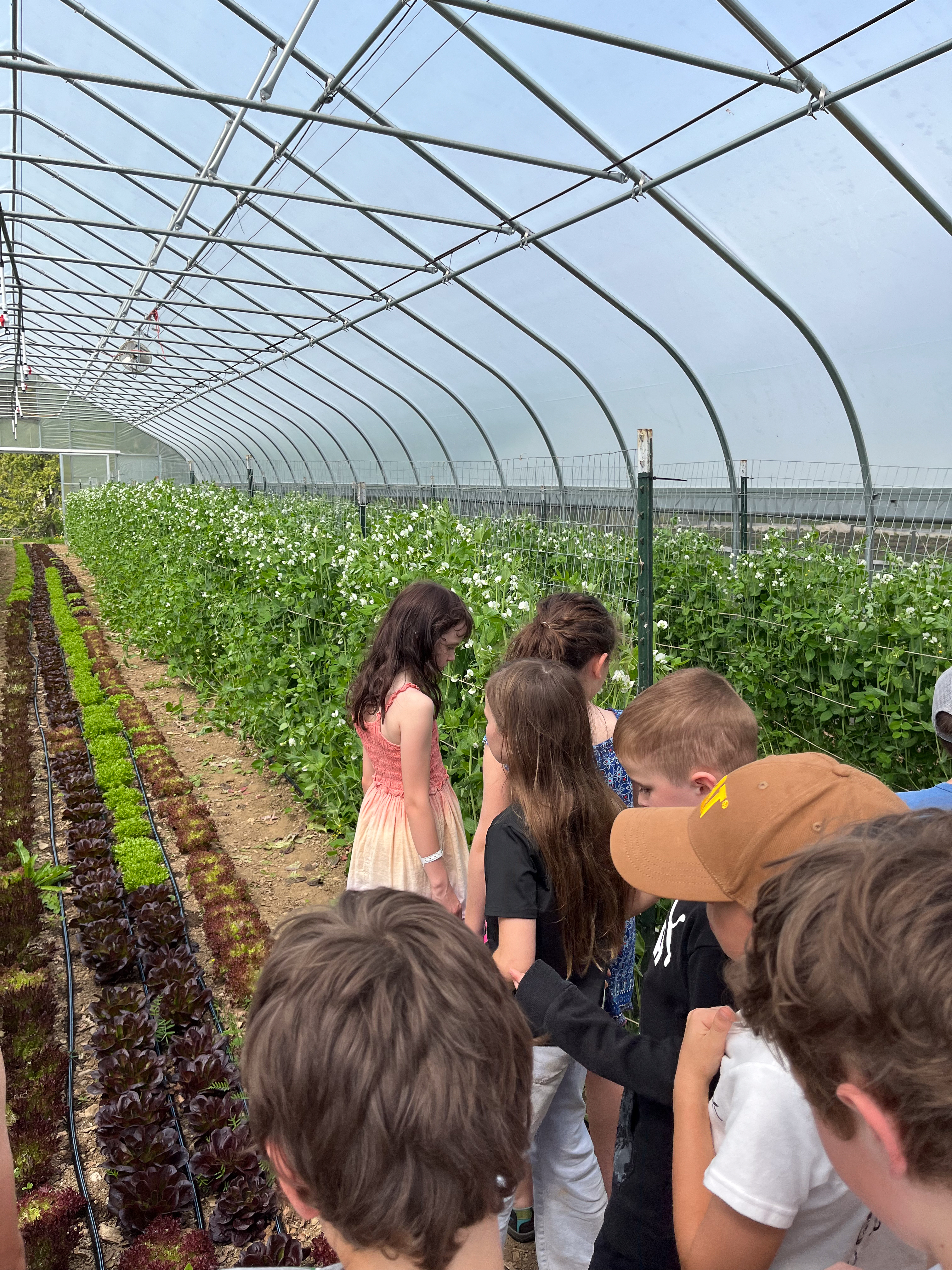
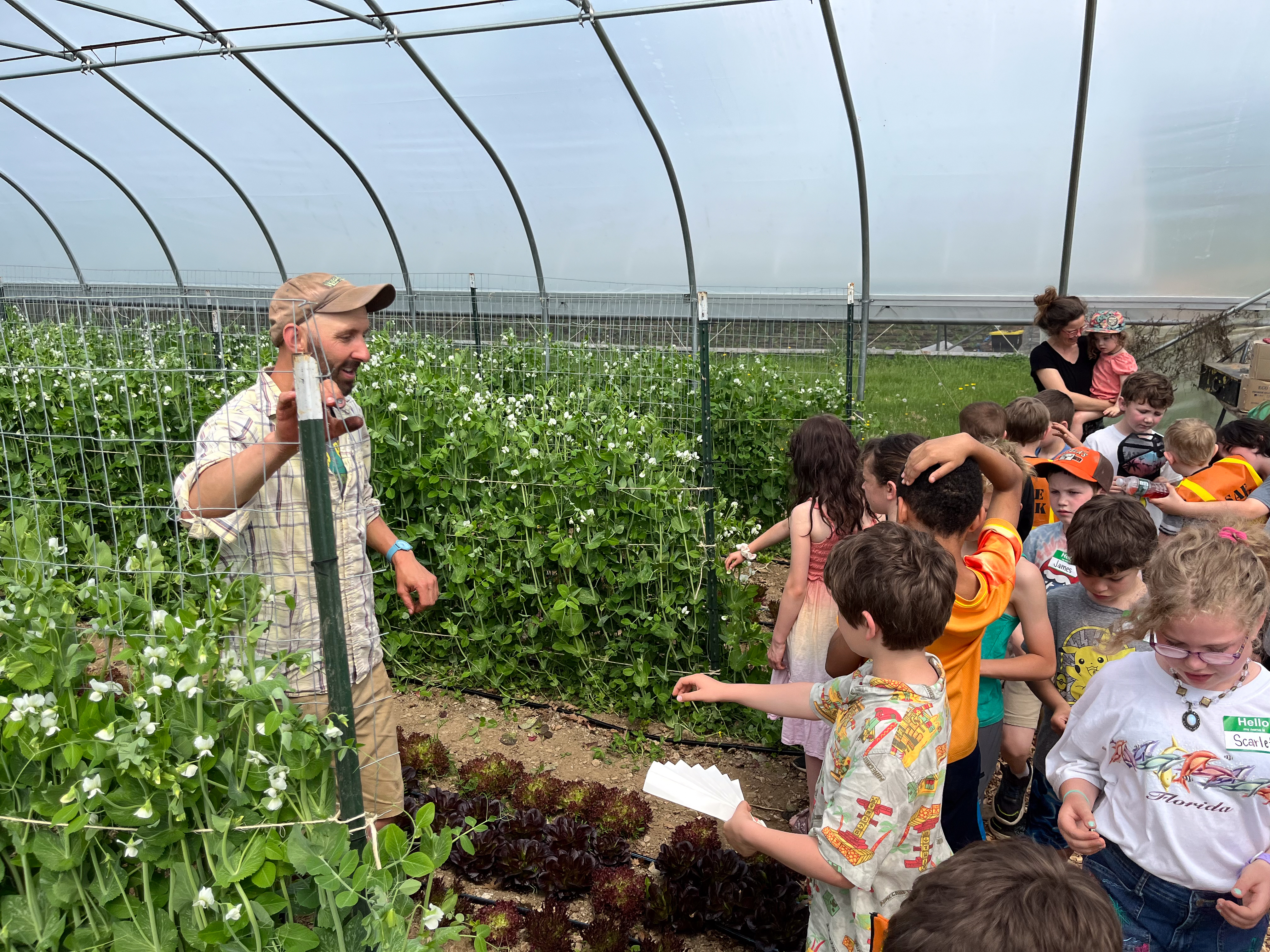
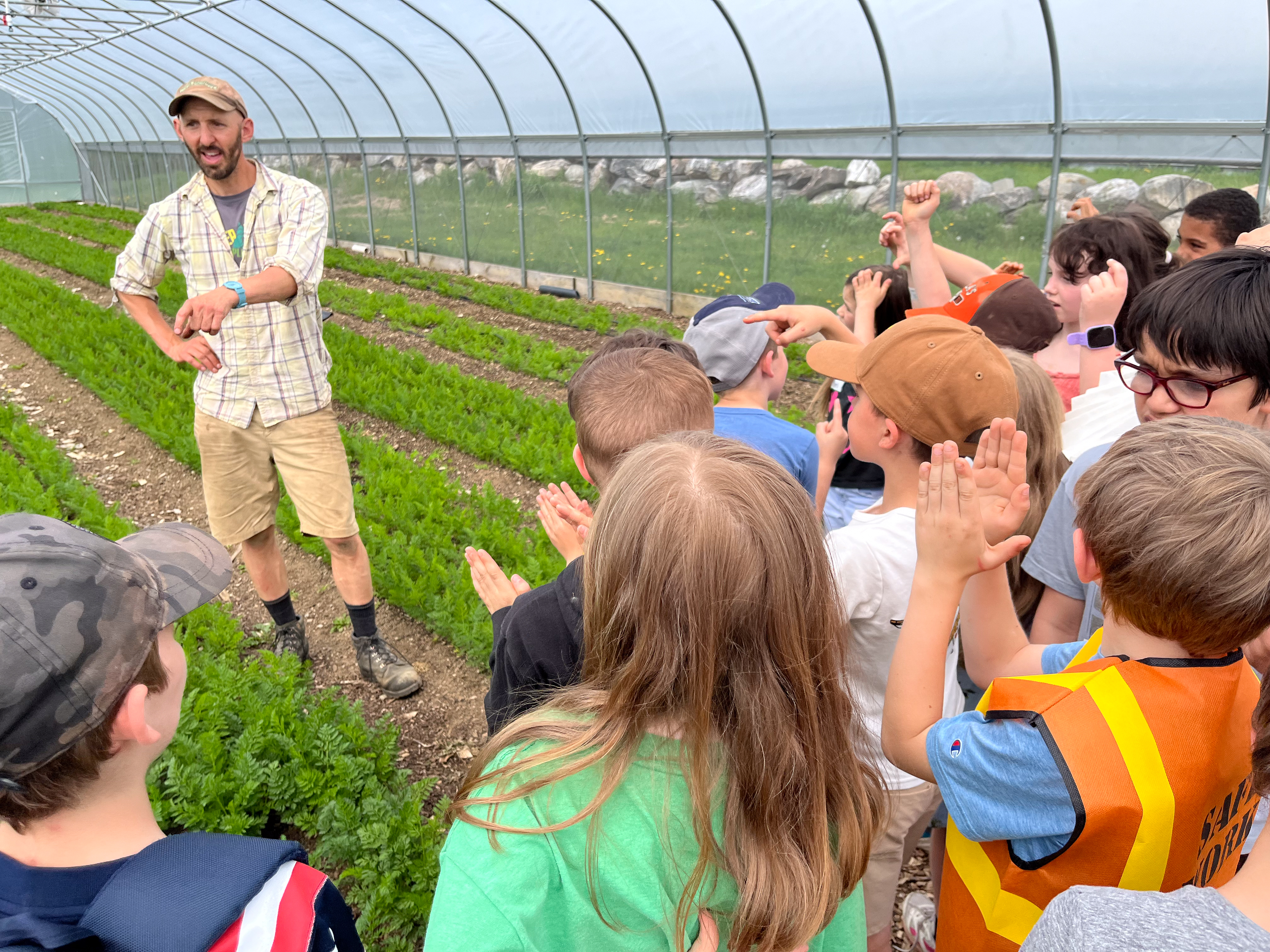
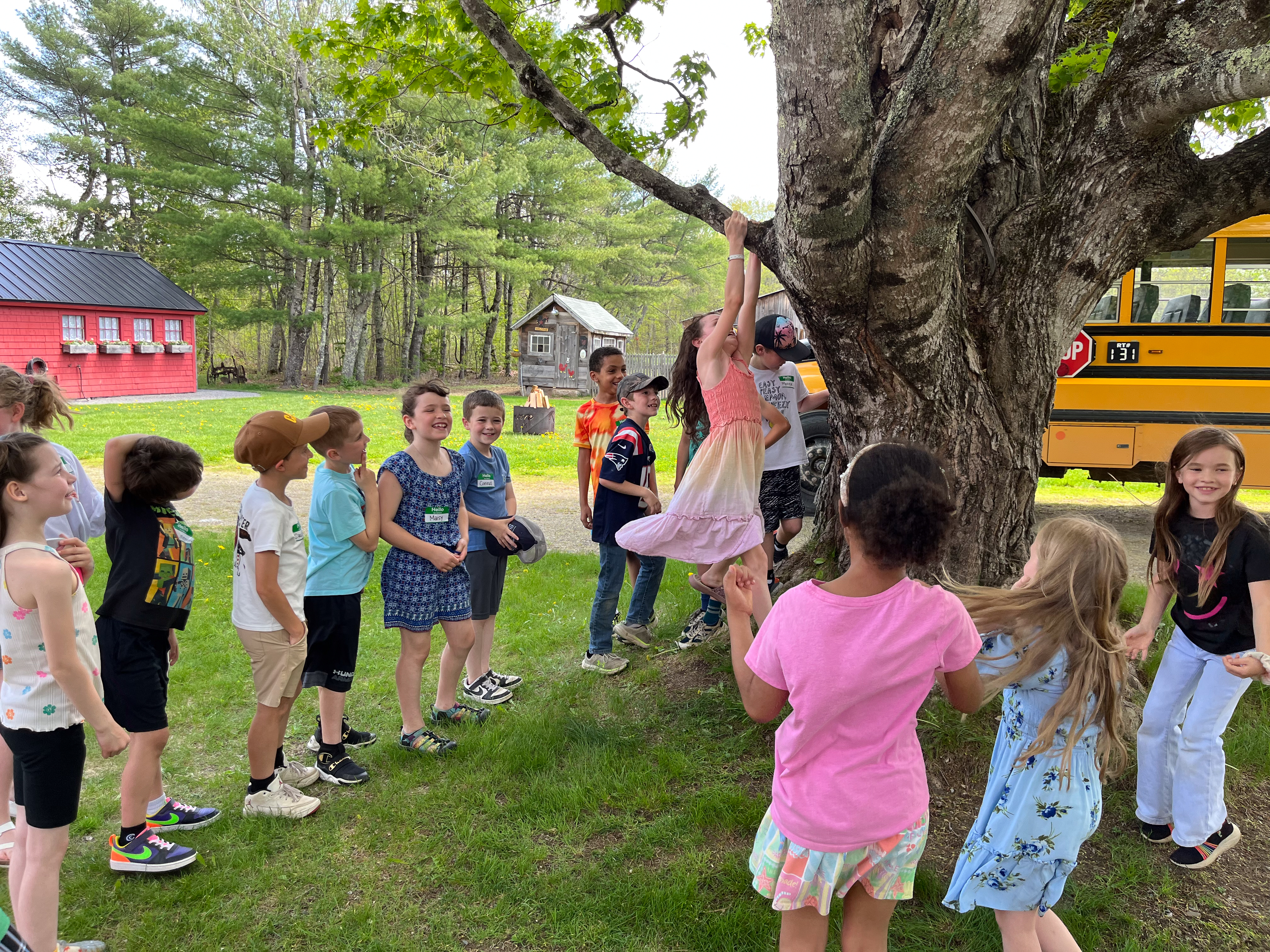
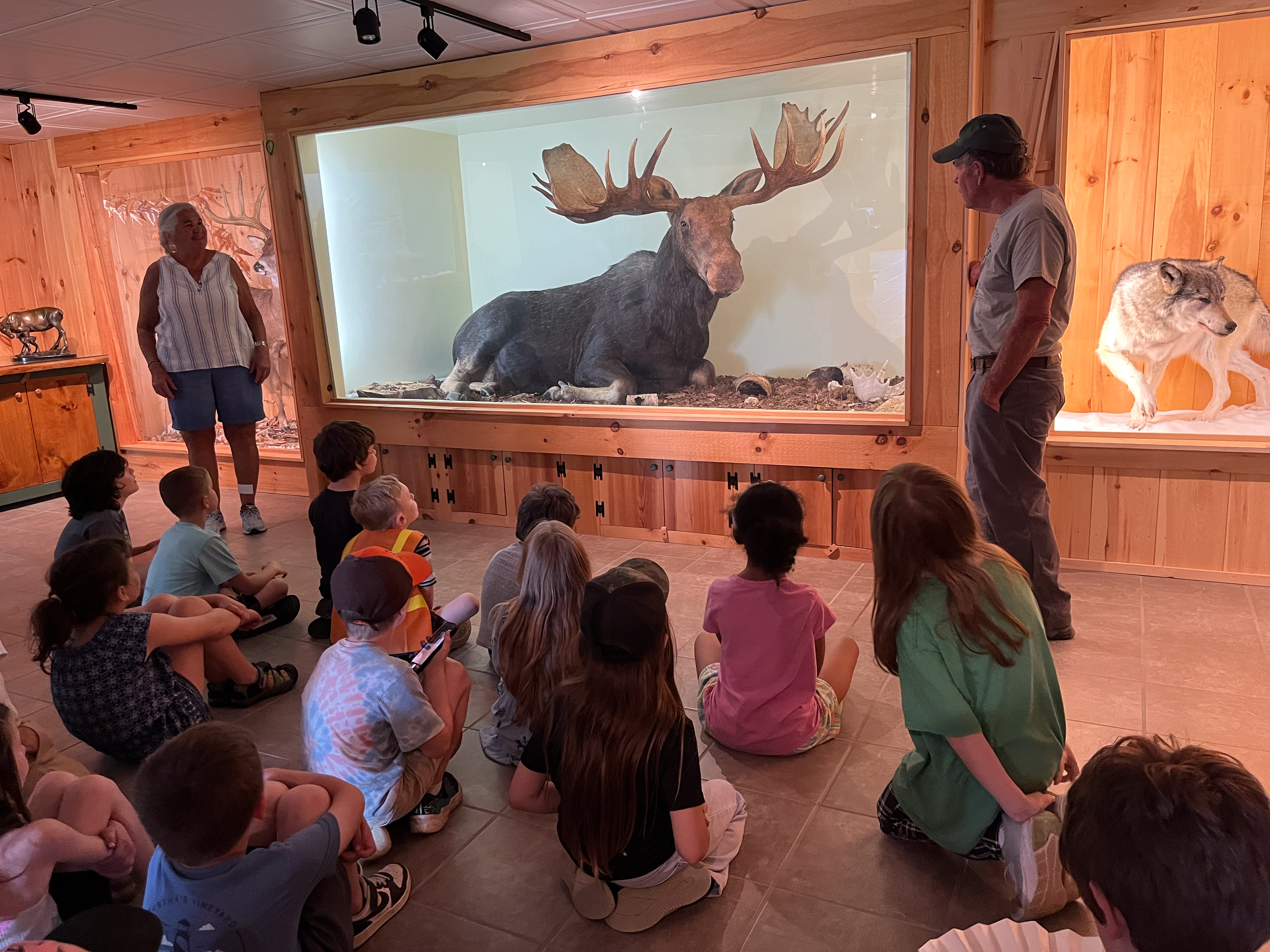
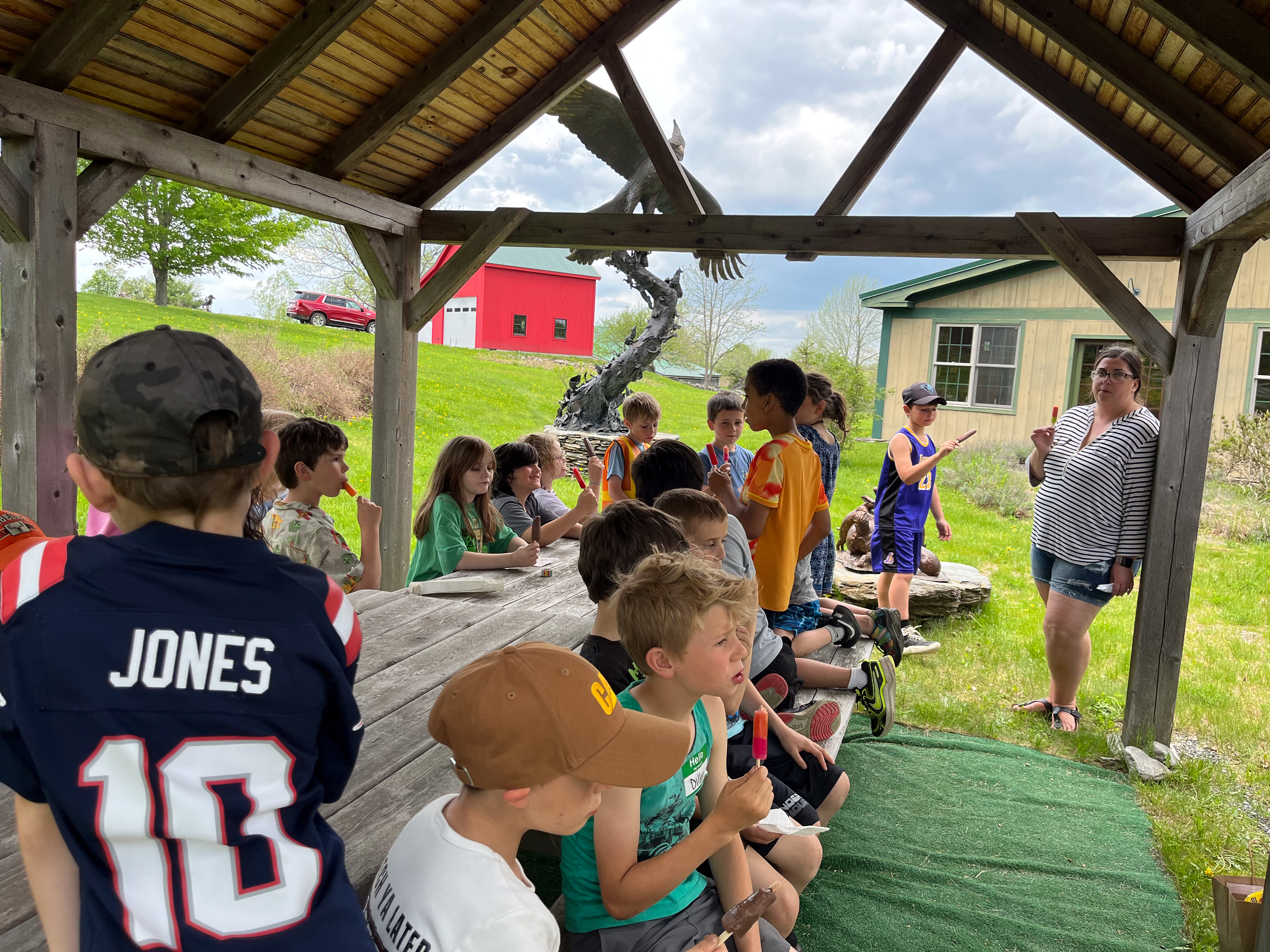
When students in Rachel Norgang’s second- and third-grade classes at Monroe Elementary School learn about economics, they don’t just read about businesses in a textbook. They visit gravel pits, tour working farms, explore event venues, and meet artists whose work is displayed around the world.
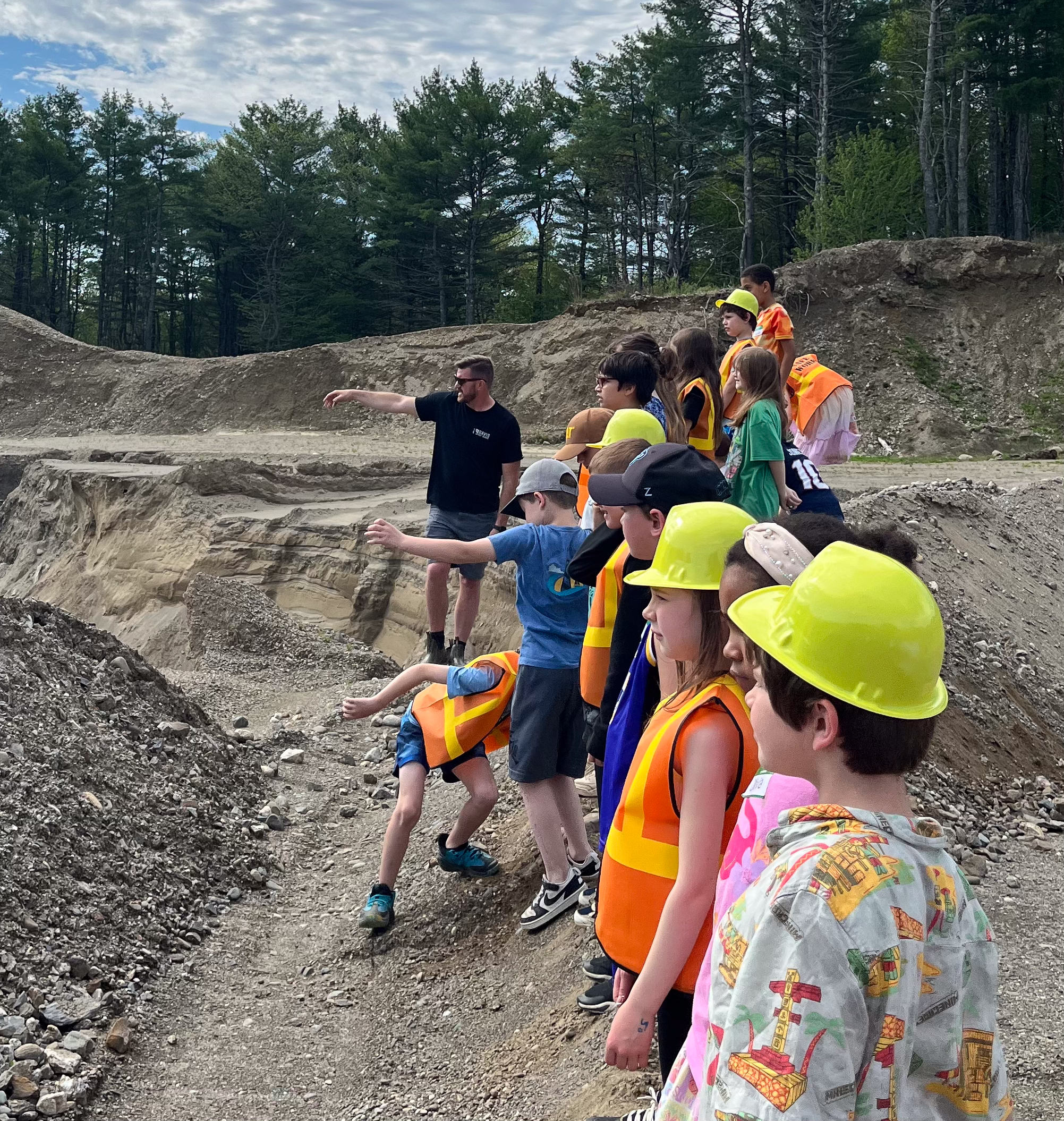
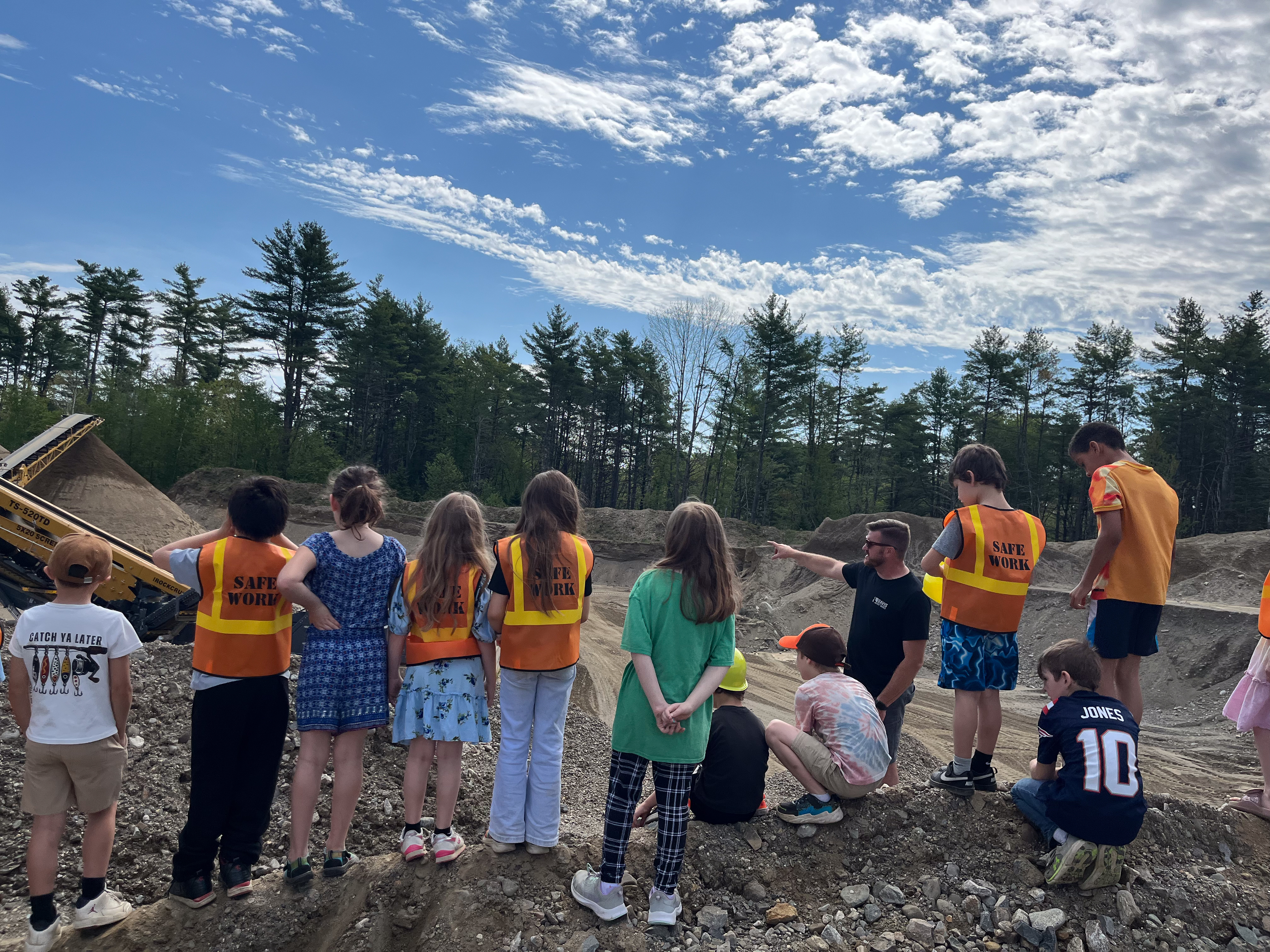
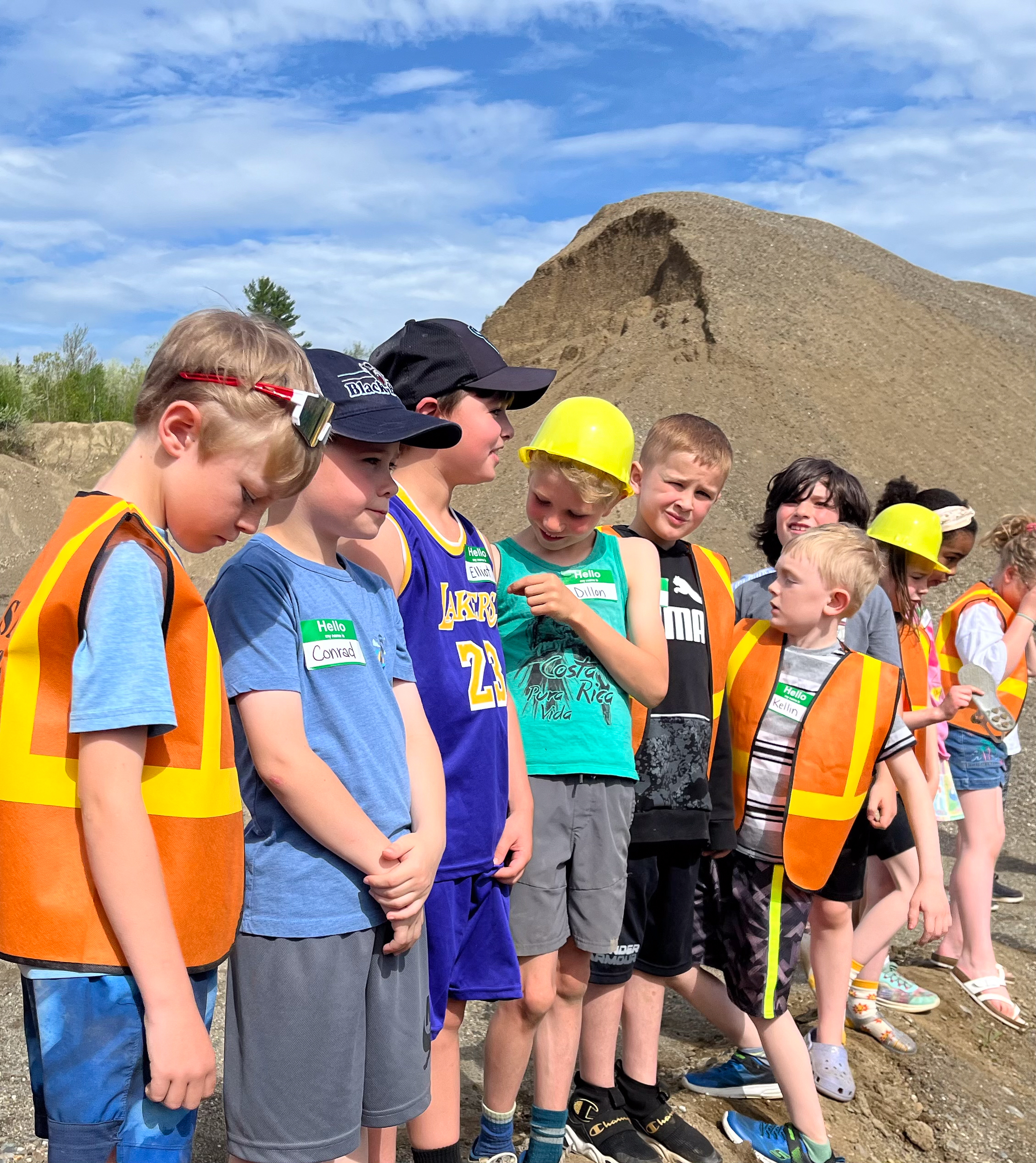
Norgang, who was recently named the 2026 Waldo County Teacher of the Year, has spent the past four years bringing her students out into the Monroe community for an annual “Entrepreneur Roadshow.” This field experience is part of a place-based social studies unit on the economy, designed to help students understand economic concepts such as goods and services, wants and needs, and the distinct roles businesses play in communities.
“Making this lesson place-based and focused on local businesses is more engaging for students,” Norgang said. “My first goal is student learning, and not far behind that is another goal: to increase buy-in and support for our school within the greater Monroe community.”
After some learning in the classroom, students spend an entire day meeting local entrepreneurs and seeing firsthand how businesses operate.
This year’s Entrepreneur Roadshow included visits to four Monroe-area businesses:
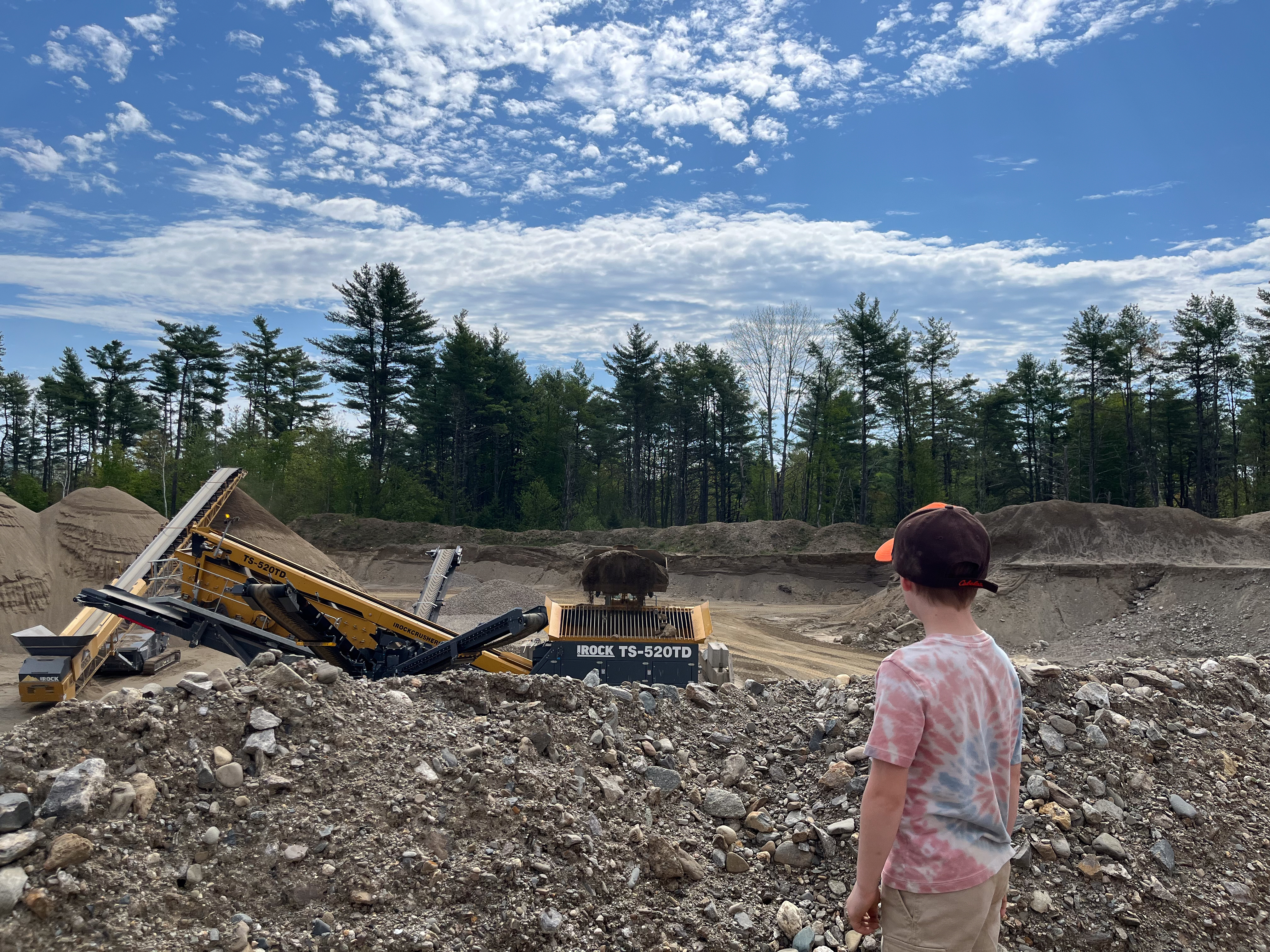
Davis Dirtworks, where owner Derek Davis showed students a working gravel pit and quarry operation, explained heavy equipment, and answered questions about running a business.
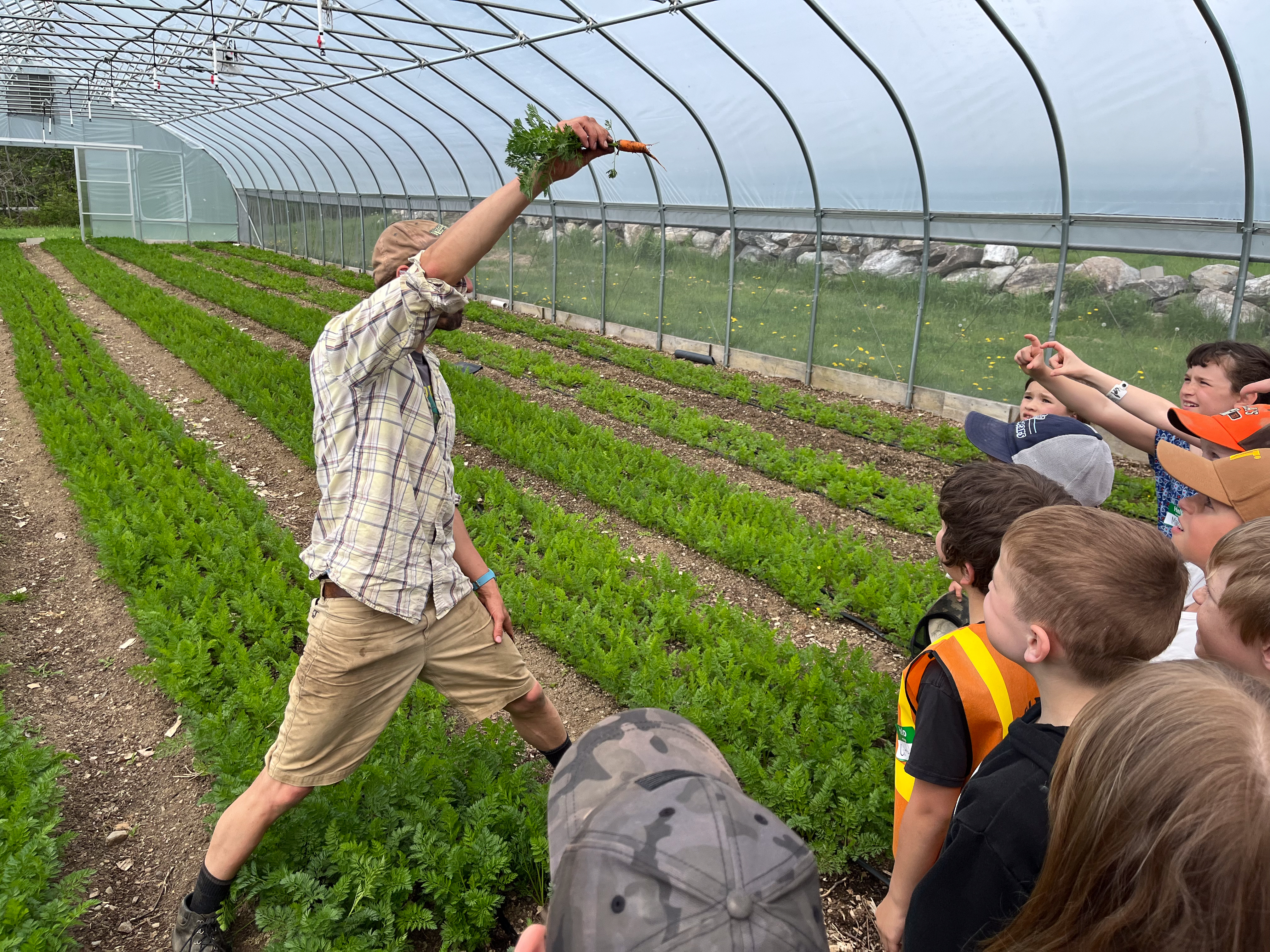
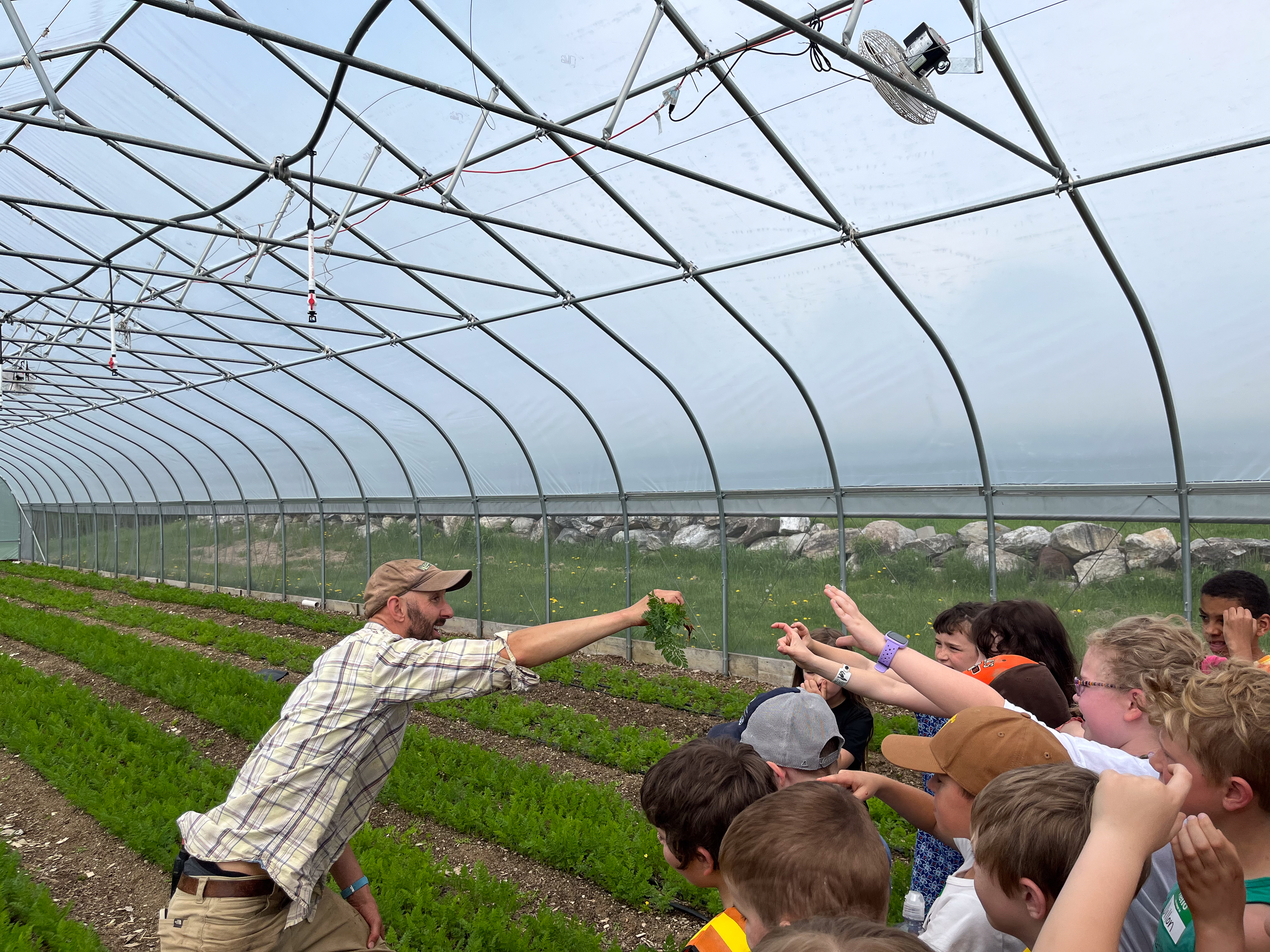
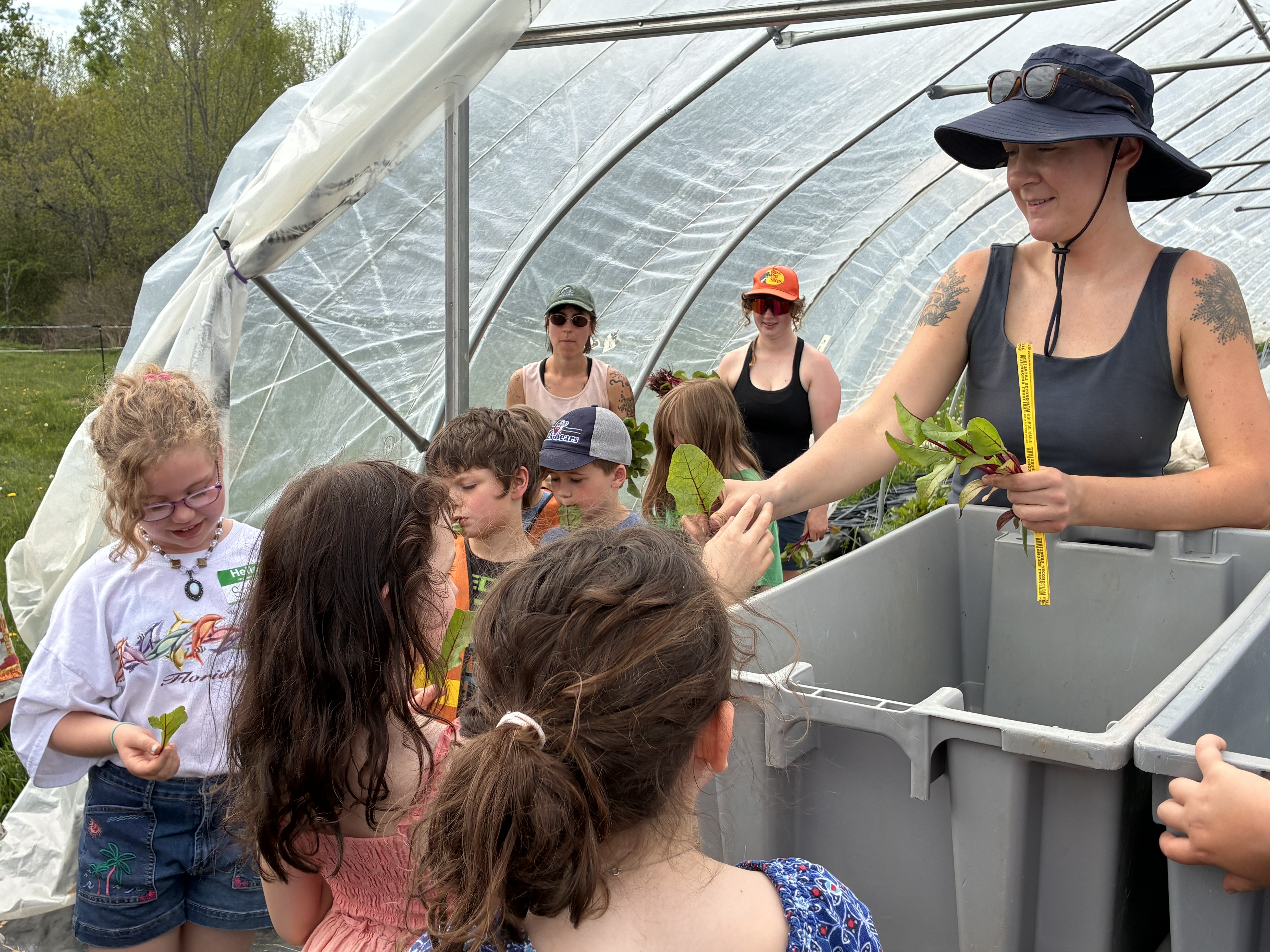
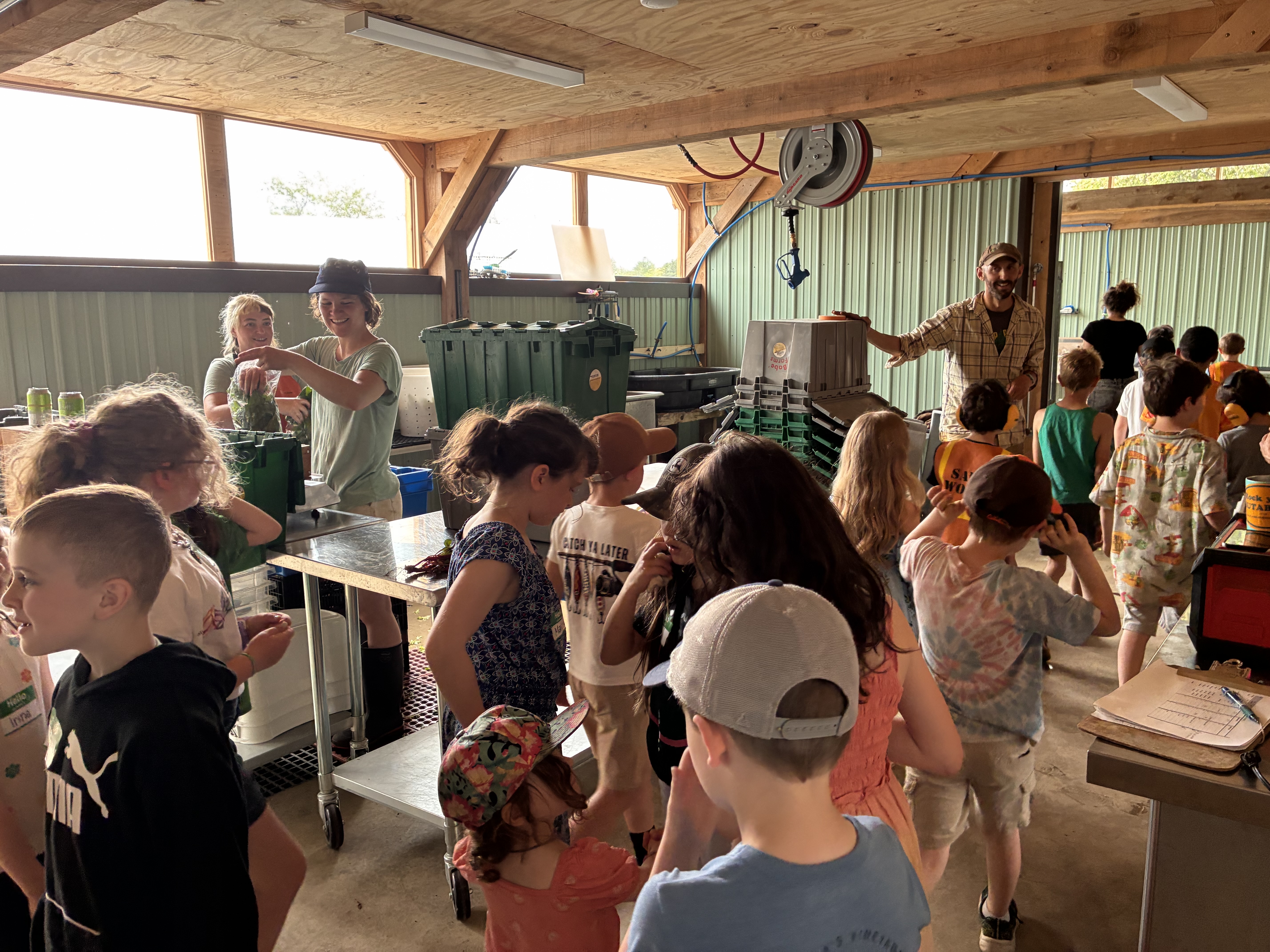
Second Frost Farm, where owners James Gagne and Naomi Brautigam guided students through hoop houses, vegetable fields, wash stations, and cold storage rooms. Students also sampled sauerkraut made from farm-grown produce.
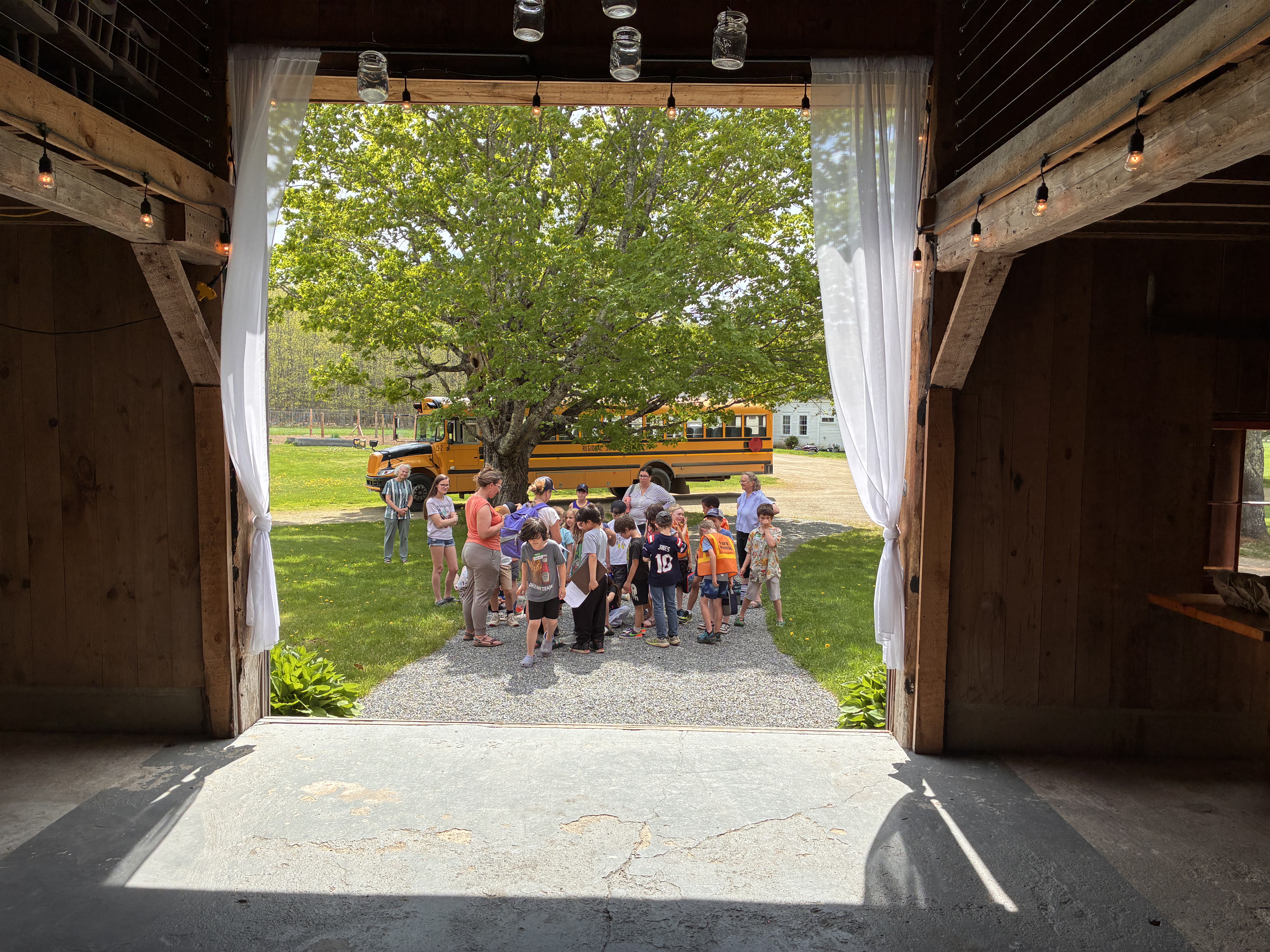
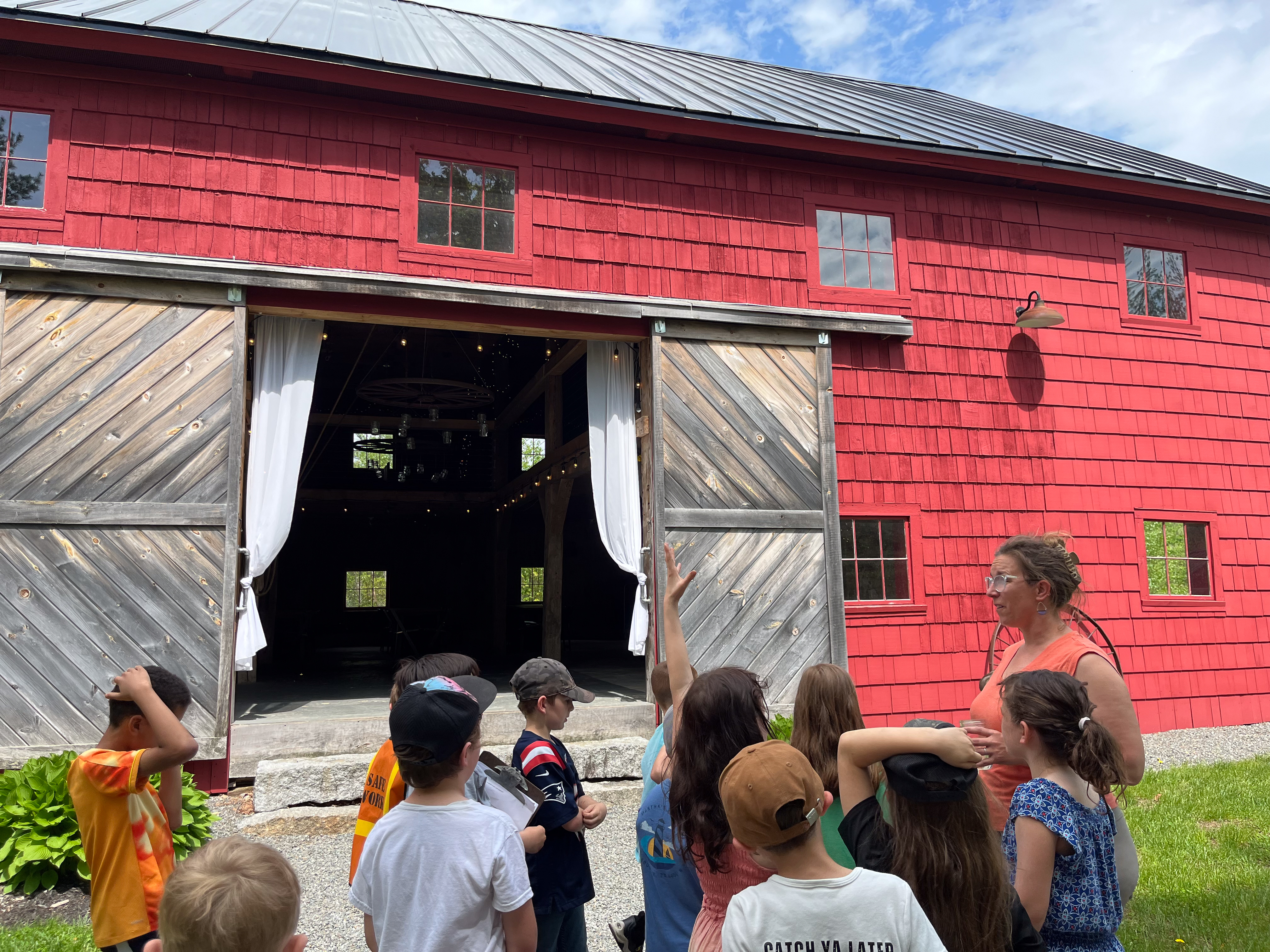
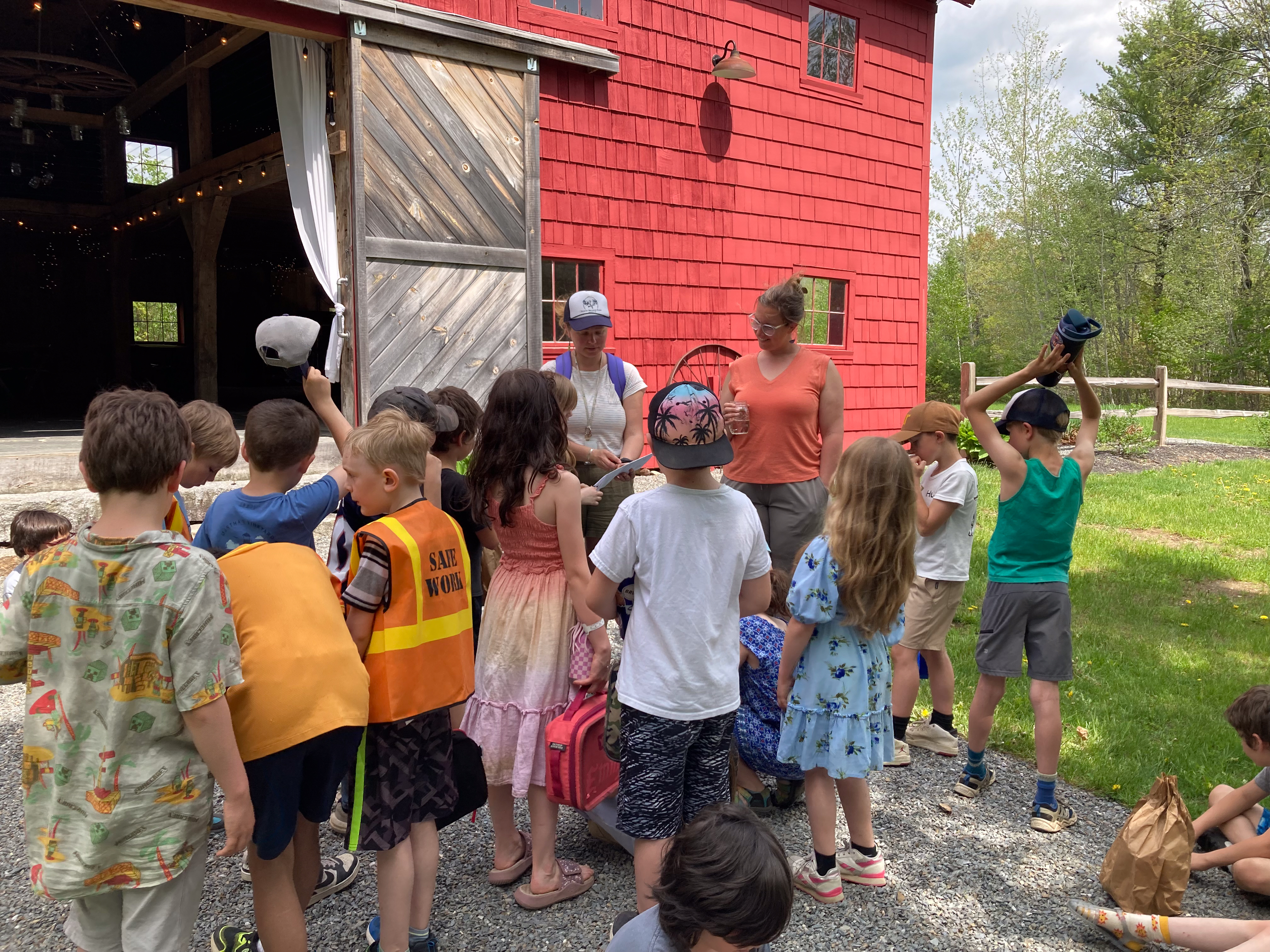
The Barn at Rosemoore, where owner Ashlie Stubbs welcomed students to tour the event venue, learn about hosting weddings and celebrations, and enjoy lunch in the barn.
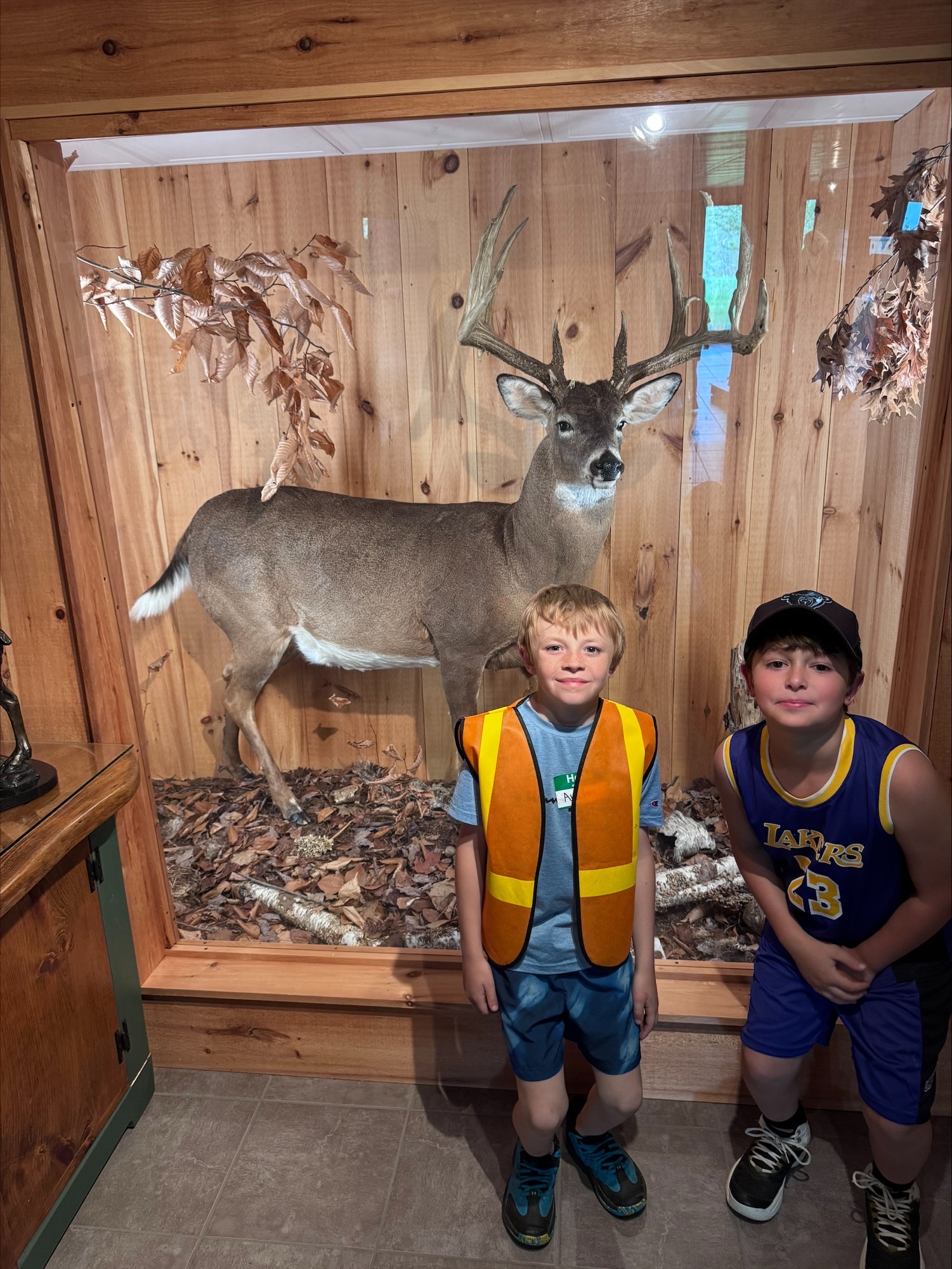
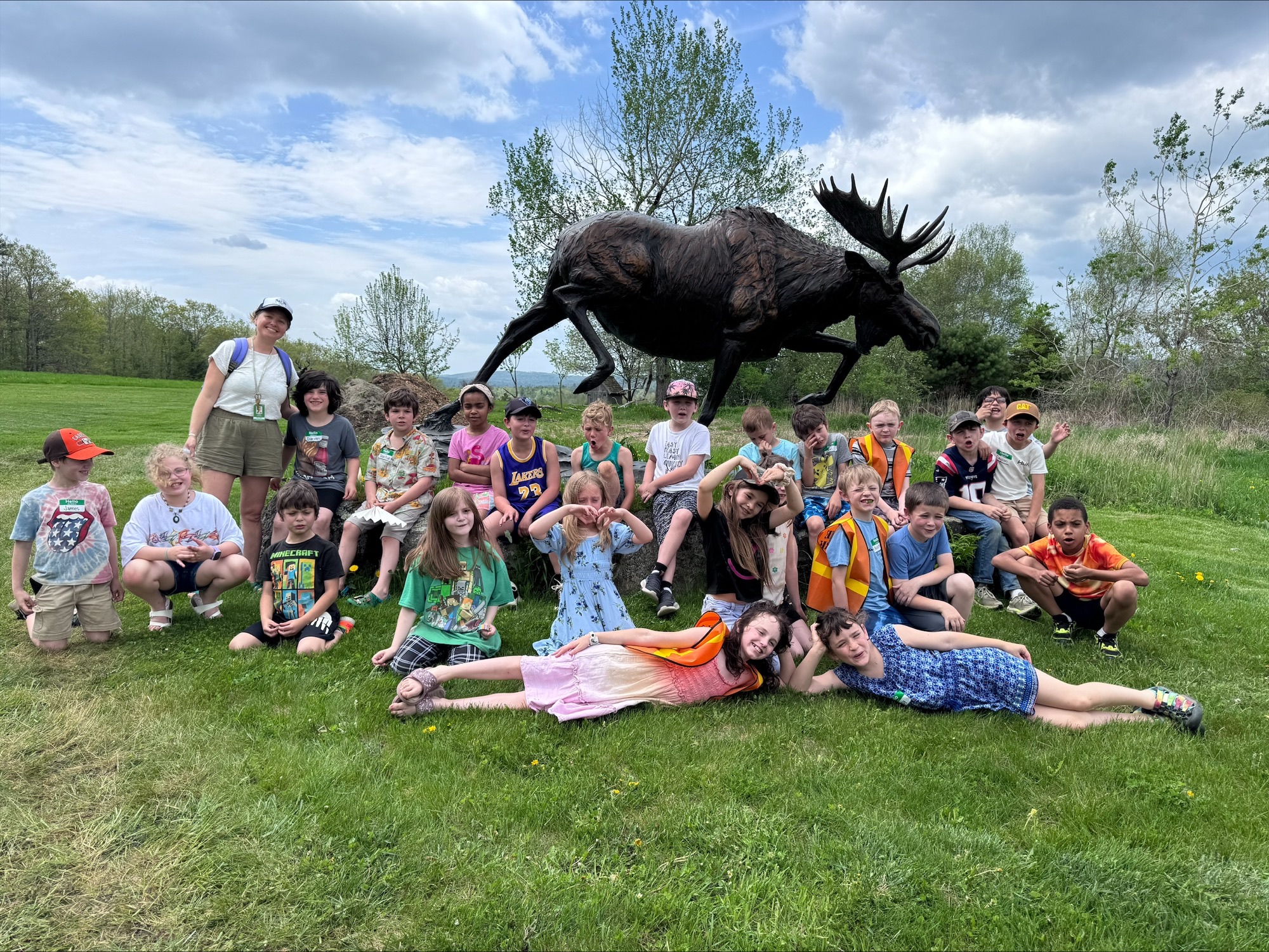
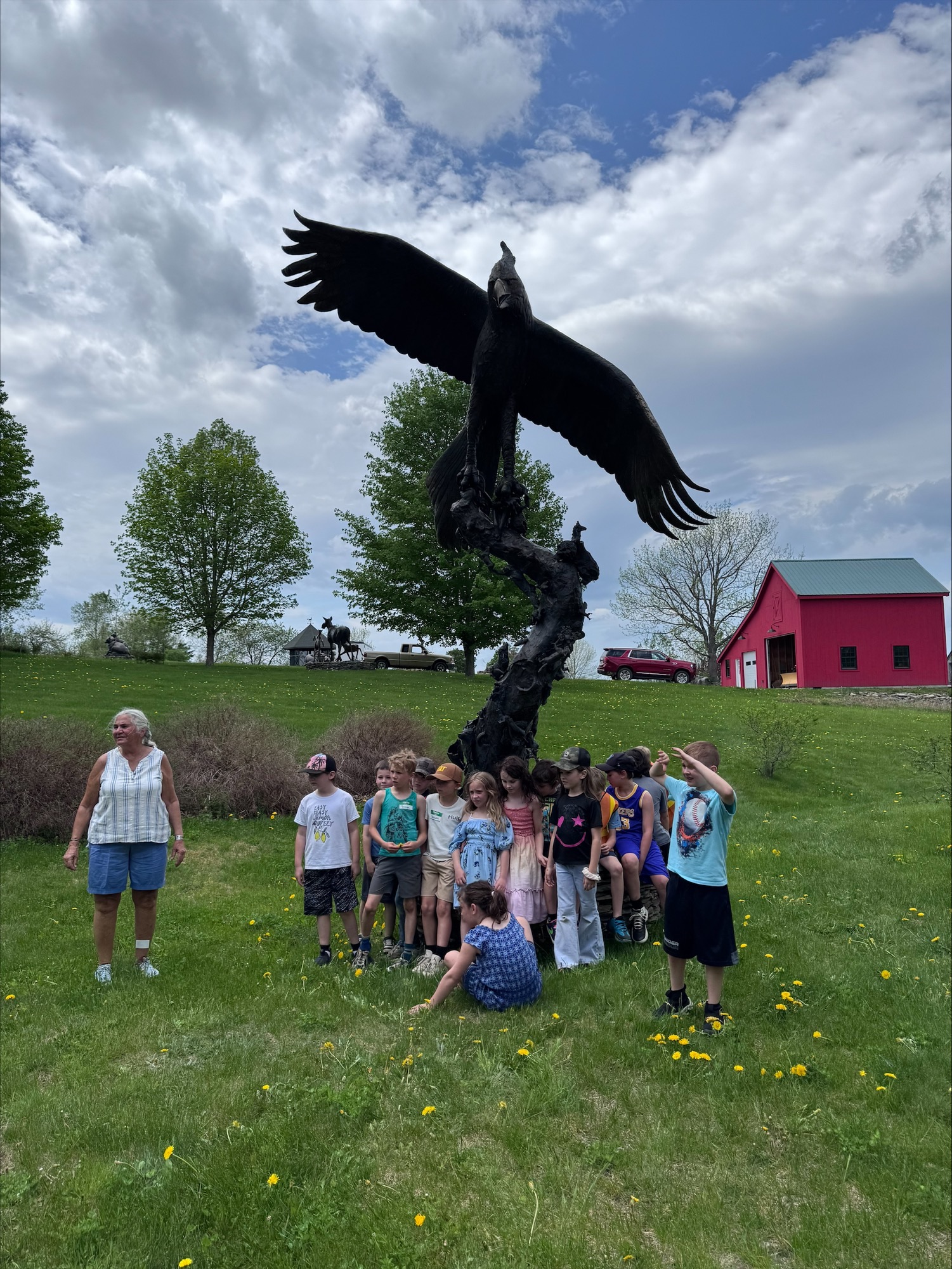
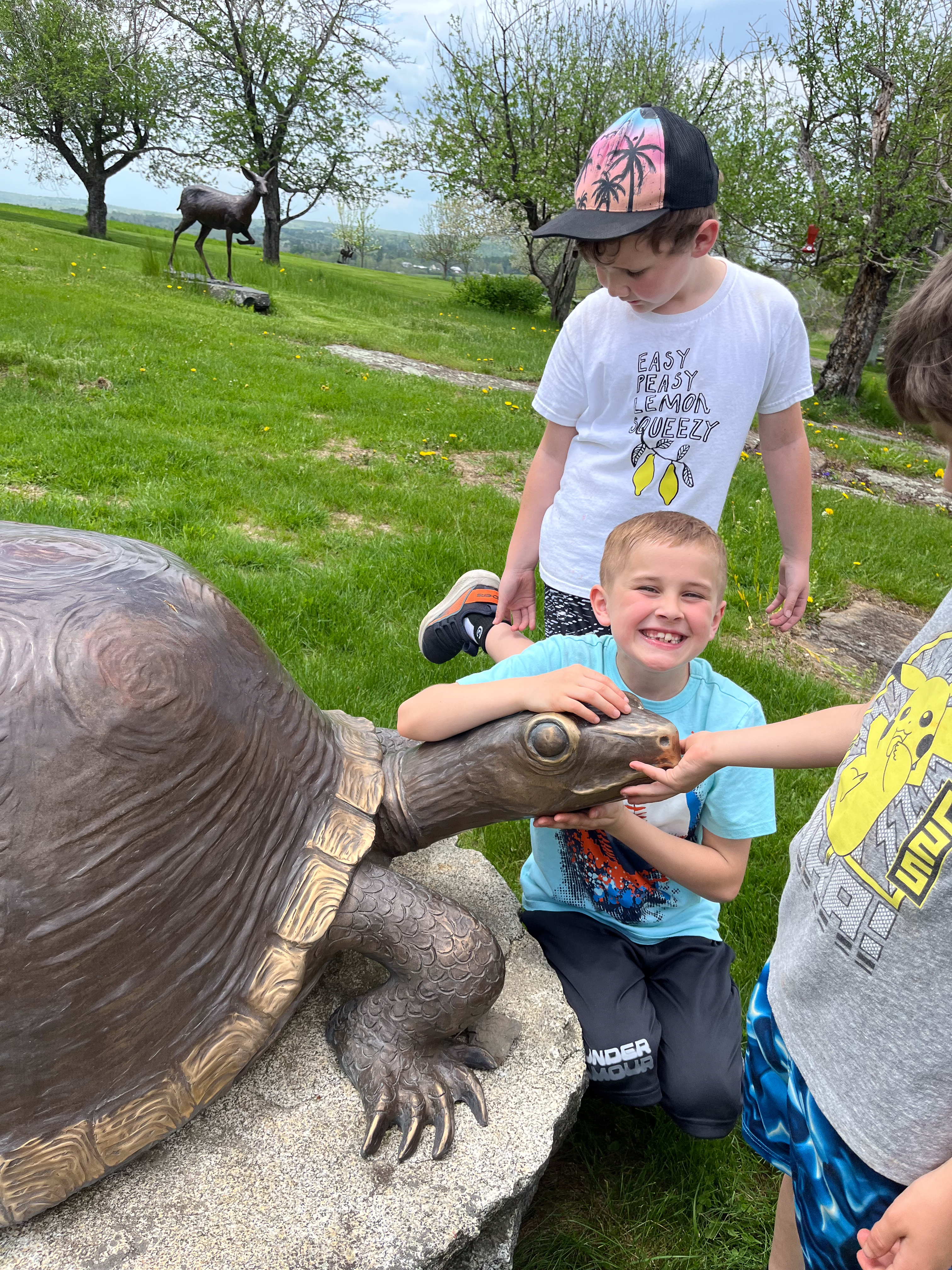
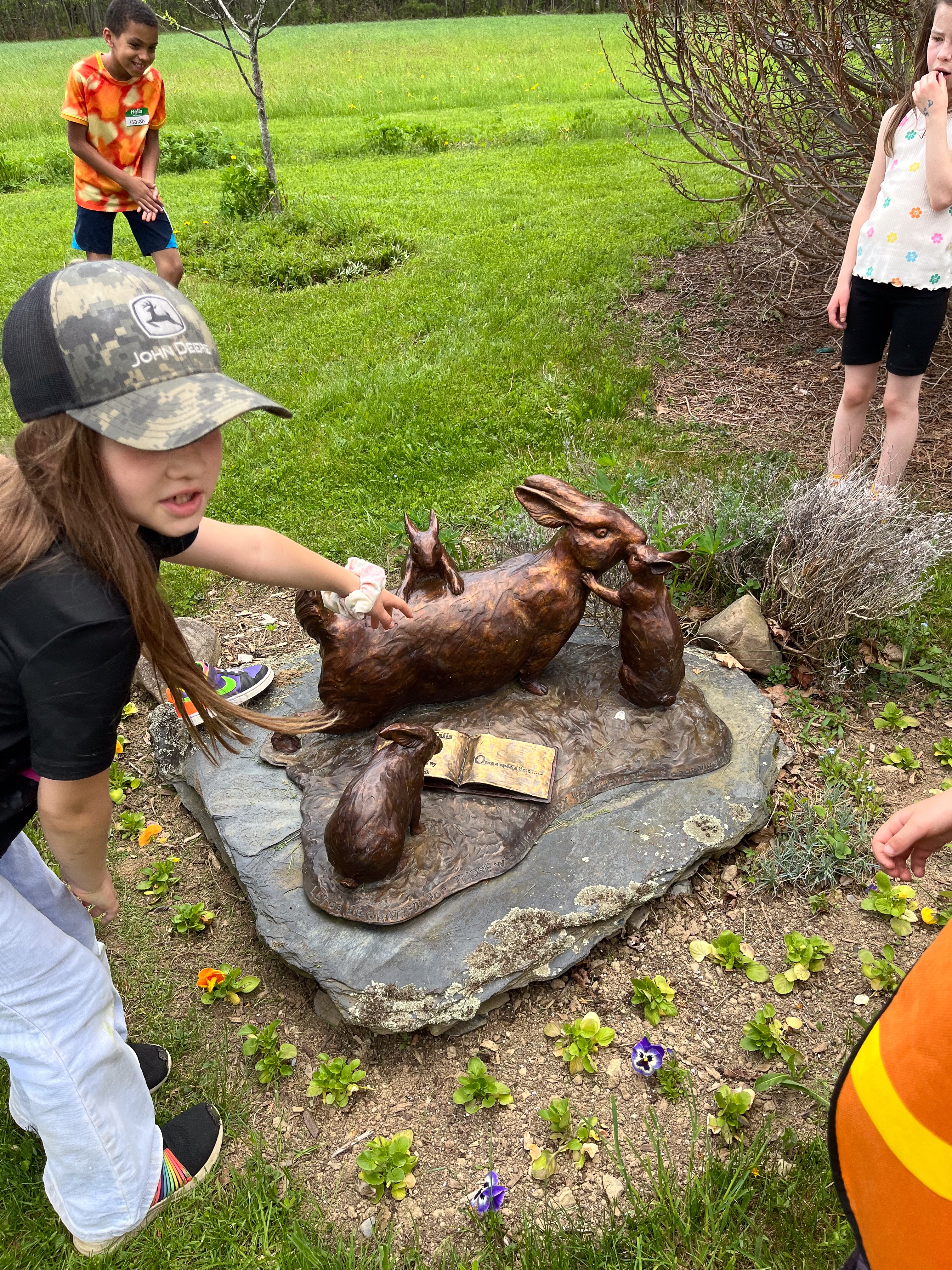
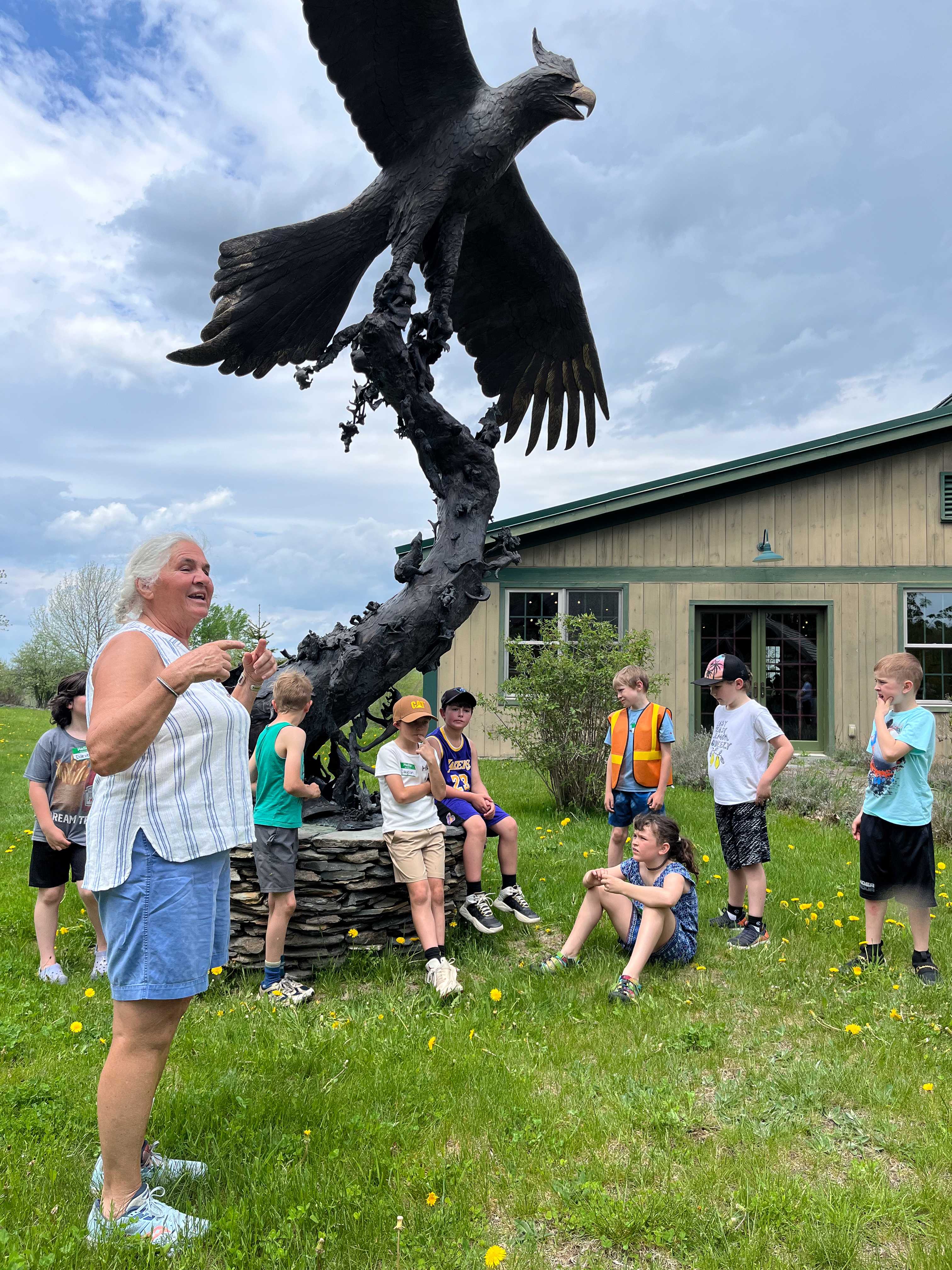
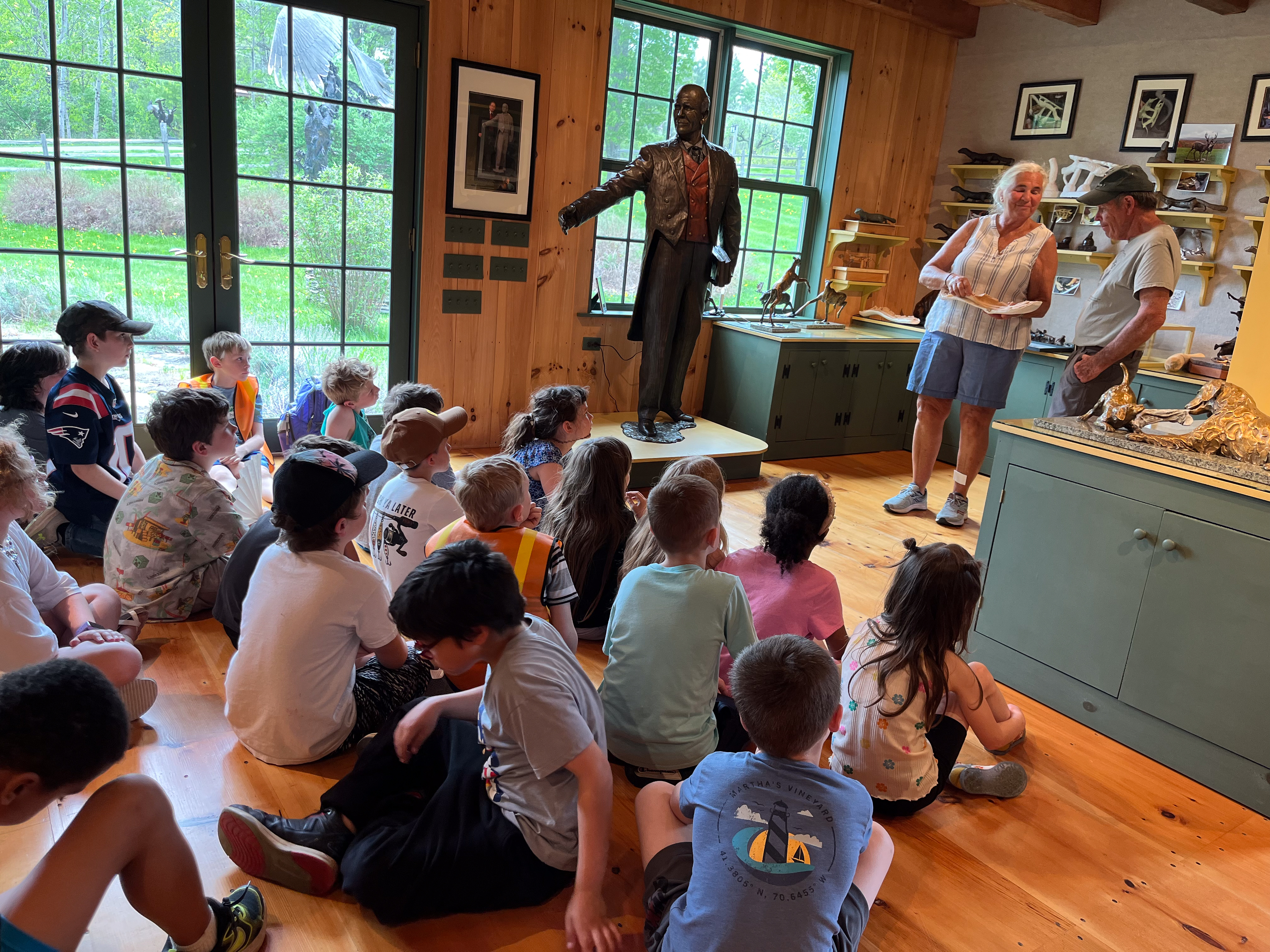
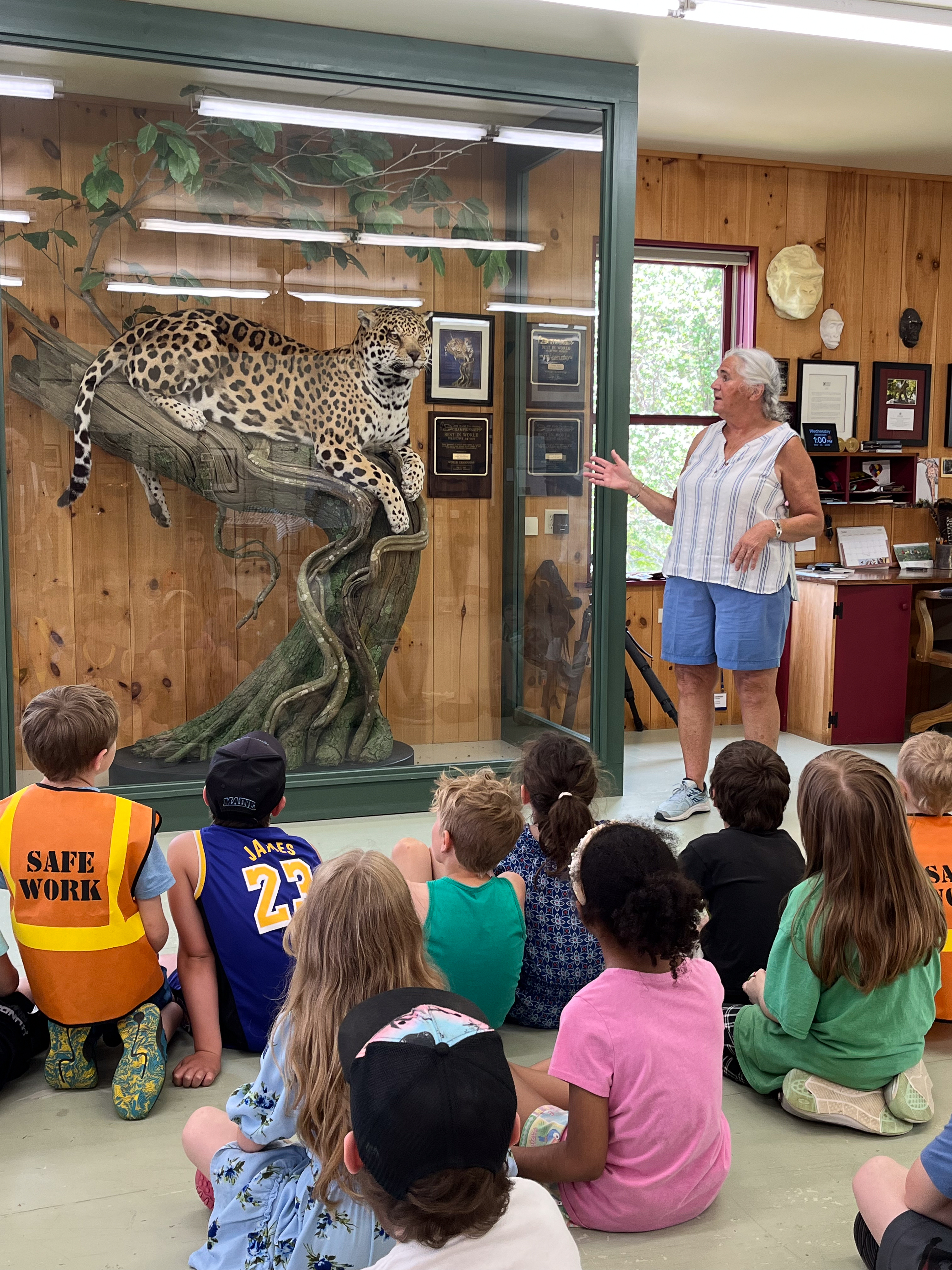
The studio and grounds of bronze sculptor Forest Hart, where students explored outdoor sculptures, toured the artist’s workspace, and learned about the creative and business sides of professional art.
Throughout the day, students asked thoughtful questions such as:
Why did you decide to start your business?
What is the hardest part of running your business?
What is your favorite part of running your business?
What does a successful year look like?
What advice do you have for us in school and life?
The experience left a lasting impression on students.
After tasting sauerkraut at Second Frost Farm, one student enthusiastically declared, “This is the best thing my tongue has ever touched.”
Another student, inspired by the work of sculptor Forest Hart, remarked, “This guy should be famous.”
Back in the classroom, students reflected on what they learned before launching into a persuasive writing project. Using facts gathered during the field trip and opinions they formed about the businesses, students began creating advertisements designed to attract customers.
“We are convincing people to go to the businesses!” one student explained during a lesson discussion.
Students brainstormed the most compelling features of each business, developed persuasive hooks, and drafted advertisements highlighting the products, services, and experiences offered by these local entrepreneurs.
Some of the student-created opening lines included:
“Do you hear that engine roaring? It’s probably Derek from Davis Dirtworks!”
“Do you see that bronze sculpture right in your way? That was built by Forest Hart!”
“Have you heard of Second Frost Farm? They have a variety of vegetables.”
“Would you believe you can have a baby shower at The Barn at Rosemoore?”
Students are now revising and illustrating their advertisements before recording narrated presentations that will be shared digitally with business owners, families, and the broader community.
Norgang credits Monroe Elementary School Principal Jodie Dupuy for helping make projects like this possible.
“I have a great principal who supports and encourages connections to the community,” Norgang said.
The Entrepreneur Roadshow exemplifies the power of place-based education—connecting classroom learning to real-world experiences, while strengthening relationships between schools and their communities. For Norgang’s students, economics is no longer an abstract concept. It’s the farm down the road, the quarry in town, the event venue hosting celebrations, and the artist creating sculptures in their own community.
Through experiences like these, students gain a deeper understanding of how local businesses contribute to the economy while developing critical thinking, communication, and writing skills that will serve them well in the future.
This story was written in collaboration with Monroe Elementary School in RSU 3. To submit a good news story to the Maine DOE, please fill out the good news submission form.
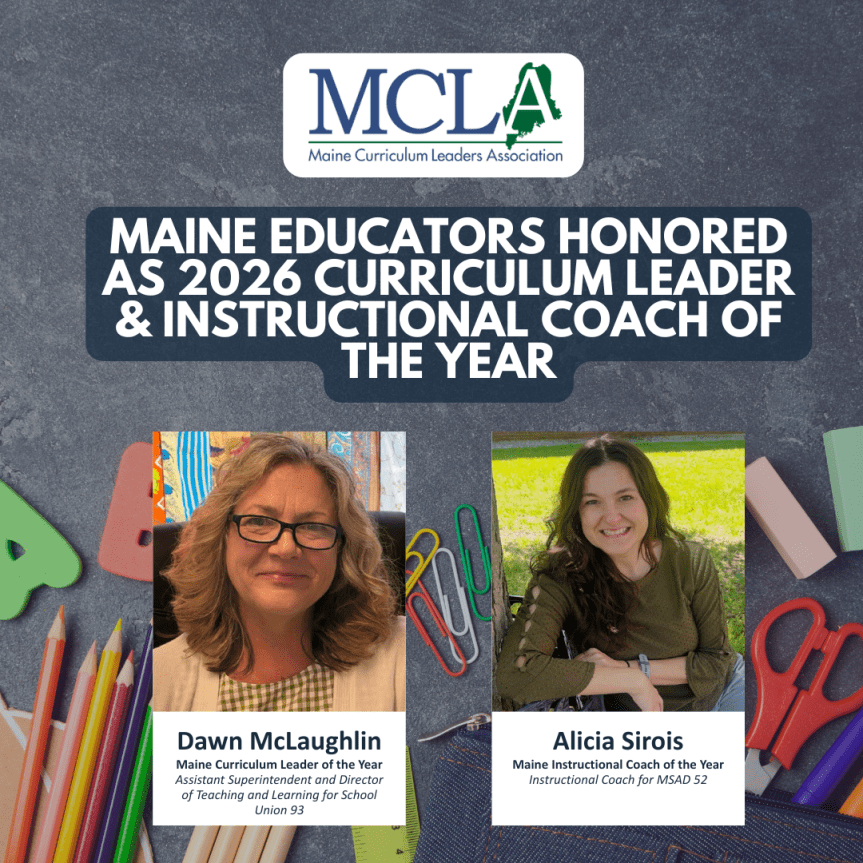
The Maine Department of Education (DOE) is pleased to join the Maine Curriculum Leaders Association (MCLA) in recognizing two outstanding educational leaders whose dedication to teaching, learning, and student success has made a lasting impact in their schools and communities.
This year, the MCLA has named Dawn McLaughlin, Assistant Superintendent and Director of Teaching and Learning for School Union 93, as 2026 Maine Curriculum Leader of the Year and Alicia Sirois, Instructional Coach for MSAD 52, as 2026 Maine Instructional Coach of the Year.
Curriculum leaders and instructional coaches help ensure that educators have the resources, guidance, and professional learning opportunities necessary to meet the diverse needs of Maine students. These annual awards recognize those educational leaders who exemplify excellence in supporting curriculum, instruction, assessment, and professional growth, while fostering positive outcomes for educators and students across Maine, and who play critical roles in supporting high-quality teaching and learning throughout the state.
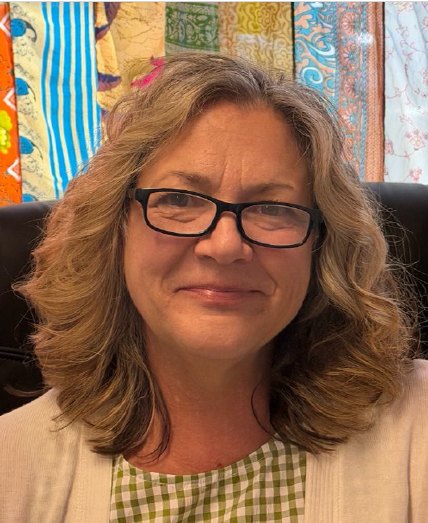
Maine Curriculum Leader of the Year Dawn McLaughlin, Assistant Superintendent and Director of Teaching and Learning for School Union 93
Dawn McLaughlin graduated from the University of Maine in 1991 with a bachelor’s degree in psychology. While she was searching for a job after graduation, her father encouraged her to explore a career in education. She accepted a position as an Educational Technician (Ed Tech) III at Center Drive School in Orrington and quickly discovered a passion for the field that would shape her career.
In 1992, McLaughlin moved to Stonington and joined Deer Isle-Stonington Elementary School as an Ed Tech III. Five years later, she became a middle-level language arts teacher, a role she held for 24 years. Committed to continuous professional growth, she earned a master’s degree in Curriculum, Instruction, and Assessment in December 2014.
In November 2015, McLaughlin was hired as the Curriculum Coordinator for School Union 93, where she supported curriculum development and instructional improvement across the district. In 2023, she was appointed Assistant Superintendent and Director of Teaching and Learning for School Union 93, continuing her commitment to advancing educational excellence for students and educators.
Maine Instructional Coach of the Year Alicia Sirois, Instructional Coach for MSAD 52
Alicia Sirois earned her undergraduate degree from Elmira College in New York, where she majored in English Literature and Secondary Education. She later earned a master’s degree in Literacy Education from the University of Southern Maine and holds a Literacy Coach Certificate through Maine Partnerships in Comprehensive Literacy at the University of Maine.
Sirois spent 13 years as an English teacher at Leavitt Area High School, where she fostered a love of reading, writing, and learning among her students. Four years ago, she transitioned into the role of Instructional Coach at Leavitt, where she now supports educators in strengthening instructional practices and improving student learning outcomes. Her work reflects a deep commitment to literacy, professional growth, and educational excellence.
The Maine DOE congratulates Dawn McLaughlin and Alicia Sirois on these well-deserved honors and thanks them for their leadership, service, and commitment to advancing educational excellence in Maine schools.
Content for this article was submitted by the Maine Curriculum Leaders Association.To submit a good news story to the Maine DOE, please fill out the good news submission form.
The Maine Department of Education (DOE) Office of Teaching and Learning is pleased to announce the award of a one-time, competitive Later Secondary School Start Time Planning Grant to Augusta Schools, in the amount of $75,000.
In accordance with L.D. 396, Resolves 2025, Chapter 110 and Rule Chapter 54, the Later Secondary School Start Time Planning Grant must be used to support the costs associated with the research, analyses, and development of planning around changing secondary school start times to 8:30 a.m. or later. As such, Augusta Schools will use these grant funds to lead a thorough, community-informed process to explore the possibility of later secondary school start times at Cony Middle and High School. Over the contract period from June 1 to September 10, 2026, the school department will pursue a structured sequence of planning activities designed to synthesize the evaluation and analyses of later secondary school start time at these schools.
At the heart of this effort will be a cross-functional leadership and planning team, comprised of administrators, principals, transportation staff, and parent and student representatives. The team will set goals, oversee all planning activities, and conduct dedicated sessions to project the full operational and budgetary impact of a schedule change. Grant funds will support stipends and compensated planning time for team members, as well as the personnel time required for scheduling, communications, recordkeeping, and grant compliance to keep the initiative running smoothly throughout the planning period.
Community engagement will be central to the process. The school department will implement a multi-faceted communication strategy to keep families, staff, students, and community partners involved at every stage. Public forums will be held at accessible times and locations, including virtual options. Targeted outreach will connect internal and external stakeholders, such as students, after-school programs, faculty and staff, parents, transportation service providers, and municipal partners. Surveys and focus groups will gather representative data to ensure that diverse community perspectives are heard, reflected, and analyzed throughout the planning process and provide additional qualitative depth from specific stakeholder populations. Translation and interpretation services will be integrated throughout to ensure equitable access for families whose primary language is not English. Printed and digital materials, including translated formats, will be available for all community events and planning sessions.
The school department will also conduct dedicated transportation studies in direct partnership with its existing provider, First Student, to evaluate routing, scheduling, and cost implications of a start time change. This operations analysis is anticipated to assess contract capacity, model adjusted schedules, and project any additional vehicle, staffing, or cost requirements.
Drawing together findings from community engagement, transportation analysis, and budget projections, leadership will synthesize the data into a formal final summary report as part of the grant award, to be shared with the Maine DOE. Throughout the planning period, grant funds will also support the administrative resources needed to fulfill all Maine DOE reporting requirements, including progress reports, financial documentation, and the final report.
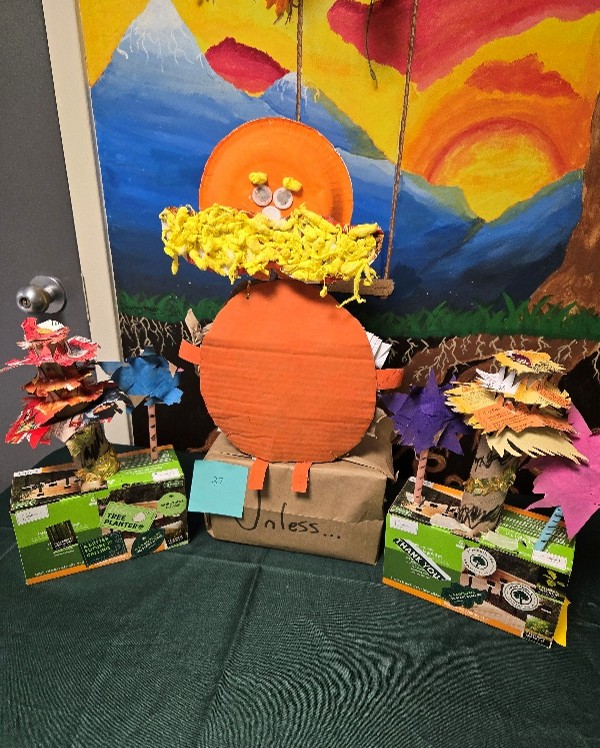
An Athens Community School student’s work as part of the “One School, One Book” Earth Day Project.
From April 6-16, 2026, Athens Community School held its annual “One School, One Book” project, designed to use literature to connect classrooms, families, and communities and bring attention to important issues.
This year, Athens Community School selected The Lorax by Dr. Seuss as the book that all students would be reading for the project to coincide with Earth Day on April 22. Following the themes of the book, students and their families then participated in a variety of eco-friendly activities throughout the project, including a bottle drive and a trip to Waterville Creates for a viewing of The Lorax movie.
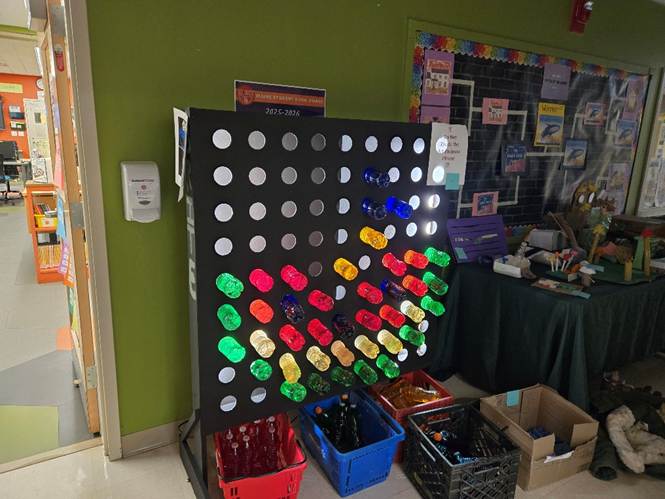
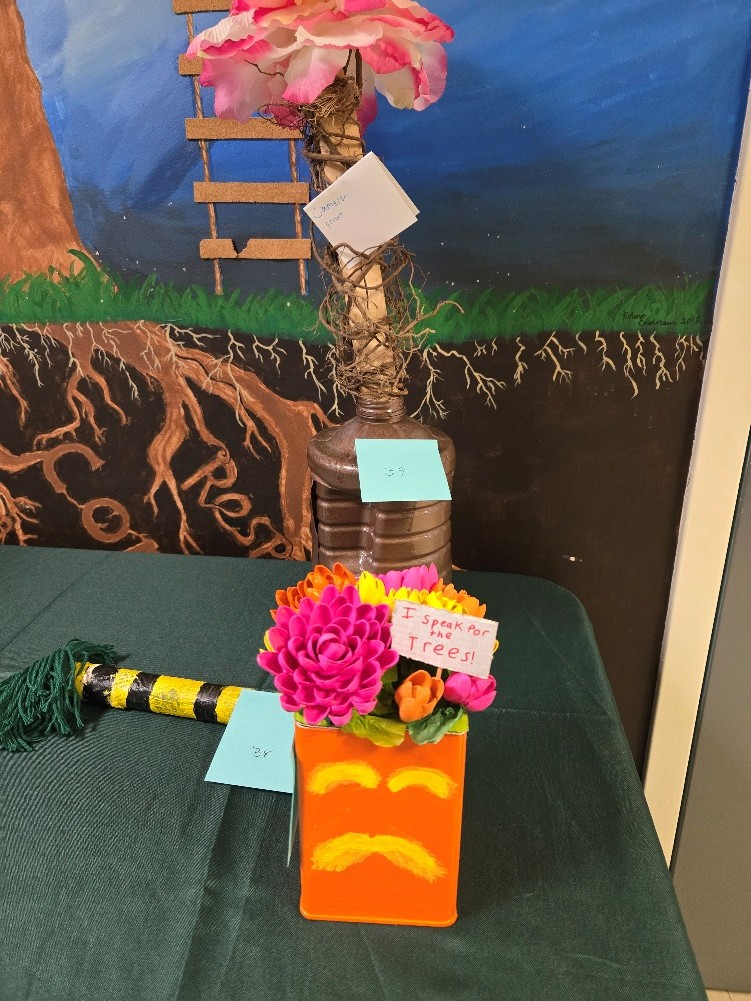
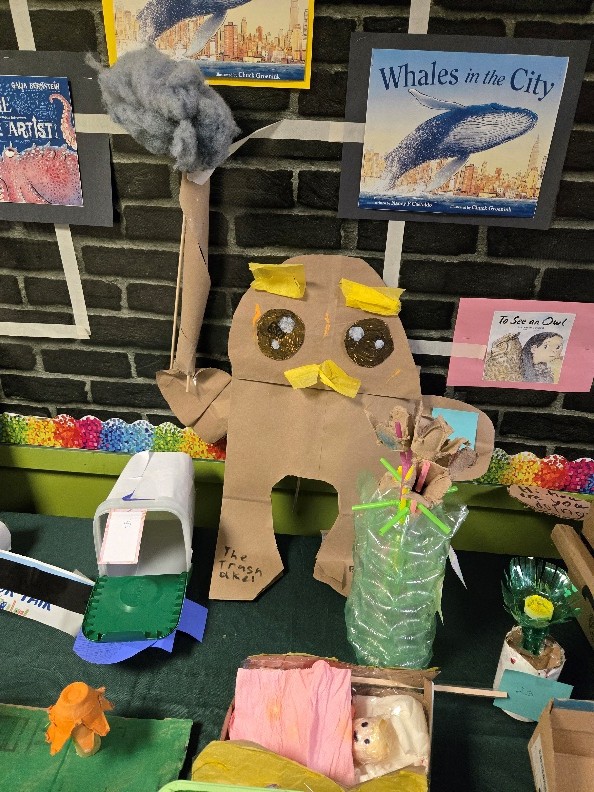
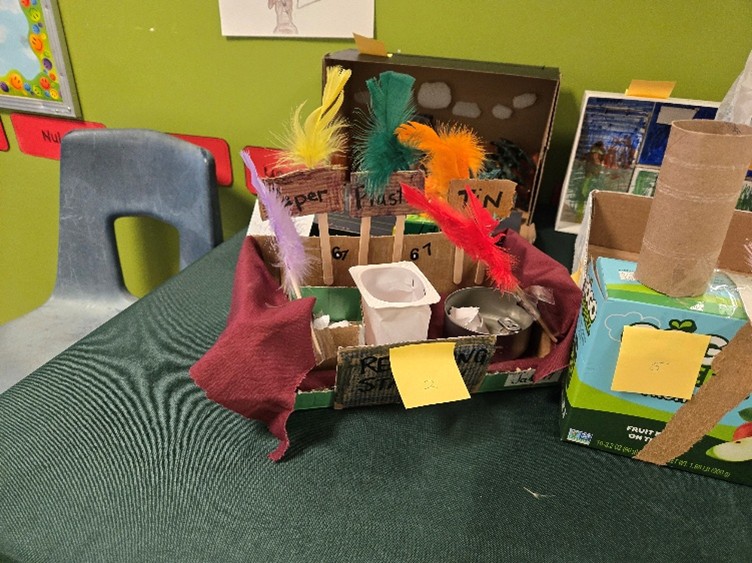
One of the highlights of the project was the “Trash Art” competition, which encouraged students to use recyclable objects to create artwork for categories such as “The Spirit of the Lorax,” “Most Creative,” and more. The school favorite was a Lite-Brite board made of recycled wood and plastic water bottles, which served as the pegs (pictured below).
Lite-Brite board
To celebrate student and family participation in the project, two local businesses donated prizes for those who completed a feedback survey: a reusable shopping bag with the Athens Community School logo and a “Save the Bees” flower kit. Student participants also received a homework pass to forgo one homework assignment.
More student proejcts:
The project was spearheaded by Aneta Lempicka, the Athens Community School’s Title I teacher, with support from school librarian Hannah Luce, who assembled and distributed family activity packets.
Local families said they enjoyed the change of pace, with one remarking, “We are a VERY busy family, so this gave us all a chance to slow down and do something fun together.”
This story was written in collaboration with Athens Community School. To submit a good news story to the Maine DOE, please fill out the good news submission form.
The Maine Department of Education (DOE), in partnership with the Maine Department of Health and Human Services (DHHS), is pleased to announce the return of the SUN Bucks and SUN Meals programs in the summer of 2026. These programs, funded by the U.S. Department of Agriculture (USDA), help to ensure that Maine children continue to have access to healthy, nutritious food during the summer months when school meals and snacks are not available.
SUN Meals
SUN Meals provides free meals to youth 18 years of age and younger in communities where more than half of the children meet income guidelines. Sites are typically designated at neighborhood locations, including schools, parks, nonprofit residential summer camps, government agencies, and tax-exempt organizations (including faith-based organizations). Many schools across Maine offer SUN Meals and can provide details regarding how to access meals. Additionally, in mid to late June, the USDA Summer Meals Site Finder will have locations of Maine SUN Meals sites.
SUN Meals-To-Go provides pick-up and delivery options in eligible rural areas where transportation may make access to congregate meal sites more difficult. This information is also included on the USDA site finder.
SUN Bucks, managed by the Maine DHHS Office of Family Independence (OFI), is designed to supplement families’ grocery budgets over the summer when school is out of session by providing a one-time $120 food benefit per school-aged child. That benefit may be used at authorized retailers, such as grocery stores and farmers’ markets, to purchase healthy foods, including fruits, vegetables, meats, whole grains, dairy, and other protein sources. SUN Bucks occurs in addition to SUN Meals, and children may participate in both programs.
Most children eligible for SUN Bucks will be automatically enrolled based on participation in other public benefit programs. Families will automatically receive SUN Bucks if they have a child(s) who attends a school that serves National School Lunch Program meals and who participates in the Supplemental Nutrition Assistance Program (SNAP), Temporary Assistance for Needy Families (TANF), Food Distribution Program on Indian Reservations (FDPIR), or MaineCare with a household income at or below 185% of the Federal Poverty Level (FPL), or who is identified by OFI or the Maine DHHS Office of Child and Family Services (OCFS) as foster, homeless, or migrant.
Most eligible households have already received a SUN Bucks eligibility notice from OFI and will receive benefits in the following ways:
For SNAP-eligible households, benefits will be loaded onto the household’s existing P-EBT card (also called the Pine Tree EBT card).
For former P-EBT or SUN Bucks households not currently receiving SNAP, benefits will be added to the previously issued P-EBT card.
For newly eligible households not currently receiving SNAP, a new P-EBT card with preloaded benefits will be mailed to the household.
Please note that families who no longer have their P-EBT card may request a replacement card through pinetreecard.com or by calling 800-477-7428.
Families who have not been notified of automatic enrollment by mid-June, but who believe their children may qualify based on the above criteria, may apply for SUN Bucks through My Maine Connection or by mail. Applications must be received by August 15, 2026, and benefits must be used within approximately four months of when they were issued.
Community Eligibility Provision: Students who are not part of a household that already participates in SNAP, FDPIR, TANF, MaineCare at 185% FPL, and who are not identified as foster, homeless, or migrant by OFI or OCFS, but who do meet the requirements for free or reduced-price meal benefit, must apply for SUN Bucks.
Provision 2: Students who are not part of a household that already participates in SNAP, FDPIR, TANF, MaineCare at 185% FPL, and who are not identified as foster, homeless, or migrant by OFI or OCFS, but who do meet the requirements for free or reduced-price meal benefit, must apply for SUN Bucks (in most cases).
How to Help Spread the Word
Schools are encouraged to share information with families about the SUN Bucks and SUN Meals programs. Suggestions include:
Promoting the locations and operating times of SUN Meals and SUN Meals-To-Go sites.
Encouraging families with children who will automatically be enrolled in SUN Bucks to ensure their mailing address is up to date by calling OFI at 855-797-4357.
Telling families to keep an eye out for a letter notifying them of automatic SUN Bucks enrollment, a new card in the mail, or a balance increase on their existing P-EBT card in early June.
Encouraging families who have not received notice of automatic enrollment by mid-June, but who may have eligible children, to apply for SUN Bucks.
Additionally, schools may consider using the flyer linked below to help spread the word about SUN Bucks and direct families to the Maine DHHS SUN Bucks webpage for more information about the program and how to apply. Families may also call OFI at 855-797-4357 and select option 5 to speak with an eligibility specialist about SUN Bucks.
Thank you for helping to raise awareness about these important programs and ensuring that Maine children get the nutrition they need to thrive this summer.
In accordance with federal civil rights law and U.S. Department of Agriculture (USDA) civil rights regulations and policies, this institution is prohibited from discriminating on the basis of race, color, national origin, sex (including gender identity and sexual orientation), disability, age, or reprisal or retaliation for prior civil rights activity.
Program information may be made available in languages other than English. Persons with disabilities who require alternative means of communication to obtain program information (e.g., Braille, large print, audiotape, American Sign Language), should contact the responsible State or local Agency that administers the program or USDA’s TARGET Center at (202) 720-2600 (voice and TTY) or contact USDA through the Federal Relay Service at (800) 877-8339.
To file a program discrimination complaint, a Complainant should complete a Form AD-3027, USDA Program Discrimination Complaint Form, which can be obtained online at: https://www.usda.gov/sites/default/files/documents/USDA-OASCR%20P-Complaint-Form-0508-0002-508-11-28-17Fax2Mail.pdf, from any USDA office, by calling (866) 632-9992, or by writing a letter addressed to USDA. The letter must contain the complainant’s name, address, telephone number, and a written description of the alleged discriminatory action in sufficient detail to inform the Assistant Secretary for Civil Rights (ASCR) about the nature and date of an alleged civil rights violation. The completed AD-3027 form or letter must be submitted to USDA by:
(1) mail:
U.S. Department of Agriculture Office of the Assistant Secretary for Civil Rights 1400 Independence Avenue, SW Washington, D.C. 20250-9410; or
This institution is an equal opportunity provider.
The Maine Human Rights Act prohibits discrimination because of race, color, sex, sexual orientation, age, physical or mental disability, genetic information, religion, ancestry, or national origin.
Complaints of discrimination must be filed at the office of the Maine Human Rights Commission, 51 State House Station, Augusta, Maine 04333-0051. If you wish to file a discrimination complaint electronically, visit the Human Rights Commission website at https://www.maine.gov/mhrc/file/instructions and complete an intake questionnaire. Maine is an equal opportunity provider and employer.