Building Confidence and Community: Oceanside Middle School’s Alternative Education Program

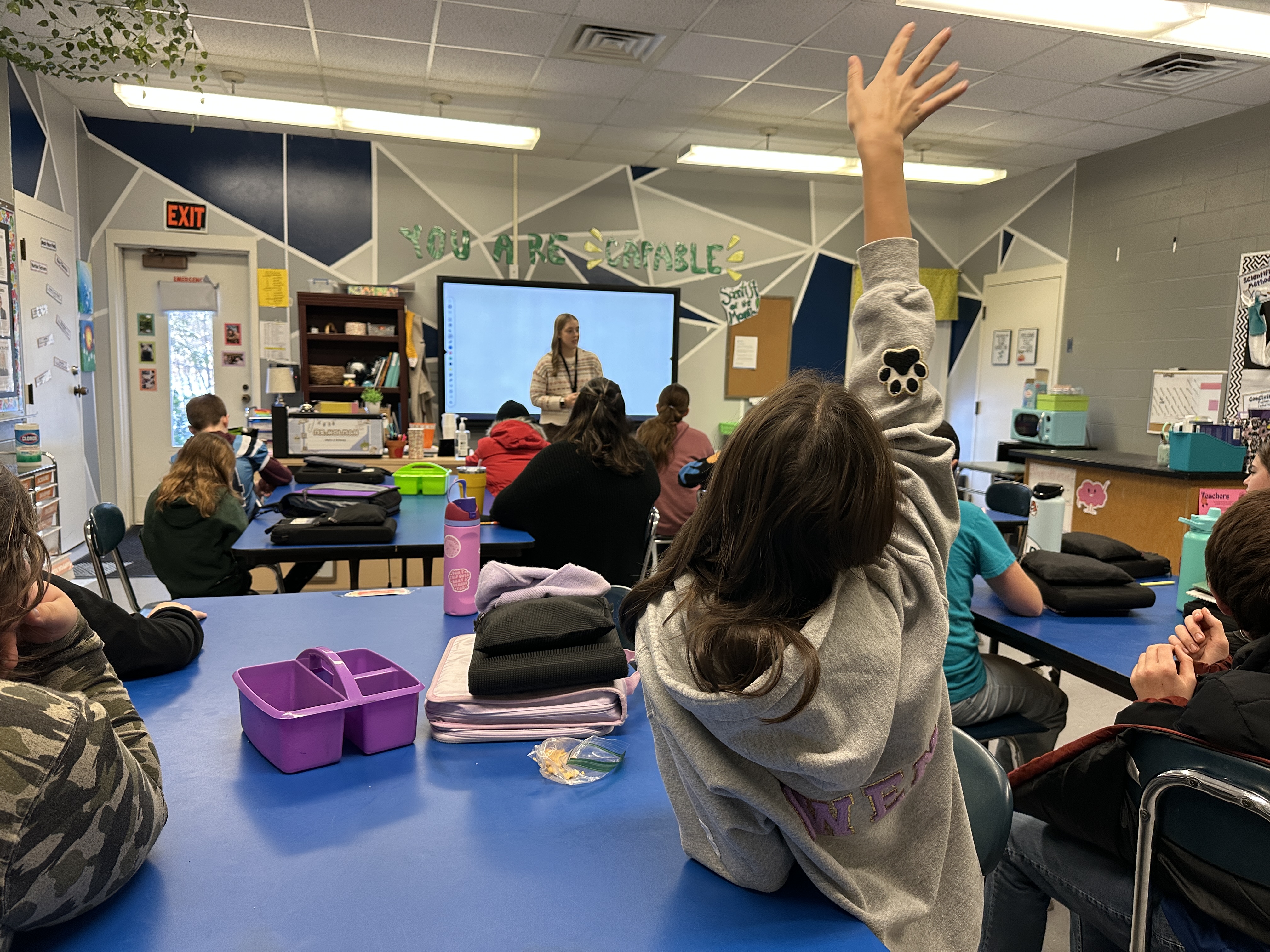
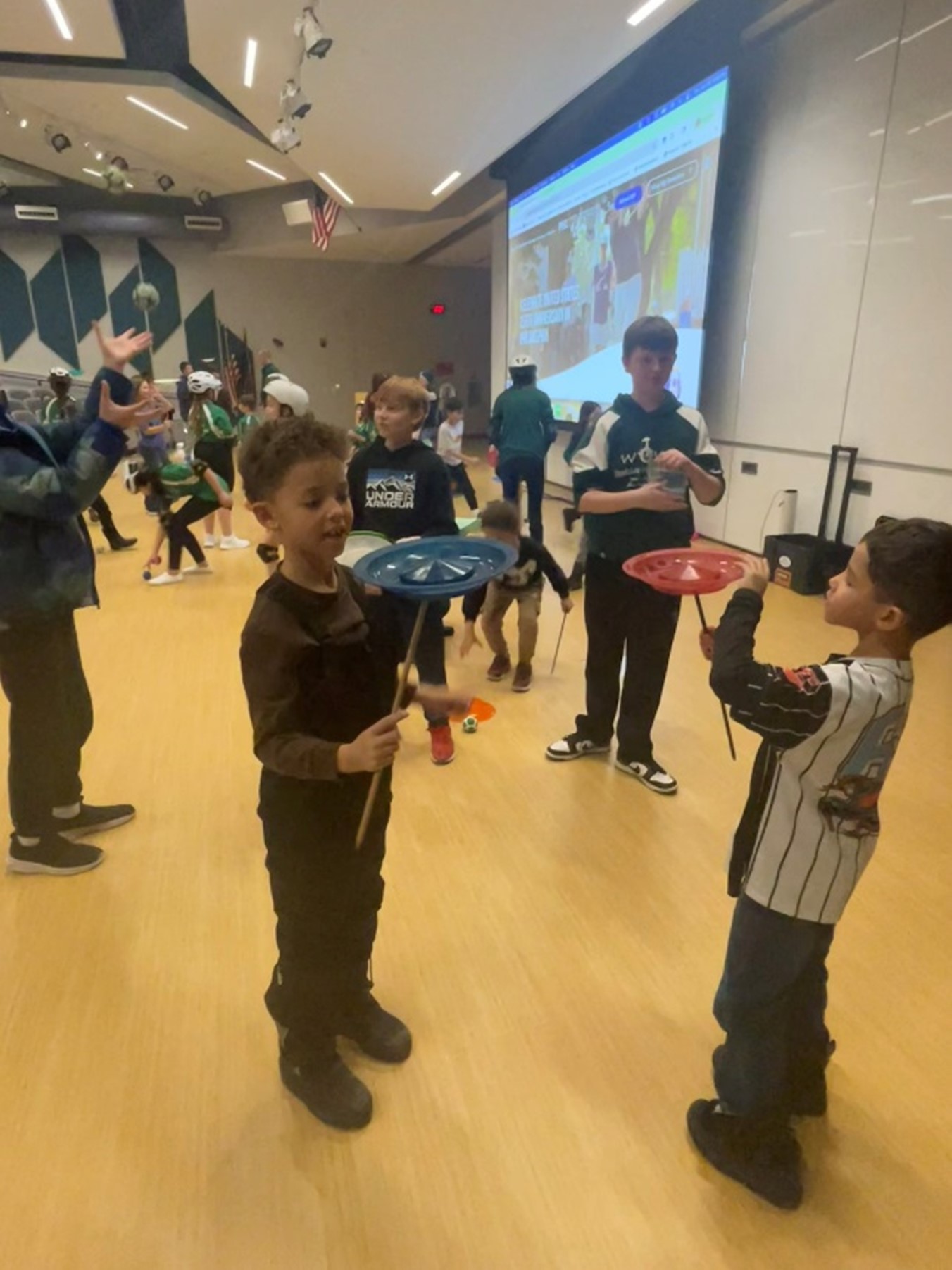
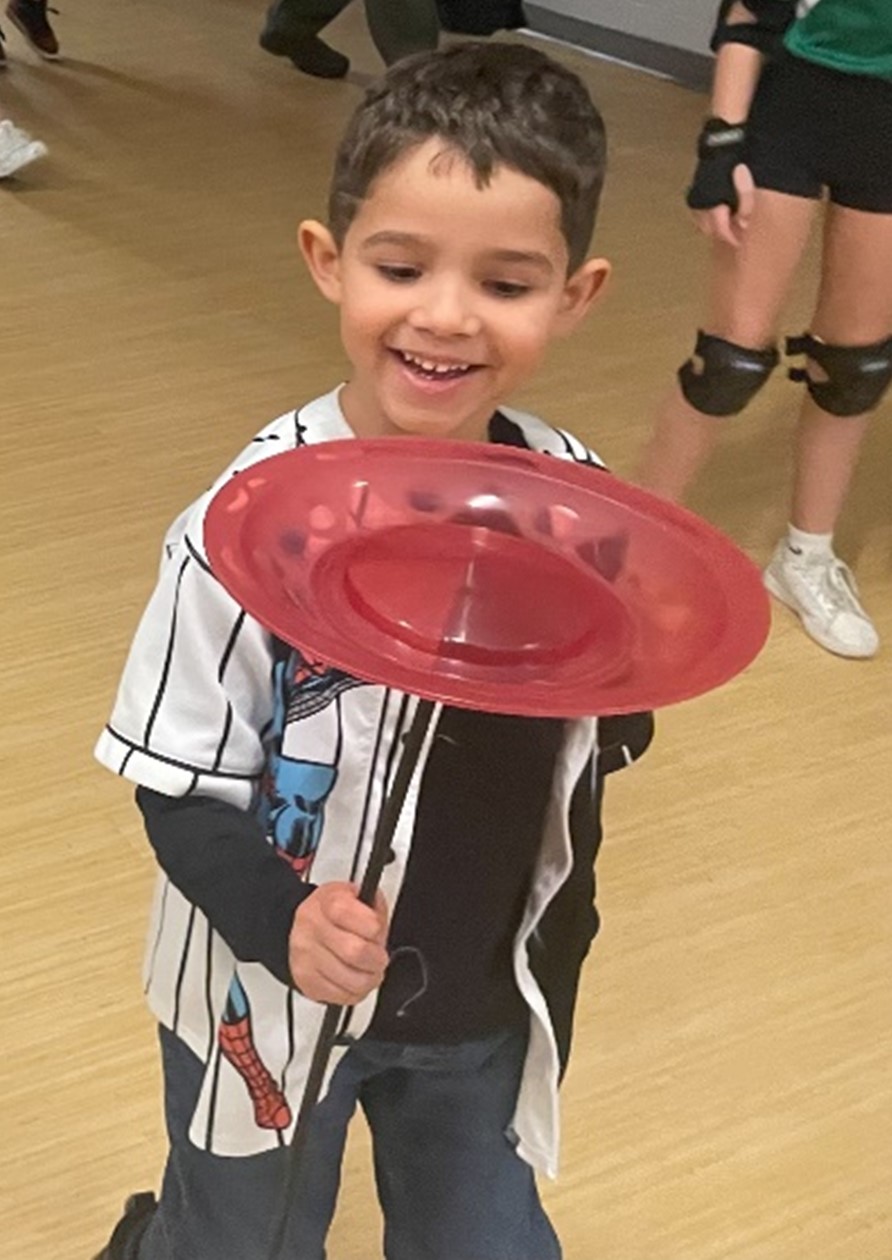
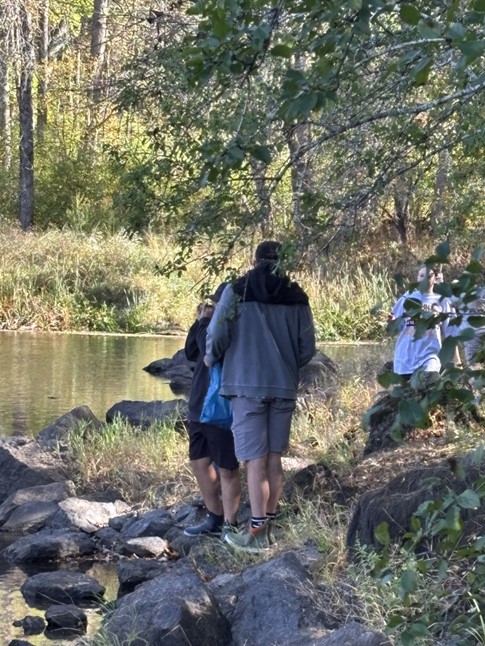
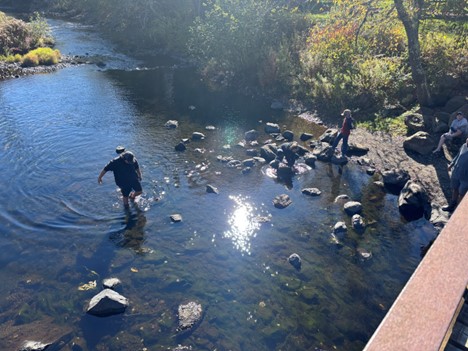
(Pictured: Oceanside Middle School students explore the river during their visit to Camden to observe a dam removal project.)

At Oceanside Middle School in RSU 13, a small alternative education program is helping students rediscover their potential by reconnecting them to learning and their community. Serving the communities of Owls Head, Cushing, Rockland, Thomaston, and South Thomaston, this program gives students in grades 6-8 the tools and confidence to thrive both inside and outside of the classroom through hands-on projects, supportive relationships, and real-world experiences.

For the past two years, Ryan Verill has led the program, guiding students through a model focused on relationships, hands-on learning, and meaningful connections to the local community. While the program has existed in various forms for many years, Verill has worked to shift it away from a behavior-focused model toward a learning environment where students build relationships with peers and teachers, develop agency in their education, and grow in confidence as learners.

“Many students come into the program feeling like school isn’t for them,” Verill explained. “We work to help them see that they are capable, that they are smart, and that learning can be meaningful.”

Hands-On Learning

At the heart of the Oceanside Middle School alternative education program is a commitment to relationship building. Small class sizes and flexible schedules allow Verill and Lucas Brower, an educational technician working with students in this program, to meet students where they are, respond to their needs in real time, and design learning experiences around students’ interests.
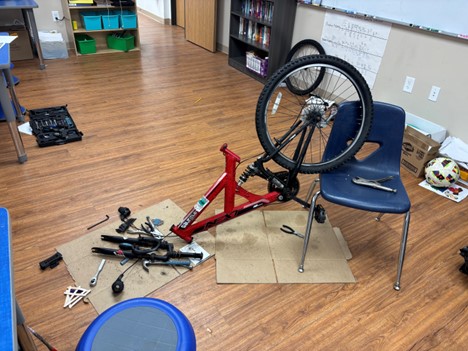
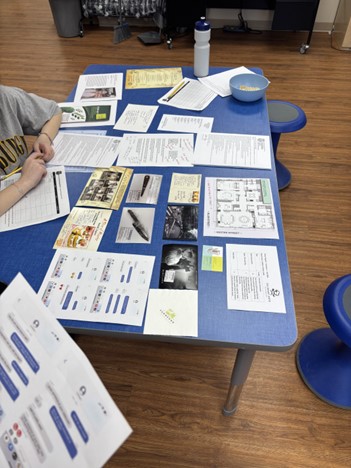
Verill is intentional about bringing students’ interests and learning experiences to life while aligning his curriculum with academic standards and the same grade promotion expectations as Oceanside Middle School. One way he does this is by ensuring students have access to a variety of hands-on tools that support engagement and creativity.

Technology is woven throughout the classroom, including coding kits, robotics sets, and 3D printers. These tools help students learn not only how to use digital resources but also how to use them responsibly.

“We talk a lot about AI and technology as tools,” Verill said. “We want to make sure students know how to use these resources thoughtfully and appropriately.”

Interdisciplinary projects are another key part of the program. Verill often connects literacy, history, and social issues to deepen student engagement. For example, students read books such as When Stars Are Scattered and Hidden Figures, exploring themes of resilience, identity, and leadership. They demonstrate their understanding through creative projects such as visual displays, posters, and timelines that connect the stories to their own experiences while also exploring perspectives beyond their small, rural coastal community.

Because the program serves a small group of students, Verill can incorporate field-based learning that brings academic concepts to life. Students have participated in Wabanaki Water Studies through the Maine Department of Education’s (DOE) MOOSE (Maine Online Open-Source Education) platform and visited Camden to observe a dam removal project. Students explored how restoring river systems impacts ecosystems and fish populations. Those who were once disengaged and not attending school are now showing up and ready to learn because of the experiential, interdisciplinary methods woven into this program.

Community Building

Community engagement is another defining feature of the Oceanside Middle School alternative education program. Students regularly walk into town to visit local businesses, purchase ingredients for cooking projects, and interact with community members. These experiences help students build positive relationships and reshape how they see themselves within their community—and how the community sees them.
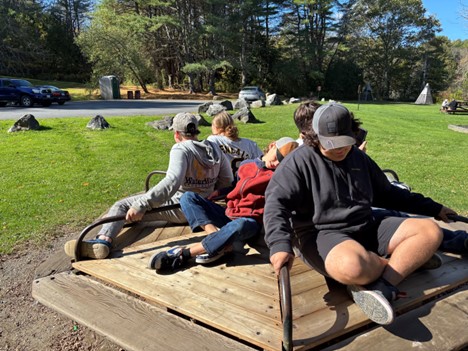
Student participate in relationship building activities during their field trip to their local community.
Student participate in relationship-building activities during their field trip to their local community.

One of the program’s most meaningful traditions is preparing and serving meals for seniors at the town hall each month. Students cook the food themselves and stay to share the meal and play games with community members.

Students also help in the school cafeteria by packing lunches and supporting food preparation during early-release days, allowing them to stay connected to their school environment. 

“These experiences help students feel valued and connected,” Verill said. “Many of them haven’t always felt successful in school spaces. When they see that people in the community recognize their effort and appreciate their work, it makes a difference.”
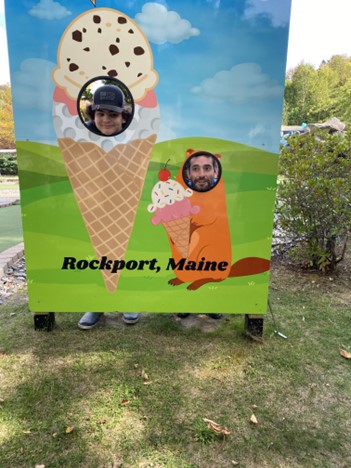
Lucas Brower, an educational technician, and student have some fun after a field trip into the community.
Lucas Brower, an educational technician, and a student have some fun after a field trip into the community.

Preparing Students for the Future

With consistent support, humor, and trauma-informed practices, students in the Oceanside Middle School alternative education program are gradually rebuilding trust in their school and developing stronger self-awareness. Staff often see growth when students begin reflecting on their own behavior and taking responsibility for their choices.

“Sometimes students come to us with multiple school suspensions or a history of struggling in traditional classrooms,” Verill said. “When they start recognizing their own progress and advocating for themselves, that’s when we know the work is paying off.”

As students prepare for the transition to high school, this program helps them explore future pathways, rebuild their confidence, strengthen their connection to the community, and regain their ability to access learning. For many students, the alternative education program provides something they may not have experienced before: a sense of belonging. Students are rediscovering their potential and showing them that school can be a place where they thrive.

This story was written in collaboration with Oceanside Middle School, RSU 13, as part of an ongoing series to highlight alternative education programs across Maine. To submit a good news story to the Maine DOE, please fill out the good news submission form.
Growing Tradition: Maine FFA Celebrates National FFA Week

By: Jillian McLaughlin, Maine FFA State Reporter

Throughout FFA history, various celebrations have emerged to provide additional support to the organization. Of those traditions, one of the most widely celebrated is National FFA Week, which occurs during the last week of February and is focused on sharing FFA’s message with the community and partner organizations. In recent years, members of the Maine FFA Association have not been able to participate in this celebration because of its timing during February vacation. This year, however, the Maine FFA Association was proud to recognize National FFA Week for the first time in recent history.

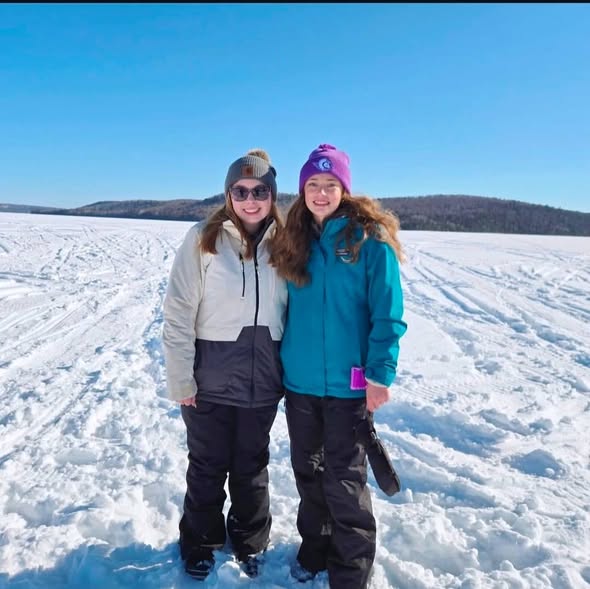
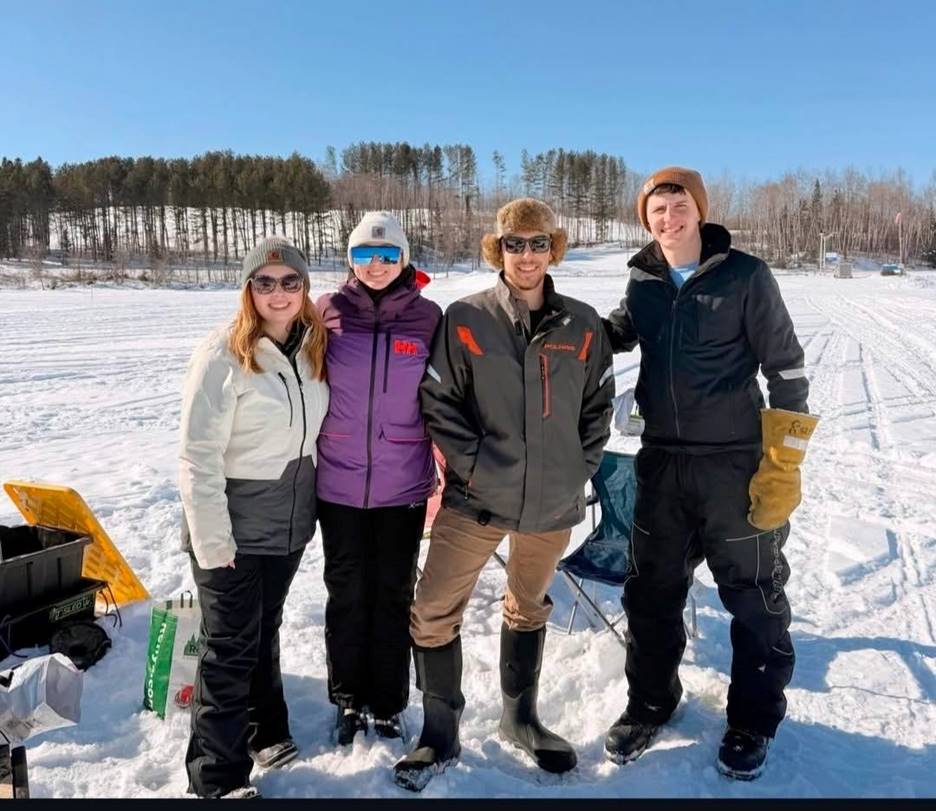
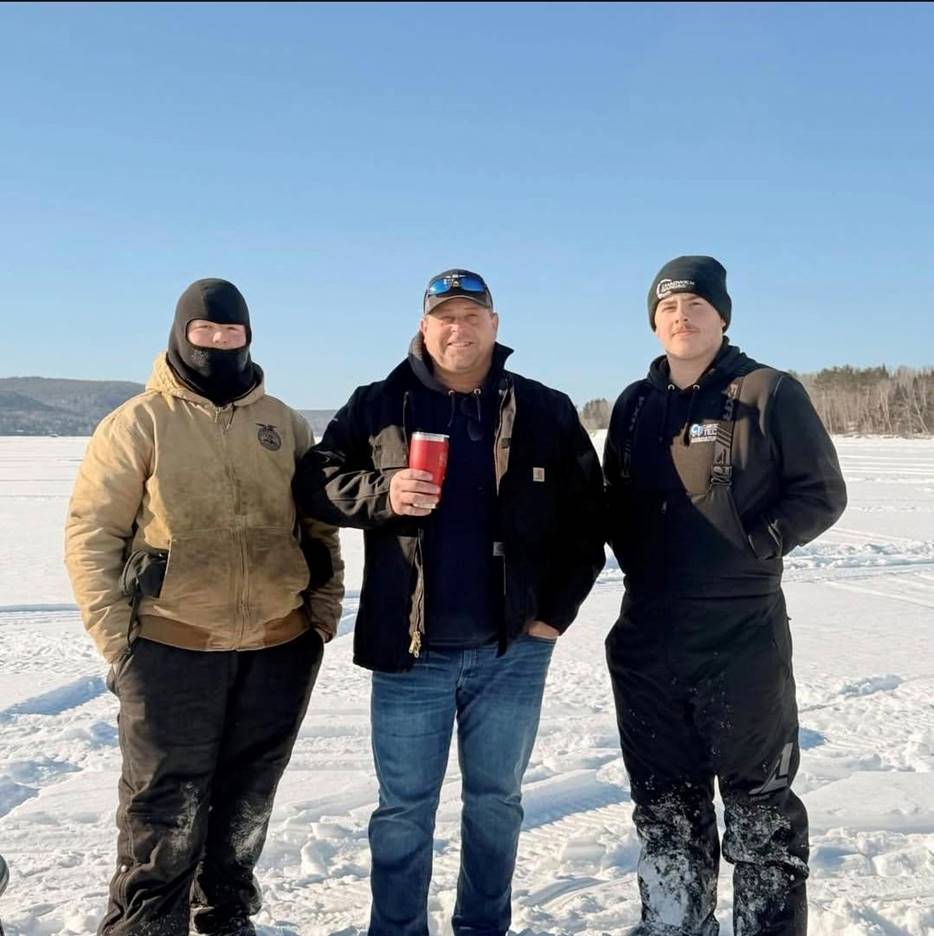
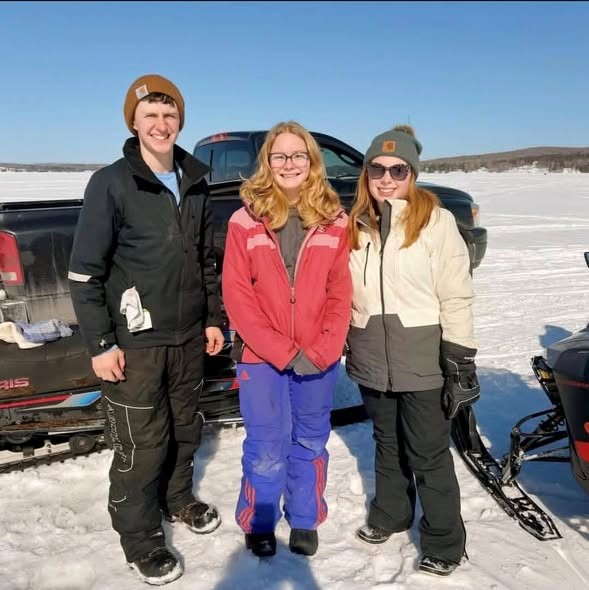
To kick off National FFA Week, the state officer team hosted an ice fishing social for FFA members in northern Maine. Ice fishing is a major part of Maine’s social scene during this time of year, and inviting FFA members to fish together offered an opportunity for community engagement and natural resource education. The team traveled to meet FFA members at Long Lake in Sinclair, where they spent a day on the ice, fishing for trout and salmon. For some FFA members, this was their first ice fishing experience, allowing them to learn from and connect with other members from neighboring chapters. The day concluded with a group lunch before heading home to prepare for the week ahead.


Following the ice fishing social, the state officer team, along with members of the Easton FFA Chapter, had the privilege of meeting with National FFA Secretary Lilly Nyland. The group had dinner at a local restaurant in Presque Isle, allowing attendees the chance to get to know Nyland before their Days of Service.

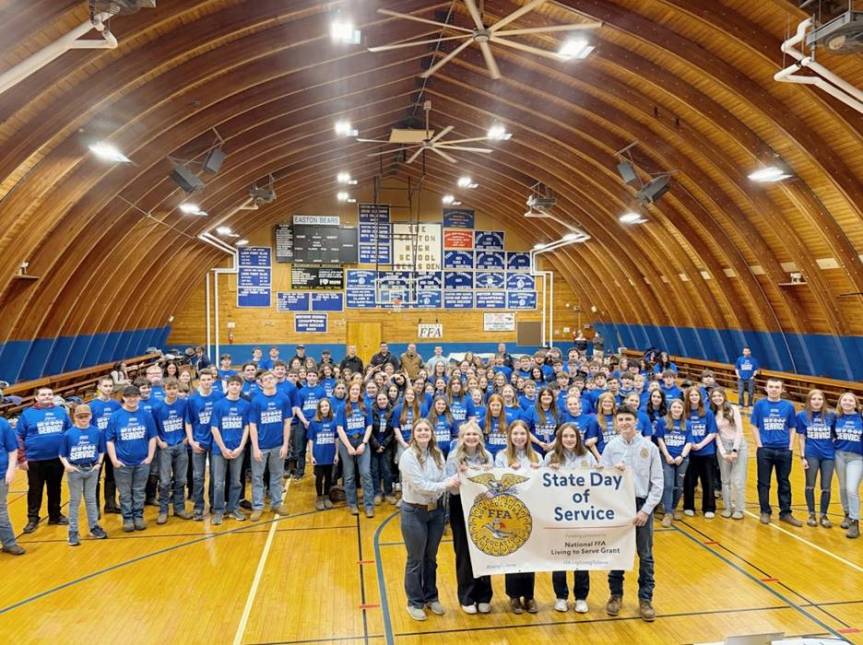
On Monday, FFA members from across northern Maine met at Easton High School for a Day of Service. This year, the state officer team decided to reach out to advisors and other community members to identify community needs that could serve as the basis for the service project. During this outreach, the Maine FFA Association was informed of a significant need for emergency response materials due to numerous recent fires that have devastated homes, public spaces, and farmland. Since many of these communities are quite rural, emergency responders often do not arrive early enough to prevent major damage.

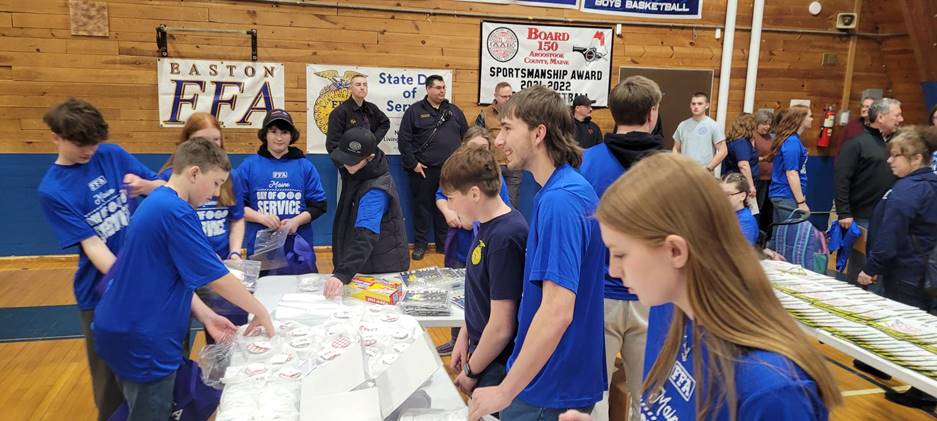
To help these communities, Maine FFA members spent the day packaging fire safety kits, which included smoke detectors, fire safety booklets, fire blankets, and more. The assembly of the kits was supervised by members of the local fire department, many of whom were former FFA members. By the end of the day, FFA members packaged more than 100 emergency response kits, which were later distributed throughout their home chapters. 

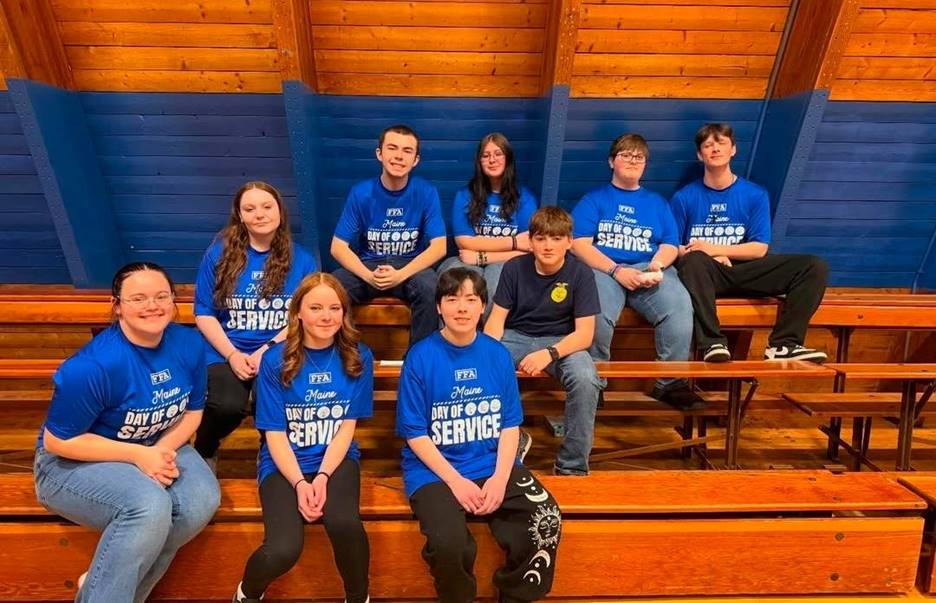
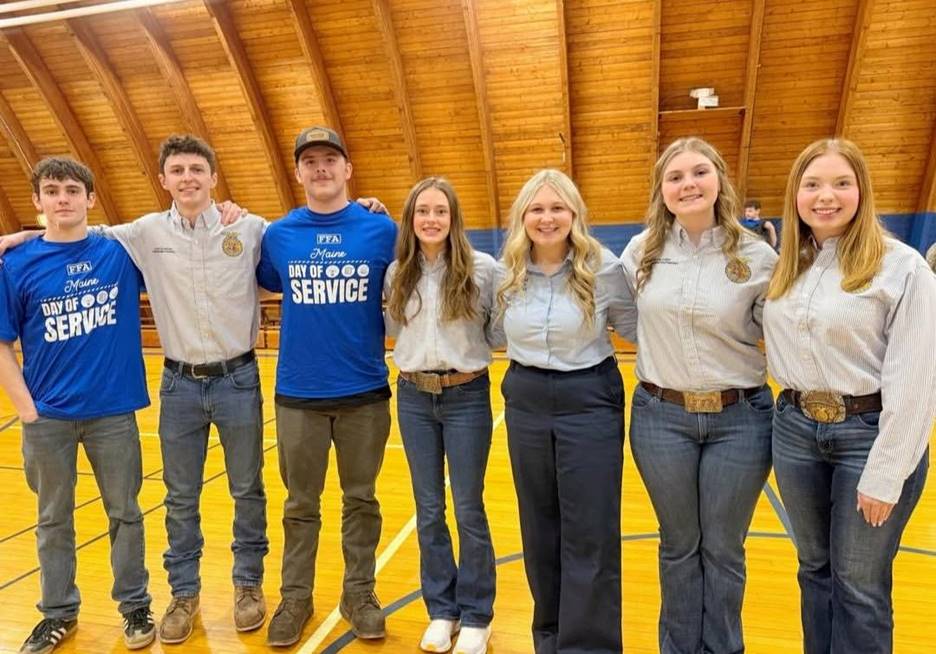
FFA members from northern Maine gather in Easton with National FFA Secretary Lilly Nyland for a Day of Service. 

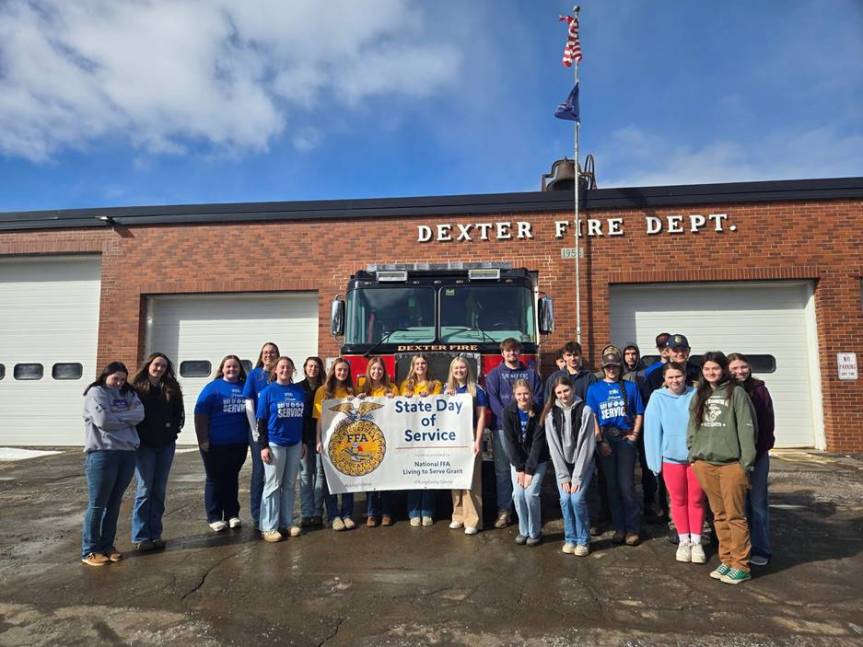
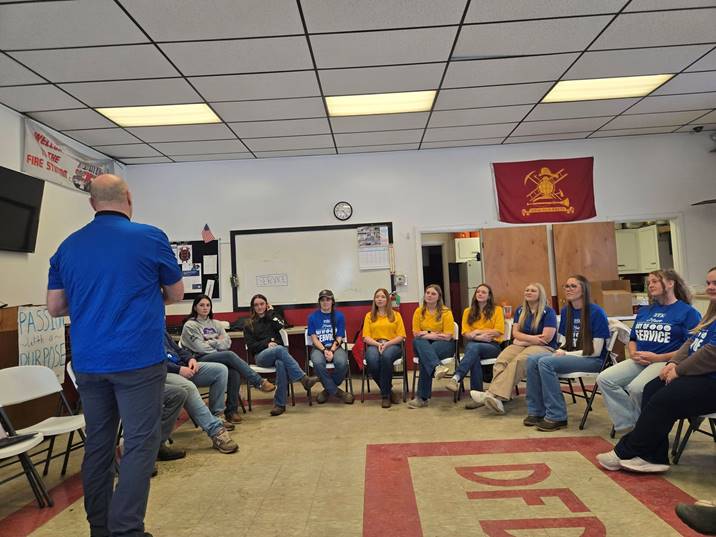
FFA members from Fryeburg Academy, Lincoln Academy, and Tri-County Technical Center gather at the Dexter Fire Department for a Day of Service.

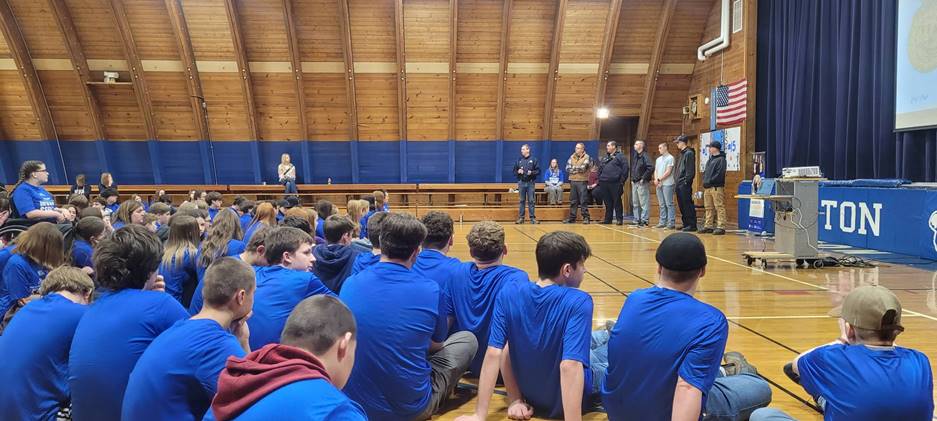
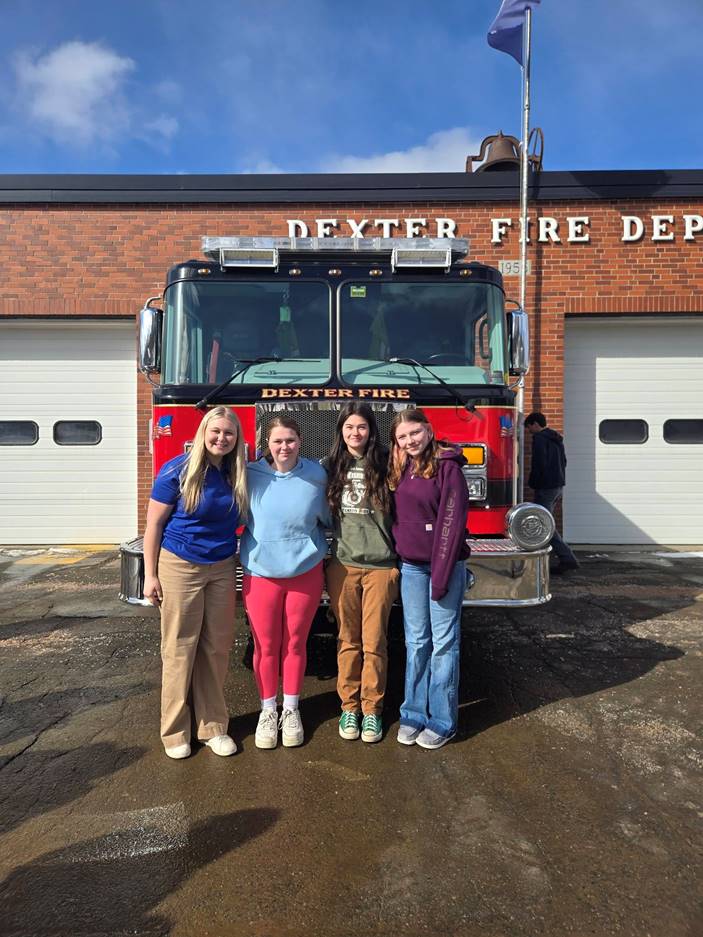
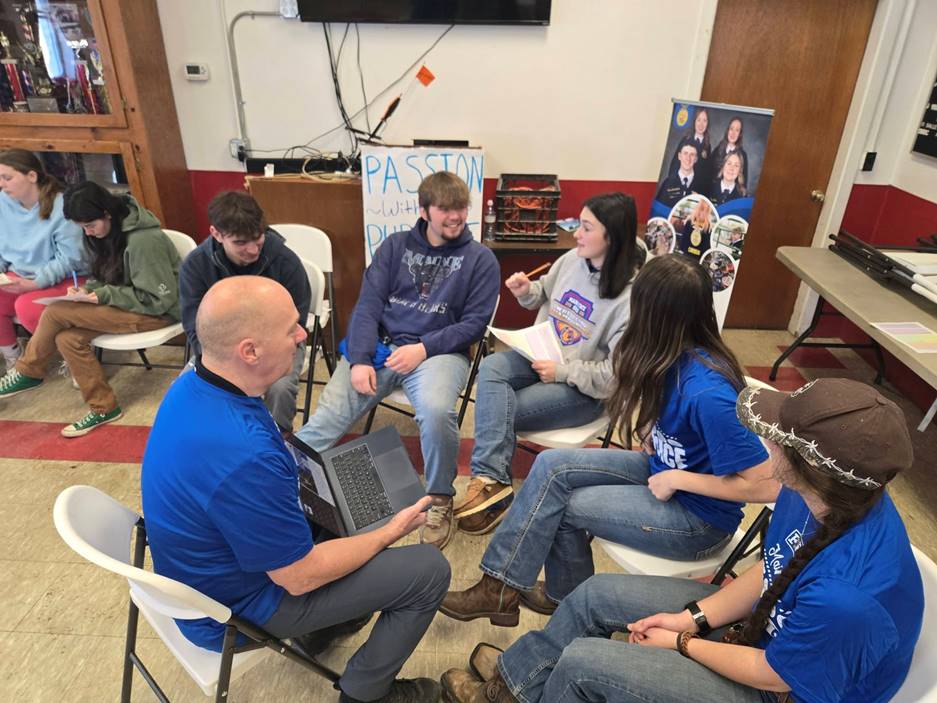
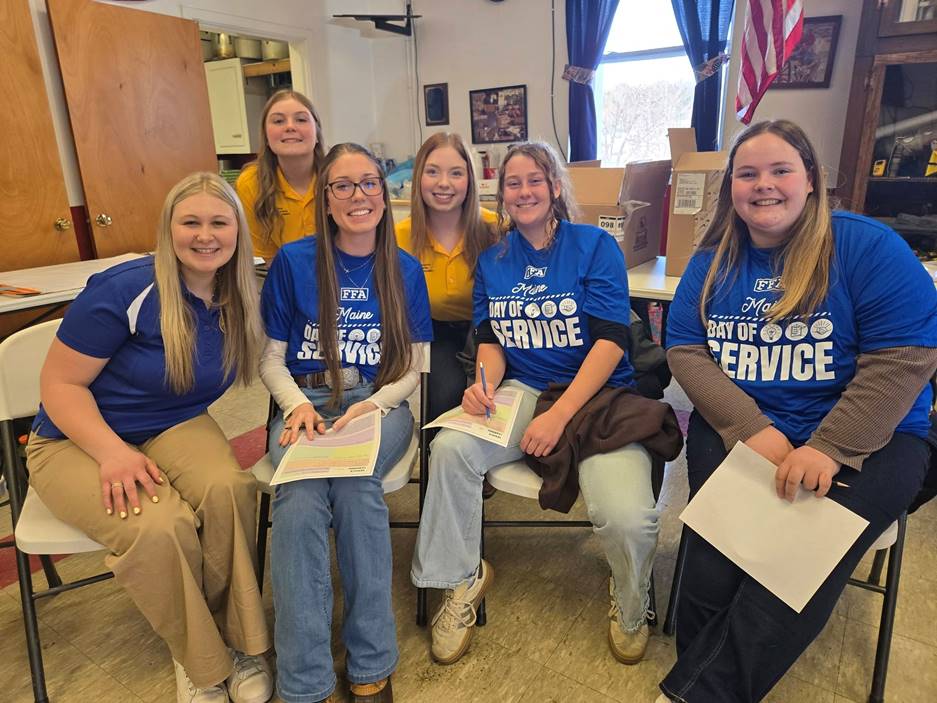
Following this event, Nyland, along with the state officer team, traveled to Dexter to host the state’s second Day of Service. FFA members from Fryeburg Academy, Lincoln Academy, and the Tri-County Technical Center met at the Dexter Fire Department on Tuesday to continue their service mission. Attendees listened to an informational speech by members of the fire department and watched a demonstration of proper fire extinguisher use. They then came together to package more than 100 emergency kits for distribution across central and southern Maine. Once all kits were complete, FFA members had the opportunity to participate in powerful workshops led by Callie Cullins, Maine FFA State Vice President; Hannah Shaw, Maine FFA State Treasurer; and National FFA Secretary Nyland. 

FFA members learn about fire prevention from a Tri-County Technical Center instructor and firefighting students.

The Maine FFA Association is immensely proud of all the FFA members, community supporters, and sponsors who showed up to make Maine’s celebration of National FFA Week happen. The Maine FFA Association would like to extend its gratitude to Nyland and her national staff Ambra Tennery for joining the events and being such a great role model for FFA members.

For more information about National FFA Week, click here.

Funds for the Maine Days of Service were provided through the generous support of MMG Insurance, FA Peabody Insurance, and a State Day of Giving grant. 

BARR Spotlight: Dirigo Middle School Builds Stronger Connections and School Culture Through the BARR Model

At T.W. Kelly Dirigo Middle School in Dixfield, relationships have always been a strength. As part of a small, rural school serving about 170 students in grades 6-8 from Canton, Carthage, Dixfield, and Peru, staff have long prided themselves on knowing their students well. As student needs have become increasingly complex in recent years, however, school leaders have recognized the need for a more intentional and structured approach to ensure that every student feels supported and that no one falls through the cracks.

The effort to address that challenge led Dirigo Middle School to Building Assets, Reducing Risks (BARR), a research-backed approach focused on strengthening relationships, improving academic outcomes, and reducing high-risk student behaviors. The Maine Department of Education (DOE) began funding BARR implementation for all interested public schools in 2023, investing $18 million in federal funds to support schools recovering from the pandemic’s impacts on academics, student well-being, student engagement, and school climate. During the 2023-2024 school year, 71 schools across Maine launched their first year of BARR implementation (which follows a three-year schedule), with an additional 30 schools signing up in 2024 and an additional seven schools signing up in 2025.

Dirigo Middle School opted to receive BARR services in May 2024 during the Maine DOE’s second round of funding for BARR and began training staff that summer in advance of the 2024-2025 school year. The school is currently in its second year of BARR implementation, and staff say the results have been transformative—particularly for school culture.

“BARR provided a formal structure to ensure that the conversations we’ve always valued are happening consistently and intentionally,” Jason Long, principal of Dirigo Middle School and Curriculum Coordinator for RSU 56, said. “In a small, rural school, we sometimes assume that because we know everyone, we’re meeting every need. BARR helps us make sure that’s actually true.”

BARR is built around four core components: cohort-based scheduling, regular structured team meetings, data-informed conversations, and coordinated interventions. Together, these elements create a system where educators share responsibility for all students and respond early when challenges arise.

For Dirigo Middle School, BARR has reinforced the school’s inclusive values.

“Inclusion only works when everybody is concerned with every student,” Long explained. “BARR breaks down silos. There’s no, ‘This is a special education issue,’ or ‘This is someone else’s problem.’ All 173 of our students belong to all of us.”

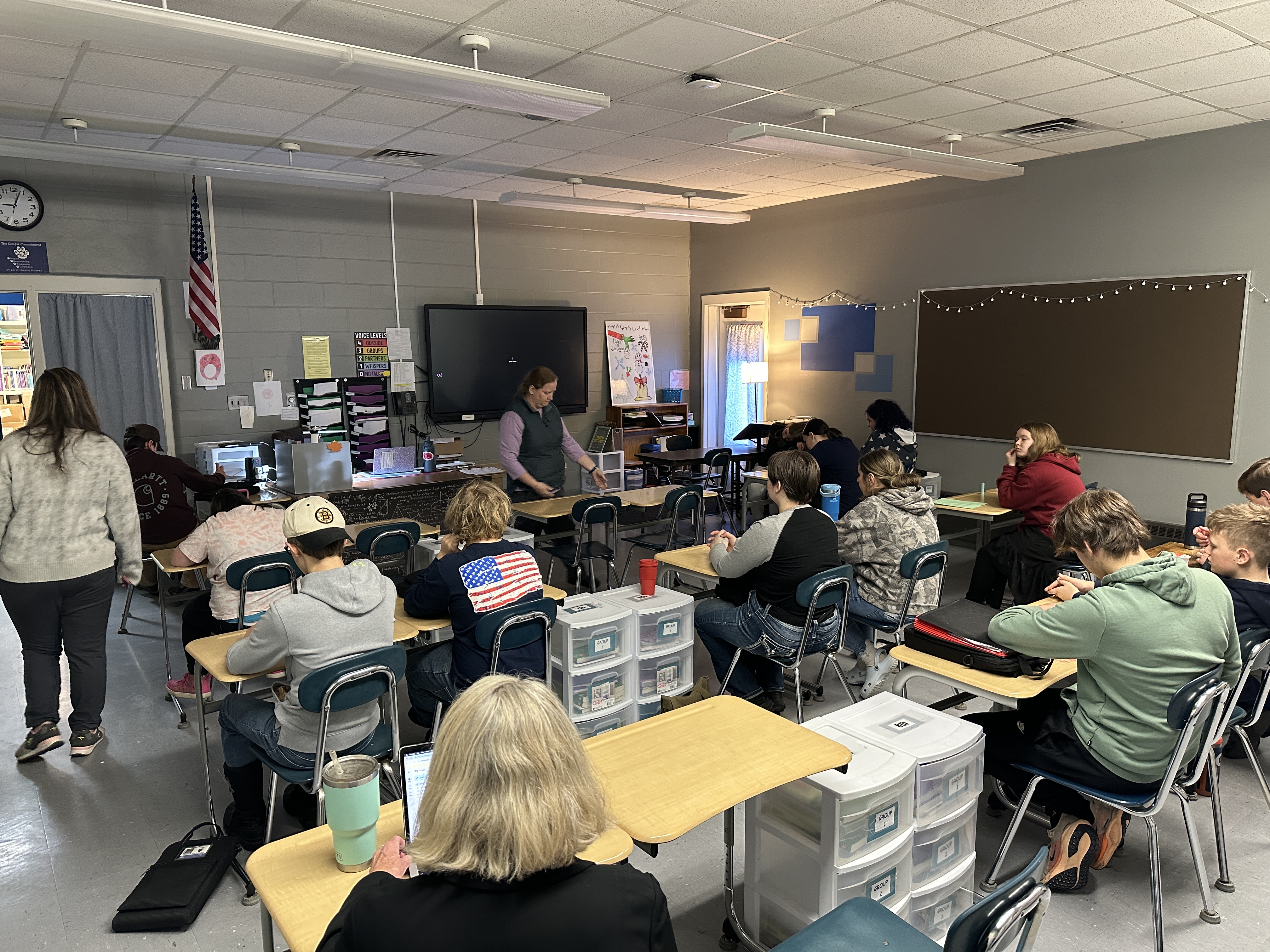
Regular “Block” meetings through BARR bring together teachers, special educators, ed techs, administrators, and support staff to review students’ attendance, grades, engagement, strengths, and challenges. At Dirigo Middle School, every adult who has contact with students attends the “Small Block” and “Big Block” meetings, which happen weekly before students arrive during the school’s Wednesday late-arrival schedule. These meetings are intentionally structured, time-limited, and strengths-based, allowing teams to collaborate efficiently and focus on solutions.

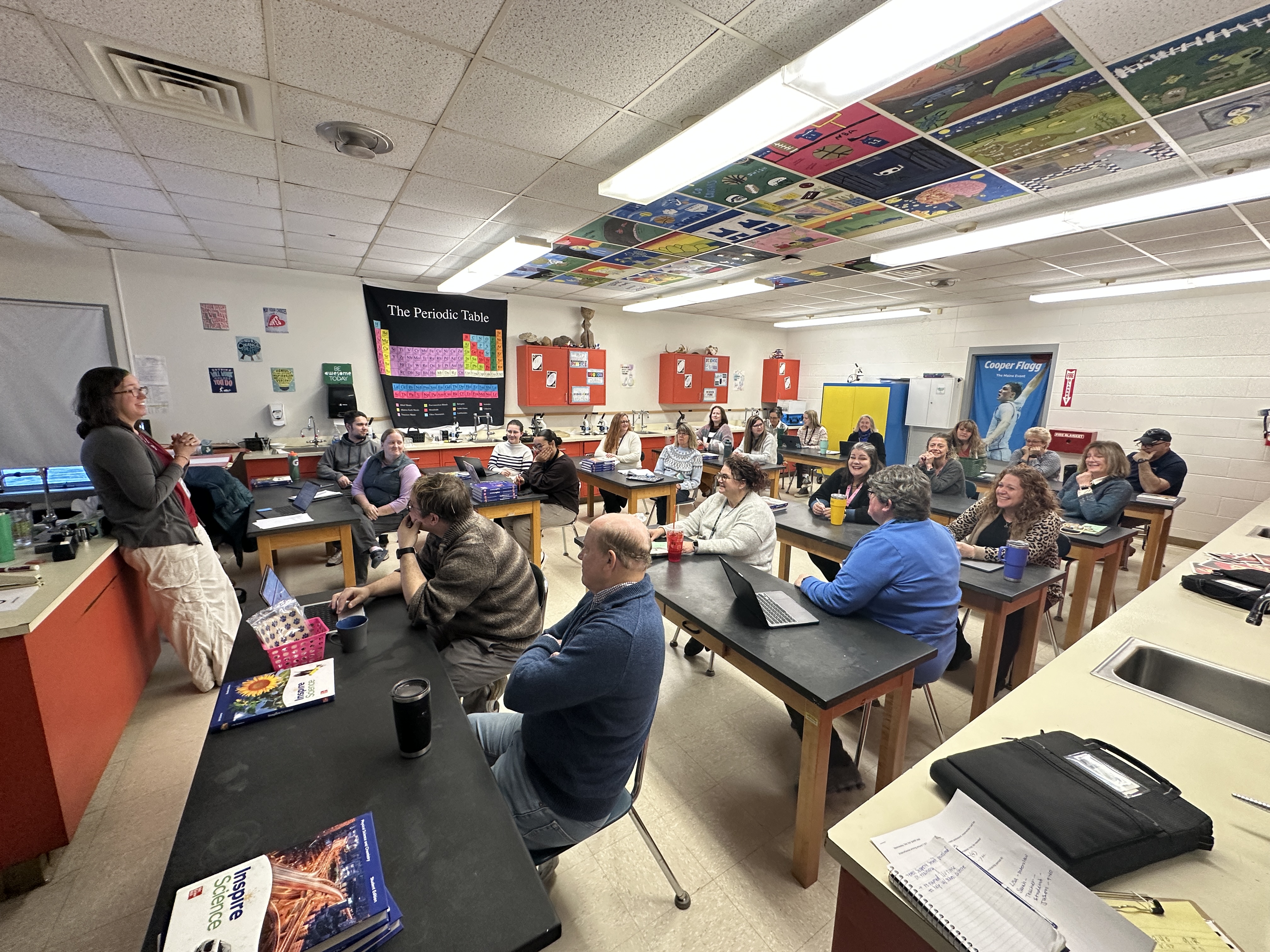
Sarah Bragdon, Dirigo Middle School’s BARR coordinator, facilitates a room full of staff members during a Block meeting at Dirigo Middle School.

Dirigo Middle School’s Block meetings are well-organized and fast-paced, with specific roles assigned to ensure productivity and time well spent. A facilitator leads the conversation by coming prepared with student data and goals for the meeting. A timekeeper keeps track of the clock as each student is discussed. A task-tracker sends an email reminder to each person who has committed to taking on a specific task raised during the meeting.

Typically, Big Block meetings serve as a follow-up to Small Block meetings and include building administrators and counseling staff for students who require additional support. For the most complex issues, staff bring in specialists, community partners, and family members from outside of the school for “Community Connect” meetings.

Sarah Bragdon, Dirigo Middle School’s BARR coordinator and a science teacher, facilitates the Block meetings and much of the school’s BARR implementation. She said she sees the impact daily.

“Our Block meetings have changed how we work,” Bragdon said. “They initiate collaboration and help us brainstorm strategies we wouldn’t come up with on our own. What doesn’t work for me might work for another teacher—and suddenly, we have a new way to support a student.”

Beyond structured meetings, BARR has reshaped how Dirigo Middle School builds community on a daily basis. Schoolwide incentives, intentional check-ins, and regular community-building activities help students feel connected, supported, and motivated. Importantly, these supports are universally designed for all students—not just those who are struggling.

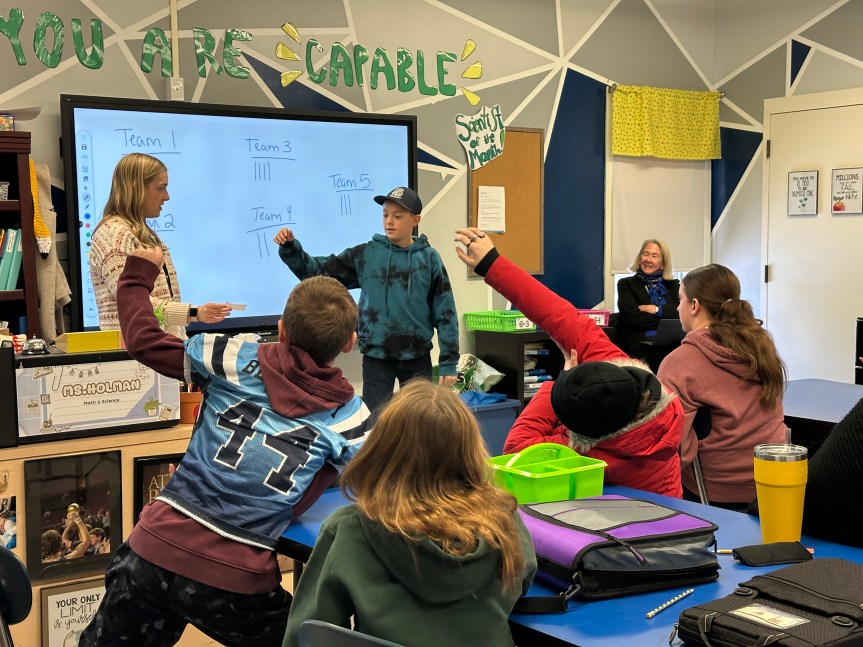
In classrooms, students participate weekly in Community Builders (also known as “I-Time”), a dedicated period for intentional relationship-building and connection among students and teachers. These activities are one of the most visible ways that BARR comes to life in students’ everyday experiences. Led by classroom teachers and adapted for different age groups, Community Builders sessions vary in format and focus.

For example, 7th- and 8th-grade students might explore how relationships are shaped through technology compared to in-person interactions, while 6th graders might build empathy and social awareness through a playful game of charades that challenges them to interpret expressions and real-life scenarios. Designed by BARR experts, these activities create an environment where students learn about themselves and one another, strengthening their social and communications skills and empathy and challenging them to think critically about real-world situations.

7th- and 8th-grade students participate in an activity to explore how relationships are shaped through technology during a Community Builder.

6th-grade students participate in a game of charades during a Community Builder.

“BARR makes sure every student is accounted for,” Long said. “It pushed us to rethink how we approach PBIS [Positive Behavioral Interventions and Supports] and recognition. Now our incentives and celebrations truly apply to everyone.”

Since implementing BARR, Dirigo Middle School has seen clear improvements. Attendance has increased, particularly among students who were previously chronically absent, with the school’s chronic absenteeism rate dropping below the state average. The number of students requiring summer school has also declined, despite the school’s increased academic expectations.

In addition to these academic successes, Long says behavioral outcomes have also improved. Prior to implementing BARR, the school experienced more than 1,400 office referrals during the school year due to classroom behavioral issues.

“All of my time was spent being reactive,” Long shared. “It was not efficient.”

After completing the first year of BARR, Long said Dirigo Middle School recorded fewer than 300 referrals for the entire year. He explained that the resulting culture shift—along with increased communication and more efficient systems designed to account for all students—has enabled the entire team to work together more effectively.

“We are a unified staff,” Bragdon added. “The students see it. The intentionality with every student—and with each other—has changed the energy in the building.”

That sense of unity is felt beyond classrooms. Staff community-building activities mirror those used with students, reinforcing the idea that everyone in the building is part of the same learning community.

For Lisa Sanborn, Dirigo Middle School’s administrative assistant of 21 years, BARR has strengthened communication and shared understanding across the school.

“It has given us a framework to really know our students better,” Sanborn said. “We’re a small school, but now everyone knows what’s going on with our kids. That’s a huge asset.”

For Long, BARR has also been a powerful leadership tool—particularly in a small, rural district where coaching opportunities are often limited.

“BARR gave us a tangible system,” Long said. “It helped me learn how to organize people and empower staff to work together more effectively. That kind of structure wasn’t something I learned in graduate school, but it has made all the difference.”

At Dirigo, BARR has not replaced the school’s close-knit culture; it has strengthened it. By providing structure, shared language, and intentional collaboration, BARR has helped the school build on its strengths while responding to growing student needs.

“We’ve always worked hard for kids,” Sanborn said. “BARR just adds to the greatness of what we already do.”

This story is part of a series highlighting positive outcomes from Maine schools implementing the Building Assets, Reducing Risks (BARR) model—a research-backed school improvement framework that strengthens relationships, uses real-time student data, and builds intentional systems to support academic achievement, engagement, and student well-being for all learners. BARR aligns with the Maine Department of Education’s (DOE) whole-student approach, which emphasizes that all students should be healthy, safe, engaged, supported, challenged, and prepared.

Through $18 million in federal emergency relief funds, 120 schools across 50 school districts in Maine have implemented—or are in the process of implementing—BARR strategies. These efforts have strengthened educator collaboration, reduced student behavioral issues, and improved student attendance and academic outcomes.

To submit a good news story to the Maine DOE, please fill out the good news submission form.
Bonny Eagle Builds Community Through Shared Reading Experience

This February, schools across MSAD 6 (Bonny Eagle School District) took a creative, community-centered approach to the Maine Department of Education’s (DOE) Read to ME Challenge through a districtwide initiative called “BE Reads Together.”

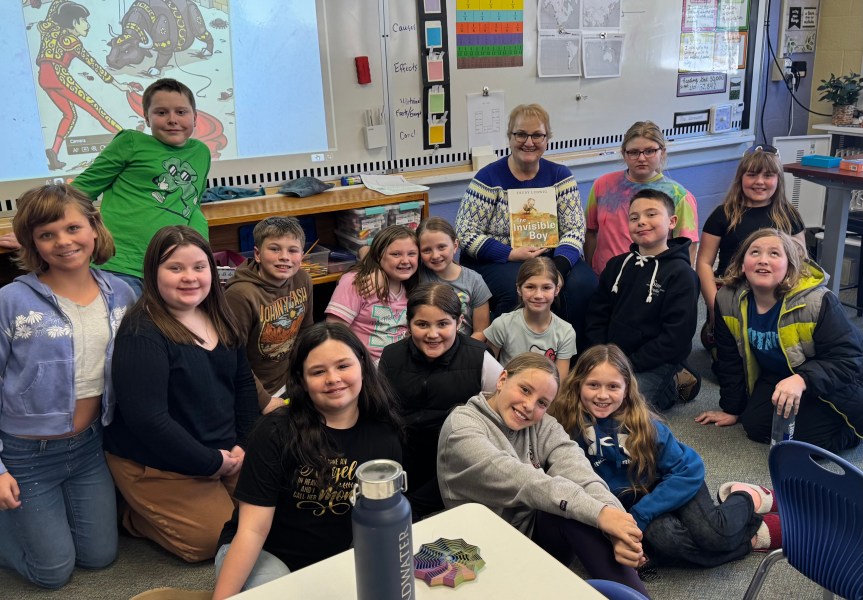
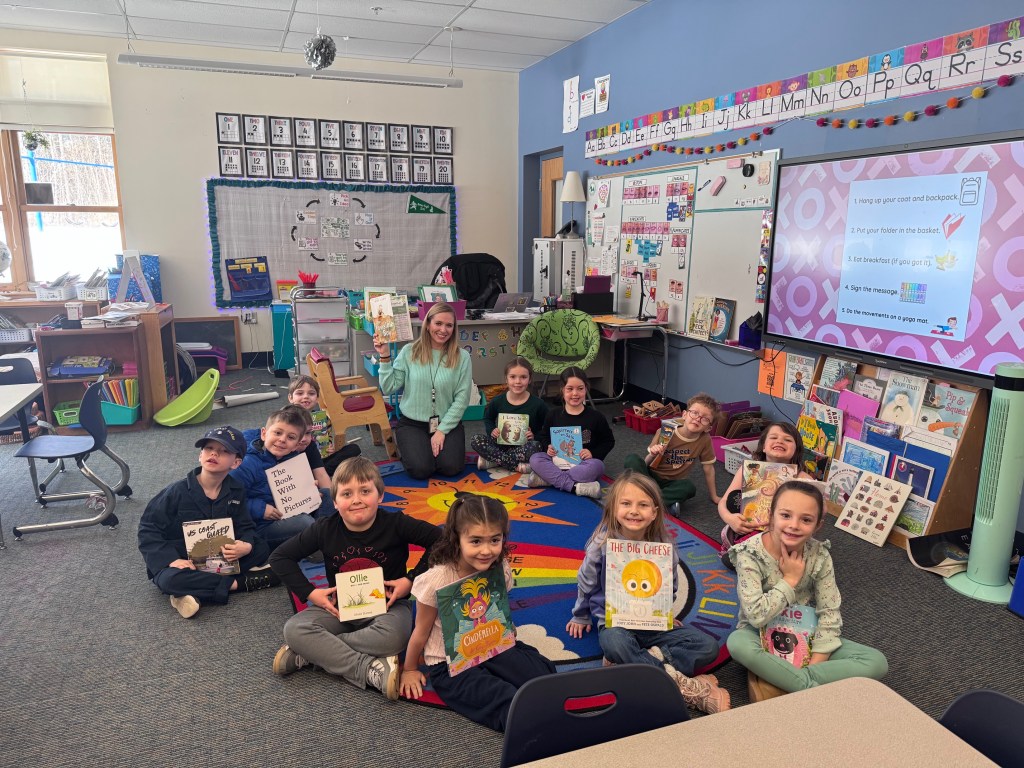
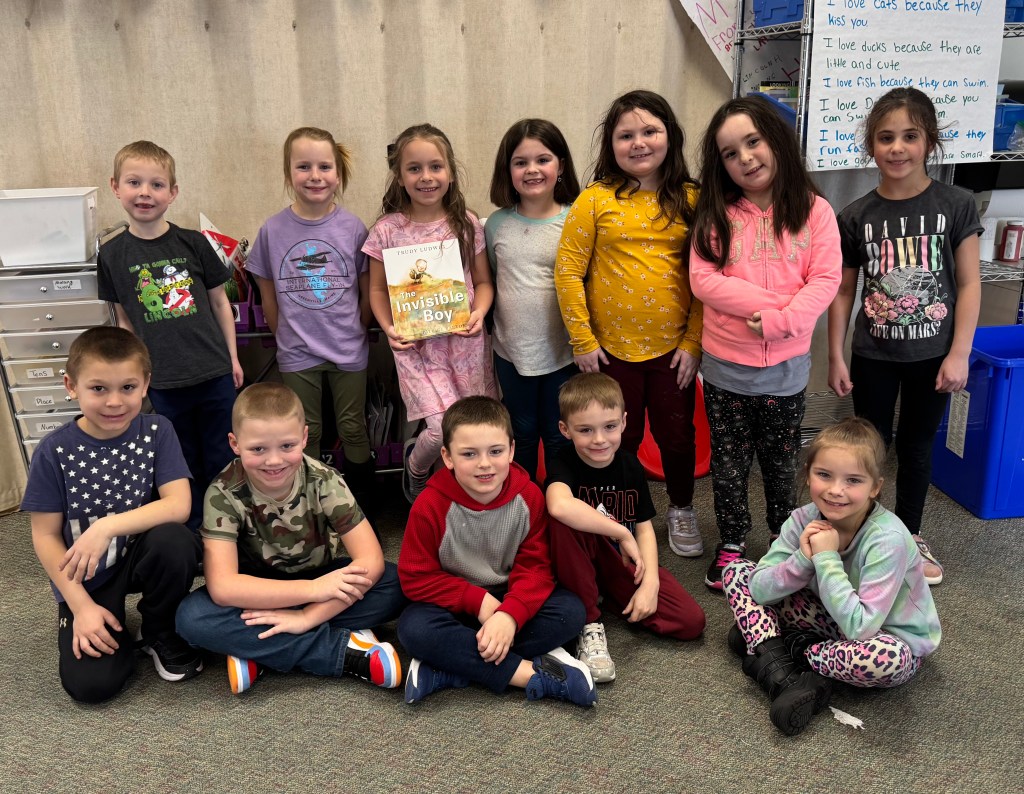
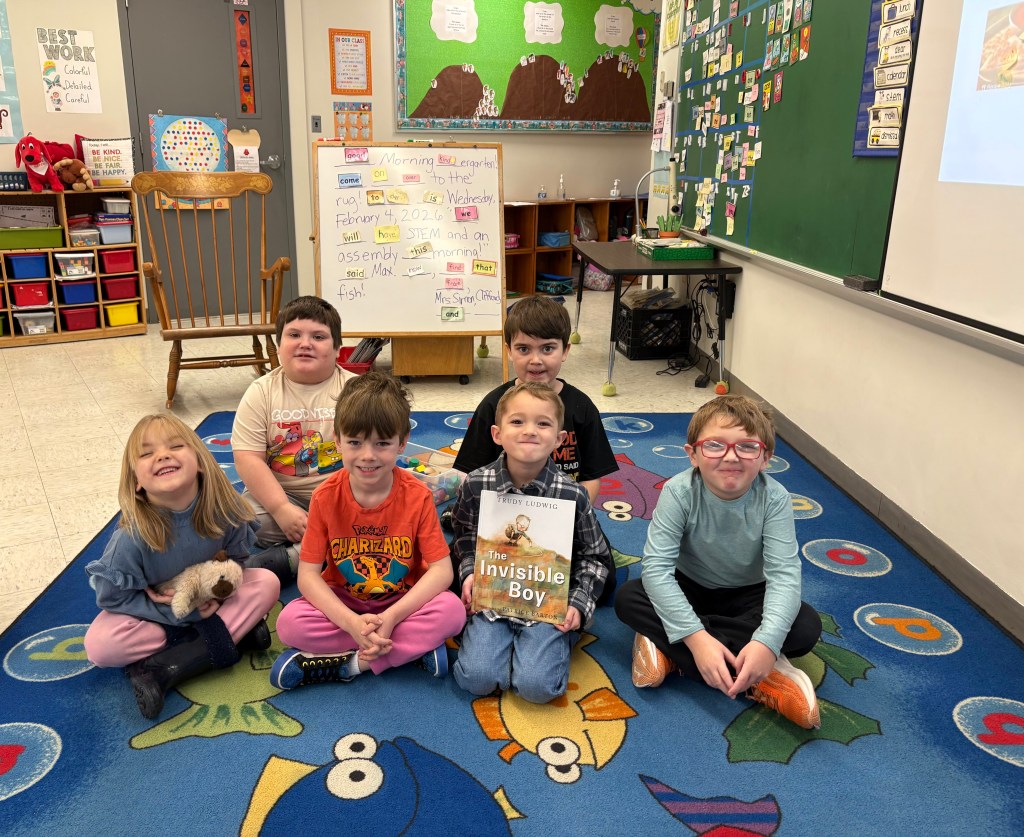
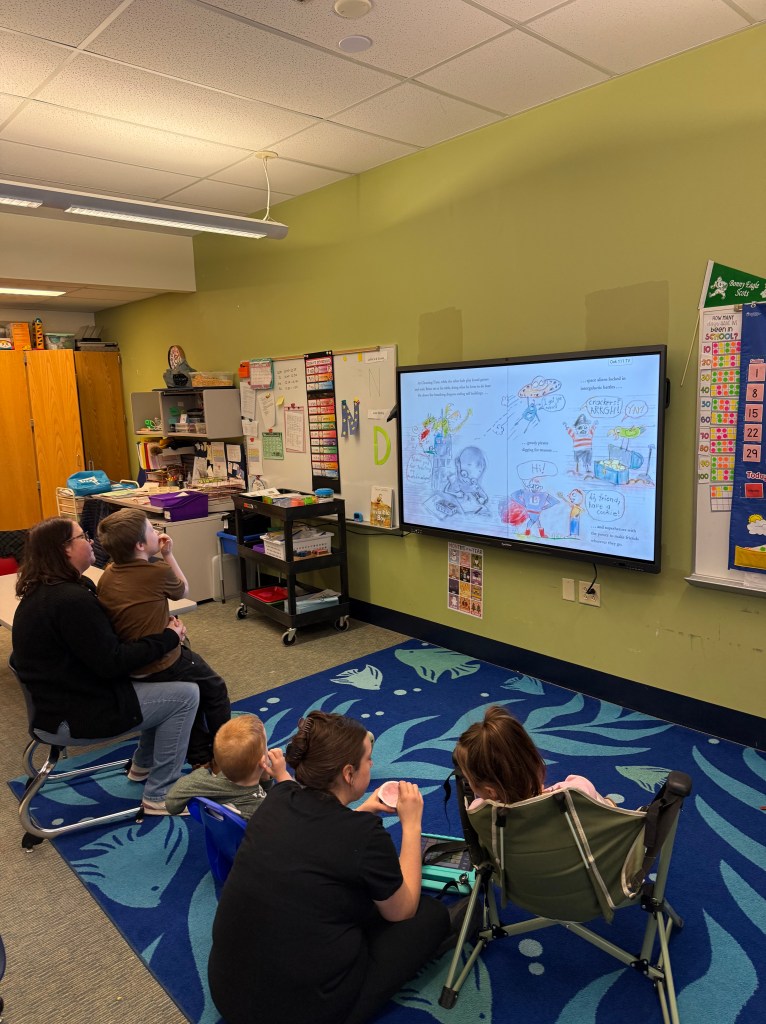
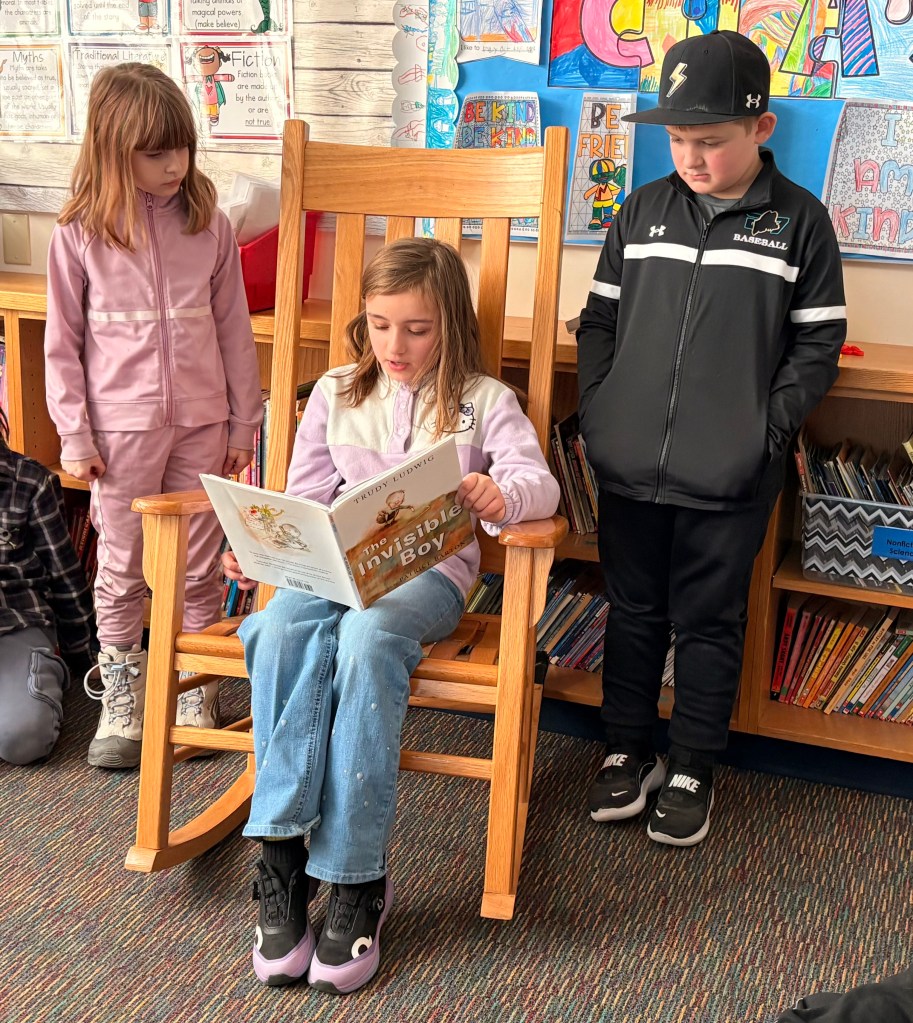
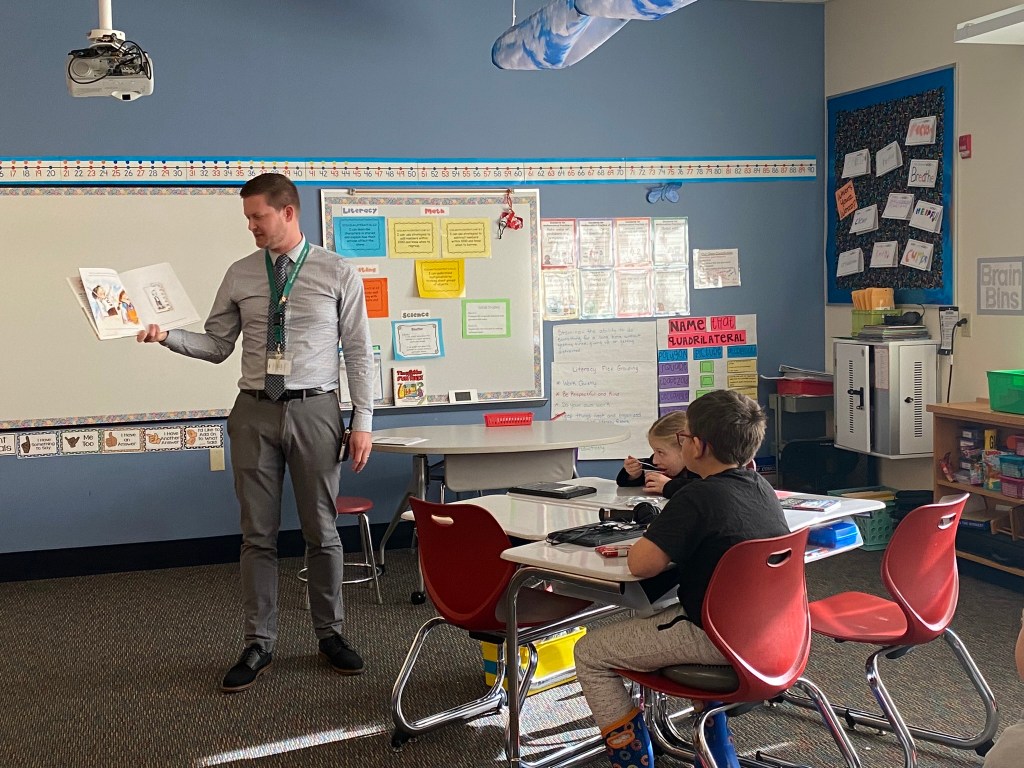
Designed as a shared reading celebration, BE Reads Together connected students and staff across all schools and departments through one common story: The Invisible Boy by Trudy Ludwig. Each school and department received a copy of the book and found unique ways to experience it—whether through classroom read-alouds, small-group discussions, buddy reading, or other creative formats tailored to their communities.

“We had an amazing month of a shared read to create a sense of community and connection grounded in a common book,” Randee Cassidy, an instructional coach at Buxton Center Elementary School and a member of the Maine DOE State Literacy Team, said.  Principal Craig Pendleton added, “It was inspiring to see so many people genuinely connect with the book. It’s a powerful reminder that no matter your age or grade level, a picture book with a meaningful message has a way of speaking to everyone.”

As the book traveled from building to building, students and staff tracked its journey by signing their names with dates, capturing pictures along the way, and sharing their reading moments. Pictures taken were displayed on TV boards across the district, creating a visible and collective celebration of reading that connected the entire school community. The structure of the challenge encouraged participation at every level.

“It was great to see students and staff alike get excited and share in a common experience centered around a book that shows the importance of connection, belonging, and empathy,” Cassidy said.

Grounded in those themes of The Invisible Boy, this initiative reinforced the idea that reading is not only an academic skill but also a joyful, shared experience that brings people together.

Through BE Reads Together, Bonny Eagle demonstrated how a simple concept—one book, many readers—can create a powerful sense of unity across an entire school community.

This story was written in collaboration with MSAD 6. To submit a good news story to the Maine DOE, please fill out the good news submission form.
High School Junior Brings Real-World Leadership to Agriculture Program at Sanford Regional Technical Center

When Sanford Regional Technical Center (SRTC) agriculture instructor Jennifer Coverdale wants to contact AHN Landscaping, the response usually comes from her own student, Noelle Dennis. Dennis is a junior in SRTC’s agriculture program and, by most measures, a full business partner in her family’s landscaping company.

“She’s basically her dad’s business partner,” Coverdale said. “I send an email to him, and she’s the one who checks the email. She is involved in all of the work that he’s doing.”

That level of involvement is something Dennis has built steadily over the past three years, learning the business from the ground up. From talking to clients and planning job sites to managing equipment and running crews, she has taken on responsibility at an age when most of her peers are still figuring out what they want to do after graduation.

For Dennis, the appeal of the work has always been clear.

“I certainly like the career and being outside,” Dennis said. “It suits me.”

Running a landscaping business means no two days look the same, and that’s exactly how Dennis likes it. At AHN Landscaping, she isn’t just showing up to mow lawns; she’s learning how to build and run a business, one job at a time.

“We’ve done many jobs,” Dennis said. “It’s something I really want to continue to pursue.”

This winter marked Dennis’ first season handling snow removal on her own, and it tested her early. During her very first storm, her plow broke down twice in the same spot before losing power entirely. It was the kind of night that reminds you how unpredictable this work can be. But Dennis took it in stride, and she kept going.

“I had been on the sidelines of storms before, and this was my first time being on the frontlines,” Dennis said. “That plow didn’t want to work at all.”

Coverdale says in the classroom, Dennis’ real-world experience makes her a natural leader among her peers. She’s not the loudest voice in the room, but she’s the one others look to.

“She leads by example,” Coverdale said. “If there’s a heavy pile that needs to be moved, she’s the first person on it. She’s not doing it to look cool or to be the person who’s right. She just cares about the end product, and the other students respect her for that.”

The agriculture program at SRTC has given Dennis additional tools to bring to her work at AHN Landscaping. Plant identification, horticultural science, and a deeper understanding of what she’s installing and why have all sharpened the way she communicates with clients.

“It gives me more background knowledge and makes me more professional,” Dennis said. “Clients want someone who knows what they’re doing.”

Dennis’ story is part of something bigger happening at SRTC, where Extended Learning Opportunities (ELOs) allow students across programs to earn school credit while working in their chosen fields. Dennis is one of many students bridging the classroom and the real world, building skills and experience that will carry them well beyond graduation.

This story was submitted by the Sanford School Department. To submit a good news story to the Maine DOE, please fill out the good news submission form.
Redesigning the Path, Not the Standards: Innovation in Kennebunk High School’s Alternative Education Program

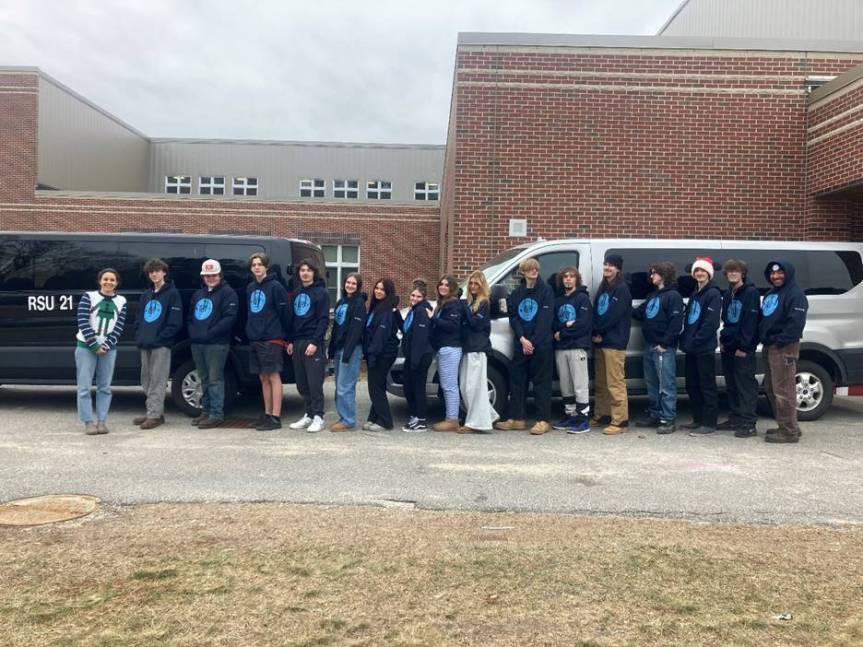
KHS Alternative Education Program students gather with their teachers, Jacqui Holmes (far left) and Edward Sharood (far right), for a group picture.

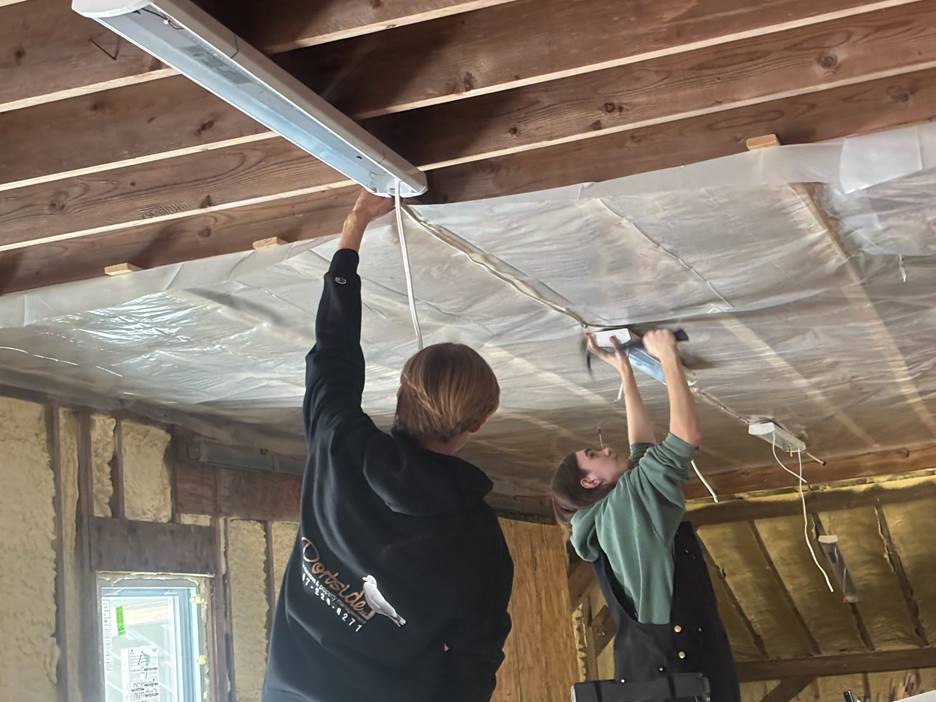
At first glance, the Alternative Education Program at Kennebunk High School (KHS) might look different from the traditional high school classroom. Students may be weatherizing a historic barn, building the foundation for their future business, or collaborating with local organizations—but they are still meeting the academic standards required to receive the same high school diploma as their peers. The difference is how they get there. 

Program Creation

The KHS Alternative Education Program began as a small initiative and has evolved over time. Today, its curriculum is fully aligned with Maine’s Learning Results and KHS’ academic standards, ensuring students meet all required graduation benchmarks and complete a 24-credit diploma. 

For more than 20 years, KHS alternative educator Edward Sharood, alongside his colleague, Jacqui Holmes—who has been with the KHS Alternative Education Program for a decade—has emphasized an approach to education centered on belonging, community connection, and project-based learning. 

“We’re not lowering standards,” Sharood said. “We’re redesigning the path.” 

Many students arrive at the KHS Alternative Education Program having struggled in the traditional school setting and in need of an opportunity to redefine their educational experience. The program is capped at 14 students and serves grades 10-12. That relatively small size fosters a relationship-centered culture in which students help create and set expectations, develop a shared code of conduct, and actively shape the program’s culture. Those who have participated in the program say they feel more comfortable, confident, and connected to their learning because they are part of a close-knit community.

Learning Structure  

Mornings at the KHS Alternative Education Program focus on independent or collaborative academic projects targeting specific standards. Afternoons often shift to large-scale community projects. Seven interdisciplinary projects are woven throughout the school year to ensure core content areas (e.g., English, social studies, science, math, and financial literacy) are addressed in meaningful ways that honor the individualized needs and interests of members of the group. 

Community partnerships are a central pillar of the program. Participating students are fully embedded in their local communities, gaining exposure to potential careers, apprenticeships, and workforce pathways they may not have known existed or that they were capable of achieving. These partnerships are intentionally symbiotic; students gain exposure and purpose, while partners—such as local businesses and organizations—gain energy and ideas and complete projects that benefit the broader community.

KHS Alternative Education Program students work to weatherize a three-story barn that will serve as a heated meeting space for students to learn about, and complete community projects on behalf of, the Kennebunkport Conservation Trust.

One of the most impactful partnerships is with the Kennebunkport Conservation Trust. Students spend time at the Trust learning and developing their skills in a variety of areas. They have renovated a house, restored a barn, contributed to trail-improvement projects, and supported field trips for younger students visiting the Trust. They have also partnered with the Kennebunk Land Trust. One student mapped the accessibility of trails, presented those findings, and saw that work adopted and shared more broadly. It was a tangible reminder for these students that their learning has real-world value and impact. 

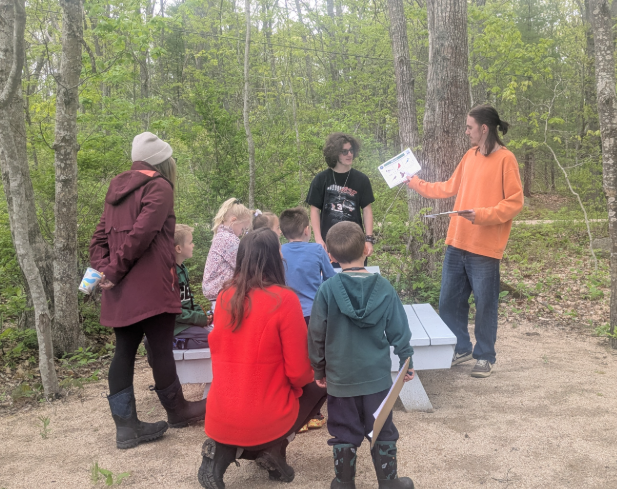
KHS Alternative Education Program students read to local elementary students.

Participating students say they like the community partnerships model because it allows them to learn through a hands-on approach. It also teaches them to communicate, create and manage projects, build relationships, and develop countless professional skills, ultimately preparing them for the workforce. 

The KHS Alternative Education Program emphasizes wellness and social-emotional learning, too. Every Wednesday is “Wellness Wednesday.” Plus, initiatives like S.E.E.D (Students Empowered to End Dependency) support and empower students to make healthy decisions. This additional layer is woven into the program’s framework, helping to shape traditions while upholding expectations and creating a culture built on accountability, respect, and shared responsibility.

The path out of the KHS Alternative Education Program is not the same for everyone. Some students transition back to mainstream high school as they meet their goals, creating openings for new students. That allows the program—which has a growing waitlist—to operate with rotating enrollment. Other students complete high school through the program and enroll in community college or a four-year college.
Others move directly into their careers, equipped with clarity and confidence. Former KHS Alterative Education Program students have gone on to earn worker licenses, secure employment, and even return to mentor others navigating a similar path. 

The KHS Alternative Education Program has shifted the culture of school for many students from survival to belonging. Students who once hid in the bathroom are leading projects. Students who felt disconnected are present at community events.

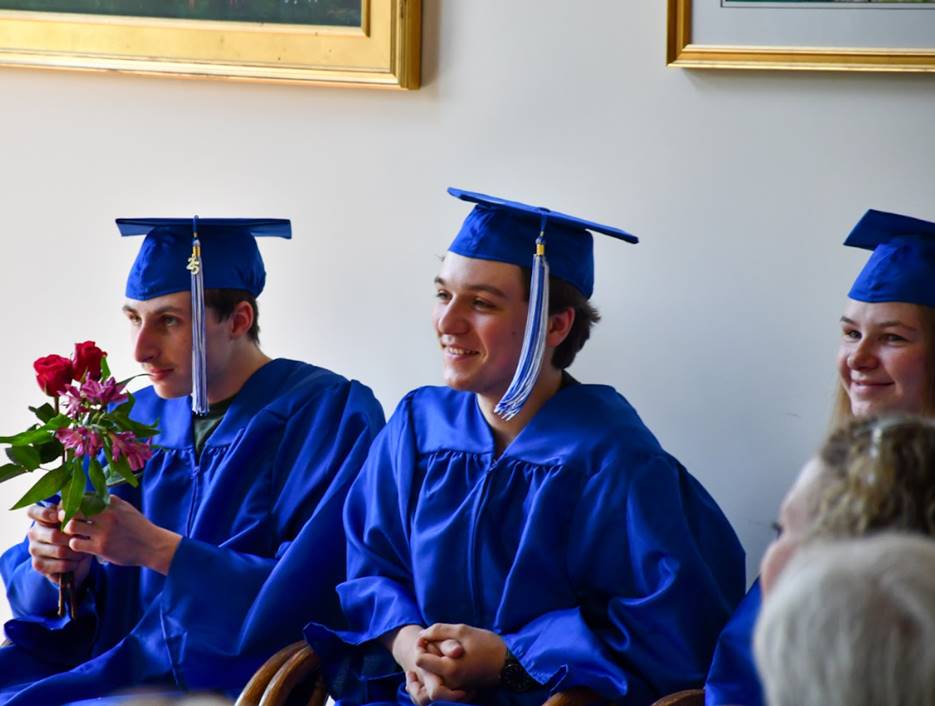
KHS Alternative Education Program class of 2025 (from left to right): Wyatt Boulette, Eric Schoener, and Eliza Herring

Changing the Narrative on Alternative Education

Sharood and Holmes say there is often a misunderstanding about alternative education. To them, this program is a different model of learning for students whose potential is not realized in the traditional school setting. Within their school community, Sharood and Holmes note that they have observed generally three populations: students with a clear plan, students who “just do school,” and students who carry enormous, untapped potential. The KHS Alternative Education Program exists for that third group: students capable of far more than their academic journey might suggest.

The KHS Alternative Education Program dispels myths daily. Students earn the same diploma. They meet the same standards. They just demonstrate their learning through a different educational pathway. That work is visible across the community—in restored buildings, improved trails, strengthened partnerships, and meaningful contributions to local organizations. Most importantly, their growth is also visible within themselves.

To learn more about the KHS Alternative Education Program, click here.  

Piscataquis Valley Adult Education Cooperative Expands Workforce Training to Strengthen Rural Maine Communities

Since its establishment in 2005, the Piscataquis Valley Adult Education Cooperative (PVAEC) has been dedicated to expanding educational opportunities for residents across central and northern Maine. Serving RSU 68, AOS 94, MSAD 4, and MSAD 41 — a region encompassing 29 towns and more than 800 square miles across Piscataquis and northern Penobscot Counties — PVAEC continues to play a vital role in strengthening Maine’s rural workforce.

In 2022, PVAEC undertook a comprehensive assessment of regional workforce needs. The findings revealed strong demand — and a limited supply — of qualified workers in two critical sectors: commercial driver’s license (CDL) occupations and health care. In response, PVAEC launched a strategic expansion of its workforce training programs, with the goal of delivering high-quality, affordable training close to home.

Today, PVAEC operates workforce training facilities in Dover-Foxcroft and Dexter, providing accessible opportunities for residents of Piscataquis and Penobscot Counties and other rural communities. These programs open doors to stable, in-demand careers, strengthening local economies and helping employers fill essential positions.

Affordability remains central to PVAEC’s mission. Through a long-standing partnership with Eastern Maine Development Corporation, qualifying students may receive full tuition coverage, eliminating financial barriers that often prevent rural learners from pursuing workforce training. Whether preparing for a first career or transitioning after a job loss, students can access no-cost, local pathways to employment.

In addition to training, PVAEC supports informed career decision-making by helping students explore options before enrollment. Participants learn about job availability, wage expectations, and licensing requirements across Maine. Once enrolled, students receive job-specific instruction, exam preparation, and hands-on experience aligned with employer needs.

Graduates frequently secure employment immediately upon completion, reflecting strong partnerships with regional employers. Since 2024, PVAEC has served students from across Maine — from Lewiston to Jackman, Parsonsfield to Perry — demonstrating the program’s statewide reach and impact.

One key partner, Hibbard Skilled Nursing and Rehabilitation in Dover-Foxcroft, credits the collaboration with strengthening both workforce readiness and employee development.

“The opportunity to partner with PVAEC to support the educational aspirations, along with the workforce needs, of our community, was an obvious choice,” Tyler Parkhurst, Licensed Multi-Level Administrator at Hibbard Skilled Nursing and Rehabilitation, said. “Students learn in a supportive environment with experienced clinical staff who provide not only the curriculum but mentorship, as well. We are already seeing dividends from our partnership, both through staff furthering their education and new faces gaining hands-on experience.”

For students, the programs are life changing.

“I just can’t believe how well I’m doing,” Melissa Foran, a PVAEC medical student, said. “Thank you for all the encouragement. I won’t forget this.”

Stephen Maynard, another medical student, shared: “It helps to have good teachers. It’s nice to have instructors who care about their patients and residents.”

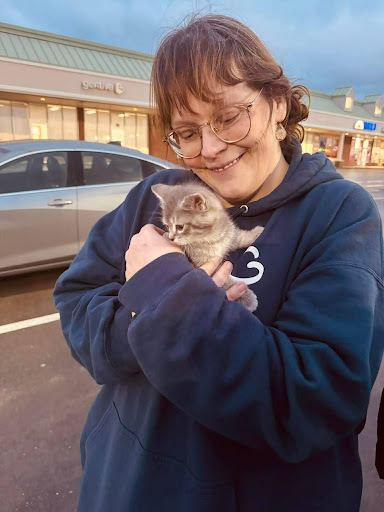
For Amber Tibbetts, this opportunity provided a new direction.

Amber

“All my life, I wanted to be in the health care field, but I didn’t think I was smart enough,” Tibbetts said. “After speaking with PVAEC, I enrolled in the CNA program, and today I am a home health aide for Gentiva Hospice. I could not be happier. The process was super easy.”


PVAEC’s workforce training efforts are guided by three principles: delivering high-quality local training, preparing graduates for careers with competitive wages and benefits, and sustaining rural Maine communities. By creating career pathways close to home, PVAEC helps prevent the outmigration of residents seeking opportunity elsewhere, preserving both local economies and community connections.

Looking ahead, PVAEC continues to monitor workforce trends and plans to expand training options as needs evolve. With strong partnerships — including with Northern Light Mayo Hospital, Piscataquis County Economic Development Council, Eastern Maine Development Corporation, Alternative Correctional Healthcare, Russell Park Rehabilitation & Living Center, Northland Living Center, Tri-County Technical Center, and its member school districts — PVAEC remains committed to serving as a cornerstone of workforce development in rural Maine.

Through collaboration, innovation, and a deep commitment to community, PVAEC is ensuring that Maine residents can build meaningful careers — without leaving home.

This story was written in collaboration with the Piscataquis Valley Adult Education Cooperative. To submit a good news story to the Maine DOE, please fill out the good news submission form.
Veazie Students Shine at the Maine FIRST LEGO League Challenge State Championship

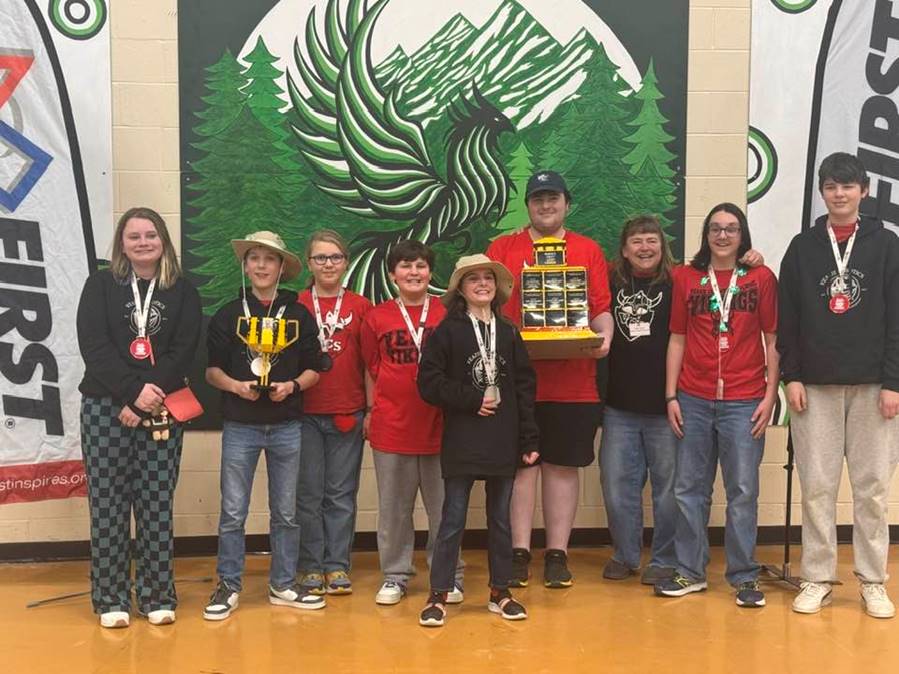
On February 7, 2026, the 26th annual Maine FIRSTLEGO League Challenge State Championship brought together 24 teams from across the state at Spruce Mountain Middle School in Jay. Teams tested their robots on this season’s “unearthed” competition tables—which featured an archaeology theme—and met with judges to present their innovation projects.

The Veazie Viking Robotics won the Maine FIRST LEGO League Challenge State Championship.(Courtesy: Veazie Community School Facebook page)

The Veazie Viking Robotics (Team 26180), representing Veazie Community School, won this year’s Maine state championship. The team will now have the opportunity to represent Maine at the FIRST LEGO League World Festival in Houston, Texas, this April. Students have already begun fundraising efforts to support their travel. Despite experiencing mentor changes this season, the Veazie Viking Robotics demonstrated tremendous growth since showcasing their robot at the Maine Computer Science Education Showcase in December.

Other awards presented to teams at the Maine FIRST LEGO League Challenge State Championship included:

  • The Champion’s Finalist Award, presented to the Robosharks (Team 1440) from Kittery.
  • The Robot Performance Award, presented to The Fellowship (Team 61905), representing the Cobscook Currents 4-H Club in Washington County.
  • The Robot Performance Finalist Award, presented to the Frosted Yoshies (Team 51454) from Berwick.
  • The Core Values and Core Values Finalists Awards, presented to the Pink Shovels (Team 72112) and the Northern Dig (Team 72113)—both from Caribou. FIRST’s Core Values include discovery, innovation, impact, inclusion, teamwork, and fun. The commitment of the Pink Shovels and Northern Dig was especially evident in their willingness to make a nine-hour round trip to the event.
  • The Robot Design and Robot Design Finalist Awards, presented to the Wentworth Brick Invaders (Team 69634) from Scarborough and the Dino Eggs (Team 3484) from Jay, respectively.
  • The Innovation Project Award, presented to the Squires of Katahdin (Team 61864) from Wilton. Their project featured the development of a handheld tool that uses mechanical vibrations to assist with excavating, aligned closely with this season’s theme.
  • The Innovation Project Finalist Award, presented to the Hermon Hawks (Team 69695) for their concept of the Gaia Beetle, a mobile, enclosed structure designed to protect excavation sites from extreme weather conditions, while preserving artifacts and improving archeologist safety and health.
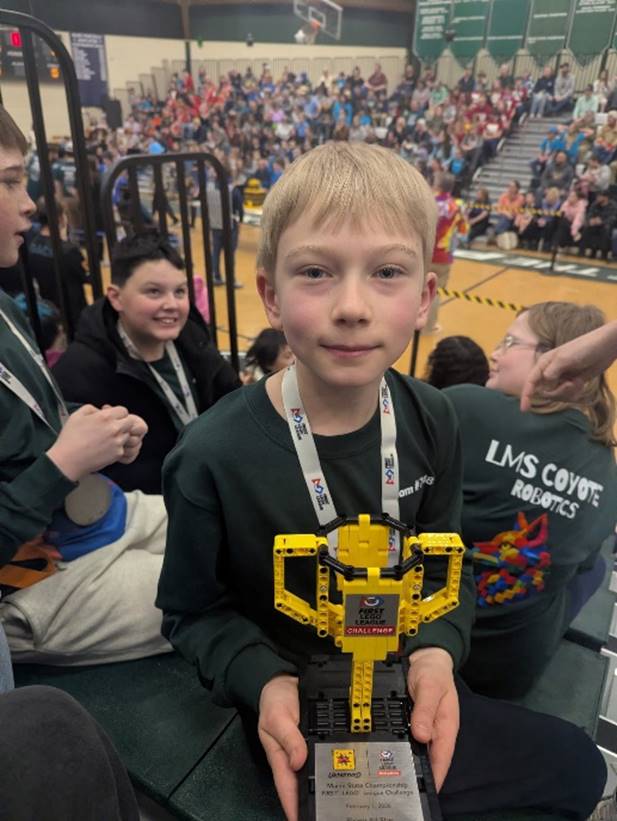
  • The Rising All-Star Award, presented to the LMS Coyotes 6 (Team 74819) from RSU 34.

The LMS Coyotes 6 (Team 74819) from RSU 34 won the Rising All-Star Award at the Maine FIRST LEGO League Challenge State Championship. (Courtesy: RSU 34 LMS Facebook page)

Individual honors were also presented at the Maine FIRST LEGO League Challenge State Championship. The Outstanding Volunteer Award went to Ryan MacDonald of the Maine School of Science and Mathematics (MSSM) in Limestone. The Coach/Mentor Award went to Arik Akerburg, mentor to the Seacoast Seals (Team 70877) and the Colossal Krakens (Team 26429), both based in South Berwick.

To learn more about robotics opportunities in Maine schools, please visit the Robotics Institute of Maine (RIM). Additional information about computer science and robotics education can be found on the Maine Department of Education’s (DOE) Learning Through Technology webpage. Schools wishing to share their robotics success stories are encouraged to contact jonathan.m.graham@maine.gov.

STEM Night at Mt. Ararat High School Showcases the Power of Community Outreach and Extended Learning Opportunities

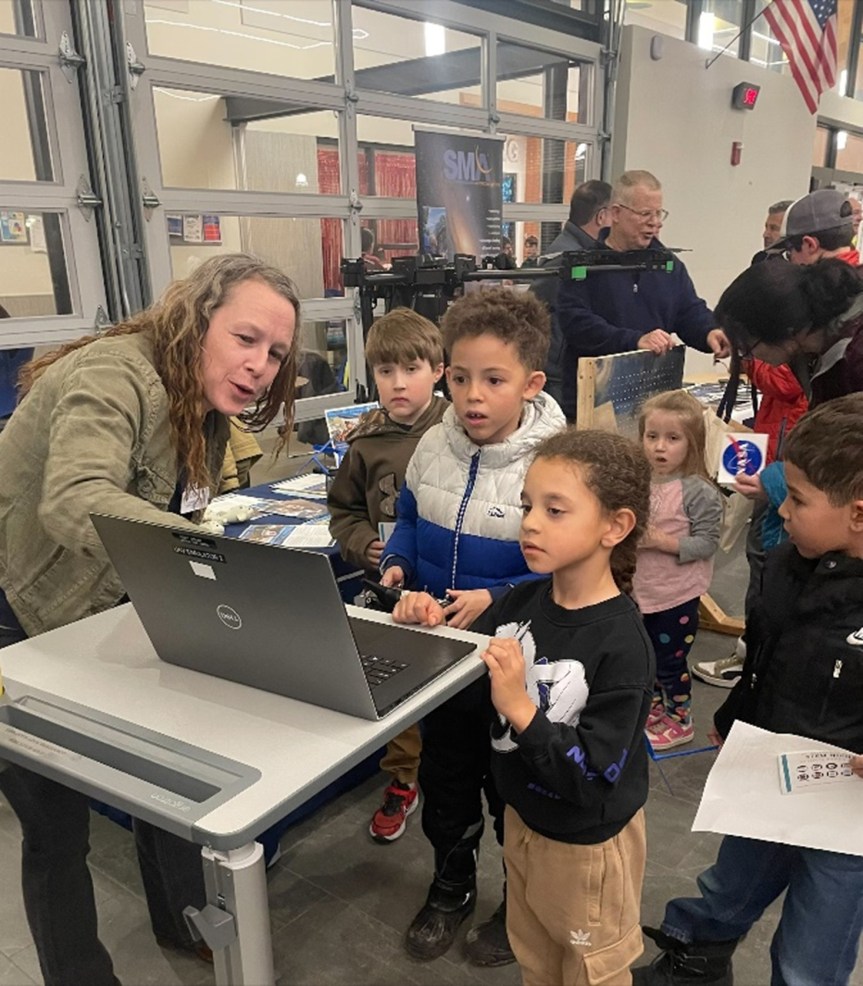
Pictured: Students practice landing a plane with an aviation simulator.

Community outreach and extended learning coordinators wear many hats inside a school. This role often sits at the intersection of academics, career readiness, partnerships, and student support, connecting what happens inside the building to real-world opportunities outside of it.

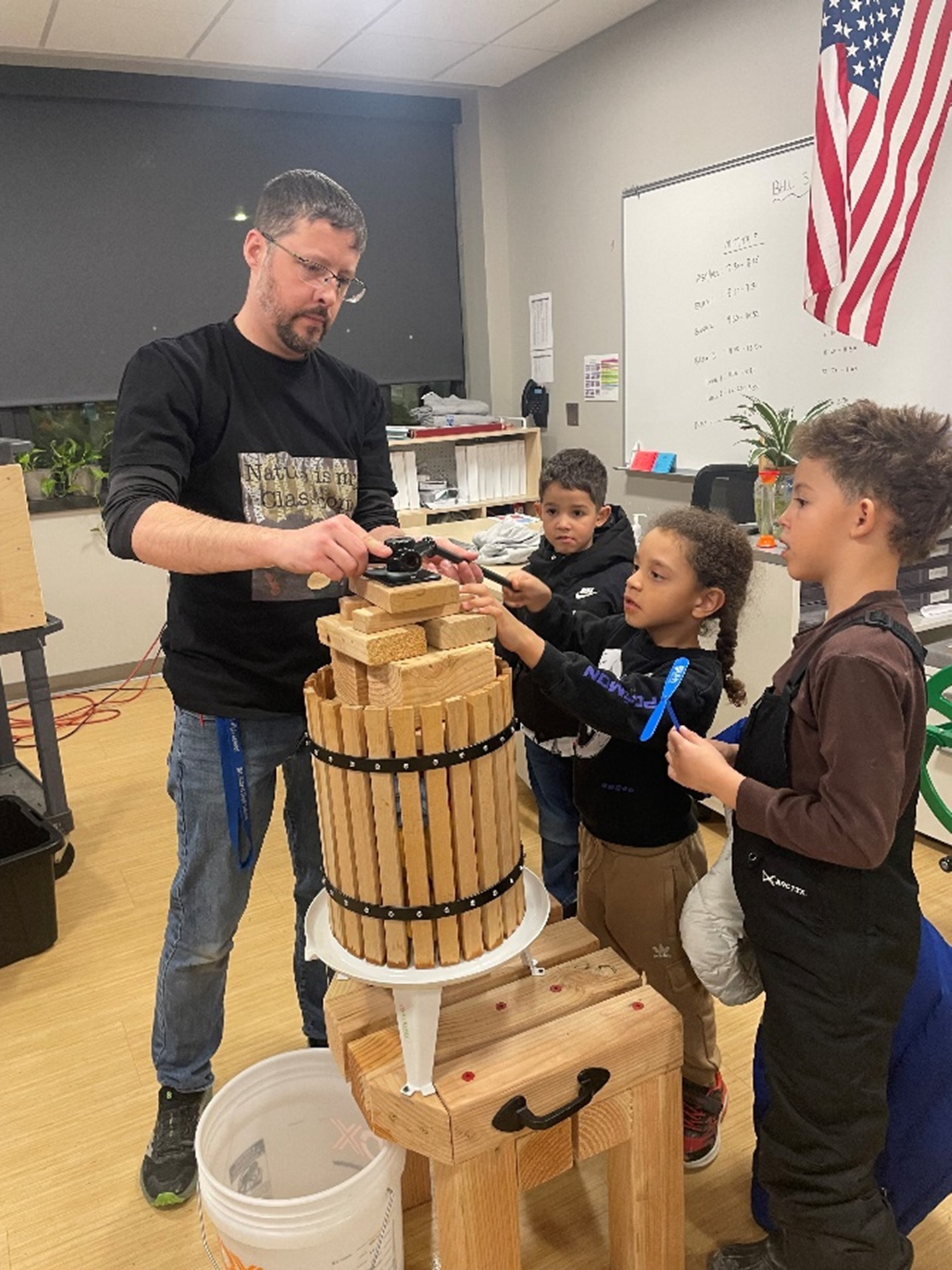
That work was on full display recently as Mt. Ararat High School in Topsham, under the co-leadership of Community Learning and Extended Learning Opportunities (ELO) Coordinator Doug Ware, hosted its second annual STEM (Science, Technology, Engineering, and Mathematics) Night on January 30, 2026. The event drew approximately 500 attendees and featured more than 40 vendors, transforming the school into a dynamic hub of innovation, collaboration, and hands-on discovery.

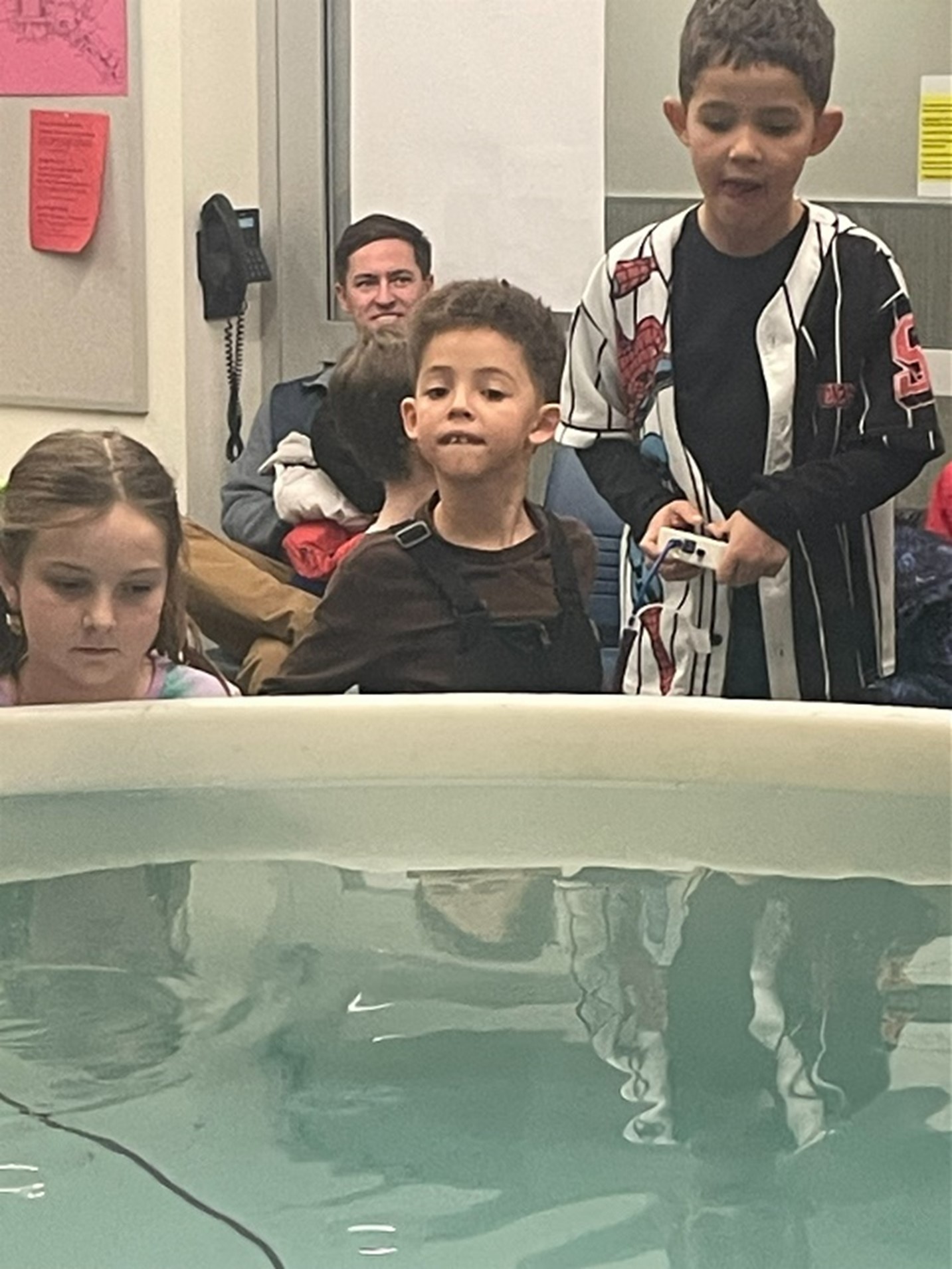
During this event, families and community members from MSAD 75 joined local businesses, industry leaders, and educators for a vibrant evening celebrating STEM. Participants of all ages engaged in activities ranging from virtual medical simulations and Lego robotics to tours of the Bath Iron Works virtual reality trailer and digital arts showcases.


For many attendees, the event highlighted the strength of Maine’s local STEM ecosystem. Paul McGuire, a local alum, entrepreneur, father, and veteran, attended with his family.
“Seeing employers represented from construction to aviation reminded me how strong our STEM community is,” McGuire said. “It’s great to know students can find those opportunities right in our backyard.”

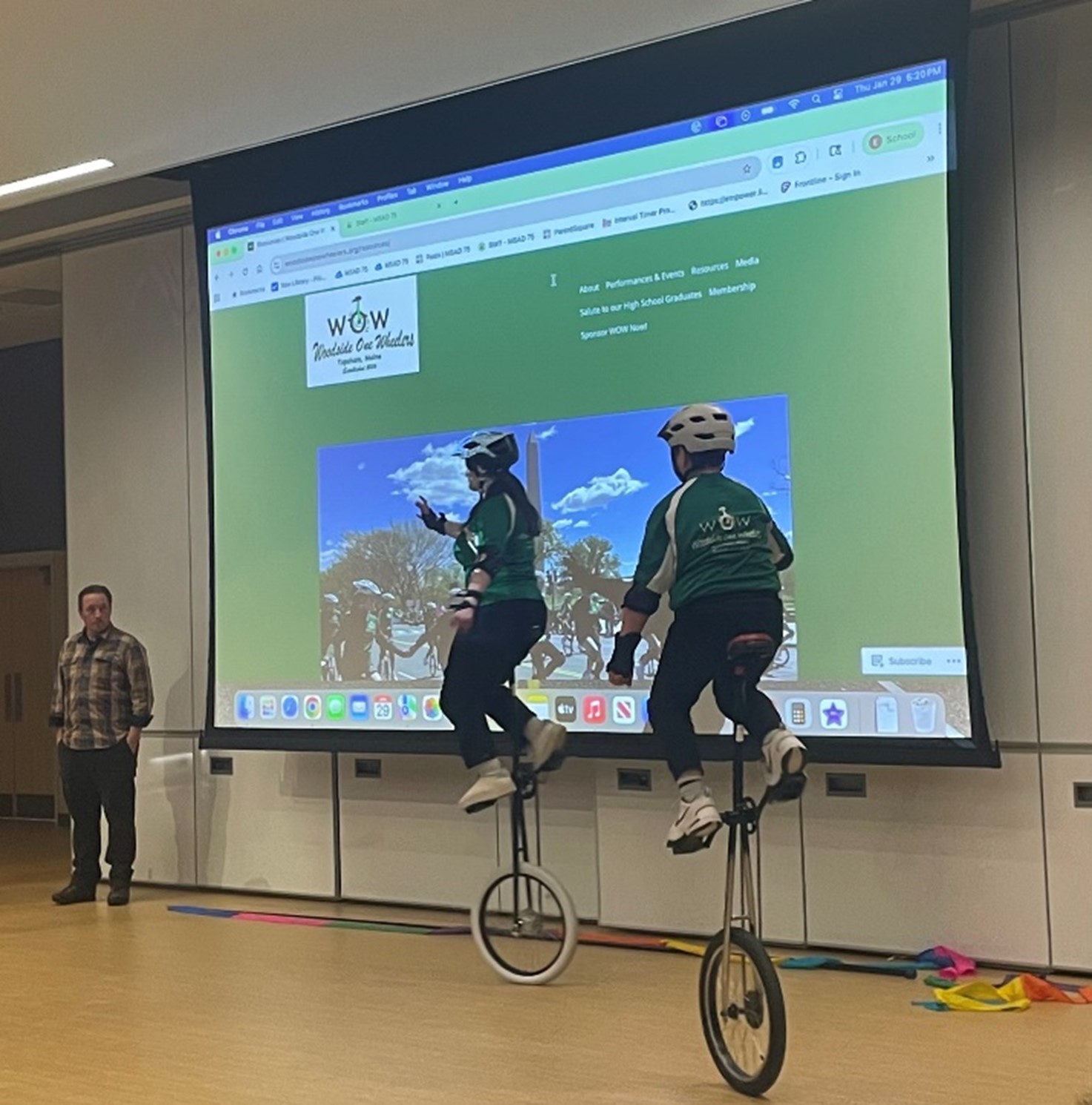
A highlight of the evening was a performance by the Woodside One Wheelers, a juggling and unicycling group from Woodside Elementary School. Students attached sensors to their unicycles to demonstrate how scientific data is gathered and how physics principles apply in motion, blending performance, engineering, and applied science in a way that captivated the audience. The group later performed at the halftime of a local girls’ basketball game, extending the celebration of learning beyond the STEM exhibits.

Events like STEM Night exemplify the multifaceted impact of community outreach and extended learning coordination. The role includes building community partnerships that bring businesses and civic organizations into the school experience; managing ELOs that allow students to earn credit through internships, job shadows, and real-world projects; supporting career and workforce development; encouraging student leadership and service; collaborating with faculty to connect curriculum with experiential learning; removing barriers to access; and telling the story of student success in ways that inspire continued investment and innovation.

Mt. Ararat High School has demonstrated exemplary leadership in advancing high-quality ELOs through its Maine DOE ELO Expansion grant. The school’s work demonstrates how innovative, community-connected learning deepens student engagement, supports informed postsecondary decisions, and helps students envision futures grounded in real experience, meaningful relationships, and opportunity.

STEM Night was an event that reflected what is possible when schools and communities work together. By bridging classroom learning with hands-on exploration and professional partnerships, Mt. Ararat High School continues to model how education can be both rigorous and relevant—preparing students not just for graduation but for life beyond it.

For further information about ELOs and Maine’s efforts to expand career exploration for Maine students, please visit the Maine DOE ELO webpage or contact Maine DOE Extended Learning Coordinator Lana Sawyer at Lana.Sawyer@maine.gov.

Building the Skilled Workforce: Women in the Trades from High School to Adult Education

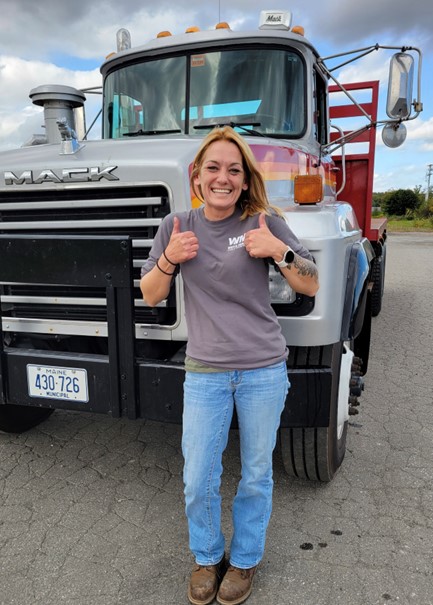
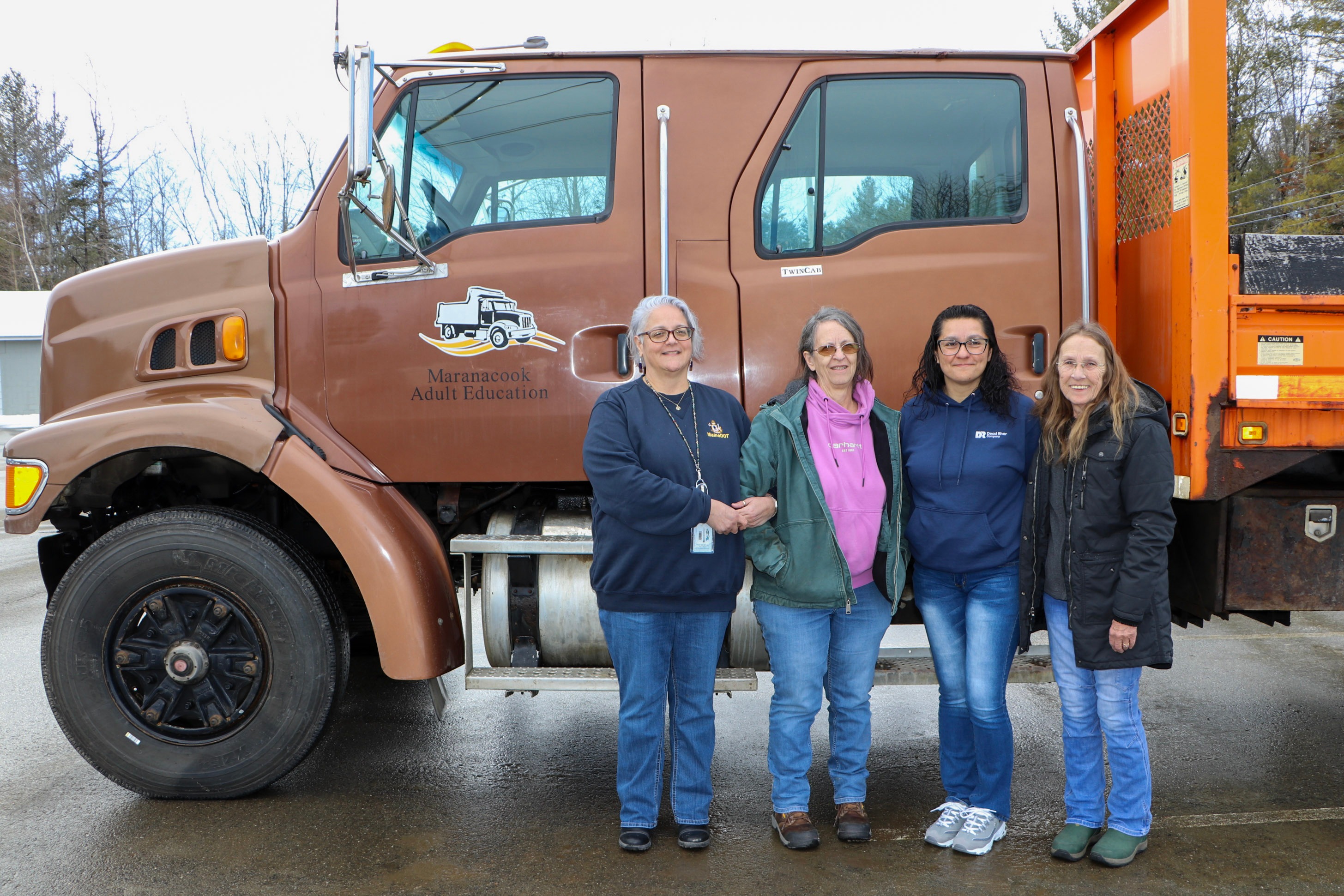
Pictured: Angela Mantha recently completed her CDL at Maranacook Adult Education.

In Maine, women from high school to adulthood are charting their paths into the state’s skilled trades workforce. By participating in hands-on experiences through career and technical education (CTE), Extended Learning Opportunities (ELO), and adult education, these students are mastering equipment, learning industry standards, and engaging in real-world problem-solving, gaining practical experience and marketable skills aligned with high-demand industries.

There is a greater trend at hand: More women are now entering career and technical programs with clear goals and a strong sense of direction, seeing the trades not as unconventional options but as viable, rewarding professions. The Maine Department of Education (DOE) is pleased to highlight some of stories from across the state for Women in the Trades Month in March.

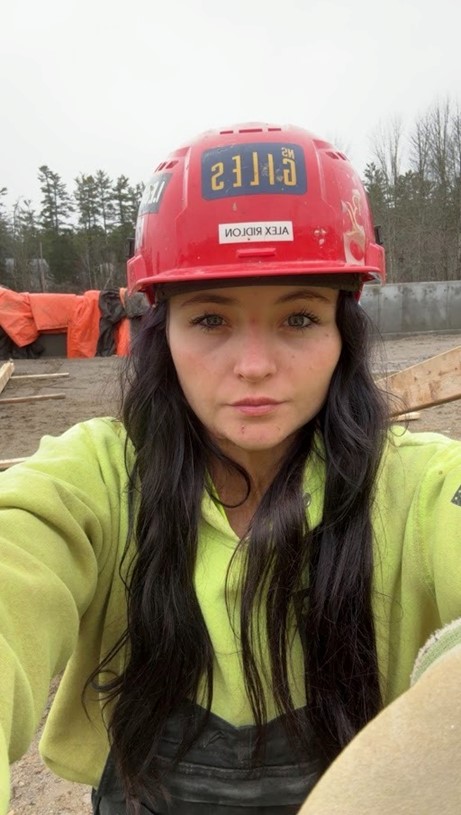
Alex Ridlon, Brewer High School

Back in 2020, when I was 12 years old, I was burned in a fire, and I lost my father; both are experiences that profoundly changed my perspective on life. Facing such a significant loss at a young age and the deforming of my skin forced me to mature quickly and shaped the direction I chose for my future.

From an early age, I enjoyed working outdoors and being active. As I entered Brewer High School, however, I often felt out of place.


My family was going through financial hardships, and I experienced bullying as a result. Rather than allow those challenges to define me, I made the decision to focus on building a future for myself. I chose to pursue a career in construction, both because I enjoy working outside and because it offered me a practical path toward independence and growth.

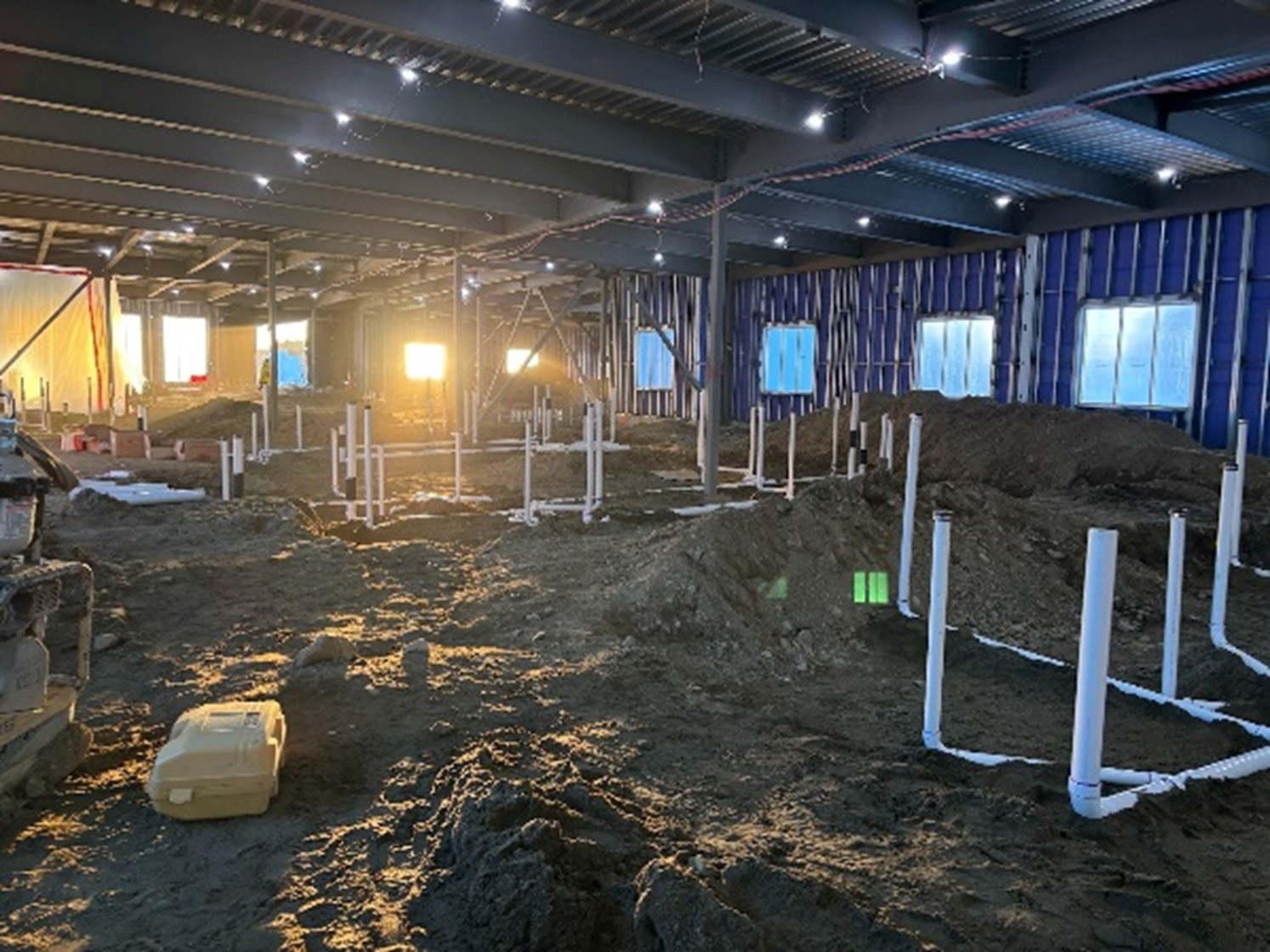
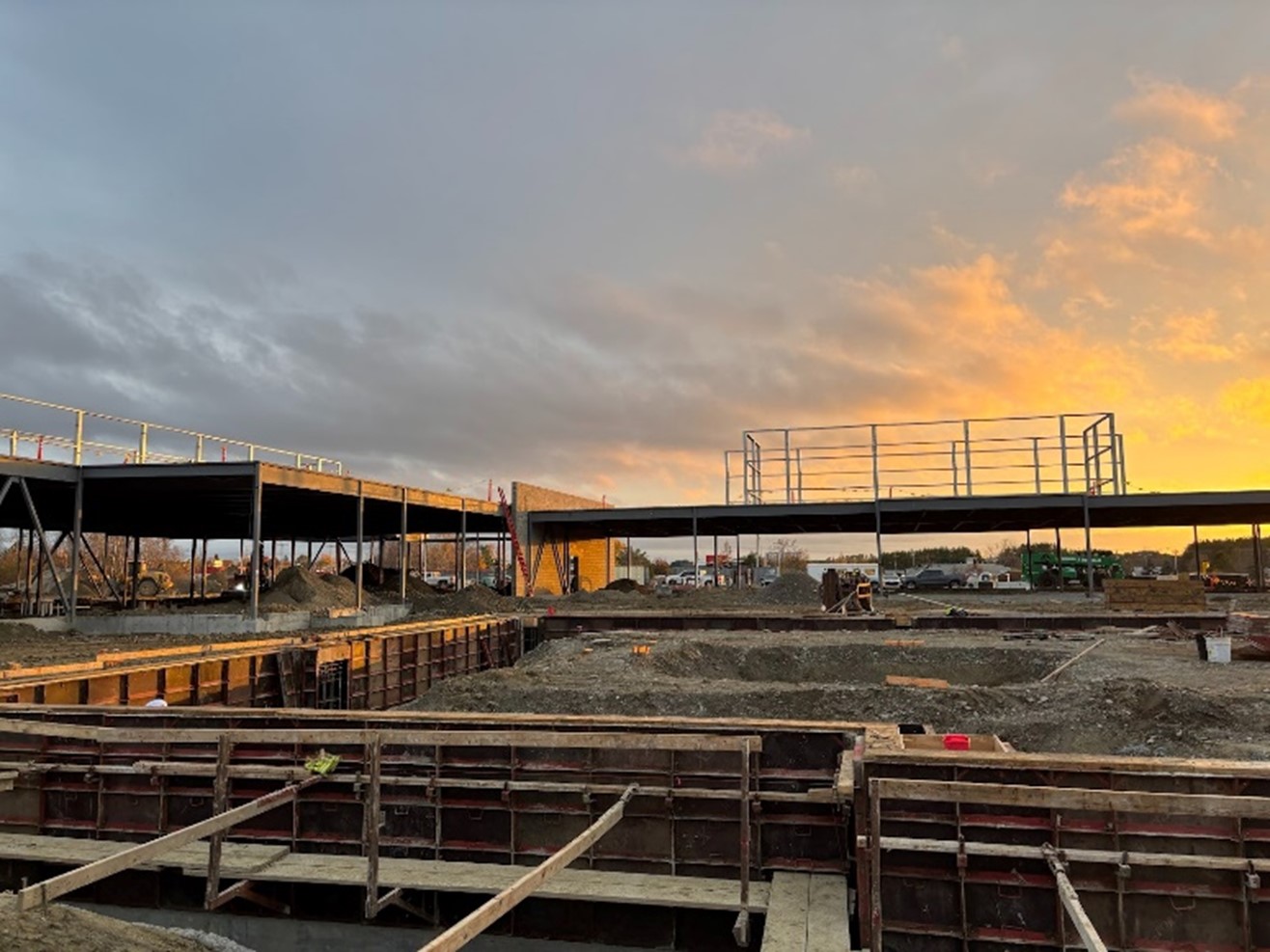
So far, I have primarily worked on medical facilities. It is especially meaningful to me to know that the buildings I help to construct will one day serve people in need. Contributing to projects that positively impact others gives my work a deeper purpose.

During that difficult time in high school, I sought guidance from one of the smartest, most helpful, easy-to-talk-to people, Mr. Kevin Napolillo, my ELO coordinator, who became an important source of support. He encouraged me to invest time in preparing for the real world. Over the course of four weeks during the summer, I dedicated myself to daily reading, learning, and hands-on preparation. That experience opened my eyes to what I was capable of achieving and helped me develop both confidence and direction.

I decided to begin working with concrete as a way to enter the field and start building toward my long-term goal of becoming a heavy-equipment operator. Throughout my journey, I have learned the importance of resilience and focus. I have found that the more determined you are to succeed, the more important it becomes to stay committed to your goals and not be discouraged by negativity.

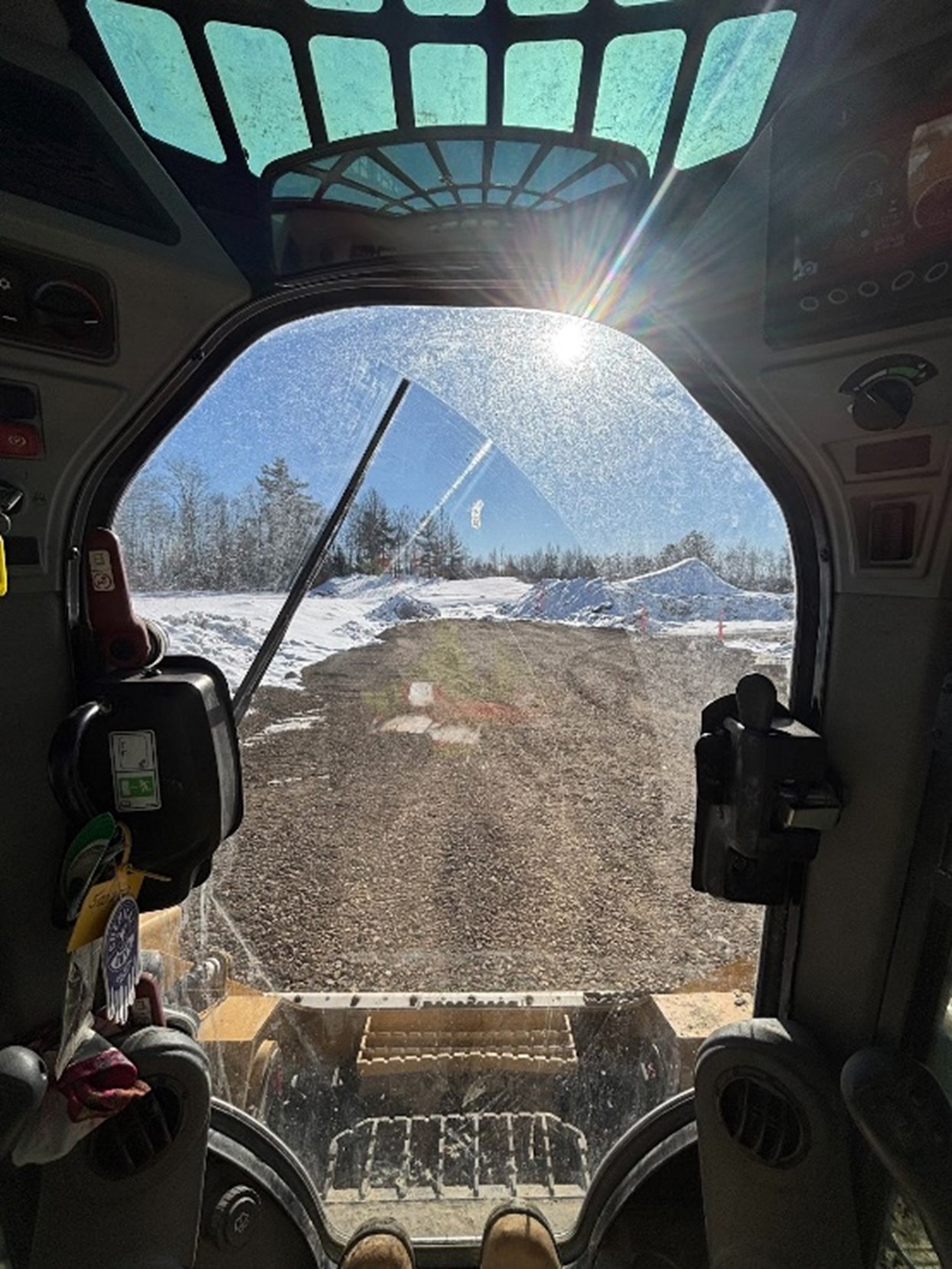
As a young woman entering the construction industry at 17 and now 18 years old, I have gained valuable experience and perspective. I graduated earlier than the rest of my class—an accomplishment that strengthened my confidence and reaffirmed my determination. Working alongside experienced professionals has shown me the clear difference between classroom learning and real-world application. In many ways, I have learned more through hands-on experience in construction than I did in a traditional classroom setting. My journey has been shaped by hardship, perseverance, and a strong desire to build not only structures but also a meaningful and independent life for myself.

Isabella (Izzy) Moore, Brewer High School/Maine Construction Academy

During my junior year of high school, I knew it was nearly time to choose my career path post-graduation. I didn’t know what path I wanted to take, but I did know that I needed some hands-on work. I heard about the Maine Construction Academy, so I decided to check it out. I signed up and got approved for it but was still unsure; as it turns out, it was the best decision I ever made for myself, and I have no regrets.

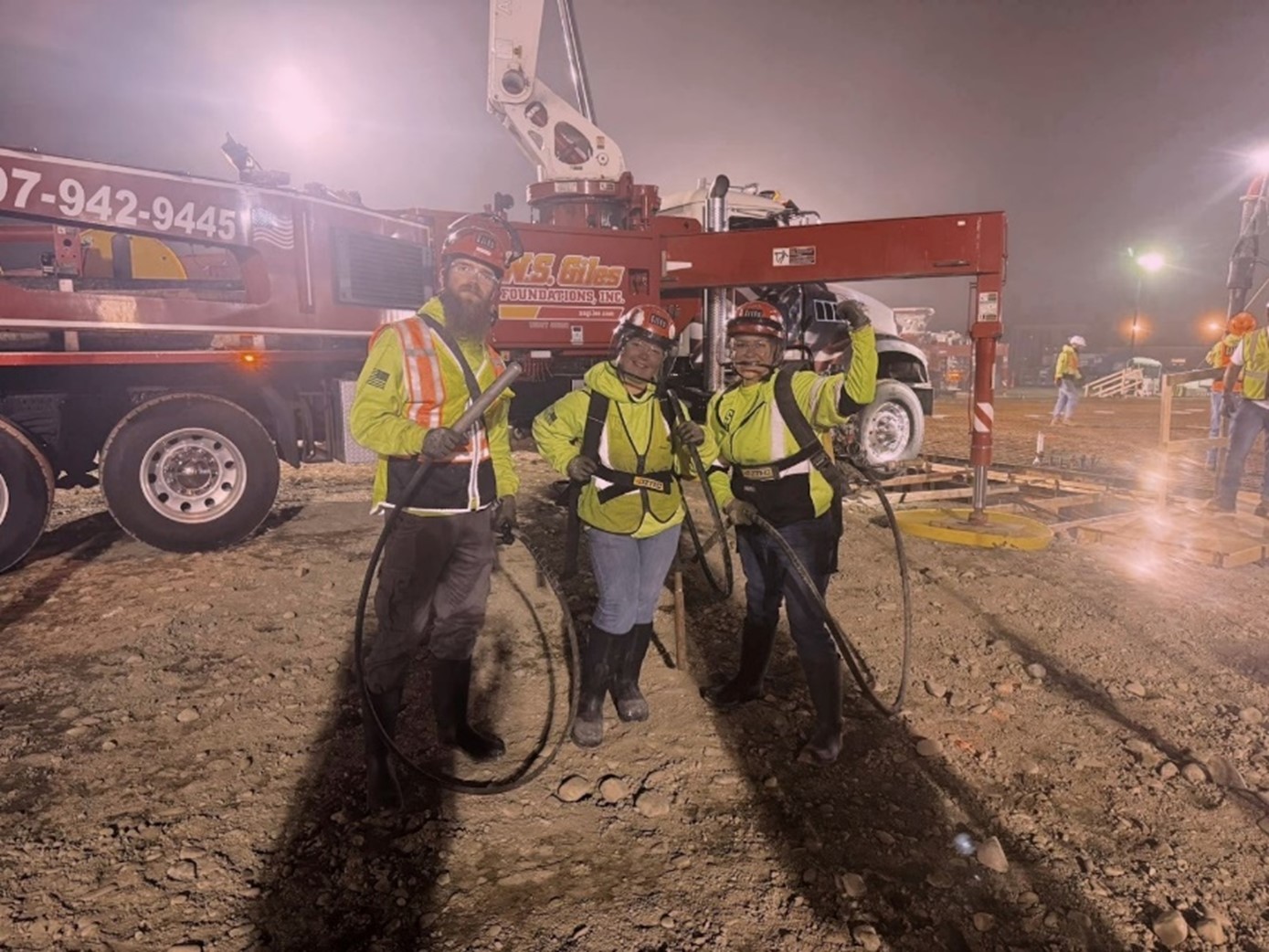
This program gave me the opportunity to do an apprenticeship during my senior year of high school through N.S. Giles Foundations, which transferred to Sargent, [my current place of employment], after graduation. It was here that I learned how to use heavy equipment. Both companies have welcomed me with open arms and given me amazing mentors and opportunities.


Without all of this, I would not be the woman I am today. I feel as though construction gave me more structure and discipline, along with a lot of confidence. I have been able to not only become more independent mentally but financially, as well. At just 19 years old, I have my own apartment, bought my first “big girl” car on my own, and have taken a few vacations. Now, that’s just the fun stuff—but you get what I’m saying. If it weren’t for this program, I wouldn’t be where I am today, nor would I have the life I have built for myself so far.

What started out as “I’m just going to test the waters and see what happens” turned into such a growing passion for this field. I can’t see myself doing anything else, and I look forward to doing this for the rest of my career. I am extremely grateful to all the people who have taken a chance on me during this path, along with all of the opportunities that have been given to me.

Lily Kick, Sacopee Valley High School

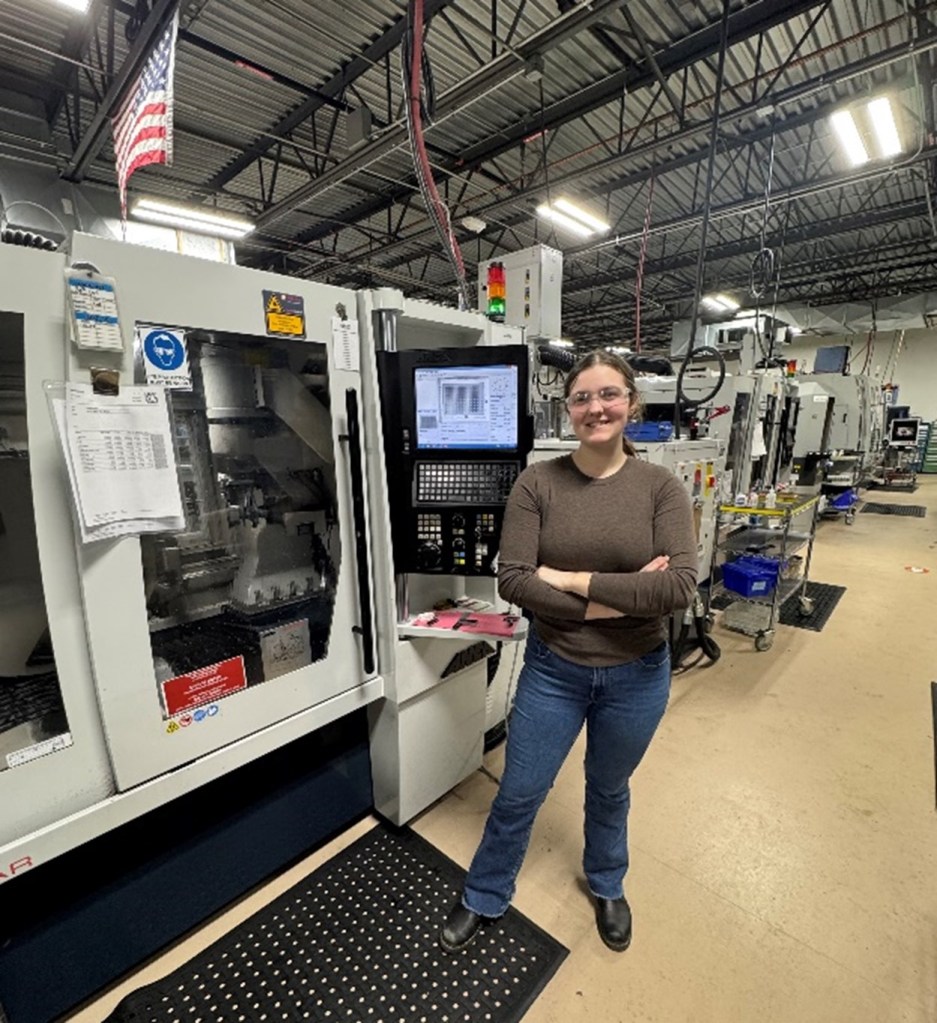
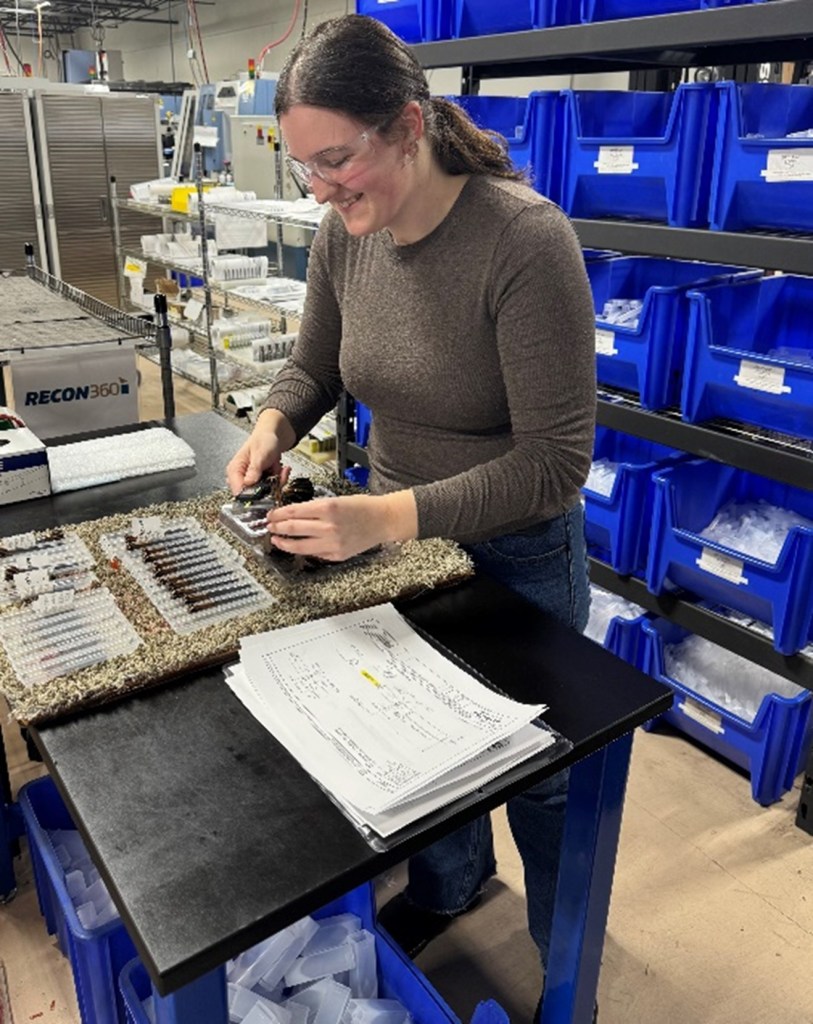
Lily Kick is a senior at Sacopee Valley High School who plans to pursue a career in the manufacturing industry.

“Manufacturing is a field full of innovation, and that is what I want to invest my future in,” Kick said. “Career surveys often pushed me toward architecture or actuary. Through some research and a few job shadows, I learned that these were not career pathways for me.”


As a junior, Kick interned at New England Castings in Standish, a local manufacturer of precision alloy castings using the lost-wax casting method. This year, she is participating in an internship at ARCH Cutting Tools in Cornish, a company that manufactures metal removal cutting tools for a variety of industries.

“My two internships have solidified my decision to obtain a mechanical engineering degree and hopefully contribute to the innovation in the manufacturing industry,” Kick said.

Kick explained that she does not think she would enjoy a predictable office job. Instead, she prefers the field’s constant new tasks and issues that require immediate attention, as well as its adaptability and unpredictability.


Kick credits the support of her ELO teacher, Dr. Elizabeth Sanborn, whom she says, “undoubtedly made the most impactful difference in my future pursuing engineering and manufacturing.”

Kick noted she also feels her ELO experiences have helped to strengthen her personally as a young woman.

“It is notorious that trades are a male-dominated field; however, my success has taught me there is always room for change,” Kick said.

Maranacook Adult Education

One of the programs offered at Maranacook Adult Education is aimed at addressing a critical need in the workforce: truck driving.

“Both nationally and here in Maine, we are facing a critical shortage of truck drivers. There simply are not enough qualified drivers to meet the needs of the industry,” Steve Vose, Director of Maranacook Adult Education, said.

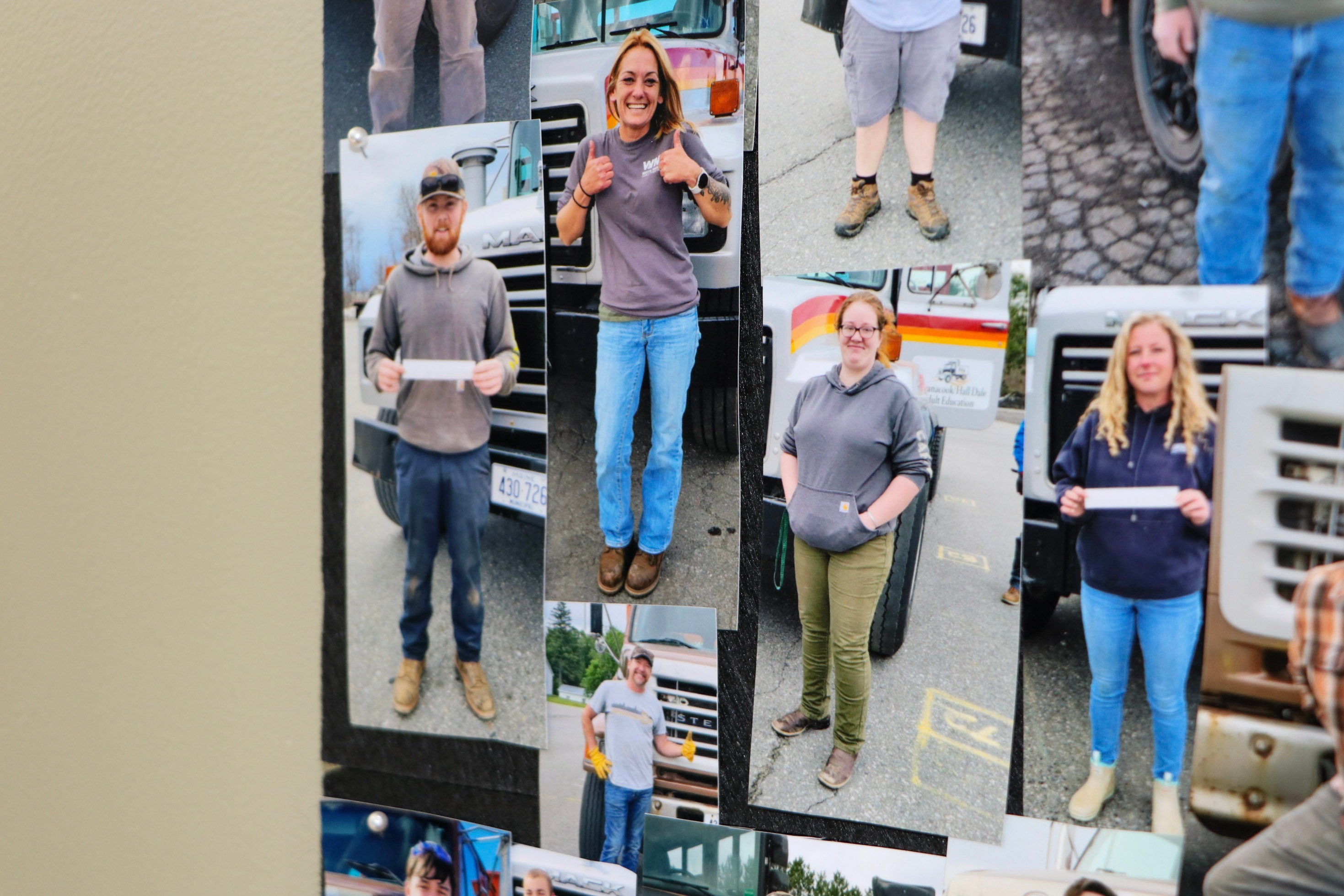
Vose said part of the solution entails getting more women involved by demonstrating that truck driving is a safe, viable career path with good pay—typically above minimum wage. He said he was pleased when the Maine Department of Labor and Maine Department of Transportation announced a $96,000 Women in Trucking grant for Maranacook Adult Education to help more women afford to get their Commercial Driver’s License (CDL).


“I am extremely encouraged to see state governments, employers, and nonprofit organizations recognizing this challenge and beginning to provide truck-driving schools with the financial support and resources necessary to help address these staffing shortages,” Vose said. “For far too long, the trucking industry has overlooked a vital resource: women drivers. Women are the future of trucking and deserve to be recognized and valued as such.”

Vanessa Mercado recently received her CDL from Maranacook Adult Education and is now driving for Dead River Company—an experience that she has called “life changing.” Mercado said the Maranacook Adult Education program helped her to gain confidence in her skills, allowing her to now do this job that she finds meaningful.

“I know that I’m providing to the community as a delivery driver,” Mercado said. “I’m able to do something that gives back.”

Nancy Frost, one of two female truck-driving instructors at Maranacook Adult Education, said that she is pleased to see more female representation in the truck-driving industry.

“I think it’s a lot easier for women now,” Frost said. “I think that this grant is going to be wonderful.”

Vose shared that all Women in Truck Driving scholarships are spoken for in the July program, but Maranacook Adult Education is currently accepting scholarship applications for November. Those interested should please contact Vose at 207-242-8795.

Please visit the Maine DOE website to learn more about ELOs, adult education, and CTE across the state.