Every Day Counts: SeDoMoCha Students Take Pride in Attendance

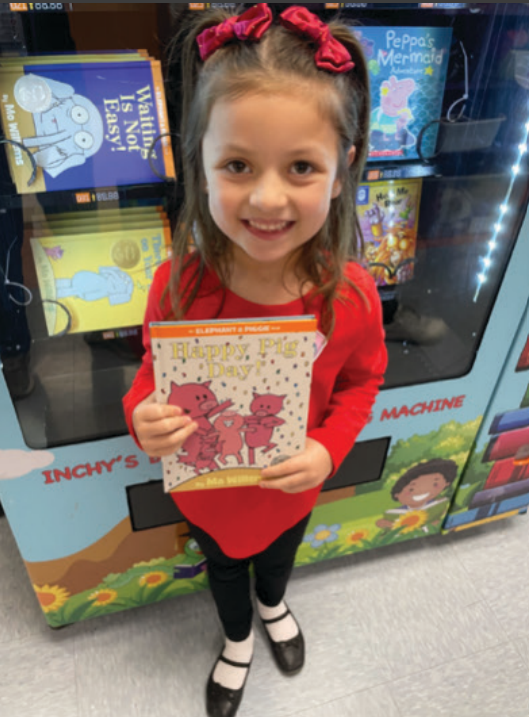
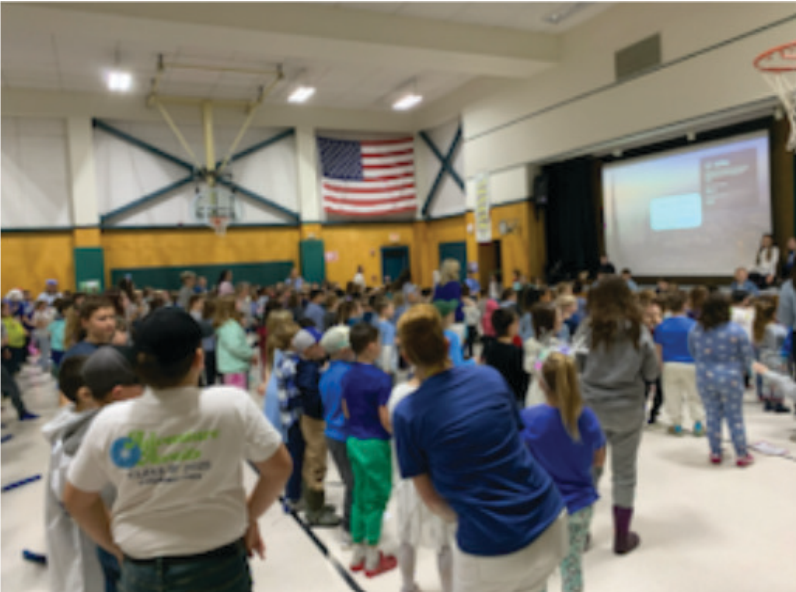
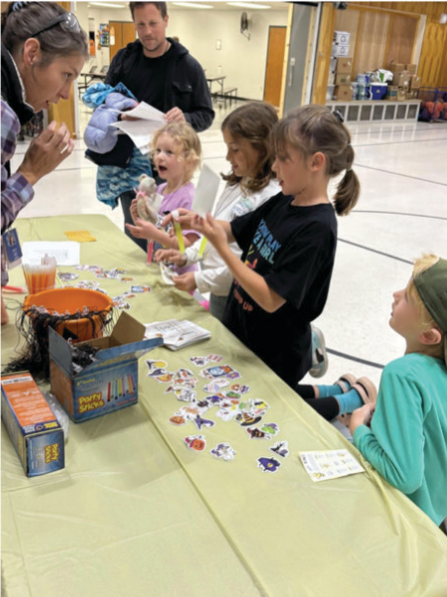
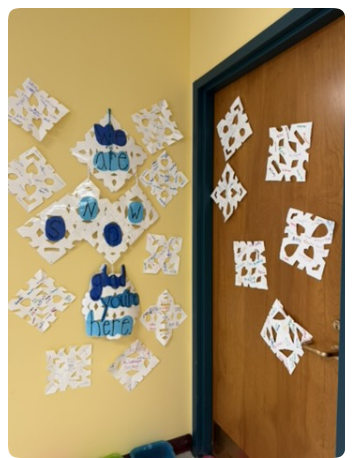
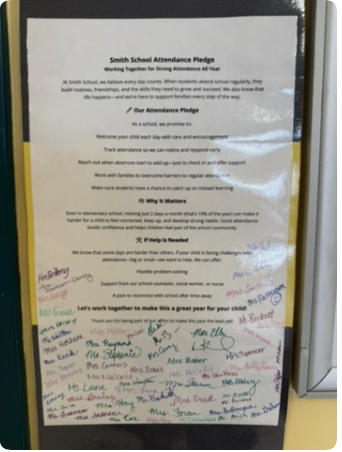
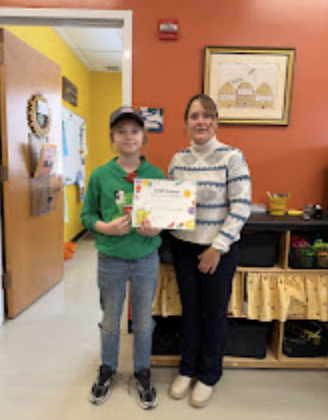
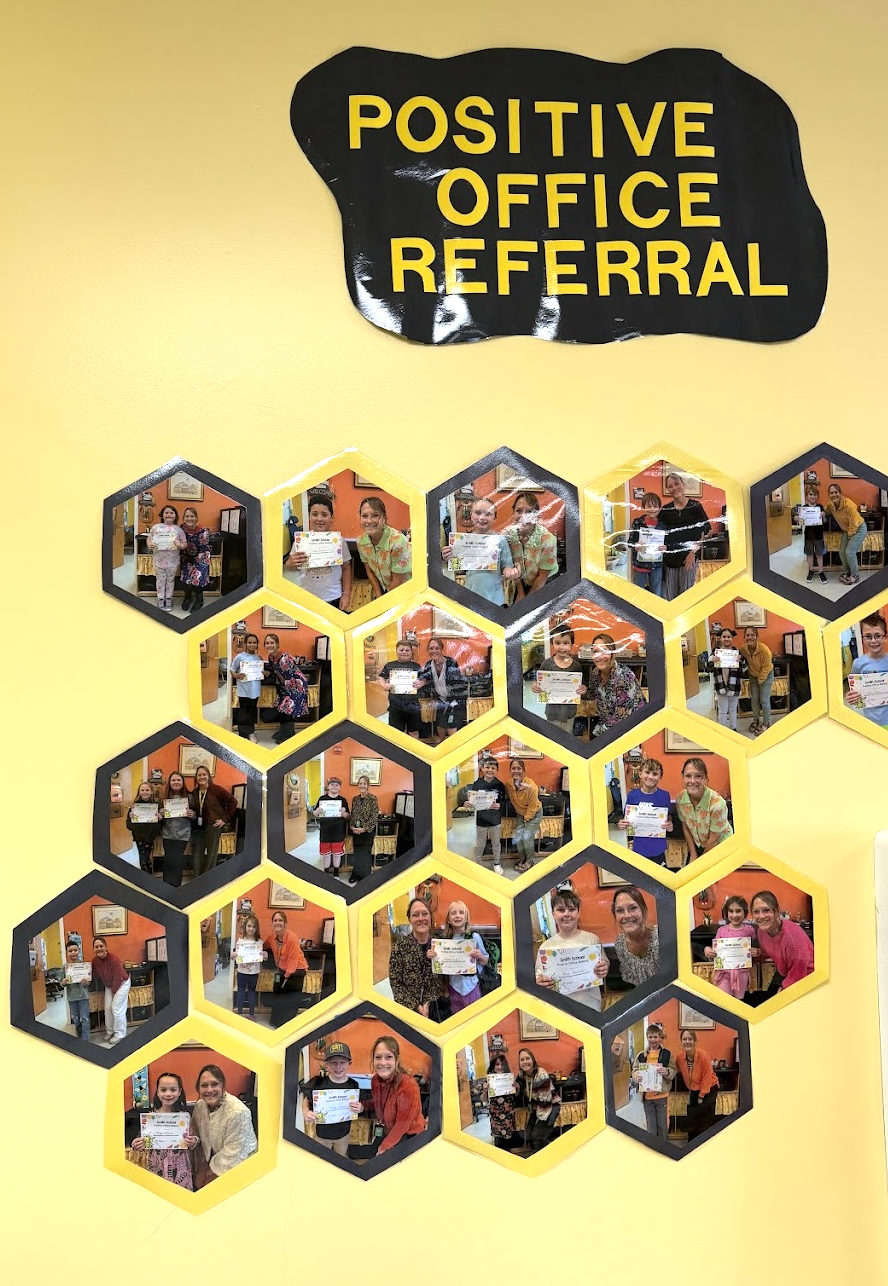
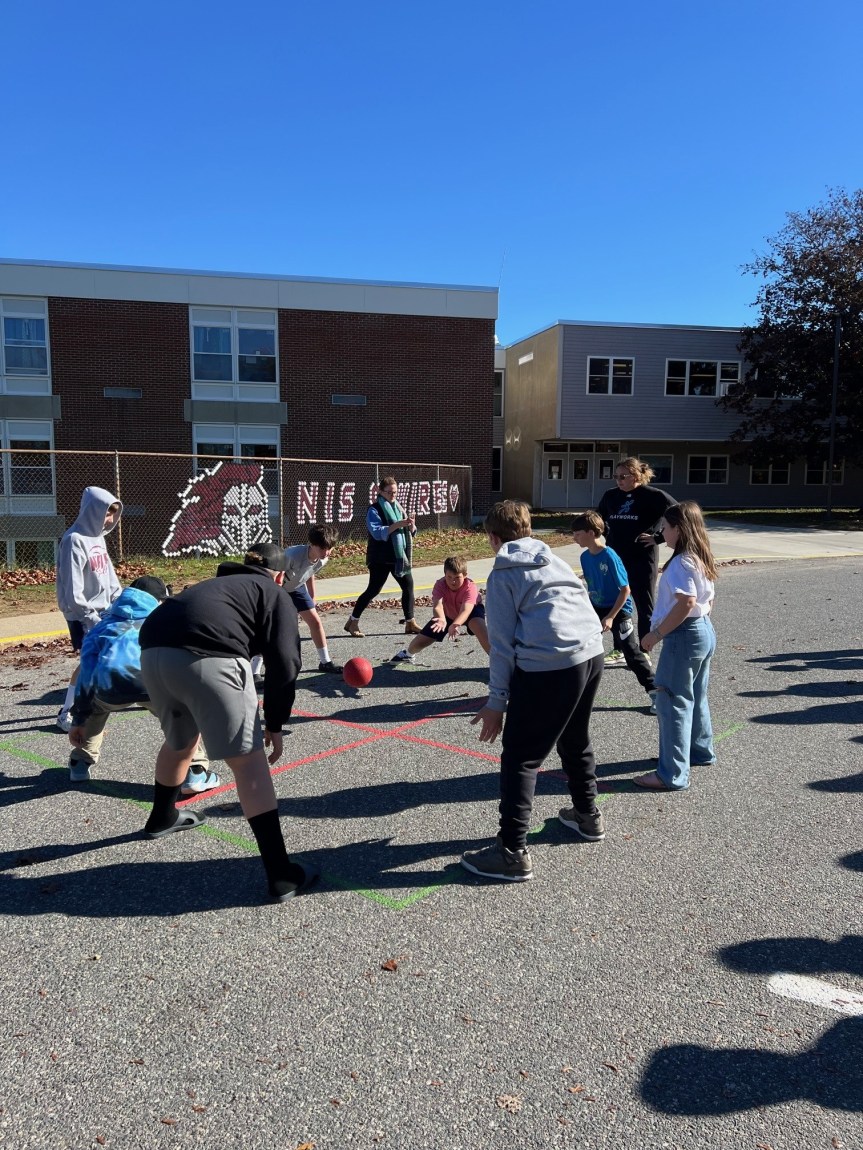
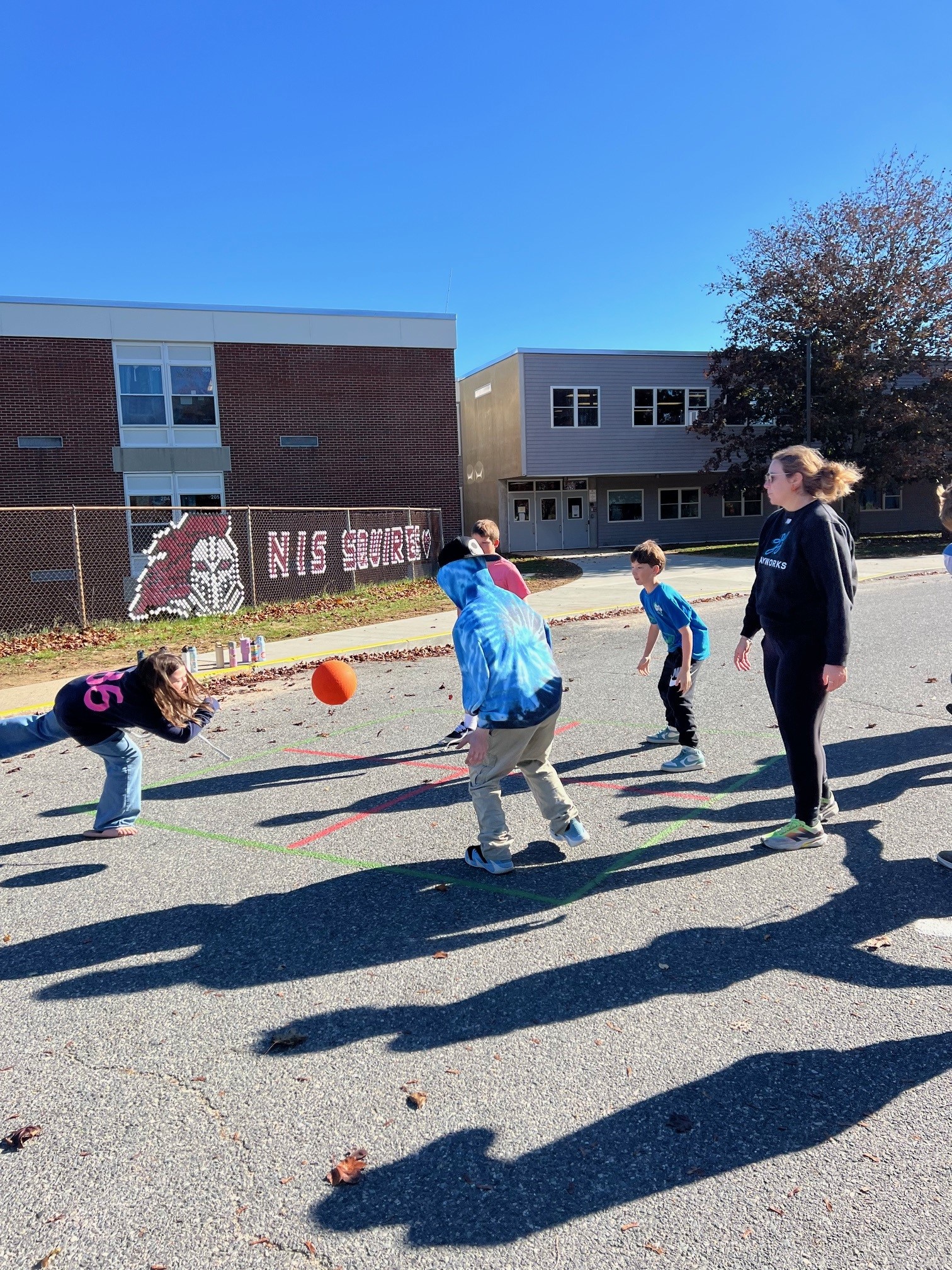
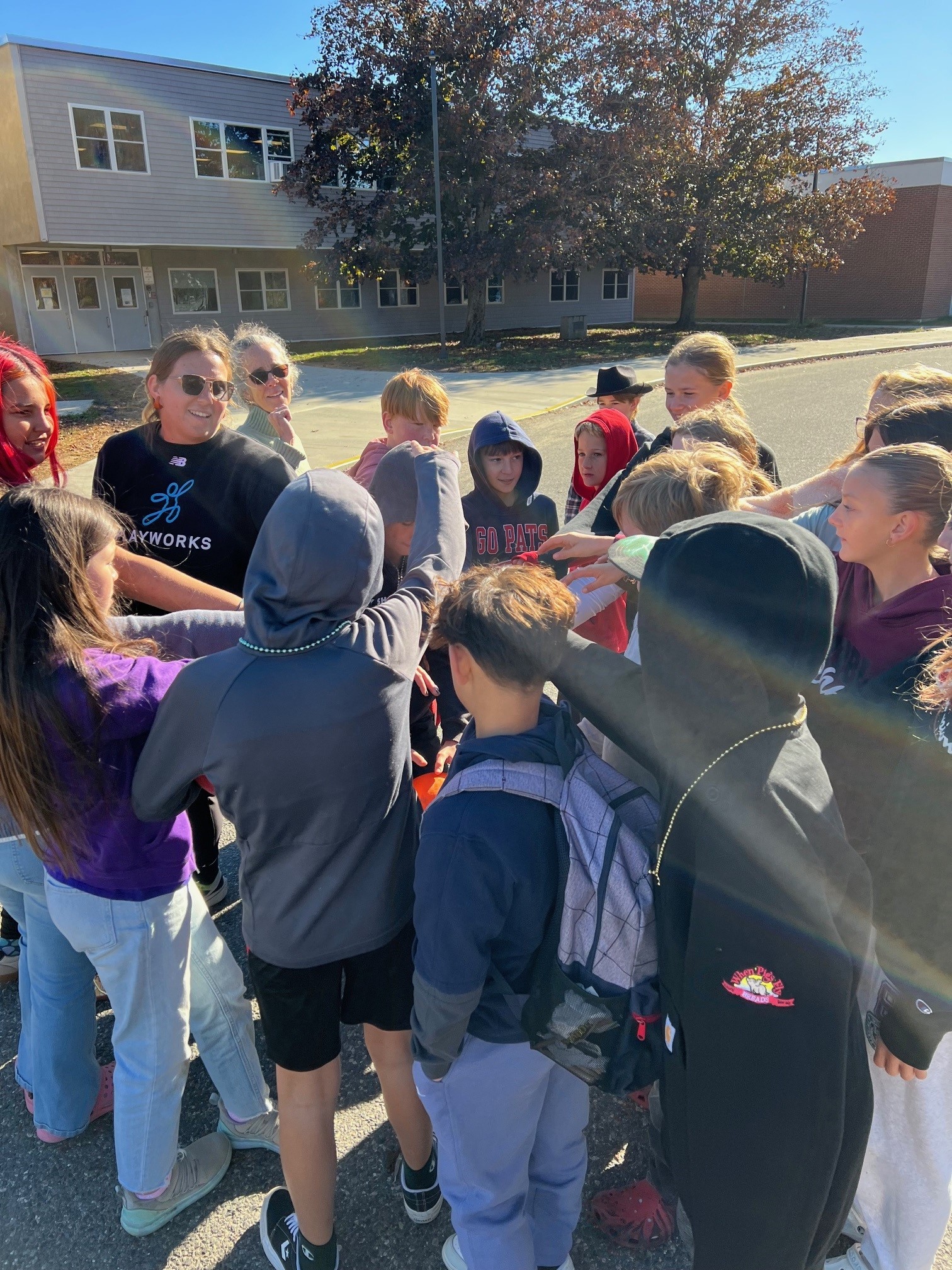
At SeDoMoCha Elementary School in RSU 68, showing up matters—and everyone takes notice. This year, students have taken an active role in making attendance a top priority. Each classroom tracks their daily attendance percentage and proudly posts it right outside of their classroom door for everyone to see.

Seventh-grade science teacher Mrs. Kendrah Fisher was one of the SeDoMoCha teachers who started integrating the taking of attendance into her morning routine at the beginning of the school year. Doing so allowed her students to take ownership of tracking attendance.

“They now do it for our class each morning without being prompted,” Fisher said. “Getting students invested in attendance has had a very positive impact by drawing attention to the importance of coming to school for my students.”


“It shows who comes to school and who takes accountability in coming to school, and it also teaches kids percentages,” eighth-grade student Kaydiense Nelson said about the effort. “It shows that kids want to be here to try to succeed and build a good school environment.”

What started as a simple idea has quickly become a source of pride and motivation throughout the school. The visible reminders spark friendly competition, celebrate consistency, and keep the importance of attendance front and center for students, staff, families, and visitors alike. 

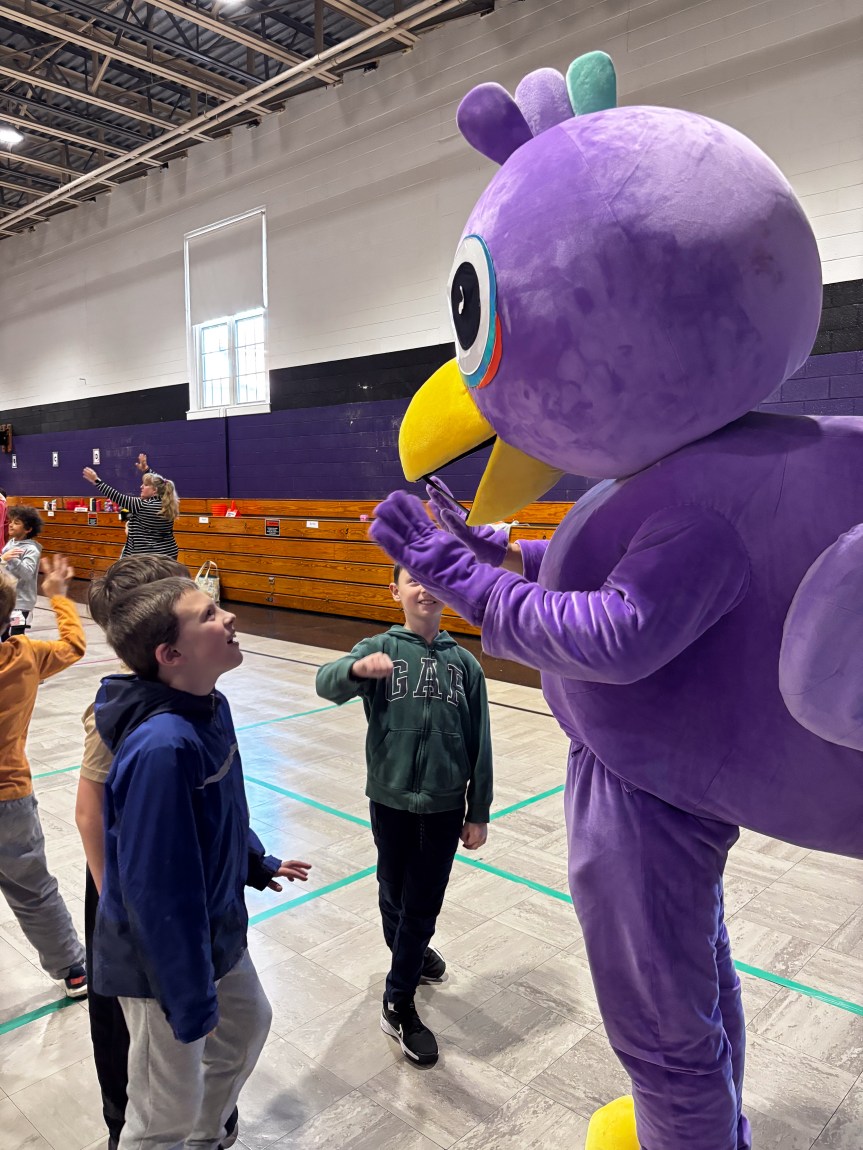
“My class has been so excited to celebrate when our whole class is here. We have a five-second dance party many mornings to celebrate that all of our friends are here. In addition, when a friend is gone, they show so much care and concern,” second-grade teacher Mrs. Abigail Ziegra said. “We send them love waves from our morning meeting and look forward to seeing them again soon.”

“Tracking attendance has helped to develop a larger sense of community among all students in our homeroom,” Fisher said. “My students recognize when their peers are absent, and I have observed them checking in on each other when they return to school. It makes all of my students feel like they matter and are a valuable member of our classroom because they know that they are noticed and missed when they are gone.”

The effort has been warmly received by the entire community, thanks to the dedication of teachers and students who understand that strong attendance leads to stronger learning and stronger connections. At SeDoMoCha, showing up truly makes a difference.

“Seeing our students and teachers take pride in positive daily attendance fosters a strong sense of community,” SeDoMoCha assistant principal Mrs. Davan Walker said. “It highlights the importance of learning each and every day.”

This story was submitted by SeDoMoCha Elementary School in RSU 68. To submit a good news story to the Maine DOE, please fill out the good news submission form.

New “Learning from Maine” Video Series Showcasing Innovation in Maine Schools to Premiere on Maine Public Television November 6 and 7

Learning from Maine, a powerful new documentary video series created by Maine Loves Public Schools (MLPS), will air on Maine Public Television on Wednesday, November 6, at 8 p.m. and be rebroadcast on Thursday, November 7, at 2 p.m. It will feature innovative education stories from Limestone, Farmington, Portland, and Bethel.

Launched in September, the Learning from Maine video series is part of a statewide campaign celebrating the people, programs, and innovations shaping education in Maine. The video series explores questions like: What if ninth graders could spend an entire year learning in the woods of Maine—developing knowledge, confidence, and resilience that strengthen their entire community? What if students could earn high school credit while working in local businesses, gaining real-world experience, and building their futures?

“We hope that Learning from Maine will provide a deeper view into what our educators see every day: the transformational power of education to bring communities together and change the lives of our kids and families,” Maine School Superintendents Association (MSSA) Executive Director Eileen King said. MSSA is one of the core organizations leading the effort.

Individual episodes of Learning from Maine have been released online. Each episode tells a story of innovation in Maine classrooms. The series features stories hosted by former Maine principal Derek Pierce. Each 10-15-minute segment features a single school community and highlights promising practices strengthening education across the state. Stories featured in the series include a reimagined ninth-grade experience in Bethel and an apprenticeship model in Farmington that is helping young men to reconnect with school and prepare for meaningful, well-paid careers.

“It has been a great honor and joy to see what our teachers and students are up to around the state, and I can’t wait to share these inspiring stories with all who care about Maine’s public schools,” host Derek Pierce said.

Maine Public Television has partnered with MLPS to co-produce eight additional Learning from Maine stories, with more episodes planned for broadcast in 2026. Several in-person screenings are also scheduled across the state this fall:

  • Tuesday, October 29 – Portland
  • Wednesday, October 30 – Mt. Blue High School, Farmington
  • Monday, November 10 – University of Maine at Presque Isle
  • Monday, November 10 – Gem Theater, Bethel

A full list of screenings and details can be found here.

About Maine Loves Public Schools

Maine Loves Public Schools (MLPS) is a collaborative initiative led by the Maine School Boards Association, Maine School Superintendents Association, Maine Principals’ Association, Maine Curriculum Leaders Association, Maine Association for Career and Technical Education, and Maine Association of School Business Officials.

The campaign’s mission is to “document, curate, and share stories from within our school communities,” uplifting the creativity and dedication found in classrooms across Maine. Over the past two years, MLPS has collected hundreds of stories from educators and community ambassadors statewide. Learning from Maine represents the next chapter in this ongoing effort to celebrate the innovation and heart at the center of Maine’s public schools.

Watch all episodes and learn more on the MLPS YouTube channel, Facebook, or Instagram.

The Pizza Men of Shooting Stars: How Two Scarborough Bus Drivers Deliver More Than Lunch

At the Shooting Stars Program for pre-K students in Scarborough, lunchtime is about a lot more than food—it is about smiles, laughter, and two beloved visitors who the children affectionately call, “The Pizza Men.”

Dave Gardner and Rick Harden, school bus drivers for Scarborough Public Schools, delivered meals every day last year to the public pre-K partnership classroom at the Shooting Stars Program. Over time, what began as a daily delivery turned into something far more meaningful: a joyful connection that bridged the classroom and the community.

“We might have a tough day, but the kids would never know it,” Gardner said. “We come in all smiles. It’s impossible not to when you see how happy [the children] are.”

The nickname “The Pizza Men” took shape after one Friday pizza delivery last year, and it stuck. Since then, the children have greeted the duo with excitement and giggles, hoping that the day’s lunch might include pizza.

Gardner, who has been driving a school bus for nine years, and Harden, who has been behind the wheel for seven, have made positivity their trademark.

“We go out of our way to greet every child,” Harden said. “We crack jokes. We make them laugh. It starts their day off right—and ours, too.”


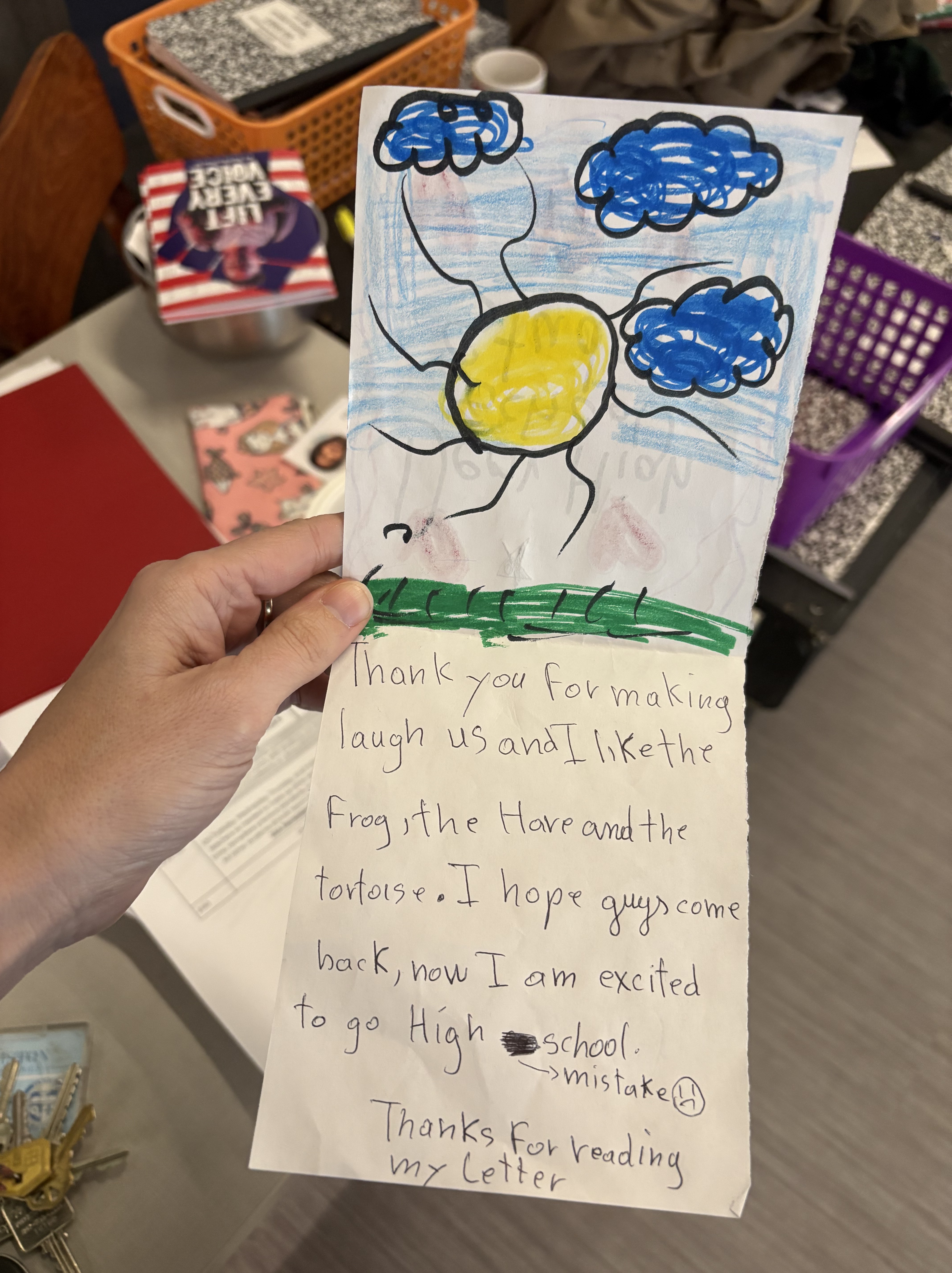
That genuine connection has not gone unnoticed. The class regularly shows their appreciation by creating holiday ornaments, Valentine’s Day candy bags, and colorful thank-you cards for Gardner and Harden.

“It’s those little things that remind you why this job matters,” Gardner said.

Last spring, the pair went above and beyond once again. They brought a full-size school bus to the Shooting Stars Program, so that the preschoolers could explore, learn about bus safety, and get comfortable with the sounds and excitement of the bus before starting kindergarten.

“The kids were thrilled,” a teacher shared. “It was even more exciting than when the fire department brought the fire truck!”

For Gardner and Harden, the visit wasn’t just for fun, either.

“We wanted to show them that the bus isn’t scary,” Gardner explained. “All of the children got to try things independently. That was a big moment for them and for us.”

 “To me, these kids are like my grandkids,” Harden added. “I want every interaction to be positive. If they trust us, they’ll speak up when something’s wrong—and that’s what keeps them safe.”

That sense of care shines through in every visit. One day during snack time, Gardner couldn’t resist joining the children at their tiny table.

“They were having snacks, so I sat down with them,” Gardner laughed. “The chairs were a little small for me, but the kids thought it was the funniest thing ever.”

Now, some of those same pre-K students ride Gardner and Harden’s buses as kindergarteners. They still wave, giggle, and shout, “Hey, Pizza Men!” when they see them.

As Maine celebrates National School Bus Safety Week, the staff at the Shooting Stars Program say it best: that Gardner and Harden aren’t just delivering meals—they’re delivering joy, confidence, and care to the next generation.

For more information, please contact Michelle Belanger, Maine DOE Pre-K Partnership Specialist, at Michelle.Belanger@maine.gov.

To submit a good news story to the Maine DOE, please fill out the good news submission form.

Lewiston Public Schools Strengthens Student Stability through Preventing Student Homelessness Grant

Lewiston Public Schools is making meaningful strides in supporting students and families through the Preventing Student Homelessness grant, turning critical funding into lasting impact. With innovative districtwide outreach and the creation of a robust Student Resource Center, Lewiston is ensuring that students can focus on learning, growth, and opportunity—not crisis survival.

Meeting Basic Needs through the Student Resource Center

At the heart of this work is Lewiston’s Student Resource Center (SRC), a welcoming space that provides students and families with the essentials needed to thrive. Stocked with food, clothing, hygiene products, toiletries, and school supplies purchased with Preventing Student Homelessness grant funds, the center ensures that no student goes without the basic necessities that make learning possible.

The center also offers laundry and shower facilities, complete with soaps, shampoos, and detergents—all free for families to use. Beyond immediate needs, the center connects students with housing agencies, case management, and mental health services, helping to prevent homelessness before it occurs and strengthening family stability.


Staying Connected All Year Long

Recognizing that needs don’t stop when the school year ends, Lewiston’s summer outreach team—made up of teachers, administrators, McKinney-Vento liaisons, and support staff—hosts weekly community events throughout the summer months. These events provide families with information about learning opportunities, distribute essential items, and maintain vital connections with students experiencing homelessness. Each event also includes free lunches, helping to reduce hunger while promoting engagement and connection.

Making an Impact

The impact of this coordinated effort is clear. During the 2024-2025 school year, Lewiston served 694 McKinney-Vento-eligible students, with 464 actively enrolled as of May 2025. Each student reached represents a step toward greater stability, attendance, and academic success.

Through the Preventing Student Homelessness grant, Lewiston has been able to reduce barriers to education, increase student engagement, and strengthen family connections across the district.

Community Partnerships Creating Change

Lewiston’s success is built on strong community partnerships that amplify the reach of the Preventing Student Homelessness grant:

  • MaineHousing: Since March of 2025, more than 93 students and families have received housing navigation services, with at least 51 students prevented from experiencing homelessness due to eviction.
  • Soles4Souls: Each spring and fall, 750 pairs of shoes are distributed to students—half of whom qualify under McKinney-Vento—ensuring every child can comfortably and confidently participate in school and extracurricular activities.

Continuing the Commitment

While challenges such as rising housing costs and limited access to mental health care persist, Lewiston Public Schools remains steadfast in its mission to support every student. The district continues to expand partnerships, connect families with essential resources, and build systems that promote stability and success.

Thanks to the Preventing Student Homelessness grant and the dedication of Lewiston’s educators and community partners, students are not only finding safety and stability—but also the confidence and opportunity to thrive.

This article was submitted by Lewiston Public Schools. To submit a good news story to the Maine DOE, please fill out the good news submission form.
On Mackworth Island, a School Builds Trust and Educator Pathways

When a deaf Teacher of the Deaf led a summer marine biology camp at the Maine Educational Center for the Deaf and Hard of Hearing/Governor Baxter School for the Deaf (MECDHH/GBSD), something remarkable happened. Students who typically relied on spoken English naturally shifted into American Sign Language (ASL), so that they could connect with their peers.

“It was powerful and beautiful to watch inclusion come alive,” Catherine Lushman, MECDHH/GBSD Assistant Director of Statewide Education and Family Services, said.


That story, and others like it, framed a recent Maine Department of Education (DOE) visit to the Mackworth Island campus to connect with MECDHH/GBSD and have conversations focused on community engagement and the urgent need to strengthen pathways for Teachers of the Deaf across Maine.

Building Trust through Shared Spaces

The Mackworth Island campus has become more than a school. In November of 2024, the Maine DOE unveiled the Maine Outdoor Learning Pavilion—a state facility designed as a shared hub with classroom resources, restrooms, and a group activity lawn. In partnership with MECDHH/GBSD, the pavilion now welcomes students, educators, and community groups for learning and events ranging from Deaf Culture Fest to all-staff meetings and gatherings of the Maine Association for the Deaf.

“Every time we open our space, it builds trust,” Lushman explained. “That has been one of our first priorities—mending and strengthening relationships.”

Growing the Educator Pipeline

MECDHH/GBSD educators have described the challenges of meeting a statewide demand for services with limited staff.

“It’s not just about staffing numbers,” Steve Connolly, Executive Director of MECDHH/GBSD, said. “It’s about making sure services are equitable, even when students live far apart.”

Megan Garrity, MECDHH/GBSD Family and Peer Programs and Eastern Services Coordinator, noted the importance of sparking interest in this pathway earlier.

“Even small experiences—like ASL (American Sign Language) classes, senior projects, or internships—can spark interest. That could be the first step toward building the next generation of educators.”

Partnerships in Practice

At the heart of the visit were the educators whose voices and experiences are shaping the future of deaf education in Maine. By sharing their challenges and solutions, they are building pathways—not only for their students today but also for the next generation of Teachers of the Deaf.

For the Maine DOE, elevating these voices is essential. Insights from MECDHH/GBSD educators will inform statewide work on educator pipelines, higher education partnerships, and community engagement. By bringing these stories forward, the Maine DOE can help to ensure that the innovation happening on Mackworth Island is recognized, supported, and shared across Maine’s schools.

For more information or to get involved with statewide efforts with Teachers of the Deaf across Maine, please contact Maine DOE Director of Strategic Partnerships Ayesha Hall at ayesha.hall@maine.gov.

Maine and Aomori, Japan Celebrate More Than 30 Years of Friendship through Student Art Exchange

Maine students and students from Aomori, Japan, are once again connecting across cultures through art in the 2025 Hashi-Maine exhibition, hosted by MSAD 51 at the Greely Center for the Arts this fall.

Now in its fifth year, Hashi-Maine—meaning “bridge” in Japanese—features student-created prints from both sister states using traditional Japanese block printmaking techniques. The exchange is part of a long-standing cultural partnership between Maine and Aomori, which has been celebrated for more than 30 years.

This year’s exhibition, which ran from September 10 through October 22, includes prints by Maine students from the Cumberland Community Education summer specialty camp, “Art and Culture of Japan,” led by visual art educator Lynda McCann-Olson, as well as students from Long Island Community School, Portland Public Schools, and Eight Corners Primary School in Scarborough.


The Hashi Exchange is a collaboration between the Friends of Aomori of Maine and the Aomori City Morning Rotary. Through this partnership, students in both regions create and exchange prints that highlight aspects of their daily lives and cultures. Once exchanged, the Maine prints become part of the Munakata Shiko Collection at the Aomori Museum of Art, and the Aomori prints join the Friends of Aomori’s collection in Maine.

“The exchange of artwork is an act of cultural diplomacy that encourages students to connect through creativity to build mutual understanding and personal relationships,” said McCann-Olson.

Friends of Aomori, a nonprofit organization of volunteers, works to strengthen the Maine-Aomori relationship through educational and cultural programs. The Maine-Aomori Sister-State Advisory Council (MASSAC), whose members are appointed by the Governor, advises the state on this international partnership.

To learn more about Friends of Aomori of Maine, click here or reach out to Lynda McCann-Olson at lmccann.olson@gmail.com.

This story was written in collaboration with Friends of Aomori of Maine. To submit a good news story to the Maine DOE, please fill out the good news submission form.
A Space for Teens, Built by Teens: The Belfast Teen Center

In the middle of downtown Belfast, a new space has opened its doors. It is made for teenagers, by teenagers and is aptly named the Belfast Teen Center. In a time when it has become increasingly difficult for young people to find a safe, welcoming place to hang out, this is a rare and vital resource: a community hub where teens can gather after school.

The idea grew from conversations at Belfast Area High School. Nadejda Stancioff, a school social worker, recalled how a handful of students experiencing homelessness described feeling isolated in their individual experiences. She asked if they would be interested in getting together as a group, and they agreed to that idea. That small gathering quickly helped the teenagers to feel less alone. This group went on to serve as an advisory board for But Still I Am One, a local nonprofit dedicated to empowering young adults who are experiencing homelessness in Waldo County.

The students had plenty of ideas for how to better support youth like themselves, but one issue stood out above the rest: the need for a space to gather. They pointed to a critical gap in their day—the hours between school dismissal and bedtime when many had nowhere to go. Their vision was simple but powerful; they wanted a space within walking distance from school where teenagers could hang out, do homework, charge their phones, and grab a snack or a hot meal. The space would not be limited to teens experiencing homelessness; it would be open to anyone who wanted a place to go.

One of the students in this group pitched the idea as an Extended Learning Opportunities (ELO) project—a center for teenagers that she called, “Freely You.” In this ELO, this student conducted community organizing, event planning, and marketing, culminating in a trial run consisting of a one-night event that she organized and hosted. Her vision quickly gained traction; what began as a student-led ELO grew into a full-fledged community project.

“I think it’s so important that this is a project that grew organically from student efforts. Kids had the ideas, and a few adults got interested and took the idea seriously,” Solomon Heifets, the Belfast ELO Coordinator, said. “Then, a few more adults and a few more students got involved, and it has very quickly snowballed into a true community collaboration.”

Stancioff said she imagines the Belfast Teen Center as a one-stop shop—always staffed by caring adults—where teenagers can find toiletries, food, warm clothes, and other essentials. For Stancioff, the project feels energizing and full of possibility. Her focus is on ensuring that it is sustainable.

Stancioff shared that a lot of the inspiration for the Belfast Teen Center came from The Landing Place in Rockland, a resource hub that also began in response to community need. The Landing Place provides transitional housing for youth from 18 to 25 years old and offers essentials like free clothing and food.

“I’m excited about having a similar space in Belfast; something that can be a true resource hub,” Stancioff said. “For example, when a student needed a backpack, I called the Belfast Teen Center, and they had one right there in their care closet.”

Much of the center’s momentum has come from community support. In the spring of 2025, a group of students, school staff, and local residents began meeting biweekly to form the Teen Center Board, which includes community members like Chris Battaglia, co-owner of Torchlight Media, who offered the use of his downtown studio as the center’s physical home, and Janet Proulx, a member of First Baptist Church in Belfast, who helped to coordinate volunteers from her congregation to provide regular hot meals for visiting teenagers. Other community members, namely Barbara Gage and Neva Allen, offered to operate under the umbrella of But Still I Am One, while working to incorporate the center as an independent 501(c)(3) nonprofit corporation. Sarah Carey, an interior designer, volunteered her time to work with several groups of students to design the center. Once she had gathered all of their input, she ordered and donated furniture based on their suggestions.  


“There are nice people, and it’s safe,” Caleb Curtis-Dufresne, a junior at Belfast Area High School, said about the center.

In Belfast, teenagers have not had a dedicated space of their own since The Game Loft closed in February of 2025. While the Belfast Free Library and Waldo County YMCA remain welcoming, neither space was created specifically for teenagers. At the Belfast Teen Center, two adults are always present to ensure safety and support—but the center itself belongs to the teenagers. They decide how it functions, what activities take place, and how it grows.

The center provides consistent support—warm meals, basic resources, and caring adults who show up—creating a hub where youth feel comfortable and free to be themselves. Edward “Orange” Newcombe, a sophomore at Belfast Area High School, described it as “a place where you can be open, and you can be yourself.”

“It’s important because it’s a place where you can be free from responsibility, and it makes it easy to relax because it’s a dedicated space to just relax,” Ash Richards, a senior in the area, shared about the center.

The Belfast Teen Center’s open house, held on June 10, was well attended by families, students, and community members. Torchlight Media partnered with students to make a short promotional video for the open house. This fall, the center formally opened on Wednesdays from 2-6 p.m., with the goal to expand hours in future years.


Anna Walker, the center’s director, emphasized the importance of listening closely to teenagers’ ideas, as  they plan themed nights like “Pizza and Puzzles” or watercolor painting sessions.

“The goal is to create a place that’s safe, welcoming, and truly designed for teens,” Walker explained. “It’s somewhere they can just show up as they are, have a meal, and know they’re supported.”

Looking ahead, Walker said she envisions a sustainable, youth-led community hub at the heart of Belfast, where every teenager feels resourced, supported, and inspired.

“We want it to be more than just a hangout,” Walker said about the center. “It should be a cozy, creative space where teenagers feel empowered to shape their own experiences, build confidence, and discover new possibilities.”

Over time, Walker and her colleagues hope that the Belfast Teen Center will grow into a permanent downtown home, consistent and innovative, woven into the fabric of the community, ensuring that teens remain a priority in Belfast for generations to come.

The community is invited to stop by the Belfast Teen Center on Wednesdays between 2 and 6 p.m. Anyone interested in connecting with or supporting the center can contact Anna Walker directly at thebelfastteencenter@gmail.com.

Belfast Area High School was an awardee of Maine Jobs and Recovery Plan grants, which started in 2022 and supported 26 programs across Maine, covering 13 counties, as well as the Maine DOE ELO Expansion grant 2.0, which started in 2025. For more information about ELOs, visit the Maine DOE website or contact Maine DOE ELO Coordinator Lana Sawyer at lana.sawyer@maine.gov.

Additionally, every Maine school administrative unit (SAU) has a McKinney-Vento liaison who supports students who are experiencing homelessness. For questions about McKinney-Vento rights and services, please contact Maine DOE McKinney-Vento Specialist Signe Lynch at signe.lynch@maine.gov or find your local liaison using the Maine McKinney-Vento Contact Lookup.

Maine Student Leader Nathan Prest Honored with 2025 FosterClub Outstanding Young Leader Award

The Maine Department of Education (DOE) is proud to celebrate Nathan Prest, a student leader and advocate, for being named a 2025 FosterClub Outstanding Young Leader. This national recognition honors exceptional youth with lived experience in foster care who are creating positive change in their communities.

Presented annually by FosterClub, a leading national nonprofit supporting youth in foster care, the Outstanding Young Leader Award celebrates individuals who demonstrate extraordinary leadership, resilience, and advocacy.

Prest received the award for his tireless work supporting youth in Maine through leadership and advocacy, particularly around transition supports and eligibility through age 22 for students with disabilities. His efforts are rooted in a deep commitment to belonging, resilience, and empowering others—especially those navigating both the foster care system and the transition to adulthood.

Prest is a current member of the Executive Student Transition Committee (ESTC), a youth-led advisory group of the Transition Maine initiative under the Maine DOE Office of Special Services and Inclusive Education. Transition Maine works to support students with disabilities as they move from high school into adult life, including employment, post-secondary education, and independent living. Prest’s voice has been central to shaping the program’s statewide direction and impact.

“We could not be more proud of Nathan and his accomplishments,” Connor Archer, Transition Maine Project Consultant, said. “Nathan’s commitment to inspiring others is remarkable, and his resilience in doing so has helped reshape many important initiatives when it comes to helping our students with varying abilities and challenges transition from high school into adulthood successfully. In 2025 alone, Nathan has presented at several conferences and summits, representing the strong presence that Transition Maine has not only here in Maine but across the country.”

“Nathan is an important and wonderful member of the ESTC, and we are so proud of him receiving this amazing award,” Xavier Pettis, Chair of the ESTC, said. “His work with youth advocacy and his own lived experience bring tremendous joy and excitement to everything he does with us. We are all excited to work alongside him in this journey as a leader and human being, as he grows and evolves over these next few years!” 

About Nathan Prest

Prest’s journey in foster care began at just four days old. After living with a foster family and then his grandmother, who became his primary support system until her passing, Prest returned to his former foster family, who eventually adopted him. Despite early life challenges, he graduated from Bonny Eagle High School, a milestone he once thought unreachable.

Today, Prest is a passionate advocate for youth with disabilities, including those living with autism, like himself. He speaks at youth summits and conferences, where he shares his story to encourage others to dream big and persist. He’s currently writing a book about his experiences and hopes to one day launch a business that supports others who are navigating similar journeys.

The Maine DOE congratulates Prest on this national recognition and thanks him for his ongoing leadership, both in Maine and beyond. His work embodies the core values of Transition Maine—empowerment, advocacy, and resilience—and we are proud to have his voice helping to shape a more inclusive and supportive future for all Maine students!

Learn more about the award and this year’s recipients here. You can also read Nathan Prest’s bio on FosterClub’s website.

Stepping Forward: How Problem Solving Has Allowed RSU 29 to Succeed in the Transition of Early Childhood Special Education Services

Students in the pre-K program at RSU 29 (courtesy: RSU 29)

Innovation in education comes in many forms, whether from a teaching or an administrative angle. During the 2023-2024 school year, staff at RSU 29 in Houlton learned about an upcoming major opportunity for innovative leadership: joining Cohort 1 of the transition of early childhood special education services from Child Development Services (CDS) to school administrative units (SAUs).

The affirmative decision to hop on board came following a conversation between RSU 29 Superintendent Joe Fagnant and Director of Special Services Renae Foley.

“We thought that we could take this on, that it was important for the district to look at early childhood, to look at special education to try to get these children in as early as possible to receive services,” Fagnant said.

RSU 29 has had a pre-K program in place since 1998. Even before this transition, the district had been looking at opportunities to work with organizations like Head Start to add to that program and deliver services in a more flexible way. Fagnant explained that as soon as word got out that this transition was underway, parents began contacting RSU 29 to ask how they could access services for their children.

“There were a lot more parents out there that had that need than we realized,” Fagnant said.

In order to begin providing early childhood special education services in the 2024-2025 school year, RSU 29 had to make a few significant shifts in terms of staffing and responsibilities. After all, some three-year-olds would now be coming to the district with various needs that, in many cases, had not previously been met. Fagnant credits the relative success of the transition to teamwork.

“Kudos to the staff for taking that on because it was a huge change,” Fagnant said.

“We’re problem solvers,” Foley said. “Anything that would come up, we would put our heads together to say, ‘Okay, so how are we going to do this?’ If we had to think outside of the box to meet a child’s needs, our team was definitely willing to do that.”

Foley said flexibility, a strong sense of support from the Maine Department of Education (DOE) through meetings and informational documents, and close work with community partners and transportation staff have also been integral to a smooth transition.

“We’re closing the gap,” Foley mentioned. She remarked how essential early intervention (from birth-age 2 through CDS) is for children—and now, RSU 29 has picked up the responsibility of the next stage, ensuring that the needs of children ages 3-5 are also met.

Student in the pre-K program at RSU 29 (courtesy: RSU 29)

“I have seen phenomenal growth from all of the kids who have entered the program,” Makala Swallow, an early childhood special education teacher in RSU 29, said.

Swallow credits that growth in large part to the relationships that she has been working hard to build with families and community partners.

“I’m just really, really excited to see it continue, to see these kids come and grow and just continue to flourish, as they continue on through their years,” Swallow expressed.

One of the students who has already experienced that growth is RSU 29 parent Heather Jones’ son. He is speech-delayed, but Jones said that within two weeks of his joining the pre-K program with early childhood special education supports at the district, her family noticed improvements.

“You just saw a change. He loved going to school. I think the Houlton Elementary School altogether is one of the most supportive schools around,” Jones said, later adding, “We just want him to have the best foot forward.”

Jones said that the frequent evaluations and meetings that are offered for this program through RSU 29 provide an essential opportunity for parents to speak with providers about goals and items to work on with their children.

“ [My son] knows the teacher. He knows the routine,” Jones said. “We have seen measurable goals met with him, and we’ve been needing that for four years.”

Amanda Howe, a pre-K teacher and team leader at Houlton Elementary School, said she is also looking forward to seeing how the early childhood special education supports that Jones’ son received at RSU 29 as a three-year-old help to shape his pre-K experience as a four-year-old.

“I’m really excited to see that next continuing growth,” Howe said. “I’m intrigued to see that amazing carryover.”

Howe has worked at the district since 1999 and said the issue of children not receiving referrals for services because of long waitlists and a lack of providers had become significant. For that reason, there was a push to ensure that Cohort 1 would be successful.

“We wanted to be the best of the best from day one,” Howe said.

Ideally, the hope is that early intervention can lead to long-term benefits, too.

“Your goal is to meet these needs earlier so that long-range, they’re being transitioned away from special education services,” Fagnant said, noting the positive effect that this work can have on financial and staffing factors.

As this transition is ironed out over the years, Fagnant said he plans to continue fostering partnerships with groups like daycares in an effort to amplify the thriving mixed-format system. He said that in the long-term, he would love to have a school in RSU 29 like the new Margaret Chase Smith Community School in Skowhegan that serves as a hub with help from partners, housing all services in one facility.

One element that is clear in RSU 29’s achievement thus far: “It’s the people,” Fagnant said.

RSU 29 and the Maine DOE Office of Special Services and Inclusive Education contributed to this article, written as part of a series highlighting the ongoing efforts of CDS and public schools in providing comprehensive educational services to Maine’s children with special needs. To submit a good news story to the Maine DOE, please fill out the good news submission form.
A Day with Benjamin Johnson: Celebrating a 2026 Maine Teacher of the Year Finalist Bringing New Life to a Dead Language 

Benjamin Johnson commands the room during his Latin I class at Hampden Academy.  

Walk into Benjamin Johnson’s classroom at Hampden Academy, and you will find teenagers who are enthusiastic, laughing, and engaged. Placed on a desk in the corner of the room is a bottle of olive oil, sprigs of thyme, and an open bag of almonds. This isn’t a cooking class, though; it’s Latin I.  

Johnson has worked at Hampden Academy as a Latin teacher for more than 20 years. When he first joined the school in the early 2000s, the Latin program was very small and lacked student interest. Ruey Yehle, former Hampden Academy principal who hired Johnson, said she remembers when that dynamic began to change.  

“Within a few years [of Johnson’s hiring], the [Latin] program just exploded—and it was because of Ben’s reaching out to kids,” Yehle explained. “He welcomed everybody, and he made it so that they were successful.” 

A running joke among Hampden Academy administrators past and present is how Johnson has turned an antiquated language into a subject that many students end up pursuing for all four years of high school—even pushing through the challenging AP Seminar with Johnson’s help.  

“The enthusiasm that he brings to others and that dead language just speaks to him as a person,” Reg Ruhlin, former RSU 22 principal, said. 

“What I’ve noticed about Ben is that he talks to the kids like they’re young adults,” Ryan Crane, RSU 22 assistant principal, said. “I can see students going to him and having authentic conversations with him about meaningful stuff.” 

Benjamin Johnson conducts a sensory activity in Latin I that amuses students and gets them to think about ancient Rome.  

In May, Johnson was announced as 2025 Penobscot County Teacher of the Year, and he is now one of four state finalists for 2026 Maine Teacher of the Year. During the week of September 22, as part of the final stage for the Teacher of the Year selection process, a panel of state leaders visited RSU 22 to see Johnson in his classroom—and to hear from the students, colleagues, administrators, and community members who know him best.  

One of those colleagues—who Johnson met through his deep involvement with the National Junior Classical League (NJCL) Convention—flew all the way to Maine from Texas to share his thoughts.  

“Ben is one of the few educators who truly inspired me to be better,” Lee said. “What truly sets Ben apart is that he is an advocate and a champion of all children.” 

Lee recalled an instance at a recent NJCL Convention when a student from a school without a lot of resources in Louisiana decided to run for the position of secretary of the organization. Johnson felt that there was a moment of injustice, as other students were acting unkindly to her, and he spoke up on this student’s behalf—despite the fact that they did not know one another.  

“He truly believes that Latin is for all,” Lee expressed.  

A poster at Hampden Academy recruits students for the Junior Classical League club.  

A board in Benajmin Johnson’s classroom shows the wide impact that the Junior Classical League club has had on Hampden Academy.  

That sense of welcoming has made a major impact on school culture. At Hampden Academy to-date, there are more than 70 students involved in the Junior Classical League (JCL) club, making it one of the most popular groups at the school. Johnson leads Hampden’s and Maine’s JCLs, organizing trips for students to the NJCL Convention and to Greece/Italy. Johnson took the initiative to create scholarships for students in need, ensuring that no one misses out on a learning opportunity for reasons beyond their control. 

“Latin continues to have the largest numbers [at Hampden Academy]—for a language that is no longer in use! People want to take Latin,” Nick Raymond, RSU 22 superintendent, said. 

“My son signed up for Latin to do two years of a language and be done. The next thing I knew, he had joined JCL. The next thing I knew, I was sewing togas,” school nurse Barb Parent recounted. “When I said to [my son], ‘Why are you signing up for Latin III?’ He said, ‘Because I can’t not have Mr. Johnson again.’” 

Benjamin Johnson’s Latin I class is filled to the brim with dedicated students.  

The Hampden Academy Junior Classical League club has won so many trophies that they don’t all fit into the school’s display case!  

Other parents shared similar stories about their kids’ experiences with Johnson. One mother testified that her son told her that learning Latin with Johnson was helping him to improve in other classes, like Spanish and English Language Arts. Another mother expressed her gratitude for Johnson’s reliable communication with families. A third said that Johnson’s students not only like him; they respect him. 
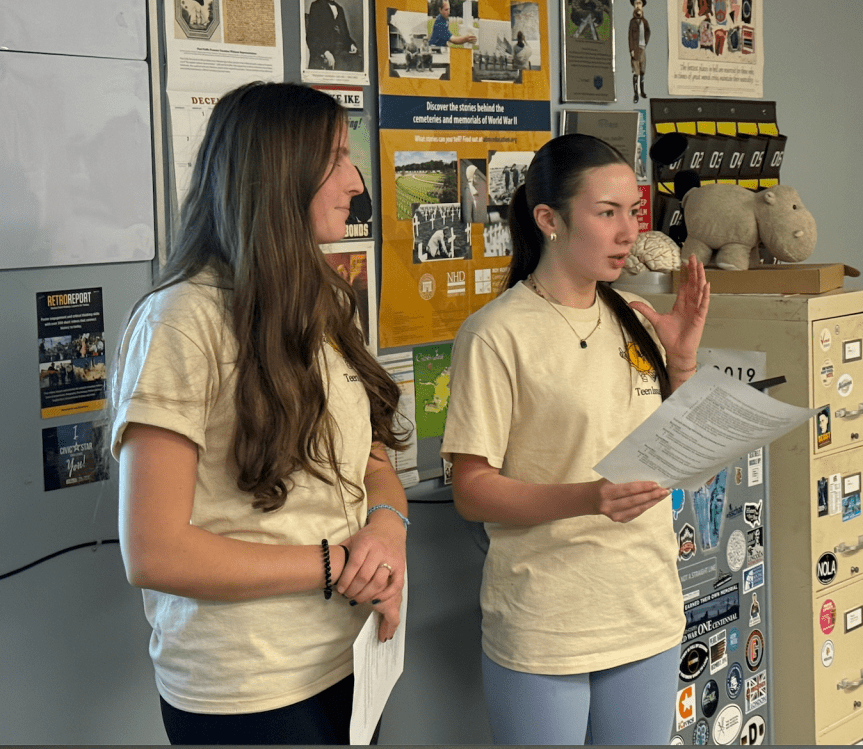
“Part of what makes Ben so great is that he expresses to the kids a sincere belief that they can do it—and he doesn’t let the bar down,” mother Cindy Isenhour expressed.  
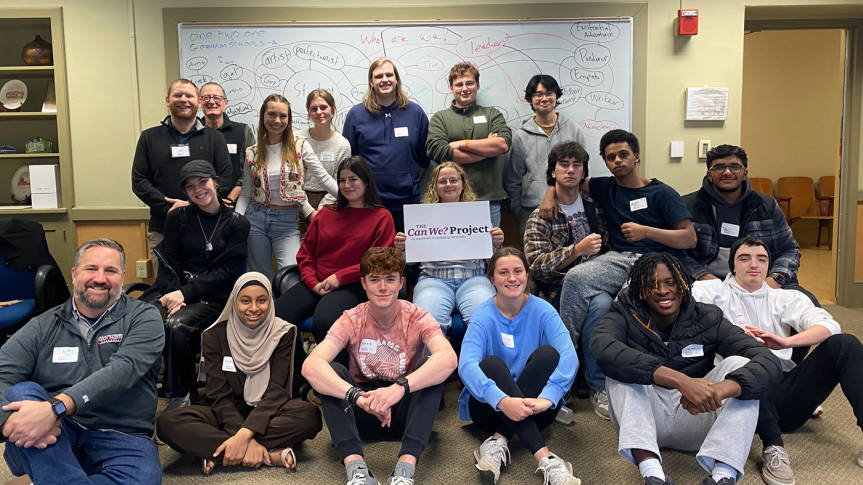
With Johnson’s humble disposition, you would never guess that he has made a name for himself on the national and international levels, as well, for his use of technology in the Latin classroom. Johnson runs the LatinTutorial YouTube channel with more than 125,000 subscribers. He has also created digital tools like Latintutorial.com and Hexameter.co that are used by tens of thousands of learners worldwide.  

“My daughter came home [from an NJCL Conference] and said, ‘Everybody knows who Mr. Johnson is!’” Cora Swalec, parent of five former Hampden Academy students who all took Johnson’s Latin classes, said. “She was amazed even being from little old Hampden, Maine how famous Ben was.” 

Benjamin Johnson is known for integrating modern-day technology into his Latin program.  

When observing Johnson lead his students during class—with a cheerful disposition yet persistent encouragement to have them try their best and step outside of their comfort zones—it is clear why he is beloved.  

“I don’t really believe in myself sometimes, and I doubt myself. Every year, I have doubted my ability in Latin to succeed, and Mr. Johnson has told me that I can do it. And, I’m still in it!” Coleman Chase said. 

“He is like Superman. He does so many things for our school and our community,” Katie Dysart added. 

“He speaks to the principle that you should learn to learn and not learn for the grades,” Leif Isenhour noted.  

Students in Latin I work diligently to translate and solve a riddle.  

Johnson said that no matter the result of the 2026 Maine Teacher of the Year selection process, he is excited to continue the work that he cares so deeply about—keeping the lure of Latin alive in public schools.  

“Latin has a problem with elitism, and we need to break that down,” Johnson said.  

This article is part of a series profiling the four finalists for 2026 Maine Teacher of the Year. Visit the Maine DOE Newsroom throughout the week to learn more about each finalist.