
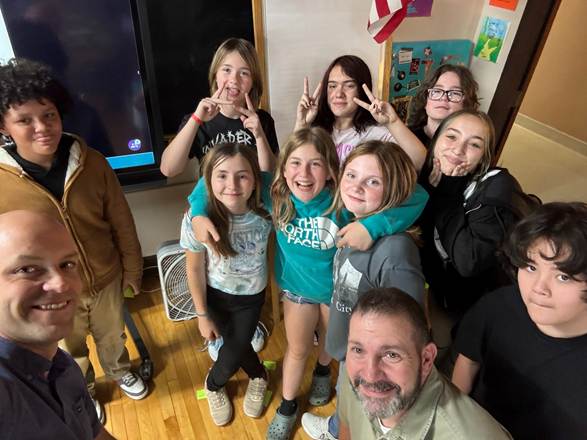
Mountain Valley Middle School alternative education students and teachers Shane Smith and Anthony Mazza gather for a group selfie.
At Mountain Valley Middle School, students in the alternative education program begin each day with breakfast before heading to the gym to reset, move, and prepare for learning. They then gather in a morning circle to review schedules, discuss upcoming activities, reflect on current events, and practice strategies for managing stress and conflict. Co-alternative education teachers Shane Smith and Anthony Mazza use these routines to create consistency, strengthen relationships, and set a positive tone for the day.
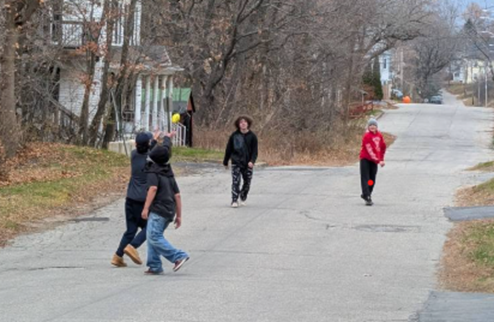
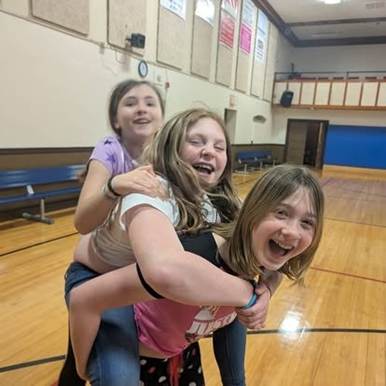
Each day of the alternative education program at Mountain Valley Middle School begins with breakfast, a movement break, and a morning circle.
For many students, the program offers a learning environment built around connection, structure, and support. Launched during the 2023-2024 school year for grades 6-8, the program was designed to provide a flexible, relationship-centered approach for students who benefit from a different path to success than a traditional classroom setting may provide.
“We built the ship as we were sailing it,” Smith said.
What began as a new and evolving program quickly developed through reflection, collaboration, and responsiveness to student needs. During the program’s early stages, students and staff temporarily worked out of a recreation center while school buildings underwent mold remediation. This required creativity and adaptability from everyone involved.
“At the time, we were figuring everything out in real time,” Smith said. “We had difficult days, but we kept reflecting, adjusting, and learning from what students needed.”
The program now operates within the main school building. It’s a transition staff say has strengthened students’ sense of inclusion and connection to the larger school community.
“We’re visible now,” Smith said. “Our students are part of the school community. They aren’t separated or hidden away.”
Building Learning Around Relationships, Engagement, and Community
From the beginning, Smith and Mazza designed the alternative education program as an environment where students feel engaged in their learning.
“It’s important that this isn’t a dumping ground,” Smith said. “We want students to feel supported, challenged, and connected.”
The program serves approximately 14 students with a student-to-staff ratio of about seven to one. Students follow a full-day schedule that blends academics, structured supports, and experiential learning opportunities designed to make coursework accessible and meaningful. Core instruction is adapted to meet a range of academic needs. Smith and Mazza use shorter instructional segments, guided practice, and frequent feedback to help students build confidence and remain engaged.
Project-based and place-based learning are also central to the program. Students participate in activities such as designing aquaponics systems, bridge-building challenges, 3D printing, and explorations of local Rumford history that connect classroom concepts to real-world experiences. Collaborative writing, journaling, and creative projects are also implemented regularly to encourage self-expression and communication.
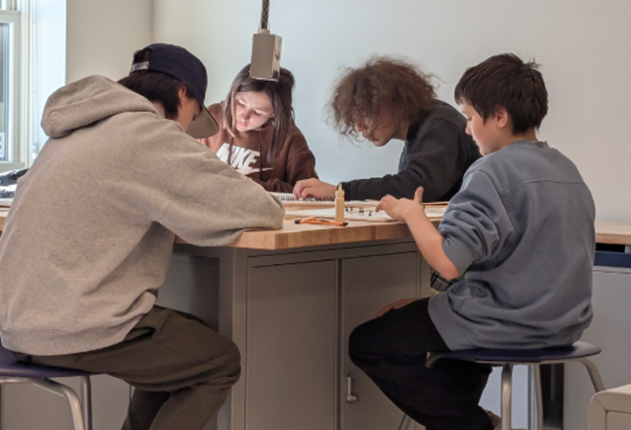
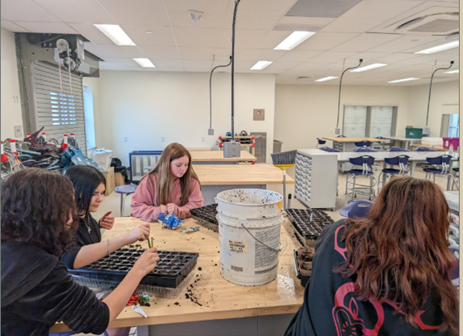
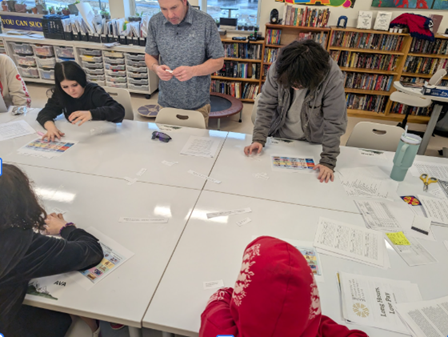
Mountain Valley Middle School alternative education students engage in hands-on, real-world learning experiences—planting seedlings, sorting historical events into patterns of change, and building bridges—applying high-interest activities to strengthen the acquisition and application of knowledge.
“We want learning to feel connected to something real,” Smith said. “Not just something happening on paper.”
Students regularly participate in field trips, outdoor learning opportunities, guest speaker visits, and service-learning projects that extend learning beyond the classroom. They also contribute through volunteering, food pantry support, and local clean-up efforts, while activities such as hiking and trail walks provide opportunities for reflection, teamwork, and personal growth.
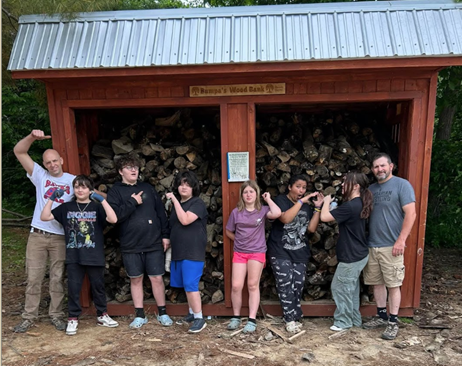
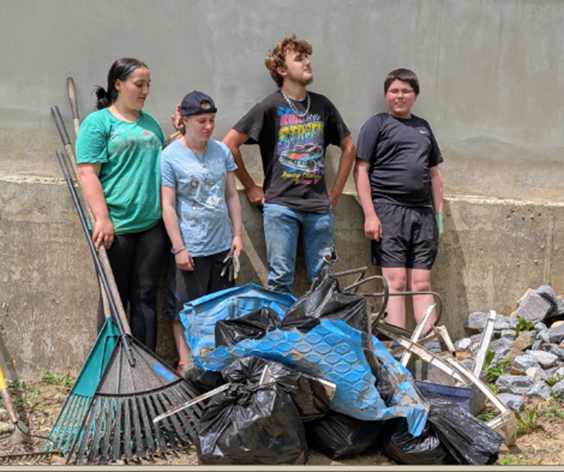
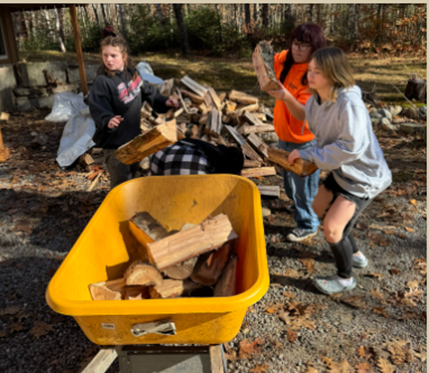
Mountain Valley Middle School alternative education students and teachers Shane Smith and Anthony Mazza fill the community wood-bank and conduct clean-up efforts. These measures help students feel connected to their local community.
“A lot of our students are confined to a small part of town,” Smith said. “Getting outside, exploring, volunteering, and connecting learning to the community makes a huge difference.”
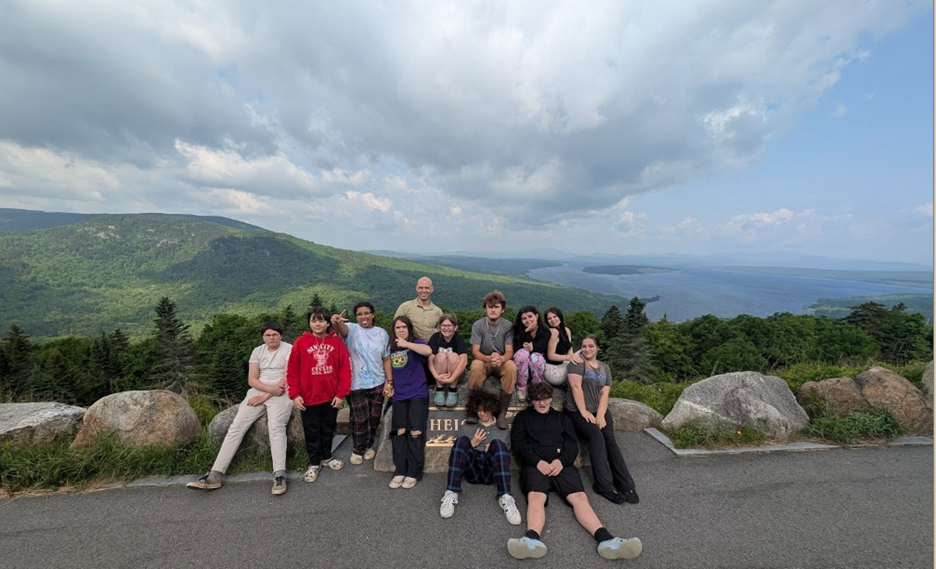
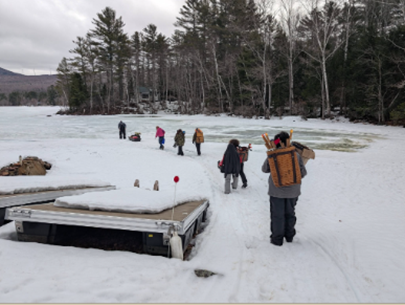
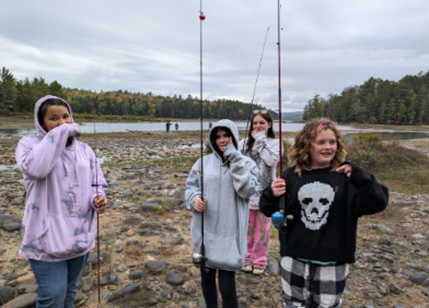
Mountain Valley Middle School alternative education students explore both their local and broader community through experiential, outdoor learning opportunities. Smith shared that, “Being outside lowers stress and cortisol and increases serotonin and happiness levels. Time spent outside improves focus and invites exploration, questioning, and discovery. It’s ever-changing, multi-sensory, and novel. Our trips are challenging and require persistence. Nature is the antidote to heavy screen time and the quick dopamine it provides.”
Across subjects, the focus extends beyond academic completion to helping students develop persistence, confidence, and a stronger sense of belonging in school.
Supporting the Whole Student
Alongside academics, the alternative education program prioritizes emotional regulation, relationship building, and student wellness. Structured morning meetings help students prepare for the day while creating routines that foster stability and predictability.
When students become overwhelmed, Smith and Mazza focus on helping them regulate and re-engage. Students may take a walk or use breathing strategies before returning to instruction. Movement and physical activity are intentionally built into the schedule, giving students opportunities to reset and return to learning more focused and ready to engage.
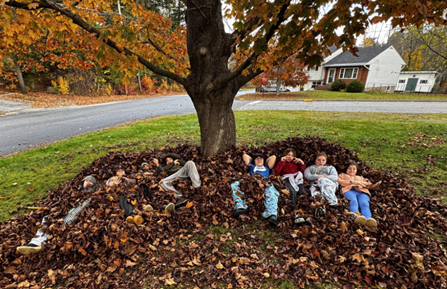
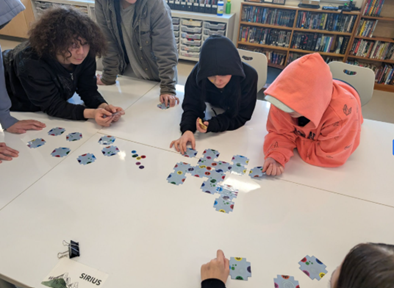
Mountain Valley Middle School alternative education students take quick breaks outdoors (jumping into a pile of fall leaves) and indoors (engaging in “A Gentle Rain,” a silent, collaborative tile-laying game designed to help ground and regulate students before their next class).
The program also incorporates counseling support provided by the school’s counseling and social work teams, helping students build practical coping and communication skills. Smith and Mazza work closely with families and outside providers when needed, recognizing that strong support systems play an important role in student success.
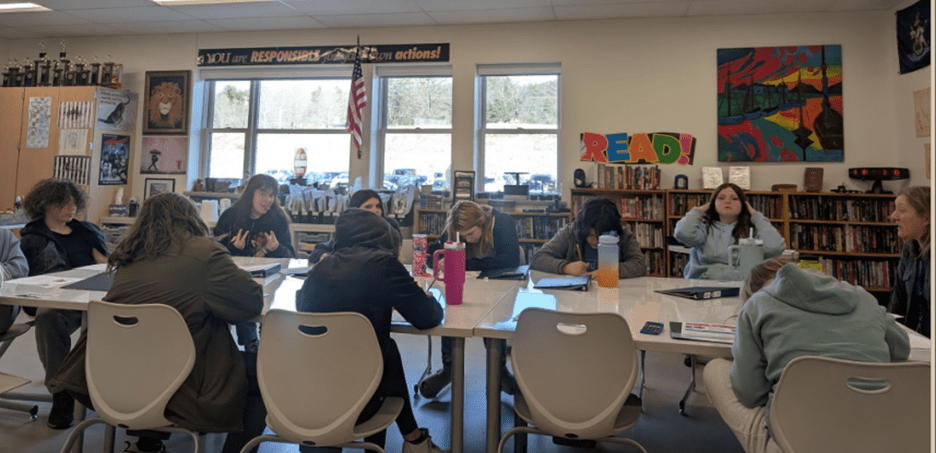
Mountain Valley Middle School alternative education students participate in a daily wellness class twice a week when Sydney Rowe, middle school counselor, helps them to build emotional intelligence skills.
“One thing we’ve learned is that we can’t do this work alone,” Smith said. “Students need systems of support around them.”
As schools across Maine continue exploring ways to support students with diverse strengths and needs, alternative education programs like the one at Mountain Valley Middle School highlight how alternative education can provide innovative, student-centered environments where relationships, flexibility, and meaningful engagement help students build confidence, reconnect with learning, and experience success.
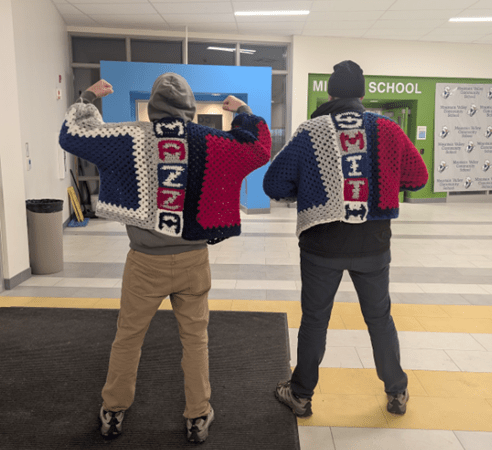
Co-alternative education teachers Mazza and Smith wear matching, handmade crochet sweaters. They say they’re looking forward to the 2026-2027 school year as they continue to grow and craft their middle school alternative education program.
This story was written in collaboration with Mountain Valley Middle School (RSU 10) as part of an ongoing series to highlight alternative education programs across Maine. For more information about alternative education, please visit the Maine DOE Alternative Education webpage. To submit a good news story to the Maine DOE, please fill out the good news submission form.

