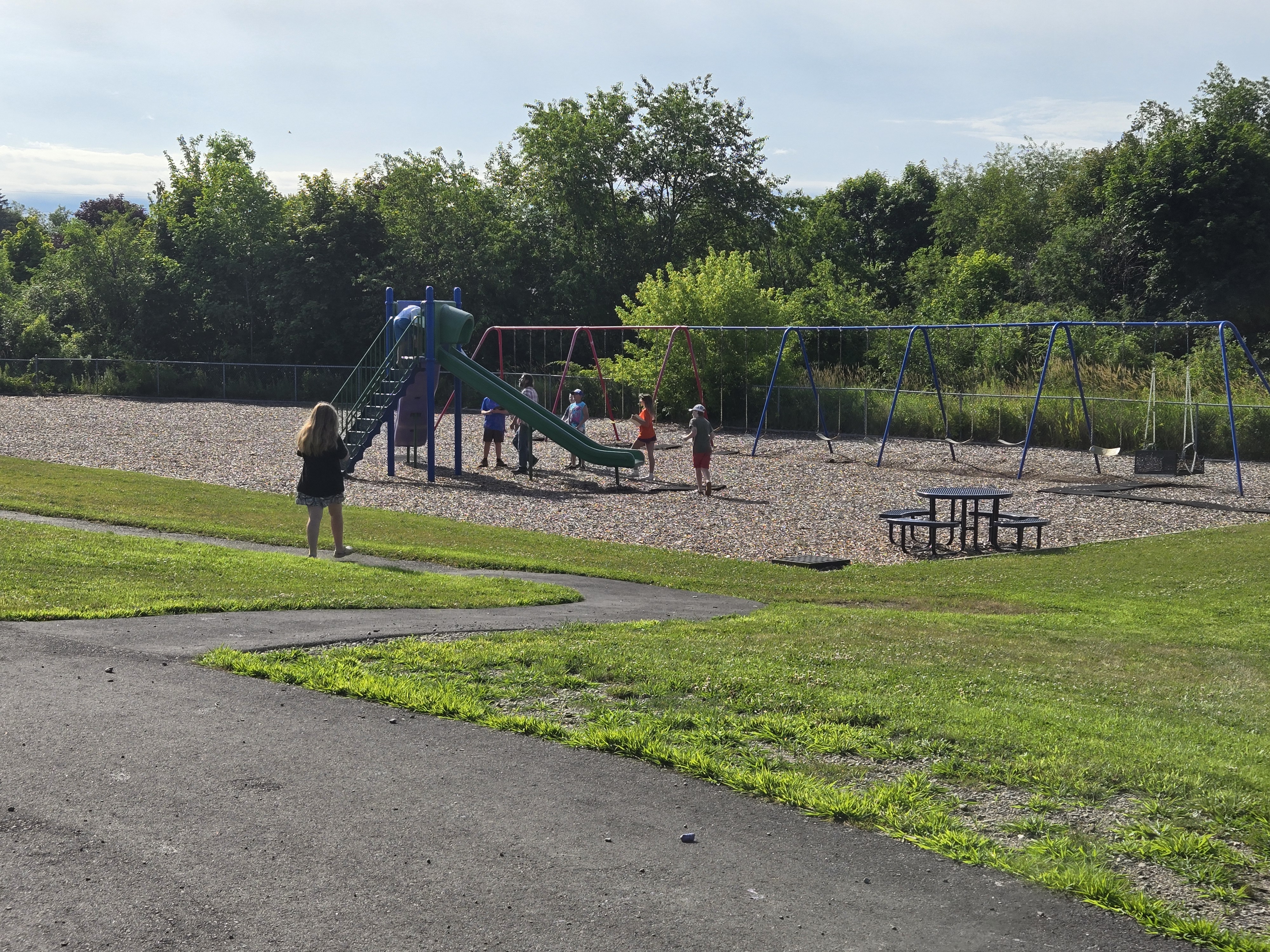
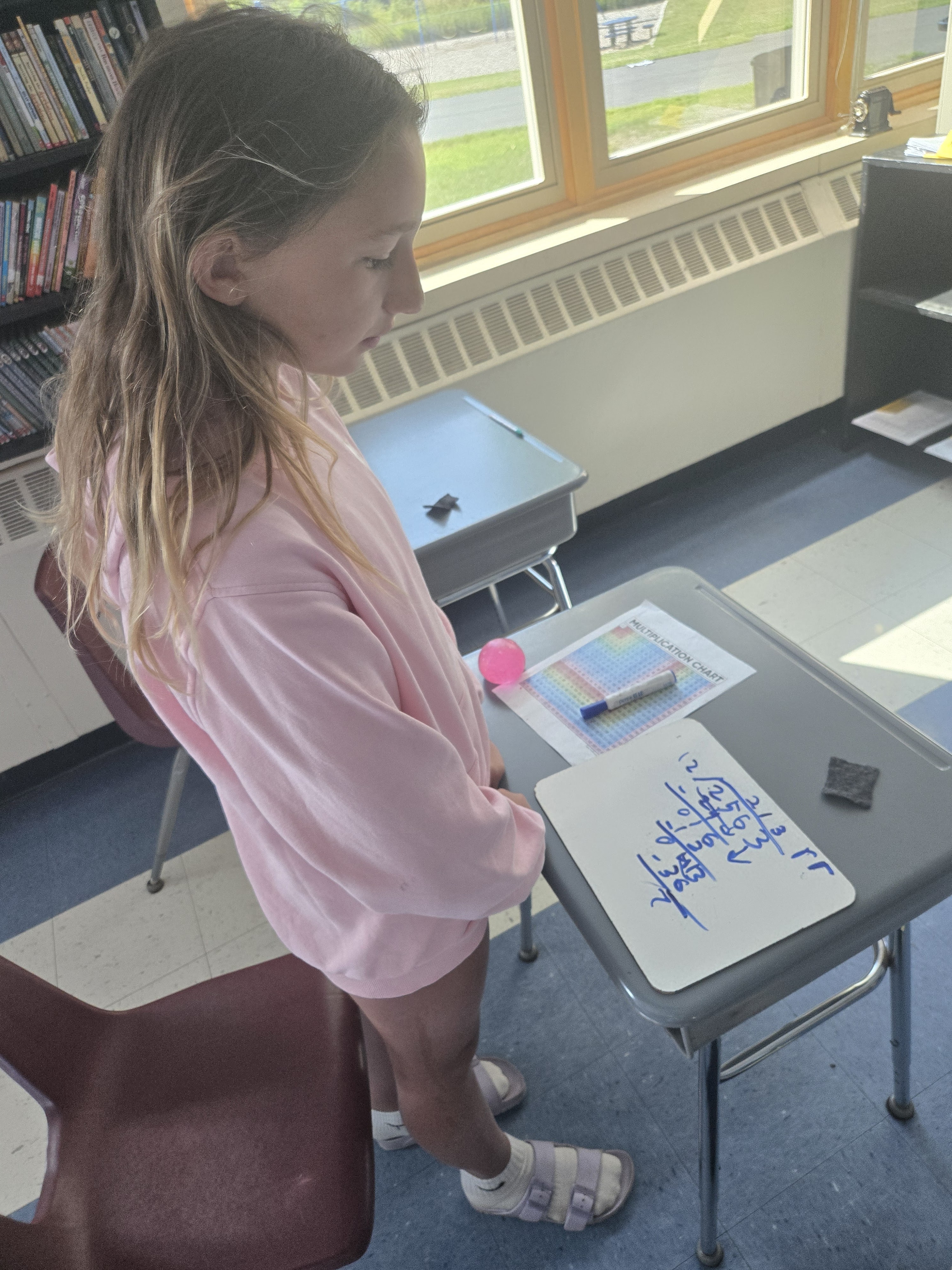
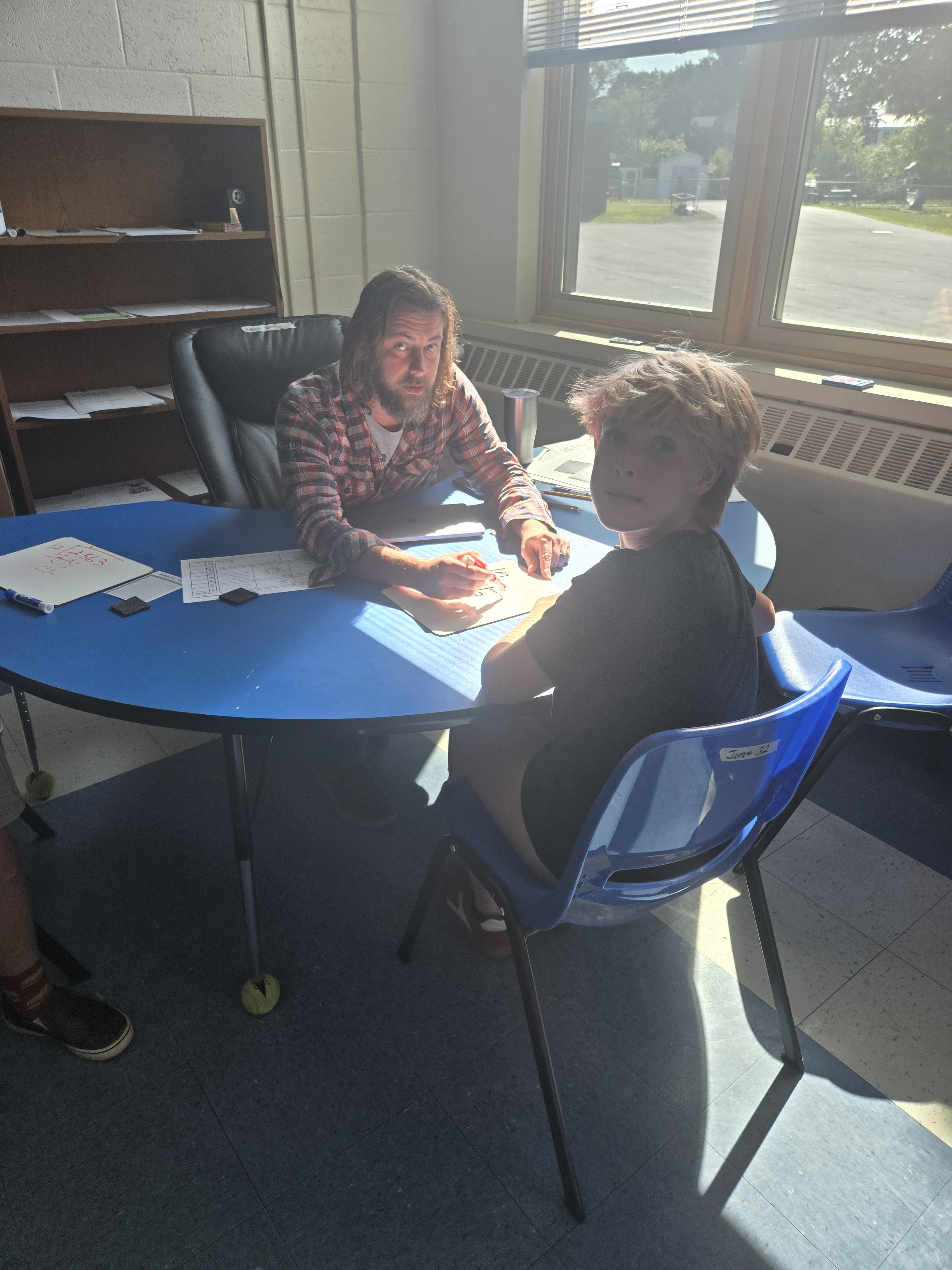
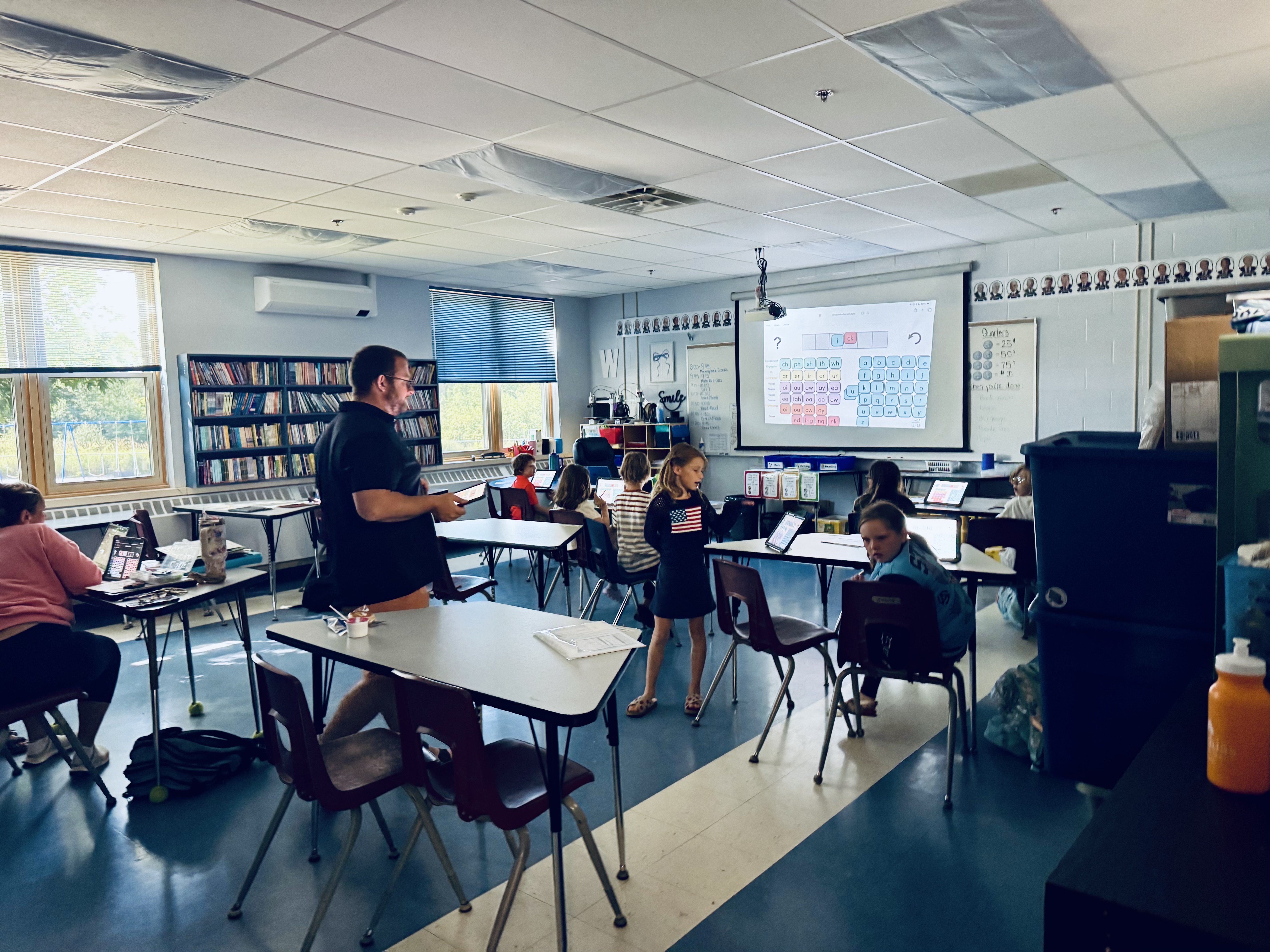
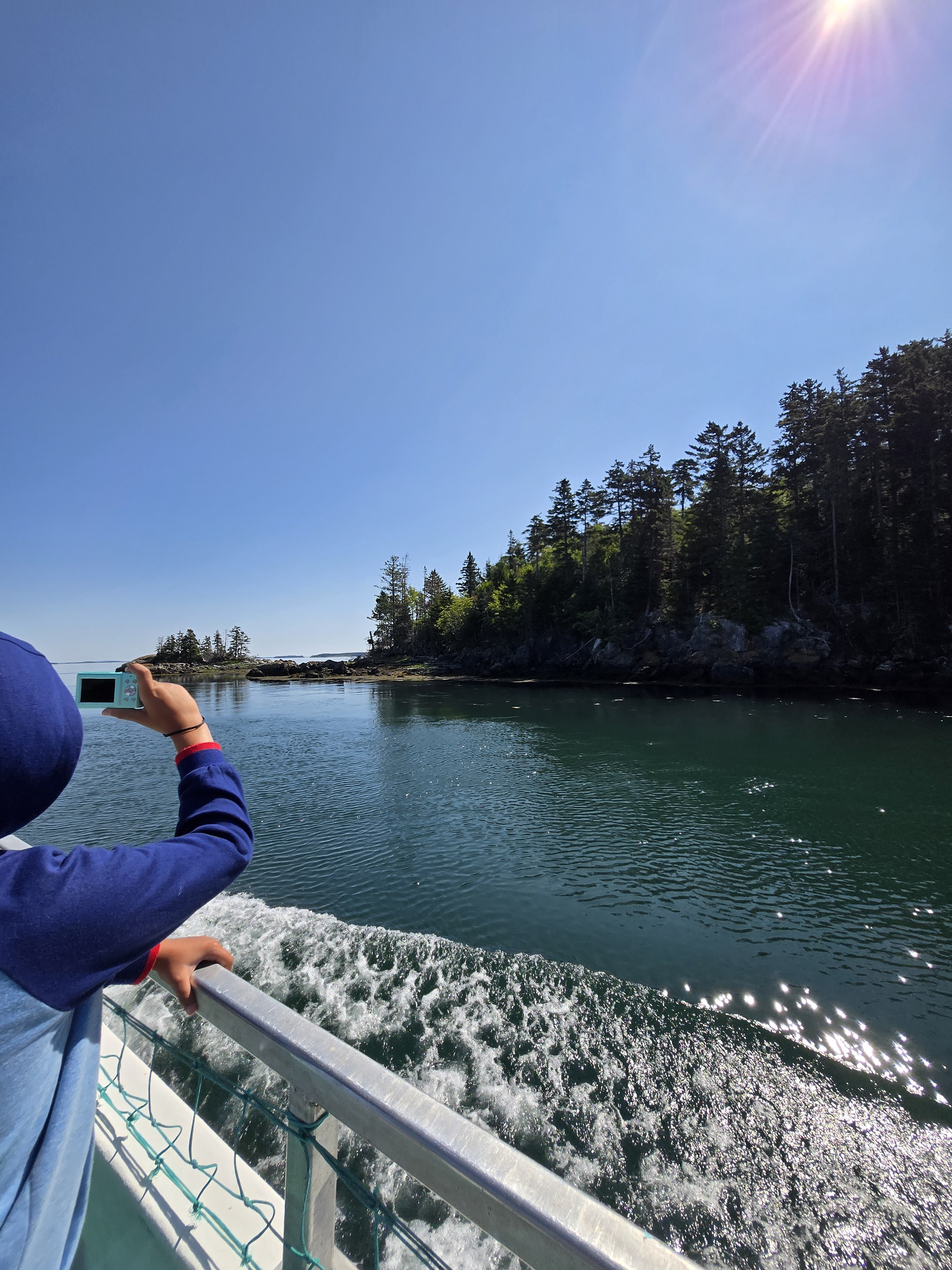
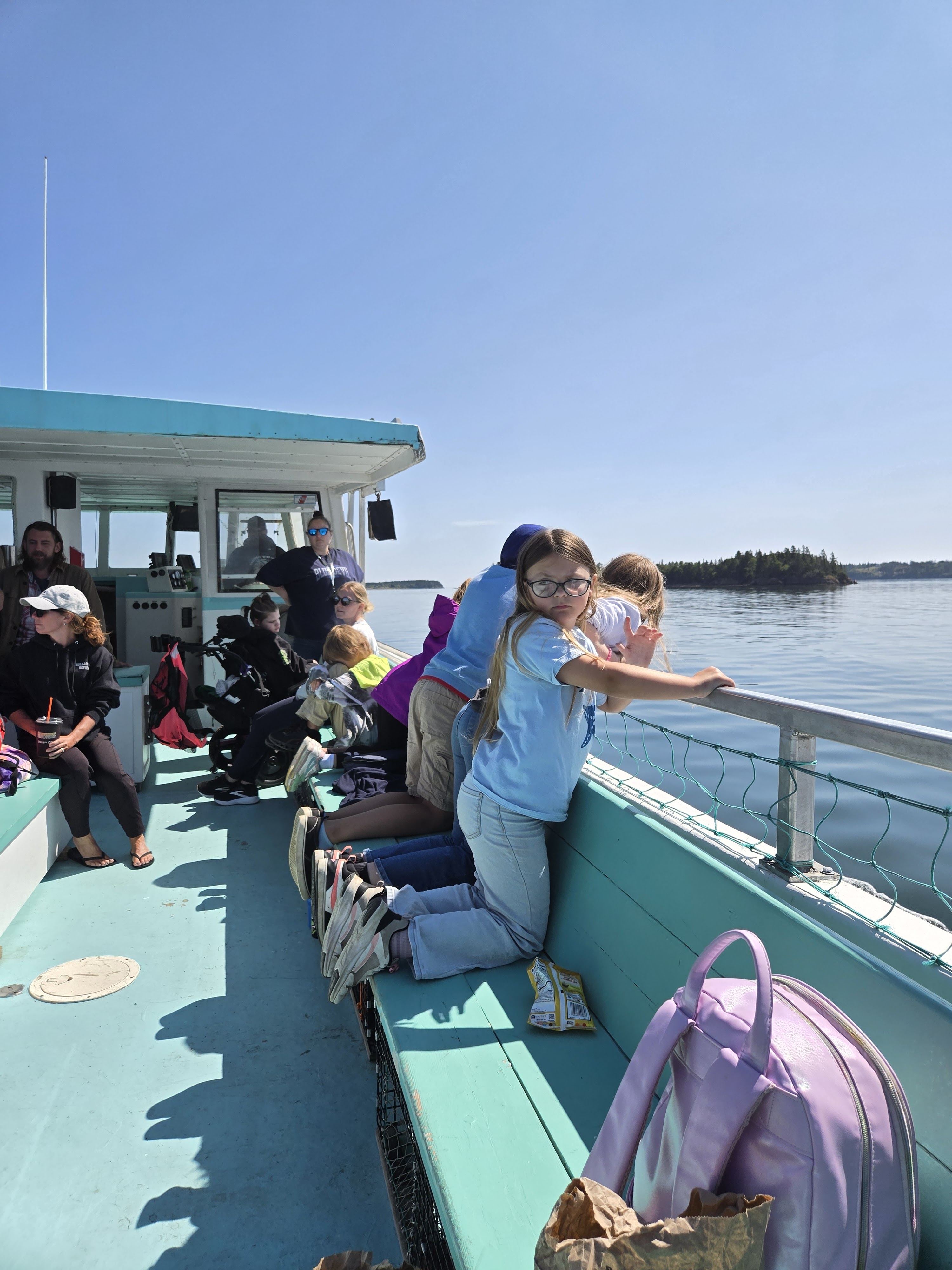
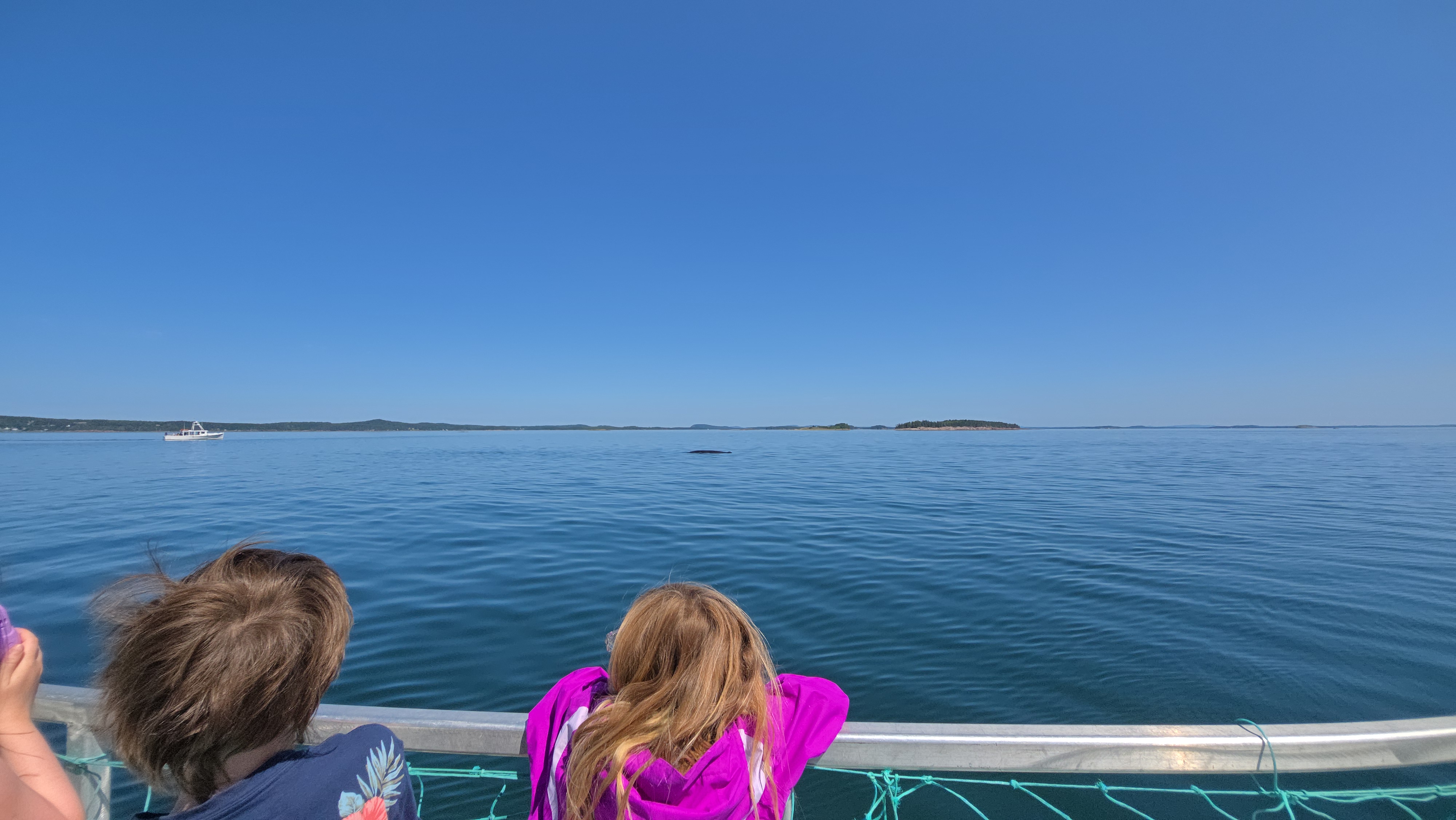
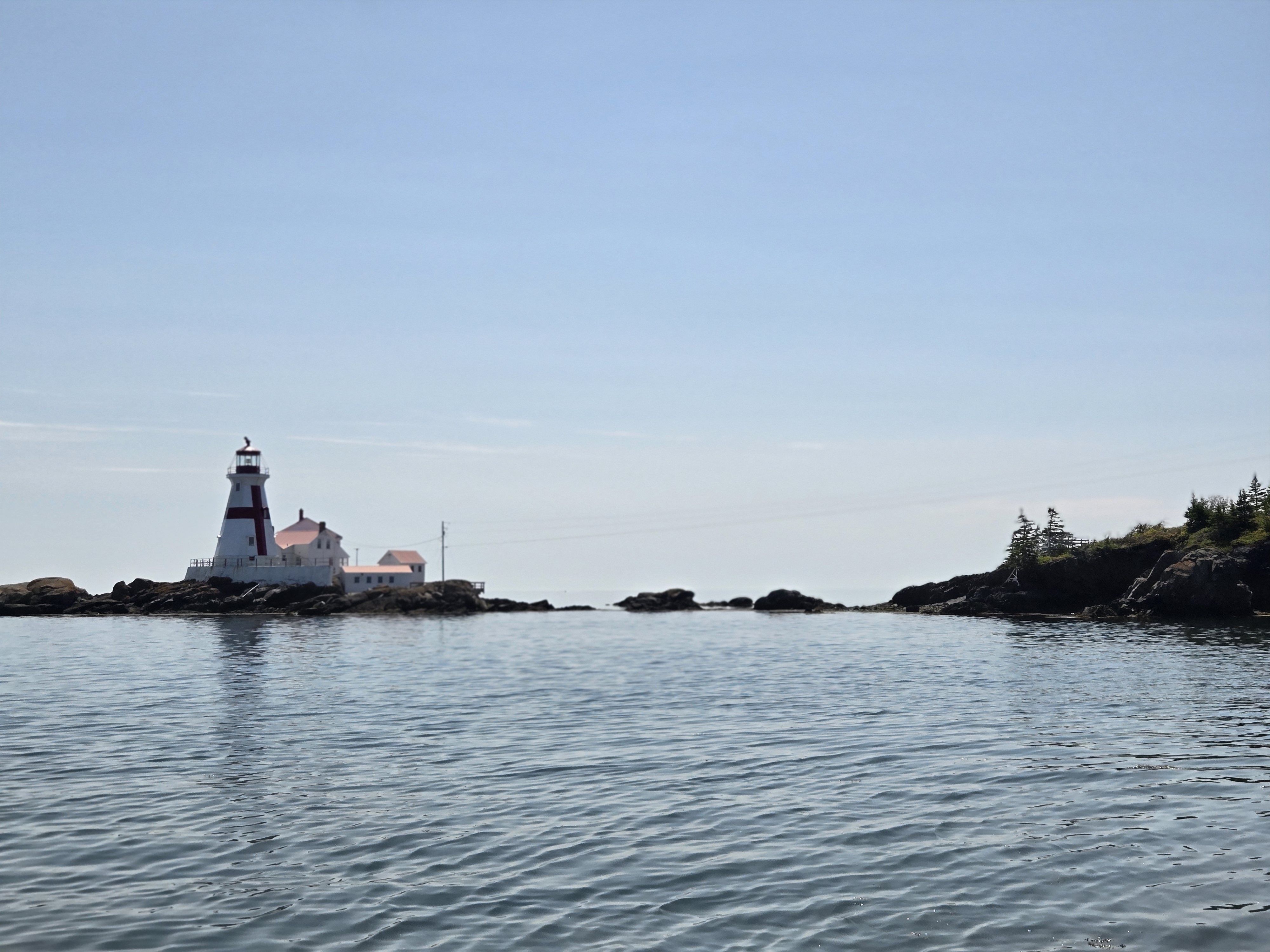
A Calais Elementary Summer Programstudent holds a lobster during an educational excursion to Eastport with the Eastport Windjammers.
This summer, Calais Elementary School demonstrated what is possible when evidence-based instruction, strong community partnerships, and engaging learning experiences come together to support student success.
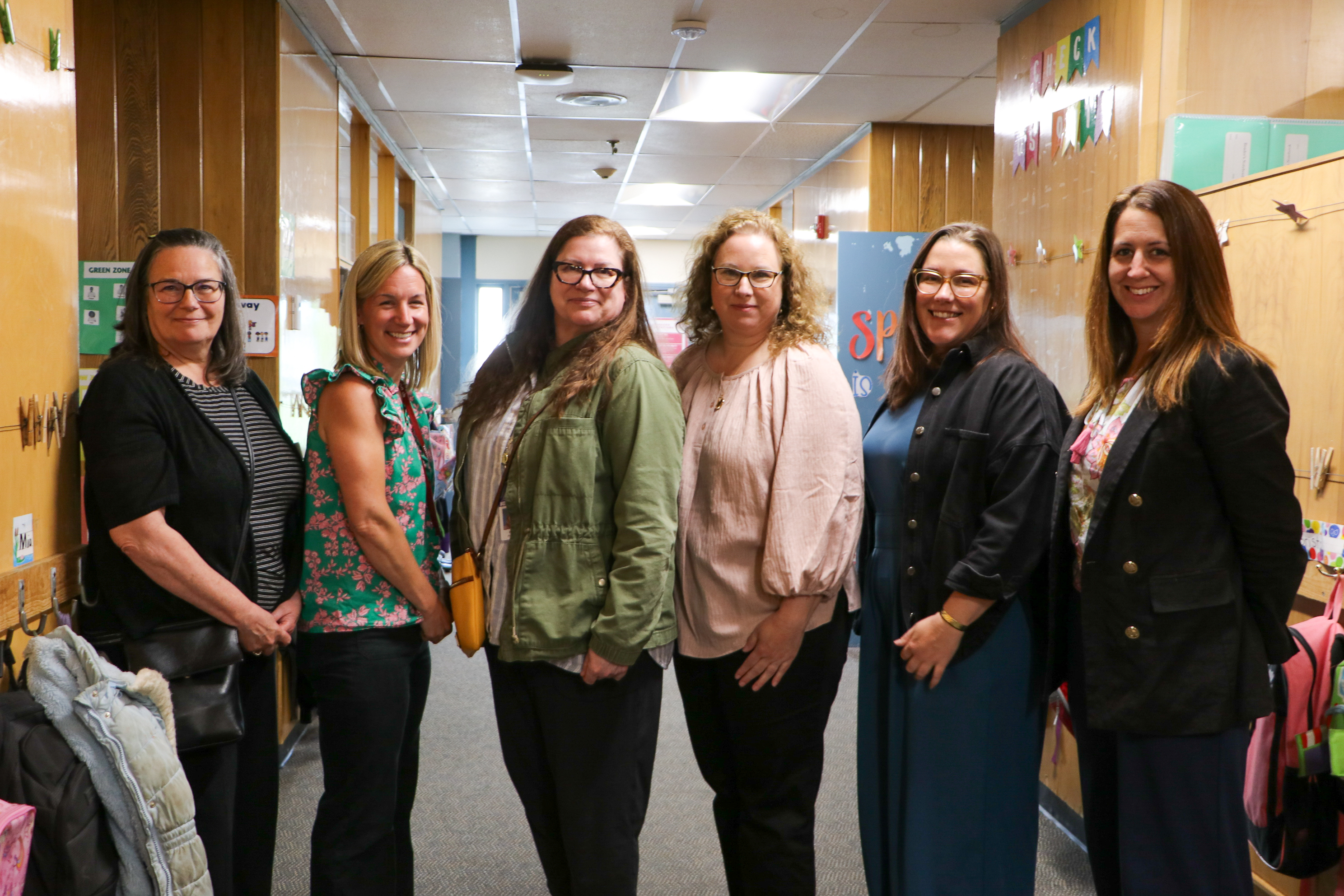
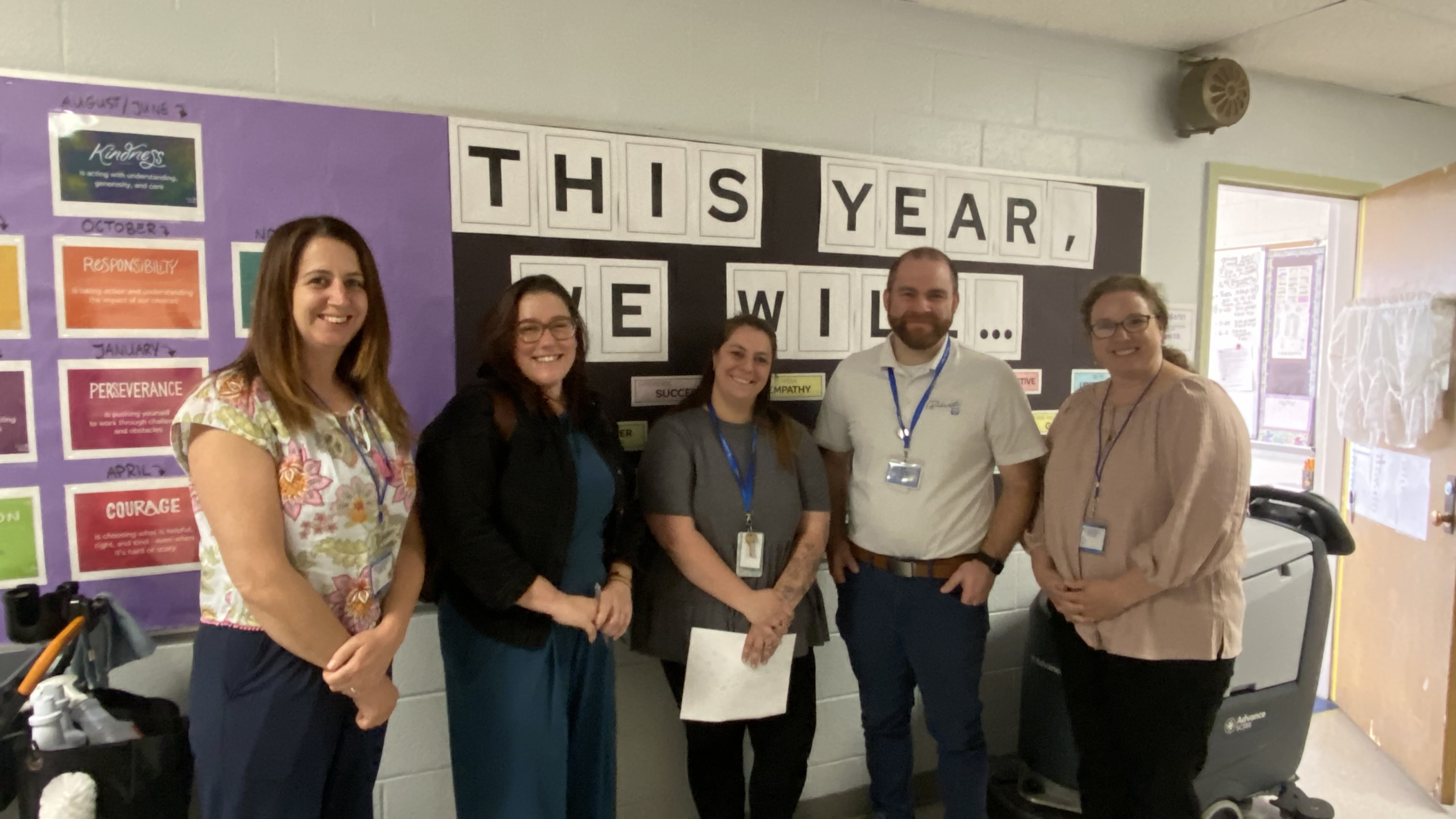
Maine Department of Education (DOE) Associate Commissioner Fortin-Trimble recently visited the school’s academically rigorous Summer 2026 program, funded through the Maine DOE Title I Summer Grant, to see firsthand how students, educators, and families are working together to prevent summer learning loss and create engaging, high-quality learning experiences.
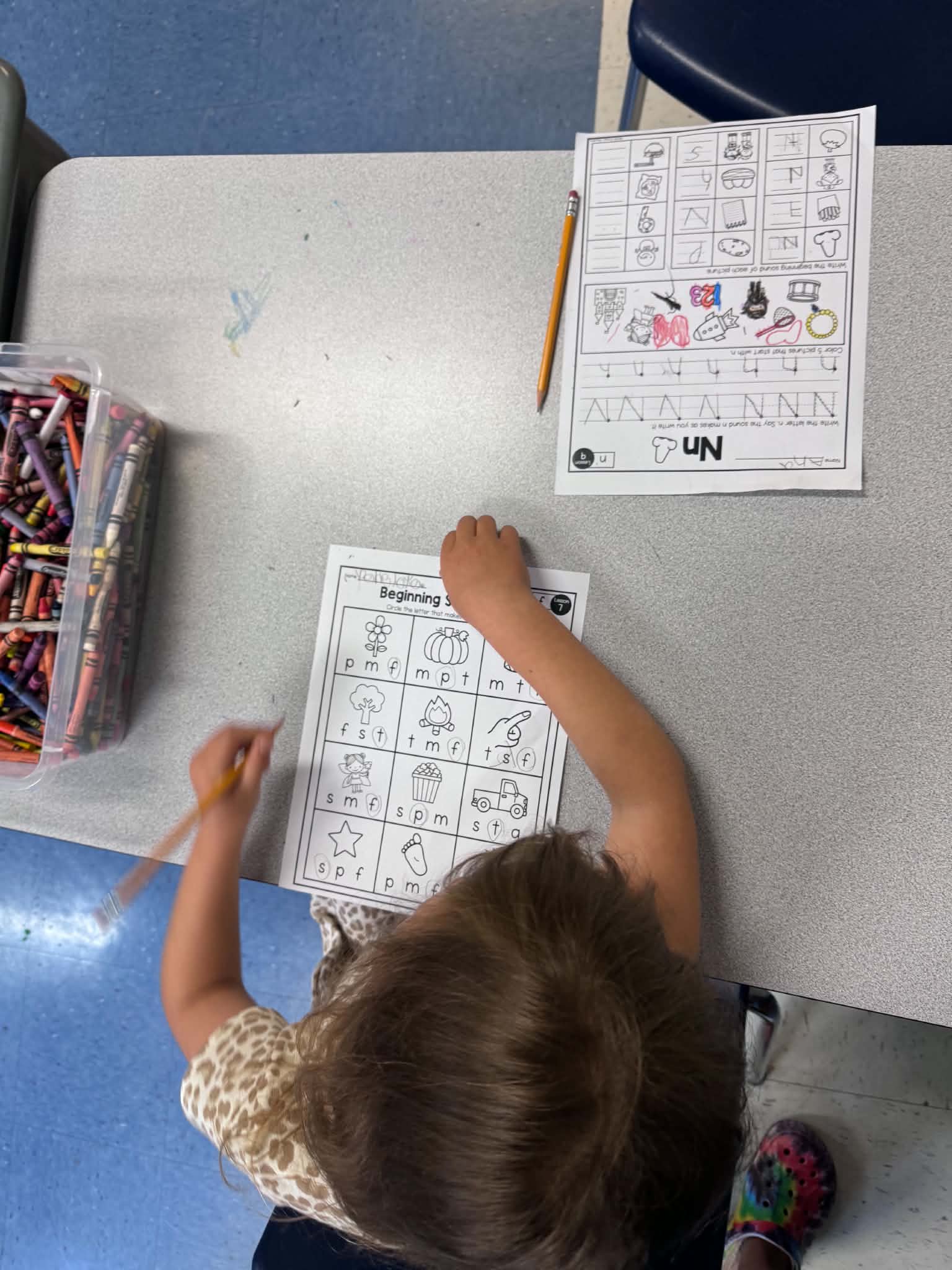
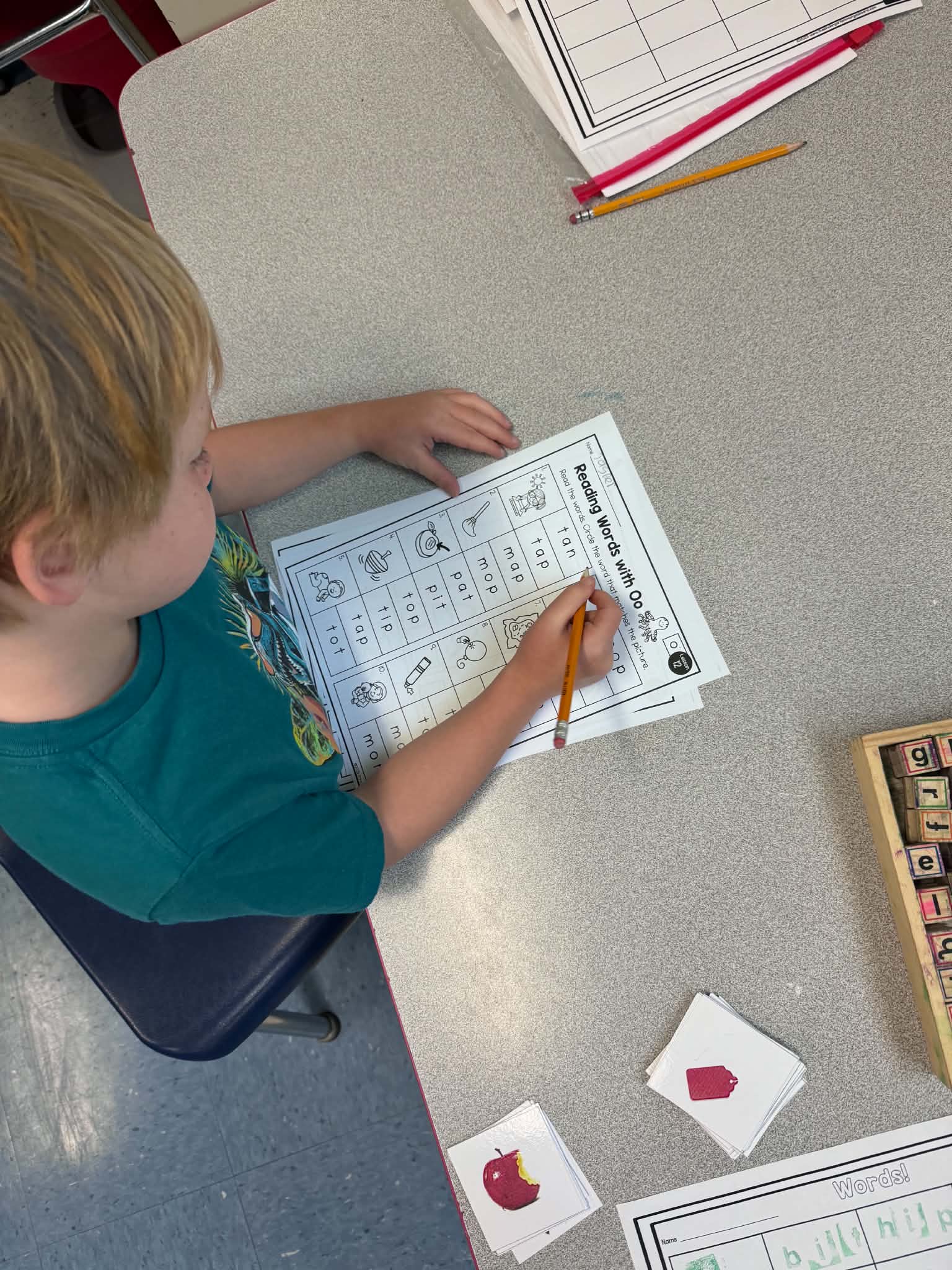
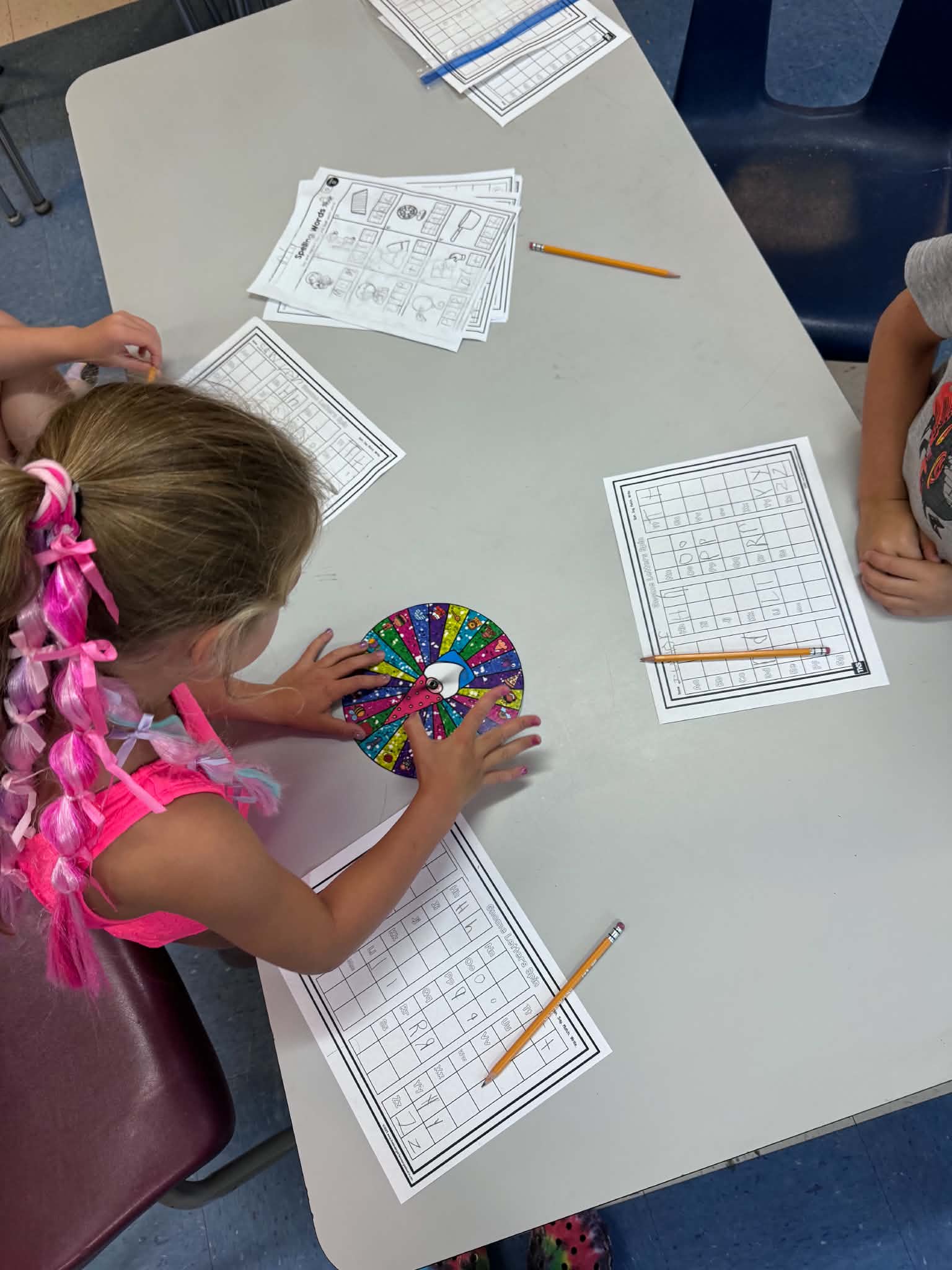
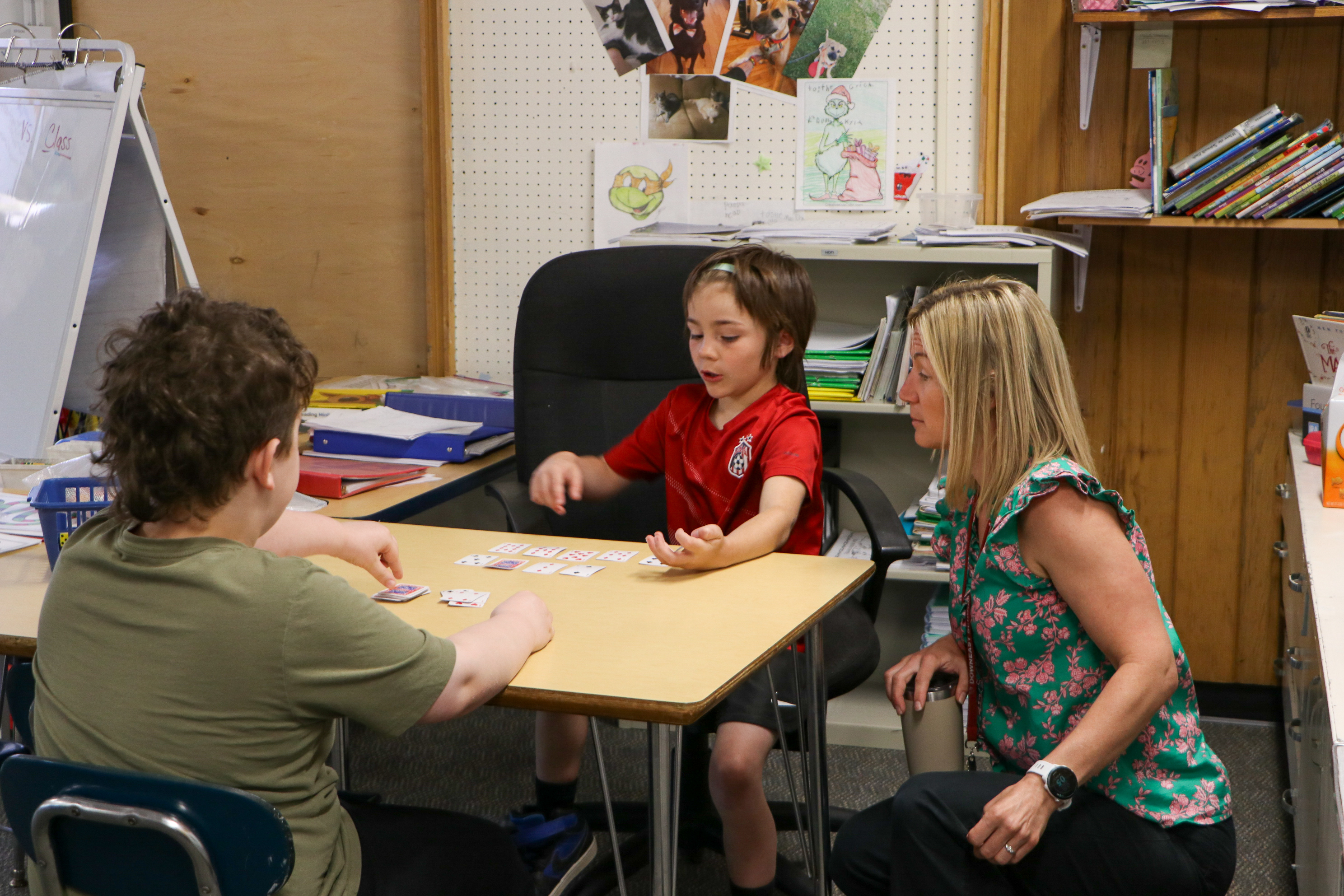
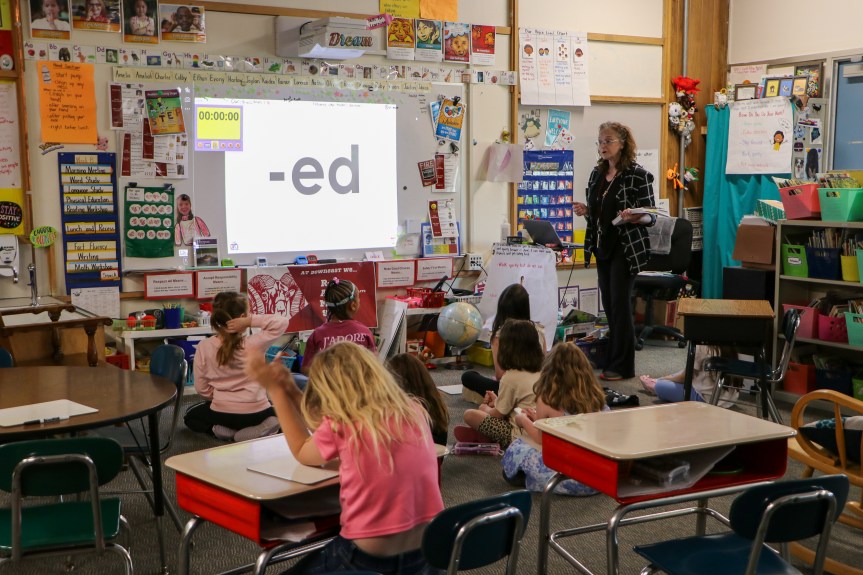
During the visit, Associate Commissioner Fortin-Trimble observed students participating in small-group phonics instruction, building foundational literacy skills by decoding consonant-vowel-consonant (CVC) words, practicing blends and digraphs, and strengthening early reading fluency. Classrooms reflected purposeful, data-informed instruction where teachers knew each student’s strengths, goals, and next steps.
The Calais program reflects many of the characteristics identified by the Wallace Foundation as hallmarks of effective summer learning. Successful programs combine strong academic instruction with engaging enrichment opportunities, maintain high attendance, create welcoming learning environments, and build meaningful partnerships with families and community organizations. At Calais Elementary School, those research-based practices were evident throughout the five-week program.
Students attended Monday through Thursday for targeted reading and mathematics instruction designed to accelerate student learning. Teachers administered reading and math assessments at the beginning and end of the program, using the results to establish individualized learning goals, create flexible instructional groups, and adjust instruction throughout the summer.
Every participating student (100 percent) maintained or improved both reading and mathematics performance over the course of the program. Beyond maintaining skills, 73 percent of students demonstrated measurable growth in mathematics, and 71 percent in reading. The program also exceeded its attendance goal, averaging 89 percent attendance across the five weeks.
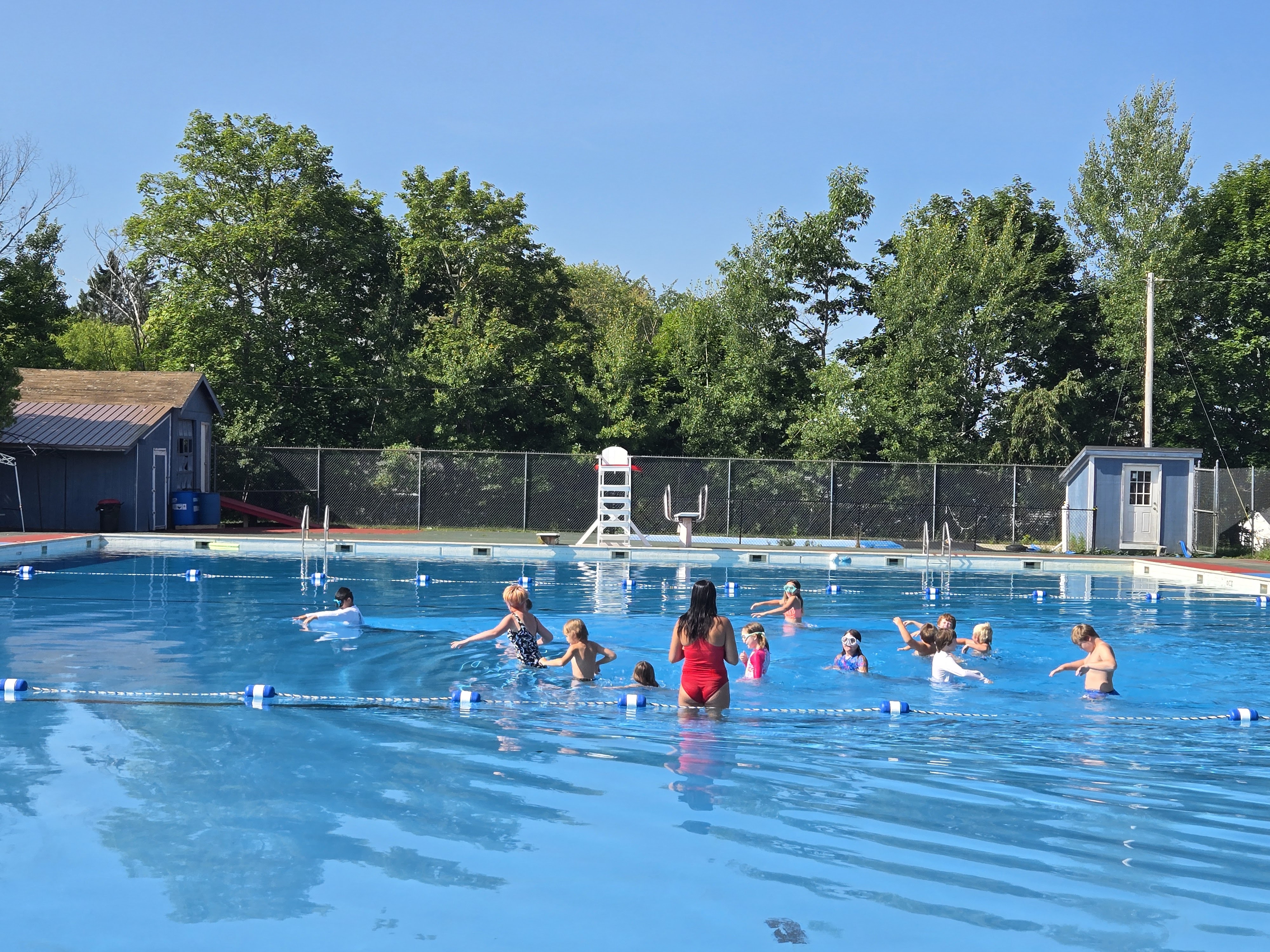
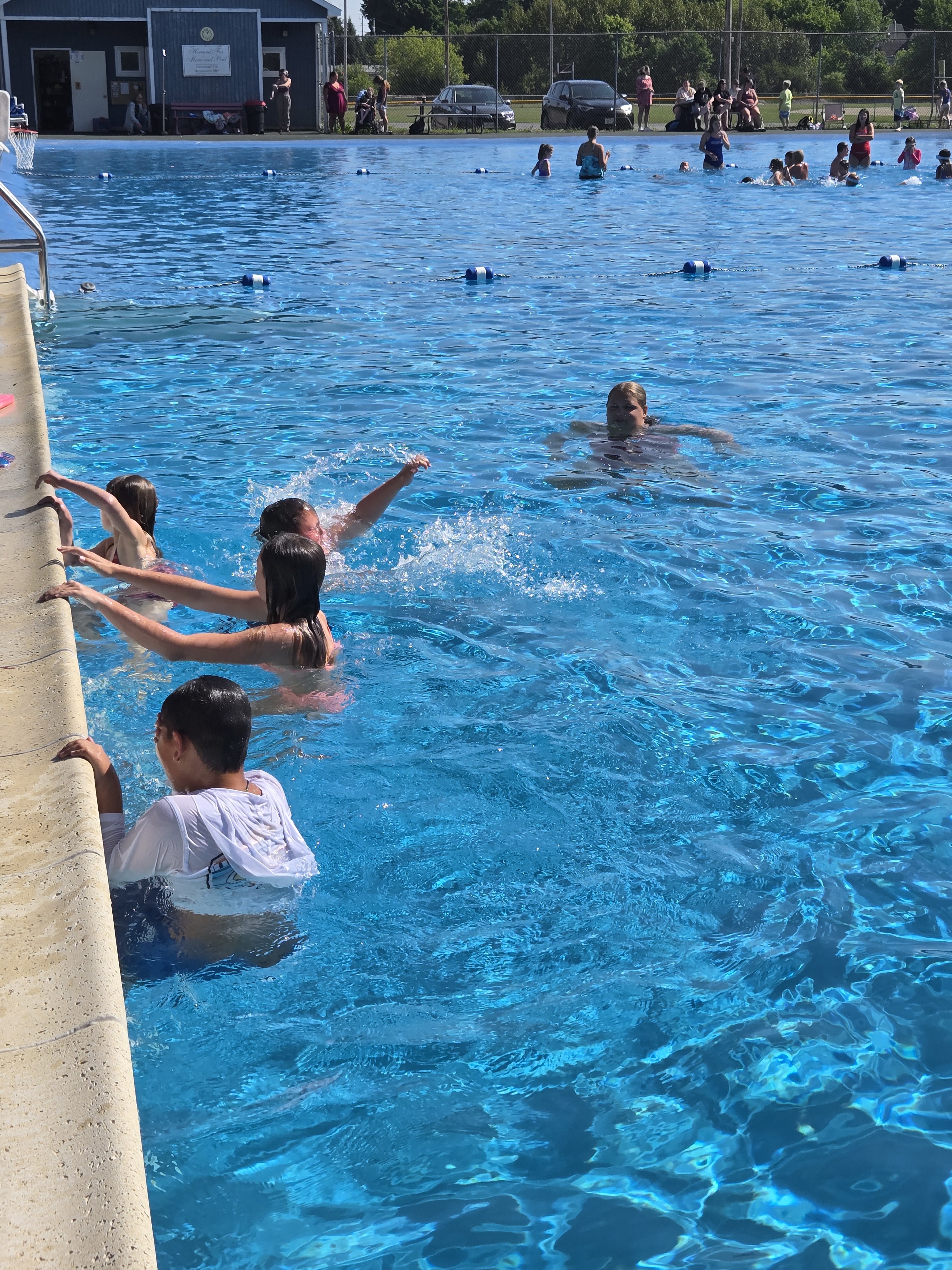
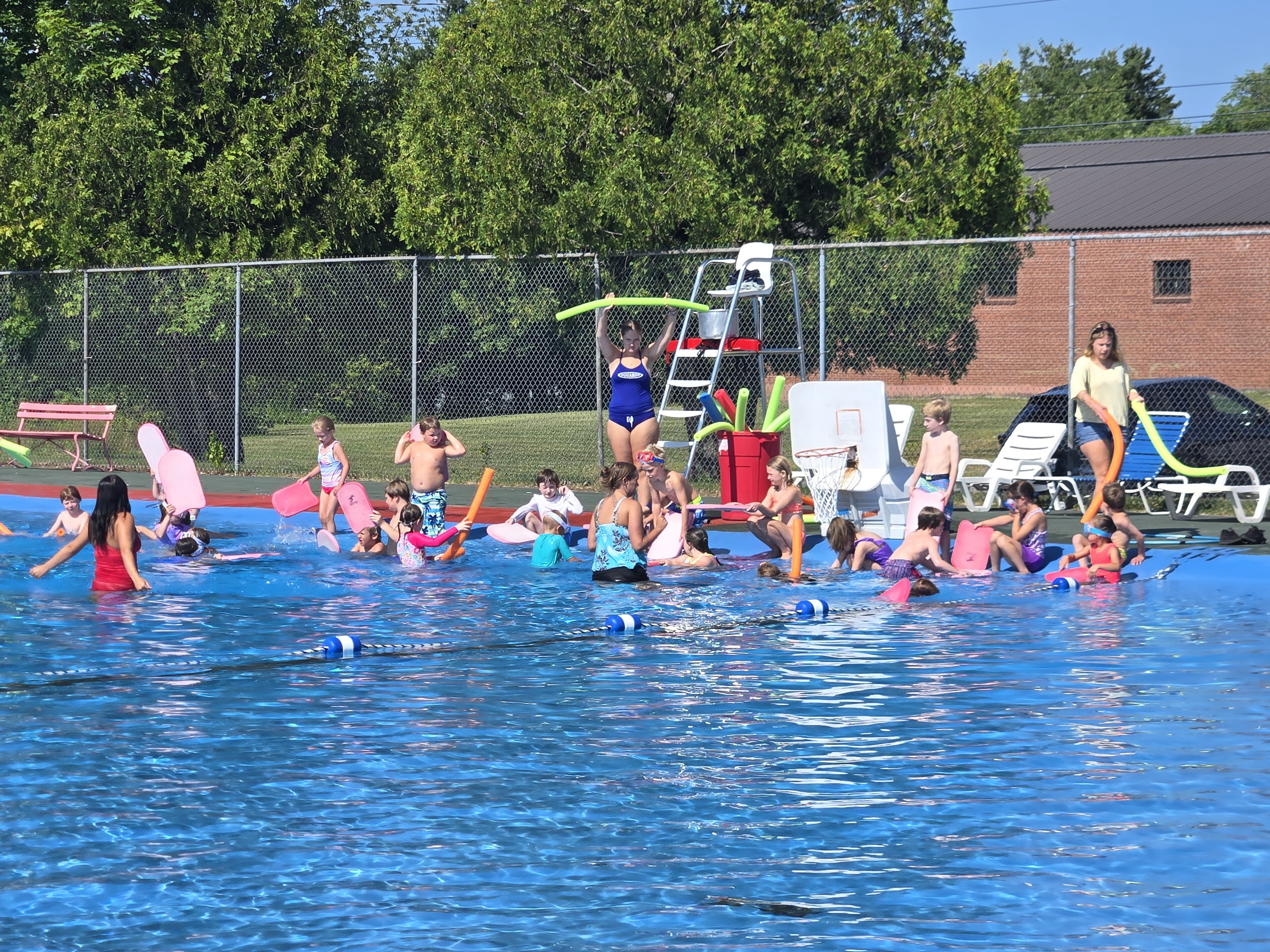
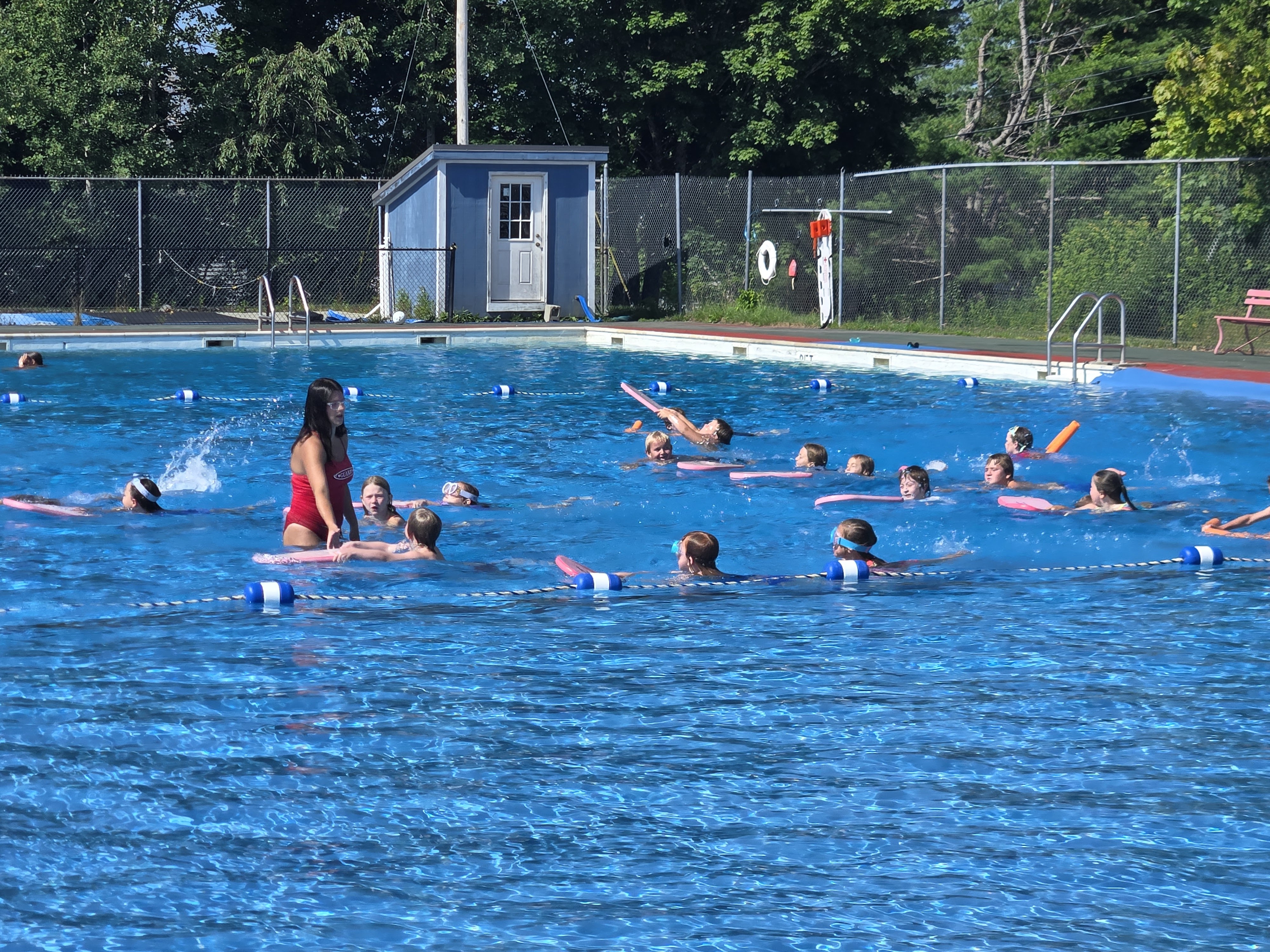
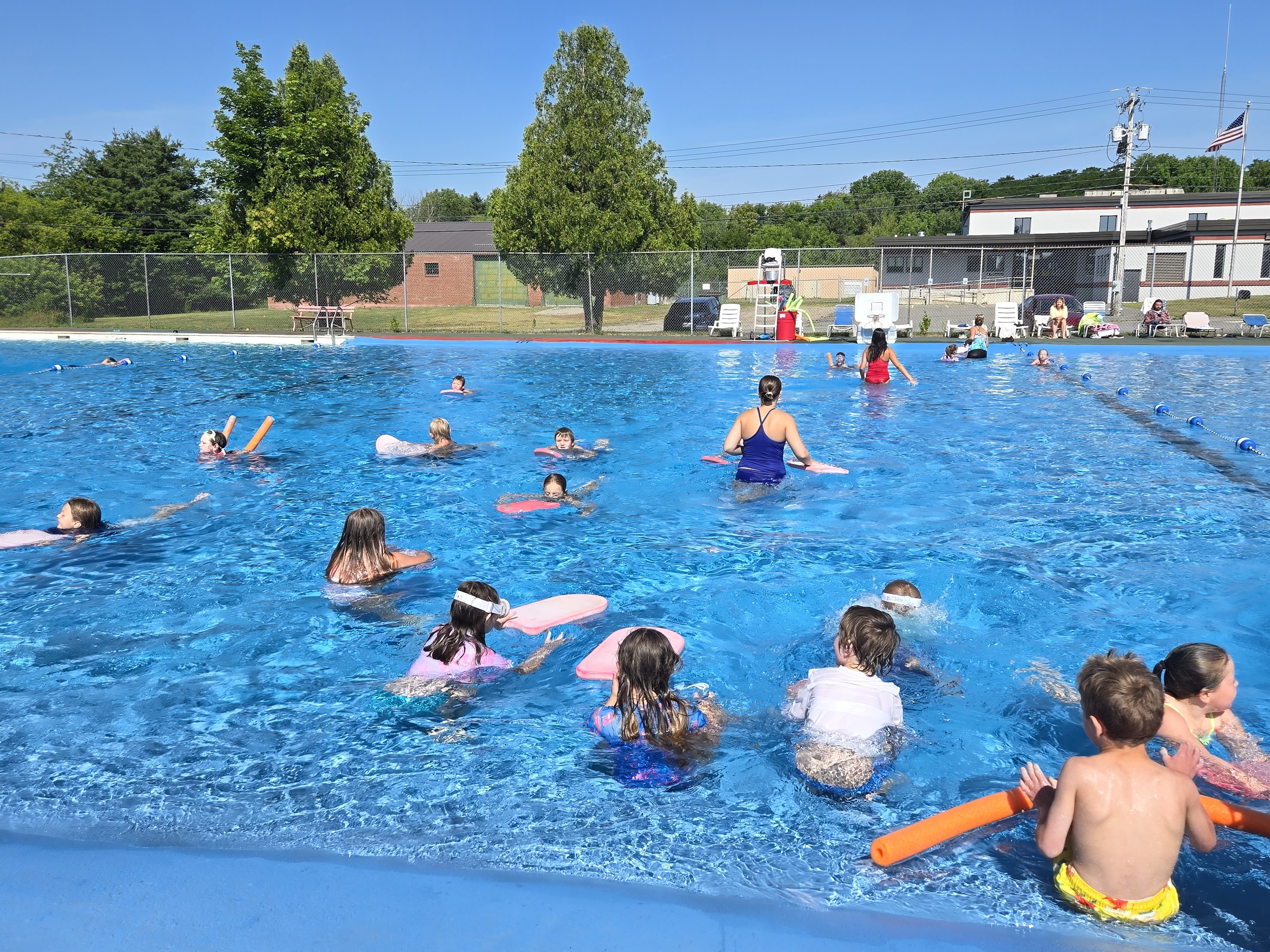
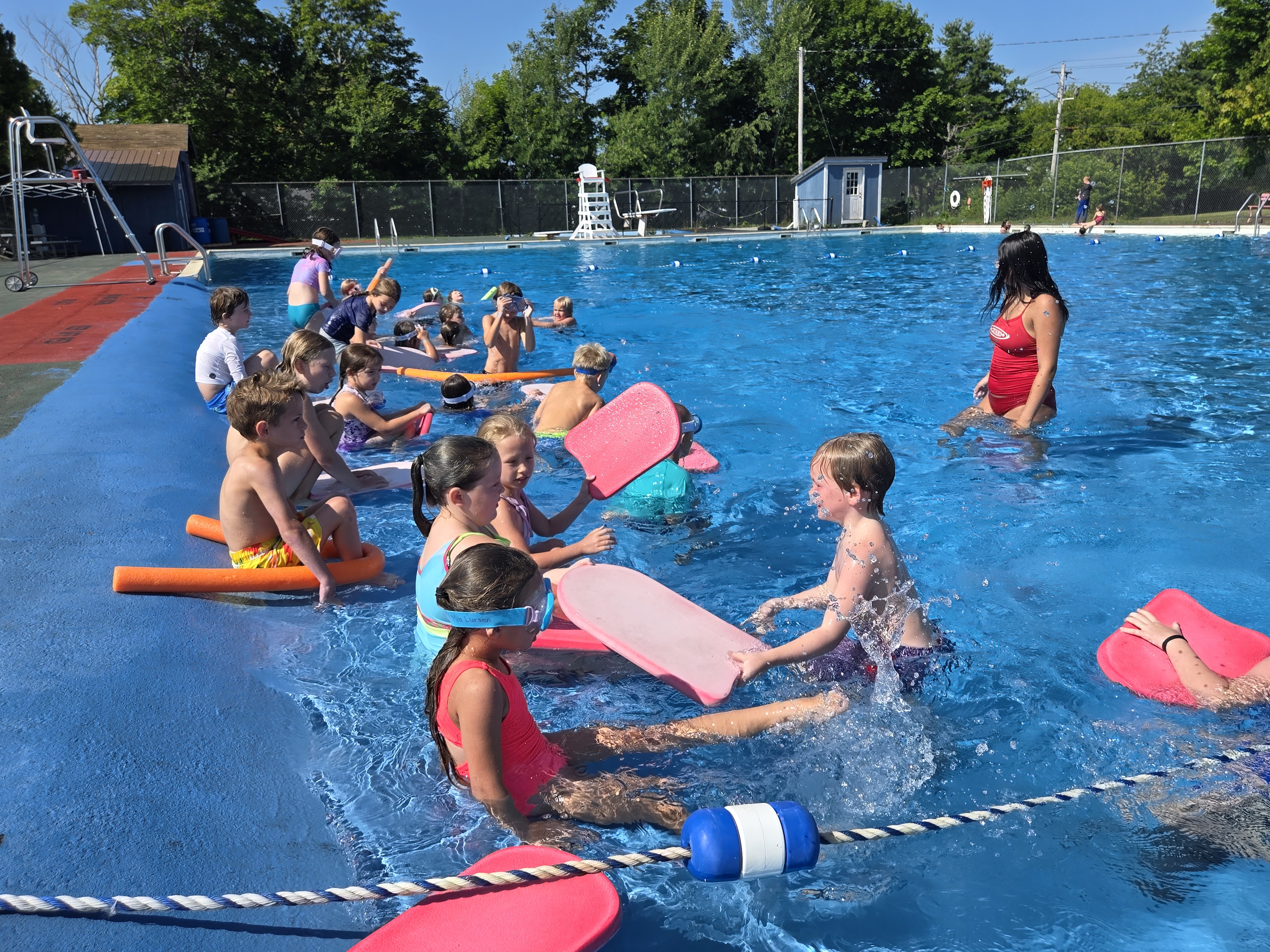
Learning extended beyond the classroom through experiences that connected students with their community. Through a partnership with the local community pool, students participated in twice-weekly swimming lessons that developed water safety skills.
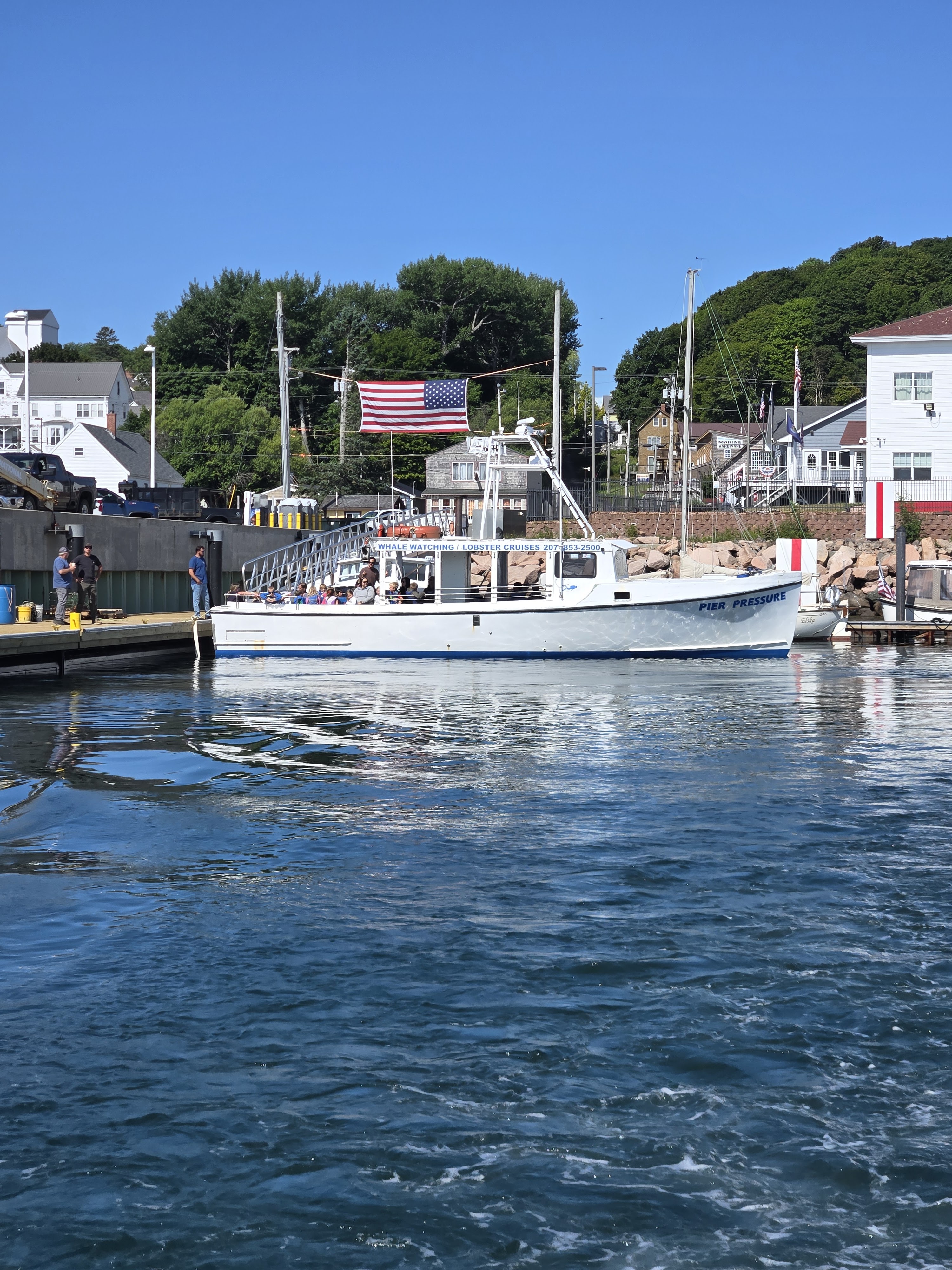
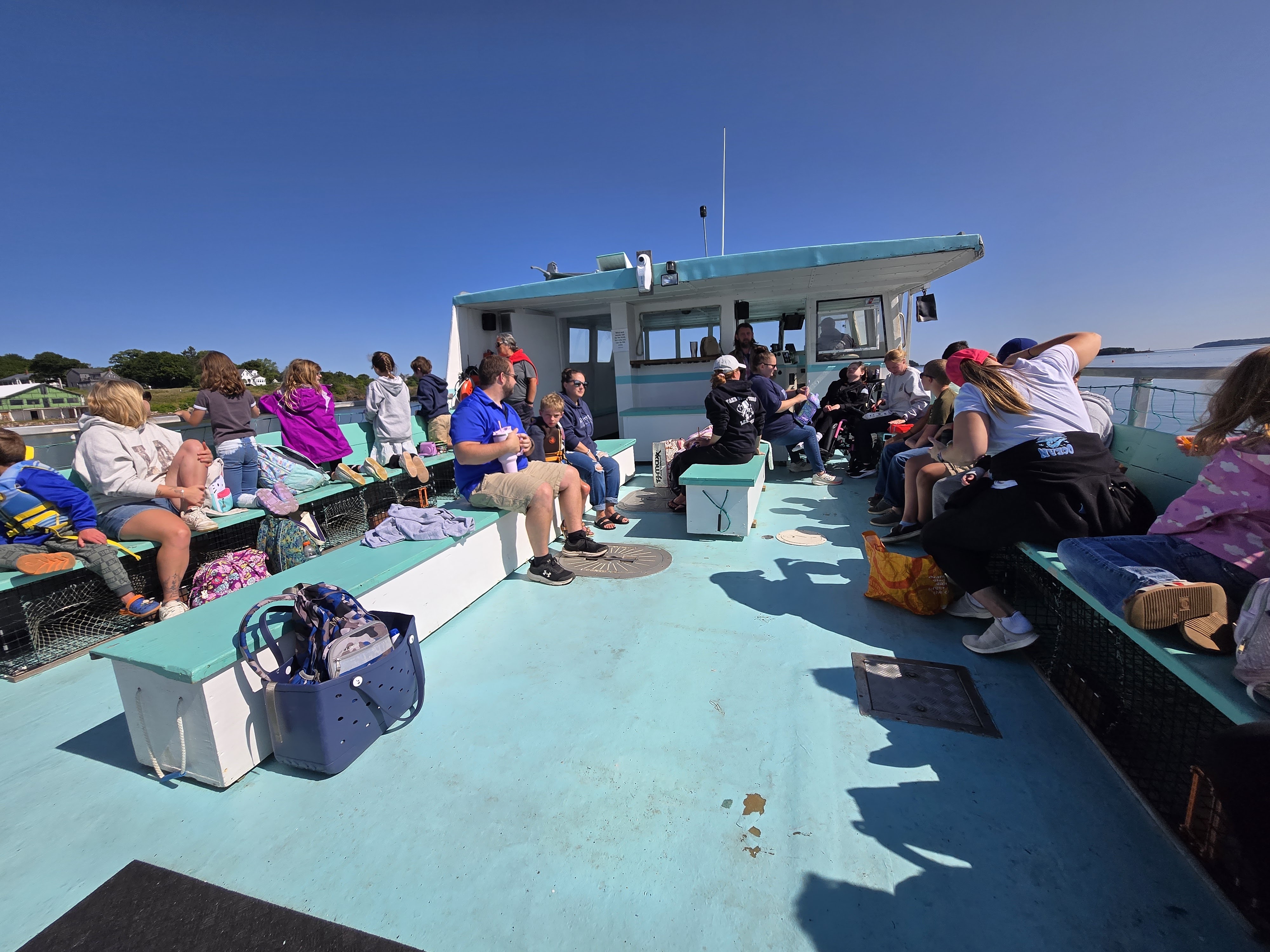
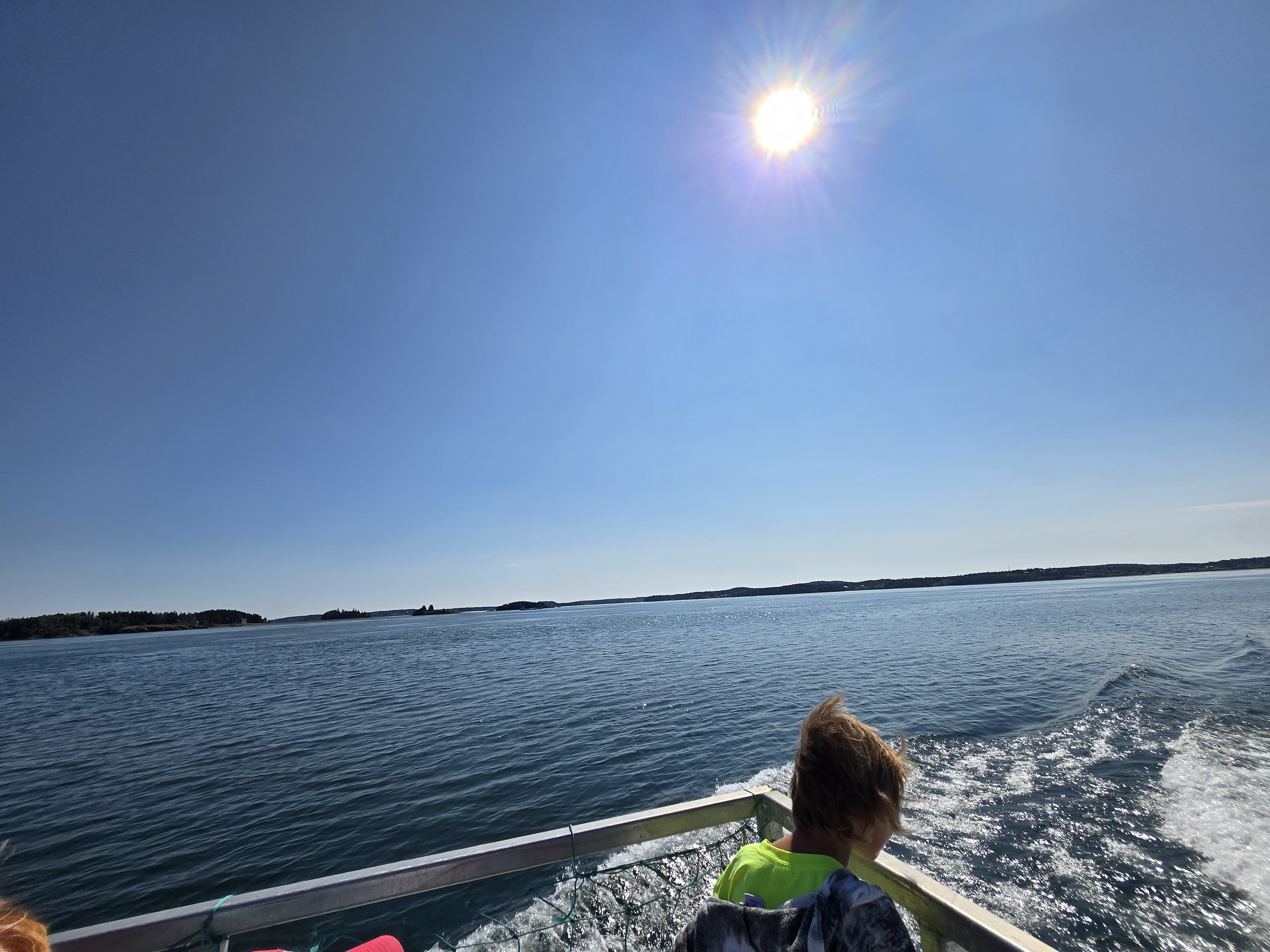
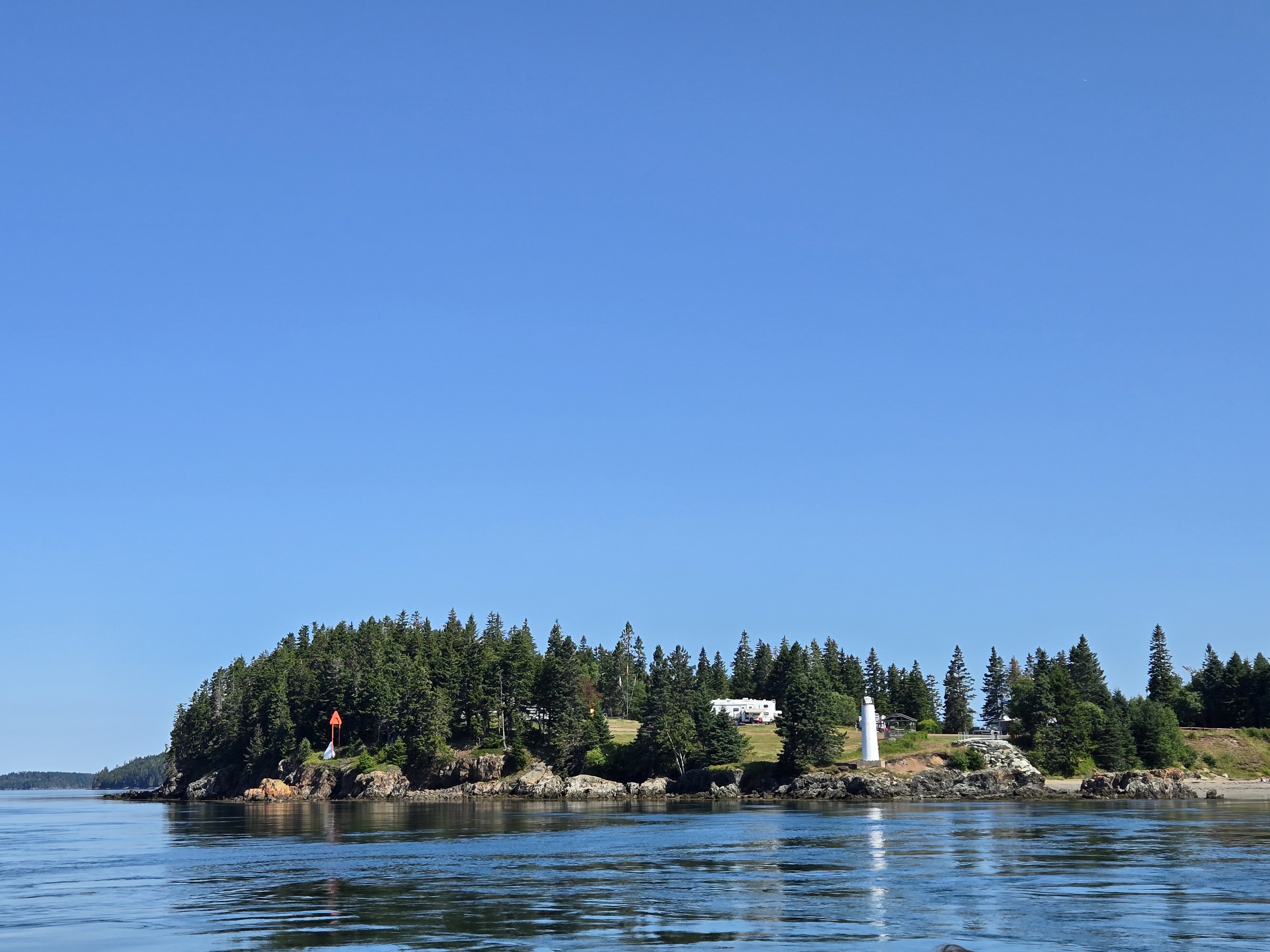
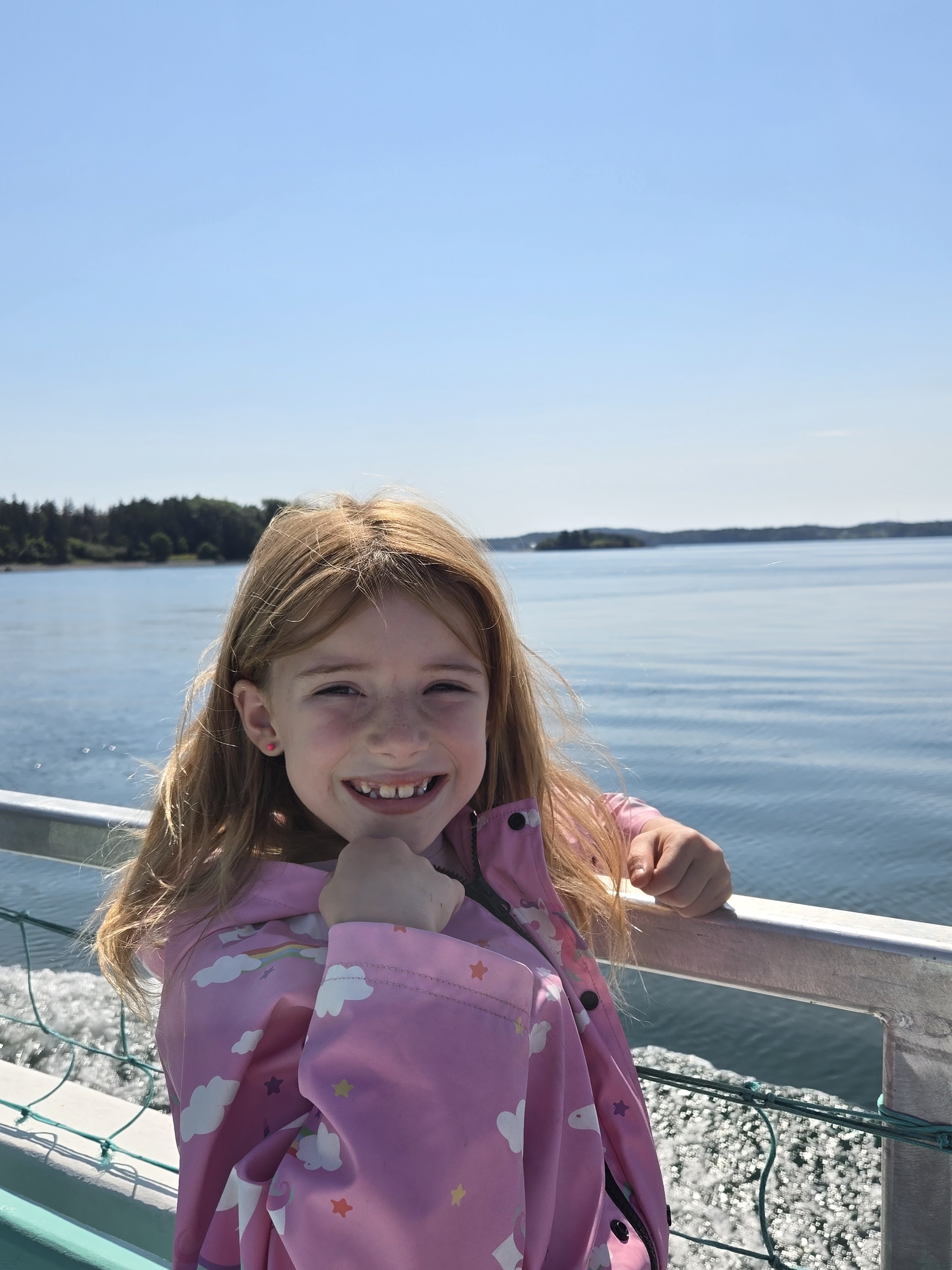
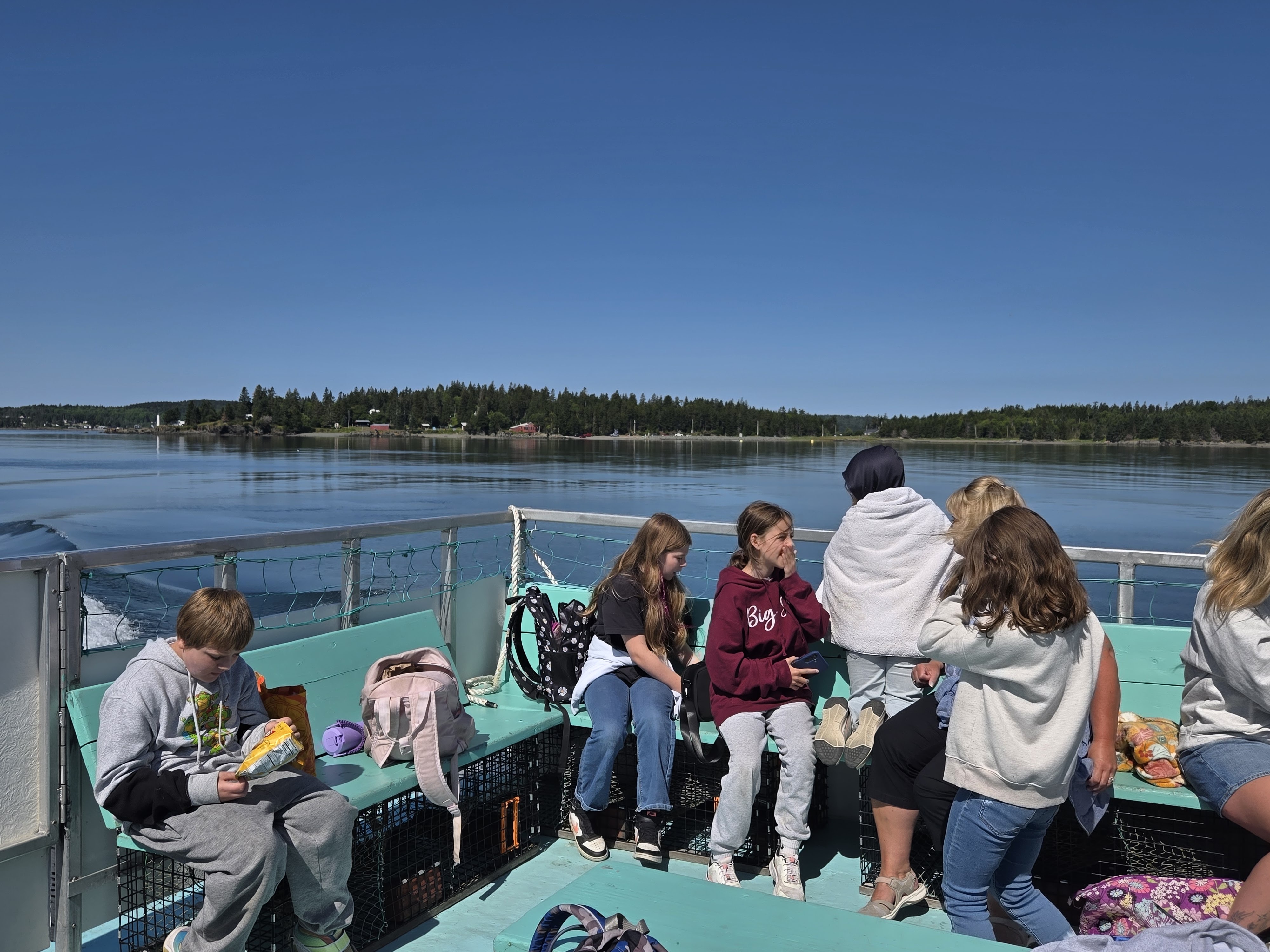
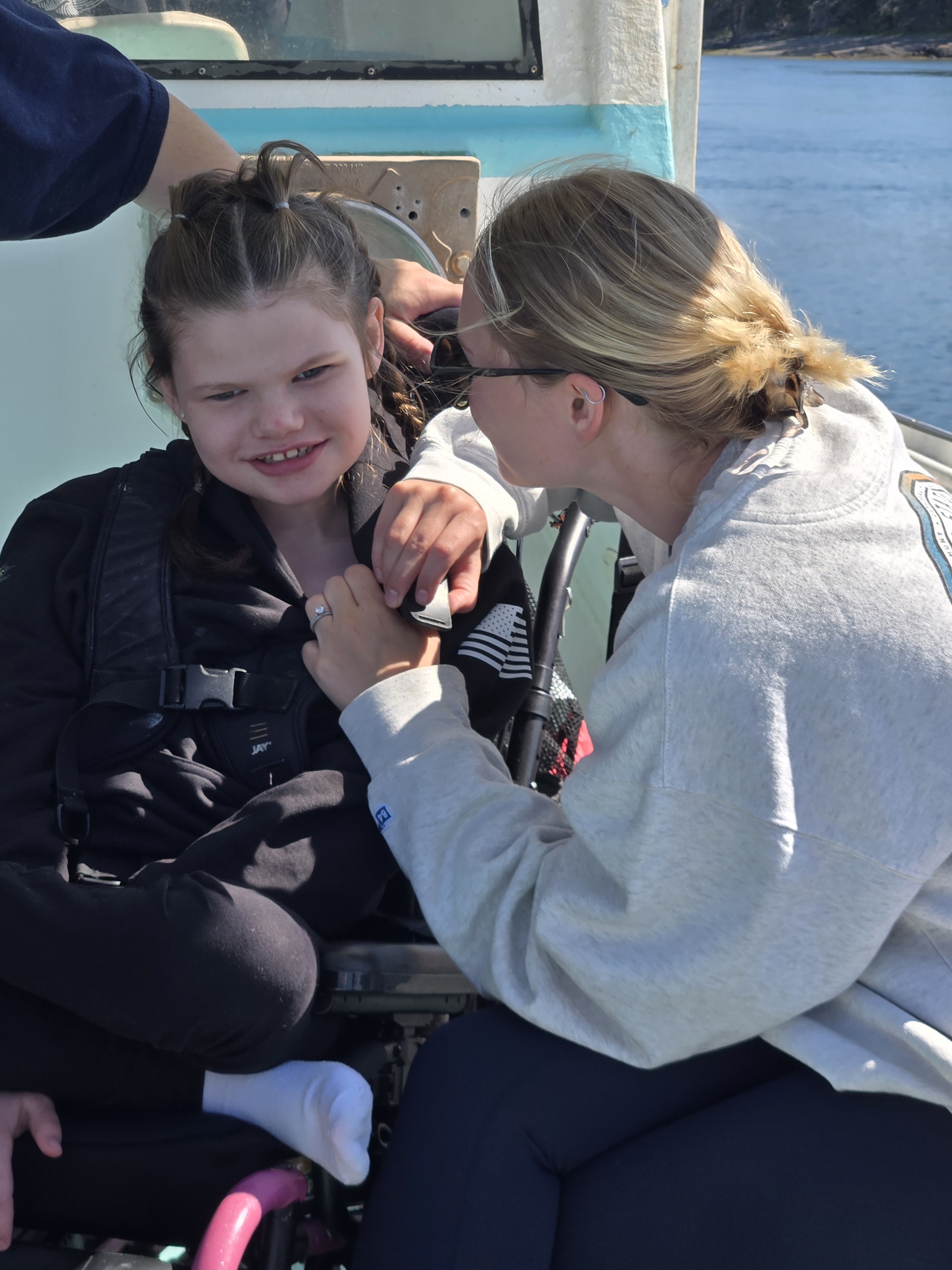
Students also traveled to Eastport for an educational excursion with Eastport Windjammers, where many students saw minke whales, porpoises, seals, bald eagles, and other marine wildlife for the first time. These experiences reinforced classroom learning while helping students develop a stronger connection to Maine’s coastal environment and Washington County.
The success of the Calais Elementary Summer Program reflects thoughtful planning, strategic use of Title I funds, and the dedication of students, families, educators, support staff, and community partners. By combining individualized instruction, ongoing assessment, nutritious meals, enriching experiences, and strong community partnerships, the program helped students return to school ready to continue learning and succeed in the year ahead.
This story was developed through a collaboration with Calais Elementary School. To submit a good news story to the Maine DOE, please fill out the good news submission form.
Since 2004, the Gilder Lehrman Institute’s History Teacher of the Year recognition program has recognized exceptional K-12 educators for their remarkable work in teaching American history. The program celebrates one outstanding teacher from each state, the District of Columbia, Department of Defense schools, and U.S. Territories and recognizes educators for their dedication, creativity, and effective use of primary sources. Nominees are recommended by students, colleagues, or school leaders and selected by state committees of historians and educators.
Olsen began her career in education in 2008 and has worked in Lewiston schools since 2011. She holds a bachelor’s degree in history, a master’s degree in teaching and learning, and a certificate of advanced study in literacy. She has also completed advanced graduate work in comprehensive literacy. Her extensive experience includes teaching Advanced Placement U.S. History, serving as a curriculum leader in Lewiston schools, working with the Maine Council for the Social Studies, and teaching as an adjunct instructor at the University of Southern Maine. Together, these experiences demonstrate her leadership in social studies education.
“Donna’s teaching philosophy is deeply rooted in an inquiry-based framework, a methodology that transforms her classroom from a place of passive learning into a dynamic laboratory of historical investigation,” Jonathan Radke, principal of Lewiston High School, shared.
“History teachers play an essential role in helping students understand the past, build critical thinking skills, and develop a deeper appreciation for the people and events that shaped our nation,” James G. Basker, president and CEO of the Gilder Lehrman Institute, said. “We are proud to recognize educators who go above and beyond to make history engaging, meaningful, and relevant in their classrooms.”
As the 2026 Maine History Teacher of the Year, Olsen will receive a $1,000 honorarium, a curated collection of American history books and educational materials from the Gilder Lehrman Institute, and recognition at a local ceremony. She will also join 52 other honorees as a finalist for the 2026 National History Teacher of the Year award.
The national winner will be announced this fall at a special ceremony at the Harvard Club of New York City and will receive a $10,000 grand prize. To learn more about the History Teacher of the Year award, or to view the full list of 2026 state honorees, visit the Gilder Lehrman Institute website.
At its best, education does more than transfer knowledge; it sparks wonder. That spirit was alive across the state throughout Space Week Maine 2026 this spring, as classrooms, auditoriums, and learning spaces were transformed into launchpads for discovery—not by rockets alone but by curiosity.
At the heart of Space Week is Sharon Eggleston, founder of Space Day Maine and the guiding force behind what has become a meaningful educational tradition in the state. Now in its 28th year, this program reflects Eggleston’s enduring vision: creating opportunities for students to engage directly with scientists, engineers, astronauts, educators, and innovators whose work expands how young people see the world and the universe beyond it. Those who know Eggleston understand that her focus has never been on recognition but on students. Quietly, steadily, and with remarkable dedication, she built a program that has inspired tens of thousands of young learners across Maine to think bigger, dream boldly, and look upward.
Throughout Space Week Maine 2026, and into the following days, young learners statewide built, tested, explored, questioned, and imagined their way through immersive lessons in space education, STEAM (science, technology, engineering, arts, and mathematics) learning, astronomy, environmental science, and innovation. Through hands-on workshops, demonstrations, keynote lectures, classroom presentations, and interactive experiences, students were invited not simply to learn science but to experience it—to see themselves in futures shaped by discovery, creativity, and possibility.
An extraordinary coalition of educators, presenters, volunteers, and organizations from across North America came together for Space Week Maine 2026, as well. This year’s collaborative team included participants from Arizona, New Jersey, New York, Montreal, Colorado, and communities throughout Maine—each contributing expertise in aerospace, engineering, astronomy, robotics, environmental science, aviation, and experiential education. Together, they represented a shared belief that learning is strongest when it is collaborative, hands-on, and connected to real-world possibility.
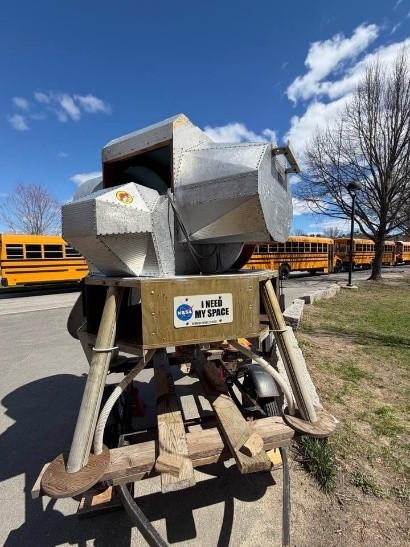
The Lunar Lander, which was built by one of the presenters and towed from New York to Maine so it could sit in front of the Mt. Ararat Middle School to Welcome students to Space Day.
Space Week Maine 2026 reached its capstone on Friday, May 1, 2026, with the 28th anniversary of Space Day Maine, hosted at Mt. Ararat Middle School in Topsham. Maine Senate President Mattie Daughty introduced the celebration, followed by welcome messages from Senator Angus King and Maine native astronaut Jessica Meir, who is serving aboard the International Space Station as commander of NASA’s Crew-12 mission. Meir’s remarkable journey—from marine biologist and researcher in extreme environments to astronaut, spacewalker, and mission commander—stood as a powerful reminder that extraordinary paths in science often begin with simple curiosity.
Featured keynote speaker Brian Ewenson challenged students to think boldly about humanity’s future in space, while the closing presentation connected students with living history through remarks from Logan Jaeren and Fred Haise, whose leadership during Apollo 13 helped define resilience in the face of adversity.
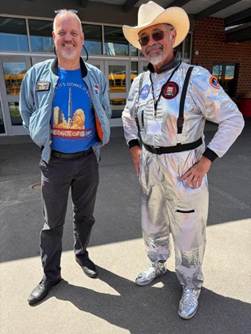
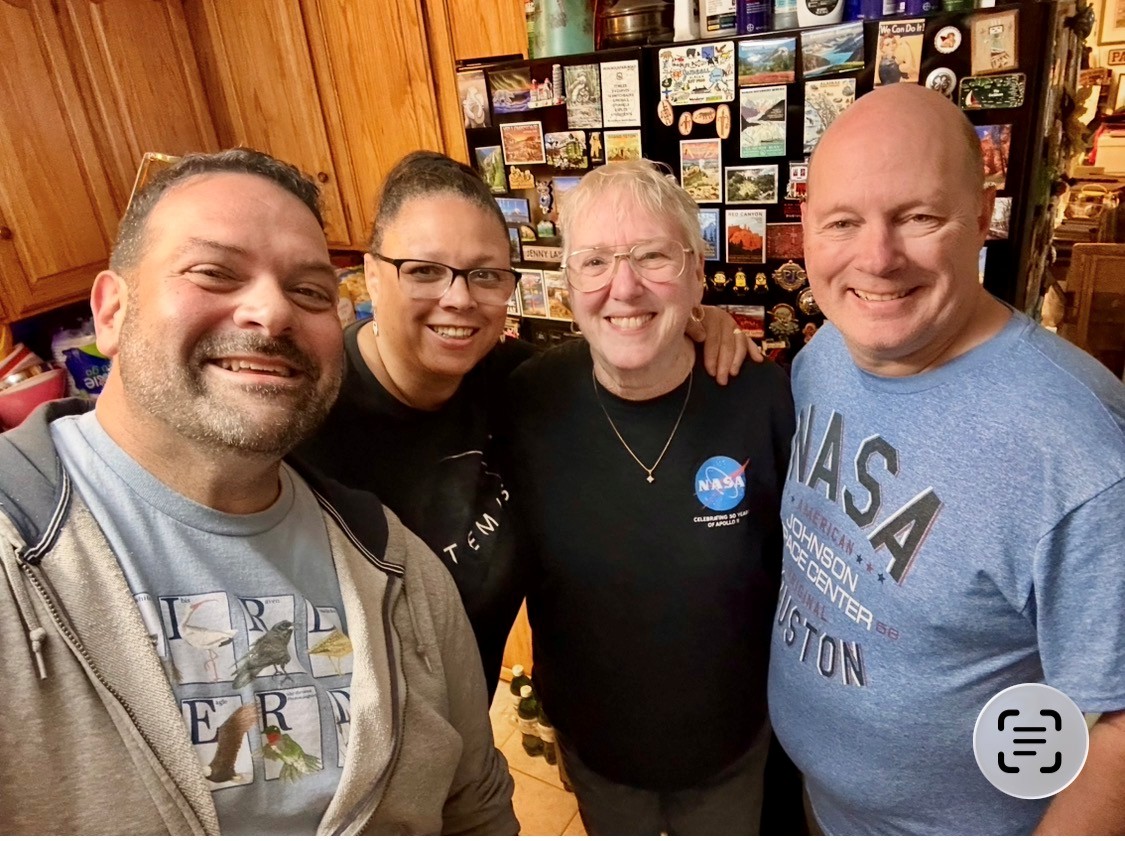
Among the many educators who shared their expertise, Dianea Phillips (Mars Desert Research Station astronaut) invited students to think like planetary explorers through immersive analog Mars mission experiences, while Dr. Danny Jaques highlighted entrepreneurial pathways into aerospace innovation. Also featured was James Falletti, M.A., of New Jersey, an award-winning science educator, photographer, and forthcoming author whose presentation explored how Maine’s native birds have influenced aerospace engineering through biomimicry—from wing structure and feather mechanics to flight efficiency—illustrating how the natural world often serves as humanity’s first blueprint for innovation.
They represented only part of a much larger educational tapestry. Space Week Maine 2026 was shaped by dozens of educators, scientists, engineers, presenters, community leaders, partner organizations, and volunteers, each contributing their expertise, passion, and time to create meaningful learning experiences for students. From astronomy and robotics to materials science, geology, aviation, environmental stewardship, engineering design, and space medicine, the breadth of programming reflected a deeply collaborative effort in which every presenter, volunteer, and partner organization played an essential role in the week’s success.
Additional programming and support from organizations including the Maine Space Grant Consortium, Challenger Learning Center of Maine, 021 Squadron Civil Air Patrol, Maine Mineral & Gem Museum, Lockheed Martin, and many local educational and community partners further strengthened the week’s mission of inspiring future innovators.
Perhaps what made Space Week Maine 2026 most meaningful was its reminder that inspiration belongs to everyone. In participating classrooms were future NASA engineers, astronauts, aerospace technicians, mission planners, pilots, robotics designers, marine biologists, environmental scientists, educators, innovators, and problem-solvers whose careers are shaping not only space exploration but also life here on Earth.
For 28 years, Eggleston has helped Maine students look up—to the stars, to science, and to the limitless possibilities ahead. And somewhere among the students who built, discovered, questioned, and dreamed during Space Week Maine 2026 were future explorers already beginning their journey.
This story was written by James Falletti, on behalf ofSpace Day Maine, in collaboration with Mt. Ararat Middle School (MSAD 75). To submit a good news story to the Maine DOE, please fill out the good news submission form.
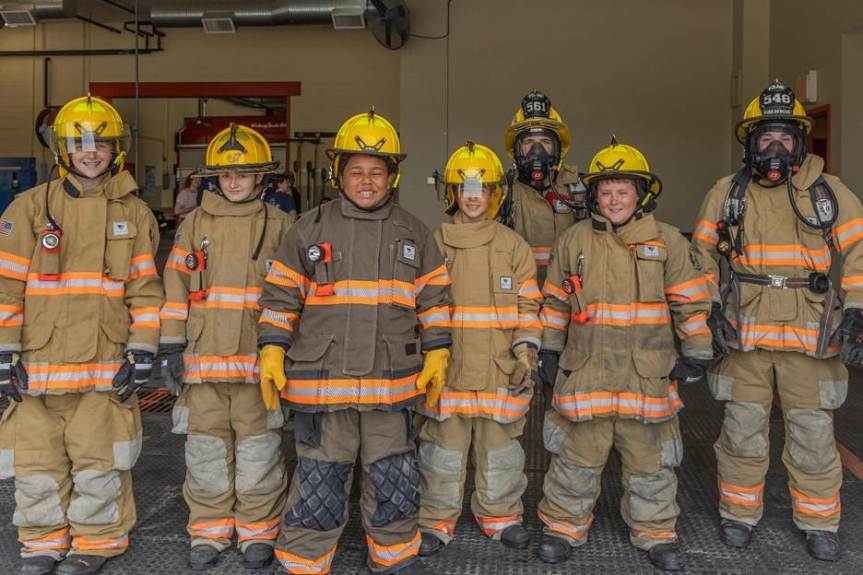
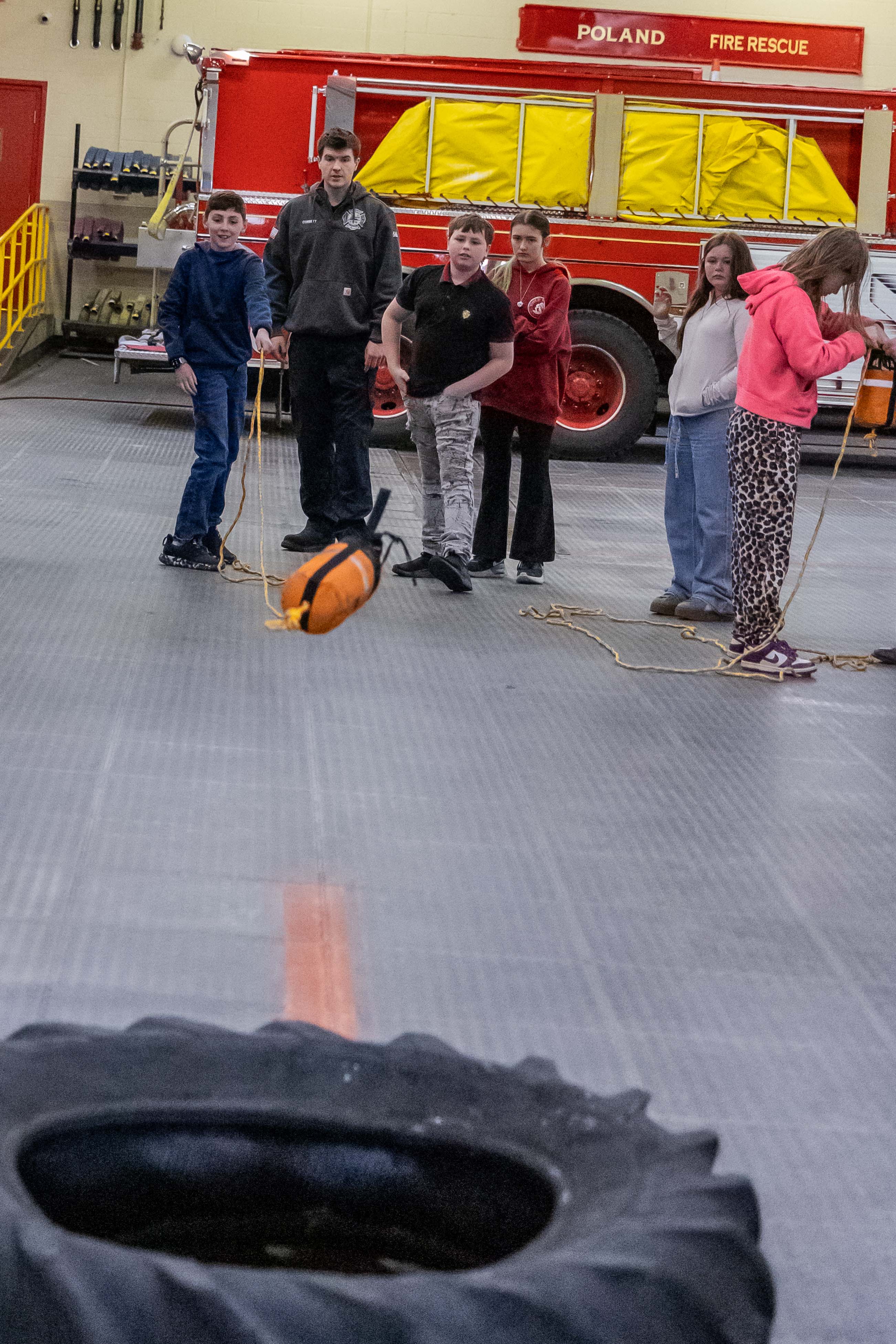
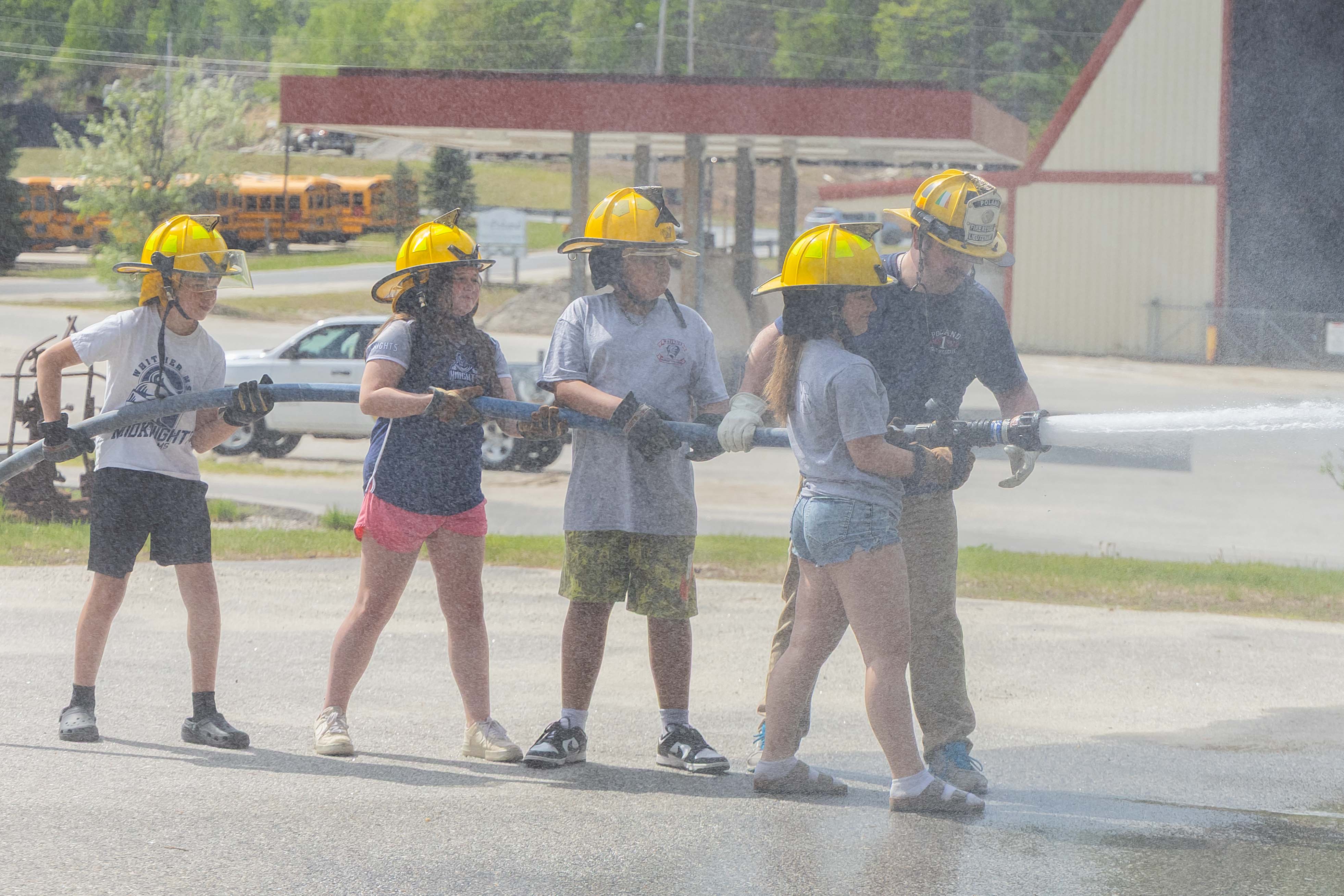
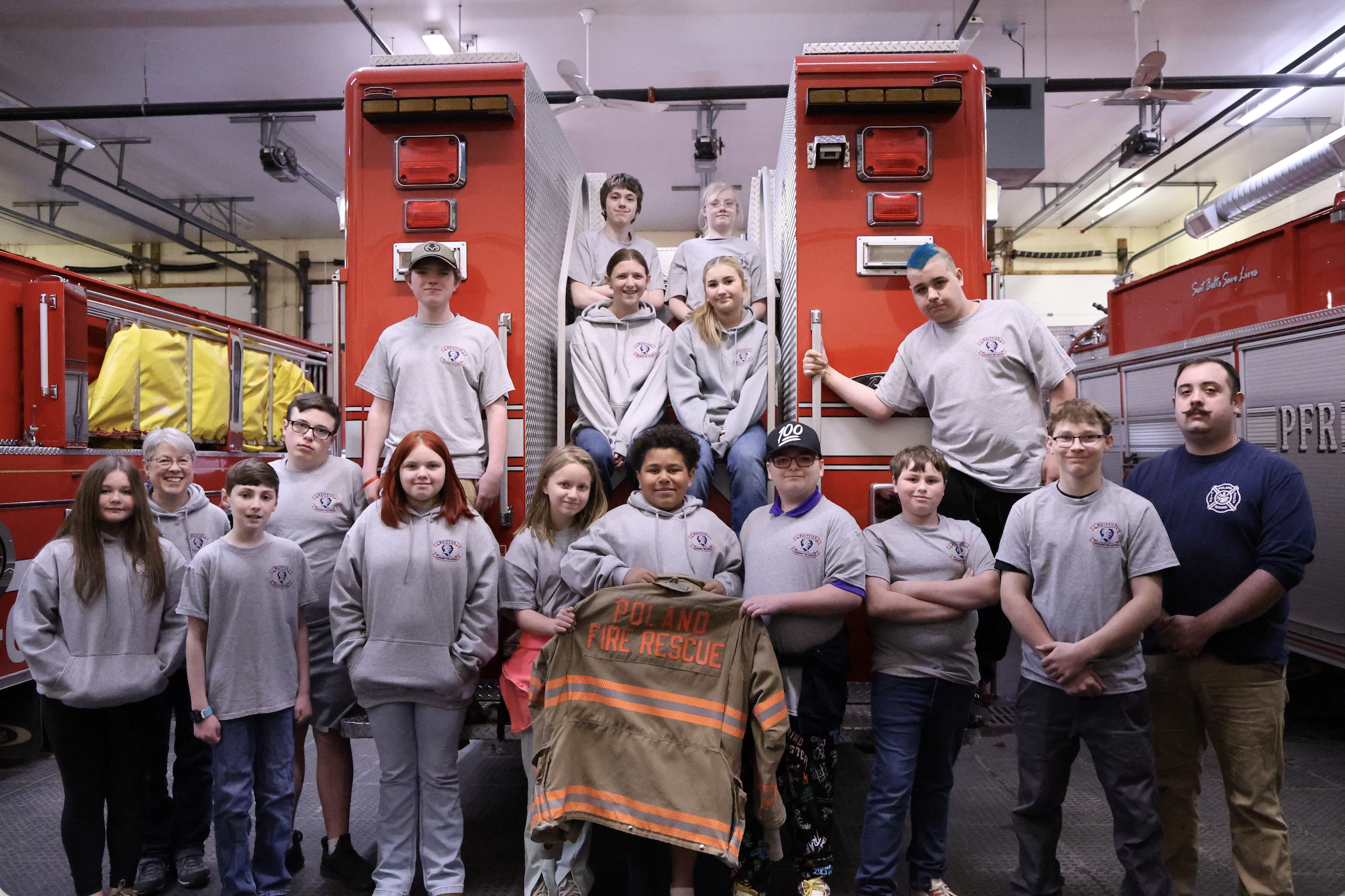
This spring, the Bruce M. Whittier Middle School “MidKnight FireSlayers” celebrated the completion of their 15th season in partnership with Poland Fire Rescue. The MidKnight FireSlayers program provides middle school students with hands-on learning experiences in fire safety and fire science, guided by a dedicated team of firefighters and educators.
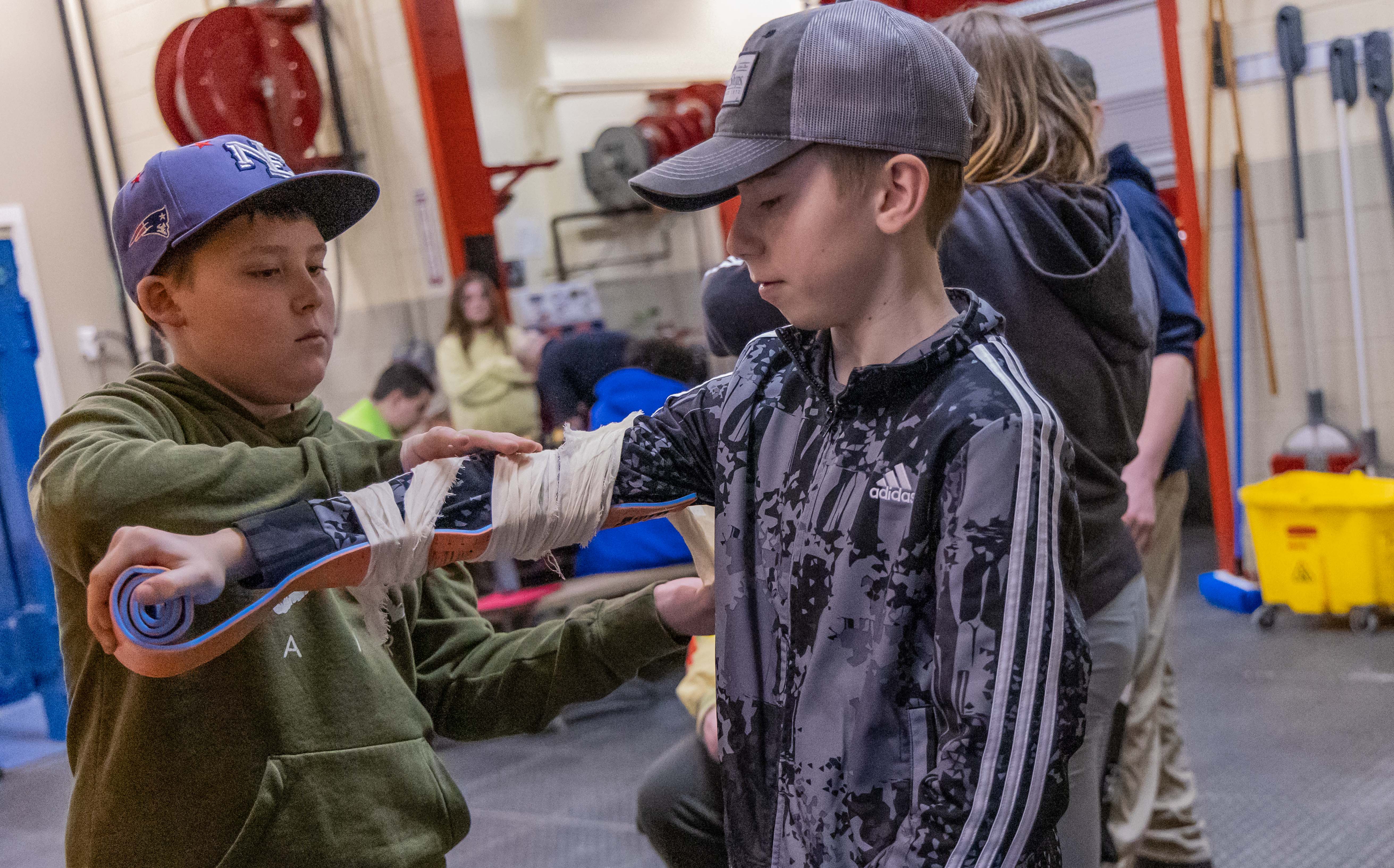
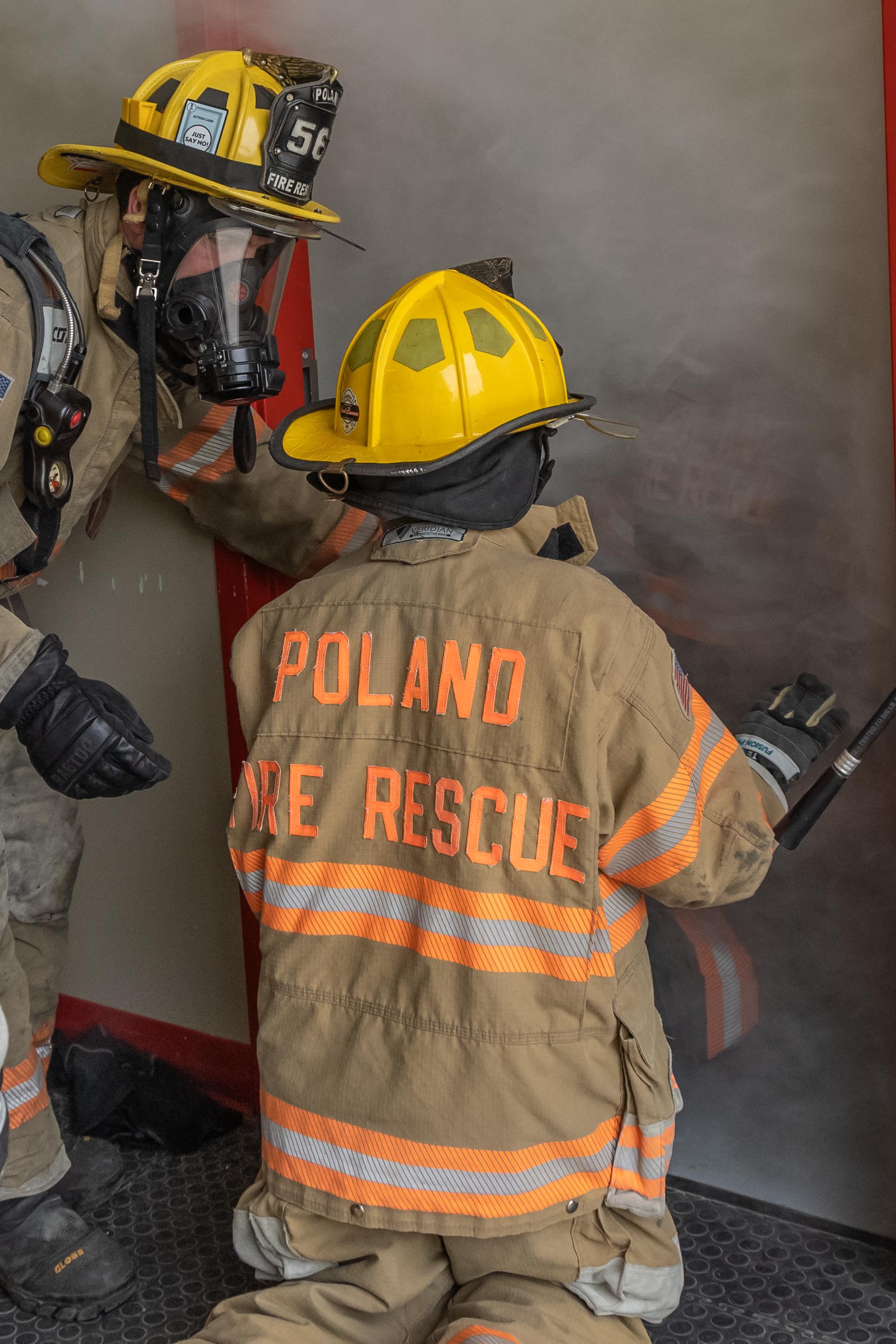
Throughout the season, students participated in weekly sessions at the fire station, where they gained firsthand experience through realistic emergency response scenarios. Activities included cold-water rescues, 911 dispatch simulations, search-and-rescue operations in smoke-filled environments, vehicle extrication exercises, hose deployment drills, and training with firefighters’ hand tools.
The season concluded with the program’s annual cook-off event and graduation ceremony.
During the cook-off, students teamed up with firefighters in a friendly competition against a rival team of parent volunteers. The MidKnight FireSlayers emerged victorious once again, earning bragging rights and retaining the coveted “Golden Spoon” championship trophy.
Over the past 15 years, more than 250 students have participated in the MidKnight FireSlayers program. Many alumni have continued their studies in fire science through the Lewiston Regional Technical Center and postsecondary programs, with some ultimately pursuing careers in the fire service.
Teachers Shannon Shanning and Tami Wight expressed their sincere appreciation for the members of Poland Fire Rescue and their commitment to this work.
“Their impact extends far beyond the skills they teach,” the teachers shared in a joint statement. “Through their mentorship and encouragement, they help students build self-confidence, improve attendance, set meaningful goals, and strengthen their connection to the community.”
This story was submitted by Bruce Whittier Middle School (RSU 16). To submit a good news story to the Maine DOE, please fill out the good news submission form.
When educators experience belonging, they are better equipped to create learning environments where students also experience belonging. That simple but powerful idea is guiding the next chapter of Maine’s Black, Indigenous, and People of Color (BIPOC) Educator Network—an independent, educator-led community that creates opportunities for Black, Indigenous, and other educators of color to connect, grow, and thrive together.
Supported through a collaboration between The Third Place (through its SHIFTMaine program) and the Maine Department of Education (DOE), the BIPOC Educator Network reflects a shared commitment to strengthening educator well-being, fostering authentic belonging, and building a more diverse and sustainable educator workforce across Maine.
As the Network enters this new chapter, Mae Applegate has joined as the BIPOC Educator Network Organizer. Through her relationship-centered approach to leadership, Applegate will cultivate spaces where educators can build meaningful connections, share experiences, and support one another while helping shape the future of the Network.
This collaborative vision will be introduced at the 2026 Maine DOE Annual Summit on July 29 at Thomas College, where Applegate and Ayesha Hall, Maine DOE Director of Strategic Partnerships, will co-facilitate a session called “Belonging Matters: Cultivating Community to Advance a Diverse Educator Workforce.” This interactive session will introduce participants to the concept of a Gathering Place—an intentionally designed space where educators experience connection, psychological safety, and authentic dialogue. Participants will experience facilitated protocols they can adapt within their own schools to cultivate belonging among colleagues and students. Ultimately, the learning is designed to help all participants strengthen the conditions that support educator well-being, retention, and student success.
This session is designed for school and school administrative unit (SAU) leaders, principals, assistant principals, instructional coaches, educator preparation program faculty, professional learning coordinators, and BIPOC educators who are committed to strengthening educator belonging and retention. Through a combination of guided reflection, affinity-based conversations, and collaborative learning, participants will explore how intentional relationships, inclusive leadership, and community-centered practices contribute to healthier school cultures where educators and students can thrive.
While the BIPOC Educator Network centers the experiences of Black, Indigenous, and other educators of color, this session reflects a broader belief that strengthening belonging for educators who have historically faced the greatest barriers ultimately strengthens school communities for everyone. By intentionally creating conditions where those educators can thrive, schools become stronger, more inclusive places for all educators and students.
The BIPOC Educator Network remains an independent affinity space where educators can connect, share experiences, access professional learning opportunities, and inform the future of educator support across Maine. The Maine DOE is honored to support this work through strategic partnerships that strengthen educators’ sense of belonging and advance a more inclusive, connected, and sustainable educator workforce.
Educators who identify as Black, Indigenous, or as people of color are invited to connect with the BIPOC Educator Network to learn more about upcoming gatherings, professional learning opportunities, and opportunities to engage with this growing community.
For more information about the BIPOC Educator Network or the Maine DOE’s educator workforce initiatives, please contact Ayesha Hall, Maine DOE Director of Strategic Partnerships, at Ayesha.Hall@maine.gov.
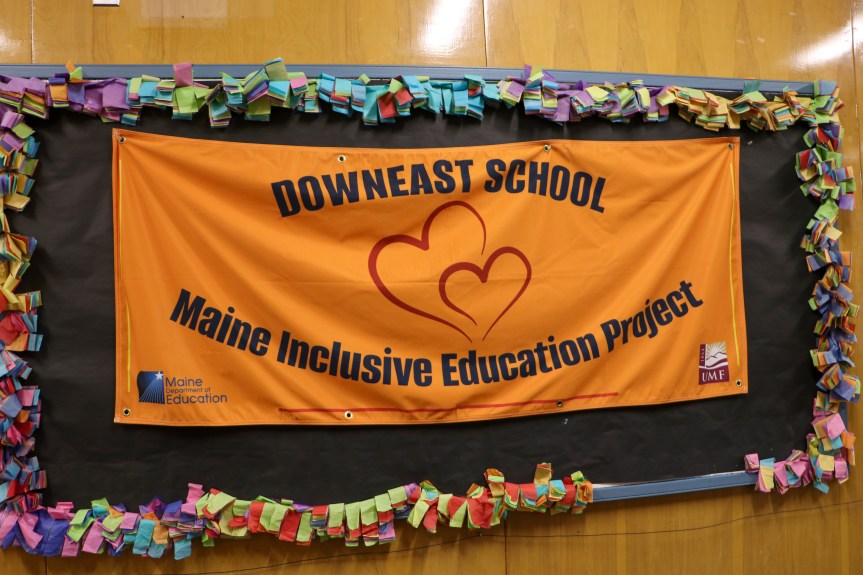
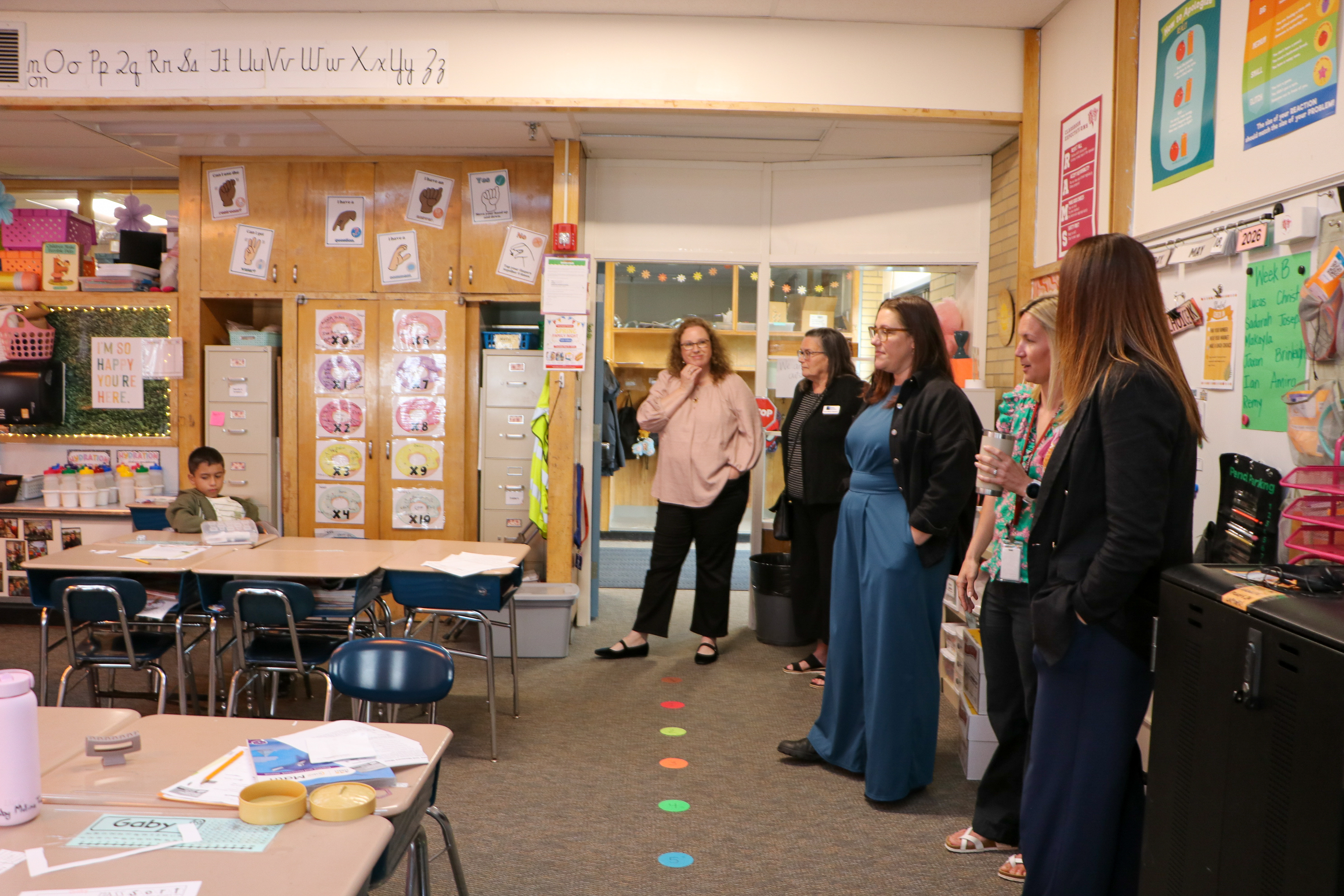
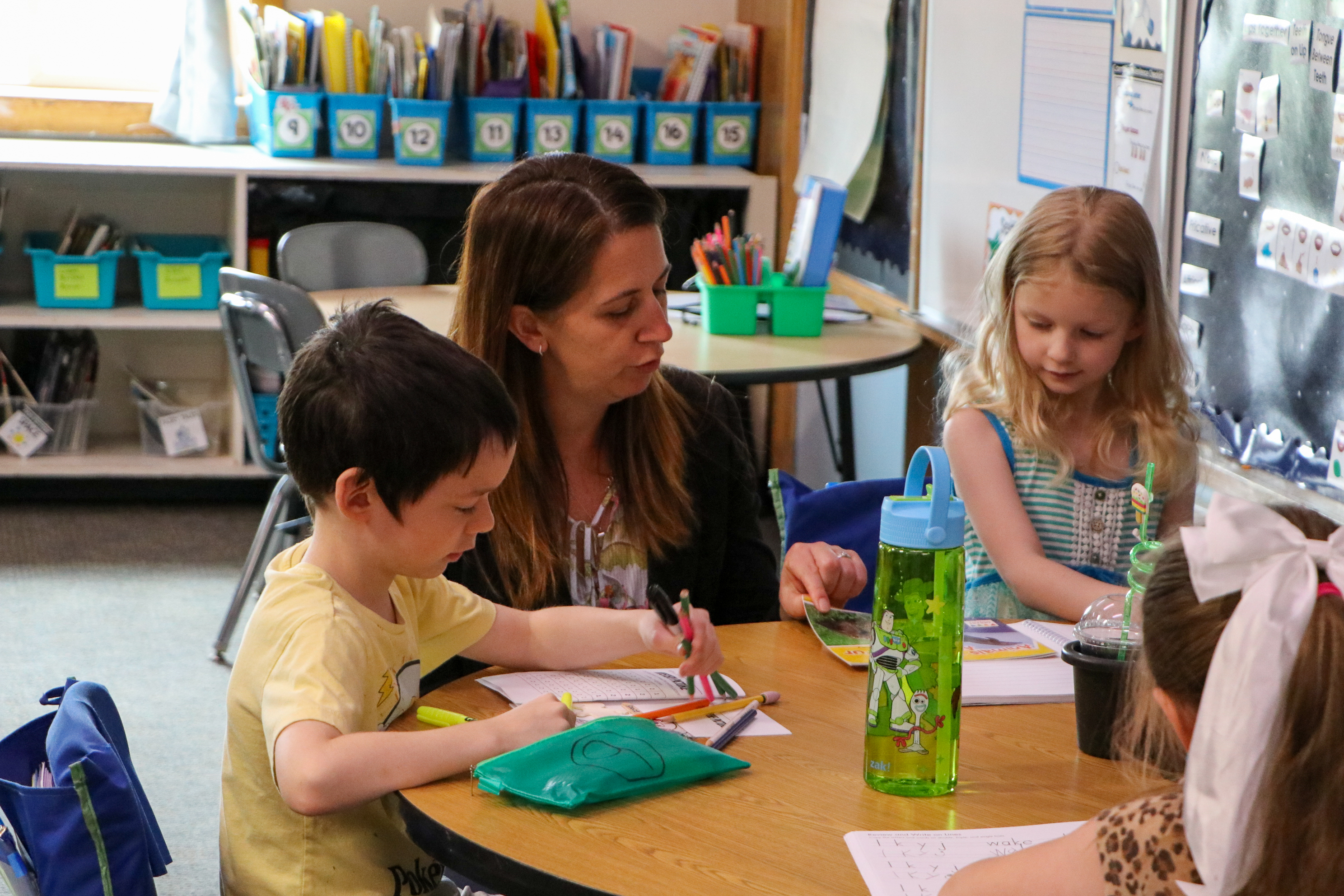
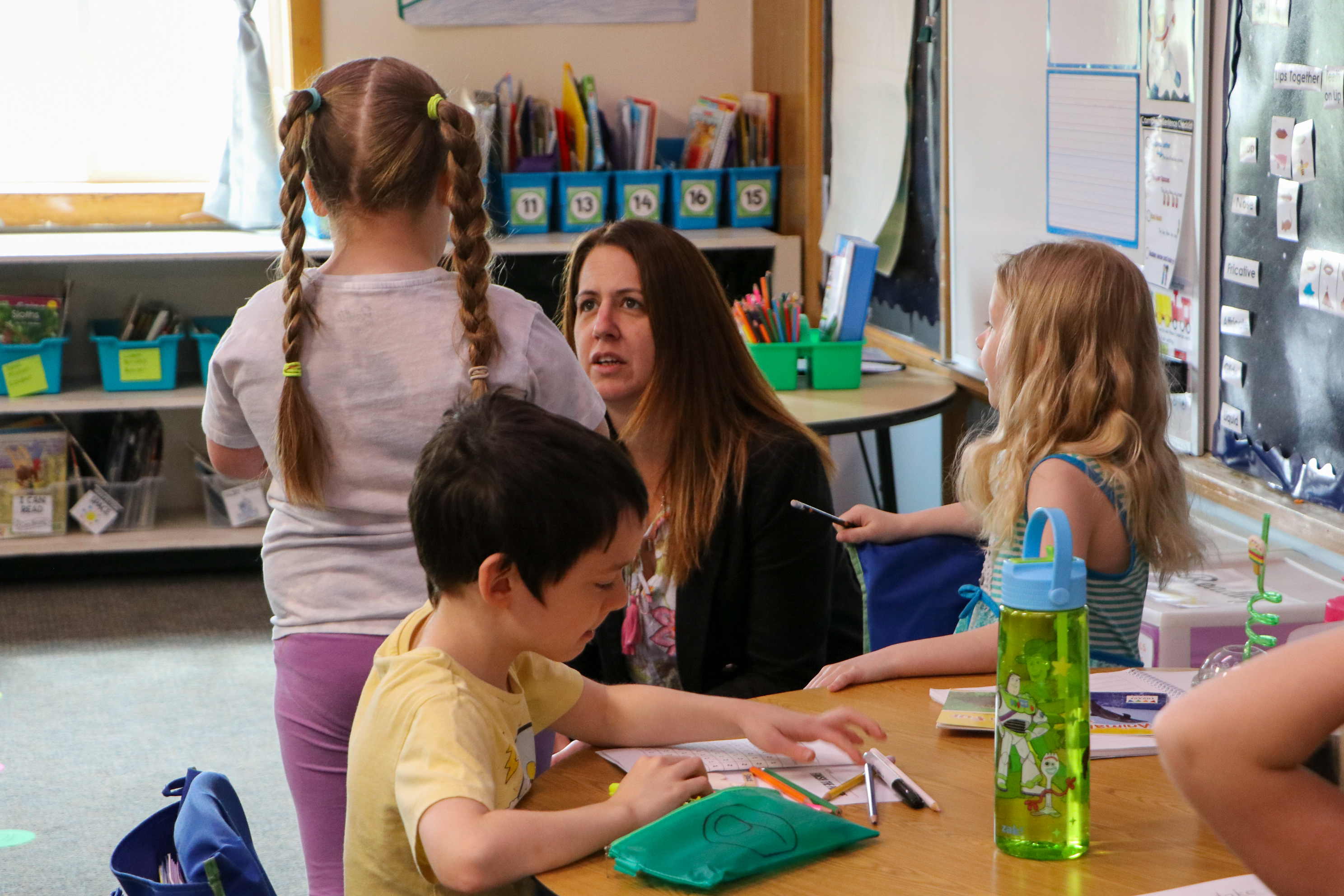
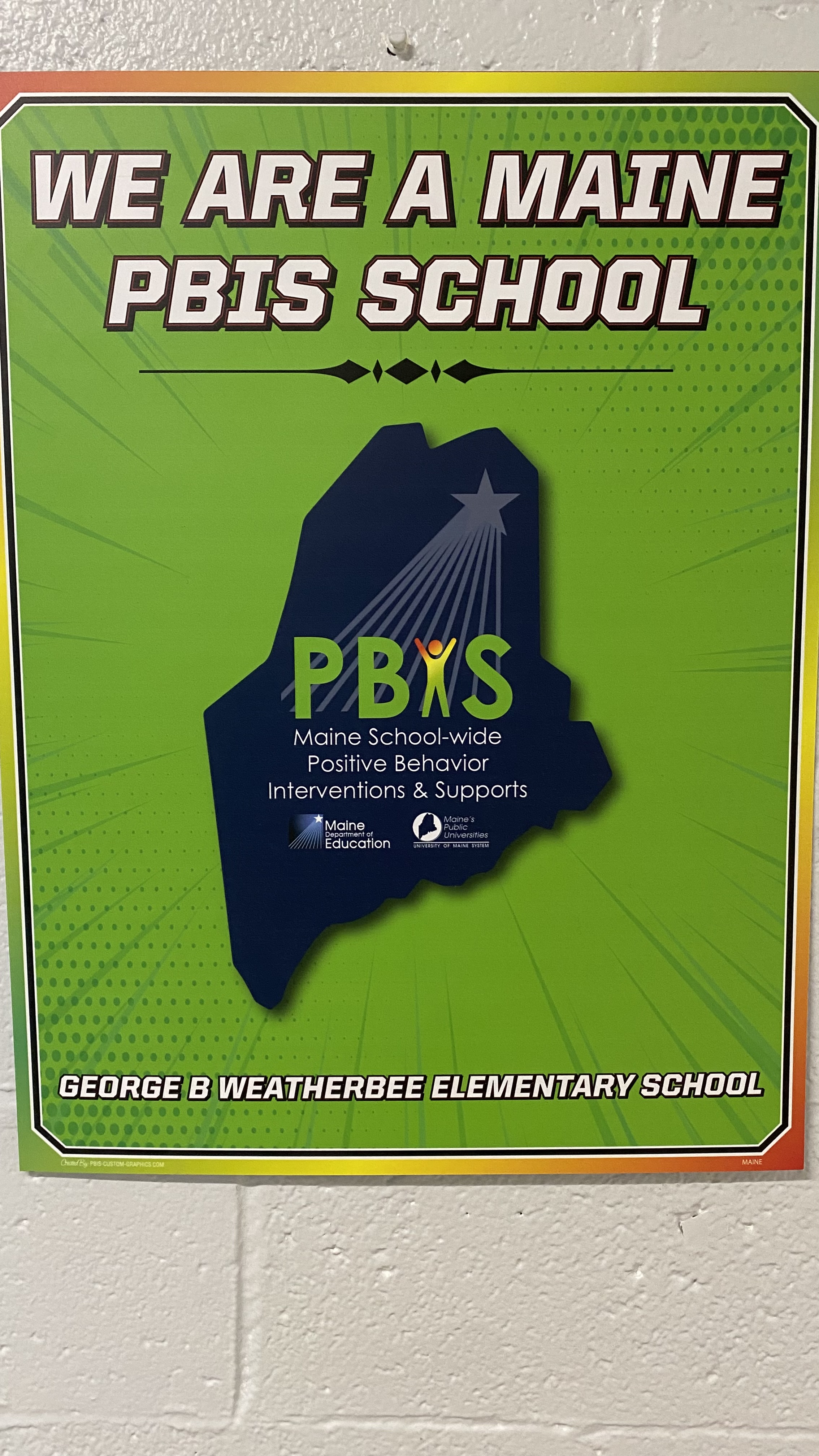
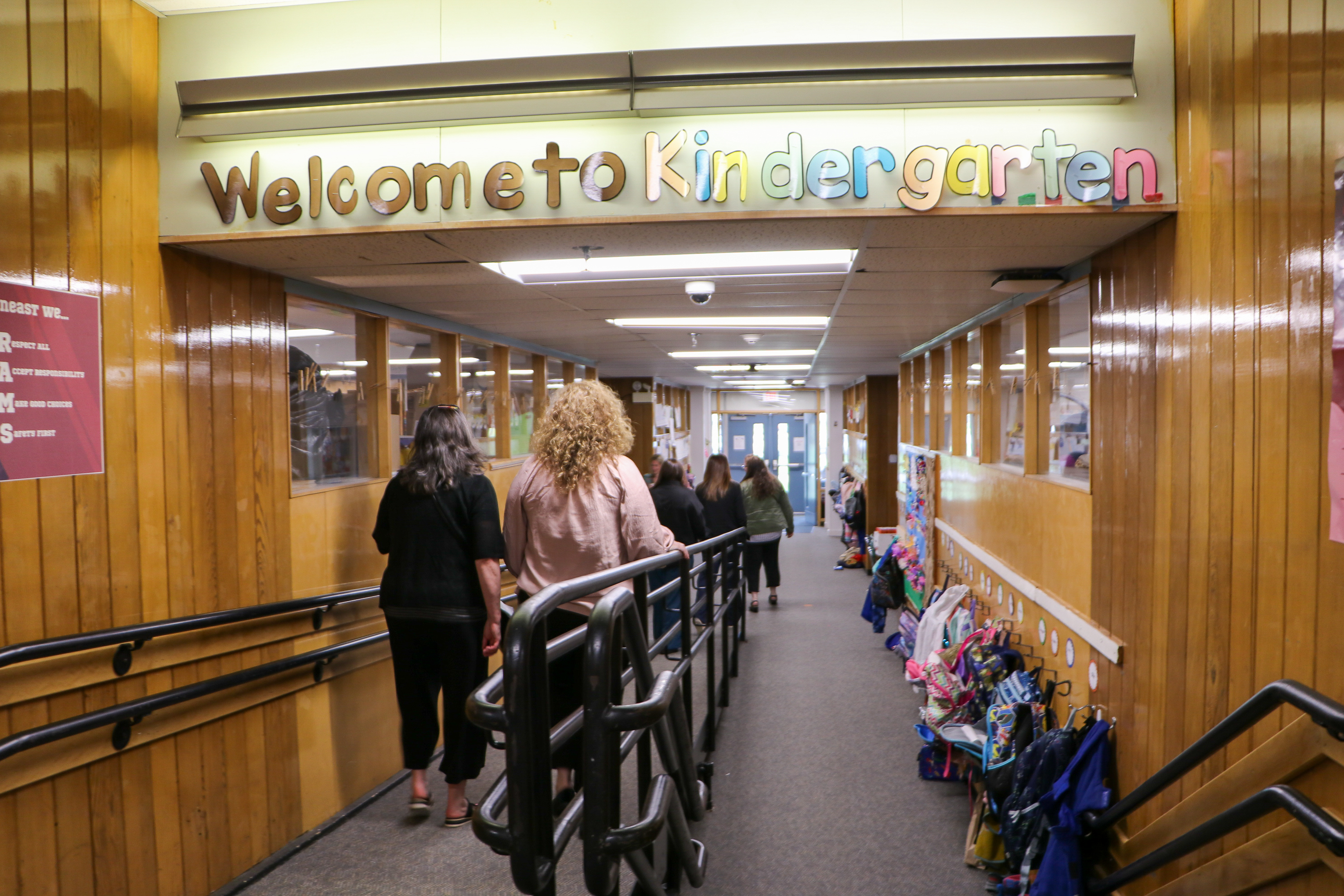
This spring, two educators from Tasmania, Australia, traveled across the globe to Maine through the Hardie Fellowship Program, an experience that allows Tasmanian educators to study educational systems and evidence-based practices in the United States. One of their stops was the Bangor School Department’s Downeast School, which has become a powerful example of how Positive Behavioral Interventions and Supports (PBIS) and inclusive education practices can work together to improve outcomes for students.
Melissa Didham, an Instructional Specialist from Tasmania focused on early literacy instruction, and Sarah Smith, an Advanced Skills Teacher leading Multi-Tiered Systems of Support (MTSS) alignment work in Tasmania, are studying how schools can systematically integrate academic, behavioral, and engagement supports for students requiring additional intervention.
They visited Downeast School, as well as other schools in Regional School Unit 22, Portland Public Schools, and the South Portland School Department, as part of this work.
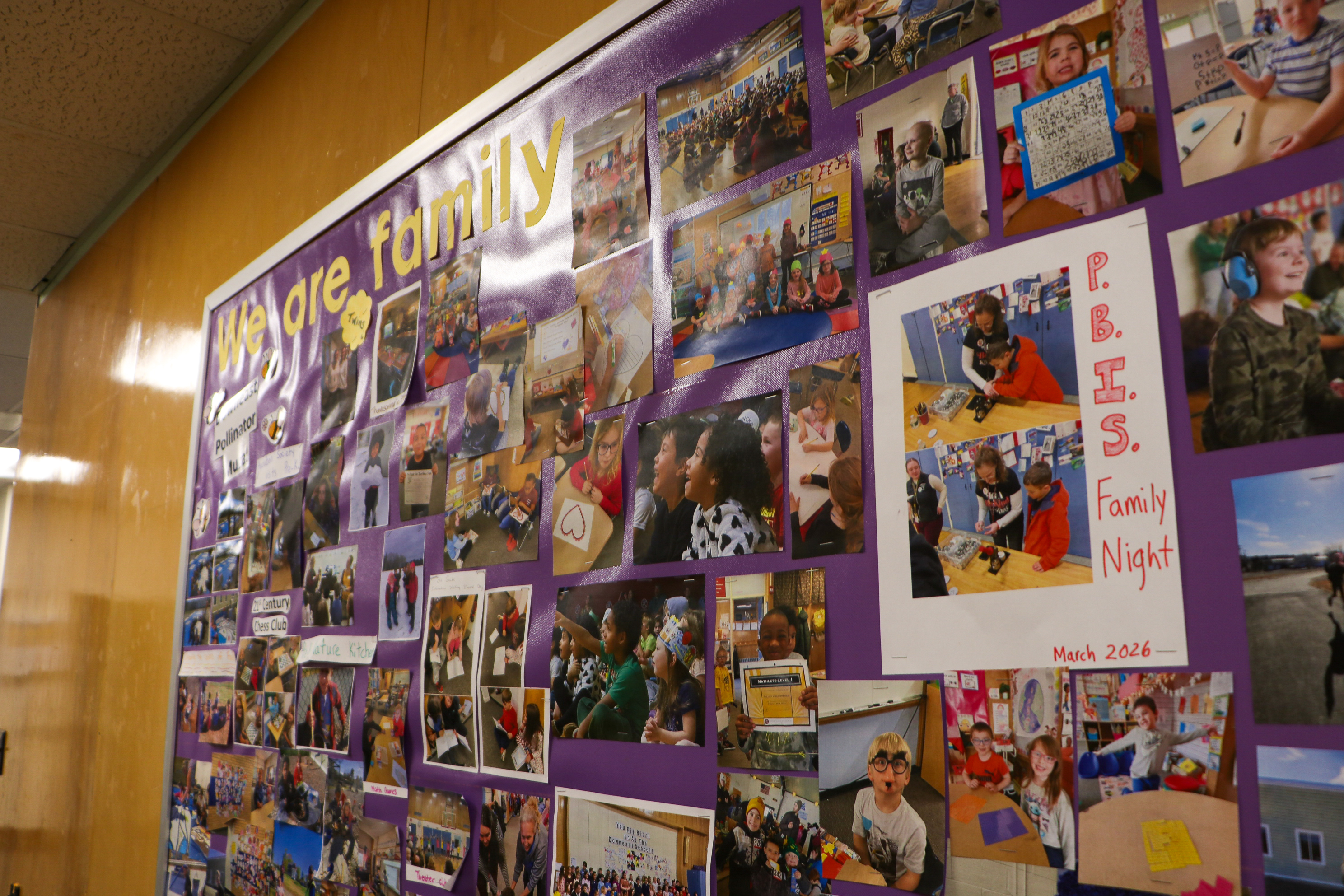
Serving approximately 300 students in prekindergarten through grade 3, Downeast School is a Title I school, as many of its students and families face socioeconomic challenges. Four years into implementing PBIS, a nationally recognized, evidence-based framework for improving school climate, the school has seen measurable improvements in student achievement, attendance, and behavior. The work has also resulted in a stronger, more collaborative learning environment for both students and staff. For Downeast School Principal Sarah Vickers, PBIS has provided a framework for building systems that meet the unique needs of the school community, while empowering educators to continuously improve their practice. Vickers explained that the Bangor School Department provided opportunities for schools to engage in PBIS work, and each school administrator has had the flexibility to implement the framework in ways that best fit their building. This strong district support and staff collaboration has been critical to the success of PBIS at Downeast School.
“I knew what the building needed,” Vickers recalled of Downeast School’s early PBIS work. “This is how we can continue to do what’s best for students.”
That mindset has also helped position Downeast School to become one of the Maine Department of Education’s (DOE) Inclusive Education Model Pilot Schools, an initiative designed to make learning more accessible for all students, including those with Individualized Education Programs (IEPs). Experts involved in the pilot say PBIS creates a strong foundation for schools seeking to build more inclusive learning environments. Now at Downeast School, inclusive practices are intentionally embedded into instructional scheduling and classroom routines. Rather than removing students from classrooms during core instruction, educators work to ensure all students learn together alongside their peers. Additional support is provided during independent work time and outside of direct instructional periods.
The combination of PBIS and inclusive education practices has led to measurable improvements across the school. During the 2025-2026 school year, Downeast School increased its Tier 1 PBIS implementation score from 60% in the fall to 68% in the spring, as measured by the Tiered Fidelity Inventory (TFI). As implementation strengthened, office referrals decreased from 219 during the 2024-2025 school year to 84 during the 2025-2026 school year.
Attendance indicators have also improved. Downeast School’s average daily attendance is currently 91%. Over the past year, the school has seen a decrease in the percentage of students identified as chronically absent (down four percentage points), the percentage of students identified as truant (down eight percentage points); and the percentage of students approaching chronic absenteeism (down 15 percentage points).
Educators say Downeast School’s strong PBIS framework, coupled with inclusive practices, has been transformative. Students receiving special education services are demonstrating academic growth alongside increased success among the entire student body. Some students who previously needed additional one-on-one support are asking not to be pulled from class so they can continue learning alongside their peers.
Downeast School’s approach also emphasizes intentional goal setting for students, particularly those receiving special education services. Even when students are working below grade level, staff focus on identifying prerequisite skills and bridging gaps that help students move toward grade-level expectations.
First-grade teacher Barbra Clewley, who is also a Maine PBIS trainer and coach, said the work requires educators to rethink how they approach student support.
“Instead of saying, ‘What does that student need to do differently?,’ it’s, ‘What can I do differently to help that student?’” Clewley said.
Clewley explained that both PBIS and inclusive education practices encourage educators to reflect on and adapt their own practices rather than expecting students to change first.
“You’re not trying to change your students,” Clewley said. “You’re trying to change what you do as a teacher. That’s where they build really well together.”
Academic data further highlight the progress of Downeast School students. On the grade 3 Maine Through Year Assessment, the number of students performing at or above expectations in mathematics increased by 68.4% from the spring of 2025 to the spring of 2026. In reading, the number of students performing at or above expectations increased by 86.7%. Additionally, on average, students demonstrated strong, healthy progress (an RIT gain of 15 points) when comparing their progress between testing periods. From kindergarten through grade 3, 57% of students made a year’s worth of growth in reading in 2026, a five-percentage-point increase from spring of 2025. Among students receiving special education services, 36% made a year’s worth of reading growth this year.
Vickers said maintaining healthy relationships among staff, encouraging collaboration, and creating a culture where educators feel comfortable trying new strategies have all been critical to Downeast School’s continued growth. Vickers, who has a background in special education, has remained steadfast in her vision for fully implementing PBIS through intentional, student-centered practices, while fostering an environment where educators work together to meet student needs.
“Our teacher leaders are essential to our success,” Vickers said. “They help build staff capacity, foster collaboration, and ensure our improvement efforts remain focused on students.”
PBIS is a nationally recognized, evidence-based framework designed to create positive school climates by teaching and reinforcing clear behavioral expectations. It helps schools to improve student behavior, promote academic success, and build supportive environments where all students feel safe, respected, and empowered to thrive. To learn more about PBIS in Maine, visit theMaine DOE website.
This article was developed in collaboration with the School Department and theMaine PBIS program, a partnership between the Maine DOE Office of Special Services and Inclusive Education and the University of Maine System. This article is part of a series highlighting the successes of Maine schools that are in the process of implementing, or that have implemented, PBIS in their schools. To submit a good news story to the Maine DOE, please fill out thegood news submission form.
This article was written by Waterville Senior High School rising senior Penelope Graham, who is also a co-chair of the Waterville Youth Council (a volunteer organization for the Maine State Civics Bee Finals).
The Maine State Finals for the National Civics Bee were held on June 17, 2026, at the Gordon Center for Creative and Performing Arts on the Colby College campus in Waterville. The Mid-Maine Chamber of Commerce hosted the 2026 Civics Bee in partnership with the U.S. Chamber of Commerce Foundation and The Civic Trust, marking the first year Maine has participated in the national competition.
Open to sixth-, seventh-, and eighth-grade students, the competition required contestants to each write an essay about a community issue and offer a solution that demonstrates understanding of both civic virtues (e.g., humility, responsibility, etc.) and a founding principle (e.g., natural rights, consent of the governed, rule of law, etc.).
The final round of competition for the state brought together 17 students from five Maine schools. The top three winners were selected based on their demonstrated civic knowledge, as assessed through two rounds of multiple-choice questions and a spoken presentation of their essay.
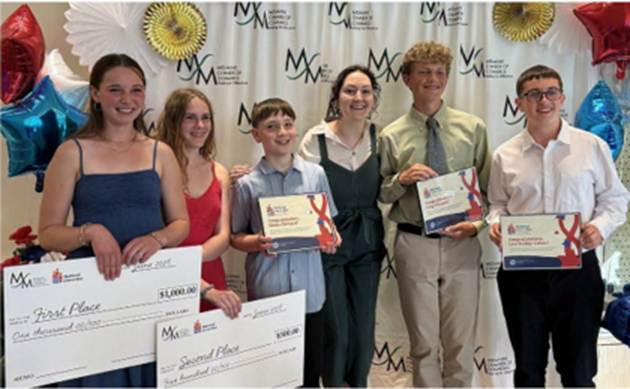
The overall winner was Marin Larsen from Mt. Ararat Middle School, whose essay proposed consolidating schools in her home district and making key repairs to others. Larsen received $ 1,000 and will advance to the National Civics Bee in Washington, D.C., this fall.
The second-place winner was Ryan Coulon, also from Mt. Ararat Middle School, whose essay identified speeding in the Cundys Harbor area in Harpswell as being a key community issue. Coulon received $500.
The third-place winner was Tristan Singh from Rose M. Gaffney Elementary School in Machias. His essay addressed the need for a city website in East Machias. Singh was the only contestant who answered every question correctly in both rounds. Singh received $250.
The top three winners all received a trophy, certificate, and Civics Bee T-shirt.
Image courtesy of the Mid-Maine Chamber of Commerce’s Facebook page.
The first Civics Bee took place during the 2022-2023 school year, and states from across the country have participated every year since then.
The Mid-Maine Chamber of Commerce says it plans to host the Civics Bee again next year. The application portal for those interested in participating will open in the early fall. More information will be available here.
This article was submitted by Penelope Graham on behalf of the Waterville Youth Council. To submit a good news story to the Maine DOE, please fill out the good news submission form.
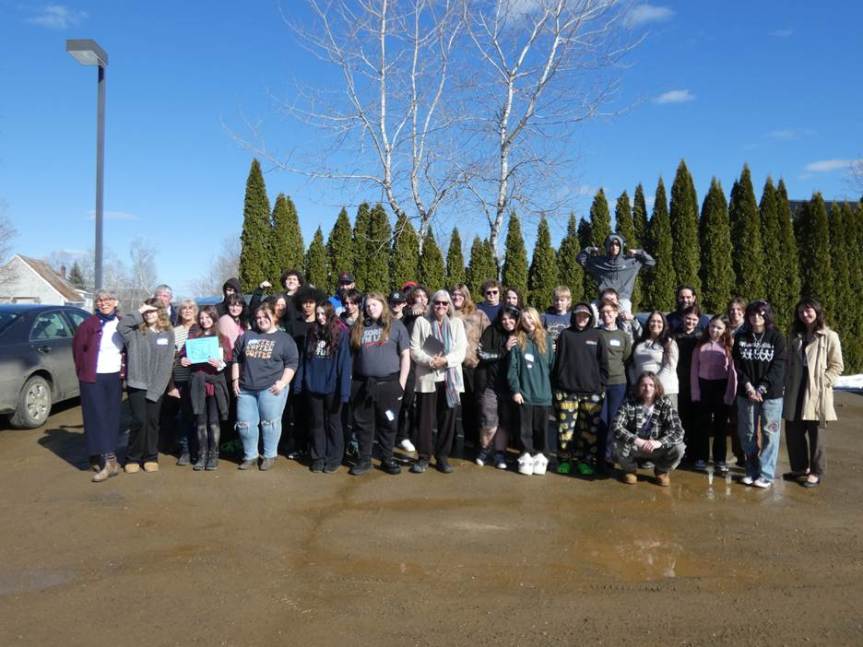
BCOPE students and staff gather for a group photo.
For more than three decades, the Belfast Community Outreach Program in Education (BCOPE), part of RSU 71, serving Belfast, Belmont, Morrill, Searsmont, and Swanville, has helped students reconnect with learning through strong relationships, flexibility, and community-based support.
Founded in 1990 through a grant, BCOPE began as a small pilot program serving 10 students in grades 10-12 with one teacher and one educational technician in a rented space. Today, the program serves approximately 43 students annually in grades 8-12.
“The focus has always been on meeting students where they are,” BCOPE Teaching Principal Helen Scipione said. “Relationships are at the heart of our work.”
Scipione joined the program in 1994 as an educational technician and later became teaching principal. As BCOPE expanded, staff and community partners worked together to create a permanent home for the program after the initial grant ended. With support from local partners, BCOPE purchased land and opened its current building in 2002. Students helped design the space, which was created to support academic, community building, and social-emotional learning.
Relationship-Based Learning
BCOPE’s educational philosophy centers on flexibility, individualized support, and creating an emotionally safe environment where students feel seen, heard, and valued. Community and consistency remain central to the program’s culture.
Rather than relying on a one-size-fits-all model, staff adapt instruction and support to meet each student’s academic and social-emotional needs. Many students arrive after facing challenging life experiences or barriers that have affected their school attendance and engagement.
Each school day begins and ends with a circle, creating consistent opportunities for communication, reflection, and connection. Staff say these routines help foster accountability, belonging, and trust throughout the school community.
“Students know they matter here,” Scipione said. “No one slips through the cracks.”
Staff say that sense of belonging is reinforced through close relationships across the school community. The staff team includes educators and staff members Helen Scipione, Lindsey Schortz, Randy Nichols, Veronica Maresh Mead, Nancy Nickerson, Pippa Jolie, and Laurel Murphy, who work collaboratively to support students. This year, one of their University of Maine social work interns, Mary Weiss, is a BCOPE alumna, contributing to a strong sense of continuity and shared experience.
“There’s a real sense of trust here,” Scipione said. “Many alumni stay connected, return to visit, or even come back to work.”
BCOPE students gather together for a group meal.
School culture is guided by a social contract emphasizing respect, honesty, equity, and accountability. Staff use restorative practices, mediation, and open communication to address conflict and support students rather than relying primarily on punitive discipline. Students also benefit from individualized academic and attendance support, social-emotional resources, and consistent access to food.
Hands-On and Real-World Learning
BCOPE uses performance and project-based instruction aligned with district standards and graduation requirements. Students demonstrate learning through hands-on projects and applied experiences. Student schedules are individualized to help them stay on track toward graduation while receiving the support they need.
BCOPE’s music room has an acoustic drum set, an electric drum set, multiple guitars and basses with multiple amps, keyboards, and two pianos. Student musicians receive individualized lessons based on their interests and learning styles.
“We recognize that success looks different for every student,” Scipione explained. “For some students, success may mean entering the workforce. For others, it may mean college, the trades, or contributing positively to the community.”
The program also emphasizes career readiness and real-world learning opportunities. Students participate in internships, job partnerships, and community-based experiences that connect academics to life beyond school.
“These projects help students see learning differently,” Scipione said. “They connect classroom lessons to real life.”
BCOPE students enjoy being outside. Hands-on learning helps BCOPE students regulate and find deeper connection to their learning.
One signature feature of the program is its greenhouse and garden project, which serves as both a learning space and a community-building effort. Science instruction is integrated into hands-on work, allowing students to apply classroom concepts in practical ways.
Family and Community Partnerships
Family involvement remains an essential part of the BCOPE experience.
BCOPE staff maintain close communication with families, recognizing parents and caregivers as key partners in supporting students. Many families have multi-generational connections to the program, and community support has remained strong throughout BCOPE’s history.
During times of need, staff and community members organize food and supply drives to support students and families.
Community partnerships also play a major role in sustaining the program and creating opportunities for students. BCOPE works closely with local businesses, organizations, and law enforcement, including the school resource officer, Kevin Littlefield, to support student learning and well-being.
“These relationships have sustained the program for more than 30 years,” Scipione said.
Sustaining Alternative Education
Like many alternative education programs, BCOPE faces ongoing challenges related to funding, staffing, and increasing student needs. Scipione credits strong community support and creative problem-solving with helping sustain the program over time.
“Our community has always stepped up,” Scipione added. “People believe in what we do because they’ve seen the impact on students and families.”
As Maine schools continue searching for ways to support students with diverse needs, BCOPE offers a model grounded in flexibility, hands-on learning, and community connection, helping students build confidence, find belonging, and create meaningful paths forward.
This story was written in collaboration with the Belfast Community Outreach Program in Education (BCOPE), part of RSU 71, as part of an ongoing series to highlight alternative education programs across Maine. For more information about alternative education, please visit the Maine DOE Alternative Education webpage. To submit a good news story to the Maine DOE, please fill out the good news submission form.
Twelve of the 19 Cony High School students who received the State of Maine Seal of Biliteracy gathered for a group photo at the recognition assembly held May 26, 2026.
Nineteen members of Cony High School’s Class of 2026 were recently recognized for earning the State of Maine Seal of Biliteracy, a distinction that honors students who have demonstrated proficiency in English and at least one additional language.
This year’s recipients earned the Seal in four languages: Spanish (11 students), German (4 students), Arabic (3 students), and French (1 student), reflecting both the diversity of Cony’s student body and the strength of its World Languages program.
The Seal of Biliteracy is a statewide initiative supported by the Maine Department of Education (DOE) that recognizes students who have attained high levels of proficiency in multiple languages. The Seal is added to a student’s transcript and can provide significant advantages in college admissions, opportunities for college credit, career readiness, and participation in global learning experiences.
Since Maine launched the Seal of Biliteracy program in 2018, participation has continued to grow. This year, 52 schools across Maine participated, with 517 students working toward earning the Seal in 33 different languages. Since the 2021-2022 school year, approximately 1,741 Maine students have earned the distinction.
At Cony, the Seal of Biliteracy represents more than language proficiency; it reflects a school culture that values global citizenship, cultural understanding, and meaningful opportunities for students to connect with the wider world. This is especially notable, as Cony’s World Languages department is led by two educators who have recently been recognized as being among the state’s best. Spanish teacher and department head Gretchen Livingston was named the 2026 Kennebec County Teacher of the Year, and German teacher Deborah Backman earned the same honor in 2025.
“Cony Middle and High School is so fortunate to have a World Languages department with two Kennebec County Teachers of the Year—Gretchen Livingston this year and Deb Backman last year,” Cony Principal Kimberly Liscomb said. “The teachers create amazing opportunities for students, like the Maine Seal of Biliteracy and Global Seal of Biliteracy. The Augusta School Department has supported our students and staff with these important endeavors, and with our growing population of multilingual learners, opportunities have expanded to include Arabic.”
Deborah Backman, 2025 Kennebec County Teacher of the Year and German Teacher at Cony Middle and High SchoolGretchen Livingston, 2026 Maine County Teacher of the Year and Spanish Teacher at Cony Middle and High School
Livingston says her passion for language education is rooted in helping students build meaningful, cross-cultural connections.
“I began teaching to share my love of language learning and to help people connect across cultures, opening doors to new perspectives and opportunities,” Livingston said. “I take my role as department head of World Languages at Cony Middle and High School very seriously because I believe that one of our main goals is to foster cultural empathy and awareness. When we open our minds to different cultures, we enrich our daily lives through new ways of thinking and connecting.”
Backman emphasized the transformative impact that international experiences can have on students.
“Living and studying in Germany and Austria gave me a perspective on American culture and history that I couldn’t have gained at home,” Backman said. “Many Americans don’t have the opportunity to look at their country from an outside perspective. In teaching German, I share the insights that I have gained through my experiences abroad, while inspiring students to seek out their own international experiences. These experiences foster a deeper appreciation of other cultures and, in turn, a greater understanding of their own.”
Cony’s World Languages program is successful because of its cohesive team, which, in addition to Livingston and Backman, includes Spanish teacher Rocio Carey and French teacher Sarah Moore, who has also taught Latin in the Augusta School Department.
Cony’s World Languages program initially introduces all seventh-grade students to language learning through a Unified Arts course that explores French, German, and Spanish. Eighth-grade students may then choose a language to study for high school credit, with students able to continue through advanced levels in high school.
Beyond the classroom, students have access to language clubs, international travel opportunities, cultural exchanges, and service-learning experiences. Cony’s German program, for example, has been part of the prestigious PASCH global network since 2017, making it one of only 14 schools in the United States with that designation. Through the partnership, students can earn full scholarships to participate in German immersion programs in Germany. Cony also offers opportunities to volunteer in Guatemala, travel to France and Italy, and participate in the German American Partnership Program (GAPP) exchange.
These experiences have had a lasting impact on students and graduates.
“Having the Seal of Biliteracy has been really helpful in continuing my language learning journey post high school,” Savier Littlejohn, a 2023 Cony graduate who now studies Political Science and International Affairs at the University of Southern Maine (USM), said. “At USM, I was able to get eight college credits, allowing me to skip directly to advanced courses instead of starting again from scratch. It has also been helpful on numerous applications and study abroad programs, as proficiency in a second language is something well looked upon.”
Similarly, 2021 graduate Kiara Henry said her Seal of Biliteracy translated directly into college savings. She explained that she didn’t have to take a language class in college because her Seal counted for eight college credits. She was able to take other classes instead, which allowed her to save time and money.
For many current Cony students, earning the Seal represents both a culmination of years of hard work and a pathway to future opportunities.
“Getting the Seal of Biliteracy, to me, feels like the one, all-encompassing award of recognition for all the work I’ve put into language learning. It also highlights all of the amazing opportunities offered by our World Languages department,” 2026 Cony graduate JohnPeter Caruso said. “Our German program provided me with an opportunity to spend a summer in Germany, speaking German with people from all over the world. Not only was this an amazing experience, but it helped me feel confident about enjoying all opportunities, even if they initially seemed intimidating.”
In addition to the World Languages department, Cony provides a comprehensive ESOL (English for Speakers of Other Languages) program for students. The Seal of Biliteracy program, coordinated by Livingston, gives ESOL students the opportunity to earn the Seal in their native language, recognizing the diverse linguistic skills they bring to the school.
Bayan Salamhi and Sham Alsaleh graduated from Cony this year and received the Seal of Biliteracy in Arabic and English.
“For me, receiving the Seal of Biliteracy is more than just an award,” Salamhi said. “It represents an important part of who I am and the journey I have taken to grow academically and personally. Knowing more than one language has allowed me to appreciate different cultures, communicate with more people, and feel proud of an ability that will stay valuable throughout my entire life.”
“Receiving the Seal of Biliteracy means a lot to me because it represents the hard work, dedication, and perseverance it took to become confident in two languages,” Alsaleh said. “As someone who learned English while maintaining my native language, this recognition reminds me that being bilingual is a strength that allows me to connect with different people, cultures, and opportunities. I am honored to receive this recognition and proud to celebrate the value of multilingualism.”
Classmate Allyson Dumont said she now sees multilingualism as an important part of her future career.
“Having my Seal of Biliteracy is important to me as someone pursuing a career in health care,” Dumont said. “I’m glad I had this opportunity in high school because it means being able to communicate with a larger group of people.”
Students noted that the impact of language learning also extends past academics and career preparation.
“Being a multilingual student goes beyond speech and into my jazz improvisation, so I find a home in learning languages while at the same time expressing myself through music,” 2026 Cony graduate Arlo Shargo said.
Batool AlBraihi, who earned the Seal after studying Spanish at Cony for five years, praised the educators who helped make the achievement possible.
“Having studied Spanish at Cony for the past five years, I have experienced firsthand the commitment and encouragement our language teachers provide,” she said. “Their recognition as County Teachers of the Year reflects not only their excellence as educators but also the strong and supportive language program they have built.”
For 2025 Cony graduate Luca Hardy, language learning became life changing.
“Learning Spanish has been one of the greatest opportunities of my life,” Hardy said. “What started as a single Spanish class at Cony ended up changing the trajectory of my future. Spanish has opened doors to new opportunities, experiences, cultures, and people I never would have met otherwise. It is one of the main reasons I am now at Princeton University.”
Eighteen of 19 the seniors who received the Global Seal of Biliteracy gather for a group photo.Twelve of the 19 seniors who received the Maine Seal of Biliteracy gather for a group photo during marching practice.
As Maine schools continue expanding multilingual learning opportunities, Cony’s Seal of Biliteracy recipients demonstrate how language education can help students develop academic skills, cultural competence, and global perspectives that prepare them for success far beyond graduation.
Additional information about the Maine Seal of Biliteracy, including statewide participation data and resources, is available on the Maine Seal of Biliteracy Dashboard. For more information, resources, and tools to help students earn a Seal of Biliteracy, visit the Maine DOE website.
This article was written in collaboration with Cony Middle and High School (Augusta School Department). To submit a good news story to the Maine DOE, please fill out thegood news submission form.
LifeChanger of the Year, an annual national recognition program for educators and school employees, is excited to announce a back-to-school grant opportunity for teachers as they prepare for the 2026-2027 school year.
This summer, LifeChanger of the Year will be awarding 10 Back-to-School Supply Grants of $750 to K-12 public, private, and charter school employees nationwide. These grants are designed to help cover the out-of-pocket costs educators often face for school supplies.
Applications are open from July 1 through August 15, 2026. All strong applicants will automatically be considered for the 2026-2027 LifeChanger of the Year program, with a chance to win up to $20,000 to share with their school.
LifeChanger of the Year is sponsored by the National Life Group and the National Life Group Foundation. Since its inception in 2006, the goal of the National Life Group Foundation has been to do good in the communities in which we live and work by supporting nonprofit and educational organizations.