The Great Schools Partnership (GSP), in partnership with Educate Maine, is offering the Maine Impact Education Fellowship, a leadership development opportunity designed to help Maine educators strengthen their leadership skills, build professional connections, and contribute to positive change in their schools and communities.
The Fellowship brings together educators from across Maine to develop the skills and practices needed to foster collaborative school cultures in which educators feel a sense of belonging, are supported in their growth, and are encouraged to remain in the profession.
Through collaborative learning, individualized coaching, and a practice-based capstone project, Fellows will have the opportunity to:
Receive individualized coaching and resources to support leadership growth and implementation.
Connect with a statewide network of educational leaders.
Strengthen skills in collaborative learning and school improvement.
Develop leadership practices that support educator belonging, collaboration, and retention.
Receive a $1,000 stipend.
The fellowship welcomes educational leaders from across Maine, including:
Classroom teachers
Teacher leaders
Principals
Assistant principals
Support staff
Educators in other leadership roles are also encouraged to consider applying
The Maine Impact Education Fellowship provides an opportunity for educators to grow their leadership capacity while learning alongside colleagues from across the state and applying their learning to real challenges in their schools and communities.
St. George Municipal School Unit (MSU) has been recognized as a national leader in education innovation after being named a top 10 finalist in the annual global recognition program, ASU+GSV Summit Education Innovation Showcase. The award celebrates St. George MSU’s groundbreaking work to develop the nation’s first preK-12 career and technical education (CTE) program, in partnership with MidCoast School of Technology.
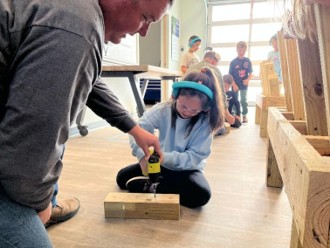
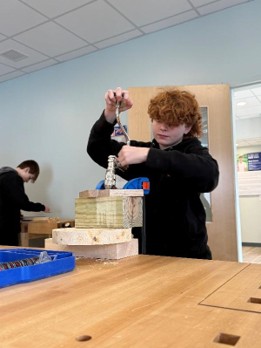
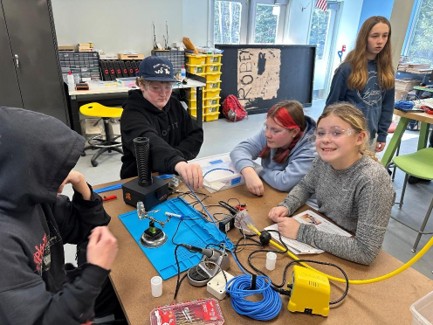
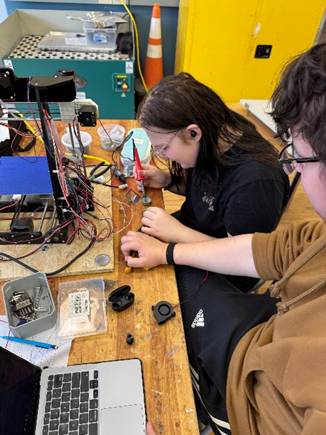
As part of this project, St. George MSU opened the GRACE Innovation Center in August 2025, which includes shop spaces for boatbuilding, woodworking, and metalwork, as well as a Makerspace with 3D printers, laser cutters, computer numerical control (CNC) routers, robotics, and sewing machines. The goal is to provide ALL students, preK-12, with access to career and technical education (CTE) to re-engage them in their learning, prepare them with the skills to thrive in today’s workforce and create the businesses and industries of the future, and strengthen the local economy.
Organizations from around the world apply each year to participate in the ASU+GSV Education Innovation Showcase. St. George MSU was selected as one of the top K-12 education leaders for its efforts to advance innovation within its community, create new approaches to delivering education and workforce skills, and foster meaningful change at the systems level.
At the heart of St. George MSU’s vision is the belief that the future of education is built on understanding and honoring the community’s people, history, traditions, and values. This innovative approach is deeply rooted in place and inspired by the legacy of the Lillius Gilchrest Grace Institute, a nonprofit founded in 1936 by the Grace family in memory of Lillius Grace, a St. George native. With the help of the Maine Department of Education’s (DOE) Rethinking Responsive Education Ventures (RREV) grant, a $16.9 million federal grant awarded to Maine in 2020, St. George MSU received $350,000 to kick-start its building design process, curriculum development, and capital campaign. The GRACE Innovation Center, which opened last year, was named in honor of the original Grace Institute and continues a long legacy of hands-on/minds-on learning and innovation rooted in people and place.
“Our work and vision are rooted in this place – in the history, values, traditions, and people of St. George,” Mike Felton, Executive Director of the GRACE Innovation Center, said in a statement to the community. “Even as we expand our impact, we always remember our roots. The GRACE Innovation Center is the result of a community that had the courage and heart to dream BIG for their kids.”
Rather than simply introducing a new program, St. George MSU is reimagining what education can look like when students have opportunities to create, build, and learn through meaningful experiences. Through the GRACE Institute, students and teachers collaborate with Makerspace Director Paul Meinersman, CTE Coordinator John Clark, local tradespeople, business owners, parents, and community volunteers to help turn ideas into reality.
Check out this video of St. George MSU students talking about the GRACE program:
Students are developing skills that extend far beyond the classroom as they use both their hands and minds to design, problem-solve, and create. These experiences allow students to explore potential career pathways while building confidence, collaboration skills, creativity, and a strong connection to their community.
The recognition as a finalist highlights the impact of St. George MSU’s commitment to innovative, place-based education. The school’s approach demonstrates that meaningful change does not have to begin in a large city or a major institution but can start in a small community with a bold vision, dedicated educators, and a commitment to giving students opportunities.
This story was written in collaboration with St. George MSU. To submit a good news story to the Maine DOE, please fill out the good news submission form. To learn more about the Grace Innovation Center, visit their website.
The Maine Department of Education (DOE) Transformational Leaders’ Network (TLN) is a practical, relationship-centered professional learning opportunity for principals to enhance their leadership practice and strengthen outcomes for schools and communities. The TLN is delivered through a series of in-person and remote/regional meetings offered across the state during the school year. All principals, from first-year principals to veterans and from large suburban schools to small rural schools, are invited to participate.
New this year is an additional TLN cohort opportunity, “Strengthening Leadership from Within,” that is specifically designed for assistant principals, deans of students, and other leading members of building-level leadership teams. This opportunity offers two in-person sessions and one virtual connection, facilitated by Maine’s Transformational Leadership Network (TLN). See details about this additional offering below.
The 2026-2027 TLN theme is “The Principal Effect and the Power of Mattering.”
This opportunity will reflect current research regarding principal effectiveness, professional learning, leadership sustainability, emotional intelligence, systems thinking, and school climate, while honoring the realities of increasingly complex school leadership.
Principals who participate can expect:
Continuous job-embedded professional development for an increasingly complex role.
A collaborative learning community, as participants tackle authentic leadership challenges together.
Learning what emotional intelligence, mattering, and leadership presence look like in practice.
Strategies for strengthening school climate and culture by building trust, establishing stronger connections, communicating openly, and supporting and engaging staff more effectively.
Learning about creating steadier school environments during periods of challenge and change through sustainable and systems-oriented leadership.
Learning about navigating conflict, pressure, and complexity.
Learning about staff ownership, increasing collective efficacy, supporting leadership succession, and strengthening the workforce.
A virtual extension session will also be offered the week after each in-person session as an opportunity for a deeper dive into discussion topics (or for those unable to attend the in-person session).
Former TLN participants have shared the following testimonials:
“[The TLN] really changed how I support teachers, how I build a more positive school culture.” – TLN Principal, 2024-2025
“It’s easier to stay and fight the daily battles, but leaving for [the TLN] makes me better when I come back.” – TLN Principal, 2025-2026
“I see [the TLN] as kind of a ‘boots on the ground’ experience that you don’t get until you’re in it. … It’s about recognizing the leader as a whole person, understanding that emotional well-being is a key component of strong leadership.” – TLN Principal, 2024-2025
“Every time I leave, I have something I can use right away.” – TLN Principal, 2025-2026
“We dream together about what education can be and walk out the door refreshed and ready to take on the next day.” – TLN Principal, 2023-2024
The cost of the TLN remains at $295 per participant for the full year of professional learning. This includes all TLN content, materials, and meals for in-person meetings. Participants will be responsible for covering their own travel.
Please note that if you are the leader of an identified school under Maine’s Model of School Supports (MMSS) (TSI-Targeted School Improvement, ATSI-Additional Targeted School Improvement, CSI-Comprehensive School Improvement), you are eligible to have registration fees covered. Contact Maine DOE Teacher Excellence, Recruitment, and Retention Coordinator Christina O’Neal at christina.l.oneal@maine.gov for a discount code to cover your registration fees.
Scholarship funding will be available to supplement the costs of travel, awarded on a first-come, first-served basis, prioritizing need, paid to school administrative units (SAUs), and according to specific eligibility qualifications. Need is based on free and reduced-price meal qualifications under Chapter 223, subchapter 7, or the percentage of students identified as economically disadvantaged for subsidy purposes under Chapter 606-B. If interested in learning more about scholarship funding, please email Christina O’Neal at christina.l.oneal@maine.gov.
Strengthening Leadership from Within: A Leadership Series for Assistant Principals, Dean of Students, Lead members of Leadership Teams
The Maine DOE has identified a need to offer relationship-centered professional learning opportunities for school leaders beyond principals, including assistant principals, deans of students, and lead members of building-level leadership teams, to enhance their leadership practice and strengthen outcomes for schools and communities. TLN is pleased to offer a new leadership series geared toward assistant building leadership, with two in-person sessions and one virtual connection, facilitated by Maine’s Transformational Leadership Network.
Session 1 (in person) November 6, 2026, 8:30 a.m. – 2:30 p.m., location TBD Leading Beyond Position: Building Presence, Influence, and Leadership Identity
Assistant principals, Dean of Students, Leadership Team member(s) will explore:
Transitioning from expert practitioner to systems leader
Emotional intelligence and leadership presence
Building trust and credibility
Supporting adults while managing competing priorities
Understanding influence beyond authority
Session 2 (90 min. virtual connection) February 5, 2027 Learning from Practice: Conversations with Maine Principals
Participants will engage in facilitated conversations centered on authentic leadership challenges, including:
Difficult conversations
Managing complexity and middle-management pressures
Supporting school culture
Building staff leadership
Protecting sustainability in leadership work
Session 3 (in person) May 14, 2027, 8:30 a.m. – 2:30 p.m., location TBD Creating Conditions Where Others Grow
Participants will explore:
Building teacher leadership
Strengthening staff and student mattering
Shared decision-making
Developing climate and culture
Leadership succession and sustainability
Through this work, TLN intends to strengthen Maine’s leadership pipeline while reinforcing the belief that effective leadership development begins long before the principalship itself.
The cost of the Leadership Series for Assistant School Leaders will be $120 per participant. This includes all content, materials, and meals for in-person meetings. Participants will be responsible for covering their own travel.
“Professional learning opportunities for school leaders can build leadership capacity and develop leaders’ competence across the full range of their responsibilities—empowering them to foster environments in which adults and students thrive.” Learning Policy Institute & Wallace Foundation (2026)
With questions, please contact Christina O’Neal, Maine DOE Educator Excellence Coordinator, at christina.l.oneal@maine.gov.ESEA Title IIA funds received from the U.S. Department of Education (ED) support the implementation of this project. The project has an award totaling $138,676.02, of which 79% is federally funded and directly attributed to project implementation. The contents are those of the author(s) and do not necessarily represent the official views of, nor an endorsement by, ED or the U.S. government.
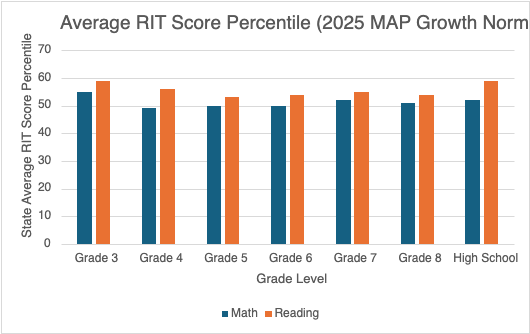
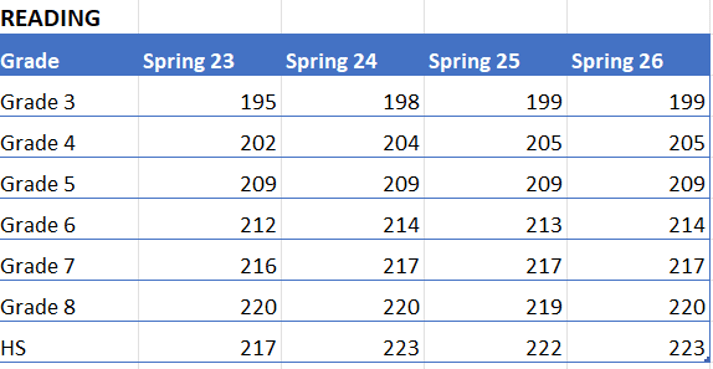
The Maine Department of Education (DOE) recently received the verified aggregate data from Maine’s Through Year Summative Assessment, and Maine students’ average Rasch Unit (RIT) percentile scores are at and above the most recent MAP Growth National Achievement Norms.
The 2025 achievement norms were established using scores from approximately 13.8 million students nationwide over the course of two years.
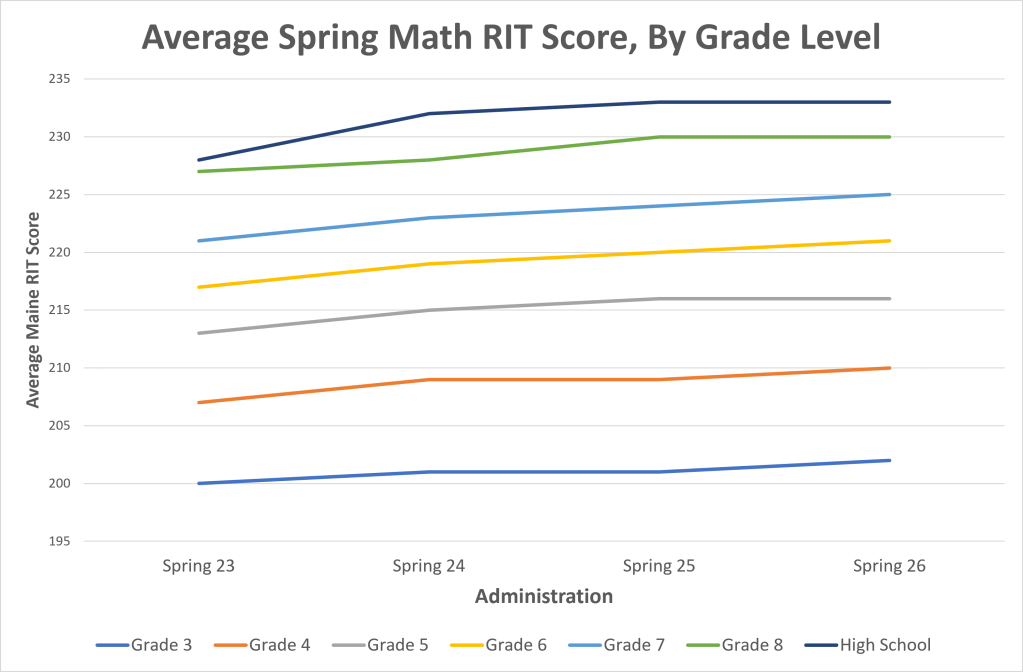
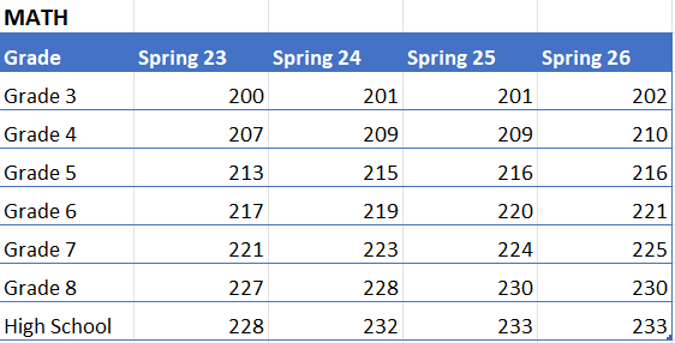
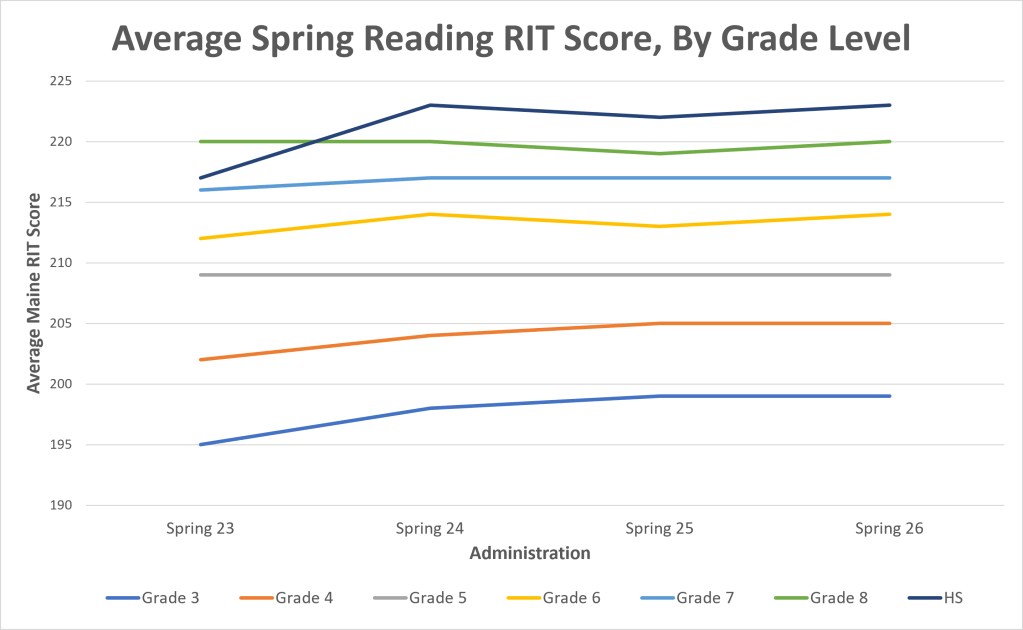
Maine students’ average summative achievement scores on the Through-Year Assessment have also increased every year since 2023, marking a positive trend that contributes to a much broader picture of student success.
MATH:
READING:
The 2024 National Assessment of Educational Progress (NAEP) state score estimates have received a great deal of media coverage over the past 18 months, with multiple new studies and reports continuing to recycle the same data from that testing event every few weeks. Maine’s 2024 NAEP score estimates were disappointing, continuing a slow decline that began in 2011.
While NAEP and the Through-Year Assessment both provide some information about student performance in Math and Reading, the two assessments are very different, and the data they offer are produced in very different ways. NAEP uses a random sample of approximately 1700 4th and 8th grade students per test and creates what the National Center on Education Statistics (NCES) calls state “score estimates”. The score estimates are actually a statistical projection that assumes that all students in the state would perform at a level similar to the sampled students. The Through-Year Assessment, on the other hand, is taken by more than 85,000 Maine students (every student in grades 3-8 and in grade 10). Unlike NAEP, the Through-Year Assessment provides student-level data and school-level scores that can be used by teachers to inform instruction, by parents to better understand how their child is performing, and by the State in determining levels of support through the Every Student Succeeds Act (ESSA).
For further assistance in understanding the differences between the Maine Through Year Assessment and the NAEP, please refer to this resource.
Experts caution against using standardized test scores alone to evaluate the success of schools, policies, or programs, recognizing that these data provide just a glimpse into the much bigger picture. Local assessments, teacher observations, passed course rates, and graduation rates, for example, offer information that builds toward a more complete picture of academic performance.
In our statewide Measure What Matters outreach, we heard from business leaders, educators, parents, and community members that the people of Maine prioritize active, applied learning; project based and “real world” projects; creativity, adaptability, and other durable skills that will prepare our students for success in a dynamic future landscape. We look forward to launching a framework next week based on these findings to shine a light on the exceptional education practices in schools across our state.
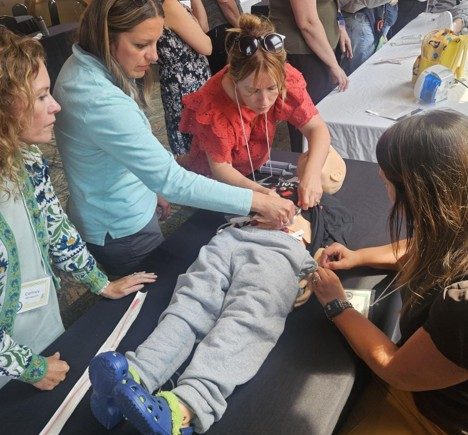
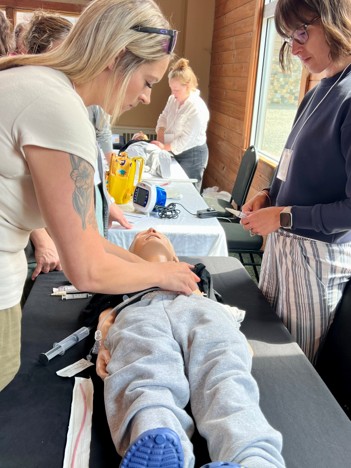
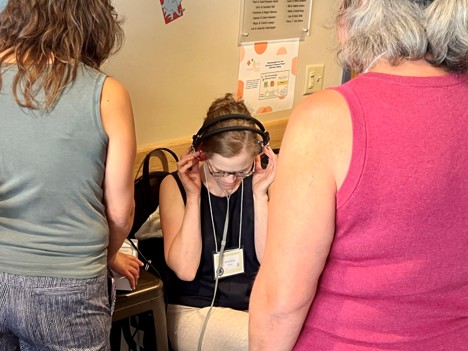
Maine school nurses practicing skills in caring for students with gastrostomy tubes using a manikin during the School Nurse Summer Institute.
On July 28-29, school nurses from across all 16 counties in Maine gathered for a two-day School Nurse Summer Institute at Sugarloaf in Carrabassett Valley. This biennial event is sponsored by the Maine Department of Education (DOE) and planned by the Coordinated School Health Team and volunteer school nurses who work in Maine schools. The theme of this year’s conference was Complex Care, Competent Leadership: School Nurses at the Heart of Student Health.
Day one of the event included skills sessions hosted in collaboration with Maine Health, as well as presentations by Trista Collins from the Office of MaineCare Services, and Dr. Patricia Endsley, National Association of School Nurses (NASN) President-Elect.
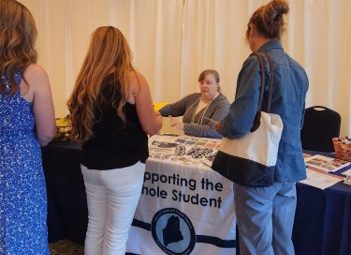
Day two included an exhibitor fair with over 30 organizations and six breakout session options. The breakout sessions included nursing leadership, student mental health, emergency planning, immunization clinics, puberty, and more.
Here is what a few participants had to say about the event:
“This was an excellent event! It was easy to tell that all of the attendees and presenters were engaged and enjoying themselves. Skills day was helpful, not only for those of us who don’t work with medically complex students frequently, but also for those of us who are hands-on and visual learners.”
“This was wonderful. The sessions were relevant and productive. Thank you for taking the time to thoughtfully choose these for us.”
By increasing our school nurses’ understanding of current research and evidence-based practices and expanding awareness of the resources available throughout the State of Maine, our Maine schools benefit immensely.
This event, which focused on continuing professional development in nursing, was approved by the Northeast Multistate Division Education Unit, an accredited approver by the American Nurses Credentialing Center’s Commission on Accreditation.
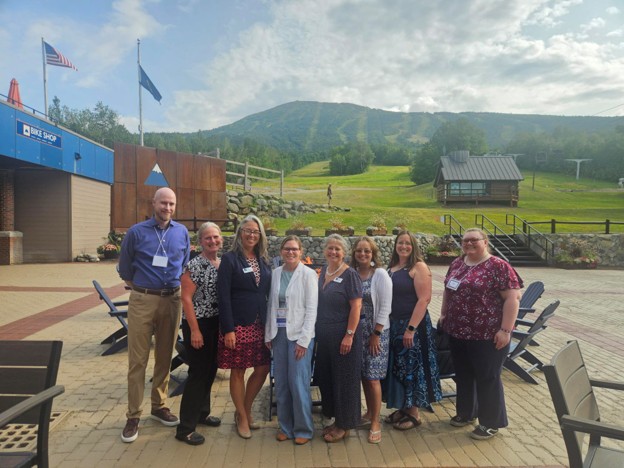
Members of the Maine DOE Coordinated School Health Team gather for a group picture during the School Nurse Institute.
To learn more about coordinated school health and to access resources and information for Maine school nurses, please visit the Maine DOE website.
Community Regional Charter School (CRCS) is redefining what modern learning can look like by intentionally blending advanced technology with outdoor, nature-based education. Through its “Innovation Inside and Out” approach, CRCS ensures learners develop technological fluency while building deep connections with the natural world. At CRCS, the philosophy is simple: It’s not technology or nature—it’s both.
Learners regularly engage with proven and emerging technologies as they grow into confident problem solvers and design thinkers. Through the Maine Department of Education’s (DOE) Maine Learning Technology Initiative (MLTI), CRCS has long provided one-to-one Apple devices for all learners. In recent years, additional MLTI Teach with Tech grant funding has expanded access to digital storytelling tools, including 360-degree cameras, action video equipment, and livestreaming technology. The same grant enhanced wide-format printing capabilities, introduced AR/VR workstations, and brought a 30-learner-capacity mobile planetarium to the school community.
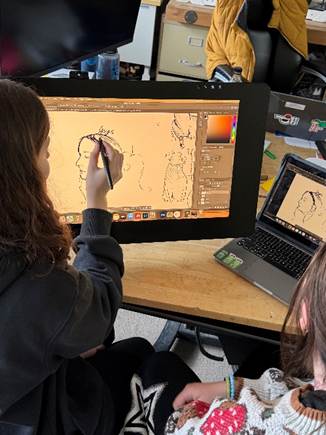
Most recently, CRCS was awarded a competitive federal grant to upgrade its 3D printing fleet, establish a mobile PC lab, and begin developing virtual reality environments to support remote learning and mental health access in rural communities. These opportunities are further supported by full access to Adobe Creative Cloud, Wacom Art Displays, Unreal Engine, Unity, Fusion 360, and other industry-standard tools.
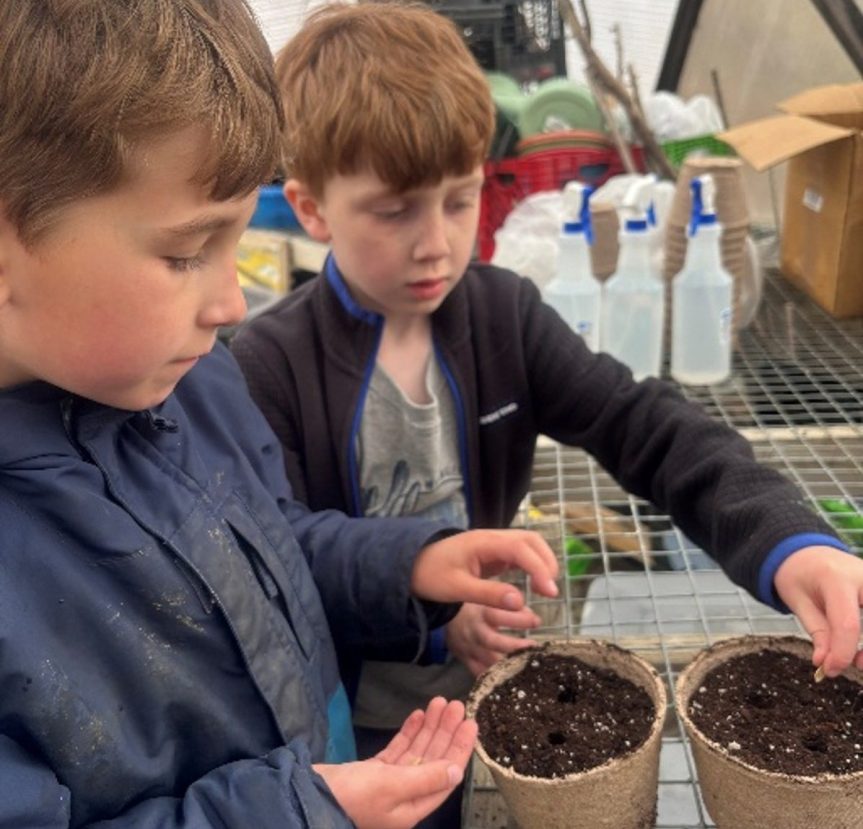
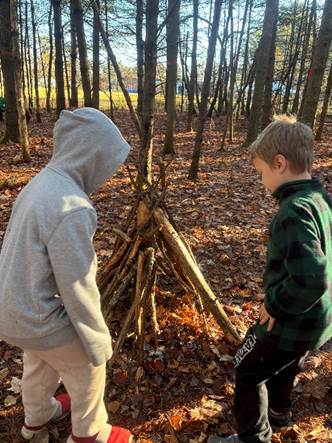
At the same time, learners benefit from robust outdoor learning and nature-based education. Whether working with the outdoor learning facilitator or the school garden coordinator, learners explore local ecosystems through tree observations, weather and climate studies, and hands-on garden work. These experiences cultivate empathy and stewardship while strengthening science learning.
In the school garden, learners connect life science concepts to real-world skills, such as growing whole foods, preparing healthy meals, and building lasting knowledge about wellness and nutrition.
This year, Director of Design and Innovation Dan Ryder and Coordinator of Garden-Based Education and Experiential Learning Selina Greene Warren began collaborating to intentionally weave together technology and nature-based education. Their two-pathway framework, known as Compass and Canvas, guides the work.
The Compass Pathway focuses on mentoring learners to discover their interests, strengths, and areas for growth. Through guided exploration, learners develop strategies for self-regulation, resilience, and perseverance while discovering their “true north.”
The Canvas Pathway emphasizes creativity and expression. Whether working in visual arts, music and movement, graphic design, or nature art, learners are encouraged to explore ideas across a wide range of mediums—from paper and cardboard to computer screens and garden plots. The goal is to help learners communicate ideas, express creativity, and strengthen problem-solving skills.
To support this work, Ryder established RavenWorks Problem-Solving Studios at both the Overman and Dimensions Academy campuses. Based on the award-winning Success and Innovation Center model he co-founded, RavenWorks blends makerspace practices with social-emotional support and flexible learning environments.
Meanwhile, Warren is expanding the school garden program at Dimensions Academy to include a perennial garden and a therapy garden—spaces designed to support self-regulation, inspiration, and creative thinking. Additionally, a play-based garden is being developed at the Creative Children’s Academy, ensuring CRCS’s youngest learners can begin exploring the Compass and Canvas pathways.
“When facilitators model innovation, learners become more confident problem solvers,” Ryder said.
“By balancing the Compass and the Canvas, we help learners recognize and celebrate differences while working toward both individual and collective growth,” Warren said.
Ryder and Warren presented their collaborative work at the Every Teacher a Leader Conference at Thomas College on July 30-31, 2026.
This story was submitted by Community Regional Charter School. To submit a good news story to the Maine DOE, please fill out the good news submission form.
A redesigned homepage, a rebuilt course catalog, simpler navigation, and a new support center. More content arrives as the school year gets underway.
The Maine Department of Education has released a redesign of EnGiNE, the state’s professional learning ecosystem for school staff. The update reaches nearly every part of the platform: a new public homepage, a rebuilt course catalog, a redesigned dashboard, and a support center for anyone who needs help finding their way around.
The refresh arrives in time for the upcoming school year, and as new courses and community spaces continue to come online.
EnGiNE (Engaging Innovation in Education) connects Maine’s educational workforce through professional learning, collaboration, contact hours, and shared resources, and it provides a shared learning space for education professionals regardless of their zip code. A school nurse in Aroostook County can share ideas and best practices with one in Lewiston; a classroom teacher can earn contact hours without traveling a long distance, and educators separated by district lines can build and learn together. Literacy specialists, school nurses, principals, instructional coaches, and data coordinators all have a place here.
Professional learning on EnGiNE spans child nutrition, career and technical education, data, early learning, educator supports, extended learning, innovation and research, outdoor education, school health, school safety, special and inclusive education, technology and learning, and Wabanaki Studies, along with interdisciplinary content that intentionally crosses those lines. New content and courses are continuously being added.
EnGiNE supports self-paced asynchronous courses, live virtual office hours, hybrid book studies and discussion groups, ongoing training series, and community forums for peer-to-peer exchange. Some experiences span others while others can fit into the fifteen minutes between classes. It is designed to provide high-quality professional learning opportunities in a variety of formats.
Currently, more than 4,300 educators and school staff are connected on the platform.
The newly released version enhances the EnGiNE experience in several ways:
Visitors can now browse and search the course catalog at engine.maine.gov without need to create an account.
Previews of modules and training allow visibility into what EnGiNE has to offer.
Searching is faster, and the catalog can be narrowed by category, tag, or instructor.
The redesigned dashboard easily allows participants to jump back in where they left off or explore new content in the system.
Navigation is simpler, and the design throughout lends itself to a more logical and structured experience.
A newly launched support center assists users to easily find information they are looking for.
Enhanced accessibility across all areas of the platform.
“We’ve been building EnGiNE for years, and this is the largest upgrade we’ve released. EnGiNE is a community of practice across Maine’s schools not just a catalog of courses. The easier it is to move through, the more of that work happens. I’m looking forward to schools getting in and seeing what has changed.”
Elaine Bartley, Innovative Research & Design Director, Office of Innovation, and EnGiNE administrator
New courses, modules, and community spaces arrive throughout the school year. Educators can browse what is available now, and returning users will find their existing courses and communities where they left them.
Educators and school staff can sign in or create an account at engine.maine.gov.
About EnGiNE
EnGiNE (Engaging Innovation in Education) is the Maine Department of Education’s statewide professional learning ecosystem for educators and school staff. From coastal islands to northern rural communities, it connects Maine’s educational workforce through asynchronous courses and modules that carry contact hours, community portals, collaboration groups, resource sharing and lending libraries, and statewide professional development. EnGiNE is maintained by a cross-departmental team of Maine DOE professionals known as the Pit Crew. Its ongoing development and hosting are fully funded by the Maine Department of Education using state funds. Learn more at engine.maine.gov.
During the Second Regular Session of the 132nd Maine Legislature, LD 2105, An Act to Update Maine’s Mandated Reporting Laws, was passed. On April 13, 2026, it became Public Law Chapter 667.
The Maine Department of Education (DOE) is sharing this information to ensure school administrative units (SAUs) are aware of the law’s implications for schools, as it requires SAUs to adopt and implement policy and education regarding child sexual abuse prevention education and response.
The following is a summary of the impact of the updates to the mandated reporting laws on SAUs:
School personnel, along with other designated professionals, shall immediately, within 24 hours, report or cause a report to be made to the Department of Health and Human Services (DHHS) when they know or have reasonable cause to suspect that a child has been or is likely to be abused or neglected or that a suspicious child death has occurred.
The individual with first-hand knowledge of the suspected abuse or neglect is expected to make the report whenever possible. When the person reporting is acting in a professional capacity within an institution, agency, or facility, that individual must also immediately notify the person in charge or a designated agent, who is then responsible for ensuring the report is made. Staff may also report directly to DHHS. Internal reporting procedures may be established but must not conflict with statutory requirements. All mandated reporters are required to complete DHHS-approved training at least once every two years (previously every four years).
Policy Review and Recommended Actions
The Maine DOE has received inquiries regarding whether SAUs must revise their child sexual abuse prevention and response policies in light of these statutory changes. The need for revision depends on how local policies are written. SAUs should:
Review and revise any local policy language related to mandated reporting to ensure alignment with current law, including updated training requirements.
Model Policy Requirements
Maine law requires SAUs that operate a public preschool program or serve students in kindergarten through grade five to adopt a written policy on child sexual abuse prevention education and response that is consistent with the model policy developed by Maine DOE.
The Maine DOE model policy, originally developed in 2015 and subsequently updated, was created in consultation with DHHS, the Maine Coalition Against Sexual Assault (MECASA), the Maine School Management Association (MSMA), and other stakeholders representing school boards, administrators, educators, and families. The policy reflects nationally recognized best practices that include:
Child sexual abuse response and reporting procedures.
Training requirements for school personnel on prevention and awareness.
Age-appropriate prevention education for students aligned with the Maine Learning Results and delivered by qualified instructors.
School-based response protocols.
Access to resources for victims and non-offending caregivers for services and support.
Technical Assistance and Resources
The Maine DOE has developed model policy guidance in partnership with the Children’s Safety Partnership to support SAUs in policy development and implementation. The Maine DOE, MECASA, and regional sexual assault prevention and response centers are available to provide technical assistance and training.
For more information, please contact Susan Berry, Maine DOE Health Education and Health Promotion Specialist, at susan.berry@maine.gov.
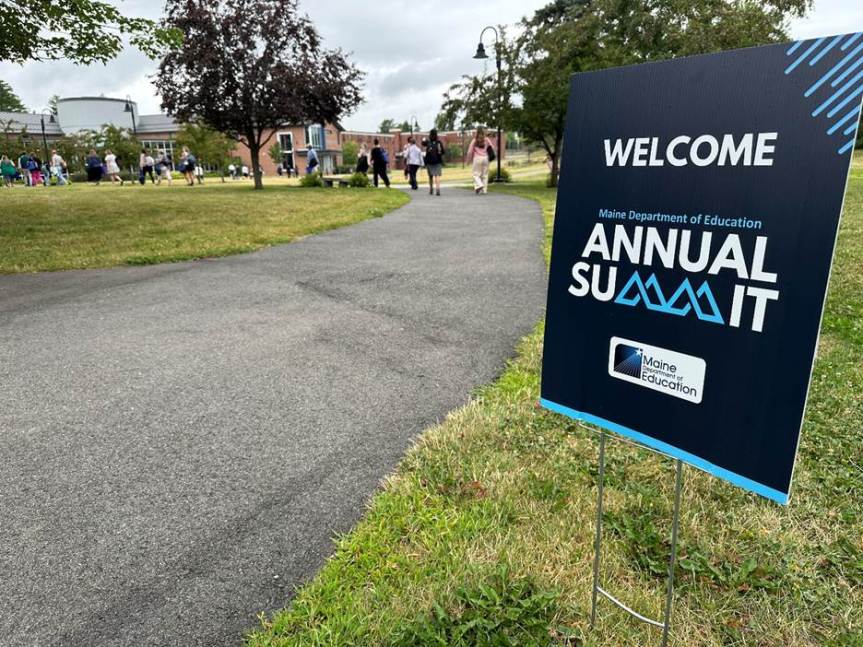
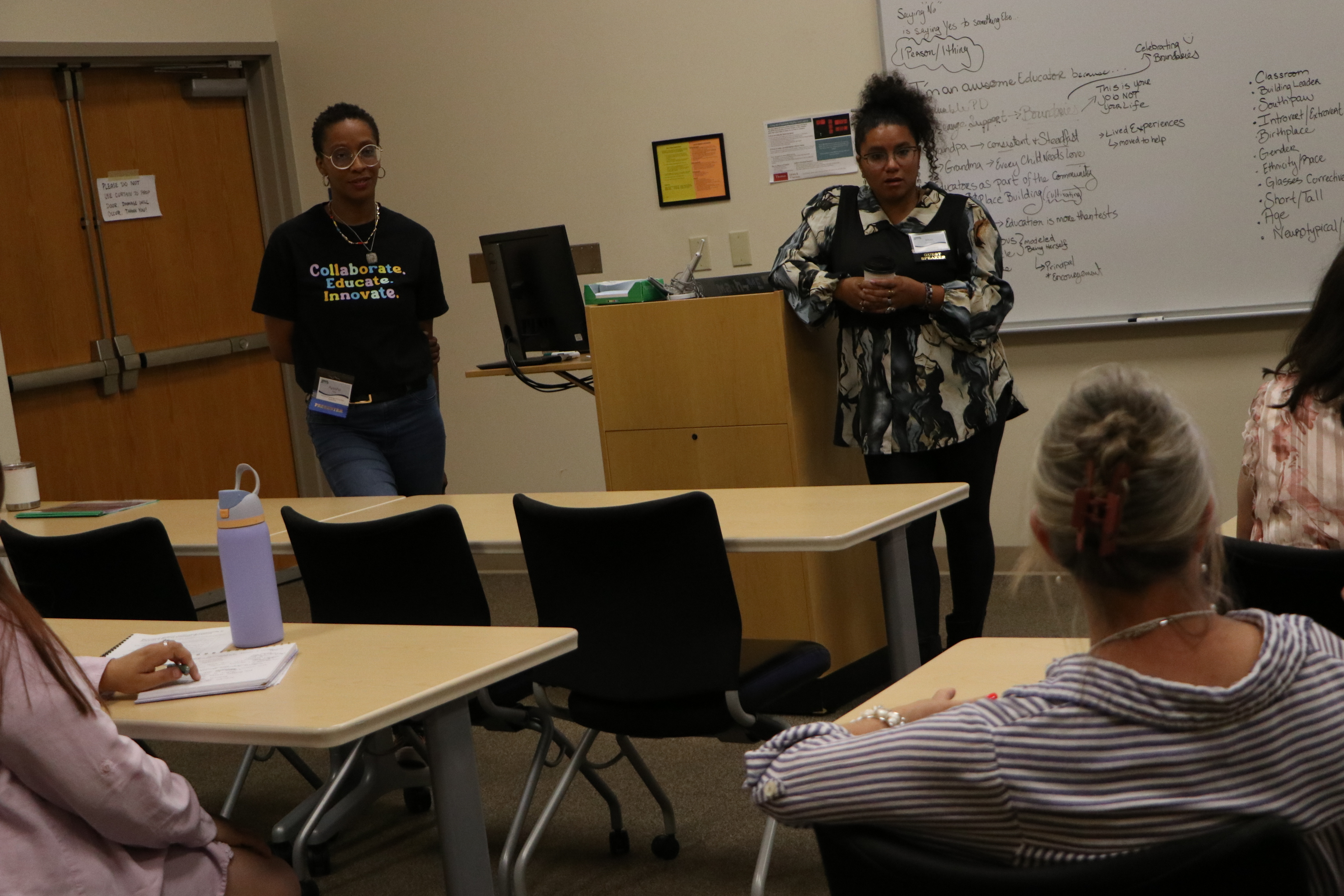
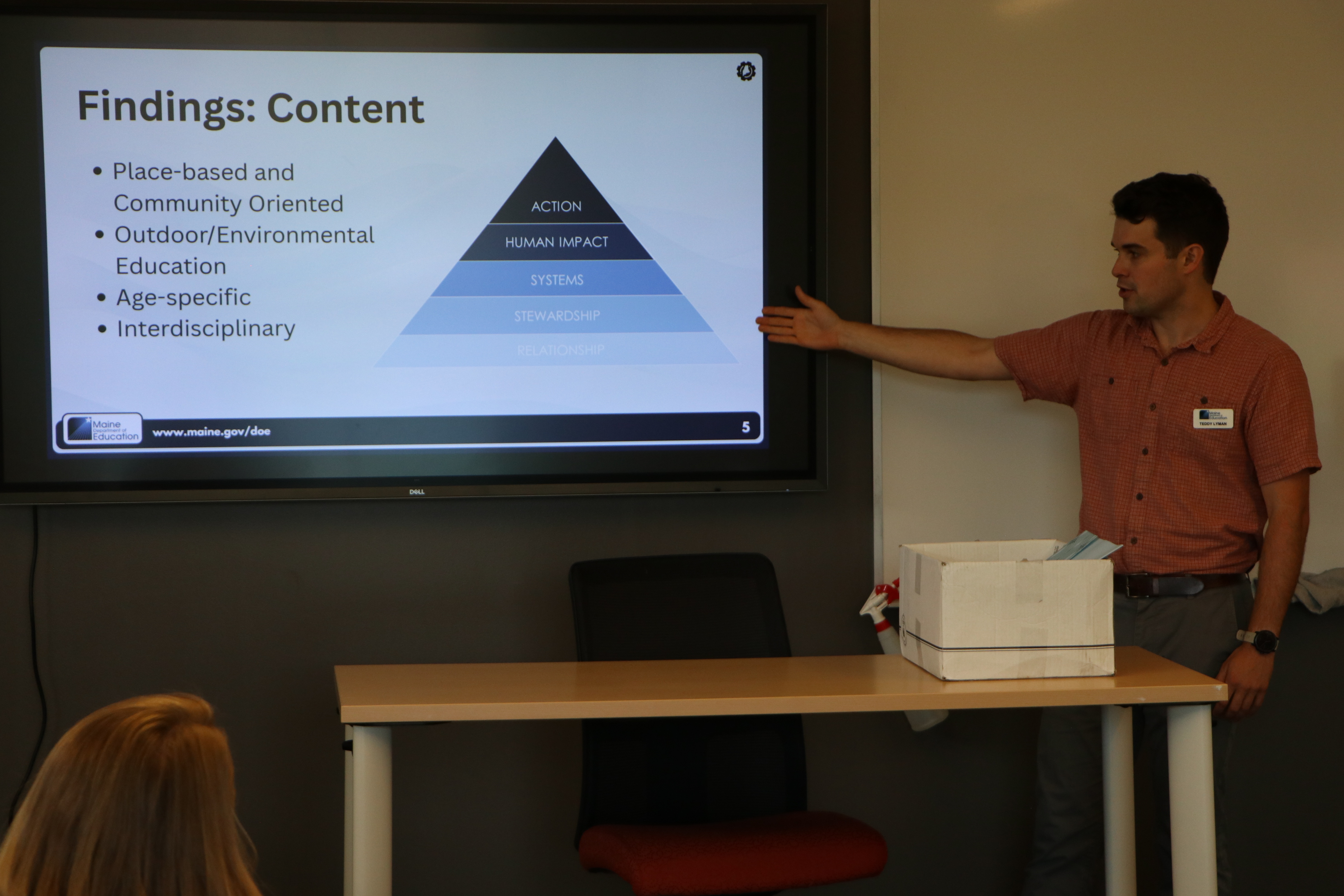
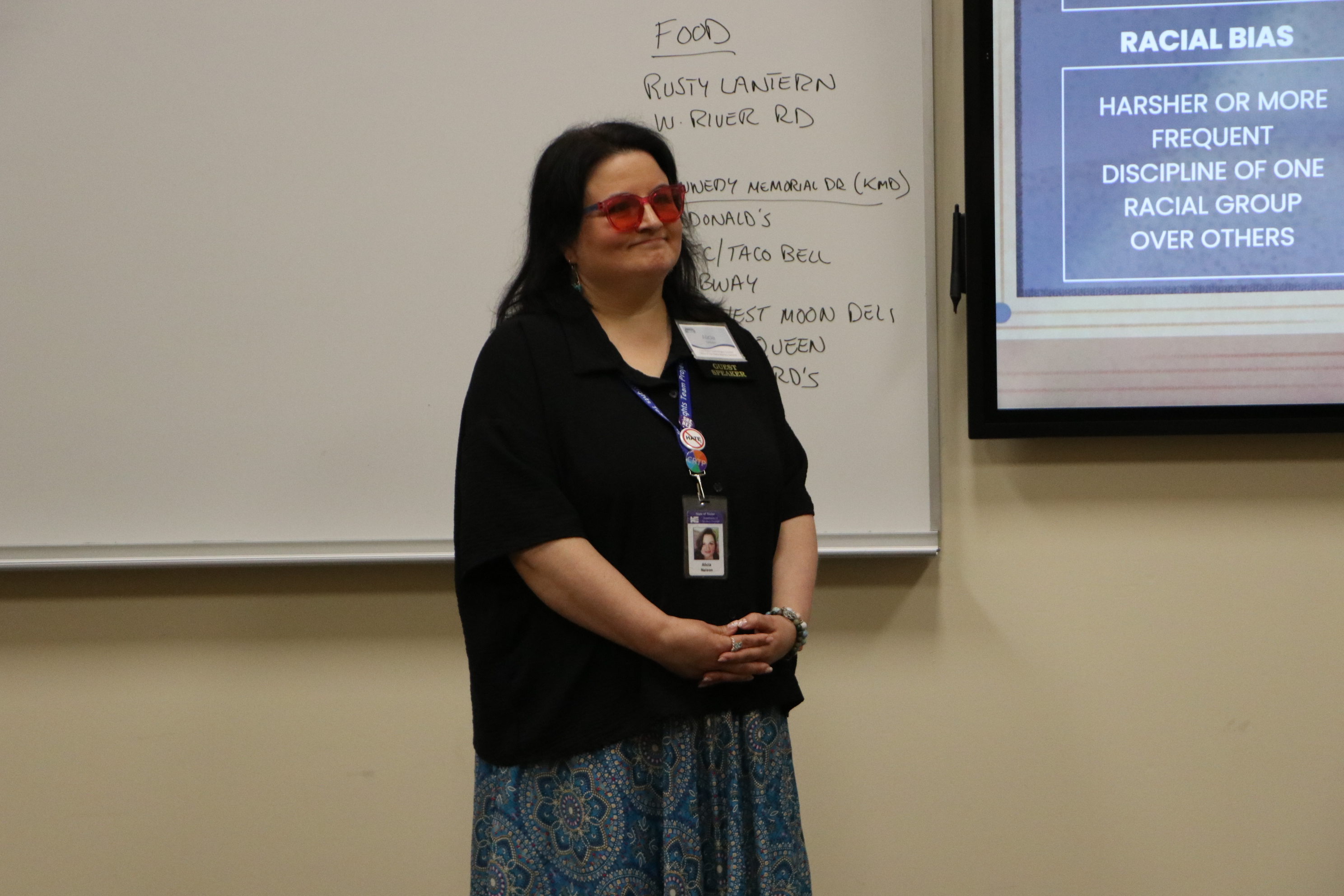
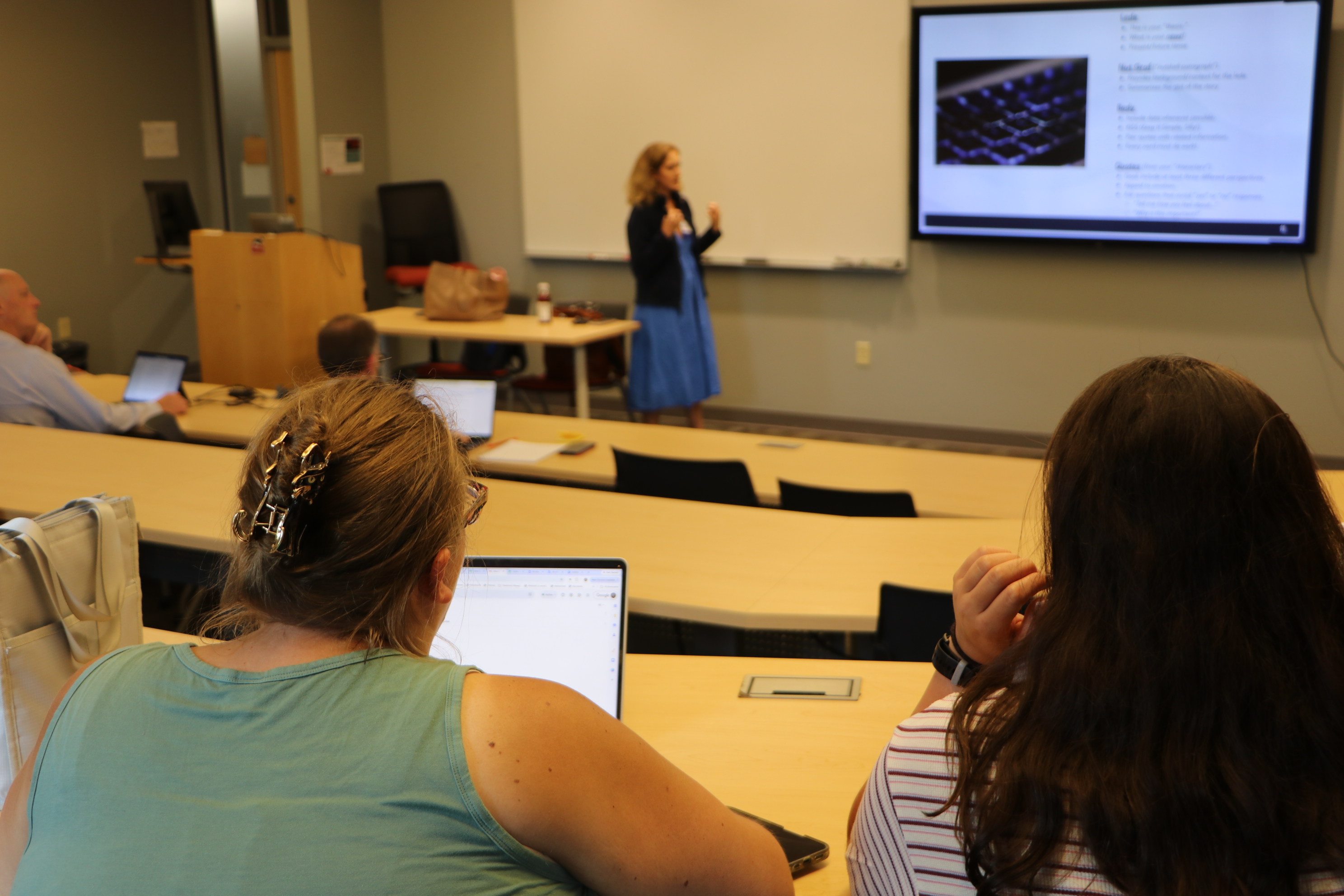
Educators, school leaders, and education partners from across Maine gathered at Thomas College in Waterville on July 29 for the 2026 Maine Department of Education (DOE) Annual Summit, kicking off the three-day ElevatED professional learning experience with a day centered on collaboration, innovation, and practical strategies to support students across the state. The Summit was followed by the second annual Every Teacher a Leader Conference, held July 30-31 in partnership with Educate Maine and the Teach Maine Center.
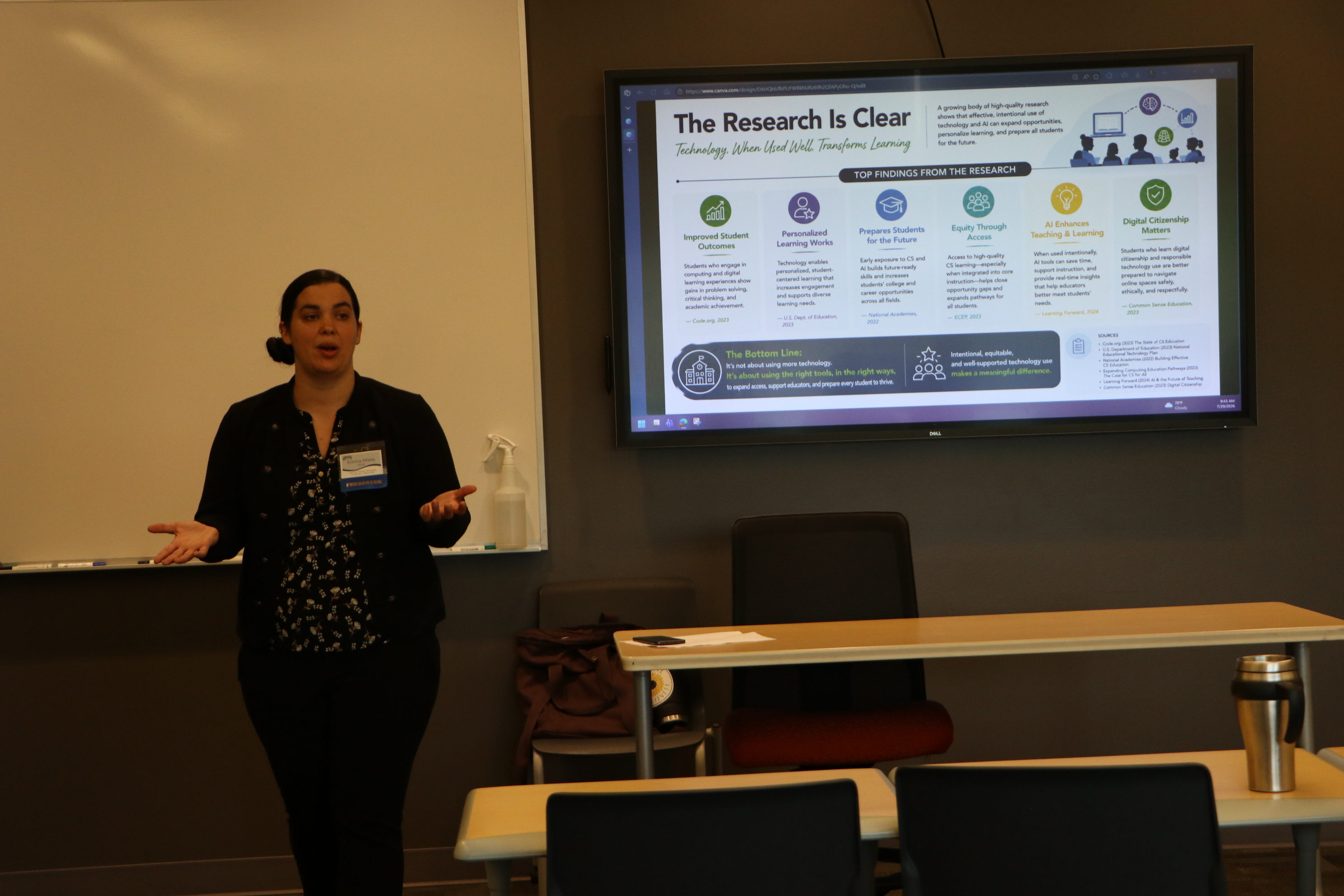
Designed to support Maine’s broad education workforce, this year’s Annual Summit featured timely, solution-focused, and science-backed learning opportunities that reflected the diverse needs of schools and communities across the state. Educators explored topics ranging from school climate, attendance, and family engagement to career pathways, outdoor learning, inclusion, artificial intelligence, educator wellness, and school safety, while connecting with colleagues and experts from across Maine.
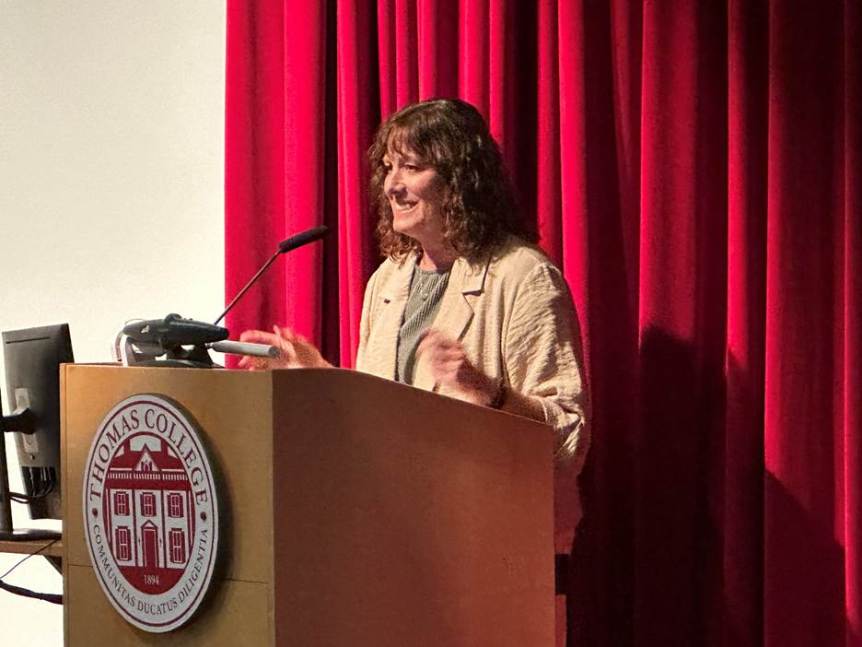
The day began with welcome remarks from Education Commissioner Pender Makin, who highlighted the incredible importance of public educators in any democracy, but especially in today’s ever-changing landscape.
Commissioner Makin
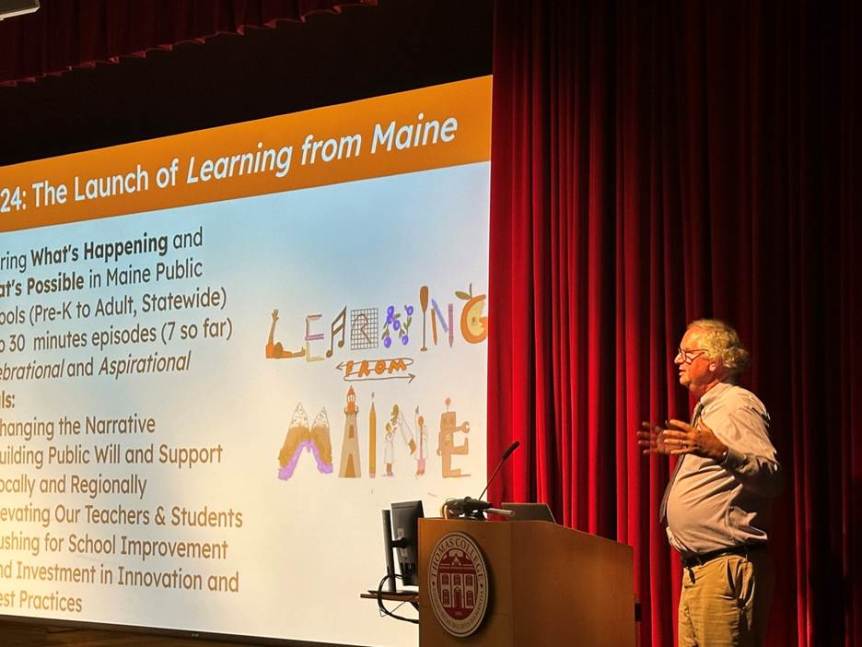
Following Commissioner Makin’s remarks, representatives from the Maine School Management Association (MSMA) Maine Loves Public Schools campaign presented their recent “Learning from Maine” project. Hosted by Derek Pierce, a former Maine principal, the video series takes viewers inside Maine schools, highlighting the incredible stories happening in Maine classrooms, which airs on Maine Public, YouTube, and many other easily accessible platforms.
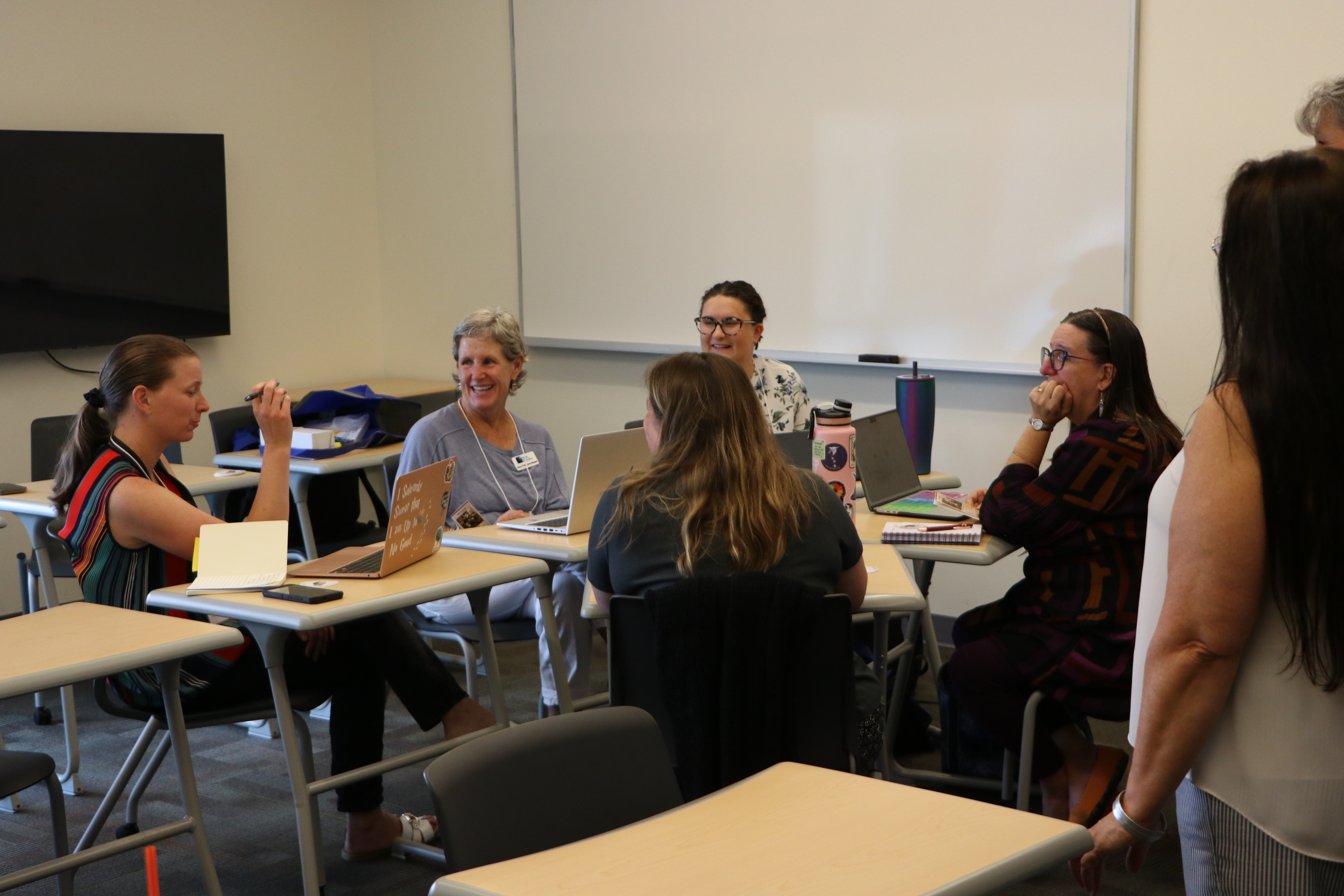
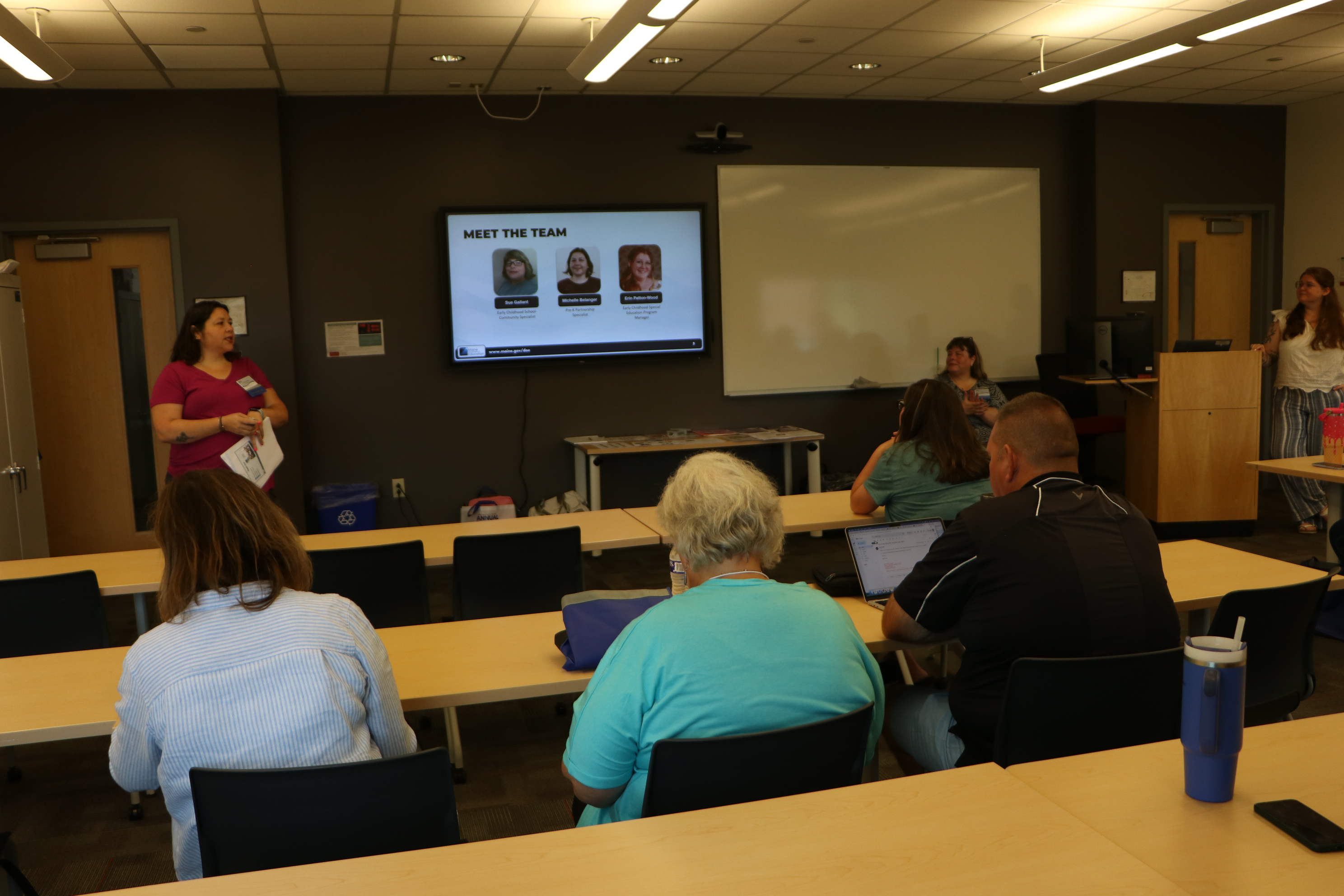
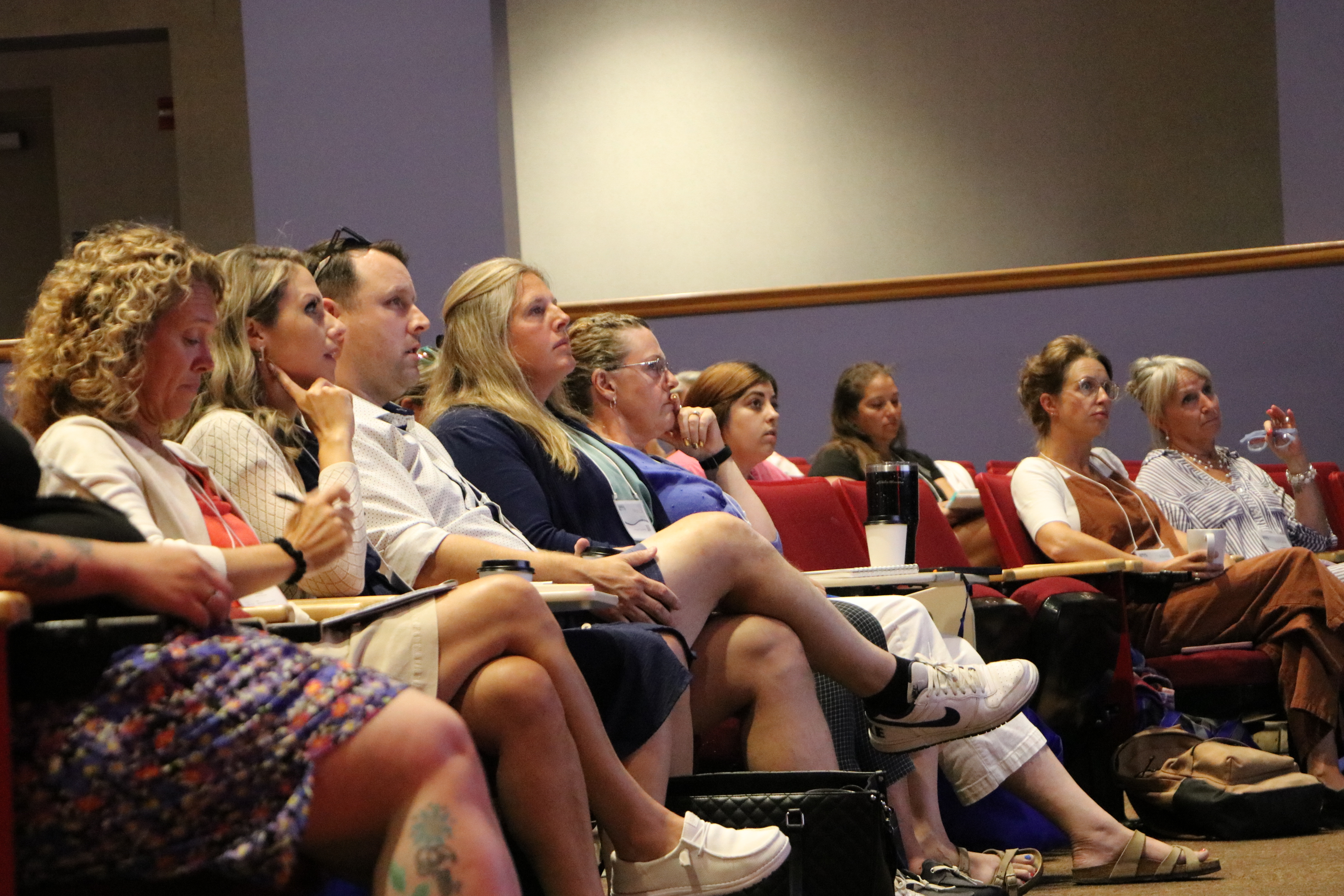
Throughout the day, participants selected from a wide variety of breakout sessions designed to provide practical tools and strategies they could bring back to their schools. Topics included reducing bias-motivated harassment, building resilient school communities, promoting student attendance, strengthening family partnerships, expanding career-connected learning, implementing Universal Design for Learning, advancing climate education, and supporting educator belonging, among many others. The Summit’s emphasis on meaningful professional learning encouraged participants to exchange ideas, ask questions, and build connections that will continue well beyond the event.
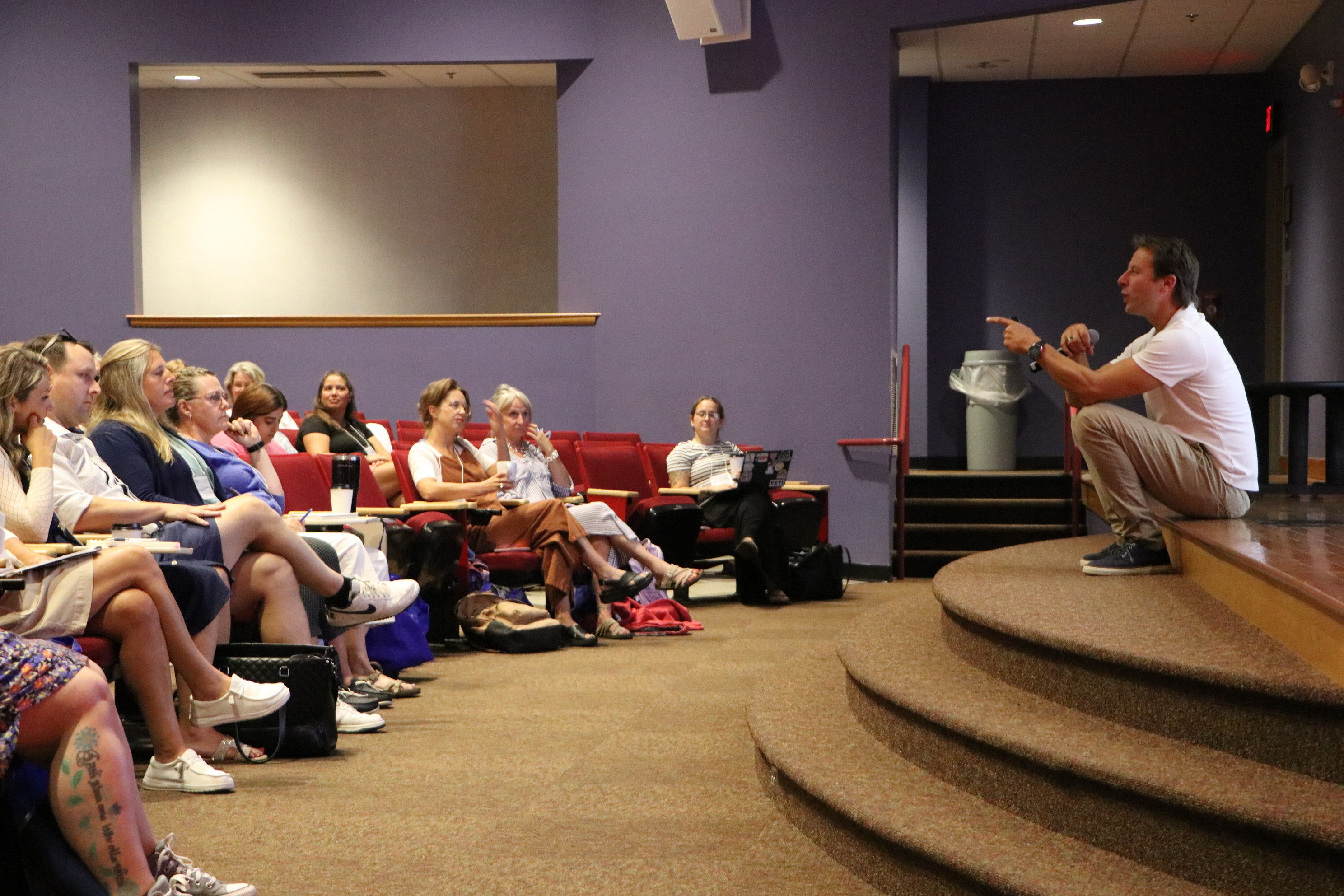
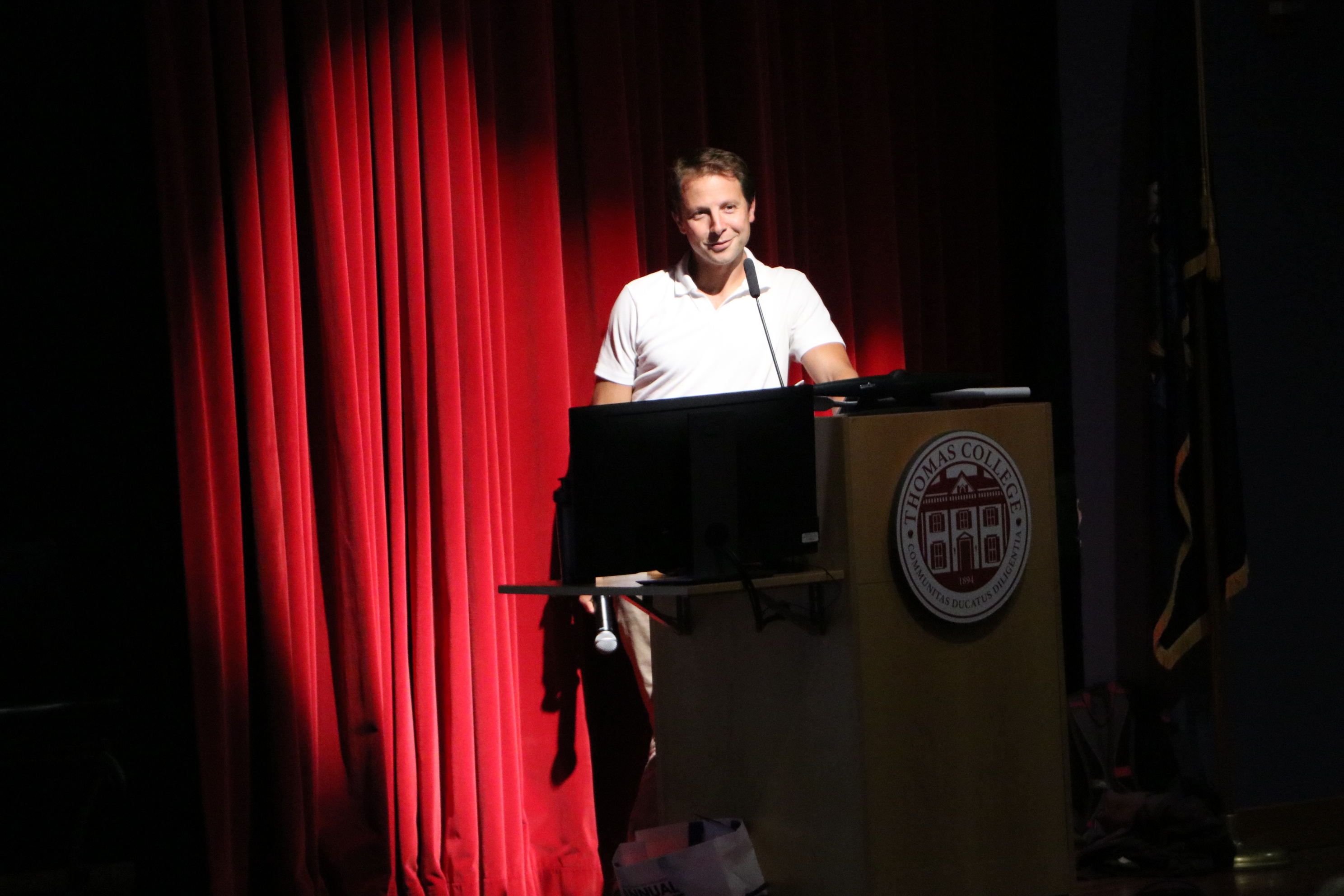
After lunch, conference participants enjoyed an informative and captivating keynote presentation by internationally recognized educator and neuroscientist Dr. Jared Cooney- Horvath, whose engaging session, “From the Laboratory to the Classroom – Principles of Learning,” explored the science of learning and its implications for classroom practice. Attendees also had the opportunity to participate in two extended learning sessions led by Dr. Horvath that explored the foundations of thinking and learning in greater depth.
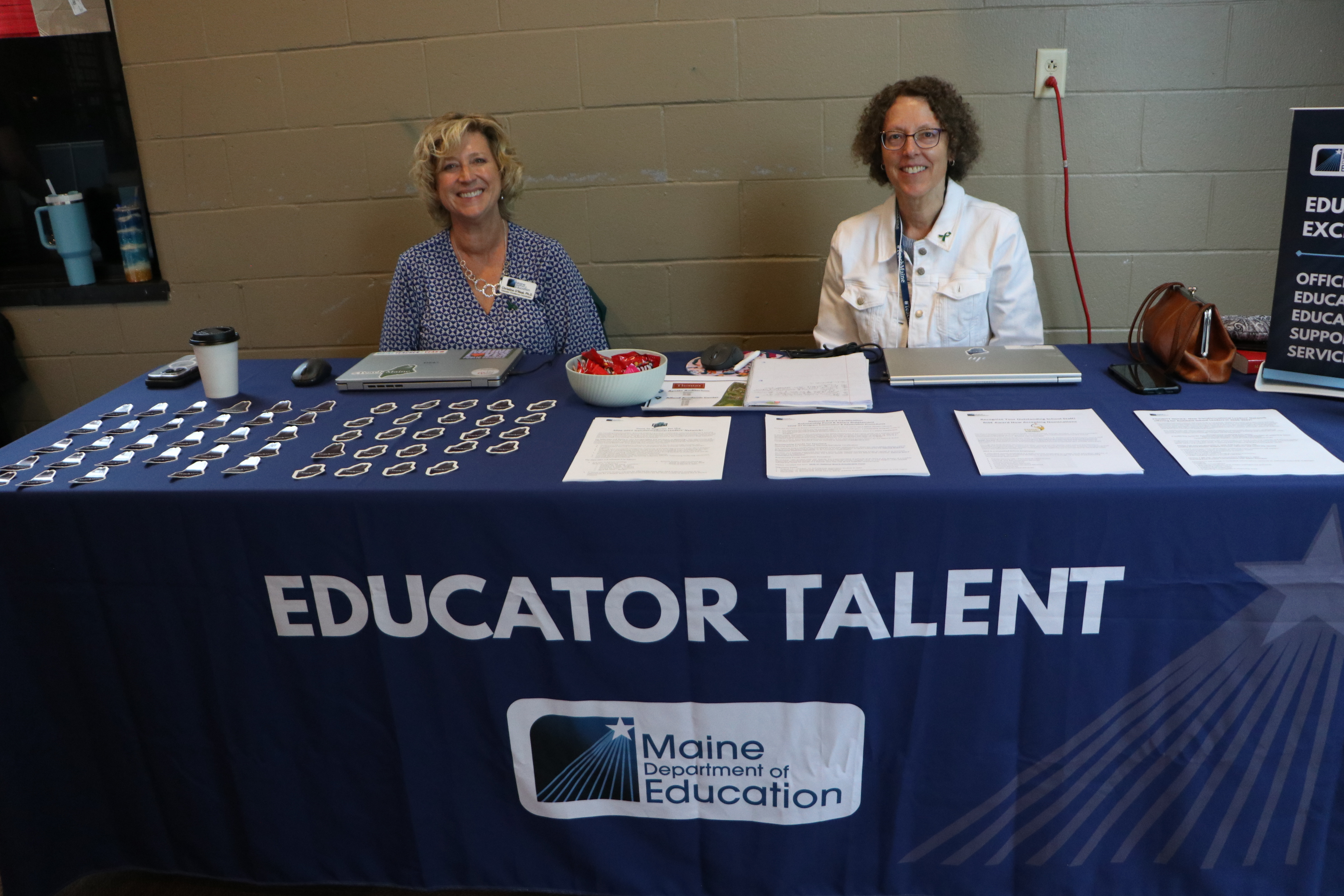
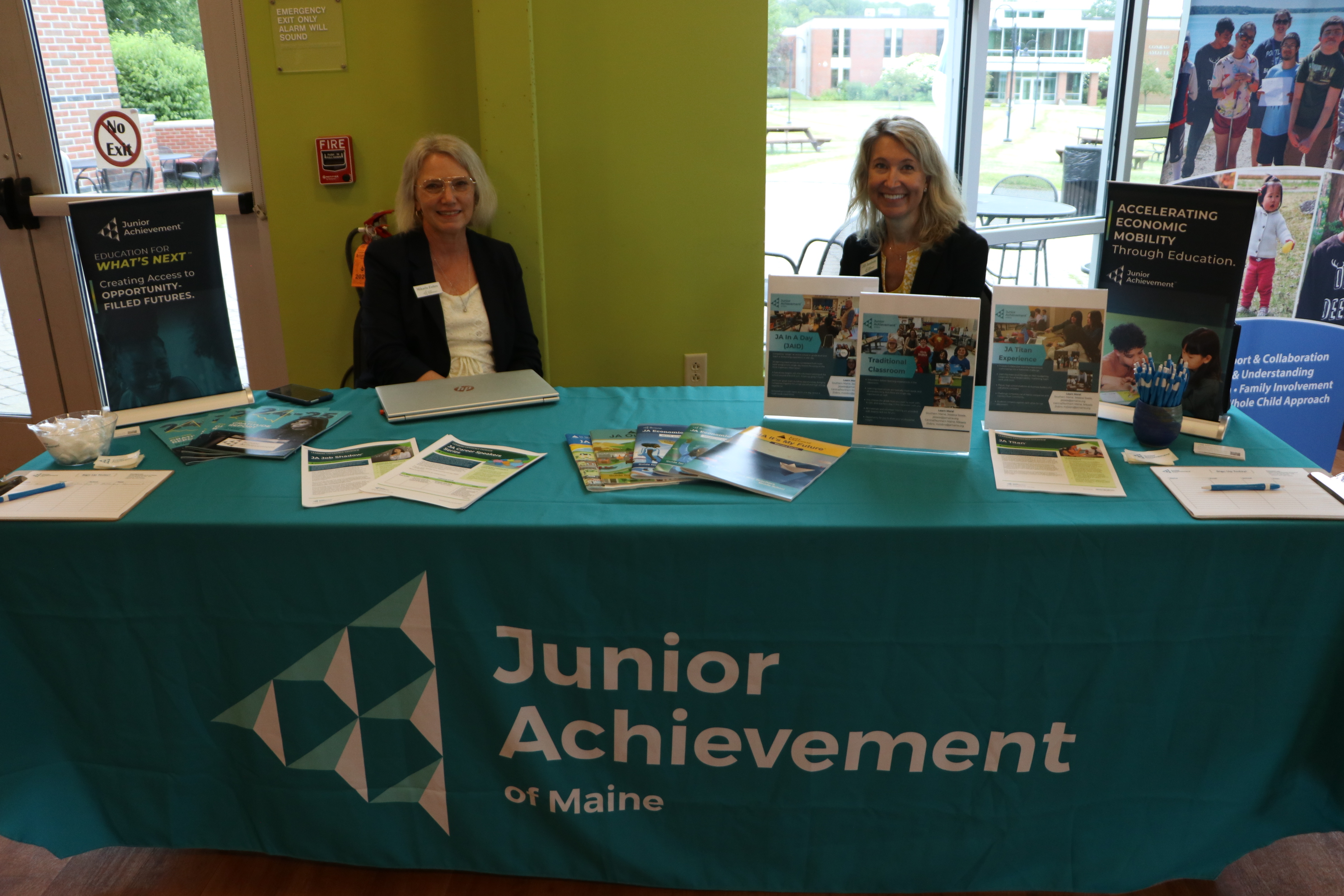
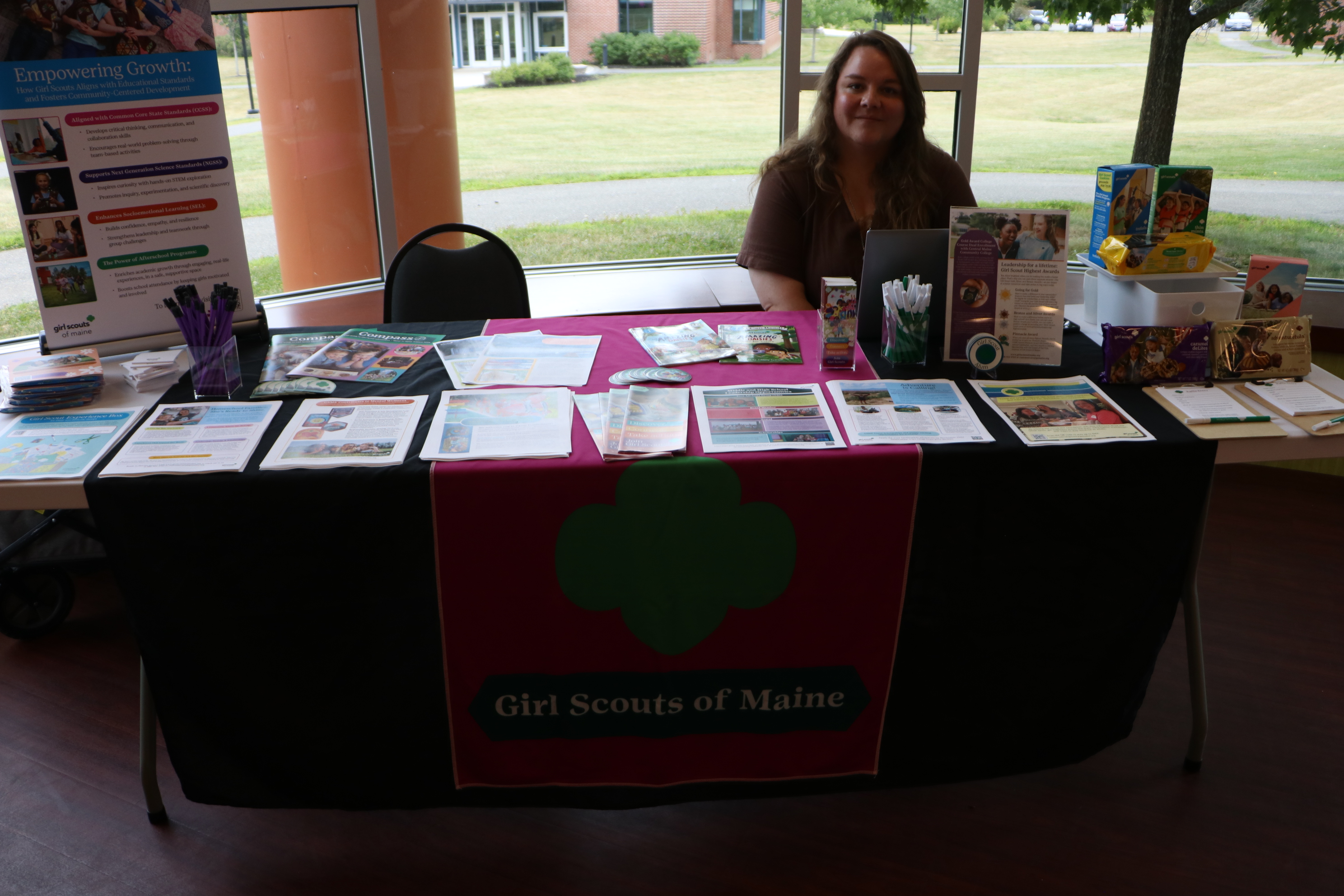
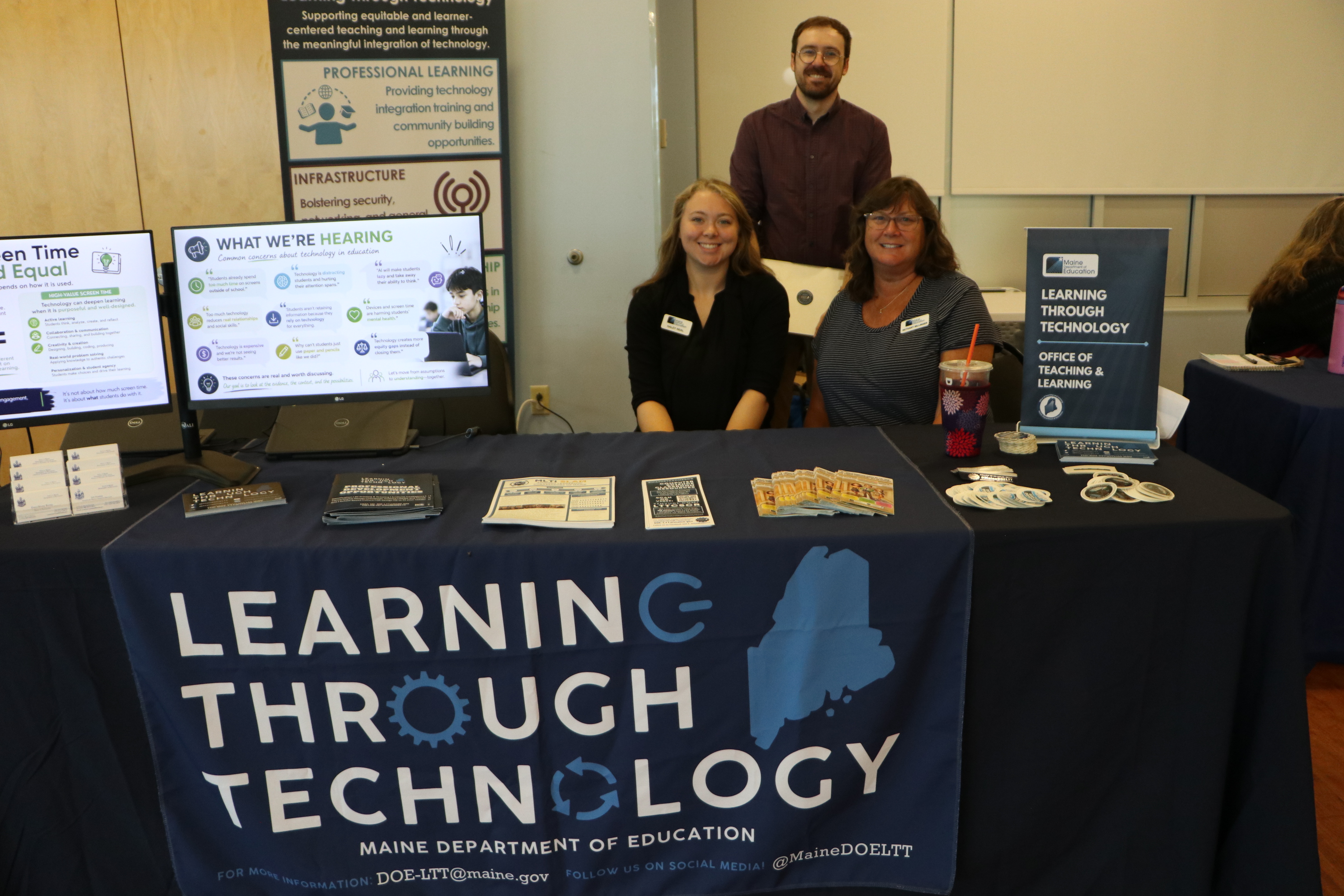
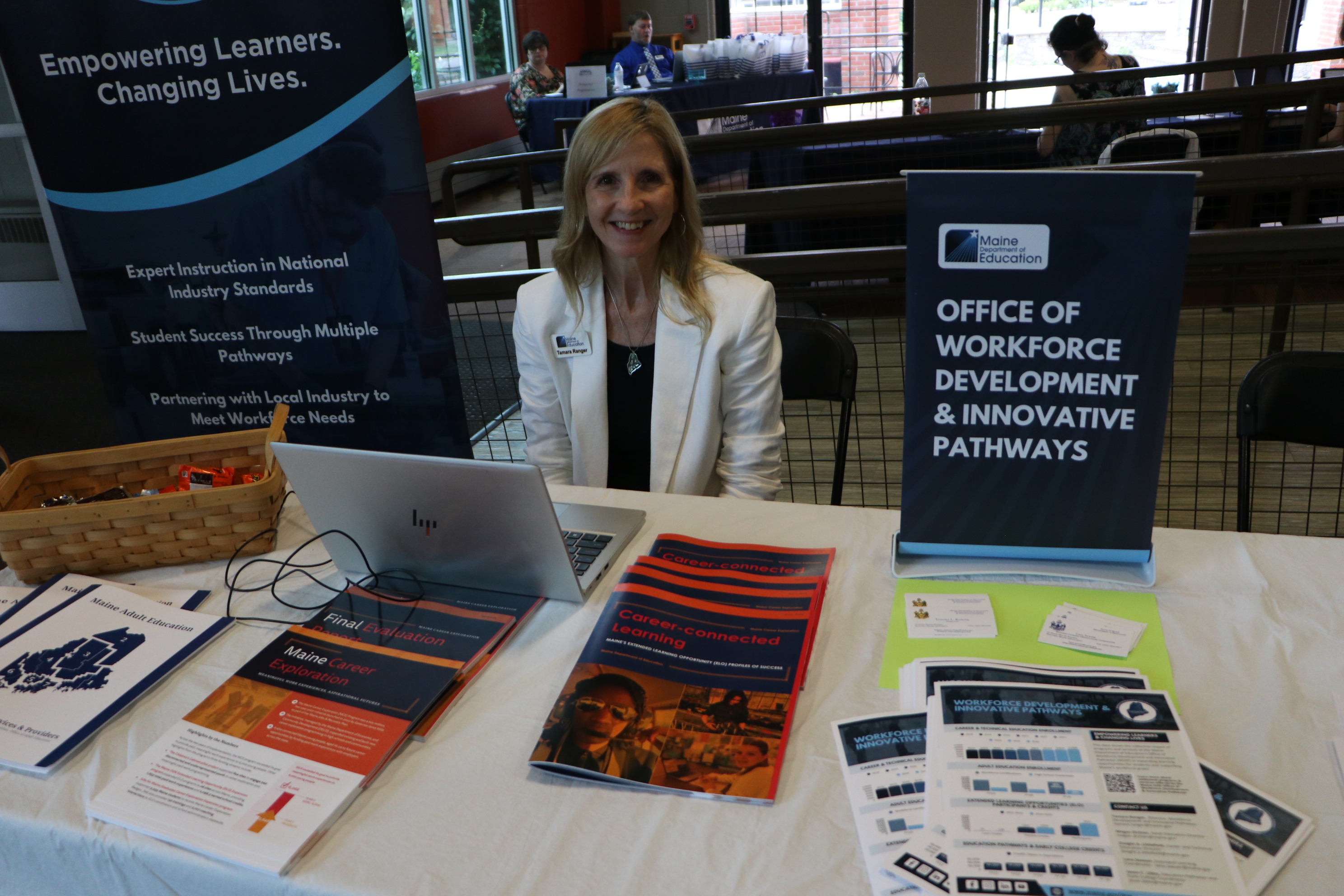
In addition to professional learning sessions, attendees visited informational tables hosted by Maine DOE offices and partner organizations, connecting directly with staff to learn about programs, initiatives, and resources available to support schools year-round. Many educators also took advantage of opportunities to speak with members of the Maine DOE Certification Team and other Department staff about certification, technical assistance, and upcoming professional learning opportunities.
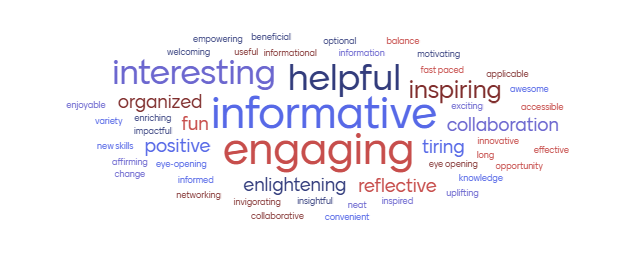
Conference participants were invited to complete a feedback survey and asked to describe their experience in three words. The responses reflected an overwhelmingly positive experience, with the most frequently used words including informative, engaging, helpful, interesting, inspiring, collaborative, enlightening, fun, organized, positive, and reflective.
This word cloud was created from survey responses where participants were asked to describe the 2026 Annual using 3 words.
The Annual Summit continues to serve as a cornerstone of the Maine DOE’s commitment to supporting educators through high-quality professional learning that is responsive to the evolving needs of Maine schools. Since its inception, the Summit has brought together educators from every corner of the state to share ideas, celebrate successes, and strengthen Maine’s education community through collaboration and shared purpose.
As educators prepare for the upcoming school year, the ideas, strategies, and relationships built during the Maine DOE Annual Summit will continue to strengthen classrooms, schools, and communities across the state.
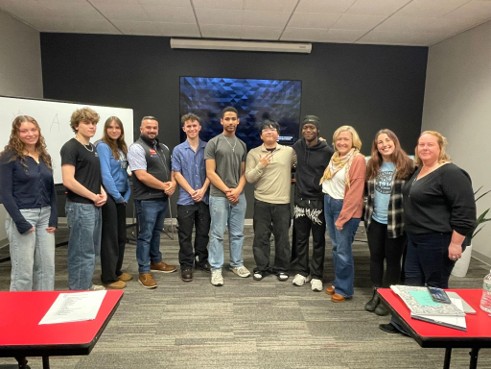
Students in the southern Maine regional ELO real estate program gather for a group picture.
A new regional Extended Learning Opportunity (ELO) pilot has given students in southern Maine a firsthand look at careers in real estate, demonstrating how strategic partnerships between schools and local businesses can expand career-connected learning opportunities across several school districts while helping students build valuable professional networks.
The program was developed through a partnership between local ELO Coordinators, including Katie Schilnder, who led the coordination, and Katy Foley, Keller Williams Realty CEO and broker, who served as the lead community partner. Foley was an impactful lead; in addition to her expertise in real estate, she previously worked at JMG (Jobs for Maine Graduates) and has developed ELOs for several years. With support from a Maine Community Coordinators Collaboration (Maine C3) Sunshine Mini Grant, the program brought together 21 students from Portland High School, Deering High School, Greely High School, South Portland High School, Scarborough High School, Yarmouth High School, Freeport High School, and Cape Elizabeth High School to explore careers within the real estate industry.
The semester-long program was held at the Keller Williams office in Portland and introduced students to a wide range of real estate-related professions. Through weekly sessions, students learned about residential and commercial sales, lending, title services, property management, inspections, and other business operations. Students were able to hear directly from industry professionals, participate in hands-on learning experiences, and gain exposure to how brokers and other real estate professionals handle transactions from the beginning to the end.
“One thing that impressed me the most was that not once did I see a young person who needed to put their phone away,” Schindler said. She described how, over the course of the ELO, the youth were incredibly attentive, which spoke volumes about the program’s quality and engagement.
In addition to more traditional classroom learning, students had the opportunity to engage in job shadowing and earn industry-recognized licenses by completing coursework. Some students have even gone on to earn their real estate licenses.
This program, made possible through the partnership of schools, local businesses, organizations, and educators, highlights the growing role of ELO models in expanding access to career-connected learning and pathways—not only in individual communities but across regions.
Real estate-focused ELOs are available to students beyond southern Maine. In western Maine, Vivienne from Telstar High School developed a strong interest in real estate, and her ELO Coordinator, Carrie Lynch, developed an ELO to support her goals and interests and provide hands-on career exploration.
Here is what Vivienne shared about her experience:
Through my ELO, I had the unique chance to intern at Wheelers Insurance while also using my time to study for and earn my Maine Real Estate Sales Agent license. My favorite part of my ELO was thestrong feeling of accomplishment and the knowledge I gained along the way. I especially enjoyed seeing what careers in insurance and real estate truly look like on a day-to-day basis, rather than just learning about them in a classroom. The greatest benefit of my ELO was earning my sales agent license after passing both the national and state exams on my first try, which is an opportunity I would not have had at such a young age without the support of this program and my ELO Coordinator,Mrs. Lynch. I chose this ELO because I carefully considered what would best prepare me for life after graduation and what skills would have the greatest long-term impact on my future. Even if I decide not to pursue insurance or real estate as a career, the communication, professionalism, and real-world business skills I developed will benefit me in many areas of my life. I gained invaluable in-person experience and a deeper understanding of professional expectations from working with a highly reputable agency. This program has already helped shape my future, and I am incredibly grateful for the opportunity it provided.
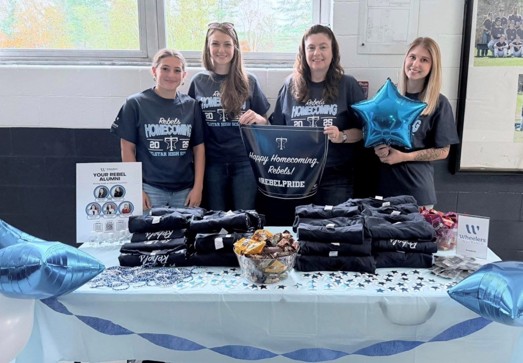
Vivienne (far left) gathers with fellow students for a group photo.
As students completed the program and presented their final projects for the regional ELO, they left with a better understanding of the real estate industry, professional connections, and workplace experience to bridge the gap between their interest in an occupation and a future career in it. The success of the Regional Real Estate ELO offers, as Scarborough High School ELO Coordinator Christy Zavasnik put it, “a great model to build on in other regions and a very popular field of interest with many pathways and possibilities.”
Through this series of intentional and thorough career-connected learning sessions, students gained a deeper understanding of the skills, training, and career pathways available within the industry.
This article was written by Vagni Das, a recent graduate of Yarmouth High School. As part of her extended learning experience, she is interning at the Maine DOE.To submit a good news story to the Maine DOE, please fill out the good news submission form.