Maine DOE Launches Democracy Lab to Bring Civic Learning to Life

In recognition of Constitution Day on September 17, the Maine Department of Education is pleased to announce Democracy Lab, a new facilitator’s guide designed to support educators and students in exploring the nation’s founding ideals.  This interactive resource examines principles expressed in the Declaration of Independence, including natural, unalienable rights, equity, the consent of the governed, and the belief that governmental authority rests with the people. While Constitution Day commemorates the signing of the U.S. Constitution, the Democracy Lab helps participants explore the ideas that influenced the nation’s system of government.

Educators are invited to join the Maine Department of Education for a virtual launch of the Democracy Lab at 3 p.m. on September 17. During the event, educators will explore the guide and learn how its activities can support active, engaging civics learning throughout the school year.

The Democracy Lab features activities that have been tested with students in Maine schools.  The guide includes interactive simulations, debates, creative visual activities, and historical inquiry using primary sources. These experiences help students move beyond learning about democracy and begin examining democratic ideas through inquiry, action, and exploration.

The virtual launch offers educators an opportunity to mark Constitution Day while discovering resources to support meaningful civic learning throughout the year.

Join the Democracy Lab virtual launch at 3:00 p.m. on Sept. 17

Extend Constitution Day Learning Throughout the Year

Constitution Day can be more than a single lesson or activity. It can be a starting point for conversations about how government works, how rights are protected, how laws are interpreted, and how young people can participate in civic life.

The Maine Department of Education’s Civics page provides additional information and resources for educators seeking to strengthen civics instruction throughout the school year.

Visit the Maine Department of Education Civics page

For more information, please contact Maine DOE Interdisciplinary Instruction Specialist Geoff Wingard at Geoffrey.Wingard@maine.gov.

FBI Boston and Maine School Safety Center to Offer Training on Bomb Threats and Swatting Hoaxes

The United States Federal Bureau of Investigation (FBI) Boston Field Office, in collaboration with the Maine Department of Education, Maine School Safety Center, will offer a 90-minute virtual training on September 17, 2026, from 9:00 a.m. and 1:00 p.m.

The training will focus on responding to and investigating bomb threats and swatting hoaxes, providing participants with an overview of these types of incidents, including statistics and current trends seen across the country.

Participants will learn about the characteristics of hoax calls, law enforcement best practices for assessing and responding to threats, and the decision-making process surrounding evacuation or sheltering in place.

The training is intended for public safety dispatchers, law enforcement personnel, and school personnel, including administrators and front office staff.

To attend this training, please register here in advance. Registered participants will receive a link to join the training via Microsoft Teams on the morning of the training.

For further questions or information about this training, please reach out to the FBI Field Office at fbibostonjttf@fbi.gov.

New Cybersecurity Resources for Schools and Districts

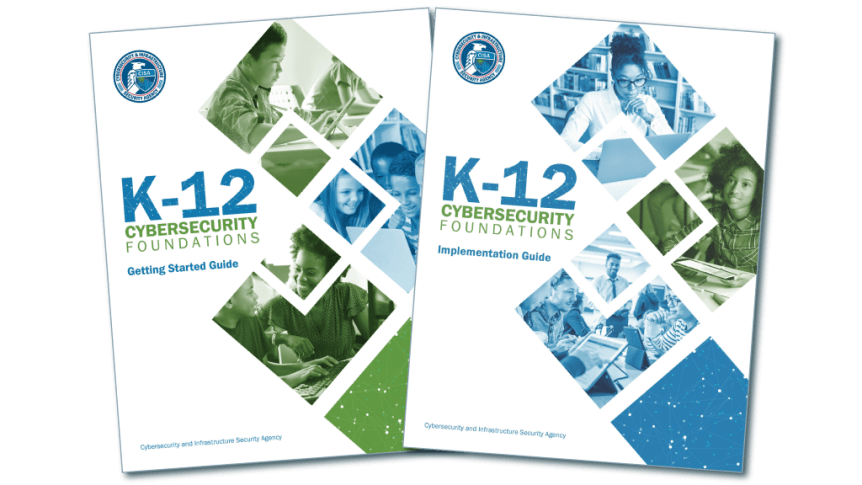
The United States Department of Homeland Security, Cybersecurity and Infrastructure Security Agency (CISA) has released the K-12 Cybersecurity Foundations Resource Package, a comprehensive collection of guides, videos, and supplemental materials to help schools and districts prevent, mitigate, and respond to prevalent cyber threats. Based on current cybersecurity frameworks, these new resources outline cost-effective, actionable, and customizable steps that school and district leaders and staff can take to develop and maintain effective cybersecurity programs.

Cyber threats are a significant and growing risk for school communities. These incidents can disrupt learning and operations, compromise student privacy and safety, and expend valuable resources. The CISA’s new resource package was developed in direct response to these needs and helps schools and districts better understand cyber risks, make informed decisions, and implement cybersecurity best practices.

The K-12 Cybersecurity Foundations Resource Package includes resources tailored for both leaders and non-technical school staff (the Getting Started Guide) as well as school and district cybersecurity and IT professionals (the more detailed Implementation Guide). It also includes a six-part video series and quick reference materials.

The guides outline essential cybersecurity practices organized around eight key objectives:

  • Protecting login credentials
  • Safeguarding devices and assets
  • Testing backups
  • Strengthening incident response capabilities
  • Improving cybersecurity training
  • Enacting policies to appropriately manage sensitive data
  • Aligning investments with recognized cybersecurity frameworks
  • Developing long-term, customized plans

Access the full CISA K-12 Cybersecurity Foundations Resource Package here. For additional information and questions, please contact the CISA school safety team at SchoolSafety@cisa.dhs.gov.

Recognize Your Outstanding School Staff: RISE Award Now Accepting Nominations 

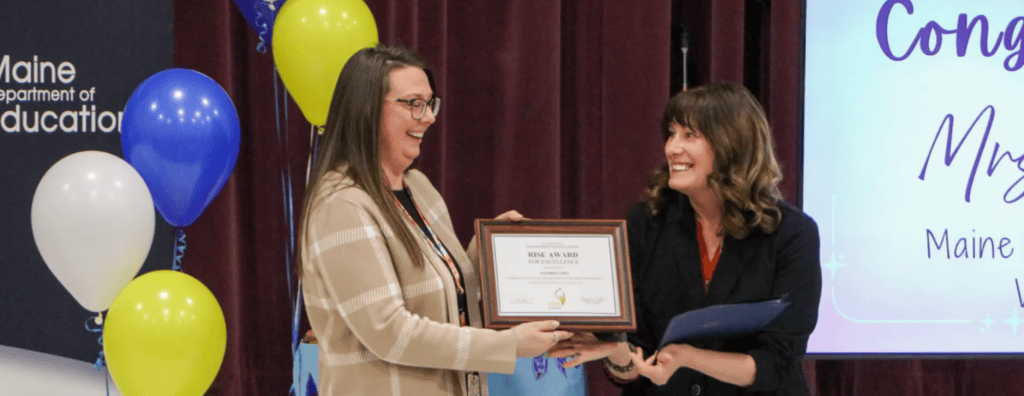
The Maine Department of Education (DOE) invites students, friends, families, community members, educational organizations or associations, co-workers, and supervisors to nominate school employees for the RISE Award. Anyone can nominate!

In collaboration with Maine Governor Janet T. Mills and the U.S. Department of Education, Maine DOE is now accepting nominations for the prestigious Recognizing Inspirational School Employees (RISE) Award. This federal award, passed by Congress and overseen by the U.S. Department of Education, is intended to honor and promote classified school employees who provide exemplary service.

Through the RISE Award, we honor the often-unsung heroes whose work behind the scenes is essential to ensuring safe, supportive, and effective learning environments. Publicly recognizing their service strengthens morale, boosts motivation, and reaffirms our commitment to valuing all roles within the education workforce.

Who Is a Classified School Employee?

A classified school employee is a staff member employed by a state, local education agency, or nonprofit entity, who supports students in grades pre-K through grade-12 in any of the following occupational specialties:

  • Paraprofessionals / Educational Technicians
  • Clerical and Administrative Services
  • Transportation Services
  • Food and Nutrition Services
  • Custodial and Maintenance Services
  • Security Services
  • Health and Student Services
  • Technical Services
  • Skilled Trades

Examples include bus drivers, secretaries, cafeteria workers, school safety staff, health aides, technology staff, mechanics, crossing guards, and more.

Nominee Selection Criteria

Nominees must demonstrate excellence in the following five areas:

(A) Work performance: Reflects the nominee’s ability to fulfill their role with exceptional skill, dedication, and reliability

(B) School and community involvement: How nominees contribute to the broader school community, including volunteer efforts, participation in school activities, or engagement with families and local groups

(C) Local support (from co-workers, school administrators, community members, etc., who speak to the nominee’s exemplary work)

(D) Leadership and commitment: Emphasizes the nominee’s ability to inspire others, take initiative, and demonstrate a strong dedication to their role and school mission.

(E) Enhancement of classified school employees’ image in the community and schools: Highlights efforts to positively influence public perception and understanding of classified employees’ vital roles.

The Maine DOE will put forth up to two finalists to the U.S. Department of Education.  The U.S. Department of Education will select one finalist from across the United States to inspire excellence among classified school employees around the nation.

How Do I Submit a Nomination?

The deadline to submit a nomination is October 15, 2026. 

Nominate today by clicking here.

With questions or further information, please reach out to Maine DOE Teacher Excellence, Recruitment Retention Coordinator, Christina O’Neal at Christina.L.ONeal@maine.gov.

Camp Achieve: How Oxford Hills School District Is Making Summer Learning Engaging

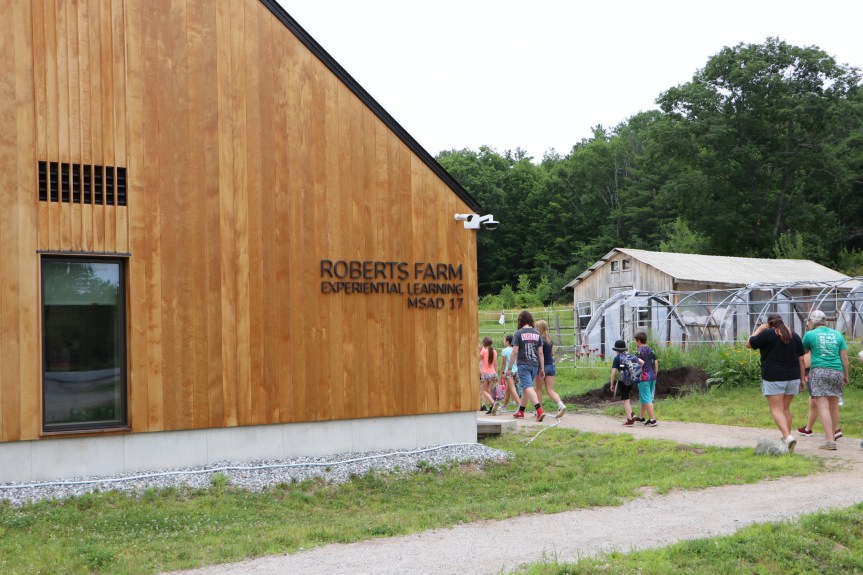
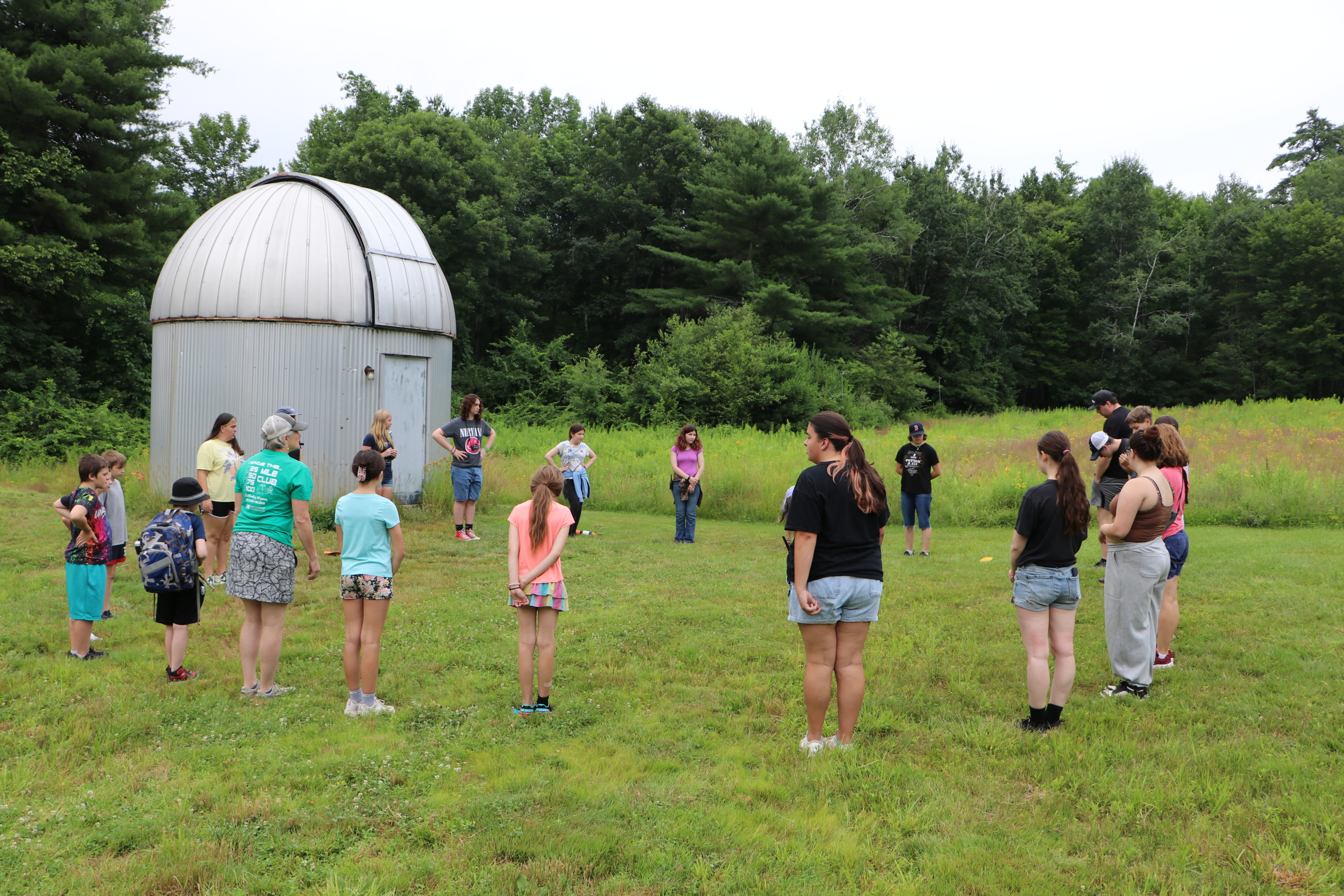
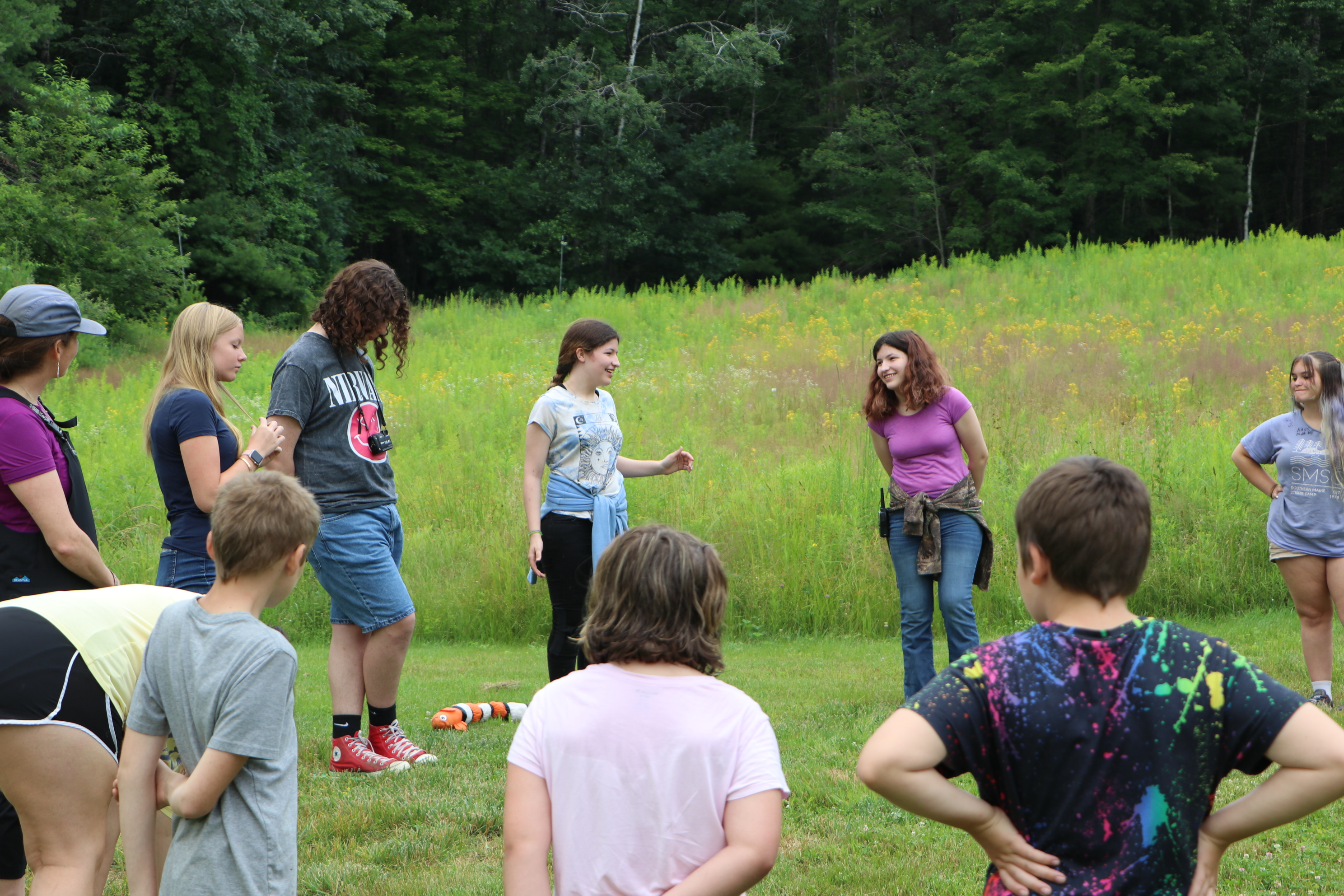
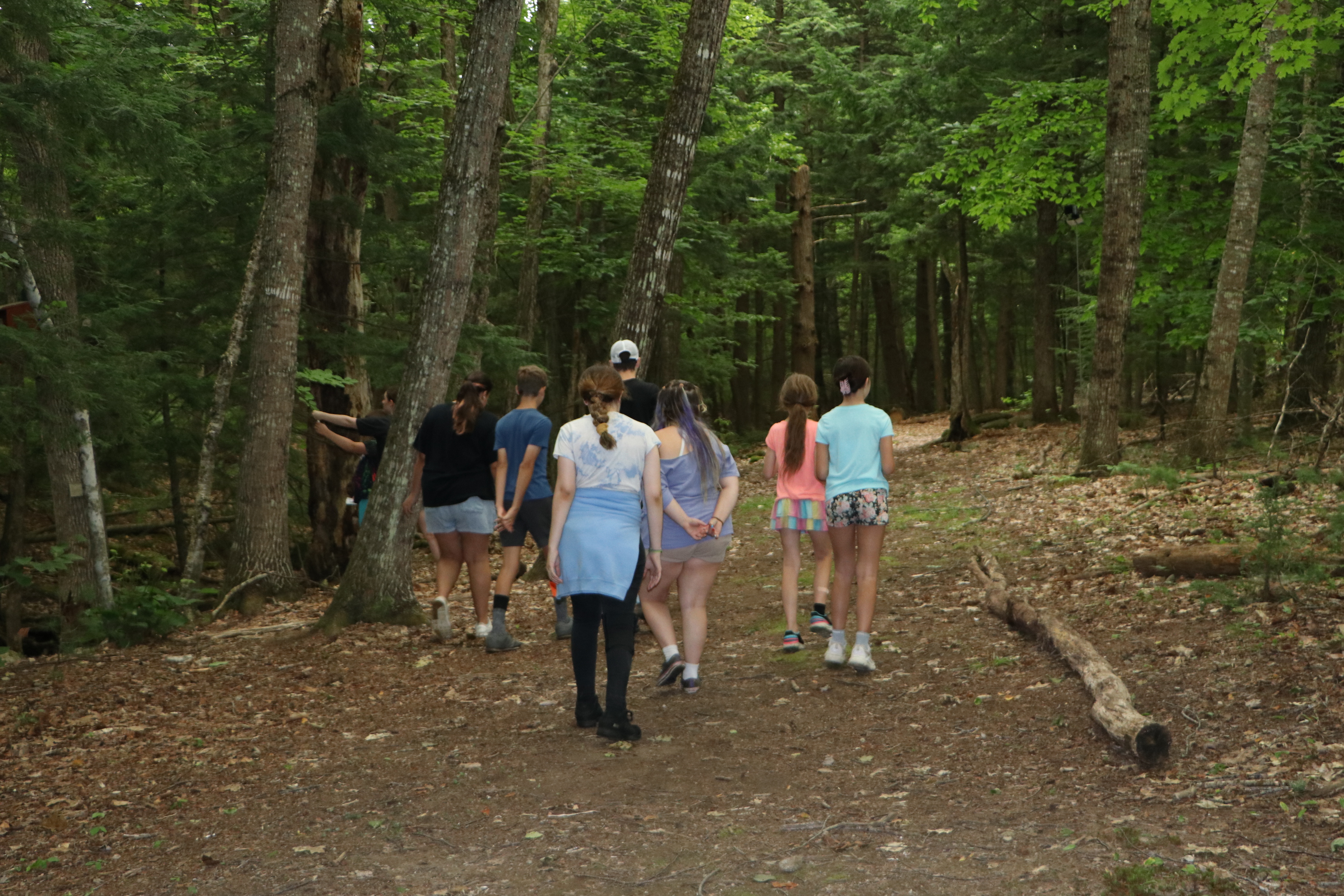
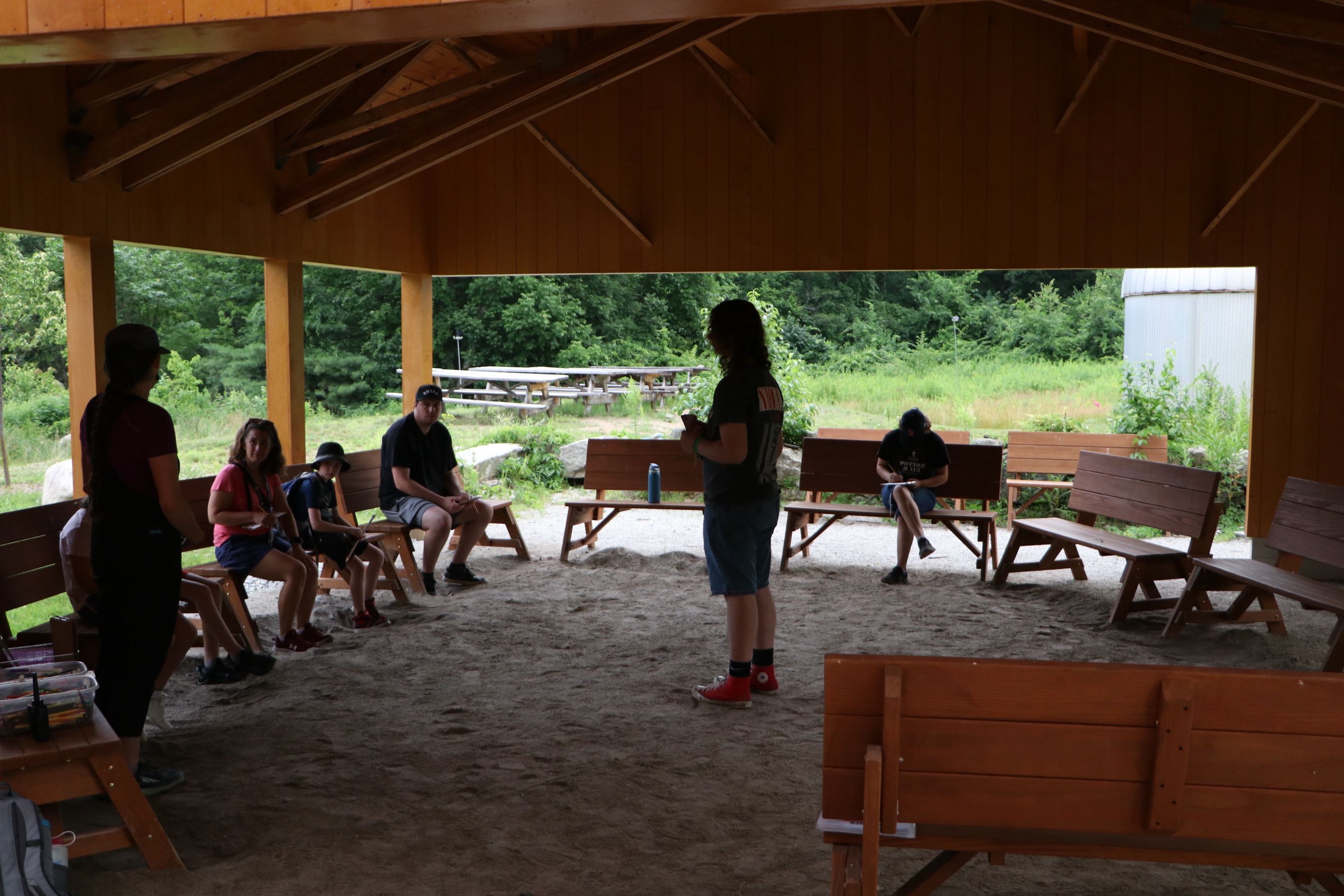
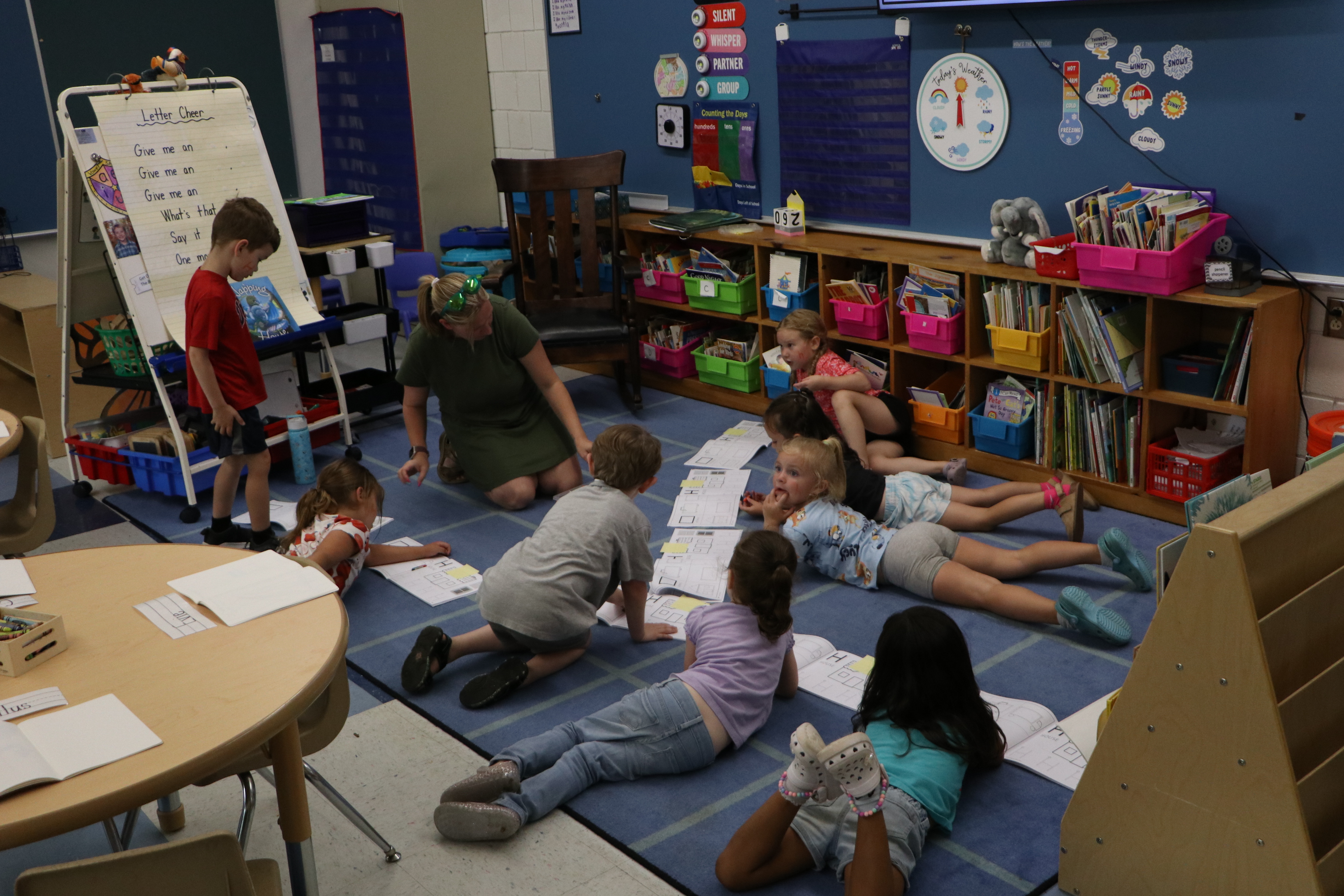
Students from Oxford Hills School District’s Camp Achieve Summer Program visit Roberts Farm Preserve.

When many people picture summer school, they imagine students sitting at desks, catching up on assignments while their classmates enjoy summer vacation. At Oxford Hills School District (MSAD 17), summer learning looks a lot different.

Serving the communities of Hebron, Norway, Otisfield, Oxford, Paris, Waterford, and West Paris, Oxford Hills School District has developed Camp Achieve, an innovative summer learning program that combines academic support with hands-on experiences, outdoor exploration, and opportunities for students to collaborate. Supported by Title I funds, Maine’s SUN Meals program, and local funding, the multifaceted program is offered at four locations—Guy E. Rowe Elementary School, Oxford Elementary School, Harrison Elementary School, and Paris Elementary School —giving students from kindergarten to grade 6, across the entire district, the opportunity to strengthen their skills while discovering that learning can be meaningful, engaging, and fun.

This summer, students in all locations participated in hands-on learning, classroom activities, field trips, and outdoor exploration, with families engaged along the way and students having access to nutritious meals. The result is a summer program designed to support the whole child—and show students that learning doesn’t have to stop when the school year ends.


Camp Achieve was developed in response to district-level data that showed a need to address summer learning loss in mathematics while creating an experience that students and families would be excited to attend. Since 2024, the Oxford Hills School District has strategically leveraged available federal Title funds, state resources, and community and local resources and agencies to expand learning opportunities, address identified student needs, and strengthen outcomes across its schools. These investments have supported innovative programs and enriching experiences, including the summer learning opportunities, and have also helped schools implement targeted strategies to improve student achievement. As a result of these sustained efforts and investments, the schools that previously required additional support have demonstrated progress and, as of January 2026, no longer require that designation.

This summer, one example of that approach occurred during Camp Achieve, when students visited Roberts Farm Preserve in Norway, Maine, to participate in team-building activities that encouraged collaboration, communication, and problem-solving. More than just a field trip, students often visit the farm for an outdoor experience, which aligns with Camp Achieve’s emphasis on hands-on learning and connects classroom lessons with opportunities to explore and learn together in the community.

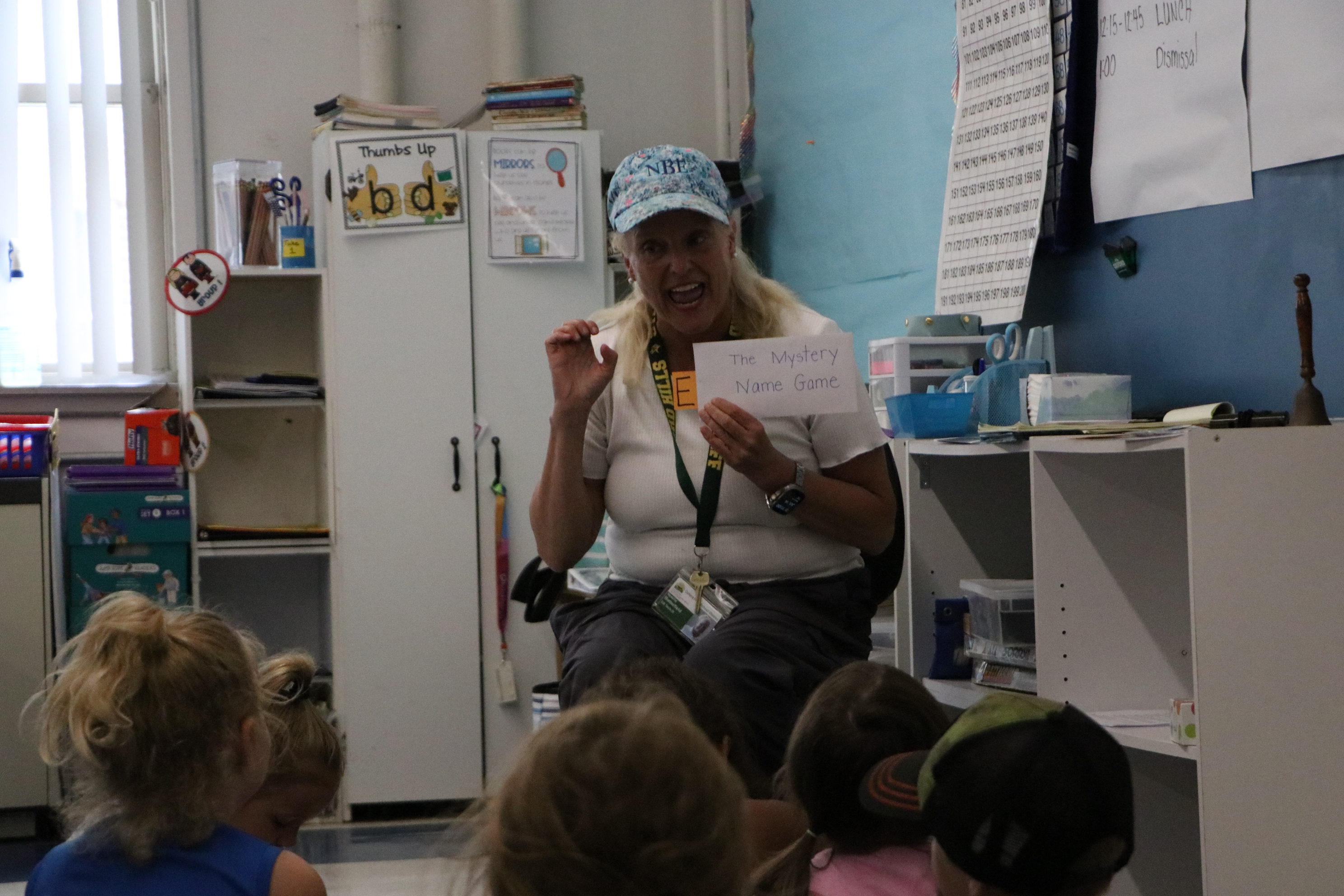
After visiting the farm, that same approach is carried into classrooms. While in one classroom, young learners practiced writing letters through interactive literacy activities. Nearby, students explored how plants grow by asking questions and making observations about the natural world. Older students strengthened their multiplication skills through collaborative lessons that encouraged participation and discussion. Across every classroom, students were engaged not because they had to be, but because they were genuinely interested in what they were learning.


“When I was in school, summer school was always kind of like a consequence. This is different,” said Alex Hurteau, a teacher at Guy E. Rowe Elementary. “We’re really trying to make learning engaging and fun.”

Camp Achieve is designed to make learning active. Along with targeted math and reading instruction, students participate in science-based projects centered on life science standards, social-emotional learning through daily morning meetings, and experiences with community partners that extend learning beyond the classroom. Tier II interventions in both mathematics and literacy help students strengthen foundational skills while maintaining the curiosity and excitement that were evident throughout the program.

Oxford Hills School District leaders recognized that while attendance has improved since the pandemic, chronic absenteeism remains a challenge. By creating a summer program centered on exploration, movement, and meaningful experiences, Camp Achieve encourages students to return each day.

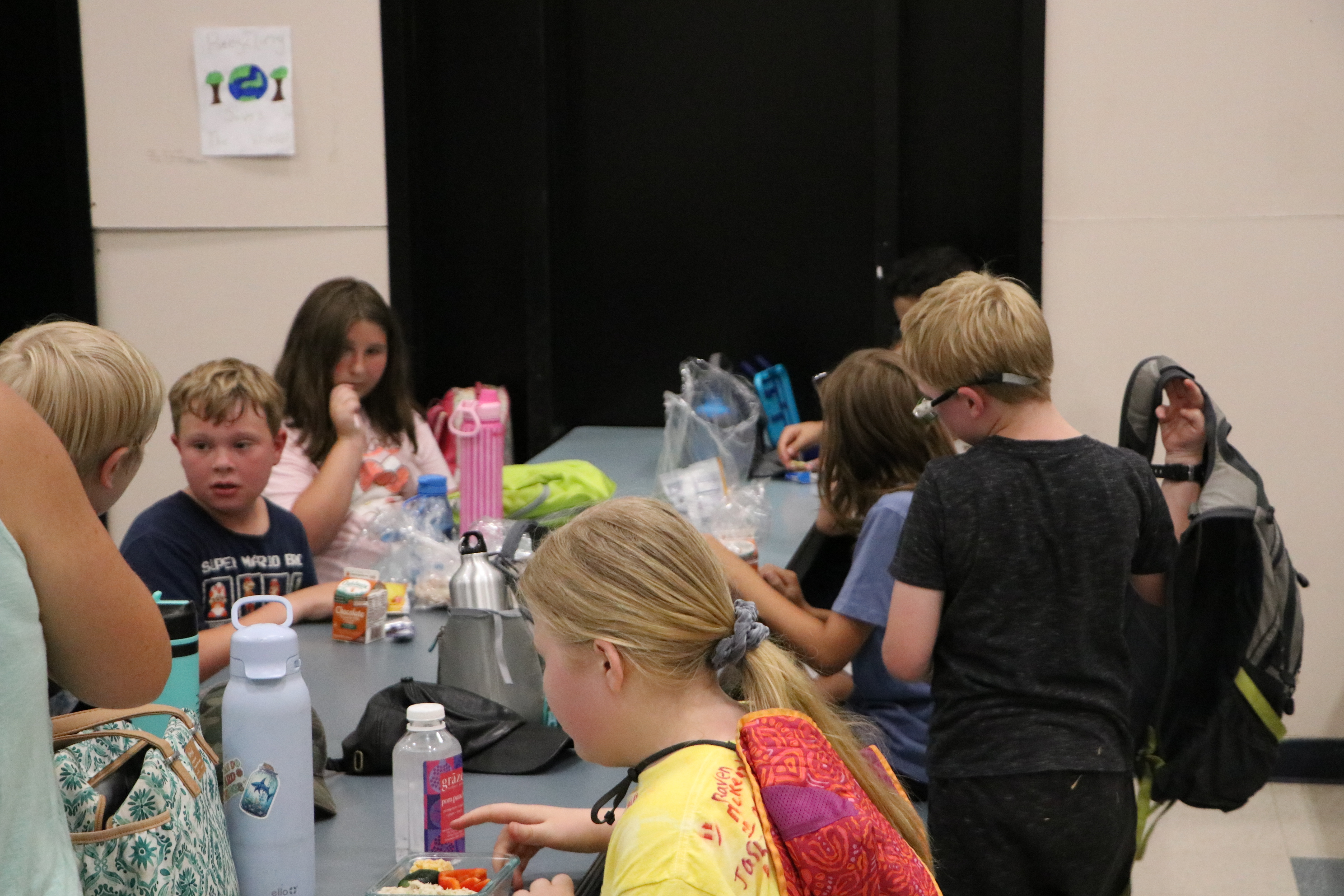
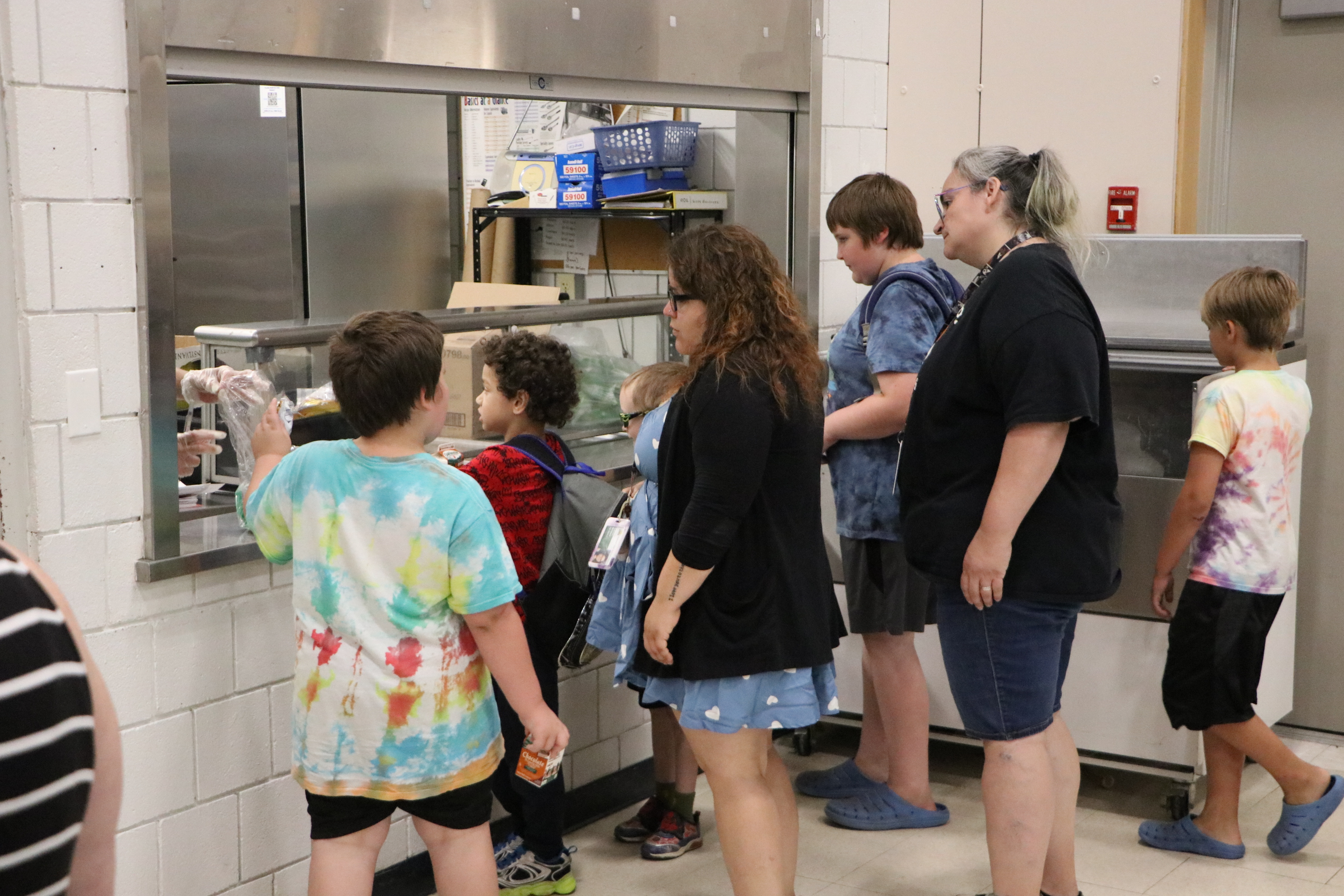
Nutrition also plays an important role in supporting students throughout Camp Achieve. Through Maine’s SUN Meals program, students have access to healthy meals each day, helping ensure they are ready to learn and participate in the day’s activities.

In addition to the Camp Achieve summer learning sites, Oxford Hills School District operates meal programs at six additional locations throughout the region and collaborates with local STEM programs to expand access to free, nutritious meals for children and youth. In July this year, they served a total of 7,895 meals across all their meal sites.


Curt Manchester, the school district’s nutrition director and SUN Meal program coordinator, said it best: “We just want to feed as many children as possible.”

Through Maine’s Sun Meals program, other school districts and sponsors in more remote locations offer SUN Meals-to-go, allowing families to pick up meals daily or weekly for their children when community activities are unavailable.

Family engagement is another important part of the program. Teachers connect with families before Camp Achieve begins to learn about their goals for the summer and continue communicating throughout the program via weekly newsletters and through the education platform, Seesaw, which includes updates featuring student work, photos, and ideas for supporting learning at home. Students also take home math games to play with their families, and the program concludes with an open house where they showcase what they have learned over the four weeks.

For students, the experience extends beyond academics. Whether working together during outdoor challenges at Roberts Farm Preserve, investigating science concepts, practicing literacy skills, or solving math problems, they are building friendships, developing confidence, and discovering that learning can be enjoyable.

Camp Achieve demonstrates that school may be out for the summer, but learning does not have to be. By strategically braiding funding sources, partnering with local experts, and connecting classroom instruction with hands-on community experiences, Oxford Hills School District is creating meaningful opportunities for students to stay engaged and strengthen academic skills.

This article was written in collaboration with Oxford Hills School District. To submit a good news story to the Maine DOE, please fill out the good news submission form.

Title I, Part A funds received from the U.S. Department of Education (ED) were reallocated to support the implementation of this project. The project has an award totaling $54,750.31, of which 100% is federally funded and directly attributed to project implementation. The contents are those of the author(s) and do not necessarily represent the official views of, nor an endorsement by, ED or the U.S. government.


Educators Invited to Attend Fall Launch Events for Maine’s Literacy and Numeracy Playbooks

A new chapter in Maine’s literacy and numeracy journey begins with action, collaboration, and celebration.

Maine administrators, educators, coaches, and community partners are invited to celebrate a major milestone in advancing teaching and learning statewide at the Maine Department of Education (DOE) fall launch events for the Literacy and Numeracy Playbooks, an initiative focused on turning vision into action for schools across the state. These interactive events will focus on turning Maine’s statewide vision into action in schools and communities.

Maine’s Literacy and Numeracy Fall Launch events will take place at the following locations:

  • University of Maine in Orono on September 15 from 10 a.m. to 2:30 p.m.
  • University of Southern Maine on September 21 from 10 a.m. to 2 p.m.
  • Rose M. Gaffney Elementary School in Machias on September 25 from 12:30 p.m. to 3:30 p.m.
  • University of Maine Farmington on September 28 from 10 a.m. to 2:30 p.m.

As Maine continues to implement its statewide Literacy and Numeracy Action Plans, educators have identified a need for practical, accessible tools to support that work. The newly developed playbooks serve as companion resources that translate strategy into practice by offering actionable tools, real-world examples, and tiered guidance to support educators, school administrative unit (SAU) teams, and school leaders as they move from planning to implementation.

Developed through a collaborative and inclusive process with input from educators across the state, the playbooks reflect a shared commitment to practices grounded in evidence and continuous improvement. Designed for flexible use, they can support SAU planning, strengthen classroom instruction, and help align local systems with statewide action plans.

Participants will take part in a highly interactive and collaborative experience designed to bring the playbooks to life. Each launch event will include:

  • Opportunities to explore the Literacy and Numeracy Playbooks in depth
  • Interactive exploration of the Genially resource, with content aligned to participants’ roles and supports featured in the playbooks
  • Time to collaborate with educators and partners from across Maine
  • Dedicated planning time to identify actionable next steps for the school year
  • A preview of resources and ongoing available after the launch.

Please review the registration information carefully before selecting a location.  Space is limited and participants will not be able to change locations after registering.   

  • University of Maine in Orono on September 15 from 10 a.m. to 2:30 p.m. Lunch will be provided for all participants. Space is limited to 50 literacy and 50 numeracy participants. Early registration is encouraged. Register here.
  • University of Southern Maine in Portland on September 21 from 10 a.m. to 2 p.m. Lunch will be provided for all participants. Space is limited to 50 literacy and 50 numeracy participants. Parking costs $9.00. Early registration is encouraged. Register here.
  • Rose M. Gaffney Elementary School in Machias on September 25 from 12:30 p.m. to 3:30 p.m. Space is limited to 20 literacy and 20 numeracy participants. Early registration is encouraged. Register here.
  • University of Maine Farmington on September 28 from 10 a.m. to 2:30 p.m.  Lunch will be provided for all participants. Space is limited to 40 literacy and 40 numeracy participants. Early registration is encouraged. Register here.

By creating space for connection, exploration, and planning, the fall launches underscore Maine’s commitment to ensuring that all educators have the tools and support they need to advance literacy and numeracy for every student.

If you have any questions, please contact Kathy Bertini, Interdisciplinary Instruction Team Coordinator, at Kathy.bertini@maine.gov

Maine Educators Explore Literacy and Numeracy at the Maine DOE Summer Learning Institute

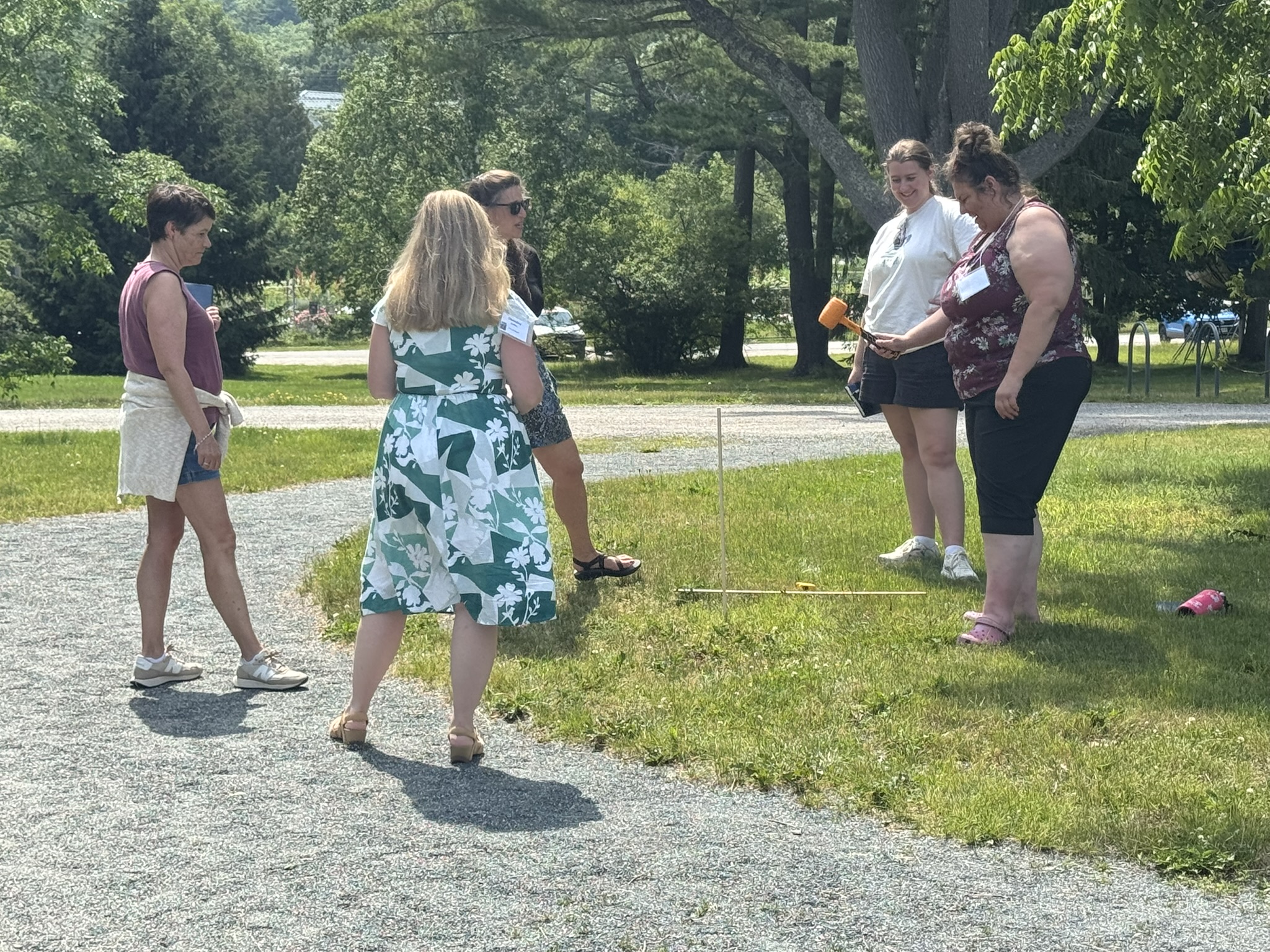
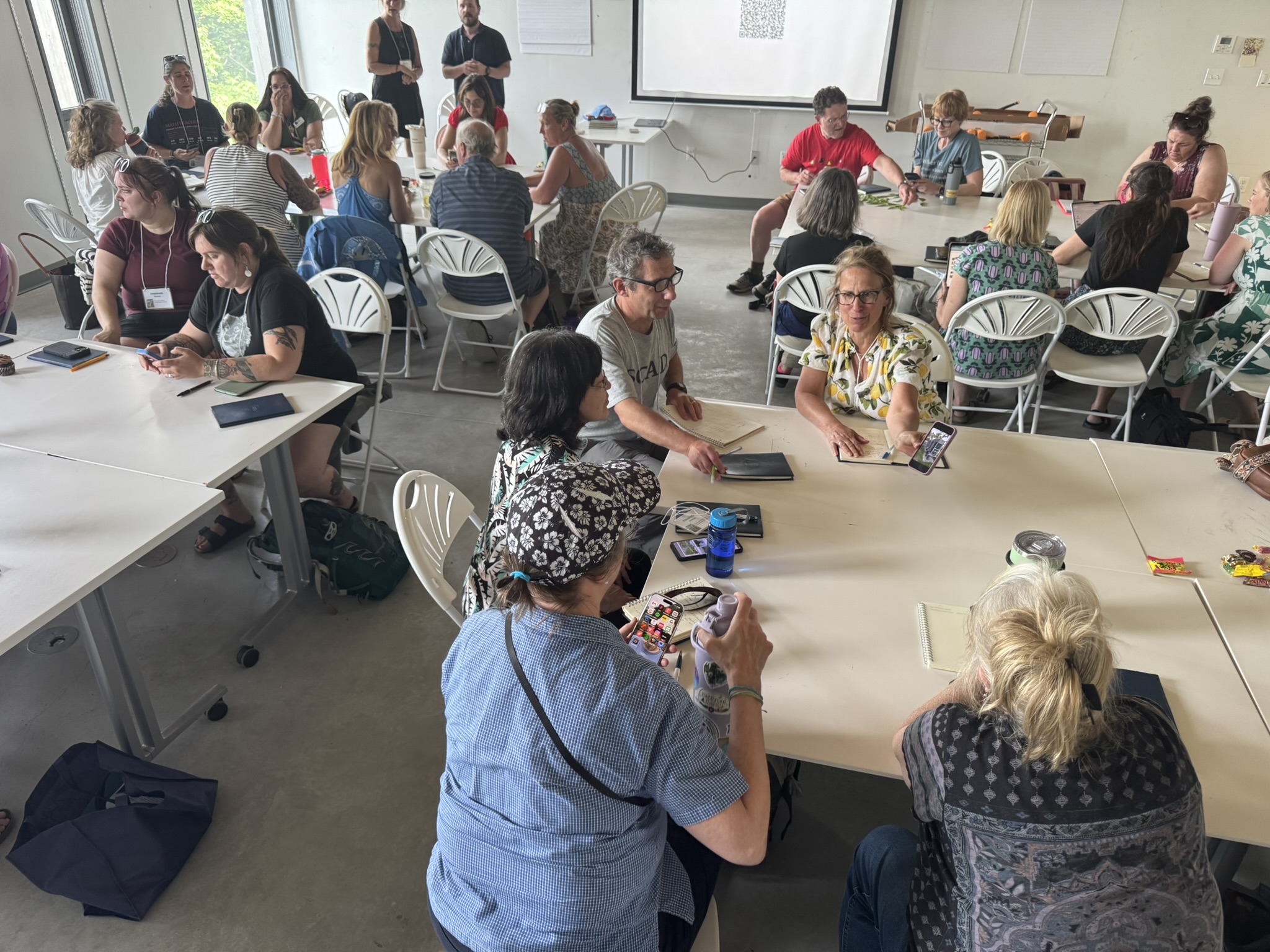
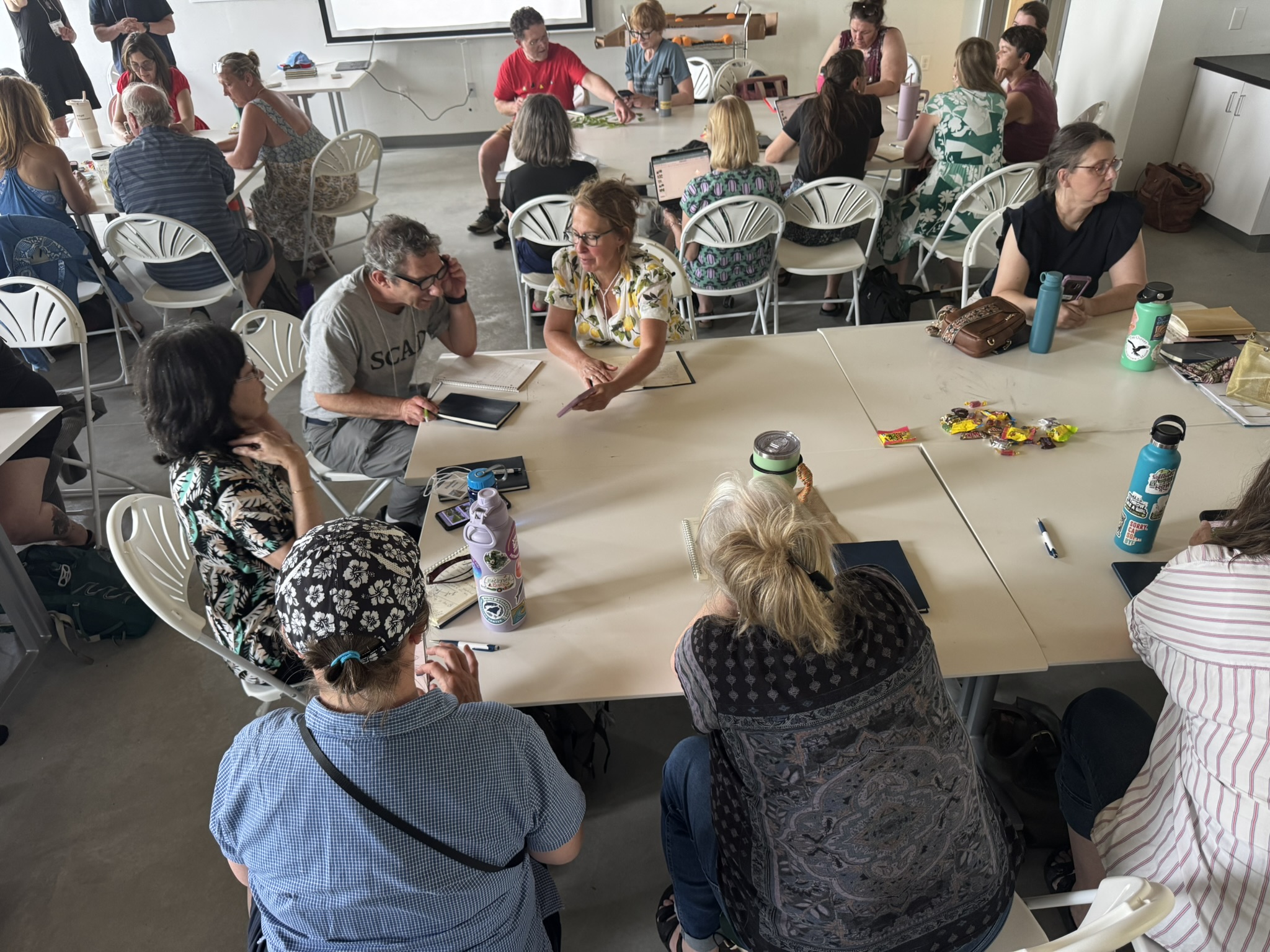
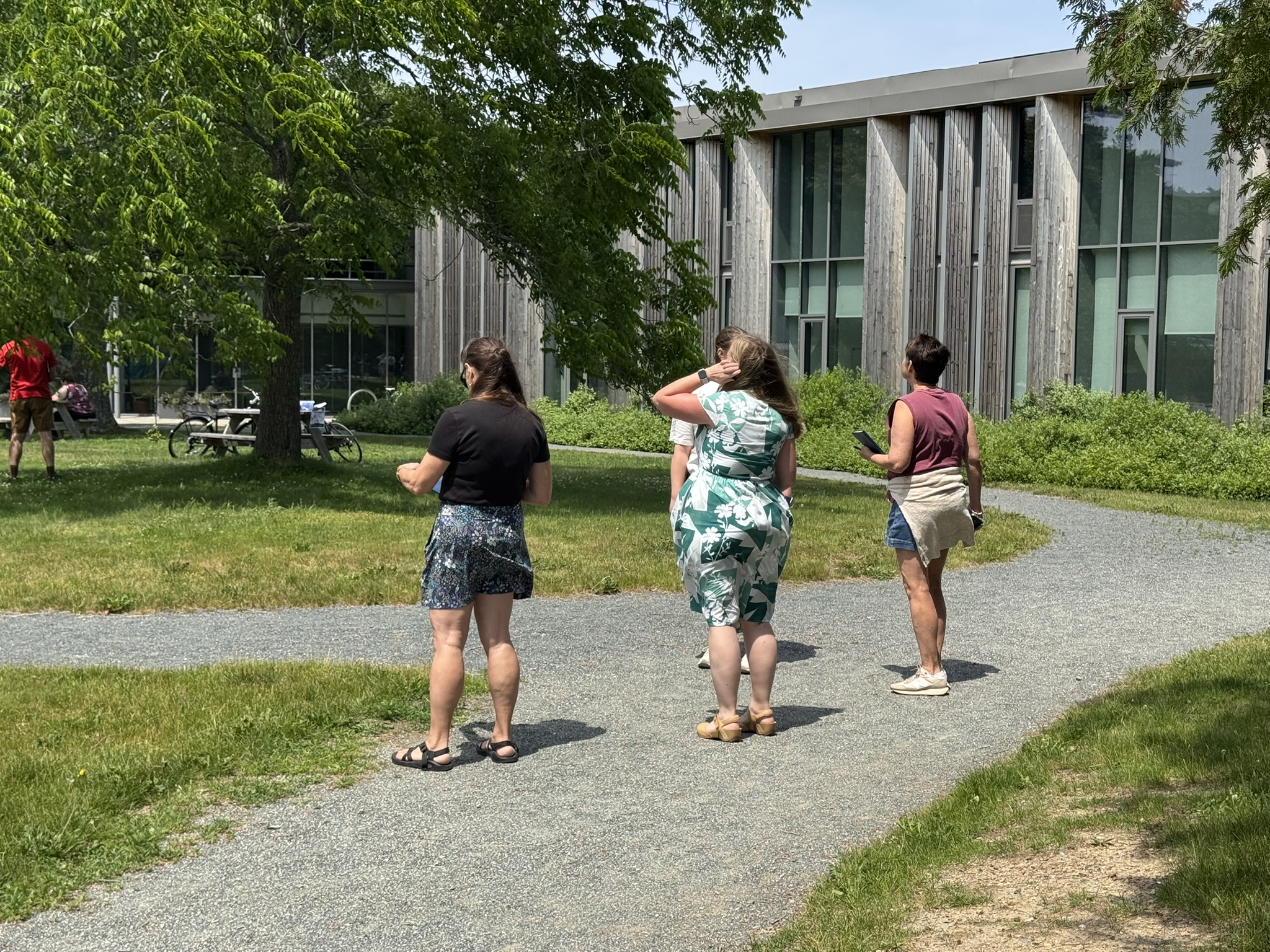
Maine educators from schools serving students pK-12 and higher education institutions gathered at the College of the Atlantic in Bar Harbor from June 29 through July 1 for the 2026 Maine Department of Education (DOE) Summer Learning Institute, The Science of Learning: Developing Literate and Numerate Minds. The three-day institute connected research with practical strategies that educators can use to strengthen learning across grade levels and disciplines.

Keynote presentations by national and internationally acclaimed educational experts Vanessa Vakharia, Jessica Fries-Gaither, and Molly Ness highlighted connections among literacy, numeracy, and interdisciplinary learning through a shared focus on confidence, engagement, and authentic application.

Literacy workshops provided educators with research-informed strategies for strengthening literacy instruction and student learning. Sessions explored purposeful play, foundational reading instruction, tiered supports, dyslexia, strategies for supporting striving and reluctant readers, multilingual learners, vocabulary development, comprehension, literacy dispositions, civic literacy, and student engagement. Together, the workshops emphasized building confident readers and using relevant, interdisciplinary experiences to deepen understanding.

Numeracy workshops focused on moving mathematics beyond isolated procedures and helping students develop confidence, curiosity, and positive mathematical identities. Through hands-on activities, games, inquiry, career connections, data visualization through art, and outdoor learning, educators explored strategies to build fluency and help students use mathematics to solve authentic problems and make sense of real-world experiences.

The institute concluded with Brian Lescord, Maine DOE Multi-Tiered System of Supports (MTSS) specialist, sharing strategies for measuring implementation fidelity. Throughout the institute, networking and coaching sessions gave participants time to consult with presenters, collaborate with colleagues, reflect on their learning, and begin planning how to apply their learning in classroom and schools.


The feedback from educators who attended was overwhelmingly positive. Participants reported substantial growth in their understanding of core concepts, and 86% said the institute markedly increased their confidence in both understanding and applying what they learned. In addition, 89% said the material presented was “directly relevant” to their teaching practice, and 100% reported being satisfaction with the institute overall.

Lisa Skiff, a third-grade teacher said, “I came home with a plethora of resources that won’t just sit on the shelf – they’ll be put into practice every day in my classroom.

For more information about the Literacy and Numeracy Summer Institute, contact any of the following members of the Maine DOE Interdisciplinary Instruction Team: Heather Martin at heather.martin@maine.gov, Michele Mailhot at michele.r.mailhot@maine.gov, or Kathy Bertini at kathy.bertini@maine.gov.

Title II funds provided by the U.S. Department of Education support the implementation of this project. The project has a total award of $156,494, 52% of which is federally funded and directly supports project implementation. The contents are those of the authors and do not necessarily represent the official views of, or an endorsement by, the U.S. Department of Education or the U.S. government.
RSU 1 Completes Climate Action Sustainability Plan, Creating a Model for Other Districts

Regional School Unit (RSU) 1, serving the communities of Bath, Woolwich, Phippsburg and Arrowsic, has completed a comprehensive, district-wide, sustainability plan joining a small but growing number of school administrative units (SAUs) taking a significant step toward making sustainability and climate action part of their long-term planning and operations.

RSU 1’s plan builds on a strong track record of prioritizing sustainability, including the construction of the new Morse High School with ground-source heat pumps and a partnership with ReVision Energy to source electricity from a local solar farm. The plan establishes goals for reducing carbon emissions and waste across district operations while ensuring that RSU 1 students develop climate literacy and have opportunities to engage in solution-focused climate education.

The plan was developed over two years through the collaborative work of students, educators, administrators, and community members. The resulting roadmap balances ambitious long-term goals with achievable “quick wins,” creating opportunities for them to build momentum while working toward deeper, systemic change.

With the plan now complete, RSU 1 is moving into implementation. They will establish action teams, develop performance measures, and track progress toward its sustainability goals.

Micah Depper, a science teacher at Bath Middle School in RSU 1, co-chair of the RSU 1 Climate Resilience Working Group, and a Maine Milken Award-winning educator, helped lead the effort. His work demonstrates the powerful role educators can play in helping schools and communities envision—and build—a more sustainable future.

“RSU 1’s sustainability plan is an excellent example of what can happen when students, educators, administrators, and community members come together around a shared vision,” Maine Department of Education (DOE) Director of Maine Green Schools Program, Glenn Cummings said. “We hope other SAUs will look to RSU 1’s work as inspiration and consider how they, too, can develop a sustainability plan that reflects their community’s priorities and moves them from ideas to action.”

See RSU1’s Climate Action Plan (PDF) here. For more information about working with Maine DOE to develop a sustainability plan in your SAU, please contact Glenn Cummings, Maine DOE Green Schools Director at glenn.cummings@maine.gov

Maine Career Pathways Pilots to Support Maine Students in Pursuing Early Childhood Education, Healthcare Occupations

The Maine Career Pathways program is designed to provide career opportunities in high-demand, high-value occupations for high school students and adult learners.

Students at three school-based organizations across Maine will have new opportunities to pursue credentials in early childhood education and healthcare beginning in the 2026-2027 school year, as a result of nearly $500,000 in Maine Career Pathways (MCP) funding.

This funding was provided by the Maine Department of Education (DOE) and Maine Department of Labor (DOL), in partnership with the Maine Community College and University of Maine Systems. MCP funding recipients will establish two-year pilot programs that include advising and navigational supports, work-based learning opportunities, and post-secondary coursework credits, ultimately helping high school and adult education students earn a credential in high-demand, high-value occupations.

The 2026-2027 recipients of MCP funding are:

  • Lewiston Adult Education: $170,890 for early childhood education
  • MSAD 7 (North Haven Community School): $46,000 for early childhood education
  • MSAD 35 (Marshwood High School): $224,882 for multiple healthcare occupations

“The Maine Career Pathways initiative is taking a significant step forward with the launch of these pilot programs,” Education Commissioner, Pender Makin said. “With a focus on engaging students in career-connected learning experiences, this initiative benefits students in achieving their career goals while also supporting Maine’s future workforce.”

“Through these partnerships, we’re breaking down the traditional barriers between education and work so Maine students and adult learners can clearly see a fulfilling life here,” Labor Commissioner Laura Fortman said. “By creating seamless pathways between education and work, we’re giving learners the skills, experience, and credentials to choose the path that’s right for them—whether that’s continuing their education, launching a career, or doing both.”

From 2023 through 2024, the Maine DOE and DOL worked with representatives from Maine higher education institutions, labor organizations, service providers, business and industry sectors, and others to develop clear career pathways for students through partnerships among high schools, career and technical education (CTE) schools, adult education, and employers in multiple fields. These career pathways were intended to connect existing programming while providing the supports necessary for students to complete their credentials and for employers to place those students in jobs.

Through these pilots, the Maine DOE, DOL, and other partners will review elements of the MCP program, such as work-based learning needs and post-program employment data, to strengthen the program in years to come.

“Being named a recipient of the Maine Career Pathways pilot grant is an incredible opportunity for Lewiston Adult Education,” Jennifer Tiner, Director of Lewiston Adult Education, said. “Our goal is to train high-quality early care professionals to meet the critical workforce needs in Androscoggin County. This new program offers a clear, supported pathway to success, combining industry-recognized credentials and authentic, real-world application opportunities, so our adult learners are prepared for rewarding careers in local classrooms and childcare programs.”

“The Maine Career Pathways pilot program in early childhood education offers small rural schools—especially those in island communities—the opportunity and autonomy to mitigate key workforce challenges in meaningful ways that are responsive to local needs,” Shaun Johnson, Principal of North Haven Community School (MSAD 7), said.

“We are thrilled to be a recipient of this grant and are excited about the opportunities that a robust healthcare pathway will provide for our students,” Heidi Early-Hersey, MSAD 35 Assistant Superintendent of Schools and District Curriculum Director, said. “We are happy to be contributing to continued workforce development in Maine.”

Through this grant, Lewiston Adult Education and MSAD 7 will advise and support adult learners and high school students, respectively, in obtaining a Child Development Associate (CDA) credential, allowing recipients to enter the early childhood education field. MSAD 7 program participants will complete their work-based learning experience at Waterman’s Community Center’s Laugh & Learn Preschool on North Haven. Lewiston program participants will work primarily with the local Promise Early Education Center to complete their work-based learning experience.

MSAD 35 will use this grant to help Marshwood High School and other regional students earn healthcare career certifications and clinical experience. Grant funds will allow students to participate in pre-apprenticeship programs in areas such as radiology and phlebotomy, resulting in direct job readiness upon high school graduation. This grant will also allow students to build on one-year healthcare-related experiences at Sanford Regional Technical Center and expand MSAD 35’s Extended Learning Opportunities (ELO) programming.

The Maine Apprenticeship Program, administered by the Maine DOL, will support all three MCP funding recipients in exploring how Registered Apprenticeship and pre-apprenticeship models can be integrated into their career pathway pilots to create seamless, employer-driven earn-and-learn opportunities that prepare participants for high-demand occupations.

2026-2027 Maine DOE Back-to-School Backpack Resource Available Online

The Maine Department of Education (DOE) wishes all students, educators, administrators, and school staff a wonderful back-to-school season! As the 2026-2027 school year begins, please consider perusing the virtual Maine DOE Back-to-School Backpack, which contains information and resources that may be useful to school and district leaders.

The Maine DOE Back to School Backpack for Administrators brings together resources to help school and district leaders start the 2026–2027 school year strong. This resource features guidance, tools, policies, professional learning, data resources, and practical supports across areas including student and school supports, special services and early childhood, school health and safety, nutrition, technology and learning, teaching and learning, support for multilingual learners, assessment and accountability, career and workforce pathways, graduation and higher education, administration and operations, and educator certification.

The page also highlights new and updated resources for 2026–27, including cell phone policy guidance, school nurse emergency tools, Maine’s literacy and numeracy playbooks, attendance supports, safety guidance, funding resources, and more.

Access the 2026-2027 Maine DOE Back-to-School Backpack here.

Good luck in the 2026-2027 school year! Thank you for all that you do for Maine students, schools, and communities.