
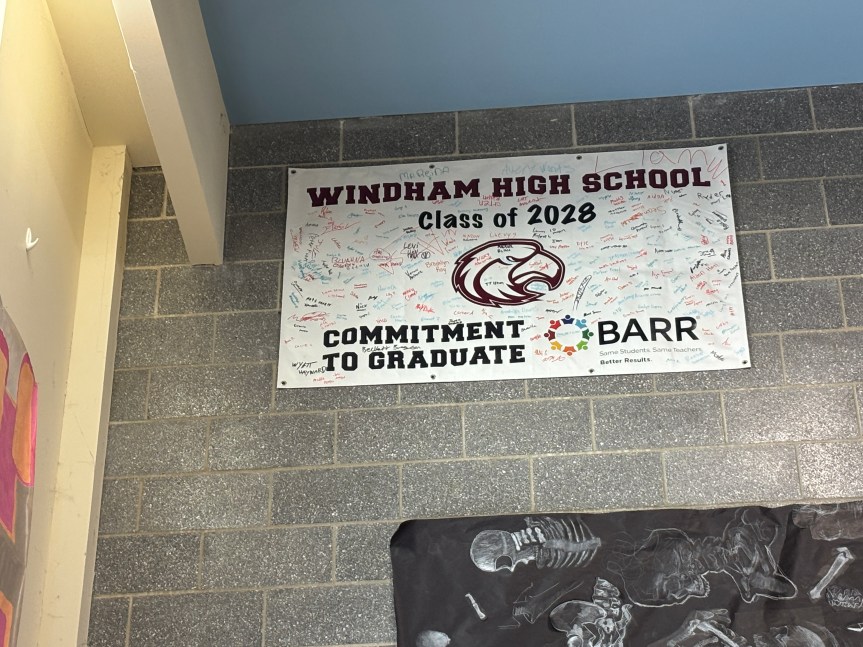
At RSU 14 (Windham and Raymond), important work is underway district-wide to ensure all students feel included, supported, and ready to learn. At the heart of this effort is a focus on the importance of relationships—among both students and staff.
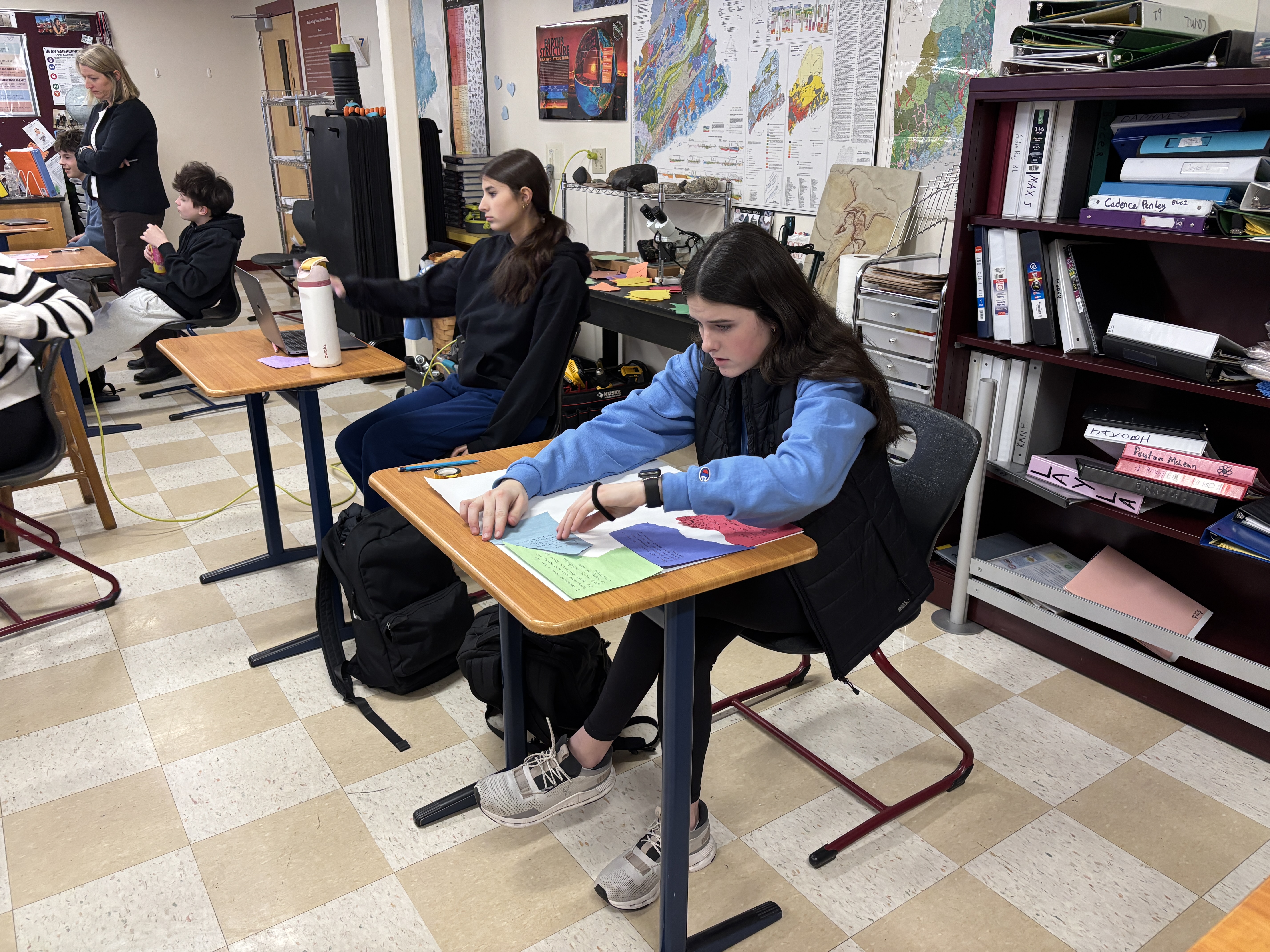
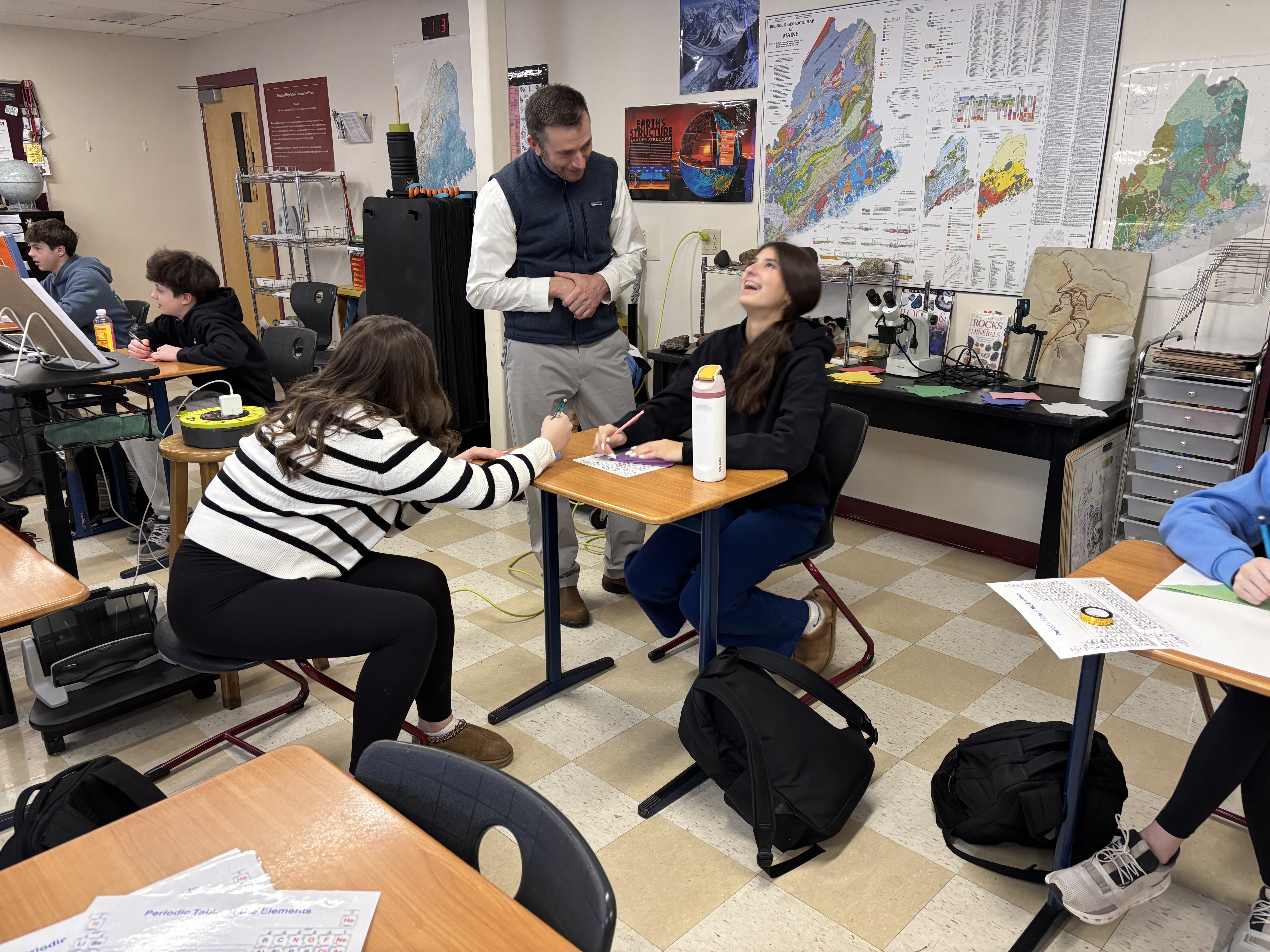
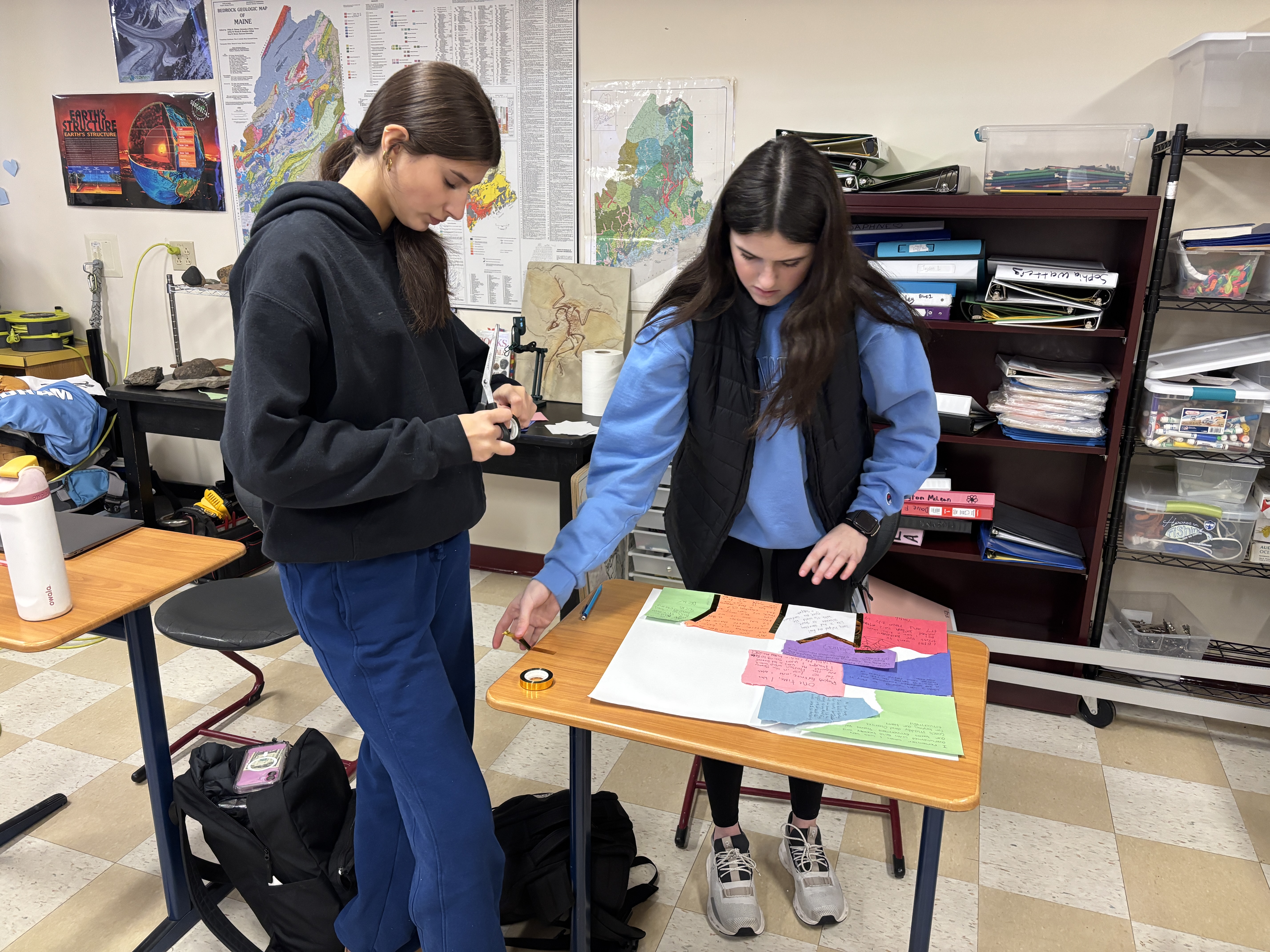
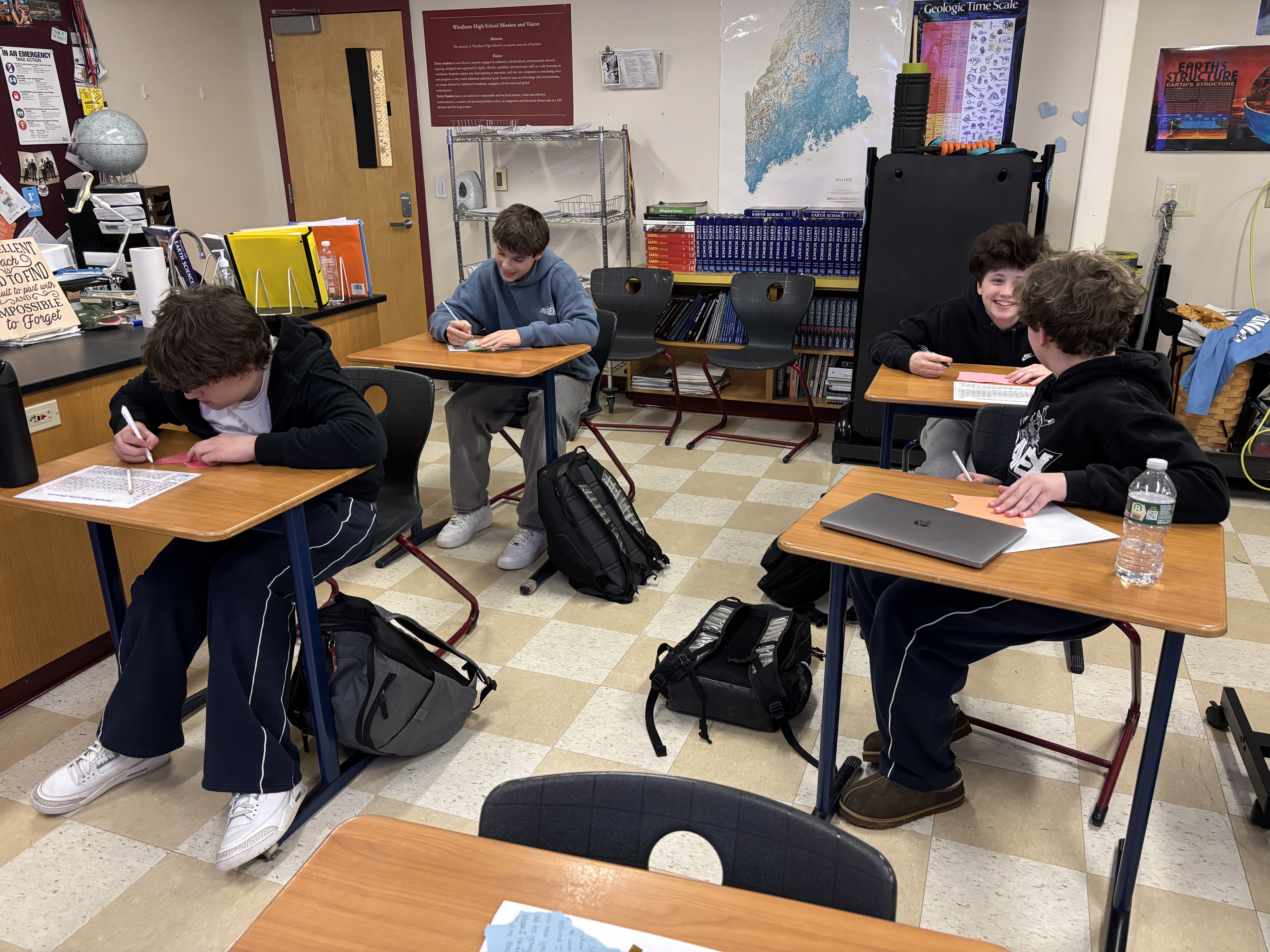
Windham High School (WHS) recently completed its third year of BARR (Building Assets, Reducing Risks), a research-backed model focused on strengthening relationships, improving academic outcomes, and reducing high-risk student behaviors. WHS first launched the BARR model as a pilot program with about a third of its freshman class. In its second and third years of implementing BARR, WHS has expanded BARR to include all of its approximately 240 ninth-grade students.
“We started with the idea of just trying to help our ninth graders because if you have a strong ninth-grade year, the data shows that your four years of high school can be much smoother,” Megan Fleming, a school counselor at Windham High School, shared.
The data since WHS began implementing BARR has reflected that intent. WHS staff say the school has achieved its highest attendance rates in more than a decade, with increased student involvement in athletics, clubs, and activities, and a decrease in student failures and behavioral incidents. Survey data has indicated that students feel very supported by their teachers—both academically and personally.
“It feels great as a staff member that something you’re doing and putting a lot of energy into is having those rewards, as well—for staff and for students,” Fleming said, later adding, “I think teenagers want to know that we care about them.”
For WHS student Abbey C., that sense of care and connection has become her favorite part of school.
“I have really good bonds with a lot of the teachers. I love all of the teachers here. I think they’re great. They’re really nice,” Abbey shared.
For Abbey, the friendly community at WHS is a reason to come to school.
“I never miss school, ever. I love being here. I don’t think I’ve missed a single day this year,” Abbey noted.
Jennifer Long teaches academic and honors English to WHS freshmen, as well as AP Literature to seniors. For her, the implementation of BARR has helped address the lack of connection that students entering high school can feel, compared with their elementary and middle school years.
“It’s kind of a holistic view of the student, and I think that’s really great for us to have as teachers, too,” Long expressed.
This holistic view is made possible through activities called “Block” meetings. Every week, teachers from across subject areas meet in “Small Block” meetings to discuss students and gain a comprehensive understanding of their strengths and areas in need of improvement. If a student is facing a challenge that requires additional support, their name is carried over to a “Big Block” meeting, which involves teachers, as well as administrators, educational technicians, subject specialists (e.g., art, music, and physical education teachers), and support staff (e.g., speech therapists and behavior specialists). If that group is unable to address the student’s needs, a “Community Connect” meeting involving partners from outside the school occurs to ensure the student receives the required supports.
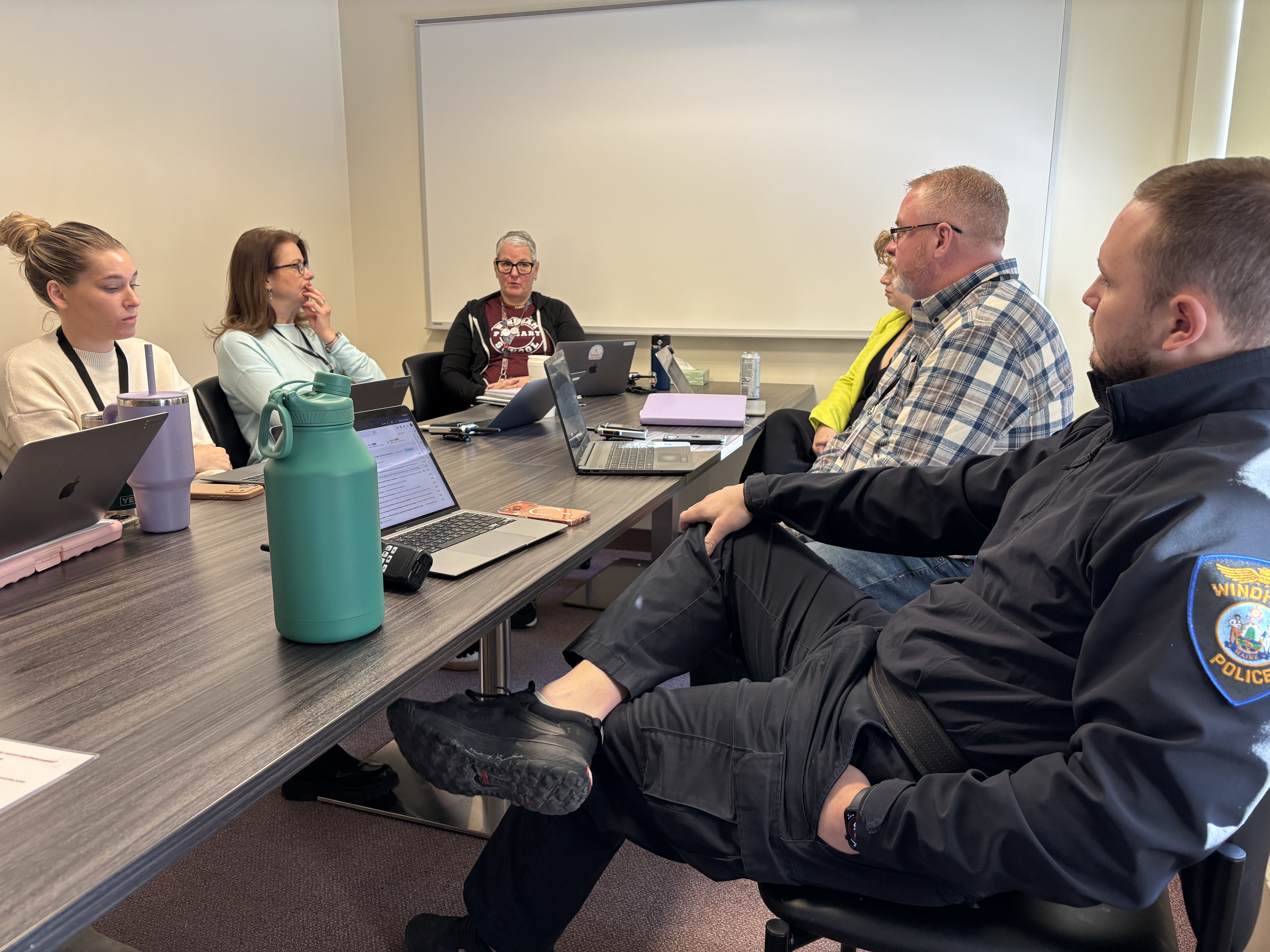
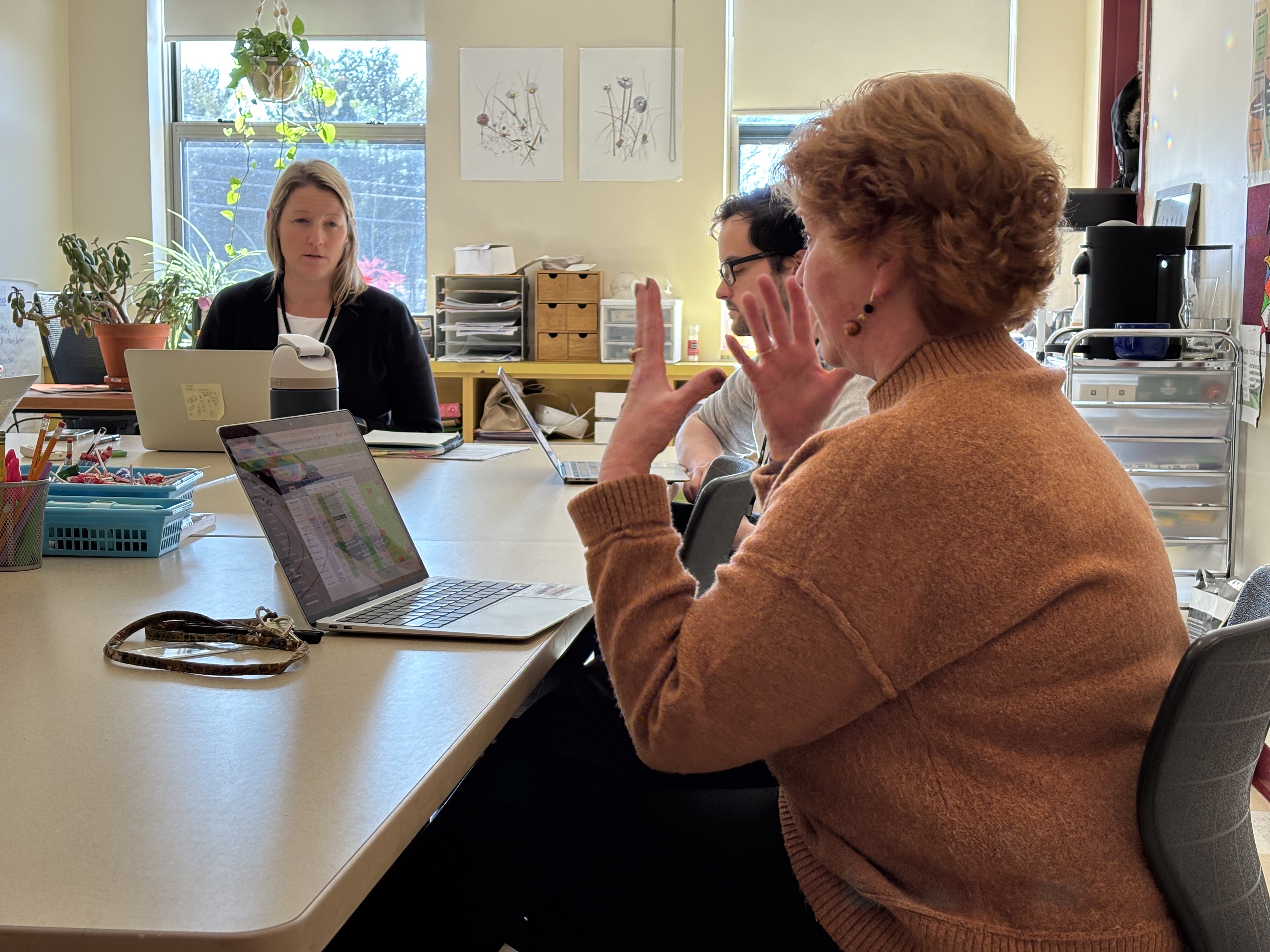
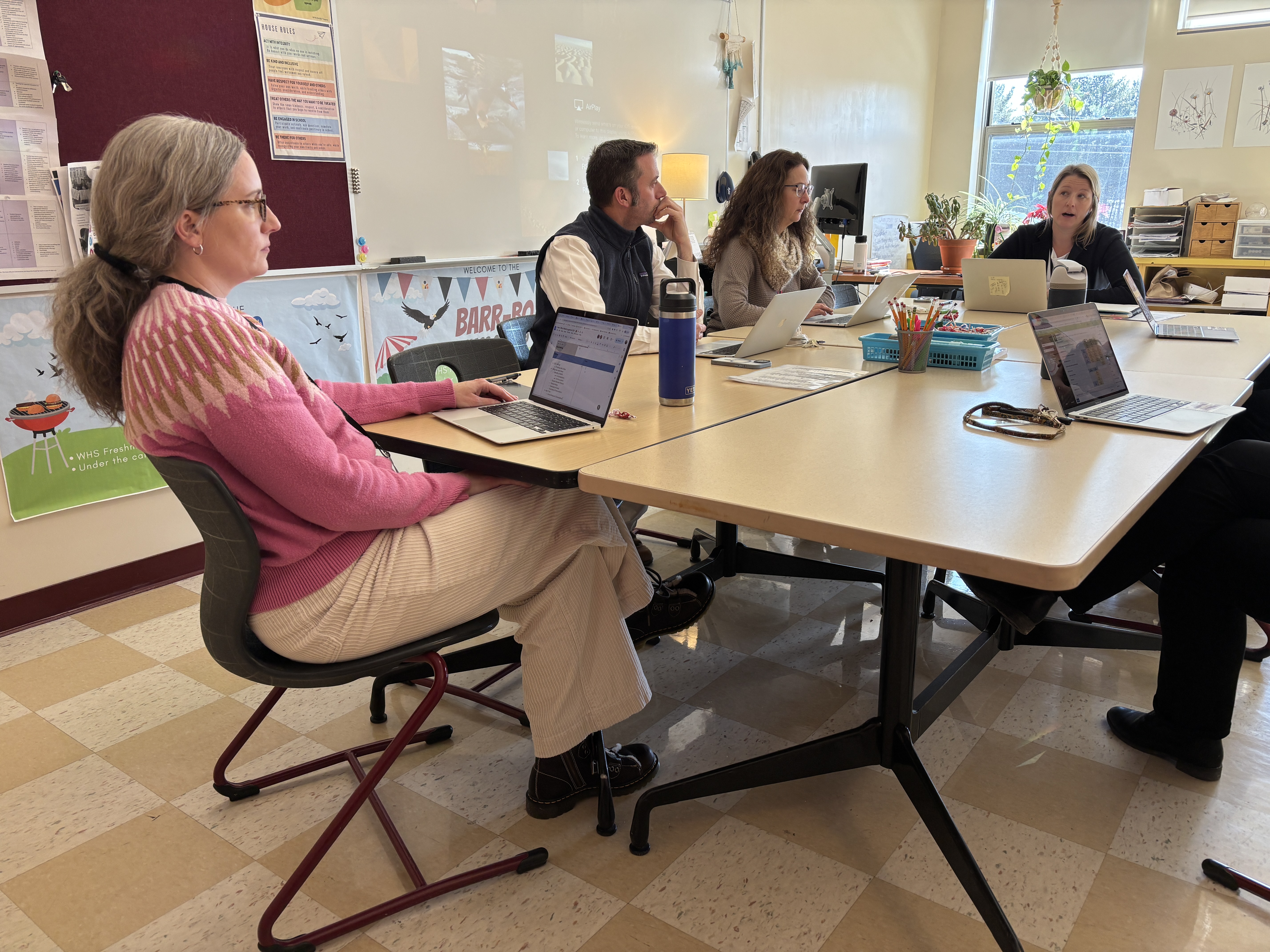
WHS staff say that this practice not only helps them to be more conscious of students’ connections; it also helps them to be more in tune with one another.
“We feel more connected to students. We feel more connected to each other cross-curricularly by meeting every other day,” Long explained. “[There are] lots of good, positive things—outcomes for students and also for us. I think the kids on our teams see connections between us, as well, and that benefits them, too.”
“When I go into a team meeting, it is so clear how well the teachers know all of the students,” Fleming expressed. “They can say so much about them, like what they do outside of school, what clubs and sports they’re in. I don’t know if that is something that every teacher could have really shared with us five years ago.”
In the fall of 2024, Windham Primary School (WPS) decided to start BARR, too, after learning about an opportunity through the Maine Department of Education (DOE). Principal Kyle Rhoads explained that research into the BARR model indicated it closely aligned with the practices the school had already been working to establish.
“BARR’s ideals and elements matched our core values,” Rhoads said, later adding, “Our staff has always been one to put learners at the center. I believe, though, that more of our actions that we’re doing since we started implementation of BARR support that.”
The BARR model follows a three-year implementation schedule. Even with just two full BARR school years completed, WPS has seen improvements in attendance—specifically for learners who were chronically absent or approaching chronic absenteeism.
“When you feel like you belong, you typically perform better,” Rhoads shared. “Some of the research that BARR has done supports that idea. We also know that not just at Windham Primary School but across the country since COVID, attendance has been a concern, and if you’re motivated to be at school, and you have connections with both adults and with peers, you’re more apt to come to school.”
That connection occurs, in part, through activities that are structured into classrooms on a rotating basis, shifting responsibility from teacher to teacher. WPS students participate in “U-Time,” and WHS students participate in “I-Time.” These weekly lessons are 30-minute facilitated activities that build intentional relationships and help schools to achieve both academic and non-academic outcomes for each student.
One such U-Time activity in the spring semester at WPS focused on the following prompt: “What Makes You Special?” Students had the opportunity to consider what is unique about themselves, draw a picture demonstrating their ideas, and then share with the class. Later, these pictures were hung in the hallway to give other students and educators a chance to learn about this particular class and their strengths.
“I have a dog that protects me,” one WPS student shared.
“I know how to count to 39 in Spanish,” another WPS student said.
Rhoads said more teachers are getting involved in U-Time activities, allowing connections at WPS to continue to flourish.
“One of our core values is acceptance,” Rhoads shared. “We have had in mind that relationships really matter here. We’ve gotten new strategies and new techniques through our BARR work to really do that well.”
This story is part of a series highlighting positive outcomes from Maine schools implementing the Building Assets, Reducing Risks (BARR) model—a research-backed school improvement framework that strengthens relationships, uses real-time student data, and builds intentional systems to support academic achievement, engagement, and student well-being for all learners. BARR aligns with the Maine Department of Education’s (DOE) whole-student approach, which emphasizes that all students should be healthy, safe, engaged, supported, challenged, and prepared.
Through $18 million in federal emergency relief funds, 120 schools across 50 school administrative units in Maine have implemented—or are in the process of implementing—BARR strategies. These efforts have strengthened educator collaboration, reduced student behavioral issues, and improved student attendance and academic outcomes.
To submit a good news story to the Maine DOE, please fill out the good news submission form.

