Priority Notice: Mills Administration Updates COVID-19 School Health Advisory System  

All counties now green with Androscoggin, Franklin, Oxford, and York counties joining  designation.

AUGUSTA — The Mills Administration today released an update to its color-coded Health Advisory System that classifies counties’ relative risk of COVID-19 transmission to assist schools as they continue with their plans to deliver instruction and support to students safely.

The Maine Department of Health and Human Services (DHHS) and Maine Center for Disease Control and Prevention (Maine CDC) continue to review evidence that indicates lower transmission of COVID-19 in schools compared to the general population. Over the last 30 days, the rate of new cases is 36 per 10,000 staff and students, compared to 81 per 10,000 people statewide. Evidence continues to demonstrate that in-person learning in schools that follow public health precautions can be conducted safely without increased transmission of COVID-19.

DHHS and Maine CDC assessed COVID-19 data and trends for all counties and released the following designations:

  • NOW GREEN: Androscoggin, Franklin, Oxford and York counties have seen dramatic drops in their new case rates and positivity rates for the past two weeks, and are now aligned with other counties.

All other counties continue to remain in the green designation. All counties were last in the green designation during the week of October 16, 2020.

These designations are provided for the consideration of school administrative units in their decisions to deliver instruction.

It is essential that school districts across the State of Maine continue to implement plans that adhere to the six requirements for returning to in-person instruction, regardless of their county’s designation.

The Health Advisory System categorizations are defined as follows:

  • RED: Categorization as “red” suggests that the county has a high risk of COVID-19 spread and that in-person instruction is not advisable.
  • YELLOW: Categorization as “yellow” suggests that that the county has an elevated risk of COVID-19 spread and that schools may consider additional precautions and/or hybrid instructional models to reduce the number of people in schools and classrooms at any one time.
  • GREEN: Categorization as “green” suggests that the county has a relatively low risk of COVID-19 spread and that schools may consider in-person instruction, as long as they are able to implement the required health and safety measures.  Schools in a “green” county may need to use hybrid instruction models if there is insufficient capacity or other factors (facilities, staffing, geography/transportation, etc.) that may prevent full implementation of the health and safety requirements.

The county-level assessments are based on both quantitative and qualitative data, including but not limited to recent case rates, positivity rates, and syndromic data (e.g., symptoms of influenza or COVID-19). Those data are publicly posted every week on the Maine CDC website. DHHS and Maine CDC also consider qualitative factors, such as the presence of outbreaks that may potentially affect school-age children.

The Health Advisory System reflects ongoing analysis of evolving data, and serves as one piece of information that school and district leaders can use to make decisions about how to deliver education during the school year. The qualitative and quantitative considerations and data used by the CDC in determining community transmission risk levels for schools can be located here: How County Risk Levels for Maine Schools are Determined

The Health Advisory System can be found on the Maine DOE website in Part I of the Framework for Reopening Schools and Returning to In-Person Classroom Instructionhttps://www.maine.gov/doe/framework/part-I.

The next update will be provided on February 26, 2021. Updating this advisory on a two-week basis aligns with the incubation period for COVID-19 and allows for greater stability in the trend data for small counties.

###

Update on Elective or Extracurricular Choral Ensemble/Group Singing Instruction

The Department of Education is pleased to share the most recent guidance from the medical and community health experts who have aided our schools in remaining safe and open. Based on additional studies and information as it relates to COVID-19, updates have been made for choral and singing instruction in Maine schools.  

Universal Considerations for Choral Ensemble/Group Singing Instruction 

Required:

  • Masks should be worn at all times for all who are in the rehearsal room. Because singing is a higher risk activity, well-fitting, three-layer, surgical-style masks are recommended.

Considerations: 

  • Maintain minimum indoor physical distance of 6x6 between each singer, instructors, and any other people such as conductors, other musicians, audiences or accompanists. All performers should be facing in the same direction to the extent possible. Avoid singing in a circle or semicircular formation. 
  • Indoor rehearsals should be limited to 30 minutes followed by a break before the room is used again to allow the central HVAC system to exchange the air in the space. A minimum of one air exchange (which 20 minutes will generally achieve) prior to the next use of the room is required, with three air exchanges preferable. 
  • Ensembles meet in either the music classrooms, theater, or larger area depending on their class size. Schools should consult DHHS Guidance to ensure that practice and performance spaces have ventilation systems that are well maintained and operate as designed. 
  • Larger groups that preclude appropriate distancing should meet in a larger area (e.g., theater, cafeteria, gym, etc.) or use any outdoor space that meets mandated student distancing requirements. 
  • Indoor choral performance should only occur in spaces where proper ventilation systems are compliant with DHHS guidance. 
  • One-way traffic patterns should be established for entering and exiting the room, pick-up, and storage of materials. 
  • Transition to small group experience whenever possible, especially when facilities and space considerations are limited. 
  • Focus on solo and small ensemble playing/singing when the ability to maximize physical distancing is limited. 
  • Pivot instructional strategies to reduce the number of students musicians performing at any given time (e.g., small ensembles perform while others listen and assess.) 
  • Utilize alternate performance venues including outdoor spaces, large activity centers, etc., to the extent possible. 
  • Produce performances of individual ensembles rather than full program concerts, to the extent possible. 
  • Use live streaming in combination with, or in place of, in-person audiences, to the extent possible. 
  • Maintain observance of all standing Executive Orders from the Governor’s office related to indoor and outdoor public gatherings. 
  • Consider having students sing softly/at a lower volume than usual. 
  • Consider having teachers use portable amplifiers so they can keep their voices at a low, conversational volume. 
  • Students should not share classroom materials such as pencils, sheet music, music stands, etc. 
  • Doors should be opened at the beginning and end of class to ensure students are not touching door handles. 
  • Use physical barriers (e.g., face shields, free-standing acoustic shields) between rows and/or between individual musicians, if available; clean and disinfect each barrier using approved products after each use. 

NOTE:  These guidelines are largely consistent with those outlined in documentation from the National Association for Music Education/National Federation of State High School Associations. 

Previous and current versions of the guidance and considerations document are available on DOE’s  PK-12 and Adult Education Public Health Guidance webpage.  

Opportunity for Partnerships with French Schools – Deadline 3/31/21

The Maine Department of Education is excited to announce an opportunity for middle and high school teachers to participate in cross-cultural partnerships with schools in France. This opportunity has been made possible through a Memorandum of Understanding (MOU) with the Académie de Nantes, the governmental body overseeing education in the Pays de la Loire region of France.

The MOU aims to strengthen connections between Maine and France and improve the teaching of English and French, allowing educators and students to benefit from increased understanding and cooperation between the two cultures. Teachers from all content areas, not only French teachers, are welcome to apply. Schools will be partnered based on shared objectives and interests.

Schools that engage in partnerships will participate in joint learning projects with their French-school colleagues. A group of students within one class, a whole class, or multiple classes of students may be involved. Projects can focus on virtually any topic related to the curricula of the two schools (for example: school life and daily routines, natural environment, celebrations, cooking and culinary traditions, sustainable development policies, etc.). Students will demonstrate their learning through artifacts such as letters, emails, drawing, blog posts, video/audio recordings, essays, articles, or other creative means.

Applications are due by 3/31/21. Click here to apply. Partnerships will be confirmed by 5/31/21 so that initial contact can be made and schools may begin planning their projects for the fall. Note that participating in a partnership is a commitment, and our partner schools in France are eager to be matched with Maine schools that are willing and able to actively engage in collaborative teaching and learning. Partnerships may last indefinitely, with the willingness of both schools.

If you have any questions, please contact April Perkins, World Languages & ESOL/Bilingual Programs Specialist, at april.perkins@maine.gov.


We Want to Hear How Climate Science is Taught in Maine Classrooms 

Whether your students are exploring energy alternatives, their carbon footprint, how to protect ecosystems and water sources, sea level rise along the coast, warming in the Gulf of Maine, or mitigating health costs of Lyme, mosquito-borne illnesses and damage to Maine’s infrastructure, we want to hear from you!  

With the adoption of new science Maine Learning Results in 2019 (Next Generation Science Standards), the release of the Maine Climate Council’s Four-Year Plan for Climate Action in 2020, and a renewed focus on climate issues, we want to hear how Maine classrooms are addressing climate science. We are interested in school and community-based examples and innovative partnerships.  

Please forward any stories, examples, photos to shari.templeton@maine.gov with a subject line of “Climate Education” for the Department of Education (DOE) to highlight and share state-wide We are designing a website that will be populated with exemplars, resources, and networking opportunities across the state.  

As proposed in the Climate Council’s plan, the DOE is exploring the convening of stakeholders to “consider next steps to implement increased climate and career education. If you are interested in serving on a planning team to develop a state plan for climate education, please complete the form found at this link. 

Thank you for helping us to highlight and celebrate the important work you are doing! 

Pre-K For ME Curriculum Expanded with At-Home Activities, Available in Multiple Languages

The Pre-K For ME Curriculum has an exciting new addition! Over the last year, the Maine Department of Education has been creating unit specific Family Links which complement each unit of study and deepen children’s learning and interactions related to the unit content.  This new resource is designed to enhance instruction by bridging activities in the classroom with extension activities at home.  Families and caregivers will learn more about the focus for each unit of study, including the books, songs, and poems that teachers are using in the classroom. Developmental highlights and parenting tips are also offered.

We are proud to be able to offer Family Links in the top 10 most prevalent languages used in Maine schools.  This access will enable families to support their children in their home languages.  Each unit on the Pre-K For ME webpage has a link to the Family Link that matches the unit. Educators will be able to print and send home copies at the start of each unit.

Additional questions can be directed to Marcy Whitcomb, marcy.r.whitcomb@maine.gov

Maine CITE Program Welcomes New Director

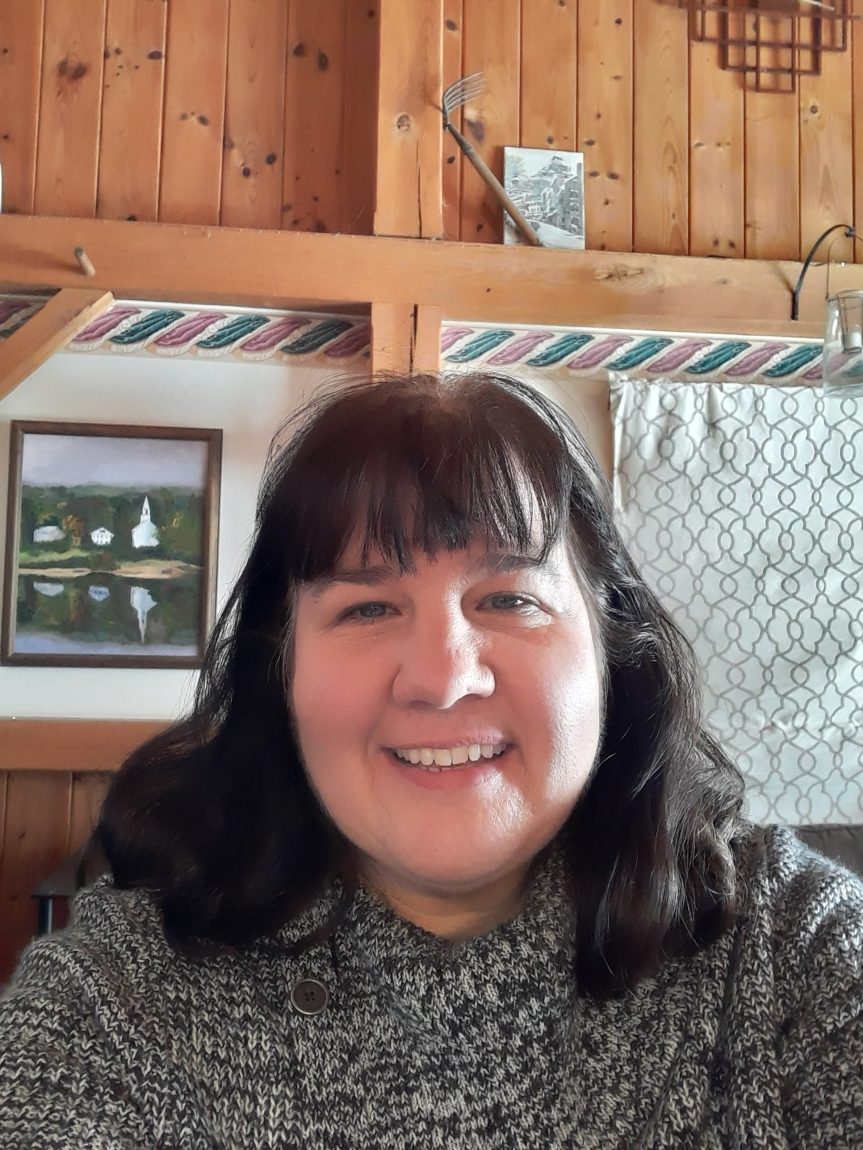
Jessi Wright, MBA, ATP has been named the new Director for the Maine CITE Program, the Assistive Technology (AT) program for the state of Maine. Jessi began her duties on February 1, 2021.

Jessi was previously the Director of the West Virginia State Assistive Technology Program located at the West Virginia University Center for Excellence in Disabilities.

Jessi has worked in the disability field for over 15 years, ten years of which were with state assistive technology programs. She has extensive experience in disability services program management and is recognized as a national leader in the assistive technology field with knowledge of AT services, training, data management, funding, and grant writing.

An outdoor enthusiast, Jessi is looking forward to exploring all the adventure Maine has to offer. She is excited to join the Maine CITE team, the disability community in the state of Maine, and participating in the efforts to increase independence and accessibility for individuals with disabilities.

The Maine CITE Program, located at the University of Maine Augusta, is the statewide AT program, administered by the Maine Department of Education and funded by the federal Administration for Community Living. Maine CITE provides information, training, and services about AT, manages the statewide device demo, loan, and reuse programs, and provides technical assistance to organizations and individuals. Maine CITE’s online searchable AT inventory, AT4Maine, has more than 1000 devices available for demo and loan that can be accessed at the website, AT4Maine.org.

Maine CITE also administers the Maine Accessible Educational Materials Program (Maine AEM) which provides information, training, and technical assistance to educators to ensure educational content and communications are accessible to all.

For more information about AT or AEM resources in Maine, please contact Maine CITE at 207-621-3195 or by visiting their websites:

MaineCITE.org
AT4Maine.org
Maine-AEM.org

Photo caption: Jessi D. Wright, MBA, ATP, Program Director, Maine CITE Program.

MEDIA RELEASE: WAVES First Instagram Contest Winner Meets Virtually with Senator Angus King  

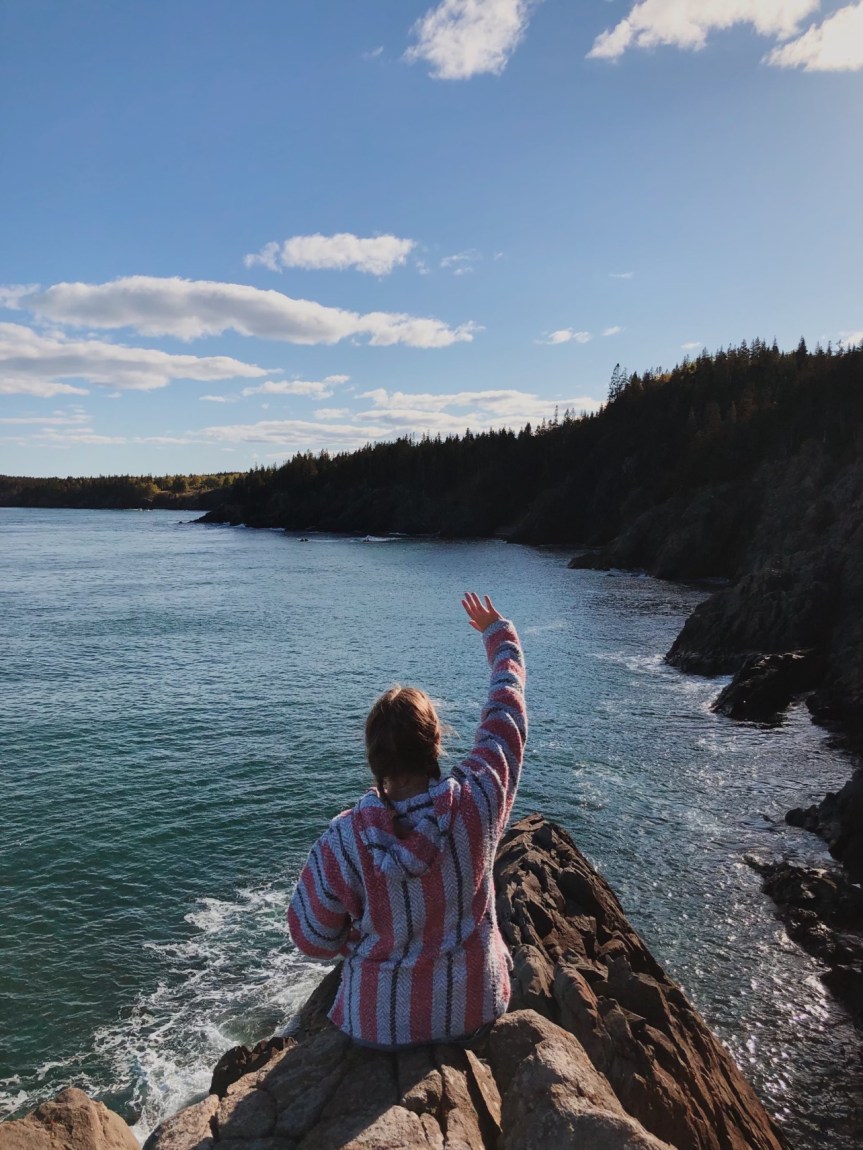
After an all-nighter of Senate votes last Thursday evening through 5:30am Friday, and a full day of Senate work thereafter, Maine’s Senator Angus King made sure to meet with Kalli Sternberg of Machias, a high school senior at Washington Academy in East Machias. Kalli was the winner of an Instagram photo contest hosted by the Maine Department OEducation’s new initiative WAVES (Wilderness Activities and Virtual Engagement for Students), which granted her the opportunity to meet with Senator King. 

Kalli’s winning photo, shared under the contest invitation to “post a picture that gives you a sense of peace and gratitude,” was taken on the cliffs of the Bold Coast trail in Cutler, overlooking the crashing waves and vast ocean before her. Senator King saw Kalli’s picture and reminisced about his visits to the area, including a recent RV trip with his wife to Cobscook Bay State Park, another breathtaking site in Washington County. 

While Kalli’s interview was scheduled for fifteen minutes, Kalli and Senator King’s conversation lasted for almost an hour, during which Senator King answered Kalli’s questions about his path to the Senate, his decision to enter politics, his advice for a young person embarking into adulthood, and how to have constructive conversations with people holding different beliefs and coming from varying perspectives. Senator King shared the importance of what he called “eloquent listening,” of seizing opportunities and engaging in experiential learning in all facets of life. Senator King also asked Kalli about her plans, interests, and experience as a high school student living and learning through COVID. 

Following the conversation with Senator King, Kalli commented that “It was wonderful to talk with Senator King and hear about his journey. I also appreciated his interest in my life and experiences. The lessons I gained from his advice, generosity and genuine curiosity will stay with me. Thank you, Senator!” 

WAVES is continuing its series of Instagram challenges, providing a range of opportunities for teens to connect with each other, the outdoors, and educators and leaders from throughout the state. Follow WAVES Project Director on Instagram (mainewavesdirector) for the latest updates and challenges. 

###


Get to know the Maine DOE Team: Meet Kelley Heath

Maine DOE team member Kelley Heath is being highlighted this week as part of the Get to know the Maine DOE Team Campaign. Learn a little more about Kelley in the question and answer below.

What are your roles with DOE?

I work for the Adult Education Office at Maine DOE.  I am the High School Equivalency/ Data Coordinator for Adult Education.

What do you like best about your job?

I like working with the local adult education programs throughout Maine to help them collect and make the most out of their adult education data.  Each data point represents a real person who needs our support, and when programs use data to improve the lives of those adults, it is very gratifying.

How or why did you decide on this career?

Initially, I studied theatre, but always knew I wanted to teach.  When I moved back to Maine, I started teaching part-time for my local adult education program.  In 2013, I had the opportunity to begin working with the state adult education team and I am thankful every day that I get to work with such great people!

What do you like to do outside of work for fun?

I enjoy traveling (when I can) and spending time on Sebago Lake.

PRIORITY NOTICE: Maine DOE Joins NewsCenter Maine to Thank School Staff and Educators Through Video Messages from Across the State

The Maine Department of Education is excited to be working with News Center Maine on a two-week campaign that aims to give Maine schools staff and teachers the giant shout out and thank you they deserve.

With Valentine’s Day and the national #LoveTeaching week just around the corner, the Maine DOE and News Center Maine have formed a unique partnership to broadcast video messages from schools across Maine showcasing the amazing heroes that work in our local schools and districts.

From February 7th through February 21th, WCSH 6/WLBZ 2 has launched a Thank You campaign that will air as video clips during both their morning and evening news broadcasts. The video clips feature a broad range of school and district staff, working in schools in all regions of Maine, talking about where they work and why they love what they do.

During the campaign, News Center Maine will also be soliciting videos from community members across Maine talking about their local teachers and school staff members, thanking them for all their hard work. Students and their families, as well as fellow educators, are encouraged to give a video shout out to say “Thank you!” and send along to NewsCenter Maine. One can share video by:

  • Using the Near ME tool of their mobile app
  • Texting them at 207-828-6622
  • Posting them on social media and using the hashtag #LoveSchoolStaff.

Be sure to tune into News Center Maine, WCSH 6/WLBZ 2 now through February 21st to see the faces of the amazing people working to educate the youth in our state and hear from students and families who are sending in their messages of appreciation. Maybe you will even see someone from a school near you! A library of videos is available on the NewsCenter Maine website.

PRIORITY NOTICE: New Dates Available for Free Anti-Bias Professional Learning Series for Educators

The Maine Department of Education is sponsoring a workshop by Amber Coleman-Mortley, Moving Beyond the Movement: Fostering Authentic Transformation for Sustainable Outcomes.  This Learning Series was originally scheduled for earlier this month but it has been rescheduled and the registration has opened back up for additional attendees! Please see the updated dates below.

Updated Learning Series Dates & Syllabus:

  • Wednesday, February 17, 7:00-9:00pm
    Module 1 – Now is the Time: Using the past to inform the present: How do we apply anti-racism, anti-bias, and equity to civics and history classrooms?
  • Wednesday, February 24, 7:00-8:30pm
    Module 2-Be bold. Be brave. Be inclusive: Engaging your stakeholders: How do we facilitate community engagement around anti-bias work?
  • Wednesday, March 3, 7:00-9:00pm
    Module 3- Culturally relevant pedagogy for all: How can we leverage culturally relevant pedagogy to support all learners in our school community?
  • Wednesday, March 10, 7:00-8:30pm
    Module 4- Practical applications and continued strategies for continued allyship: What small, and large, changes are required to ensure that our practices and policies are investments, not investigations?

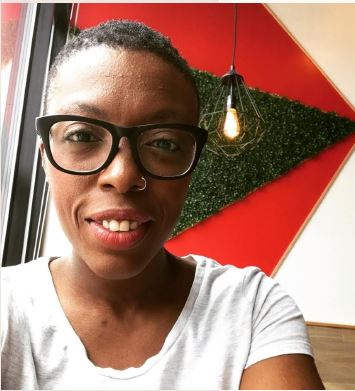
Amber Coleman-Mortley brings a diverse voice into civic education, manages a large network of education influencers, and has built a successful youth fellowship of students fighting for equity in civic education. Amber’s advocacy and expertise have been featured in the New York Times on several occasions.

Register here: https://mainestate.zoom.us/meeting/register/tZUkdOihrzIoHtEhnto0lYp7KcxZ3tbYW9SQ 

Learn more about Amber

Amber Coleman-Mortley is a talented creator and builder of digital and grassroots networks where she focuses on cultivating an engaged community of active participants through multimedia video and virtual spaces. In her current role as Director of Social Engagement, she brings diverse voices into civic education, manages a large network of education influencers, and has built a successful youth fellowship of students fighting for equity in civic education.

Amber’s equity and civic work is centered around building strong teams for improved community outcomes, which is inspired by her years as a three-sport varsity athlete at Oberlin College where she earned North Coast Athletic Conference (NCAC) all-conference honors for 8 out of the 11 seasons she competed. She also has a Division 3 , NCAA appearance in the 4×100 m. She currently serves as an alumni advisor to Oberlin College’s, Black Student-Athlete Guild.

Amber taught for nine years as a P.E/Health teacher and head varsity volley ball and head varsity track coach. She has experience building curriculum and leadership programs for student-athletes and team captains. Amber presented on Anti-Racist Coaching and Sports and Social Justice at the U.S. Soccer

Foundation’s Virtual National Training. At the center of her work are equity, critical thinking, and civic problem-solving. She has experience collaborating virtually with parents and educators around equity, anti-racism, and culturally relevant pedagogy, which includes work with the DuPage (Illinois) Regional Office Of Education.

Amber is a highly regarded social media influencer whose work brought her to the White House to meet former first lady Michelle Obama to discuss influencer campaigns that focus on family health and wellness. She is a parenting expert and author of Mom Of All Capes where she covers parenting strategies in civic education, education technology, parent-teacher partnerships, and social-emotional development. The podcast she co-created with her children, Lets K12 Better, discusses how to improve K12 education and family life through partnerships and communication.

Amber’s advocacy and expertise have been featured in the New York Times on several occasions which includes viral videos, a full-page spread in print media, and several online articles. Her insights have been cited in publications from the LA Times to the Smithsonian Magazine, The Washington Post to LAist. Coleman-Mortley has shared insights for parents through her work for Edutopia, civic education and parenting for TODAY Parenting, and even shared tips for weary travelers through Southwest Airlines. Amber’s voice has been amplified on countless podcasts including Edit Your Life about how to talk to children about race, EduTable about education a inequity, NPR affiliate KPC Conprocessing the state of the world with children. She’s presented live with New York Times Parenting and Sree Sreenivansan’s daily global show on talking to kids about race.

Additional information:

This workshop series will require participants to maintain a reflection journal. Participants should come motivated to create change and should be prepared to participate in group discussions based on readings and resources shared prior to the session.

Engaging in this cohort provides an opportunity for participants to earn credit hours. To receive credit, participants must attend all four sessions.

For more information contact Danielle Despins; a volunteer member of Maine DOE’s internal Diversity, Equity and Inclusion (DEI) sub-committee at (207) 592-1448.

Register here: https://mainestate.zoom.us/meeting/register/tZUkdOihrzIoHtEhnto0lYp7KcxZ3tbYW9SQ