The Maine Department of Education (DOE) is seeking applicants for the Screener Review and Recommendation Project, a statewide professional learning initiative focused on strengthening regional expertise in early literacy assessment and supporting consistent, evidence-based screening practices across Maine schools.
The project supports implementation of Maine’s Dyslexia screening statute (Title 20-A, §4710-B), which requires all students in kindergarten through grade 2 to be screened in key early literacy skill areas.
Through this initiative, the Maine DOE will convene up to 25 educators and stakeholders representing Maine’s nine superintendent regions to deepen knowledge of literacy screening components, evaluate screening tools using research-based criteria, and help develop statewide guidance and professional learning resources. Participants may include teachers, literacy specialists, administrators, and caregiver representatives from public, charter, and approved private schools.
In-person sessions will be held on Tuesday, July 14, and Wednesday, July 15, 2026, in Augusta from 8:30 a.m. to 3 p.m.
Project participants will:
Examine literacy screening tools and implementation practices;
Co-develop evaluation rubrics and guidance resources aligned with Maine’s Dyslexia screening statute;
Facilitate at least one regional professional learning session; and
Contribute to statewide screener guidance materials to be published on the Maine DOE Literacy Hub.
Participants who complete all project deliverables will receive a $400 honorarium.
The Maine DOE will review applications to ensure representation across Maine’s nine superintendent regions and a balance of rural and urban perspectives.
This initiative supports the Maine DOE’s priority of strengthening curriculum, instruction, and assessment systems while advancing equitable early literacy outcomes for all students.
To apply for the Screener Review and Recommendation Project, please complete the application here by June 19, 2026.
For more information, contact Danielle Saucier, Maine DOE Inclusive Education Literacy Specialist and Dyslexia Coordinator, at danielle.m.saucier@maine.gov.
Title II-A funds received from the U.S. Department of Education (ED) support the implementation of this project. The project has an award totaling $15,090.00, of which 100% is federally funded and directly attributed to project implementation. The contents are those of the author(s) and do not necessarily represent the official views of, nor an endorsement by, ED or the U.S. Government.
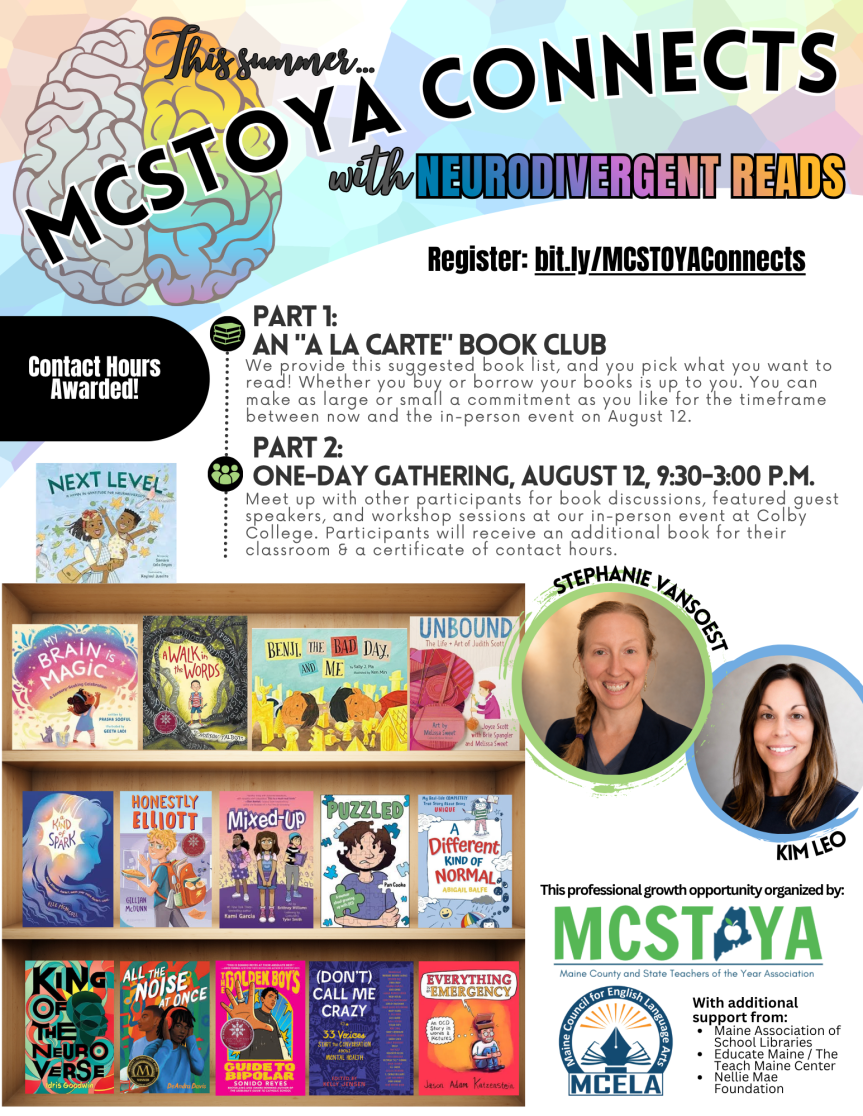
The Maine County and State Teachers of the Year Association (MCSTOYA), in partnership with the Maine Council for English Language Arts (MCELA), is inviting educators from across Maine to participate in MCSTOYA Connects: Neurodivergent Reads 2026, a summer professional learning experience focused on neurodiversity, inclusive practices, and the power of literature to foster understanding, empathy, and connection.
Open to educators, librarians, counselors, specialists, administrators, and preservice teachers, the program offers participants a flexible and engaging way to learn alongside colleagues while exploring books and resources that support neurodivergent students.
This experience is designed to provide both choice and community through two connected opportunities: a self-paced summer book club and an in-person gathering that brings participants together to deepen their learning and share ideas.
Flexible Summer Book Club
Participants can choose from a curated collection of books featuring neurodivergent characters, experiences, and perspectives. Readers may engage with one title or several throughout the summer, either independently or collaboratively with colleagues.
The 2026 reading list includes selections for:
Picture-book readers
Middle-grade readers
Young-adult readers
Featured titles explore themes and experiences connected to autism, ADHD (Attention Deficit Hyperactivity Disorder), OCD (Obsessive-Compulsive Disorder), anxiety, bipolar disorder, sensory processing differences, and broader neurodivergent identities.
Organizers also encourage participants to support local libraries and independent bookstores when selecting books for the program.
In-Person Learning and Connection
The summer experience culminates with an in-person gathering on August 12, 2026, from 9:30 a.m. to 3 p.m. at Colby College in Waterville.
The event will feature:
Book discussions
Featured speakers
Professional learning workshops
Classroom application strategies
Opportunities to connect with educators from across Maine
Participants will also receive contact hours, practical resources to bring back to their schools, and a free book for their classroom library.
The event will also include presentations from:
Stephanie Vansoest, speech-language pathologist and neurodiversity-affirming advocate
Kim Leo, Clinical Director of Mental Health Services at Brett DiNovi & Associates North
Together, Vansoest and Leo will explore ways educators can better support neurodivergent students through literacy, inclusive practices, relationship-centered learning, and increased understanding of diverse learner needs.
Educators interested in participating in the event can register here.
Since launching in the fall of 2024, the Extended Learning Opportunities (ELO) Program at Mountain Valley High School in RSU 10 has provided students with meaningful, real-world learning experiences that connect classroom instruction to careers, higher education, and long-term success. Led by Christopher Brennick, Mountain Valley High School ELO Coordinator, the program has quickly become a model for how authentic, community-connected learning can raise student aspirations and expand access to opportunity, particularly in rural western Maine.
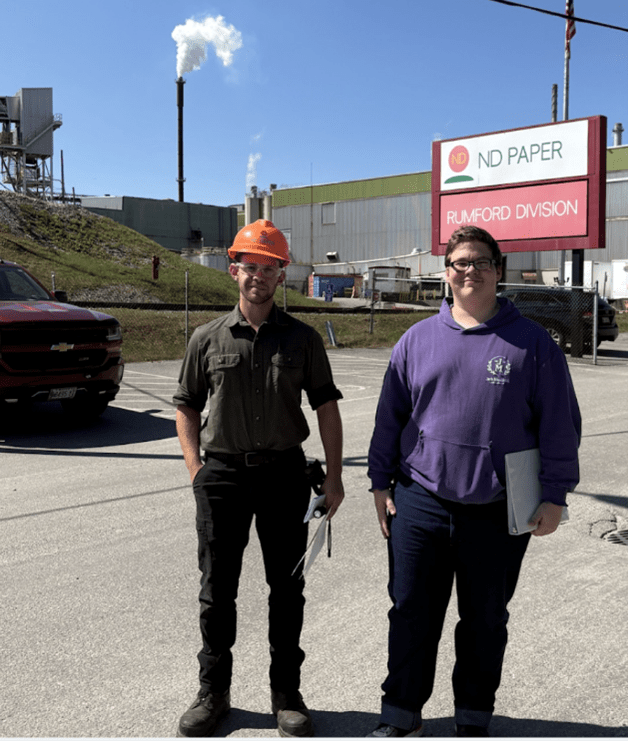
Through internships, work studies, job shadows, college tours, and immersive simulations, the program allows students to engage directly with professionals across healthcare, education, engineering, manufacturing, finance, skilled trades, and public service. To date, the program has supported 21 internships, two work studies, eight paid work studies, one unpaid internship, and 20 experiential trips to 18 sites, reaching 351 student participants, with many students participating in multiple experiences.
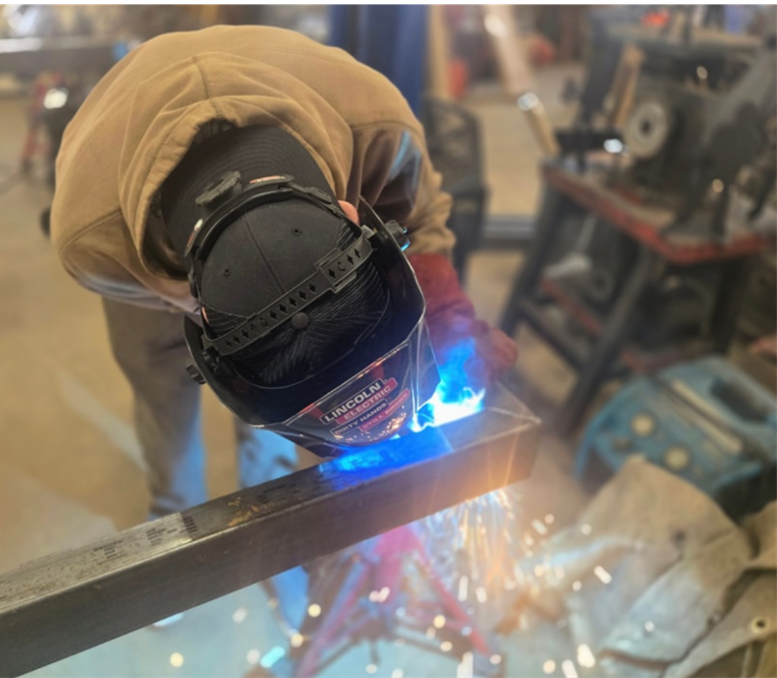
Student Miles Smith completes welding work during his ELO at Concord River Fabrication.
The program includes semester-long internships in healthcare, education, construction, engineering, finance, counseling, and skilled trades; work studies focused on building essential workplace skills; job shadowing with organizations such as the National Weather Service and the Rumford Police Department; and extensive college and employer tours across Maine and New England. Students have also participated in immersive simulations such as YMCA Youth and Government and the Maine Motor Transport Association’s “Go Your Way, Maine” career exploration experience.
Mountain Valley High School Principal Thomas Danylik emphasized the transformative impact of the program, particularly for students in a rural region.
“As a principal taking on a new initiative, you never truly know what sort of impact a program will have on students, but I can assure you that we are a better school because of the work being done by Mr. Brennick and our ELO program,” Danylik said. “Living in a rural part of Maine can make it difficult for students to see what opportunities exist outside of their everyday life. A major focus for us has been ensuring our students are exposed not only to opportunities within their own community but also to what lies beyond the River Valley.”
Danylik noted that through the program, every student has the opportunity to step onto a college campus or visit a major employer, while smaller groups participate in immersive learning experiences across the state.
“Individual students are gaining firsthand experience in career fields with some of the most respected businesses in Maine,” Danylik added. “To say this program has had a positive impact on our school is a gross understatement. Mr. Brennick’s ability to think outside the box and help students discover their passions is admirable, and Mountain Valley is fortunate to benefit from such an outstanding ELO program.”
The impact of these opportunities is evident in the relationships students build and the pathways that emerge. One student completing a pharmacy ELO at Rumford Hospital was able to observe procedures in the operating room, engage in conversations with hospital leadership, and explore collaboration between the pharmacy and emergency department. Another student’s semester-long furnace technician work study led directly to a paid summer position and continued employment while pursuing postsecondary training in the field. These experiences benefit students while also providing community partners with motivated, high-quality talent.
Students are also developing empathy, professionalism, and problem-solving skills through authentic workplace challenges. Their reflections highlight the depth of learning that occurs when students engage in real-world environments.
“Another struggle I experienced this week was frustration,” one student wrote, reflecting on her hospital placement. “There’s a patient who has been here since last Christmas. She asks every day when she can go home. I want to be able to watch her go home to her family.”
Families have noticed the impact on their students, as well.
“I am so grateful for this program,” Amber Durant, parent of an ELO student, said. “My son has explored job experiences in both finance and engineering, working alongside professionals he aspires to be. These experiences have helped him make more informed decisions as he applies to colleges.”
The program has been made possible through a combination of funding sources, including the U.S. Department of Labor’s Workforce Opportunity for Rural Communities (WORC) grant, the Maine Department of Education (DOE) ELO Expansion 2.0 grant, and the Sunshine Mini Grant. Together, these investments have expanded access to career exploration and postsecondary exposure for students in rural communities. Mountain Valley High School’s efforts demonstrate how innovative, community-connected learning can deepen student engagement, support informed postsecondary decisions, and help students envision futures rooted in real experience, meaningful relationships, and opportunity.
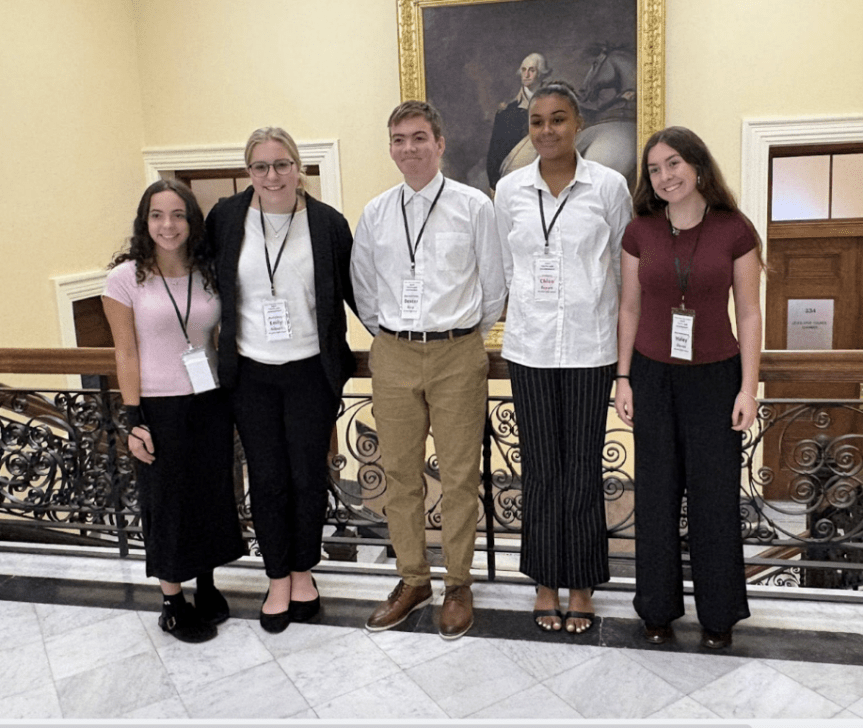
Mountain Valley High School students participate in the YMCA Youth and Government program at the Maine State House in Augusta. This program helps students understand the inner workings of state government.
This story was written in collaboration with Mountain Valley High School. To submit a good news story to the Maine DOE, please fill out the good news submission form.
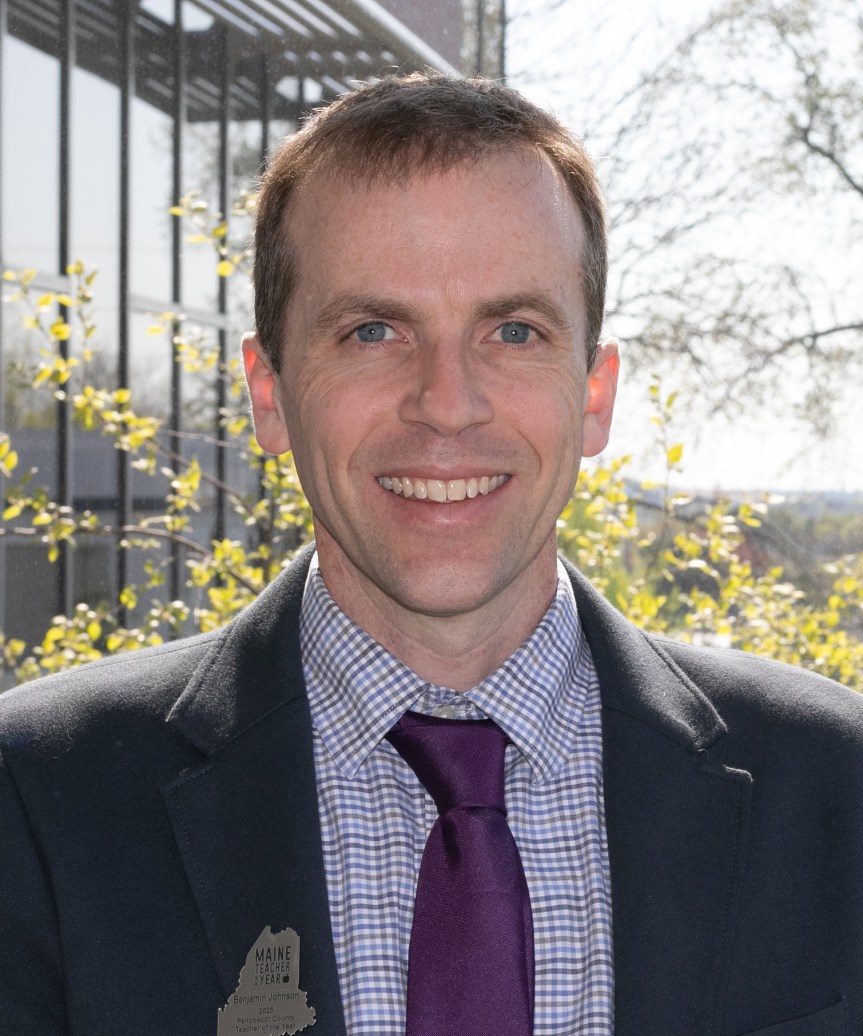
Ben Johnson, the 2025 Penobscot County Teacher of the Year and a finalist for 2026 Maine State Teacher of the Year, has earned national recognition from the American Classical League for his outstanding contributions to Latin education through innovative technology-based learning resources used by students and teachers around the world.
Johnson, who teaches Latin and AP Seminar to students in grades 9-12 at Hampden Academy, was recently honored with the 2026 Award for Excellence in Creating Technology-Based Educational Resources, presented by the American Classical League and sponsored by Xperitas. The award recognizes educators who create engaging digital content that makes classical studies more accessible and inspiring for learners.
At the center of Johnson’s work is his own platform, LatinTutorial.com, and the accompanying LatinTutorial YouTube channel, which has grown to more than 125,000 subscribers worldwide. Through hundreds of videos that he has written, filmed, and edited himself, Johnson helps students navigate Latin grammar, literature, and Roman culture, while supporting teachers who use the resources to supplement classroom instruction.
Johnson’s work became especially valuable during the COVID-19 pandemic, when educators and students turned to online learning resources. One nominator described his videos as “a sine quā nōn for Latin students and teachers across the globe.”
Johnson’s passion for making classical studies accessible extends beyond his video content. He has developed several digital learning tools, including Aeneid.co, a platform that helps students engage with Vergil’s Aeneid through guided passages, instructional videos, and learning supports. He also created Hexameter.co, another resource designed to help students master the complexities of Latin poetry. Together, his online tools are used by tens of thousands of learners worldwide.
While Johnson is recognized nationally for his educational innovation, his students remain at the center of his work. He is a strong advocate for giving students an active role in their education and believes that studying the ancient world helps learners better understand modern society. His teaching emphasizes inquiry, curiosity, and student voice, while thoughtfully integrating technology to enhance—not replace—the essential relationships between students and teachers.
Johnson’s leadership extends well beyond Hampden Academy. He serves as Instructional Team Leader for World Languages, is active in his local education association, and recently served on the AP Latin Development Committee, helping revise the national curriculum and assessment for Advanced Placement Latin courses. He also teaches Latin and classics courses at the University of Maine.
In addition, Johnson oversees both Hampden Academy and Maine’s Junior Classical Leagues, providing students with opportunities to connect with peers who share an interest in classical studies. He regularly leads educational trips to Italy and Greece, helping students experience firsthand the history, language, and cultures they study in the classroom.
Johnson holds a Bachelor of Arts in Classics and Biology from Cornell University and a master’s degree in Latin from the University of Florida.
As the 2025 Penobscot County Teacher of the Year and a finalist for 2026 Maine State Teacher of the Year, Johnson continues to demonstrate how Maine educators are leading the way in creating meaningful, innovative learning opportunities. Through his teaching, leadership, and widely used digital resources, he is helping students and educators around the world discover the enduring relevance of the classical world.
Content for this article was provided by the American Classical League. To submit a good news story to the Maine DOE, please fill out the good news submission form.
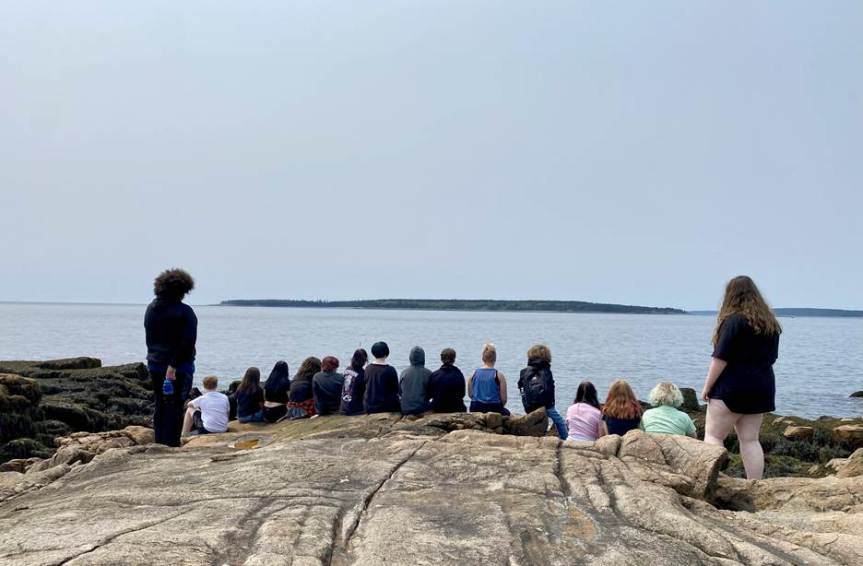
A group of Innovations students enjoys the coast of Maine at Ship Harbor Trail in Bass Harbor.
Brewer School Department’s alternative education programs have developed into a connected system of supports that begins in middle school and continues through multiple high school pathways, offering students flexible options for learning, engagement, and graduation.
What began as a small, in-person alternative education program called “ALPHA,” serving about 25 students, has expanded into a multi-tiered system that now includes a middle school alternative education program called Innovations Academy, as well as high school alternative education pathways through the ALPHA Academy in-person program, the online and hybrid Nu Program, and Extended Learning Opportunities (ELO). Together, these programs serve approximately 126 students across grades 6-12.
Staff describe the model not as separate programs but as a connected pathway built around one guiding idea: Students do not all take the same road, but they all deserve a road that leads to success.
“We didn’t build this as one fixed program,” Chris Moreau, Alternative Education Program Coordinator and Nu Program teacher, said. “We built it because students needed different ways in.”
Middle School Innovations Academy: Early Engagement and Flexible Foundations
Brewer’s middle school alternative education program, Innovations Academy, serves approximately 26 students in grades 6-8 and offers flexible schedules and individualized supports that blend academic instruction, social-emotional learning, career exploration, and community engagement. Cami Carter oversees Innovations Academy alongside her educational technician, Danny Schlaefer, creating programming designed to help students build confidence, resilience, and readiness for high school.
Innovations Academy students do not follow a single uniform schedule. Instead, programming is tailored to each student’s needs, strengths, and learning style. Instruction combines academic skill-building with applied, hands-on learning experiences. Project-based learning is a central component, allowing students to connect math, science, and problem-solving to real-world situations.
“We’re trying to make learning something students can access,” Carter said. “A lot of students haven’t had success in traditional settings. This gives them a different entry point.”
Community-based learning is a defining feature of Innovations Academy. Every week, students leave the classroom to explore careers, businesses, colleges, and community organizations throughout the region. Over the course of two years, students have explored more than 60 career pathways, including marine science, health care, plumbing, culinary arts, theater, athletics, landscape architecture, and the trades.
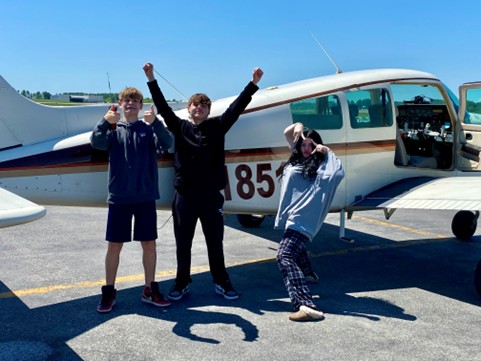
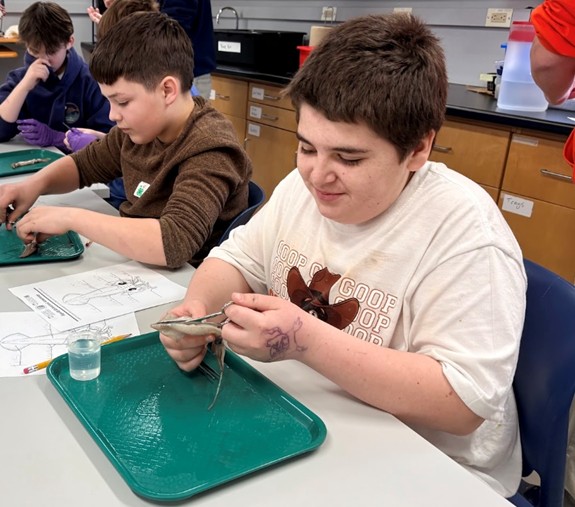
From left to right: Current and former Innovations Academy students Trysten Roy, Zander Doph, and Bria Davis prepare to assist with flying a plane at Maine Instrument Flight school.Innovations Academy students Vinny Arruda and Eli Infinger dissect squid at the UMaine 4-H Camp and Learning Center.
Experiences have included working with the Penobscot Theatre Company to learn about technical theater careers, visiting the University of Maine at Orono for hands-on science exploration, touring technical education programs, and engaging with Maine Maritime Academy through tugboat experiences. Students also participate in outdoor and community-based learning such as hiking, horseback riding, and ocean exploration.
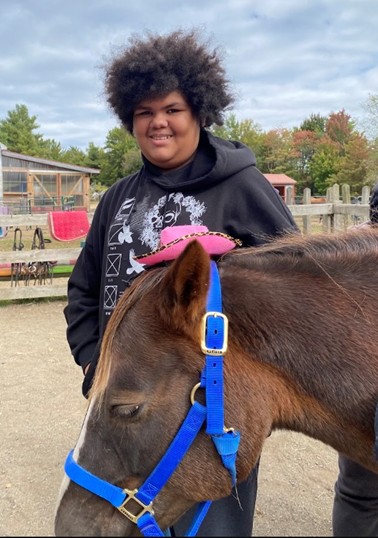
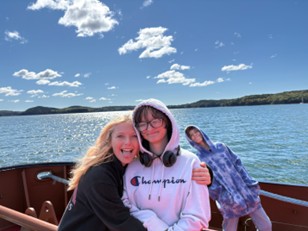
Innovations Academy student Brady Young poses with his new best horse friend at Lincoln Pony Pals.Innovations Academy students Tori Splan, Khloe Smith, and Paul Davison enjoy the ocean on a tugboat at Maine Maritime Academy after learning about various maritime careers.
“We want students to start seeing what’s possible,” staff said. “Even if they don’t know yet what they want to do, they begin to understand what exists.”
Carter said these experiences are designed not only to expose students to careers but also to help them build confidence, as they navigate unfamiliar environments, interact with adults, and persist through discomfort in new situations.
“Watching their world open up is one of the best parts,” Carter said.
Beyond academics, Carter emphasized that the program is intentionally built around relationships and emotional support. Teachers, support staff, and counselors often serve multiple roles throughout the day as instructors, mentors, advocates, and consistent/trusted adults for students navigating anxiety, family challenges, or school disengagement. Students are also connected with school-based counseling, social work supports, and community resources when needed, reinforcing a broader wraparound system designed to remove barriers to learning.
The Transition to High School: Building Individual Pathways
A key focus of Innovations Academy is preparing students for the transition to high school, with an emphasis on ensuring the shift does not disrupt support systems or academic progress.
Carter works closely with students and families to build individualized transition plans that may include traditional high school enrollment or placement into Brewer’s alternative education pathways. Staff said the goal is not to place students on a fixed track but rather to design pathways that can shift as students’ needs evolve.
Through grant funding, eighth-grade students are able to participate in summer transition activities, high school visits, scavenger hunts, and meetings with teachers, administrators, tutors, and ELO staff before entering ninth grade. These experiences help reduce anxiety and build familiarity with the high school environment.
“We’re already thinking about graduation in middle school,” Carter said. “That transition matters.”
Carter also continues to support many students into high school, maintaining communication, monitoring academic progress, and helping students navigate challenges during the critical first year of ninth grade. Staff emphasized that maintaining these trusted relationships is often what keeps students engaged and on track. Last year, all 14 eighth-grade students who transitioned to ninth grade remained on track to earn graduation credits.
Carter said the system is designed to remain flexible. Students may move into traditional high school, the ALPHA Academy, Nu Program, or a combination of supports, depending on their needs.
“It’s not about locking them into a path. It’s about finding what works,” Carter said.
At the high school level, the alternative education system expands into three interconnected pathways, each designed to provide structure while allowing flexibility and movement between programs.
The ALPHA Academy, founded by alternative educator David Morris and co-taught for more than 20 years alongside fellow alternative education teacher Steven Bloodsworth, provides in-person instruction centered on core academics with flexible pacing and individualized support. Morris and Bloodsworth serve not only as teachers but also as advisors, mentors, and a consistent adult presence, building long-term relationships with students that often extend beyond academics.
The Nu Program, overseen by Chris Moreau, blends online coursework with structured in-person supports and regular check-ins. Moreau said the Nu Program was designed not as a fully remote model but as a flexible option that allow students who struggle in traditional school settings, face attendance barriers, or experience anxiety to maintain strong relationships, have accountability, and receive counseling support.=
Moreau said Nu Program has evolved significantly since its early pandemic-era roots, expanding as student needs grew and systems adapted.
“Alternative education thrives on relationships,” Moreau said. “Whether students are in person or online, they still need connection, consistency, and someone who knows them well.”
The ELO program, overseen by Kevin Napolillo, connects students directly to real-world learning experiences through internships, certifications, and community partnerships. Students explore career pathways in fields such as construction, health care, education, and technical trades while earning credits and building postsecondary skills.
Across all three pathways, students receive academic monitoring, counseling support, and consistent engagement with staff who track both academic and personal progress. Students can move between programs as their needs change, reinforcing the idea that pathways are flexible rather than fixed.
Alternative Education Pathways as a Key to Success
Moreau said this flexibility has been key to improving outcomes and keeping students connected to school systems that might otherwise have lost them.
For decades, graduation rates at Brewer High School remained steady between 85 and 87 percent, but in the past few years, they have climbed to just below 95 percent due to these innovative alternative education pathways.
Additionally, the Brewer School Department has adopted a local Disrupted Diploma option modeled after the Maine Department of Education’s (DOE) Educational Disruption Diploma. Brewer High School’s Disrupted Diploma requires students to earn 13 credits and, because it is district-based, allows some students to earn a diploma before completing four full years of high school.
Superintendent Gregg Palmer said the option has been a lifeline for a small but significant group of students, opening pathways to better employment opportunities, community college, military service, and other postsecondary options. Palmer said the pride students show when earning a Disrupted Diploma reflects how meaningful and hard-earned the accomplishment is.
A System Built on Relationships, Flexibility, and Belief in Students
Across both middle and high school programs, staff emphasize that relationships remain the foundation of student success. Students are supported by teams that include teachers, counselors, administrators, school psychologists, social workers, and community-based partners. The programs also work closely with school-based health services and mental health supports to ensure students receive wraparound care when needed. For example, Dr. Alison Glanville, Director of Psychological Services, works closely with the ALPHA and Innovation Academys, providing weekly mental health sessions to students.
Moreau said alternative education is not about lowering expectations but about removing barriers and helping students access success in ways that work for them.
“We don’t see this as separate programs,” Moreau said. “We see it as one system that adjusts to students.”
That system includes structured supports, frequent check-ins, individualized planning, and ongoing communication with families. Family input is considered central to placement decisions and ongoing student success.
“We’re not just focused on credits,” Moreau said. “We’re focused on keeping students connected long enough to succeed.”
Moreau also noted that alternative education continues to shift as stigma around nontraditional pathways decreases, with more families recognizing that multiple routes can lead to the same outcomes.
Looking Ahead
Brewer School Department’s alternative education programs continue to evolve with a focus on strengthening transitions between middle and high school, expanding career-connected learning and increasing access to flexible pathways that respond to student needs.
Moreau said the long-term vision is a system where students can move fluidly between supports as their needs change, without losing connection to school, adults, or academic progress.
“Students don’t all take the same road,” Moreau said. “Our job is to make sure there is a road for each of them.”
This story was written in collaboration with the Brewer School Department as part of an ongoing series to highlight alternative education programs across Maine. For more information about alternative education, please visit the Maine DOE Alternative Education webpage. To submit a good news story to the Maine DOE, please fill out the good news submission form.
Students at Rowe Elementary School in the Portland Public Schools have stepped into leadership roles this year in a big way during the school’s first-ever community meeting assembly for third- through fifth-grade students.
Inspired by community meeting assemblies at Portland’s Presumpscot and Longfellow Elementary Schools, Rowe’s social emotional learning (SEL) staff worked together to launch a similar tradition, designed to bring students together while creating meaningful opportunities for leadership, collaboration, and school connection.
The first meeting was held in December and was led almost entirely by students. Thirty-two fifth-grade student leaders spent two months preparing for the event and ultimately ran the meeting from start to finish. Students took on a wide range of leadership responsibilities, including serving as masters of ceremonies, writing and delivering the event script, welcoming and seating guests, greeting the audience in nine different languages, and creating and presenting the event slideshow.
“After attending community meeting assemblies at both Presumpscot and Longfellow Elementary Schools, SEL staff were inspired to start a community meeting tradition at Rowe,” school counselor Kate McAlaine shared. “On December 11, Rowe’s third- through fifth-grade students gathered for our first-ever community meeting, and what a joyful celebration it was!”
Staff facilitators worked closely with students throughout the preparation process, helping to guide and support their leadership development. Facilitators included McAlaine, third- through fifth-grade social worker Amy Leonard, music teacher Aiden Boardman, and reading specialist Susan Donohoe.
“Their work made this gathering a meaningful and energizing way to bring our upper grades together,” McAlaine added. “We are so proud of our student leaders, performers, staff, and all of our classes for making this first community meeting such a positive and inspiring moment for our school!”
The event highlighted the power of student voice and leadership while strengthening school community and belonging, laying the groundwork for what Rowe Elementary School hopes will become a lasting tradition.
This story was submitted by Rowe Elementary School (Portland Public Schools). To submit a good news story to the Maine DOE, please fill out the good news submission form.
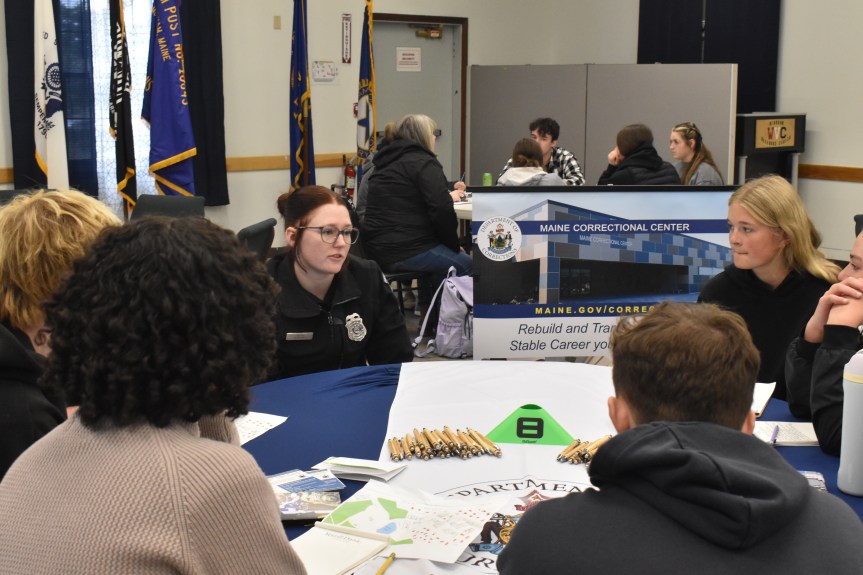
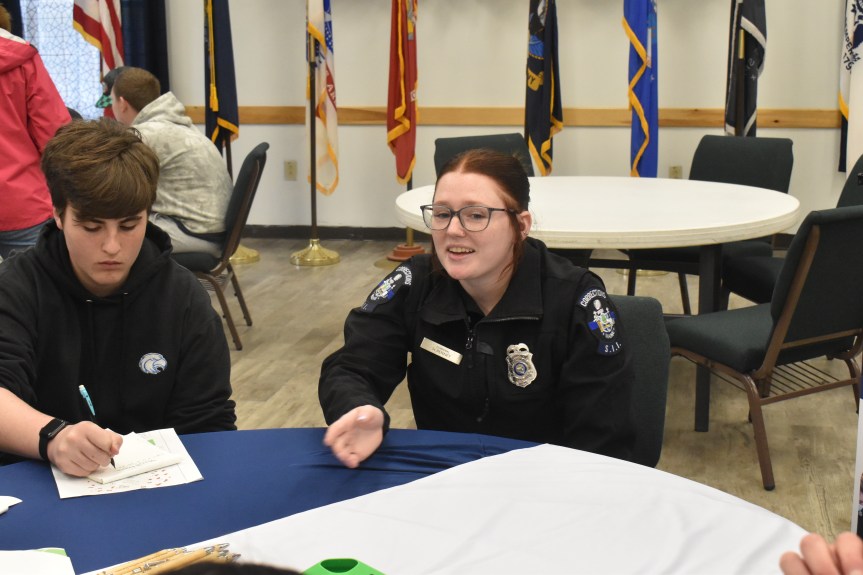
Corporal Hailey Penney, a 2022 Windham High School (WHS) graduate now serving in the Maine Correctional Center’s Special Investigations and Intelligence Unit, returned to WHS as an expert in the annual Mock CSI event, a career-connected curriculum she participated in as a student four years ago.
“When will I ever use this after high school?” It’s a question that teachers have heard echo through classrooms for decades. From math equations to lab reports to literary analysis, students often wonder how today’s lessons will matter in their future. But what happens when learning moves beyond the classroom and into the real world—where students are exposed to the ways in which math, science, and English are not only useful but necessary to succeed?
To help students see the real-world value of their learning, Windham High School teachers John Ziegler (math) and Adrianne Shetenhelm (alternative education English) launched a hands-on interdisciplinary unit in 2016. The collaboration brought their classes together for a mock CSI experience that challenged students to apply math, writing, and critical-thinking skills to a simulated crime scene.
“As the project proved its impact over the next few years, the partnership grew to include Lauren Ruffner’s science, along with real-world support from the Windham Police Department and the Windham Fire Department, transforming the unit into a fully immersive learning experience,” Shetenhelm said.
This collaborative interdisciplinary unit continued again this year on Thursday, April 30, with the “crime” occurring in the parking lot at Windham Veterans Center. What made this year’s unit so special, though, was a meaningful turning point when one of Shetenhelm’s former students, Hailey Penney, a 2022 graduate, joined in on the collaboration.
“A full-circle moment for me this year was having Hailey back on the scene, four years after she was in the unit as a student; she came back as an expert,” Shetenhelm said.
Penney, now Corporal Penney, works for the Maine Correctional Center in the Special Investigations and Intelligence unit. She was invited to join mock CSI day to help the “rookie” detectives and evidence techs in refining their questioning techniques. She talked about her career pathway and how other students may follow a similar path if they are interested.
Corporal Penney helped student ‘rookie’ detectives refine their questioning skills and share how others can follow a similar career path.
“After contacting the Maine Correctional Center to see if we could have someone speak to our students, it was clear that Hailey would be the perfect choice,” Shetenhelm said. “Hailey’s superiors spoke so highly of her capabilities and her speedy progression in the field. I was not surprised, and I am so proud of her.”
Corporal Penney said that she doesn’t remember being interested in law enforcement before the mock CSI event.
“I believe this is because of my prior lack of knowledge as to what law enforcement officers do. Being introduced to Windham Police Department Detective [Jason] Andrews and Sergeant [Seth] Fournier and learning about what they do in their careers significantly changed my perception. I was inspired to make a difference,” Penney said.
Penney added that being a part of a “real-life crime scene” during mock CSI day, gathering information and interviewing witnesses and suspects, sparked an interest in her that she didn’t know she had.
“Before this, I remember feeling as if I had not found my passion yet,” Penney said. “I am very grateful that I was involved with this event because I’m not sure if I would have considered a career in corrections or law enforcement otherwise.”
Being the expert now, Corporal Penney said she enjoyed talking with the students about her story and how her career became a passion.
“There were so many students who were engaged in this event and open to speaking with me. I gave two students Maine Department of Corrections challenge coins because I was very impressed with their thought processes and efforts that went into this year’s mock CSI unit,” Penney said. “My hope is that students were able to take something away from our conversations and have a better understanding of law enforcement, like I did when I experienced the CSI event.”
It’s Shetenhelm and Ziegler’s hope for their students, too. As a result, they plan to continue this annual career-connected learning as long as they can. To do so, they will begin to write a new “crime” this summer.
“Each year, we write a new narrative over the summer and recruit staff volunteers and actors in the fall,” Shetenhelm said. “We begin working with the Windham Police Department and other experts to ensure the story is realistic. By the fourth quarter, the unit begins—preparing English students to investigate and interview witnesses while math and science students learn to analyze evidence. On the day of the field trip, one question remains: Have we prepared them enough to connect the dots on their own, just as they must after graduation?”
Shetenhelm added that they hope to team-teach with Corporal Penney next year.
“I couldn’t be prouder and more honored to be a part of her story and to be working alongside her,” Shetenhelm expressed.
This story was submitted by Windham High School (RSU 14). To submit a good news story to the Maine DOE, please fill out the good news submission form.
The Maine Department of Education (DOE) Office of Teaching and Learning is seeking a contracted educational professional to support statewide work related to world language education during the 2026-2027 school year.
This contracted role will support several ongoing statewide initiatives, including:
Communication and engagement with Maine world language educators.
Related technical assistance and support for school administrative units (SAUs) and educators.
Coordination related to Pine Project contact hours and associated educator supports.
Resource sharing, communications, and alignment work connected to multilingualism and world language learning across Maine schools.
The anticipated scope of work is approximately 20 hours per month during the 2026-2027 school year. Compensation is anticipated at a rate of $50 per hour.
The ideal candidate will have:
Experience in world language education and/or multilingual learner support.
Familiarity with the Maine Seal of Biliteracy and proficiency-based learning.
Experience supporting educators through professional learning, coaching, or technical assistance.
Strong organizational, communication, and collaboration skills.
Familiarity with Maine schools and statewide educational initiatives (preferred).
The contractor will work closely with the Maine DOE Office of Teaching and Learning. Transition planning and onboarding support will be provided to ensure continuity of work.
To apply for this position, please send the following materials to Beth Lambert, Maine DOE Chief Teaching and Learning Officer, at beth.lambert@maine.gov by June 10, 2026:
A letter of interest that includes a brief description of relevant experience related to world language education, Maine Seal of Biliteracy implementation, educator support, or related work.
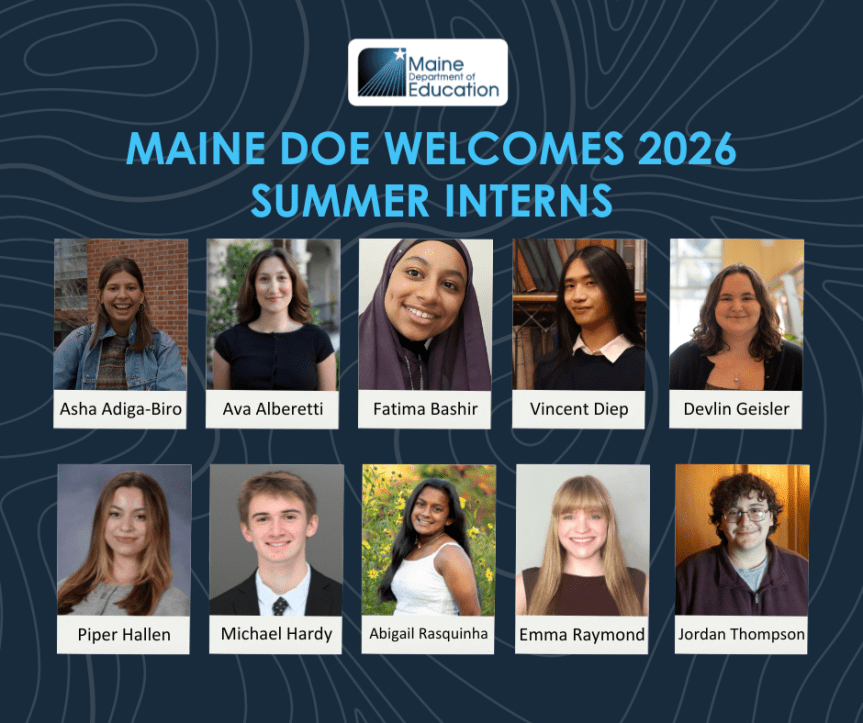
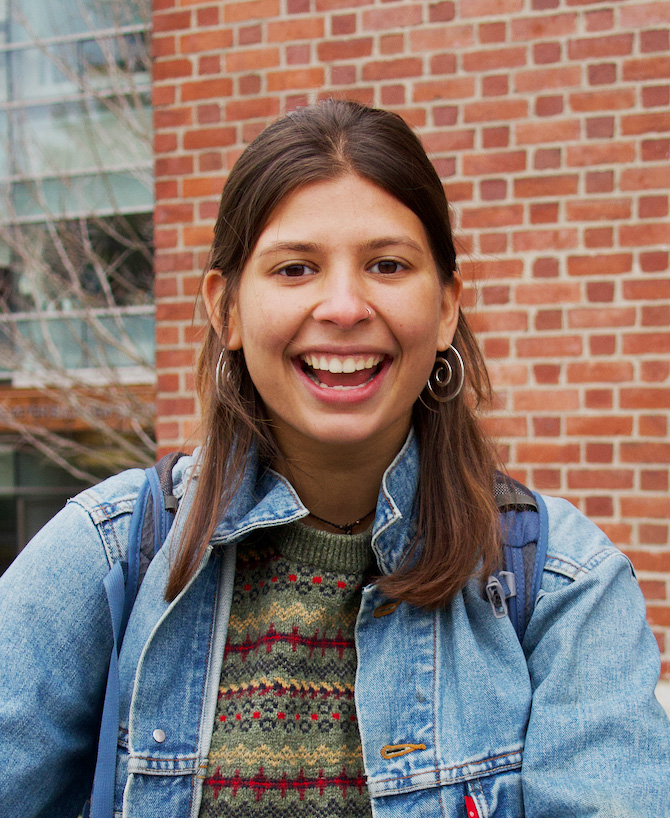
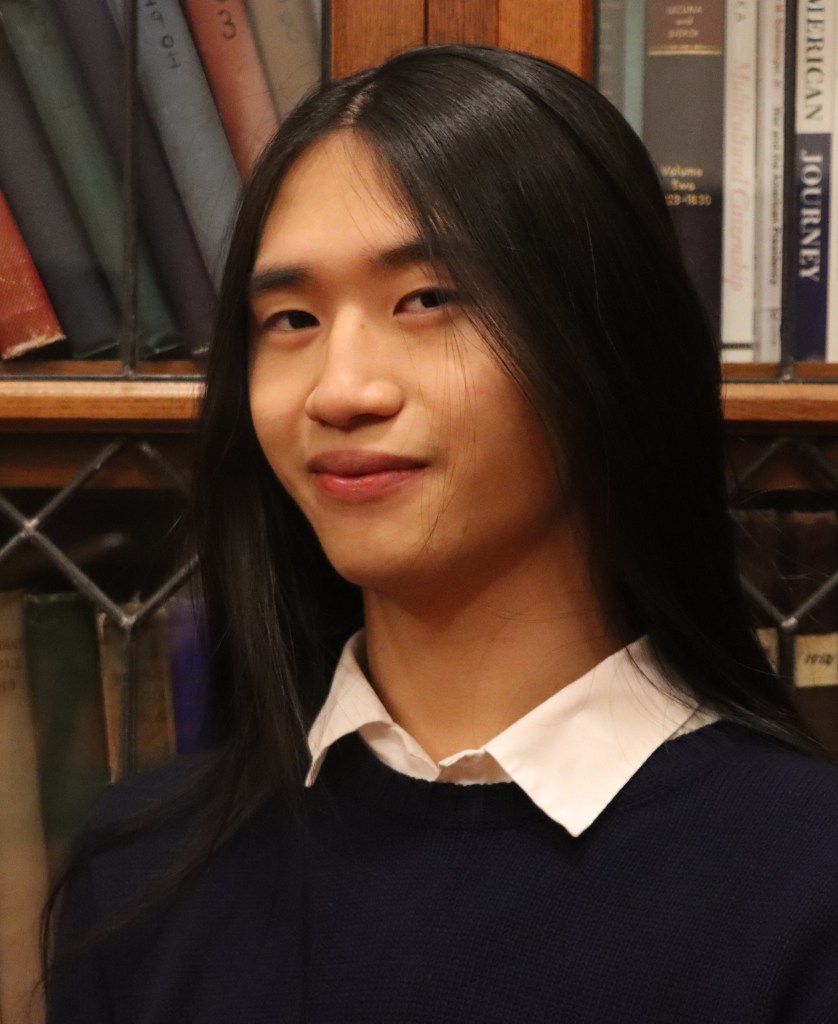
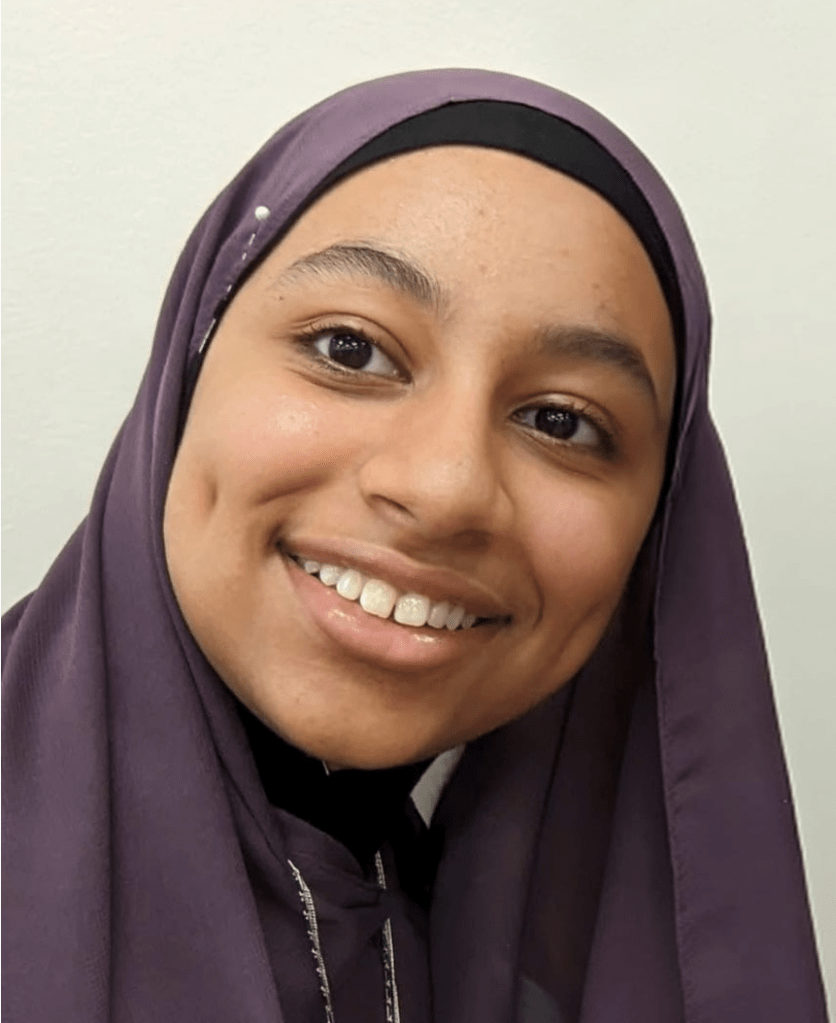
The Maine Department of Education (DOE) recently welcomed 10 student interns to its team. These interns will spend the summer working on several teams within the Maine DOE, bringing a variety of new skills, backgrounds, and experiences to the department.
These internships were made possible by several programs throughout Maine, including the Margaret Chase Smith Policy Center Maine Government Summer Internship Program, the Bowdoin Public Service Summer Fellowships, and other Extended Learning Opportunities. During their time at the Maine DOE, these interns will assist with daily operations at the department, while gaining professional experience, knowledge, and connections.
Maine Government Summer Internship Program Interns
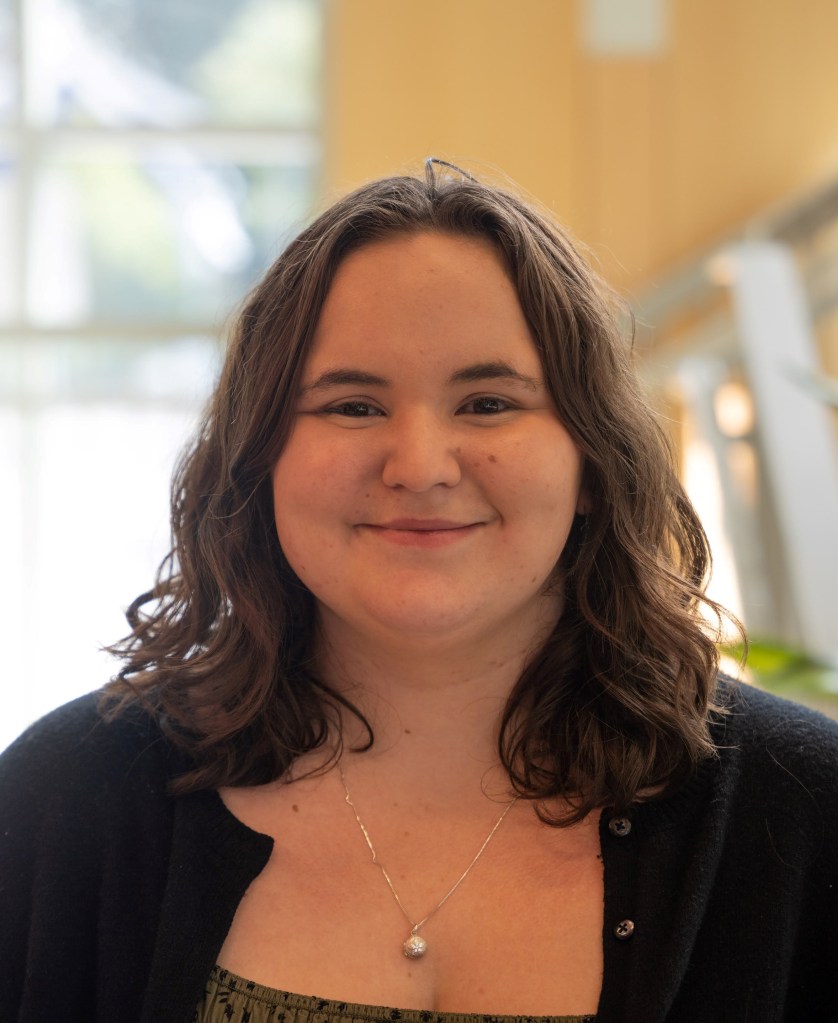
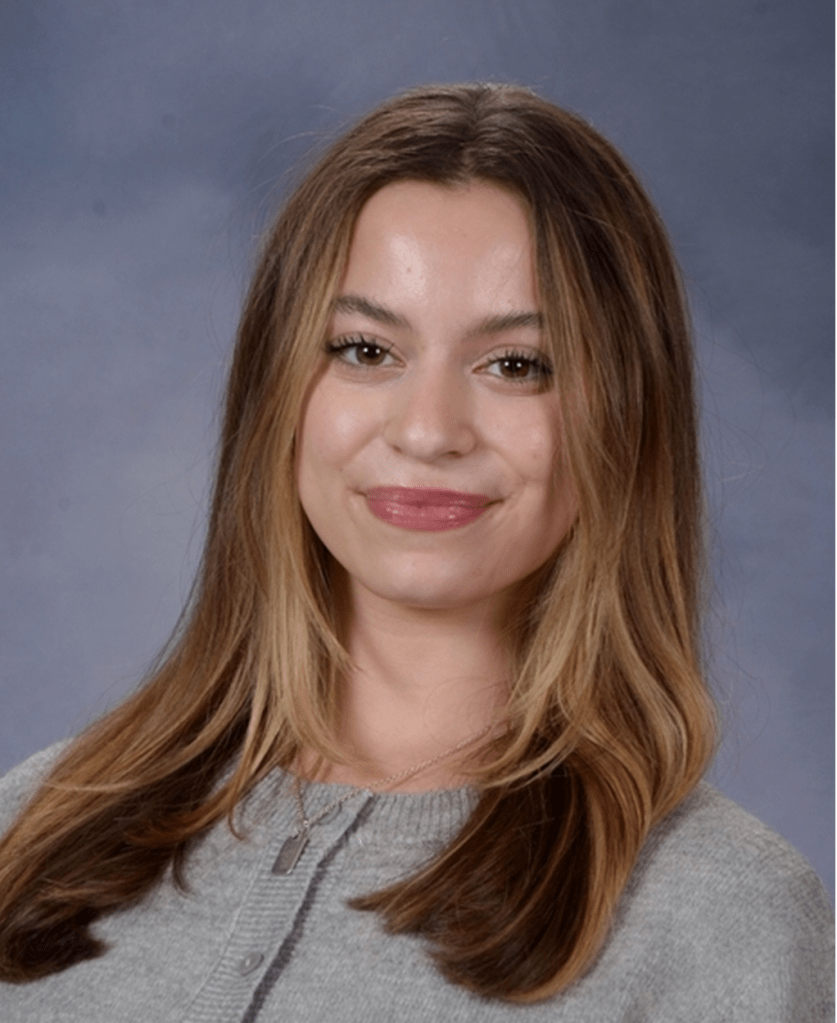
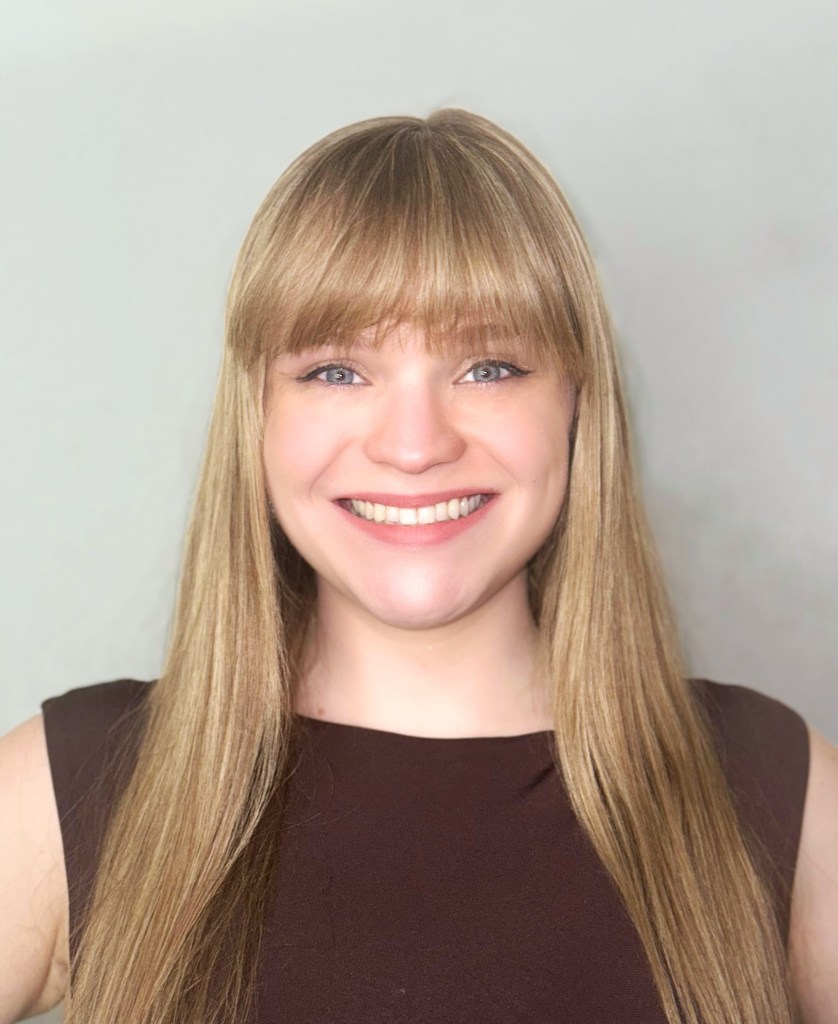
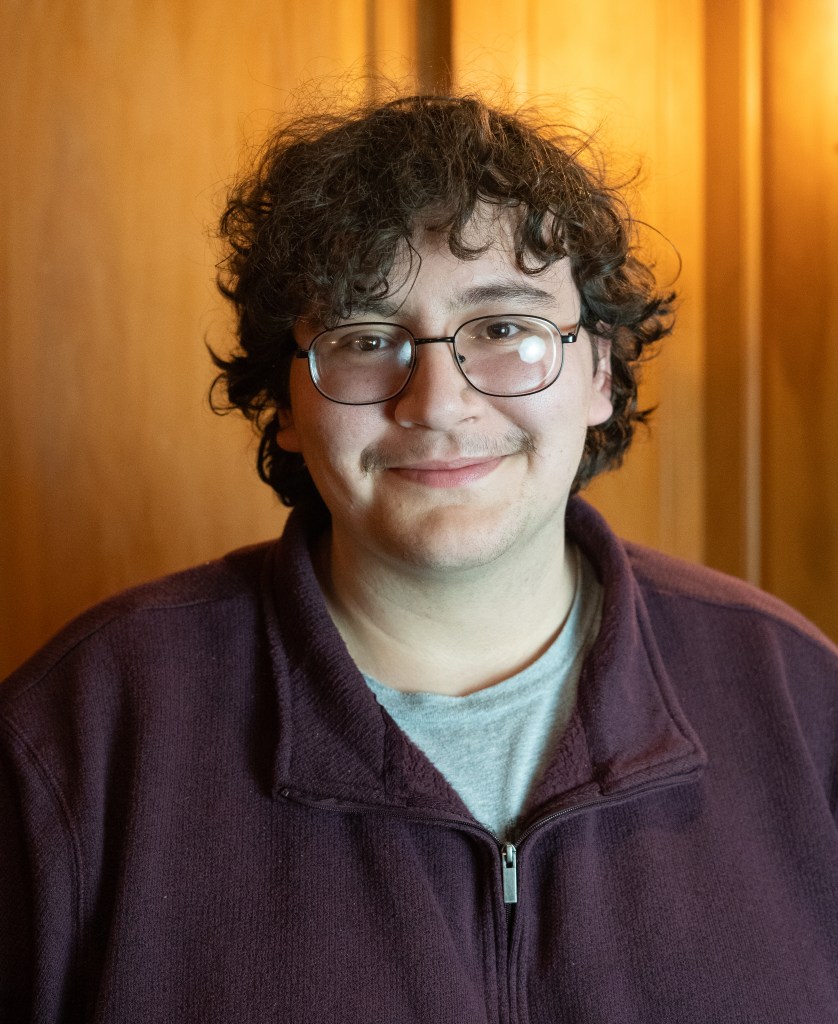
Ava Alberetti is the Operations and Events Intern for the Maine DOE Operations Team this summer. She recently graduated from Scripps College in California with a Bachelor of Arts in politics. Alberetti is passionate about public policy, community engagement, and education advocacy. Outside of school and work, you can find her in the dance or yoga studio, reading fiction, or collaging.
Devlin Geisler is the Communications Intern for the Maine DOE Office of Special Services and Inclusive Education. She recently graduated from Clark University with a Bachelor of Arts in sociology and women and gender studies, with a minor in political science and concentration in peace and conflict studies. She will complete her master’s degree in the upcoming year in public administration. In her free time, Geisler likes baking, reading, and exploring the coast or cities in New England.
Piper Hallen is a resident of Waterville, Maine, and a recent graduate of the University of Connecticut, where she earned her Bachelor of Arts in political science with a minor in public policy. Next year, she will return to the University of Connecticut to complete her master’s degree in public administration while also working as a Legislative Intern for the State of Connecticut. Though passionate about a range of political topics, Hallen is particularly interested in higher education policy and legislative affairs. After completing her master’s degree, she hopes to pursue a PhD program to continue researching higher education accessibility in the United States. This summer, Hallen will be working on the Maine DOE Policy and Government Affairs Team as the Policy Intern.
Michael Hardy is a rising junior at the University of Maine at Orono, where he majors in marketing and minors in theater. He is from Falmouth, Maine. As the Maine DOE Communications Intern, Hardy will create content, such as written articles and videos for social media, to help highlight education-focused events and programs statewide. He is most excited to become involved in meaningful projects around the state. In his free time, Hardy enjoys singing, traveling, and reading.
Emma Raymond is a senior at the University of Maine at Orono (UMaine) studying child development and family relations, with concentrations in early childhood education and French. At school, she is also a student athlete in the cheerleading program and serves as Vice President of Media for UMaine CHAARG, a women’s workout and wellness group. In her free time, Raymond enjoys reading, knitting, and collecting antique cookbooks. She is excited to work with the Maine Learning Technology Initiative through the Maine DOE Learning Through Technology Team as a Data and Media Intern this summer and looks forward to learning more about the government side of education.
Jordan Thompson recently graduated from the University of Maine at Orono with a Bachelor of Arts in English and a concentration in creative writing, as well as a minor in interdisciplinary legal studies. He will be working toward his Juris Doctorate at the University of Maine School of Law this fall. When he isn’t working or taking classes, you can likely find Thompson out taking pictures, reading and writing poetry, or trying to learn to crochet. He is excited to work with the Maine Learning Technology Initiative through the Maine DOE Learning Through Technology Team as a Data and Media Intern this summer.
Bowdoin Public Service Fellowship
Asha Adiga-Biro is a rising junior at Bowdoin College studying English and environmental studies. She will serve as the Seal of Climate Literacy Intern at the Maine DOE this summer. Adiga-Biro grew up in Washington, D.C., and loves playing ultimate frisbee and exploring Maine’s beaches and mountains. She is also trying to visit all 50 states. Adiga-Biro’s dream is to become an ambassador one day.
Vincent Diep, class of 2028, is a rising junior at Bowdoin College with a double major in religion and government. This summer, he will work under Dr. Glenn Cummings, supporting the Green Schools Program through the Maine DOE Office of Innovation. Outside of public service, Diep is often caught hunting for antique jewelry and rare coins or fueling his latest religion research papers with copious amounts of espresso and green tea.
Strategic Partnership Fellowship Interns
Fatima Bashir is the Public Impact Analyst for the Maine DOE Office of Innovation Strategic Partnerships Team. She will be a senior at Gorham High School in the upcoming 2026-2027 school year. Bashir is currently focusing her studies on courses related to STEM (science, technology, engineering, and math). She loves spending time with friends and doing anything related to art.
Abigail Rasquinha is the Outreach Specialist for the Maine DOE Office of Innovation Strategic Partnerships Team. Inthe upcoming year, she will be a freshman at Northeastern University, where she plans to study public health. Rasquinha’s favorite pastimes are spending time with friends and family, as well as playing sports. At school, she runs indoor and outdoor track and plays soccer.
The Maine Department of Education (DOE) is seeking additional applicants to serve on the statewide Numeracy Advisory Council as part of Maine’s ongoing implementation of the Maine State Numeracy Action Plan. | More
The Maine Department of Education (DOE), in partnership with the University of Maine, officially launched Maine’s new interactive Literacy and Numeracy Playbooks during a statewide event held at the University of Maine’s Wells Conference Center in Orono on May 19, 2026. The Playbooks were developed as companion resources to the Maine State Literacy Action Plan and Maine State Numeracy Action Plan, announced last fall. They are designed to support schools and educators in translating a statewide vision for literacy and numeracy into meaningful classroom practice at the local level. | More
The Maine Department of Education (DOE) is pleased to join Volunteer Maine in celebrating the recipients of the 2026 Governor’s Awards for Service and Volunteerism, which, since 1987, have recognized the outstanding individuals, teams, and organizations making a meaningful impact through volunteer service. | More
Island Readers & Writers (IRW) has launched the Maine Storytime Finder, a new online resource developed as part of an initiative to support early childhood literacy. | More
Students at Elm Street School in RSU 16 (Mechanic Falls) have spent the school year learning an important lesson about community, kindness, and helping others — all with the support of some four-legged friends. | More
At Mt. Ararat Middle School in MSAD 75, mornings in the Sheepscot Alternative Education Program begin not with a bell or worksheet but with music. On “Jazzy Tuesdays,” as students enter the classroom, the sounds of Herbie Hancock’s piano drift throughout the room, along with genuine and boisterous welcomes from alternative education teacher John Hawley and educational technician Huey Sheffler. As students find their seats, they settle into a “moment of chill” before the day begins. | More
The Maine Department of Education (DOE) along with several school and community-based organizations continue to advance high-quality, career-connected learning through extended learning opportunities (ELOs) that connect students with real-world experiences, local partners, and emerging career pathways. An example of this work is the Youth Doula Initiative, a three-day community-based ELO that recently engaged 15 South Portland High School students in hands-on learning focused on maternal health, pediatrics, and public health. | More
Registration is now open for ElevatED 2026, a dynamic summer professional learning experience designed to inspire, connect, and support Maine’s education workforce through meaningful collaboration and practical learning opportunities. | More
Educators across Maine are invited to deepen their connection to the outdoors and discover new ways to bring forest-based learning into their teaching during an upcoming Forest-Based Education Workshop hosted by Project Learning Tree (PLT) and the Forest Ecology Research Network (FERN). | More




 Maine DOE Newsroom