The Maine Department of Education (DOE) is pleased to announce the completion of the Community Schools Request for Application (RFA) process for the 2026-2027 school year. This funding is provided pursuant to M.R.S. Title 20-A, §15689-A, under which the Maine Education Commissioner may provide funding to school administrative units (SAUs) to support the establishment of a community school(s).
In the 2026-2027 school year, the following six schools will receive grant funding to support their work in building community schools:
Deer Isle-Stonington High School
Limestone Community School
Gerald E. Talbot Community School (Portland Public Schools)
Cape Cod Hill School (Mt. Blue Regional School District)
South Portland Middle School
South Portland High School
An estimated 5,000 schools across the United States use the community schools strategy to mobilize community resources—such as nutrition programs, counseling services, and extended learning opportunities (ELOs)—to support efforts to remove barriers to student success. Research indicates community schools can improve student outcomes while also being cost-efficient and locally designed and managed. In Maine, more schools are adopting the community schools strategy, thanks in part to the funding provided through the Maine DOE.
“By providing wraparound services for students, staff, and families, community schools focus on making sure every student is healthy, safe, engaged, supported, and challenged,” Maine DOE Director of the Office of School and Student Supports Julie Smyth said. “The Maine DOE is committed to collaborating with state and national partners to grow Maine’s understanding of and support for community schools and looks forward to working with the most recent grant recipients.”
In accordance with M.R.S. Title 20-A, §9923, the Maine DOE is presently permitted to designate up to 10 additional community schools for funding biannually. The next Community Schools RFA will be made available in the 2028-2029 school year.
In the meantime, Maine school leaders can help guide the Maine DOE in supporting the development of community schools by taking this short survey, intended to be used to establish a baseline of challenges facing Maine schools as they adopt, or consider adopting, the community schools strategy. Maine school leaders are encouraged to participate in this survey even if their SAU is not currently operating a community school.
Additional information about community schools can be found on the Maine DOE Community Schools webpage. For more information or with questions, please contact Ann Hanna, Maine DOE Community School Specialist, at ann.c.hanna@maine.gov or Julie Smyth, Director of the Maine DOE Office of School and Student Supports, at julie.a.smyth@maine.gov.
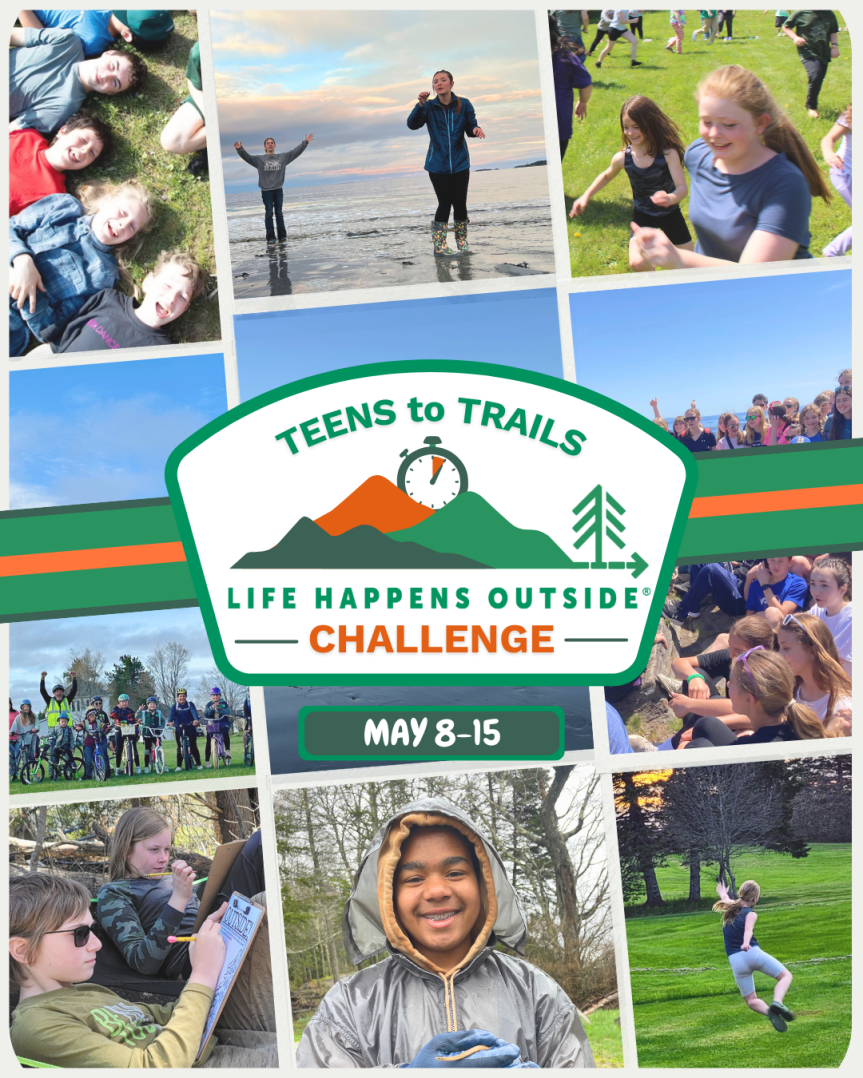
Teens to Trails has brought back its annual statewide challenge for a week of outdoor time in May, with cash prizes for top-participating schools. Last spring, 6,454 Maine middle school students logged nearly 5 million minutes outdoors in a single week. The idea is simple: Time outside is good for kids.
The annual Life Happens Outside® Challenge, organized by Brunswick-based nonprofit Teens to Trails, is scheduled for May 8-15, 2026, and is open to all Maine middle schools serving grades 5 through 8. Participation is free. Schools simply register on the Teens to Trails website and spend as much time outside as possible during the challenge week. Every minute counts, from sports practice and recess to outdoor classes, biking to school, or even doing homework at a picnic table.
A Week Outside, with Real Results
In 2025, 30 schools from 12 Maine counties and one Maine Indian Education school took part in the challenge, collectively recording more than 82,000 hours of outdoor time in just seven days. Students averaged 109 minutes per day outside, up nearly 30 percent from the previous year. Teachers reported that students came back from outdoor time calmer, more focused, and more engaged.
A Falmouth Middle School teacher noted that students and staff were “generally happier after having time outside” and that the challenge “raised awareness of the opportunity to get outside, especially on their own and with their families.”
Students were equally enthusiastic.
“Stepping away from screens and routines gives my brain a reset,” an eighth-grader from Marshwood Middle School in Eliot said.
Another student from Boothbay Region Elementary School, reflected: “I now know that even short moments outdoors make a big difference in how I handle stress and stay focused.”
Cash Prizes for Top Schools
Schools that log the most outdoor minutes per student have a chance to win cash prizes to put toward future outdoor programming. Six schools will be recognized based on school size. In each of three categories (small, medium, and large), first place receives $1,000, and second place receives $500. Winners are announced in late May. Prize funds can be used to support outdoor clubs, purchase gear, and expand nature-based programming.
Why Outdoor Time Matters in Schools
Research consistently shows that time in nature supports children’s mental health, reduces stress, and improves focus and academic engagement. Even short periods outside during the school day can have measurable benefits. The Life Happens Outside® Challenge is designed to make outdoor time a whole-school habit, not just an individual one. When teachers, staff, and students step outside together, it shifts the culture.
“Being outside makes me feel like a better person on the inside,” a student from Bucksport Middle School said.
A teacher echoed the sentiment: “I’ve learned that just 10-15 minutes outside can reset my mood. Small, intentional outdoor breaks make a big difference in how I feel and show up for students and colleagues”.
How to Register
Registration for the 2026 Life Happens Outside® Challenge is free and open to all Maine middle schools. Schools can find the rules, posters, and resources at Teens to Trails | Life Happens Outside® Challenge. The challenge kicks off at noon on Friday, May 8, 2026, and continues through Friday, May 15, 2026, at noon. For more information, please contact Connor Huggins at Teens to Trails at connor@teenstotrails.org or 207-725-0800.
Teens to Trails is a Brunswick-based 501(c)(3) nonprofit dedicated to connecting Maine youth to the outdoors through outdoor clubs, programming, and statewide initiatives. Learn more at Teens to Trails.
The Maine Department of Education (DOE) is pleased to announce the Inclusive Higher Education Grant Program, a competitive funding opportunity designed to expand and strengthen postsecondary education options for students with intellectual disabilities, developmental disabilities, and autism spectrum disorder.
Through this program, grants totaling up to $50,000 will be awarded to institutions of higher education across the state to develop and implement high-quality, inclusive program plans. These programs are intended to ensure that students with disabilities have equitable access to academic coursework, campus life, and meaningful credential pathways, while building the skills needed for competitive, integrated employment and independent living.
Application Information
In the Inclusive Higher Education Grant Program application, applicants must outline how their institution plans to:
Provide inclusive access to academic courses, campus activities, and institutional resources alongside peers without disabilities.
Offer individualized supports that promote full participation, self-determination, and successful outcomes.
Include peer mentoring opportunities.
Support pathways to competitive employment.
Develop meaningful, recognized credentials for program completion.
Align, where appropriate, with federal Comprehensive Transition and Postsecondary (CTP) program requirements.
Design admissions processes that remove traditional barriers, including requirements for a high school diploma or standardized college entrance exams, to allow for Maine public school students to participate in dual enrollment.
Dedicate at least 25% of grant funds to scholarships for participating students.
Demonstrate meaningful engagement with interested parties, including students, families, educators, and community partners, in the development of the proposed program.
Interested institutions of higher education in Maine may apply here.
Awards will be made based on alignment with program priorities. Applications are due on May 13, 2026, and decision notifications will be sent on May 19, 2026. Funded institutions will be required to submit semiannual reports outlining program sustainability, support needs, and evaluation findings, including best practices.
This opportunity is a result of LD 46, An Act to Establish a Grant Program to Increase Postsecondary Educational Opportunities for Students with Intellectual or Developmental Disabilities or Autism Spectrum Disorder.
For additional information or questions, please contact Maine DOE Special Projects for Inclusion Coordinator Tracy Whitlock at tracy.w.whitlock@maine.gov.
MSAD 15 ExCEL students and teacher Laura Fralich support their local community through trail work.
As students at MSAD 15’s Gray-New Gloucester High School settle into their seats for English class, a calm, authentic energy fills the room. Laura Fralich, Expanding Choices for Each Learner (ExCEL) Alternative Education teacher, prepares to begin, having arranged her classroom so that the desks form a circle, and everyone can see one another. She starts each class by asking students a reflective question, intending to build relationships and community, which is the foundation of ExCEL.
This is Fralich’s’s sixth year leading ExCEL within MSAD 15 at Gray-New Gloucester High School. ExCEL is an alternative education program that serves up to 24 students in grades 10-12. It is designed for students whose academic success is strengthened through interdisciplinary and experiential learning in a small, student-centered environment.
Learning Through Experience
In a typical school year, ExCEL has two teachers, but this school year, Fralich has been teaching on her own. Fralich’s students have individualized schedules; some students complete all of their classes in the ExCEL program, while many blend their ExCEL classes with mainstream classes at Gray-New Gloucester High School or at the region’s Career and Technical Education (CTE) program in Portland Arts and Technology High School (PATHS) where students explore and earn certifications in a variety of career pathways. All ExCEL students in the work toward a Gray-New Gloucester High School diploma. Courses are held to the same academic standards as traditional classes, and students must earn the same credits required of their peers.
Fralich’s teaching approach emphasizes hands-on, community-connected learning that is woven throughout the curriculum. She continually ensures that her courses remain rigorous while meeting the diverse needs of her students.
“Instead of teaching five sections of the same course to 100 students, I have 24 students that I get to know over the course of several years,:” Fralich explained. “This allows me to build relationships while creating a curriculum that supports my students’ abilities to access education in a meaningful way.”
Several community partnerships have helped shape the ExCEL curriculum. Funding from Planson International in New Gloucester, and local community members helped establish a greenhouse at the school, which anchors experiential science instruction. Students plant seedlings, design vertical growing systems, experiment with plant-based tie-dying, maintain worm compost systems, and host an annual plant sale. These projects integrate science with sustainability, entrepreneurship, and teamwork.
MSAD 15 students and teachers help to maintain and support the ExCEL greenhouse.
Community connections further enrich student learning. During a recent interdisciplinary study of Black history in Maine, ExCEL students visited Malaga Island and a cemetery at Pineland Farms where residents are buried. Students are currently learning about Indigenous history and will explore Indigenous art at the Portland Museum of Art and attend a Wabanaki storytelling performance at Merrill Auditorium. These experiences deepen students’ understanding through place-based engagement.
MSAD 15 ExCEL students took a trip to Malaga Island.
The arts are also integrated across subjects. In a current poetry unit, ExCEL students are reading and writing original poems and then sewing their work into lap quilts. Students are blending literacy, creativity, and craftsmanship into a meaningful final product.
Connecting Learning to Community
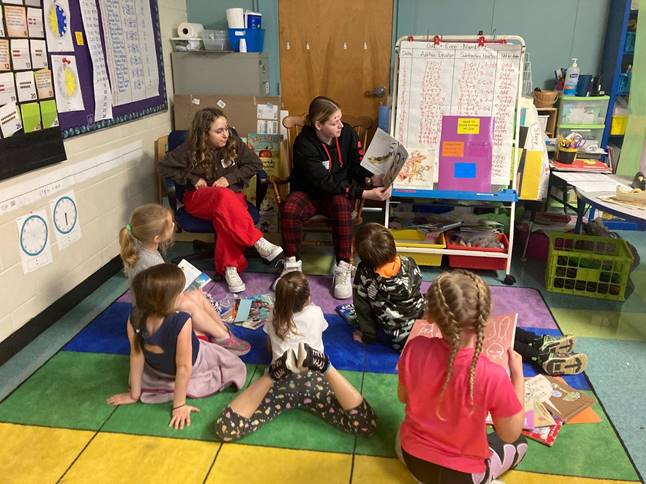
Service learning is embedded in the weekly ExCEL schedule. Each Friday, students volunteer in the community by serving as reading buddies at the local elementary school, helping clean and care for animals at the animal shelter, and visiting residential homes for adults with disabilities to build relationships and foster community connections. These experiences help students develop empathy, civic responsibility, and a stronger sense of connection to their community.
MSAD 15 ExCEL students read to local elementary students.
Building the ExCEL Community
Twice a year, Fralich sends out a request for student recommendations for the ExCEL program. Students are generally referred by school staff, but students can also self-refer. Referrals are reviewed by school-based mental health staff, administrators, and ExCEL teachers. School counselors then meet with interested students to discuss the program and schedule shadow days so they can experience the classroom firsthand and determine whether it is a good fit. These visits also allow prospective students to ask questions of both ExCEL teachers and current students.
ExCEL students frequently cite the program’s smaller setting, field trips, and immediate access to support as key benefits. Most importantly, they describe feeling comfortable and engaged in school because of the program. ExCEL demonstrates that alternative education can uphold high academic standards while centering relationships, student voice, and authentic learning. By creating a structured yet supportive environment, ExCEL keeps students on track for graduation while helping them build confidence and connection.
This story was written in collaboration with Gray-New Gloucester High School (MSAD 15) as part of an ongoing series to highlight alternative education programs across Maine. For more information about alternative education, please visit the Maine DOE Alternative Education webpage or contact Aubrie Howard, Maine DOE Student Success and Wellbeing Specialist, at aubrie.howard@maine.gov. To submit a good news story to the Maine DOE, please fill out the good news submission form.
The Maine Department of Education (DOE) has reviewed feedback provided by the field during the second comment period for the revised master contractual agreement and determined that additional time is required before implementation. As such, the Maine DOE will continue to work with stakeholders from public and private schools to ensure the master contractual agreement is fully executed before the start of the 2027-2028 school year. | More
Established in 1971 by the National Association for the Education of Young Children (NAEYC), the Week of the Young Child® highlights the importance of early childhood education and its foundational role in children’s success. This week also serves as an opportunity to celebrate the early care and education professionals who nurture and support children and families during this critical time of growth and development. | More
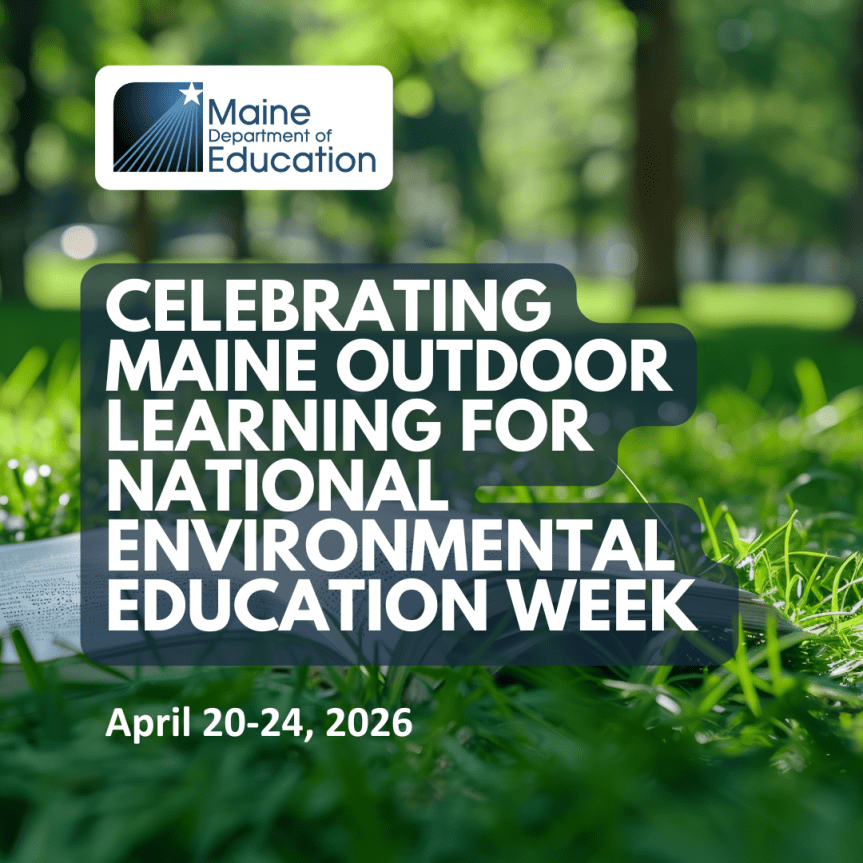
In celebration of National Environmental Education Week from April 20-24, 2026, the Maine Department of Education (DOE) will feature local outdoor education stories on its social media platforms (Facebook and Instagram) and in the Maine DOE Newsroom. | More
At 8 a.m. on a Tuesday morning, just as first period is starting at Sanford High School (SHS), senior Lucas Barrow is already under the hood of a car at Black Bear Automotive in Springvale. He’ll work until 10:30 a.m., drive to Sanford Regional Technical Center (SRTC) for class, and then head back to the shop until 5 p.m. | More
At Mount Abram High School (MSAD 58), a new approach to learning is helping students reconnect with school through experiential, student-centered practices. | More
Maine administrators, educators, coaches, and community partners are invited to mark a major milestone in advancing teaching and learning statewide: the launch of the Literacy and Numeracy Playbooks, an initiative designed to turn vision into action for schools across Maine. The event will take place on May 19, 2026, from 10 a.m. to 2 p.m. at the Wells Conference Center at the University of Maine at Orono. The Maine Department of Education (DOE) Office of Teaching and Learning is hosting this event in collaboration with the University of Maine. | More
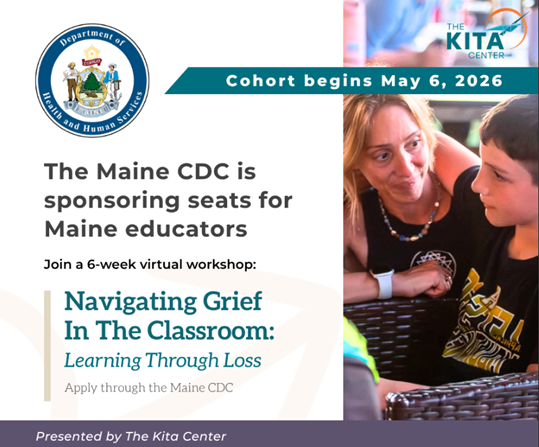
The Maine Center for Disease Control and Prevention (CDC) is sponsoring a limited number of seats for Maine educators to attend The Kita Center’s “Navigating Grief in the Classroom” series at no cost through the upcoming learning cohort, which begins on May 6, 2026, and ends on June 10. This series of weekly, virtual sessions equips educators, counselors, and school staff with the skills to support grieving students with dignity, connection, and emotional literacy. | More
The Maine Department of Education (DOE) Coordinated School Health Team is hosting its biennial School Nurse Summer Institute (SNSI) on July 28 and 29, 2026, at Sugarloaf Resort in Carrabassett Valley. | More
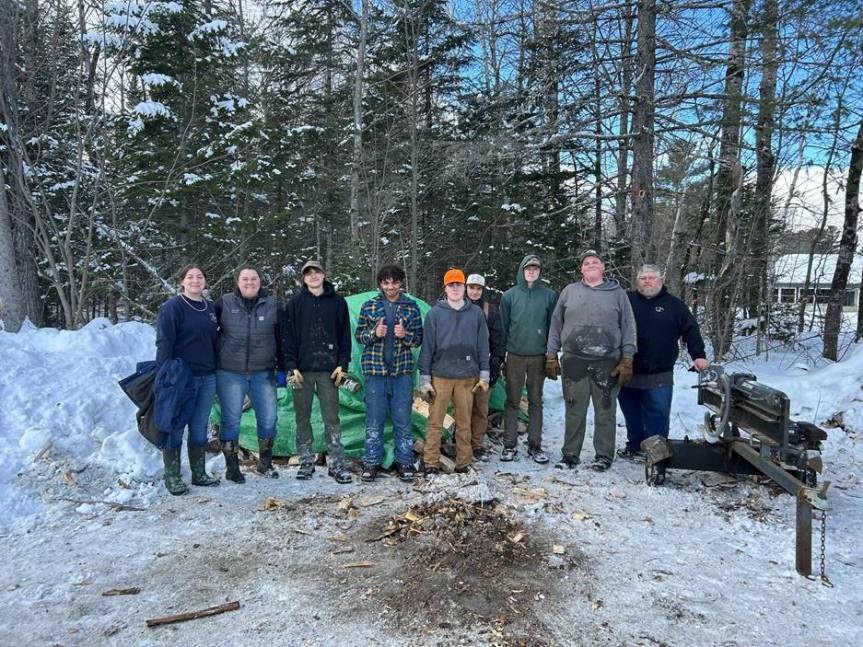
Students and teachers from the Mount Abram Alternative Education Program stacked emergency wood this past winter for the United Methodist Economic Ministry to support the community.
At Mount Abram High School (MSAD 58), a new approach to learning is helping students reconnect with school through experiential, student-centered practices.
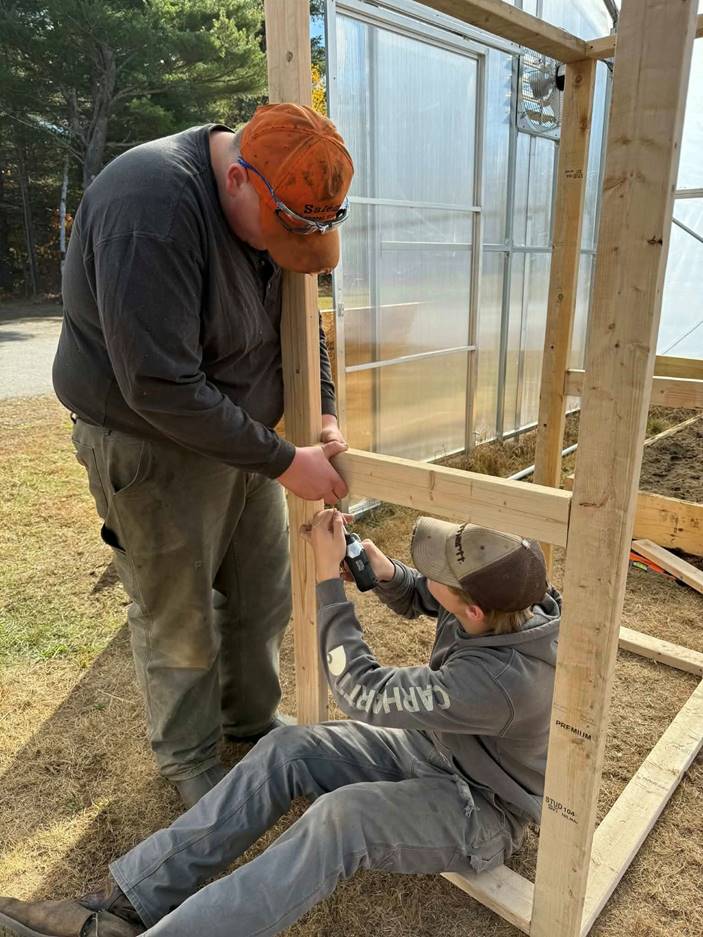
Funding from the Carrabassett Valley Innovative Education Grant Program served as the catalyst for the Mount Abram Alternative Education Program’s launch, supporting the construction of a greenhouse and advancing a clear vision centered on project-based, hands-on learning for students who have become disengaged in traditional classroom settings. In its first year, the program was developed through a collaborative effort involving a former principal, school staff, and special educator Christie Naas, who identified a growing need for a more personalized and supportive learning environment.
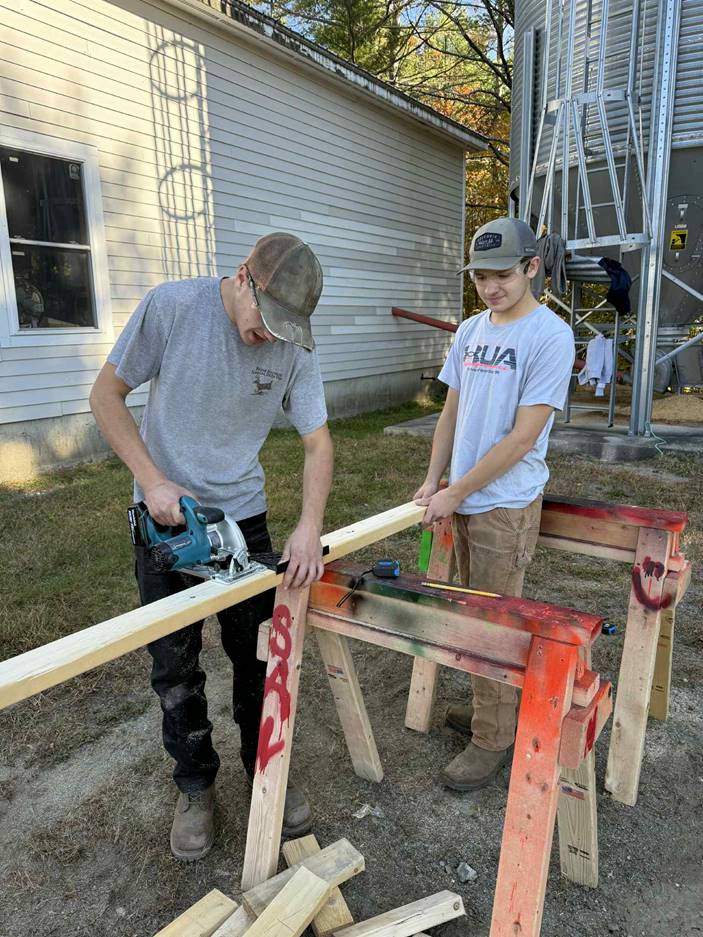
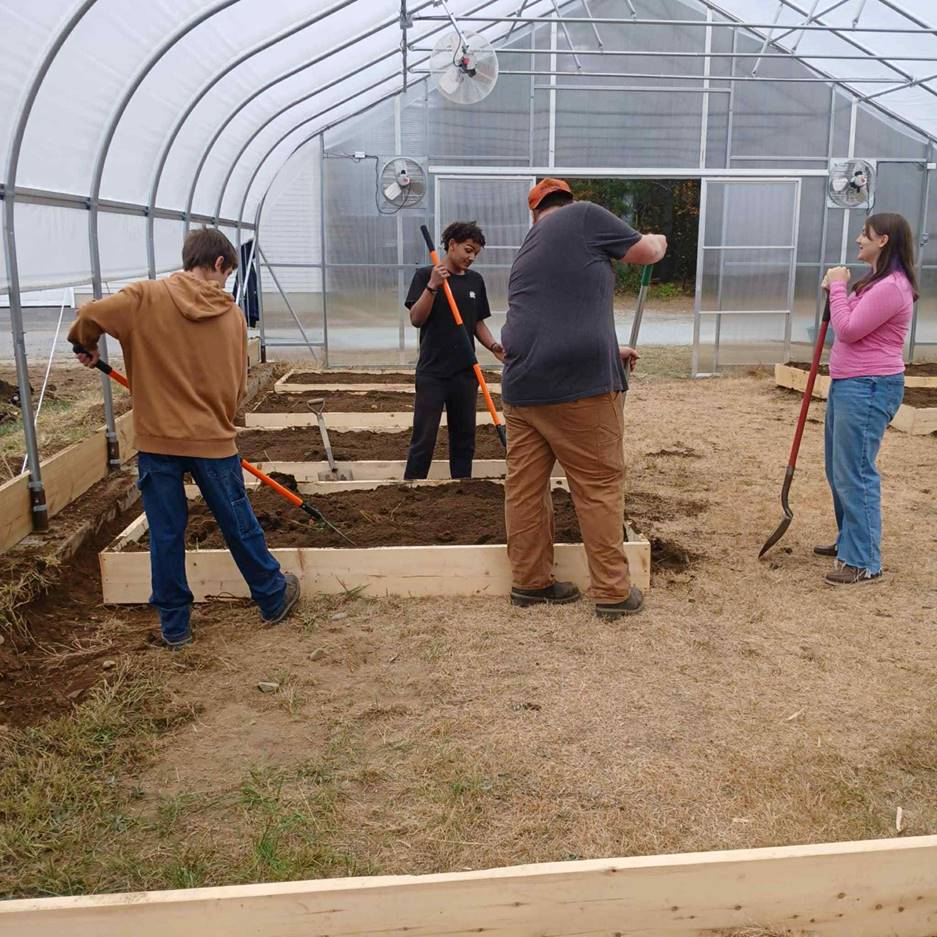
Mount Abram Alternative Education Program students worked together to get their greenhouse ready for use. They designed growing systems, including benches, raised beds, and vertical planting structures. They plan to continue to improve the space throughout the year and for years to come.
A Small Program with Big Impact
The Mount Abram Alternative Education Program currently serves students in grades 11 and 12. The program meets every other day and is staffed by one teacher and one educational technician. In less than a year, students have demonstrated significant academic progress, with several moving from failing grades to honor roll status.
“I didn’t really like school before this,” one student shared. “Here, I actually want to show up. I feel like what we’re doing matters.”
Participating students can earn up to four credits per year toward the 24 credits required for graduation while benefiting from a flexible model that emphasizes relationship-building and individualized support.
Learning by Doing
Grounded in project-based and experiential learning, the Mount Abram Alternative Education Program allows students to apply academic concepts through hands-on work.
In the greenhouse, students have taken ownership of designing and maintaining growing systems, including benches, raised beds, and vertical planting structures. Through a partnership with the Maine Mathematics and Science Alliance (MMSA), students are also engaging with “smart greenhouse” technology, using coding and data collection to monitor plant growth under varying environmental conditions.
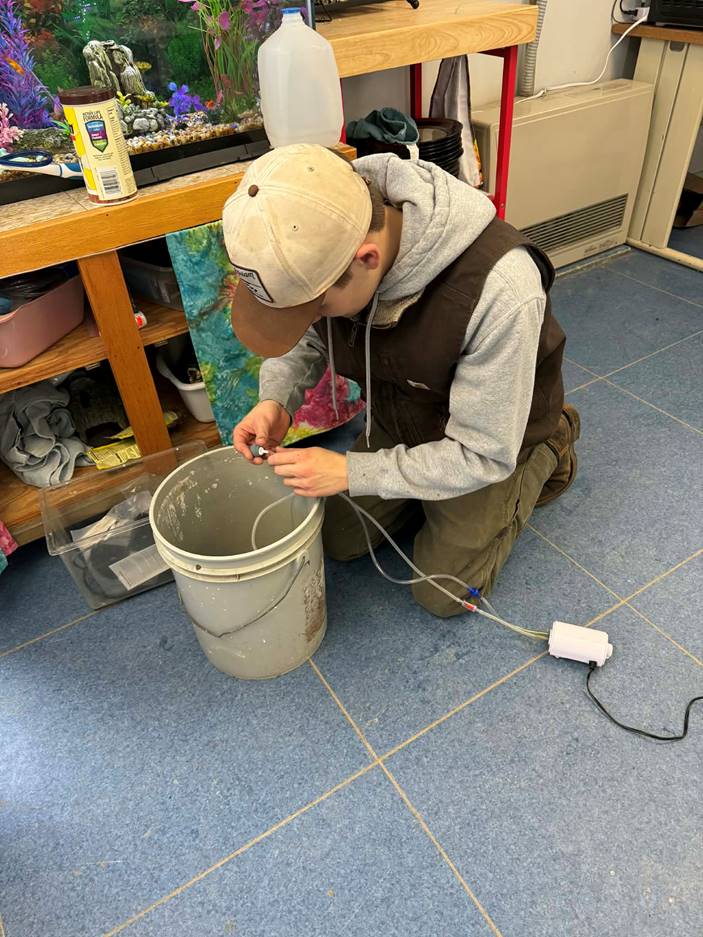
A highlight of the year has been the development of student-designed hydroponic systems. Working within a $15 budget, students plan, build, and test controlled growing environments, integrating science, engineering, and problem-solving skills.
A Mount Abram Alternative Education Program student put together a hydroponic system that he self designed.
Beyond agriculture, students participated in a maple syrup unit that included tapping trees, building stoves, and studying forest ecology. These experiences connect classroom learning to Maine’s natural environment and local traditions.
“The hands-on work changes everything,” Naas said. “Students aren’t just learning concepts; they are applying them right away, which builds confidence and deeper understanding.”
Building Skills for Life
The Mount Abram Alternative Education Program also emphasizes real-world skill development. Students explore topics such as budgeting, taxes, and financial literacy, while gaining hands-on experience through internships and community service. Projects have included cutting firewood and supporting local food pantries, helping students build responsibility and a sense of purpose.
Looking ahead, the program aims to expand its food production efforts, with goals of growing vegetables for community distribution and, eventually, introducing livestock.
A Supportive, Student-Centered Environment
Creating a safe, respectful, and inclusive learning environment is central to the Mount Abram Alternative Education Program’s success. Staff utilize a trauma-informed approach to ensure students feel valued and supported. The small group setting fosters strong relationships, with many students describing the program as “like a family.”
“It feels different here,” a student expressed. “People listen to you. The small class size makes it feel less overwhelming than traditional classes.”
Learning is tailored to students’ interests and needs, encouraging independence, creativity, and critical thinking. By integrating academics with real-world applications, the program helps students see the relevance of their education.
Early Success and Future Growth
In its first year, the Mount Abram Alternative Education Program has already demonstrated meaningful impact. Students are attending more consistently, engaging more deeply in their learning, and achieving academic success. They are also gaining confidence, practical skills, and a renewed sense of connection to their school and community.
Mount Abram High School’s work highlights how experiential, student-centered approaches can transform student outcomes by providing not only a pathway to graduation but a strong foundation for lifelong success. As the program continues to evolve, school leaders are working to formalize a referral process and establish clear participation criteria to ensure that more students can benefit from this innovative model.
This story was written in collaboration with the Mount Abram Alternative Education Program, MSAD 58, as part of an ongoing series to highlight alternative education programs across Maine.To submit a good news story to the Maine DOE, please fill out the good news submission form.
Established in 1971 by the National Association for the Education of Young Children (NAEYC), the Week of the Young Child® highlights the importance of early childhood education and its foundational role in children’s success. This week also serves as an opportunity to celebrate the early care and education professionals who nurture and support children and families during this critical time of growth and development.
The Maine Department of Education (DOE) Early Learning Team, in collaboration with the Maine Department of Health and Human Services (DHHS) Office of Child and Family Services, is proud to celebrate the 2026 Week of the Young Child (April 11-17, 2026) by highlighting outstanding early childhood professionals from across the state. Nearly 200 early care and education professionals statewide were nominated by community members, colleagues, and parents for their hard work and dedication across all sectors of early care and education for children from birth through age eight.
If you know one of the outstanding early childhood professionals spotlighted below, please take a moment this week to thank them for their contributions to our most precious resource and best hope for our future: our children! If you know of another early childhood professional who has made a difference in children’s lives, please take a moment to acknowledge their efforts during the Week of the Young Child.
Nominees have been invited to the Hall of Flags on Wednesday, April 22, 2026, from 9 a.m. to noon for the Maine Association for the Education of Young Children’s (AEYC) Week of the Young Child Celebration.
With questions or for more information, please contact Michelle Belanger, Maine DOE Pre-K Partnership Specialist, at michelle.belanger@maine.gov.
Please join the Maine DOE and Maine DHHS in honoring the 2026 Week of the Young Child Early Childhood Professionals Spotlights:
Heather Ackley Lead Preschool Teacher/Director, Grace’s Busy Bees Learning Center
“There is no investment more important than the foundation that supports the future for our children, and I am grateful to be a part of building that with them through their first years.”
Ashley Allen Second Grade Teacher, Veazie Community School
“I love teaching because of the community we build in our classroom every year, where every child knows they are loved, safe to take risks, and encouraged to show grit.”
Piper Allen Older Toddlers Teacher, Growing Learners Childcare
“I genuinely love making others happy and helping children learn to be their best selves while educating them.”
Rita Bagala Red Room Lead Preschool Teacher, The Children’s Center
“I love teaching young children because it brings me joy to see the excitement on their faces when they solve a problem on their own.”
Bridget Barden Senior Early Childhood Educator, Shunk Child Care
“I love building long-lasting relationships with the children and families I work with. The early years are just as much about supporting families as they are about educating young children. Being someone who families feel safe and comfortable leaving their children with day after day is truly an honor.”
Monique Barrett Ed Tech III, ABLE Program, Chelsea Elementary School
“Every day is an opportunity to meet our students with care and compassion. I love being part of a team that sees and develops each child’s strengths and skills, even while we need to work through behaviors and big feelings that they may be typically defined by.”
Jordan Barter Head Teacher, Coastal Kids Preschool
“I love seeing how much each child can change and grow in a year. The look on their faces when they learn a new skill or master an achievement is one that will always bring a smile to my face.”
Samantha Bickford Pre-K Teacher, A Joyful Noise
“I love seeing children learn through play. It is so fulfilling watching them grasp a new concept and seeing their confidence skyrocket when they succeed. I love knowing that I am helping build a strong foundation for their future.”
Kylie Boardman Serendipity Creek Childcare Center
“Seeing children develop, become independent thinkers, leaders, and more is the most rewarding thing in the world. I also love being a safe space, filled with love and compassion.”
Emma Brewer First Grade Teacher, North Berwick Elementary School
“There are so many reasons why I love my job, but what motivates me every day is relationships. I hope to convey that all my students and families have a forever cheerleader in me.”
Sue Brousseau Infant/Early Childhood Mental Health Consultant, Community Health and Counseling Services
“I love being an early childhood consultant because I get to see firsthand the passion and hard work put forth by early care educators and providers. I get the distinct pleasure in supporting them in their endeavors to provide quality care and education.”
Rita Brown Ed Tech III/ Behavioral Health Professional, Woodfords Family Services – K-5 Special Purpose Private School Program
“I truly love what I do for so many reasons: from working on communication, self-regulation, social skills, life skills, and academics! Even through all the chaos, I truly love what I get to do every day. I couldn’t do it without the amazingly strong team I have in the SPPS classroom.”
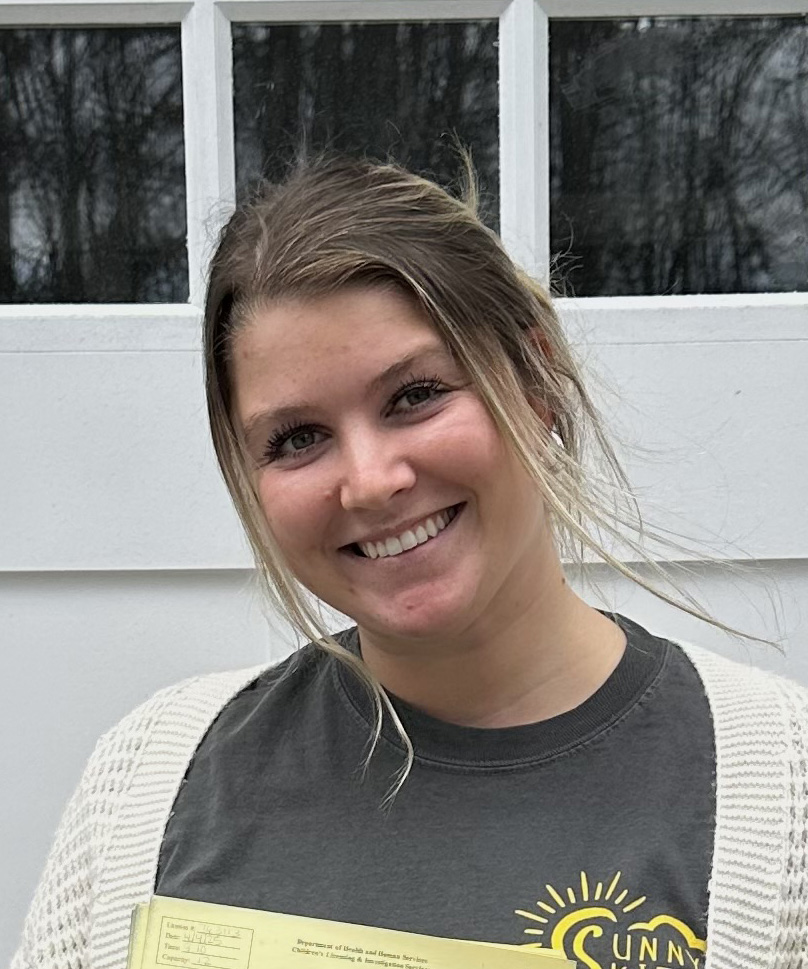
Jordan Brown Owner, Sunny Skies Learning Center, LLC
“I love being able to support families with their childcare needs and have them know that their child is safe, loved, cared for, and learning! The love and passion I have for this job is like no other. It is the most rewarding job.”
Nichole Bryant Pre-K Ed Tech, Elm Street School
“I love working with small children because their curiosity and excitement make every day feel meaningful.”
Amber Caron Southern Kennebec Child Development Corporation
“I love providing a quality program where children feel safe and have fun learning. I love reflecting through the year, thinking about where children started and the progress they have made.”
Pauline Chase Owner/Director, Kids Count Child Care
“I have always LOVED working with children. Working with families and providing care to generations of families completes my circle and fills my heart.”
“Watching kids gain confidence, make friends, and thrive as active participants in their community is the reason we love what we do every day.”
Katherine Connors Director/Preschool Teacher, Western Maine Center for Children
“I love creating a classroom community where children feel safe, valued, and excited to explore the world around them. Knowing that I can help make their early years happy and magical is a responsibility I cherish deeply.”
Terri Crocker Teacher/Director, Creative Play Childcare
“I’ve been truly blessed to watch my community’s families grow for more than 30 years. Seeing smiles, sharing laughter, and building relationships make my heart happy.”
Stefanie Cyr Family Service Worker /Mental Health Coordinator/Health Worker /Eligibility, Recruitment, Selection, Enrollment, and Attendance Specialist/Child and Adult Care Food Program Co-Coordinator, Little Feathers Head Start
“I love what I do because I truly get to help children and families. I build bonds with my families.”
Chloe Dearborn Toddler Teacher, Chickadee Toddler Care and Preschool
“I love to watch my students discover their joy of learning. Every child is born kind and loving learning. They just need some guidance on how to express those feelings.”
Lacey Donle Preschool Teacher, Ready Set Go Learning Center
“It is a joy to share the wonders of the natural world with a new generation of kind and caring humans. Observing and participating in young children’s growth and development is a gift and an honor.”
“Seeing the children I have in my care brings so much joy to me! I enjoy what I do so much and am honored to be trusted by these children’s parents to have them in my care.”
Pamela Dow Pre-K Teacher, Vassalboro Community School
“I love working with young children and teaching them the skills they need to be good friends, to problem solve, and to be ready to learn.”
Alicia Drever Owner, Together Wee Grow
“I love what I do because it allows me to support children during some of their most important developmental years. Being part of the foundation that shapes their learning experiences is both a responsibility and a privilege.”
Esther Evergreen Executive Director, Rangeley Child Care Center
“I love my job because working with our youngest students allows me to help them build strong foundational skills that set the stage for a lifetime of learning and success. Being part of those early moments of growth and confidence is incredibly meaningful, and it continues to inspire me every day.”
Hailey Farrar Lead Infant Teacher, Grace’s Busy Bees Learning Center
“Watching infants grow, reach developmental milestones, and discover the world around them brings me so much joy. Knowing I’m helping lay the foundation for lifelong learning makes my work incredibly meaningful.”
Jen Gerrish Owner/Teacher, Fiddlehead School House
“I get to have a front row seat to tiny breakthroughs and first ‘I DID IT!’ moments – watching that kind of progress is pure magic. And I thrive on building emotional connections with children. Kids are pure, honest, and present. You don’t find that in many workplaces anymore.”
Diana Gonzalez Pre-K Teacher, Space To Thrive
“I love being an early childhood teacher because I get to be part of the very beginning of a child’s learning journey. I enjoy creating a safe, nurturing space where children feel valued, curious, and excited to learn.”
Bronwyn Goodwin Before and After-School Teacher, Creative Explorations
“I love when kids in my care experience new and different ways of doing things. I also love just watching them play, interact, and try to solve problems if they arise and helping them work through the issues.”
Ann Goodwin Owner/Family Childcare Provider, Ann’s Kids Daycare
“I love how a child’s face lights up when they learn something new. I love all the smiles and giggles and hugs. I love watching them grow and learn, and I’m so honored to be a part of their journey.”
“I love being a teacher because I get to watch the kids grow into the amazing, kind, caring, and smart individuals that they are. The kids don’t just learn from me; I also learn from them every day, as well.”
Brianna Hansen Lead Early Head Start Teacher, York County Head Start
“I love seeing the children grow and change. I love seeing them reach their milestones and learn new things. I also love the smiles on their faces when they are in the classroom, and I love interacting with them.”
Emily Hartford First Grade Teacher, Margaret Chase Smith Community School
“I love what I do because I get to create a little bit of magic for my young learners every day. First grade is a place filled with wonder, where our class community builds meaningful moments that students will carry in their hearts for years to come.”
Thania Hernandez Director/Owner, Mis Primeros Pasos My First Steps
“I truly enjoy working with children because every day I get to witness their growth and development, both big and small. Children naturally love to learn, and I love being able to help them develop a lifelong love of learning.”
Morgan Hunnewell Educare Central Maine
“I love working with children because they just light up my day with their little faces, their personalities. They are just a joy! Being able to help them grow into themselves/ watching them grow up is just a blessing.”
Tyler Jacobs Pre-K Educator, Space To Thrive
“I love working in early childhood education because it is incredibly rewarding to watch the younger generation discover new things, build confidence, and develop important skills that will help them throughout their lives.”
Lisa Janke Pediatric Therapy Preceptor, Andwell Health Partners
“I love being able to positively impact the lives of my patients, as well as their families. Providing them the interventions, connections, and tools to achieve the best outcomes possible has always been my goal with each patient/family that I work with.”
Amanda Keddy Owner, Mandi’s Munchkins
“Setting our children up for success and happiness means the world to me, and I take huge pride in doing so.”
Kaela Kee Eco Educator, Kidz Go Eco Nature School
“I love and find joy in being an early childhood educator because I am able to be a member of something so great and magical. Fostering nurturing relationships, promoting a love of learning, and witnessing growth in each and every one of my students is endlessly rewarding and soul-fulfilling.”
Meredith Kelley K-Prep Teacher, Growing Learners
“Creating a fun, safe, and nurturing environment where children feel excited to come to school each day is what drives me most. Hearing their giggles and squeals as they discover something new in a classroom I’ve created is what truly makes me love what I do.”
Erin Lauzier Site Director, Creative Explorations
“I love what I do because it allows me to create a space where children can explore, imagine, and grow. Knowing that the environment I help build supports not only the children but their families and community makes the work deeply meaningful.”
Devyn Legassey Assistant Director, Laugh and Learn Academy
“I love working in childcare because I love being able to make a difference in the children’s lives. Being able to come to work every day and see the difference you are making is amazing.”
Karen Lin Lead Teacher, Gorham Cooperative Preschool
“I love watching the ways children interact with their environment and each other. Supporting their natural desire to explore and learn is at the heart of what I do. The joy, curiosity, determination, honesty, and creativity I witness every day is heartwarming.”
Jamie Lippman Owner, All About Kids
“I LOVE teaching kids and enabling them the freedom to be themselves in a safe and nurturing environment. Building lifelong bonds with kids and families has been the biggest reward.”
Myranda Martin Teacher, Little Log Cabin Montessori School
“I love being a Montessori teacher because I get to witness children become confident, capable, and curious in their own unique ways. Supporting their independence, honoring who they are, and watching those small everyday breakthroughs is incredibly meaningful to me.”
Eliza Mathis Preschool Teacher, Roselyn North Academy
“I love being a preschool teacher because of the growth and development I see in my students throughout the year. Experiencing the excitement that comes with their discoveries and growth inspires me to make learning meaningful and joyful every single day.”
Kylie Mayberry Infant and Toddler Teacher, Educare Central Maine
“I love what I do because fostering positive, supportive relationships with young children helps set the foundation for their lifelong learning and success. Knowing that my work may inspire future caretakers of our planet makes my role feel both meaningful and purposeful.”
Cassidy McLeod Lead Infant Teacher, Grace’s Busy Bees Learning Center
“It’s such a rewarding job getting to see the kids each day and seeing how much they’ve grown. I’ve worked with children for years, and it’s a job I never want to stop.”
Mary Melanson Chickadee Childcare
“I love what I do because I get to shape a learning environment where children, families, and educators feel supported and valued. Watching children grow in confidence and educators grow in their practice reminds me why this work matters.”
Melissa Michaud First Grade Teacher, North Berwick Elementary School
“I love teaching because every child deserves the opportunity to grow, learn, and feel successful. Watching students develop not only academically, but also as kind and thoughtful people, is what makes teaching so special to me.”
Sam Miller Co-Lead Toddler Teacher, Children’s House Montessori School
“I love being able to be along each child’s learning journey. To follow each child’s interests and witness their innate desire and curiosity to learn is such a gift.”
Sara Moore Pre-K Teacher, Roselyn North Academy
“Showing up for the youngest generation and making a difference in their lives means the most to me for several reasons. Seeing their little minds grow and knowing you’ve helped shape them is a feeling of gratefulness that’s hard to find anywhere else.”
Ashlynn Moorehead Little Log Cabin Learning Academy
“I love seeing the children grow, explore, and develop a love for learning. It brings me so much joy to support and guide them as they persevere through challenges, learn new skills, and form meaningful friendships.”
Shaylie Morrison Assistant Lead Teacher, Woodfords Family Services
“I love what I do because even on the hardest days, there is something to celebrate—whether that be as small as having a great dance party as a class, or as big as a kid saying a new word or using a coping skill independently.”
Marin Murphy Director, Roselyn North Academy
“I love working with young children because of the joy and curiosity they bring to each day. Being part of their earliest learning experiences and watching them learn and grow with confidence is incredibly meaningful to me.”
Martina Nikolova-Graffam Owner/Director, Precious Pumpkin Patch Family Daycare
“Working in childcare is deeply meaningful to me because the early years of a child’s life are so important. I love creating a safe, nurturing environment where children can grow, explore, and build confidence.”
Megan Norton Lead Preschool Teacher, Woodfords Family Services
“Every day, I have the opportunity to see kids be successful and make progress in their educational experience. I love being a small part of every kid’s community of support, and I am honored to watch them grow and learn.”
Mackenzie O’Brien Kindergarten Teacher, Edna Libby Elementary School
“I love kindergarten and the amount of growth they make in one school year. I love fostering daily conversations around empathy and integrity, and my favorite thing is watching them be kind to one another just because they want to be.”
Cally Pelletier Lead Outdoor Teacher, The Learning Loft Preschool
“I love being in the moment with my preschoolers, exploring and igniting curiosity outside. I love when the children who I work with love coming to school as much as I do. Getting to spend time with them in these precious early years is such a gift.”
Nicole Perry Teacher of Children with Disabilities/Case Manager, Stepping Stones Preschool (CDS)
“I love giving students a positive learning experience for the first time! Seeing kids come to school excited to play and learn brings me the greatest joy. Working in special education, we usually have a large team for each student, and being a part of a team that is invested in growth and has a genuine love for each child is truly amazing.”
Jessica Phillis Childcare Director, Boys and Girls Clubs of Kennebec Valley
“I love what I do because every day we make a difference. To see the happy faces of the children as they grow, learn, and overcome challenges is the most rewarding part of the job.”
Kaitlyn Poirier Head Preschool Teacher, Stepping Stones Early Learning Center
“What I love most about working with children is watching their curiosity bloom inside the classroom and being a part of so many important ‘firsts,’ from tying shoes to making new friends.”
Carolann Prescott Owner/Occupational Therapist, Pine Tree Occupational Therapy
“I love what I do because I get to show children and families that they are already whole and worthy, exactly as they are. Every day I’m reminded that when we lead with relationships and trust, children rise in ways that can’t always be measured but can always be felt.”
Lillian Pugsley Director, Kids Count Child Care
“I love what I do for so many reasons. Making core memories for the children that will last a lifetime is one of my favorite things about it! Childcare is the most rewarding career, and I couldn’t see myself doing anything else.”
Kathleen Rakes Program Lead/Lead Infant Teacher, A Joyful Noise Preschool Lower Village
“I love what I do because I love connecting with the families, building trust, and forming a community, a village, and a safety net to support one another.”
Billie-Jo Reed Pre-K Teacher, Manson Park School
“I love to be the youngest learner’s first teacher, focusing on making the first year of their school journey fun and engaging, in hopes they enjoy school and want to return. I want to be a positive role model and support each individual child to grow, develop, and be as successful as they can be.”
Ashley Roberge Co-Director, Barnyard Family Daycare
“I love knowing that every day will be a new learning adventure. What other career lets you stomp like dinosaurs to the wheels on the bus, with dress-up shoes, in a conga line?”
TawneeRoberts Infant and Toddler Teacher, Educare Central Maine
“I love what I do because I am making a positive impact on the lives of children. I love watching the children I work with grow every day discover their personalities and interests. I love being able to provide comfort and support to the children in my classroom, as well as their families.”
Sara Rose Owner/Teacher, Rose Garden Preschool & More
“I feel privileged to work with families, sharing my experiences and learning from theirs. Witnessing each child’s talents emerge is a gift I deeply cherish.”
Monique Roy Whitcomb My Friends Montessori
“I love being a Montessori teacher because I get to witness the natural wonder children bring to learning each day. Watching those small moments unfold is what makes this work so meaningful to me.”
Olivia Schanck Director of Early Childhood Services/Lead Classroom Teacher, Step Forward Center of Courageous Steps
“I love watching children gain confidence, develop functional communication skills, and feel a true sense of belonging. I love fostering a community of trust and care between my staff and the families we are supporting to ensure that every day feels purposeful and deeply impactful.”
Alexandra Shampine Ed Tech/Behavioral Health Professional, Woodfords Family Services – Special Purpose Private School
“My goal each day is to have these children I work for feel like a typical kid, like a wanted student, like a part of a team, moving forward to make life just a little easier. The greatest joy of all is when a student arrives in the morning with a smile, seeing my genuine joy when they arrive, knowing and trusting that even though we walk (or run!) through the challenging times together, we are still a team, and I still can’t wait to see them every day.”
Emily Smith Director, L’Ecole Francaise du Maine
“The work I do every day is enjoyable because it is rooted in my true self and purpose, my values, beliefs, and background. My favorite part of my job is simply being there for families and feeling a part of a living community.”
Katrina Terry Director of Operations, All About Kids
“I love what I do because of the positive impact I can help make within early childhood education.”
Kristen Thompson Owner, Little Pepper’s Playcare
“Working with children is truly one of the most rewarding callings there is. They teach us lessons in love, patience, and the true meaning of life that can’t be learned anywhere else. Investing our time and hearts into children is one of the most powerful things we can do for our world.”
Brenda Tooley Pre-K Teacher, Harrington Elementary School
“I love being a safe environment for my students. I am excited each year to be their first ‘school’ experience. I love building strong relationships with my students and parents.”
Kayla Walsh-Greenleaf First Grade Teacher, G.D. Cushing School
“I love being a first-grade teacher because I get a front-row seat to the magic of discovery, whether it’s a breakthrough in reading or a proud moment of social growth and problem-solving. Building these deep, foundational relationships is truly the heart of my work, and there is nothing I would rather do.”
Jasmyn Watt Lead Preschool Teacher, Sanford-Springvale YMCA Early Learning Center
“I love watching children in my care grow up to be strong, independent selves who can be confident and capable of whatever they love to do or be. I like to be the smiling, positive role model for the children in my care.”
Stephani Watters Lead Teacher, Seedlings to Sunflowers
“I love being a teacher because I get to witness growth every single day. Watching children learn, change, and gain confidence reminds me why this work matters. I believe deeply in their future, and I love knowing that the impact it makes helps prepare them for what lies ahead.”
Michelle Whitten Owner, The Back Cove School
“I love what I do because of the amazing children and families I meet. It’s rewarding to see children become independent, confident, kind, and lovable. At The Back Cove School, we give them the foundation and then the wings to fly.”
Loyann Worster Pre-K Teacher, Veazie Community School
“I love teaching young children mostly because they are so fun and always hilarious. At this young age, the learning is so visible, and you really get to see your students grow up right before your eyes.”
Elise Young Lead Toddler Teacher, Children’s House Montessori School
“It is such a gift to work with young children. I am constantly drawn back to the present moment and inspired by the joy and wonder that I get to witness. The future is truly in good hands, and quality early childhood education is a pathway to a peaceful world.”
Natasha Beckwith Manager/Toddler Teacher, Little Ones Learning Center
“I love being able to teach all of my children to be caring and socially and emotionally supported at all times.”
Mickie Cyr Pre-K Teacher, Little Pine Tree Early Learning Center
“I love watching children learn and being a part of a child’s educational journey. To me, the most rewarding part of being a teacher is watching when a child achieves that ‘ah-ha’ moment, and knowing I had a part in it is a blessing.”
Linda Desroches Family Support Specialist, Assistance Plus
“I love helping others and seeing people succeed and thrive.”
Tonya Doucette Owner/Director, Sunshine Family Daycare
“You get to build special bonds with the children and their families, becoming an important part of their lives.”
Michelle Duprey Kindergarten Teacher, RSU 19
“You get a front-row seat to transformation. Watching a child go from shy and unsure in September to confident and capable by June is powerful.”
Natasha Dyer Teacher, Roselyn North Academy
“I love watching the children grow and get excited when they accomplish something new.”
Elise Forte Kindergarten Teacher, North Berwick Elementary School
“I feel so fortunate to be a kindergarten teacher and one of the first people to set a positive tone for a lifetime of learning. My students are the best part of every day, and they bring so much joy to my life.”
Erin Kelleher Chickadee Toddler Care and Preschool
“I love working with children and watching them learn organically through play. I love watching their eyes light up when they laugh. Most of all, I love coming to work and being greeted by both students and staff with such warmth and humor.”
Rose Langone Lead Infant Teacher, A Joyful Noise Preschool and Childcare Center
“Being able to be a part of these children’s journeys is so rewarding. There’s no feeling comparable to seeing the progress my students make every day, knowing I helped them get there.”
Kelsey Palmitessa Preschool Teacher, Curtis Lake Church Early Learning Center
“I love listening to their stories and getting to know my kiddos. I love creating a safe space for children to explore, to fail, to try again, to learn, to grow, and to love.”
Belinda Shorey Owner, Piggly Wiggly Daycare
“I love what I do because I can be silly, nurturing, supportive, playful, firm, and creative all in a day. I would not want to do anything else.”
Rachel Thompson Speech-Language Pathologist, Andwell Health Partners
“I love celebrating every little skill that a child attains. It could be something as simple as signing ‘more,’ selecting a picture independently to indicate what they want to interact with, or the more emotional milestones like saying ‘mama,’ ‘dada,’ or ‘I love you’ for the first time. It’s an honor to be a part of each child’s early learning journey.”
Ellen Towne Assistant Principal, Kennebunk Elementary School
“I have always loved working with young children and believe that they are incredibly insightful and capable when we provide the appropriate setting for them to succeed.”
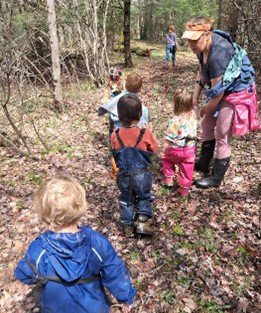
Maine schools are creating meaningful, empowering outdoor learning experiences, whether the adventure into nature is big or small. Across the state, students and their teachers are tapping maple trees, exploring trails, cultivating school gardens and aquaculture lines, observing animal signs in the snow, and so much more.
In celebration of National Environmental Education Week from April 20-24, 2026, the Maine Department of Education (DOE) will feature some of these local outdoor education stories on its social media platforms (Facebook and Instagram) and in the Maine DOE Newsroom.
Outdoor learning is a crucial component of every student’s educational experience. It not only allows kids to build a lasting relationship with nature but also benefits students’ social-emotional and academic capacities. Research indicates that reported benefits of learning in natural outdoor settings include increased student engagement, academic improvement, and development of social and collaborative skills.
The Maine DOE continues to champion outdoor and environmental education and the powerful impact it can have on students’ social, emotional, behavioral, and academic learning. Stay tuned to learn more about the innovative outdoor learning happening across Maine!
For further questions about outdoor learning initiatives, please contact Maine DOE Climate Education Specialist Teddy Lyman at theodore.lyman@maine.gov.
A new chapter in Maine’s literacy and numeracy journey is set to begin with action, collaboration, and celebration.
Maine administrators, educators, coaches, and community partners are invited to mark a major milestone in advancing teaching and learning statewide: the launch of the Literacy and Numeracy Playbooks, an initiative designed to turn vision into action for schools across Maine. The event will take place on May 19, 2026, from 10 a.m. to 2 p.m. at the Wells Conference Center at the University of Maine at Orono. The Maine Department of Education (DOE) Office of Teaching and Learning is hosting this event in collaboration with the University of Maine.
As Maine continues to implement its statewide Literacy and Numeracy Action Plans, the need for practical, accessible tools has been clear. The newly developed Playbooks serve as companion resources that translate strategy into practice, offering actionable tools, real-world examples, and tiered guidance to support educators, school administrative unit (SAU) teams, and school leaders.
Developed through a collaborative process with input from practitioners across the state, the Playbooks reflect a shared commitment to evidence-based practice and continuous improvement. Designed for flexibility, they support SAU planning, intend to strengthen classroom instruction, and align local efforts with statewide priorities.
Participants at the launch will engage in an interactive day designed to bring the Literacy and Numeracy Playbooks to life. The event will include:
Opportunities to explore the Playbooks in depth.
Interactive engagement with the Genially tool aligned to roles and supports within the Playbooks.
Time to collaborate with educators and partners from across Maine.
Time to identify actionable next steps for the upcoming school year.
Space is limited to 50 literacy and 50 numeracy participants. Lunch will be provided. Those interested are encouraged to register as soon as possible using this link.
By creating space for connection, exploration, and planning, this event reflects Maine’s ongoing commitment to ensuring all educators have the tools and support needed to advance literacy and numeracy for every student.
With questions, please contact Kathy Bertini, Maine DOE Interdisciplinary Instruction Team Coordinator, at kathy.bertini@maine.gov.
The Maine Center for Disease Control and Prevention (CDC) is sponsoring a limited number of seats for Maine educators to attend The Kita Center’s “Navigating Grief in the Classroom” series at no cost through the upcoming learning cohort, which begins on May 6, 2026, and ends on June 10. This series of weekly, virtual sessions equips educators, counselors, and school staff with the skills to support grieving students with dignity, connection, and emotional literacy.
Participants will learn to understand grief in the school setting, strengthen self-care practices, foster belonging, practice dignity-centered communication, and create emotionally safe spaces for students. Workshops include hands-on reflection activities, practical strategies to use immediately, and opportunities to connect with a supportive learning community. Developed by a psychologist and former educator specializing in grief, loss, and suicide prevention, this series helps staff respond to grief in the classroom with confidence, compassion, and skill.
Steven Karaiskos, PhD, will facilitate this six-part, virtual series. Workshops run on Wednesdays from 4-5:30 p.m. between May 6 and June 10, 2026.
Maine educators interested in this professional development opportunity are encouraged to apply using this form. Please contact mary.c.caron@maine.gov with any questions.















































 Maine DOE Newsroom