
During a virtual discussion with iconic singer-songwriter Dolly Parton at the National Governor’s Association today, Governor Janet Mills announced that the State of Maine is launching a statewide expansion of Dolly Parton’s Imagination Library in 2023.
The Imagination Library of Maine will mail high-quality, age appropriate books to children from birth until age five every month, no matter their family’s income. The program is dedicated to improving the lives of children by inspiring a love of reading with books, and is free to enrolled children and families.
As part of the recent bipartisan budget, Governor Mills proposed, and the Legislature approved, a $200,000 investment to implement the program, which will be administered by the Maine State Library. Together, The Dollywood Foundation and the Maine State Library will develop an implementation strategy this year with local libraries, community non-profits, the Maine Department of Education, and school systems – to establish and expand the program in the coming years. By the end of 2023, the State of Maine and the Imagination Library hope to have sent an initial 106,000 books to more than 14,000 children across Maine.
Maine is the 13th state to commit to achieving statewide coverage of the program.
“We know the simple act of reading to a child stimulates brain development, reduces stress and anxiety, builds vocabulary, and develops the literacy skills they’ll need to succeed in school and beyond,” said Governor Janet Mills. “Today, we are taking another step forward to help make that happen by delivering books free of charge to Maine kids. Maine is proud to join the family of states that participate in the Imagination Library. On behalf of all Maine children who will be served by this program in the years to come, I thank the one-and-only Dolly Parton.”
“The Maine State Library is excited to be able to administer this program that will eventually connect tens of thousands of families and Maine children with wonderful books sent right to their homes,” said State Librarian James Ritter. “Working with Maine’s libraries and other organizations, we will have the opportunity to foster and grow generations of young readers through the Imagination Library, and for every child that learns to read, we know we are helping to build a community of lifelong learners.”
The Imagination Library builds on the Mills Administration’s commitment to increasing childhood literacy in Maine, including investing $10 million through the Governor’s Maine Jobs and Recovery Plan to create and expand pre-school programs across Maine.
The Administration is also creating “Literacy for ME 2.0” to revamp its statewide literacy plan and the Maine Association for Improving Literacy to mobilize a network of educators who are committed to supporting statewide literacy efforts.
This summer, the Maine Department of Education will also be hosting its first ever Educator Summit to train our teachers in the most effective, evidence-based practices for increasing childhood literacy. Every year, the Department also sponsors the statewide “Read to Me” challenge to encourage adults to read to their children.
In 2019, about 57 percent of fourth grade students who are eligible for free or reduced lunch scored below proficiency reading levels while 33 percent of students who are not eligible for free or reduced lunch scored below proficiency reading levels. However, Maine is ranked fifth in the nation for the percentage of parents with children aged 0 to 5 who read to their children every day (46.9 percent).
Dolly Parton founded the Imagination Library in 1995 as a way to distribute books to the impoverished Tennessee county where she grew up. The State of Tennessee quickly adopted the program statewide, and, since then, the nonprofit program has expanded into five countries. As of June 2022, the Imagination Library has gifted 184,615,046 books with over 2 million kids currently registered.
According to The Dollywood Foundation, 90 percent of a child’s brain is developed by the age of five, making that time period critically important for their development that can be enhanced by reading books. The Foundation notes that daily readings by parents or caregivers provide the greatest opportunity to prepare their child for school and that literacy is a major social determinant of health and economic impact in the long-term.
About Dolly Parton’s Imagination Library
Since launching in 1995, Dolly Parton’s Imagination Library has become the preeminent early childhood book-gifting program in the world. The flagship program of The Dollywood Foundation, a 501(c)(3) non-profit organization, has gifted well over 182 million free books in the United States, Canada, United Kingdom, Australia, and The Republic of Ireland. The Imagination Library mails more than 2 million high-quality, age-appropriate books each month to enrolled children from birth to age five. Dolly envisioned creating a lifelong love of reading, inspiring children to dream more, learn more, care more and be more. The impact of the program has been widely researched and results suggest positive increases in key early childhood literacy metrics. Penguin Random House is the exclusive publisher for Dolly Parton’s Imagination Library. For more information, please visit imaginationlibrary.com

 Maine has long been a leader in integrating technology and learning, and that holds true with computer science education. Instead of computer science being a separate course only some students take or an “add on”, Maine provides the support and resources to encourage all schools to provide interdisciplinary, project-based computer science learning experiences that incorporate computational and critical thinking, innovation and design processes, and applied learning at all grade levels and across all subject areas.
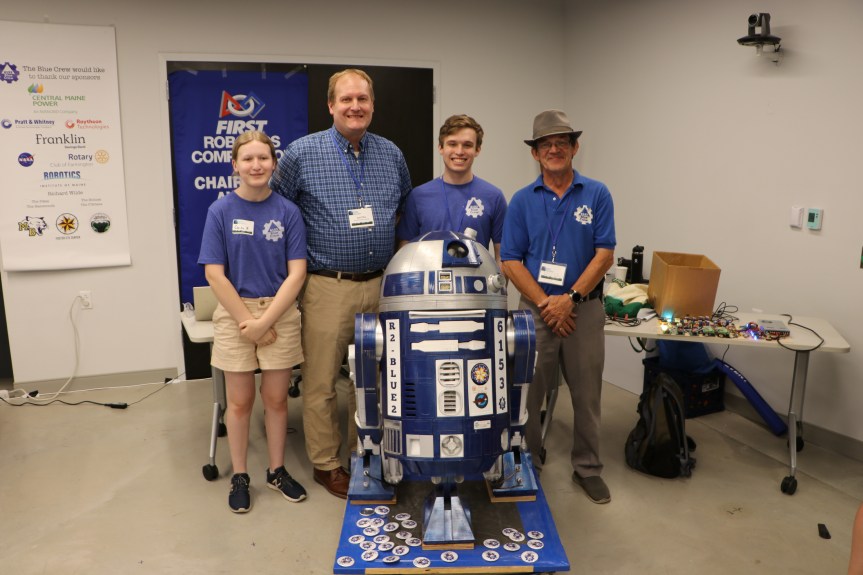
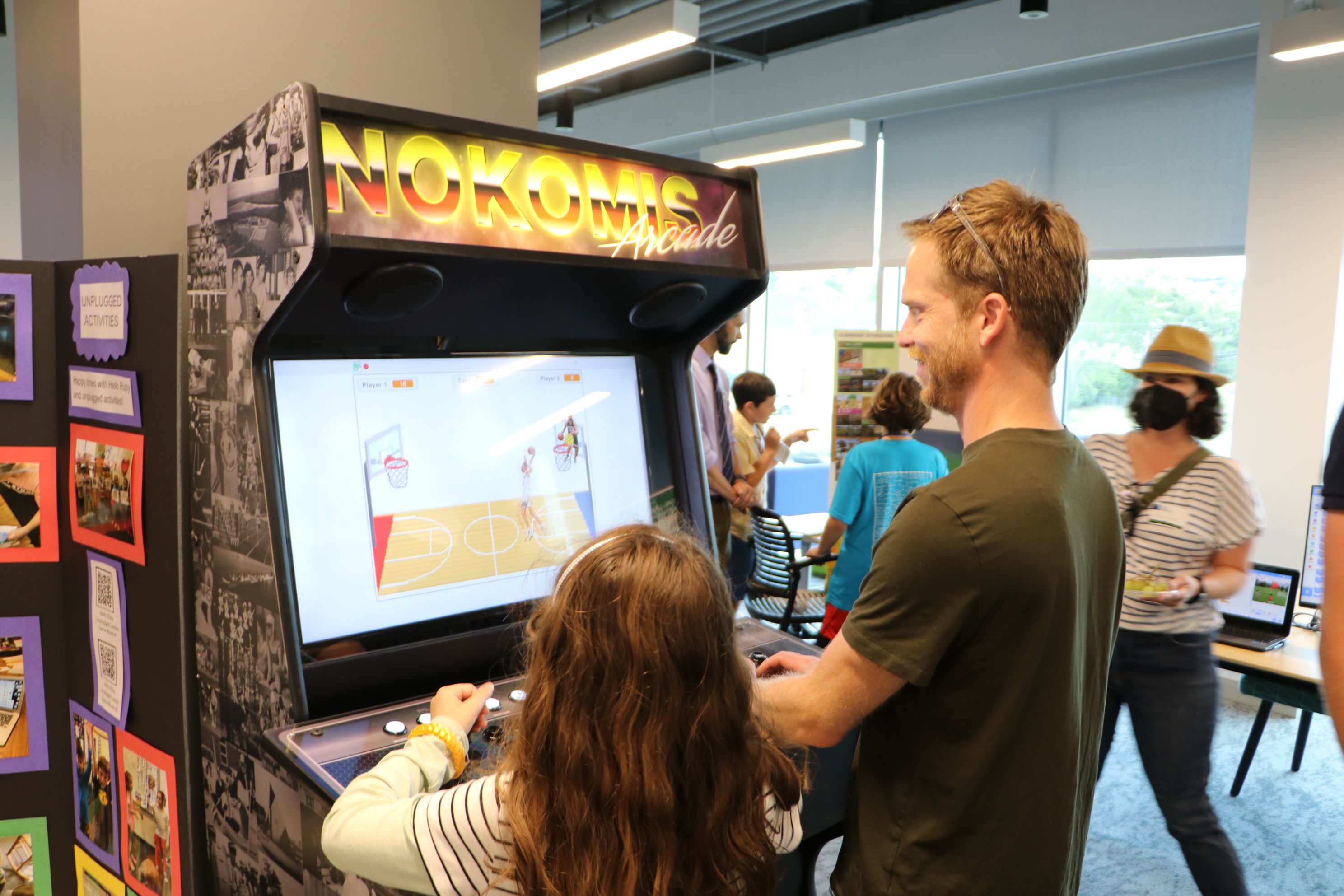
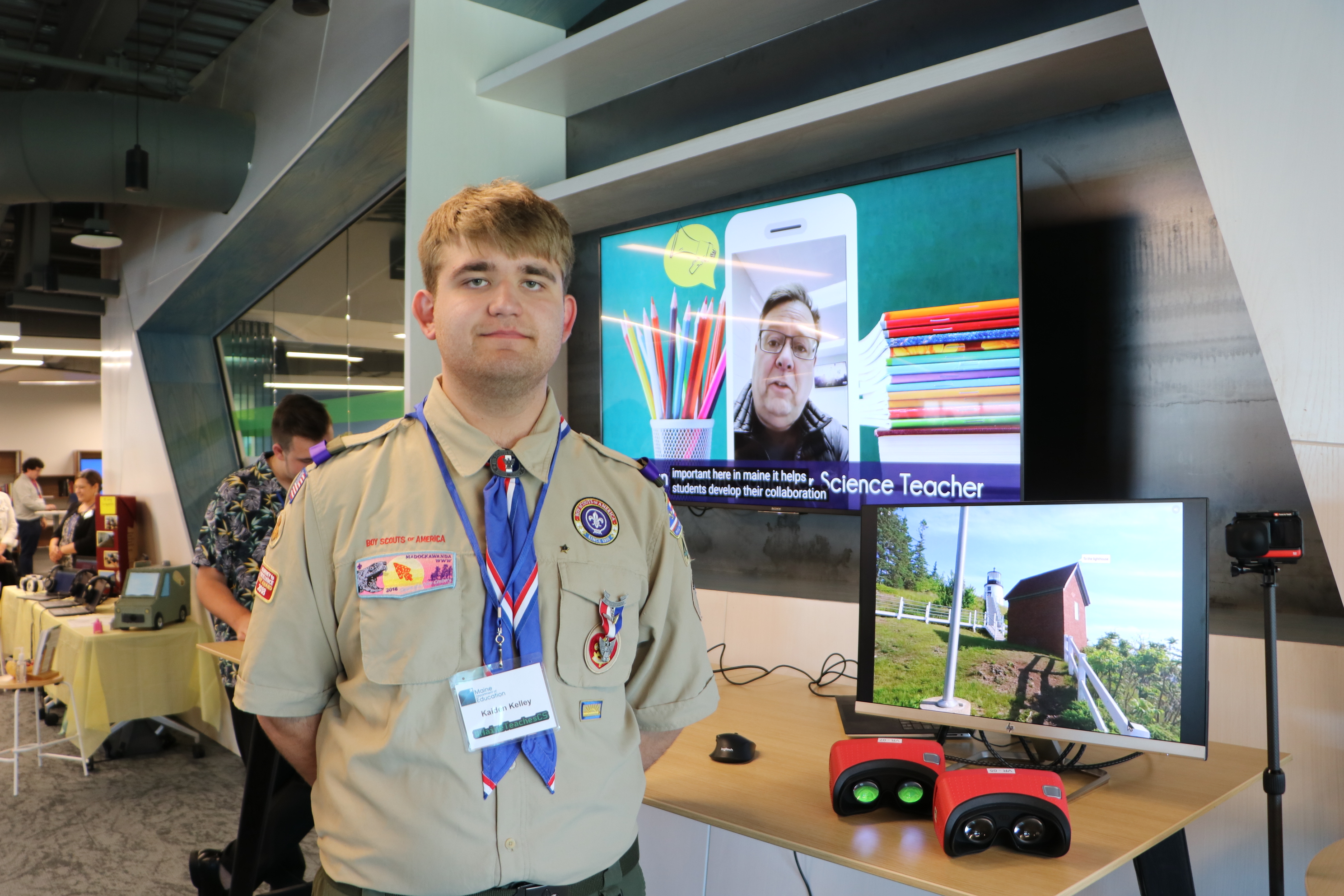
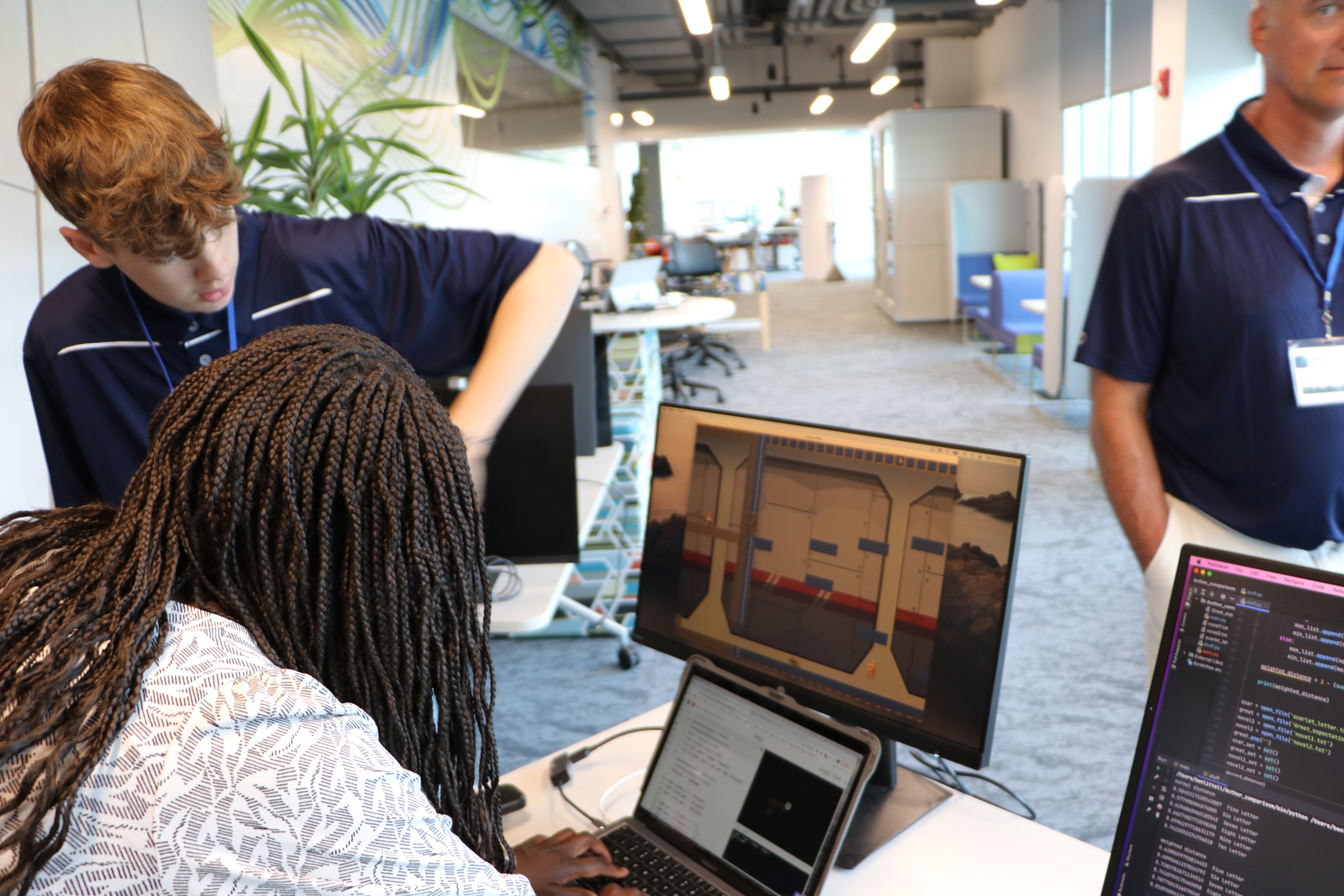 The Computer Science Education Showcase illustrated the state’s approach, with VR headsets transporting users to Maine State Parks which a student developed over the course of last summer, 3D printing demonstrations, a full-size arcade game developed by students, 6th graders demonstrating their block coding skills, a wide array of apps and websites around difference content areas created by students, and a robotics room with world champion level robotics teams. All Pre-K through 12 grade levels were represented, with educators highlighting how they were incorporating computer science education at younger grade levels, including having 5th grade students partner with kindergarten students to teach them basic coding skills and a new mobile makerspace that will rotate between elementary schools offering computer science education for Pre-K through fifth grade students.
 Maine Department of Education Commissioner Pender Makin, University of Maine President Joan Ferrini-Mundy, 2022 Presidential Scholar Sirohi Kumar, Bethel second grade teacher Alice Lee, Jackson Labs Vice President for Education Charlie Wray, and the Roux Institute’s Chief Administrative Officer Chris Mallett participated in a panel discussion on how Maine is paving the way for students and teachers to be successful in the world of computer science. The discussion focused on reaching more students, making computer science more accessible to all, taking an interdisciplinary approach to computer science education, and how the critical and computational thinking, collaboration, and creative design skills developed through computer science education are critical to success in nearly every career and 21st century life.
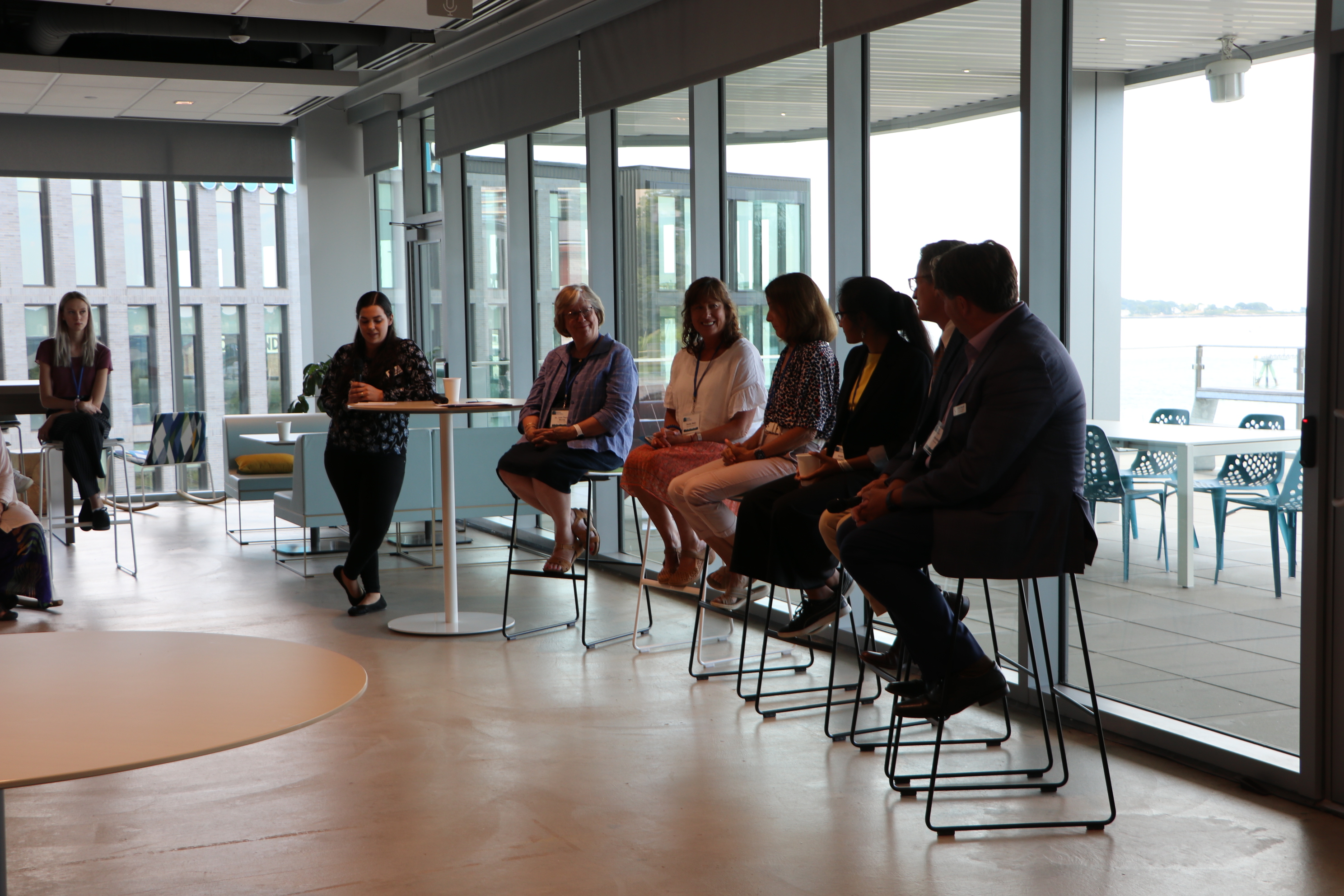 “Computer science is about approaching a problem with optimism, logic, critical thinking, design thinking, creativity and vision. We need to make computer science accessible for every educator and every student and continue this tradition that we’ve started in Maine of interdisciplinary, project-based computer science education across all grades that is really contextualized in a way that is meaningful for kids,” said Education Commissioner Pender Makin.
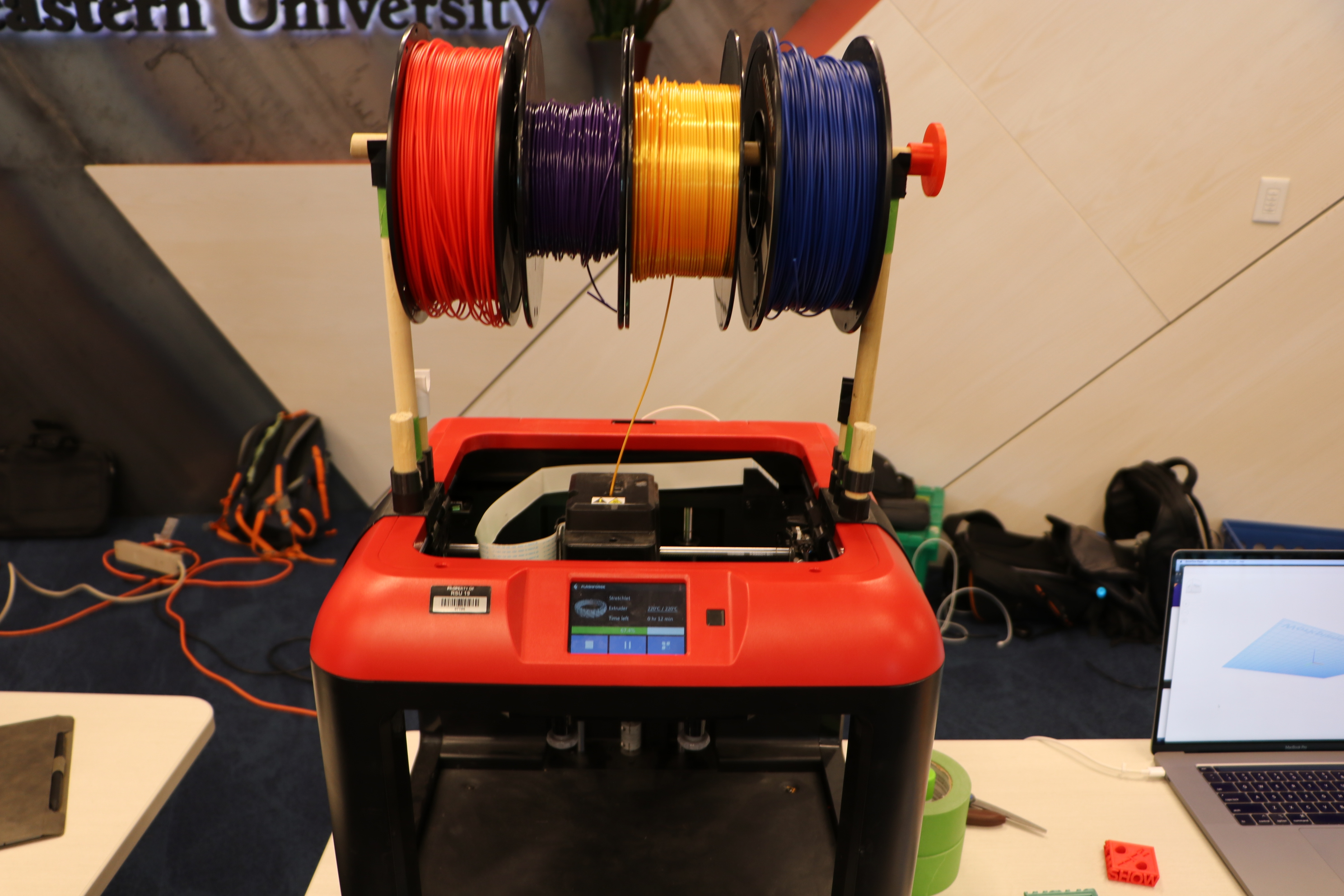 “We now live in a world that is immersed in big data and the amount of data being generated is so tremendous that this next generation has this great opportunity to enter so many career fields where computer science has a touchpoint. It’s not just being a software engineer or computer scientist, but all of us can learn and solve problems with big data and the amount of careers that can come out of good computer science education is endless,” said Jackson Labs Vice President for Education Charlie Wray.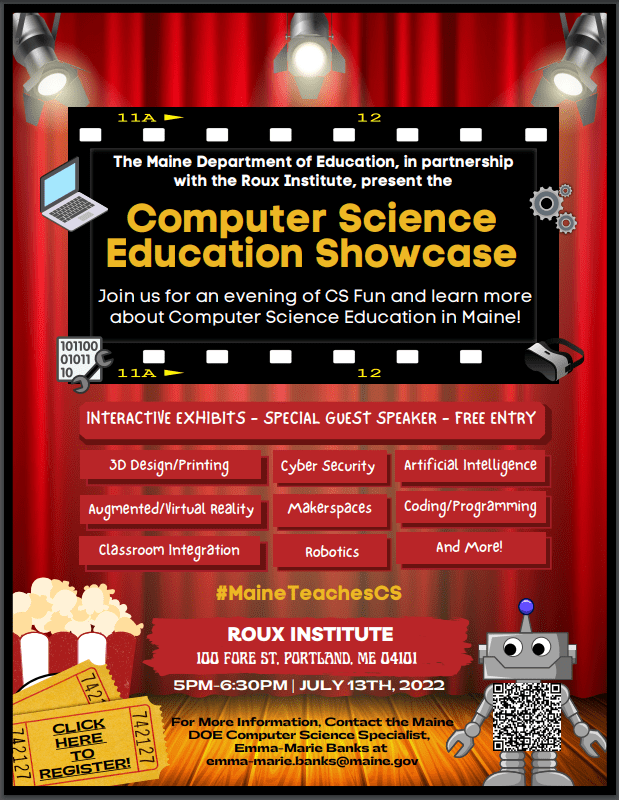
 Maine DOE Newsroom