Bruce Whittier Middle School Students Put Fire Science Skills to the Test in 15th Season of ‘MidKnight FireSlayers’

This spring, the Bruce M. Whittier Middle School “MidKnight FireSlayers” celebrated the completion of their 15th season in partnership with Poland Fire Rescue. The MidKnight FireSlayers program provides middle school students with hands-on learning experiences in fire safety and fire science, guided by a dedicated team of firefighters and educators.

Throughout the season, students participated in weekly sessions at the fire station, where they gained firsthand experience through realistic emergency response scenarios. Activities included cold-water rescues, 911 dispatch simulations, search-and-rescue operations in smoke-filled environments, vehicle extrication exercises, hose deployment drills, and training with firefighters’ hand tools.

The season concluded with the program’s annual cook-off event and graduation ceremony.


During the cook-off, students teamed up with firefighters in a friendly competition against a rival team of parent volunteers. The MidKnight FireSlayers emerged victorious once again, earning bragging rights and retaining the coveted “Golden Spoon” championship trophy.

Over the past 15 years, more than 250 students have participated in the MidKnight FireSlayers program. Many alumni have continued their studies in fire science through the Lewiston Regional Technical Center and postsecondary programs, with some ultimately pursuing careers in the fire service.

Teachers Shannon Shanning and Tami Wight expressed their sincere appreciation for the members of Poland Fire Rescue and their commitment to this work.

“Their impact extends far beyond the skills they teach,” the teachers shared in a joint statement. “Through their mentorship and encouragement, they help students build self-confidence, improve attendance, set meaningful goals, and strengthen their connection to the community.”

This story was submitted by Bruce Whittier Middle School (RSU 16). To submit a good news story to the Maine DOE, please fill out the good news submission form.

MEDIA RELEASE: Maine DOE, Educate Maine Announce Semifinalists for 2027 Maine Teacher of the Year


Eight of the 16 total 2026 Maine County Teachers of the Year remain in the running for 2027 Maine State Teacher of the Year.

AUGUSTA, Maine—Eight exceptional educators from across the state are semifinalists for 2027 Maine Teacher of the Year. On Thursday, July 23, 2026, the Maine Department of Education (DOE) and Educate Maine officially announced these semifinalists, who will deliver keynote speeches, submit professional portfolios, and participate in an expert panel discussion about educational equity, teacher leadership, and education policy as part of the next phase of the Maine State Teacher of the Year selection process.

The semifinalists for 2027 Maine Teacher of the Year are: 

Abigail McCoy

Androscoggin
Abigail (Reuscher) McCoy
Chemistry and Forensic Science Teacher
Lewiston High School, Lewiston Public Schools


Kathy Theriault

Aroostook
Kathy Theriault
Mathematics Teacher
Wisdom Middle/High School, MSAD 33


Adrianne Shetenhelm

Cumberland
Adrianne Shetenhelm
English and Alternative Education Teacher
Windham High School, RSU 14


Gretchen Livingston

Kennebec
Gretchen Livingston
Spanish Teacher
Cony Middle and High School, Augusta Schools


Gina Welch

Oxford
Gina Welch
Pre-K Teacher
Crescent Park Elementary School, MSAD 44


Marcy Soucy

Penobscot
Marcy Soucy
4th and 5th Grade Math and Reading Teacher
Fairmount School, Bangor School Department


Jeremy Bourque

Somerset
Jeremy Bourque
Digital Media Instructor
Somerset Career and Technical Center, MSAD/RSU 54


Rachel Norgang

Waldo
Rachel Norgang
2nd and 3rd Grade Teacher
Monroe Elementary School, RSU 3


As members of the 2026 Maine County Teacher of the Year cohort, these educators embody the dedication, innovation, and classroom leadership synonymous with this recognition. Throughout their year of service, they act as ambassadors for their students, colleagues, and school communities, celebrating and elevating the teaching profession as a whole.

“Congratulations to the 2027 Maine Teacher of the Year semifinalists on this impressive and well-deserved recognition,” Maine Education Commissioner Pender Makin said. “We are honored to champion you and your peers through this important program, which highlights the challenging and often underappreciated work of educators and the ways in which unwavering dedication in the classroom can be life-changing for students.”

“We are proud to celebrate and recognize these outstanding educators,” Jodi Mezzanotte, M.Ed., Director of Educator Engagement at Educate Maine, said. “Their dedication, leadership, and commitment to their students, the teaching profession, and colleagues across the state reflect the very best of public education in Maine.”
 
The selection process for Maine State Teacher of the Year is rigorous and designed by educators to offer candidates an opportunity to reflect on their instructional practice. In January, each candidate was nominated for this recognition by a member of their community. Candidates first participated in the county selection process, in which a distinguished panel of teachers, principals, business leaders, and community members chose them from among hundreds of nominees as 2026 Maine County Teachers of the Year. These 16 teachers began the selection process for 2027 Maine Teacher of the Year in May, showcasing their instructional practices through a classroom video and written reflection. 

The Maine State Teacher of the Year finalists will be announced in the fall, with a grand reveal of the 2027 Maine Teacher of the Year in October. That teacher will represent Maine in the National Teacher of the Year program. 

The Maine Teacher of the Year program is administered by Educate Maine through a unique partnership with the Maine DOE, with support from the Maine County and State Teachers of the Year Association and the Maine State Board of Education. Funding for this program is generously provided by Bangor Savings Bank, Geiger, the Maine State Lottery, and Unum.

For more information about the Maine Teacher of the Year program, and to see a list of Maine County Teachers of the Year and Maine State Teachers of the Year, please click here

Presque Isle High School Pathways Program Supports Student Success Through Alternative Education

Students from Presque Isle High School’s Pathways Program participate in a spring cleanup at Mantle Lake Park in Presque Isle.

Presque Isle High School’s Pathways Program, part of MSAD 1, is an alternative education program that serves students in grades 9-12 from Presque Isle, Mapleton, Chapman, Castle Hill, and Westfield. The program provides a safe, supportive environment where students reconnect with learning through flexible instruction, personalized schedules, academic support, and positive relationships with staff. Through these opportunities, students build the academic, social, and life skills needed for graduation and post-secondary success.

One student’s story in particular highlights the impact of Pathways.

“When this student first joined the program, they experienced selective mutism and were hesitant to come into the building,” Pathways lead teacher Laura Roope said. “Now, as a senior, they’re an active leader in the classroom.”

The student joined Pathways midway through freshman year after struggling in middle school and during the transition back to in-person learning following the pandemic. Over time, the student gained confidence, built friendships, and participated in both Pathways and mainstream classes.

This spring, the student will graduate and attend the University of Maine at Presque Isle, where the student plans to pursue a career in early childhood education.

“This student always had above-average ability,” Roope said. “They just needed the right support, confidence, and a sense of belonging.”

Stories like this, Roope said, are part of what has kept her dedicated to alternative education for nearly two decades.

“I have the best job in the district,” Roope expressed.

Individualized Learning and Flexible Support

The Pathways Program tailors schedules and coursework to students’ goals, academic needs, and learning styles. Some students attend the program full time, while others remain connected to mainstream classes and receive additional support as needed.

“When I first started the year in regular classes, I couldn’t handle the noise and chaos because of my migraines. Here, it is quiet and not chaotic,” a Pathways Program student said.

In a single classroom through Pathways, students may simultaneously work on biology, algebra, English, credit recovery, or independent reading. Roope and her co-teacher personalize pacing and instruction while maintaining high expectations.

“We expect students to act as if they are in a work setting,” Roope said. “We’re preparing them for life after high school and teaching them to find answers independently.”

Roope said many students thrive when given greater ownership over their learning in a flexible environment.

“Students value having control over their pace and asking for help when they need it,” Roope said.

Pathways classrooms are collaborative and discussion based.

“Sometimes, one student asks a question about history or current events, and suddenly the entire room is involved in a meaningful discussion,” Roope said. “There’s social-emotional learning happening alongside the academics.”

Building Relationships and Supporting Student Growth

Relationship building and social-emotional support are central to the Pathways Program. Every other week, students participate in structured circle discussions that encourage communication, empathy, reflection, and respectful listening. Staff also use these conversations to identify students who may need additional support or connection to school-based mental health resources.

“A lot of these students are going to get upset or frustrated, and that’s okay,” Roope said. “The important thing is supporting them as they work through those feelings and return ready to learn.”

Students and families also review individualized expectations during the intake process, helping establish clear communication and shared accountability from the beginning. The program uses restorative and trauma-informed approaches when addressing behavioral and emotional challenges. Rather than immediately removing students from the learning environment when they are experiencing behavioral and emotional challenges, staff work with students to reflect, de-escalate, and rebuild trust.

“We work to keep communication open and involve families as partners,” Roope said. “When everyone works together, students are more successful.”


Connecting Learning to Community

Community-based learning and service projects help students in the Pathways Program to connect academics to real-world experiences. Students participate in environmental cleanups, local park projects, and outdoor learning opportunities across Aroostook County. Partnerships with organizations, including the Francis Malcolm Science Center and the Aroostook National Wildlife Refuge, provide hands-on experiences connected to science, history, and environmental stewardship.

“These experiences help students build confidence and feel connected to their community,” Roope said.

This year, Pathways students are studying the environmental and historical impact of the former Loring Air Force Base through interdisciplinary projects focused on biodiversity, ecosystems, military history, and environmental restoration. Pathways also partners with the local elementary school to deliver Catch My Breath, an initiative that is helping younger students to build skills related to vape and smoking prevention, healthy decision making, self-esteem, bullying prevention, and peer pressure.

“One of my favorite things is going over to the elementary school and teaching them about bullying, peer pressure, empathy, and anti-vaping,” a Pathways Program student said. “I like working with kids and teaching them things they can take with them as they grow.”


Early Intervention and Ongoing Support

The Pathways Program also plays an important role in the district’s dropout prevention and early intervention efforts.

“Freshman year, I didn’t really go to school. Now, I’m able to be in this program, and I will graduate high school next year,” a Pathways Program student said.

Some students initially connect with the program through academic monitoring, coaching, study hall support, or credit recovery before transitioning into more intensive programming, if needed. Teachers, counselors, social workers, and administrators regularly review student progress and identify students who may benefit from additional intervention and support.

“I transferred from Caribou and thought I wasn’t going to graduate school. Then I transferred into Pathways for science credit recovery. Now, I’m in Pathways full time, and I’m actually going to graduate on time, which wouldn’t have been possible without this program,” said another Pathways Program student.

“We aim to eliminate barriers and help students rediscover the joy of learning,” Roope said.

As schools across Maine continue exploring ways to support students with diverse strengths and challenges, programs like Pathways demonstrate how alternative education can provide flexible, relationship-centered opportunities that help students reconnect with school and prepare for life after graduation.

Cultivating Belonging: 2026 Maine DOE Annual Summit to Highlight a New Chapter for Maine’s BIPOC Educator Network

When educators experience belonging, they are better equipped to create learning environments where students also experience belonging. That simple but powerful idea is guiding the next chapter of Maine’s Black, Indigenous, and People of Color (BIPOC) Educator Network—an independent, educator-led community that creates opportunities for Black, Indigenous, and other educators of color to connect, grow, and thrive together.

Supported through a collaboration between The Third Place (through its SHIFTMaine program) and the Maine Department of Education (DOE), the BIPOC Educator Network reflects a shared commitment to strengthening educator well-being, fostering authentic belonging, and building a more diverse and sustainable educator workforce across Maine.

As the Network enters this new chapter, Mae Applegate has joined as the BIPOC Educator Network Organizer. Through her relationship-centered approach to leadership, Applegate will cultivate spaces where educators can build meaningful connections, share experiences, and support one another while helping shape the future of the Network.

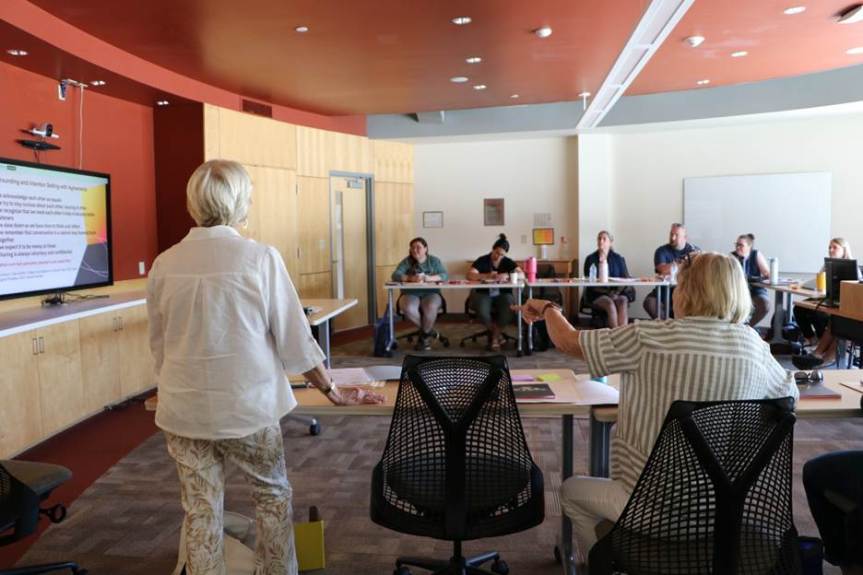
This collaborative vision will be introduced at the 2026 Maine DOE Annual Summit on July 29 at Thomas College, where Applegate and Ayesha Hall, Maine DOE Director of Strategic Partnerships, will co-facilitate a session called “Belonging Matters: Cultivating Community to Advance a Diverse Educator Workforce.” This interactive session will introduce participants to the concept of a Gathering Place—an intentionally designed space where educators experience connection, psychological safety, and authentic dialogue. Participants will experience facilitated protocols they can adapt within their own schools to cultivate belonging among colleagues and students. Ultimately, the learning is designed to help all participants strengthen the conditions that support educator well-being, retention, and student success.

This session is designed for school and school administrative unit (SAU) leaders, principals, assistant principals, instructional coaches, educator preparation program faculty, professional learning coordinators, and BIPOC educators who are committed to strengthening educator belonging and retention. Through a combination of guided reflection, affinity-based conversations, and collaborative learning, participants will explore how intentional relationships, inclusive leadership, and community-centered practices contribute to healthier school cultures where educators and students can thrive.

While the BIPOC Educator Network centers the experiences of Black, Indigenous, and other educators of color, this session reflects a broader belief that strengthening belonging for educators who have historically faced the greatest barriers ultimately strengthens school communities for everyone. By intentionally creating conditions where those educators can thrive, schools become stronger, more inclusive places for all educators and students.

The BIPOC Educator Network remains an independent affinity space where educators can connect, share experiences, access professional learning opportunities, and inform the future of educator support across Maine. The Maine DOE is honored to support this work through strategic partnerships that strengthen educators’ sense of belonging and advance a more inclusive, connected, and sustainable educator workforce.

Educators who identify as Black, Indigenous, or as people of color are invited to connect with the BIPOC Educator Network to learn more about upcoming gatherings, professional learning opportunities, and opportunities to engage with this growing community.

For more information about the BIPOC Educator Network or the Maine DOE’s educator workforce initiatives, please contact Ayesha Hall, Maine DOE Director of Strategic Partnerships, at Ayesha.Hall@maine.gov.

Maine DOE Update – July 17, 2026

From the Maine Department of Education


News & Updates

Cultivating Belonging: 2026 Maine DOE Annual Summit to Highlight a New Chapter for Maine’s BIPOC Educator Network

When educators experience belonging, they are better equipped to create learning environments where students also experience belonging. That simple but powerful idea is guiding the next chapter of Maine’s Black, Indigenous, and People of Color (BIPOC) Educator Network—an independent, educator-led community that creates opportunities for Black, Indigenous, and other educators of color to connect, grow, and thrive together. |  More

Register Now for the Maine DOE Annual Summit on July 29 at Thomas College

Ready to kick off the new school year with fresh ideas, practical strategies, and meaningful connections? Join us for the 2026 Maine DOE Annual Summit on July 29 at Thomas College in Waterville. Designed for Maine’s education workforce, the Summit features inspiring keynote speaker Dr. Jared Cooney Horvath, engaging breakout sessions, networking opportunities, and resources to support your work throughout the year. The Annual Summit is part of ElevatED, a three-day professional learning experience that also includes the Every Teacher a Leader Conference on July 30–31. |  More


Maine Schools Sharing Success Stories

PBIS in Action: Bangor’s Downeast School Showcases Successful PBIS Implementation and Inclusive Pilot Program

This spring, two educators from Tasmania, Australia, traveled across the globe to Maine through the Hardie Fellowship Program, an experience that allows Tasmanian educators to study educational systems and evidence-based practices in the United States. One of their stops was the Bangor School Department’s Downeast School, which has become a powerful example of how Positive Behavioral Interventions and Supports (PBIS) and inclusive education practices can work together to improve outcomes for students. |  More

Seventeen Students from Five Maine Schools Compete in Maine State Finals for the National Civics Bee

For more than three decades, the Belfast Community Outreach Program in Education (BCOPE), part of RSU 71, serving Belfast, Belmont, Morrill, Searsmont, and Swanville, has helped students reconnect with learning through strong relationships, flexibility, and community-based support. |  More

BCOPE: Building Community and Supporting Students Through Alternative Education

Located within Windham High School, RSU 14’s Katahdin Program provides students from Windham and Raymond with an alternative learning environment centered on hands-on instruction, outdoor learning, community partnerships, and strong relationships with staff. Through individualized support and experiential learning opportunities, the program helps students reconnect with school, complete graduation requirements, and build pathways toward future success. |  More

Submit good news to the Maine Department of Education here.


Professional Learning/Training Opportunities

View the Maine Department of Education’s Events Calendar here.

Career/Project Opportunities:

Find education-related jobs in Maine.

PBIS in Action: Bangor’s Downeast School Showcases Successful PBIS Implementation and Inclusive Pilot Program

This spring, two educators from Tasmania, Australia, traveled across the globe to Maine through the Hardie Fellowship Program, an experience that allows Tasmanian educators to study educational systems and evidence-based practices in the United States. One of their stops was the Bangor School Department’s Downeast School, which has become a powerful example of how Positive Behavioral Interventions and Supports (PBIS) and inclusive education practices can work together to improve outcomes for students.

Melissa Didham, an Instructional Specialist from Tasmania focused on early literacy instruction, and Sarah Smith, an Advanced Skills Teacher leading Multi-Tiered Systems of Support (MTSS) alignment work in Tasmania, are studying how schools can systematically integrate academic, behavioral, and engagement supports for students requiring additional intervention.


They visited Downeast School, as well as other schools in Regional School Unit 22, Portland Public Schools, and the South Portland School Department, as part of this work.


Serving approximately 300 students in prekindergarten through grade 3, Downeast School is a Title I school, as many of its students and families face socioeconomic challenges. Four years into implementing PBIS, a nationally recognized, evidence-based framework for improving school climate, the school has seen measurable improvements in student achievement, attendance, and behavior. The work has also resulted in a stronger, more collaborative learning environment for both students and staff. For Downeast School Principal Sarah Vickers, PBIS has provided a framework for building systems that meet the unique needs of the school community, while empowering educators to continuously improve their practice. Vickers explained that the Bangor School Department provided opportunities for schools to engage in PBIS work, and each school administrator has had the flexibility to implement the framework in ways that best fit their building. This strong district support and staff collaboration has been critical to the success of PBIS at Downeast School.


“I knew what the building needed,” Vickers recalled of Downeast School’s early PBIS work. “This is how we can continue to do what’s best for students.”

That mindset has also helped position Downeast School to become one of the Maine Department of Education’s (DOE) Inclusive Education Model Pilot Schools, an initiative designed to make learning more accessible for all students, including those with Individualized Education Programs (IEPs). Experts involved in the pilot say PBIS creates a strong foundation for schools seeking to build more inclusive learning environments. Now at Downeast School, inclusive practices are intentionally embedded into instructional scheduling and classroom routines. Rather than removing students from classrooms during core instruction, educators work to ensure all students learn together alongside their peers. Additional support is provided during independent work time and outside of direct instructional periods.


The combination of PBIS and inclusive education practices has led to measurable improvements across the school. During the 2025-2026 school year, Downeast School increased its Tier 1 PBIS implementation score from 60% in the fall to 68% in the spring, as measured by the Tiered Fidelity Inventory (TFI). As implementation strengthened, office referrals decreased from 219 during the 2024-2025 school year to 84 during the 2025-2026 school year.

Attendance indicators have also improved. Downeast School’s average daily attendance is currently 91%. Over the past year, the school has seen a decrease in the percentage of students identified as chronically absent (down four percentage points), the percentage of students identified as truant (down eight percentage points); and the percentage of students approaching chronic absenteeism (down 15 percentage points).


Educators say Downeast School’s strong PBIS framework, coupled with inclusive practices, has been transformative. Students receiving special education services are demonstrating academic growth alongside increased success among the entire student body. Some students who previously needed additional one-on-one support are asking not to be pulled from class so they can continue learning alongside their peers.

Downeast School’s approach also emphasizes intentional goal setting for students, particularly those receiving special education services. Even when students are working below grade level, staff focus on identifying prerequisite skills and bridging gaps that help students move toward grade-level expectations.

First-grade teacher Barbra Clewley, who is also a Maine PBIS trainer and coach, said the work requires educators to rethink how they approach student support.

“Instead of saying, ‘What does that student need to do differently?,’ it’s, ‘What can I do differently to help that student?’” Clewley said.


Clewley explained that both PBIS and inclusive education practices encourage educators to reflect on and adapt their own practices rather than expecting students to change first.

“You’re not trying to change your students,” Clewley said. “You’re trying to change what you do as a teacher. That’s where they build really well together.”

Academic data further highlight the progress of Downeast School students. On the grade 3 Maine Through Year Assessment, the number of students performing at or above expectations in mathematics increased by 68.4% from the spring of 2025 to the spring of 2026. In reading, the number of students performing at or above expectations increased by 86.7%. Additionally, on average, students demonstrated strong, healthy progress (an RIT gain of 15 points) when comparing their progress between testing periods. From kindergarten through grade 3, 57% of students made a year’s worth of growth in reading in 2026, a five-percentage-point increase from spring of 2025. Among students receiving special education services, 36% made a year’s worth of reading growth this year.

Vickers said maintaining healthy relationships among staff, encouraging collaboration, and creating a culture where educators feel comfortable trying new strategies have all been critical to Downeast School’s continued growth. Vickers, who has a background in special education, has remained steadfast in her vision for fully implementing PBIS through intentional, student-centered practices, while fostering an environment where educators work together to meet student needs.

  “Our teacher leaders are essential to our success,” Vickers said. “They help build staff capacity, foster collaboration, and ensure our improvement efforts remain focused on students.”  

PBIS is a nationally recognized, evidence-based framework designed to create positive school climates by teaching and reinforcing clear behavioral expectations. It helps schools to improve student behavior, promote academic success, and build supportive environments where all students feel safe, respected, and empowered to thrive. To learn more about PBIS in Maine, visit the Maine DOE website.

To learn more about the Maine DOE Inclusive Education Model Pilot Schools initiative, visit this Maine DOE Newsroom article.

This article was developed in collaboration with the School Department and the Maine PBIS program, a partnership between the Maine DOE Office of Special Services and Inclusive Education and the University of Maine System. This article is part of a series highlighting the successes of Maine schools that are in the process of implementing, or that have implemented, PBIS in their schools. To submit a good news story to the Maine DOE, please fill out the good news submission form.

Seventeen Students from Five Maine Schools Compete in Maine State Finals for the National Civics Bee

Image courtesy of the Mid-Maine Chamber of Commerce’s Facebook page.

This article was written by Waterville Senior High School rising senior Penelope Graham, who is also a co-chair of the Waterville Youth Council (a volunteer organization for the Maine State Civics Bee Finals).

The Maine State Finals for the National Civics Bee were held on June 17, 2026, at the Gordon Center for Creative and Performing Arts on the Colby College campus in Waterville. The Mid-Maine Chamber of Commerce hosted the 2026 Civics Bee in partnership with the U.S. Chamber of Commerce Foundation and The Civic Trust, marking the first year Maine has participated in the national competition.

Open to sixth-, seventh-, and eighth-grade students, the competition required contestants to each write an essay about a community issue and offer a solution that demonstrates understanding of both civic virtues (e.g., humility, responsibility, etc.) and a founding principle (e.g., natural rights, consent of the governed, rule of law, etc.).

The final round of competition for the state brought together 17 students from five Maine schools. The top three winners were selected based on their demonstrated civic knowledge, as assessed through two rounds of multiple-choice questions and a spoken presentation of their essay.

The overall winner was Marin Larsen from Mt. Ararat Middle School, whose essay proposed consolidating schools in her home district and making key repairs to others. Larsen received $ 1,000 and will advance to the National Civics Bee in Washington, D.C., this fall.


The second-place winner was Ryan Coulon, also from Mt. Ararat Middle School, whose essay identified speeding in the Cundys Harbor area in Harpswell as being a key community issue. Coulon received $500.

The third-place winner was Tristan Singh from Rose M. Gaffney Elementary School in Machias. His essay addressed the need for a city website in East Machias. Singh was the only contestant who answered every question correctly in both rounds. Singh received $250.

The top three winners all received a trophy, certificate, and Civics Bee T-shirt.

Image courtesy of the Mid-Maine Chamber of Commerce’s Facebook page.

The first Civics Bee took place during the 2022-2023 school year, and states from across the country have participated every year since then.

The Mid-Maine Chamber of Commerce says it plans to host the Civics Bee again next year. The application portal for those interested in participating will open in the early fall. More information will be available here.

This article was submitted by Penelope Graham on behalf of the Waterville Youth Council. To submit a good news story to the Maine DOE, please fill out the good news submission form.

BCOPE: Building Community and Supporting Students Through Alternative Education

BCOPE students and staff gather for a group photo.

For more than three decades, the Belfast Community Outreach Program in Education (BCOPE), part of RSU 71, serving Belfast, Belmont, Morrill, Searsmont, and Swanville, has helped students reconnect with learning through strong relationships, flexibility, and community-based support.

Founded in 1990 through a grant, BCOPE began as a small pilot program serving 10 students in grades 10-12 with one teacher and one educational technician in a rented space. Today, the program serves approximately 43 students annually in grades 8-12.

“The focus has always been on meeting students where they are,” BCOPE Teaching Principal Helen Scipione said. “Relationships are at the heart of our work.”

Scipione joined the program in 1994 as an educational technician and later became teaching principal. As BCOPE expanded, staff and community partners worked together to create a permanent home for the program after the initial grant ended. With support from local partners, BCOPE purchased land and opened its current building in 2002. Students helped design the space, which was created to support academic, community building, and social-emotional learning.

Relationship-Based Learning

BCOPE’s educational philosophy centers on flexibility, individualized support, and creating an emotionally safe environment where students feel seen, heard, and valued. Community and consistency remain central to the program’s culture.

Rather than relying on a one-size-fits-all model, staff adapt instruction and support to meet each student’s academic and social-emotional needs. Many students arrive after facing challenging life experiences or barriers that have affected their school attendance and engagement.

Each school day begins and ends with a circle, creating consistent opportunities for communication, reflection, and connection. Staff say these routines help foster accountability, belonging, and trust throughout the school community.

“Students know they matter here,” Scipione said. “No one slips through the cracks.”

Staff say that sense of belonging is reinforced through close relationships across the school community. The staff team includes educators and staff members Helen Scipione, Lindsey Schortz, Randy Nichols, Veronica Maresh Mead, Nancy Nickerson, Pippa Jolie, and Laurel Murphy, who work collaboratively to support students. This year, one of their University of Maine social work interns, Mary Weiss, is a BCOPE alumna, contributing to a strong sense of continuity and shared experience.

“There’s a real sense of trust here,” Scipione said. “Many alumni stay connected, return to visit, or even come back to work.”

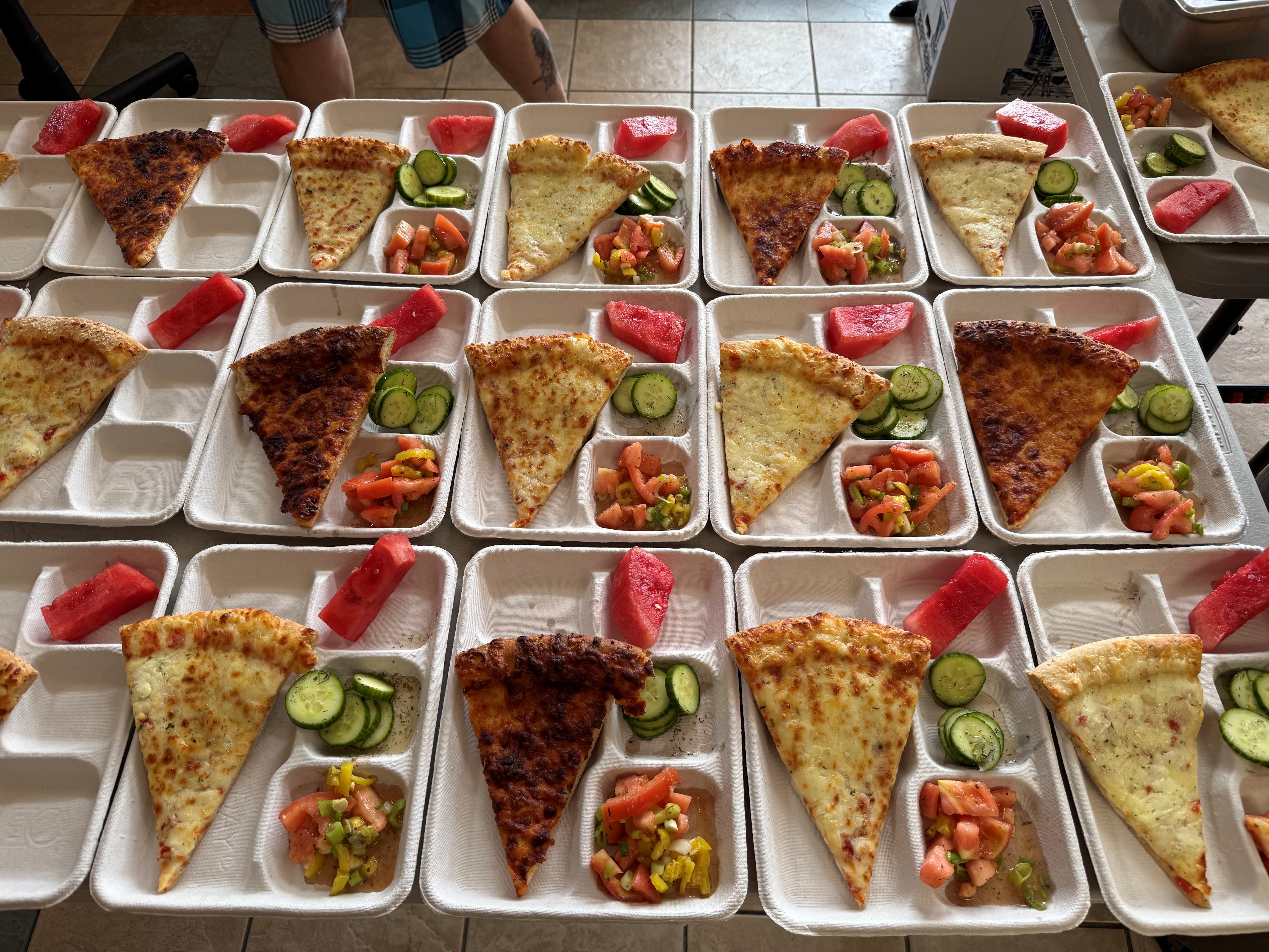
BCOPE students gather together for a group meal.

School culture is guided by a social contract emphasizing respect, honesty, equity, and accountability. Staff use restorative practices, mediation, and open communication to address conflict and support students rather than relying primarily on punitive discipline. Students also benefit from individualized academic and attendance support, social-emotional resources, and consistent access to food.

Hands-On and Real-World Learning

BCOPE uses performance and project-based instruction aligned with district standards and graduation requirements. Students demonstrate learning through hands-on projects and applied experiences. Student schedules are individualized to help them stay on track toward graduation while receiving the support they need.

BCOPE’s music room has an acoustic drum set, an electric drum set, multiple guitars and basses with multiple amps, keyboards, and two pianos. Student musicians receive individualized lessons based on their interests and learning styles.

“We recognize that success looks different for every student,” Scipione explained. “For some students, success may mean entering the workforce. For others, it may mean college, the trades, or contributing positively to the community.”

The program also emphasizes career readiness and real-world learning opportunities. Students participate in internships, job partnerships, and community-based experiences that connect academics to life beyond school.

“These projects help students see learning differently,” Scipione said. “They connect classroom lessons to real life.”

BCOPE students enjoy being outside. Hands-on learning helps BCOPE students regulate and find deeper connection to their learning.

One signature feature of the program is its greenhouse and garden project, which serves as both a learning space and a community-building effort. Science instruction is integrated into hands-on work, allowing students to apply classroom concepts in practical ways.

Family and Community Partnerships

Family involvement remains an essential part of the BCOPE experience.

BCOPE staff maintain close communication with families, recognizing parents and caregivers as key partners in supporting students. Many families have multi-generational connections to the program, and community support has remained strong throughout BCOPE’s history.

During times of need, staff and community members organize food and supply drives to support students and families.

Community partnerships also play a major role in sustaining the program and creating opportunities for students. BCOPE works closely with local businesses, organizations, and law enforcement, including the school resource officer, Kevin Littlefield, to support student learning and well-being.

“These relationships have sustained the program for more than 30 years,” Scipione said.

Sustaining Alternative Education

Like many alternative education programs, BCOPE faces ongoing challenges related to funding, staffing, and increasing student needs. Scipione credits strong community support and creative problem-solving with helping sustain the program over time.

“Our community has always stepped up,” Scipione added. “People believe in what we do because they’ve seen the impact on students and families.”

As Maine schools continue searching for ways to support students with diverse needs, BCOPE offers a model grounded in flexibility, hands-on learning, and community connection, helping students build confidence, find belonging, and create meaningful paths forward.

This story was written in collaboration with the Belfast Community Outreach Program in Education (BCOPE), part of RSU 71, as part of an ongoing series to highlight alternative education programs across Maine. For more information about alternative education, please visit the Maine DOE Alternative Education webpage. To submit a good news story to the Maine DOE, please fill out the good news submission form.

Maine DOE Update – July 10, 2026

From the Maine Department of Education


News & Updates

SUN Meals Site Finder is Now Live: Find Free Meals for Youth at Locations Across Maine This Summer

In the summer months, children lose access to the school meal services they may rely on during the academic year. The U.S. Department of Agriculture’s (USDA) SUN Meals program provides children ages 18 and younger with access to healthy, nutritious food at neighborhood locations across the United States (including in Maine) throughout the summer months when school meals and snacks are unavailable. |  More

Request for Applications for the Maine Healthcare Careers Exploration Program

The Maine Department of Education (DOE), in partnership with the Maine Department of Health and Human Services (DHHS), has issued a Request for Applications (RFA) from eligible organizations for the Maine Healthcare Careers Exploration Program. This program seeks to build sustainable career pipeline programming to support rural Maine youth in grades 9-12 in exploring healthcare occupation opportunities, acquiring foundational skills, and creating meaningful connections with healthcare professionals and employers through relevant high school instruction, postsecondary enrollment, and workforce development opportunities in Maine. |  More

Maine Celebrates First Recipients of the Seal of Climate Literacy

A new generation of Maine students is demonstrating a commitment to understanding and addressing environmental challenges through the Maine Department of Education’s (DOE) newest diploma endorsement, the Maine Seal of Climate Literacy. |  More

Back-to-School Grants Available for School Employees Through LifeChanger of the Year

LifeChanger of the Year, an annual national recognition program for educators and school employees, is excited to announce a back-to-school grant opportunity for teachers as they prepare for the 2026-2027 school year. |  More


Maine Schools Sharing Success Stories

BARR Spotlight: How Indian Township School is Honoring Culture, Building Relationships, and Driving Student Success

On the Passamaquoddy Indian Township Reservation in Princeton, Indian Township School is embracing a powerful model for student success that honors culture, strengthens relationships, and supports the whole child. |  More

Finding Growth Through Flexibility: Inside the Zenith Alternative Education Program

At Camden Hills Regional High School, part of Five Town Community School District (CSD), an off-site alternative education learning community is redefining what high school can look like for students seeking a more personalized, project-based path. |  More

RSU 14’s Katahdin Program Supports Student Success Through Experiential and Relationship-Based Learning

Located within Windham High School, RSU 14’s Katahdin Program provides students from Windham and Raymond with an alternative learning environment centered on hands-on instruction, outdoor learning, community partnerships, and strong relationships with staff. Through individualized support and experiential learning opportunities, the program helps students reconnect with school, complete graduation requirements, and build pathways toward future success. |  More

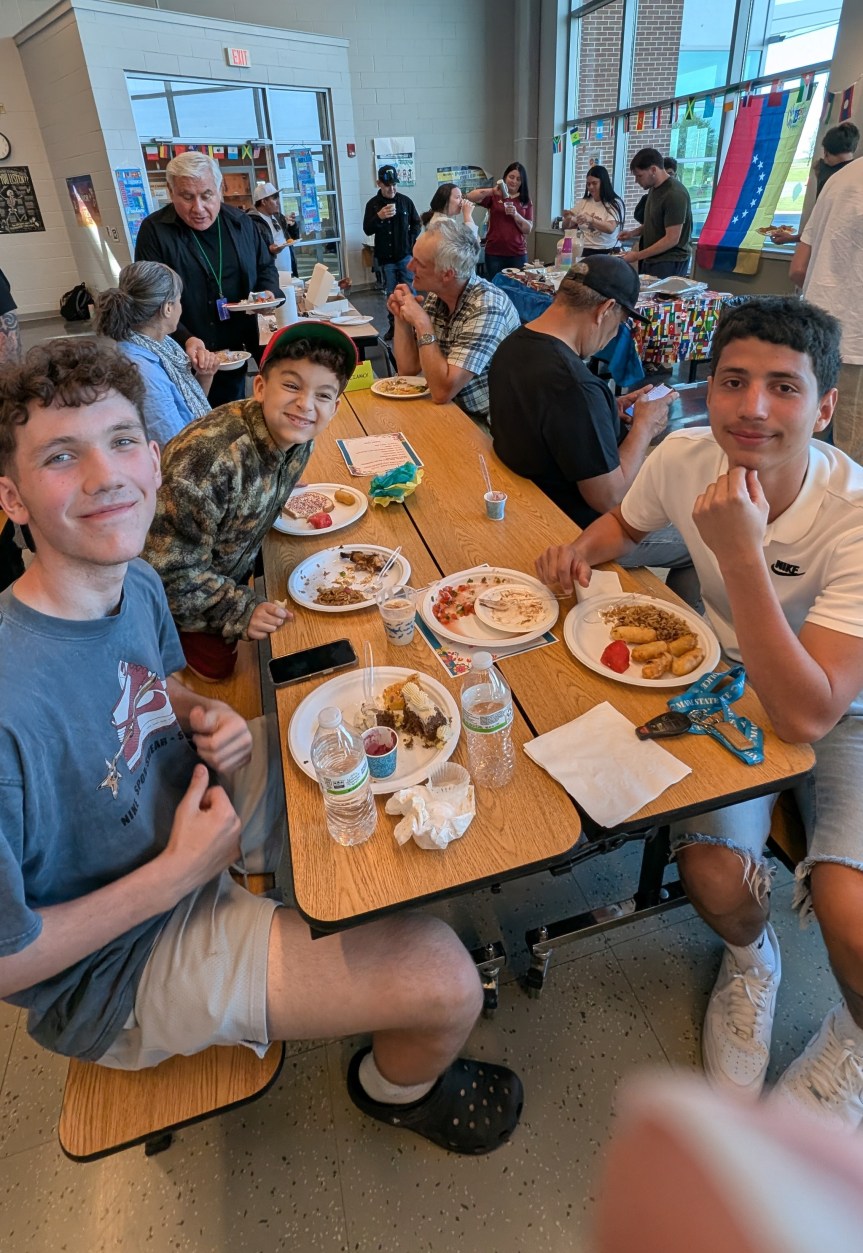
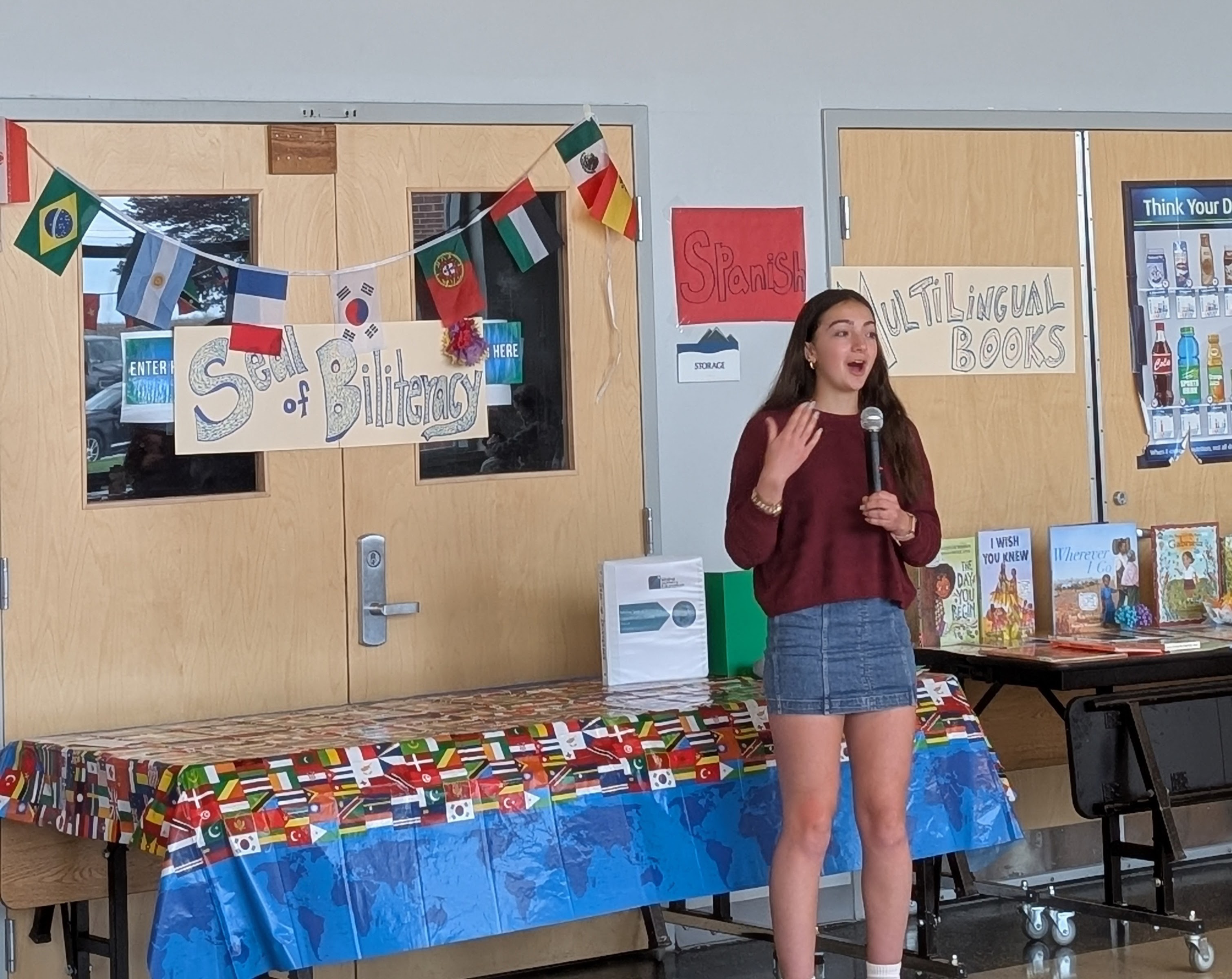
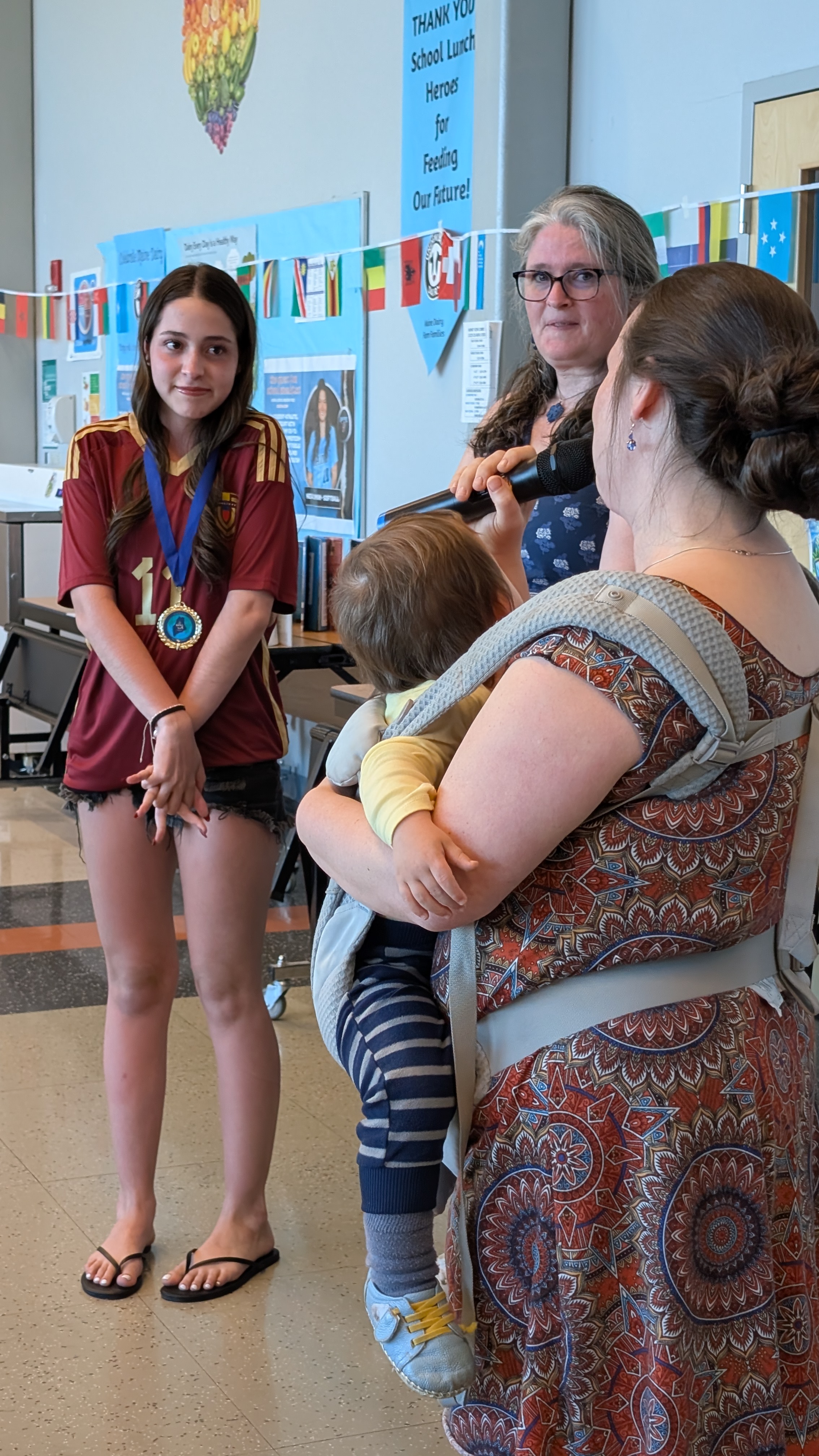
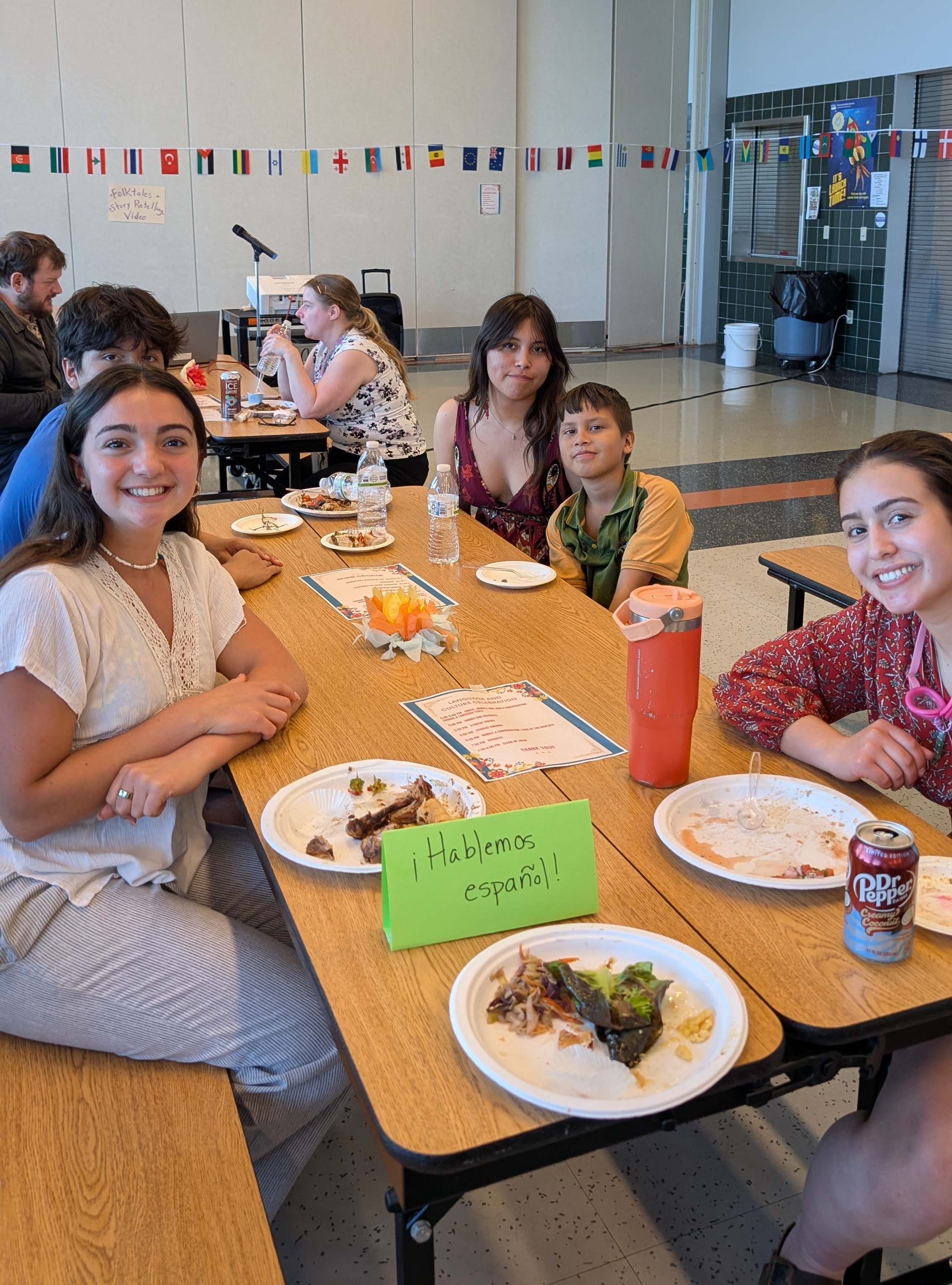
Back-to-Back Kennebec County Teachers of the Year Highlight the Power of Multilingual Learning Through the Maine Seal of Biliteracy

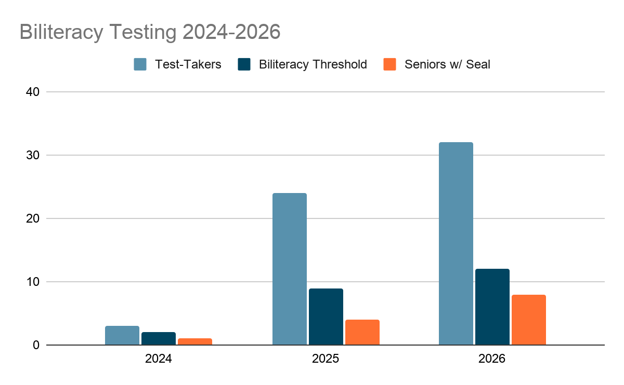
Nineteen members of Cony High School’s Class of 2026 were recently recognized for earning the State of Maine Seal of Biliteracy, a distinction that honors students who have demonstrated proficiency in English and at least one additional language. This year’s recipients earned the Seal in four languages: Spanish (11 students), German (4 students), Arabic (3 students), and French (1 student), reflecting both the diversity of Cony’s student body and the strength of its World Languages program. |  More

Submit good news to the Maine Department of Education here.


Professional Learning/Training Opportunities

Registration Open for the Maine DOE Annual Summit on July 29 at Thomas College

Ready to kick off the new school year with fresh ideas, practical strategies, and meaningful connections? Join us for the 2026 Maine DOE Annual Summit on July 29 at Thomas College in Waterville. Designed for Maine’s education workforce, the Summit features inspiring keynote speaker Dr. Jared Cooney Horvath, engaging breakout sessions, networking opportunities, and resources to support your work throughout the year. The Annual Summit is part of ElevatED, a three-day professional learning experience that also includes the Every Teacher a Leader Conference on July 30–31. |  More

Registration Open for 2026 School Nurse Summer Institute

The Maine DOE Coordinated School Health Team is hosting its biennial School Nurse Summer Institute (SNSI) on July 28 and 29, 2026, at Sugarloaf Resort in Carrabassett Valley. This immersive, multi-day, in-person event brings school nurses from across Maine together for new learning and to increase knowledge and understanding of current research and evidence-based practices in school nursing. This year’s theme is Complex Care, Confident Leadership: School Nurses at the Heart of Student Health. |  More

View the Maine Department of Education’s Events Calendar here.

Career/Project Opportunities:

Find education-related jobs in Maine.

PRIORITY NOTICE: Request for Applications for the Maine Healthcare Careers Exploration Program

The Maine Department of Education (DOE), in partnership with the Maine Department of Health and Human Services (DHHS), has issued a Request for Applications (RFA) from eligible organizations for the Maine Healthcare Careers Exploration Program. This program seeks to build sustainable career pipeline programming to support rural Maine youth in grades 9-12 in exploring healthcare occupation opportunities, acquiring foundational skills, and creating meaningful connections with healthcare professionals and employers through relevant high school instruction, postsecondary enrollment, and workforce development opportunities in Maine.

The Maine DOE anticipates making up to four awards as a result of this RFA process. In total, $500,000 is available in grant funds, with awards of up to $125,000 each. Funding for this opportunity is made available through Maine’s federal Rural Health Transformation Program (RHTP) award, administered by Maine DHHS. Consistent with federal RHTP funding requirements, eligibility for this opportunity is focused on rural schools and students, as defined under the program. To learn more, visit Maine’s Rural Health Transformation Program webpage.

Eligible Organizations

  • School-based organizations providing education to students in grades 9-12, including school administrative units (SAUs) and high schools, as well as community-based organizations that have a history of partnering with schools to deliver career/workforce development opportunities and that will partner with a school-based organization(s) for this RFA opportunity.

Performance Period

  • September 15, 2026-August 31, 2027

Application Process

Eligible organizations interested in this grant opportunity may access the RFA via the State of Maine’s Vendor Self-Service (VSS) system, where they should submit their applications and any questions. (Please see this priority notice issued on January 9, 2026, for more information and training materials related to VSS.) The Maine DOE strongly recommends that SAUs ensure they can access VSS ahead of the RFA due date.

The timeline for this RFA is as follows:

  • July 10, 2026 – RFA opens via VSS
  • July 16, 2026, at 2 p.m. – virtual informational session (details below)
  • July 23, 2026 – RFA questions must be submitted via VSS by 4 p.m.
  • August 4, 2026 – RFA applications must be submitted via VSS by 4 p.m.
  • August 31, 2026 – award notifications
  • September 15, 2026 – anticipated contract start date
  • August 31, 2027 – anticipated contract end date

To learn more about this grant opportunity, potential applicants are encouraged to attend a virtual informational session on July 16, 2026, at 2 p.m. Please use this link to join. Registration is not required in advance. The presentation will be recorded and posted on VSS.

Again, all questions about this RFA should please be submitted through VSS.