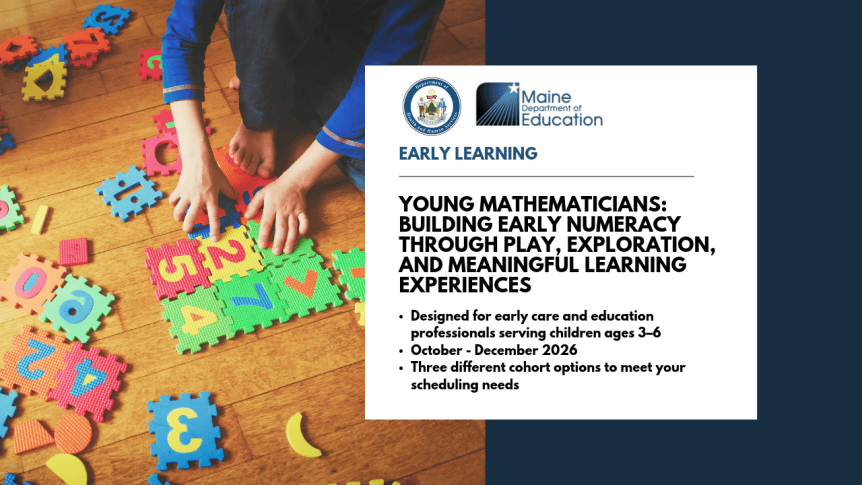
Young Mathematicians: Building Early Numeracy Through Play, Exploration, and Meaningful Learning Experiences

The Maine Department of Education (DOE), in collaboration with the Maine Department of Health and Human Services (DHHS) Office of Child and Family Services, is pleased to offer Young Mathematicians— a professional learning opportunity designed for early care and education professionals serving children ages 3–6.

Delivered by Education Development Center (EDC), this learning series will help educators strengthen their understanding of early numeracy and create learning environments where young children can develop mathematical thinking through play, exploration, and everyday experiences. Participants will explore ways to recognize and build on the mathematical thinking children demonstrate throughout the day and learn strategies to intentionally support foundational numeracy skills. The series will also help educators engage families in supporting early numeracy at home.

Three distinct learning tracks are available at no cost for educators with different schedules and learning preferences. Space is limited in each track. Educators are encouraged to select the track that best fits their schedule and setting. Before registering, educators should confirm that they can attend all sessions in their selected track.

Track 1: In-person + Online Learning Registration

Limited to 50 participants: This track offers school-based, Head Start, and childcare educators (preschool through grade 1) an opportunity to begin their learning together in person before continuing virtually.

In-Person Session:
October 30, 2026, 8:30 a.m. – 3:30 p.m.
Jeff’s Catering & Event Center

15 Littlefield Rd, Brewer, ME 04412

The in-person session will be followed by two online sessions:

  • November 10, 2026, 3:30–5:30 p.m.
  • December 1, 2026, 3:30–5:30 p.m.

Track 2: Fully Virtual

Limited to 100 participants: This track offers a fully virtual option for school-based, Head Start, and childcare educators (preschool through grade 1) who prefer to participate remotely.

All sessions will be held online on Wednesdays from 3:30-6:00 p.m.:

  • October 28, 2026
  • November 4, 2026
  • November 18, 2026
  • December 2, 2026

Track 3: Fully Virtual – Evening

Limited to 50 participants: This track is designed for family childcare providers and other educators who are available only during evening hours.

All sessions will be held online on Mondays from 6:00–7:30 p.m.:

  • October 26, 2026
  • November 9, 2026
  • November 23, 2026
  • December 7, 2026

Registration for all three tracks will remain open while space is available. Once a track reaches capacity, registration for that track will close. To ask about a waitlist or for more information, please contact Maine DOE Early Childhood Specialist Nicole Madore at nicole.madore@maine.gov.

Preschool Development Grant funds received from the U.S. Department of Health and Human Services (HHS) support the implementation of this project. The project has an award totaling $45,091 funded and directly attributed to project implementation. The contents are those of the author(s) and do not necessarily represent the official views of, nor an endorsement by, HHS or the U.S. government.
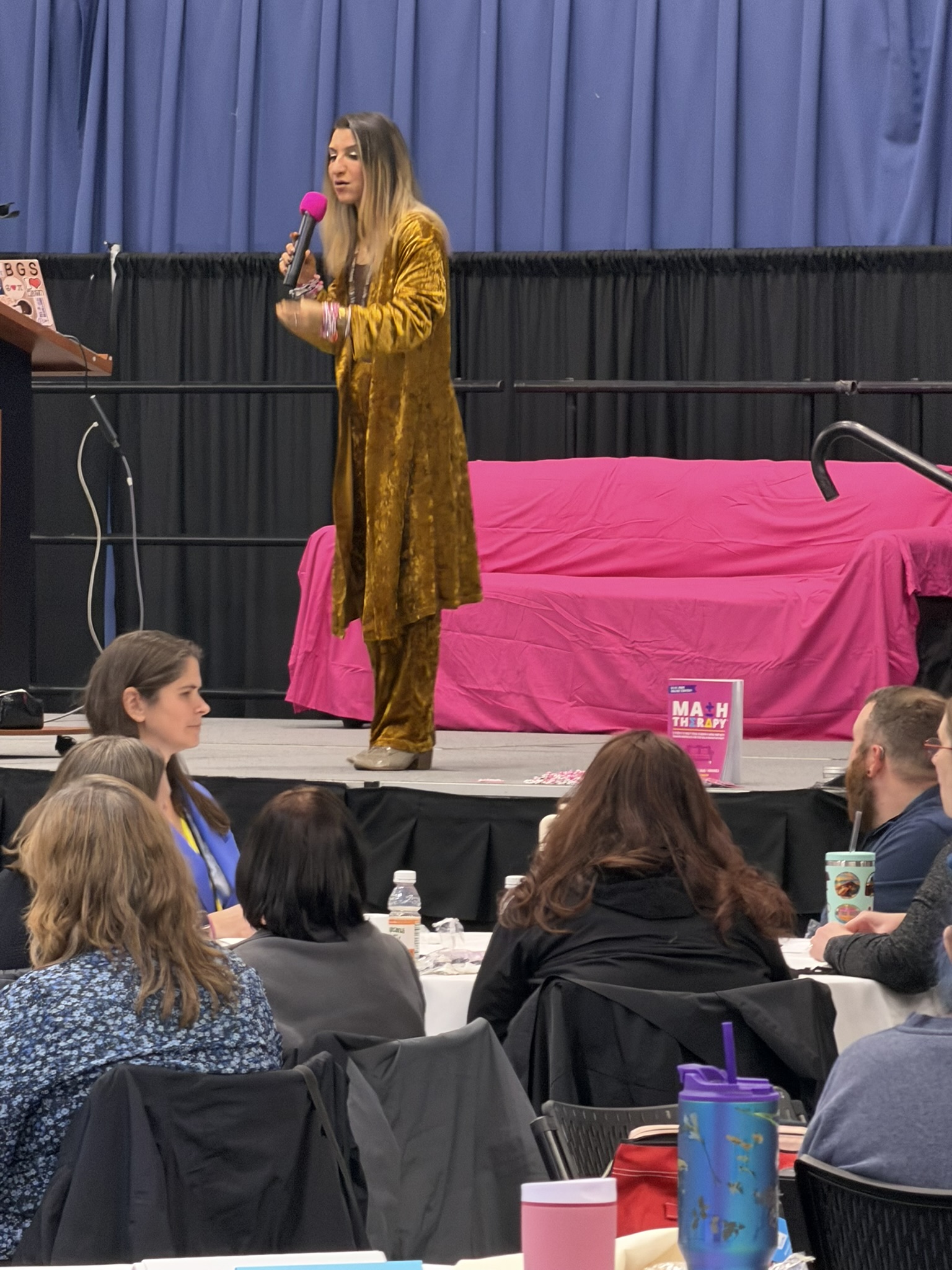
ATOMIM Conference Gathers Educators from Across Maine to Advance Mathematics Learning

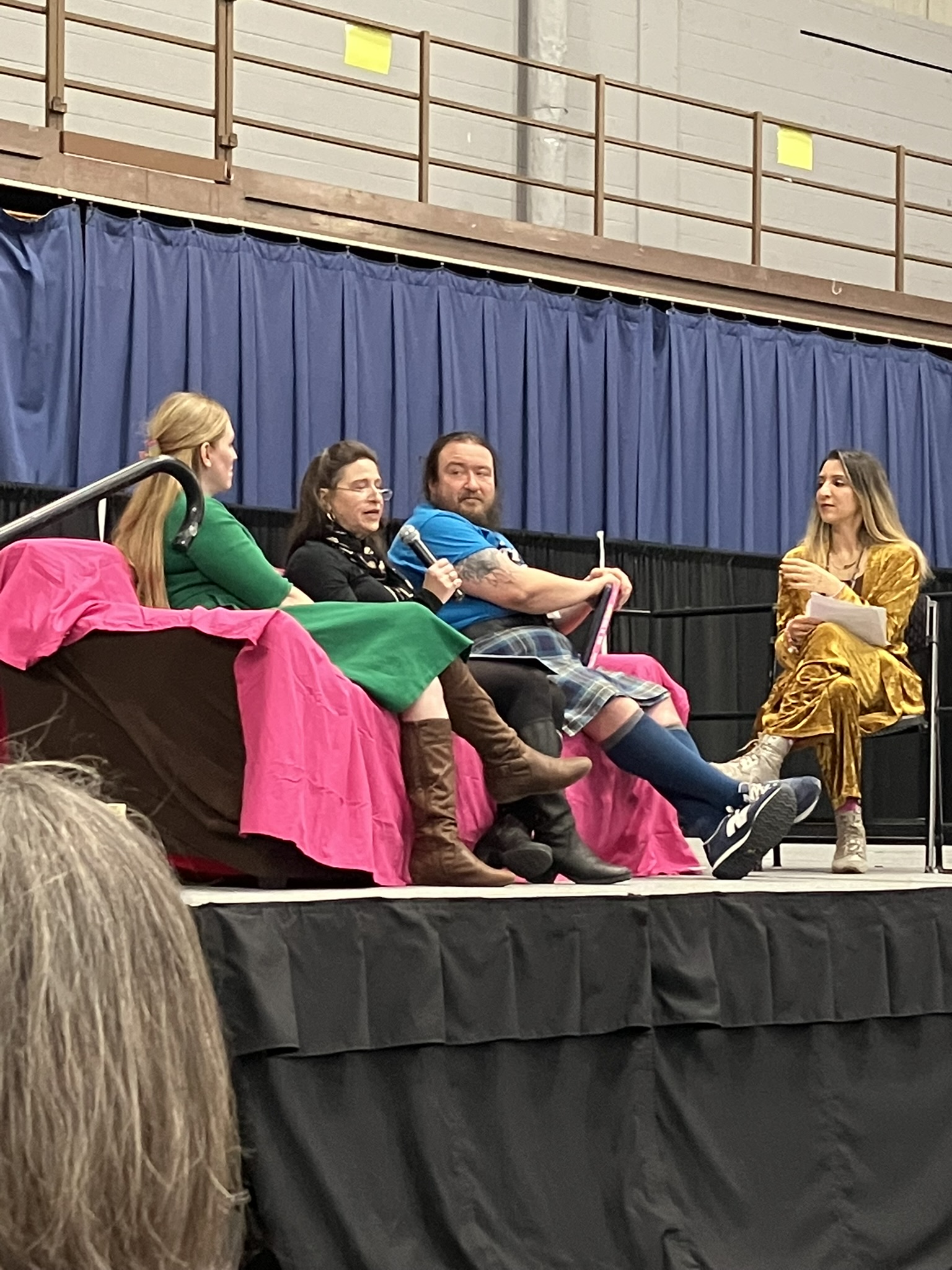
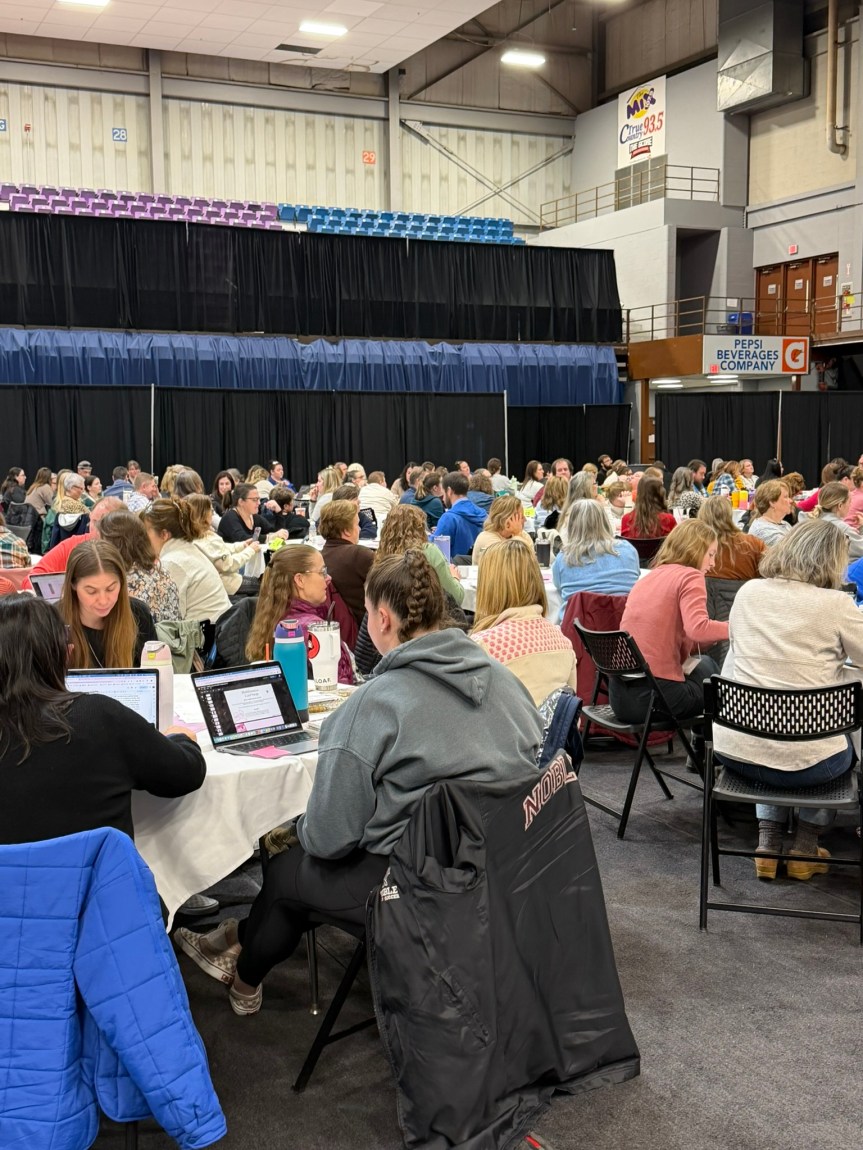
On March 24, 2026, an Association of Teachers of Mathematics in Maine (ATOMIM) Conference convened more than 230 educators, instructional leaders, and partners for a full-day professional learning experience centered on the theme, “Developing Mathematical Reasoning for All: Ensuring Everyone Is Counted In.” Supported by partners including Imagine Learning, Texas Instruments, McGraw Hill, and the Maine Department of Education (DOE), the conference showcased a comprehensive program designed to translate research into classroom practice while advancing a more equitable mathematics learning ecosystem.

The conference theme was woven throughout every session, reinforcing that mathematical reasoning is not reserved for a subset of students but is a critical skill for all learners. Presenters consistently focused on removing barriers to participation, addressing math anxiety, and building confidence and identity in mathematics.

Opening keynote speaker Vanessa Vakharia set the tone by challenging traditional definitions of success in math education and stating, “There’s no such thing as ‘not a math person.’” Her message—reframing failure as a necessary part of learning—resonated across sessions that followed, many of which addressed math trauma, student mindset, and inclusive teaching strategies. Vakharia further emphasized that, “Success and failure are not mutually exclusive.I In an inclusive classroom, we must have both working together.”


Across three session blocks, attendees engaged in more than 20 breakout sessions spanning grade levels pre-K–12 and beyond. Topics reflected a balance of foundational skill-building and innovative approaches, including strengthening number sense and multiplicative reasoning in early grades; using games, models, and hands-on tools to deepen conceptual understanding; applying algebra and data science to real-world contexts such as energy and community issues; and integrating technology, AI, and coding to make mathematics interactive and relevant.

Sessions such as “Using Culture and Identity to Teach Mathematics in the Age of AI” and “Data-Rich Math Routines” highlighted how culturally responsive teaching and real-world data can make mathematics more meaningful and accessible—key components of broadening participation in STEM (science, technology, engineering, and mathematics) fields.

A central throughline of the conference was equity. Many sessions focused on differentiation strategies, multilingual learner support, and inclusive instructional frameworks such as Universal Design for Learning (UDL). Educators explored how to redesign lessons, assessments, and classroom routines to ensure all students can engage in rigorous mathematical thinking. Workshops on math therapy, rubric design, and brain-based learning provided actionable strategies to support diverse learners, reinforcing that equity is achieved not through simplification but through intentional, inclusive design.

Beyond content, the conference highlighted the importance of student identity and belonging in mathematics. Sessions explored how storytelling, discussion routines such as “Notice and Wonder,” and collaborative problem solving can help students see themselves as capable mathematicians. Interactive formats—ranging from hands-on games to panel discussions—encouraged participants to actively engage, reflect, and share practices. This approach fostered a strong sense of professional community and reinforced the idea that improving math education requires collective effort.

Several sessions addressed the evolving role of mathematics in preparing students for college, careers, and civic life. Innovative course pathways, such as financial algebra and career-focused math programs, were presented as alternatives to traditional sequences, helping align instruction with workforce needs. These discussions underscored the importance of equipping students with not only procedural skills but also the reasoning, problem-solving, and analytical abilities necessary for success in STEM-related fields.

Reflecting on the experience, one participant shared, “I enjoyed learning about the numeracy playbook and understanding how it will work. It was especially valuable to interact with educators from across the state and learn what they are doing, as well as ways I can change up my math teaching.”

The 2026 ATOMIM Conference demonstrated how a focused, theme-driven convening can advance both instructional practice and broader educational goals. With more than 230 participants engaged in deep learning and collaboration, the event highlighted a shared commitment to ensuring that every student has access to meaningful, high-quality mathematics education.

To learn more about the Association of Teachers of Mathematics in Maine (ATOMIM) please visit their website.

Unlocking Numeracy Series Launches with a Successful Kickoff

The Maine Department of Education (DOE) Office of Teaching and Learning is pleased to celebrate the successful launch of Unlocking Numeracy, a new, five-part virtual professional learning series designed to strengthen numeracy instruction across classrooms and communities statewide.

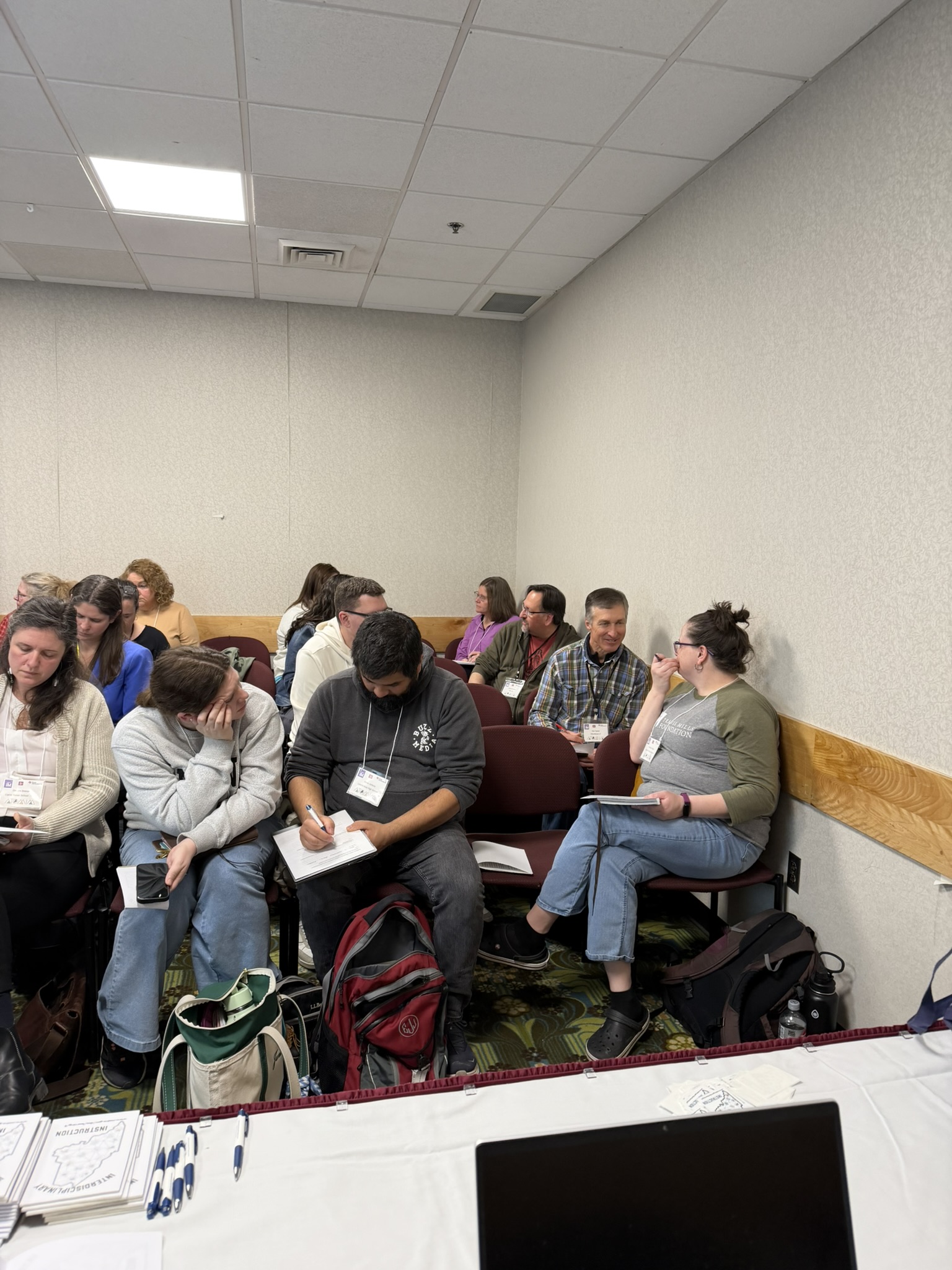
The opening session, “Foundations of Numeracy,” a virtual workshop held on February  3, 2026, marked a strong collaboration between the Maine DOE Interdisciplinary Instruction Team and nationally recognized math educator Dan Finkel, founder of Math for Love. Approximately 40 educators participated in the kickoff, joining as numeracy teams and “partner pairs” to engage in a shared exploration of what numeracy truly means and how it comes to life in classrooms.

The workshop opened the series with a foundational conversation about numeracy, led by Finkel. He focused on designing learning experiences that transform people’s relationships with mathematics by fostering curiosity, confidence, and joy. Throughout the session, participants reflected on the hallmarks of a numerically literate student and envisioned what classrooms that genuinely teach numeracy look and feel like.

Educators engaged in hands-on activities that modeled how intentional experiences can deepen mathematical thinking. Participants explored tasks such as, “Don’t Break the Bank,” “Broken Calculator,” and “Close Calls and Bullseyes”–each designed to promote reasoning, sense-making, and rich student discourse. Teachers left the session with ready-to-use materials to begin building a numeracy toolkit, while administrators gained strategies to support and sustain a culture of numeracy within their schools.

A key theme throughout the session was mindset. Finkel emphasized that numeracy is not about perfection but about growth.

“The goal is not to instantly do everything perfectly,” Finkel shared. He said instead, numeracy opens pathways to deeper mathematical thinking, agency, and enjoyment for all learners.

Finkel also outlined essential elements of classrooms that unlock numeracy: spaces where curiosity and wondering are valued, where students care about one another’s understanding, where meaningful practice leads to visible growth and confidence, and where learners experience ownership of their work. In these environments, student thinking is diverse, choice is encouraged, and learning feels authentic.

Immediate feedback highlighted the impact of the session. One educator shared: “I really enjoyed last night’s session. Thank you very much! I went home and, over dinner, shared your activities with my 7th grader, who loves math. He said, ‘Your students will love these!’ I appreciate you teaching me new things and also reminding me of some I haven’t done in a while.”

The Unlocking Numeracy series will continue on March 5, 2026, with the next session, “Classroom Openers for Numeracy.” The Maine DOE looks forward to building on this strong start as educators across the state continue to deepen their practice and strengthen numeracy learning for all students. For more information about the Unlocking Numeracy series, click here.

Title IIA funds received from the U.S. Department of Education (ED) support the implementation of this project. The project has an award totaling $19,500.00 of which 100% is federally funded and directly attributed to project implementation. The contents are those of the author(s) and do not necessarily represent the official views of, nor an endorsement by, ED or the U.S. government.