Empowering Students: Workforce Development and the Dignity of Risk

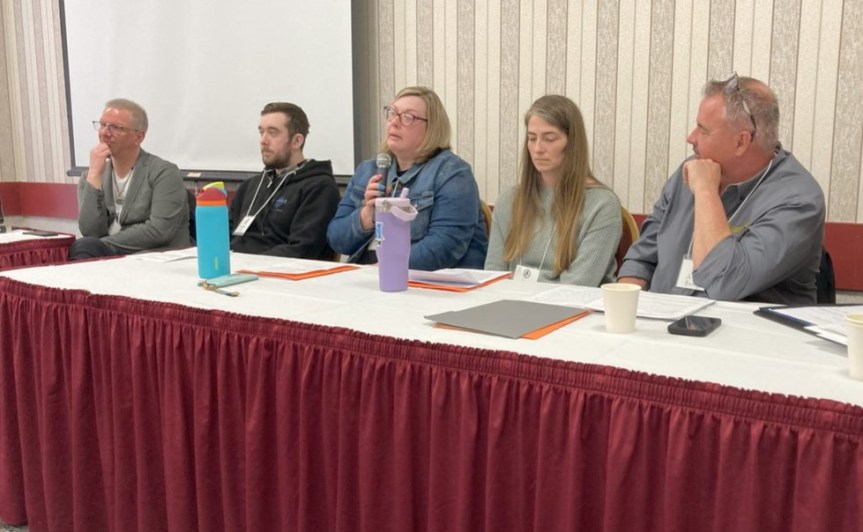
Pictured (left to right): John Post, Kameron King, Danica Wooster, Kay Fearon, and Arnold Bulley. 

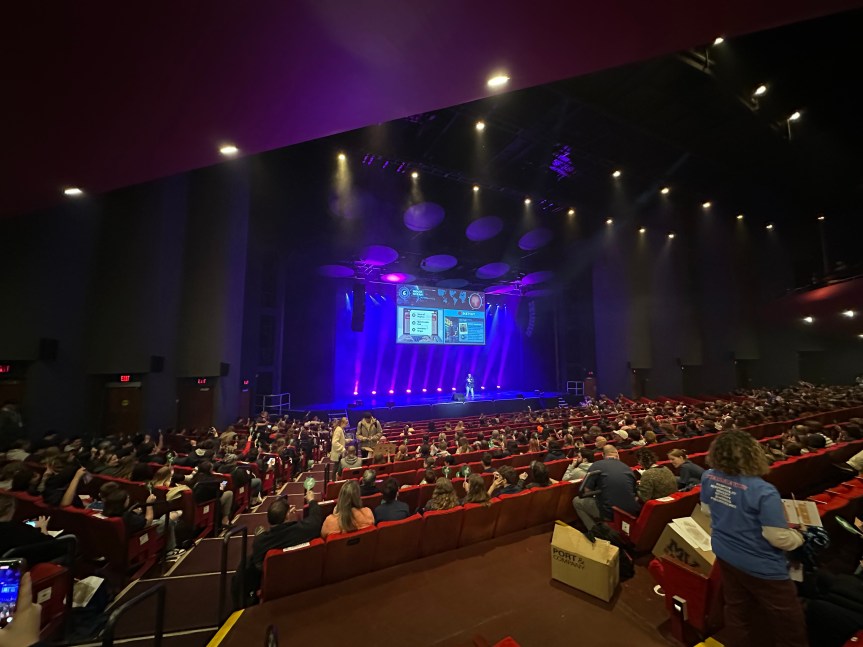
At the core of teaching is a central question: How can we ensure that every student gets the best education possible? This was the theme of the Maine Department of Education’s Inclusive Education Conference, focused on supporting students with disabilities throughout their pre-K-12 schooling and into meaningful adult lives. 

Held at the Augusta Civic Center, the conference provided an opportunity for attendees to sit in on a variety of panels and workshops, centered around some key questions: How can we rethink classroom spaces to make them more accessible to students who are receiving special education services? How can we rework individualized education plans (IEPs) to ensure inclusion across all settings? How can we ensure that students with disabilities have the same opportunities in school as other students?  

One such panel was on the topic of “Dignity of Risk for Students with Disabilities.” The panelists included a variety of people from different backgrounds, including educators, employers, employment specialists, and a young employee with lived experience, each offering valuable perspectives on how risk impacts the development and success of students with disabilities.

Liam Danaher, ELO Coordinator at Noble High School discusses the dignity of risk and supporting students in their journey with career exploration
Liam Danaher, ELO Coordinator at Noble High School, discusses the dignity of risk and supporting students in their journey with career exploration.

Janet May, Coordinator of Transition and Adults at the University of Maine Center for Community Inclusion and Disability Studies, opened the discussion asking panelists, “What is dignity of risk?” Each panelist responded with varying perspectives on the discussion; however, a common thread emerged: Students should be allowed to take risks, make mistakes, and fail, because it is often in that moment of failure that people truly grow. Panelist John Post, a vocational rehabilitation counselor said, “It is okay to have a negative impact from a risk. What’s important is to learn how to come back from it.”

Each panelist shared their own experiences, encouraging students to embrace manageable risks. Kamron King, who works in an apprenticeship program for high-skilled labor jobs, shared that starting out in the program was tough, but being allowed to fail helped him to grow. Danica Wooster, a Student Support Specialist at the Mid-Coast School of Technology, is a woman working in a male-dominated field. She emphasized the importance of pushing yourself and learning from personal challenges; Arnold Bulley, a Human Resources and Safety Manager at Shiretown Solutions in Houlton, noted that he always sets goals for students to help them grow, letting them take risks. Liam Danaher, Extended Learning Opportunities Coordinator at Noble High School, recalled his six-year-old son learning how to mountain bike with the mantra, “No risk, no reward.”

The panel went on to address many other questions about the balance between growth and support. In the end, it was a productive conversation about how to tackle these delicate and necessary challenges. 

Another panel question involved striking the right balance between providing necessary support, while still allowing for the dignity of risk and personal growth. As discussed by Wooster and Danaher, this balance is rooted in the belief that meaningful learning and growth happen through experience, especially through mistakes. The support should be individualized and dynamic, adapting to each student’s needs. King’s experience further emphasized this. He talked about how his vocational rehabilitation counselor supported him in his journey to becoming a welder at a shipyard, which, with many ups and downs, demonstrates how support helps individuals to flourish. 

Bulley added, “To me, a balanced support means pulling back on those parents and job coaches and employment specialists in order to let a person learn and grow.”

Ultimately, balancing support with risk is about building a toolkit that, as Kay Fearon, Diversified Occupations Instructor at Portland Arts and Technology High School described, helps students to adapt and find their own ways of achieving success, even in the face of limitations and challenges. 

Conference panelists emphasized that it’s not a one-size-fits-all approach; it’s about guiding students to recognize their strengths, confront their fears, and know that setbacks are part of the path to confidence, independence, and personal fulfillment.

For both employers and individuals alike, inclusive workplaces are essential. When people with disabilities and other diverse backgrounds are fully included, organizations across industries unlock greater potential—for their teams, individual employees, and the broader workforce.

This article was written by Vagni Das, a rising senior at Yarmouth High School. As part of her extended learning experience, she is working as an intern at the Maine DOE.
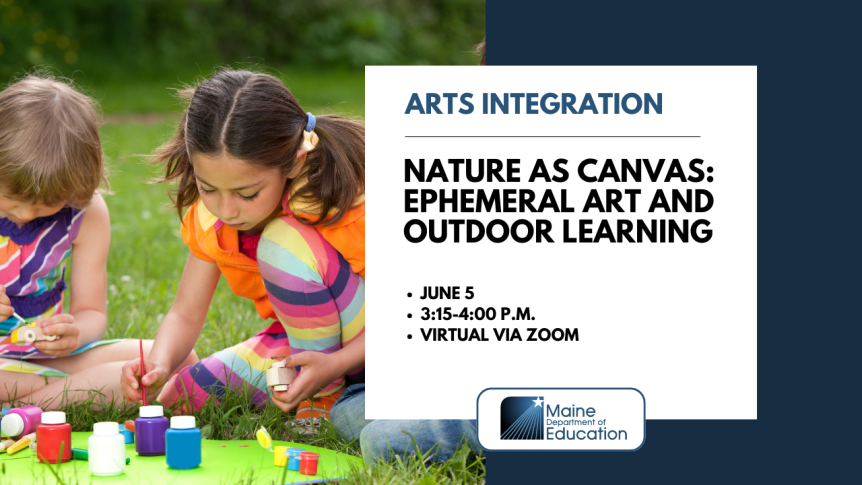
Webinar: Nature as Canvas – Ephemeral Art and Outdoor Learning

Join Joshua Chard, Maine Department of Education (DOE) Arts Integration Teacher Leader Fellow, for an engaging 45-minute webinar on how nature-based and ephemeral art can ignite creativity, deepen content learning, and strengthen students’ connection to place.

Chard will be joined by special guest Becky Hallowell, 2025 Maine Teacher of the Year, who brings a deep commitment to outdoor, place-based education. Together, they’ll share real classroom examples, practical strategies, and easy-to-implement ideas for using natural materials to support cross-curricular learning—from science and math to writing and social-emotional learning.

This session is ideal for educators seeking to bring learning outdoors and create meaningful connections between art, the environment, and student voice.

Date: June 5, 2025
Time: 3:15-4 p.m.

No preregistration is required. Join the webinar here.

For further questions, please reach out to Maine DOE Arts Integration Teacher Leader Fellow Joshua Chard at joshua.chard@maine.gov.

Power Up Your Summer Learning Programs! May Flyer for Maine Surplus Property

Is your school in need of laptops, desktop computers, multi-device charging stations, monitors, or standard and multifunction printers/copiers/scanners? What about unused ink toner cartridges (HP and other brands), projectors with carrying cases (Epson, InFocus brands), white boards, desks, folding tables, chairs, or other furniture?

If so, Maine Surplus Property has these and other items available! Open this PDF to view the May Maine Surplus Flyer: Power Up Your Summer Learning Programs.

Approved donees may purchase items from Maine Surplus Property at 85 Leighton Road in Augusta between 8 a.m. and 3:30 p.m. Monday through Friday.

Are you not an approved donee yet? The general public may purchase items during the Maine Surplus Property public sale on the second Friday of each month.

For more information, please visit Maine Surplus Property or check out this Maine DOE Newsroom article about the Maine Surplus Property Donee Program. You can also sign up here to receive automatic updates!

Language, Culture, and Connection: Maine DOE Launches Global Partners Network Webpage

The Maine Department of Education (DOE) is proud to announce the launch of its new Global Partners Network webpage, a central hub highlighting Maine’s six active international agreements with China, France, Germany, Portugal, Spain, and Taiwan. This resource marks an important step in ongoing efforts to connect Maine educators and students to global learning opportunities that strengthen multilingualism, cultural understanding, and future readiness.

This launch follows the successful completion of the Maine DOE’s Multilingual/Multicultural Connections Webinar Series, a five-part virtual learning experience that brought together educators, school leaders, and community partners from across the state. This series underscored how language and culture enrich educational experiences and showcased how global partnerships can play a vital role in building inclusive, globally-engaged classrooms.

While the current webpage focuses on Maine’s formal partnerships with six international partners, it also serves as the foundation for a broader resource center. As the Maine DOE builds out this evolving resource, additional tools, professional learning opportunities, exchange program information, and language pathway guidance will be added in the coming months.

“Our goal is to make global engagement more visible and accessible to all Maine schools,” Ayesha Hall, Maine DOE Director of Strategic Partnerships, said. “This launch celebrates what we’ve already accomplished through international collaboration and sets the stage for deeper connections and expanded support for language and culture in education.”

What You’ll Find on the Webpage:

  • Overviews of international agreements with China, France, Germany, Portugal, Spain, and Taiwan. A description of how these partnerships support Maine schools through cultural and linguistic exchange
  • Updates on future resources and programs under development

This initiative reflects the Maine DOE’s commitment to advancing its Strategic Plan priorities—especially Priority 2: Workforce Development and Priority 3: Strengthening Educational Excellence and Equity—by ensuring all Maine learners have access to the benefits of multilingualism and cross-cultural exchange.

Visit the Global Partners Network webpage here. With questions, please contact Ayesha Hall at Ayesha.Hall@maine.gov.

Hundreds of Maine Students, Educators Attend MLTI Conference to Explore AI, Technology

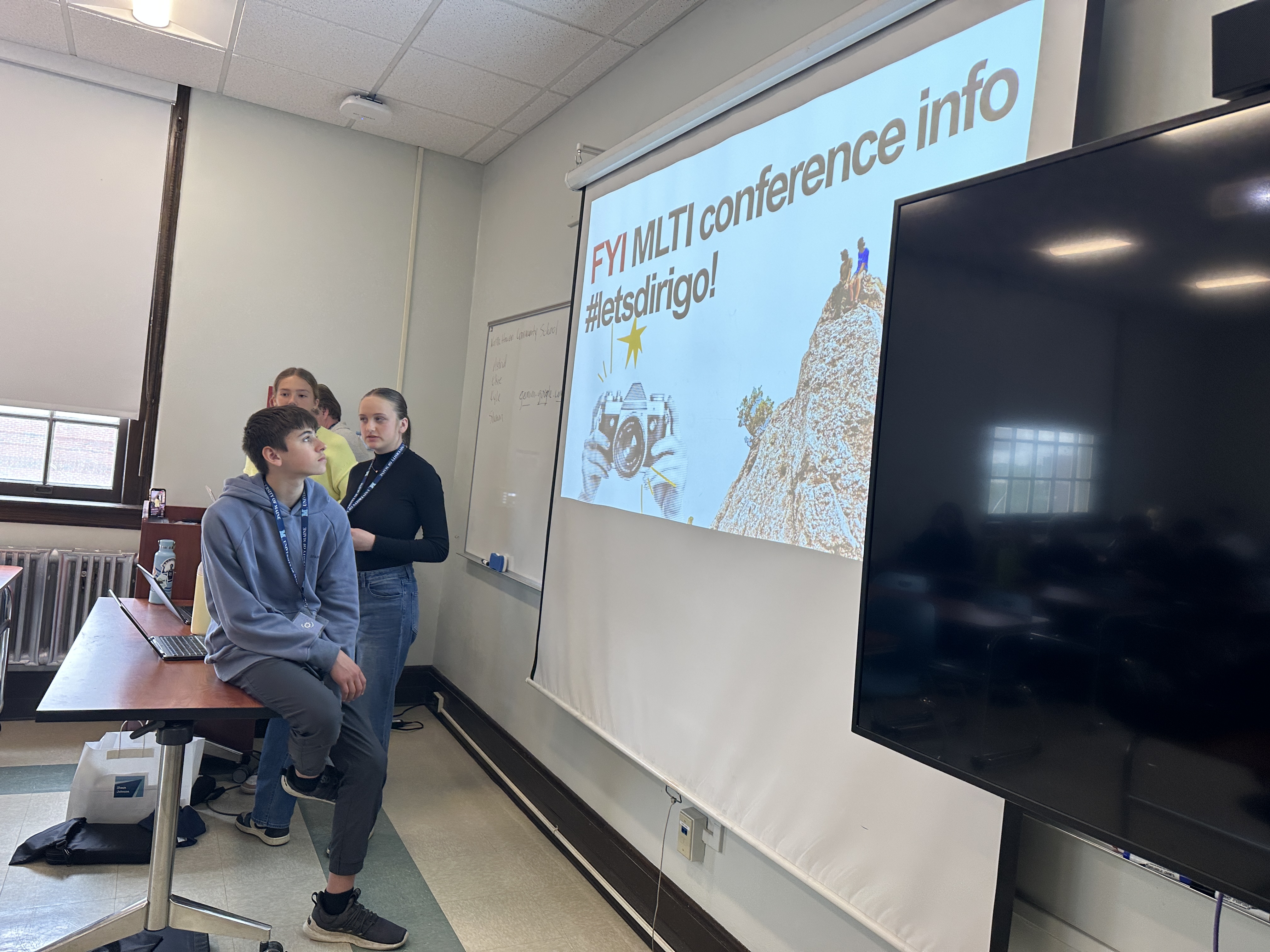
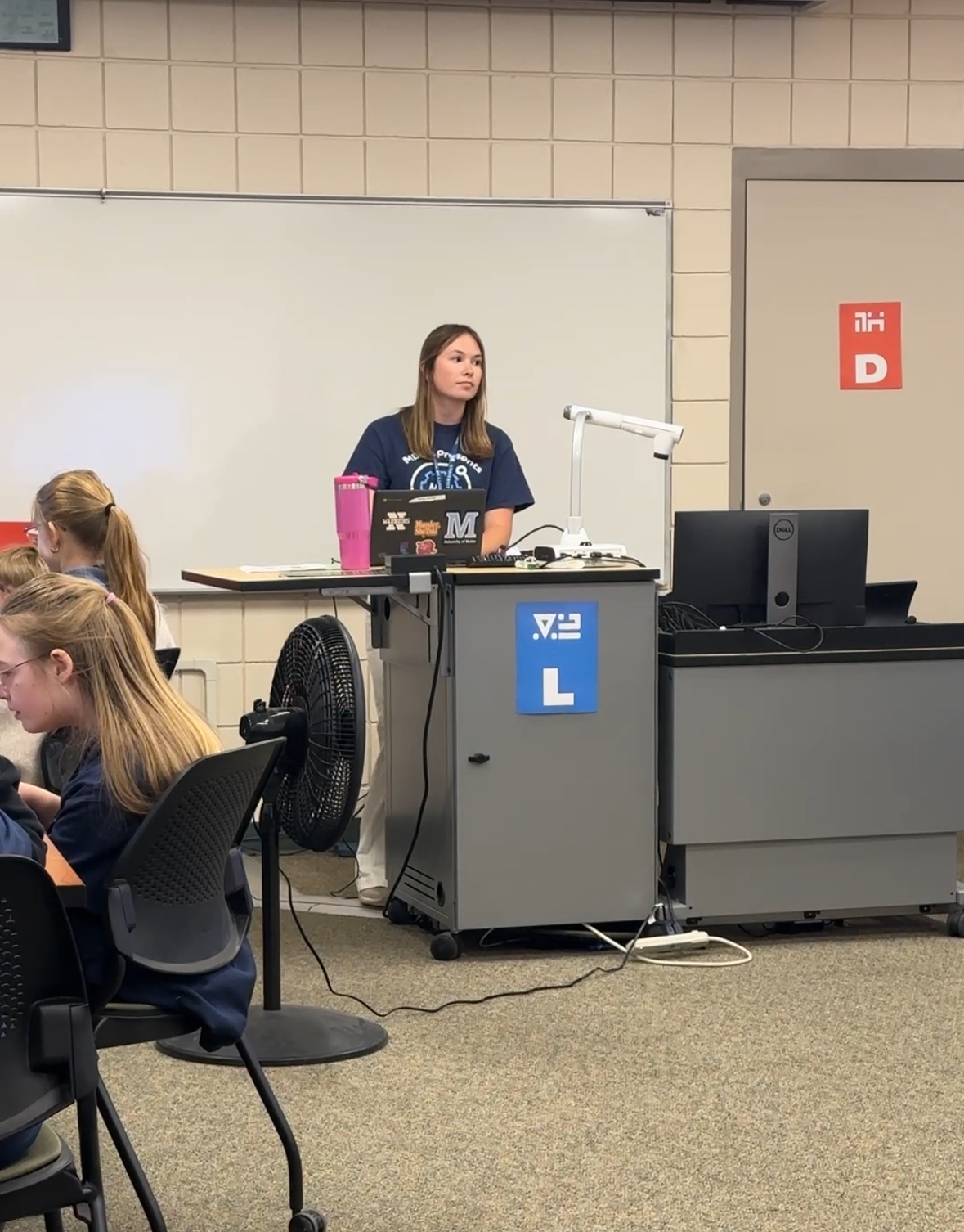
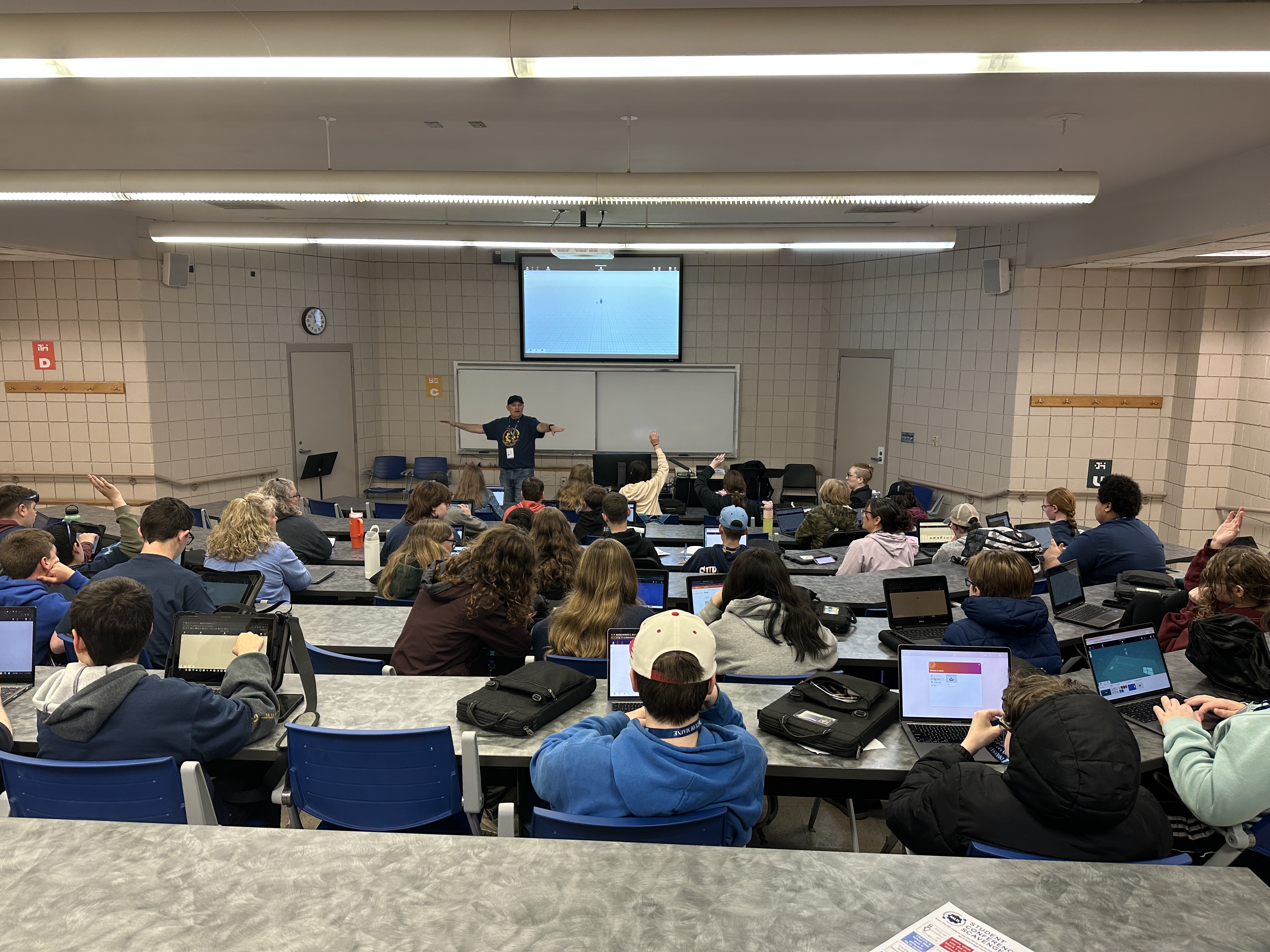
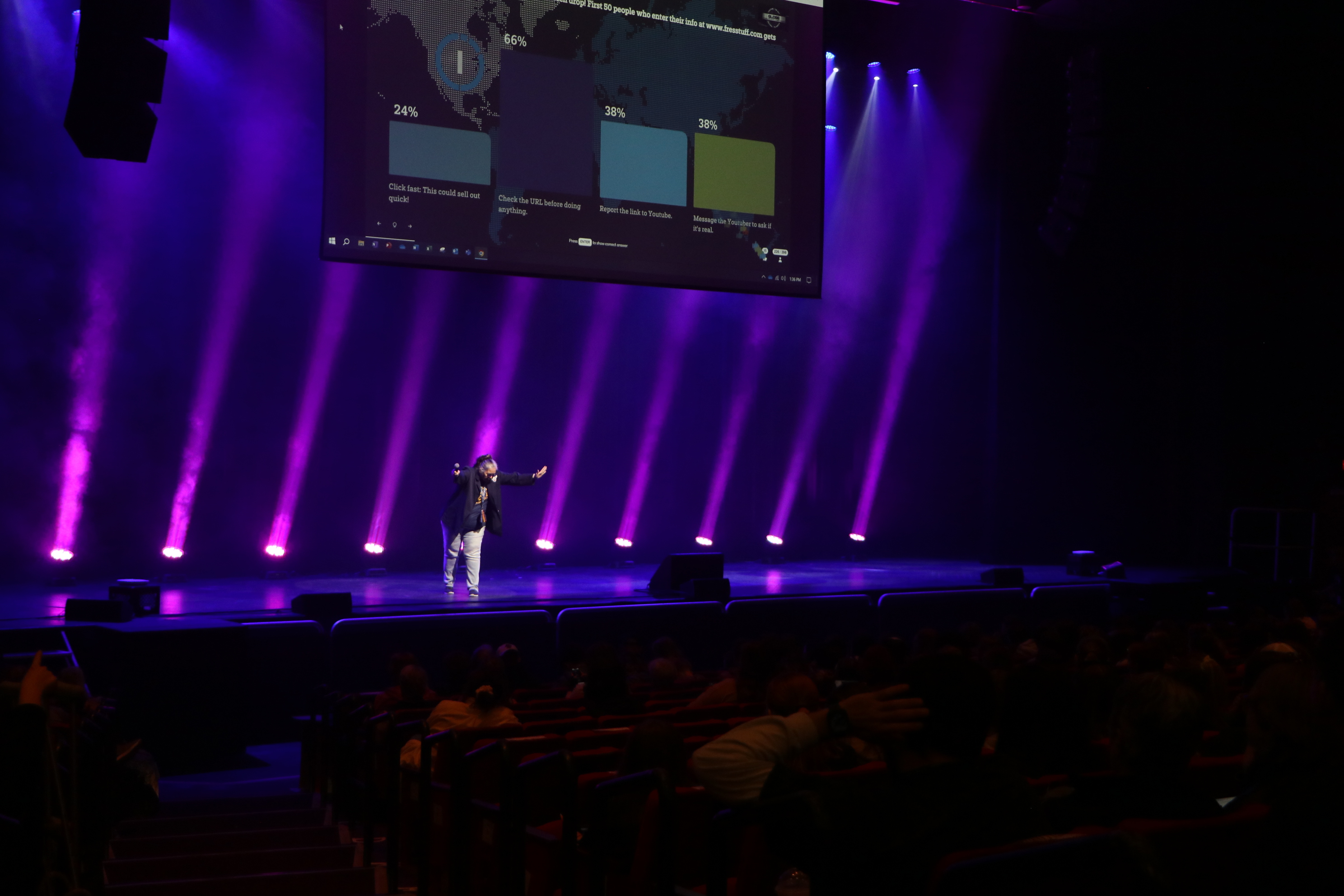
The Maine Department of Education (DOE) is celebrating a successful 2025 Maine Learning Technology Initiative (MLTI) Student Conference, which culminated Thursday afternoon at the University of Maine at Orono. Themed #LetsDiriGo, the conference highlighted how students are using technology to travel creatively through ideas.

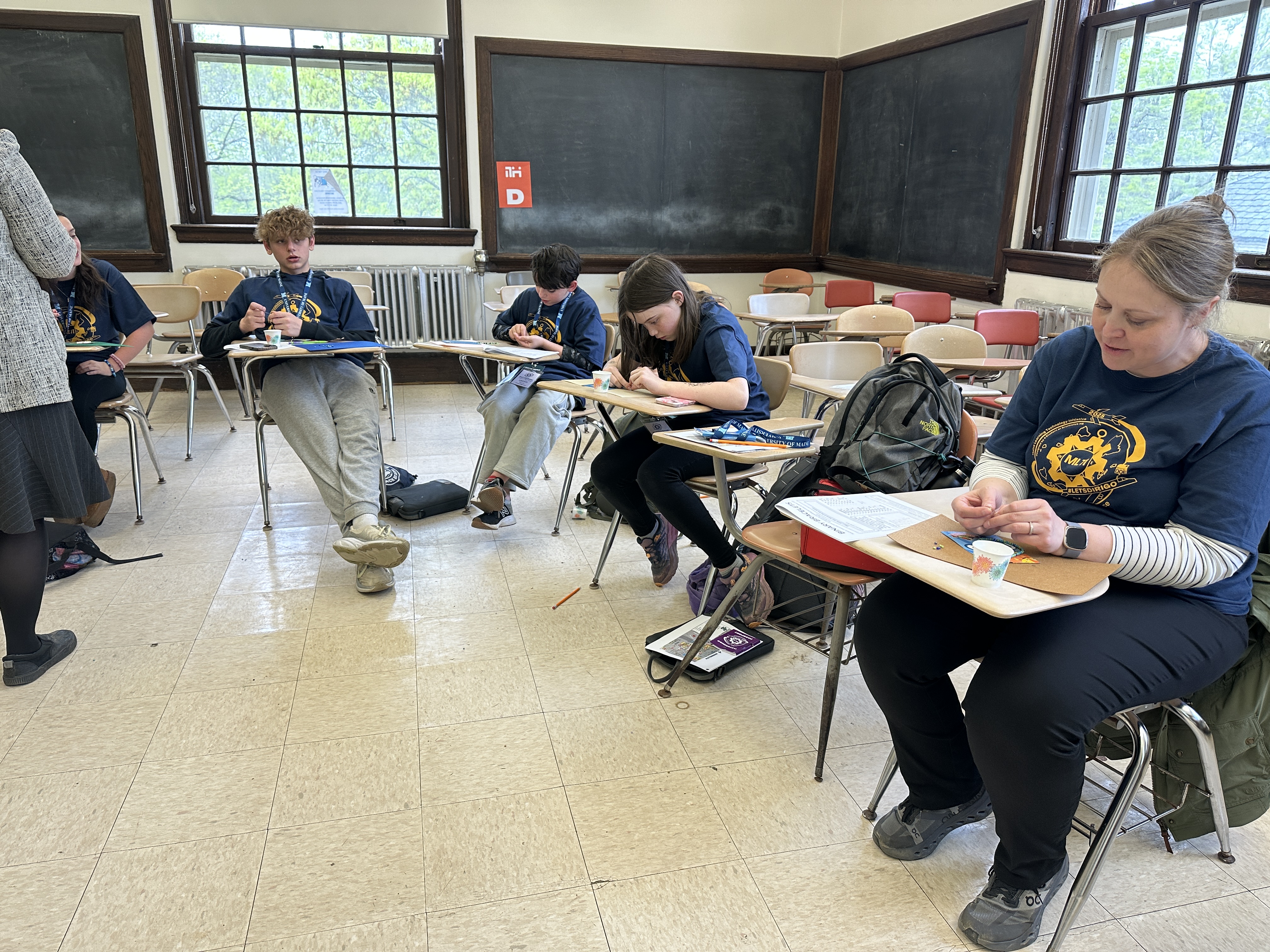
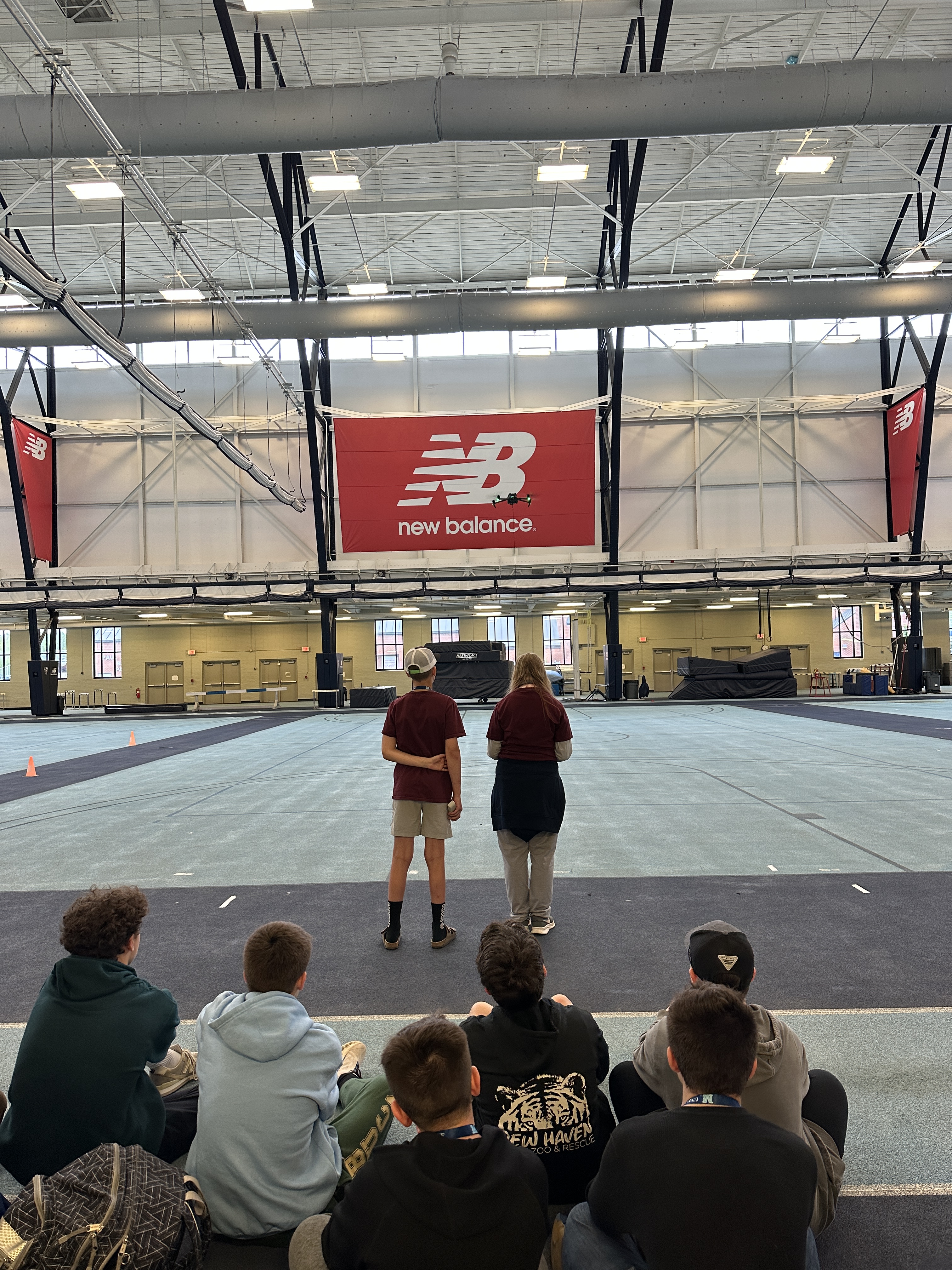
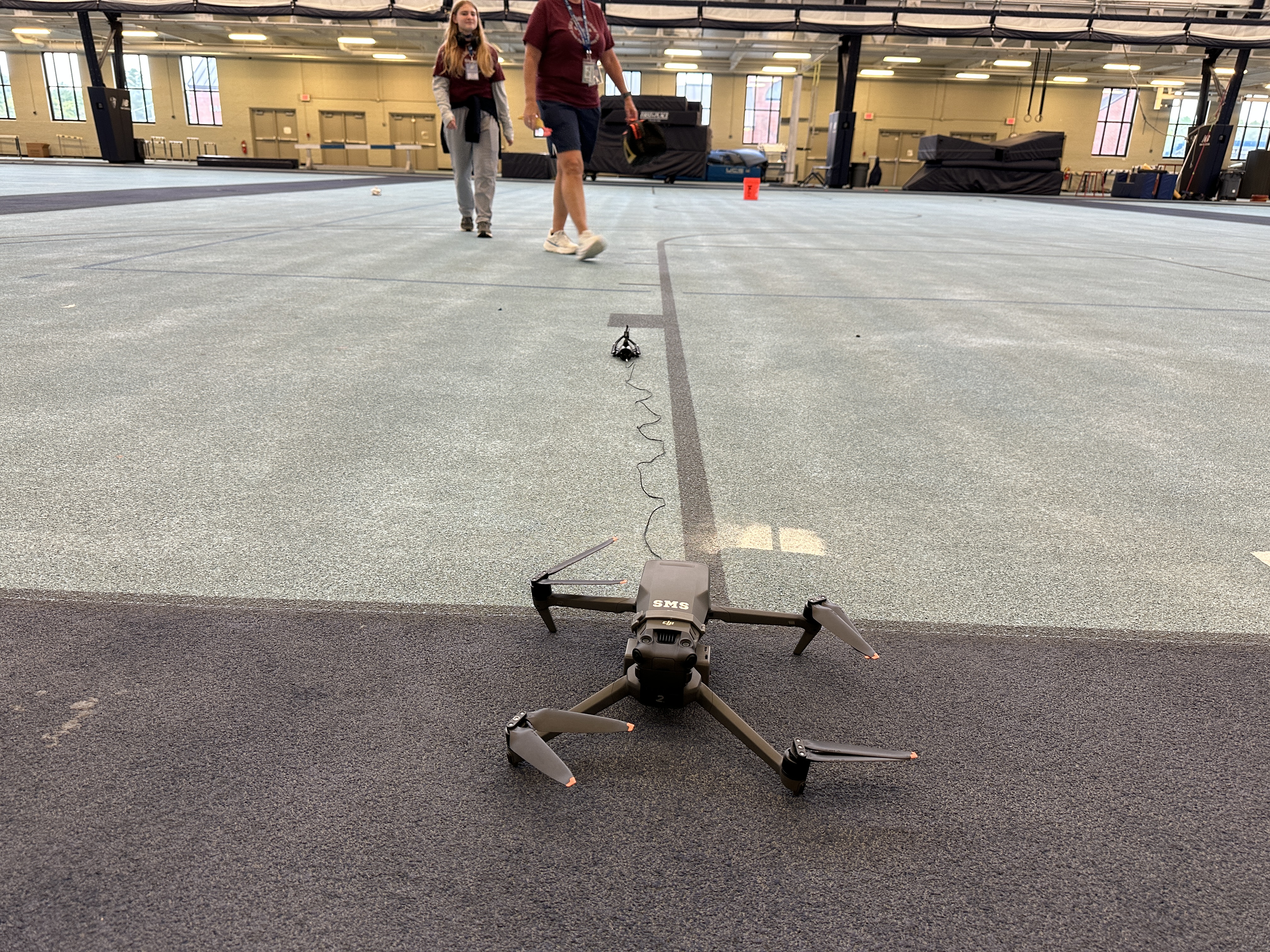
This free, day-long event provided opportunities for hands-on learning, centered on emerging technologies like artificial intelligence, cybersecurity, digital creativity, and more. The dozens of available sessions included everything from First LEGO League (FLL) Robotics, to opportunities to create green screen videos, to the use of drones, to creating virtual reality spaces. The conference ended with a shared learning experience among all students, as they participated in an interactive cyber defense experience, outwitting a fictional villain.

“When technology comes on the scene, it tends to stick around,” Emma-Marie Banks, Maine DOE Learning Through Technology coordinator, said in an interview with WABI. “We try to do our best to prepare students not only for what’s here right now but also what they are going to see in five years from now—and how we can lay the foundational principles for them, so that they can be successful no matter what the next technology advancement is.”                                                                                                      

Nearly 1,000 students and educators attended the conference this year, which was open to all MLTI-participating school administrative units (SAUs). MLTI provides professional development and 21st Century learning tools to K-12 public schools in Maine, with a focus on using technology to transform teaching and learning in classrooms statewide. Maine was the first state in the nation to offer a 1:1 learning with technology initiative and remains the largest program in the country, deploying tablets and laptops to more than 80,000 teachers and students.

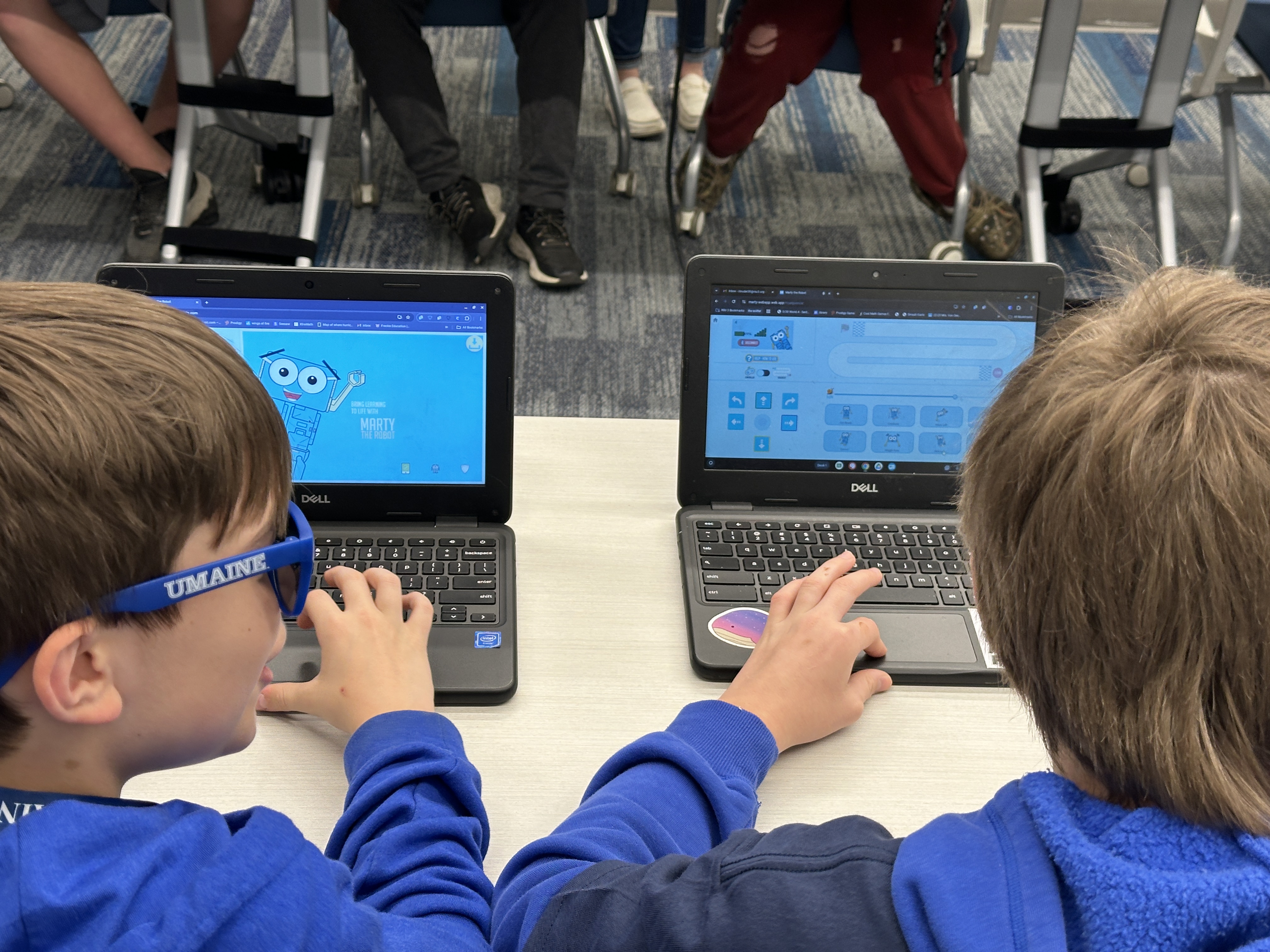
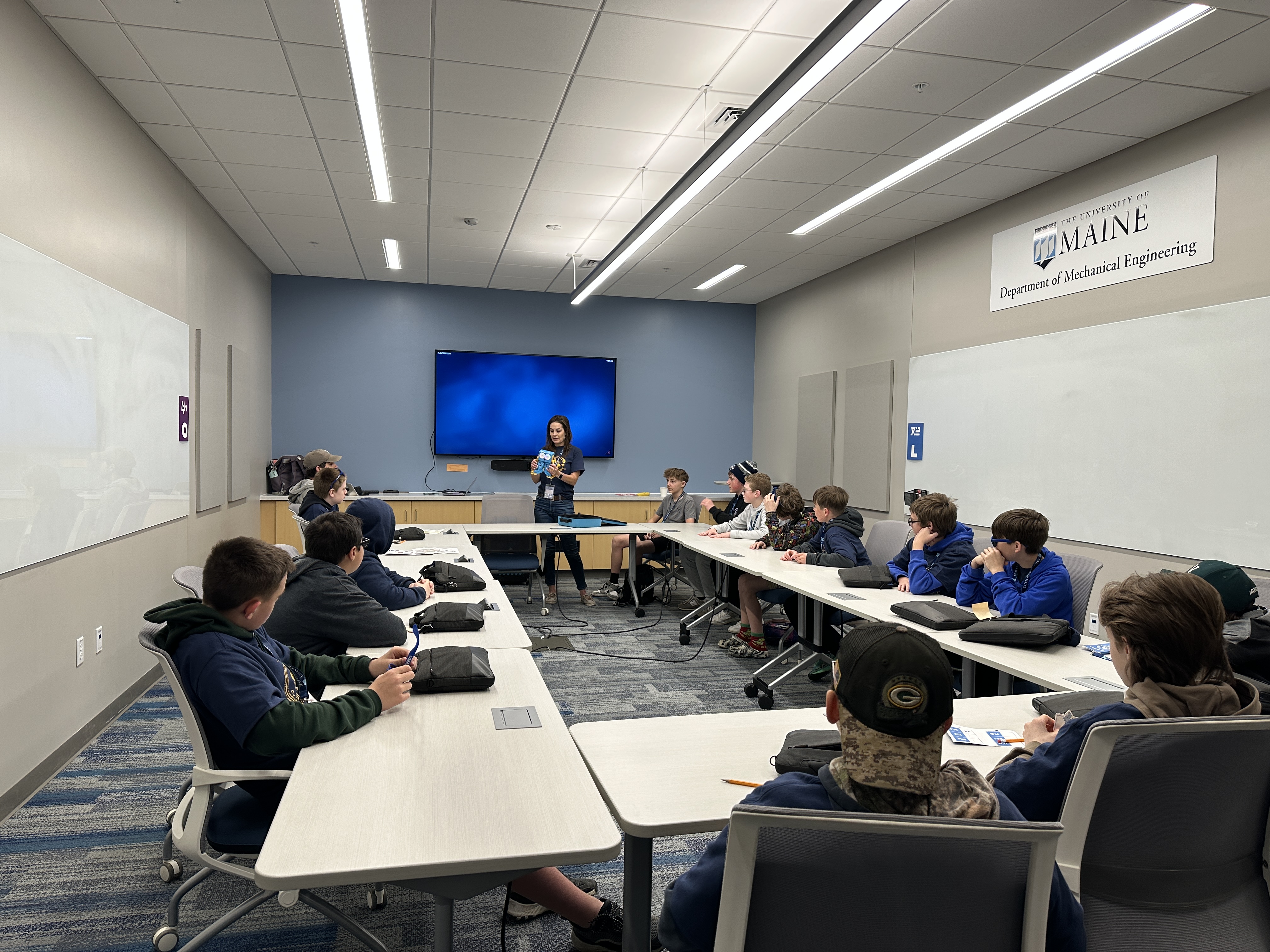
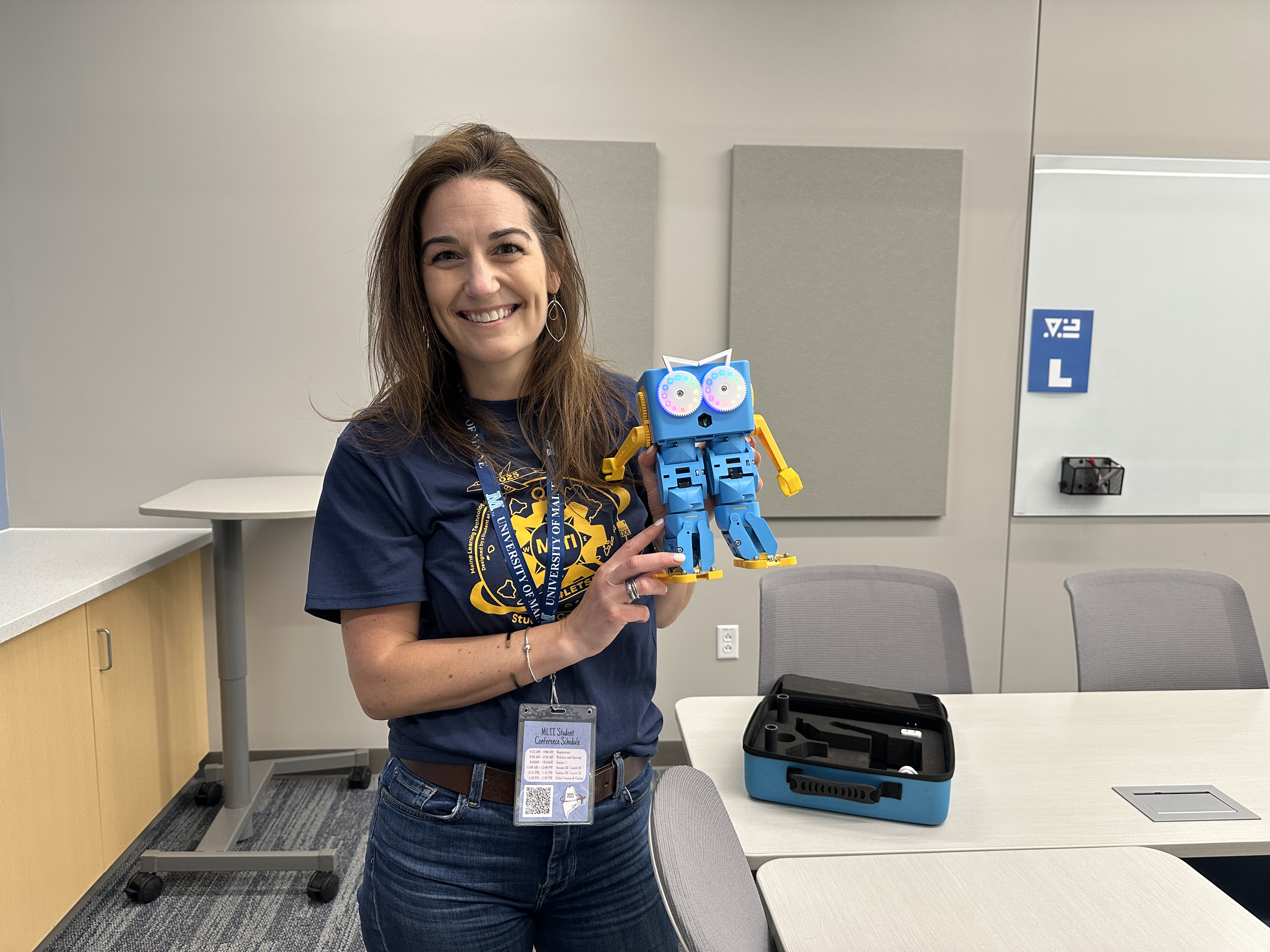
RSU 9 Tech Integrator Nicole Lesperance with Marty the robot. She presented to students how to program Marty to do dance moves. Lesperence received the Marty robots for RSU 9 students through the Maine DOE MLTI Tech with Tech grant program.

The 22nd annual 2025 MLTI Student Conference in the spring is a highly anticipated end-of-school-year event for students to showcase the technological skills that they have acquired throughout the year. This year, more than 40 student presenters helped to lead sessions at the conference, representing the next generation of thinkers, coders, and creators.

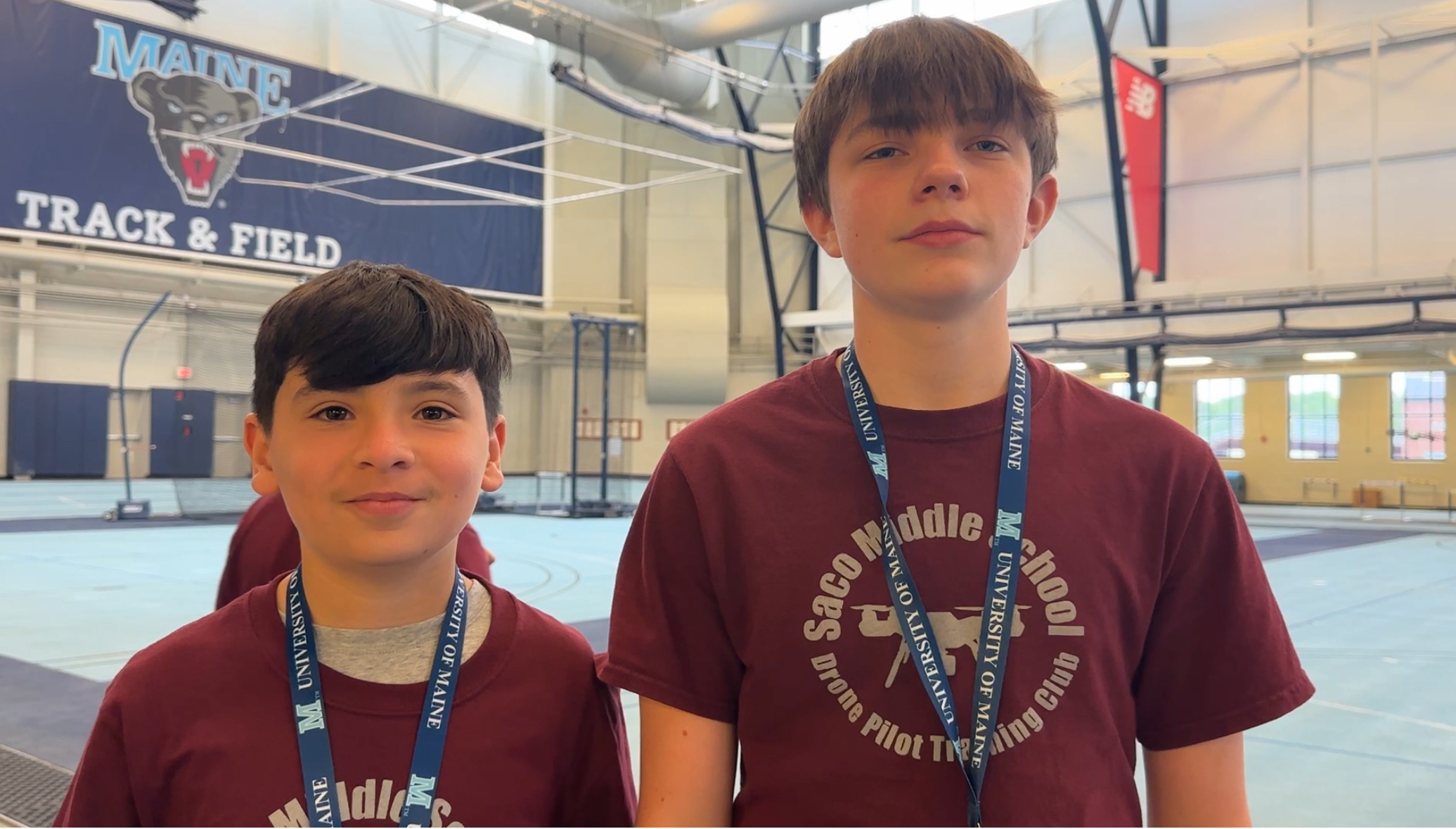
Students Connor and Zack were two conference participants from Saco Middle School who presented a drone session with their school.

“I think it’s just a great way to learn,” Connor said of the conference. “I think it’s just fun overall.”


Saco Middle School teacher Lisa Ronco said last year, her school received a $10,000 MLTI grant to purchase six drones. Since then, the students have been learning how to fly the drones and are planning to use them to showcase the progress of a local school construction project. Ronco said this is her and her students’ second year presenting at the conference.

“Last year, it was so popular—and we only did one session in the morning. This year, we’re doing two sessions. It’s a pleasure.” Ronco said. “These kids are building their confidence.”

Zoie

Zoie Elliott, an eighth grader from Windsor Elementary School, presented a session on how to make a digital escape room using Google slides.

“I love going to MLTI because I love learning how to do different things on my school computer, so I can put that into future things that I do,” Elliott said.

Thank you to all the educators, staff members, and students who came to the 2025 MLTI Student Conference. This year was a great success, and the Maine DOE is grateful for the student and educator presenters, volunteers, chaperones, and bus drivers who all took part in bringing so many students together for a fun day of hands-on learning!

To capture the ripple effect this event has on students, educators, and learning, the Maine DOE is collecting good news stories from those who have attended the MLTI Student Conference—either this year or in past years. To submit a story, please visit the good news submission form.  

The Maine DOE is looking forward to hosting the 23rd annual MLTI Student Conference on May 21, 2026, at UMaine!

Forest Friday Engages Phippsburg Elementary School Students in Place-Based Outdoor Learning 

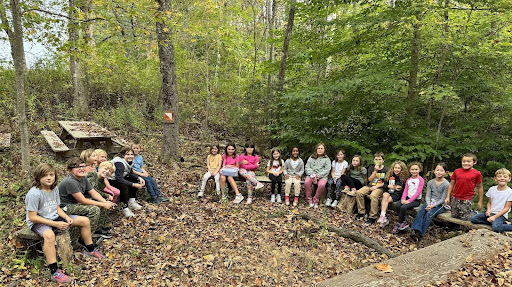
(Pictured: First and fourth grade students during Forest Friday)

After a long week of learning inside of the traditional brick-and-mortar classroom, students at Phippsburg Elementary School head outdoors to immerse themselves in nature for what’s known as “Forest Friday.”

Forest Friday is an academic block of time when students experience place-based outdoor learning. Through professional development and shared teaching and learning experiences, teachers have embraced this as a time to focus on hands-on learning, grounded in science and social studies standards. 

In elementary school, much of a student’s day is focused on reading, writing, arithmetic, and—especially at the K-2 level—on how to be a learner and a student. That is one reason why the opportunity to have time for outdoor learning has become quite popular among Phippsburg School students and staff. Students look forward to this time to learn outside with one another in a way that allows them to be a bit more inquisitive. Movement is also always a part of Forest Friday, as it is proven to have a direct impact on improving students’ cognitive functioning.  

Outdoor education is not new to Phippsburg School, as the town has an active conservation committee and garden club run by volunteers. In fact, from 2019 to 2024, Phippsburg had a dedicated outdoor educator one day a week, who was also the physical education teacher. With the loss of COVID funding and restructuring of school personnel, Phippsburg School’s leadership team was left with the question of what to do next and how to keep outdoor education as part of students’ educational experience. 

When the school year started, many teachers and staff had experience with outdoor learning. Some did not, but everyone at Phippsburg School jumped in with ideas about how to keep outdoor education alive. Each week on Friday afternoon—rain, shine, or snow—the school principal takes two classes (an upper grade and a lower grade) and plans an outdoor learning experience. This is how Forest Friday began. This time not only engages students in nature; it also assists in helping to build strong working relationships among students—an integral part of the school culture at Phippsburg School.

On the weeks when grade levels don’t collaborate, classroom teachers plan outdoor learning experiences for their own classes: From historical hikes to visiting graveyards with local historians to snowshoeing to tree identification, staff at Phippsburg School are embracing stepping out of their comfort zone and keeping this meaningful learning alive. 

“Sometimes, we do a very focused lesson that ties into our classroom learning. Sometimes, we do hands-on science experiments, like building snow volcanoes and animal habitats.  Sometimes, we use Forest Friday as an opportunity for play and social emotional learning. The goal is to have fun and expose students to learning that they may not experience on a daily basis,” Principal Nina Willette said.  

5th and 2nd grade students learning about the life cycle of a pumpkin

The town of Phippsburg has many natural spaces that provide outdoor, nature-based experiences, from hiking trails to beaches, rivers, and ponds; however, many students may not have access to all that Phippsburg has to offer. One of the school’s goals is to bring equitable accessibility to outdoor learning experiences in the community.

Phippsburg School students begin the school year with an annual trip to two local beaches. Students in grades 3-5 hike Morse Mountain to Seawall Beach, and K-2 students visit Totman’s Cove (a local beach) to help pick up trash during Coastal Clean-Up Week. These place-based visits set the stage for community-based outdoor learning.

3-5 students at Seawall Beach in Phippsburg

This spring, students in Phippsburg will have opportunities for place-based learning that connects to Phippsburg’s Climate Change Resilience Committee’s work. In pre-K to grade 5 classrooms, students will study the plants and animals that live in their community and learn how they can protect them to promote the sustainability of marine industries. Students in fifth grade will go on a kayak trip to Malaga Island. Students in fourth grade will reseed a local clam flat, led by diggers from Phippsburg’s shellfish committee, and release wild salmon they are currently raising in a classroom aquarium. Students in third grade will visit the Coast Guard Wharf at Fort Popham to board a local lobster boat, and students in second grade will visit the West Point oyster farm. All of these experiences will be part of a culminating celebration of learning where students showcase their research.

“The thing that I love most about experiential learning is that it provides opportunities for students to connect to their community through service-learning projects, scientific discovery, and local history. Students are often the drivers of these educational experiences, which makes learning meaningful and relevant. It can be simple or complex by design. The most magical part is seeing students in action as they discover the world around them,” Principal Nina Willette said.

Phippsburg School looks forward to continuing to bridge connections between traditional education, community, and nature-based outdoor education, which is an integral part of the school’s community. 

This story was submitted by Phippsburg School. To submit a good news story to the Maine DOE, please fill out the good news submission form.

Yarmouth and Brunswick High School Interns Join Maine DOE, Launch Extended Learning Opportunities “Storybook Project”

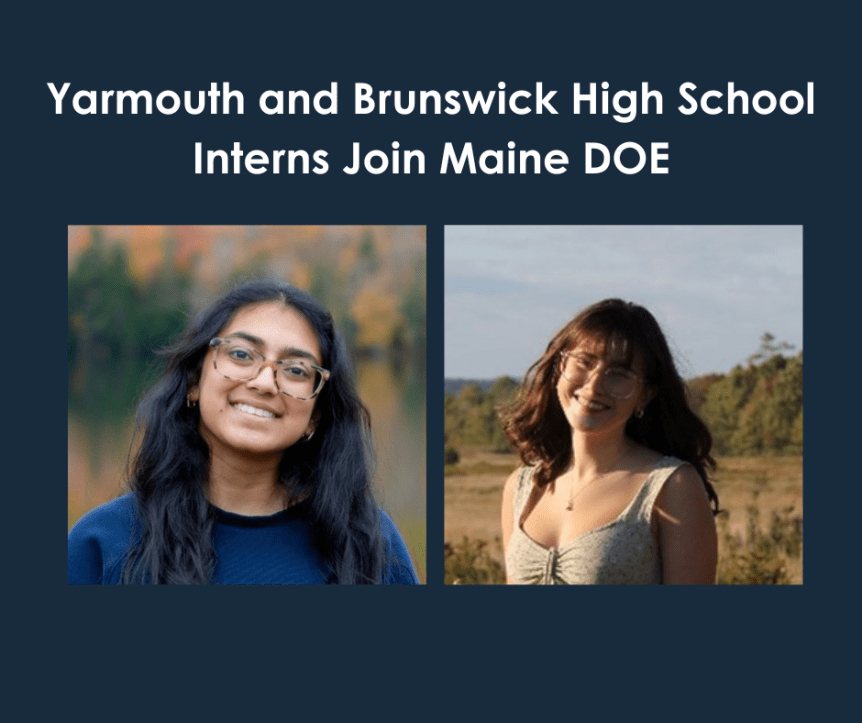
For the first time, the Maine Department of Education Extended Learning Opportunities team is hosting two students to participate in its own extended learning opportunity (ELO). These interns are funded through the Maine Career Exploration Program, and both are earning credit at their respective schools. They will be helping the Maine DOE to spread the good news of exciting developments in ELOs throughout the state, honing their communication and writing skills, and learning about their local state government.

Vagni Das is a junior at Yarmouth High School. She was born in India and has lived in Maine for seven years and in America for 15. In school, Vagni especially likes learning about history and science. Apart from her regular courses, she enjoys doing theater, Model UN, and debate. In her free time, she loves watching movies and singing. Vagni is so excited to be working at the Maine DOE as an intern/ELO student!

Olivia Haralson, a senior at Brunswick High School, will be attending New York University in the fall to major in Film and Television. She is excited to write articles through the Maine DOE about ELO programs at high schools statewide. In her free time, Olivia enjoys filmmaking, thrifting, and writing.


As part of their internship, Vagni and Olivia are starting a collaborative project: producing an ELO “storybook” that will feature student profiles and serve as a resource for those interested in seeing the diverse ELO opportunities that students have completed throughout the state. Vagni and Olivia are inviting any school, ELO Coordinator, and other ELO students to share their ELO experience via this short survey.

Vagni and Olivia are also working on independent projects.  For example, Vagni and Olivia—both from Midcoast Maine—wrote articles about ELO programs in Washington County, shining a light on the powerful ELO work happening in rural regions. In late May, Olivia will practice her filming and interviewing skills at Vagni’s high school ELO showcase, featuring the work of Yarmouth High School’s ELO students. Last month, Vagni participated in the Maine DOE’s Inclusive Education Conference at the Augusta Civic Center

Vagni Das visits the Hall of Flags at the Statehouse

To learn more about ELOs, or for questions regarding the ELO storybook, please contact Lana Sawyer at lana.sawyer@maine.gov. To learn more about implementing a paid, meaningful work opportunity through the Maine Career Exploration Program, please contact Karen Morin at karen.morin@maine.gov.

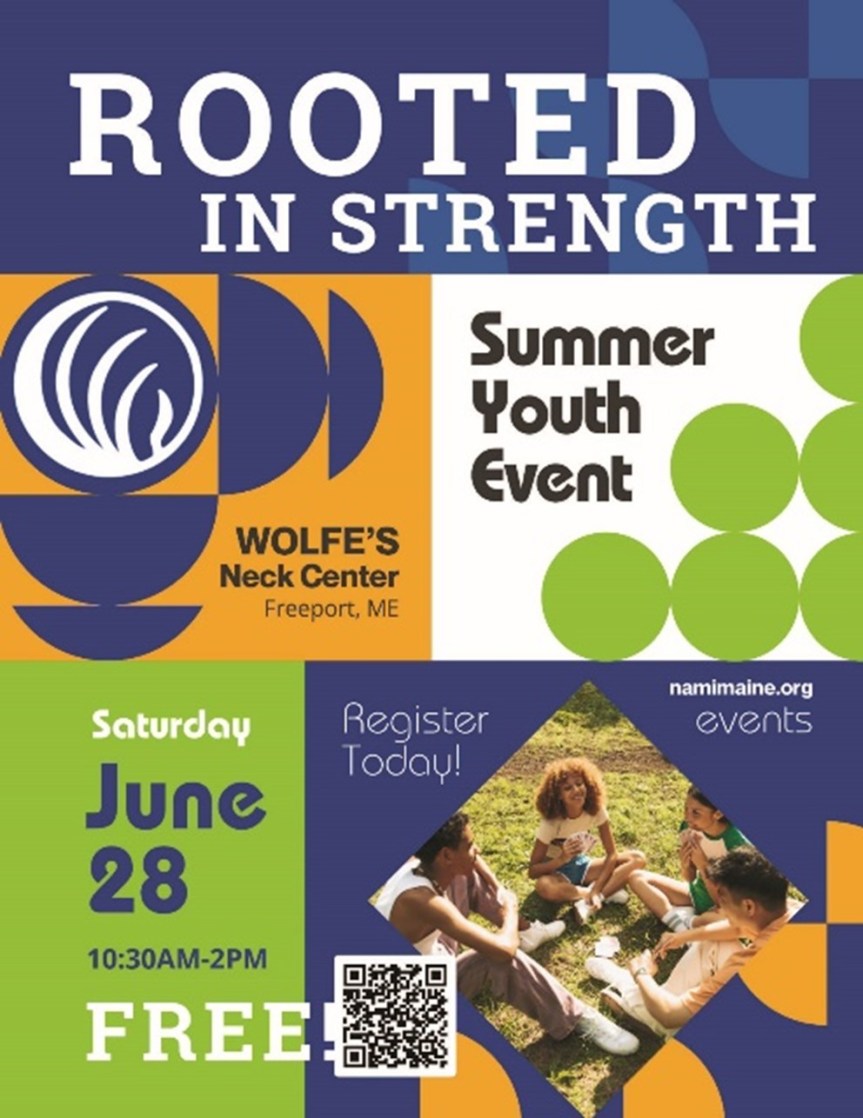
Youth Mental Health Event in June: “Rooted in Strength”

The Maine Center for Disease Control and Prevention (CDC) is partnering with NAMI Maine to promote youth mental health through programs like Sources of Strength, an evidence-based suicide prevention program being implemented in schools across Maine.

This year, the work of the Sources of Strength peer leaders will be celebrated at the “Rooted in Strength” event hosted by NAMI Maine. This event will recognize the accomplishments of the Sources of Strength peer leaders who have worked hard to promote mental health awareness and create safe, supportive spaces for students. Though centered around Sources of Strength peer leaders, this event is open to any students who are passionate about mental health and creating change in their communities.

Date: Saturday, June 28, 2025
Time: 10:30 a.m. – 2 p.m.
Location: Wolfe’s Neck Center in Freeport

Please help spread the word about this free event! Families are welcome to join in on the fun. While teenagers engage in activities, families—including younger and older siblings—can participate or explore the beautiful grounds of Wolfe’s Neck Center.

There will be games, lunch (that the NAMI Maine team is grilling!), and even some friendly sheep to meet!

To learn more, view the agenda, and to register, please visit NAMI Maine’s event page or check out the event flyer and details here.

Maine Curriculum Leaders Association Names Julie Riordan as 2025 Instructional Coach of the Year

The Maine Curriculum Leaders Association (MCLA) has announced that Julie Riordan is the 2025 Instructional Coach of the Year. Instructional coaches are instrumental in elevating teaching and learning across our state, and Riordan exemplifies the very best of this vital role.

As the Middle School Instructional Coach for the Westbrook School Department, Julie has made a profound and lasting impact on student learning and educator development.

Through her leadership, Julie has designed and implemented research-based reading and math intervention programs that are rooted in data-driven decision-making. Her work has resulted in measurable improvements in student outcomes and reflects her unwavering commitment to instructional excellence.

Julie is widely respected for her ability to build strong, trusting relationships with educators. She leads professional learning communities where teachers feel supported, inspired, and empowered to grow in their practice. Her collaborative work with administrators, curriculum teams, and school committee members has helped to create a cohesive and forward-thinking vision for the district.

In all that she does, Julie is a passionate advocate for equity, cultural responsiveness, and restorative practices, ensuring that every student has access to inclusive and effective learning environments. MCLA is thrilled to recognize Julie Riordan for her outstanding contributions and leadership.

MCLA is a statewide collaborative that focuses on high-quality learning and teaching for all Maine students. MCLA promotes equity and meaningful learning through research, information dissemination, advocacy, networking, and professional learning. To learn more about MCLA and its awards, visit the MCLA website or reach out to information@mainecla.org.

Maine Curriculum Leaders Association Names Shanna Crofton 2025 Curriculum Leader of The Year

The Maine Curriculum Leaders Association (MCLA) is proud to announce that Shanna Crofton, Director of Teaching and Learning for the Yarmouth School Department, has been named the 2025 Curriculum Leader of the Year.

Shanna is a visionary, student-centered leader whose commitment to educational excellence has had a lasting impact on students, educators, and the wider community. Her leadership has been instrumental in the creation and expansion of Yarmouth’s public pre-K programs, including the recent launch of a full-day offering—helping to ensure that the district’s youngest learners have access to high-quality early education. Under her guidance, the Yarmouth School Department has implemented a rigorous pre-K–12 curriculum review process that is both transparent and inclusive. By actively engaging teachers, administrators, and community members, Shanna has helped to build a shared vision for student learning that is rooted in collaboration and continuous improvement.

Beyond her district, Shanna is a regional leader and active voice in education. She contributes to broader educational efforts through her work with the Southern Maine Regional Service Center and serves on the Advisory Board for the University of Southern Maine’s Educational Leadership Program, helping to shape the next generation of school leaders.

MCLA is honored to recognize Shanna for her outstanding contributions to curriculum leadership, her unwavering dedication to students, and her commitment to fostering collaborative, high-quality educational practices. Congratulations, Shanna, on being named the 2025 MCLA Curriculum Leader of the Year!

MCLA is a statewide collaborative that focuses on high-quality learning and teaching for all Maine students. MCLA promotes equity and meaningful learning through research, information dissemination, advocacy, networking, and professional learning. To learn more about MCLA and its awards, visit: the MCLA website or reach out to information@mainecla.org.